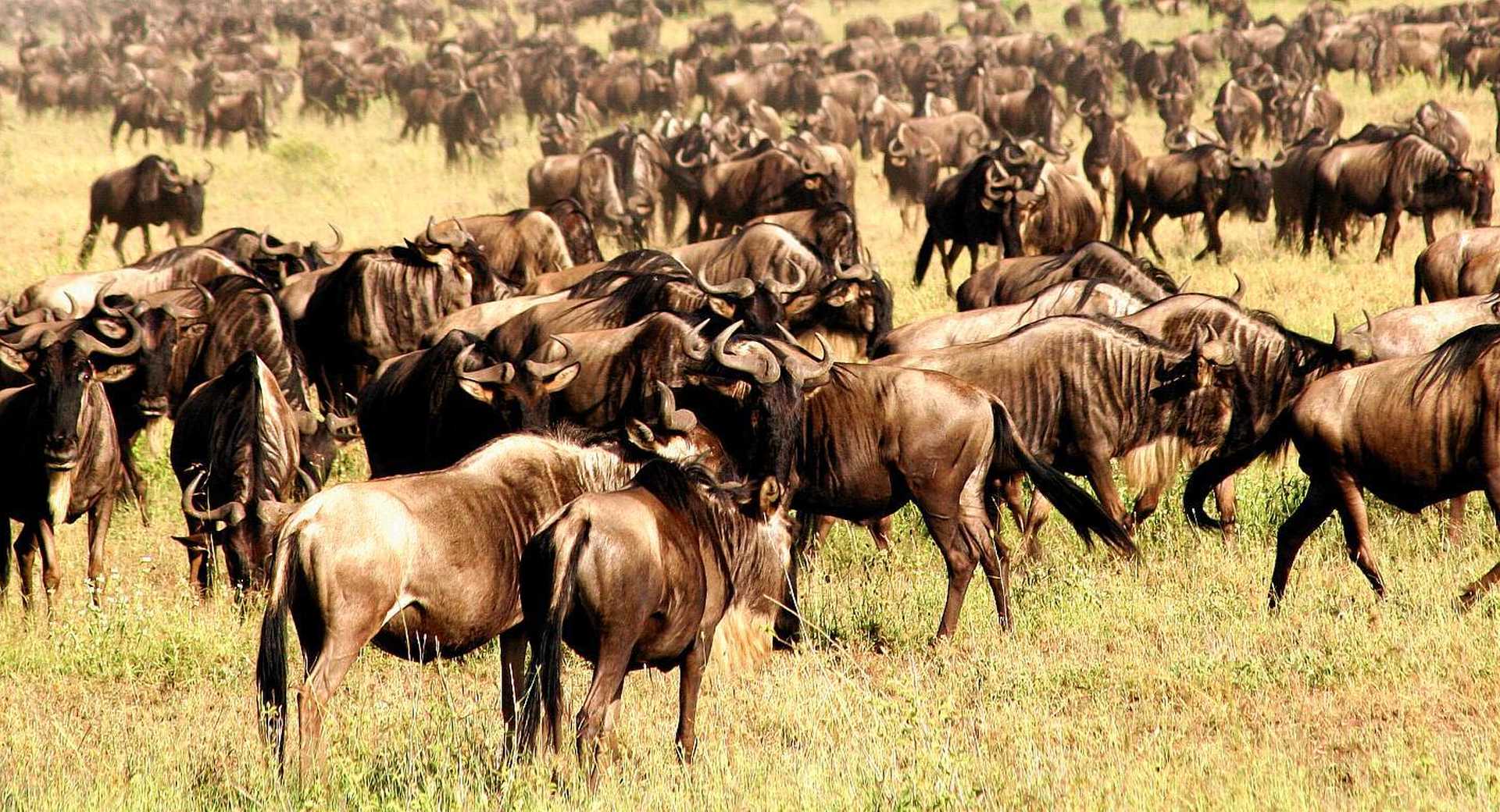
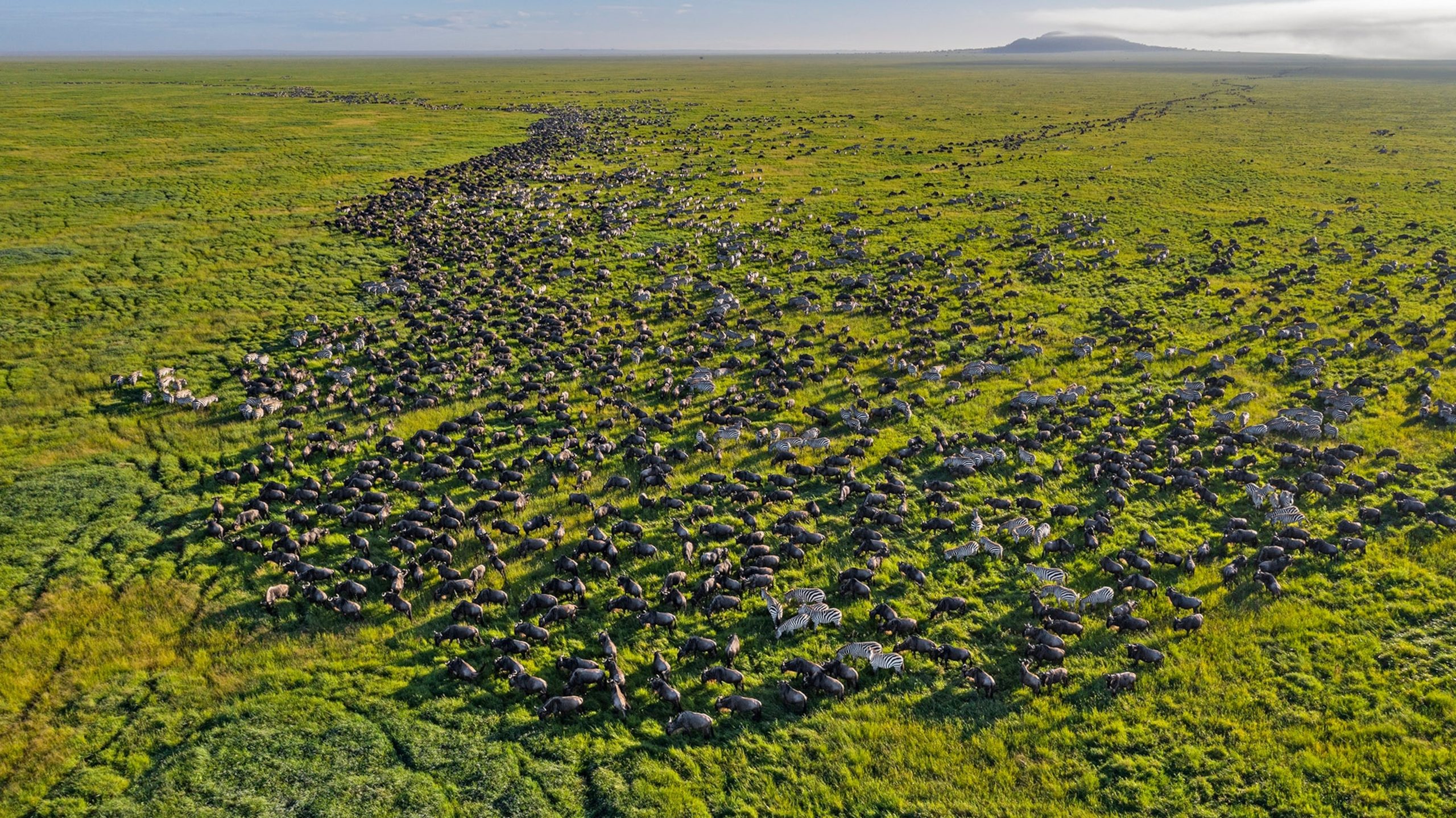
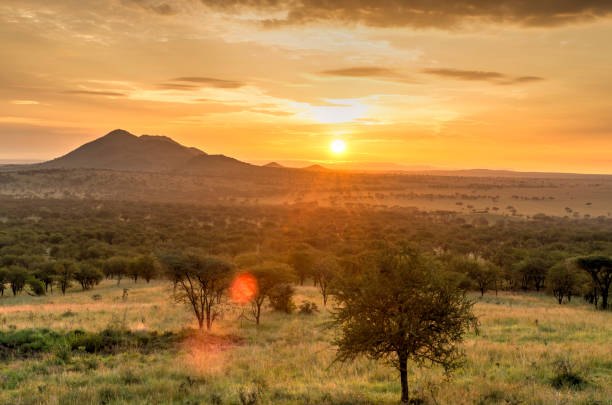
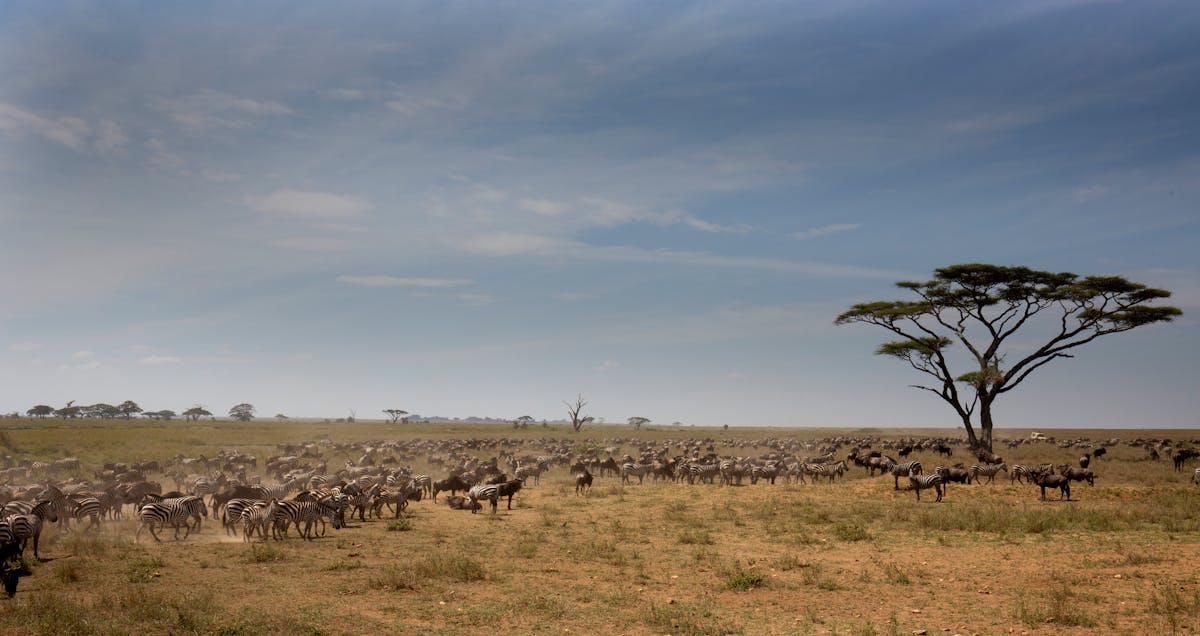
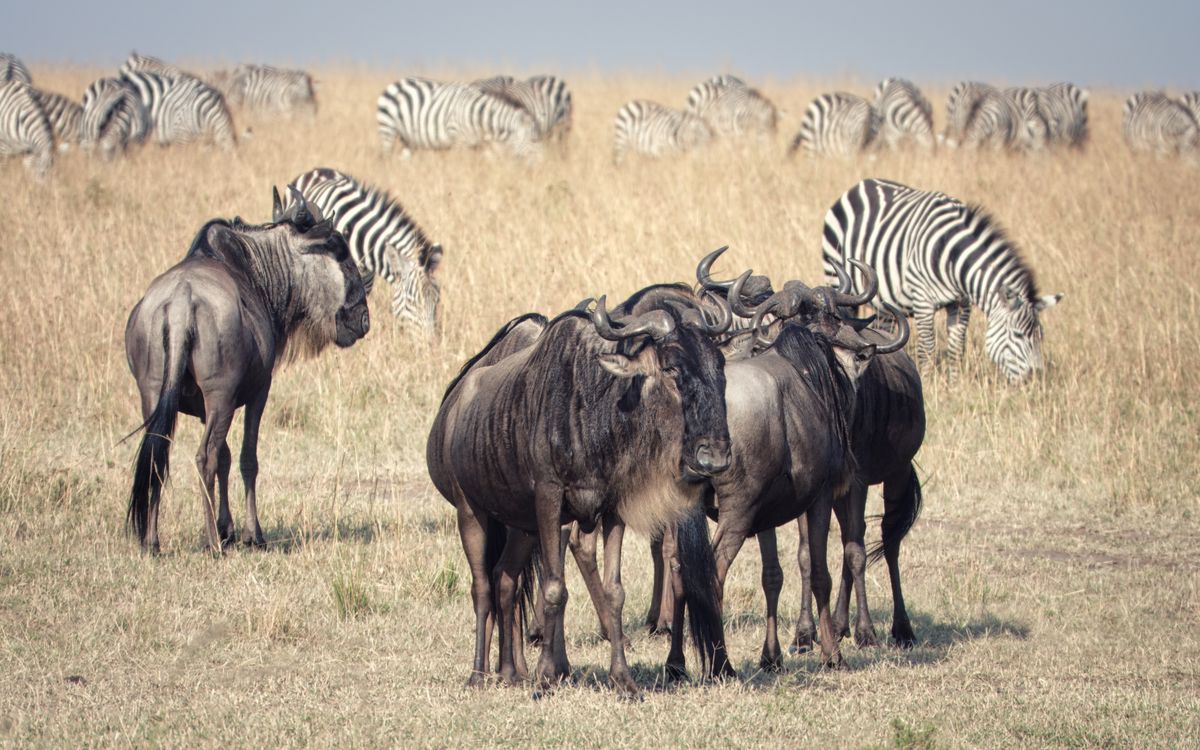
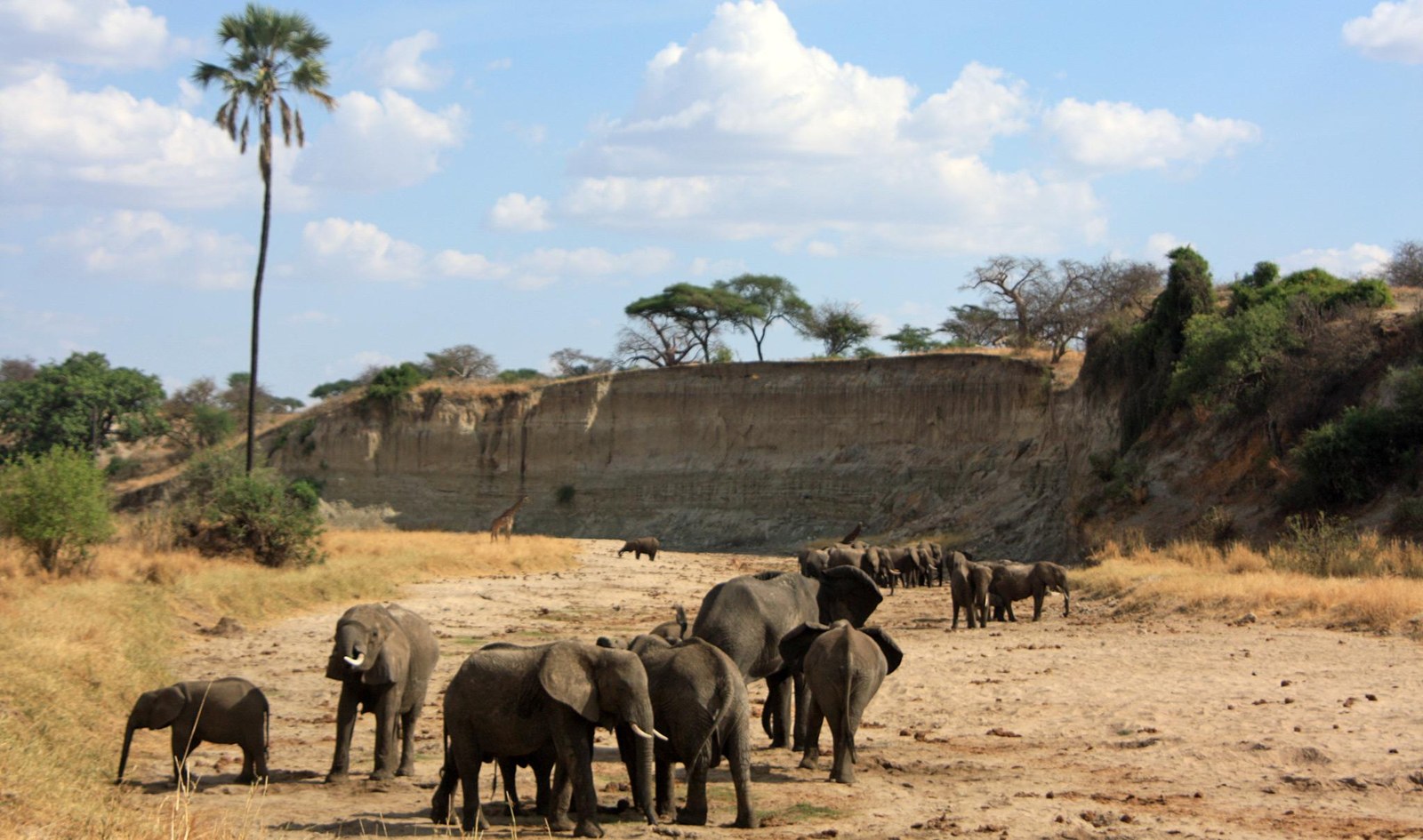
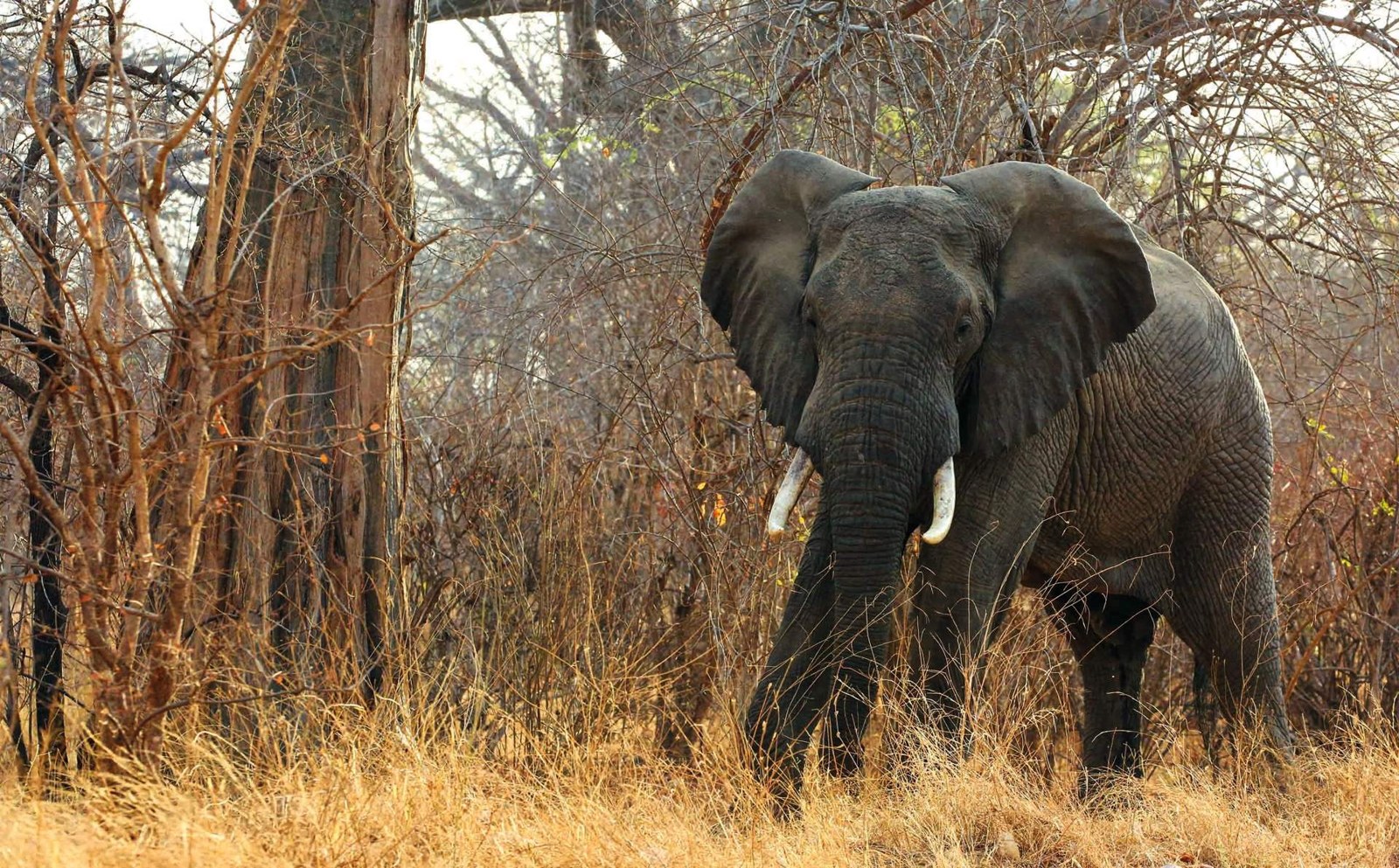
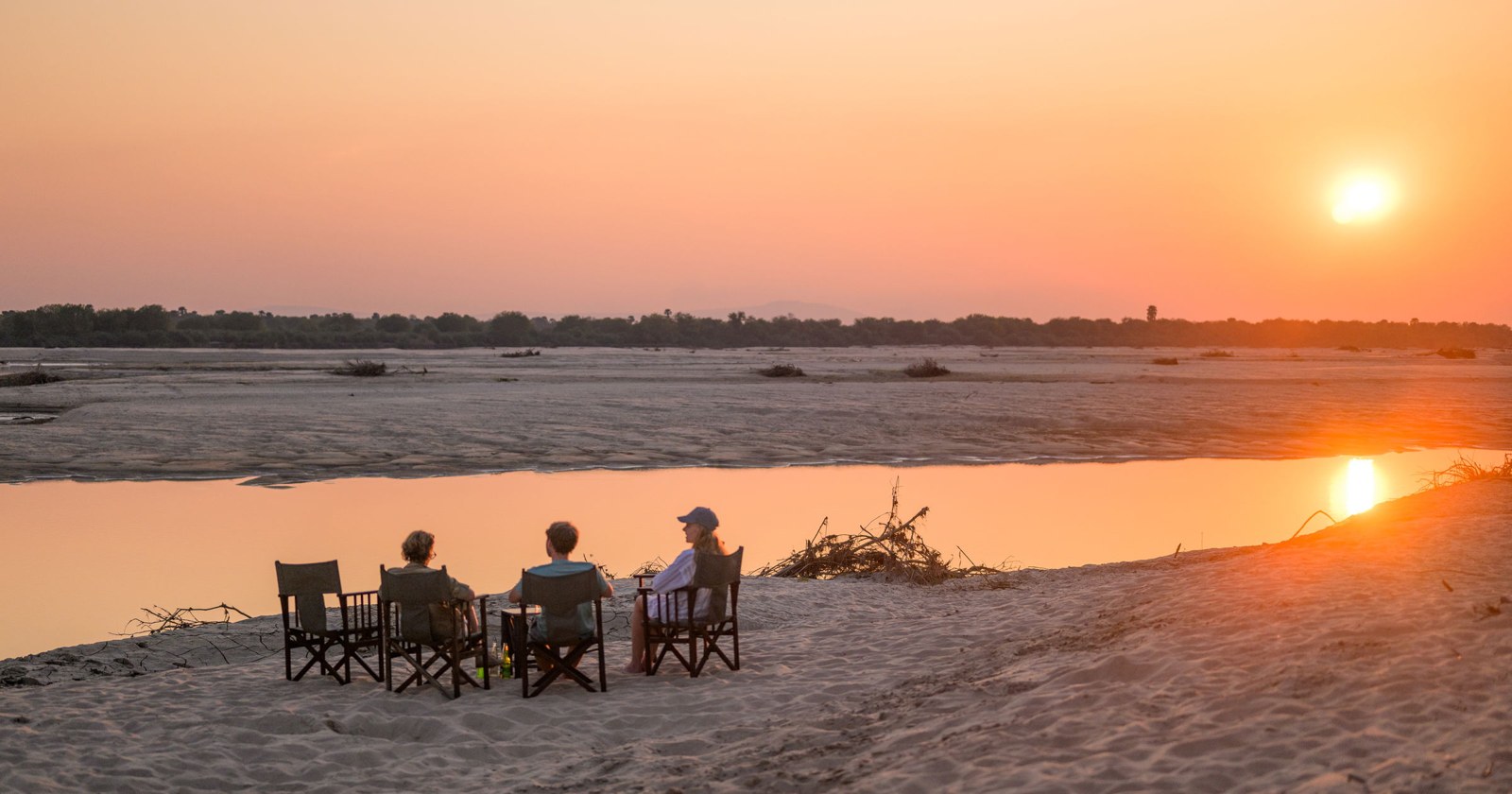
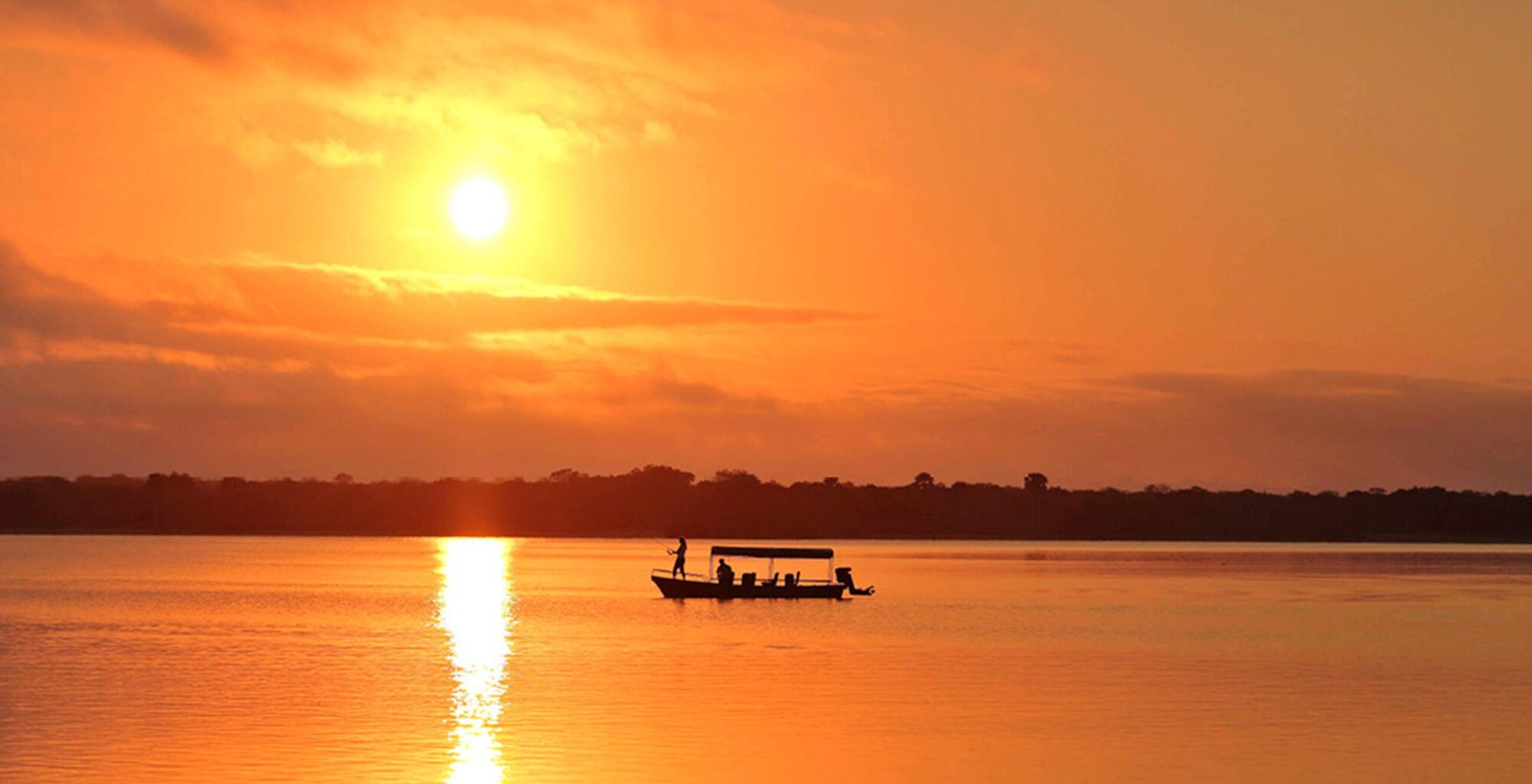
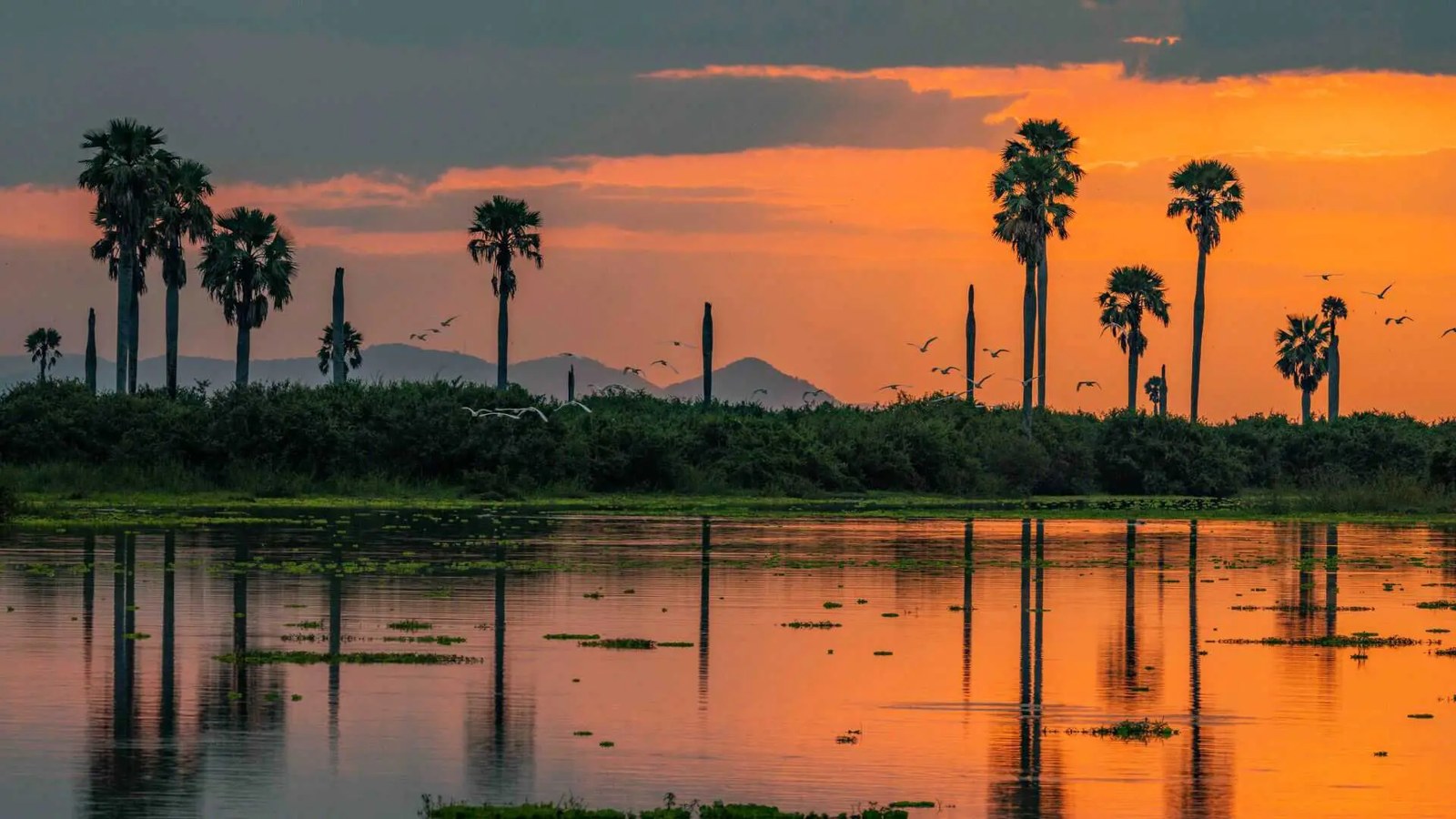
Tanzania protects approximately 38% of its land area for conservation—one of the highest proportions of any nation on Earth. The Serengeti ecosystem, shared with Kenya's Masai Mara, is recognised as a UNESCO World Heritage Site and the most important intact large-mammal ecosystem remaining on the planet.
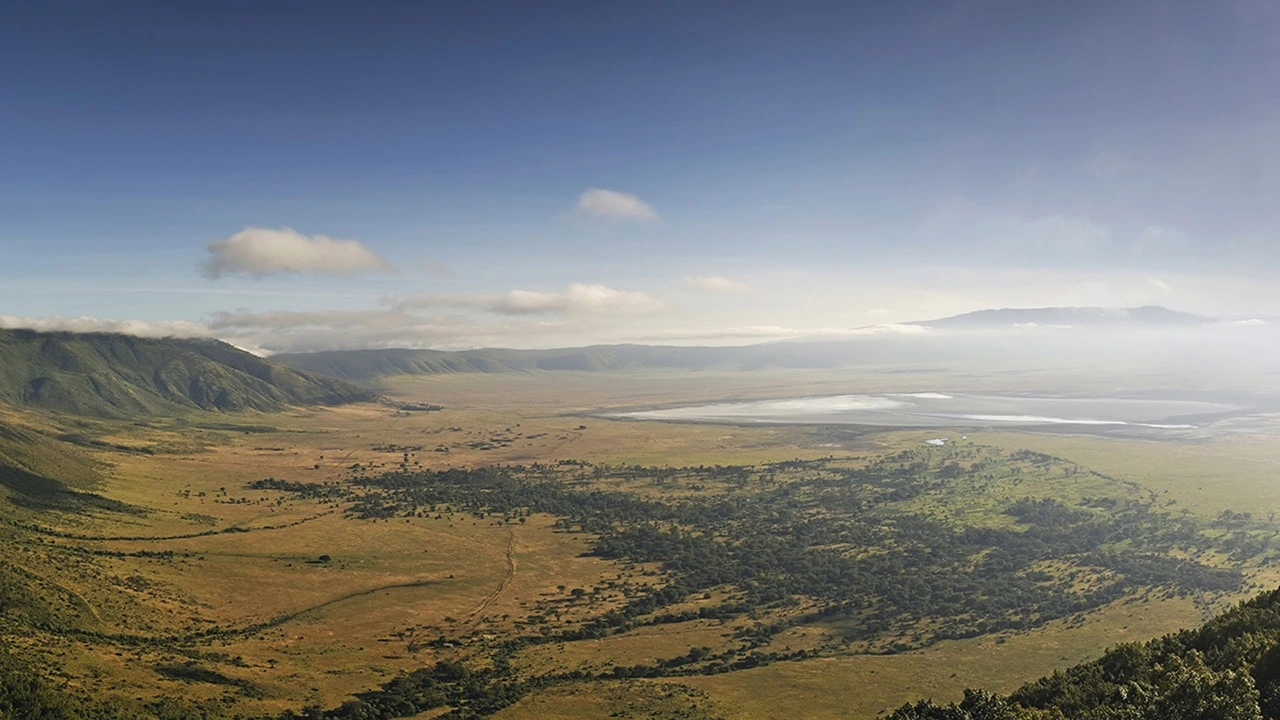
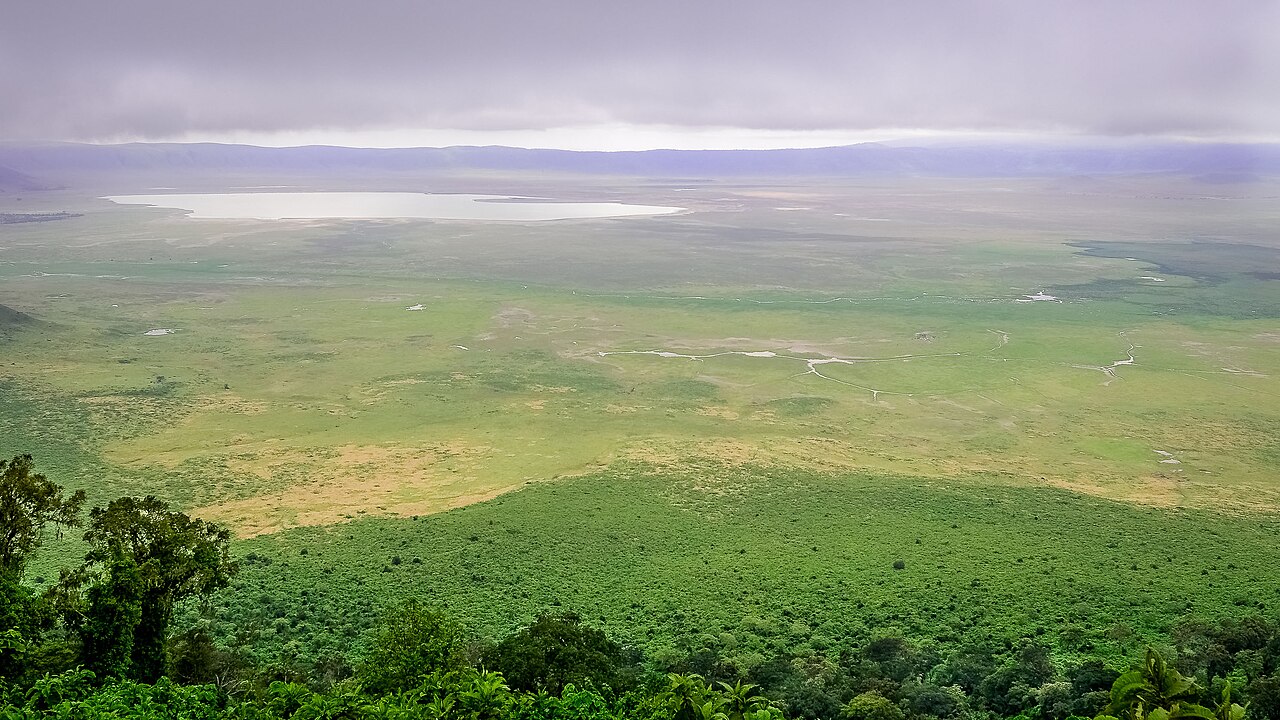
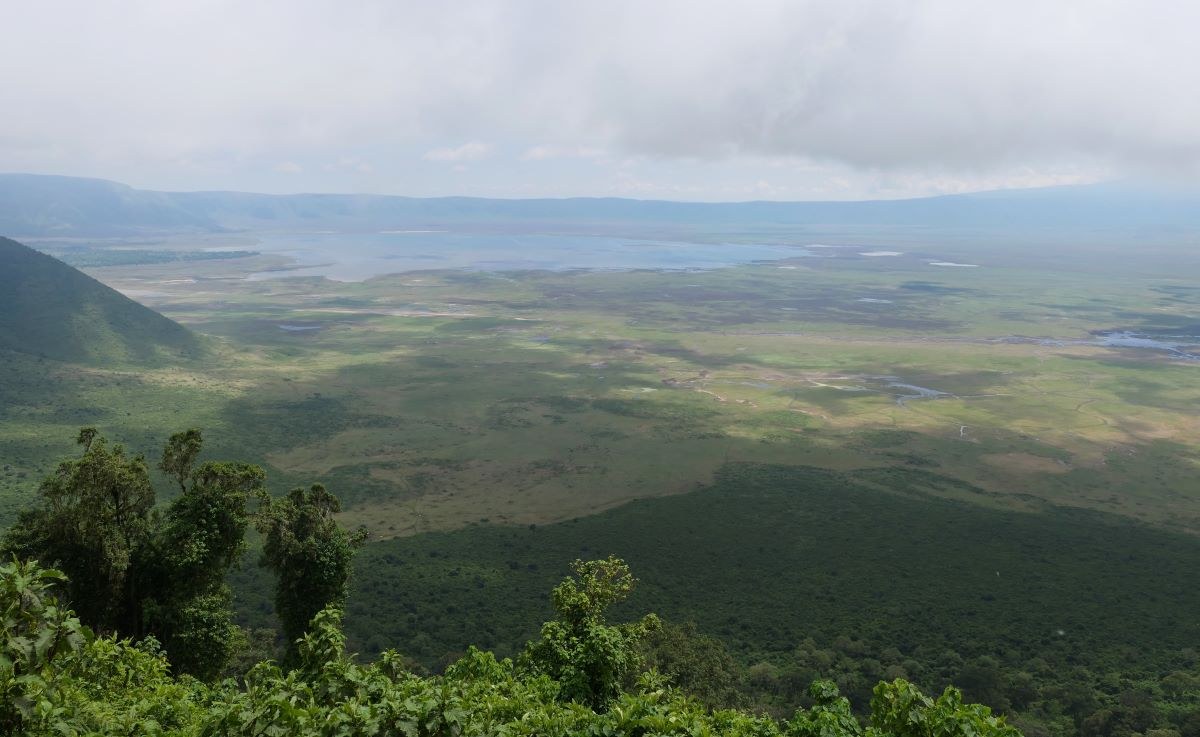
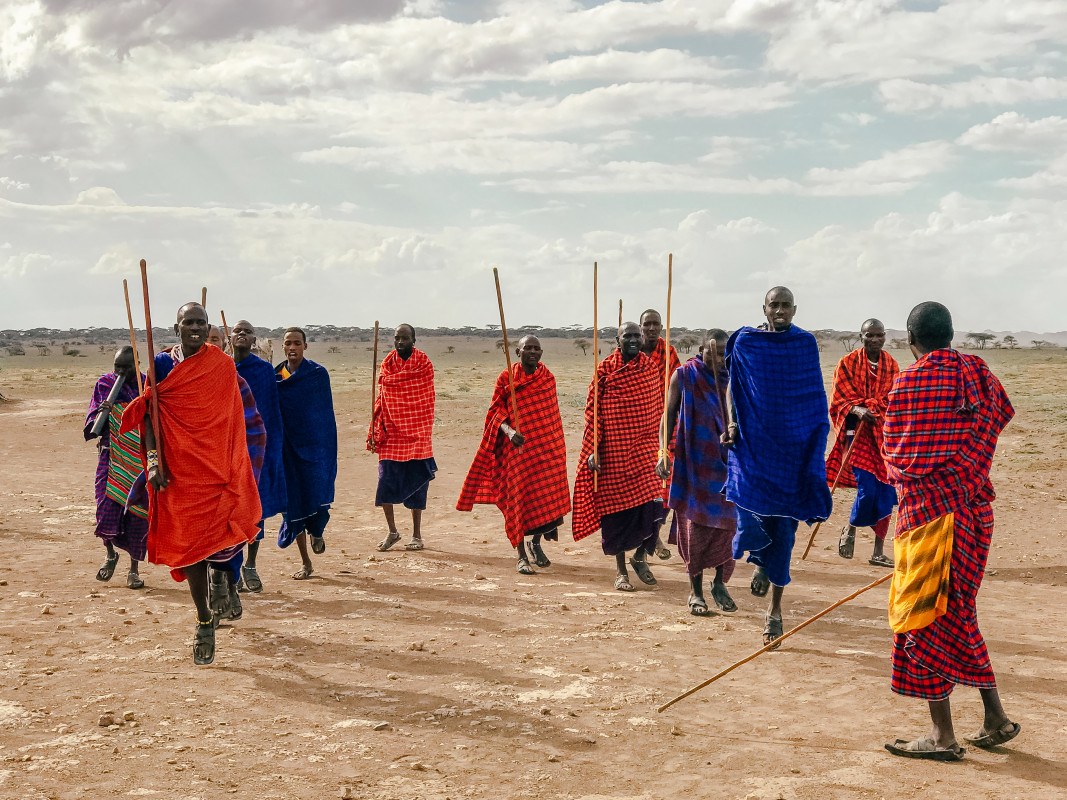
The Ngorongoro Conservation Area is a pioneering example of multi-use land management, where Maasai pastoralists and their livestock coexist with wildlife within the crater's boundaries. This model—imperfect but innovative—demonstrates that human communities and wildlife can share landscapes when governance structures are thoughtfully designed.
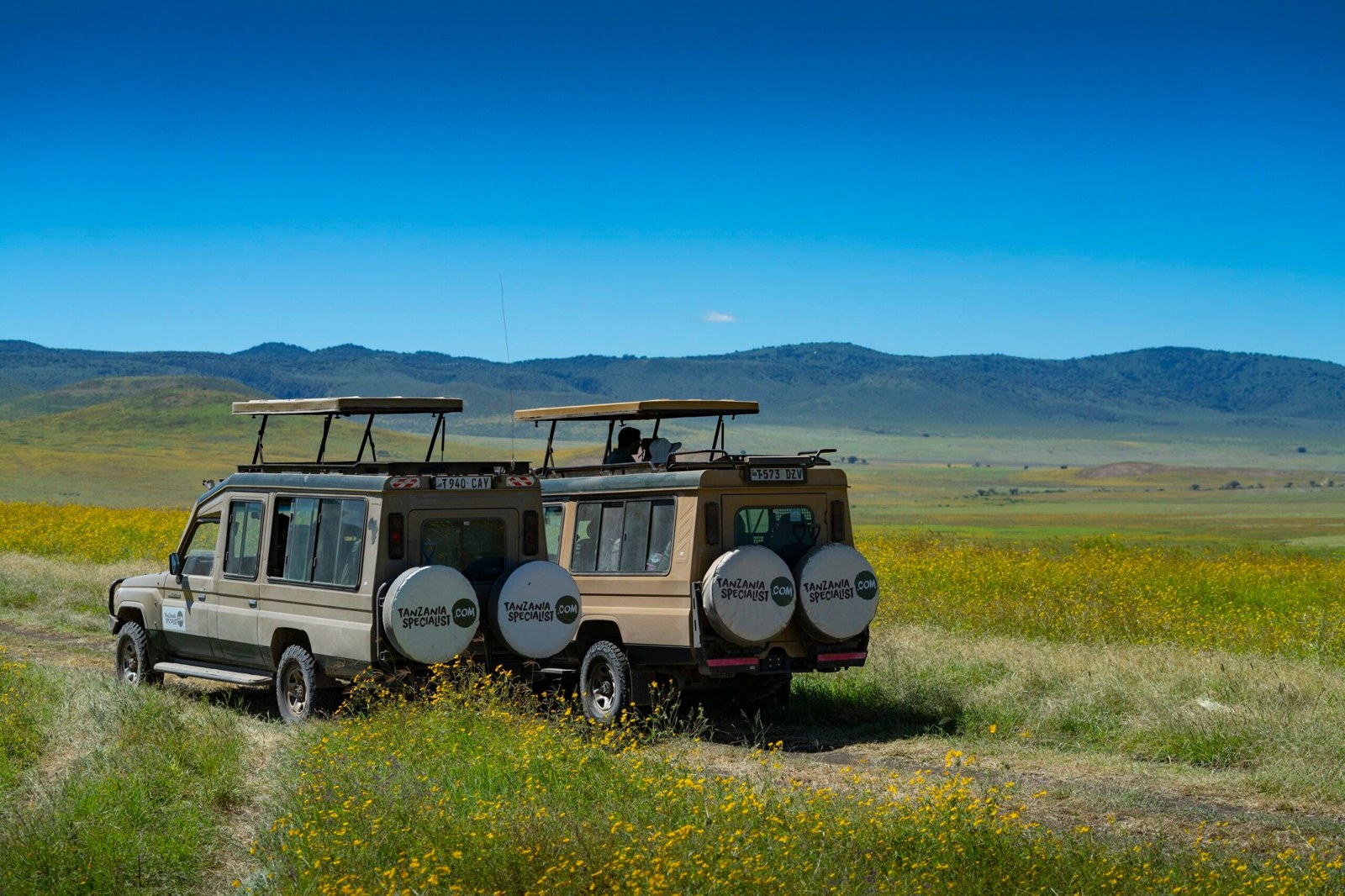
Our Tanzania safaris support conservation through partnerships with lodges and operators who invest directly in anti-poaching efforts, community education, and habitat restoration. The Frankfurt Zoological Society's Serengeti Conservation Project, the Grumeti Fund, and the Ruaha Carnivore Project are among the initiatives that benefit from tourism revenue contributed by our clients.