Key Takeaways
- Cape Cross hosts one of the largest Cape fur seal colonies on Earth — hundreds of thousands at its peak
- It lies on the Skeleton Coast, where the Namib Desert meets the cold, fog-bound Atlantic
- The site is also historic: Portuguese navigator Diogo Cão raised a stone cross (padrão) here in 1486
- The colony is most spectacular from late October to December, during the pupping season
- Easily visited on a day trip from Swakopmund, or as part of a wilder Skeleton Coast journey
- Combine with the Skeleton Coast's shipwrecks, dunes and desert-adapted wildlife
Cape Cross: A Wildlife Spectacle Like No Other
Long before you see the seals, you smell and hear them. The pungent, unmistakable reek of the colony carries on the cold Atlantic wind, and beneath it rises a wall of sound — a ceaseless, cacophonous chorus of barks, bleats, growls and the high calls of pups searching for their mothers. And then you crest the rise and the shore opens out before you: a heaving, shifting carpet of Cape fur seals, tens and at times hundreds of thousands of them, packed along the beach and rocks as far as the eye can see. It is one of the most overwhelming wildlife spectacles anywhere on Earth.
The Cape Cross Seal Reserve, on the Skeleton Coast some 120 kilometres north of Swakopmund, protects one of the largest breeding colonies of Cape fur seals in the world. The seals are drawn here by the cold, nutrient-rich Benguela Current, which wells up along the Namibian coast and supports vast shoals of fish. A boardwalk allows visitors to walk out among the throng at close quarters — near enough to watch the endless dramas of colony life unfold: bulls defending their territories, mothers nursing their pups, youngsters tumbling in the shallows, and the constant, restless motion of a population beyond counting.
The Cape Fur Seals: Life in the Colony
The Cape fur seal is the largest of the fur seals, and the Cape Cross colony offers an intimate window into its life. The great bulls, which can weigh over 300 kilograms, haul out first to establish and defend breeding territories through displays and often ferocious clashes. The females arrive to give birth and to mate again soon after, and the beach becomes a nursery of thousands of jet-black pups. The sound of the colony is largely the sound of mothers and pups calling to one another — each able to recognise the other's voice amid the deafening throng, a feat that seems impossible until you witness it.
Life here is not gentle. The colony is a place of raw natural drama: territorial fights, the ceaseless struggle of pups to survive, and the attentions of predators. Black-backed jackals patrol the fringes, and brown hyena — the ghostly, desert-adapted scavengers of this coast — come at night to take weak or dead pups. Offshore, sharks and the cold current shape the seals' fortunes. To visit Cape Cross is to see nature at full volume and without sentiment, an ecosystem of astonishing density and energy on one of the loneliest shores on the planet.
History: The Padrão of Diogo Cão
Cape Cross is not only a wildlife site; it is one of the oldest recorded European landfalls in southern Africa. In 1486 the Portuguese navigator Diogo Cão, pushing south along the coast in the service of his king, landed here and raised a padrão — a stone cross carved with the arms of Portugal — to mark the spot and claim it for the crown. It was among the furthest points reached by Portuguese explorers at the time, and the cross gave the place its name. The original was later removed to a museum in Germany, and replicas now stand on the windswept headland, a poignant reminder of the age of exploration on this most desolate of coasts.
Standing beside the padrão, with the freezing surf pounding the shore and the endless barking of the seals on the wind, it is easy to imagine the awe and dread of those early mariners. This coast was, to them, the very edge of the known world — a place of fog, treacherous currents and no fresh water, where a shipwreck meant almost certain death in the desert beyond. That history gives Cape Cross a resonance beyond its wildlife: it is a place where human ambition brushed against one of the harshest environments on Earth, and left only a cross of stone to mark the meeting.
When to Go: Seasons and the Pupping Spectacle
The colony is present year-round — Cape fur seals do not migrate away — so there is always a spectacle to witness. However, the colony is at its most dramatic and populous from late October to December, the pupping season, when the females gather in their greatest numbers to give birth and the beach fills with newborn pups. This is the peak of the annual drama: the bulls at their most territorial, the air thick with the calls of mothers and young, and the colony swollen to its full, staggering size. It is also, inevitably, the most pungent time to visit.
The coast here has its own distinctive climate, shaped by the cold Benguela Current: frequent morning fog, cool temperatures even in summer, and a raw Atlantic wind. This is not a place of sunny beaches, and that is part of its stark appeal. Dress warmly whatever the season, and be prepared for the smell — it is intense, and there is no avoiding it. A visit of an hour or two is ample to take in the spectacle from the boardwalk, and the drive along the coast to reach it is an experience in itself.
The Skeleton Coast: A Wilderness Beyond
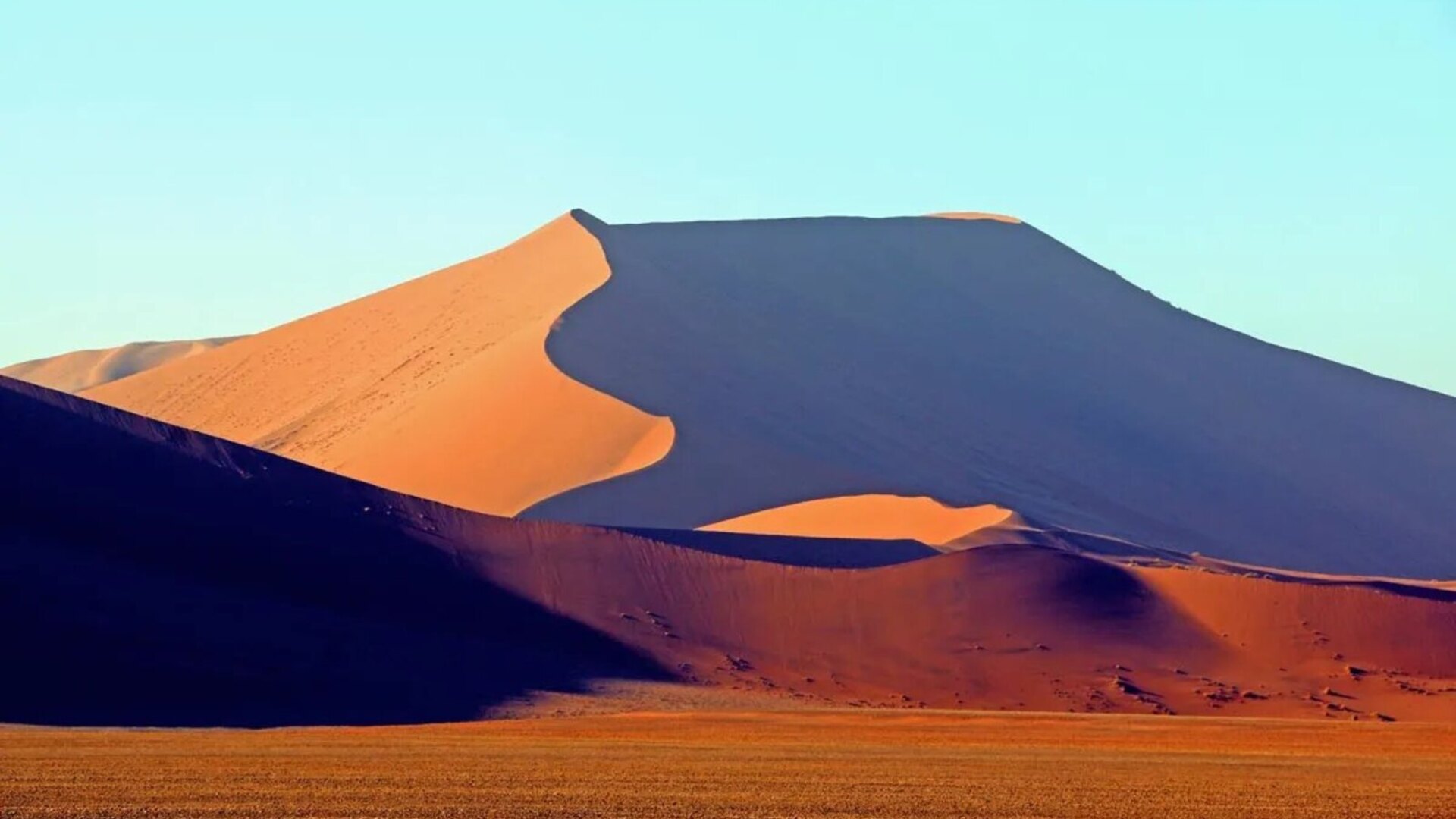
Cape Cross is the gateway to one of the most legendary and forbidding landscapes on Earth: the Skeleton Coast, where the great dunes of the Namib run straight into the icy Atlantic. The name comes from the whale and seal bones that once littered the shore from the whaling era, and from the bleached ribs of the countless ships wrecked on this fog-bound, current-torn coast — many of whose rusting hulks still lie half-buried in the sand, slowly surrendering to the desert. It is a place of profound desolation and eerie beauty, unlike anywhere else in Africa.
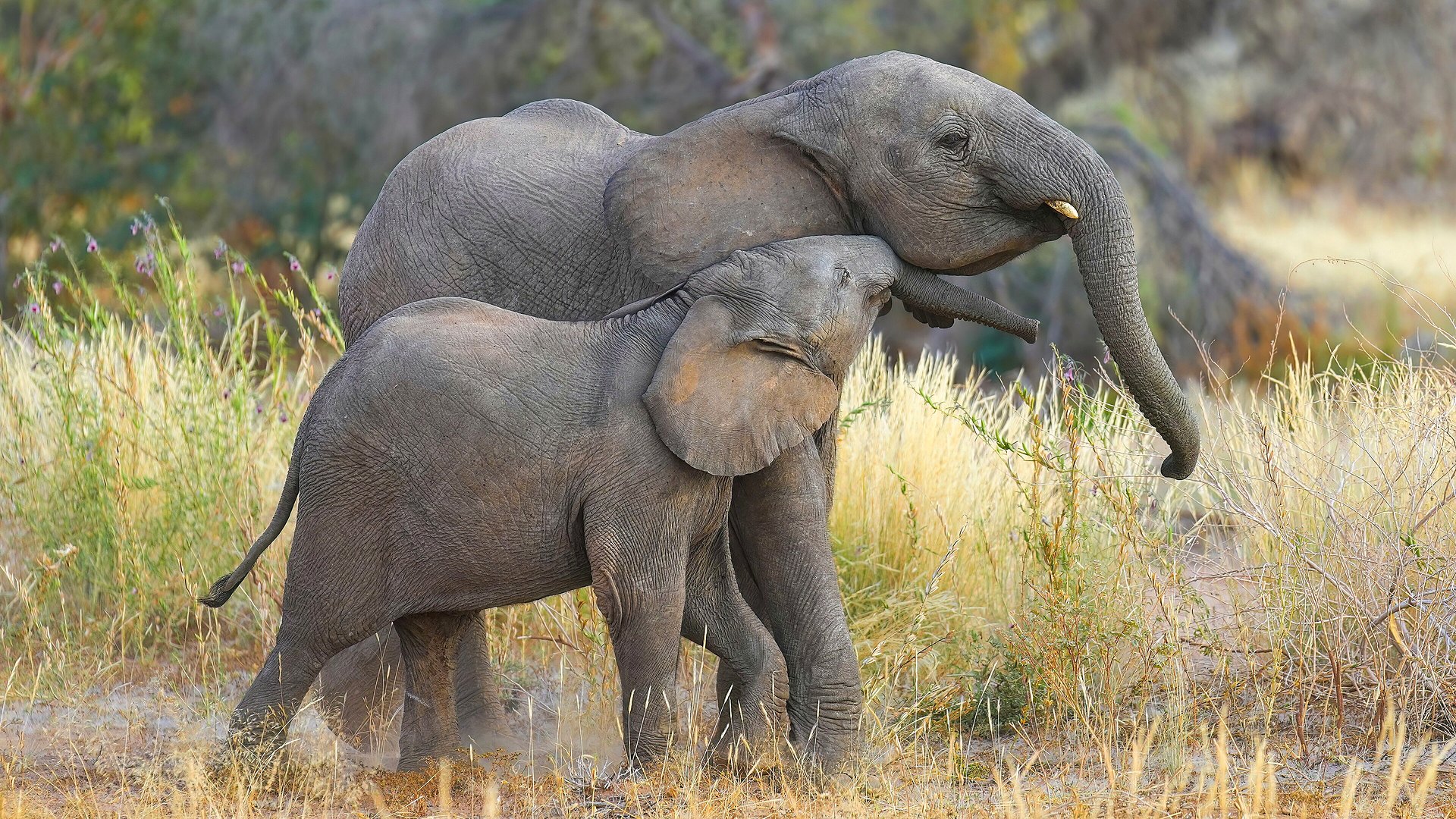
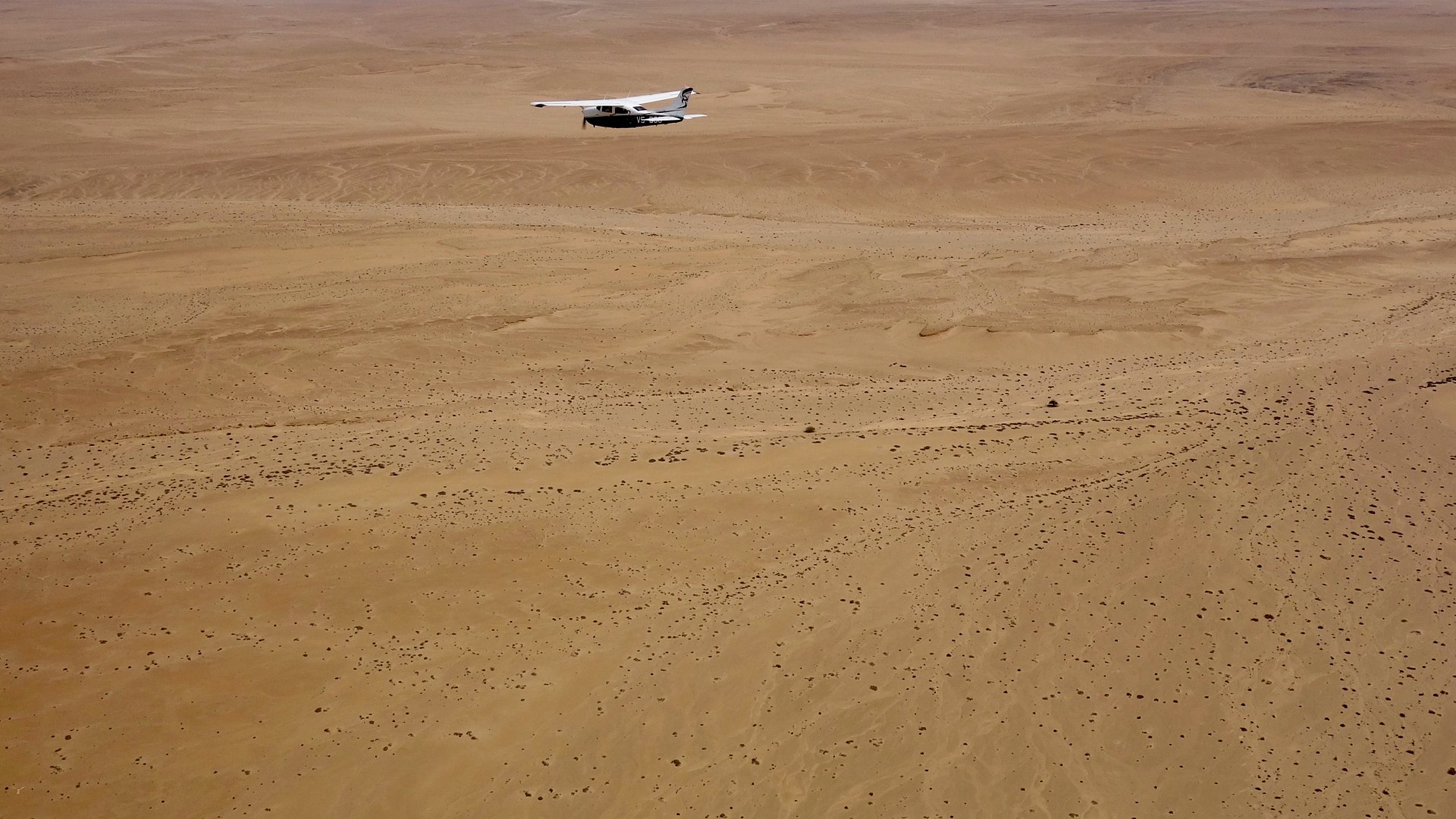
Beyond the shipwrecks and the seals, the Skeleton Coast hides surprising life: desert-adapted elephant and even lion move along the dry riverbeds that reach the sea, brown hyena and jackal scavenge the shore, and the whole coast is threaded with the strange, ephemeral drama of a desert meeting an ocean. The far northern reaches, accessible only by fly-in safari to a handful of remote camps, are among the last true wildernesses on the continent. For those who venture there, the reward is solitude on an almost unimaginable scale. For a closer look at one extraordinary way to experience it, see our review of Shipwreck Lodge on the Skeleton Coast.
Practical Details: Getting There and What to Bring
Cape Cross is most easily visited as a day trip from Swakopmund or Henties Bay, an easy drive of around an hour and a half to two hours along the coast road, with the seal reserve reached via a short entrance track. It can also be woven into a longer journey up the coast or a fly-in safari to the remote northern Skeleton Coast camps. There is a small entrance fee to the reserve, and a boardwalk keeps visitors at a respectful distance from the seals while allowing superb, close viewing and photography.
Dress warmly and windproof — the coast is cold and raw even in summer — and bring a scarf or buff if the smell troubles you. A camera is essential; the sheer scale of the colony and the drama of individual seals make for extraordinary images, and the historic padrão and stark coastline add further interest. Sturdy shoes are useful, and a flask of something hot is welcome on a foggy morning. Combine the visit with the shipwrecks and dunes of the coast, or with the desert wildlife of Damaraland inland, for a rounded taste of Namibia's wild Atlantic edge.
We arrange Skeleton Coast journeys of every kind — from a polished day trip to Cape Cross out of Swakopmund to full fly-in expeditions into the remote northern wilderness of shipwrecks, dunes and desert-adapted wildlife. Tell us your dates and we will take you to the shore where the desert meets the cold Atlantic.
Private Tours Cape Town designs Skeleton Coast safaris around the Cape Cross seal colony, pairing one of Earth's greatest wildlife spectacles with the shipwrecks, dunes and desert wilderness of Namibia's wild Atlantic coast.