Key Takeaways
- Desert-adapted elephants are among the very few elephant populations on Earth that thrive in true desert
- They live along the ephemeral (seasonal) rivers of Damaraland and the Kunene in northwest Namibia
- They walk enormous distances between water sources and have adapted in remarkable ways to survive
- Tracking them along the dry riverbeds, framed by desert mountains, is one of Africa's most cinematic safaris
- The best base camps sit on the Huab, Hoanib and Hoarusib rivers; May to October is ideal
- Pair with black rhino tracking, Twyfelfontein rock art and the Skeleton Coast
Elephants of the Desert: A Wonder of Adaptation
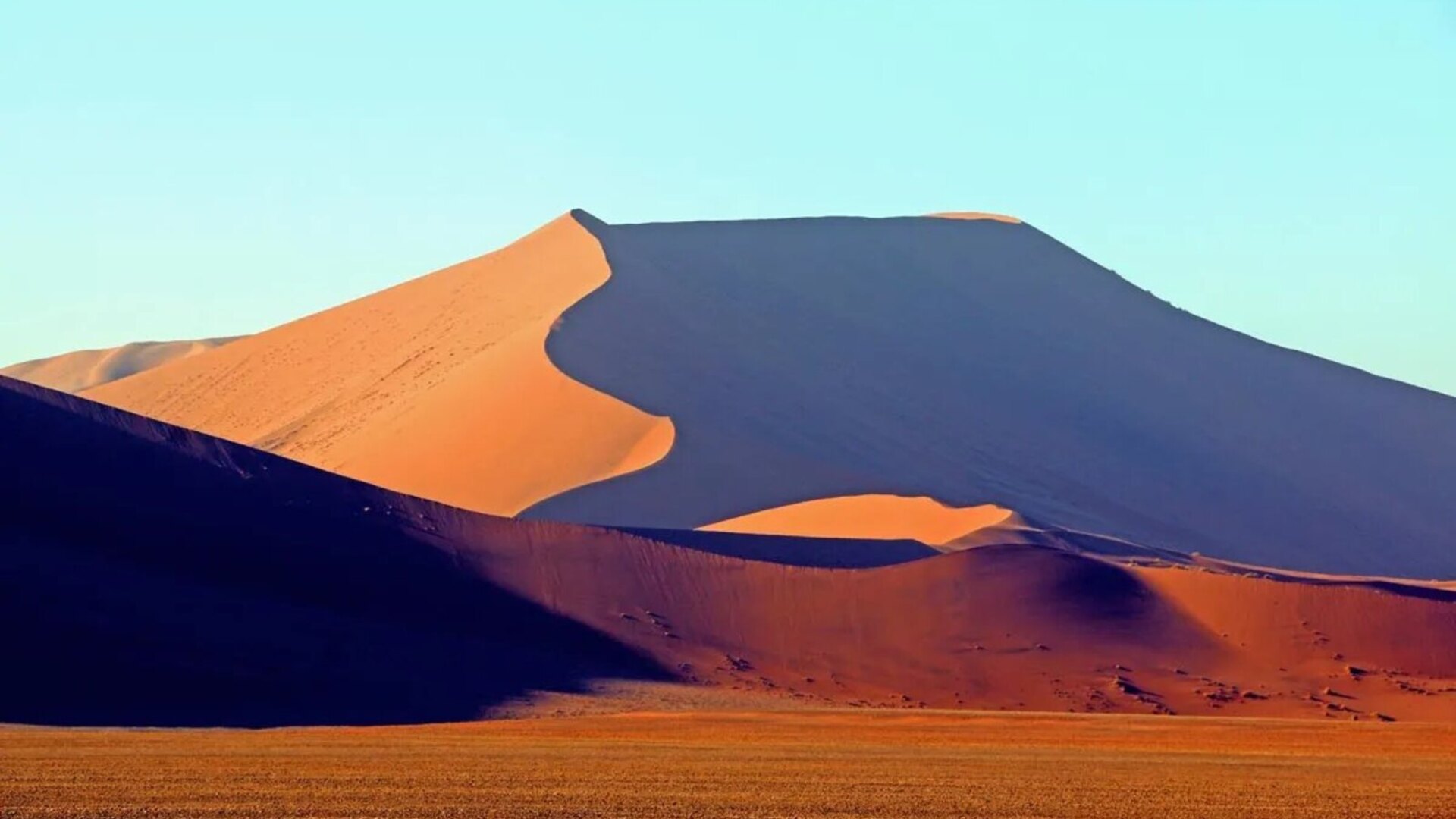
Elephants are creatures we associate with water and abundance — the great herds of the Chobe, the swamps of the Okavango, the green woodlands of the savanna. So the first sight of an elephant picking its way across a sea of pale sand, framed by burnt-red mountains and a sky empty of cloud, is genuinely startling. These are Namibia's desert-adapted elephants, and they are among the most remarkable large mammals on the planet: African elephants that have learned to survive, and even flourish, in one of the driest inhabited landscapes on Earth.
They are not a distinct species or subspecies — genetically they are African savanna elephants — but generations of life in the desert have shaped their behaviour and even their bodies. They range over vast home territories, far larger than those of their well-watered cousins, walking as much as seventy kilometres in a single day between scattered waterholes. They have learned to survive on the sparse vegetation of the dry riverbeds, to remember the location of every water source across an enormous landscape, and to travel in small, efficient family groups that tread lightly on a fragile environment. Watching them is to watch intelligence and memory written across the desert itself.
How They Survive: The Science of the Desert Elephant
The survival of an elephant in the Namib is a masterclass in adaptation. Water is everything, and these elephants have an extraordinary mental map of where to find it — permanent springs, hand-dug wells, natural seeps in the sand — often many days' walk apart. When surface water fails, they dig with their trunks and feet into the dry riverbeds to reach the moisture below, creating wells that other desert animals then use too. They can go for several days without drinking, far longer than a savanna elephant, and they waste nothing: they feed slowly and selectively, and they rest through the worst of the midday heat.
Physically, too, subtle differences show. Many observers note that desert elephants appear to have slightly longer legs and broader feet, which help them cross soft sand and cover the great distances their lifestyle demands, and they tend to have smaller family groups and lower reproductive rates, tuned to the scarcity of their world. They move with a measured, energy-conserving gait, and they show a striking gentleness with their environment — knocking far fewer trees and travelling in single file along established paths. It is survival stripped to its essentials, and it lends every sighting a quiet grandeur.
The Experience: Tracking Elephants Along the Dry Rivers
Finding desert elephants is a safari unlike any other. Your guide follows the ephemeral rivers — the Huab, the Hoanib, the Hoarusib — whose dry, sandy courses are lined with the hardy trees and shrubs that sustain the elephants and act as green ribbons of life threading through the desert. You read the signs as you go: fresh dung, broken branches, the great rounded footprints pressed into the sand. Because the elephants follow the rivers, and because guides know their movements intimately, sightings are often superb, and the setting is beyond cinematic.
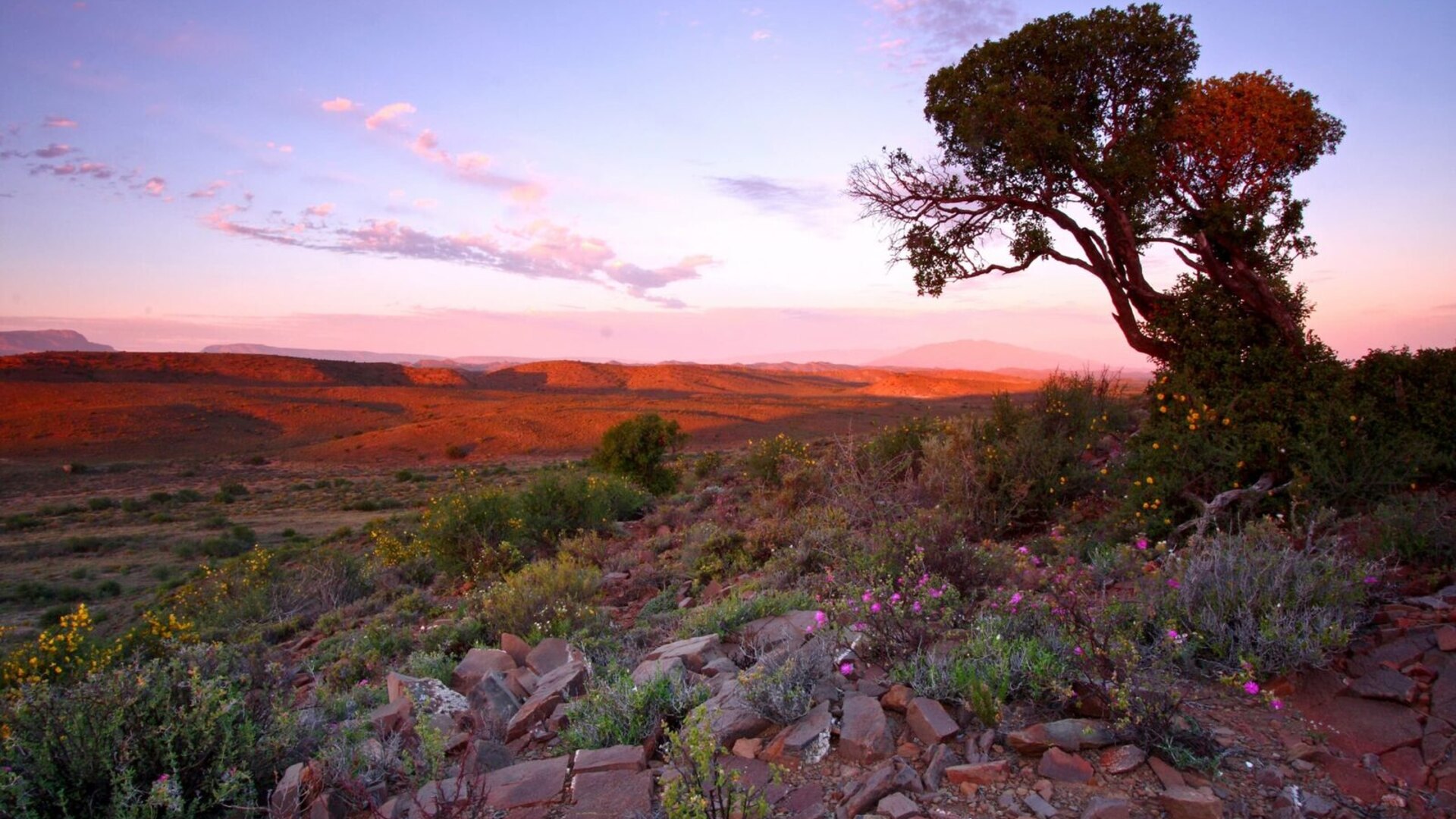
And what a setting it is. To watch a family of elephants — matriarch, cows, a tiny calf shaded beneath its mother — moving slowly along a riverbed between towering canyon walls, or crossing an open plain beneath a rainbow after a rare desert shower, is to witness one of the most beautiful tableaux in all of Africa. The scale of the landscape dwarfs even these giants, and the contrast of the grey, dust-caked elephants against the red rock and golden grass is unforgettable. Encounters here feel intimate and hard-won, a world away from the crowded sightings of busier parks.
Conservation: A Fragile Population
Namibia's desert elephants number only a few hundred, and their survival is not guaranteed. They face the pressures of drought, of occasional conflict with the farming communities whose crops and water points lie along the rivers, and of the sheer fragility of their arid home. Their protection depends on the same community-based conservation model that has saved the region's black rhino: giving local conservancies a genuine stake in the animals' survival through tourism revenue, and funding the organisations that monitor the herds and defuse conflict with people.
This is why a desert-elephant safari is more than a sightseeing trip. Your visit helps fund the conservancies and the elephant-monitoring work that keeps this remarkable population alive, and it demonstrates to the communities who share the land that living elephants are worth more than the problems they sometimes cause. Choosing camps that are genuine conservation partners — that employ local people, support the conservancies and tread lightly on the environment — turns your journey into a contribution to the future of these desert giants.
Plan My Desert Elephant Safari
Where to Stay: Camps in Elephant Country
The finest desert-elephant experiences come from camps set on or near the ephemeral rivers. Hoanib Valley Camp, in a remote and spectacular stretch of the Kunene, is one of the great bases for tracking elephants along the Hoanib, combining superb guiding with a light, conservation-focused footprint and access to some of the most dramatic desert scenery in Namibia. Damaraland Camp, a pioneering community-owned property, sits in prime elephant country and offers excellent tracking along with rhino and rock art. Camp Kipwe, among the granite boulders near Twyfelfontein, gives easy access to the Huab River elephants and the wider wonders of the region.
These are small, remote camps where the wilderness sets the pace. Days revolve around the rivers and the animals; evenings are spent under vast, star-filled skies with the silence of the desert all around. Because the region rewards a broad exploration — elephant, rhino, rock art and landscape all in one — many guests combine several nights here into a single, unforgettable leg. For a closer look at one of the region's most characterful stays, see our review of Hoanib Valley Camp.
When to Go: Seasons and the Ephemeral Rivers
The dry season, roughly May to October, is the classic time to track desert elephants. As the land dries, the animals concentrate along the rivers and around the remaining water sources, making them easier to find, and the cooler days are more comfortable for long hours in the vehicle. The light is clear and golden, ideal for photography, and the desert is at its most austere and beautiful. This is the peak window and the one we most often recommend.
The summer rains, when they come, transform everything. Between roughly December and March a good season can bring the ephemeral rivers briefly to life, flushing them with muddy water and cloaking the plains in a haze of green. The elephants disperse more widely as water becomes plentiful, which can make them harder to track, but the landscapes are extraordinary — rainbows over the mesas, dramatic skies, and the rare, fleeting spectacle of a desert river in flood. It is a gamble on the weather, but for photographers it can be magical. Whenever you visit, the desert's moods are part of the adventure.
Practical Details: Getting There and What to Bring
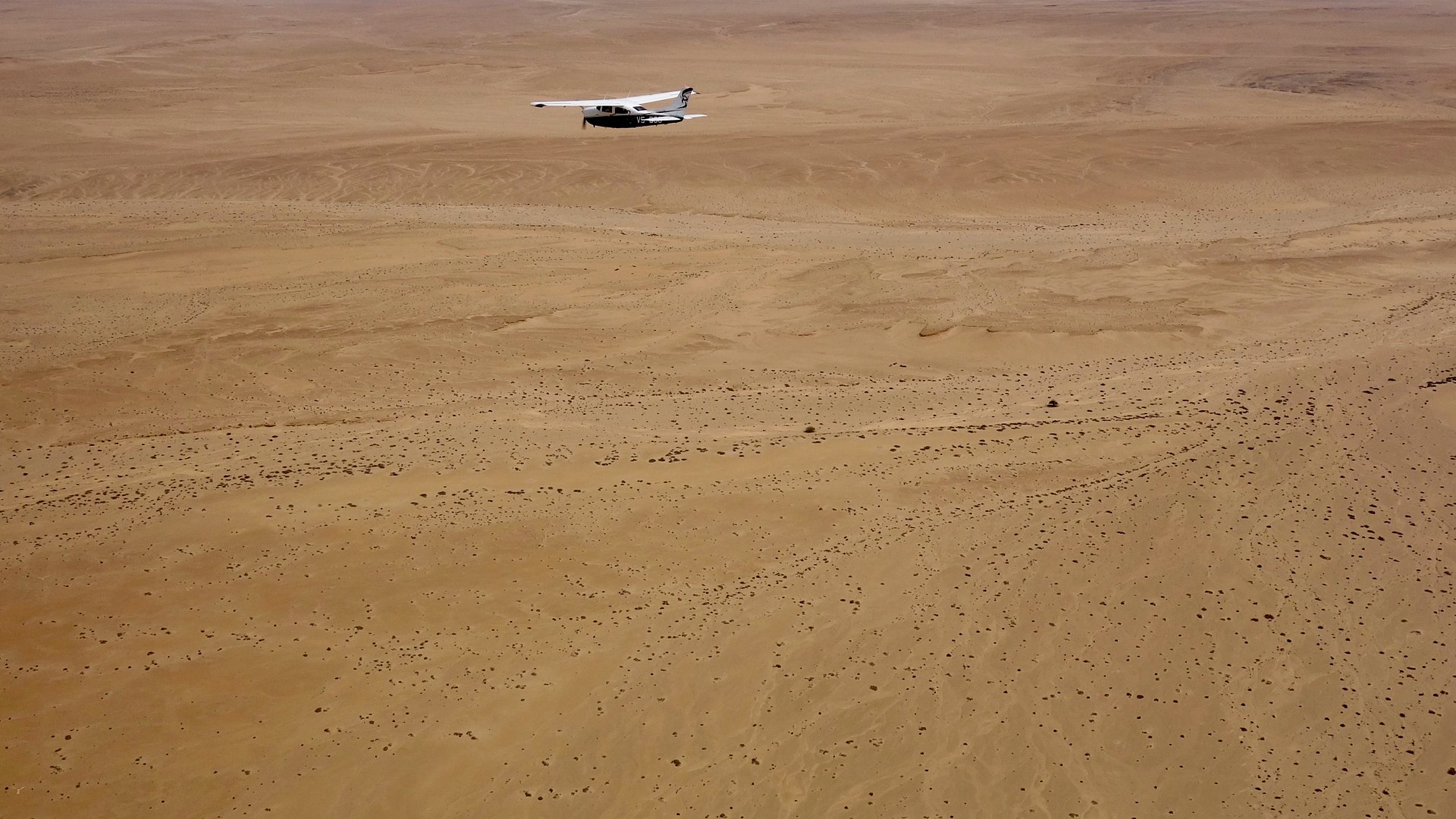
The elephant country of Damaraland and the Kunene is reached by light-aircraft transfer to the camp airstrips — a breathtaking flight over the desert — or by scenic self-drive on gravel roads from Windhoek, Swakopmund or Etosha. The camps are genuinely remote, so allow travel time and consider a night at Sossusvlei, Swakopmund or Etosha to break the journey. Two to three nights in elephant country allows for unhurried tracking and time to take in the rock art, the rhino and the sheer drama of the landscape.
Pack for a desert climate that swings from cold dawns to hot afternoons: layers, a warm fleece for early game drives, a wide-brimmed hat, sunscreen and plenty of water. Neutral colours are best. Binoculars greatly enhance the experience, and a camera with a good zoom will capture both the elephants and the vast landscapes they inhabit — some of the most photogenic in Africa. A sense of patience and a love of wild, empty places will serve you well; this is safari at its most raw and rewarding.
We arrange complete desert-elephant safaris across Damaraland and the Kunene — the light-aircraft flights, the finest riverside camps, the expert guiding, and seamless pairings with black rhino, Twyfelfontein and the Skeleton Coast. Tell us your dates and we will lead you to the giants of the dry rivers.
Private Tours Cape Town designs desert-adapted elephant safaris across Damaraland and the Kunene, pairing Namibia's most remarkable giants with the region's finest camps and most cinematic desert landscapes.