The All-Inclusive Decision At a Glance
- What it means: one agreed rate covers lodges, meals, twice-daily game drives and park fees — plus drinks and bush flights at the better camps
- Why most people choose it: once you land, there is nothing to sign for, so the trip stops being a running tally and becomes a safari
- The money truth: it is usually at or below the cost of booking the same pieces separately, because the unavoidable fees are already inside the rate
- Where your money goes: a large share funds conservation levies and community leases — the fees that keep the land wild
- When à-la-carte wins: a tight budget near a town, a self-drive park, or a repeat visitor cherry-picking one lodge
- The one thing to check: that the quote itemises what is in and what is out, in writing, before you pay a deposit
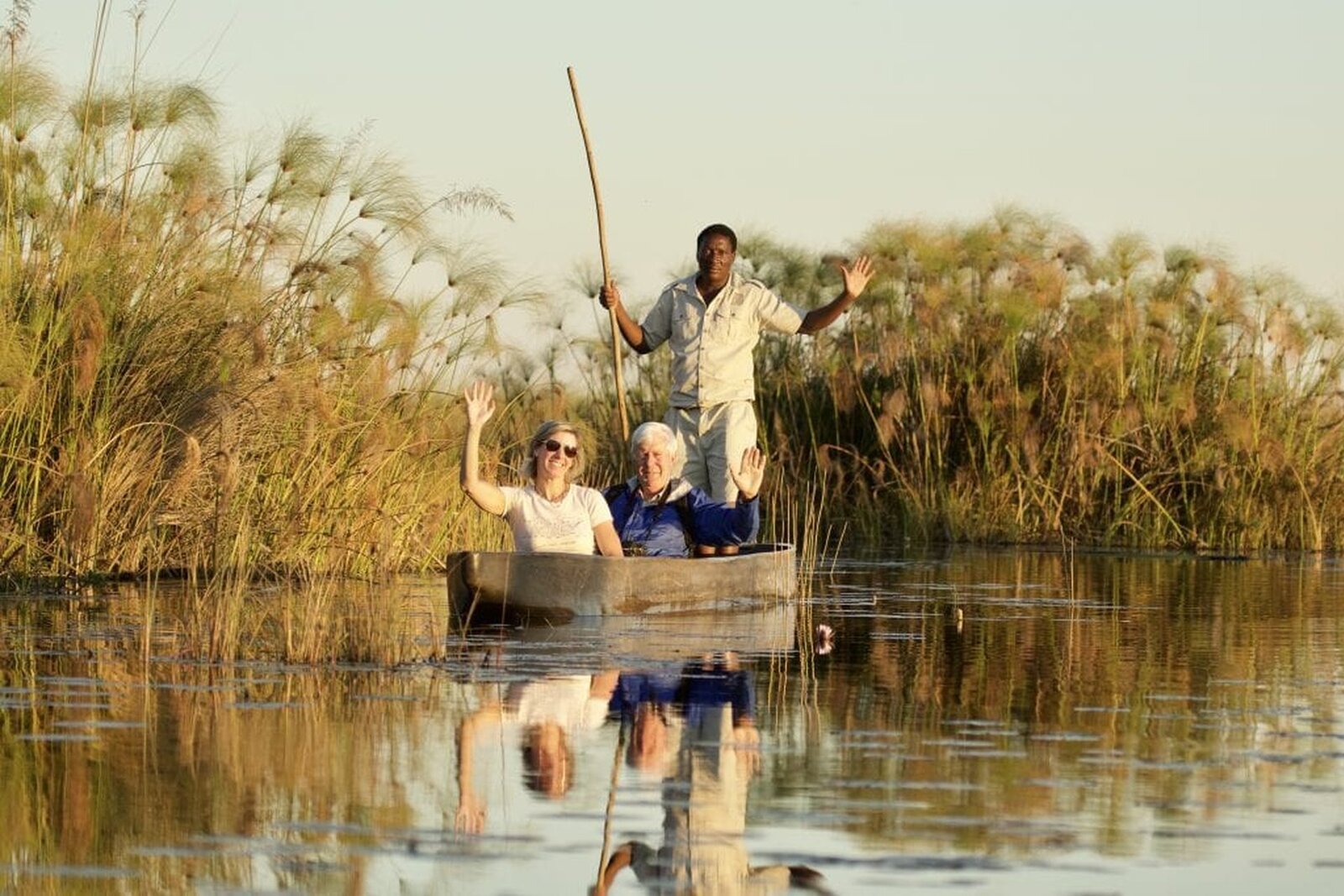
Here is the question we are asked more than almost any other, usually in the first phone call: "Do we really need all-inclusive, or are we paying for a label?" It is a fair thing to ask. The travel industry attaches the words to everything from a beach resort buffet to a tented camp in the middle of the Okavango, and the two have almost nothing in common. So let us answer it the honest way — what all-inclusive actually buys you on an African safari, when it is the smarter booking, and the handful of times you are genuinely better off without it.
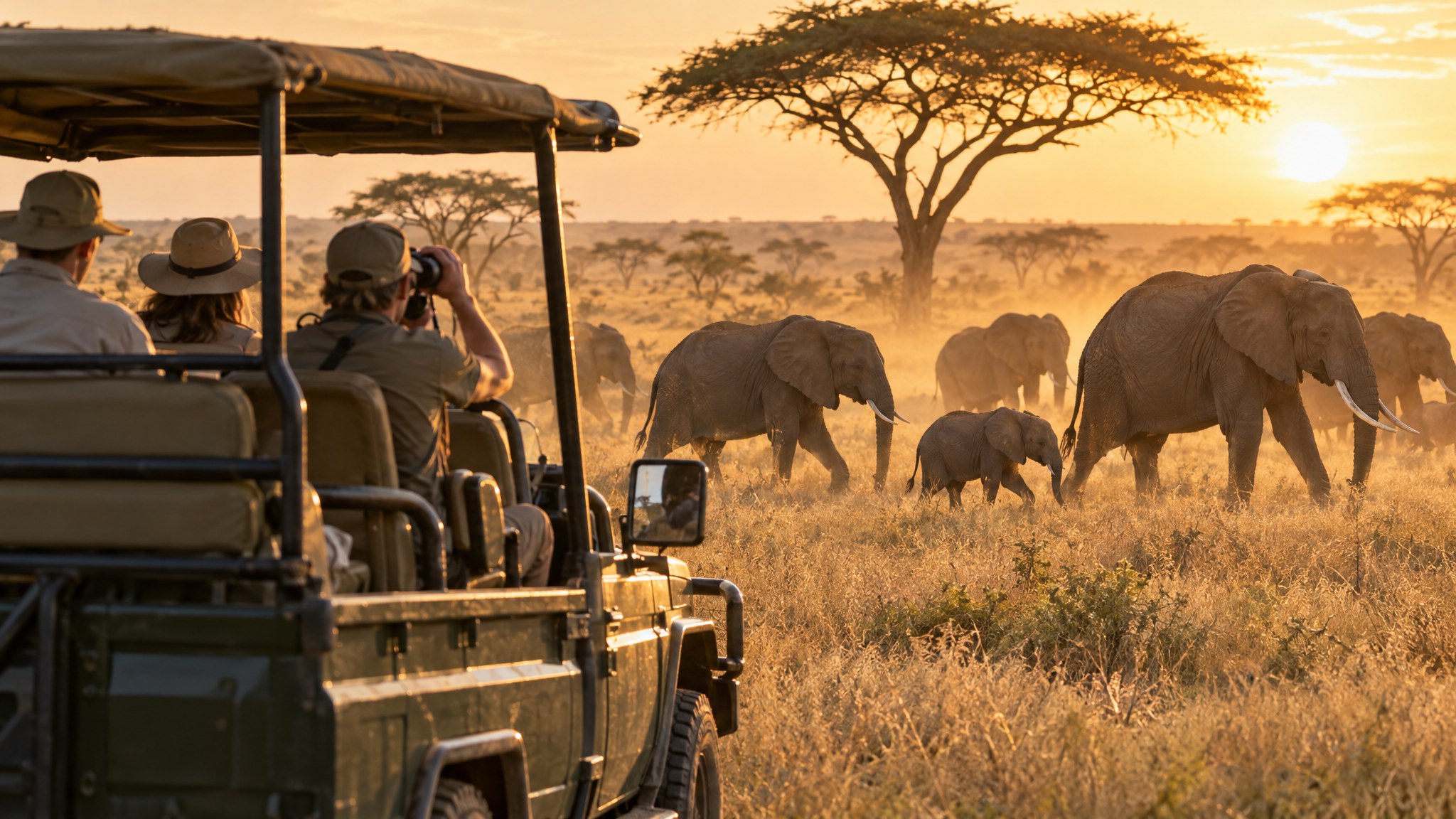
The short version: for most safari travellers, all-inclusive is the better call, and not because it is fancier. It is better because of where a safari takes you. You are not in a city with a card machine on every corner. You are hours from the nearest town, often reached by light aircraft, in a place built around dawn and dusk game drives. In that setting, the real luxury is not having to think about money at all. This guide lays out the full case, the arithmetic behind it, and the exceptions — so you can decide for your trip, not for a brochure's.
What "All-Inclusive" Actually Means on Safari
Strip away the marketing and a genuine all-inclusive safari rate covers five things: your accommodation, all your meals, your twice-daily game drives with a professional guide, your park and conservation fees, and your movements inside the country — the road transfers and the light-aircraft flights between camps. At the better lodges it stretches further, folding in house wines and spirits, laundry, guided bush walks and sometimes a night drive. What stays outside the rate is consistent across the industry: your international flight to Africa, visas, insurance, gratuities, premium cellar wines and optional extras like a balloon flight over the Serengeti.
That is the honest definition. The trouble is that "all-inclusive" is not a protected term, so the gap between a well-built rate and a thin one can be wide. We keep this article to the decision — why you would choose it and when you would not. For the full line-by-line breakdown of what falls inside and outside a rate, our what is included on an African safari guide does exactly that, and for real price ranges by destination, the all-inclusive African safari tours pillar lays them out.
Four Real Reasons Travellers Choose All-Inclusive
Not marketing reasons — the four that come up again and again when guests tell us afterwards what made the trip work.
1. One price, and no running tally in your head
The quiet cost of paying as you go is not the money, it is the mental load. Every meal, every drink, every drive becomes a small decision and a small sum, and by day three of a two-week trip you are tired in a way that has nothing to do with early mornings. An all-inclusive rate settles all of that before you leave home. You know the number, you have paid it, and the trip is simply the trip. People underestimate how much that changes a holiday until they have had one without it.
2. Wallet-free days in the bush
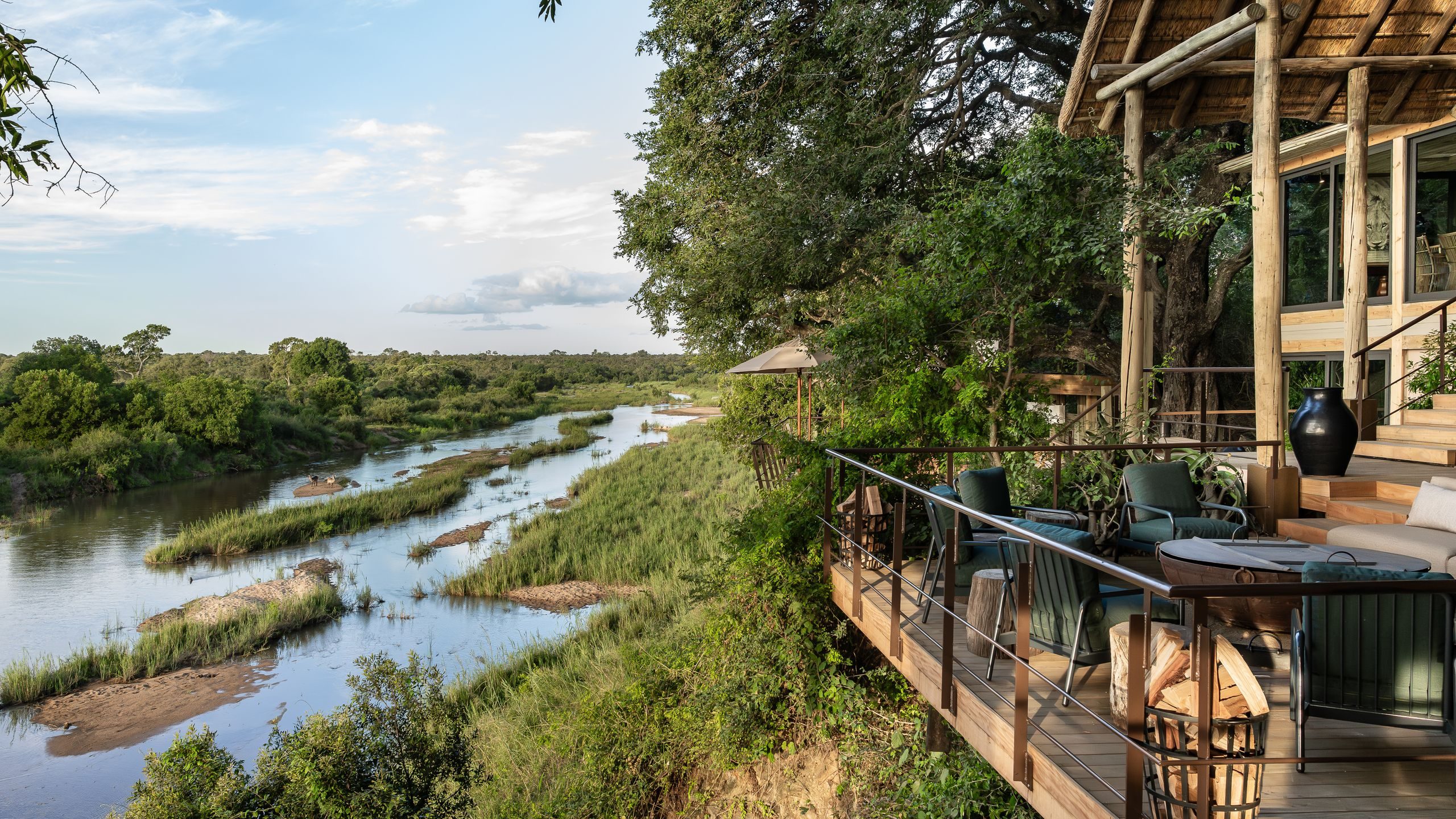
At a genuine all-inclusive camp there is nothing to sign for. The meals are handled, the house drinks are poured without a chit, the laundry comes back clean, and the two game drives a day are already yours. This is not a small thing. It changes the texture of a safari — you order the second coffee, you say yes to the sundowner, you let the children have the ice cream, because none of it is a transaction. For a honeymoon or a family trip especially, that wallet-in-the-safe feeling is a large part of what you are actually paying for.
3. Your money keeps the wilderness wild
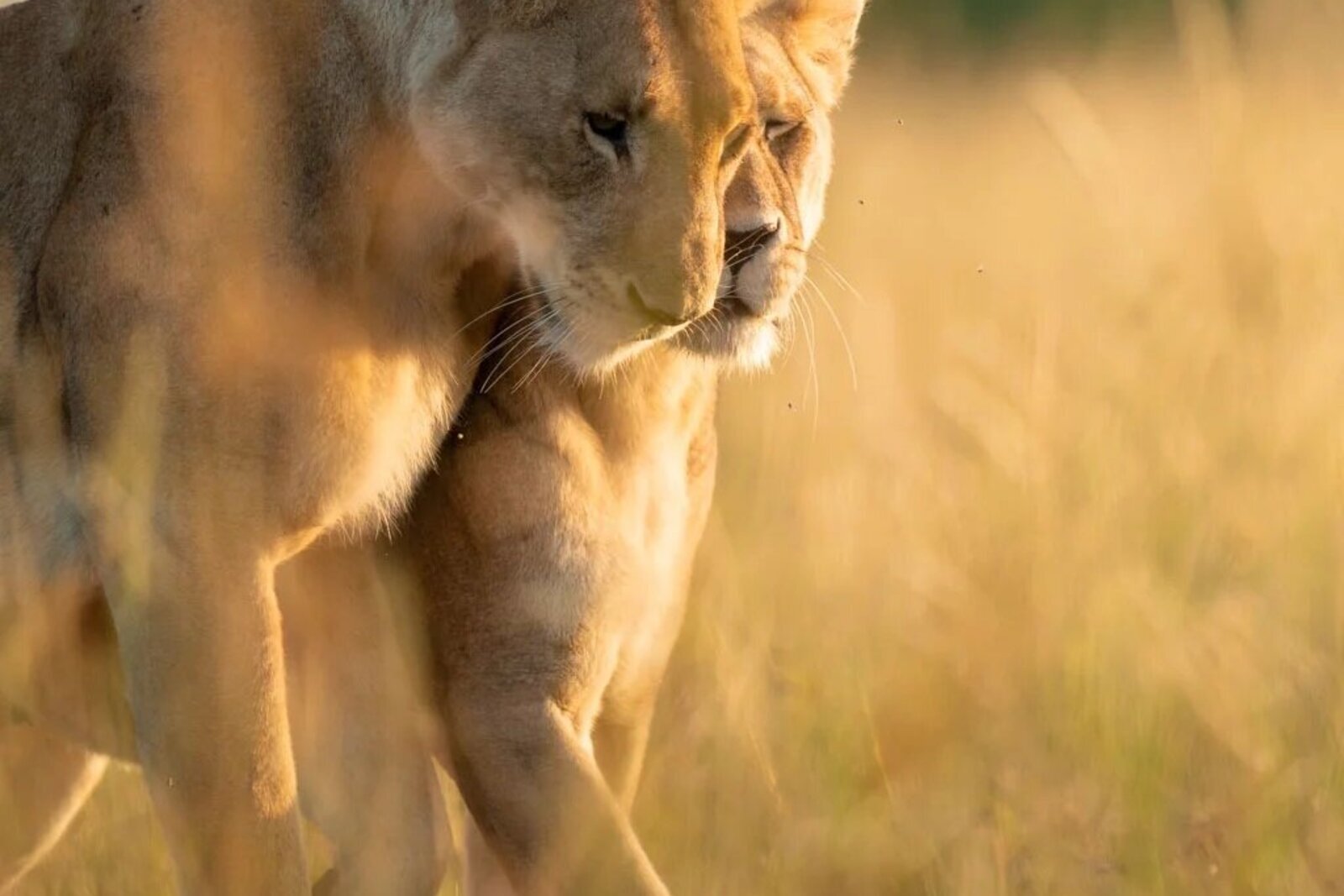
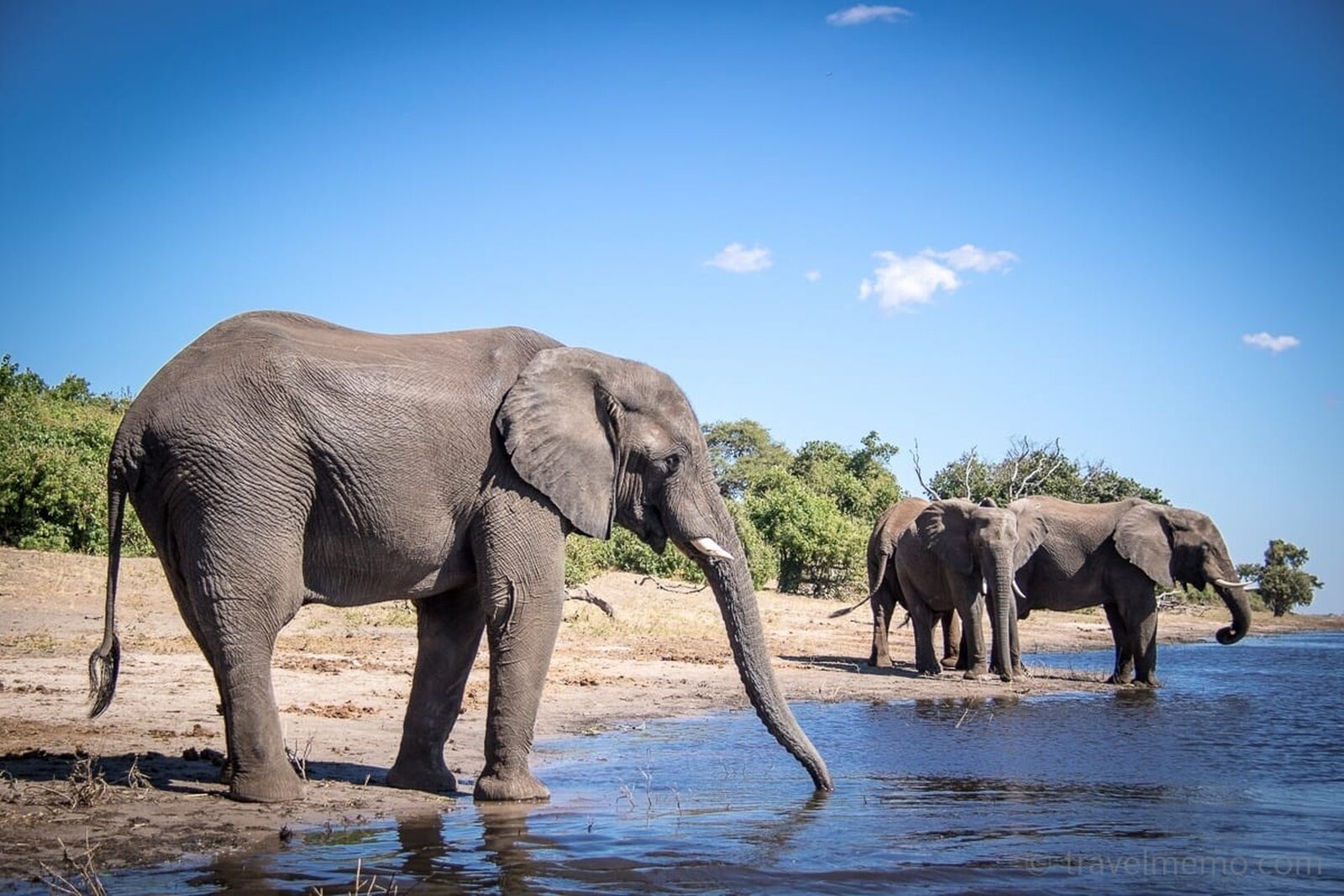
This is the reason that matters most and gets mentioned least. A large share of an all-inclusive rate is not profit or luxury — it is conservation levies, park fees and community leases. Those fees pay the anti-poaching units, fund the land that would otherwise be farmed or fenced, and put a tangible value on a living elephant or leopard for the communities who share the land with them. When you book a proper safari, a real portion of your money is doing that work. Chobe holds the largest elephant population in Africa and the Sabi Sand one of the densest leopard populations on Earth partly because the safari economy makes them worth protecting.
4. Real service, because the model rewards it
Small bush camps run remarkably high staff-to-guest ratios — often several staff for every guest — and they can do that because the all-inclusive model rewards looking after you rather than up-selling you. Nobody is working a commission on the wine list. The guide's job is to find you the leopard, not to sell you an extra drive. That alignment is why safari service, at its best, feels personal rather than transactional, and it is baked into how all-inclusive camps are run.
Is It Worth It? The Honest Money Answer
The fear with any all-inclusive price is that you are paying a premium for convenience. On safari, the arithmetic usually runs the other way. The costs that make a safari expensive are the ones you cannot opt out of: park and conservation fees that run to tens of dollars per person per day, open-vehicle drives with a ranger and tracker, and the light-aircraft flights that are the only sensible way between remote camps. Those are already inside an all-inclusive rate. Try to assemble them separately and you rarely save — you just move the same money around and add the risk of a fee you did not see coming.
So the honest money answer is this: for a standard safari into real wilderness, all-inclusive is usually at or below the à-la-carte cost of the same trip, and it removes the variance entirely. Here is the simple way to see what sits where.
| Inside a genuine all-inclusive rate | Usually still your own cost |
|---|---|
| Accommodation, every night | International flights to and from Africa |
| All meals, and house drinks at better camps | Visas and travel insurance |
| Twice-daily game drives with a guide | Gratuities for guides and camp staff |
| Park and conservation fees | Premium cellar wines and champagnes |
| Road transfers and bush flights between camps | Optional extras — balloon flights, spa, curios |
This is the decision-level summary. For the full line-by-line breakdown with real figures, see our what is included on an African safari guide, and for price ranges by destination and tier, the all-inclusive African safari tours pillar.
When À-La-Carte Is the Better Call
We would not be worth listening to if we told you all-inclusive always wins. It does not. There are real situations where paying for each piece is the smarter move, and here they are plainly.
You are on a tight budget near a town. If your trip is road-based and close to amenities — a few nights around a national park gateway with shops and restaurants — you can genuinely self-cater and pick cheaper meals, and an all-inclusive rate would have you paying for a model you are not using.
You want to self-drive a public park. South Africa's Kruger is the classic case: you can drive yourself, stay in SANParks rest camps, cook at your chalet and watch game on your own schedule. It is one of the great value safaris in Africa, and it is deliberately à-la-carte. If that independence appeals more than being looked after, do not pay to have it taken away.
You are a repeat visitor with one specific lodge in mind. Travellers who already know Africa sometimes want to book a single favourite camp and arrange the flights and transfers themselves. That is a perfectly good reason to go piecemeal — you are buying knowledge you already have.
Outside those cases — remote wilderness, multiple camps, a first safari, a honeymoon, a family trip, or simply wanting the thing handled — all-inclusive is almost always the booking we would steer you toward, and the one we would choose ourselves.
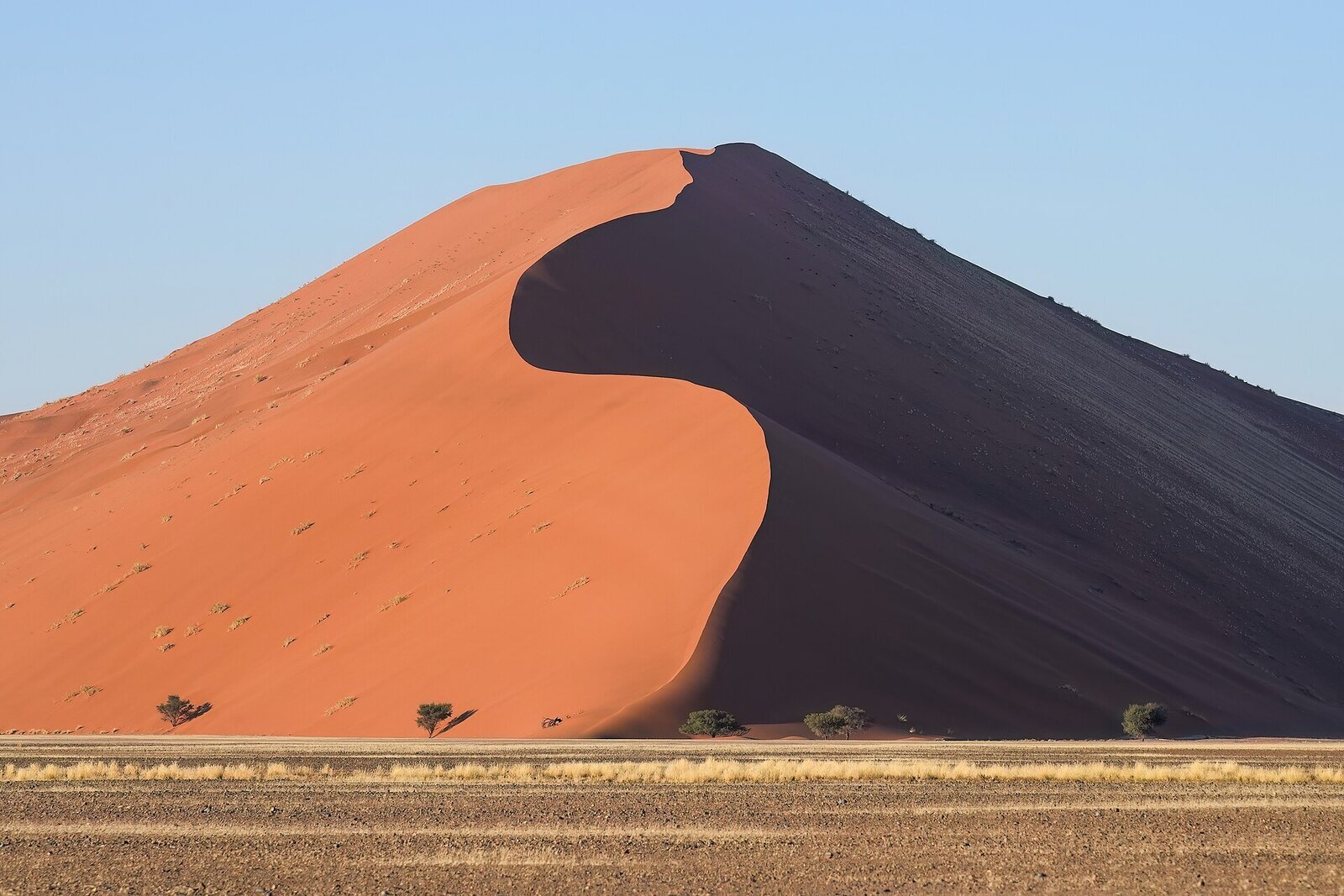
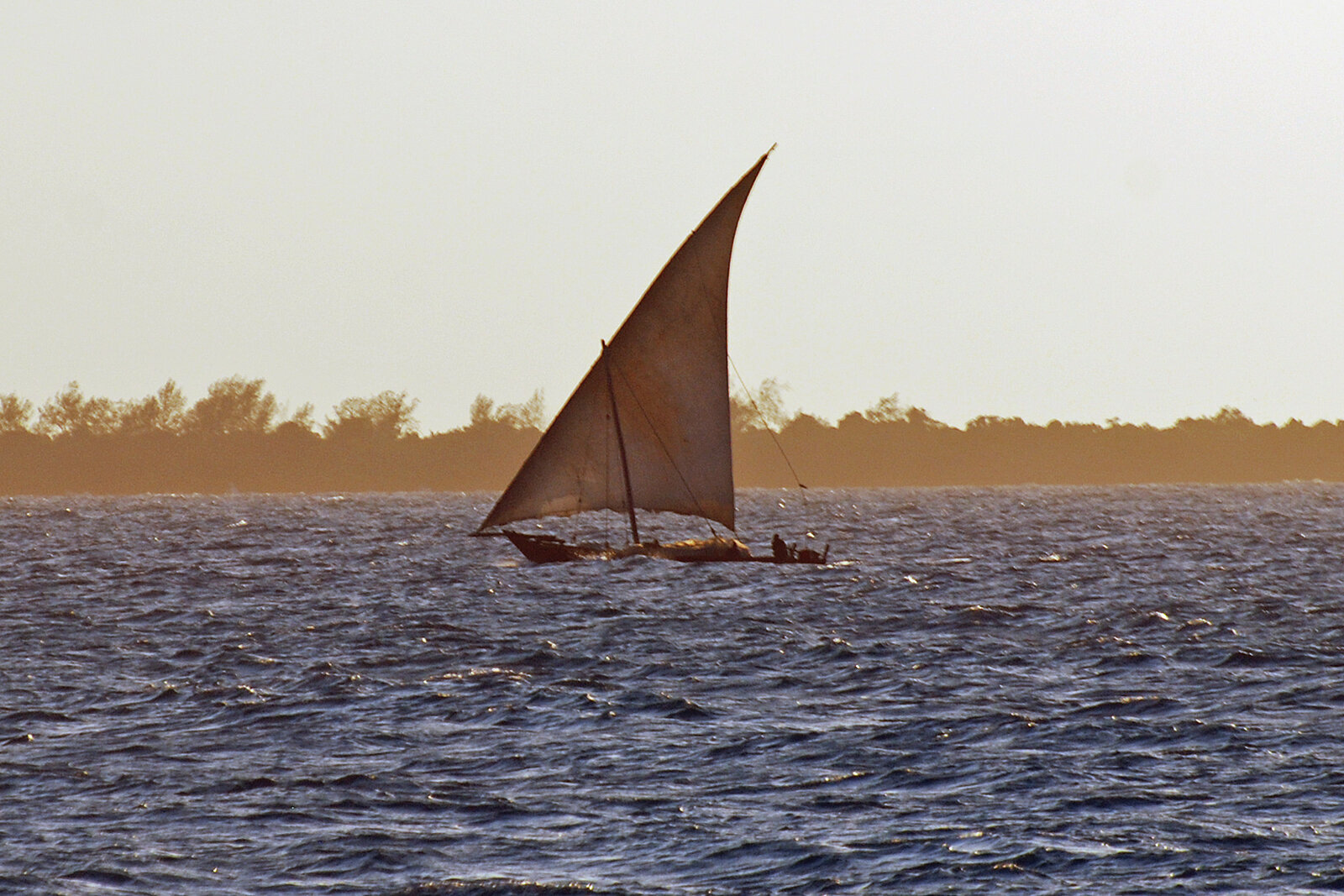
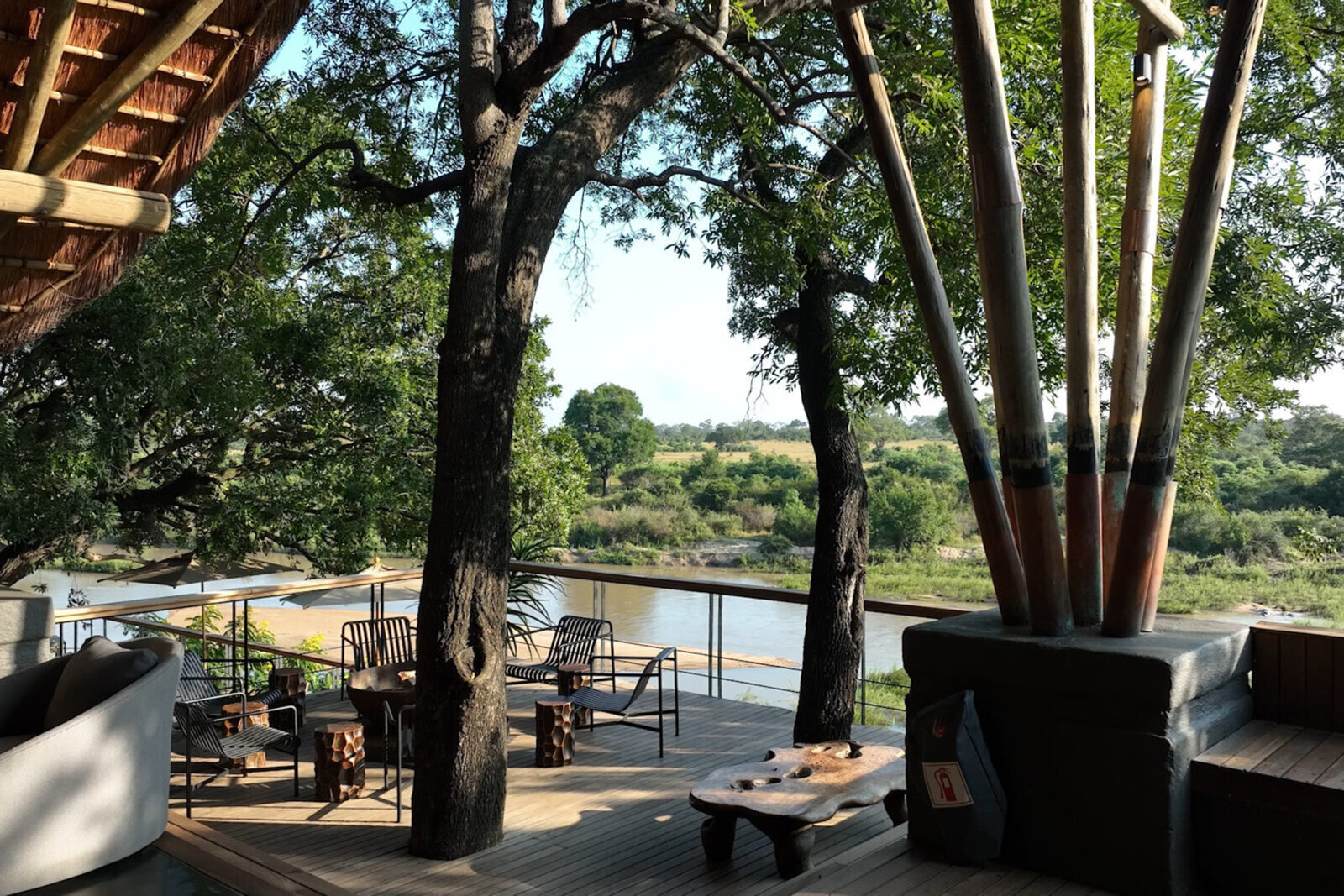
All-Inclusive for the Trip You're Planning
The case shifts a little depending on who is travelling. Here is the quick read for the most common trips.
- First safari → all-inclusive, every time. You do not yet know what you do not know, and a handled trip lets you learn the rhythm without managing it. Start with the all-inclusive tours pillar for destinations and prices.
- Honeymoon → all-inclusive, so the romance is arranged, not negotiated. A bush-and-beach pairing like the Tanzania & Zanzibar trip is the classic shape.
- Family → all-inclusive, with the child policy and vehicle confirmed up front, so meals and activities are covered and nap times are the only thing to manage.
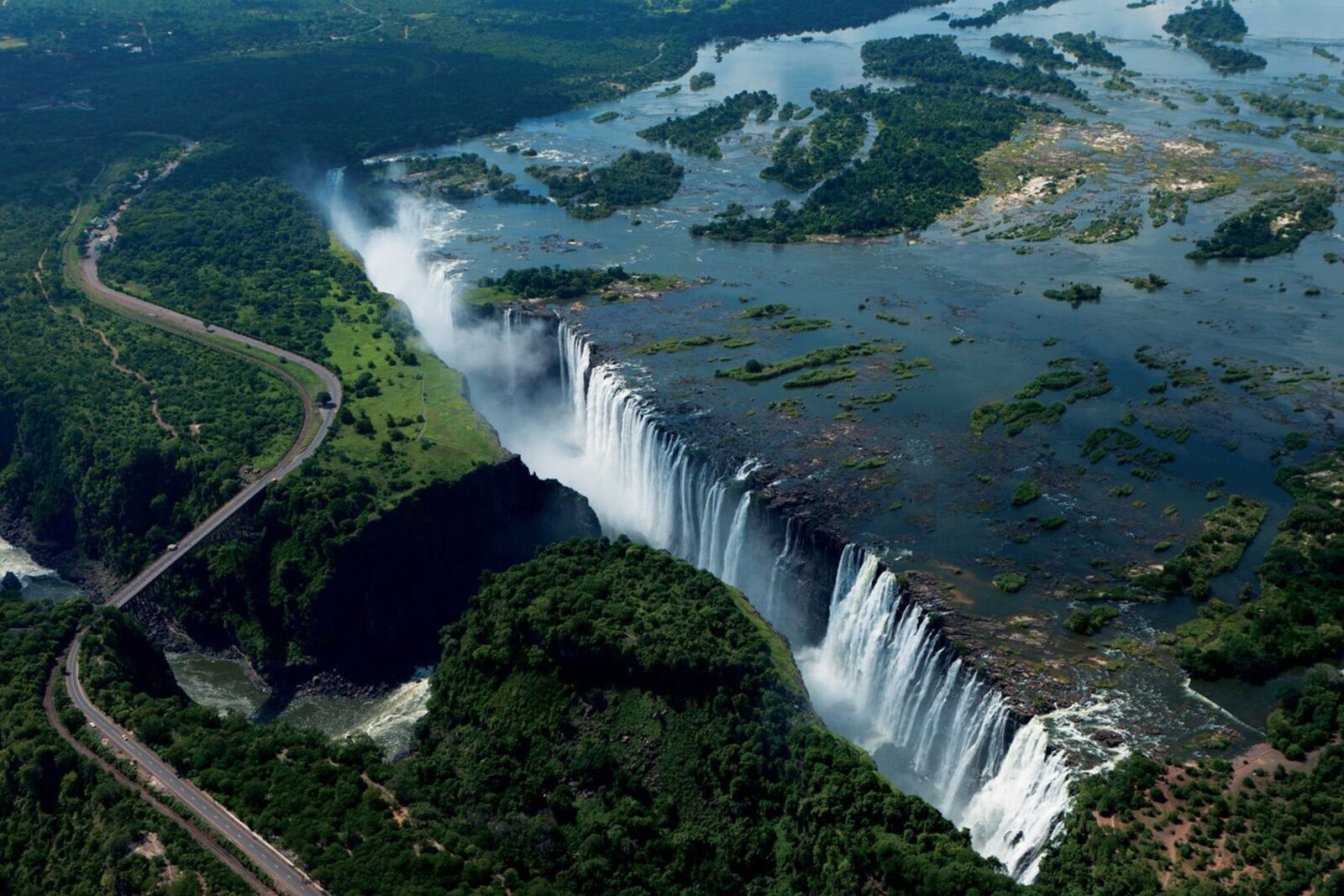
- Great Migration or multi-camp trip → all-inclusive is effectively compulsory, because the bush flights between camps only make sense bundled. The Serengeti migration safari is built this way.
- Value, self-drive, near a town → à-la-carte can win. Kruger self-drive is the honest exception.
- Luxury, time-poor → all-inclusive fly-in, where every hour of a short trip is spent in the bush, not on logistics. See the luxury all-inclusive packages.
How to Read an All-Inclusive Quote Before You Pay
Because the term is not regulated, the single most useful skill is reading the quote properly. Three checks catch almost every thin one. First, are the park and conservation fees stated as included, or is there a line about levies "payable on arrival"? Those fees are large and should be in the rate. Second, are the internal flights and transfers between camps inside the price, or only the camps themselves? On a multi-camp trip that is the difference that matters. Third, what exactly is meant by drinks — house wines and spirits, or only soft drinks, with everything else on a bill at the end?
A quote that answers all three in writing is a real all-inclusive. One that is vague on any of them is not, however it is labelled. We itemise every one of these before you commit — what is inside the rate, what sits outside it, and in which currency — so there is no bill waiting at the end of your stay. If you want the full checklist, our what is included guide has it.
Why Book Your All-Inclusive African Safari With Beyond Africa
We book all-inclusive safaris across Southern and East Africa every week — the Greater Kruger and Sabi Sand, Botswana's Okavango and Chobe, Kenya's Masai Mara, Tanzania's Serengeti, and the beaches of Zanzibar and Mozambique that pair with them. Because we book direct with the lodges, you pay the true rate with no resale layer on top. We tell you plainly when all-inclusive is the smarter booking and when you would be better served à-la-carte — our job is the right trip, not the biggest invoice. And we itemise every cost before you commit, so a Beyond Africa quote means what it says. Tell us where you want to go and when, and we will build the honest version of your all-inclusive African safari — vacation, honeymoon or family trip — around real lodge availability for 2026 and 2027.