Key Takeaways
- A standard safari rate bundles your accommodation, all meals in camp, two daily game drives with a guide, park and conservation fees, and road transfers between camps on the same route.
- Light-aircraft flights between remote camps are usually quoted inside fly-in packages, but check — on some itineraries they sit as a separate line.
- International flights to Africa, travel insurance, visas, tips, premium wines and spirits, and optional add-ons like a balloon flight are almost always extra.
- Tipping is customary: budget roughly US$15–25 per guest per day for your guide and tracker, plus a camp staff tip box.
- The word "included" means different things at different price levels — always read the inclusions and exclusions list on the quote before you pay a deposit.
The single question we field more than any other is a fair one: for the price on the quote, what do you actually get? Safari pricing looks opaque from the outside because rates are quoted per person per day, bundle several services at once, and vary from a mid-range Kruger lodge to a private concession in the Okavango. This is the line-by-line breakdown we give our own clients, so you can read any operator's quote and know exactly where your money goes — and where it doesn't.
For a full look at the numbers behind these inclusions, our African safari cost and budget guide breaks down day rates by tier. This page is about the inclusions themselves.
What a safari tour price actually covers
Most safari rates are quoted per person per night on a shared-twin basis, and the headline figure nearly always folds in five things: your room or tent, all meals while you are in camp, two scheduled game drives a day, the services of a guide, and the park or conservation fees for the reserve you are in. On the majority of multi-day itineraries, road transfers between camps on the same circuit are included too.
Where quotes diverge is at the edges — bush flights, premium drinks, and anything optional. A camp on a private concession in Botswana may fold laundry, house wine and even local-brand spirits into one rate, while a mid-range lodge on the edge of Kruger quotes the room and drives and leaves drinks on your tab. Neither is hiding anything; they are simply pitched at different guests. The job is to read which model you are being quoted.
Park and conservation fees
Every national park and private reserve charges a daily fee per guest. In South Africa's Kruger these are modest — a few hundred rand a day. In East Africa they are substantial: the Serengeti and Ngorongoro Crater carry park and crater-service fees that can run to US$70–250 per person per day once you add them up, and the Masai Mara's reserve fee is similar. On private concessions in the Okavango or Sabi Sand, a conservation levy replaces the public park fee and is usually baked straight into the nightly rate.
On a packaged safari these fees are normally quoted inside the price. The place to double-check is a self-booked or DIY trip, where park gate fees are paid separately and can add up fast across a two-week route. If your quote says "park fees included", that is one less thing to carry in cash at the gate.
Accommodation and where you sleep
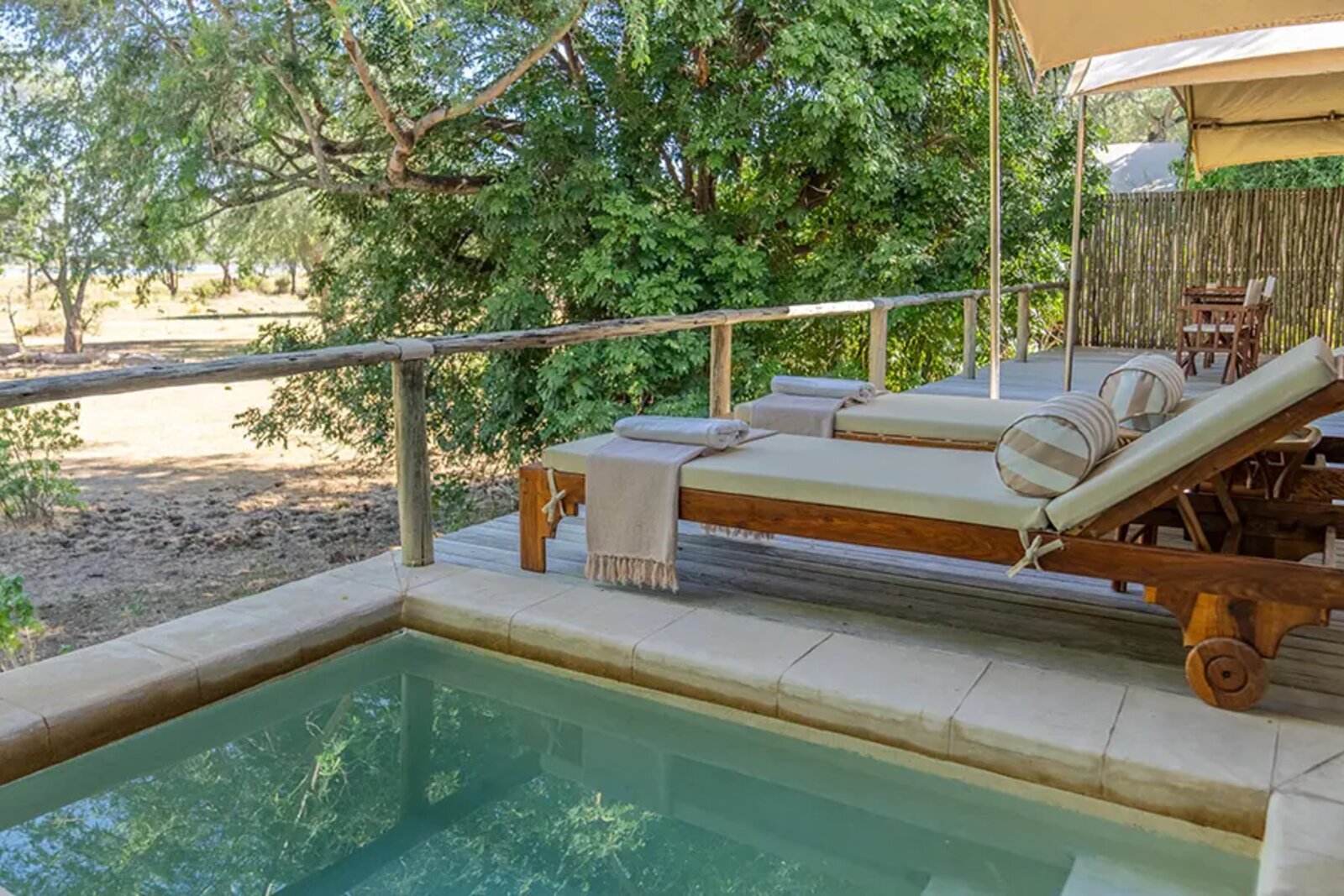
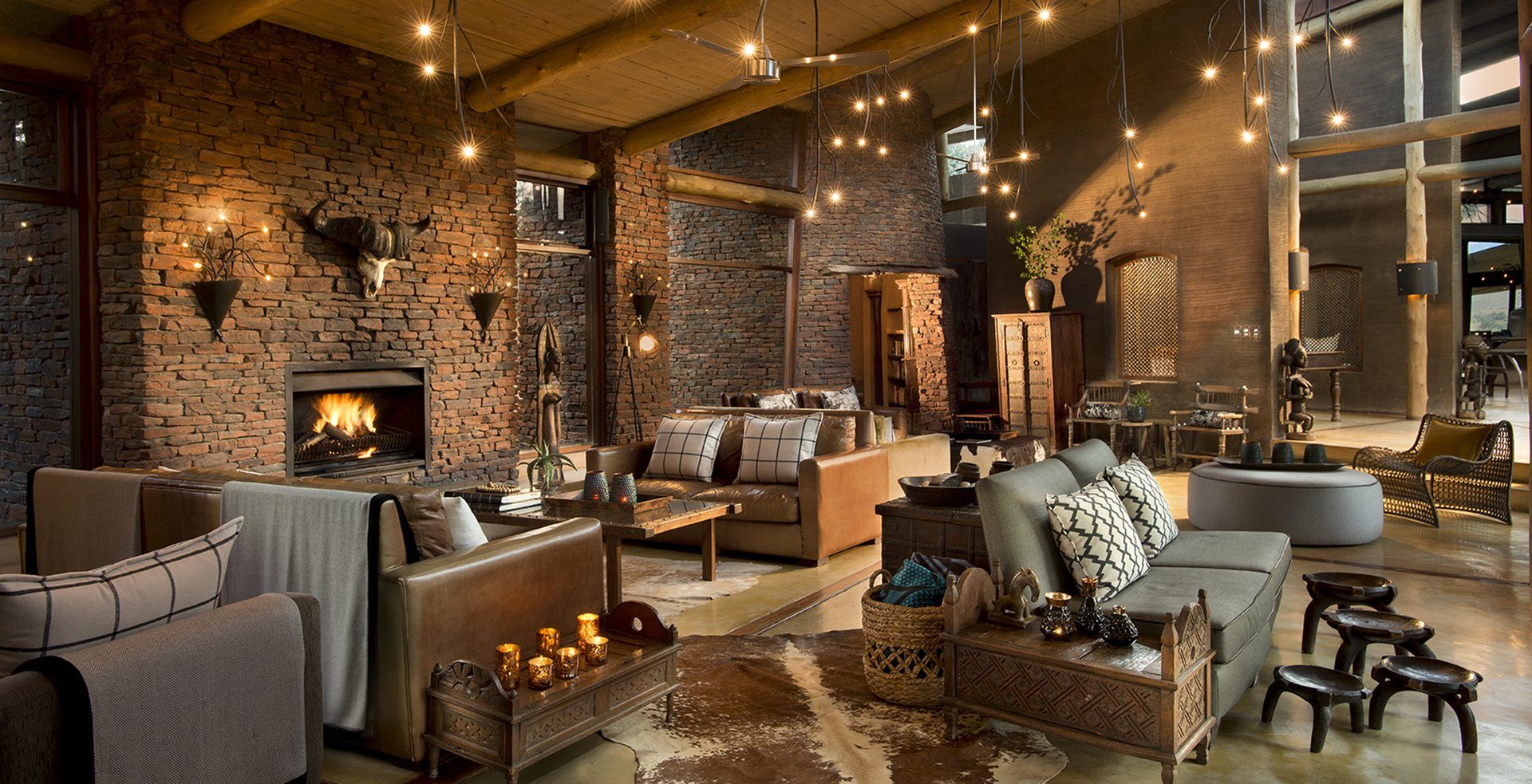
The biggest single driver of a safari price is the camp or lodge level your rate assumes. The same seven-day route can be built at three very different price points: a comfortable mid-range lodge with en-suite rooms and a pool; a premium tented camp with a private deck and plunge pool; or an exclusive-use villa with your own guide and vehicle. The game viewing on a given reserve is the same at every level — what changes is the room, the food, the service ratio and how private it feels.
Your quoted rate is tied to a specific property and room category. If a quote looks unusually low for a region, it is almost always because it is built on a lower accommodation tier or a shoulder-season date, not because the operator found a shortcut. Our guide to the best African safari packages shows how the same destinations price out across tiers.
Meals, drinks and the bar bill
Almost every safari rate is full board: breakfast, lunch and dinner, plus tea and cake between the afternoon rest and the evening drive. Camps cater for dietary needs — vegetarian, halal, gluten-free, allergies — if you tell them in advance. Coffee, tea, water and soft drinks are standard throughout.
Alcohol is where rates split. At many premium and remote camps, house wines, beers and local-brand spirits are included; imported champagne and top-shelf labels are charged on top. At mid-range lodges, most drinks sit on a bar tab you settle at checkout. It is a small thing, but a couple sharing a bottle of wine each evening across a week can see a bar bill of a few hundred dollars at a lodge that quotes drinks separately — worth knowing before you go.
Game drives, guiding and park activities
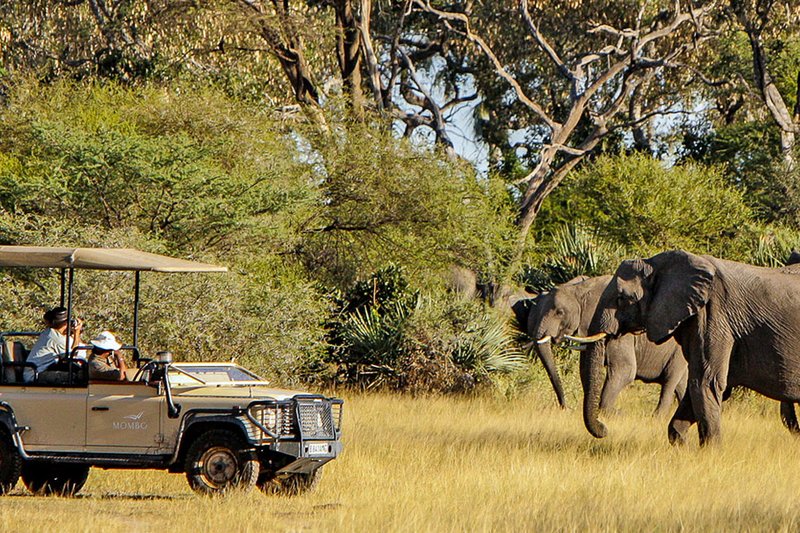
Two game drives a day are the heartbeat of a safari and are included on essentially every rate: an early-morning drive from first light, and a late-afternoon drive that runs into the golden hour and, on private reserves, after dark with a spotlight. Your rate covers the vehicle, fuel, the qualified guide, and on top reserves a tracker working the front seat.
On private concessions — Sabi Sand, the Okavango's private camps, Laikipia — you also get off-road driving and night drives, which public national parks do not permit. Guided bush walks are included at many camps. What sits outside the standard drive package are specialist extras: a hot-air balloon flight over the Serengeti or Mara (roughly US$500–600 per person), a private vehicle for your group only (a daily supplement), or a visit to a local community or conservation project. Those are optional and quoted separately.
Transfers and light-aircraft flights
Getting between the airport, the city and your camps is the part travellers most often misread. Road transfers along a single circuit — say, from a Cape Town hotel to the Winelands, or between two camps in the Kruger region — are generally included in a packaged itinerary.
Light-aircraft flights are the key variable. In the Okavango, the Serengeti and other fly-in regions, you hop between remote airstrips on small bush planes, and these legs cost real money — often US$250–500 per person per flight. On a properly built fly-in package the flights are quoted inside the price; on a mix-and-match itinerary they may be a separate line. Always confirm which internal flights are in, because adding three bush flights after the fact changes the budget materially. International flights to Africa are a different matter entirely — see the next section.
All-inclusive vs fully guided: what the labels mean
Two phrases cause most of the confusion on a quote. "Fully inclusive" or "all-inclusive" on a safari usually means accommodation, all meals, drinks (house brands), game drives, park fees, laundry and inter-camp transfers — most of what you will touch once you arrive. "Fully guided" means a professional guide leads your activities, which is standard, but says nothing about meals or drinks.
A "full-board" rate covers all meals but typically not drinks. A "game package" rate at a lodge covers the room, meals and drives but leaves airport transfers and flights to you. None of these are wrong; they are just different bundles. The only way to compare two quotes fairly is to line up what each one includes, not the headline number. Our luxury safari tours guide and private safari tours guide explain how the bundles differ at the top end.
What is not included
Here is the honest list of what sits outside almost every safari quote, so nothing surprises you later.
| Usually included | Usually extra |
|---|---|
| Accommodation (your room or tent) | International flights to and from Africa |
| All meals in camp (full board) | Travel insurance (required, not optional) |
| Two daily game drives and guiding | Visas and entry permits |
| Park and conservation fees | Tips for guides, trackers and camp staff |
| Road transfers along the route | Premium wines, champagne and imported spirits |
| House drinks (at many premium camps) | Optional add-ons: balloon flight, private vehicle, spa |
| Bush flights (on fly-in packages) | Vaccinations and anti-malarials |
Inclusions vary by camp and tier — this is the typical pattern, not a guarantee. The quote's own list is the final word.
Two items on the right deserve a flag. Travel insurance is not a nicety — most reputable operators and camps require medical and evacuation cover before you travel, because a remote camp relies on air evacuation in an emergency. And international airfare is the big one people forget: a packaged safari rate is almost never inclusive of your flights from home, so budget those on top from the start. The first-time safari guide walks first-timers through these practicalities.
Tipping: what's fair and when
Tipping is customary across African safari destinations and genuinely matters to the guides and camp teams who make a trip. It is not included in your rate and is paid at the end of your stay, usually in US dollars or local currency, cash. Here is the guidance we give, per guest:
| Who | Suggested amount | How it's paid |
|---|---|---|
| Your safari guide | US$15–25 per guest per day | Directly, at the end of your stay |
| Tracker (where present) | US$8–12 per guest per day | Directly, with your guide |
| Camp staff (general) | US$10–15 per guest per day | Into the communal staff tip box |
| Transfer driver | US$5–10 per transfer | Directly, on the day |
These are guidelines, not rules. Tip for service you felt was worth it, and carry small denominations — change is hard to come by in the bush.
A simple rule of thumb: for a week-long safari, two guests should carry roughly US$400–600 in cash between them for tips across guides and camp staff. Bring it in clean, newer US dollar notes — many camps will not accept bills printed before 2013 or ones that are torn.

How to read a safari quote
Every quote worth trusting carries two lists: what is included and what is excluded. Read both before anything else. If the exclusions list is missing or vague, ask for it in writing. These are the questions that stop surprises later:
- Are all park and conservation fees included, or paid at the gate?
- Which internal light-aircraft flights are in the price, and which are extra?
- Are drinks included, and if so, house brands only or everything?
- Are airport transfers at both ends part of the rate?
- Is the rate per person sharing, and what is the single supplement if you travel solo?
- What is the deposit, the balance due date, and the cancellation policy?
A good operator answers all six without hesitation, because they have nothing to hide in the detail. That is the standard we hold ourselves to on every itinerary we build — the whole route, every inclusion, and every exclusion, set out before you pay a cent. For the bigger picture of how tours are structured across the continent, our African safari tours guide maps the main routes and styles.
Want a quote with every line spelled out?
Tell us your dates, who is travelling and the style you want, and we will send back an itinerary with a clear inclusions-and-exclusions list — no guesswork, no hidden extras. You will know exactly what your money buys before you decide.
Start Planning Your Journey WhatsApp Us