We're Open08:00–19:00 SAST
WhatsAppWishlistPartner Portal
Zimbabwe — The Smoke That Thunders — Where Water, Wildlife and Ancient Stone Converge
SOUTHERN AFRICA · ZIMBABWE

ZIMBABWE

The Smoke That Thunders — Where Water, Wildlife and Ancient Stone Converge

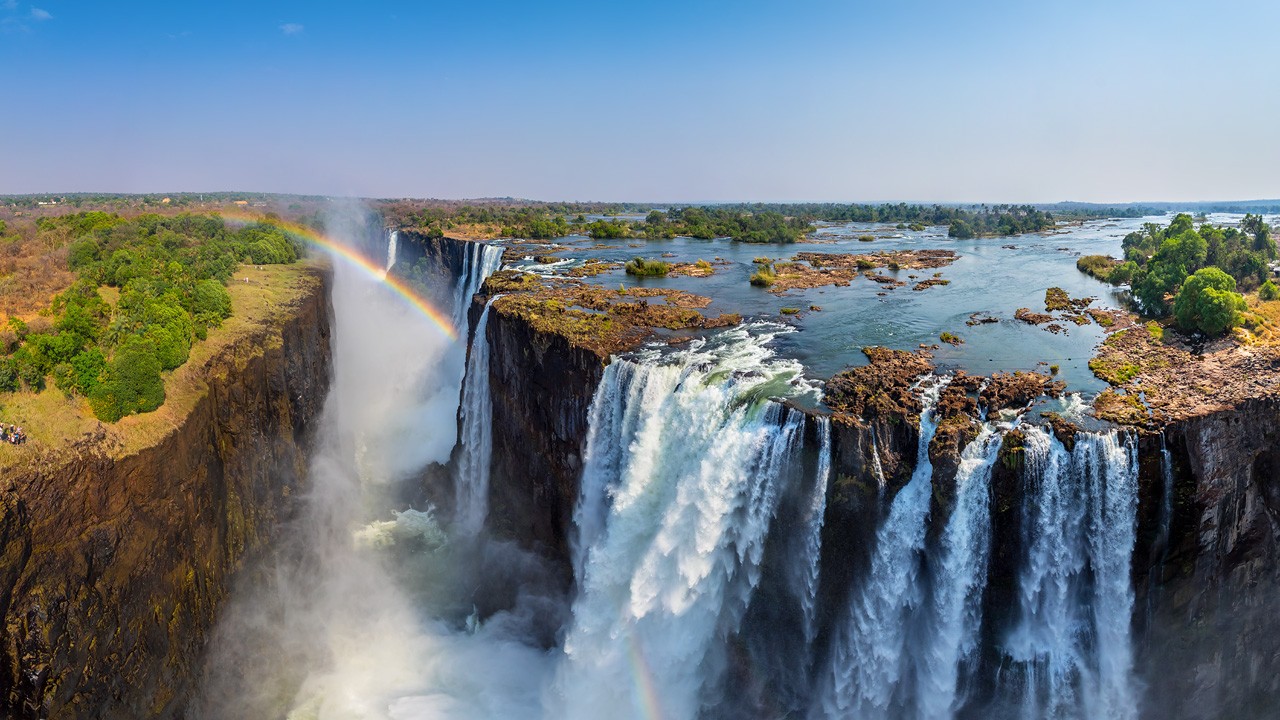
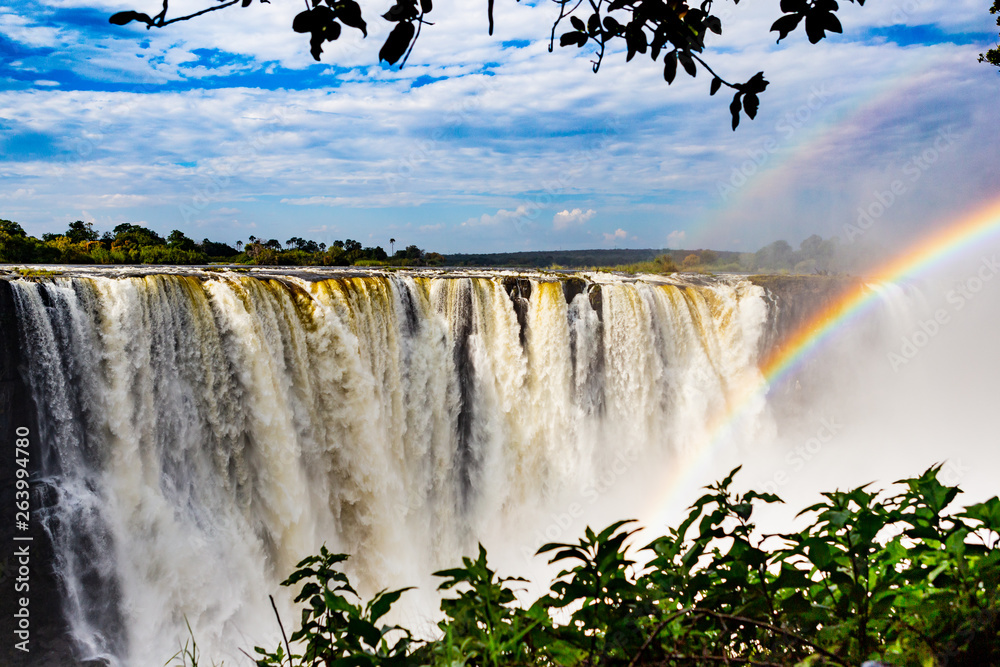
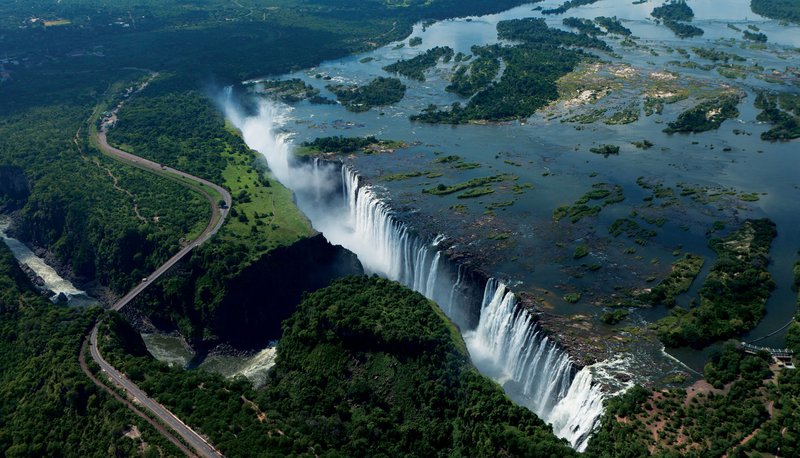
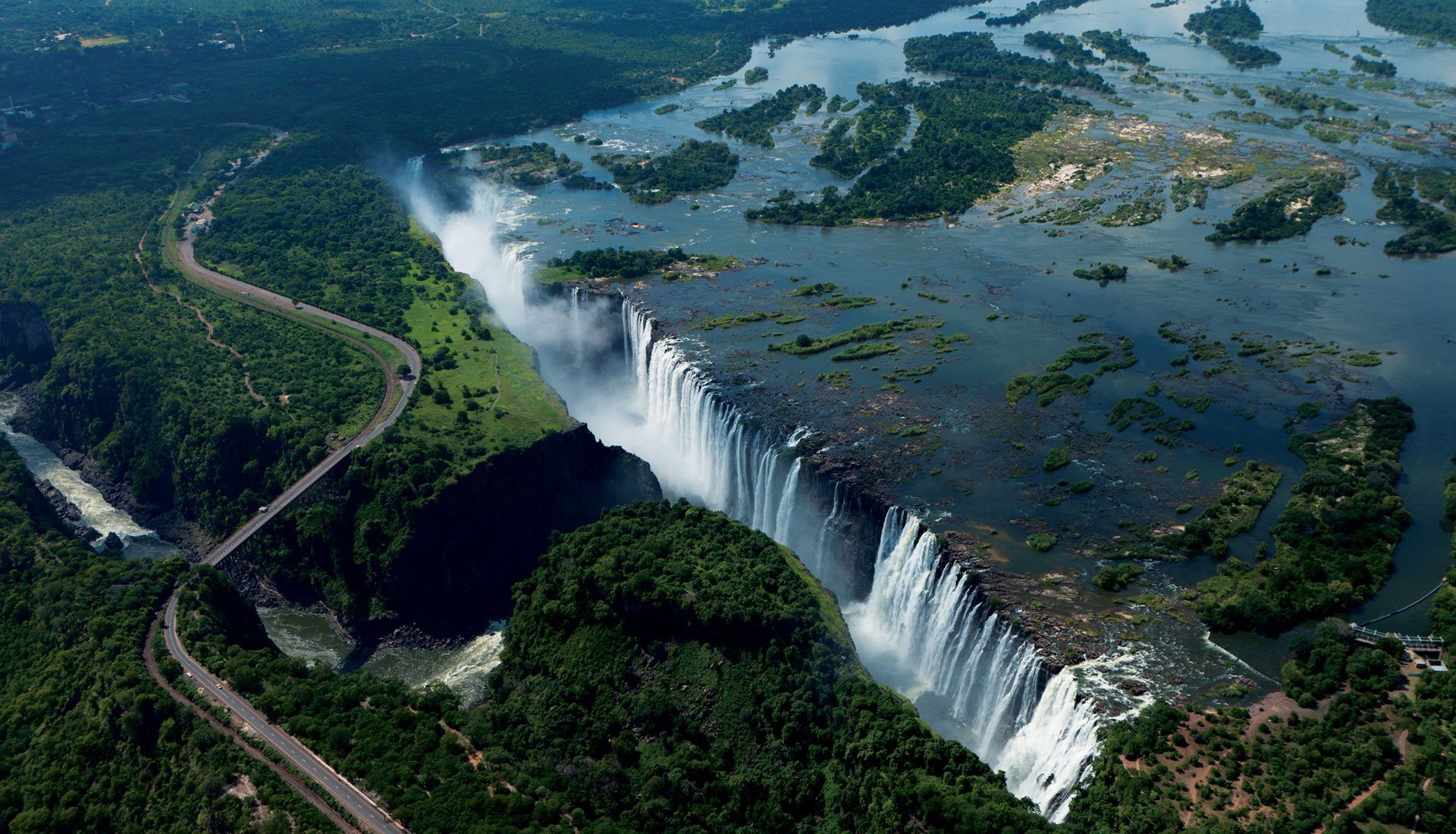
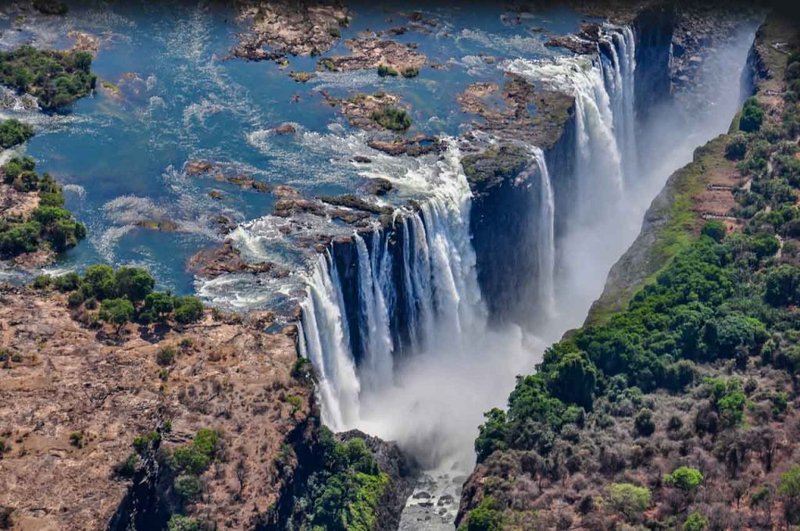
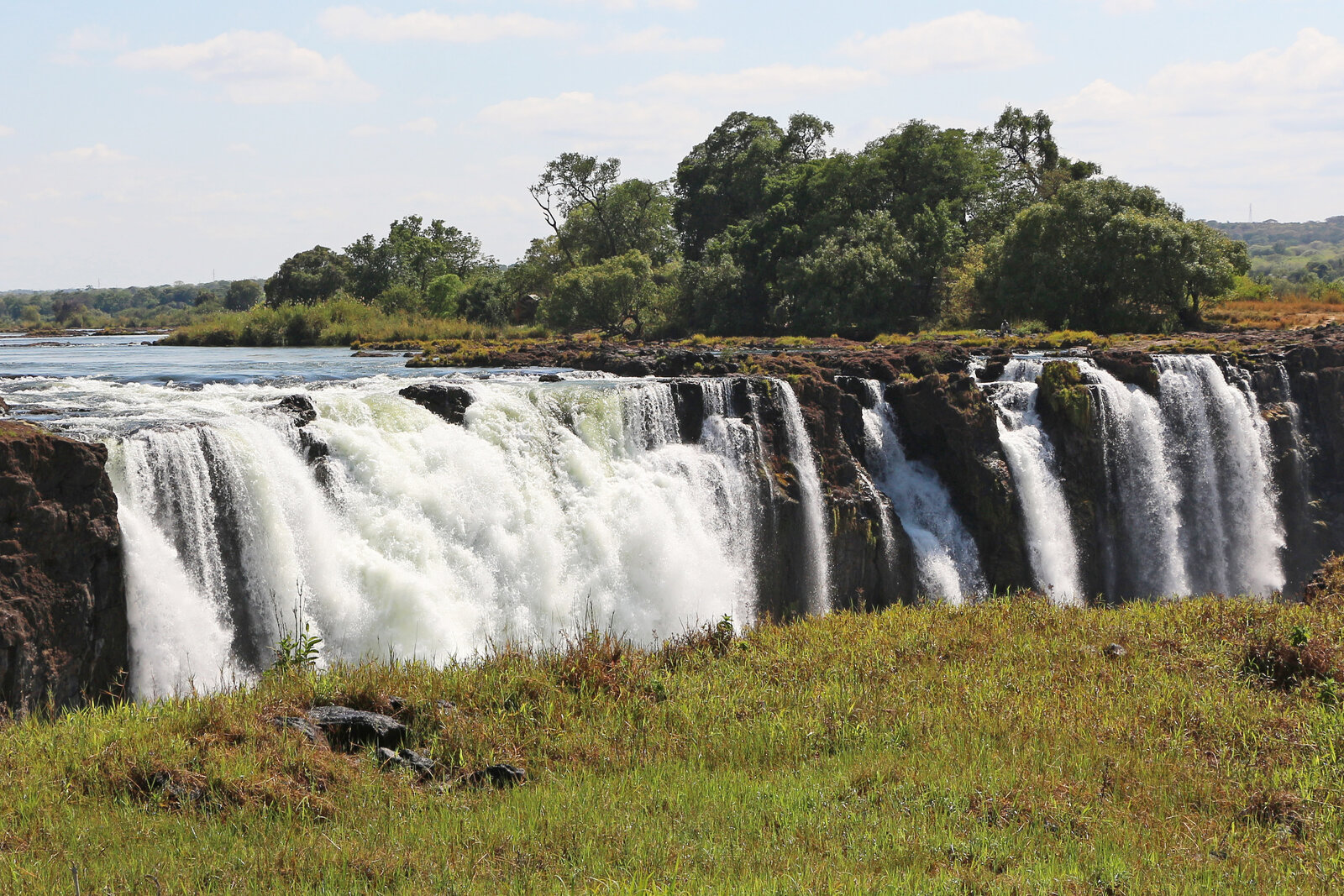
Long before any European explorer stood at its edge, the Kololo people gave this waterfall a name that captures what no photograph can: Mosi-oa-Tunya—'The Smoke that Thunders.' Victoria Falls remains the centrepiece of Zimbabwean travel, a curtain of water 1,708 metres wide and 108 metres high that generates a permanent rain cloud visible from sixty kilometres away. But Zimbabwe is far more than a single waterfall, however spectacular. This is a country of 45,000 elephants in Hwange, walking safaris through the wild riverine forests of Mana Pools, ancient stone ruins that gave a nation its name, and a resilience that transforms every visit into something more profound than tourism.

17.9244° S, 25.8567° EFrom $400 per person per day
Why Travel Private

Why Zimbabwe Belongs on Every African Itinerary

Zimbabwe is the destination that rewards those who look beyond the headlines. For too long overshadowed by its political complexities, the country has quietly maintained some of the finest wildlife areas, most professional guiding standards, and most authentic cultural experiences in southern Africa. The tourism infrastructure—built during decades when Zimbabwe was the jewel of the region—has been restored, reinvested in, and reimagined by a new generation of operators who understand that the country's greatest asset is not a single attraction but a tapestry of experiences unmatched in their diversity.

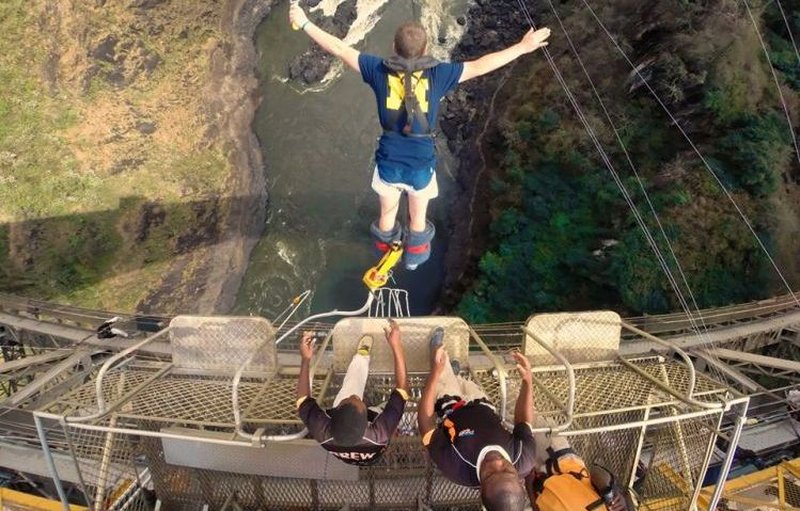
Victoria Falls anchors every Zimbabwe itinerary, and rightly so. Twice the height of Niagara and the widest curtain of falling water on earth, the Falls offer not merely a viewpoint but an entire portfolio of experiences: helicopter flights over the gorge, white-water rafting through Grade 5 rapids, bungee jumping from the bridge, and the surreal privilege of swimming in the Devil's Pool at the very lip of the cascade during low water. The town of Victoria Falls has evolved into a sophisticated base with world-class hotels, restaurants, and a creative energy that makes it a destination in its own right.

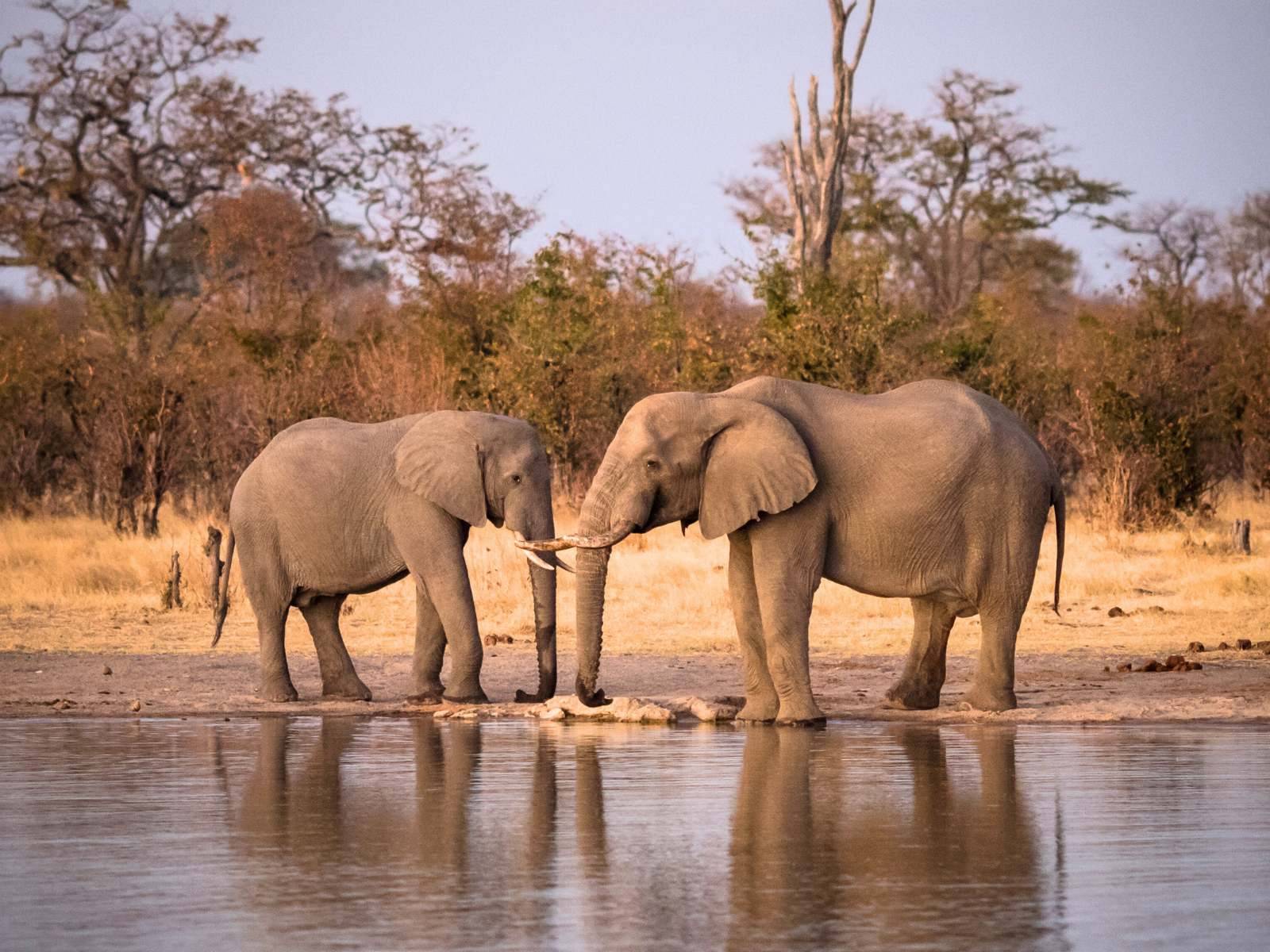
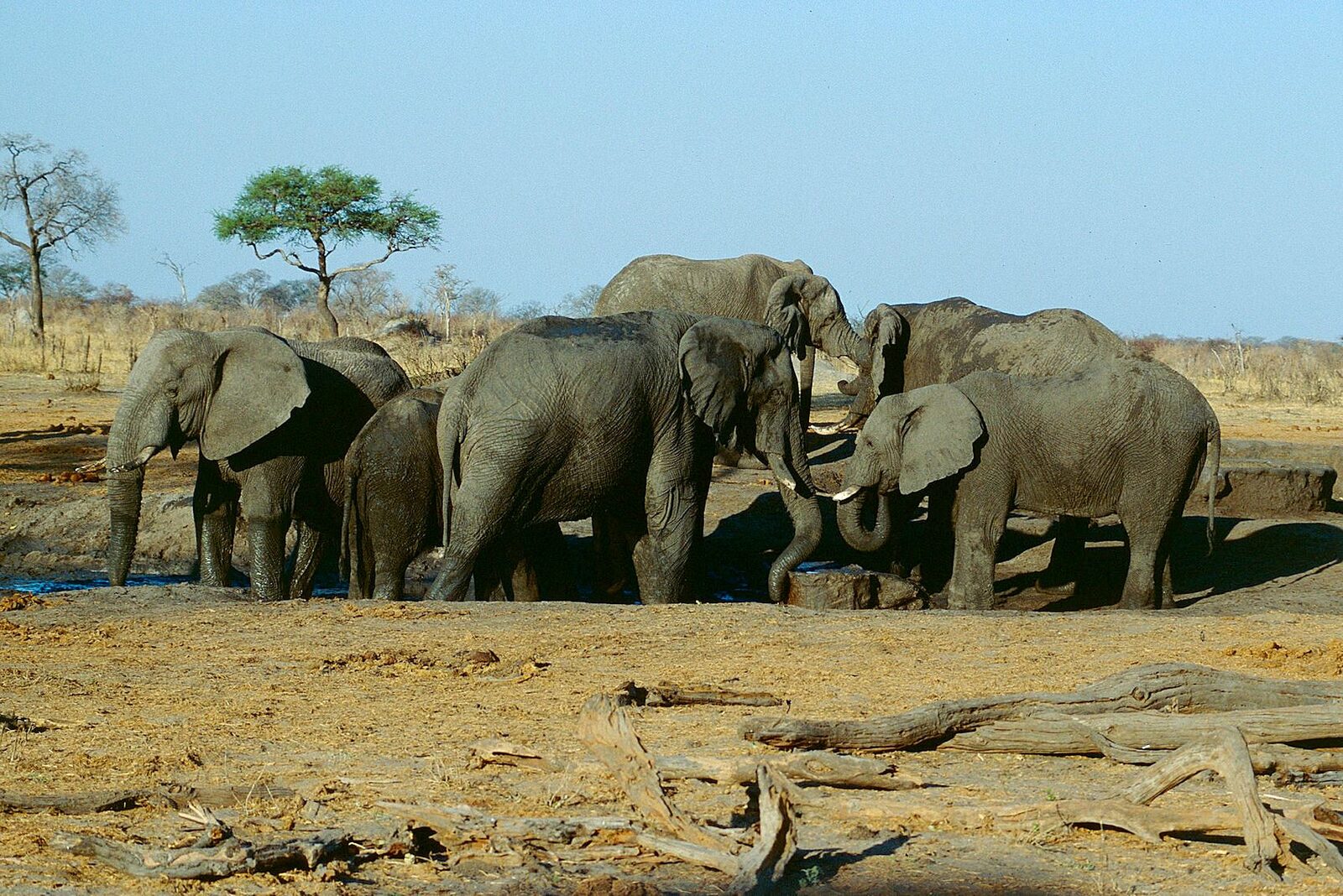
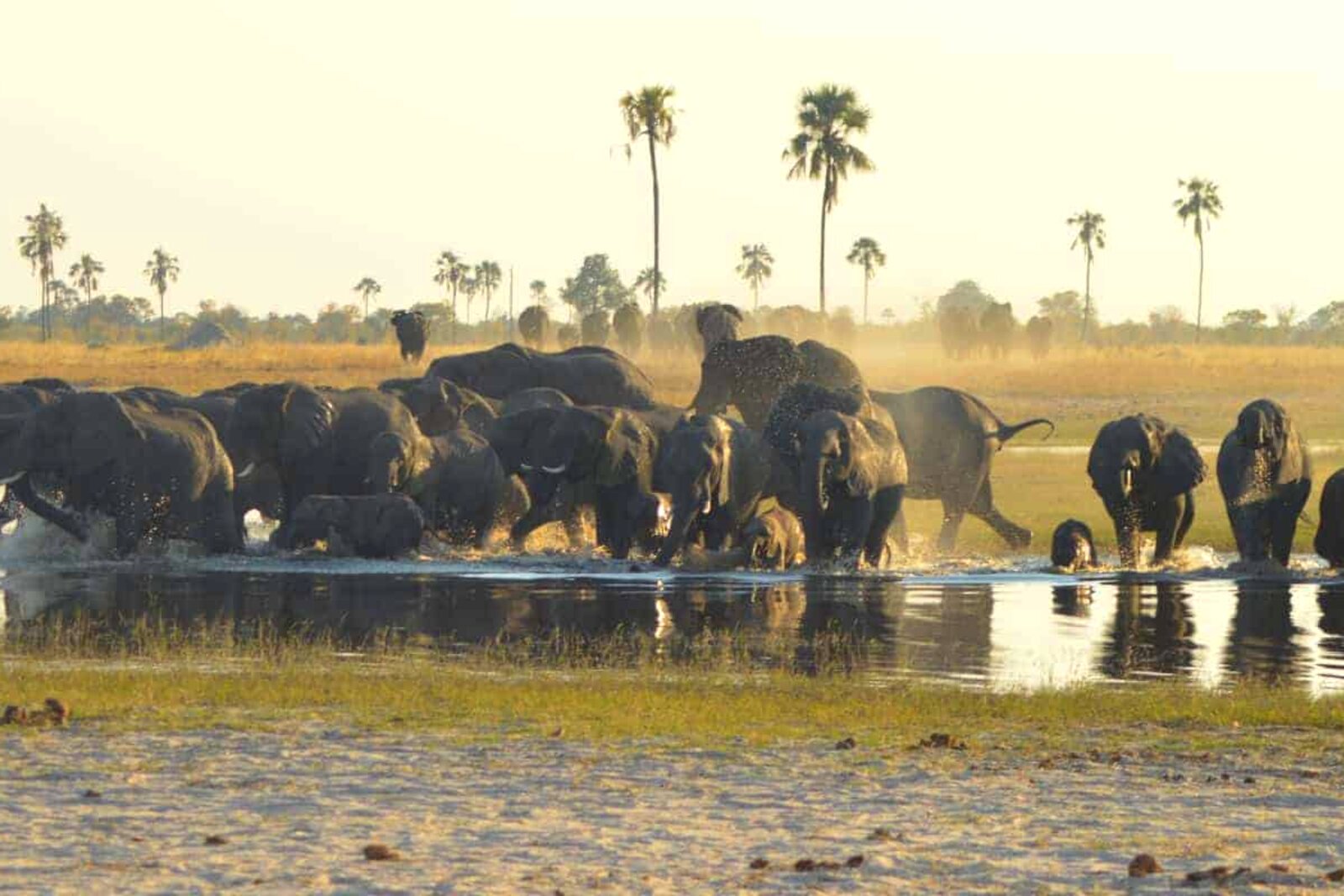
But the deeper Zimbabwe reveals itself beyond the Falls. Hwange National Park—one of Africa's ten largest reserves—shelters 45,000 elephants and over 100 mammal species across 14,600 square kilometres of Kalahari sandveld. Mana Pools, a UNESCO World Heritage Site on the Zambezi River, offers what many guides consider the finest walking safari experience in Africa—tracking elephant and wild dog on foot through a landscape of cathedral-like albida woodland. Great Zimbabwe, the ancient stone city that gives the nation its name, stands as sub-Saharan Africa's most significant archaeological site. And Matobo Hills, with its 13,000-year-old rock art and world-class rhino tracking, provides cultural and ecological depth that few countries can match.

Zimbabwe's guiding standards are legendary—the country's professional guide qualification is widely regarded as the most rigorous in Africa. When you travel with a Zimbabwean guide, you travel with someone who has spent years mastering ecology, tracking, history, and the art of storytelling. Our private Zimbabwe tours, designed as extensions from Cape Town or Botswana, place you in the care of these extraordinary professionals.

At a Glance

Zimbabwe at a Glance

Best Time to VisitApril–May for peak Victoria Falls water levels. July–October for safari game viewing. September–November for low-water Falls activities (Devil's Pool, rafting). Year-round for Victoria Falls.
Tour Duration3–12 days (5–7 days optimal for Falls + safari combination)
ClimateSubtropical with distinct wet (Nov–Mar) and dry (Apr–Oct) seasons. Victoria Falls area warm year-round (25–35°C summer, 18–28°C winter). Hwange and Mana Pools hot in October (40°C+), comfortable May–August (20–28°C).

Quick Facts

  • CurrencyUS Dollar (USD) is primary currency; ZiG (Zimbabwe Gold) also in circulation
  • LanguagesEnglish (official), Shona, Ndebele
  • Time ZoneCAT (UTC+2)
  • VisaVisa on arrival for US, UK, EU, Canada, Australia ($30 single entry, $45 double). KAZA Univisa ($50) for Zimbabwe + Zambia
  • AirportsVictoria Falls (VFA), Harare (HRE), Bulawayo (BUQ)
  • DrivingLeft-hand side

Signature Highlights

  • Victoria Falls rainforest walk
  • Helicopter 'Flight of Angels' over the Falls
  • Zambezi River sunset cruise
  • White-water rafting the Batoka Gorge
  • Hwange elephant-herd game drives
  • Mana Pools walking safari
  • Great Zimbabwe guided tour
  • Matobo Hills rhino tracking on foot
Where to Go

Regional Highlights

The defining landscapes and experiences that shape a private journey through Zimbabwe.

Victoria Falls01

Victoria Falls

Victoria Falls is one of those rare natural wonders that exceeds expectation. You arrive expecting magnificence and discover something closer to the sublime—a force of nature so immense, so loud, and so drenching that it overwhelms every sense simultaneously. The Zambezi River, t…

  • Rainforest viewpoint trail (16 points)
  • Victoria Falls Bridge
  • Helicopter 'Flight of Angels'
  • Zambezi sunset cruise
  • Bungee jumping (111 metres)
Hwange National Park02

Hwange National Park

Hwange is Zimbabwe's flagship wildlife reserve—14,600 square kilometres of Kalahari sandveld, mopane woodland, and teak forest that shelters one of the largest and most diverse wildlife populations in Africa. The park's 45,000 elephants alone would justify a visit, but Hwange del…

  • Elephant herds (45,000 strong)
  • Waterhole game viewing
  • African wild dog packs
  • Sable and roan antelope
  • Night drives in private concessions
Mana Pools National Park03

Mana Pools National Park

Mana Pools is the connoisseur's safari destination—a UNESCO World Heritage Site that offers what many professional guides consider the finest walking safari experience on the African continent. Located on the southern bank of the Zambezi River in northern Zimbabwe, Mana Pools der…

  • Walking safaris in albida woodland
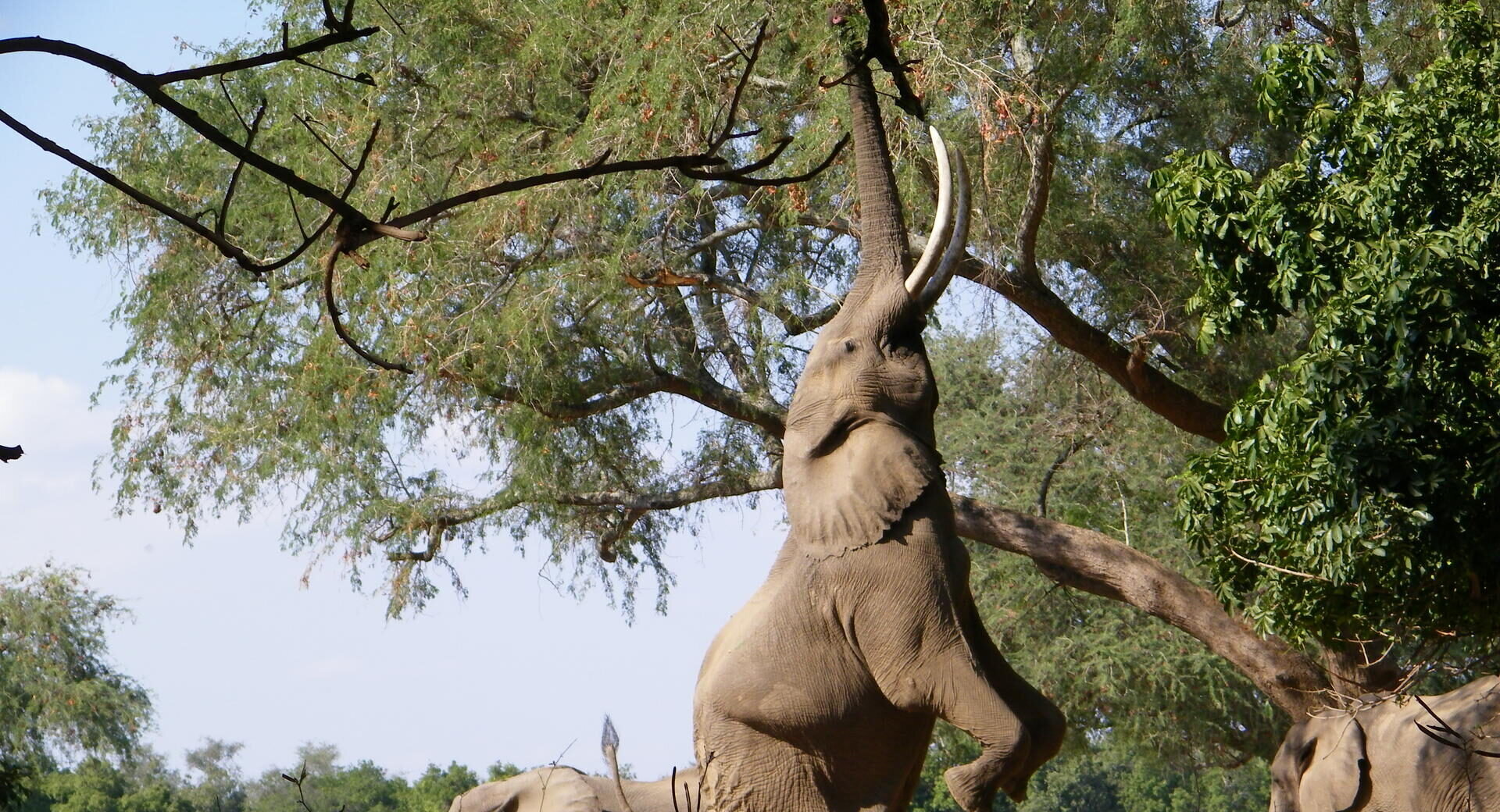
  • Elephants standing on hind legs
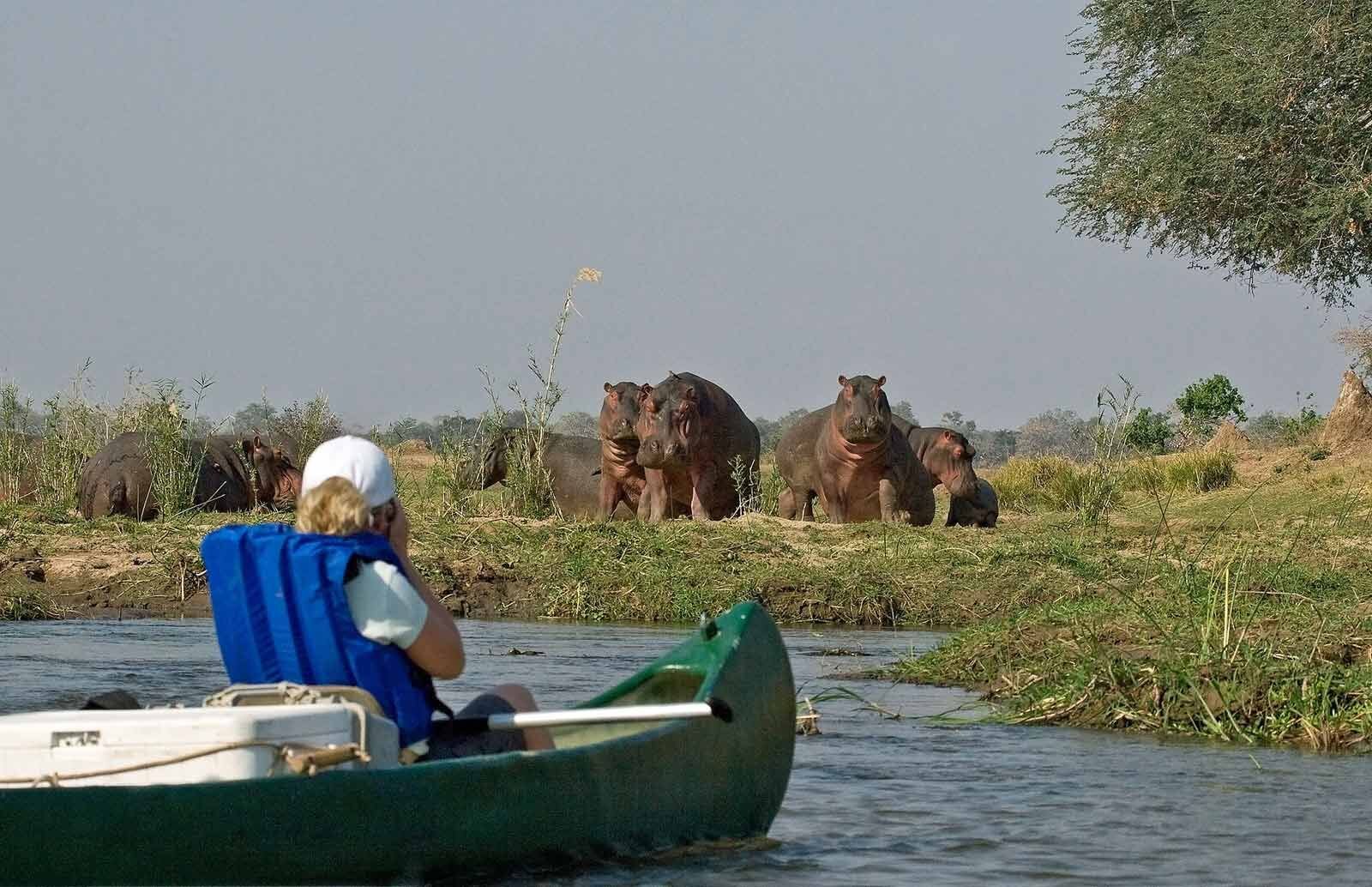
  • Zambezi canoe safaris
  • Wild dog and predator encounters
  • Tigerfish angling
Great Zimbabwe & Masvingo04

Great Zimbabwe & Masvingo

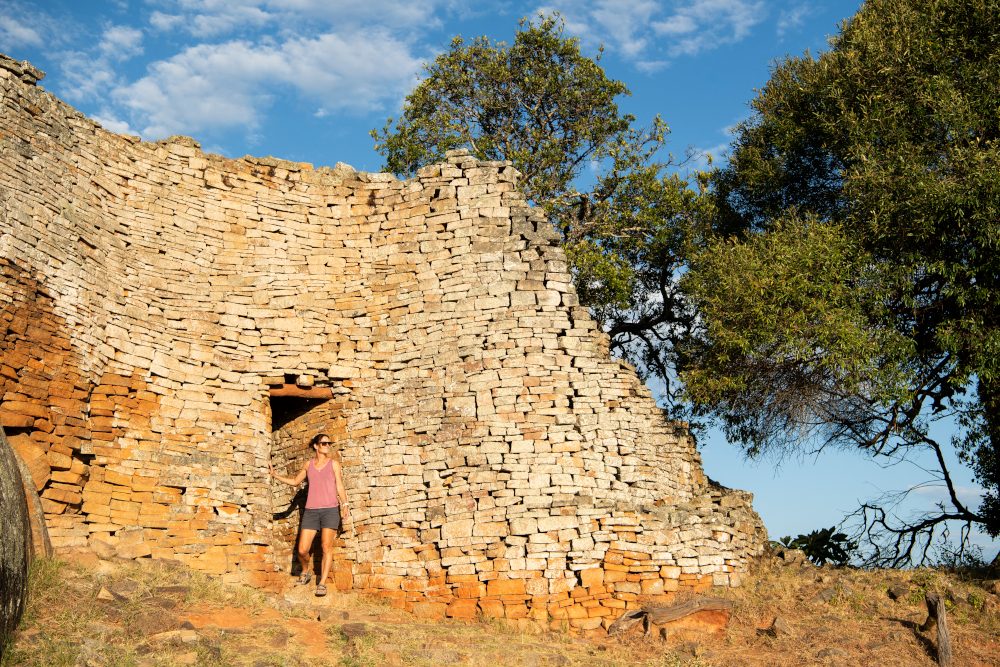
Great Zimbabwe is the most significant archaeological site in sub-Saharan Africa south of the Sahara—a medieval stone city that was once the capital of a civilisation controlling trade routes from the Indian Ocean to the African interior. The name Zimbabwe itself derives from the…

  • Great Enclosure and Conical Tower
  • Hill Complex royal ruins
  • Valley Ruins archaeological area
  • Soapstone bird carvings
  • Guided historical tours
Curated For You

Signature Experiences

Victoria Falls Activities

Victoria Falls is not a single experience but an entire portfolio of encounters with one of the planet's most powerful natural forces. The range of activities available in and around the Falls ensures that every type of traveller—from the contemplative to the adrenaline-obsessed—finds their moment.

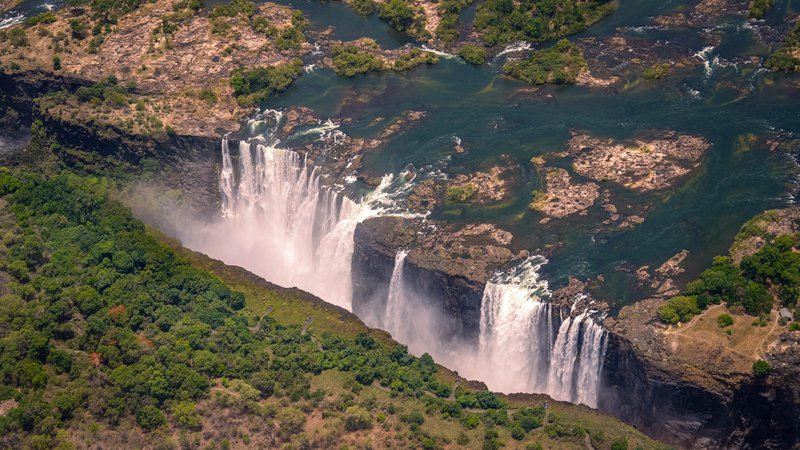
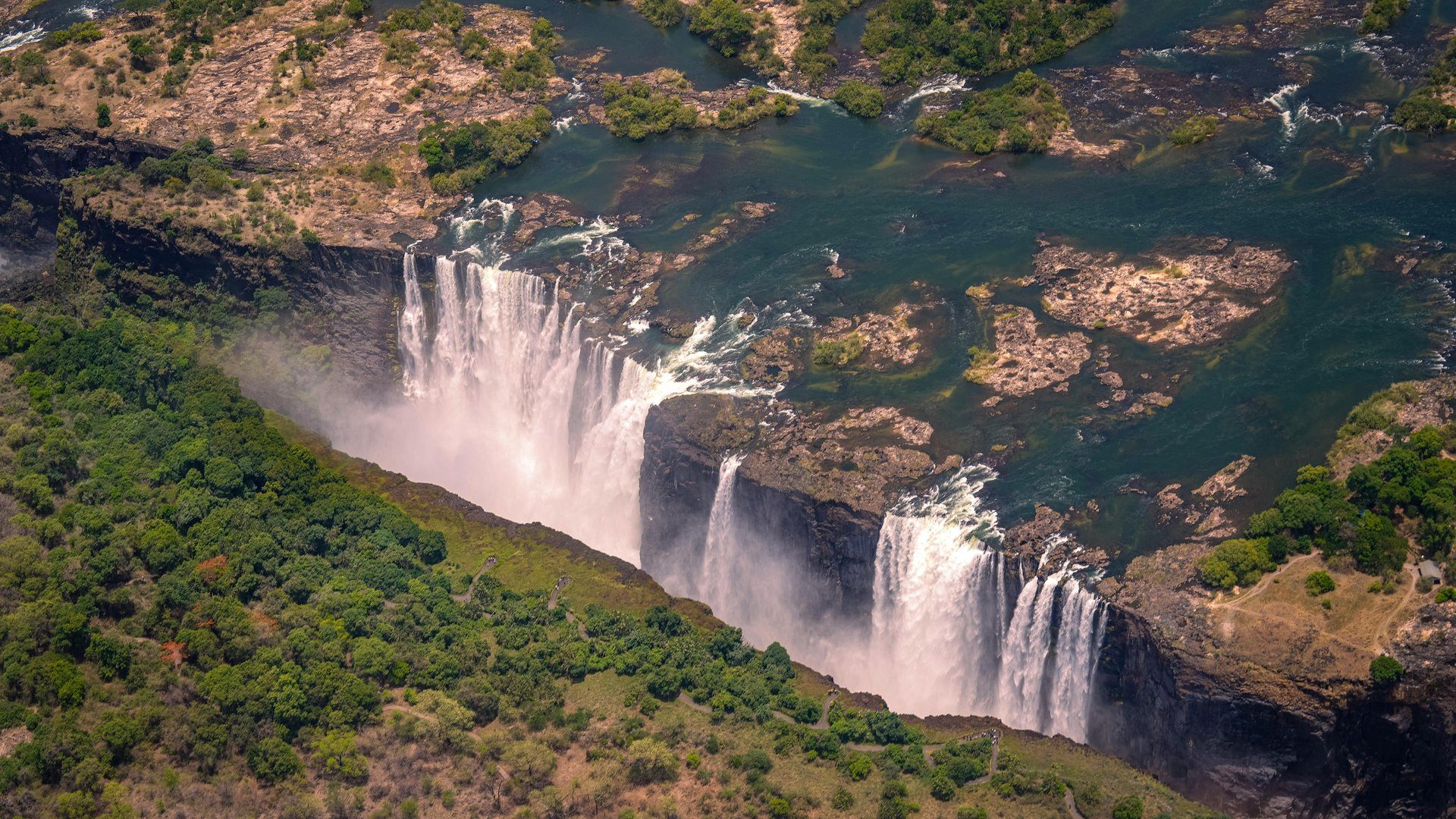
The 'Flight of Angels' helicopter tour is the defining Victoria Falls experience. A thirteen-minute flight traces the gorge upstream to the lip of the Falls, then directly over the cascade at an altitude that places you inside the spray column. The aerial perspective reveals the full 1.7-kilometre width of the Falls and the zigzag pattern of the Batoka Gorge downstream—a view impossible from any ground position. For photographers, the door-off option (available on request) eliminates reflections and provides unobstructed shooting angles.

White-water rafting the Batoka Gorge is consistently rated among the world's top five rafting experiences. The twenty-three rapids between the Falls and the Songwe Gorge include several Grade 5 sections—commercially the highest level raftable. The low-water season (August–December) provides the most intense rapids and the clearest water. Full-day expeditions cover roughly twenty-five kilometres and include a cable-car ascent out of the gorge at the conclusion.

The Zambezi sunset cruise—typically a two-to-three-hour affair on a pontoon or luxury vessel—offers the Falls experience at its most refined. Hippo pods surface in the golden light. Elephant herds drink on the Zambian bank. Fish eagles call from the riverside trees. And the spray column of the Falls, visible downstream, glows pink in the last light.

Walking Safaris

Zimbabwe's professional guiding tradition is the backbone of the country's safari identity, and nowhere is this more evident than on a walking safari. Zimbabwean walking guides undergo one of the most rigorous qualification processes in Africa—a multi-year apprenticeship that culminates in examinations testing ecology, tracking, firearms proficiency, and the ability to manage dangerous game encounters on foot. The result is a guide corps whose expertise is respected across the continent.

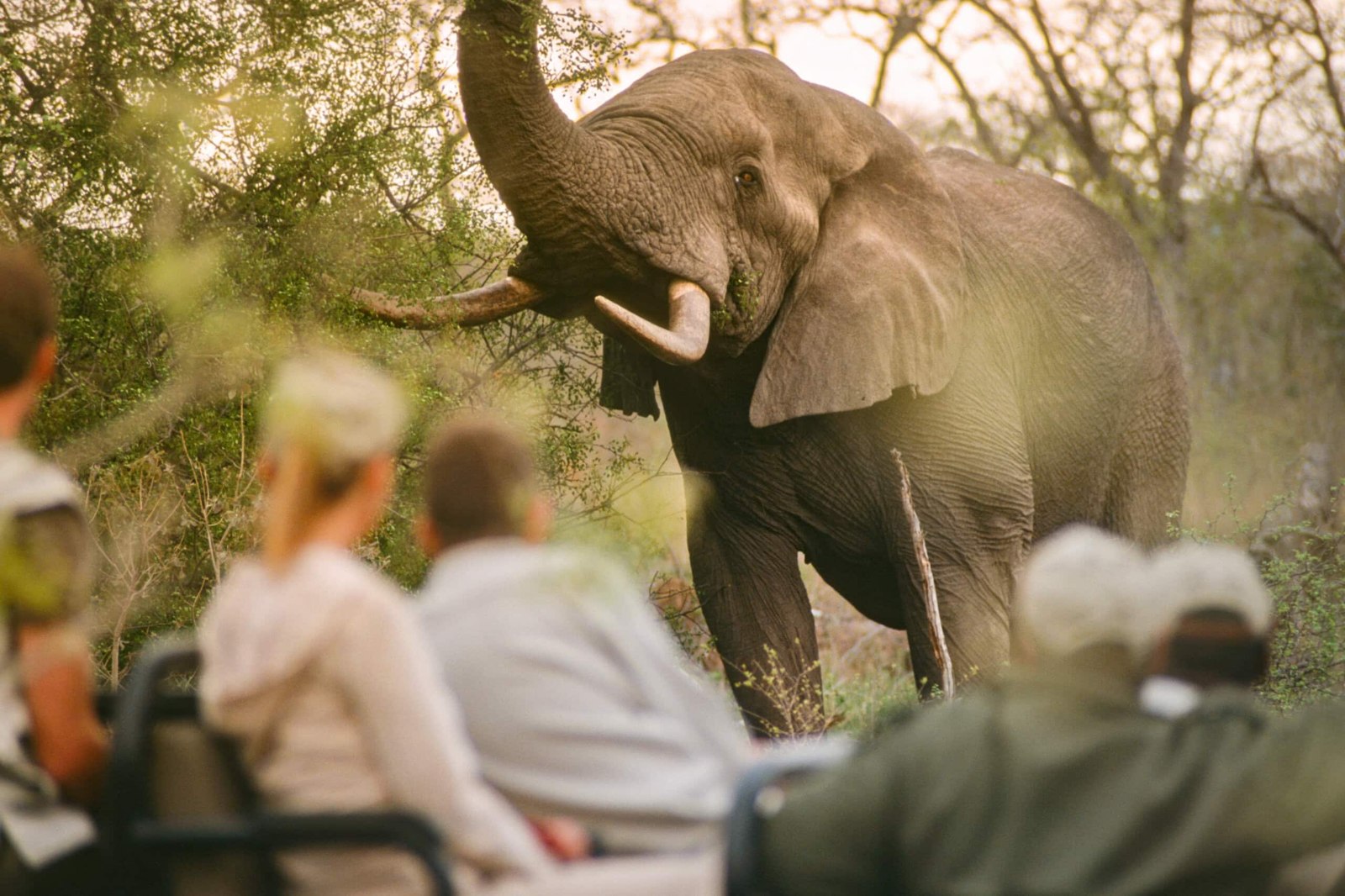
Mana Pools is the epicentre of Zimbabwean walking safaris. The park's open albida woodland provides the visibility essential for safe walking, and its habituated wildlife—particularly elephant—allows approaches that would be impossible in denser bush. Walking with elephant at close range, guided by someone who reads their body language as fluently as a conductor reads a score, is one of Africa's most profound wildlife experiences.

Hwange and Matobo Hills offer complementary walking experiences. In Hwange, bush walks from private concession camps reveal the smaller ecological stories—dung beetle engineering, termite mound architecture, the tracking of predators through soft sand. In Matobo, the walk is focused on rhino—approaching these ancient, armoured creatures on foot through boulder-strewn terrain that has sheltered them for millennia.

A walking safari in Zimbabwe is not merely a different mode of transport through the bush—it is a fundamentally different relationship with the landscape. On foot, the scale shifts. Sound sharpens. Smell intensifies. And the bush, which from a vehicle can feel like a drive-through nature film, becomes something you inhabit rather than observe.

Cultural & Historical Heritage

Zimbabwe's cultural heritage spans from the stone age to the struggle for independence, and private touring provides the pace and expertise needed to engage with this history meaningfully.

Great Zimbabwe is the centrepiece—a medieval city of precisely fitted stone walls that challenges assumptions about pre-colonial African civilisation. A guided tour with a specialist historian transforms the ruins from impressive stonework into a vivid portrait of a thriving trading empire that connected the gold fields of the interior with the spice routes of the Indian Ocean. The site's soapstone birds, now the national emblem, carry layers of spiritual and political significance that only expert interpretation can reveal.

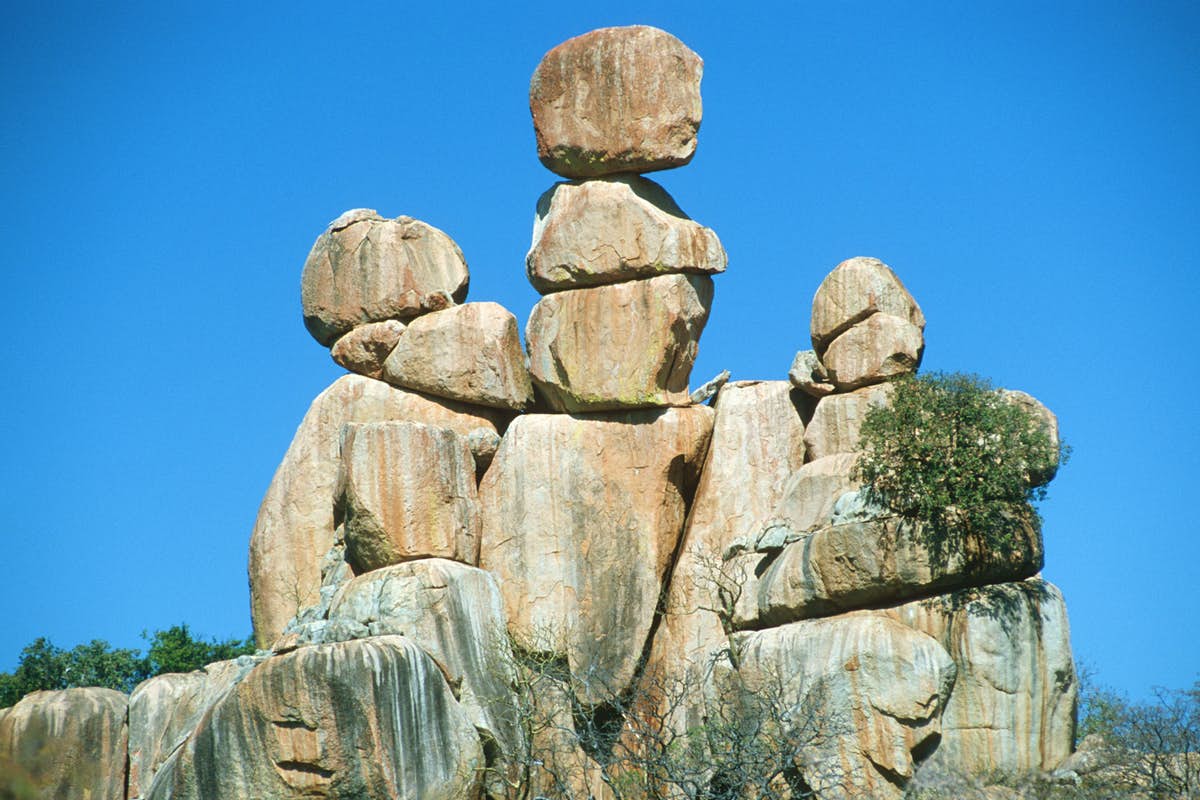
Matobo Hills' rock art galleries—over 3,000 registered sites spanning 13,000 years—offer a different kind of historical encounter. The paintings document not only hunting and gathering but spiritual practices, social structures, and the deep relationship between San communities and the animal world. Standing before a panel painted thousands of years ago, in the same shelter where the artists lived, creates a connection to the deep past that few experiences can match.

The liberation struggle history—accessible through museums in Harare and guided experiences at sites associated with Zimbabwe's journey to independence—adds contemporary depth. For visitors who have engaged with South Africa's apartheid narrative, Zimbabwe's parallel history provides essential context for understanding the broader arc of southern African politics and identity.

Zambezi River Adventures

The Zambezi is Zimbabwe's great artery—the fourth-longest river in Africa, flowing 2,574 kilometres from its source in Zambia to its delta in Mozambique. Along Zimbabwe's northern border, the Zambezi creates a sequence of experiences that range from serene to explosive.

Upstream of Victoria Falls, the river is wide, calm, and hippo-rich—ideal for sunset cruises that pair gin and tonics with birdlife and golden light. The river islands above the Falls provide canoeing opportunities where the only sound is the paddle entering the water and the distant rumble of what lies downstream.

Below the Falls, the character transforms entirely. The Batoka Gorge channels the full force of the Zambezi through a series of rapids that rate among the most challenging commercially raftable water on earth. The rafting experience is genuine adventure—cold water, crashing waves, and the occasional involuntary swim.

Further downstream, at Mana Pools, the Zambezi returns to its gentler personality. Multi-day canoe safaris from Chirundu to Kanyemba trace the river through landscapes of extraordinary beauty—albida-lined banks, granite gorges, and sandbar camping under skies unsullied by light pollution. Elephant, hippo, and crocodile share the waterway, and the experience of drifting silently past a bull elephant drinking at the water's edge, at eye level, is among the most intimate wildlife encounters available anywhere in Africa.

Hour by Hour

A Perfect Day at Victoria Falls

An hour-by-hour journey through the Smoke that Thunders and its surroundings

  1. 06:00

    Sunrise at the Rainforest

    Enter the Victoria Falls rainforest before the crowds. The spray creates a permanent micro-climate of tropical vegetation on the gorge rim—ferns, palms, and mahogany trees draped in mist. At this hour, the light is soft, the rainbows begin to form, and you have the viewpoints largely to yourself.

  2. 07:30

    Danger Point & the Eastern Cataract

    Work your way along all sixteen viewpoints to the eastern end. Danger Point lives up to its name—the spray is intense, the gorge is dizzying, and the roar of the Main Falls fills the air with a vibration you feel in your chest. Waterproof your camera, accept that you will be drenched, and lean into the experience.

  3. 09:00

    Breakfast at the Victoria Falls Hotel

    Retreat to the terrace of the grand Victoria Falls Hotel—a 1904 Edwardian landmark overlooking the gorge and the iconic bridge. Breakfast is served beneath ceiling fans on a terrace where the spray column rises in the middle distance. Order eggs royale and a pot of Zimbabwean coffee.

  4. 10:30

    Helicopter Flight of Angels

    The thirteen-minute helicopter flight traces the Zambezi upstream, banks over the Falls, and follows the Batoka Gorge downstream. From five hundred feet, the full scale of the cascade is revealed—the width, the depth of the gorge, the zigzag pattern of ancient fissures. This is the single most spectacular aerial experience in southern Africa.

  5. 12:00

    Victoria Falls Bridge Walk

    Walk across the Victoria Falls Bridge—spanning the Second Gorge 128 metres above the Zambezi. The bridge marks the border between Zimbabwe and Zambia, and the views upstream to the Falls and downstream into the gorge are extraordinary. For the adventurous, bungee jumping from the bridge centre is available.

  6. 13:00

    Lunch at The Lookout Café

    Perched on the edge of the Batoka Gorge, The Lookout Café offers uninterrupted views of the gorge, the bridge, and the spray column. The menu features Zimbabwean-inspired cuisine—crocodile bites, warthog sliders, and impala carpaccio alongside international options. The setting defies competition.

  7. 14:30

    Local Art & Craft Market

    Explore the vibrant craft markets near the Falls entrance—skilled artisans sell hand-carved stone sculptures, Shona basketwork, batik fabrics, and recycled-metal art. Your guide navigates pricing and authenticity, ensuring purchases support local communities directly.

  8. 15:30

    Zambezi National Park Game Drive

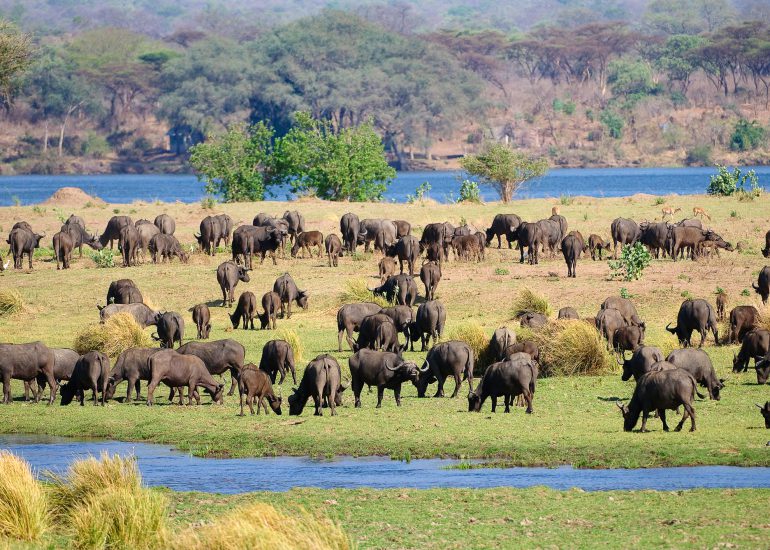
    A short drive from town, the Zambezi National Park offers a riverside game drive along the upper Zambezi. Elephant, giraffe, zebra, and sable antelope graze alongside the river. The park's relative quietness—compared to Hwange or Chobe—makes it a rewarding afternoon excursion.

  9. 17:00

    Zambezi Sunset Cruise

    Board a luxury vessel for a two-hour sunset cruise upstream. Hippos surface in the golden light. Elephant herds silhouette against the Zambian bank. Fish eagles call from riverside trees. Your guide serves canapés and cocktails as the sun dissolves into the river in bands of copper and crimson.

  10. 19:30

    Boma Dinner Under the Stars

    The evening concludes at The Boma—Dinner & Drum Show, a Victoria Falls institution. A traditional Zimbabwean buffet features game meats, sadza (maize porridge), and local delicacies, accompanied by live drumming, dancing, and the opportunity to join in. The performance is exuberant, genuine, and the perfect finale to a day that began with the world's greatest waterfall.

When to Visit

When to Visit: A Seasonal Guide

High Water Season (February – May)

This is Victoria Falls at its most powerful. The Zambezi reaches peak flow in March and April, transforming the Falls into an unbroken wall of water that generates spray visible from sixty kilometres away. The experience is visceral—the noise, the mist, the sheer volume of water is overwhelming. Photography from ground level is challenging due to spray, but helicopter flights provide spectacular aerial perspectives. Safari game viewing improves from April as the dry season begins.

Best for
  • Maximum Victoria Falls water flow
  • Helicopter flights over the Falls
  • Photography of spray and rainbows
  • Dramatic emotional impact
  • Green, lush landscapes

Heavy spray obscures ground-level views during peak flow (March–April). White-water rafting is suspended during highest water levels. Devil's Pool is closed. Book waterproof camera housing.

Dry Season & Peak Safari (June – October)

The optimal window for combining Victoria Falls with safari. Water levels at the Falls provide a balanced experience—dramatic enough to impress, clear enough to see the full rock face and photograph from ground level. Hwange and Mana Pools deliver peak game viewing as animals concentrate at waterholes. Days are warm, nights are cool, and skies are cloudless. This is Zimbabwe's prime tourism season.

Best for
  • Combined Falls & safari itineraries
  • Hwange and Mana Pools game viewing
  • Clear Falls photography (ground level)
  • Comfortable temperatures
  • Walking safaris

Peak rates and highest demand. October is extremely hot (40°C+) in the Zambezi Valley. Book safari camps 6–12 months ahead. The Zambian side of the Falls dries up significantly by October.

Low Water & Adventure Season (September – December)

Victoria Falls at low water reveals its geological architecture—the basalt rock face, the individual cataracts, and the depth of the gorge are all visible. This is the season for adrenaline: white-water rafting rapids are at their most intense, the Devil's Pool on the Zambian side opens for swimming at the Falls' lip, and Livingstone Island becomes accessible. The first rains arrive in November, greening the landscape and bringing migratory birds.

Best for
  • White-water rafting (Grade 5 rapids)
  • Devil's Pool swimming (Zambian side)
  • Livingstone Island visits
  • Falls geological photography
  • Adventure activities (best conditions)

The Zambian side of the Falls may be nearly dry by November. October heat in the lowveld is extreme. First rains (November) can be unpredictable.

Month-by-Month Calendar
JanWet season. Rains building. Victoria Falls water rising. Green landscapes. Off-peak rates.
FebHeavy rains. Falls approaching peak. Lush vegetation. Birdwatching excellent. Low tourism.
MarPeak water levels begin. Falls at maximum intensity. Spray at its thickest. Helicopter flights essential.
AprPeak flow. Falls at their most dramatic. Rain easing. Safari season beginning in Hwange.
MayWater levels remain high. Clear skies return. Excellent Falls viewing. Safari game concentrating.
JunBalanced Falls viewing. Dry season established. Hwange waterholes productive. Peak rates begin.
JulFalls still impressive. Safari at its best. Cold mornings, warm days. Wild dog denning in Hwange.
AugFalls receding. Mana Pools at its finest. Elephant standing behaviour. Walking safari prime.
SepLow water approaching. Rafting season peaks. Hot days. Game viewing intense at waterholes.
OctLowest water levels. Devil's Pool opens. Extreme heat. Dramatic game viewing at dwindling water.
NovFirst rains. Victoria Falls begins to rebuild. Migratory birds arrive. Green season rates.
DecRains established. Falls rising. Festive season. Green landscapes. Moderate tourism levels.
Travel With Purpose

Conservation & Wildlife Recovery

Zimbabwe's conservation story is one of resilience. Despite the economic challenges of the early 2000s, the country's wildlife areas have been sustained by a combination of dedicated rangers, private-sector investment, and community engagement that has kept park infrastructure functioning through the most difficult years.

Hwange National Park's waterhole system—a lifeline for the park's 45,000 elephants and countless other species—has been maintained through lean times by organisations like the Hwange Conservation Society, which funds pump maintenance and anti-poaching patrols. Private concessions bordering the park have invested millions in infrastructure, employment, and community development, creating an economic model where conservation generates livelihoods.

Mana Pools has benefited from its UNESCO World Heritage status, which provides international visibility and funding support. The park's wild dog population—one of the most photographed and researched in Africa—has been protected by the Painted Dog Conservation organisation, based near Hwange, which combines anti-poaching work, community education, and rehabilitation of injured animals.

The Matobo Hills rhino programme represents one of Zimbabwe's most tangible conservation successes. Through intensive protection, anti-poaching patrols, and the engagement of local communities as conservation partners, the park's rhino population has been stabilised and expanded. Tracking rhino on foot in Matobo is not merely a tourist activity—it is a direct encounter with the outcome of decades of conservation commitment.

When you visit Zimbabwe, you contribute to this conservation economy. Camp fees fund anti-poaching units, guide salaries support local families, and the economic value of wildlife tourism provides communities with a compelling reason to protect rather than exploit their natural heritage.

Know Before You Go

Travel Essentials

Getting There

Victoria Falls Airport (VFA) receives direct flights from Johannesburg (two hours), Cape Town (via Johannesburg), Nairobi, and Addis Ababa. Harare (HRE) serves as an alternative gateway with connections from Johannesburg, Dubai, and Ethiopian Airlines' extensive African network. Charter flights connect Victoria Falls directly with Hwange, Mana Pools, and Kariba—typically included in safari packages. From Cape Town, the most common routing is a two-hour connection through Johannesburg to Victoria Falls, arriving in time for an afternoon sunset cruise.

Getting Around

Victoria Falls town is compact and walkable, with most hotels, restaurants, and the Falls entrance within a five-kilometre radius. Transfers to activities are typically included in accommodation packages. For Hwange, light aircraft charters from Victoria Falls take approximately thirty minutes; road transfers take three hours via a tarred highway. Mana Pools is accessible by charter flight from Victoria Falls, Harare, or Kariba. We coordinate all internal transfers and flights as part of your bespoke itinerary.

Visa Requirements

Zimbabwe offers visa on arrival for citizens of most Western nations including the United States, United Kingdom, European Union, Canada, and Australia. Single-entry visas cost USD $30; double-entry visas cost USD $45—payable in US dollars cash at the immigration desk. The KAZA Univisa (USD $50) covers both Zimbabwe and Zambia with multiple crossings, valid for 30 days—highly recommended for travellers visiting both sides of Victoria Falls or adding a Chobe day trip. E-visas are also available via evisa.gov.zw, recommended to reduce queuing times. Passports must be valid for six months with at least two blank pages.

Currency & Payments

The United States Dollar is the primary transactional currency in Zimbabwe's tourism sector. Hotels, restaurants, safari lodges, and activity operators all price and accept payment in USD. Clean, undamaged US dollar notes are essential—torn or heavily worn bills may be refused. Credit cards (Visa, Mastercard) are accepted at most hotels and established businesses. ATMs in Victoria Falls dispense USD but may have limited availability. The Zimbabwe Gold (ZiG) is the domestic currency but is not commonly used in the tourism sector. Carry small denomination USD notes ($1, $5, $10) for tips and small purchases.

Health & Safety

No vaccinations are mandatory for Zimbabwe entry, though Hepatitis A, Typhoid, and routine immunisations are recommended. Malaria prophylaxis is advised for all safari areas including Victoria Falls, Hwange, and Mana Pools—the entire Zambezi Valley is a malaria zone. Consult your travel health provider four to six weeks before departure. Victoria Falls town is safe for walking during daylight. Standard precautions apply: use hotel safes, avoid isolated areas after dark, and rely on reputable transfer services. Medical facilities in Victoria Falls and Harare are adequate for minor issues; comprehensive travel insurance with medical evacuation cover is essential for safari regions.

What to Pack

Victoria Falls demands waterproof gear: a rain jacket, waterproof phone pouch, and dry bag for cameras are essential during high water (February–June). For safari, pack neutral colours, warm layers for cold morning game drives (June–August), and sturdy walking shoes for bush walks. Binoculars and a camera with telephoto lens enhance every safari. Sun protection is critical year-round: SPF 50+, a wide-brimmed hat, and sunglasses. Evenings at Victoria Falls hotels are smart-casual. Insect repellent with DEET is recommended for all areas. A universal power adapter (Type G, UK-style three-pin) is needed for Zimbabwean outlets.

Multi-Country Journeys

Combining Zimbabwe with Botswana & South Africa

Zimbabwe occupies a strategic position in southern Africa's tourism geography—it connects effortlessly with both Botswana and South Africa, making it the ideal bridge in a multi-country itinerary.

The Victoria Falls–Chobe combination is the region's most natural pairing. Chobe National Park sits just ninety minutes by road from Victoria Falls, and day trips are popular. For a deeper experience, two to three nights in Chobe allows dedicated game drives, river cruises, and the chance to witness the park's legendary elephant concentrations. From Chobe, fly-in transfers to the Okavango Delta extend the journey into Botswana's premier wilderness.

The Zimbabwe–South Africa connection typically flows through Victoria Falls. A two-hour flight to Johannesburg connects to Cape Town, the Winelands, or the Garden Route. A recommended itinerary might begin with three nights at Victoria Falls, three nights in Hwange, then fly to Cape Town for four nights of urban exploration and wine country touring—a ten-day journey that captures the full spectrum of southern African travel.

For the ambitious traveller, the grand southern African circuit—Cape Town, Namibia, Botswana, Zimbabwe—is achievable in three to four weeks and represents one of the world's great overland journeys. We design each segment to flow naturally into the next, with guides, vehicles, and accommodation pre-arranged so that border crossings and internal transfers feel like transitions rather than interruptions.

The KAZA Univisa simplifies cross-border movement between Zimbabwe and Zambia, and Botswana's visa-free entry for most Western nationals eliminates bureaucratic friction. We handle all visa guidance, border logistics, and transfer coordination as part of your bespoke itinerary.

Good to Know

Frequently Asked Questions

Which side of Victoria Falls is better—Zimbabwe or Zambia?

The Zimbabwe side offers the most comprehensive viewing experience, with sixteen viewpoints spanning the full width of the Falls. The Zambia side provides a closer, more intimate encounter—particularly at the Devil's Pool and Livingstone Island during low water. We recommend experiencing both sides, which the KAZA Univisa ($50) facilitates. If time is limited, the Zimbabwe side delivers the more complete experience.

When is the best time to see Victoria Falls?

Each season offers a different experience. High water (March–May) delivers maximum drama—a thundering wall of water with spray rising three hundred metres. Low water (September–December) reveals the rock face and enables rafting and Devil's Pool. June–August provides the best balance of impressive water flow and clear photography conditions. There is no wrong time—only different versions of spectacular.

Is Zimbabwe safe for tourists?

Zimbabwe's major tourist destinations—Victoria Falls, Hwange, Mana Pools, and Great Zimbabwe—are safe and well-managed. Victoria Falls town is walkable during daylight, and safari areas are professionally operated by experienced guides. Standard travel precautions apply: use reputable operators, avoid displaying expensive items, and follow your guide's advice. Zimbabwe's people are widely regarded as among the most welcoming in Africa.

What currency should I bring?

US dollars are the primary currency in Zimbabwe's tourism sector. Bring clean, undamaged USD notes—bills with tears or excessive wear may be refused. Credit cards are accepted at major hotels and restaurants. Carry small denominations ($1, $5, $10) for tips, market purchases, and entry fees. The Zimbabwe Gold (ZiG) circulates domestically but is not commonly used in the tourism sector.

How do I get from Victoria Falls to Hwange?

Hwange is approximately 200 kilometres from Victoria Falls—a three-hour road transfer or a thirty-minute charter flight. Most luxury safari packages include light aircraft transfers for convenience and time efficiency. Road transfers pass through the Hwange communal lands and can include game viewing en route. We arrange all transfers as part of your itinerary.

What is the KAZA Univisa?

The KAZA (Kavango-Zambezi) Univisa costs USD $50 and allows multiple entries between Zimbabwe and Zambia for 30 days. It also covers day trips to Botswana via the Kazungula border. Available at Victoria Falls Airport, Livingstone Airport, and major land borders, it is the most cost-effective option for travellers visiting both sides of the Falls or adding a Chobe day trip.

Is Victoria Falls suitable for families?

Victoria Falls is an excellent family destination. The rainforest walk is suitable for all ages, sunset cruises welcome children, and many activities—including helicopter flights, bridge walks, and cultural visits—accommodate families. For children aged twelve and above, white-water rafting and zip-lining add adventure. Hwange's private camps welcome families and offer junior ranger programmes. We advise on age-appropriate activities and malaria precautions during planning.

Can I swim at Victoria Falls?

The Devil's Pool—a natural rock pool at the very lip of the Falls on the Zambian side—is open for swimming from approximately mid-August to mid-January when water levels are low enough for safe access. Participants swim to the pool's edge and peer over the 108-metre drop with only a rock lip separating them from the cascade. It is an extraordinary experience, accessed via Livingstone Island with trained guides. Booking well in advance is essential.

How many days do I need in Zimbabwe?

Two to three nights at Victoria Falls provides time for the Falls, helicopter flight, sunset cruise, and one adventure activity. Adding Hwange requires an additional three nights minimum. A comprehensive itinerary including Mana Pools requires seven to ten nights. Our most popular combination—three nights Victoria Falls, three nights Hwange—delivers an outstanding six-night experience that balances waterfall spectacle with world-class safari.

What is the white-water rafting like?

Victoria Falls rafting is consistently ranked among the top five white-water experiences globally. The Batoka Gorge below the Falls contains twenty-three rapids over approximately twenty-five kilometres, including several Grade 5 sections. Full-day trips last six to eight hours and include a cable-car ascent from the gorge. No prior experience is required—professional guides and safety kayakers accompany every trip. Minimum age is typically fifteen. Best conditions: August–December.

Do I need malaria medication?

Yes—malaria prophylaxis is recommended for all safari and Victoria Falls areas in Zimbabwe. The entire Zambezi Valley, including Victoria Falls, Hwange, and Mana Pools, carries malaria risk year-round, with higher transmission during the wet season (November–April). Consult your travel health provider at least four to six weeks before departure to determine the most appropriate prophylaxis for your health profile.

What makes Mana Pools special?

Mana Pools is a UNESCO World Heritage Site renowned for its walking safaris—arguably the finest in Africa. The open albida woodland provides exceptional visibility for on-foot encounters with elephant, wild dog, and lion. The park's elephants are famous for standing on their hind legs to reach seed pods—a behaviour unique to this location. Access is by charter flight, camps are small and intimate, and the experience is designed for dedicated safari enthusiasts.

Can I visit Great Zimbabwe on a Victoria Falls trip?

Great Zimbabwe is located near Masvingo, approximately 800 kilometres from Victoria Falls. It is best incorporated into a broader Zimbabwe itinerary that includes Bulawayo and Matobo Hills, or visited as a day trip from Harare. For Victoria Falls-focused itineraries, we recommend dedicating time to Hwange or Mana Pools instead, and visiting Great Zimbabwe on a separate, more comprehensive Zimbabwe exploration.

What is the best photography season for Victoria Falls?

Each season offers different photographic opportunities. High water (March–May) produces dramatic spray columns and vivid rainbows but obscures ground-level detail. Low water (September–November) reveals the rock face and individual cataracts for architectural detail. June–August provides the best balance for ground-level photography with impressive flow. For aerial photography, any season works—the helicopter perspective is spectacular year-round.

How does Zimbabwe compare to South Africa for safari?

Zimbabwe offers a more exclusive, intimate safari experience. Hwange and Mana Pools feature lower visitor numbers, more experienced guides, and a rawer wilderness feel compared to Kruger's busier corridors. Walking safaris in Zimbabwe are among the world's best. South Africa offers greater accessibility, malaria-free options (Addo, Eastern Cape), and the combination of urban and safari experiences. Many travellers find that combining both countries delivers the most complete southern African experience.

Chat