We're Open8am–6pm SAST
WishlistPartner Portal
Namibia · The Great White Place

Etosha National Park

The Great White Place

A shimmering salt pan visible from space, ringed by waterholes where elephant, giraffe, black rhino, lion and zebra gather in their hundreds. Etosha is Namibia's answer to the Serengeti — floodlit night vigils, self-drive gravel roads, and some of the most concentrated dry-season game viewing in southern Africa.

Best timeMay – OctoberWildlife114 mammal speciesThe park22,270 km² national parkJourneys from$4,200 pp
Scroll to Explore
Our Luxury Journeys

Multi-Day Namibia Journeys

Fully private, unhurried and all-inclusive — every one built around the game-rich waterholes of Etosha, from an eight-day highlights circuit to the twelve-day fly-in safari across all of Namibia. Private guides, the finest lodges on the pan, and every game drive and waterhole vigil crafted entirely around you.

The Beyond Africa Difference

We don't just *find* the waterhole. We know *which* one, and at *what* hour the light and the game arrive together.

Etosha National Park is Namibia's answer to the Serengeti — a 22,270 km² wilderness dominated by a vast, shimmering salt pan so large it is visible from space. The Etosha Pan itself is a 4,760 km² expanse of blinding white clay, the dried remnant of an ancient lake, where dry-season heat mirages make the horizon tremble like silver water. The park's genius lies in its waterholes: a ring of natural springs and pumped pans around the pan's edge that become stages for an ever-rotating cast of wildlife. A single waterhole vigil can deliver elephant, giraffe, black rhino, zebra, springbok, gemsbok, blue wildebeest, lion and jackal — all within a two-hour sitting. Etosha shelters four of the Big Five (all except buffalo) and one of Africa's largest free-roaming populations of the critically endangered black rhino. The floodlit waterholes at Okaukuejo and Halali offer nocturnal viewing from the safety of a low stone wall, where rhino drink within twenty metres of wide-eyed guests. Well-maintained gravel roads make Etosha ideal for both guided luxury safaris and self-drive adventures.

Waterhole Game ViewingFloodlit Night VigilsBlack Rhino & Big CatsThe Great Salt Pan
Destination overview

Why Visit Etosha National Park

One of Africa's greatest wildlife parks, where a vast white salt pan draws elephant, lion, black rhino, giraffe and gemsbok to its waterholes in the dry-season dust. Watch the drama unfold from the comfort of camp, or keep a floodlit vigil as rhino emerge from the dark. Here is what makes it unforgettable.

  • The Etosha Pan — a 4,760 km² white salt pan visible from space, shimmering with dry-season mirages
  • Ringside waterhole game viewing — elephant, giraffe, rhino, lion and zebra gather in their hundreds
  • Black rhino stronghold — one of Africa's largest free-roaming populations of the critically endangered species
  • Floodlit night waterholes at Okaukuejo and Halali — rhino and elephant drinking within metres, after dark
  • Four of the Big Five — elephant, lion, leopard and rhino across open, easy-to-view savannah
  • Wet-season flamingos — tens of thousands paint the flooded pan pink between December and March
The wildlife

Wildlife You'll Encounter

Big Five

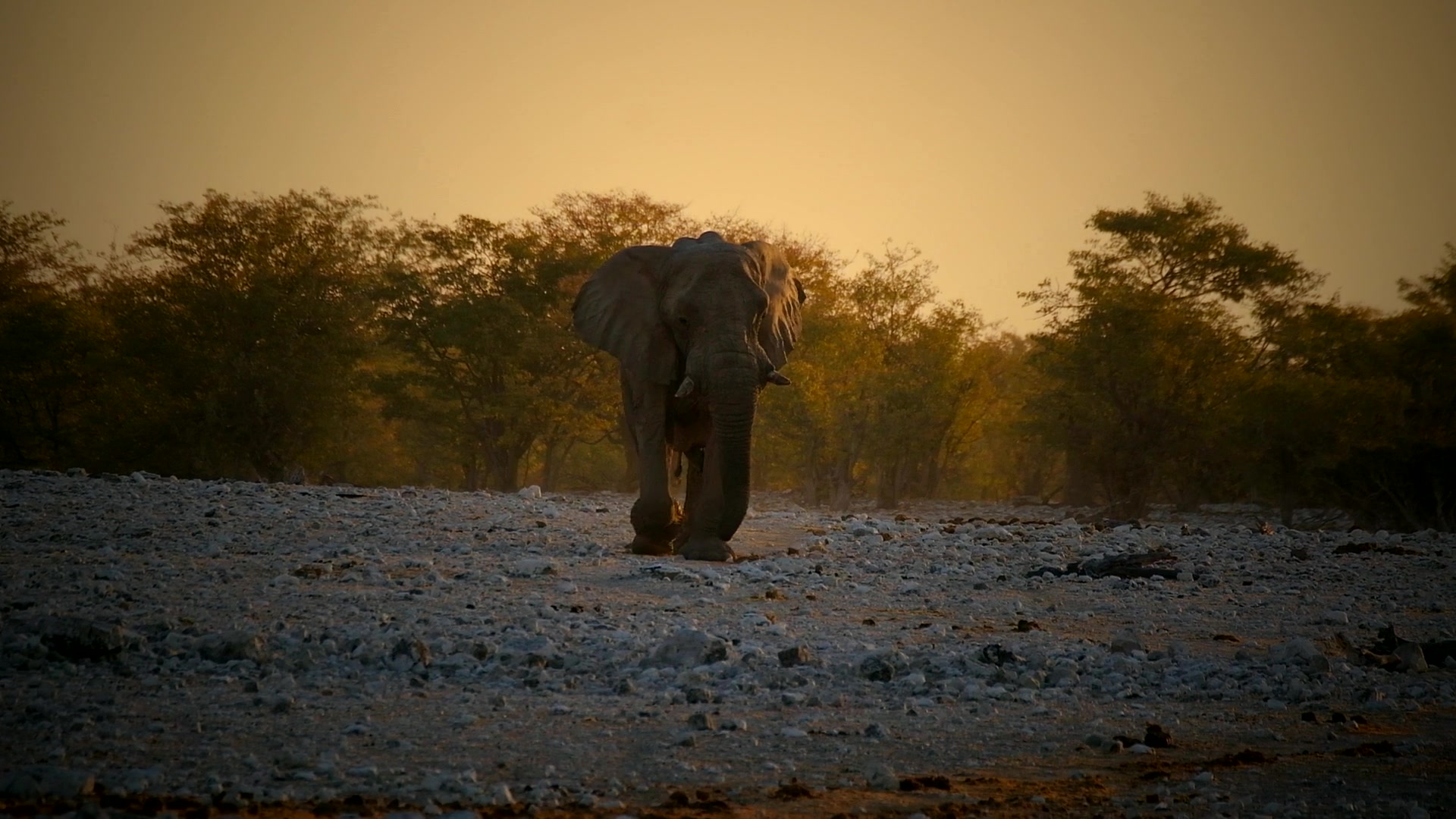
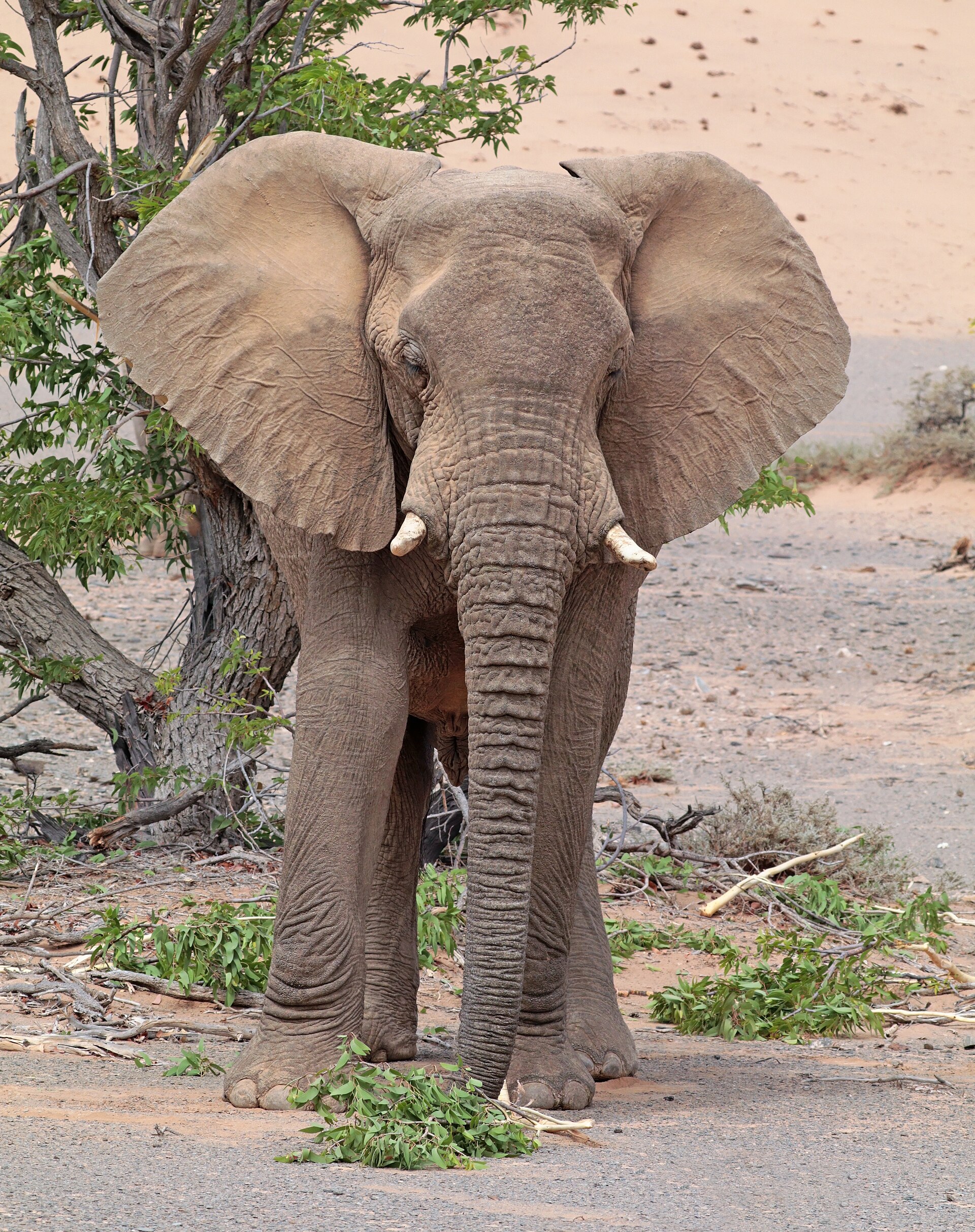
African Elephant

Tall, pale, dust-caked giants of the pan.

Big Five

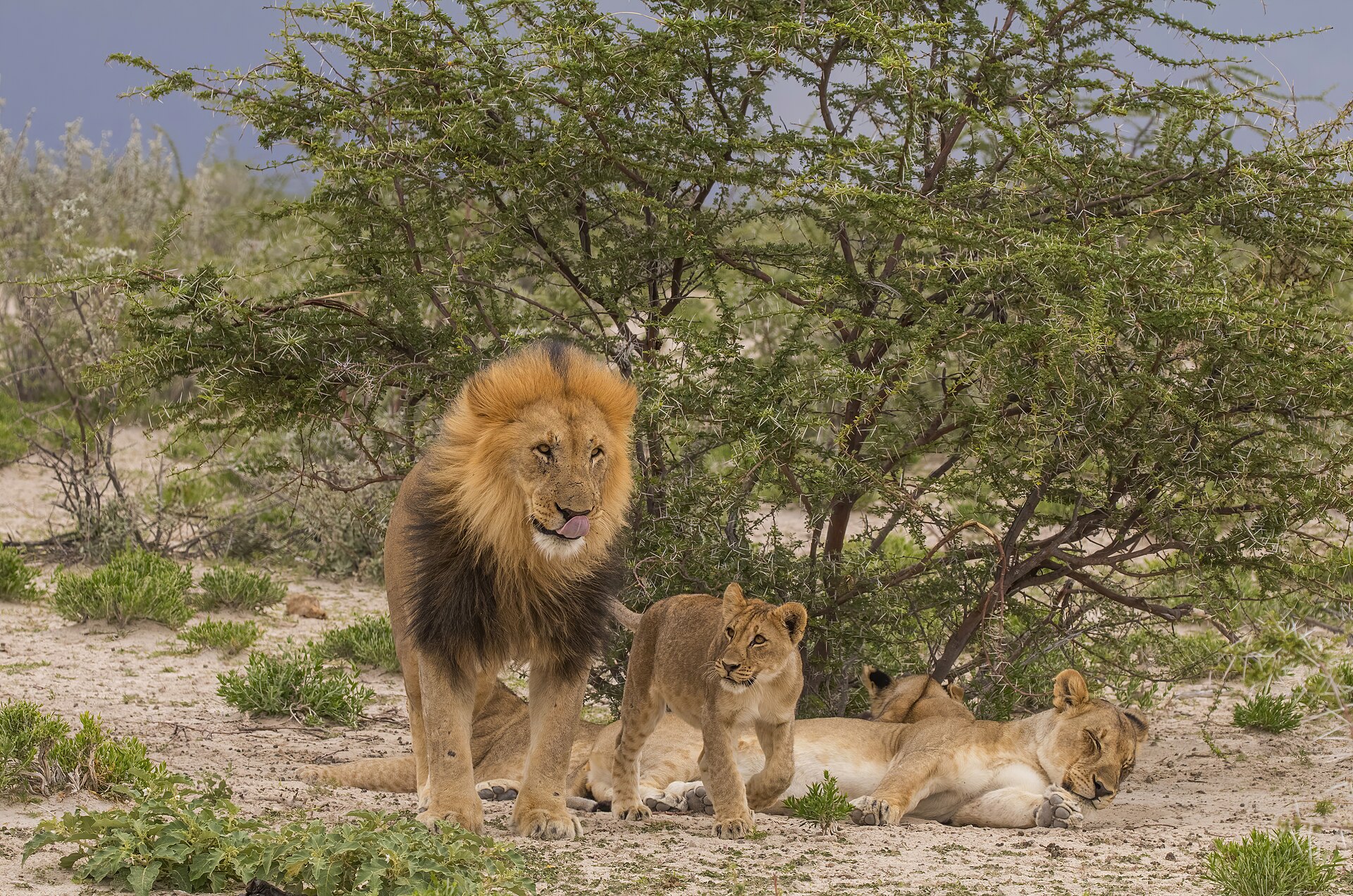
Lion

Pale Etosha lions patrol the waterholes.

Big Five

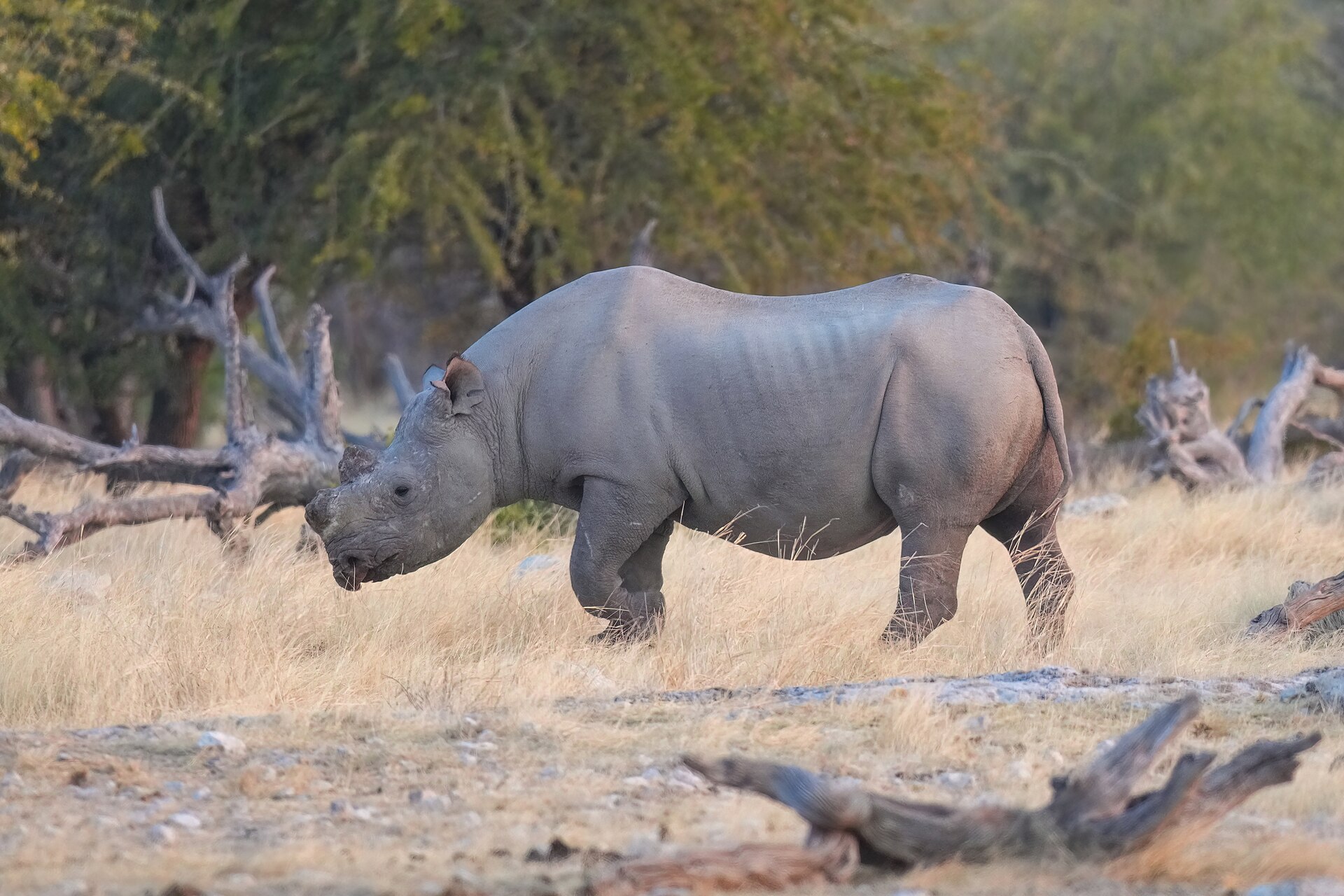
Black Rhino

Critically endangered — best seen at floodlit waterholes.

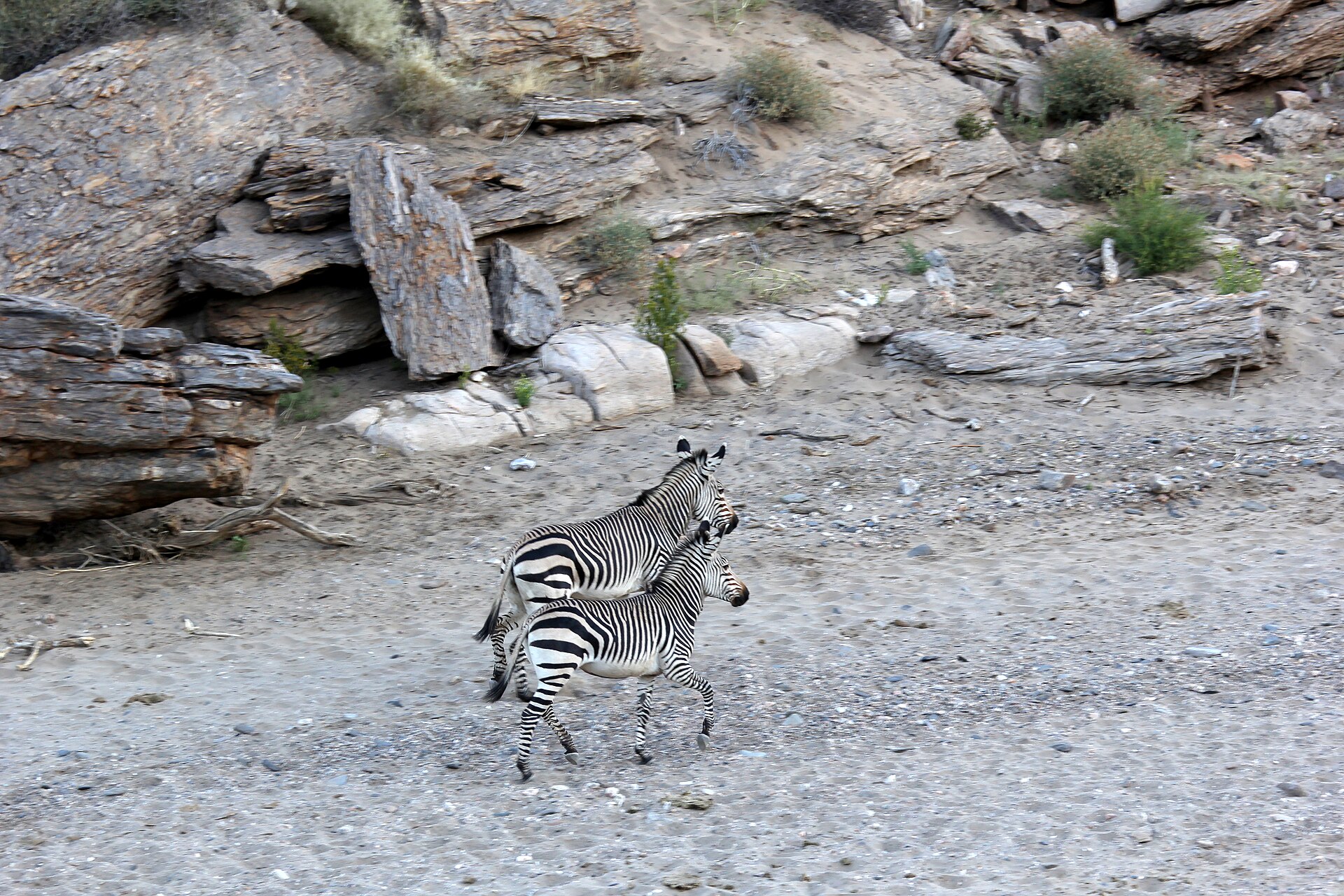
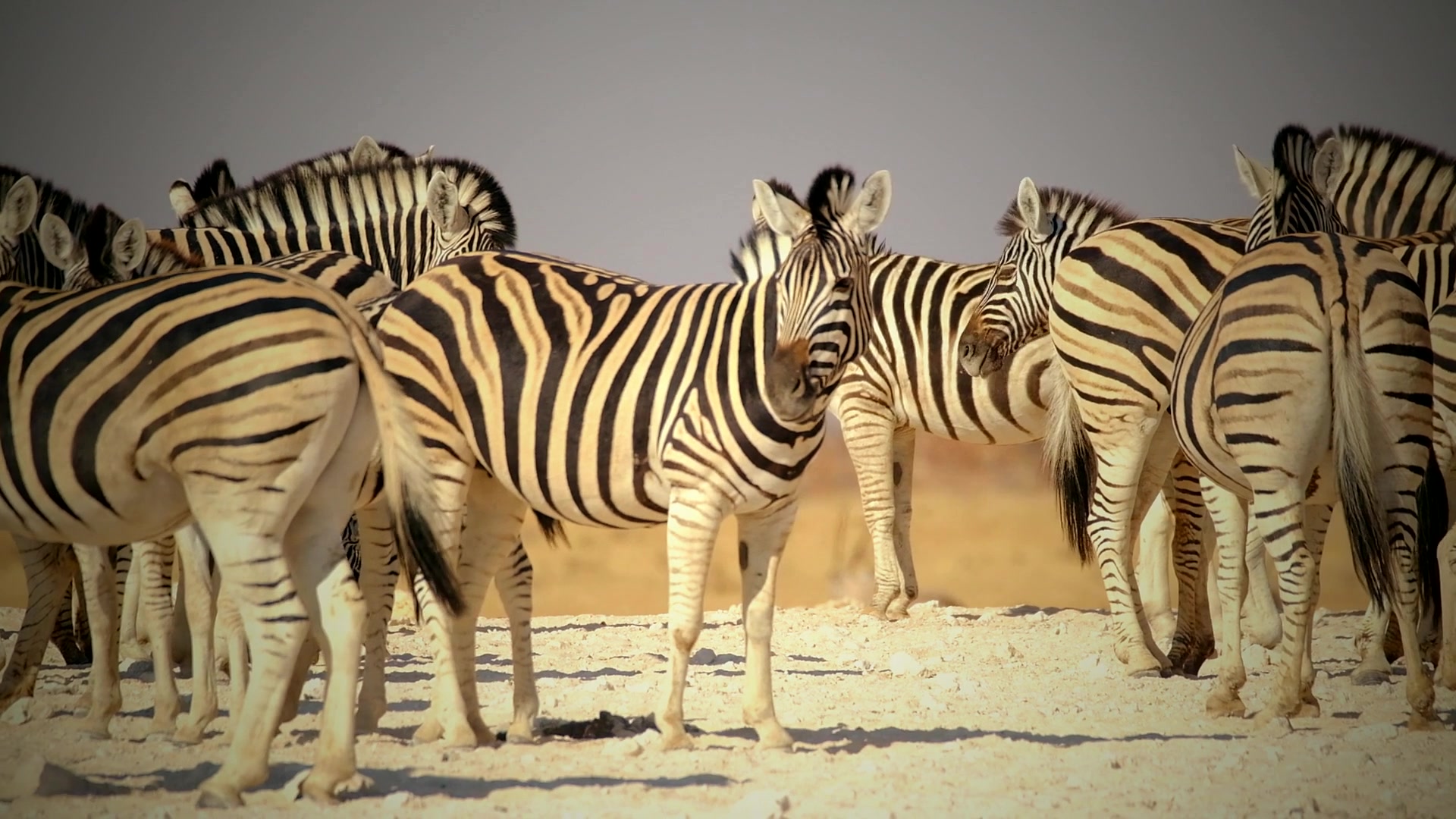
Plains Zebra

Great dazzles crowd the pan's edge.

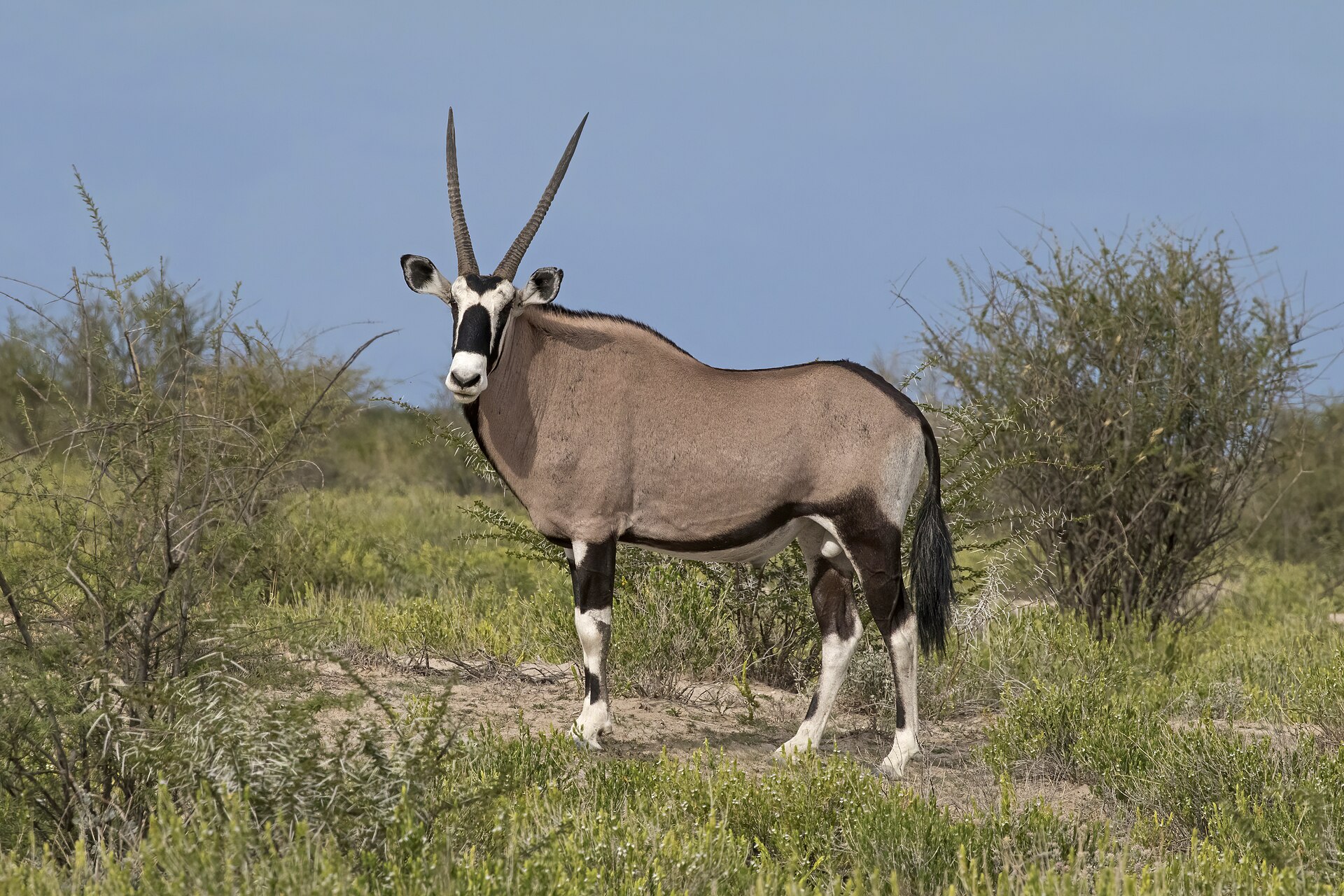
Gemsbok (Oryx)

Namibia's desert-adapted emblem antelope.

Cheetah

Etosha's open plains favour the sprint hunter.

The Signature Collection

The Experiences That Define Etosha

Where the Etosha story unfolds. Watch the game funnel down to a waterhole in the dry-season heat, roll out at dawn for a classic 4x4 game drive, keep a floodlit vigil as black rhino appear from the dark, and chase the golden light on a photographic safari — each one built into your itinerary by your private concierge.

2–3 hours per vigil

Etosha Pan & Waterhole Game Viewing

Position yourself at a waterhole and let Etosha come to you. During the dry season (May–October), a single spring can draw elephant herds, towers of giraffe, dazzles of zebra, gemsbok, springbok and the predators that shadow them — all against the blinding white backdrop of the pan. This is Africa's most efficient, high-density game viewing, and the reason Etosha is legendary among photographers.

  • Prime waterhole positioning
  • Expert guide or self-drive route map
  • Park entry
  • Photographic vantage points
Enquire with a Concierge
3–4 hours (morning & afternoon)

Classic 4x4 Game Drives

Explore Etosha's open savannah, mopane woodland and pan edges in an open 4x4 with an expert guide. The park's flat, sparse terrain and excellent road network make wildlife easy to spot and follow — tracking lion prides, locating black rhino, and photographing giraffe silhouetted against the endless white horizon. Morning and late-afternoon drives deliver the best light and predator activity.

  • Open-vehicle game drives
  • Professional guide
  • Park fees
  • Sundowner stops
Enquire with a Concierge
Evening (open until late)

Floodlit Waterhole Night Vigils

The floodlit waterholes at Okaukuejo and Halali rest camps are among the finest nocturnal wildlife theatres on earth. Settle onto the low stone wall after dinner and watch black rhino emerge from the dark to drink, elephant bulls arrive in silence, and lion, hyena and jackal move through the amber glow — all within metres, all without a vehicle. Patient hours here reward you with sightings impossible during daylight.

  • Floodlit waterhole access
  • Rest-camp seating
  • Night-viewing guidance
  • Unhurried timing
Enquire with a Concierge
3–4 hours

Black Rhino Tracking

Etosha protects one of the largest free-roaming populations of critically endangered black rhino on the continent. On the private concessions bordering the park, expert trackers lead you — on vehicle and on foot — in search of these prehistoric browsers, an intense, humbling encounter with one of Africa's rarest large mammals. Sightings at floodlit waterholes are near-nightly during the dry season.

  • Specialist rhino tracker
  • Vehicle & walking approach
  • Conservation briefing
  • Contribution to rhino protection
Enquire with a Concierge
Extend Your Journey

Combine Etosha with the Namib

The great salt pan pairs perfectly with the rust-red dunes to the south. Follow the game-rich waterholes of Etosha with the tallest dunes on earth at Sossusvlei, or fold both into one unhurried private circuit — each of these journeys leads to a real itinerary our concierge will tailor to you.

Instant-Book Adventure Experiences

Explore Our Complete Adventure Catalog

Looking for more Southern African safari and adventure experiences? Visit Gray Line South Africa — our sister company — for a full catalog of instant-book tours across the region, with live availability and instant confirmation.

Browse Gray Line South Africa
Namibia's Wildlife Theatre · The Floodlit Waterhole

The Floodlit Waterhole

Etosha is defined by its waterholes — in the long dry season, when the bush withers and the pan bakes hard and white, every living thing must come to water. Sit quietly at the edge of a floodlit waterhole and the whole park parades before you: elephants caked ghost-pale in pan dust, skittish giraffe splaying to drink, zebra and gemsbok in their hundreds, and — if the night is kind — a black rhino stepping silently from the dark. Lions lie in wait; the tension never lifts. This is African wildlife at its most cinematic — concentrated, unhurried and utterly wild.

Dry-Season Waterhole GameFloodlit Night VigilsBlack Rhino TrackingLion & Big CatsDust-Pale Elephant HerdsThe Great Salt Pan
Plan an Etosha Journey
A Romantic Escape

Dunes, Silence & Starlit Romance

For couples seeking something truly special, Etosha National Park pairs unforgettable shared experiences with intimate lodges and quiet, golden moments away from the crowds.

Classic 4x4 Game Drives

Explore Etosha's open savannah, mopane woodland and pan edges in an open 4x4 with an expert guide.

Floodlit Waterhole Night Vigils

The floodlit waterholes at Okaukuejo and Halali rest camps are among the finest nocturnal wildlife theatres on earth.

Black Rhino Tracking

Etosha protects one of the largest free-roaming populations of critically endangered black rhino on the continent.

Golden-Hour Photographic Safari

Etosha's low, clean light and pale pan create some of Africa's most cinematic photographic conditions.

Plan a Honeymoon Safari
Etosha National Park vs Other Parks

Why Choose Etosha National Park

Etosha National Park stands apart — here's how it compares to other parks.

FeatureEtosha National ParkOther Parks
Signature experienceThe Etosha PanLimited
Wildlife114 mammal speciesFewer
Birdlife340+ speciesFewer
Standout appealRingside waterhole game viewingLess distinctive
OverallThe Great White PlaceMore generic
Plan your timing

When to Visit Etosha

Dry Season (May – October)

May–Oct
★★★★★

Peak game viewing. With no rain, wildlife is forced to the waterholes, delivering extraordinary concentrations of elephant, rhino, giraffe, zebra and predators. Skies are clear, vegetation is sparse and visibility is superb. Cool nights and warm days (10–30°C). July–October is busiest.

10–30°C, dry

Green Season (November – March)

Nov–Mar
★★★☆☆

Rains fill the pan and scatter the game across green plains. Wildlife is harder to find but the landscape is lush, birdlife peaks, and tens of thousands of flamingos colonise the flooded pan. Newborn animals abound. Hot and humid with afternoon storms (17–35°C).

17–35°C, rains

Month-by-Month Guide

Good to know

Useful Etosha Travel Tips

The practical details that make a safari effortless — gathered from years of crafting private Namibia itineraries for our guests.

Waterholes Are the Show

In the dry season (May–October) game concentrates around floodlit and natural waterholes. Simply park at Okaukuejo or Nebrownii and let the wildlife come to you — elephant, rhino and lion often share the same pan at dusk.

Malaria-Free Big Game

Etosha sits in a low-risk malaria zone and the central camps are malaria-free, making it one of Africa's most family-friendly Big Game parks. Confirm current guidance with your doctor for the wetter far north.

Time Your Drives

Leave camp at gate-opening for the cool, active first hours, then rest through the midday heat and head out again late afternoon. Predators and large herds move most at the edges of the day.

The Great White Pan

The shimmering Etosha salt pan is so vast it is visible from space. After rare summer rains it draws flamingos and pelicans; in the dry months it becomes a blinding white stage for silhouetted game.

Pack Patience & Optics

Good binoculars and a long lens transform sightings across the open plains. Neutral-toned clothing, dust protection for cameras and a checklist for the endemic black-faced impala complete the kit.

Location & Access

Getting to Etosha National Park

18.8556° S, 16.3289° E
Where to stay

Our Hand-Picked Etosha Lodges

From private reserves on the park's boundary with their own floodlit waterholes to the historic rest camps inside the gates, the most coveted addresses around the great pan, each held for you by our concierge.

★★★★★$$$

Ongava Lodge

Private rhino reserve with a floodlit waterhole and Etosha traversing rights

Set on the private 300 km² Ongava Reserve on Etosha's southern boundary, Ongava Lodge is one of the region's premier retreats. Both black and white rhino roam the reserve, and a floodlit waterhole below the lodge draws game throughout the night. Guided drives on the private concession and into Etosha itself deliver the best of both worlds.

Relais & Châteaux affiliate, Ongava Research Centre conservation partner

FromR 17,385per person, per night

★★★★★$$$

Onguma The Fort

Dramatic architecture and exclusive access to Etosha's quiet eastern gate

Perched on the private Onguma Reserve on Etosha's eastern edge, The Fort is a striking Moroccan-African design icon overlooking a plain and waterhole that stretch toward the Fischer's Pan. Sundowners from the terrace, elegant suites, and exclusive access to Etosha's quieter Von Lindequist Gate make this a refined, romantic base.

Best Namibian Design Lodge — Namibia Tourism Expo

FromR 14,274per person, per night

★★★★$$

Okaukuejo Camp

The legendary floodlit waterhole for after-dark rhino and elephant

Okaukuejo is Etosha's most famous rest camp, home to the legendary floodlit waterhole where black rhino, elephant and lion drink after dark within metres of the viewing wall. Comfortable chalets, a pool, and an unbeatable location inside the park make this the classic Etosha stay — and one of the great wildlife-watching addresses in Africa.

Namibia Wildlife Resorts flagship rest camp

FromR 4,026per person, per night

Worth the premium

Why It Justifies the Price

A shimmering salt pan visible from space, ringed by waterholes where elephant, giraffe, black rhino, lion and zebra gather in their hundreds. Etosha is Namibia's answer to the Serengeti — floodlit night vigils, self-drive gravel roads, and some of the most concentrated dry-season game viewing in southern Africa.

The Etosha Pan

a 4,760 km² white salt pan visible from space, shimmering with dry-season mirages

Ringside waterhole game viewing

elephant, giraffe, rhino, lion and zebra gather in their hundreds

Black rhino stronghold

one of Africa's largest free-roaming populations of the critically endangered species

Floodlit night waterholes at Okaukuejo and Halali

rhino and elephant drinking within metres, after dark

Four of the Big Five

elephant, lion, leopard and rhino across open, easy-to-view savannah

Every journey is privately guided, fully bonded and backed by our 4.9/5 rating from more than 200,000 guests since 2008 — with a dedicated concierge from first enquiry to final farewell.

Good to know

Etosha, Answered

What makes Etosha National Park special?

Etosha is built around a 4,760 km² white salt pan visible from space, ringed by waterholes that concentrate wildlife in extraordinary numbers during the dry season. It is one of the best places in Africa to see the critically endangered black rhino, offers four of the Big Five, and its floodlit waterholes provide world-class after-dark viewing.

Does Etosha have the Big Five?

Etosha has four of the Big Five — elephant, lion, leopard and rhino (both black and white). It does not have wild Cape buffalo, so it is not a classic Big Five park, but it more than compensates with one of Africa's largest free-roaming black rhino populations and superb, easy-to-view plains game.

When is the best time to visit Etosha?

May through October (the dry season) is best for game viewing, when animals are forced to gather at the waterholes. July to October offers the highest concentrations. The wet season (November–March) brings green landscapes, newborn animals, superb birding and tens of thousands of flamingos on the flooded pan, though wildlife disperses.

Can you self-drive in Etosha?

Yes. Etosha is one of Africa's most self-drive-friendly parks. Its well-maintained gravel roads can be navigated by an ordinary sedan, and the rest camps at Okaukuejo, Halali and Namutoni provide fuel, food and floodlit waterholes. For guided luxury, the private concessions on the park's boundaries offer expert-led drives and walking safaris.

Where can I see black rhino in Etosha?

The floodlit waterhole at Okaukuejo rest camp is the single best place — black rhino appear almost nightly during the dry season, drinking within metres of the viewing wall. The private Ongava Reserve on Etosha's southern boundary also protects both black and white rhino.

What is the Etosha Pan?

The Etosha Pan is a 4,760 km² expanse of flat white clay — the dried bed of an ancient lake — that dominates the park and is visible from space. For most of the year it is a blinding, seemingly lifeless salt flat, but the surrounding waterholes teem with wildlife. In the wet season it can flood and attract huge flocks of flamingos.

Is Etosha malaria-free?

Etosha lies in a low-risk to seasonal malaria zone, with the highest risk during and just after the wet season (November–April). Anti-malarial prophylaxis is generally recommended, and lodges provide nets and repellent. Consult your doctor before travel.

How do I get to Etosha?

Fly into Windhoek's Hosea Kutako International Airport, then drive (about 4.5 hours to the southern Andersson Gate) or take a light-aircraft charter to one of the park-boundary airstrips. Many visitors combine Etosha with Sossusvlei, Damaraland and the Skeleton Coast on a wider Namibia itinerary.

What wildlife can I see in Etosha?

Etosha protects 114 mammal species, including elephant, lion, leopard, black and white rhino, cheetah, giraffe, plains zebra, gemsbok, springbok, blue wildebeest, kudu and jackal, plus over 340 bird species. Waterhole vigils regularly deliver a dozen species in a single sitting.

Can Etosha be combined with the rest of Namibia?

Absolutely. Etosha pairs naturally with Sossusvlei's red dunes, Damaraland's desert-adapted elephant, the Skeleton Coast and Swakopmund. A classic Namibia itinerary runs 10–14 days, combining Etosha's wildlife with the country's spectacular desert landscapes.
Your journey, your way

Ready to start planning your Etosha journey?

Tell us how you love to travel and we'll shape a private safari around you — every flight, every transfer, every game drive and every waterhole vigil taken care of. One dedicated concierge, start to finish.

  • 18+ Years of Excellence
  • 4.9/5 Guest Rated
  • 200,000+ Guests Since 2008
Chat