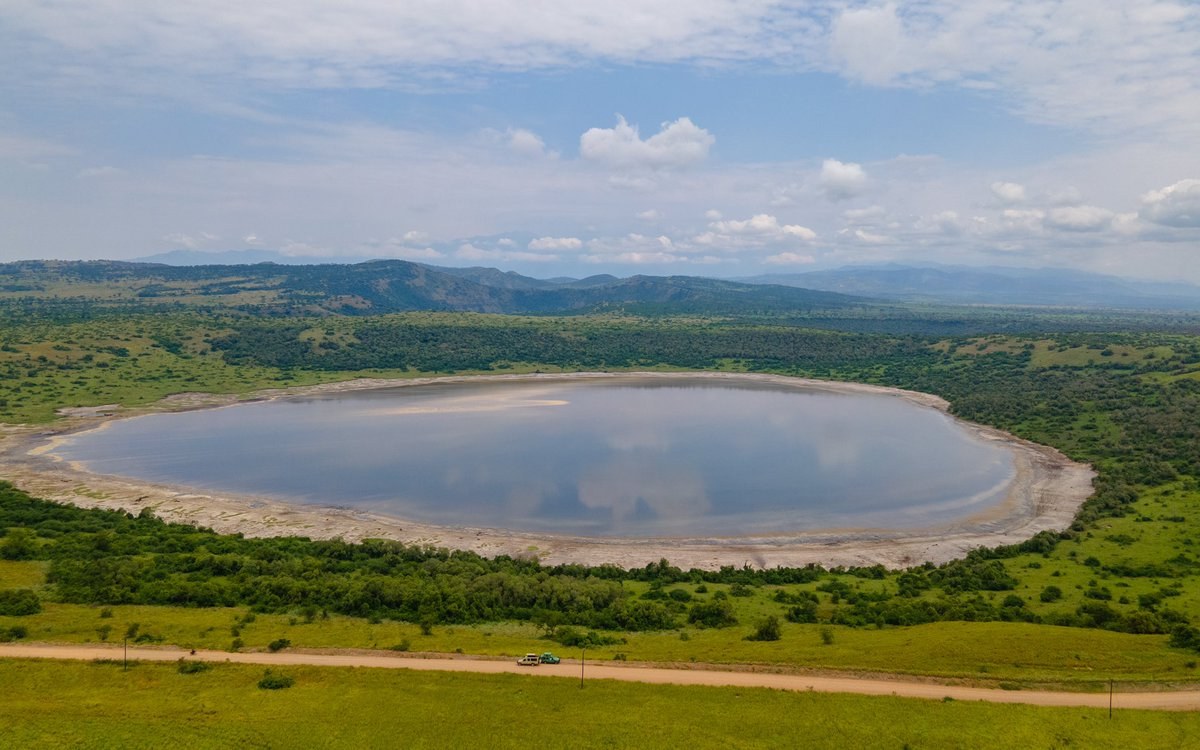
What makes Hwange National Park special?
Zimbabwe's largest park (14,650 km²) and home to one of Africa's largest elephant populations (~45,000). Over 100 lions, wild dog stronghold, sable antelope, and exceptional dry-season waterhole viewing. Victoria Falls is 2 hours away.
When should I visit?
July to October (dry season). Wildlife concentrates at waterholes—massive elephant herds, lion, wild dog, buffalo. June is shoulder season. November to March is green season (lush but game more dispersed).
How many elephants are there?
45,000+ elephants—one of the largest populations in Africa. Dry season gatherings at waterholes can reach 100+ elephants at once. It's the park's signature spectacle.
Can I see wild dogs?
Yes! Hwange is a wild dog stronghold. Sightings are common, especially in the Linkwasha and Robins areas. The Painted Dog Conservation Centre is also nearby.
Is Hwange a Big Five park?
Almost. Lion, leopard, elephant, buffalo — yes. Rhinos (both black and white) were reintroduced in small numbers in some concessions but are rarely seen. Focus is elephant, lion, and wild dog.
Can I combine Hwange with Victoria Falls?
Absolutely. Victoria Falls is 2 hours away by road. Most visitors do 3–4 nights in Hwange then 2–3 nights at the Falls. Perfect combination.
What's the waterhole viewing like?
Exceptional. Many lodges have underground hides at waterholes offering eye-level viewing. Dry season (July–Oct) brings 100+ elephants, buffalo herds, giraffe, zebra, and predators. Photography paradise.
Where should I stay?
Somalisa Camp (luxury, remote), The Hide (luxury, Nyamandhlovu Pan, underground hide), Linkwasha Camp (classic bush camp), or Hwange Safari Lodge (mid-range, budget-friendly).
How do I get there?
Fly to Victoria Falls (international airport), then 2-hour drive or charter flight to Hwange. Or overland from Bulawayo (3 hours). Self-drive is possible (4x4 recommended).
What should I pack?
Lightweight safari clothing (neutral colours), sun hat, binoculars, camera with zoom, sunscreen, insect repellent (minimal malaria risk in dry season), warm layers for cool mornings/evenings.