Why is the Okavango Delta the best honeymoon safari?
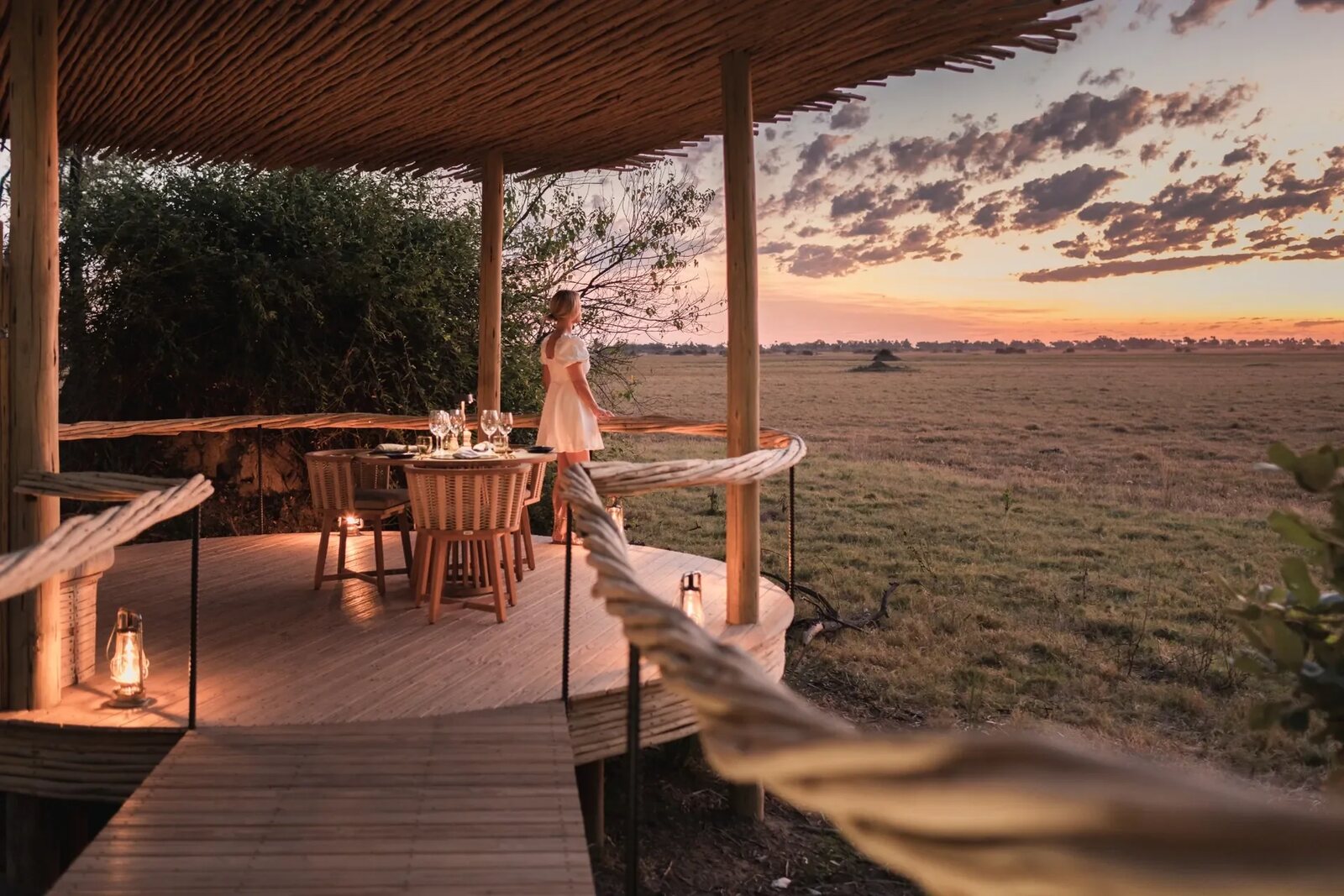
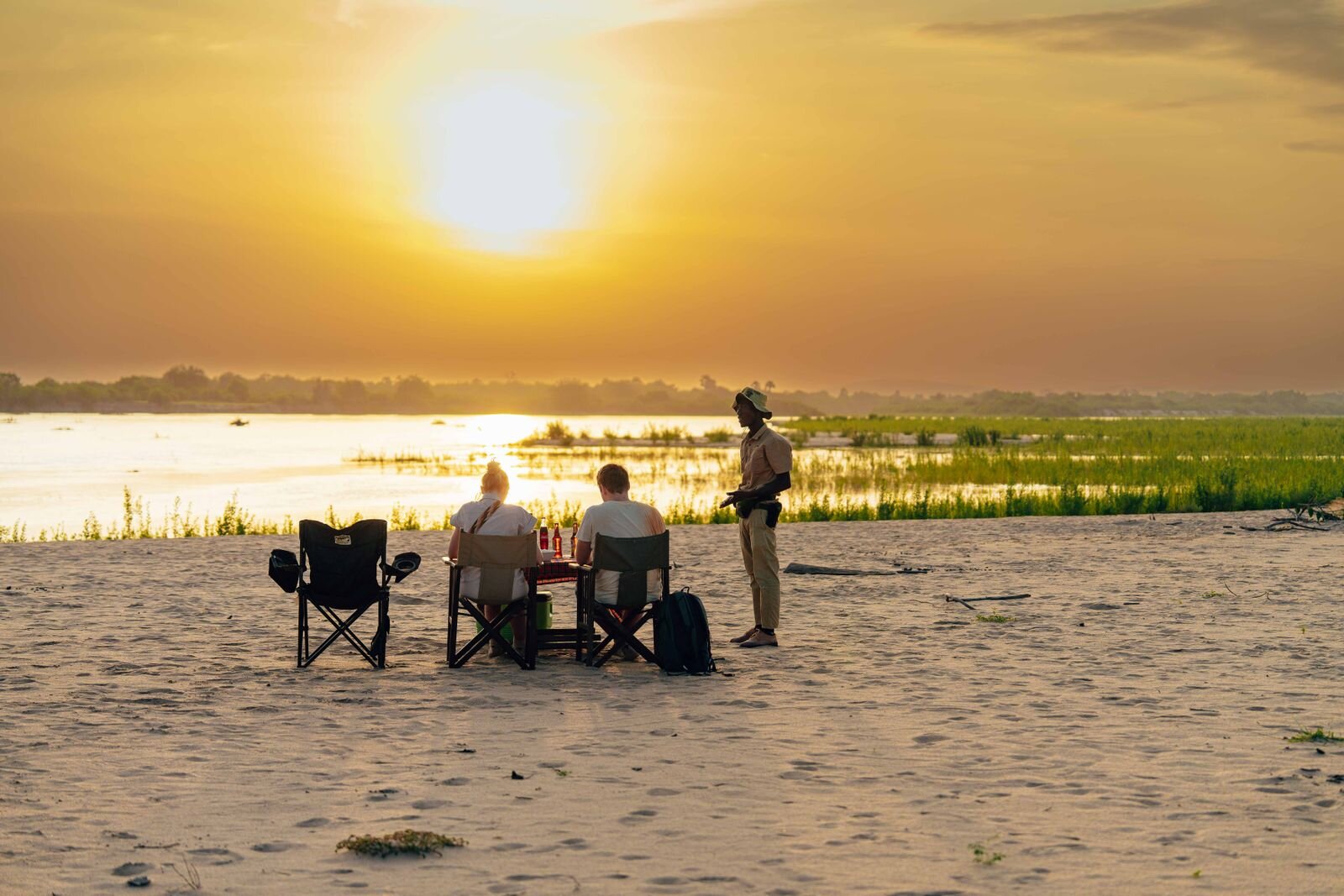
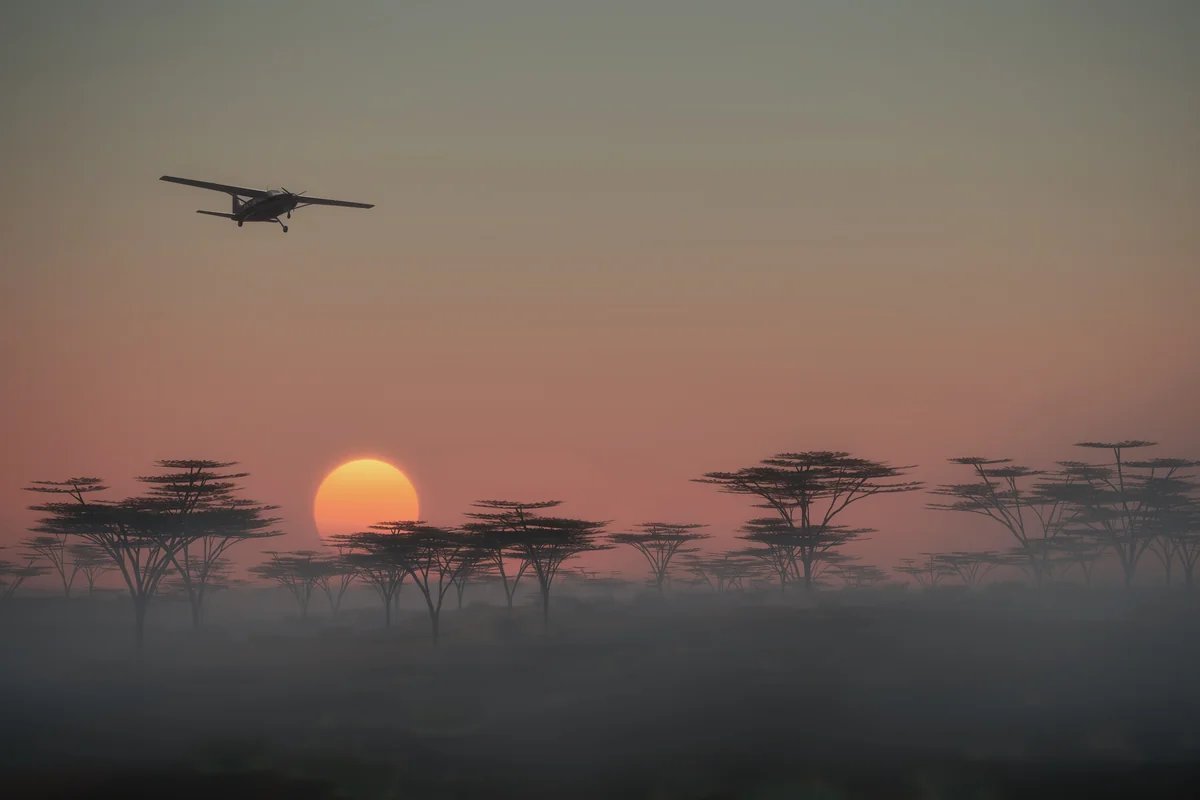
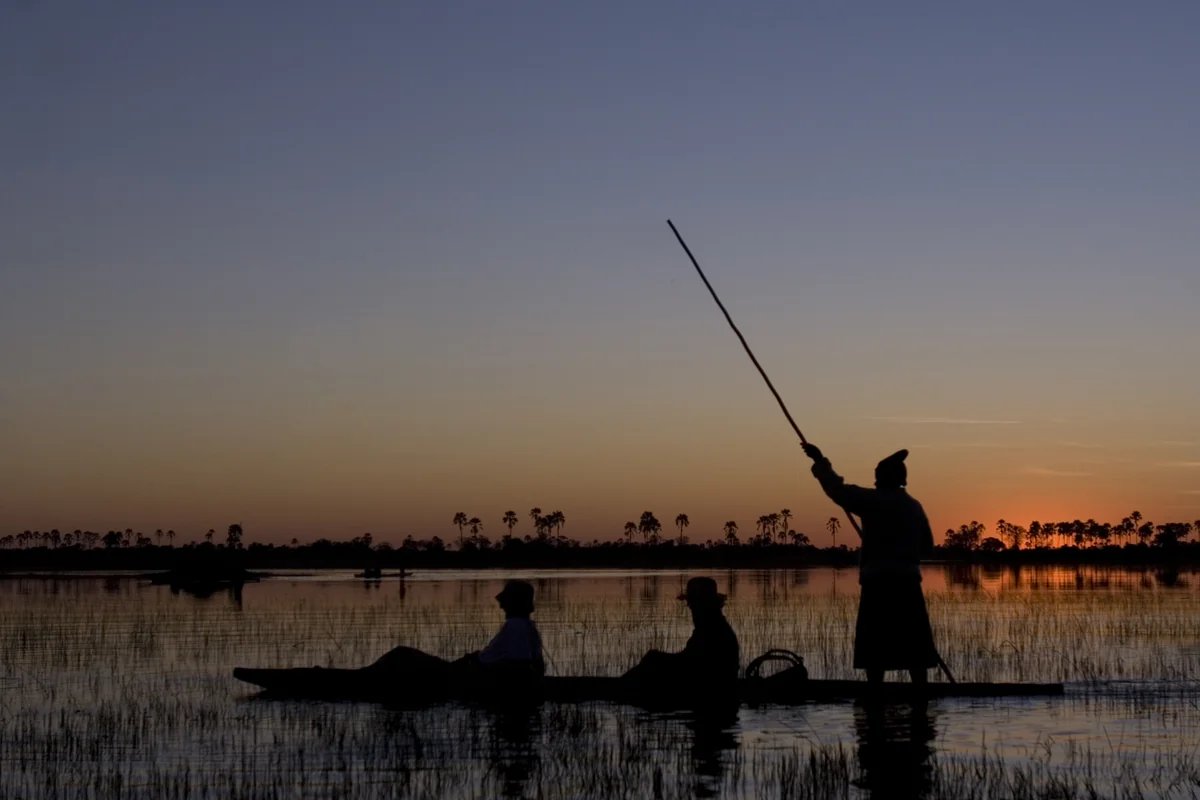
Nowhere else combines such absolute privacy with such romance. Tiny six-to-twelve-suite camps sit on private concessions reached only by air, so you genuinely have the wilderness to yourselves. Add private sunset mokoro cruises, champagne on a quiet lagoon, lantern-lit island dinners under the stars and star-bed sleep-outs, and you have the most romantic safari on Earth. Our specialists arrange every honeymoon detail for you.
Why are Okavango camps so expensive?
Camps such as Mombo, Abu and Vumbura cost $6,000–$9,000 per night because of fly-in-only access, ultra-remote private concessions, tiny guest numbers, all-inclusive barefoot luxury, world-class guiding and Botswana's deliberate low-volume, high-value tourism model. The premium funds conservation and buys you a level of exclusivity, wildlife density and service that simply cannot be matched. More accessible Delta options are also available from around $1,500/night.
What is a mokoro and is it safe?
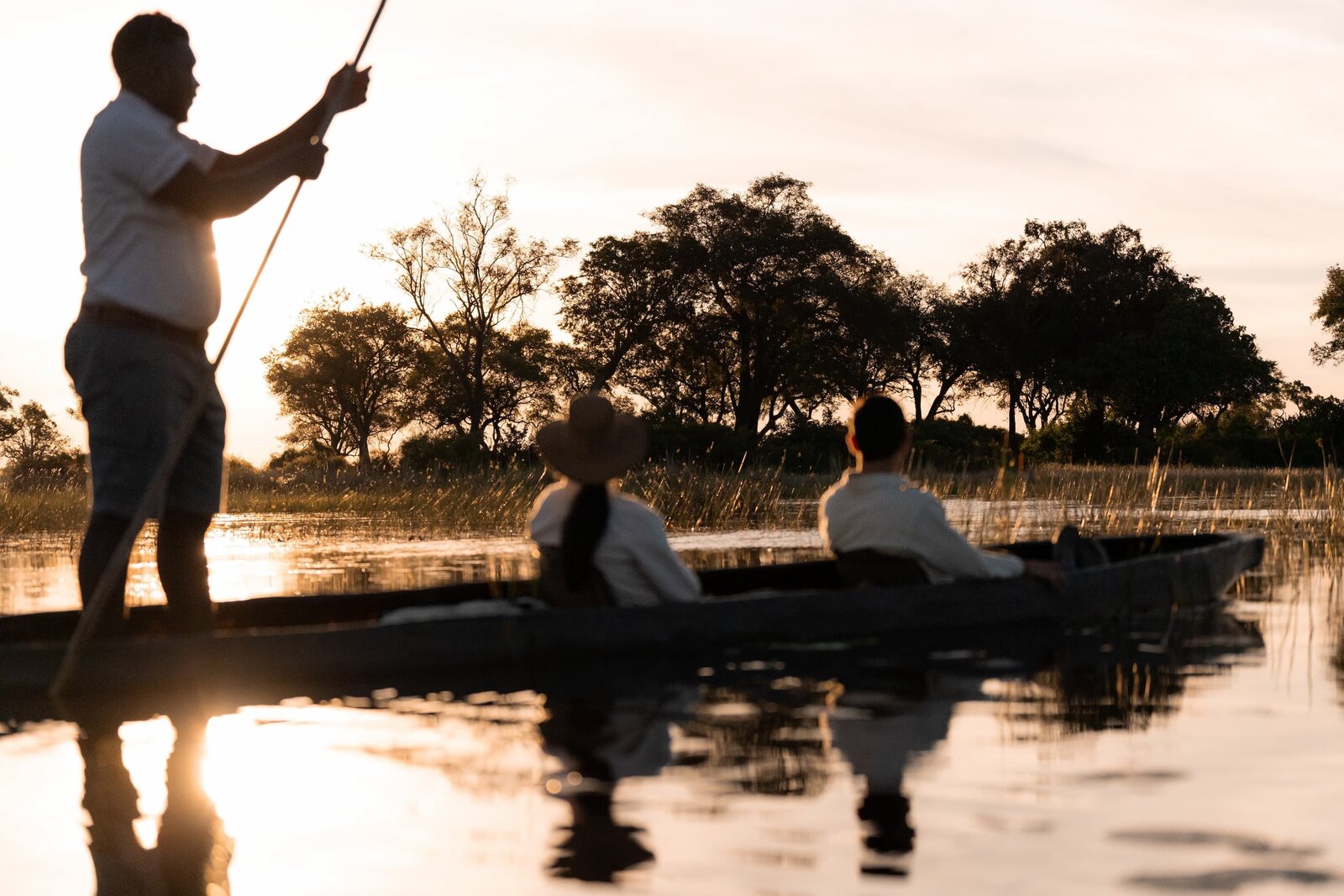
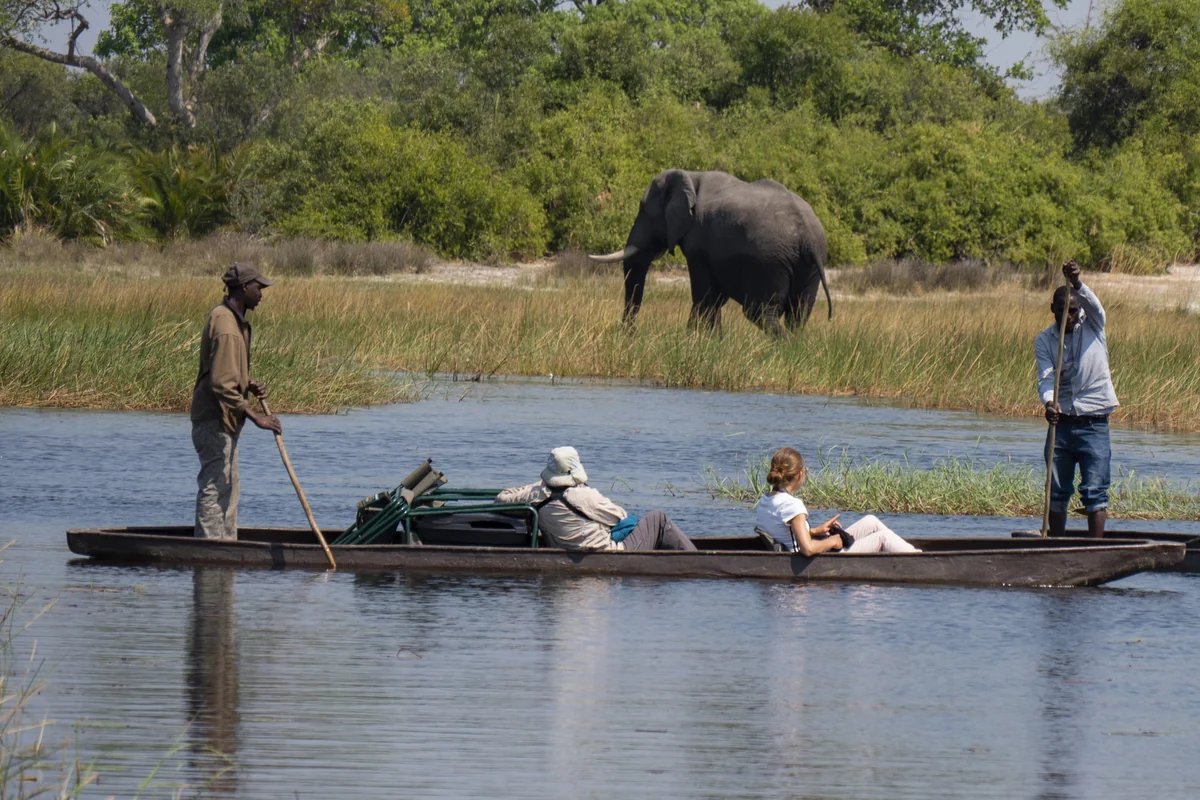
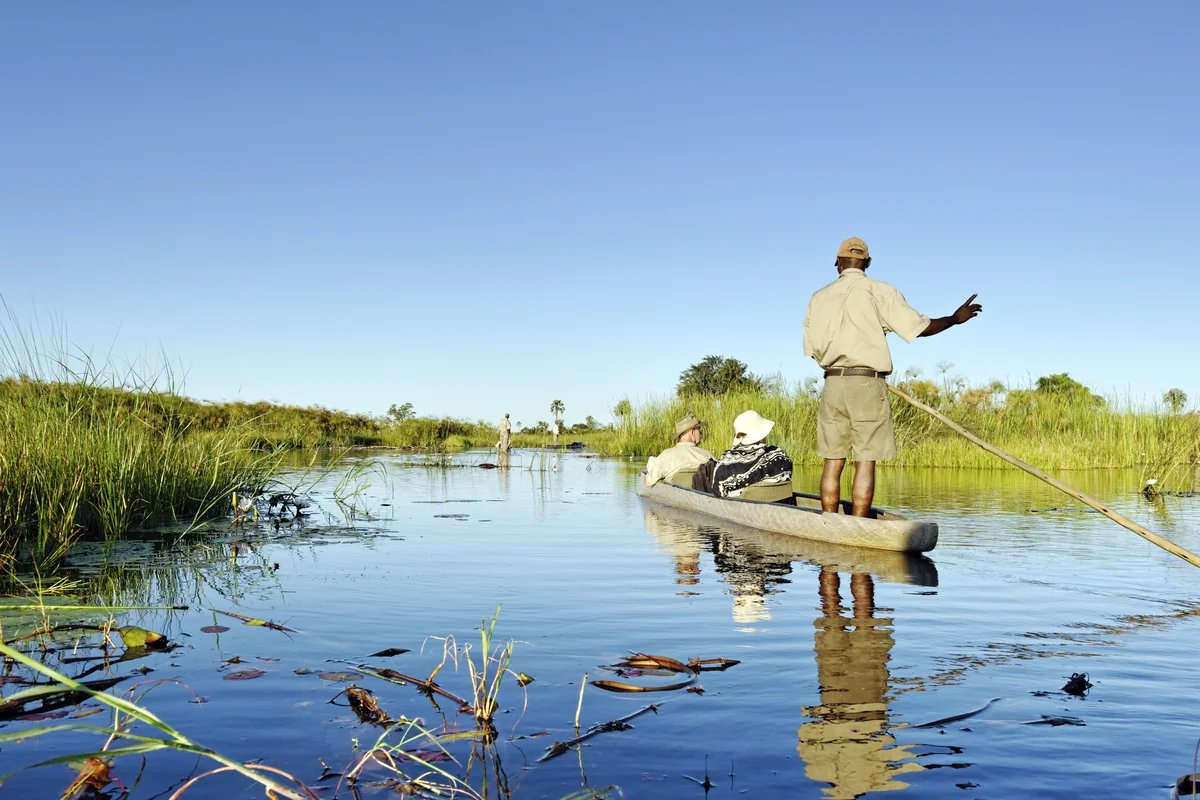
A mokoro is a traditional dugout canoe (now often fibreglass for conservation) poled through shallow channels by an expert local guide. It is very safe — guides are highly trained, life jackets are provided, and they know the waterways and the whereabouts of hippos intimately. Gliding silently inches above the clear water is the quintessential, and most romantic, Okavango experience.
Which Okavango camp is the best?
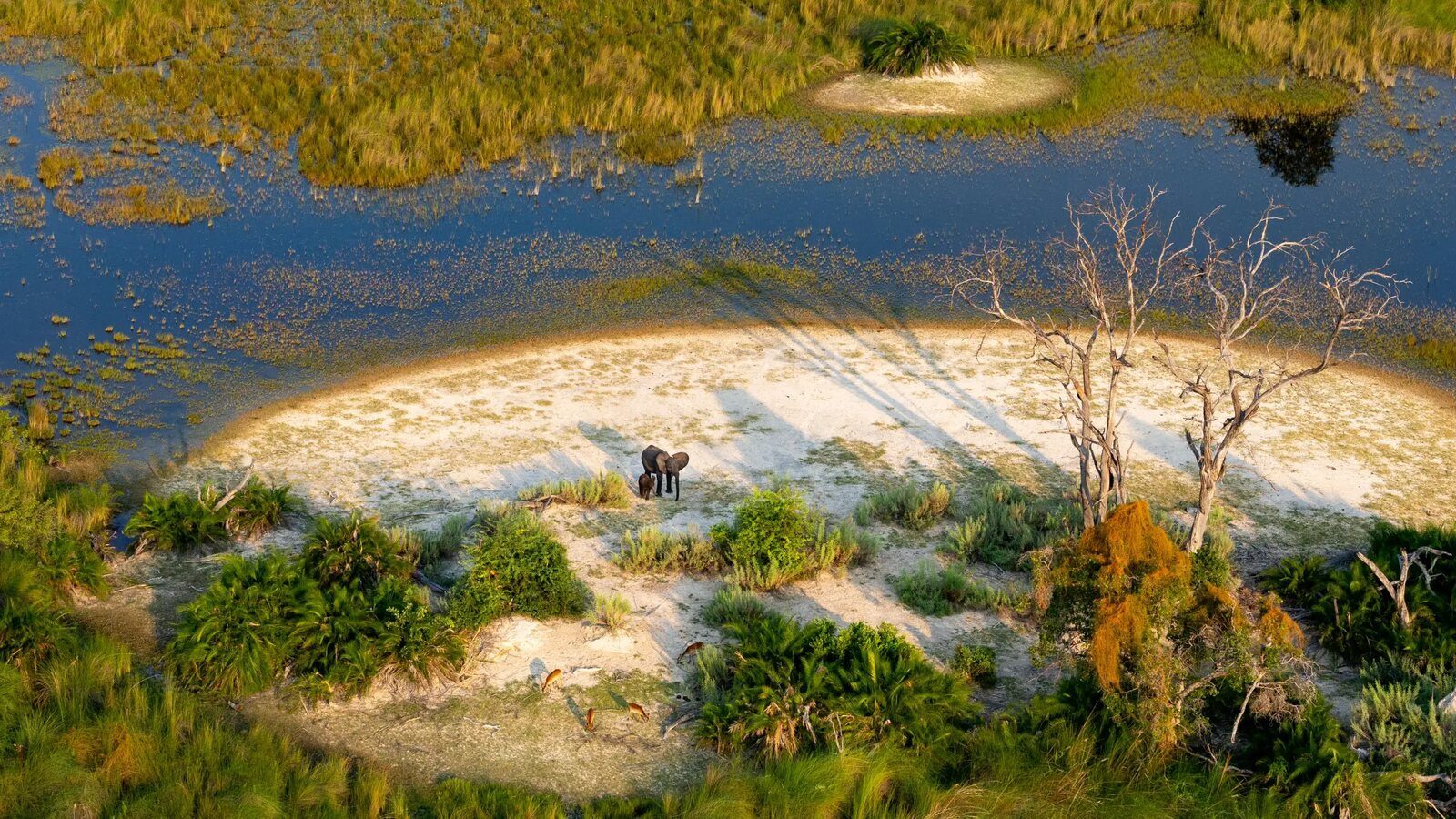
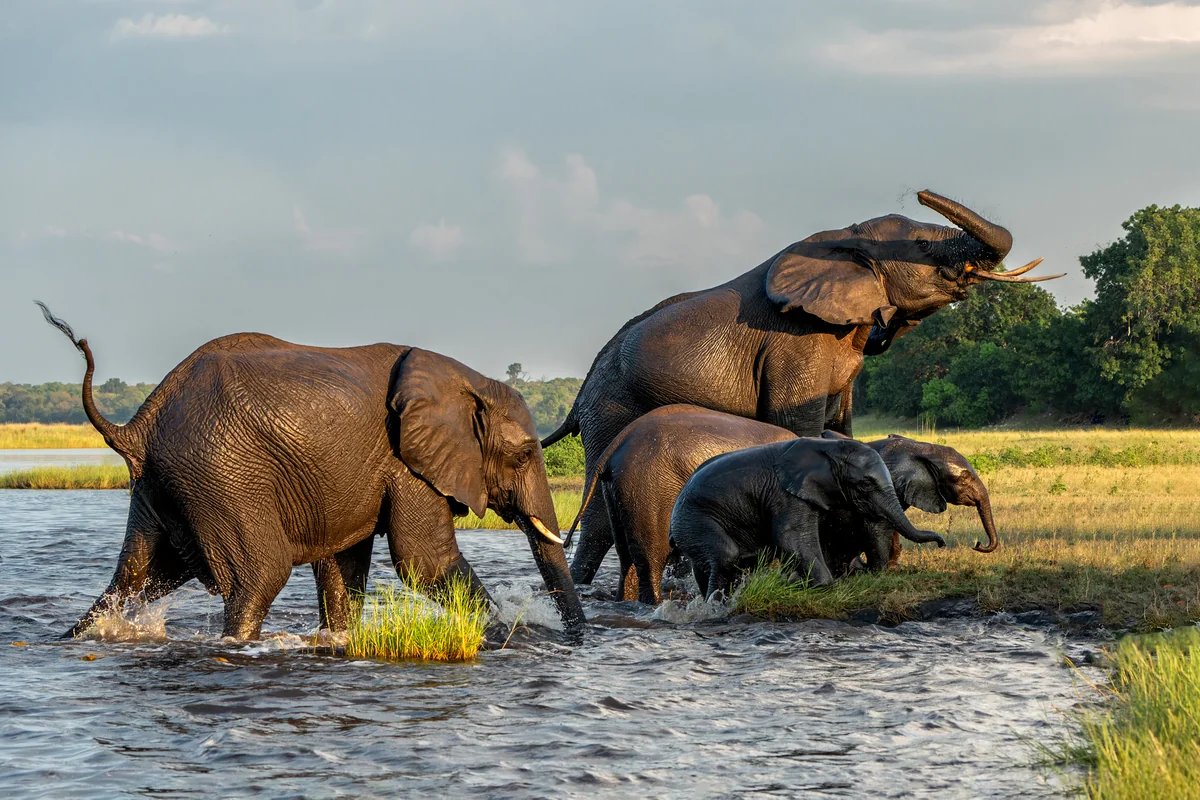
Mombo Camp on Chief's Island is repeatedly voted the world's #1 safari camp, with unrivalled big-cat density. Abu Camp is famous for its resident elephant herd and Star Bed sleep-outs; Vumbura Plains for contemporary design and combined water-and-land safaris; Sandibe for its sculptural architecture; Duba Plains for dramatic big-cat action; and Little Vumbura for intimate, water-rich seclusion. We'll match the perfect camp to your trip.
When is the best time to visit the Okavango Delta?
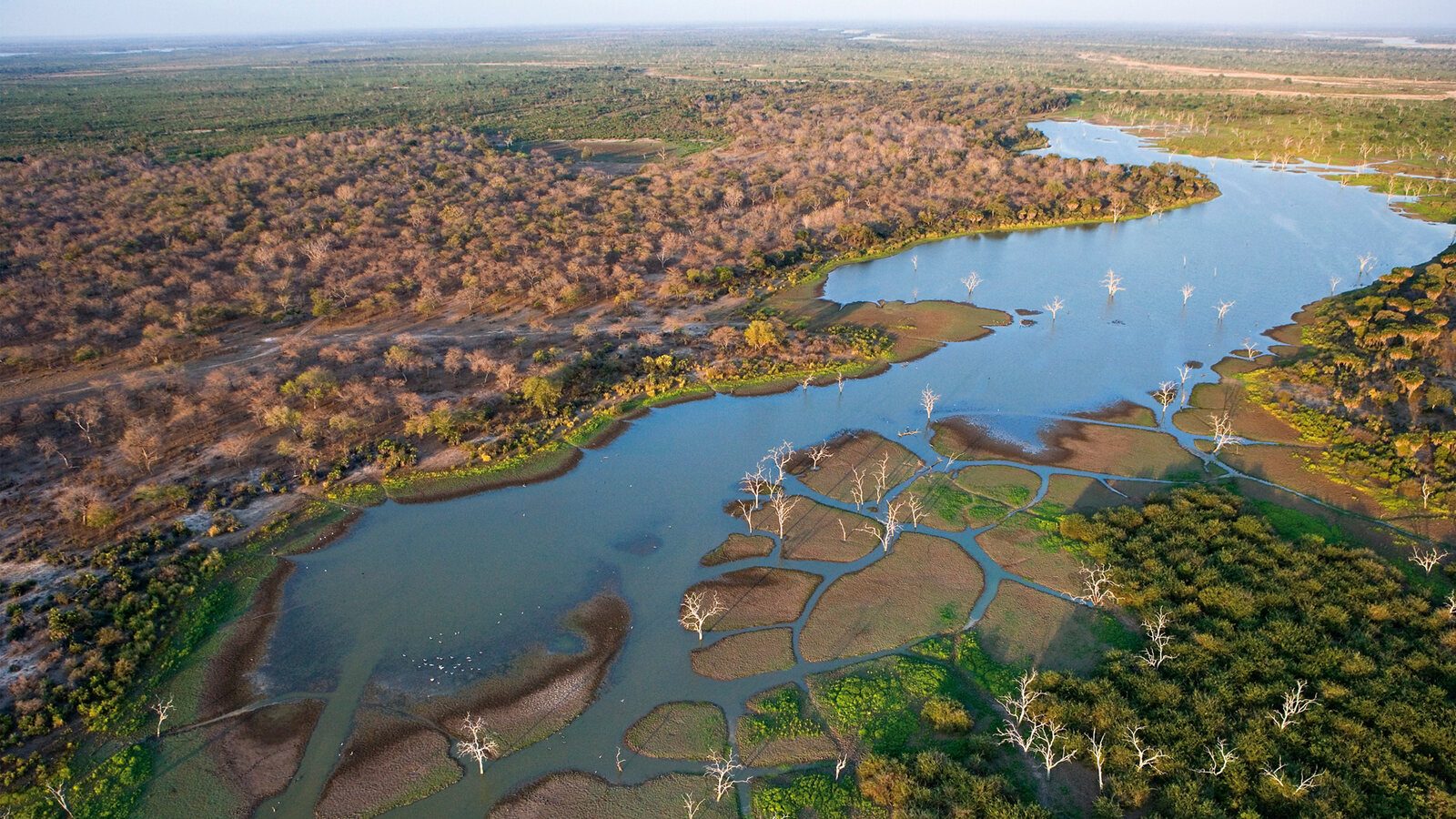
May to October (dry season) is peak, with high floodwaters ideal for mokoro safaris and superb game viewing as wildlife concentrates around water. June to August offers the highest water levels. November to April (green season) brings fewer guests, dramatic skies, newborn animals and the best birding at lower rates.
How many days should I spend in the Okavango?
Three to four nights minimum, though many travellers combine two camps — typically a water-focused camp for mokoro and a game-drive camp for predators — across five to seven nights for the complete Delta experience. Honeymooners often pair the Okavango with Victoria Falls or a beach finale in Mozambique or Mauritius.
Can I see the Big Five in the Okavango?
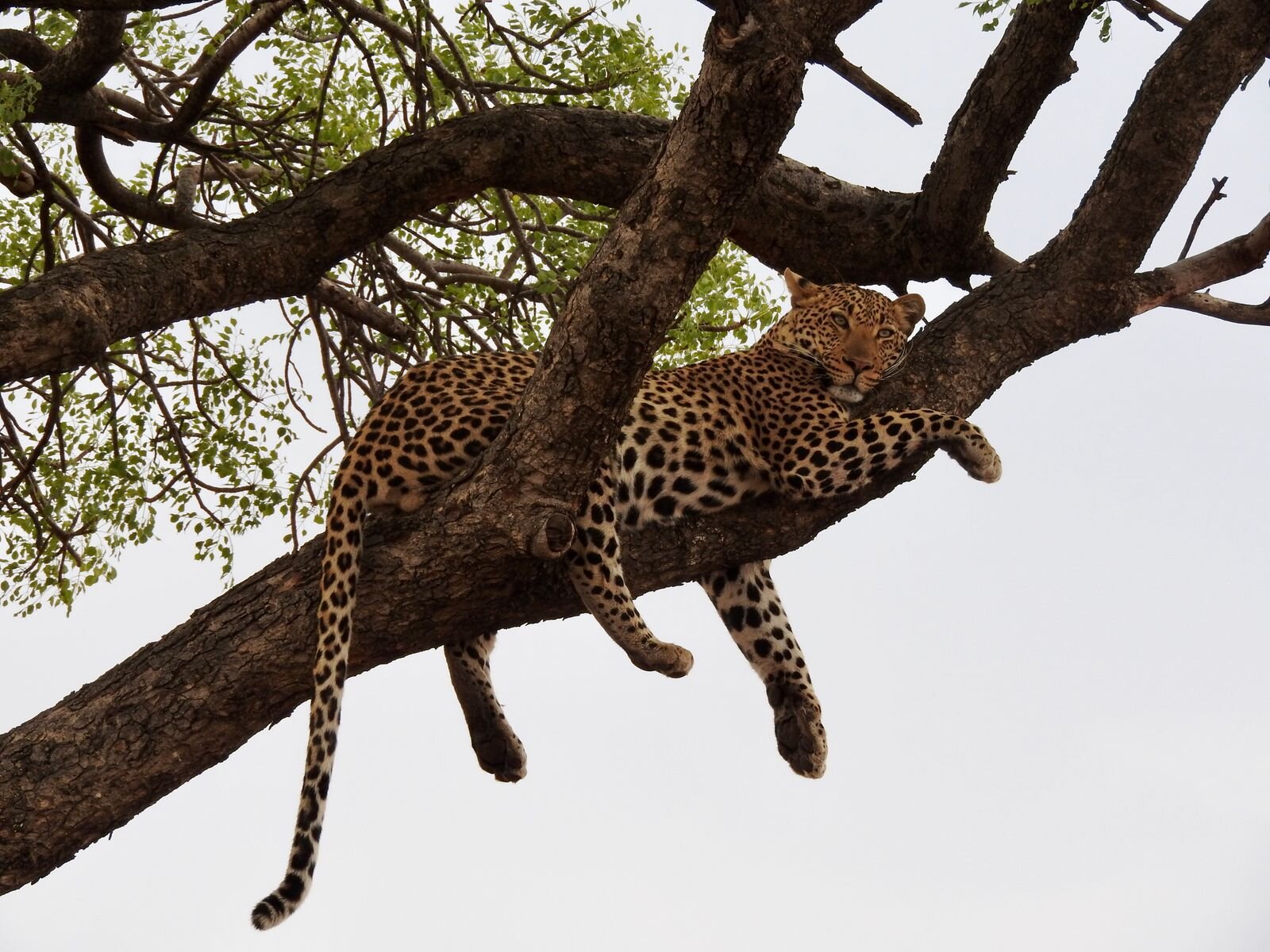
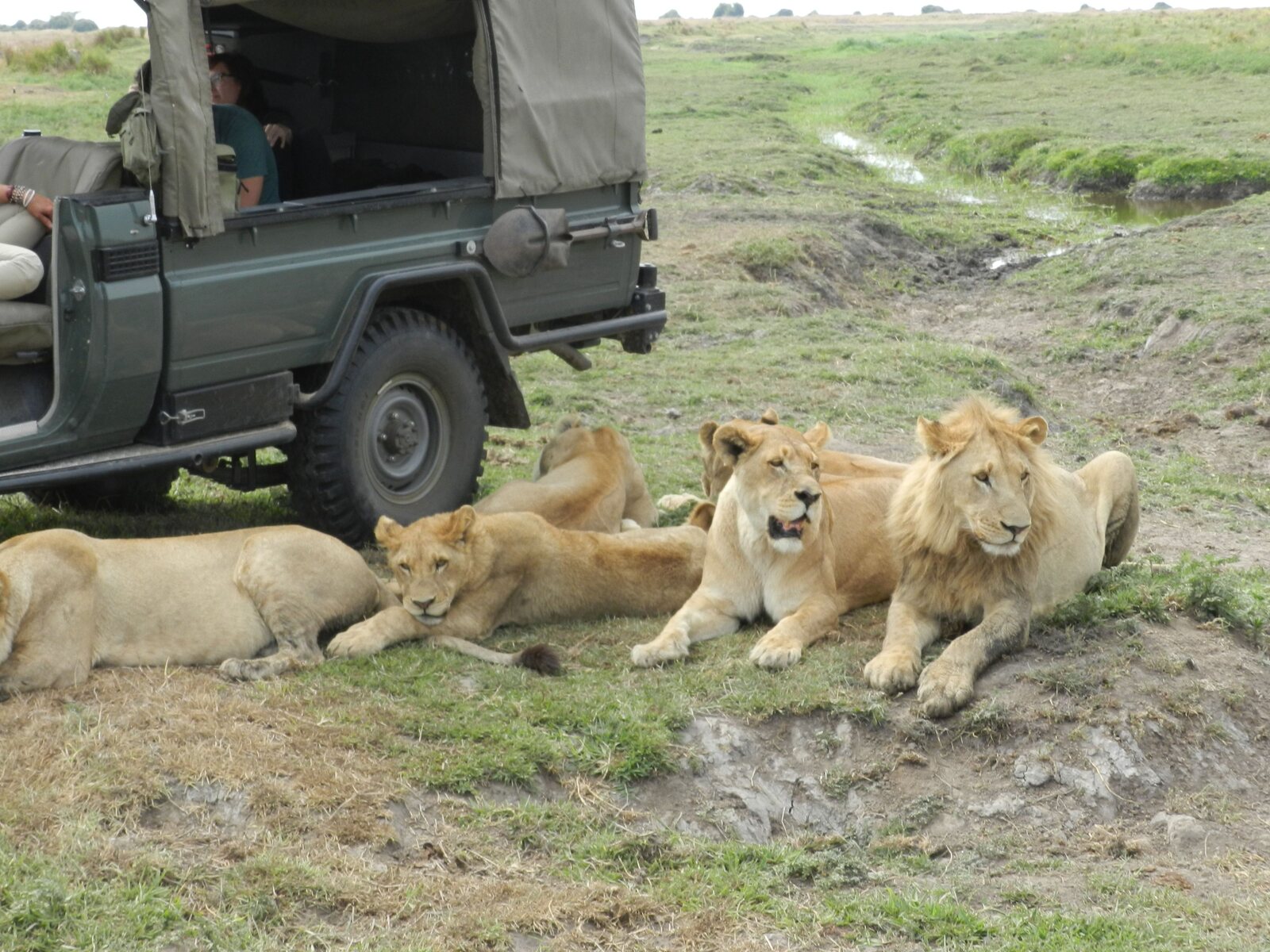
Yes. Moremi Game Reserve and Chief's Island offer exceptional lion, leopard, elephant and buffalo, with rhino present in select concessions. Mombo has the highest predator density in Africa. The Delta is also one of the best places on Earth to see the endangered African painted wolf (wild dog).
Is the Okavango Delta malaria-free?
No, the Okavango is in a malaria zone, so prophylaxis is strongly recommended year-round — consult your doctor four to six weeks before travel. Risk is lower in the dry season (May–October). All camps provide mosquito nets, repellent and well-screened rooms.
Do I need a visa for Botswana?
Most nationalities (US, UK, EU, Canada, Australia) receive a free 90-day entry on arrival. A passport with at least six months' validity and two blank pages is required. If combining with Victoria Falls (Zimbabwe/Zambia), the KAZA UniVisa simplifies border crossings.
What should I pack for the Okavango Delta?
Neutral-coloured clothing (khaki, olive, beige), warm layers for early-morning drives, a sun hat, sunscreen, insect repellent, binoculars, a camera with a zoom lens and a waterproof bag for mokoro trips. Light-aircraft weight limits are strict (typically 15–20 kg in soft bags). Most camps provide laundry, so pack light — and bring something special for those celebration dinners.