We're Open08:00–19:00 SAST
WhatsAppWishlistPartner Portal
Uganda — The Pearl of Africa — Primate Capital of the World
EAST AFRICA · UGANDA

UGANDA

The Pearl of Africa — Primate Capital of the World

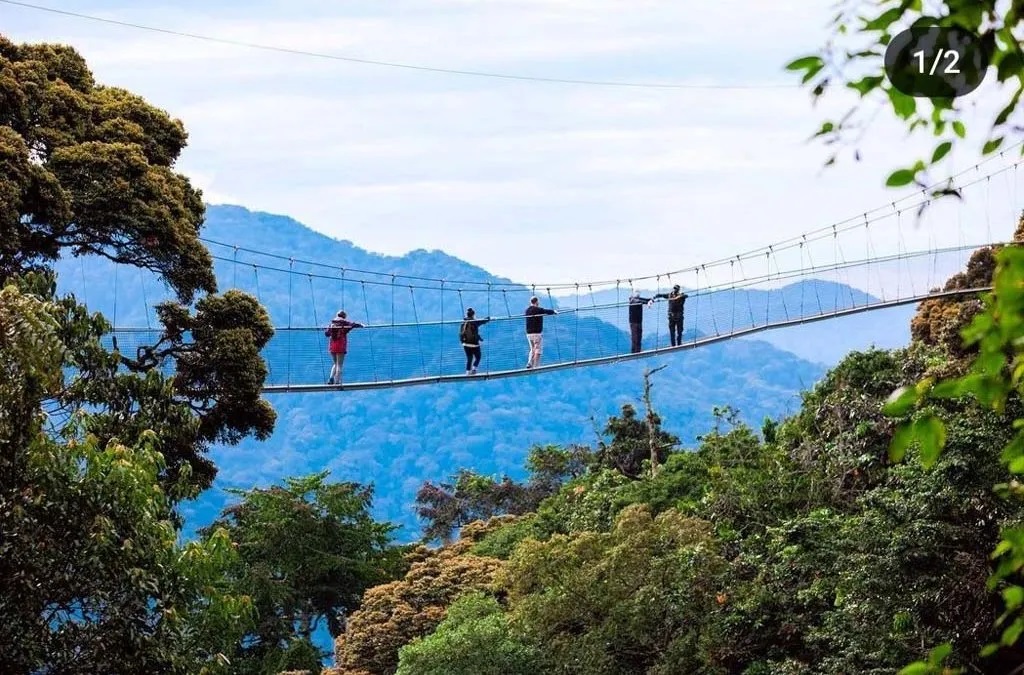
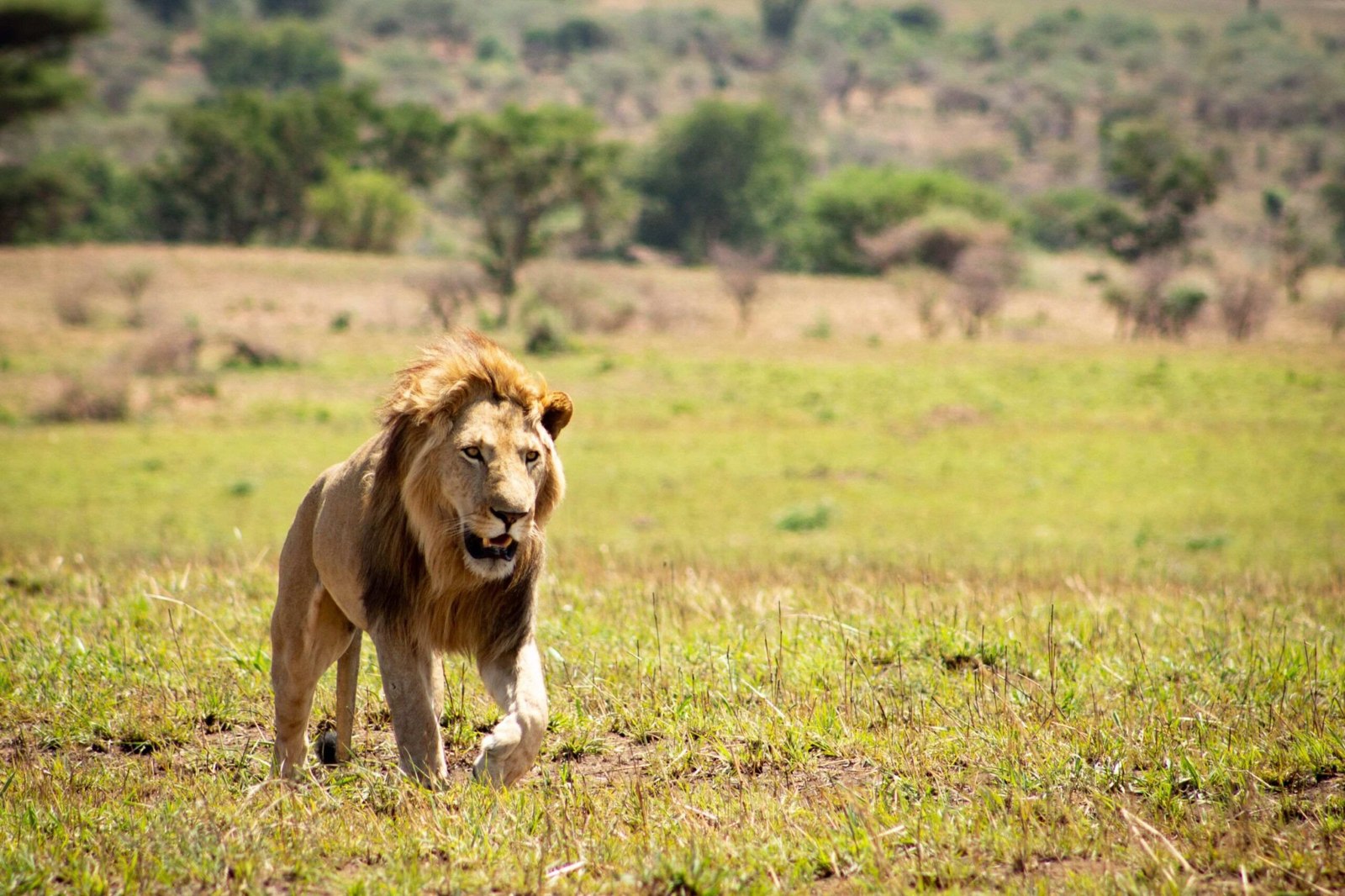
Winston Churchill called Uganda 'the Pearl of Africa,' and a century later, his words resonate with even greater truth. This is a country of staggering natural abundance — where half the world's remaining mountain gorillas shelter in impenetrable forest, where the Nile explodes through a seven-metre gap to create one of Earth's most powerful waterfalls, where chimpanzees swing through ancient rainforest canopies and tree-climbing lions drape themselves across fig branches in the Ishasha Plains. Uganda is not polished or manicured; it is raw, authentic, and profoundly alive — a safari destination for those who seek genuine wildness over manufactured luxury.

1.3733° N, 32.2903° EFrom $700 per person per night
Why Travel Private

Why Uganda Is the Pearl of Africa

Uganda is East Africa's most underrated safari destination — a country that delivers extraordinary wildlife encounters at a fraction of the cost and crowds of its more famous neighbours. While Kenya and Tanzania draw millions of visitors, Uganda remains relatively undiscovered, offering the kind of intimate, authentic wilderness experiences that seasoned safari-goers crave.

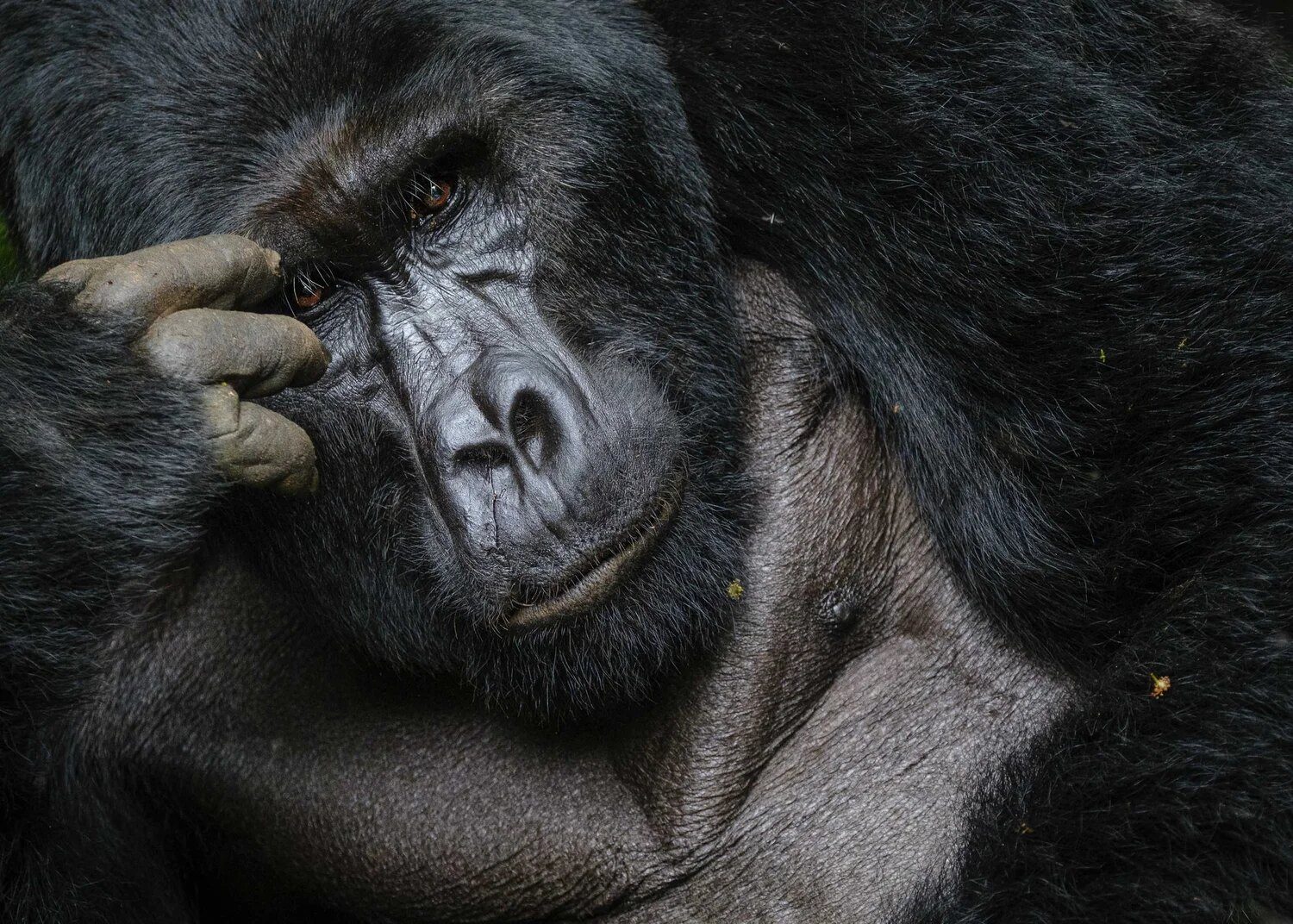
The country's primate credentials are unmatched. Bwindi Impenetrable National Park shelters roughly half the world's remaining mountain gorillas — the same species found in Rwanda's Volcanoes National Park but at nearly half the permit price ($800 vs $1,500). Kibale Forest National Park is the primate capital of the world, with thirteen species including habituated chimpanzees. Budongo Forest adds further chimp encounters, while Mgahinga Gorilla National Park offers golden monkey tracking.

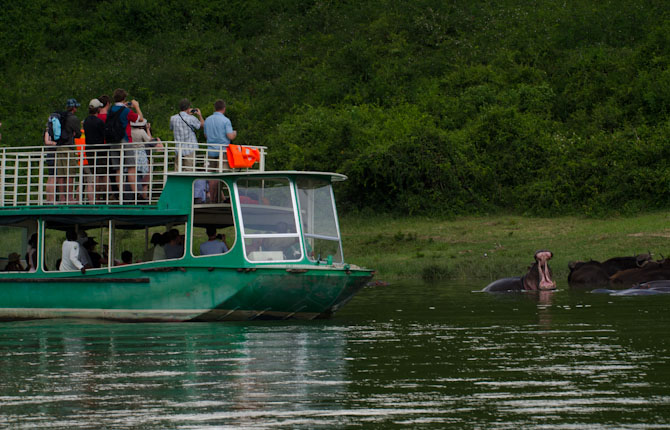
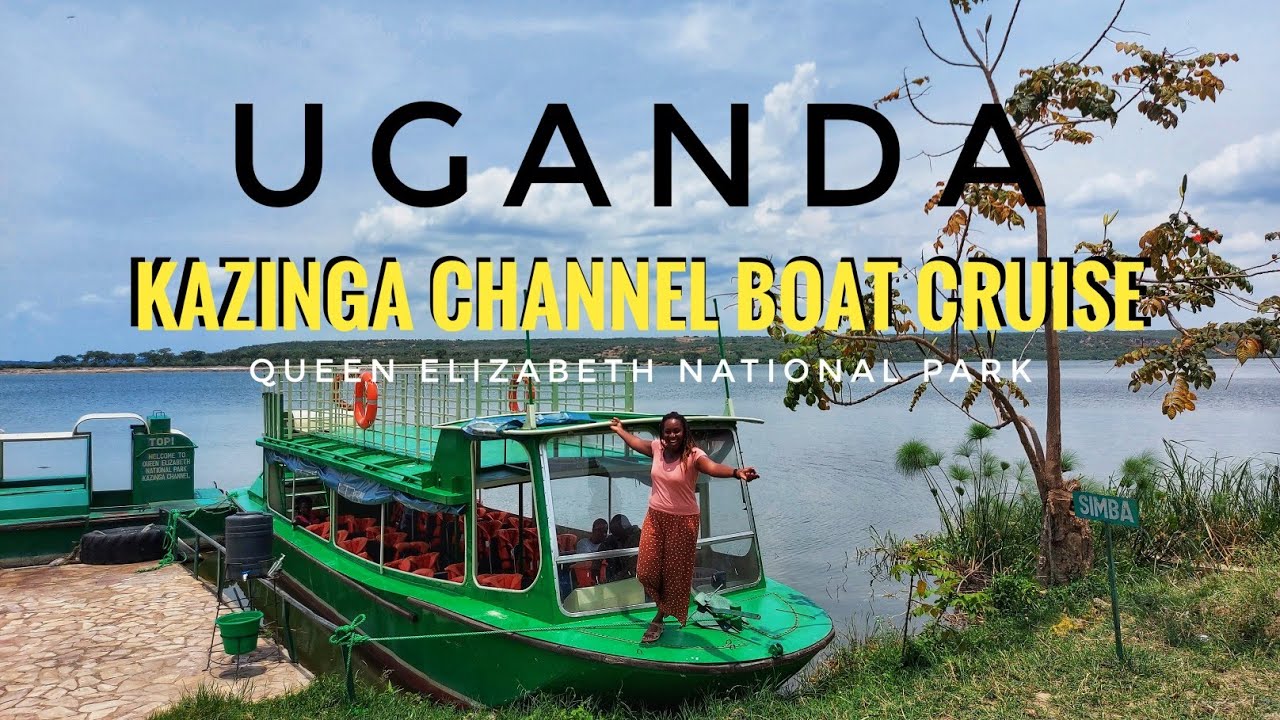
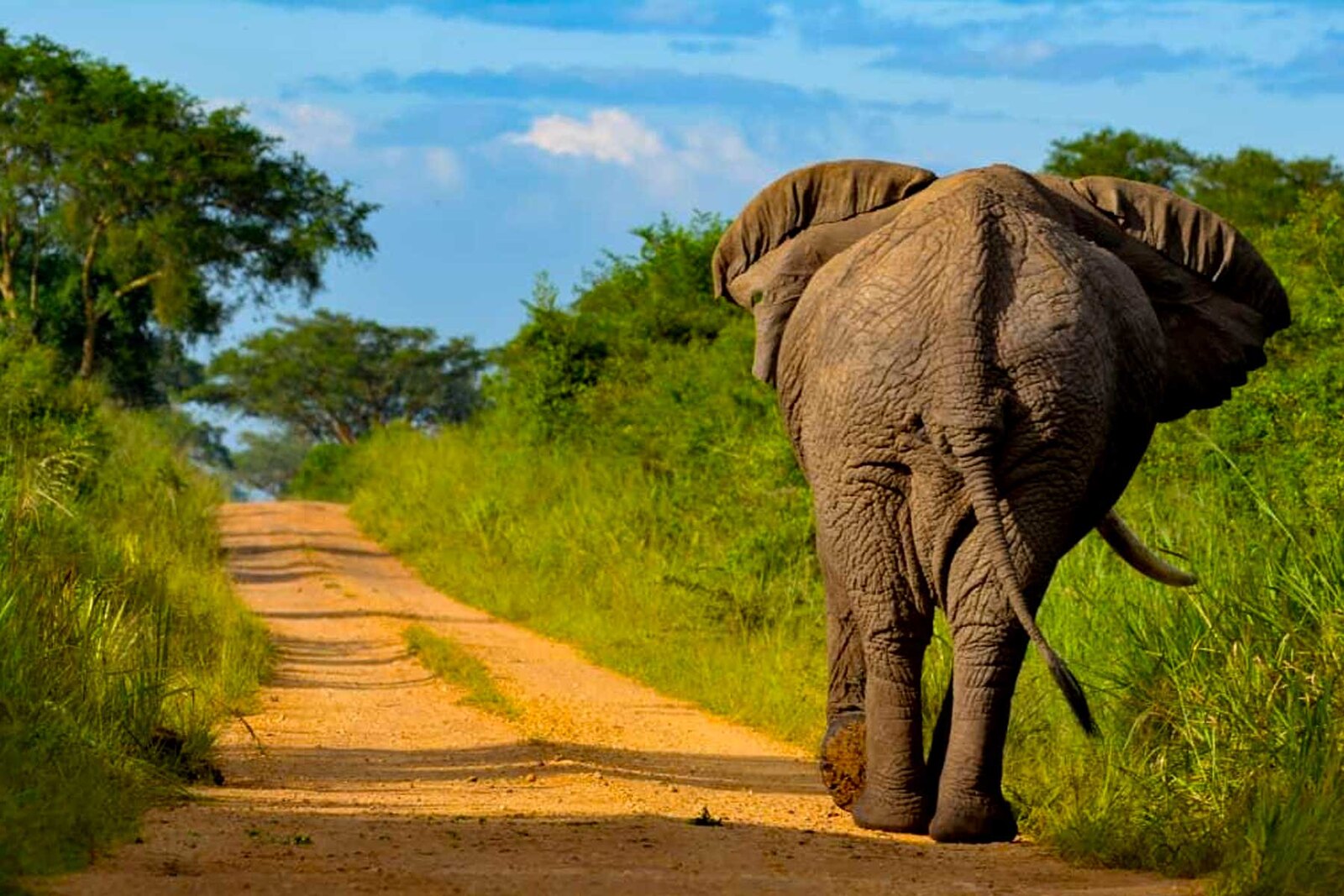
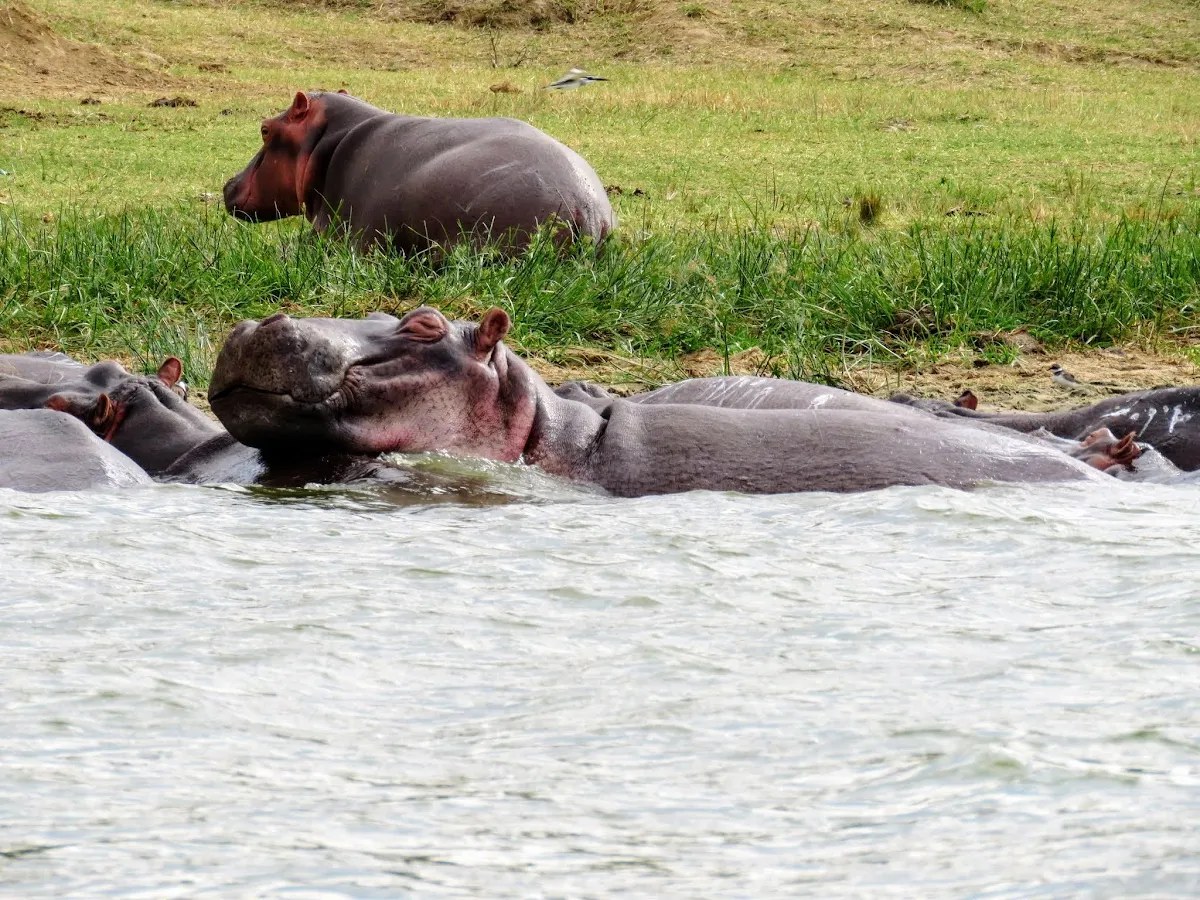
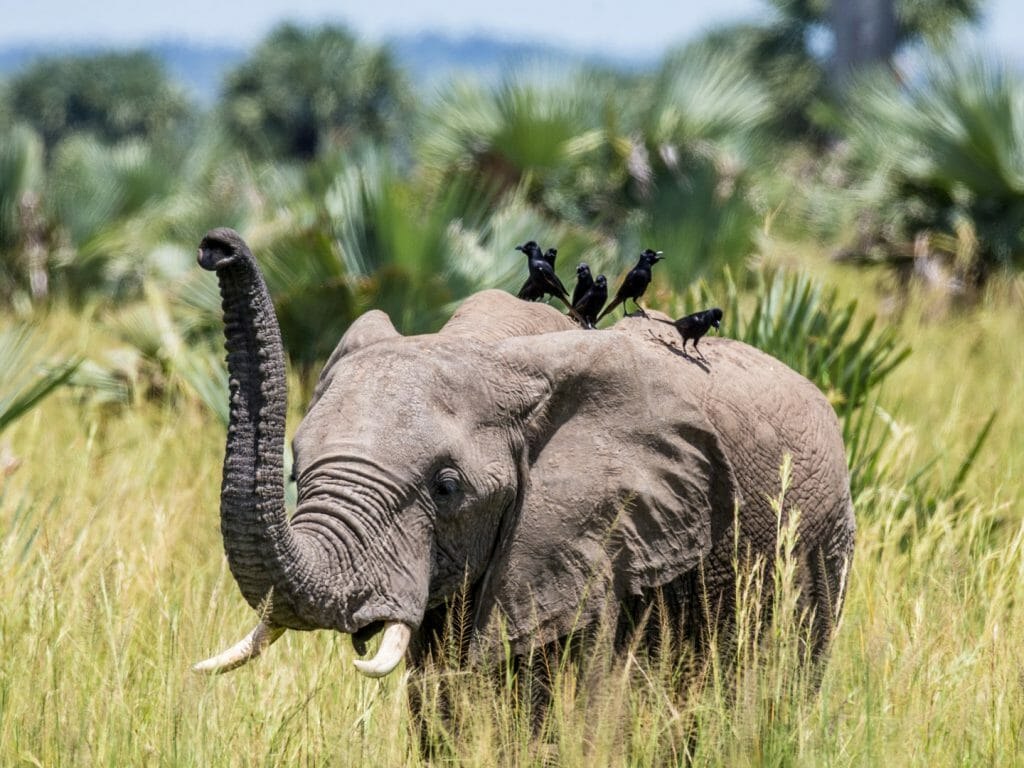
But Uganda is far more than primates. Queen Elizabeth National Park delivers classic savannah safari with a twist — tree-climbing lions in the Ishasha sector, boat cruises along the hippo-thronged Kazinga Channel, and the explosive biodiversity of the Rwenzori foothills. Murchison Falls National Park offers the Nile at its most dramatic: a wall of white water crashing through a narrow gorge, surrounded by savannah teeming with elephant, giraffe, and lion. And in the remote northeast, Kidepo Valley National Park — consistently ranked among Africa's most beautiful parks — offers vast, uncrowded wilderness rivalling anything on the continent.

Uganda's appeal lies in its combination of diversity and authenticity. This is not a destination of gleaming five-star properties and choreographed experiences; it is a place where the roads are rough, the forests are dense, and the encounters are raw. For travellers who value substance over polish, who want to earn their wildlife sightings through effort and immersion, Uganda delivers an experience that is genuinely transformative.

Our private Uganda safaris, arranged as extensions from Cape Town, navigate this extraordinary country with experienced local guides and carefully selected lodges that balance comfort with wilderness immersion.

At a Glance

Uganda at a Glance

Best Time to VisitJune–September and December–February (dry seasons). Gorilla trekking year-round. January–February best for Murchison Falls and Queen Elizabeth.
Tour Duration5–14 nights (7–10 nights for comprehensive gorilla + safari itinerary)
ClimateEquatorial but moderated by altitude. Average 25–29°C in lowlands, cooler (15–20°C) in highlands. Two rainy seasons: March–May (long rains) and October–November (short rains). Bwindi can be wet year-round.

Quick Facts

  • CurrencyUgandan Shilling (UGX); USD widely accepted
  • LanguagesEnglish (official), Swahili, Luganda, plus 40+ local languages
  • Time ZoneEAT (UTC+3)
  • Visae-Visa online ($50 USD); East Africa Tourist Visa ($100 covers Uganda, Kenya, Rwanda)
  • AirportsEntebbe International Airport (EBB) — main gateway; domestic airstrips at Bwindi, Murchison, Queen Elizabeth, Kidepo
  • DrivingLeft-hand side

Signature Highlights

  • Mountain gorilla trekking in Bwindi Impenetrable Forest
  • Chimpanzee tracking in Kibale Forest
  • Tree-climbing lions in Queen Elizabeth's Ishasha sector
  • Boat cruise on the Kazinga Channel — hippos and elephants
  • Top-of-the-falls hike at Murchison Falls
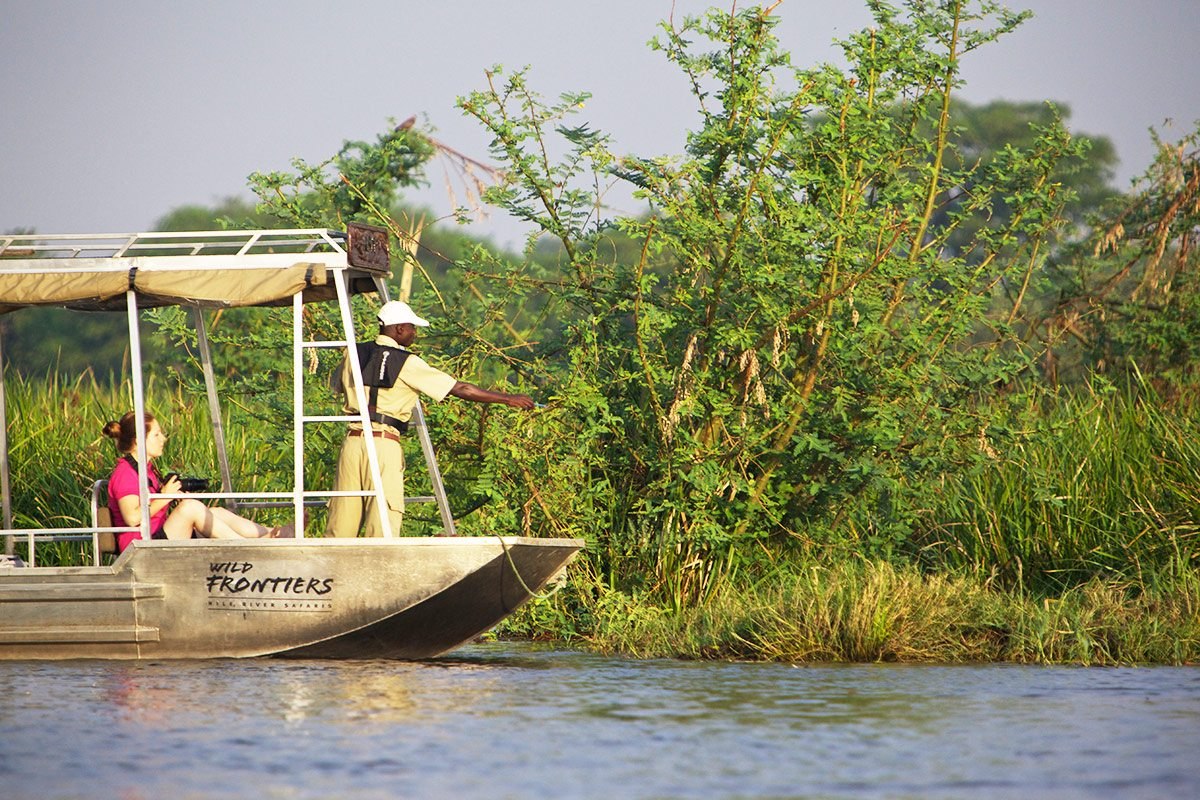
  • Nile boat safari to the base of Murchison Falls
  • Kidepo Valley — remote, spectacular, uncrowded
  • Gorilla habituation experience (4 hours with gorillas)
Where to Go

Regional Highlights

The defining landscapes and experiences that shape a private journey through Uganda.

Bwindi Impenetrable National Park01

Bwindi Impenetrable National Park

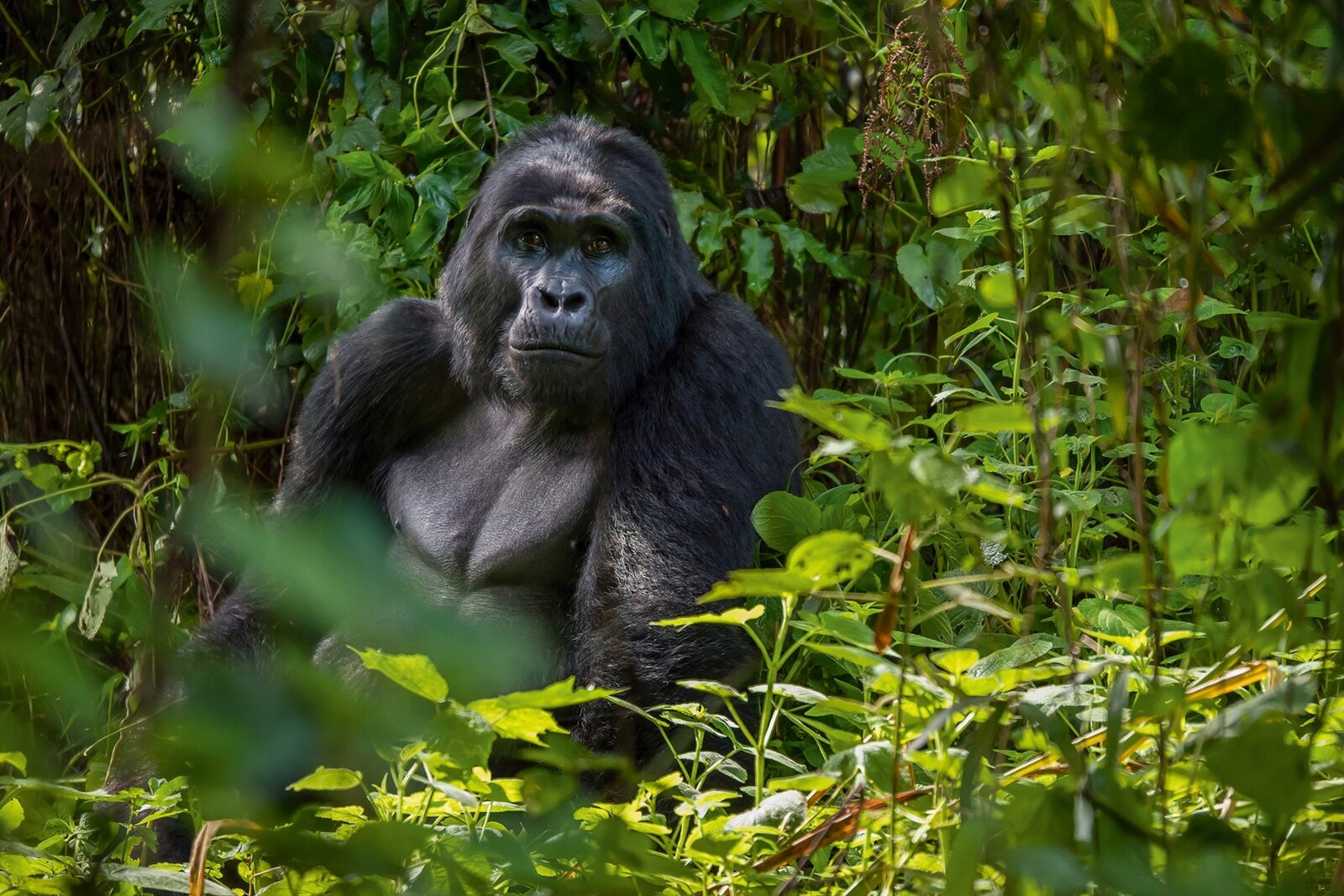
Bwindi Impenetrable National Park is one of the most biodiverse places on Earth — 331 square kilometres of ancient montane forest so dense, so tangled, and so steep that its name is earned rather than given. Within this green labyrinth live approximately 459 mountain gorillas — n…

  • Mountain gorilla trekking — approximately 459 gorillas
  • Gorilla habituation experience (4 hours, $1,500)
  • Dense, ancient montane rainforest
  • Over 350 bird species — 23 Albertine Rift endemics
  • Batwa pygmy cultural experience
Queen Elizabeth National Park02

Queen Elizabeth National Park

Queen Elizabeth National Park is Uganda's most popular safari destination — and for good reason. This 1,978-square-kilometre park in western Uganda packs an astonishing diversity of habitats into a single reserve: open savannah, dense forest, crater lakes, wetlands, and the Kazin…

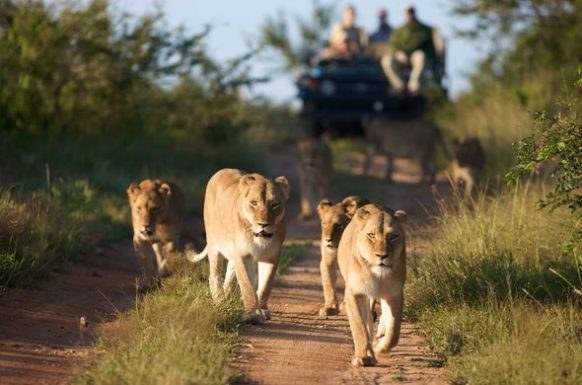
  • Tree-climbing lions in Ishasha sector
  • Kazinga Channel boat cruise — hippos, elephants, birds
  • Over 600 bird species — Uganda's birding hotspot
  • Crater lakes in the Katwe-Kikorongo area
  • Chimpanzee tracking in Kyambura Gorge
Murchison Falls National Park03

Murchison Falls National Park

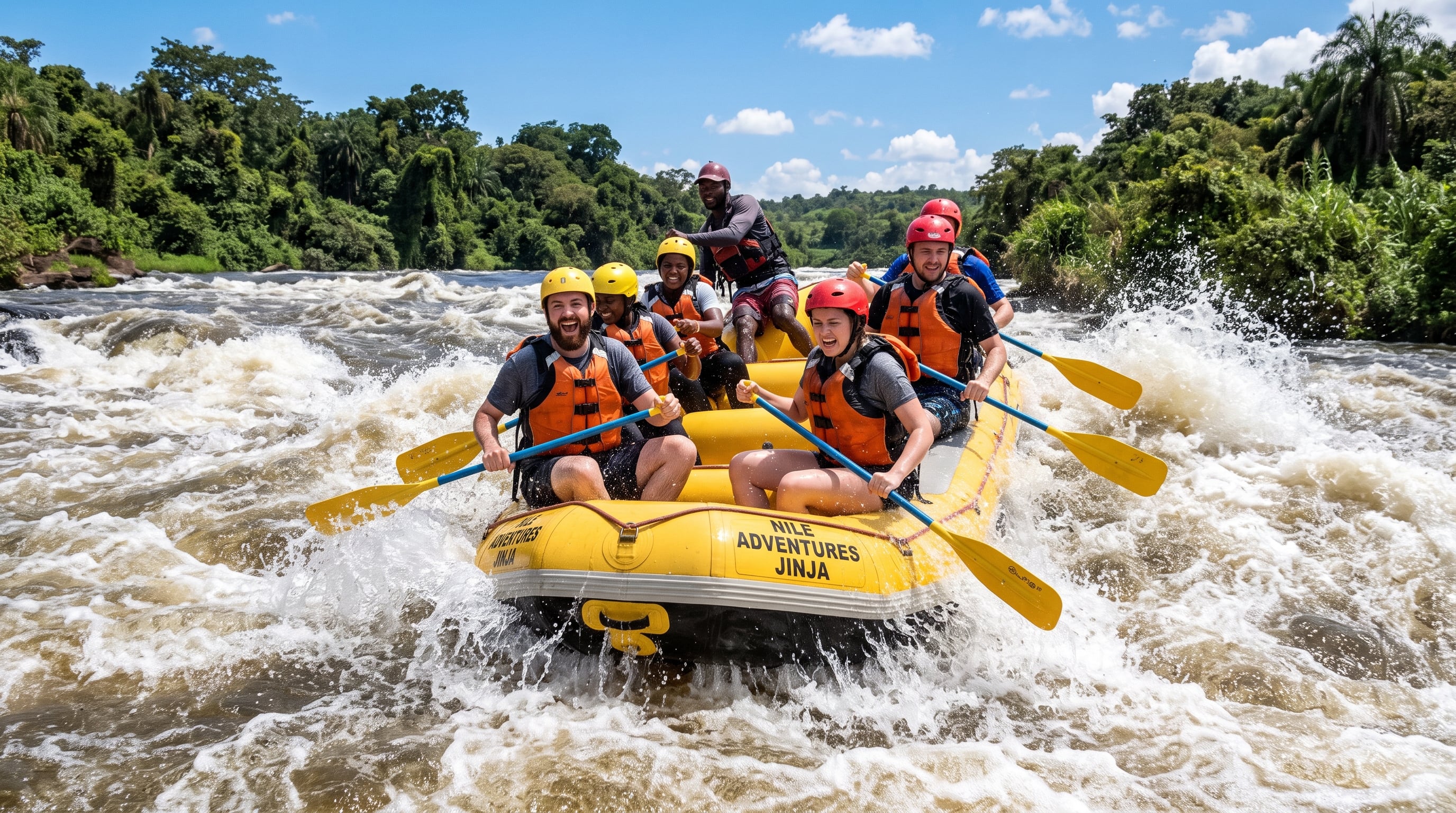
Murchison Falls is Uganda at its most dramatic. Here, the entire volume of the White Nile — one of Africa's mightiest rivers — is forced through a gap just seven metres wide before exploding into a thundering cascade 43 metres below. The result is one of the most powerful waterfa…

  • Murchison Falls — the world's most powerful waterfall
  • Nile boat safari to the base of the falls
  • Top-of-the-falls hike — stand above the seven-metre gap
  • Shoebill stork sightings in the delta
  • Chimpanzee tracking in Budongo Forest
Kibale Forest National Park04

Kibale Forest National Park

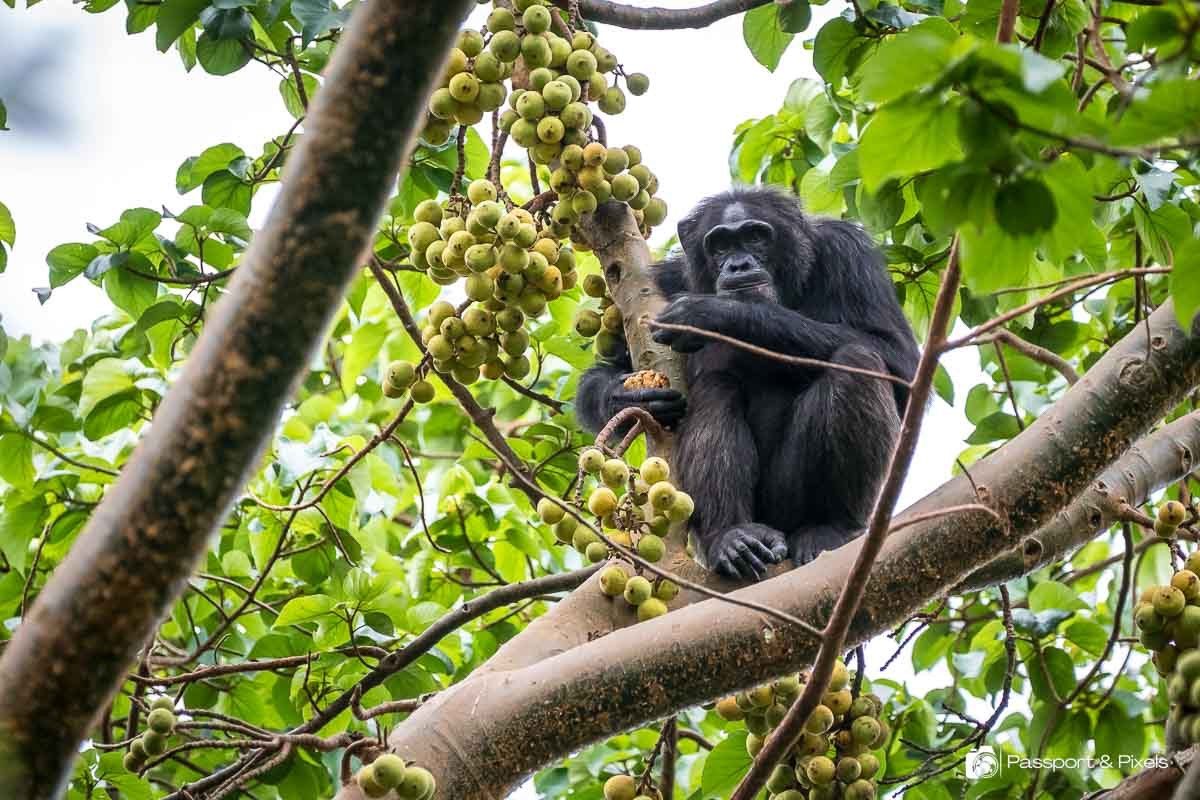
Kibale Forest is the undisputed primate capital of the world. This 795-square-kilometre tropical rainforest in western Uganda supports thirteen primate species — the highest diversity of any forest in Africa. The stars of the show are the habituated chimpanzees: communities of 10…

  • Chimpanzee tracking — 13 primate species
  • Highest primate diversity of any forest in Africa
  • Chimp habituation experience (full day)
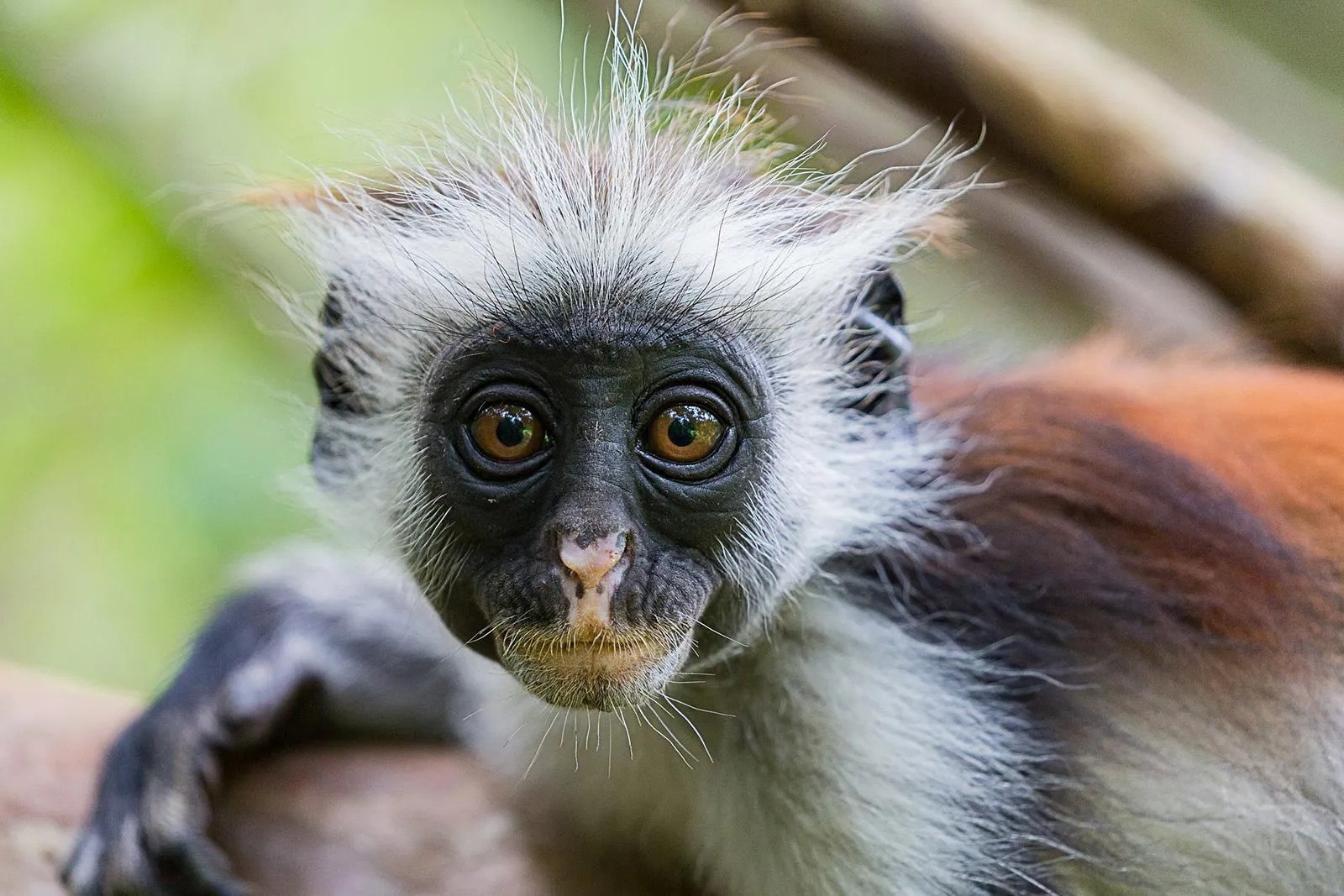
  • Red colobus and L'Hoest's monkey encounters
  • Bigodi Wetland Sanctuary — birding and primates
Curated For You

Signature Experiences

Gorilla Trekking in Bwindi

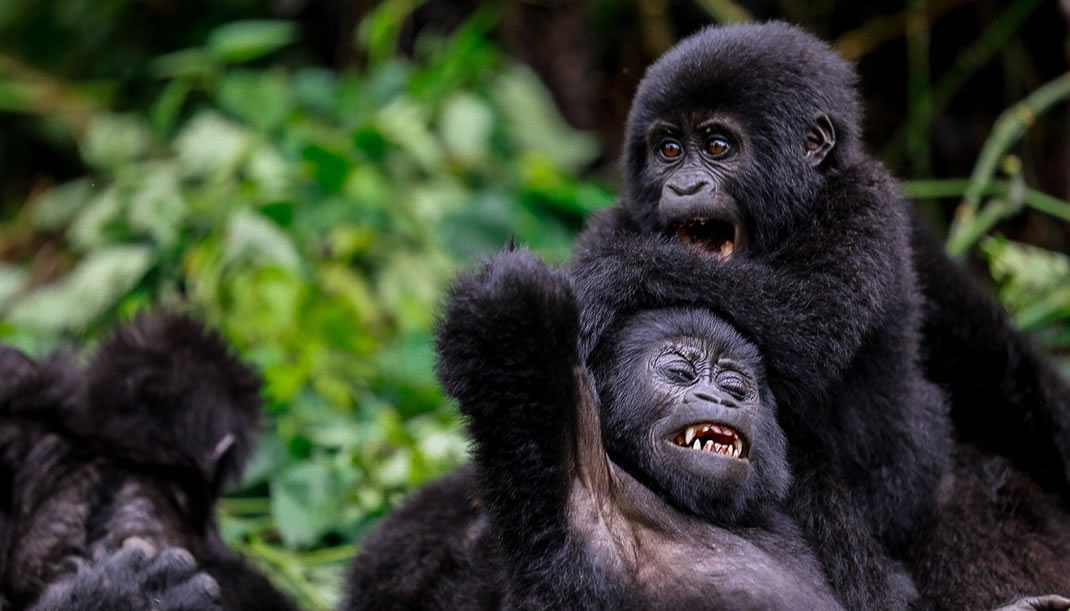
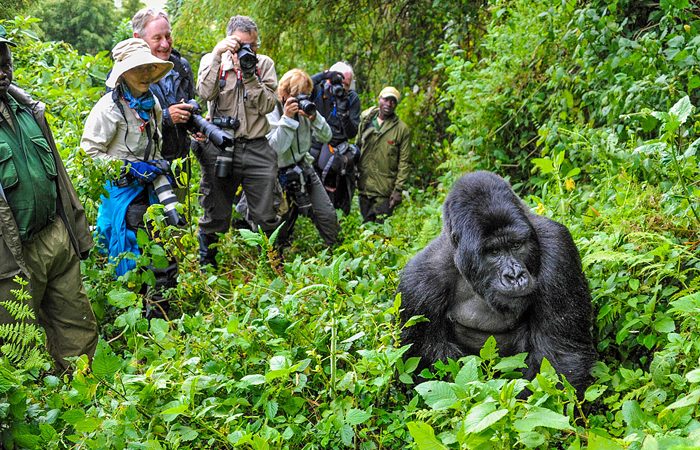
Bwindi's gorilla trekking is rawer, wilder, and more physically demanding than Rwanda — and many travellers prefer it for precisely those reasons. Hacking through impenetrable forest, scrambling over roots and mud, and then suddenly finding yourself in the presence of a silverback who weighs twice as much as you — this is safari at its most primal and most profoundly moving.

Chimpanzee Tracking in Kibale

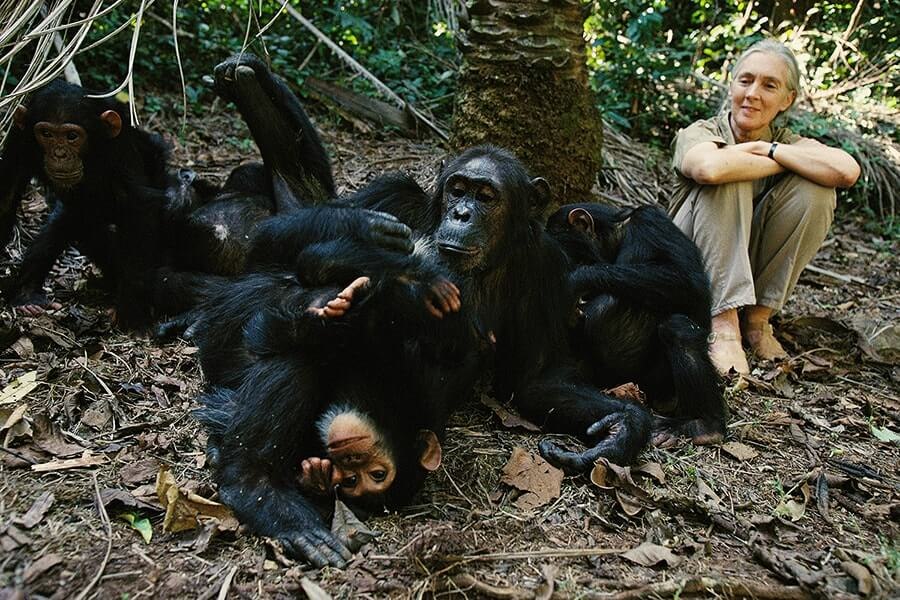
Tracking chimpanzees through Kibale's cathedral-like rainforest is an experience that connects you to humanity's deepest roots. Chimps share 98.7% of our DNA, and observing their social dynamics — the grooming, the politics, the playful rough-and-tumble of juveniles — feels less like watching wildlife and more like watching an earlier version of ourselves.

Nile Boat Safari to Murchison Falls

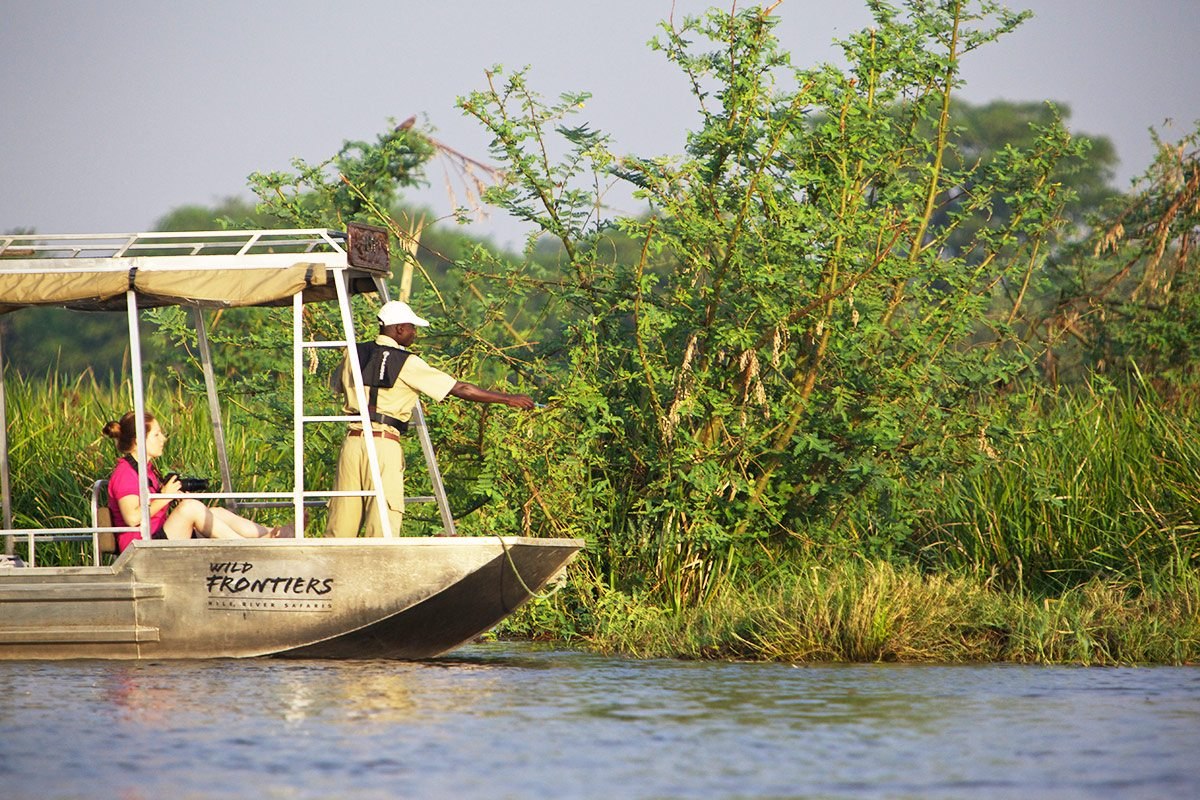
The three-hour boat cruise from Paraa to the base of Murchison Falls is one of Uganda's signature experiences. Hippos surface alongside the boat. Elephants wade to drink. Nile crocodiles bask on sandbanks. And the falls grow from a distant rumble to a deafening crescendo as you approach the seven-metre gap where the entire Nile is compressed to its narrowest point.

Tree-Climbing Lions of Ishasha

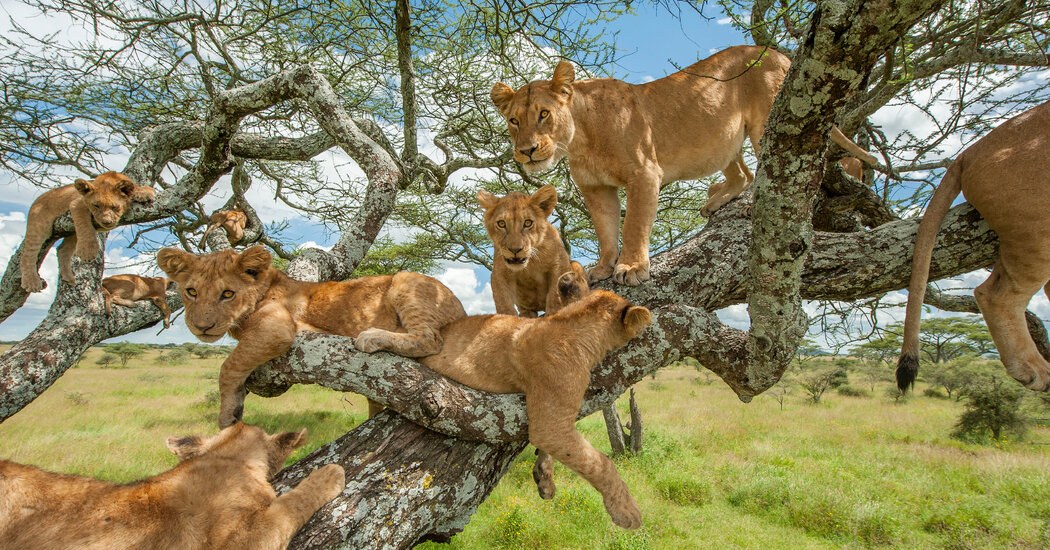
The tree-climbing lions of Queen Elizabeth's Ishasha sector are one of Uganda's most iconic sights. These big cats haul themselves into massive fig trees and drape across branches with a languor that seems impossible for an animal of their size. Photographing a lion sprawled ten metres above the ground, golden eyes half-closed, is a moment of pure safari magic.

Kidepo Wilderness Experience

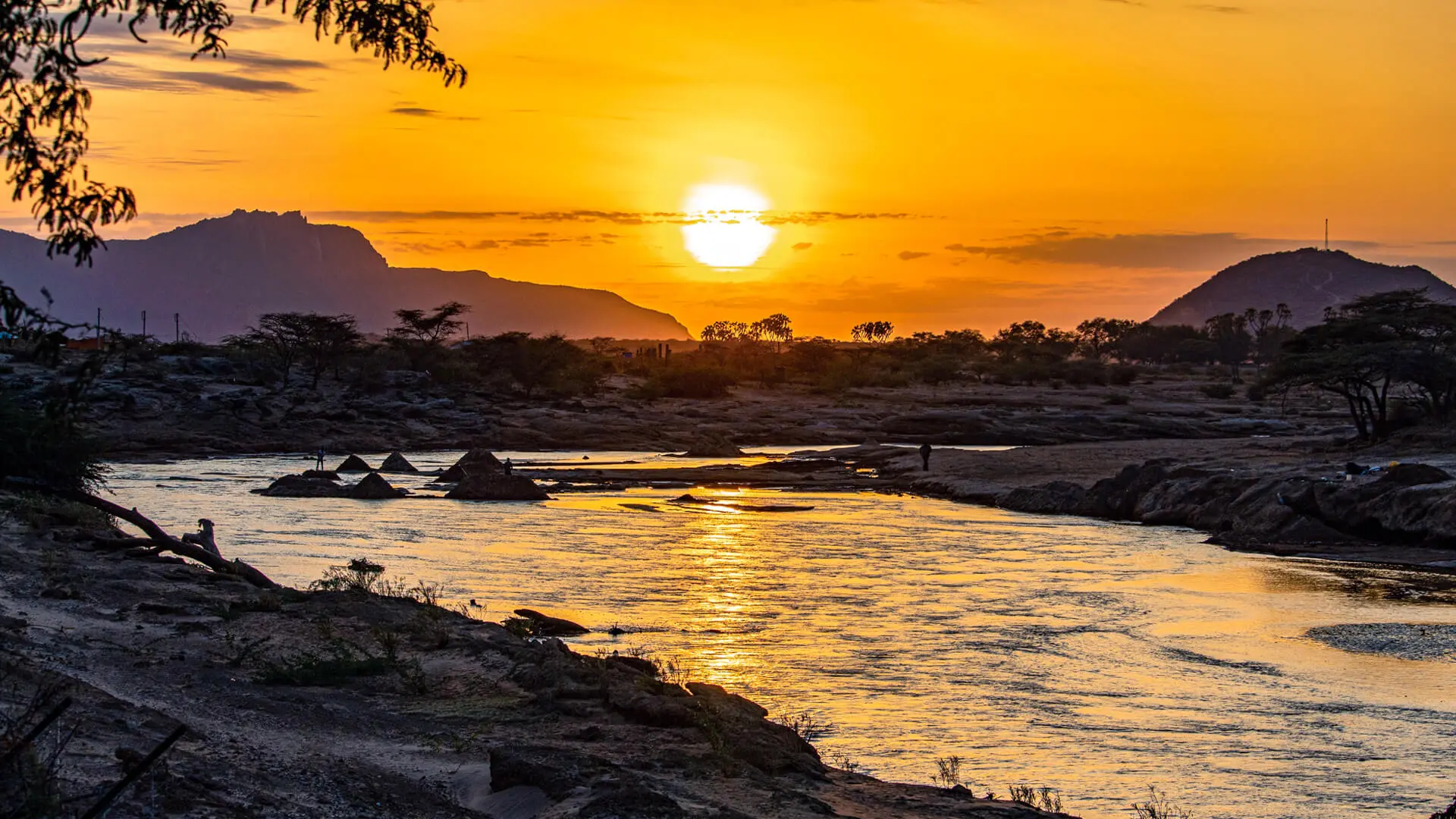
Reaching Kidepo Valley requires commitment — a charter flight or a long overland drive through Uganda's remote northeast. The reward is one of Africa's most spectacular and uncrowded parks: vast valleys dotted with kopjes, rare species found nowhere else in Uganda, and a sense of wilderness solitude that has all but vanished from the continent's more accessible destinations.

Hour by Hour

A Perfect Day: Gorilla Trekking in Bwindi

From impenetrable forest to silverback encounter in the Pearl of Africa

  1. 05:30

    Forest Dawn

    Wake to the chorus of tropical birds echoing through the mist. Your lodge — perched on a hillside overlooking the Bwindi forest canopy — serves strong Ugandan coffee and a full breakfast. The impenetrable forest stretches below, mysterious and inviting.

  2. 07:00

    Briefing at Park HQ

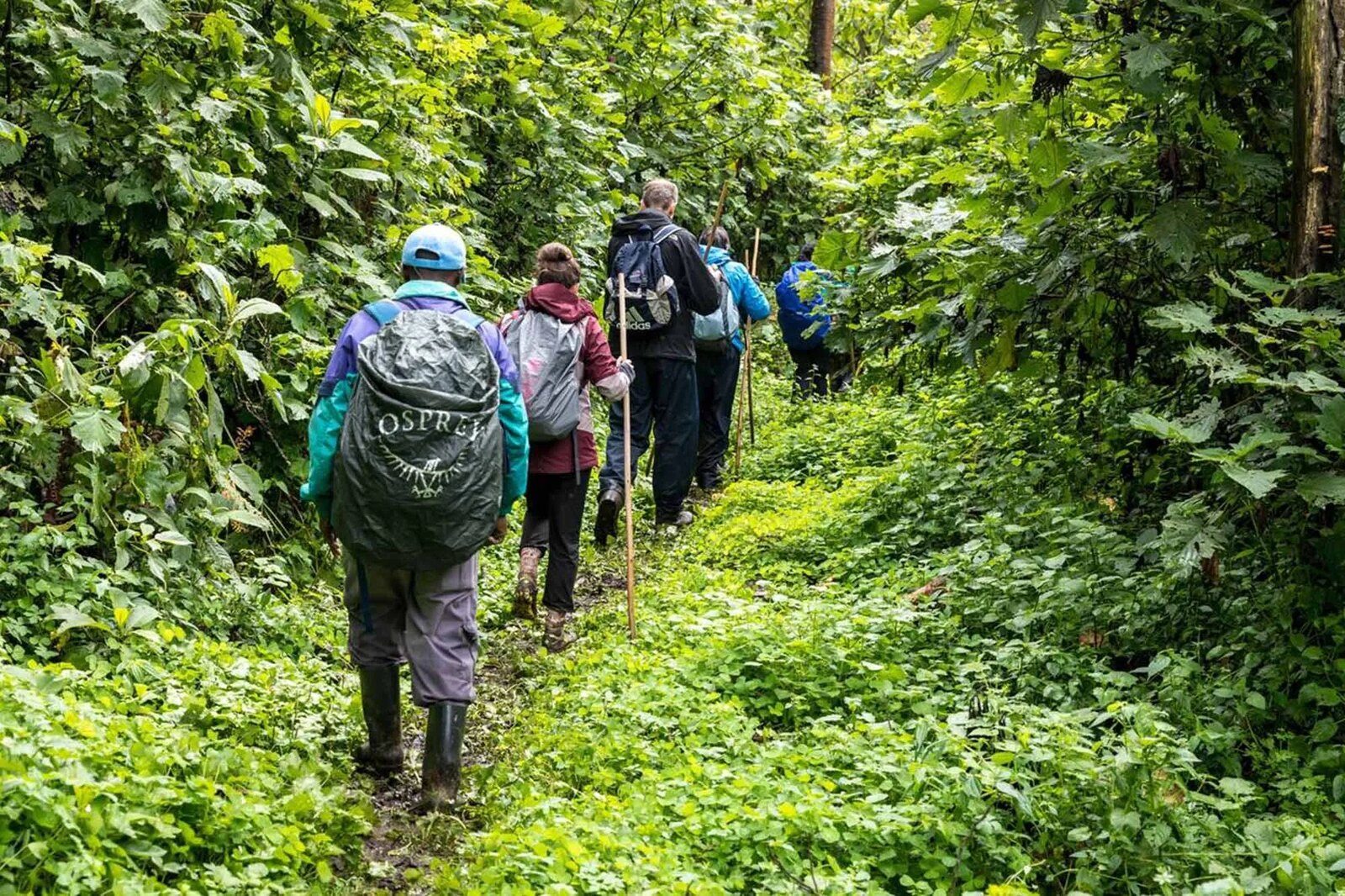
    At the ranger station, your lead guide introduces your group of eight and briefs you on trekking protocol. Trackers left at dawn to locate your assigned gorilla family. You're given a walking stick — you'll need it — and the trek begins.

  3. 07:30

    Into the Impenetrable

    The trail descends steeply through cultivated farmland before plunging into the forest. Within minutes, the canopy closes overhead. The undergrowth is dense — vines, ferns, stinging nettles. Your guide cuts a path with a machete. The air is cool and damp, fragrant with decomposing leaves.

  4. 10:00

    Gorilla Family Located

    After two and a half hours of challenging trekking, a radio call from the trackers: the family is nearby. You deposit your bags, grab your camera, and follow single-file through the last dense undergrowth. A rustle, a deep chest-beat, and there they are.

  5. 10:15

    The Encounter

    Sixteen mountain gorillas in a forest clearing. The silverback — chest like a barrel, arms like tree trunks — feeds on wild celery. Two mothers nurse infants. A juvenile swings from a vine and lands with a thud, earning a reproachful glance from his mother. You are three metres away.

  6. 11:15

    The Return

    Your hour ends. The walk out is easier — downhill, lighter in spirit. Back at the trailhead, cold drinks, certificates, and emotional congratulations. The shared experience bonds your group in a way few travel experiences can.

  7. 13:00

    Lodge Lunch & Rest

    Return to the lodge for lunch overlooking the forest. Fresh fish from Lake Bunyonyi, roasted plantains, avocado salad, and a glass of chilled white wine. The afternoon is yours — spa, reading, or a community walk to the nearby Batwa village.

  8. 16:00

    Batwa Cultural Experience

    The Batwa were the original inhabitants of the Bwindi forest — pygmy hunter-gatherers evicted when the park was gazetted. A guided visit to their community reveals traditional fire-making, medicinal plant knowledge, and forest songs. It is humbling, illuminating, and culturally vital.

  9. 19:00

    Dinner & Stargazing

    A multi-course dinner by candlelight in the lodge's open-air restaurant. Ugandan cuisine with international flair: goat stew, chapati, grilled tilapia, and a rich chocolate tart. Step outside to a sky filled with stars — the Milky Way visible in its full equatorial glory.

When to Visit

When to Visit: A Seasonal Guide

Long Dry Season (June – September)

Uganda's premier safari season. Trails are drier in Bwindi, game viewing peaks in Queen Elizabeth and Murchison Falls, and clear skies provide comfortable trekking conditions. This is peak season with the highest demand.

Best for
  • Gorilla trekking — drier trails
  • Queen Elizabeth and Murchison Falls game viewing
  • Chimpanzee tracking in Kibale
  • Clear skies and comfortable temperatures
  • Kidepo Valley at its best

Peak season — book gorilla permits 6–12 months ahead. Highest rates. Bwindi can still be wet.

Short Dry Season (December – February)

An excellent alternative with generally good trekking conditions and fewer visitors than peak season. January–February is warm and dry across most of the country. Birding is excellent with migratory species present.

Best for
  • Gorilla trekking with fewer visitors
  • Birding — migratory species present
  • Warm, dry conditions in savannah parks
  • Lower rates than peak season
  • Murchison Falls Nile levels scenic

December holidays bring brief peak demand. January–February are the driest months.

Wet Seasons (March – May, October – November)

Gorilla and chimpanzee trekking continue year-round. Trails are muddier and more challenging, but the forest is at its most atmospheric. Gorillas tend to stay at lower elevations during rains. Rates are lower, and permits may be more accessible.

Best for
  • Budget-conscious luxury travel
  • Atmospheric forest encounters
  • Fewer visitors — intimate experiences
  • Lower gorilla permit demand
  • Lush landscapes and waterfall photography

Muddy, slippery trails — waterproof boots essential. Some roads challenging. Murchison Falls at peak flow (April–May).

Month-by-Month Calendar
JanDry and warm. Excellent gorilla trekking conditions. Murchison Falls and Queen Elizabeth at peak game viewing. Chimp tracking in Kibale reliable. Fewer visitors than June–September.
FebContinued dry conditions. One of the best months for all activities. Kidepo Valley excellent. Shoebill stork easier to spot. Last dry month before long rains.
MarLong rains begin. Gorilla trekking still operational — trails muddier. Forests atmospheric and lush. Lower rates. Birdwatching improves as migrants arrive.
AprPeak long rains. Most challenging trekking conditions. Murchison Falls at maximum flow — dramatic spectacle. Best rates and fewest visitors.
MayRains easing. Forest canopy lush. Gorilla families at lower elevations. Good value. Queen Elizabeth recovering from rains.
JunDry season begins. Premier trekking month. Queen Elizabeth lions active. Murchison game concentrating. Kibale chimps reliable. Peak season demand starts.
JulPeak dry season. Best overall conditions across all parks. Gorilla permits scarce — advance booking essential. Kazinga Channel boat cruises at their best.
AugContinued peak season. Clear skies. All parks at their best. Highest demand period. Kidepo Valley spectacular.
SepLate dry season. Excellent conditions persist. Temperatures warming. Good availability returning as peak ends. Forest trails drying.
OctShort rains begin. Gorilla trekking continues. Forests misty and atmospheric. Migratory birds arriving. Green season rates begin.
NovShort rains continue. Lush landscapes. Intimate gorilla encounters. Lower rates. Kibale forest particularly beautiful. New bird species arriving.
DecRains easing. Festive season brings brief peak. Good trekking conditions. Holiday demand for gorilla permits. Book well ahead for December.
Travel With Purpose

Conservation & Community

Uganda's conservation journey has been one of remarkable recovery. During the political instability of the 1970s and 1980s, wildlife populations were devastated by poaching and civil conflict. Since the 1990s, the Uganda Wildlife Authority, in partnership with international conservation organisations, has rebuilt the country's protected area network and restored wildlife populations across all major parks.

The gorilla conservation success is paramount. Bwindi's mountain gorilla population has grown from approximately 300 in the 1990s to over 459 today, thanks to sustained anti-poaching patrols, veterinary interventions, and the tourism revenue that funds both. Twenty per cent of all gorilla permit revenue is shared with communities surrounding the parks — funding schools, clinics, and clean water projects.

Our Uganda safaris partner with lodges and operators who demonstrate genuine commitment to conservation and community development. We believe that the best safaris are those where every dollar contributes to the long-term survival of the wildlife you've come to see.

Know Before You Go

Travel Essentials

Getting There

International flights arrive at Entebbe International Airport (EBB), approximately 40 kilometres from Kampala. From Entebbe, domestic flights connect to airstrips near all major parks: Bwindi (Kihihi airstrip, 1.5 hours), Murchison Falls (Pakuba or Chobe, 1.5 hours), Queen Elizabeth (Kasese or Mweya, 1.5 hours), Kibale (Kasese, 1 hour), Kidepo (2 hours). Overland drives are longer but scenically rewarding.

Gorilla Permits

Uganda's gorilla trekking permits cost $800 per person per trek — significantly less than Rwanda's $1,500. The gorilla habituation experience costs $1,500 for four hours with a gorilla family. Permits are issued by the Uganda Wildlife Authority and should be booked 6–12 months ahead for peak season. We secure permits as part of your booking.

Visa & Entry

Most nationalities require an e-Visa ($50 USD), applied for online before travel. The East Africa Tourist Visa ($100) covers Uganda, Kenya, and Rwanda — ideal for multi-country itineraries. Passport valid for 6 months required. Yellow fever vaccination certificate is mandatory for entry.

Health & Safety

Yellow fever vaccination is mandatory for Uganda. Malaria prophylaxis is essential — all safari areas are in malaria zones. Bwindi altitude (1,160–2,607m) provides some relief but risk remains. Standard vaccinations recommended. Uganda's parks are safe with professional rangers. Kampala requires standard urban precautions.

What to Pack

Gorilla trekking essentials: waterproof hiking boots (crucial — Bwindi is muddy), gaiters, long trousers tucked into socks, long-sleeved shirt, waterproof jacket, gardening gloves, daypack. General: layers for variable temperatures, binoculars, camera with telephoto lens, insect repellent. Porters available at trailheads ($15–20 USD).

Currency & Payments

Ugandan Shilling (UGX) is the official currency. US Dollars widely accepted at lodges and for permits/tips (notes 2009 or newer). Credit cards accepted at upmarket lodges. ATMs in Kampala and major towns. Mobile money (MTN, Airtel) widespread for local transactions.

Connectivity

Mobile coverage available in towns and along major routes but very limited in national parks. Most lodges offer Wi-Fi but speeds are slow in remote areas. Bwindi and Kidepo have minimal connectivity. Pack accordingly and embrace the disconnection.

Multi-Country Journeys

Combining Uganda with South Africa

A Uganda-South Africa combination is one of Africa's most rewarding multi-destination itineraries — pairing Cape Town's sophistication with Uganda's raw, primate-rich wilderness. Begin with the Cape Winelands and Table Mountain, then fly north for gorilla trekking in Bwindi and chimpanzees in Kibale.

Flights from Cape Town or Johannesburg to Entebbe take approximately 5–7 hours with one connection (via Nairobi, Addis Ababa, or Kigali). A focused Uganda extension — 3 nights Bwindi for gorillas, 2 nights Kibale for chimps, 2 nights Queen Elizabeth for savannah safari — adds 7 nights to your South Africa journey. For the ultimate primate experience, combine Uganda and Rwanda in a 10-night extension.

We orchestrate every detail: flights, permits, transfers, lodges, and guides. From wine estate to impenetrable forest, every transition is seamless.

Good to Know

Frequently Asked Questions

How much does gorilla trekking cost in Uganda?

A gorilla trekking permit in Uganda costs $800 per person per trek. The gorilla habituation experience costs $1,500 for four hours. Combined with lodge accommodation ($300–$1,500/night), a 3-night Bwindi gorilla experience typically costs $3,000–$7,000 per person.

Is Uganda safe for tourists?

Uganda's safari areas are safe with professional rangers and guides. Kampala requires standard urban precautions. The country has been politically stable for three decades. Our clients are met at Entebbe and transferred directly to safari areas.

What is the difference between gorilla trekking in Uganda and Rwanda?

Uganda permits ($800) are nearly half the price of Rwanda ($1,500). Bwindi's forest is denser and treks often longer and more challenging. Rwanda offers better infrastructure and shorter drives. Both countries provide extraordinary encounters. Uganda suits adventure-seekers; Rwanda suits comfort-focused travellers.

When is the best time to visit Uganda?

June–September and December–February (dry seasons) offer the best trekking conditions and game viewing. Gorilla and chimp trekking operate year-round. The wet season (March–May, Oct–Nov) provides atmospheric encounters at lower prices.

Can I see gorillas and chimpanzees on the same trip?

Absolutely — this is Uganda's signature combination. Gorillas in Bwindi (2–3 nights) + chimpanzees in Kibale (1–2 nights) is the classic primate itinerary. Add Queen Elizabeth NP and Murchison Falls for a comprehensive 7–10 night safari.

Do I need vaccinations for Uganda?

Yellow fever vaccination is mandatory for Uganda entry. Malaria prophylaxis is essential. Routine vaccinations should be current. Consult your travel clinic 6–8 weeks before departure for personalised advice.

How physically demanding is gorilla trekking in Bwindi?

More demanding than Rwanda — expect 2–6 hours of trekking through steep, dense, often muddy forest at 1,160–2,607m altitude. Reasonable fitness is required but porters are available ($15–20) to carry your pack and assist on steep sections.

What is the gorilla habituation experience?

Available only in Bwindi's Rushaga sector, the habituation experience gives you four hours (vs one hour for regular trekking) with a gorilla family that is still being introduced to human visitors. At $1,500, it costs the same as Rwanda's one-hour permit but provides four times the encounter time.

What wildlife will I see beyond primates?

Uganda offers Big Five sightings minus rhinos (reintroduced in limited areas). Queen Elizabeth NP: tree-climbing lions, elephants, hippos, leopards. Murchison Falls: giraffe, elephants, lions, shoebill stork. Kidepo: cheetah, ostriches, unique northern species.

How far in advance should I book?

For peak season (June–September, December–February), book gorilla permits 6–12 months ahead. Shoulder and wet season permits may be available 3–6 months ahead. We can often access allocations at shorter notice through our operator partnerships.

What is the flying time from South Africa to Uganda?

Johannesburg to Entebbe: approximately 4 hours direct or 5–7 hours via Nairobi/Addis Ababa. Cape Town to Entebbe: 6–8 hours with one connection. From Entebbe, domestic flights to Bwindi take 1.5 hours.

Is Uganda suitable for families?

Children must be 15 years or older for gorilla trekking. Queen Elizabeth NP, Murchison Falls, and Lake Bunyonyi welcome younger children. For families with teenagers, Uganda offers an exceptional educational and adventurous experience.

Do I need a visa for Uganda?

Most nationalities require an e-Visa ($50 USD), applied for online. The East Africa Tourist Visa ($100) covers Uganda, Kenya, and Rwanda for 90 days. South African citizens require a visa. Yellow fever certificate is mandatory at entry.

Chat