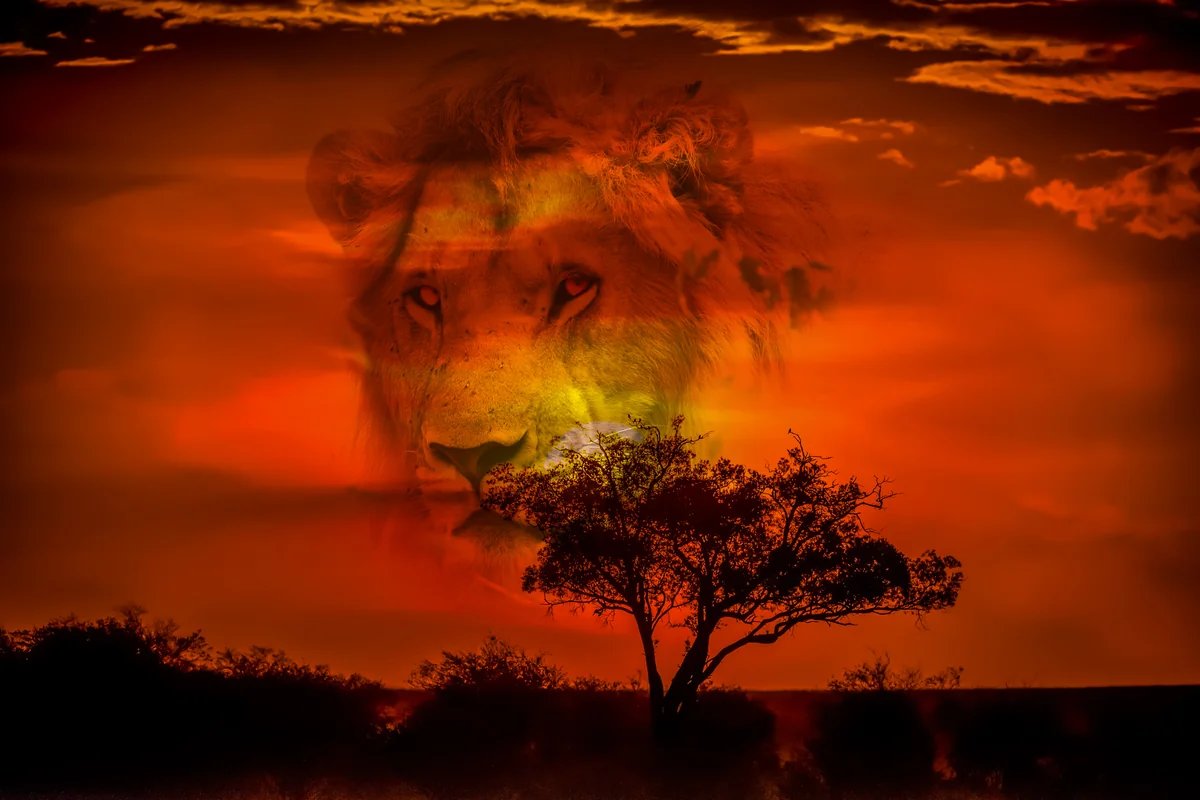
Ultra-Luxury8 DaysSerengeti & Ngorongoro Ultimate Safari
Eight Days Across Tanzania's Greatest Wildernesses. Tanzania's northern circuit holds the crown jewels of African safari — the endless Serengeti plains, the wildl…

The Great Migration — Earth's Greatest Wildlife Spectacle
Witness 2 million wildebeest, zebra, and gazelle thundering across endless plains in the world's most dramatic wildlife migration. Big Five safaris, hot air balloon flights at sunrise, and luxury camps like Singita Sasakwa and Four Seasons Safari Lodge.
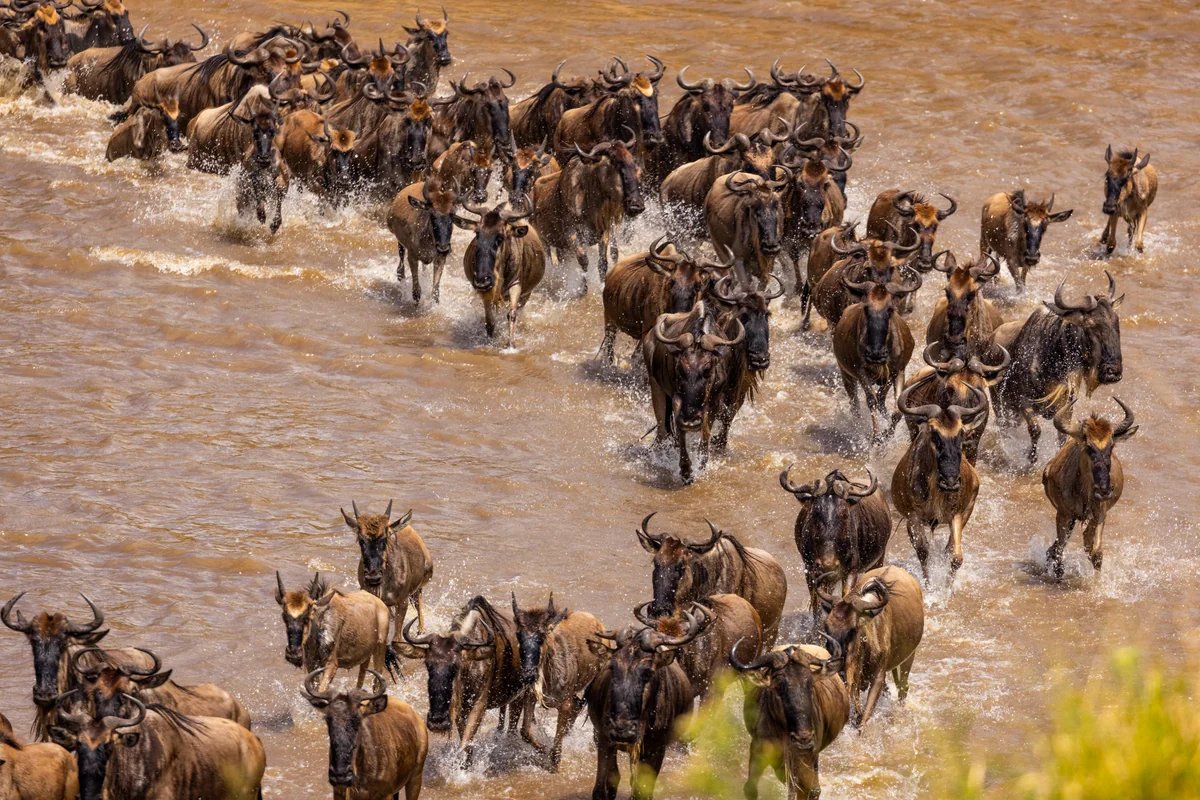
The Serengeti — the name derives from the Maasai word 'Siringet,' meaning 'endless plains' — is Earth's most iconic safari destination. This 14,763 km² ecosystem hosts the Great Migration: 2 million wildebeest, 500,000 zebra, and 200,000 gazelle move in a perpetual cycle between Tanzania and Kenya's Masai Mara, facing lions, crocodiles, and hyenas. The Serengeti offers the highest density of large mammals on Earth, dramatic Mara River crossings, Big Five game viewing year-round, and luxury camps from Singita Sasakwa ($2,000+/night) to Four Seasons Safari Lodge. Hot air balloon safaris at sunrise reveal the plains' vastness — this is safari as it has existed for millennia.
Four hand-crafted private journeys through Serengeti, Tanzania — from our flagship ultra-luxury expedition to exceptional value escapes. Every package is fully tailor-made, privately guided and includes luxury lodges, expert rangers and seamless logistics.
Ultra-Luxury8 DaysEight Days Across Tanzania's Greatest Wildernesses. Tanzania's northern circuit holds the crown jewels of African safari — the endless Serengeti plains, the wildl…
High-End6 DaysSix Days of Serengeti Plains & the Ngorongoro Crater. The essential Tanzania safari in six beautifully paced days — the boundless Serengeti for the Great Migratio…
Luxury5 DaysFive Days Immersed in the Endless Serengeti. A focused five-day immersion in the Serengeti — the single greatest wildlife stage on the planet.
Value3 DaysThree Days on the World's Most Famous Plains. A superb introduction to the Serengeti in three well-priced days — ideal as a focused first safari or as an add-on t…

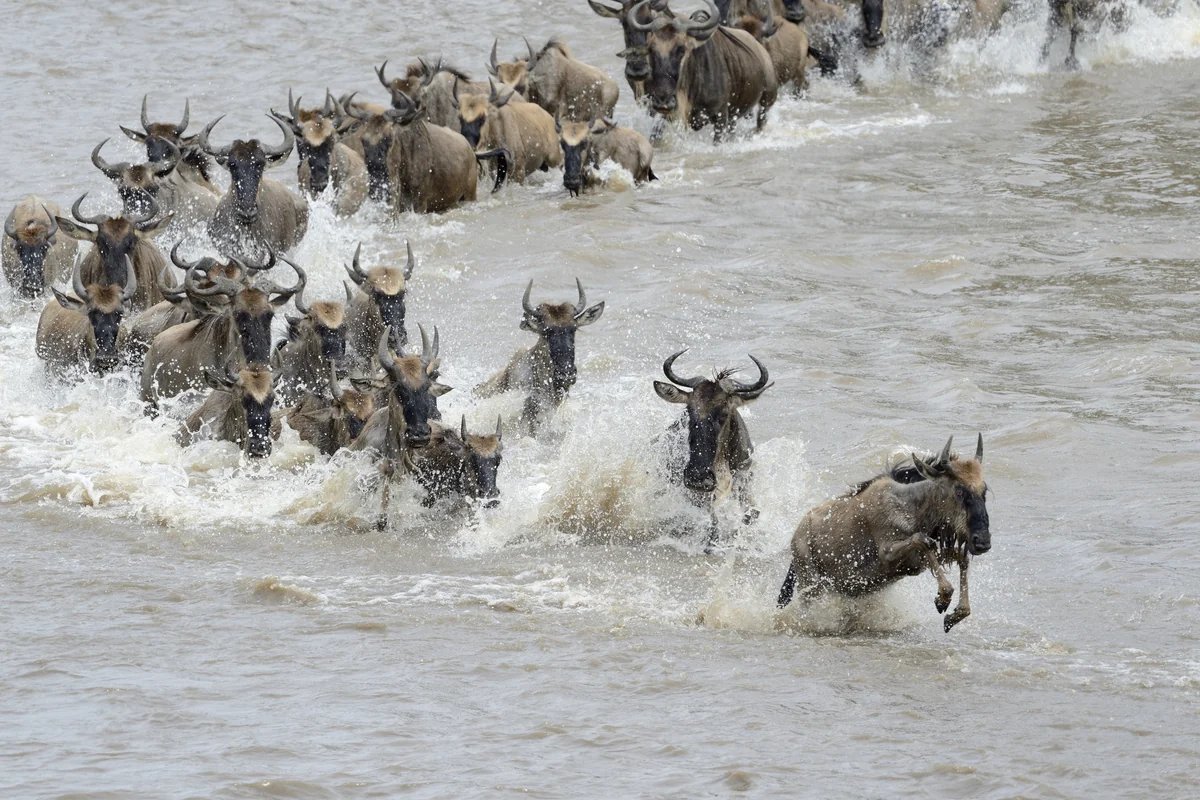
Track the Great Migration across the Serengeti's vast plains. From July to October, witness the dramatic Mara River crossings as wildebeest plunge into croc-infested waters while lions and hyenas wait. In January–February, watch 8,000 calves born daily in the Southern Plains. Your guide follows the herds' real-time movements for front-row seats to nature's greatest show.

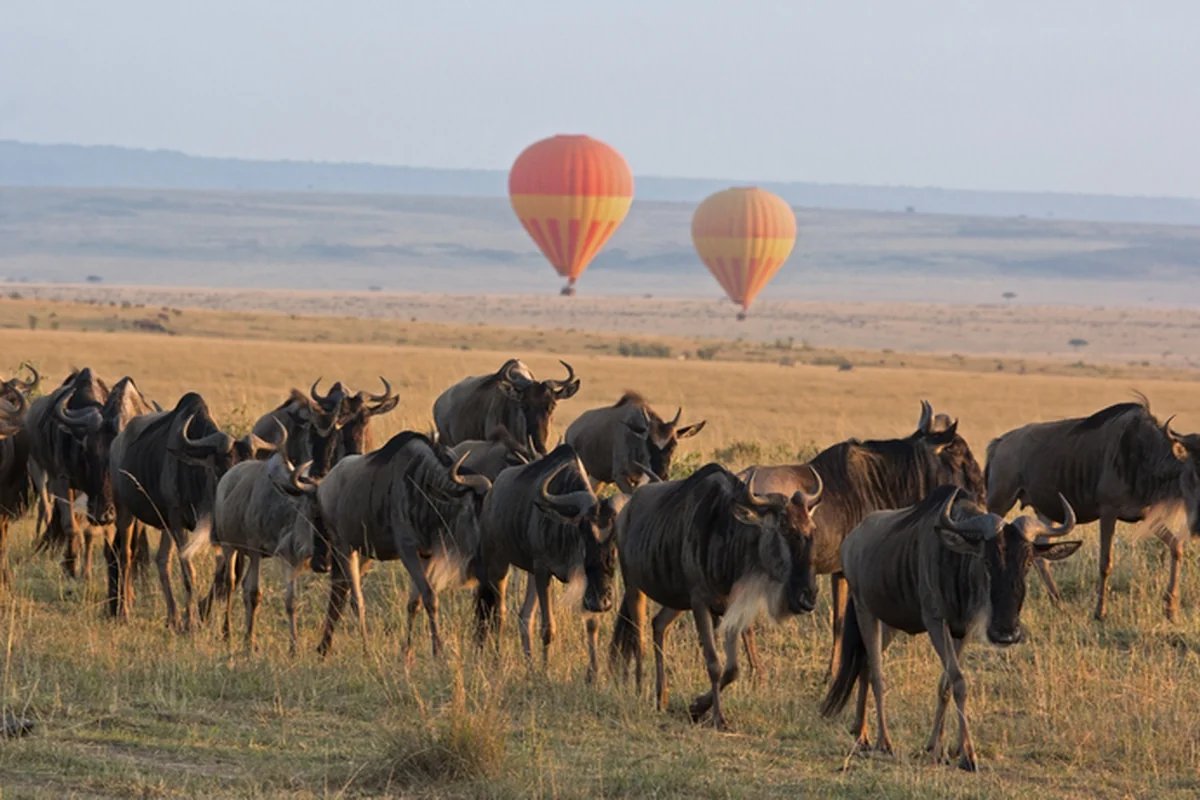
Float silently over the Serengeti at dawn as the sun ignites the endless plains. Watch migrating herds, predators stalking prey, and elephants from a bird's-eye view. Pilots adjust altitude for panoramic vistas and intimate close-ups. Conclude with a champagne bush breakfast under acacia trees — one of Africa's most magical experiences.

The Central Serengeti (Seronera) offers year-round Big Five viewing with the highest predator density in the park. Lion prides lounge in the kopjes (rocky outcrops), leopards drape over sausage trees, and elephants browse acacia woodlands. Cheetahs scan the plains for Thomson's gazelle. This is classic safari — sunrise and sunset drives when animals are most active.

Descend 600 metres into the Ngorongoro Crater — the world's largest intact volcanic caldera and a UNESCO World Heritage Site. This 'Garden of Eden' hosts 25,000 animals including black rhinos, hippos, flamingos, and massive tusker elephants. The crater floor is a self-contained ecosystem where predators and prey coexist in breathtaking density. Combine with Olduvai Gorge for human evolution history.

Walk the Serengeti's plains and kopjes with armed rangers and Maasai guides. Learn animal tracking, medicinal plants, and survival skills. Feel the earth beneath your feet, hear the alarm calls of impala, and experience the visceral thrill of being on foot in Big Five territory. Walking safaris are only permitted in select private concessions.

Visit a Maasai boma (village) to experience the culture of East Africa's most iconic pastoralist tribe. Watch traditional jumping dances, learn about cattle herding, see beadwork craftsmanship, and hear stories of lion hunting rites of passage. Maasai warriors share their deep connection to the land and wildlife that defines the Serengeti.
Handpicked luxury lodges ranging from award-winning ultra-luxury suites to exceptional value properties — every lodge delivers a world-class safari experience.

Colonial grandeur on a hilltop — the Serengeti's most luxurious property with private game reserve and walking safaris
Travel + Leisure World's Best, Condé Nast Traveler Gold List

Five-star hotel luxury in the heart of the Serengeti — family-friendly with modern amenities and year-round wildlife
Forbes Travel Guide Four-Star, TripAdvisor Travellers' Choice

Perched on a kopje with panoramic views — all-suite tented luxury with the Great Migration at your doorstep
Safari Awards Best Tented Camp

Private concession with walking safaris — intimate camp on the edge of the Northern Serengeti
&Beyond Quality Standards

Mobile tented camp that moves with the Great Migration — authentic, intimate, and perfectly positioned
National Geographic Unique Lodges

Affordable mobile camp following the migration — no-frills but excellent value and prime wildlife access
Eco-tourism certified

2 million wildebeest — the Great Migration's stars

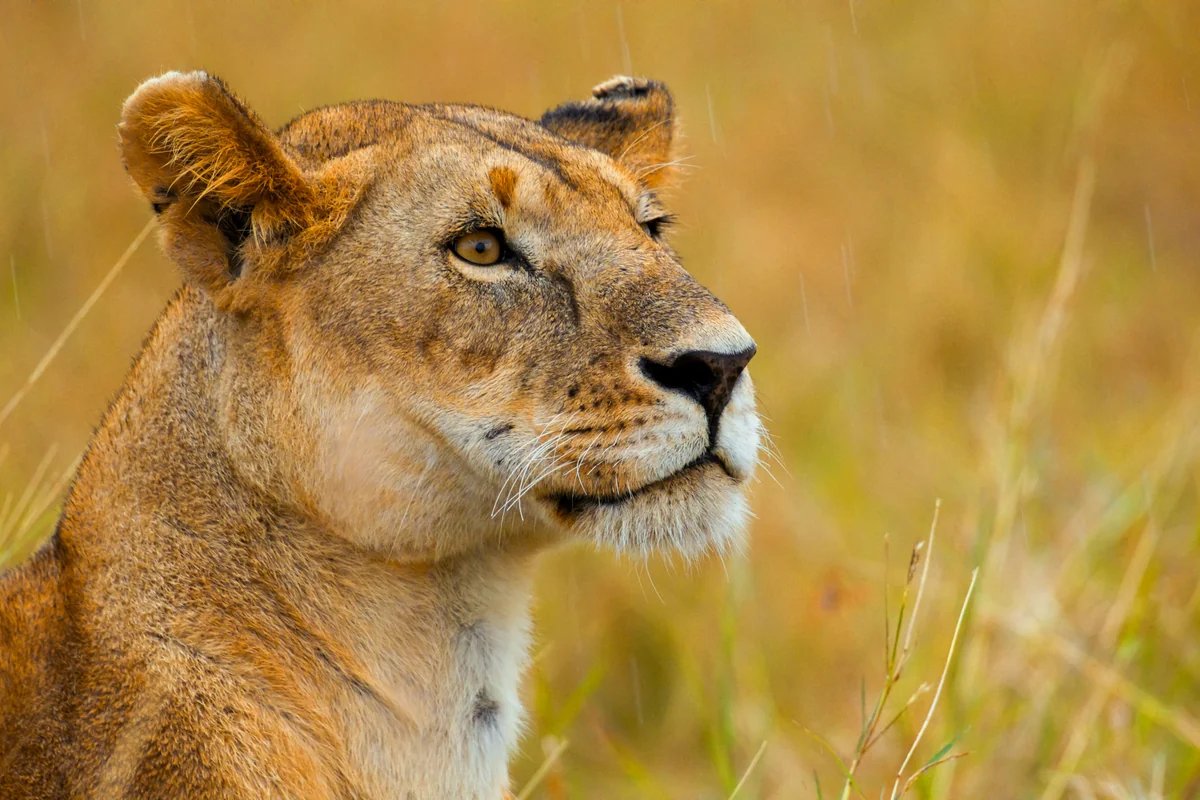
3,000+ lions — one of Africa's largest populations
Big Five
Frequently seen in Seronera's kopjes and riverine forests
Big Five
Large herds, especially in the Northern Serengeti
Big Five
Massive herds roam year-round
Big Five
Black rhinos protected in Moru Kopjes (rare sightings)
Big Five
Open plains ideal for cheetah hunting — excellent sightings

500,000 zebra migrate with wildebeest

Mara River crossings — dramatic predation events

Including secretary bird, Kori bustard, lilac-breasted roller, and grey crowned crane
Best overall time — Great Migration in Northern Serengeti, Mara River crossings, excellent weather
8,000 wildebeest born daily in Southern Plains, predators feast, dramatic action
Lush landscapes, fewer tourists, excellent birding, lower rates, wet roads
Short rains, herds moving south, good value, fewer crowds
Most visitors fly into Kilimanjaro International (JRO) or Arusha, then take a light aircraft to Seronera Airstrip (50 minutes). Self-drive is possible but requires 7–8 hours via Ngorongoro Crater. Fly-in safaris are recommended for time efficiency and aerial views.
The migration moves year-round in a clockwise cycle. July–October: Northern Serengeti for Mara River crossings (most dramatic). January–February: Southern Plains for calving season (8,000 births daily). June: Western Corridor. The migration is always somewhere — timing depends on which spectacle you want to witness.
Yes, but the location changes. January–March: Southern Serengeti (calving). April–May: Central Serengeti (mating). June: Western Corridor. July–October: Northern Serengeti & Masai Mara (river crossings). November–December: Herds return south. Mobile camps follow the migration; permanent camps see it seasonally.
Absolutely, and it's a bucket-list experience. At $550–$600, it's expensive, but floating over the Serengeti at sunrise — seeing the plains' vastness, migrating herds, and predators from above — is unforgettable. Conclude with a champagne breakfast in the bush. Book well in advance, especially during peak season.
The Serengeti is larger, more remote, and hosts the Great Migration (Kruger does not). It has higher lion and cheetah density. Kruger offers better self-drive infrastructure, lower costs, and is malaria-free in some areas. The Serengeti is more expensive but offers a more pristine, classic African safari experience.
Yes, the Serengeti is extremely safe. Tanzania has a stable political environment, and the national park is well-managed. Wildlife is dangerous (obviously), so always follow guide instructions. Stay in your vehicle, don't exit except at designated picnic sites, and never approach animals on foot.
Most nationalities (US, UK, EU, Canada, Australia) can obtain a visa on arrival ($50 single-entry, $100 multiple-entry) or apply for an e-visa online before travel. Your passport must have 6 months' validity and 2 blank pages. Yellow fever vaccination is required if arriving from endemic countries.
No, the Serengeti is in a malaria zone. Prophylaxis is strongly recommended year-round. Consult your doctor 4–6 weeks before travel. All lodges provide mosquito nets, insect repellent, and screened rooms. Malaria risk is present but manageable with precautions.
Yes, and it's a popular 'bush and beach' combination. Spend 3–5 nights on safari in the Serengeti, then fly to Zanzibar (1.5 hours) for 3–5 nights of white-sand beaches, spice tours, and Stone Town history. Many tour operators offer packaged Serengeti-Zanzibar itineraries.
3–5 nights is ideal. This allows time for multiple game drives, a hot air balloon safari, and experiencing different areas of the park. If visiting during migration season, 4–5 nights increases your chances of witnessing river crossings or calving drama.
Yes, many lodges welcome families, including Four Seasons Safari Lodge (kids' club) and Serengeti Bushtops (family tents). Most camps have minimum age restrictions (typically 6+ for game drives). The Serengeti is educational, inspiring, and a once-in-a-lifetime experience for children. Shorter game drives and flexible schedules help with younger kids.
Join 200,000+ travellers who have trusted us with their African safari dreams since 2008. Our expert team will craft a tailor-made Serengeti, Tanzania itinerary perfectly suited to your style, budget and dates.