We're Open8am–6pm SAST
WishlistPartner Portal
Madagascar — The Island That Evolution Forgot — Where Baobabs Burn Gold and the Forest Sings at Dawn
INDIAN OCEAN · MADAGASCAR

MADAGASCAR

Listen

Hear the Story of Madagascar

A two-minute journey, narrated. Press play and let Madagascar unfold.

0:000:00
Enquire Now with Beyond Africa Safaris

The Island That Evolution Forgot — Where Baobabs Burn Gold and the Forest Sings at Dawn

Cast adrift from Africa more than 160 million years ago, Madagascar became a world unto itself — a laboratory of evolution where nine in ten living things exist nowhere else on the planet. Here lemurs leap through primeval rainforest, chameleons the size of a fingernail share the canopy with giants, and the great baobabs stand like sentinels along a road that glows copper at sunset. This is not a safari as you know it. It is a pilgrimage to the strangest, most tender wilderness on Earth.

18.7669° S, 46.8691° EFrom $650 per person per night
Why Travel Private

Why Madagascar Is Like Nowhere Else on Earth

Madagascar is the fourth-largest island on Earth, and it is also, in the truest sense, another world. When it broke away from the African mainland and later from the Indian subcontinent, tens of millions of years before the first humans walked, its plants and animals were sealed inside a vast natural ark and left to follow their own evolutionary path. The result is a biodiversity so singular that scientists still speak of it in hushed tones: roughly 90 percent of everything that lives here — from the wide-eyed lemurs to the flame-coloured chameleons, from the swollen-trunked baobabs to the carnivorous fossa — is found on this island and absolutely nowhere else.

To travel Madagascar is to move through a series of worlds that feel barely connected. In the eastern rainforests the air is thick and green, and at first light the eerie, whale-like song of the indri — the largest living lemur — rolls through the canopy and lifts the hair on your arms. Drive west and the land dries into spiny forest and grassland, until you reach the Avenue of the Baobabs near Morondava, where ancient trees a thousand years old line a dirt road and turn to burnished bronze as the sun goes down. North lie the limestone cathedrals of the Tsingy — a razor-edged 'forest of stone' you cross on suspension bridges — and the turquoise islands around Nosy Be, where the safari trades red dust for warm sea and barefoot days.

What makes a Madagascar journey so profound is not sheer numbers of animals in the way of the African plains — it is intimacy and wonder. You come here to kneel on a forest floor and watch a mouse lemur, small enough to sit in your palm, blink in a torch beam. You come to see a Verreaux's sifaka 'dance' sideways across open ground on its hind legs, arms thrown wide, because its body was built for leaping between trees, not walking. You come for the fingernail-sized frogs, the leaf-tailed geckos that vanish against bark, the orchids and the pitcher plants. Madagascar rewards the traveller who slows down and looks closely.

It is also a place of extraordinary human warmth. The Malagasy people — a rich weave of Southeast Asian and African heritage carried across the ocean centuries ago — greet visitors with genuine kindness, and their culture, food, music and reverence for ancestors (the famed *fady* taboos and the highland traditions) add a depth that few destinations can match. A privately guided journey means you experience all of this unhurried: expert naturalist guides who can call a chameleon out of a thicket, the finest eco-lodges the island offers, seamless internal flights that stitch the great distances together, and time — the one thing Madagascar most rewards. This is the definitive wilderness for the traveller who has seen the classic safari and now wants something genuinely, gloriously different.

At a Glance

Madagascar at a Glance

Best Time to VisitApril to November (dry season). September–November is prime for lemur activity and newborns; the eastern rainforest is rewarding year-round outside the January–March cyclone months.
Tour Duration8 to 16 days
ClimateTropical and hugely varied by region. Dry, cooler winter runs May–October; hot, wet summer November–April. The eastern rainforest is humid year-round; the south and west are markedly drier. Cyclone risk peaks January–March on the east coast.

Quick Facts

  • CurrencyMalagasy Ariary (MGA). USD and EUR widely accepted at lodges; carry cash for rural areas.
  • LanguagesMalagasy and French (official); English spoken at lodges and by guides.
  • Time ZoneEast Africa Time (EAT), UTC+3 — the same as Nairobi, one hour ahead of South Africa.
  • VisaVisa on arrival for most nationalities at Antananarivo (Ivato) and main entry points; a valid passport and return ticket are required. We confirm current requirements before travel.
  • AirportsIvato International Airport, Antananarivo (TNR) is the main gateway; frequent internal flights connect Morondava, Nosy Be, Toliara, Diego Suarez and Taolagnaro.
  • DrivingVehicles drive on the right. Distances are long and roads slow — most itineraries combine private 4x4 transfers with internal flights, all handled for you.

Signature Highlights

  • Hear the indri sing at dawn in the Andasibe rainforest
  • Stand beneath thousand-year-old giants on the Avenue of the Baobabs at sunset
  • Cross the razor-sharp limestone pinnacles of Tsingy de Bemaraha
  • Watch Verreaux's sifaka 'dance' across the red earth of the south
  • Search the night forest for mouse lemurs and leaf-tailed geckos
  • Snorkel and island-hop the turquoise waters around Nosy Be
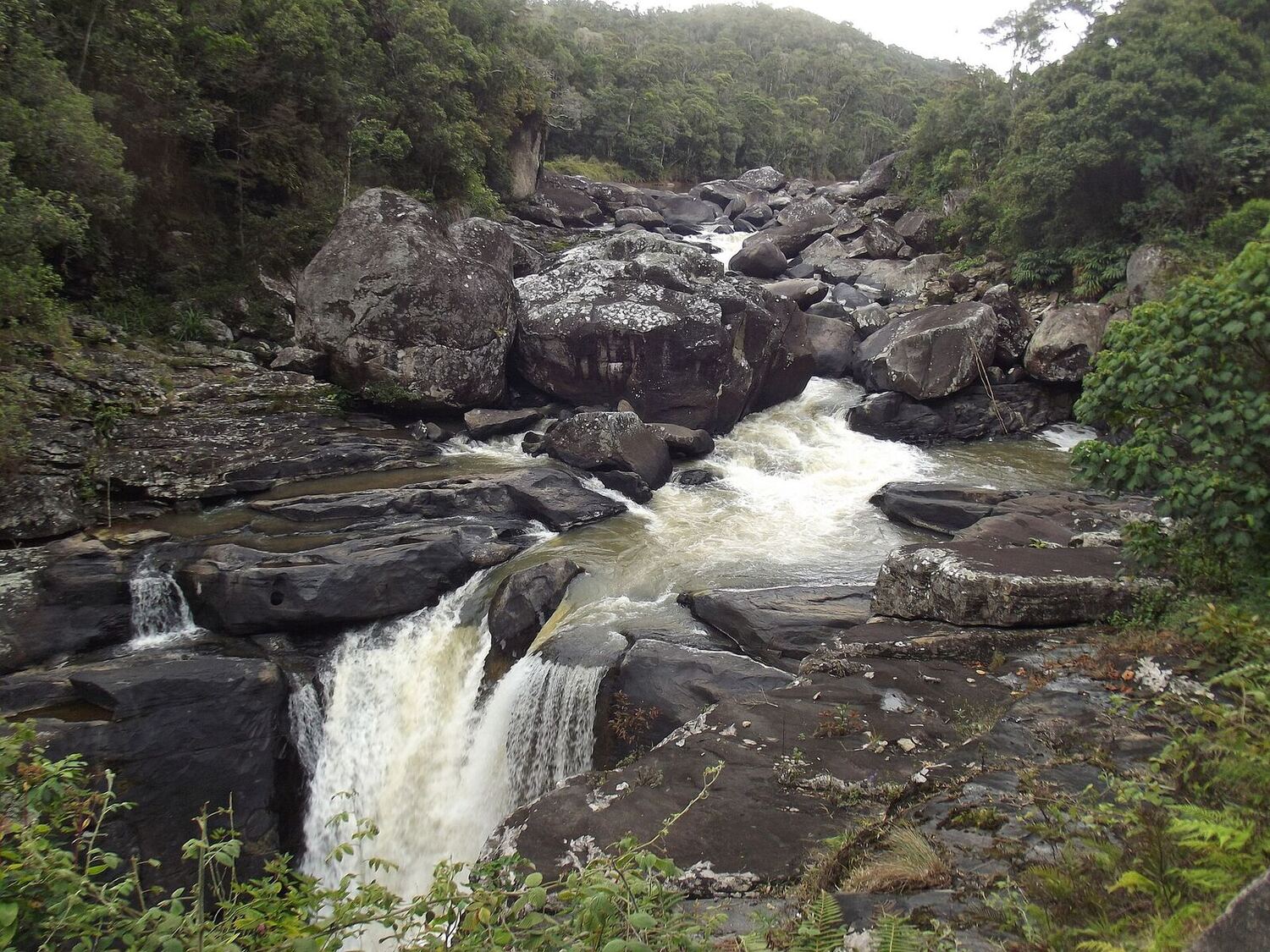
  • Trek the sandstone canyons and natural pools of Isalo National Park
  • Meet the Malagasy people and taste highland and coastal cuisine
The Beyond Africa View

In Madagascar, the wild feels tender — a lost world that greets you at dawn with a song older than memory.

We give you the forest at first light and the baobabs at last, an expert who can call a chameleon from the leaves, and time to simply stand still and wonder. Some evenings you do nothing at all but watch the giants turn to gold.

Where to Go

Regional Highlights

The defining landscapes and experiences that shape a private journey through Madagascar.

Andasibe-Mantadia National Park01

Andasibe-Mantadia National Park

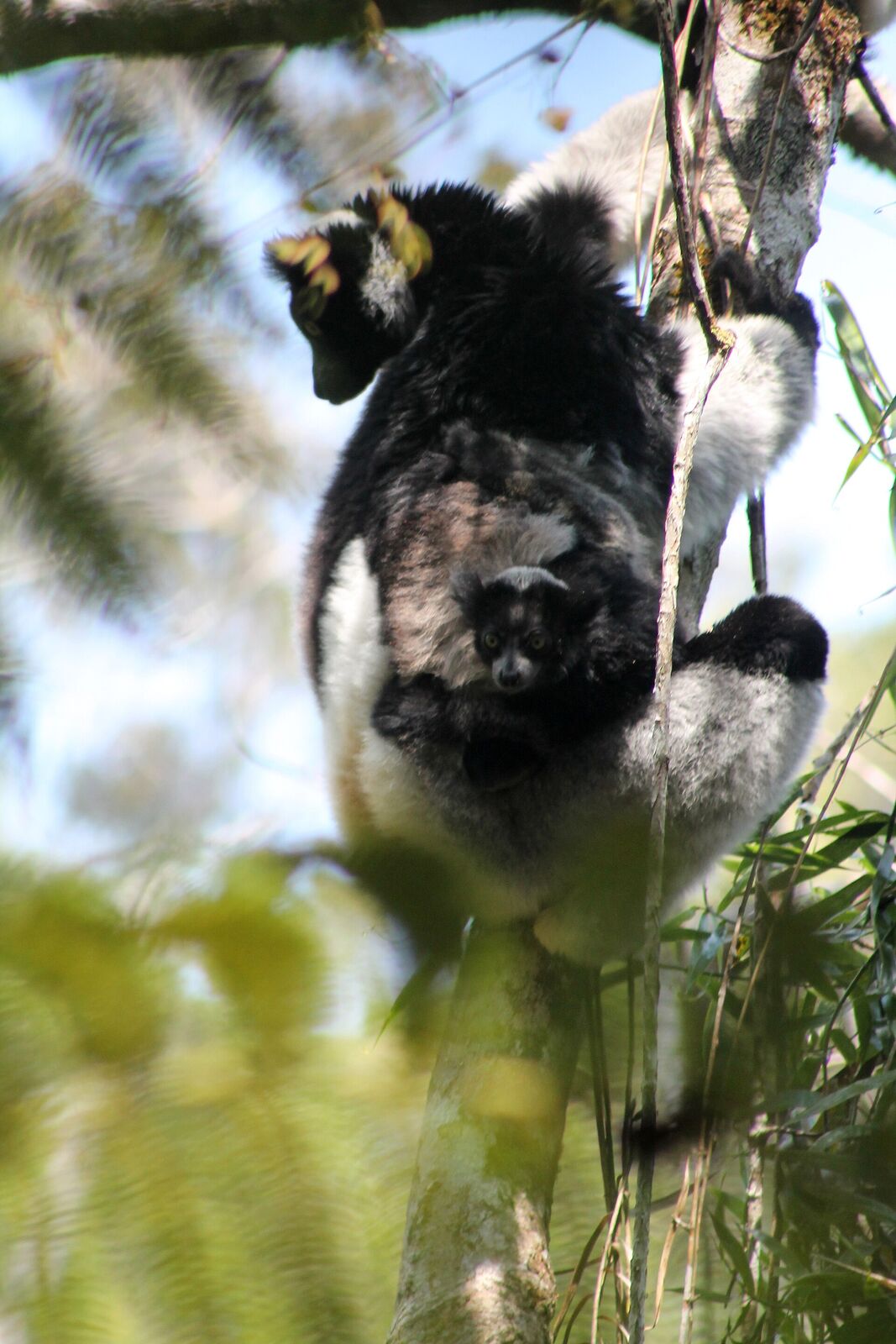
Just a few hours east of the capital, Andasibe-Mantadia is the most accessible and one of the most rewarding rainforests in Madagascar — and the surest place on Earth to meet the indri, the largest living lemur. Its haunting, siren-like song carries for kilometres through the mis…

  • Indri trekking — the largest lemur and its unforgettable dawn song
  • Night walks for mouse lemurs, chameleons and sleeping birds
  • Diademed sifaka and up to a dozen lemur species
  • Lush primary rainforest, orchids and endemic frogs
  • Easy access from Antananarivo — ideal first stop
Explore Andasibe-Mantadia National Park
The Avenue of the Baobabs & Morondava02

The Avenue of the Baobabs & Morondava

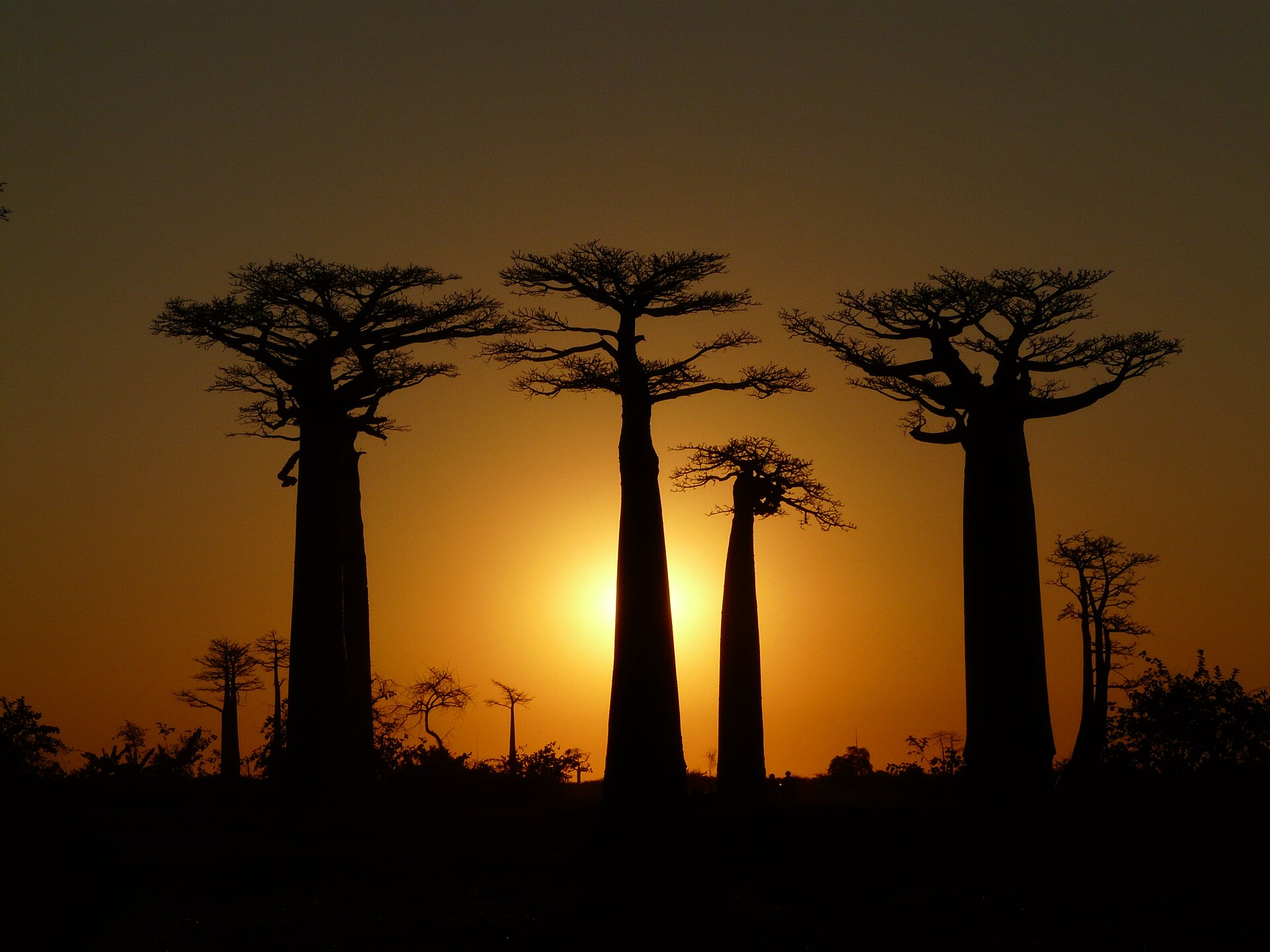
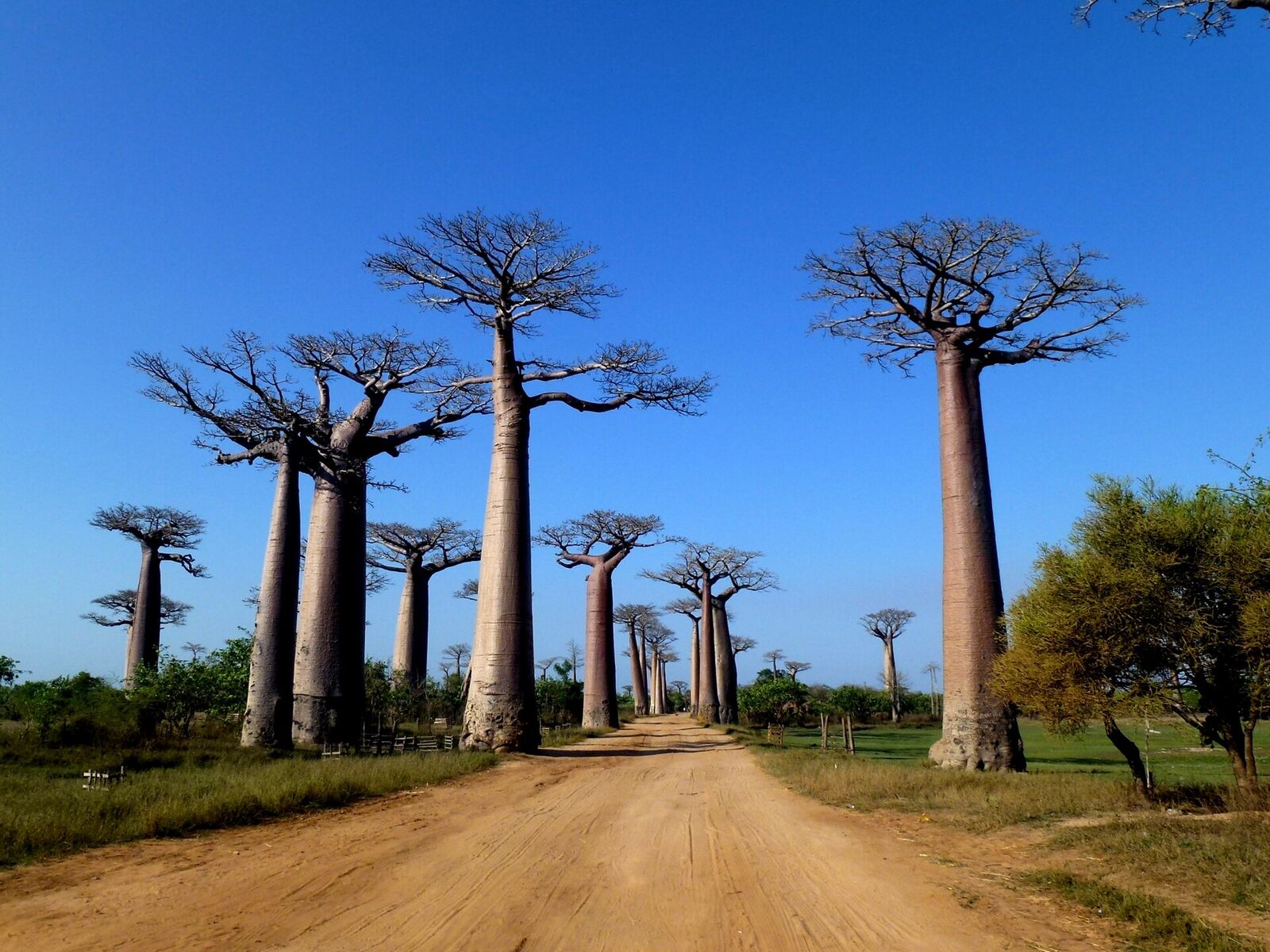
On the west coast near the town of Morondava stands the most photographed scene in all of Madagascar — the Avenue of the Baobabs. A dozen colossal Grandidier's baobabs, some approaching a thousand years old, line a dusty road, their smooth grey trunks soaring like the pillars of…

  • The iconic baobab avenue at golden hour
  • Grandidier's baobabs up to 30 metres tall and ~1,000 years old
  • The romantic 'baobab amoureux' — two trees entwined
  • Sundowners among the giants as the sky turns to fire
  • Gateway to the Tsingy de Bemaraha further north
Explore The Avenue of the Baobabs & Morondava
Tsingy de Bemaraha03

Tsingy de Bemaraha

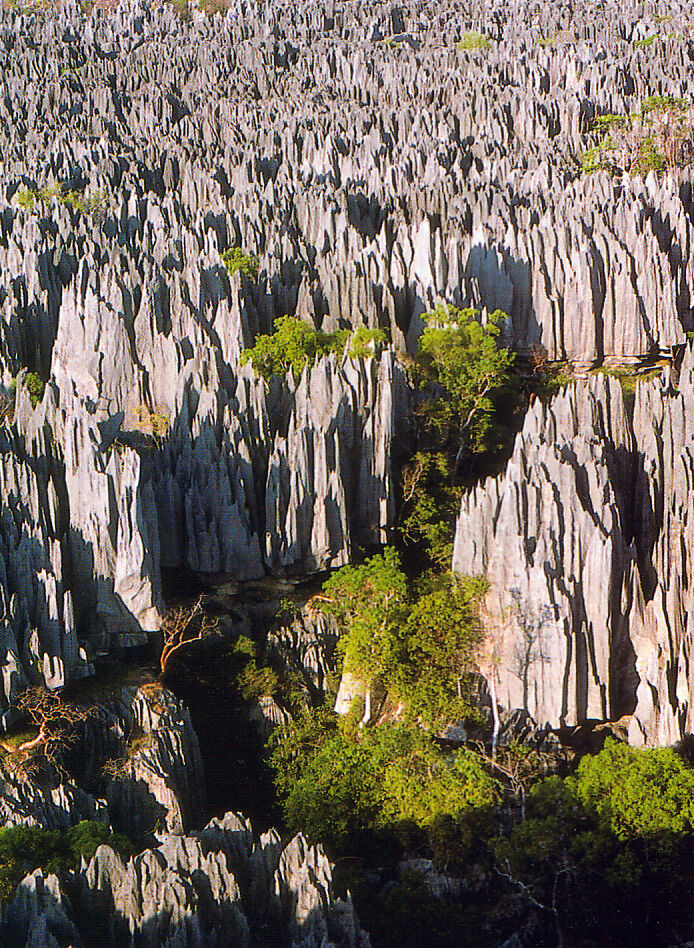
A UNESCO World Heritage Site and one of the most surreal landscapes on the planet, Tsingy de Bemaraha is a vast 'forest of stone' — thousands of grey limestone pinnacles honed to knife-edged points by aeons of rain. The name comes from the Malagasy for 'where one cannot walk bare…

  • UNESCO World Heritage limestone pinnacle forest
  • Via-ferrata cable routes and dramatic suspension bridges
  • Decken's sifaka and red-fronted lemurs among the spires
  • River trips through the Manambolo Gorge
  • Endemic reptiles, birds and orchids of the karst
Explore Tsingy de Bemaraha
Nosy Be & the Northern Islands04

Nosy Be & the Northern Islands

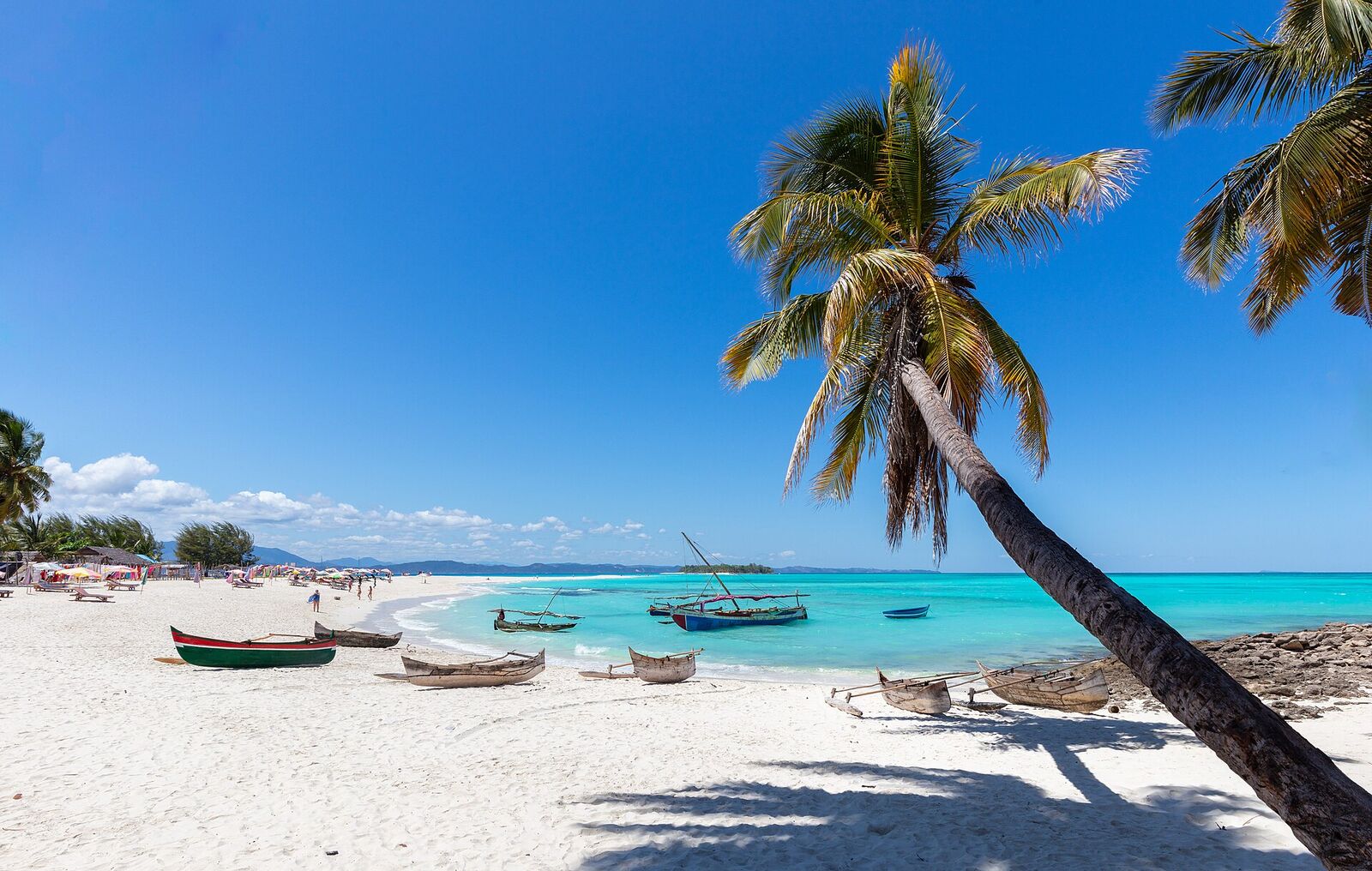
Off the northwest coast, Nosy Be — 'the big island' — is Madagascar's tropical heart: warm turquoise water, white-sand beaches fringed with palms, and a scatter of smaller islands perfect for barefoot days. Here the safari softens into snorkelling over coral reefs, sailing by tra…

  • White-sand beaches and warm turquoise Indian Ocean
  • Snorkelling and diving over coral reefs
  • Seasonal swimming with whale sharks (Sept–Dec)
  • Island-hopping by traditional pirogue and dhow
  • Ylang-ylang plantations and fragrant evenings
Explore Nosy Be & the Northern Islands
Isalo National Park05

Isalo National Park

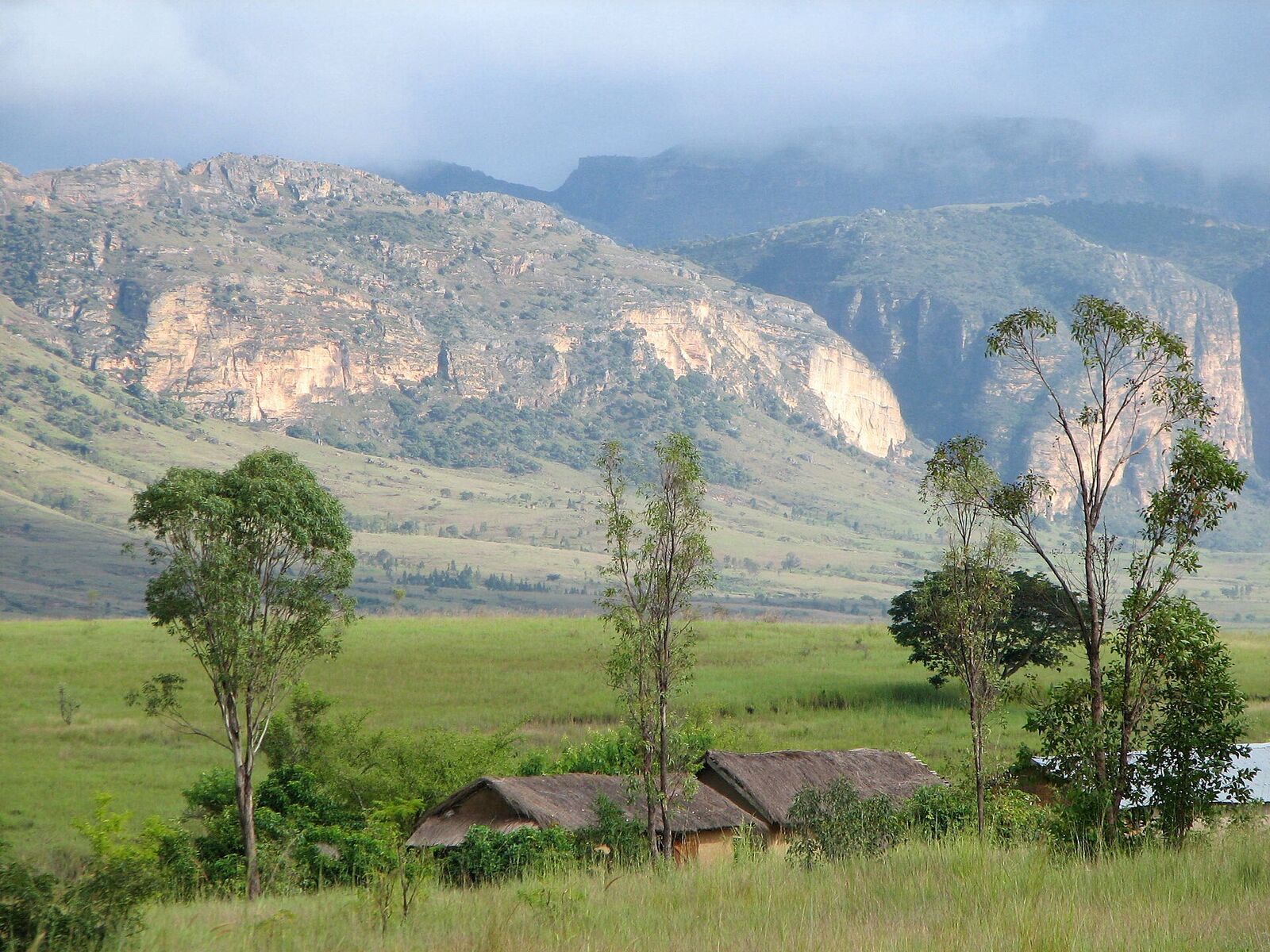
In the arid south, Isalo is Madagascar's grandest landscape — a great sandstone massif carved by wind and water into canyons, ridges and eroded pinnacles that glow amber and rose at dawn and dusk. Hiking trails wind past natural swimming pools of cool, clear water hidden in shady…

  • Sculpted sandstone canyons, ridges and pinnacles
  • Hidden natural swimming pools and palm oases
  • Ring-tailed lemurs and Verreaux's sifaka on the trails
  • The famous 'Window of Isalo' at sunset
  • Bara tribal history and cliff burial sites
Explore Isalo National Park
Berenty & the Spiny Forest of the South06

Berenty & the Spiny Forest of the South

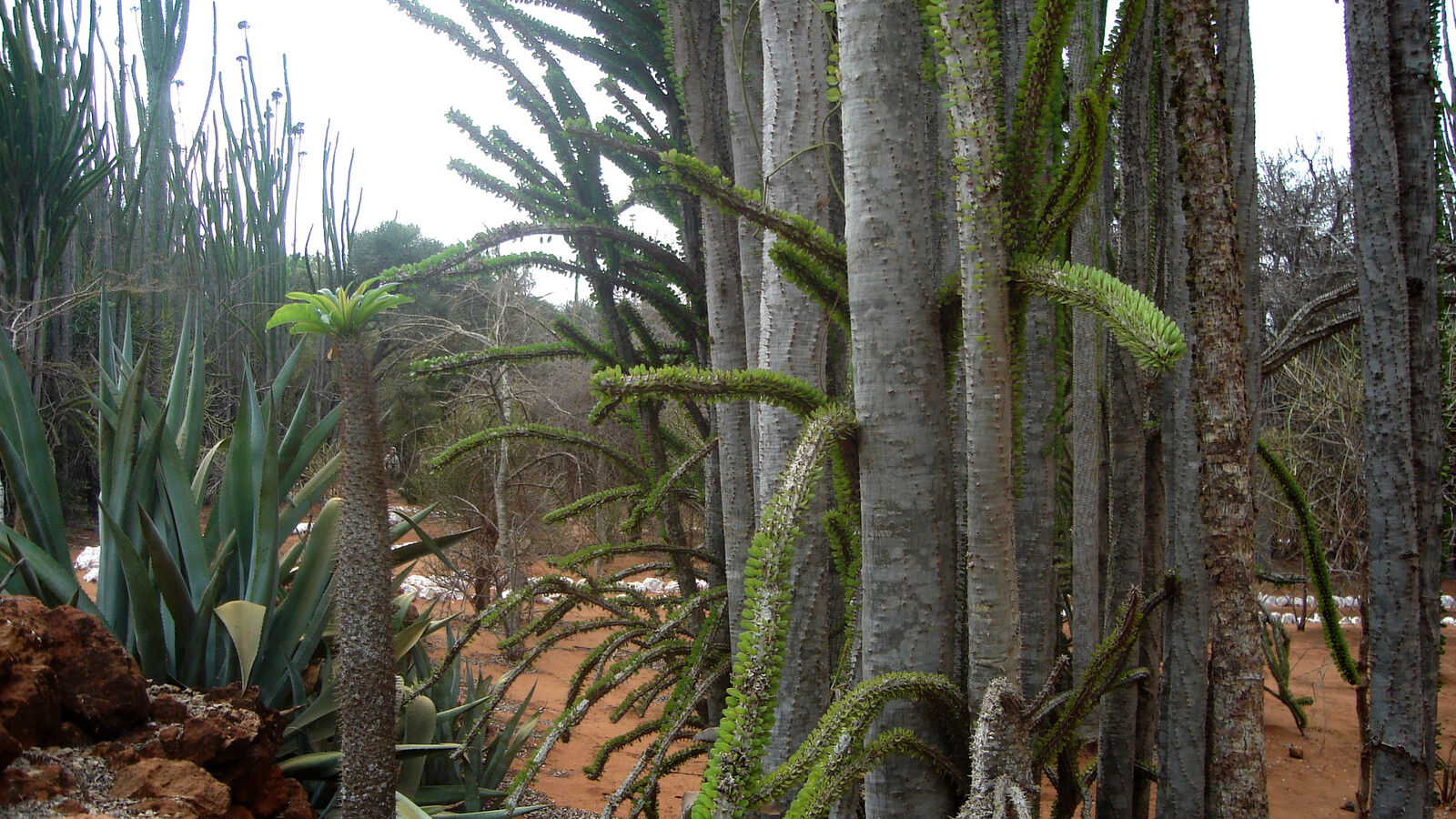
In the deep south, private reserves such as Berenty protect the extraordinary spiny forest — a Dr-Seuss landscape of octopus trees and swollen baobabs adapted to one of the driest corners of the island. This is the classic home of the ring-tailed lemur, the black-and-white-tailed…

  • The 'dancing' Verreaux's sifaka across open red earth
  • Iconic ring-tailed lemur troops at close quarters
  • Otherworldly spiny forest — octopus trees and baobabs
  • Superb photographic access to habituated lemurs
  • Night walks for mouse lemurs and sportive lemurs
Explore Berenty & the Spiny Forest of the South
INDIAN OCEAN · MADAGASCAR

The Island That Evolution Forgot — Where Baobabs Burn Gold and the Forest Sings at Dawn

Explore the Regions

Where to Go in Madagascar

From iconic cities to world-famous national parks and private game reserves, discover the diverse regions that make Madagascar unforgettable. Tap any region to start exploring.

Andasibe-Mantadia National Park

Andasibe-Mantadia National Park

Just a few hours east of the capital, Andasibe-Mantadia is the most accessible and one of the most rewarding rainfore…

  • Indri trekking — the largest lemur and its unforgettable dawn song
  • Night walks for mouse lemurs, chameleons and sleeping birds
  • Diademed sifaka and up to a dozen lemur species
Explore Andasibe-Mantadia National Park
The Avenue of the Baobabs & Morondava

The Avenue of the Baobabs & Morondava

On the west coast near the town of Morondava stands the most photographed scene in all of Madagascar — the Avenue of…

  • The iconic baobab avenue at golden hour
  • Grandidier's baobabs up to 30 metres tall and ~1,000 years old
  • The romantic 'baobab amoureux' — two trees entwined
Explore The Avenue of the Baobabs & Morondava
Tsingy de Bemaraha

Tsingy de Bemaraha

A UNESCO World Heritage Site and one of the most surreal landscapes on the planet, Tsingy de Bemaraha is a vast 'fore…

  • UNESCO World Heritage limestone pinnacle forest
  • Via-ferrata cable routes and dramatic suspension bridges
  • Decken's sifaka and red-fronted lemurs among the spires
Explore Tsingy de Bemaraha
Nosy Be & the Northern Islands

Nosy Be & the Northern Islands

Off the northwest coast, Nosy Be — 'the big island' — is Madagascar's tropical heart: warm turquoise water, white-san…

  • White-sand beaches and warm turquoise Indian Ocean
  • Snorkelling and diving over coral reefs
  • Seasonal swimming with whale sharks (Sept–Dec)
Explore Nosy Be & the Northern Islands
Isalo National Park

Isalo National Park

In the arid south, Isalo is Madagascar's grandest landscape — a great sandstone massif carved by wind and water into…

  • Sculpted sandstone canyons, ridges and pinnacles
  • Hidden natural swimming pools and palm oases
  • Ring-tailed lemurs and Verreaux's sifaka on the trails
Explore Isalo National Park
Berenty & the Spiny Forest of the South

Berenty & the Spiny Forest of the South

In the deep south, private reserves such as Berenty protect the extraordinary spiny forest — a Dr-Seuss landscape of…

  • The 'dancing' Verreaux's sifaka across open red earth
  • Iconic ring-tailed lemur troops at close quarters
  • Otherworldly spiny forest — octopus trees and baobabs
Explore Berenty & the Spiny Forest of the South
Where To Stay

Luxury Lodges & Camps in Madagascar

Stay at Africa's most exclusive safari lodges and camps. Each property is hand-selected for exceptional service, breathtaking locations and world-class game viewing. Tap any lodge to view its gallery.

Curated For You

Signature Experiences

The Dawn Chorus of the Indri

Before the mist has lifted from the Andasibe rainforest, your guide leads you quietly along a forest trail. Then it begins — a wailing, whale-like song, unbearably beautiful, rolling from tree to tree as one indri family calls and another answers across the valley. To stand beneath the singing canopy, watching the largest lemur on Earth turn its startled amber eyes toward you, is a moment travellers remember for the rest of their lives.

Sunset on the Avenue of the Baobabs

As the west-coast day cools, we bring you to the Avenue of the Baobabs with a chilled drink in hand. The colossal trees — older than any cathedral — throw long shadows across the copper road, ox-carts and villagers pass in silhouette, and the whole sky ignites. It is the single most iconic scene in Madagascar, and experiencing it privately, unhurried, is pure magic.

Night Walks in the Endemic Forest

Madagascar comes alive after dark. With a soft torch and an expert eye, we search the night forest for the mouse lemur — the world's smallest primate, small enough to sit in your palm — for sleeping chameleons glowing pale on the twigs, for leaf-tailed geckos that dissolve against the bark, and for the shy sportive lemurs peering from their tree hollows. No other destination delivers a night walk quite like this.

Crossing the Stone Forest of the Tsingy

Harnessed and guided, you climb up through a labyrinth of razor-edged limestone, cross swaying suspension bridges over deep chasms, and emerge onto a viewpoint above an ocean of grey pinnacles stretching to the horizon. Lemurs leap between the spires below. It is part safari, part adventure, and wholly unforgettable — Madagascar at its wildest and most exhilarating.

Barefoot Days off Nosy Be

To close your journey, we trade red dust for turquoise sea. You sail by pirogue to deserted islands, snorkel coral gardens, and — in season — slip into the water beside a gentle whale shark. Evenings are spent on the sand as the sun sinks into the Indian Ocean, the air sweet with ylang-ylang. It is the perfect, restful counterpoint to the wonders of the interior.

Private Journeys · Madagascar
Hour by Hour

A Perfect Day in Madagascar

From the dawn song of the indri to a fire-lit dinner beneath the stars — a day in the rainforest of the east.

  1. 05:30

    Rainforest Dawn

    A soft knock and a tray of Malagasy coffee and vanilla-scented pastries. Mist hangs in the valley and the forest is waking. You wrap up warm and step out as the first birds begin to call.

  2. 06:15

    The Indri Sing

    On the trail your guide stops and raises a hand. Somewhere close, an indri family begins its haunting, siren-like song, and another answers across the valley. You stand transfixed as the largest lemur on Earth moves through the canopy above you.

  3. 08:30

    Forest Breakfast

    Back at the lodge, a generous breakfast on a deck overlooking the treetops — tropical fruit, fresh bread, local honey — while sunbirds flit through the flowers beside you.

  4. 10:00

    Deep Forest Walk

    A gentle guided walk into primary rainforest. Your naturalist finds diademed sifaka lazing in the sun, a chameleon changing colour on a branch, orchids in bloom and frogs no bigger than a thumbnail.

  5. 13:00

    Lunch & Rest

    A relaxed lunch and time to unwind through the warm middle of the day — read on your veranda, watch the forest, or simply listen to the sounds of the canopy.

  6. 15:30

    Village & Culture

    An afternoon visit to a nearby community — a chance to learn about Malagasy life, the vanilla and clove that grow here, and the deep reverence for ancestors that shapes the island's culture.

  7. 18:00

    Sundowners on the Deck

    As the light goes golden, a drink on the deck while the day-shift of the forest hands over to the night. Fruit bats cross the pink sky and the first nocturnal calls begin.

  8. 19:30

    Night Walk & Dinner

    Torches in hand, you head out to find mouse lemurs, sleeping chameleons and leaf-tailed geckos, then return to a candle-lit dinner of Malagasy flavours — zebu, green peppercorns, vanilla — beneath a sky thick with stars.

When to Visit

When to Travel — A Seasonal Guide

Peak Dry Season (September – November)

The finest window for most travellers. The dry-season skies are clear, lemur activity peaks and many species carry newborns — sifaka and ring-tailed lemur babies cling to their mothers, a joy to watch and photograph. The rainforest is at its most rewarding, whale sharks arrive off Nosy Be, and jacaranda colours the highlands. This is prime time, so lodges and internal flights book up early.

Best for
  • Lemur babies and peak activity
  • Whale sharks off Nosy Be
  • Rainforest and reptile viewing
  • Photography
  • First-time visitors

Highest demand — book 9–12 months ahead. Warm and increasingly humid toward November. Internal-flight seats are limited and go quickly.

Cool Dry Season (May – August)

Comfortable, dry and excellent for travel across most of the island. Days are pleasant, evenings and early mornings cool — especially in the highlands and at altitude — and the western and southern parks are easily explored. Wildlife gathers around water, and the light is beautiful. An ideal time for active itineraries, the Tsingy and the great baobabs.

Best for
  • Comfortable dry-season touring
  • Tsingy de Bemaraha and the west
  • Avenue of the Baobabs
  • Highlands and southern parks
  • Active hiking itineraries

Bring warm layers for cool mornings and highland nights. Some lemurs are less active in the coolest weeks. A very popular season — advance booking recommended.

Green Shoulder Season (April & late November)

The edges of the dry season, when the landscapes are lush and green after the rains, waterfalls run full and the crowds are thinner. Excellent value and lovely light, with good wildlife viewing as the forest bursts into life. A rewarding choice for the flexible traveller who wants Madagascar at its most verdant.

Best for
  • Lush green scenery and full waterfalls
  • Fewer visitors and better value
  • Isalo and the highlands
  • Photography of green landscapes
  • Flexible travellers

Occasional showers, especially in the east. Some remote roads (notably to the Tsingy) may still be recovering from the rains early in the season.

Green / Cyclone Season (December – March)

The hot, wet summer. The eastern rainforest is lush and reptile and amphibian life is at its most abundant — a superb time for herpetologists and dedicated naturalists — but heavy rain and cyclone risk can close remote roads, and access to the Tsingy is generally not possible. We tailor green-season journeys around the accessible rainforest parks and the highlands.

Best for
  • Reptiles, frogs and chameleons at their peak
  • Lush eastern rainforest
  • Baby lemurs late in the season
  • Keen naturalists and photographers
  • Best value of the year

Cyclone risk on the east coast January–March. Tsingy de Bemaraha and some western routes are closed or inaccessible. Itineraries focus on reliable rainforest and highland regions.

Month-by-Month Calendar
JanHot, wet summer. Lush eastern rainforest; reptiles and frogs abundant. Cyclone risk; the Tsingy is inaccessible.
FebPeak of the wet season. Green and dramatic in the east; remote west largely closed. For dedicated naturalists only.
MarRains easing late in the month. Lush landscapes; access improving but the far west still difficult.
AprGreen shoulder season begins. Verdant scenery, full waterfalls, fewer visitors — lovely value.
MayCool dry season opens. Comfortable touring across most regions; the west and Tsingy become accessible.
JunPrime dry-season travel. Clear days, cool nights; excellent for baobabs, Tsingy and southern parks.
JulCool and dry. Superb for active itineraries and the highlands; whale-watching season along parts of the coast.
AugDry and popular. Great wildlife viewing; bring warm layers for cool mornings and highland nights.
SepPeak season begins. Lemur activity high, first babies appearing; rainforest at its best.
OctPrime time. Warm, clear, abundant lemur babies; whale sharks arriving off Nosy Be.
NovExcellent late-peak month. Warm and increasingly humid; jacarandas in the highlands; whale sharks off Nosy Be.
DecWet season returns. Lush and hot; good for reptiles, but rain and cyclone risk build on the east coast.
Travel With Purpose

Conservation & Community

Madagascar is one of the most important — and most fragile — biodiversity hotspots on Earth. Habitat loss and deforestation threaten the very forests that make the island extraordinary, and the survival of the lemurs and countless endemic species now depends on protecting what remains. Responsible tourism is a powerful part of the answer: when a living forest is worth more standing than felled, communities have every reason to protect it.

Every Beyond Africa journey is built to put value directly into conservation and into local hands. We favour community-run reserves and eco-lodges, employ Malagasy naturalist guides whose expertise is second to none, and support the park fees and private reserves — such as Berenty and the community forests around Andasibe — that fund protection and research. We keep group sizes small, follow strict guidelines around wildlife, and encourage guests to buy local crafts and produce so that tourism income reaches the villages that share their home with the lemurs.

Travelling to Madagascar thoughtfully is one of the most meaningful things a wildlife lover can do. Your visit helps prove the enduring worth of these forests, funds the people who guard them, and carries their story out into the wider world. In protecting Madagascar's wild heart, we help safeguard a chapter of life's story written nowhere else on the planet.
Know Before You Go

Madagascar Travel Essentials

Getting There

Most journeys begin at Ivato International Airport in Antananarivo (TNR), reached via Addis Ababa, Nairobi, Johannesburg, Paris or Mauritius. From the capital, frequent internal flights connect Morondava (for the baobabs), Nosy Be, Toliara, Diego Suarez and Taolagnaro, dramatically shortening the island's long overland distances. We arrange all flights, private transfers and a dedicated guide so the logistics are seamless.

Visa & Entry Requirements

Most nationalities receive a visa on arrival at Ivato and other main entry points; a passport valid for at least six months and an onward or return ticket are required. Fees are payable on arrival in USD or EUR. We confirm the latest requirements and assist with the process before you travel.

Health & Safety

Consult a travel clinic well ahead of departure. Malaria prophylaxis is recommended for most regions, and routine vaccinations should be up to date; yellow-fever proof is required only if arriving from an endemic country. Drink bottled or filtered water, use insect repellent, and travel with comprehensive medical and evacuation insurance — which we require for all guests.

What to Pack

Lightweight neutral clothing for the forest, warm layers for cool highland mornings and nights, a good rain jacket, sturdy walking shoes with grip (essential for the Tsingy), a swimsuit for the islands and natural pools, a headtorch for night walks, binoculars, a strong insect repellent and high-factor sun protection. A good camera with a zoom lens is well worth the space.

Currency & Payments

The Malagasy Ariary (MGA) is the local currency. Lodges and larger operators accept USD and EUR, and cards work at major hotels, but ATMs are limited and rural areas are cash-only — carry small denominations for tips, crafts and village purchases. We advise on sensible amounts before you travel.

Getting Around & Etiquette

Distances are long and roads are slow, so most itineraries pair internal flights with private 4x4 transfers and expert local guides. Malagasy culture places deep importance on respect and on *fady* (local taboos) — your guide will explain these. Always ask before photographing people, and support communities by buying local crafts and choosing community-linked lodges.

Connectivity

Mobile coverage is good in towns and reasonable at many lodges, though remote rainforest and the Tsingy have little or no signal — part of their magic. Wi-Fi is available at most lodges but can be slow. We recommend embracing the disconnection and letting the forest set the pace.

Multi-Country Journeys

Combining Madagascar with Mainland Africa & the Indian Ocean

Madagascar pairs beautifully with a classic African safari or an Indian Ocean escape, and its position makes the combination easy. Many travellers route through Johannesburg — adding a Big Five safari in the Sabi Sands or Kruger, or a few days in Cape Town and the Winelands — before flying on to Antananarivo, so a single grand journey delivers both the great African plains and the island's evolutionary wonders. The contrast is unforgettable: lions and elephants on the mainland, then leaping lemurs and singing indri across the water.

Madagascar also combines naturally with the Indian Ocean islands. A finale on Mauritius, the Seychelles or Réunion — or simply on Madagascar's own Nosy Be — adds barefoot beach days and world-class diving to a wildlife-rich itinerary. For the traveller who wants the definitive Africa-and-islands experience, we craft seamless journeys that flow from bush to forest to sea, with every flight, transfer and lodge handled by a single dedicated team.

Good to Know

Madagascar Safari — Frequently Asked Questions

When is the best time to visit Madagascar?

April to November (the dry season) is best for most travellers, with September to November the prime window for peak lemur activity, newborns and the clearest weather. The eastern rainforest is rewarding year-round outside the January–March cyclone months, which are best avoided for remote regions.

Is Madagascar a 'Big Five' safari destination?

No — and that is the point. Madagascar has no lions, elephants or big cats. Its wonder lies in its unique, endemic wildlife: over a hundred species of lemur, flamboyant chameleons, leaf-tailed geckos, the carnivorous fossa, and the great baobabs. It is a nature journey unlike any classic African safari, best enjoyed as a complement to — not a replacement for — mainland game viewing.

How many days do I need for Madagascar?

We recommend at least 8 days to experience the rainforest and one or two other regions comfortably, and 12–16 days for a fuller journey combining the eastern forests, the baobabs and Tsingy of the west, the southern parks and the islands. Distances are long, so more time means less rushing and richer experiences.

Are the lemurs easy to see?

Yes. In well-chosen reserves — Andasibe for indri, Berenty and Isalo for ring-tailed lemurs and sifaka — lemurs are readily seen at close and respectful quarters, and night walks reveal the tiny nocturnal species. Our expert Malagasy guides know exactly where and when to find them.

How do you get around Madagascar?

Because roads are slow and distances vast, we combine internal flights between the main regions with private 4x4 transfers and expert local guides. This maximises your time in the wild places and minimises long, tiring drives — all arranged and managed for you.

Is Madagascar safe for travellers?

Madagascar is generally welcoming and safe for visitors travelling with a reputable operator. We use trusted lodges, private transfers and experienced guides, take sensible precautions in Antananarivo, and require comprehensive travel and medical-evacuation insurance for all guests.

What wildlife will I see besides lemurs?

A wealth of endemic life: dozens of chameleon species (from the tiny to the panther chameleon), leaf-tailed and day geckos, colourful frogs, unique birds such as the ground-rollers and couas, the elusive fossa, fruit bats, and — off Nosy Be in season — whale sharks and reef life. The baobabs and orchids are wonders in themselves.

Do I need vaccinations or malaria tablets?

Consult a travel clinic before you go. Malaria prophylaxis is recommended for most regions, routine vaccinations should be current, and yellow-fever proof is required only if arriving from an endemic country. We provide detailed health guidance with your itinerary.

What is the food like in Madagascar?

Malagasy cuisine is a delicious blend of African, Asian and French influences — rice with every meal, fragrant zebu (local beef), fresh seafood on the coast, tropical fruit, and the world's finest vanilla. Lodges cater well to dietary needs, which we confirm in advance.

Can I combine Madagascar with a mainland African safari?

Absolutely, and many guests do. Routing via Johannesburg makes it easy to add a Big Five safari in the Sabi Sands or Kruger, or time in Cape Town, before flying to Antananarivo. It creates a spectacular contrast between the great plains of Africa and the island's evolutionary wonders.

What should I pack for Madagascar?

Lightweight neutral clothing, warm layers for cool highland mornings, a rain jacket, sturdy grippy walking shoes (vital for the Tsingy), swimwear, a headtorch for night walks, binoculars, strong insect repellent and high-factor sunscreen. A camera with a zoom lens is well worth bringing.

Is Madagascar suitable for families?

Yes — older children in particular are enchanted by the lemurs, chameleons and night walks. We tailor the pace, walk lengths and lodges to suit families, balancing wildlife with beach time on Nosy Be. We are happy to advise on the best itinerary for your children's ages.

How physically demanding is a Madagascar trip?

It varies by itinerary. Rainforest walks are generally gentle to moderate; the Tsingy involves a more strenuous, harnessed scramble; and Isalo offers hikes of varying length. We match every itinerary to your fitness and interests, and there are wonderful options for all activity levels.

Where do we stay in Madagascar?

We use the finest lodges and eco-lodges available in each region — forest-edge lodges at Andasibe, characterful camps and lodges near the baobabs and Tsingy, comfortable bases at Isalo, and beautiful beach lodges on Nosy Be. Comfort levels vary by region, as the wildest areas are remote, and we always choose the best available option.

Will I have phone signal and Wi-Fi?

Towns and many lodges have reasonable mobile coverage and Wi-Fi, though it can be slow, while the remote rainforest and the Tsingy have little or no signal. We suggest embracing the disconnection — it is part of what makes Madagascar so special.

Why book Madagascar with Beyond Africa?

Because Madagascar rewards expertise. We handle the complex internal logistics, secure the best lodges and expert Malagasy naturalist guides, and craft a private, unhurried journey shaped entirely around your interests — while channelling your visit into the conservation and communities that protect the island. You simply arrive and wonder.

Chat