We're Open08:00–19:00 SAST
WhatsAppWishlistPartner Portal
Zambia — The Real Africa — Birthplace of the Walking Safari
SOUTHERN AFRICA · ZAMBIA

ZAMBIA

The Real Africa — Birthplace of the Walking Safari

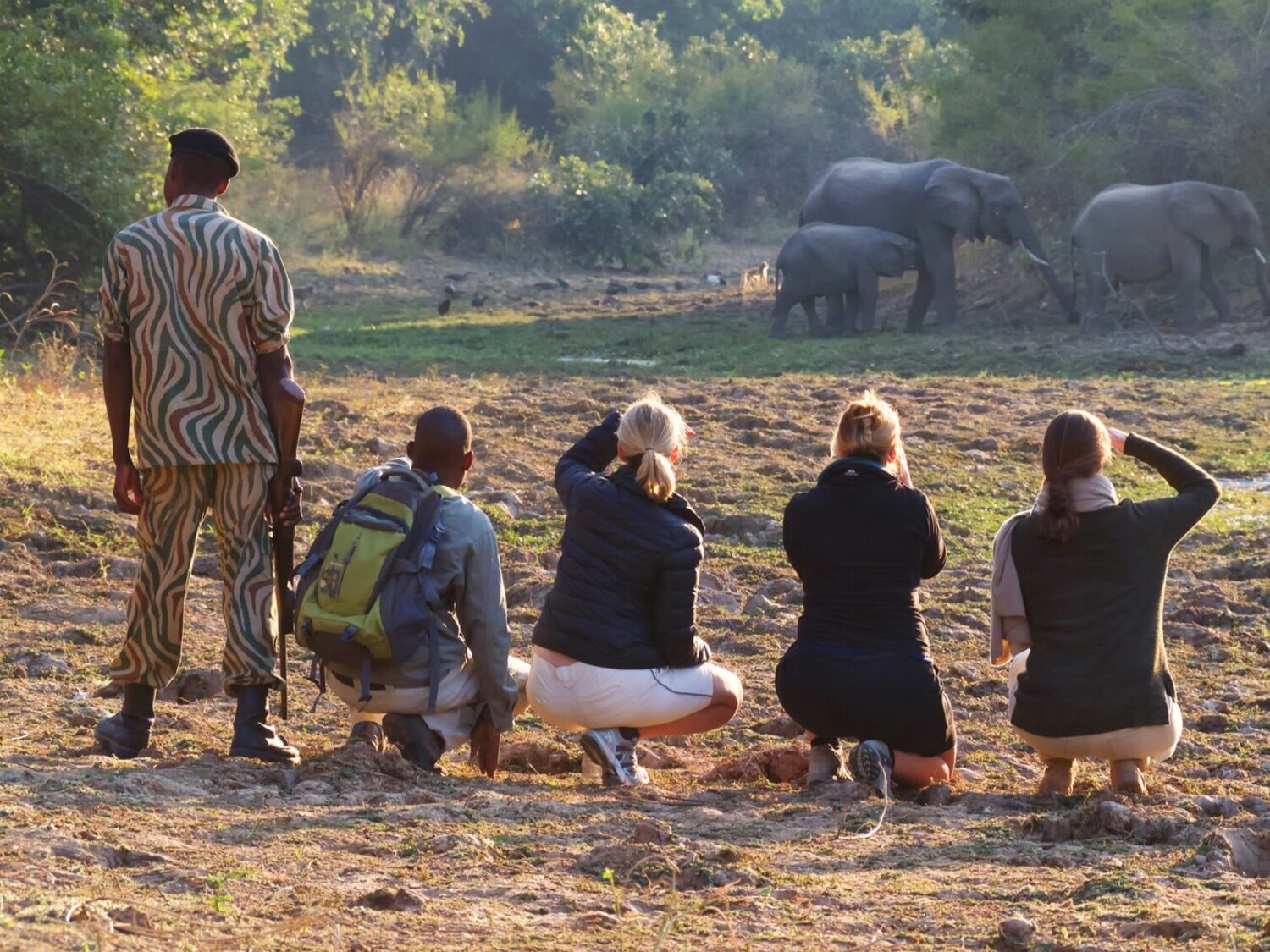
Zambia is where the safari experience strips away every layer of artifice and returns to its purest essence. This is the country that invented the walking safari — where you step out of the vehicle, feel the earth beneath your boots, and track wildlife on foot with a rifle-carrying guide whose senses are attuned to every rustle, every scent, every shift in the wind. Here, the Zambezi River carves through wilderness so pristine that a canoe safari feels like paddling through Eden. Here, the mighty Victoria Falls hurls a million litres of water per second over a basalt cliff edge, sending a column of spray visible from 50 kilometres away. Zambia is not Africa sanitised for tourism. Zambia is Africa as it has always been.

13.1339° S, 27.8493° EFrom $700 per person per night
Why Travel Private

Why Zambia Is the Real Africa

Zambia is the thinking traveller's safari destination — a country that rewards depth, patience, and a willingness to engage with the bush on its own terms. While East Africa offers spectacle and Southern Africa's more famous destinations deliver polished luxury, Zambia offers something rarer: authenticity.

The country's safari credentials are built on three pillars. First, the walking safari — pioneered in the Luangwa Valley in the 1950s by Norman Carr, who recognised that the most profound wildlife encounters happen not from the safety of a vehicle but on foot, at the same level as the animals, with every sense alert. Second, water-based safaris on the Zambezi and Luangwa rivers — canoe trips that bring you eye-level with hippos, fishing tigers, and drinking elephants. Third, sheer wilderness — Zambia's parks are vast, remote, and uncrowded, offering a calibre of solitude that has become increasingly rare across the continent.

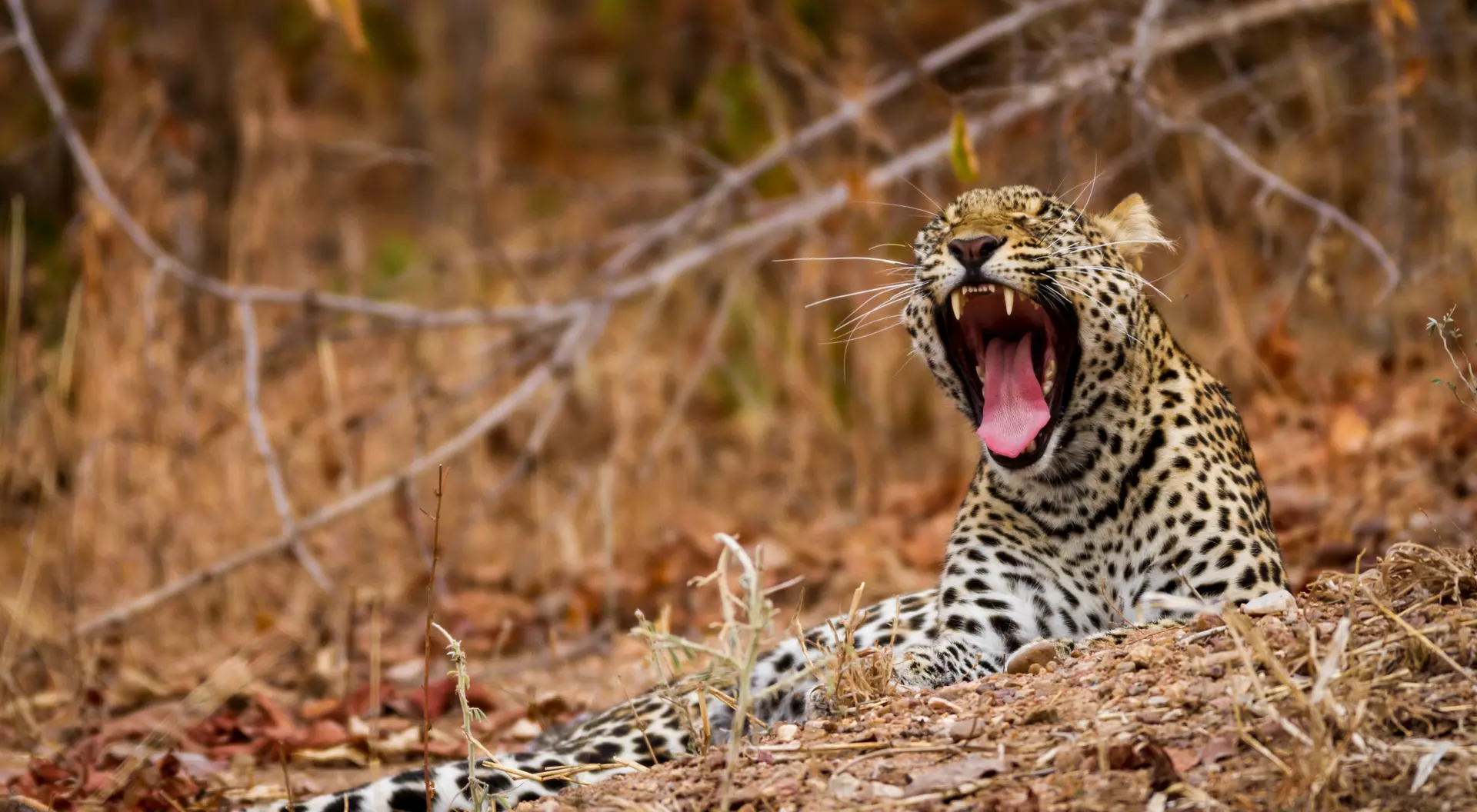
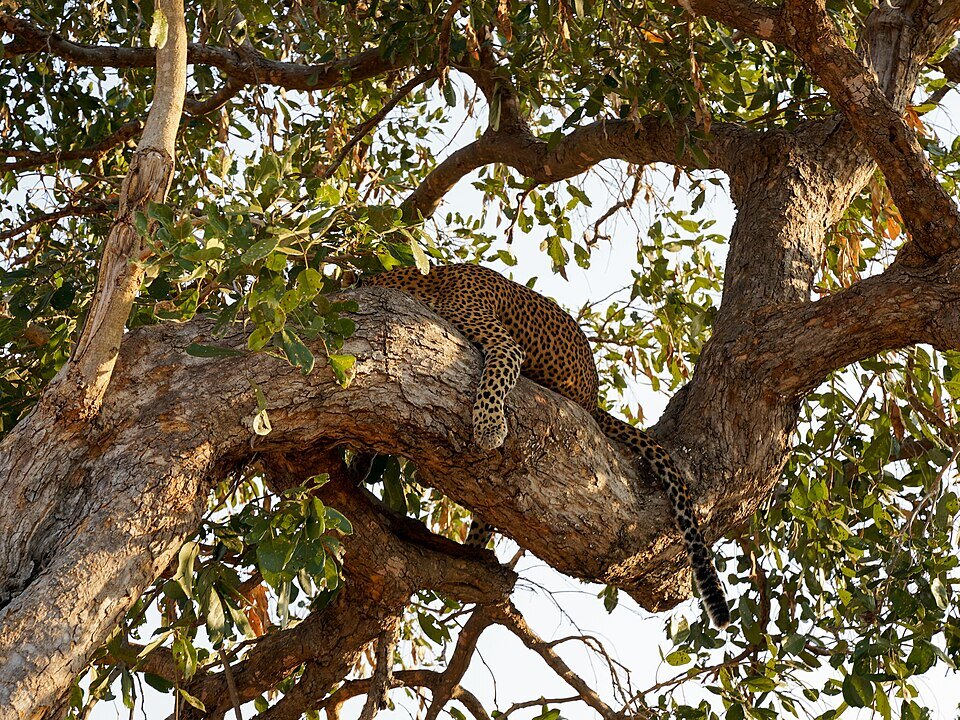
South Luangwa National Park is the crown jewel — one of the greatest wildlife areas in Africa, with the highest leopard density on the continent and a walking safari tradition that has produced some of Africa's finest guides. The Lower Zambezi offers a completely different experience: river-based safari in a narrow park sandwiched between the Zambezi escarpment and the great river itself. Kafue — at 22,400 square kilometres, one of Africa's largest parks — delivers a wilderness experience so remote and uncrowded that entire days pass without seeing another vehicle.

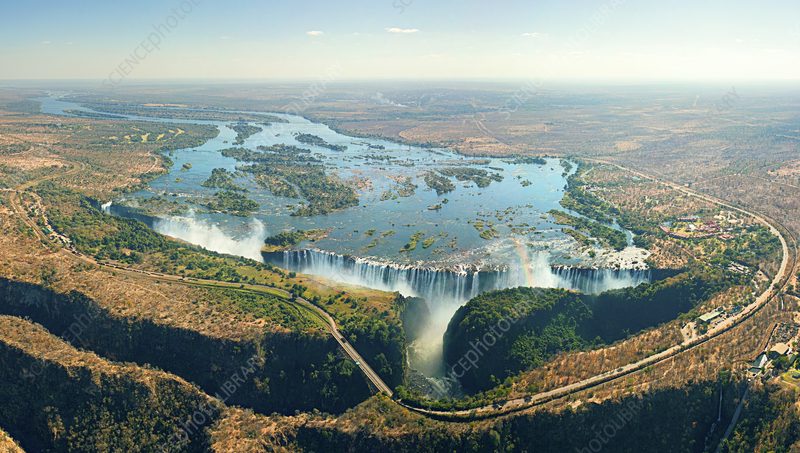
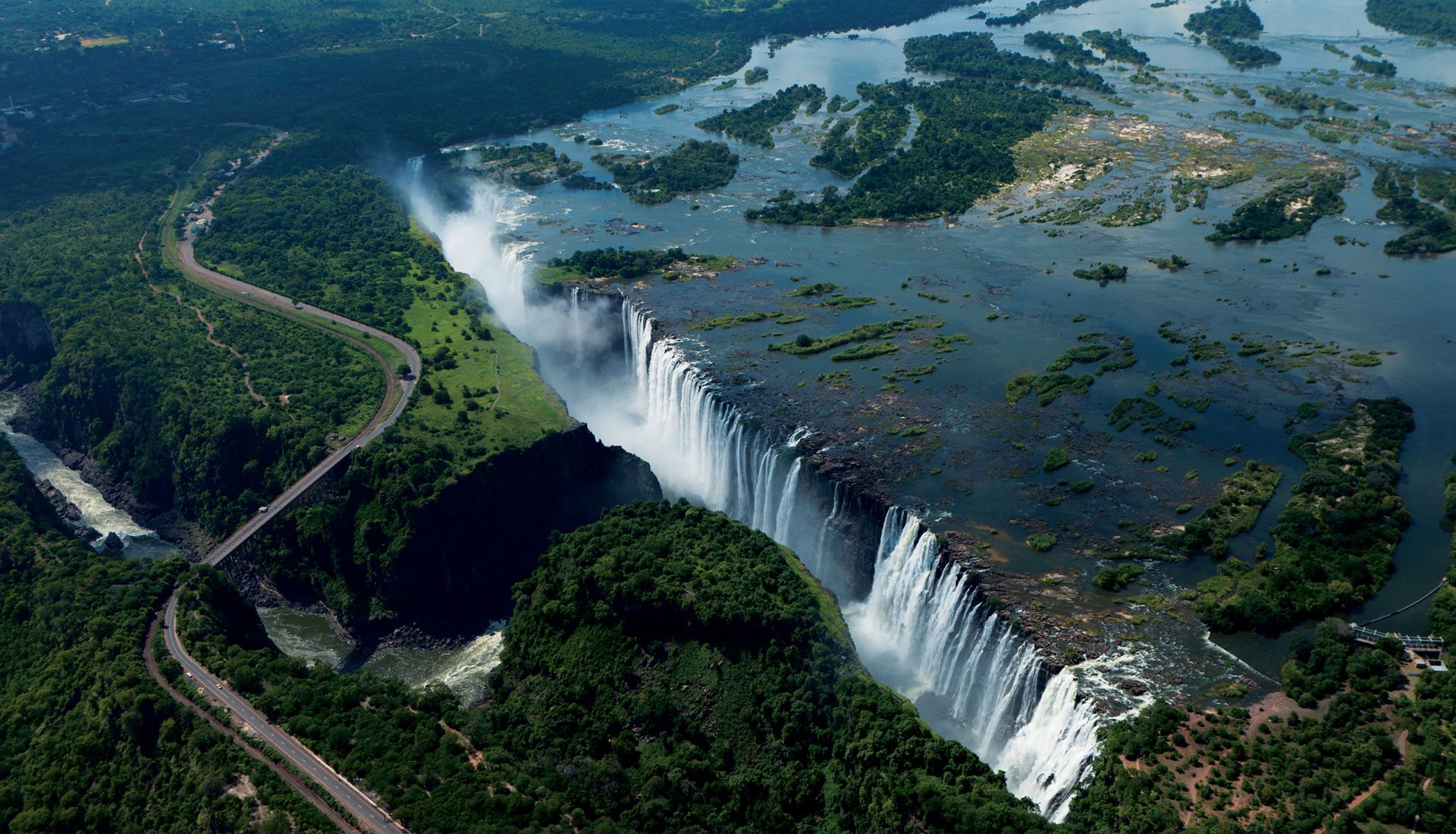
And then there is Victoria Falls — the Smoke That Thunders — which from the Zambian side reveals its full 1.7-kilometre width in a panorama of spray, rainbows, and raw geological power that nothing can prepare you for.

Our private Zambia safaris, arranged as extensions from Cape Town, deliver these authentic wilderness experiences with carefully selected camps and the finest walking guides in Africa.

At a Glance

Zambia at a Glance

Best Time to VisitJune–October (dry season) for peak wildlife viewing and walking safaris. November (Emerald Season) for Victoria Falls at full flow and dramatic landscapes.
Tour Duration5–14 nights (7–10 nights optimal for multi-park safari + Victoria Falls)
ClimateTropical with three seasons: cool dry (May–August, 15–25°C), hot dry (September–October, 30–40°C), and wet/Emerald (November–April, 25–35°C with afternoon storms). October is extremely hot in the Luangwa Valley.

Quick Facts

  • CurrencyZambian Kwacha (ZMW); USD widely accepted at lodges
  • LanguagesEnglish (official), Bemba, Nyanja, Tonga, plus 70+ local languages
  • Time ZoneCAT (UTC+2)
  • Visae-Visa available online; KAZA UniVisa ($50) covers Zambia and Zimbabwe
  • AirportsKenneth Kaunda International (LUN) for Lusaka; Harry Mwanga Nkumbula (LVI) for Livingstone/Victoria Falls; Mfuwe (MFU) for South Luangwa
  • DrivingLeft-hand side

Signature Highlights

  • Walking safari in South Luangwa — Africa's original
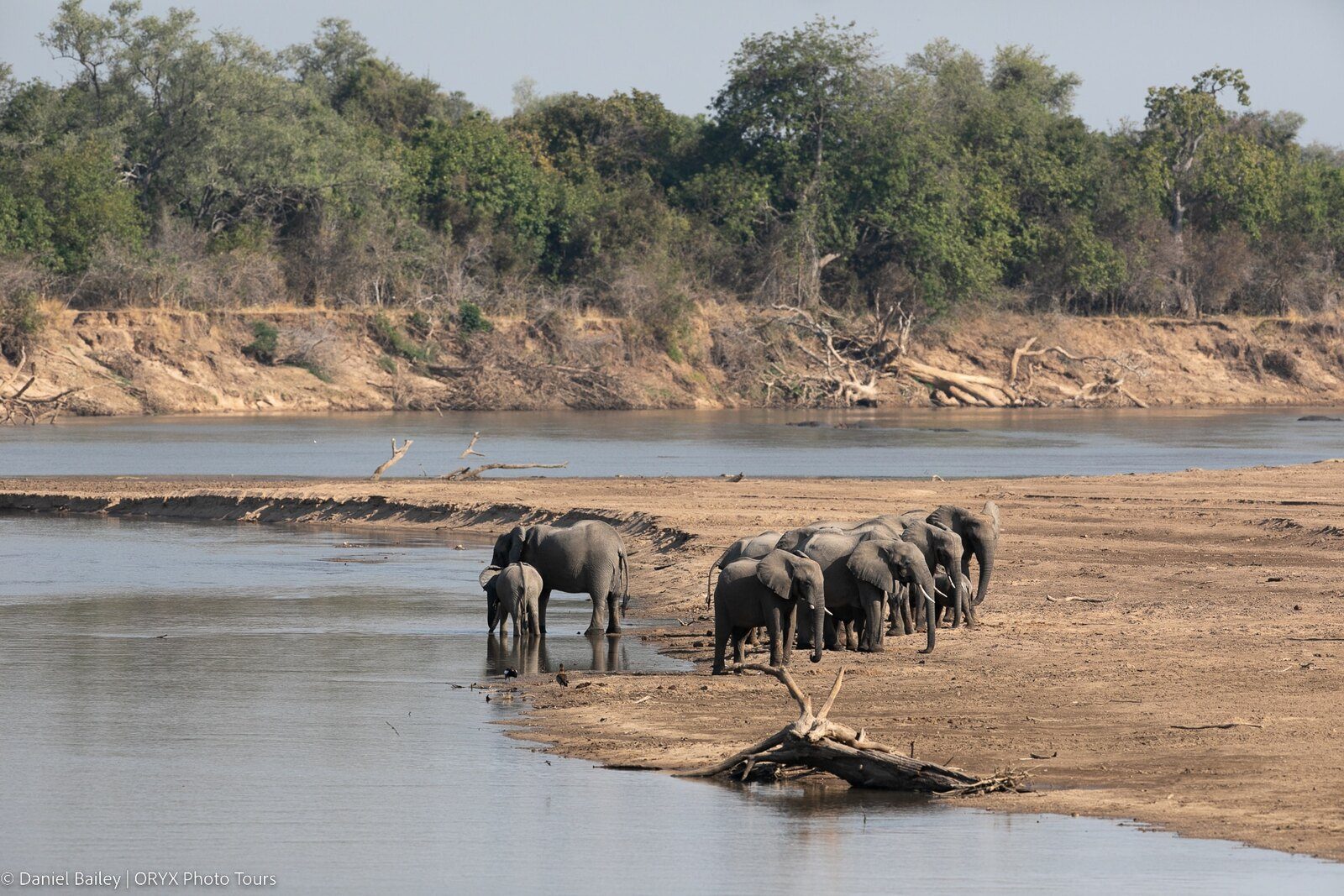
  • Canoe safari on the Lower Zambezi with hippos and elephants
  • Victoria Falls — the world's largest curtain of falling water
  • Night game drives for leopards in South Luangwa
  • Kafue's Busanga Plains — vast, remote, uncrowded
  • Sunset cruise on the Zambezi River
  • Microlight flight over Victoria Falls
  • Liuwa Plain wildebeest migration
Where to Go

Regional Highlights

The defining landscapes and experiences that shape a private journey through Zambia.

South Luangwa National Park01

South Luangwa National Park

South Luangwa is the birthplace of the walking safari and one of the greatest wildlife areas in Africa. The Luangwa River — one of the last unaltered major river systems in Southern Africa — meanders through 9,050 square kilometres of floodplain, woodland, and lagoon, creating a…

  • Birthplace of the walking safari
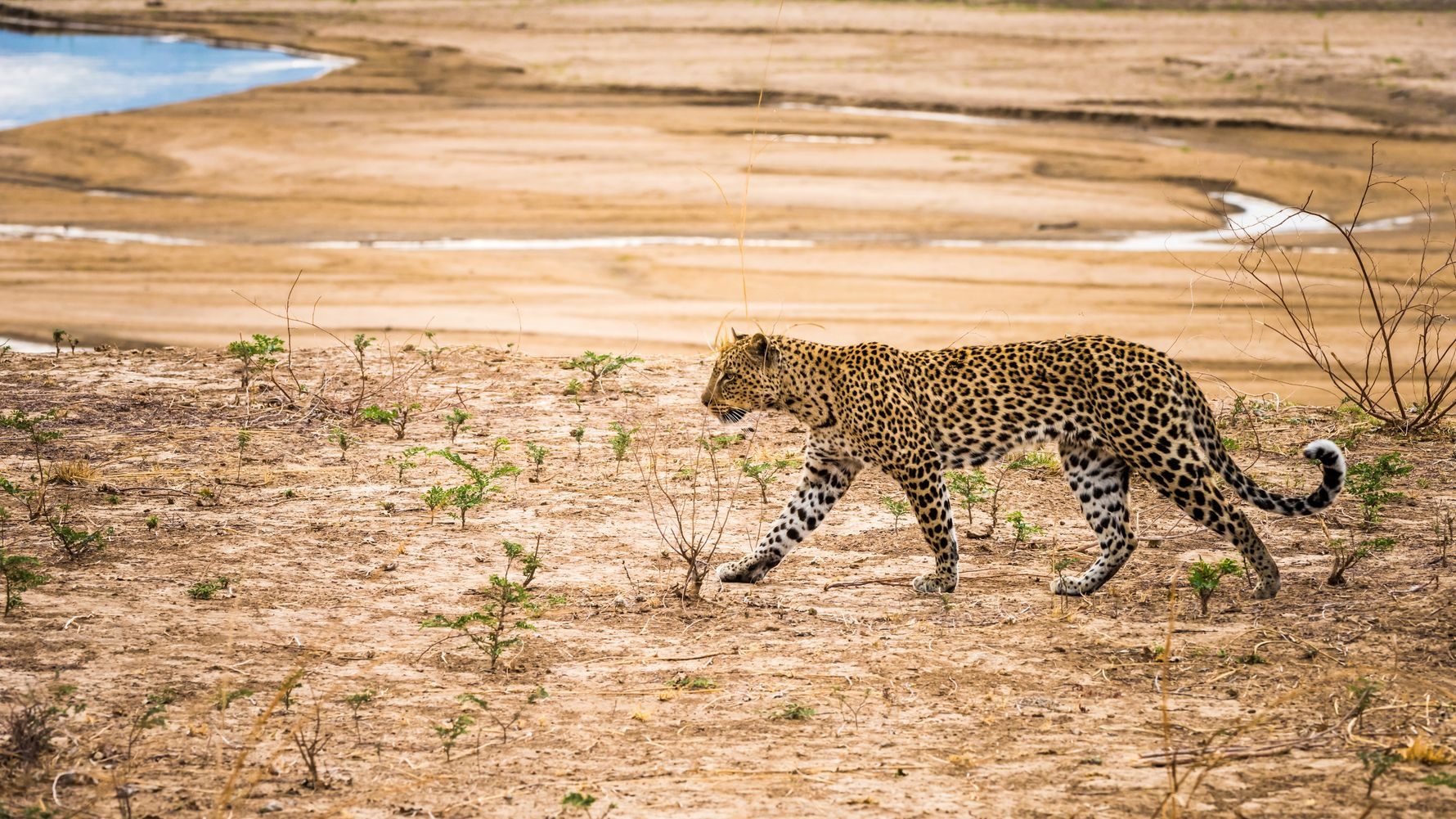
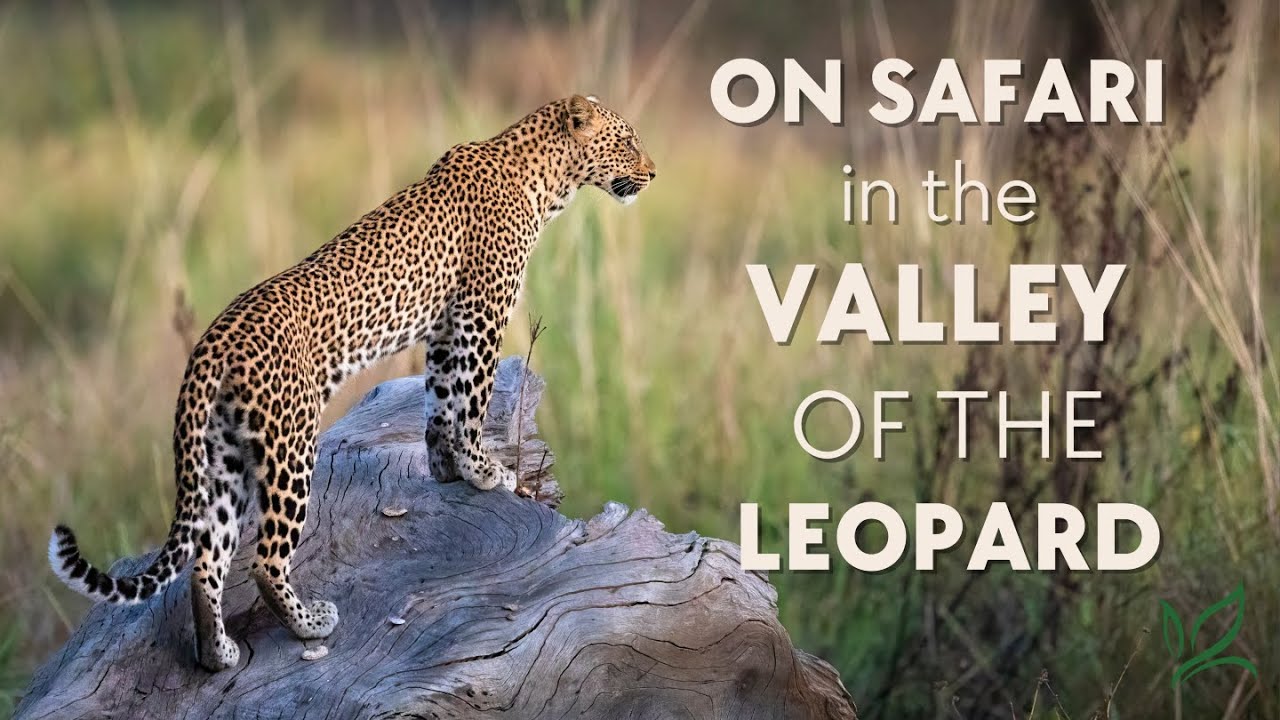
  • Highest leopard density in Africa
  • Night game drives — pioneered here
  • Endemic Thornicroft's giraffe
  • Luangwa River — one of Africa's last unaltered rivers
Lower Zambezi National Park02

Lower Zambezi National Park

The Lower Zambezi is Zambia's most exclusive safari experience — a narrow, 4,092-square-kilometre park wedged between the Zambezi escarpment and the great river itself. The park faces Zimbabwe's Mana Pools across the water, and the two reserves function as a single ecosystem wher…

  • Canoe safaris on the Zambezi River
  • Tiger fishing — world-class sport
  • Elephants swimming across the Zambezi
  • Intimate riverside camps — 4–8 tents
  • Combined land and water safari activities
Kafue National Park03

Kafue National Park

Kafue is Zambia's forgotten giant — one of the largest national parks in Africa at 22,400 square kilometres, yet visited by a tiny fraction of the tourists who flock to the Serengeti or Kruger. For the traveller who defines luxury not by thread count but by solitude, Kafue is par…

  • One of Africa's largest parks — 22,400 sq km
  • Busanga Plains — predator-rich seasonal floodplain
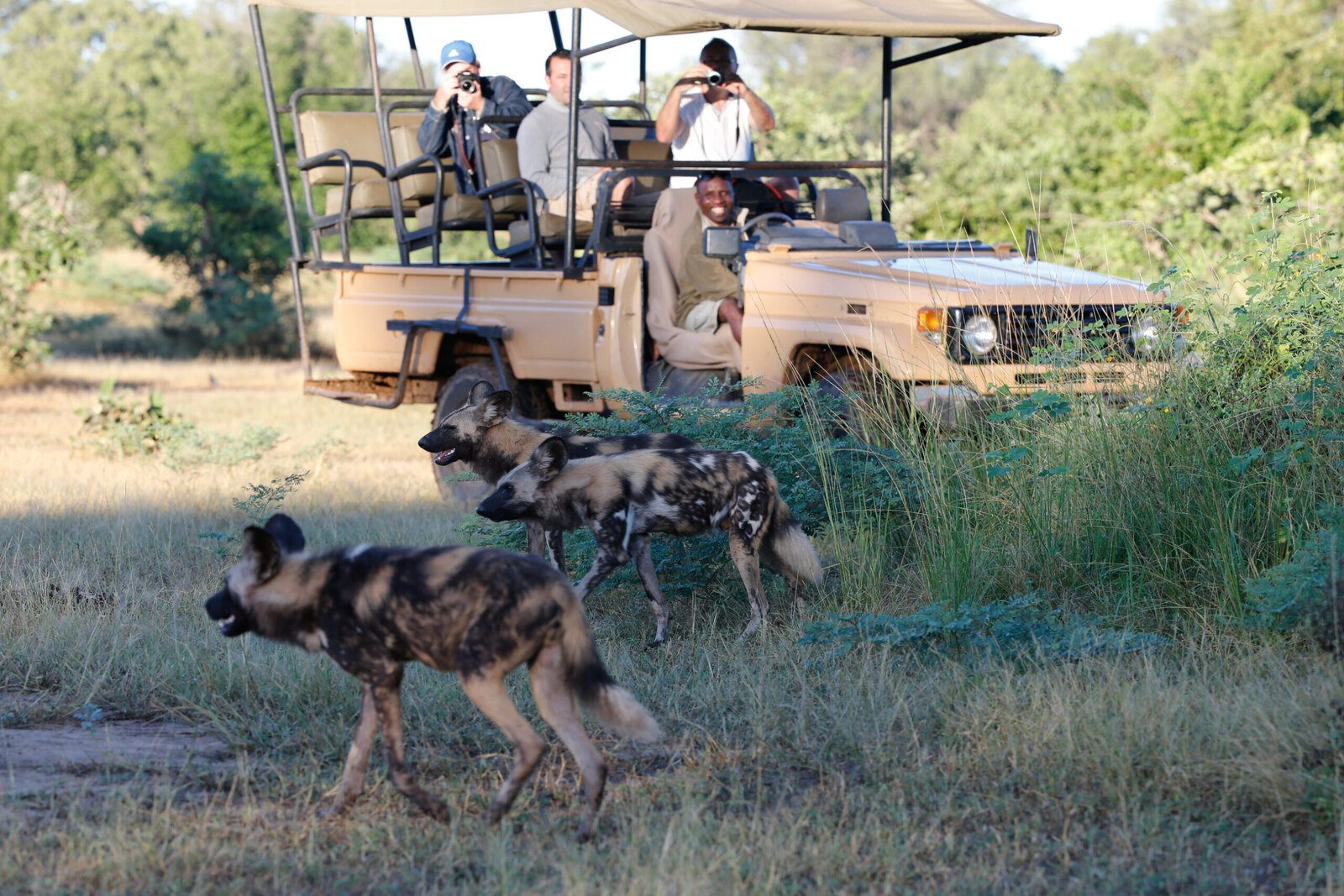
  • Cheetah and wild dog sightings
  • Lechwe antelope in thousands
  • Shoebill stork habitat
Victoria Falls & Livingstone04

Victoria Falls & Livingstone

Victoria Falls — Mosi-oa-Tunya, 'The Smoke That Thunders' — is one of the natural wonders of the world. The Zambezi River, 1.7 kilometres wide, plunges over a basalt cliff into a chasm 108 metres deep, sending a column of spray skyward that is visible from 50 kilometres away and…

  • Victoria Falls — 1.7 km wide, 108 m drop
  • Knife-Edge Bridge — directly opposite the cataract
  • Helicopter 'Flight of Angels' over the falls
  • Sunset cruise on the upper Zambezi
  • White-water rafting in the Batoka Gorge
Curated For You

Signature Experiences

Walking Safari in the Luangwa Valley

There is no safari experience more primal than walking in big-game country with one of South Luangwa's legendary guides. Your guide reads the bush like a book — fresh lion tracks in the sand, a broken branch where an elephant fed, the alarm bark of a baboon signalling a leopard. You walk single-file, senses electric, every step a negotiation between adrenaline and wonder.

Canoe the Zambezi

A canoe safari on the Lower Zambezi places you at water level on one of Africa's mightiest rivers. Paddle silently past pods of hippos that surface and blow alongside your hull. Watch elephants wade across sandbars. Cast for tigerfish as fish eagles call overhead. This is safari from a perspective no game drive can replicate — intimate, immersive, and unforgettable.

Victoria Falls at Full Moon

On the three nights around each full moon, Victoria Falls opens for the Lunar Rainbow experience. The spray illuminated by moonlight creates a shimmering rainbow that arcs across the gorge — one of only a few places on Earth where this phenomenon occurs. Standing on the Knife-Edge Bridge in the moonlit spray is a moment of pure, elemental magic.

Night Drives for Leopards

South Luangwa pioneered the night game drive, and for good reason. As darkness falls, the bush comes alive with nocturnal hunters. Your guide sweeps a red-filtered spotlight across the vegetation, and suddenly, golden eyes reflect back — a leopard, muscles coiled, stalking through the undergrowth. Night drives in the Luangwa reveal an entire world invisible during daylight hours.

Busanga Plains Dawn

As the first light hits Kafue's Busanga Plains, the vast grassland awakens. Lechwe antelope bound through shallow water in the golden light. A cheetah sits atop a termite mound, scanning for prey. Wild dogs emerge from their den and begin the day's hunt. And you sit in your vehicle in complete solitude — not another soul for kilometres in every direction.

Hour by Hour

A Perfect Safari Day in South Luangwa

From dawn walking safari to nocturnal leopard encounter

  1. 05:15

    Pre-Dawn Coffee

    The night porter wakes you with a gentle tap on canvas. Stars still blaze overhead. Strong Zambian coffee and rusks are served around the campfire as your walking guide briefs the morning's route.

  2. 05:45

    Walking Safari

    You step out of camp in single file — guide in front, armed scout behind. The cool morning air carries the scent of wild sage. Within minutes, you're tracking fresh lion spoor across a sandy riverbed, reading the story the prints tell about speed, direction, and intent.

  3. 08:30

    Bush Breakfast

    Your camp crew has set up a mobile breakfast beneath a massive ebony tree on the riverbank. Eggs, bacon, toast, fresh fruit, and coffee — served while hippos grunt and splash in the Luangwa River twenty metres away. A carmine bee-eater colony flashes crimson overhead.

  4. 10:00

    Return to Camp

    Walk back to camp through woodland where Thornicroft's giraffe browse overhead and puku antelope scatter ahead of you. Every step is an education — your guide identifies tracks, droppings, medicinal plants, and bird calls with effortless expertise.

  5. 12:00

    Lunch & Siesta

    A light lunch on the deck overlooking the river: grilled fish, salad, and a cold Mosi lager. The afternoon heat descends. A pod of hippos jostles for position in the pool below. You retreat to your tent for a siesta — the luxury of absolute peace.

  6. 15:30

    Afternoon Game Drive

    As shadows lengthen, you set out by vehicle. A leopard has been sighted near a favourite ambush point. Your guide navigates through mopane woodland and emerges at a lagoon where elephants drink and crowned cranes dance.

  7. 17:30

    Sundowner by the River

    Parked on a sandy bank of the Luangwa, cold gin and tonics are produced as the sun drops toward the escarpment. The river turns from gold to copper to violet. A fish eagle calls its iconic, piping cry — the very sound of Africa.

  8. 18:30

    Night Game Drive

    As darkness falls, the spotlight comes on. The bush transforms. A genet slinks across the road. A hyena lopes through the beam. And then — golden eyes in the undergrowth. A female leopard, moving with liquid grace toward the river, pauses to assess you, then continues her hunt.

  9. 20:00

    Dinner Under the Stars

    Back at camp, lanterns and a crackling fire welcome you. A three-course dinner is served under an African sky so dense with stars that the Milky Way casts shadows. Your guide shares stories of the bush as the sounds of the Luangwa night — hippo grunts, lion roars, hyena whoops — provide the soundtrack.

When to Visit

When to Visit: A Seasonal Guide

Dry Season (June – October)

Zambia's prime safari season. As the bush dries out, animals concentrate along rivers and lagoons, making game viewing exceptional. Walking safaris are at their best on firm, dry ground. South Luangwa's leopards are at peak visibility. Victoria Falls reduces flow, revealing rock formations. June–August is cool and comfortable; September–October is hot.

Best for
  • Walking safaris — dry trails, concentrated game
  • Night drives for leopards and nocturnal species
  • Wild dog denning season (June–September)
  • Lower Zambezi canoe safaris
  • Busanga Plains (Kafue) at their best (August–October)

Peak season — book 12+ months ahead for top camps. October is extremely hot (40°C+) in the Luangwa Valley. Victoria Falls flow drops significantly by October.

Emerald Season (November – April)

The rains transform Zambia's landscapes from dusty brown to vivid green. Victoria Falls reaches peak flow (March–April). Birdwatching is exceptional with migratory species. Liuwa Plain's wildebeest migration peaks in November. Many Luangwa and Lower Zambezi camps close (January–April). Rates drop 30–50%.

Best for
  • Victoria Falls at peak flow (March–April)
  • Birdwatching — 300+ migratory species
  • Liuwa Plain wildebeest migration (November)
  • Dramatic storm-lit photography
  • Budget-conscious luxury travel

Many camps close January–April. Some roads impassable. Heat and humidity can be intense. Malaria risk higher.

Shoulder Season (May, November)

Transition months offering excellent value. May sees the bush drying rapidly with good game viewing and fewer visitors. November brings the first rains, dramatic skies, and migrating birds. Both months offer lower rates than peak season.

Best for
  • Value for money — lower rates, fewer visitors
  • May: bush drying, game concentrating
  • November: Liuwa migration, first rains drama
  • Carmine bee-eater nesting (October–November)
  • Victoria Falls regaining flow (November)

May: some areas still recovering from rains. November: afternoon storms, some roads becoming challenging.

Month-by-Month Calendar
JanDeep Emerald Season. Most Luangwa and Lower Zambezi camps closed. Victoria Falls building to peak. Dramatic green landscapes. Lowest rates where camps are open.
FebPeak rains continue. Few camps open. Victoria Falls approaching maximum flow. Birding peaks in accessible areas.
MarRains easing in some areas. Victoria Falls approaching peak flow — spectacular spray. Some camps beginning to reopen.
AprVictoria Falls at peak — most dramatic views. Last month of heavy rains. Camps beginning dry-season preparations. Green season ending.
MayDry season begins. Camps reopening across the Luangwa and Lower Zambezi. Bush drying rapidly. Game concentrating. Excellent value before peak demand.
JunCool, dry conditions. Walking safari season begins in earnest. Wild dog denning begins. Lower Zambezi canoe season starts. Victoria Falls flow decreasing.
JulPeak dry season. Cool mornings, warm days. South Luangwa leopards highly visible. Walking safaris at their best. High season begins.
AugContinued peak conditions. Busanga Plains (Kafue) opening. Carmine bee-eaters nesting in the Luangwa. Game concentrations building. Highest demand period.
SepHot, dry. Game viewing at its peak as animals cluster near water. Wild dogs active. Temperatures rising in the Luangwa (35°C+). Victoria Falls low flow — rock formations visible.
OctHottest month (40°C+ in Luangwa). Extreme game concentrations. Walking safaris physically demanding but rewarding. First thunderstorms possible. Victoria Falls at lowest flow.
NovFirst consistent rains. Liuwa Plain wildebeest migration peaks. Migratory birds arriving in force. Landscape greening. Many camps closing for wet season.
DecRains establishing. Some camps still open in South Luangwa. Victoria Falls beginning to rebuild. Festive season brings brief demand spike. Green season rates.
Travel With Purpose

Conservation & Community

Zambia's conservation model increasingly relies on community partnerships and private-sector investment. The country's Community Resource Boards give local communities direct control over wildlife management areas adjacent to national parks, creating economic incentives for conservation.

South Luangwa's conservation story has been driven by pioneering safari operators who have invested in anti-poaching patrols, community schools, and sustainable employment for decades. The result is a park where wildlife populations have remained healthy despite pressures faced elsewhere in Africa.

African Parks' management of Liuwa Plain National Park demonstrates another model — where international conservation expertise partners with traditional leadership (the Lozi king) to restore and manage a wild landscape. Since African Parks assumed management in 2003, Liuwa's wildlife has recovered spectacularly.

Our Zambia safaris partner exclusively with operators who demonstrate measurable conservation impact. Every night you spend in a Zambian bush camp directly funds anti-poaching, community development, and habitat protection.
Know Before You Go

Travel Essentials

Getting There

International flights arrive at Kenneth Kaunda International Airport (LUN) in Lusaka or Harry Mwanga Nkumbula Airport (LVI) in Livingstone for Victoria Falls. South Luangwa is reached via Mfuwe Airport (MFU) — 1.5-hour flight from Lusaka or direct from Johannesburg. Lower Zambezi: 45-minute flight from Lusaka to Jeki airstrip. Kafue: 1-hour flight from Lusaka. Charter flights connect all parks.

Visa & Entry

Zambia offers e-Visas online ($50 USD single entry). The KAZA UniVisa ($50) covers both Zambia and Zimbabwe — ideal for Victoria Falls visits from both sides. Passport valid for 6 months required. No yellow fever certificate needed unless arriving from an endemic country.

Health & Safety

Malaria prophylaxis is essential — all safari areas are in malaria zones. Standard vaccinations recommended. Zambia's safari areas are very safe. Livingstone is tourist-friendly. Tap water should not be consumed — bottled water provided at all camps.

What to Pack

Walking safari: sturdy, broken-in hiking boots (critical), long trousers in neutral colours, long-sleeved shirt, wide-brimmed hat, 2 litres of water. General: warm fleece (mornings are cold June–August), swimwear for pool/river, binoculars, camera with telephoto lens. Casual dress at all camps.

Currency & Payments

Zambian Kwacha (ZMW) is the official currency. US Dollars widely accepted at lodges, for park fees, and tips. Credit cards accepted at upmarket properties and Livingstone hotels. ATMs in Lusaka and Livingstone. Cash recommended for tips and small purchases.

Walking Safari Fitness

Walking safaris require reasonable fitness. Morning walks typically cover 5–10 km over 3–4 hours on flat terrain. The pace is slow and deliberate. No prior hiking experience needed. Your guide sets the pace and adjusts for the group. A good level of general fitness and the ability to walk 10 km on uneven ground is sufficient.

Connectivity

Mobile coverage in Lusaka and Livingstone; very limited in parks. Most safari camps have basic Wi-Fi. South Luangwa has patchy coverage at best. The Lower Zambezi and Kafue are largely offline. Plan accordingly and enjoy the digital detox.

Multi-Country Journeys

Combining Zambia with South Africa

A Zambia-South Africa combination offers the ultimate contrast between polished luxury and raw wilderness. Begin with Cape Town's world-class restaurants, wine estates, and dramatic coastal scenery, then fly north to experience walking safaris in the Luangwa Valley and the thunder of Victoria Falls.

Direct flights connect Johannesburg to Livingstone (1.5 hours) and Lusaka (2 hours). From Lusaka, domestic flights reach South Luangwa in 1.5 hours and the Lower Zambezi in 45 minutes. A typical extension: 3 nights South Luangwa (walking safaris + leopards) + 2 nights Lower Zambezi (canoe safaris) + 2 nights Victoria Falls = 7 nights of extraordinary Zambian wilderness.

We coordinate every element — flights, transfers, camps, activities, and park fees — delivering a seamless journey from vineyard to valley.

Good to Know

Frequently Asked Questions

When is the best time to visit Zambia?

June–October (dry season) for walking safaris and peak game viewing. March–April for Victoria Falls at peak flow. November for Liuwa Plain's wildebeest migration. May and November offer excellent value as shoulder months.

How much does a luxury Zambia safari cost?

Luxury bush camps range from $600 to $2,000 per person per night, all-inclusive. A 7-night multi-park safari averages $1,000–$1,500/night. Victoria Falls hotels: $200–$800/night. All park fees, meals, drinks, activities, and laundry typically included at safari camps.

What is a walking safari like?

You walk single-file through the bush with an experienced guide and armed scout. Walks cover 5–10 km over 3–4 hours, starting at dawn. The pace is slow and deliberate. You track wildlife, learn bush skills, and experience the African wilderness at its most intimate. No special fitness is required — just the ability to walk 10 km on flat, uneven ground.

Is Zambia safe?

Zambia's safari areas are very safe. Livingstone is a well-established tourist town. The country has been politically stable for decades. Walking safaris are conducted with armed professional guides — the safety record is excellent. Standard travel precautions apply in Lusaka.

How do I see Victoria Falls from both sides?

The KAZA UniVisa ($50) allows multiple crossings between Zambia and Zimbabwe. The Zambian side offers proximity and the Knife-Edge Bridge. The Zimbabwe side offers broader panoramic views. We arrange day trips to both sides for the complete experience.

What wildlife will I see?

South Luangwa: Africa's highest leopard density, lion, elephant, buffalo, hippo, wild dog, Thornicroft's giraffe. Lower Zambezi: elephants, hippos, crocodiles, tiger fish. Kafue: cheetah, wild dogs, lechwe, sable. No rhino in most areas (rhino tracking available at Mosi-oa-Tunya NP).

Do I need vaccinations?

Malaria prophylaxis is essential. Routine vaccinations recommended. Yellow fever certificate needed only if arriving from an endemic country. Consult your travel clinic 6–8 weeks before departure.

When is Victoria Falls at its most impressive?

Victoria Falls peaks March–May when the Zambezi is at full flood — the spray column rises 300 metres and you'll get drenched. June–August offers a balance of flow and visibility. September–November reveals the rock face and allows activities like Devil's Pool swimming (seasonal).

How far in advance should I book?

Peak season (July–October): book 12+ months ahead — Zambia's best camps have very few rooms. Shoulder months (May, June, November): 6–9 months. Emerald season: 3–6 months. Victoria Falls accommodation books quickly for peak flow (March–April).

Can I combine Zambia with other countries?

Absolutely. Zambia pairs beautifully with Zimbabwe (Victoria Falls from both sides + Hwange), Botswana (Chobe is just across the river from Livingstone), South Africa (Cape Town + Luangwa), and Mozambique (beach extension). Multi-country itineraries are our speciality.

What is the flying time from South Africa?

Johannesburg to Livingstone: 1.5 hours direct. Johannesburg to Lusaka: 2 hours. Cape Town to Livingstone/Lusaka: 3.5–5 hours with one connection. From Lusaka, domestic flights to South Luangwa take 1.5 hours.

Are walking safaris suitable for everyone?

Walking safaris require moderate fitness — the ability to walk 5–10 km on flat, uneven ground over 3–4 hours. The pace is set by the guide and adjusted for the group. No prior hiking experience needed. Minimum age is typically 12–16 years depending on the operator.

Do I need a visa for Zambia?

Most nationalities require an e-Visa ($50 single entry, $80 double entry). The KAZA UniVisa ($50) covers Zambia and Zimbabwe for 30 days. South African passport holders are visa-exempt for stays under 90 days. Apply online before travel.

Chat