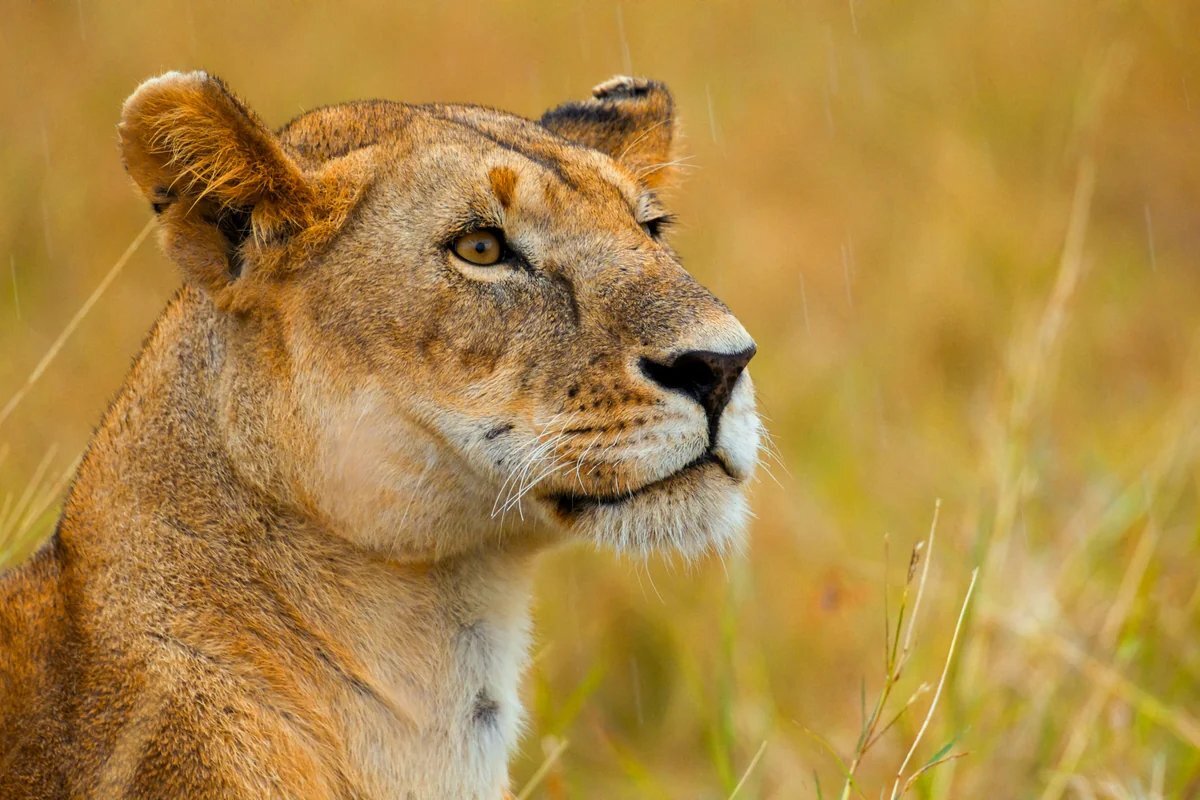
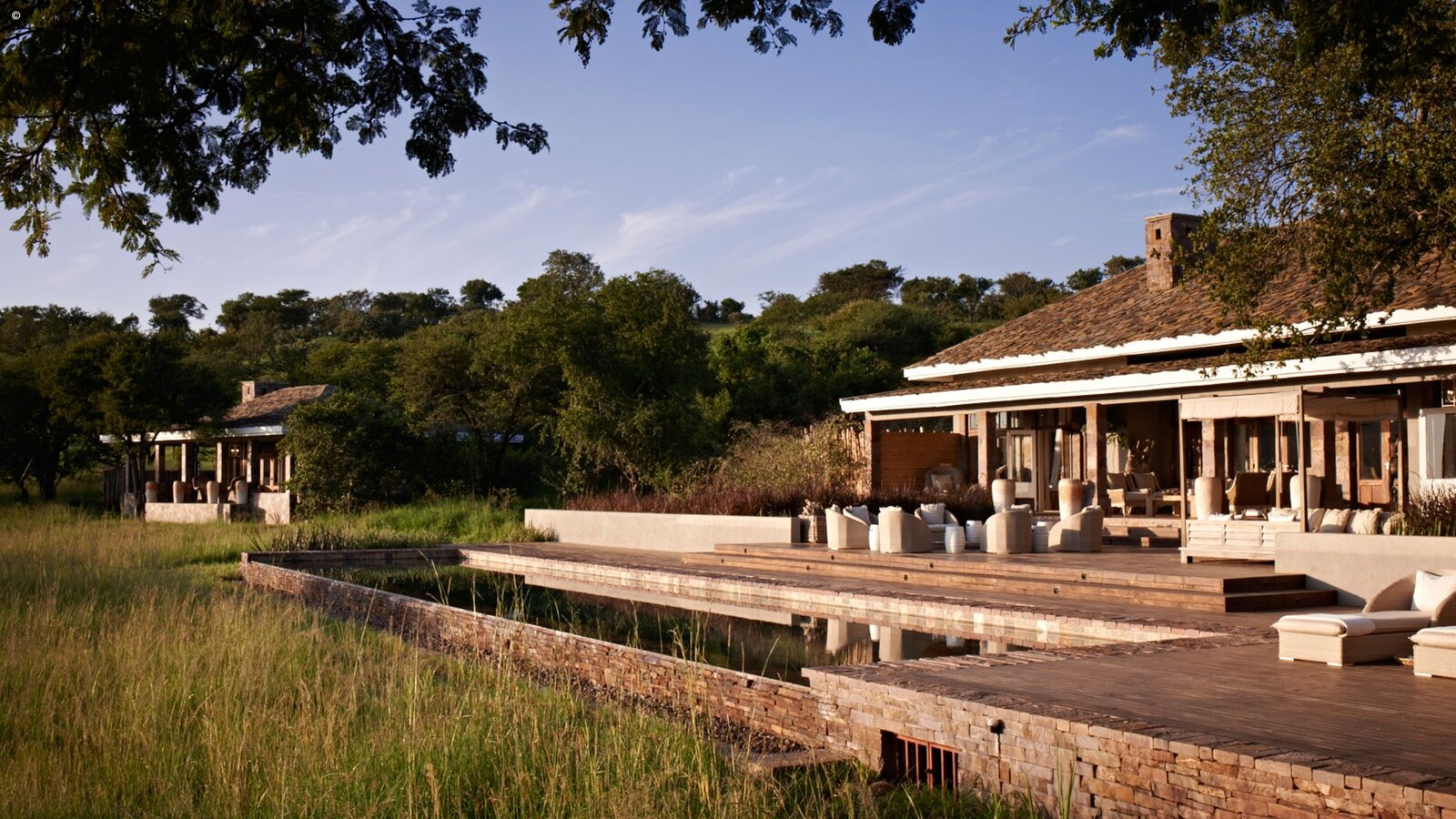
We're Open08:00–19:00 SAST
WhatsAppWishlistPartner Portal
Tanzania — Where Safari Began — The Serengeti's Endless Plains and Ancient Craters
EAST AFRICA · TANZANIA

TANZANIA

Where Safari Began — The Serengeti's Endless Plains and Ancient Craters

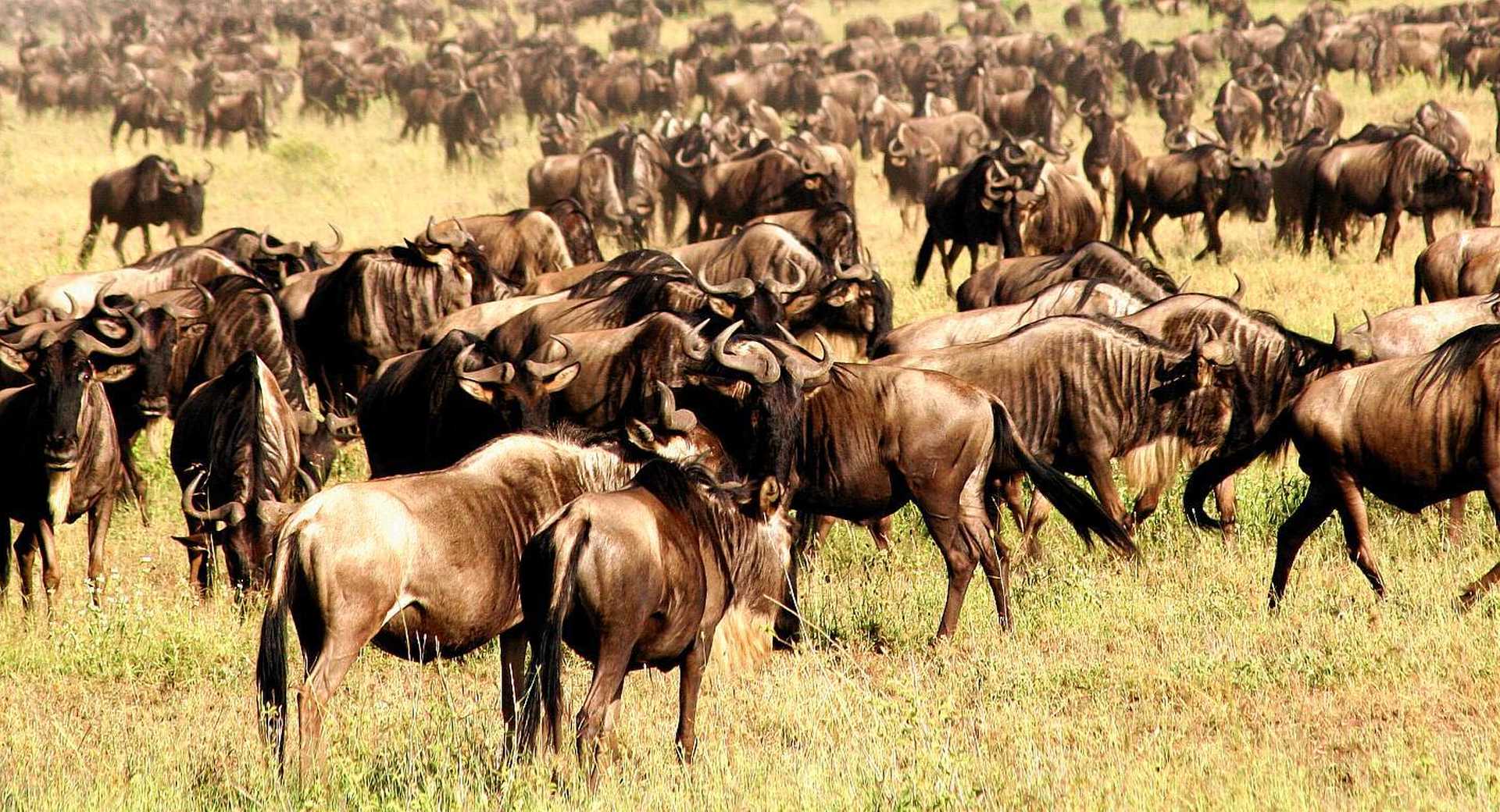
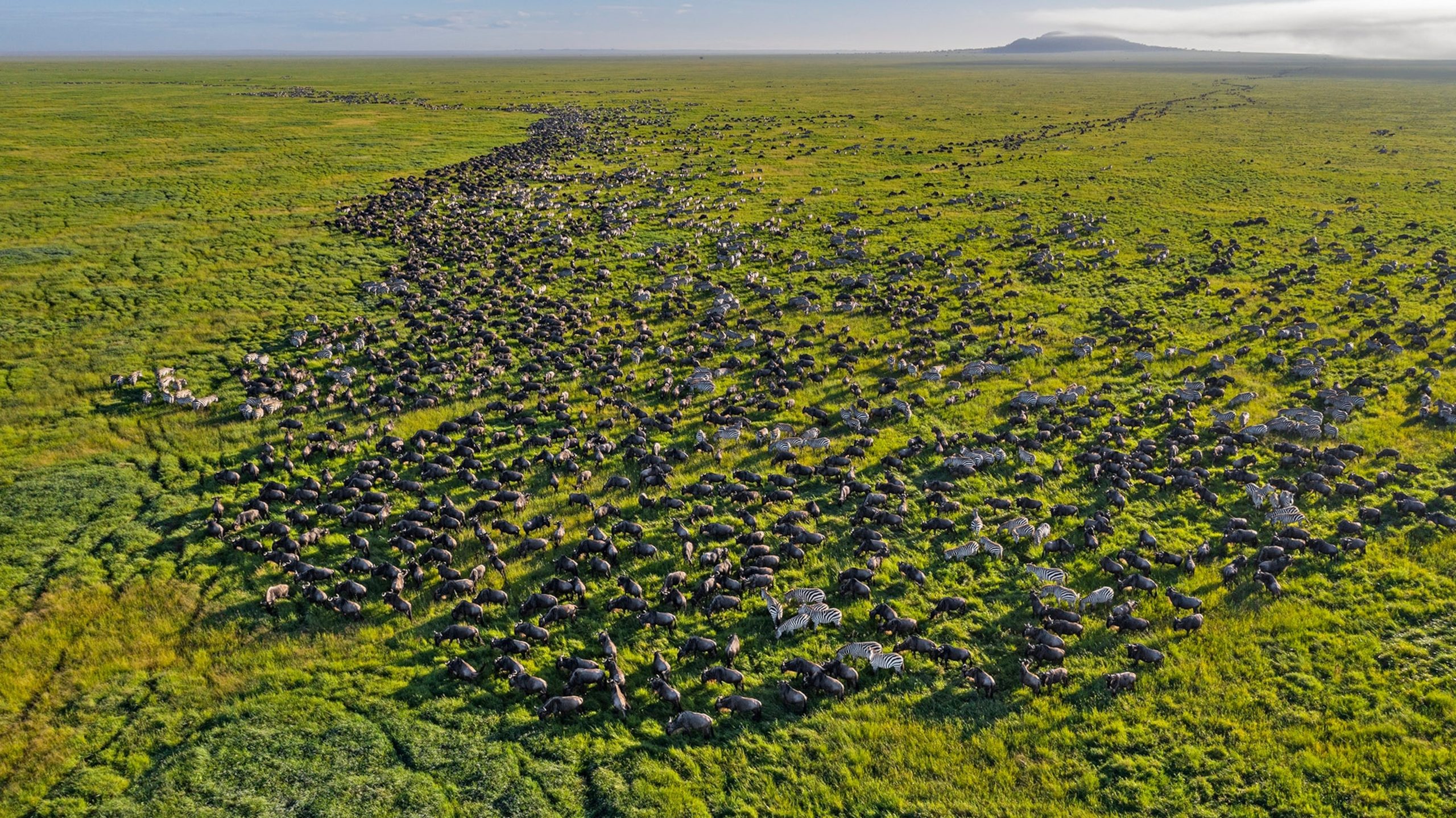
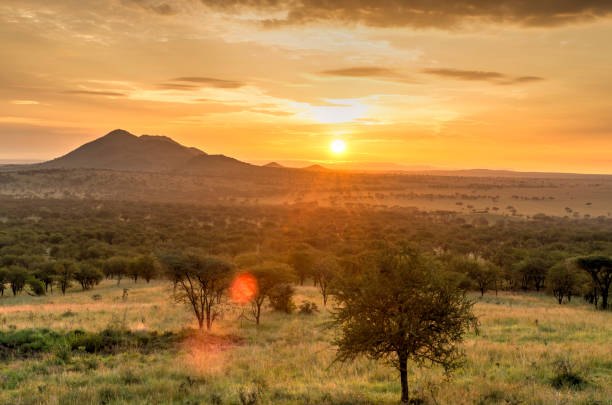
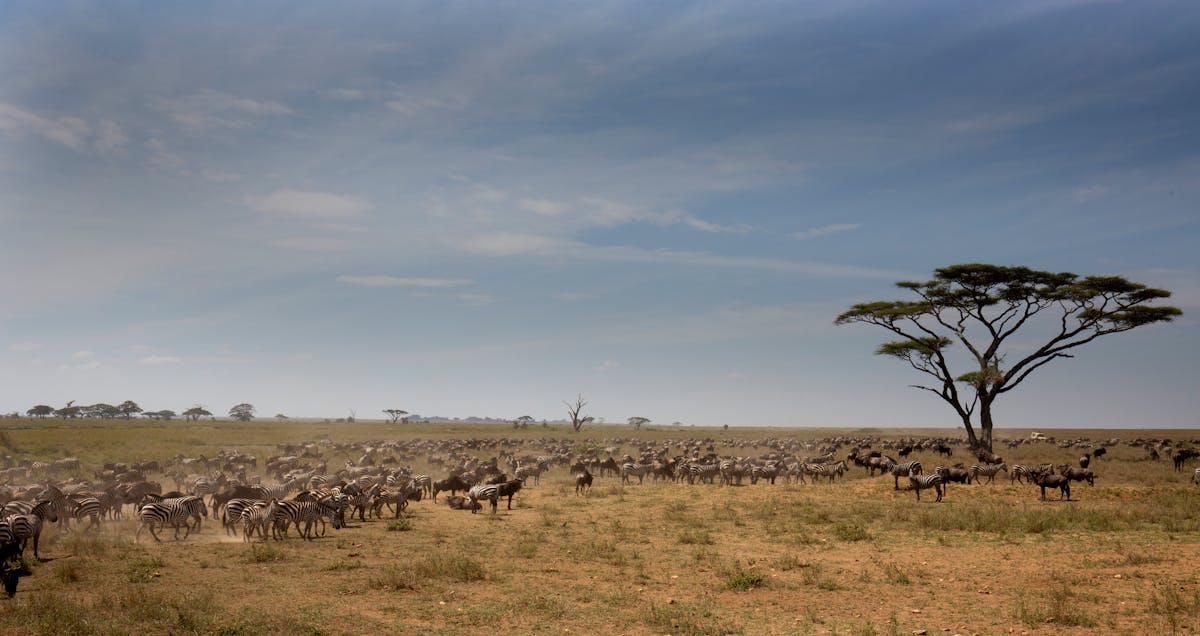
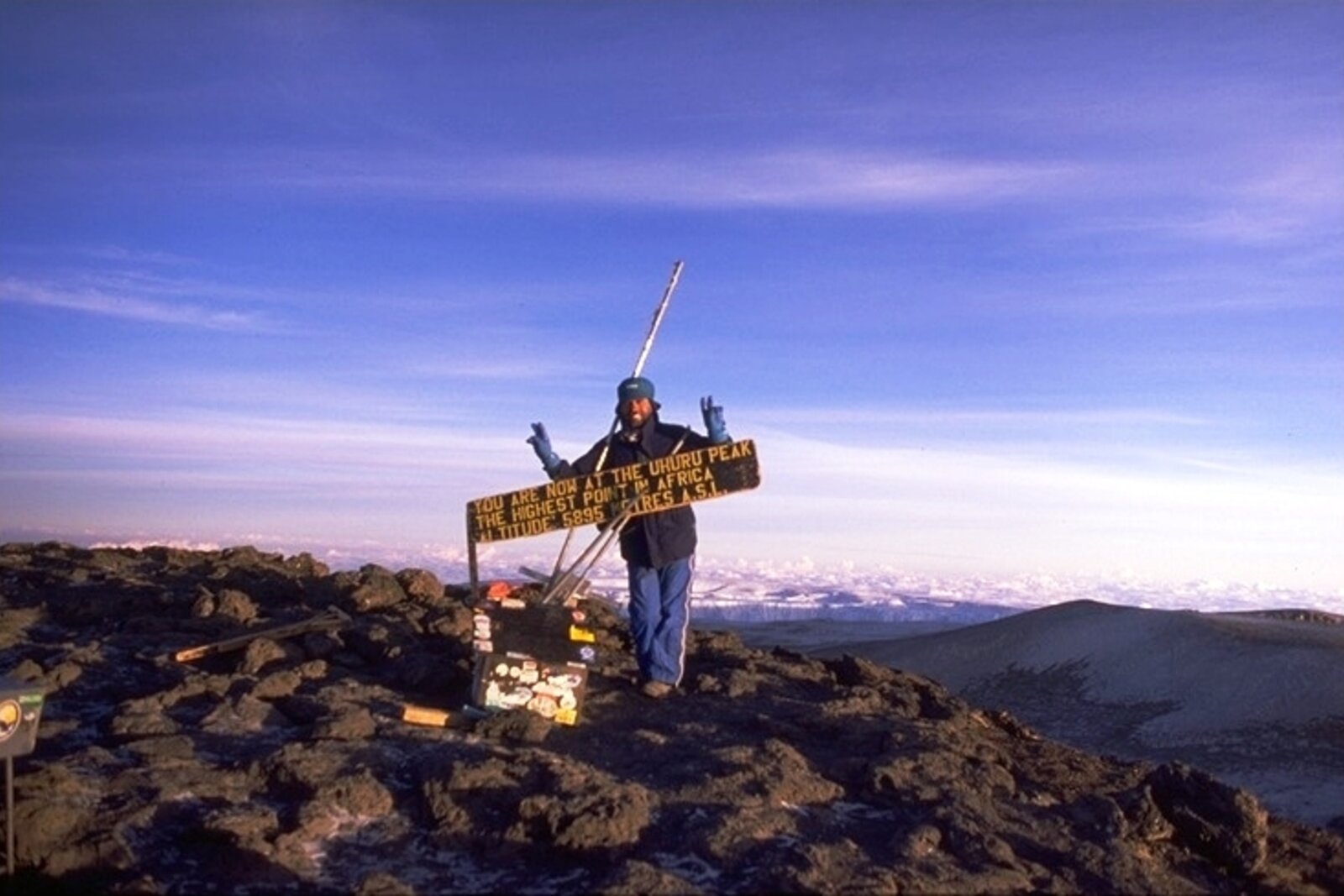
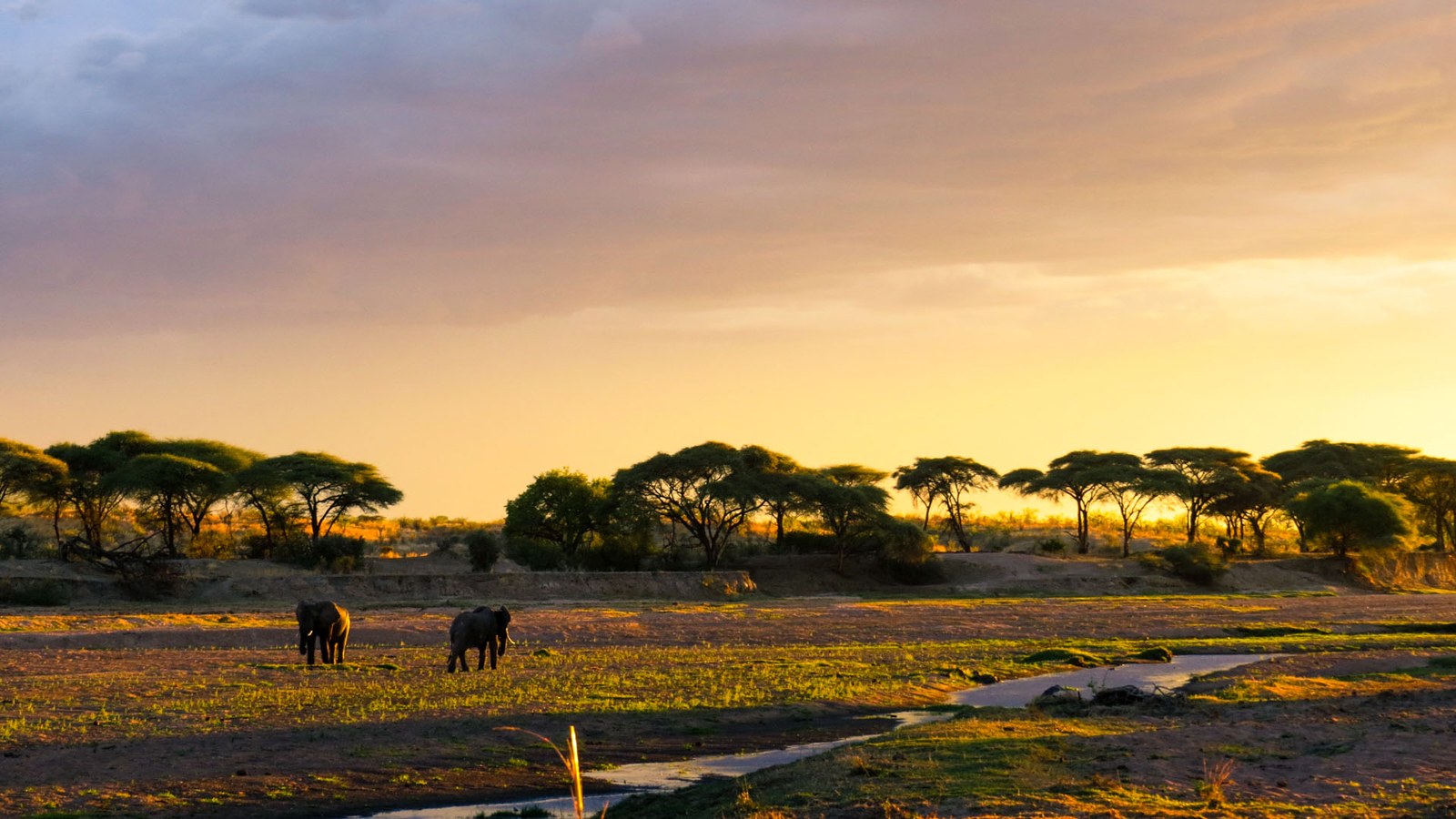
Tanzania is the origin story of the African safari—a land so vast, so wild, and so profoundly beautiful that it rewrites every expectation of what wilderness can be. The Serengeti's name comes from the Maasai word 'siringet,' meaning 'the place where the land runs on forever,' and standing on those endless golden plains as two million animals stream toward the horizon, you understand that no description can prepare you for this scale of nature. Add the Ngorongoro Crater—a collapsed volcano teeming with 25,000 large animals in a natural amphitheatre—and Kilimanjaro's ice-crowned summit rising 5,895 metres above the African plain, and you have a country that exists beyond superlatives.

6.3690° S, 34.8888° EFrom $900 per person per night
Why Travel Private

Why Tanzania Is Where Safari Began

Tanzania is where the concept of the African safari crystallised into something approaching religion. The Serengeti—14,763 square kilometres of undulating grassland, kopjes, and riverine forest—has been the gold standard for wildlife viewing since Bernhard and Michael Grzimek's groundbreaking 1959 documentary 'Serengeti Shall Not Die' first brought the Great Migration to global attention. Today, the Serengeti ecosystem remains the most intact large-mammal migration system left on Earth.

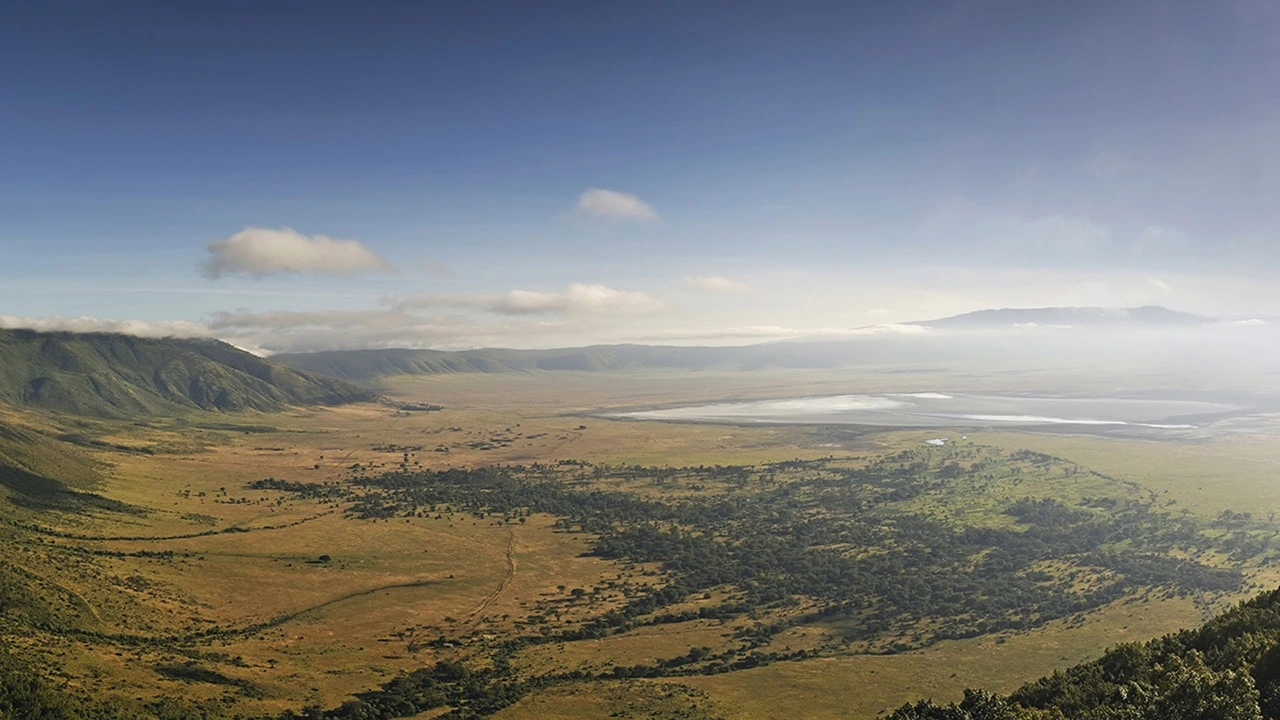
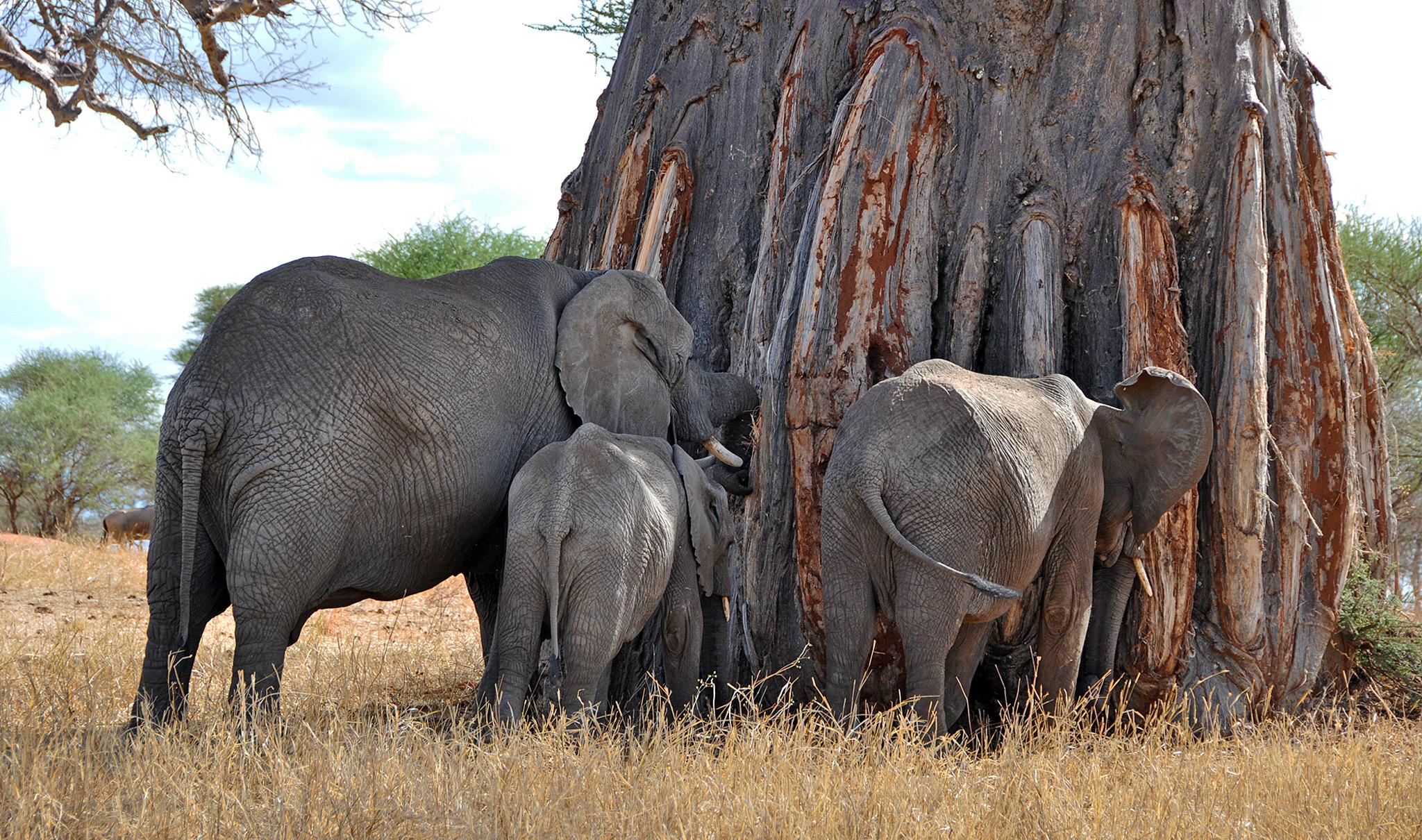
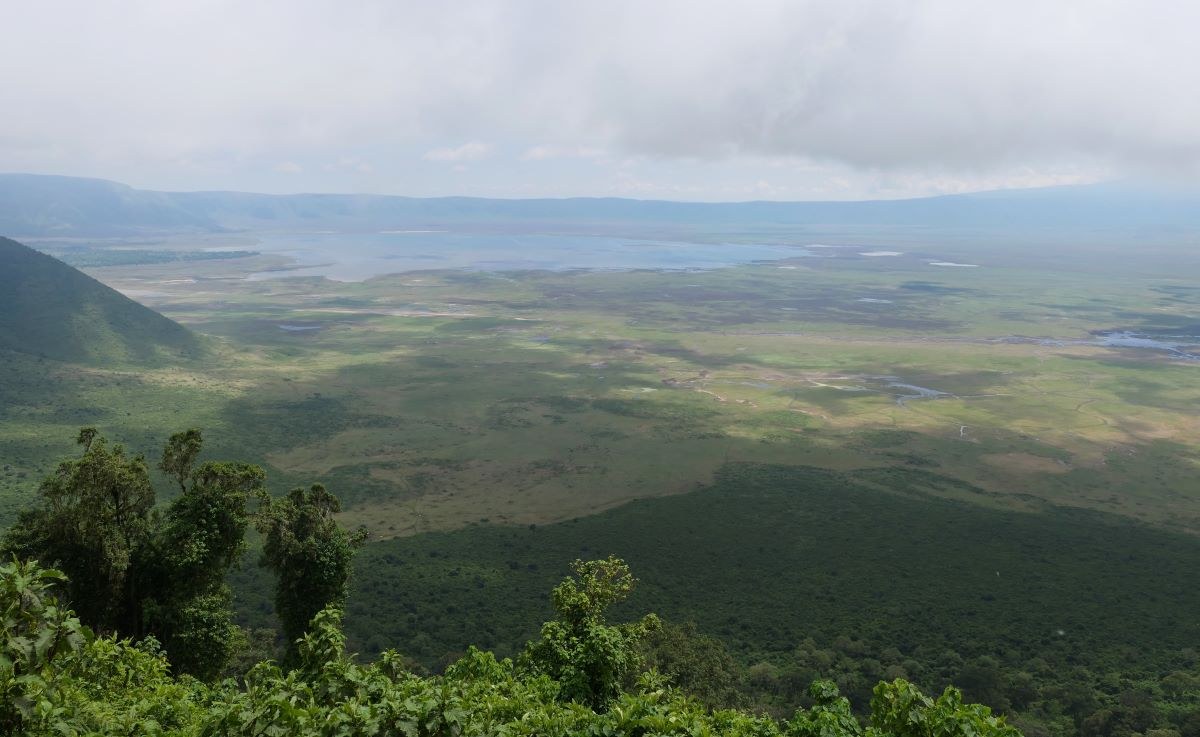
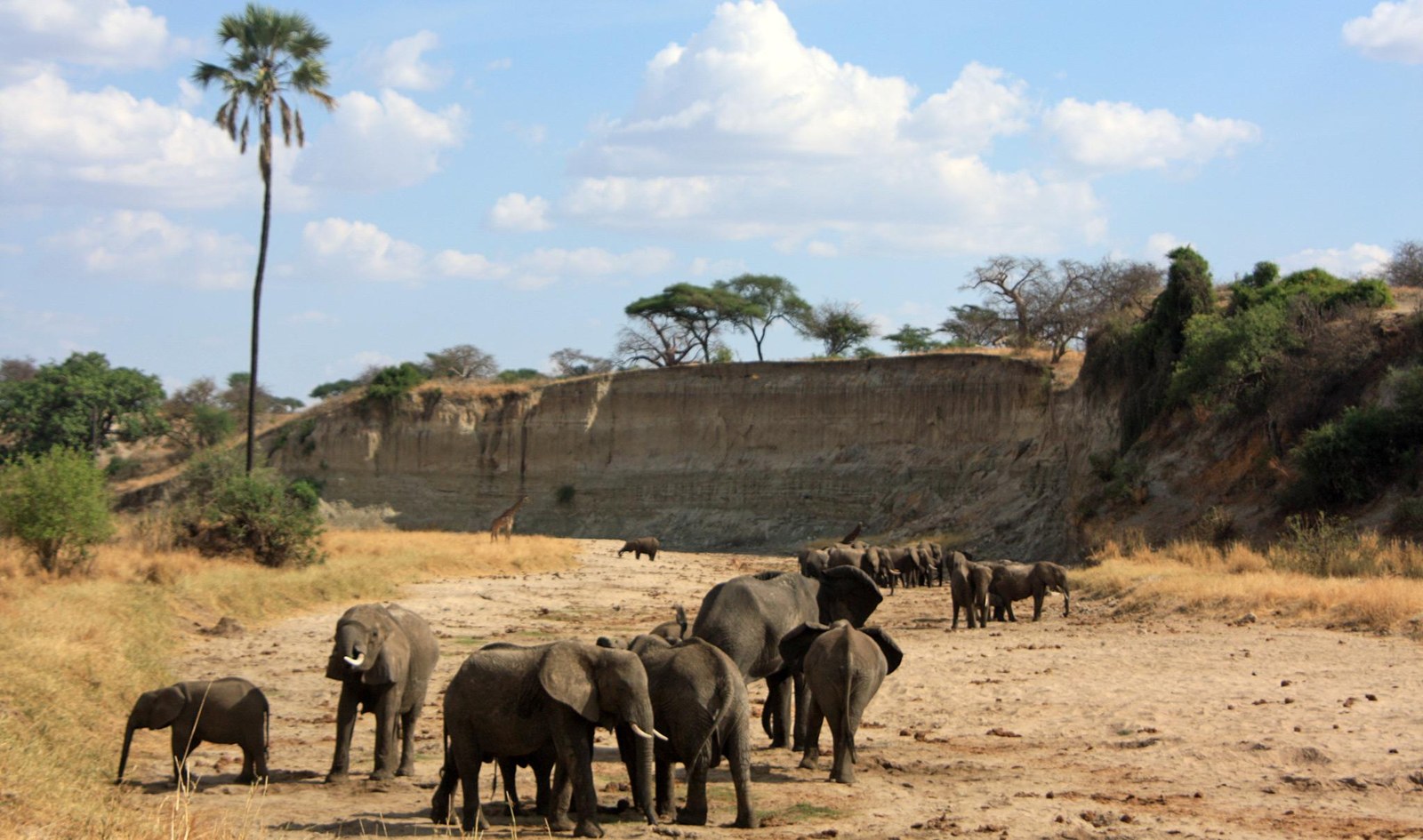
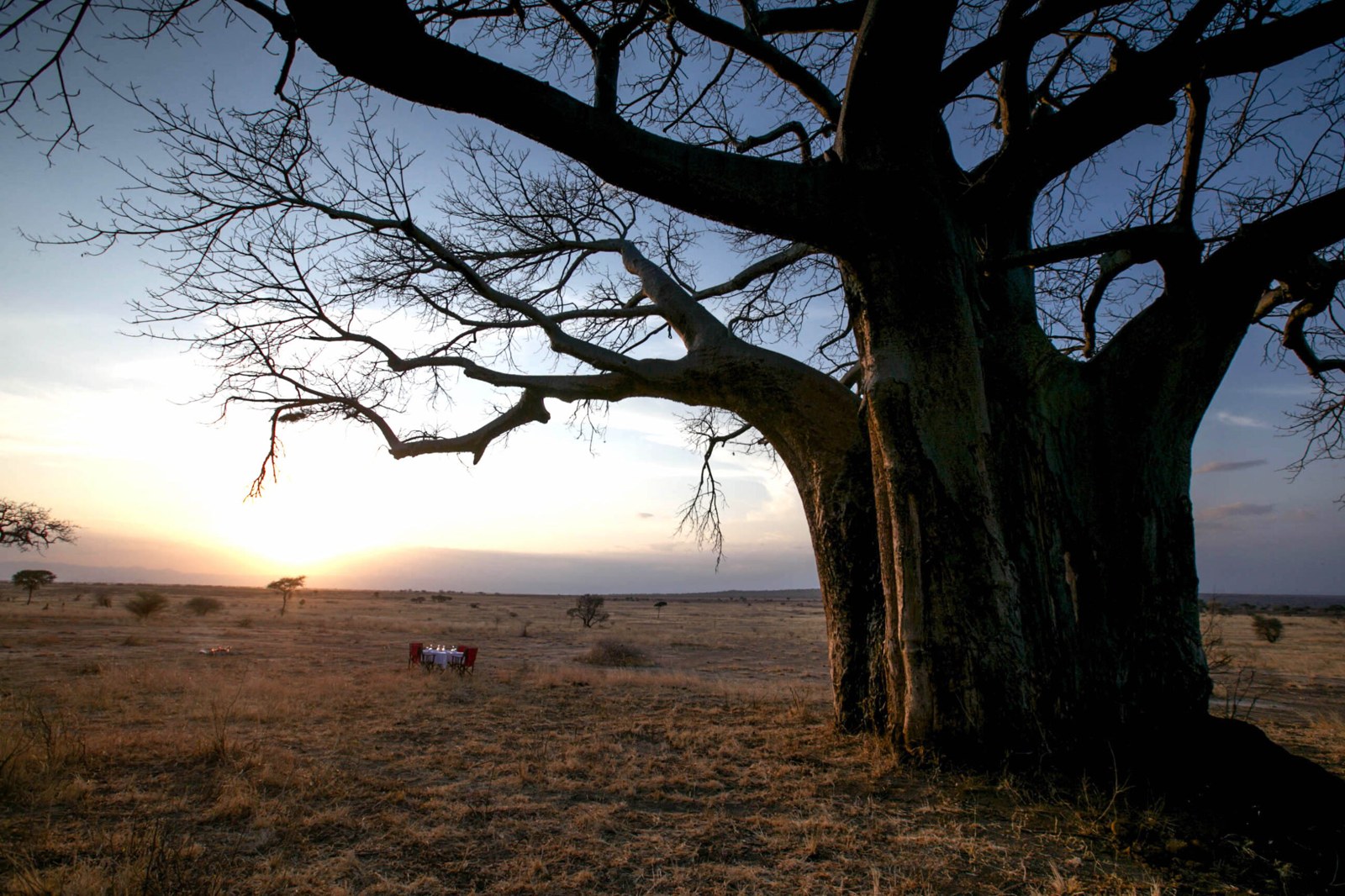
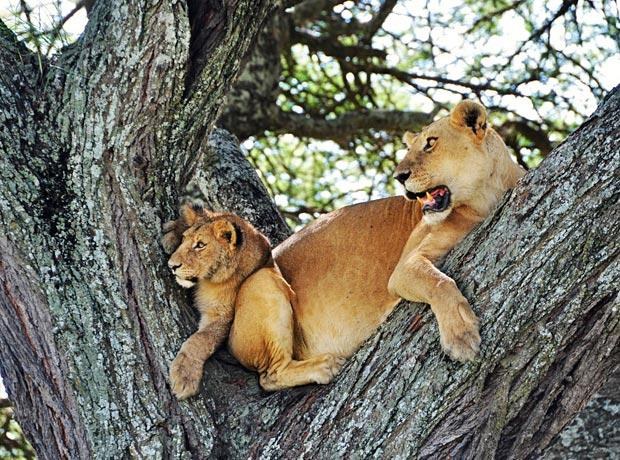
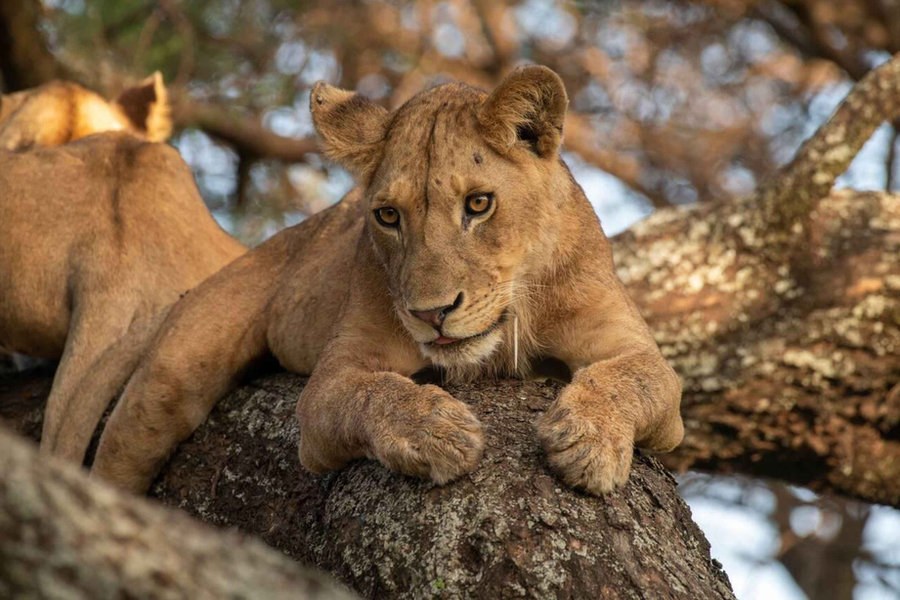
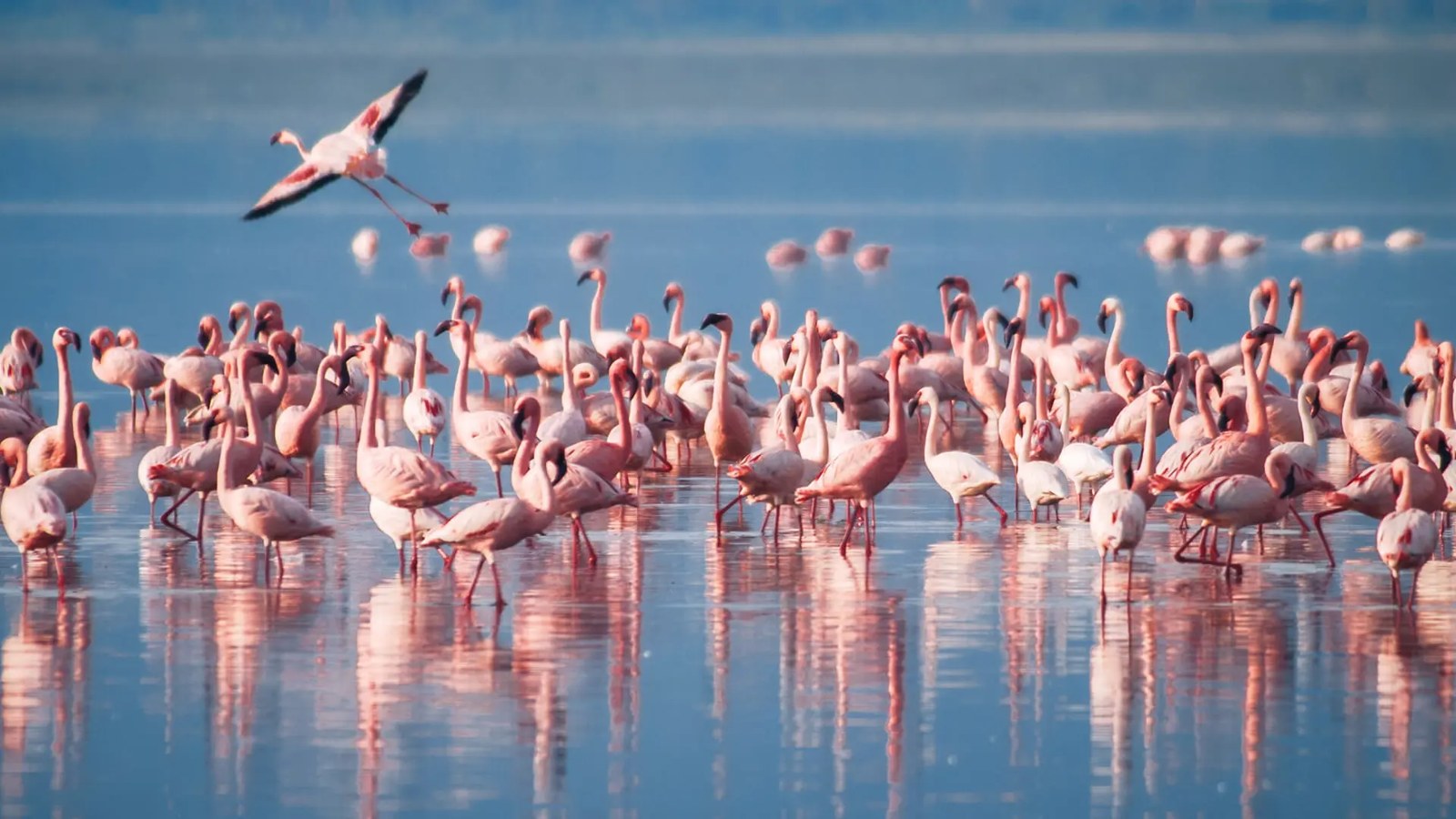
But Tanzania offers far more than a single park, however legendary. The Ngorongoro Crater—the world's largest unbroken volcanic caldera—functions as a natural Eden where the Big Five coexist in extraordinary density across just 264 square kilometres of crater floor. Tarangire's ancient baobab forests shelter some of East Africa's largest elephant herds. Lake Manyara's compact beauty reveals tree-climbing lions and vast flocks of flamingos. And in the south, Nyerere National Park (formerly the Selous Game Reserve) and Ruaha offer wild, uncrowded experiences that rival the best of Southern Africa.

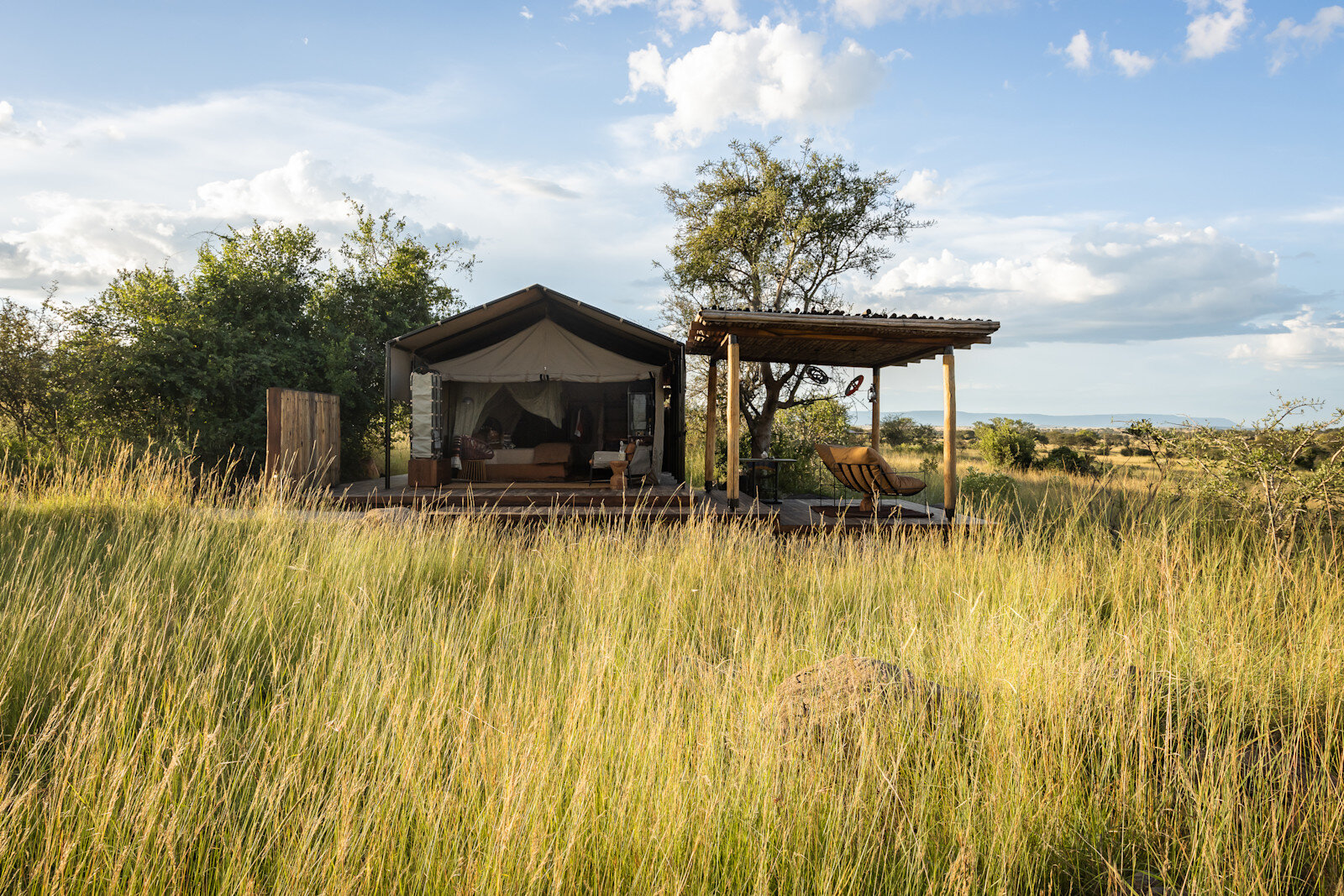
Tanzania's safari infrastructure has matured spectacularly. The northern circuit—Serengeti, Ngorongoro, Tarangire, Lake Manyara—is connected by efficient road and air links, while the southern circuit remains gloriously remote, accessible primarily by charter flight. At every level, the camps and lodges reflect a commitment to understated luxury that complements rather than competes with the landscape.

For the traveller who seeks both the iconic and the unexpected, Tanzania delivers on every level. Our private Tanzania safaris, designed as extensions from Cape Town, place you in the heart of these extraordinary wilderness areas with expert Tanzanian guides whose knowledge of the land is matched only by their passion for sharing it.

At a Glance

Tanzania at a Glance

Best Time to VisitJune–October (dry season) for peak wildlife viewing. January–March for Ngorongoro calving season. December–March for Serengeti southern migration.
Tour Duration5–14 nights (8–10 nights optimal for northern + southern circuit)
ClimateTropical coast, temperate highlands. Two rainy seasons: long rains (March–May) and short rains (November–December). Dry season days 25–30°C with cool mornings on the crater rim (5–10°C).

Quick Facts

  • CurrencyTanzanian Shilling (TZS); USD widely accepted
  • LanguagesSwahili (official), English widely spoken in tourism
  • Time ZoneEAT (UTC+3)
  • Visae-Visa available online ($50 USD for most nationalities)
  • AirportsKilimanjaro International (JRO) for northern circuit; Julius Nyerere International (DAR) for southern circuit; Arusha Airport for domestic connections
  • DrivingLeft-hand side

Signature Highlights

  • Witness the Great Migration across the Serengeti
  • Descend into the Ngorongoro Crater for Big Five encounters
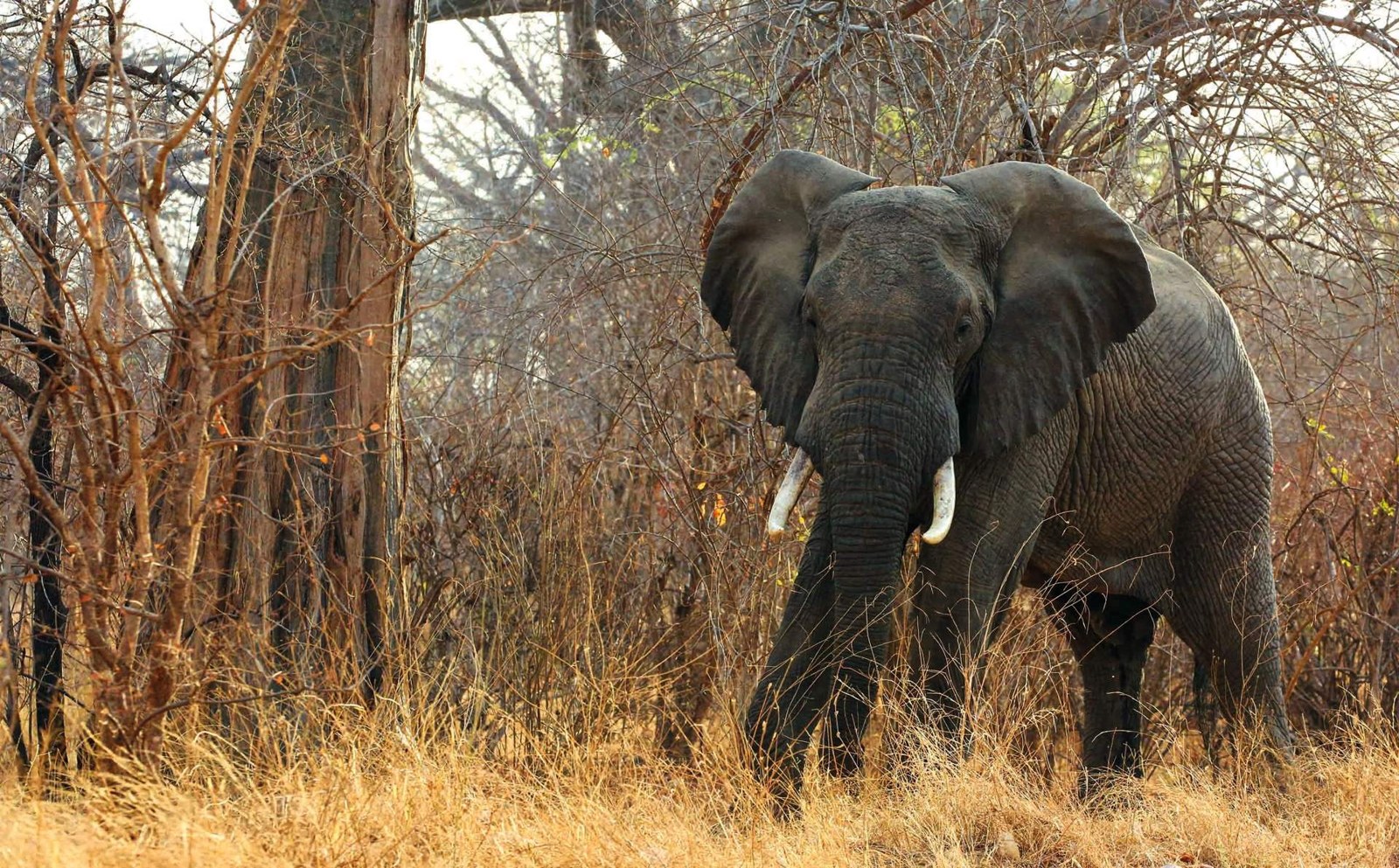
  • Walk among ancient baobabs in Tarangire with elephants
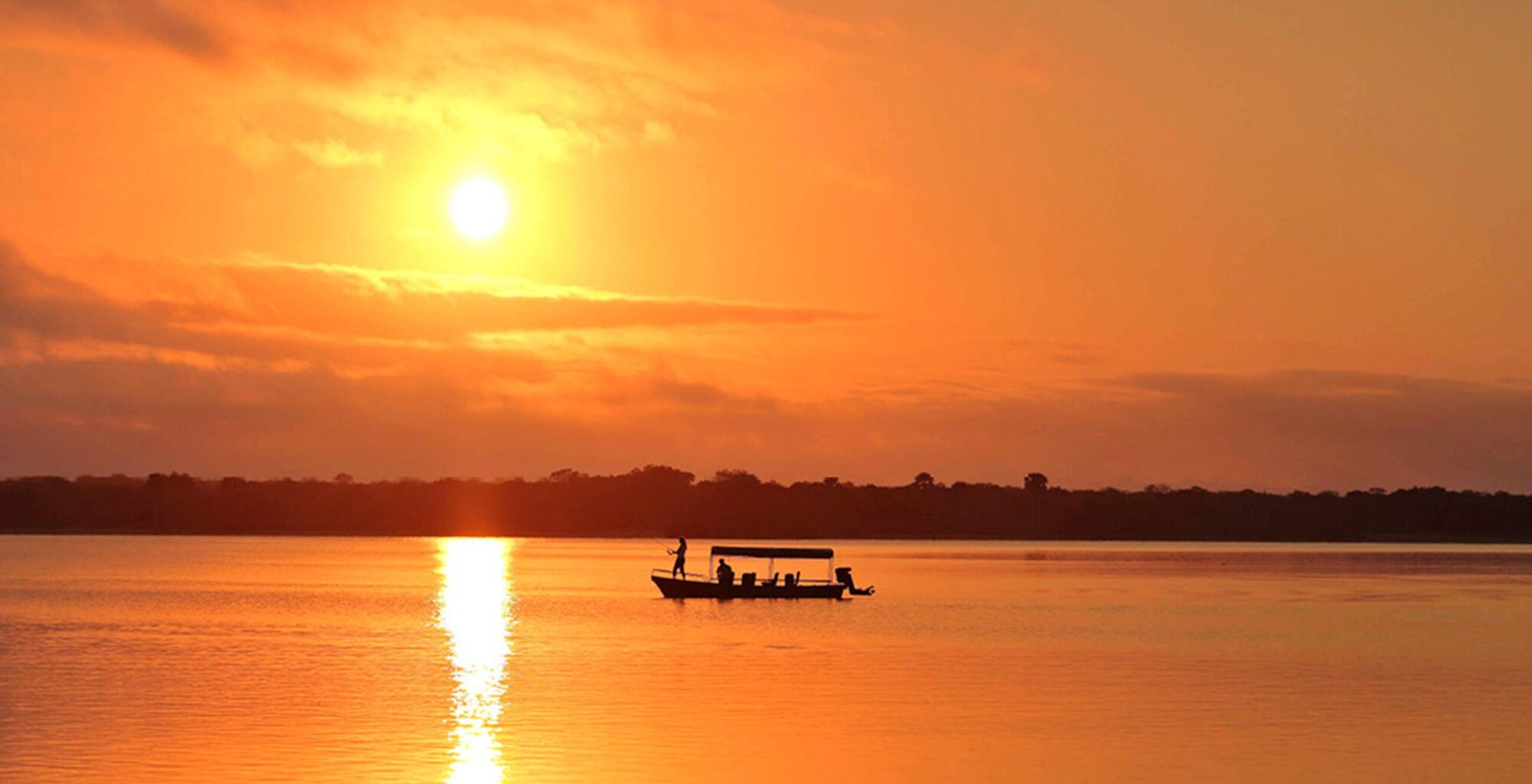
  • Boat safari on the Rufiji River in Nyerere National Park
  • Spot tree-climbing lions at Lake Manyara
  • Fly-camping under Serengeti stars
  • Chimpanzee trekking in Mahale Mountains
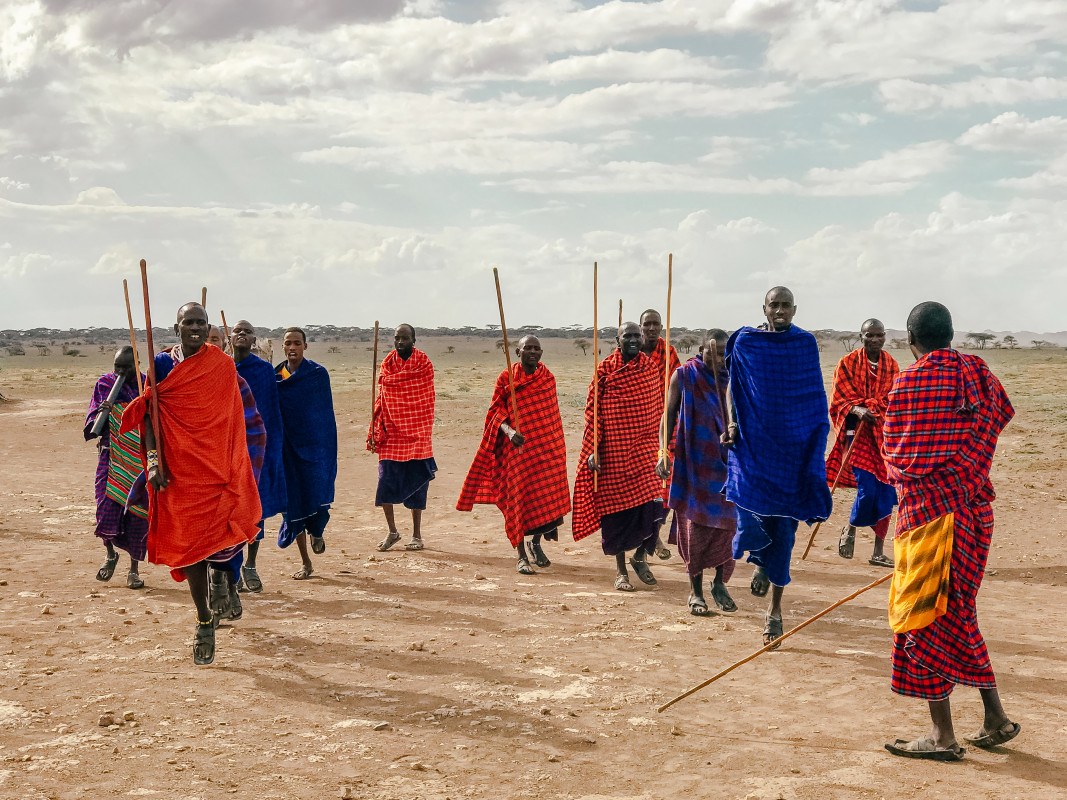
  • Cultural encounters with Maasai and Hadzabe communities
Where to Go

Regional Highlights

The defining landscapes and experiences that shape a private journey through Tanzania.

Serengeti National Park01

Serengeti National Park

The Serengeti is not merely a national park—it is one of the last great ecosystems on Earth where nature operates on a scale that predates human civilisation. Across 14,763 square kilometres of grassland, woodland, and riverine forest, approximately 1.5 million wildebeest, 500,00…

  • Great Migration — 2 million animals in perpetual motion
  • World-class big cat viewing — lion, leopard, cheetah
  • Calving season in the southern plains (January–March)
  • Grumeti and Mara River crossings
  • Kopje-dotted landscapes and Seronera Valley
Ngorongoro Conservation Area02

Ngorongoro Conservation Area

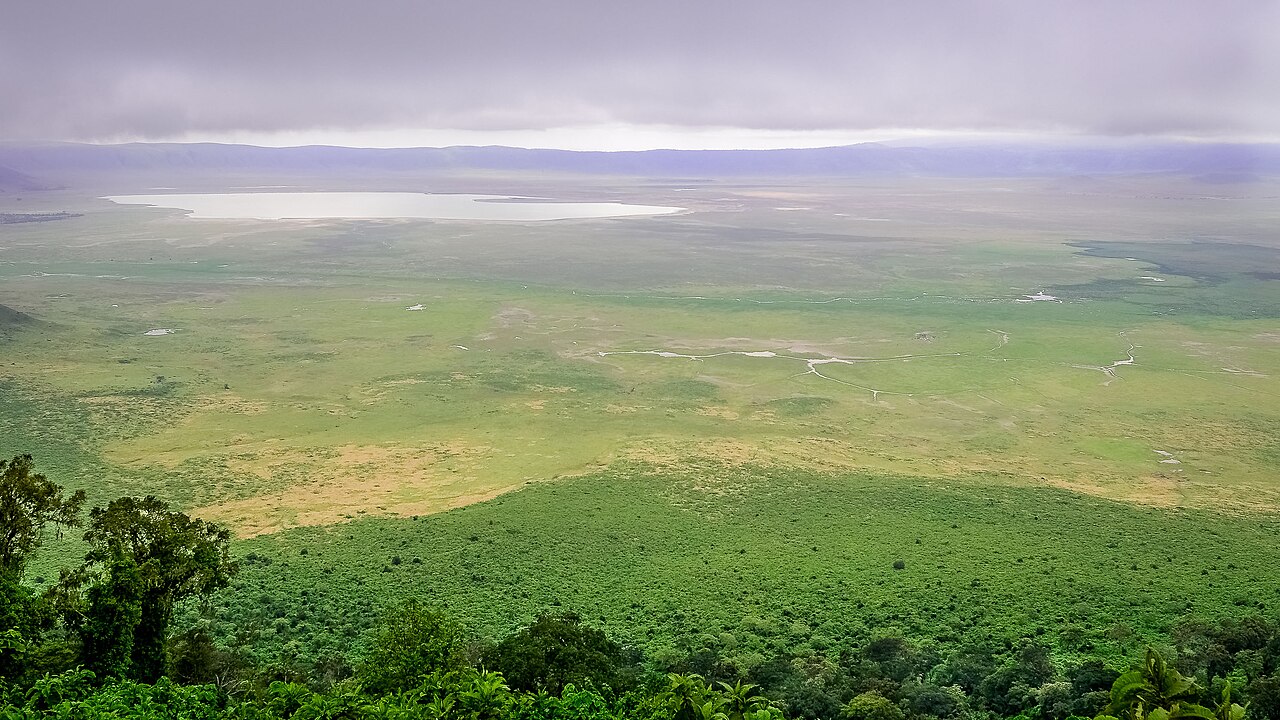
The Ngorongoro Crater is Africa's Garden of Eden—a collapsed volcanic caldera 20 kilometres across and 600 metres deep, whose floor supports one of the densest concentrations of wildlife on the planet. Approximately 25,000 large animals reside permanently within the crater, inclu…

  • World's largest unbroken volcanic caldera
  • 25,000+ large animals including the Big Five
  • One of East Africa's best rhino-viewing locations
  • Olduvai Gorge — cradle of humankind
  • Maasai cultural encounters in the highlands
Tarangire National Park03

Tarangire National Park

Tarangire is the unsung hero of Tanzania's northern circuit—a park of extraordinary beauty that is often overshadowed by its more famous neighbours but delivers experiences every bit as memorable. During the dry season (June–October), the Tarangire River becomes a magnet for wild…

  • Massive elephant herds — 300+ during dry season
  • Ancient baobab forests — trees over 1,000 years old
  • Tree-climbing pythons and rich birdlife
  • Walking safaris through pristine wilderness
  • Night game drives for nocturnal species
Lake Manyara National Park04

Lake Manyara National Park

Lake Manyara is a jewel of biodiversity compressed into just 330 square kilometres—a park so richly varied that Ernest Hemingway called it 'the loveliest I had seen in Africa.' The park descends from the Great Rift Valley escarpment through groundwater forest, acacia woodland, an…

  • Tree-climbing lions — one of only two known populations
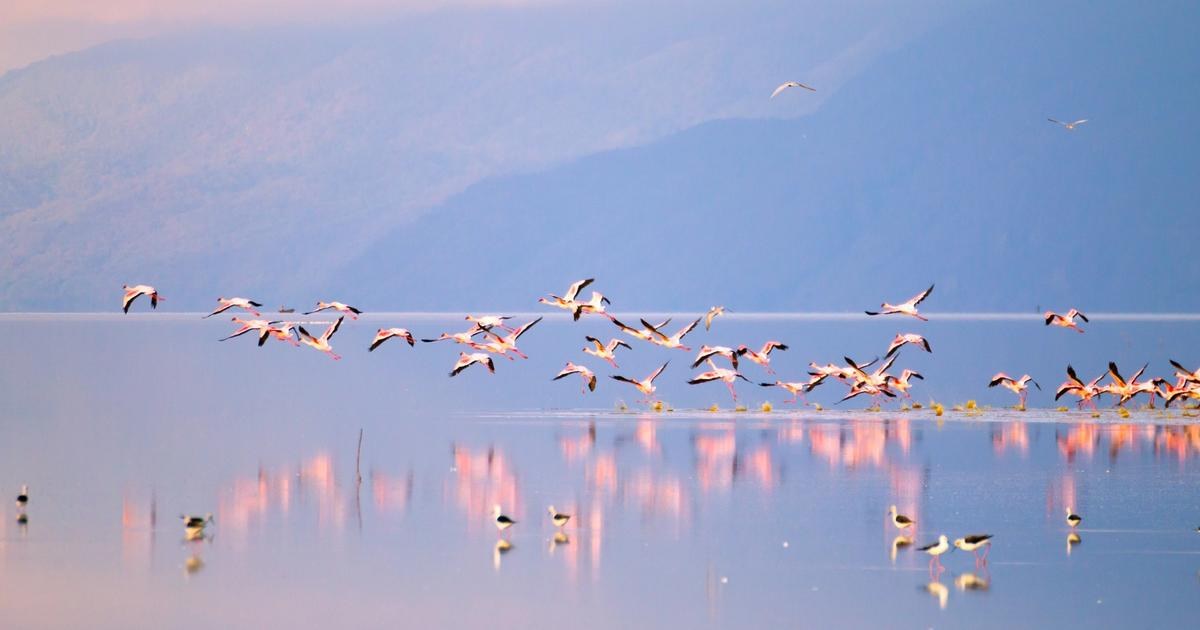
  • Flamingo spectacle on the alkaline lake
  • Groundwater forest with blue monkeys and olive baboons
  • Great Rift Valley escarpment viewpoints
  • Over 400 bird species including fish eagles
Curated For You

Signature Experiences

Follow the Great Migration

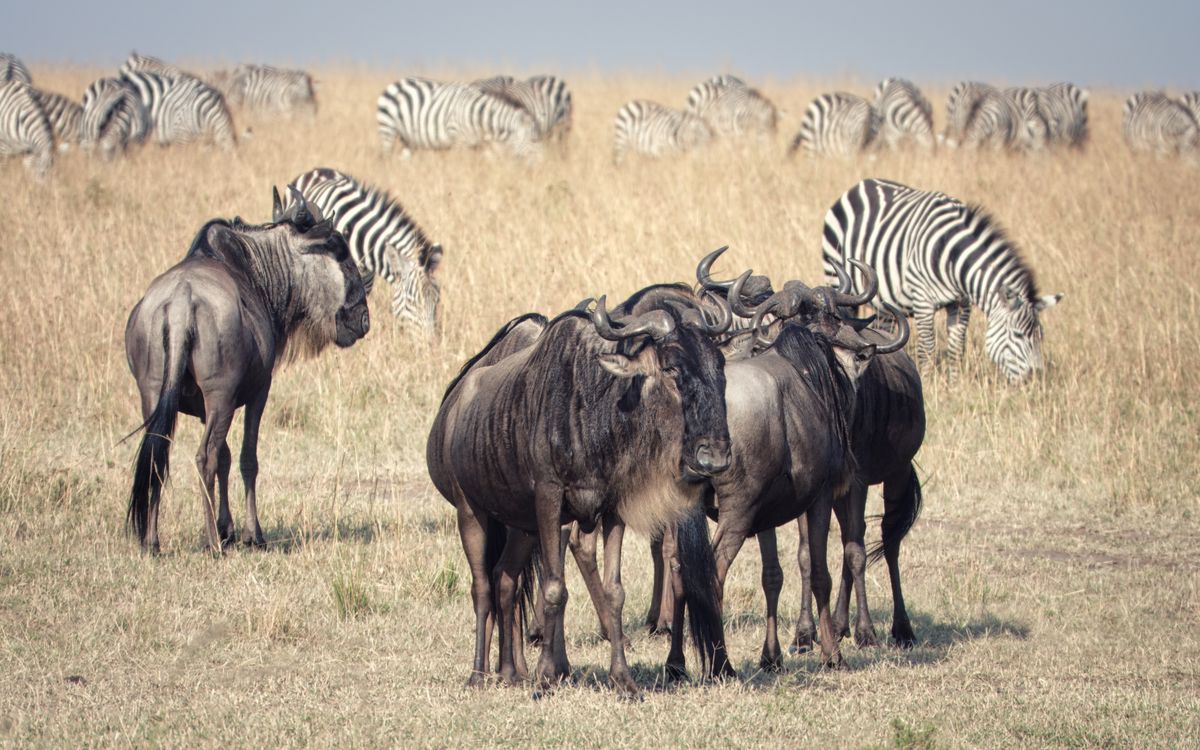
The Great Migration is not a single event but a year-round phenomenon. Our migration-tracking safaris position you precisely where the herds are, whether that's the southern Serengeti calving grounds in February, the western corridor crossings in June, or the dramatic Mara River crossings in August. We use real-time intelligence from our guide network to ensure you're always at the heart of the action.

Descend into the Ngorongoro Crater

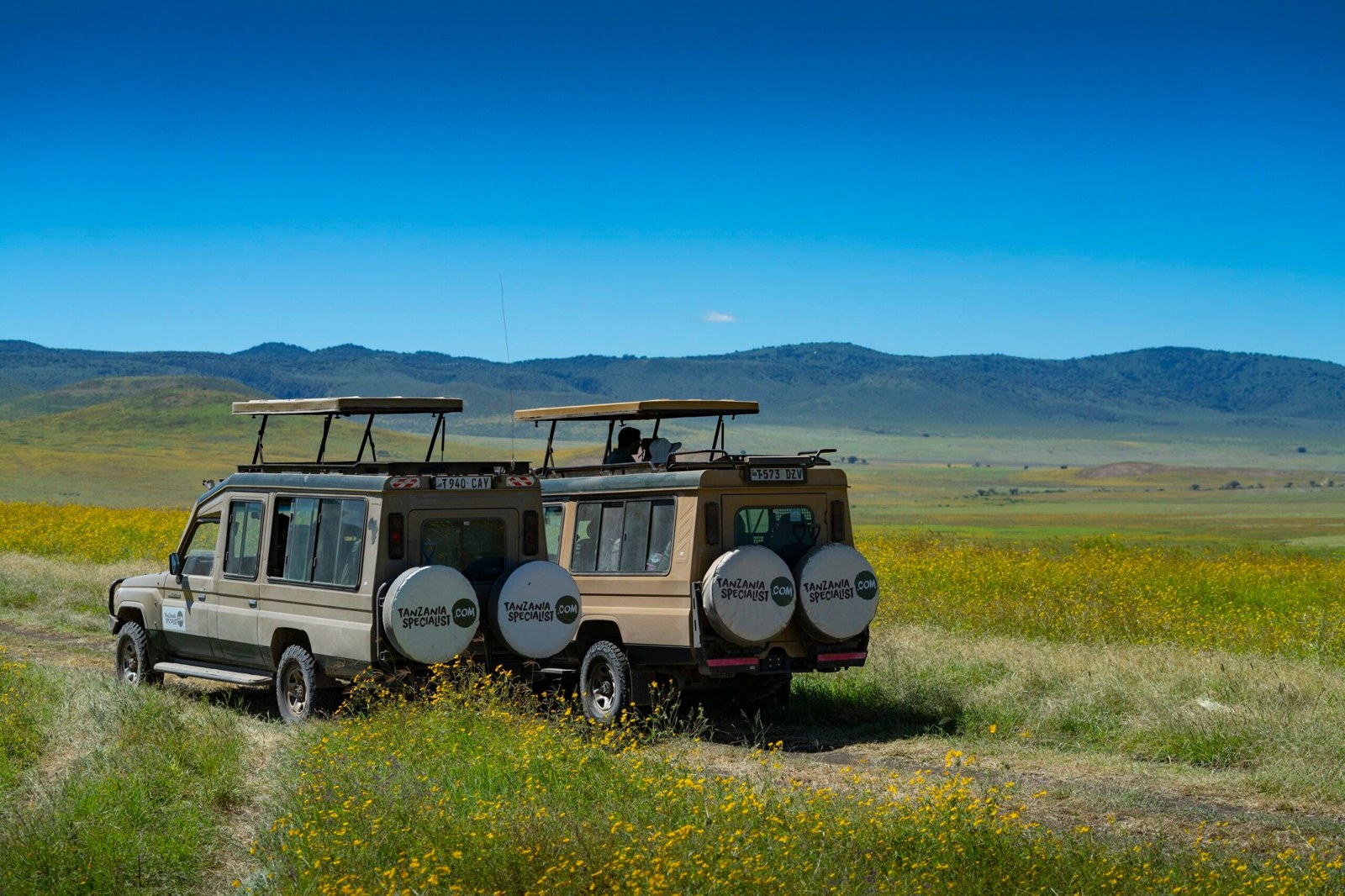
As your 4x4 begins its descent down the steep crater wall, the scale of this natural wonder becomes apparent. The floor stretches out below you—a world within a world. By the time you reach the bottom, you are surrounded by wildlife: black rhino grazing in the open, lion prides resting in the tall grass, flamingos rippling across the soda lake. A full-day crater exploration is one of safari's most complete experiences.

Boat Safari on the Rufiji River

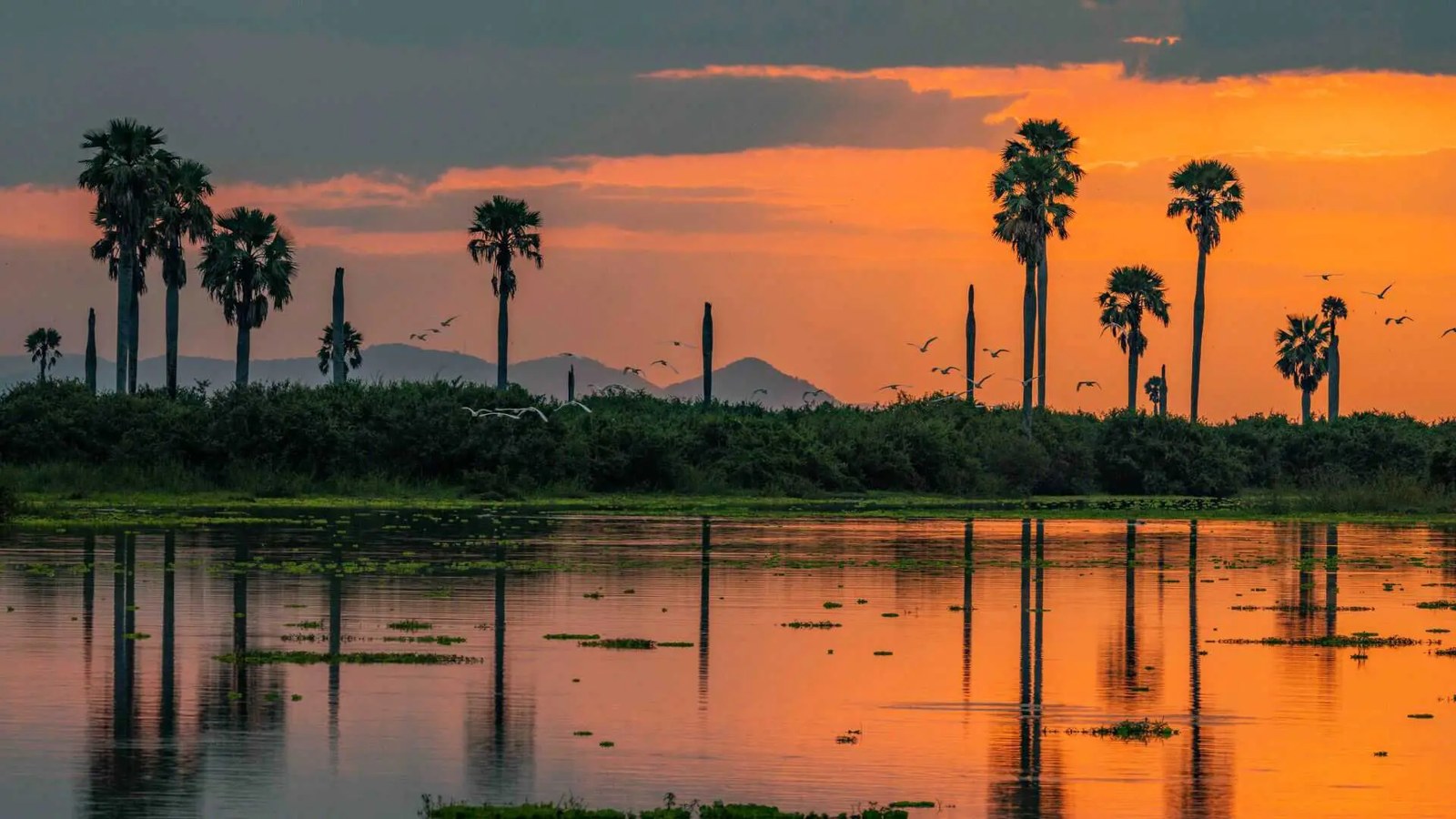
In Nyerere National Park, you trade the Land Cruiser for a shallow-draught boat and glide along the Rufiji River through channels lined with palm and fig trees. Hippos surface and blow alongside your bow. Elephants wade across sandbars. Crocodiles bask on muddy banks. Fish eagles wheel overhead. This water-based perspective delivers encounters impossible from land.

Fly-Camp in the Serengeti

Leave the main camp behind and drive deep into the Serengeti's remote reaches. Your guide sets up a lightweight fly-camp under a vast acacia tree: comfortable beds, fine linens, lanterns, and a chef preparing dinner over an open fire. As darkness falls, the sounds of the Serengeti fill the night—lion roars, hyena whoops, the rustling of zebra herds moving through the grass mere metres away.

Walk with the Hadzabe Hunter-Gatherers

Near Lake Eyasi, one of Africa's last hunter-gatherer communities—the Hadzabe—continues to live as humans have for tens of thousands of years. Join a small group for a dawn hunting walk: learn to make fire with sticks, identify edible roots, and watch skilled bowmen stalk game with hand-carved arrows. This is not a performance—it is a genuine window into humanity's oldest way of life.

Hour by Hour

A Perfect Safari Day in the Serengeti

An hour-by-hour journey through the endless plains

  1. 05:45

    Dawn Awakening

    The first birdsong pierces the pre-dawn silence. Hot coffee arrives at your tent. Step outside to watch the Serengeti emerge from darkness—the sky shifting from indigo to rose gold as the plains materialise below.

  2. 06:15

    Morning Game Drive

    Your guide navigates between kopjes as the low light transforms the grassland into liquid gold. A cheetah mother and her three cubs sit atop a termite mound, surveying the plains. She spots a Thomson's gazelle and begins her stalk—you watch the hunt unfold in real time.

  3. 08:00

    Big Cat Drama

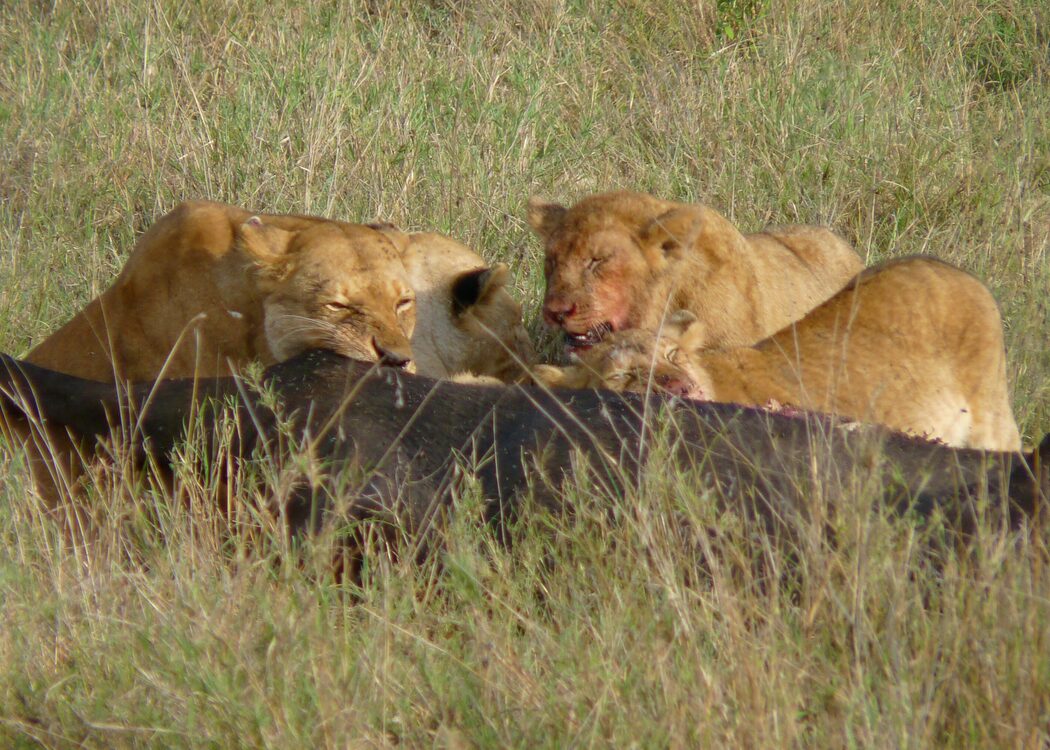
    A radio call from a colleague: a large lion pride has made a kill near the Seronera River. You arrive to find the pride—seventeen strong—feeding on a buffalo. Vultures circle overhead. Hyenas lurk at the periphery. The raw theatre of the Serengeti plays out before you.

  4. 10:00

    Bush Breakfast

    Beneath a spreading sausage tree, your camp crew has set a table with white linen, silver, and fresh flowers. Eggs Benedict, tropical fruit, freshly baked pastries, and Tanzanian coffee are served while giraffes browse the treeline fifty metres away.

  5. 13:00

    Siesta & Relaxation

    Return to camp for lunch and the luxury of an afternoon pause. Read in the library tent. Cool off in the plunge pool. Watch elephants pass through camp from the safety of your veranda. The midday heat shimmers across the plains.

  6. 16:00

    Afternoon Exploration

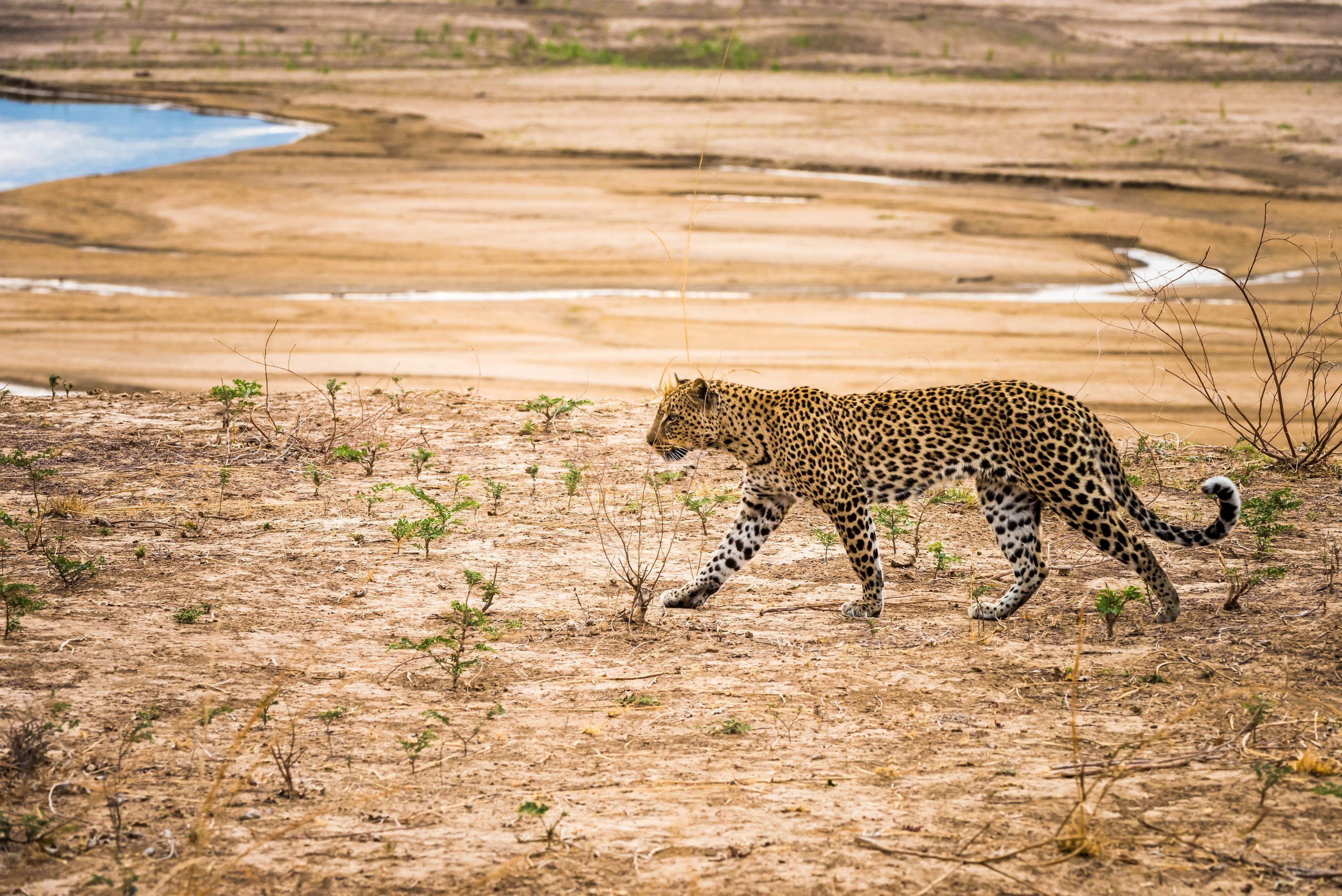
    As shadows lengthen, return to the bush for the afternoon golden hour. A leopard has cached an impala in an acacia tree and is feeding—muscles rippling beneath her spotted coat as she tears at the carcass twenty feet above the ground.

  7. 18:15

    Serengeti Sundowner

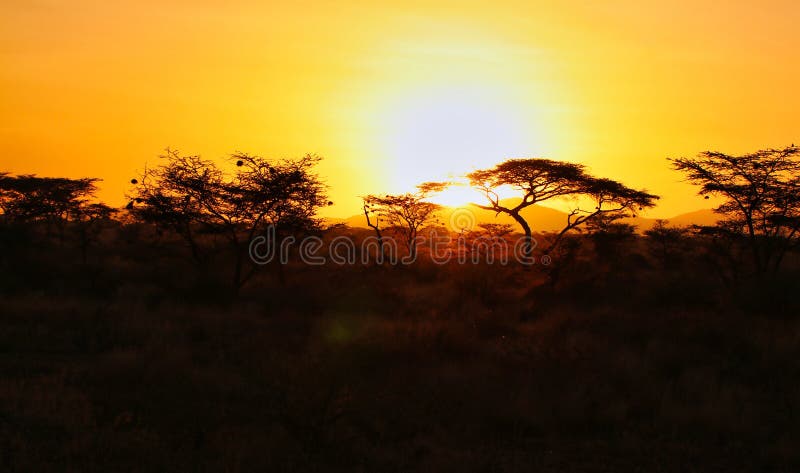
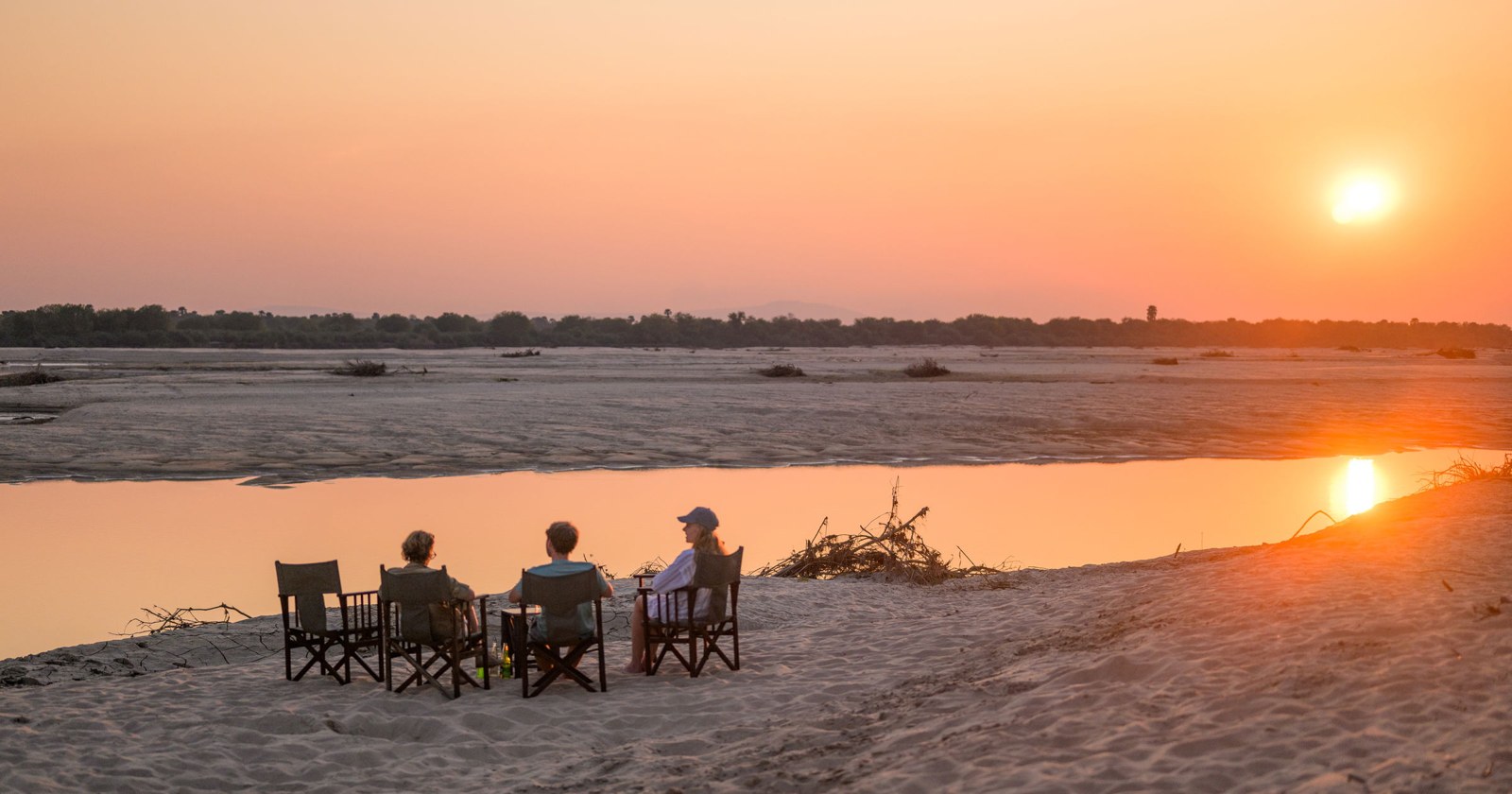
    Your guide parks atop a kopje with 360-degree views of the plains. Cold drinks and canapés materialise. The sun drops toward the horizon in a blaze of colour. Wildebeest herds stretch to the horizon in every direction. A lion roars in the gathering dusk.

  8. 19:30

    Candlelit Dinner

    Back at camp, lanterns guide you to the dining tent. A four-course dinner of local ingredients: Zanzibar prawn bisque, herb-crusted lamb, seasonal vegetables, and a rich chocolate fondant. Tanzanian wines accompany each course. The Southern Cross blazes overhead.

When to Visit

When to Visit: A Seasonal Guide

Dry Season (June – October)

Tanzania's prime safari season. The bush thins, animals concentrate around water sources, and game viewing reaches its peak across all parks. The Serengeti's western corridor and northern reaches host dramatic river crossings. Ngorongoro is cool and clear. Tarangire's elephants mass along the river. The southern circuit parks (Nyerere, Ruaha) offer their finest game viewing.

Best for
  • Peak wildlife viewing across all parks
  • Great Migration river crossings (July–August)
  • Photography — clear skies and golden light
  • Walking safaris in remote parks
  • Cool comfortable temperatures

Peak season — highest rates and demand. Book 12–18 months ahead for top camps. The Serengeti's central and western areas can be busy.

Calving Season (January – March)

The southern Serengeti's short-grass plains become the stage for the Great Migration's most intimate chapter: the calving season. Approximately 500,000 calves are born in a concentrated burst, and the predator activity is extraordinary. Ngorongoro Crater is lush and green. This is an excellent time for photography with dramatic cloud formations.

Best for
  • Serengeti calving season — 8,000 births per day
  • Dramatic predator action
  • Lush green landscapes and dramatic skies
  • Ngorongoro Crater at its most photogenic
  • Fewer visitors than dry season

Short rains possible in January. Some roads in remote areas may be muddy. Southern Serengeti camps fill quickly.

Shoulder Seasons (November – December, March – May)

The green season transforms Tanzania's landscapes with lush vegetation, wildflowers, and dramatic storm-lit skies. November–December brings brief afternoon showers that rarely disrupt activities. March–May sees heavier 'long rains' with some camp closures. Rates drop 30–50%, and visitor numbers plummet — delivering intimate, uncrowded experiences.

Best for
  • Budget-conscious luxury travel
  • Birdwatching — 300+ migratory species
  • Intimate, uncrowded experiences
  • Landscape photography with dramatic skies
  • Newborn animals and lush vegetation

April–May: some camps close, remote roads may be impassable. November–December: excellent value with generally manageable conditions.

Month-by-Month Calendar
JanSouthern Serengeti calving begins. Green landscapes. Ngorongoro lush and quiet. Short rains ending. Excellent predator action as cats target newborns.
FebPeak calving season — 8,000 wildebeest born daily. Dramatic predator-prey action. Best month for Serengeti southern plains. Photography exceptional.
MarLong rains begin. Calving continues. Migration herds start moving north. Green season rates begin. Dramatic skies and storm photography.
AprHeavy long rains. Some camps and roads close. Best rates of the year. Southern circuit (Nyerere, Ruaha) still accessible by air.
MayRains easing. Migration moving through western Serengeti. Wildflowers bloom. Excellent value. Bush begins to dry in the south.
JunDry season begins. Migration reaches western corridor. Grumeti River crossings begin. All parks fully operational. Cool, clear mornings.
JulMigration in western/northern Serengeti. First Mara River crossings. Peak big cat activity. Tarangire elephants concentrating. High season begins.
AugPeak migration in northern Serengeti. Multiple river crossings. Ngorongoro clear and cold. Ruaha exceptional. Highest demand period.
SepLate dry season. Migration crossing continues. All parks at peak. Temperatures warming. Tarangire baobabs stunning against blue skies.
OctMigration begins returning south. Last major crossings. Hot days. Bush extremely dry. Excellent elephant viewing in Tarangire and Ruaha.
NovShort rains begin. Migration herds moving south through central Serengeti. Migratory birds arrive. Green season rates. Landscape transforming.
DecRains continue. Migration reaches southern Serengeti. Festive season brings brief peak demand. Ngorongoro quiet and beautiful.
Travel With Purpose

Conservation & Community

Tanzania protects approximately 38% of its land area for conservation—one of the highest proportions of any nation on Earth. The Serengeti ecosystem, shared with Kenya's Masai Mara, is recognised as a UNESCO World Heritage Site and the most important intact large-mammal ecosystem remaining on the planet.

The Ngorongoro Conservation Area is a pioneering example of multi-use land management, where Maasai pastoralists and their livestock coexist with wildlife within the crater's boundaries. This model—imperfect but innovative—demonstrates that human communities and wildlife can share landscapes when governance structures are thoughtfully designed.

Our Tanzania safaris support conservation through partnerships with lodges and operators who invest directly in anti-poaching efforts, community education, and habitat restoration. The Frankfurt Zoological Society's Serengeti Conservation Project, the Grumeti Fund, and the Ruaha Carnivore Project are among the initiatives that benefit from tourism revenue generated by our clients.
Know Before You Go

Travel Essentials

Getting There

International flights arrive at Kilimanjaro International Airport (JRO) for the northern circuit or Julius Nyerere International (DAR) for the southern circuit and Zanzibar. From these gateways, domestic flights on safari-specific airlines (Coastal Aviation, Auric Air) connect to airstrips throughout the parks. The Serengeti is a 90-minute flight from Arusha. Nyerere and Ruaha are 60–90 minutes from Dar es Salaam by charter.

Visa & Entry Requirements

Tanzania offers e-Visas for most nationalities, applied for online before travel. The standard tourist visa costs $50 USD. US citizens pay $100 for a multiple-entry visa. Processing typically takes 3–5 business days. A passport valid for at least six months beyond entry is required. Yellow fever vaccination is mandatory if arriving from an endemic country.

Health & Safety

Malaria prophylaxis is essential for all safari areas. Yellow fever vaccination is required for travellers arriving from endemic regions. Consult your travel clinic 6–8 weeks before departure. Drink only bottled or purified water. Tanzania's safari areas are very safe; standard precautions apply in Dar es Salaam and Arusha.

What to Pack

Layered neutral-coloured clothing: mornings on the Ngorongoro rim can be cold (5°C) while Serengeti afternoons reach 30°C+. A warm fleece is essential. Comfortable walking shoes, a sun hat, high-SPF sunscreen, binoculars, and a camera with telephoto lens. Safari-casual dress at all lodges — no formal wear needed.

Currency & Payments

The Tanzanian Shilling (TZS) is the official currency. US Dollars are universally accepted at lodges, camps, and for park fees (notes must be 2013 or newer). Credit cards accepted at most upmarket properties. ATMs available in Arusha and Dar es Salaam but not in parks.

Park Fees

Tanzania's national park fees are among the highest in Africa, reflecting the country's commitment to conservation. Serengeti: $70/adult/day. Ngorongoro Crater: $70 entry + $295 vehicle fee for crater descent. Fees are typically included in your safari package but worth understanding.

Connectivity

Mobile coverage (Vodacom, Airtel) is reliable in towns but limited in remote parks. Serengeti has patchy coverage; southern parks have minimal signal. Most lodges offer Wi-Fi, though speeds are variable. Embrace the disconnection—it's part of the experience.

Multi-Country Journeys

Combining Tanzania with South Africa

A Tanzania-South Africa combination is one of the most compelling multi-destination journeys in Africa. Begin with Cape Town's cosmopolitan elegance—wine estates, Table Mountain, the Cape Peninsula—then fly north to the Serengeti for an experience of wilderness that is unmatched on the continent.

Our recommended itinerary pairs 4–5 nights in Cape Town with 6–8 nights in Tanzania's northern circuit (Serengeti, Ngorongoro, Tarangire). Direct flights via Ethiopian Airlines or Kenya Airways connect Cape Town to Kilimanjaro in approximately 6 hours with a single connection. We handle every detail—international and domestic flights, transfers, camps, and permits—ensuring a seamless journey from urban sophistication to ultimate wilderness.

Good to Know

Frequently Asked Questions

When is the best time to visit Tanzania?

June–October (dry season) for peak wildlife viewing. January–March for the Serengeti calving season. The migration is in the Serengeti year-round but in different locations — we track it precisely for every departure.

How much does a luxury Tanzania safari cost?

Luxury camps in Tanzania range from $800 to $3,000 per person per night, all-inclusive. A 7-night northern circuit safari averages $1,500–$2,200/night at premier properties. Park fees, meals, drinks, game drives, and laundry are included. Flights, transfers, and tips are additional.

What is the difference between the Serengeti and the Masai Mara?

They are part of the same ecosystem. The Serengeti (Tanzania) is vastly larger (14,763 vs 1,510 sq km), offers year-round migration viewing, and has more diverse landscapes. The Mara (Kenya) has concentrated July–October action with dramatic river crossings. Ideally, visit both.

Is Ngorongoro Crater worth visiting?

Absolutely — it's one of Africa's must-see destinations. The crater floor holds 25,000+ large animals including the Big Five in extraordinary density. Black rhino sightings are among the best in East Africa. The descent into the crater is unforgettable. Allow a full day.

Do I need vaccinations for Tanzania?

Yellow fever vaccination is required if arriving from an endemic country. Malaria prophylaxis is essential. Routine vaccinations (tetanus, hepatitis A/B, typhoid) should be current. Consult your travel clinic 6–8 weeks before departure.

Can I combine Tanzania with a beach holiday?

Yes — Zanzibar is just a 20-minute flight from Dar es Salaam. The Spice Island offers world-class beaches, historic Stone Town (UNESCO World Heritage), and superb diving. We recommend 3–4 nights post-safari for the perfect bush-and-beach combination.

What is the Serengeti calving season?

Between January and March, approximately 500,000 wildebeest calves are born on the southern Serengeti's short-grass plains — roughly 8,000 per day at peak. The concentration of newborns attracts intense predator activity, making this one of the most dramatic wildlife spectacles in Africa.

How far in advance should I book?

For peak season (July–October) and calving season (January–March), book 12–18 months ahead. Top Serengeti camps sell out quickly. Shoulder and green season availability is easier — 6–9 months is usually sufficient.

Is Tanzania safe for tourists?

Tanzania's safari areas are very safe with professional rangers and well-managed parks. Arusha and Dar es Salaam require standard urban precautions. Our clients are met at the airport and transferred directly, minimising any exposure to urban areas.

What wildlife will I see?

Tanzania offers the Big Five (lion, leopard, elephant, buffalo, rhino), plus cheetah, giraffe, hippo, crocodile, wild dog, and over 1,100 bird species. The Serengeti adds 2 million migration animals. The Ngorongoro Crater guarantees Big Five encounters on a single game drive.

What is the flying time from Cape Town to Tanzania?

Cape Town to Kilimanjaro takes approximately 6 hours with one connection (via Nairobi, Addis Ababa, or Johannesburg). From Kilimanjaro, domestic flights to the Serengeti take 90 minutes, to Ngorongoro airstrip about 45 minutes.

Are Tanzania safaris suitable for families?

Yes, though some camps have minimum age requirements (typically 6–12 years). Family-friendly properties in the Serengeti and Ngorongoro offer specialised children's activities, private vehicles, and flexible scheduling. We'll match your family with the ideal camps.

Do I need a visa for Tanzania?

Most nationalities require an e-Visa, applied for online before travel. Standard tourist visa: $50 USD (US citizens: $100 multiple-entry). Processing takes 3–5 business days. South African citizens are visa-exempt for stays under 90 days.

What are Tanzania's park fees?

Serengeti: $70/adult/day. Ngorongoro: $70 entry + $295 vehicle descent fee. Tarangire: $53/day. Lake Manyara: $53/day. Nyerere: $50/day. Fees are typically included in all-inclusive safari packages but represent a significant cost component.

How does tipping work in Tanzania?

Tipping is customary. Recommended: $15–25/person/day for your safari guide, $10–15/day for camp staff (pooled), $3–5 for porters and specific services. Tips in USD are preferred. Many camps provide tipping envelopes and guidelines.

Chat