We're Open08:00–19:00 SAST
WhatsAppWishlistPartner Portal
Mozambique — Indian Ocean Paradise — Where Turquoise Waters Meet Untamed Wilderness
SOUTHERN AFRICA · MOZAMBIQUE

MOZAMBIQUE

Indian Ocean Paradise — Where Turquoise Waters Meet Untamed Wilderness

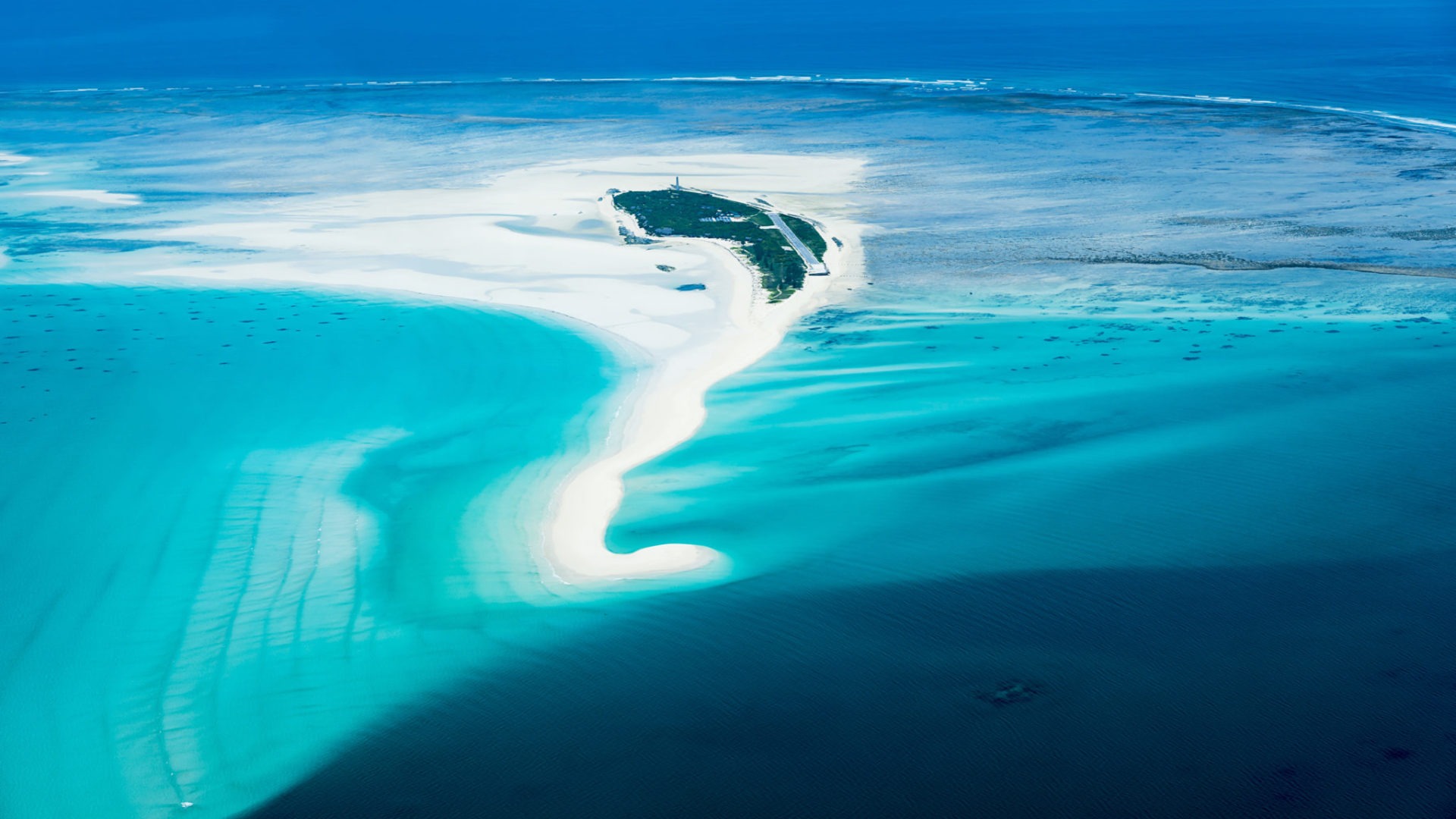
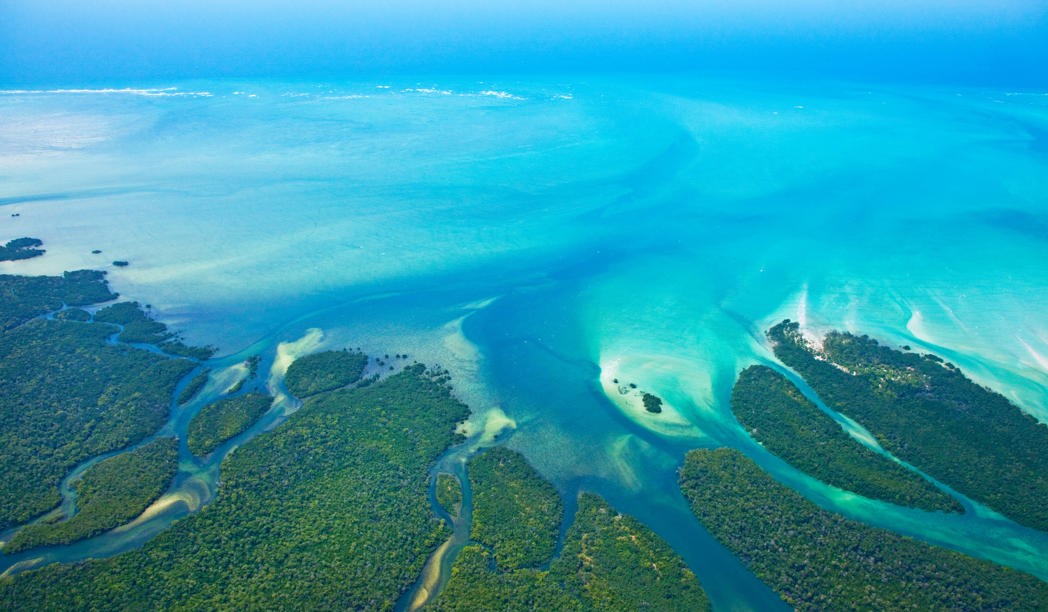
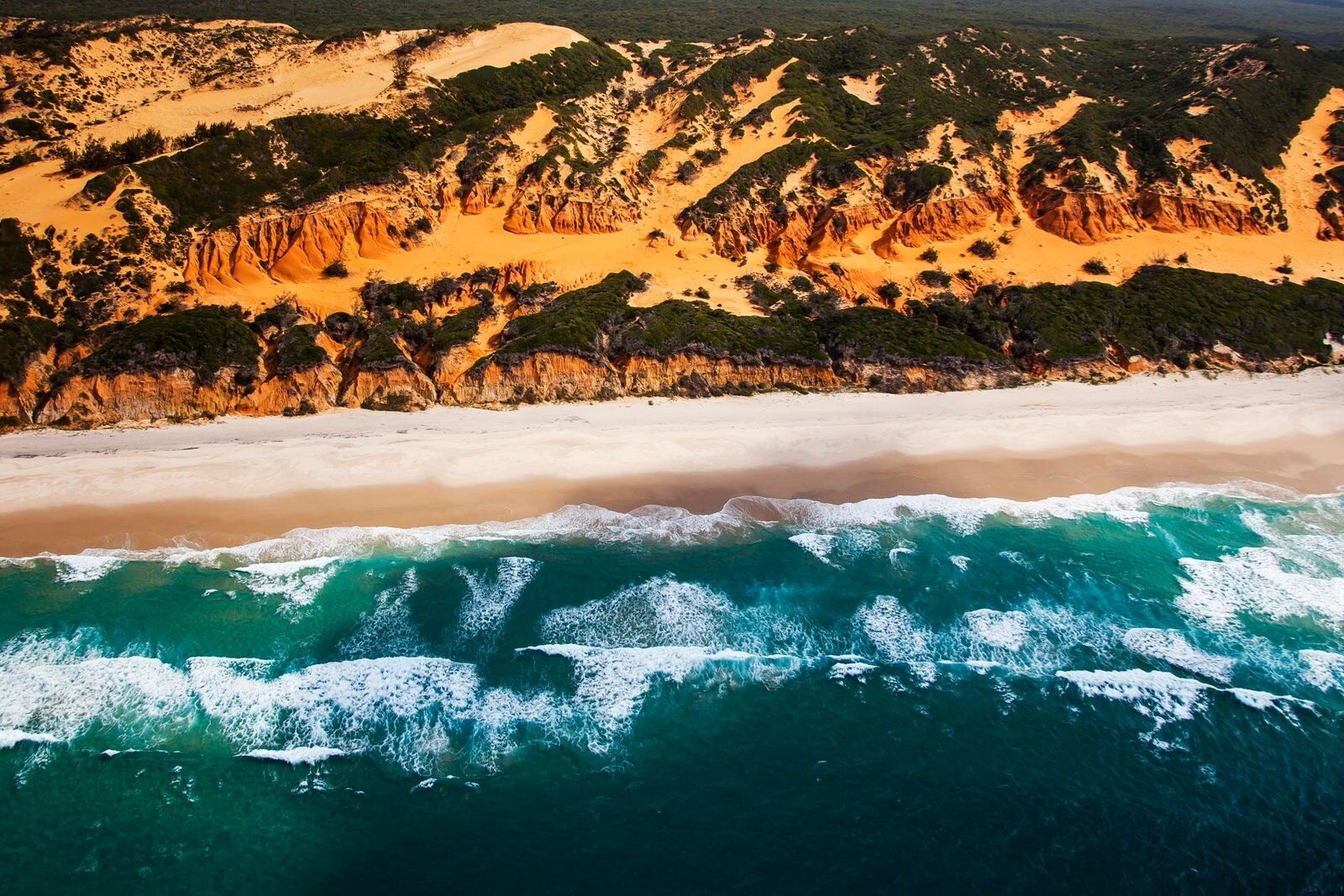
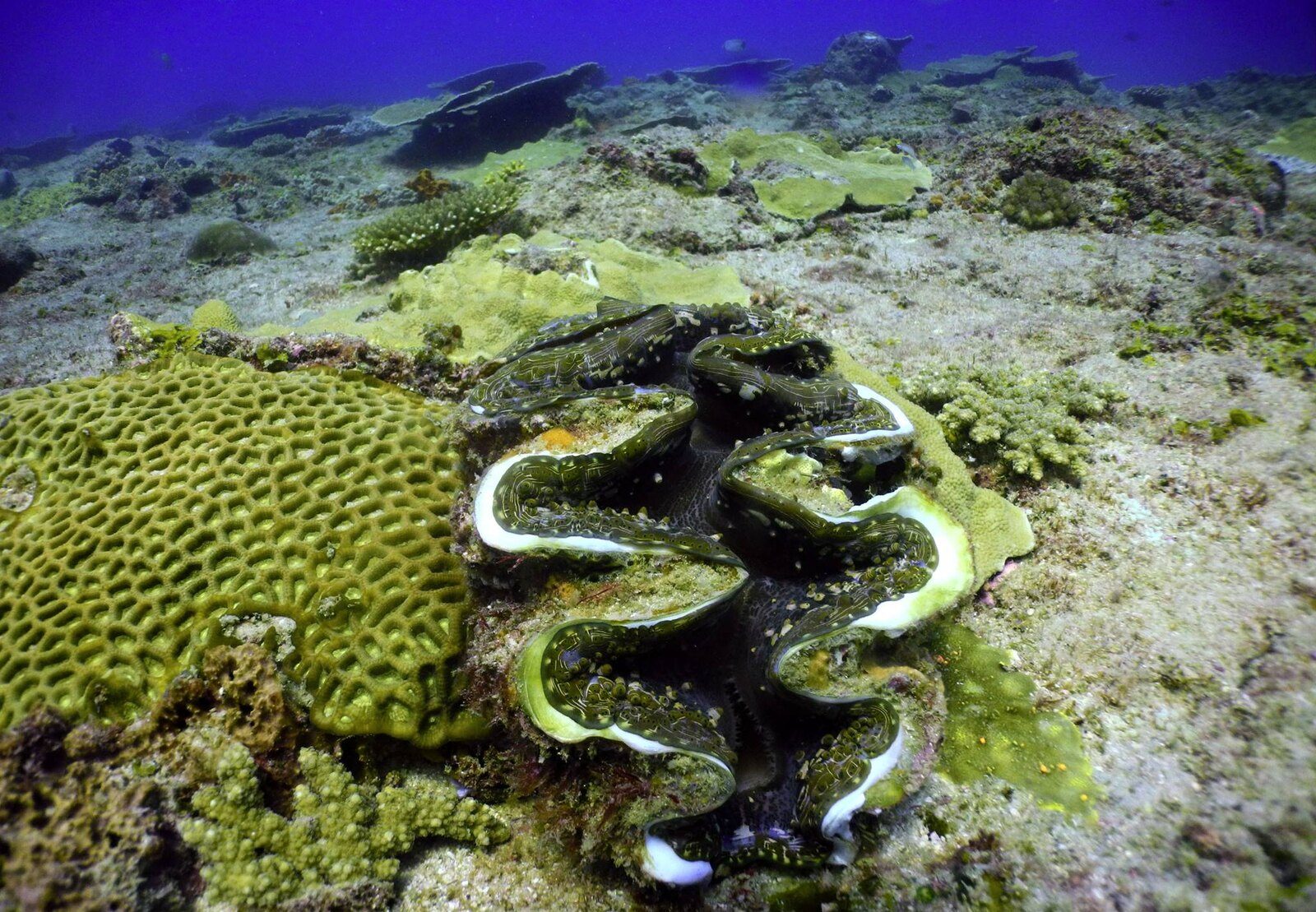
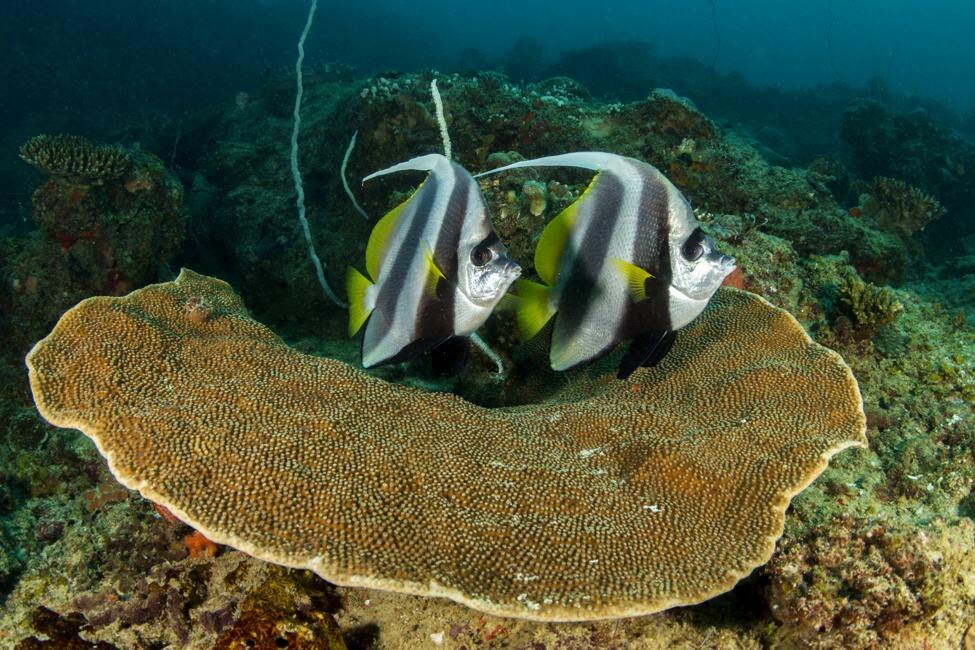
Mozambique is Africa's best-kept tropical secret — 2,500 kilometres of Indian Ocean coastline fringed with coral reefs, palm-studded islands, and white-sand beaches so pristine they look computer-generated. Beneath the turquoise surface, humpback whales breach and blow, whale sharks glide through plankton clouds, manta rays pirouette through cleaning stations, and the last viable population of dugongs in the western Indian Ocean grazes on seagrass meadows. Inland, Gorongosa National Park — once devastated by civil war — has risen from the ashes to become one of Africa's most inspiring conservation stories. This is the destination where safari meets the sea, where barefoot luxury meets raw adventure, where Africa reveals a face most travellers never imagined.

18.6657° S, 35.5296° EFrom $500 per person per night
Why Travel Private

Why Mozambique Is the Indian Ocean Paradise

Mozambique occupies a unique niche in African travel — it is the continent's premier beach destination, offering a calibre of tropical luxury and marine adventure that rivals the Maldives, the Seychelles, and the Caribbean, but with an authenticity and cultural richness those destinations cannot match.

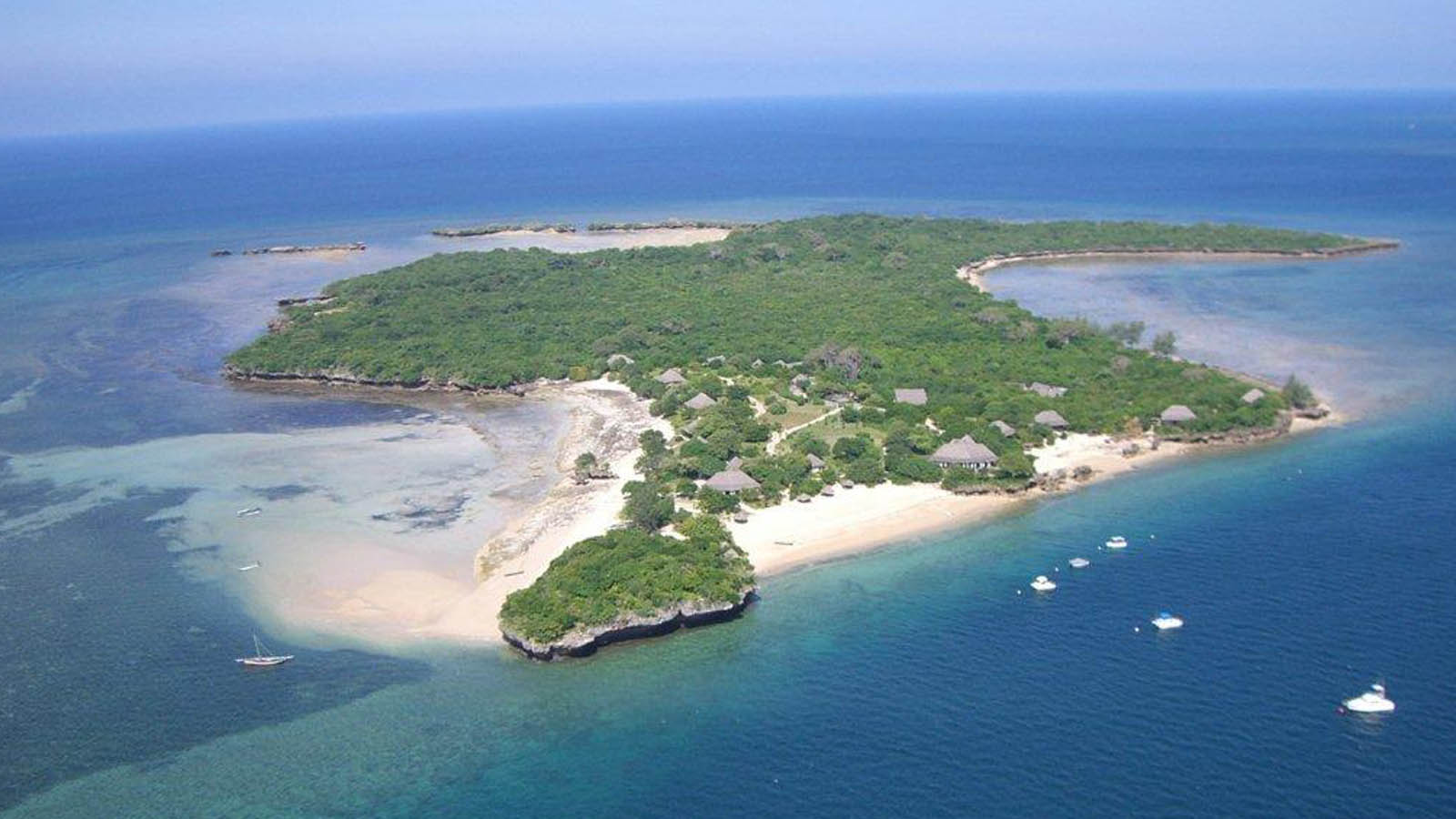
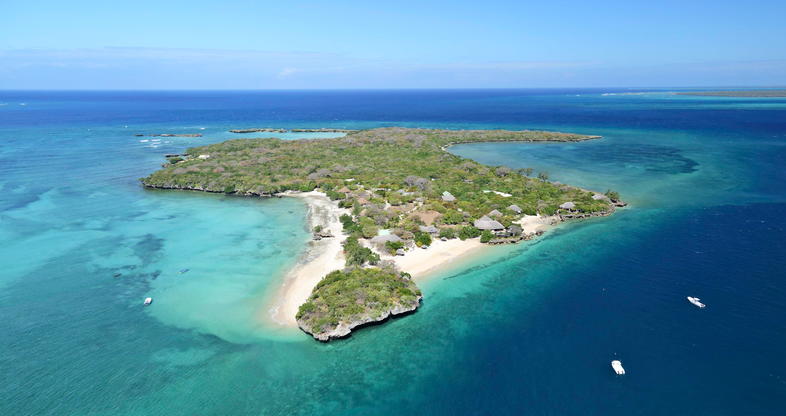
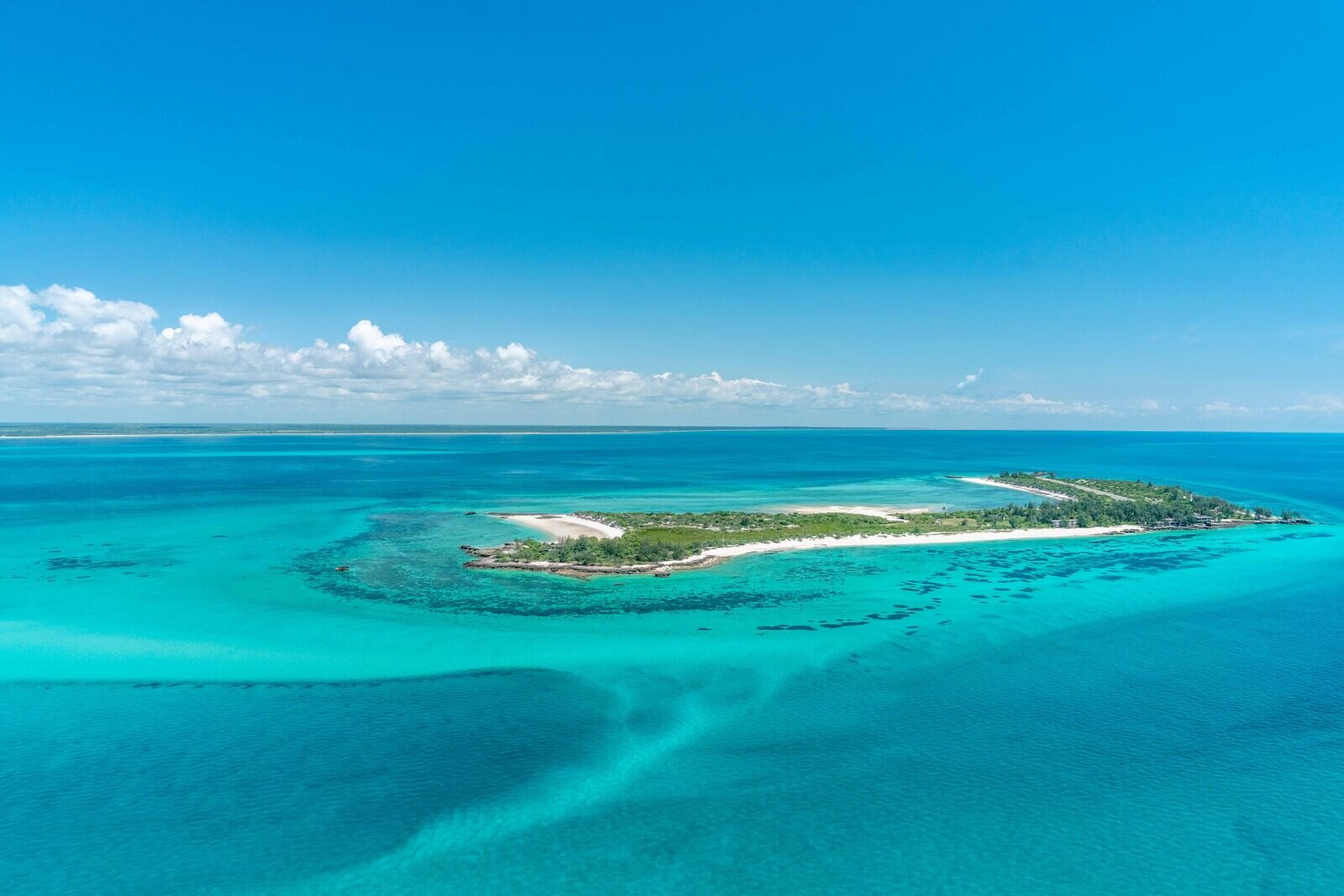
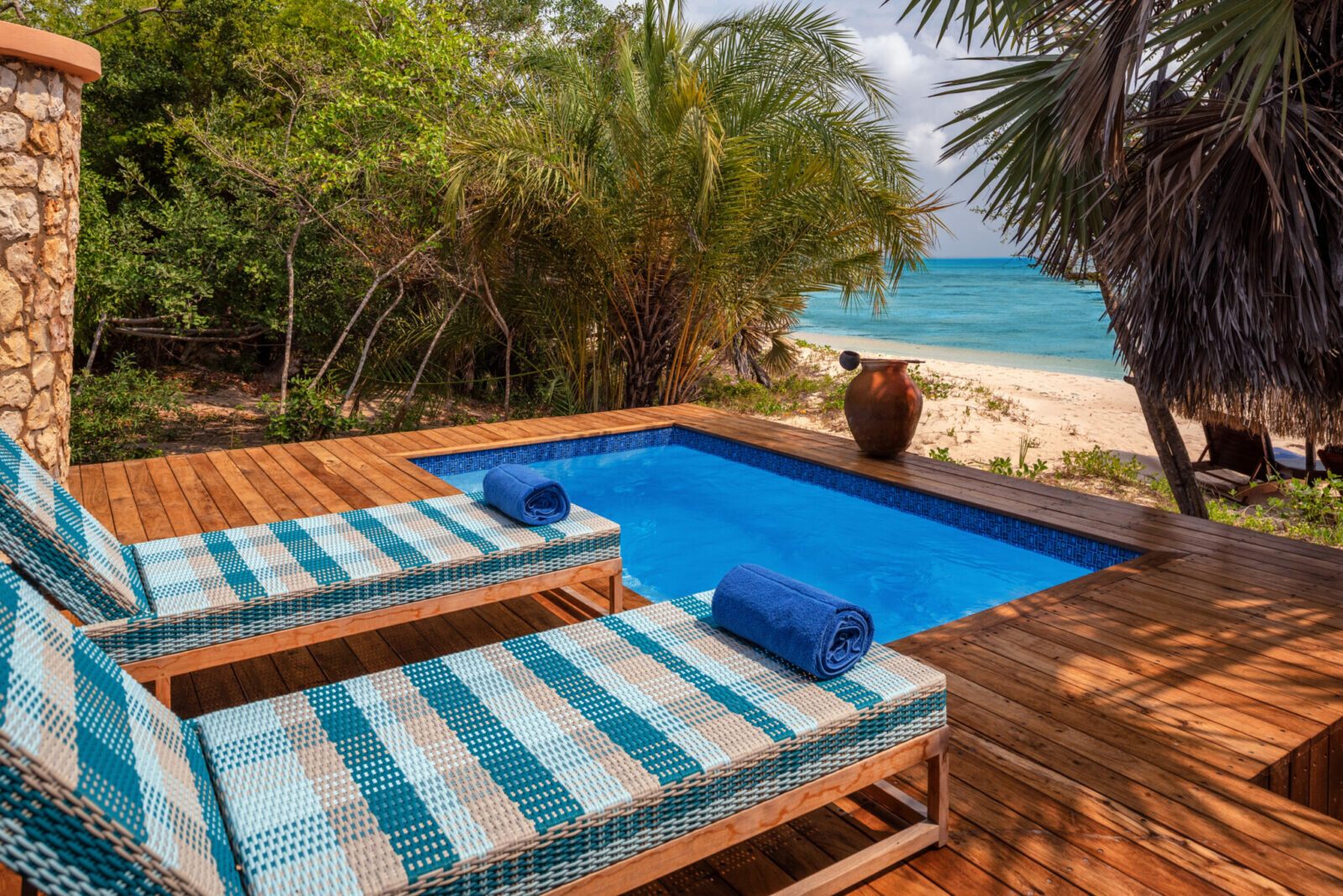
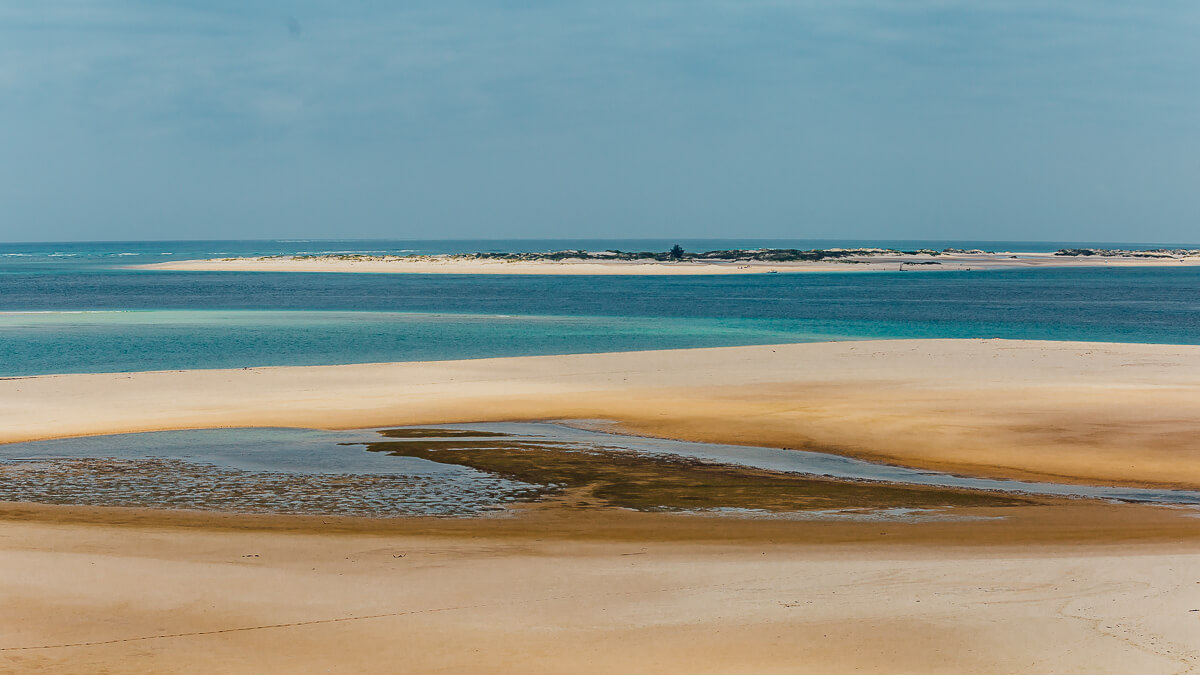
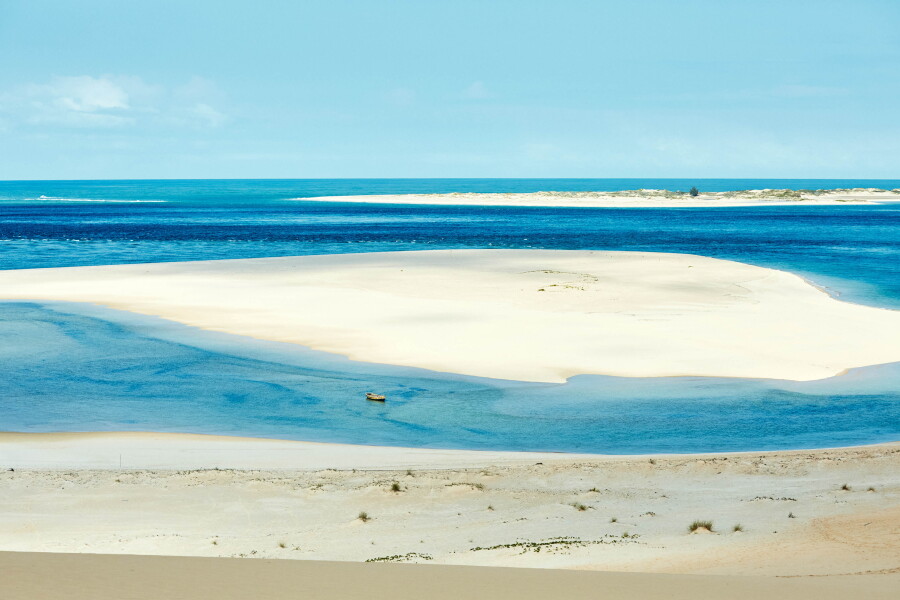
The country's 2,500-kilometre coastline is anchored by two extraordinary archipelagos. The Bazaruto Archipelago — five islands of dune, mangrove, and coral reef — is a marine national park harbouring dugongs, whale sharks, manta rays, and some of the finest scuba diving in the Indian Ocean. The Quirimbas Archipelago, further north, is wilder and more remote, with Swahili-Arab trading history layered onto coral atolls and mangrove-fringed lagoons. Both offer barefoot luxury lodges where the only schedule is dictated by tides and sunsets.

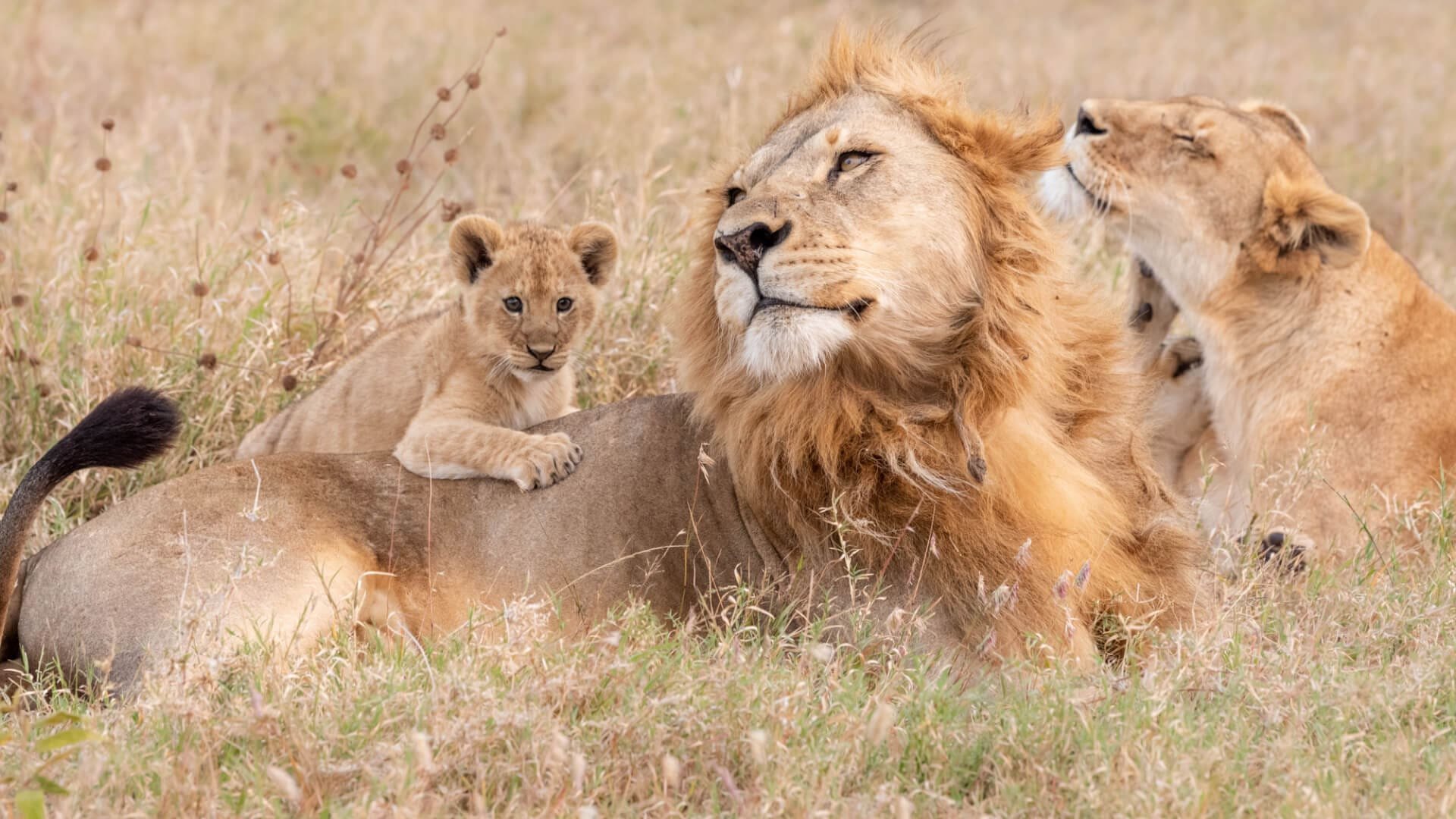
But Mozambique is far more than beaches. Gorongosa National Park, in the central interior, represents one of the greatest wildlife restoration stories of our time. Devastated during the country's 16-year civil war (1977–1992), Gorongosa has been painstakingly rebuilt through a partnership between the Mozambican government and the Carr Foundation. Today, the park supports growing populations of lion, elephant, buffalo, and hundreds of other species across a landscape of floodplain, savannah, and mountain forest.

The combination of bush and beach makes Mozambique the perfect complement to a Southern or East African safari. After days of game drives in the Kruger, the Serengeti, or the Okavango, there is nothing more restorative than sinking into a hammock on a Bazaruto beach with nothing but turquoise water and white sand stretching to the horizon.

Our bespoke Mozambique holidays, arranged as extensions from Cape Town or South African safari, deliver this tropical paradise with every detail — flights, island transfers, diving expeditions, and safari logistics — seamlessly orchestrated.

At a Glance

Mozambique at a Glance

Best Time to VisitMay–November (dry season) for best weather and diving. October–December for humpback whale and whale shark season. Year-round warm tropical climate.
Tour Duration4–10 nights (5–7 nights for beach + 3 nights Gorongosa for bush-and-beach)
ClimateTropical. Warm year-round: 25–33°C. Dry season (May–November) warm with clear skies. Wet season (December–April) hot, humid, with afternoon thunderstorms. Cyclone risk January–March. Water temperature 24–29°C year-round.

Quick Facts

  • CurrencyMozambican Metical (MZN); USD and ZAR accepted at lodges
  • LanguagesPortuguese (official), plus Emakhuwa, Xichangana, and other local languages; English spoken at tourist establishments
  • Time ZoneCAT (UTC+2)
  • Visae-Visa available online ($40–$50 USD); visa on arrival for some nationalities
  • AirportsMaputo International (MPM); Vilanculos (VNX) for Bazaruto; Pemba (POL) for Quirimbas; Beira (BEW) for Gorongosa
  • DrivingLeft-hand side

Signature Highlights

  • Scuba diving with whale sharks and manta rays on Bazaruto reefs
  • Barefoot luxury on pristine private island lodges
  • Dhow sailing through the Quirimbas Archipelago
  • Gorongosa National Park — Africa's greatest wildlife restoration
  • Deep-sea fishing for marlin, sailfish, and tuna
  • Snorkelling with dugongs on seagrass meadows
  • Humpback whale watching (June–November)
  • Cultural exploration of Mozambique Island (UNESCO)
Where to Go

Regional Highlights

The defining landscapes and experiences that shape a private journey through Mozambique.

Bazaruto Archipelago01

Bazaruto Archipelago

The Bazaruto Archipelago is the jewel of Mozambique's Indian Ocean coast — five islands of windswept dune, coconut palm, and coral reef that together form the country's largest marine national park. The islands — Bazaruto, Benguerra, Magaruque, Santa Carolina, and Bangue — rise f…

  • World-class scuba diving — Two Mile Reef
  • Whale shark and manta ray encounters
  • Last viable dugong population in western Indian Ocean
  • Barefoot luxury island lodges
  • Deep-sea fishing — marlin, sailfish, kingfish
Quirimbas Archipelago02

Quirimbas Archipelago

The Quirimbas Archipelago is Mozambique at its most wild and culturally rich — a chain of 32 coral islands stretching along the northern coast, where Swahili-Arab trading history, Portuguese colonial architecture, and pristine marine wilderness converge in one of the Indian Ocean…

  • Ibo Island — Swahili-Arab trading history and silversmiths
  • Pristine, uncrowded coral reefs
  • Humpback whale migration (June–November)
  • Remote barefoot luxury — entire private islands
  • Sea turtle nesting beaches
Gorongosa National Park03

Gorongosa National Park

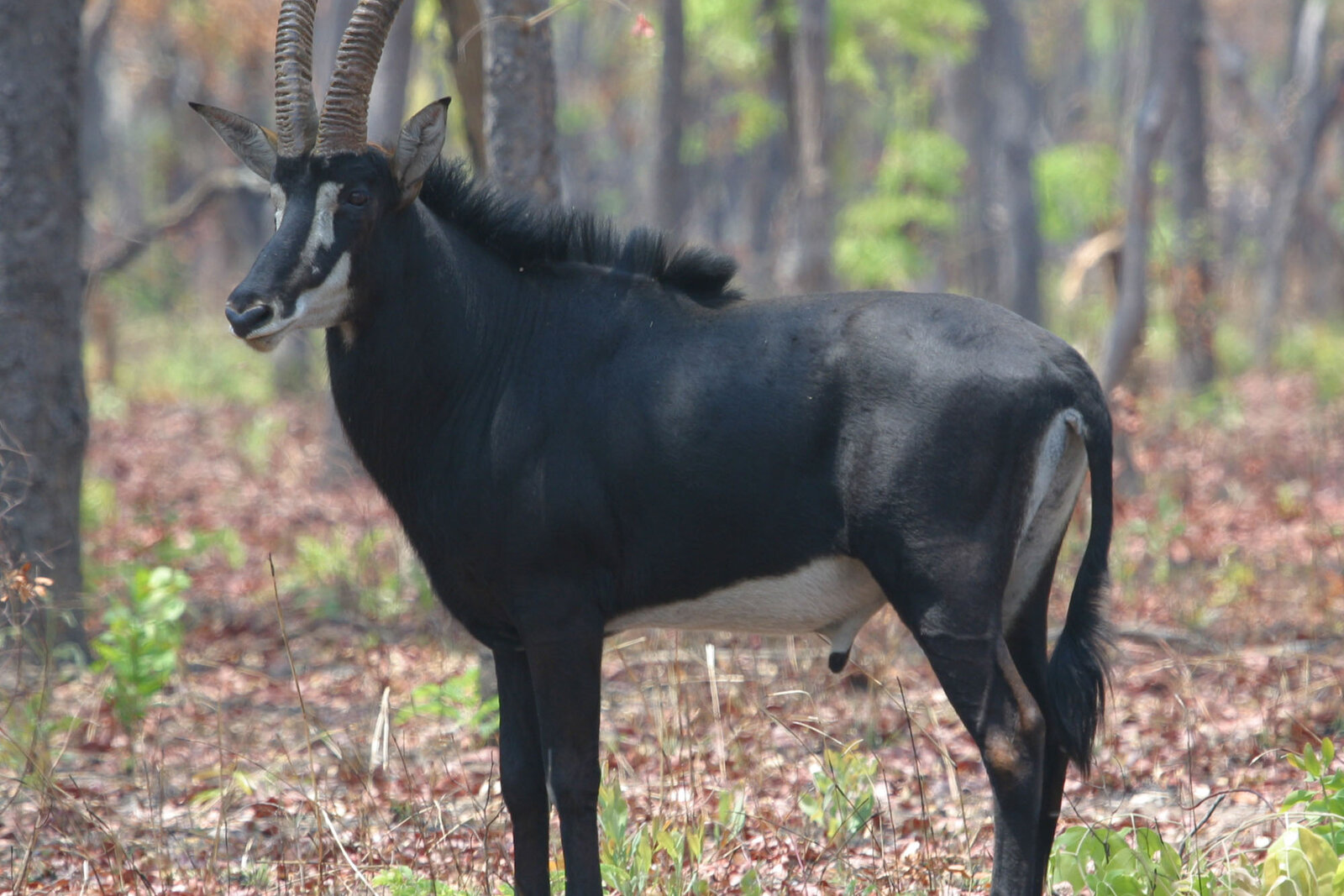
Gorongosa is Africa's redemption story — a national park that was once described as 'the place where Noah left his ark' for its extraordinary wildlife abundance, then devastated during Mozambique's 16-year civil war, and now painstakingly restored to become one of the continent's…

  • Africa's greatest wildlife restoration project
  • Growing populations of lion, elephant, and buffalo
  • Over 500 bird species — exceptional birding
  • Mount Gorongosa rainforest hikes
  • Floodplain game drives and walking safaris
Maputo & the South Coast04

Maputo & the South Coast

Mozambique's capital, Maputo, is one of Africa's most characterful cities — a blend of Portuguese colonial architecture, vibrant African energy, and Indian Ocean flavours that creates an atmosphere reminiscent of Havana or Lisbon. The city's seafood restaurants are legendary: per…

  • Maputo's vibrant food scene — peri-peri prawns and seafood
  • Portuguese colonial architecture and Iron House (designed by Eiffel)
  • Maputo Special Reserve — elephants meet the ocean
  • Ponta do Ouro diving and dolphin encounters
  • Accessible from South Africa (5-hour drive from Johannesburg)
Curated For You

Signature Experiences

Dive with Whale Sharks on Bazaruto

Slipping into the warm waters of the Bazaruto channel and coming face-to-face with a whale shark — the world's largest fish, up to 12 metres long — is a marine encounter that rivals gorilla trekking for emotional intensity. These gentle giants glide through plankton-rich waters between October and March, and swimming alongside them is one of the ocean's most humbling experiences.

Dhow Sailing Through the Quirimbas

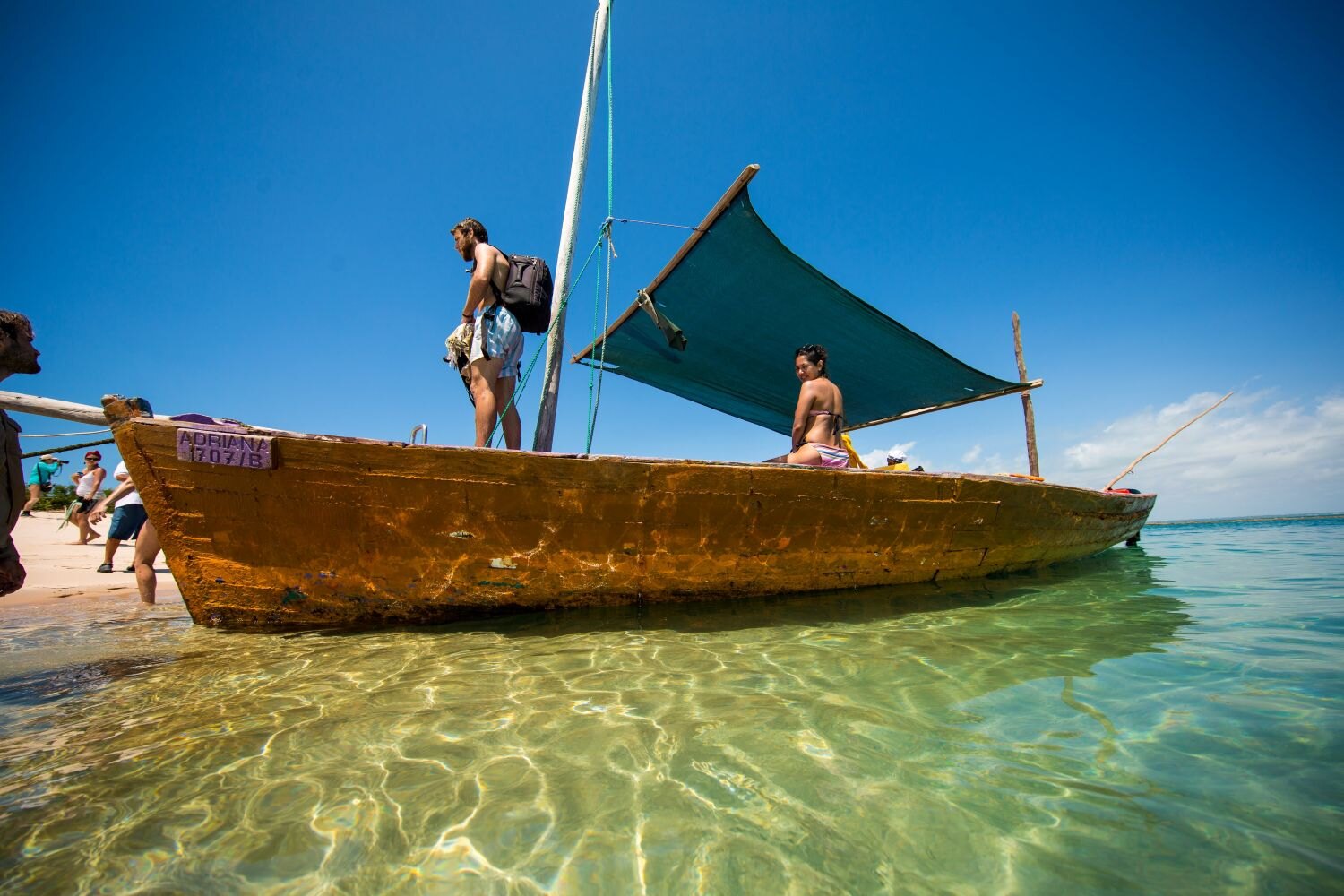
Board a traditional dhow — the lateen-sailed wooden boats that have plied these waters for a thousand years — and sail through the Quirimbas Archipelago. Anchor at deserted sandbanks for lunch. Snorkel pristine reefs. Visit Ibo Island's silversmiths. Sleep on the beach under a canopy of stars. This is slow travel at its most sublime.

Gorongosa Conservation Safari

A safari in Gorongosa is not just a wildlife experience — it is participation in one of Africa's most important conservation stories. Your guide shares the park's remarkable journey from devastation to renewal. Every lion you see, every elephant you photograph, represents a victory of science, community engagement, and international partnership over the legacy of war.

Humpback Whale Watching

Between June and November, humpback whales migrate along Mozambique's coast, breaching and spy-hopping in the warm Indian Ocean waters. From the deck of your island lodge or from a small boat, watching a 40-tonne whale launch itself from the ocean and crash back in a fountain of spray is a spectacle of raw, natural power.

Barefoot Island Castaway

On Benguerra Island, luxury meets total seclusion. Spend a day on a private sandbank — just you, the ocean, and a picnic basket. Snorkel a reef teeming with tropical fish. Swim in water so clear it seems to not exist. Watch the sunset paint the sky in impossible colours. Then return to your villa for a candlelit seafood dinner as the stars ignite overhead.

Hour by Hour

A Perfect Day on the Bazaruto Archipelago

From ocean dawn to island starlight

  1. 06:00

    Sunrise Over the Indian Ocean

    Wake to the sound of waves and step onto your villa deck. The Indian Ocean stretches to the horizon, painted in shades of rose and gold. A pod of dolphins arcs through the calm water offshore. Coffee arrives — Mozambican, strong, aromatic.

  2. 07:30

    Scuba Diving Expedition

    Board the dive boat for the short ride to Two Mile Reef. Descend into 25 metres of crystal-clear water: coral gardens, schools of fusilier fish, a moray eel peering from a crevice, and a green turtle gliding past with the casual grace of a creature entirely at home. Today, the dive master has found a manta ray at the cleaning station.

  3. 10:30

    Sandbank Brunch

    The boat anchors at a pristine sandbank exposed by the low tide. Your crew sets up a table on the sand: fresh grilled prawns, tropical fruit, pastries, and chilled sparkling wine. The only sounds are waves, wind, and the occasional tern. You might be the only people on Earth.

  4. 12:30

    Snorkelling with Dugongs

    The boat moves to a shallow seagrass meadow between islands. Slipping into the warm water, you spot a dugong — a grey, gentle shape grazing on the grass below. These rare marine mammals are found here in one of their last Indian Ocean strongholds. You float above, watching, barely breathing.

  5. 14:00

    Island Exploration

    Return to the lodge for a light lunch and siesta. In the afternoon, explore Benguerra Island on foot or by horse — through coastal forest where samango monkeys swing and chameleons colour-shift on branches. The island's freshwater lakes attract flamingos and other waterbirds.

  6. 16:30

    Deep-Sea Fishing

    For the adventurous, an afternoon deep-sea fishing expedition targets marlin, sailfish, and wahoo in the deep channel beyond the reef. The rod bends, the reel screams, and the fight begins — big-game fishing in some of the richest waters in the Indian Ocean.

  7. 18:00

    Dhow Sunset Cruise

    Board a traditional dhow for a sunset cruise around the archipelago. Sip cocktails as the sun sets over the dunes of Bazaruto Island, turning the sky through gold, crimson, and violet. Dolphins escort the bow. The wooden hull creaks gently with the swell.

  8. 19:30

    Seafood Dinner on the Beach

    Dinner is served on the beach: a table set in the sand, hurricane lanterns flickering, waves lapping. The menu: Mozambican peri-peri prawns, grilled line fish, coconut rice, and matapa. A bottle of Portuguese wine. The Southern Cross blazes overhead. The ocean whispers.

When to Visit

When to Visit: A Seasonal Guide

Dry Season (May – November)

Mozambique's prime season. Clear skies, warm temperatures (25–30°C), calm seas, and excellent underwater visibility (20–30m+). Humpback whales migrate through June–November. Whale shark season peaks October–March. Gorongosa's dry season concentrates wildlife. This is the optimal time for diving, beach, and safari.

Best for
  • Scuba diving — best visibility
  • Humpback whale watching (June–November)
  • Beach weather — warm, dry, clear
  • Gorongosa game viewing
  • Dhow sailing — calm seas

Peak season (June–September) commands highest rates. Book island lodges 6–12 months ahead. Water temperatures cooler (24–26°C) June–August.

Wet Season (December – April)

Hot and humid with afternoon thunderstorms. Water temperatures peak (28–29°C). Whale shark season continues (October–March). Marine life remains excellent. Some island lodges close January–March due to cyclone risk. Rates drop 30–40%. Gorongosa's wet season limits game viewing but offers exceptional birding.

Best for
  • Whale shark encounters (peak December–March)
  • Warmest water for diving and snorkelling
  • Sea turtle nesting season (November–March)
  • Budget-friendly rates
  • Maputo's vibrant wet-season energy

Cyclone risk January–March. Some lodges close. Gorongosa partially inaccessible. Humidity intense. Book flexible itineraries.

Shoulder Months (May, November)

Excellent transition months offering the best of both seasons. May: rains ending, seas calming, rates dropping. November: whale sharks arriving, whales departing, water warming. Both months offer good diving, comfortable temperatures, and moderate pricing.

Best for
  • Value for money
  • Whale shark season beginning (November)
  • Calm seas and good visibility (May)
  • Fewer visitors at island lodges
  • Gorongosa transitioning — good game viewing

May: last occasional showers possible. November: first rains may begin.

Month-by-Month Calendar
JanPeak wet season. Hot and humid. Whale sharks present. Some lodges closed. Turtle nesting. Cyclone risk. Lowest rates. Gorongosa flooded in places.
FebContinued wet season. Excellent whale shark encounters. Heat intense. Limited lodge availability. Diving still good between storms.
MarRains begin to ease late month. Whale shark season continues. Some lodges reopening. Gorongosa roads challenging. Good diving windows.
AprTransition month. Last rains. Seas calming. Gorongosa beginning dry season. Green landscapes. Good value. Most lodges reopening.
MayDry season begins. Seas calm. Visibility improving. Water cooling slightly. Excellent value. Gorongosa game concentrating. Ideal for diving.
JunPremier season begins. Clear skies. Humpback whales arriving. Diving visibility excellent. Gorongosa at its best. Cool evenings on the coast.
JulPeak dry season. Humpback whales present. Water clear. Beaches perfect. Gorongosa game viewing peaks. Highest demand at island lodges.
AugContinued peak. Whale watching excellent. Diving pristine. Water temperature at coolest (24°C). Gorongosa dry and excellent. Book well ahead.
SepLate dry season. Temperatures warming. Whales still present. Diving superb. Gorongosa hot and excellent for game. Slightly fewer visitors.
OctWarming up. Whale sharks beginning to arrive. Last humpback whales departing. Water warming (26–27°C). Gorongosa hot — game at water sources.
NovFirst rains possible. Whale shark season building. Water warming. Green season beginning. Turtle nesting starts. Good value. Transition month.
DecWet season establishing. Whale sharks present. Hot and humid. Sea turtles nesting. Some lodges preparing for closure. Festive season demand.
Travel With Purpose

Conservation & Community

Mozambique's conservation landscape is defined by remarkable stories of restoration and resilience. The Gorongosa Restoration Project is perhaps the most ambitious wildlife rehabilitation effort in Africa — a multi-decade commitment to rebuilding an ecosystem that was destroyed by civil war. Since 2008, the project has reintroduced key species, trained hundreds of Mozambican rangers, built schools and health clinics in surrounding communities, and demonstrated that conservation and community development are inseparable.

In the marine environment, the Bazaruto Archipelago National Park protects one of the Indian Ocean's most important marine ecosystems, including the critically endangered dugong. Community-based fisheries management programmes in the Quirimbas have reduced destructive fishing practices and increased marine biodiversity.

The Niassa Special Reserve — managed by the Wildlife Conservation Society — protects one of Africa's last great elephant populations despite severe poaching pressures. Every visit to Niassa contributes to the operating costs of anti-poaching patrols that protect thousands of elephants.

Our Mozambique holidays support these conservation efforts through partnerships with lodges and operators who invest directly in marine protection, wildlife restoration, and community livelihoods.
Know Before You Go

Travel Essentials

Getting There

International flights arrive at Maputo International Airport (MPM). For Bazaruto: fly to Vilanculos (VNX) — 1-hour flight from Johannesburg or 1.5 hours from Maputo; island transfers by boat or helicopter. For Quirimbas: fly to Pemba (POL) — 2 hours from Dar es Salaam or connecting via Maputo; island transfers by boat or helicopter. For Gorongosa: fly to Beira (BEW) — 1 hour from Maputo; 2-hour drive to the park.

Visa & Entry

Mozambique offers e-Visas for most nationalities ($40–$50 USD), applied for online before travel. Some nationalities may receive visa on arrival. South African citizens are visa-exempt for stays under 30 days. Passport must be valid for 6 months beyond entry with at least two blank pages.

Health & Safety

Malaria prophylaxis is essential — Mozambique is a high-risk malaria zone. Yellow fever certificate required if arriving from endemic countries. Routine vaccinations should be current. Drink only bottled water. The country is generally safe for tourists, though standard precautions apply in Maputo. Island resorts are very safe.

What to Pack

Beach and diving: swimwear, reef-safe sunscreen, rash vest, underwater camera. Safari (Gorongosa): neutral-coloured clothing, binoculars, walking shoes. General: light, breathable fabrics, insect repellent (essential), hat, sunglasses. Most island lodges are barefoot-casual — no formal wear needed.

Currency & Payments

Mozambican Metical (MZN) is the official currency. US Dollars and South African Rand widely accepted at tourist establishments. Credit cards accepted at upmarket lodges and Maputo hotels. ATMs available in Maputo, Vilanculos, and major towns. Cash recommended for markets and small businesses.

Language

Portuguese is the official language — one of Mozambique's distinctive characteristics in English-speaking southern Africa. English is widely spoken at tourist establishments, lodges, and dive centres. Learning a few Portuguese phrases (obrigado — thank you, por favor — please) is appreciated and opens doors.

Diving & Marine Safety

Mozambique's dive operations are professional and well-equipped. PADI certification available at most island resorts for beginners. Experienced divers will find sites ranging from shallow reef dives to deep wall dives. Decompression chambers located in Vilanculos and Pemba. Travel insurance with diving cover is essential.

Multi-Country Journeys

Combining Mozambique with South Africa

Mozambique is the natural beach extension to any Southern African safari — and the combination of South African wildlife with Mozambican tropical luxury is one of the most popular multi-destination itineraries we design.

The classic combination pairs a Kruger National Park safari (3–4 nights) with a Bazaruto Archipelago beach stay (4–5 nights). Flights from Kruger's Skukuza Airport or Johannesburg reach Vilanculos in 1–2 hours, where a helicopter transfer whisks you to your island lodge in 20 minutes. The transition from bushveld to beach is magical — within hours, you move from tracking leopards to swimming with whale sharks.

Alternatively, a Cape Town + Mozambique combination delivers urban sophistication, winelands, and Indian Ocean paradise. Direct flights from Cape Town to Maputo (2.5 hours) or Vilanculos (via Johannesburg) make the connection seamless.

We design every bush-and-beach combination to maximise contrast and complement — ensuring that your journey delivers both the thrill of safari and the deep restoration of tropical island life.

Good to Know

Frequently Asked Questions

When is the best time to visit Mozambique?

May–November for the best overall weather, diving visibility, and beach conditions. June–November for humpback whales. October–March for whale sharks. The dry season (May–November) offers clear skies and calm seas. The wet season (December–April) brings hot weather and occasional cyclone risk but also whale sharks and lower rates.

How much does a Mozambique beach holiday cost?

Island lodge rates range from $400 to $2,500 per person per night, typically all-inclusive. A 5-night Bazaruto stay averages $800–$1,500/night at premium properties. Includes meals, most activities, and some water sports. Diving, deep-sea fishing, and helicopter transfers are often additional.

Is Mozambique safe for tourists?

Tourist areas — particularly island resorts, Vilanculos, and Gorongosa — are safe. Maputo requires standard urban precautions. Avoid travelling in the far north (Cabo Delgado province) due to ongoing security concerns. Our itineraries focus on safe, well-established tourist areas.

Do I need to speak Portuguese?

English is widely spoken at tourist establishments, lodges, and dive centres. However, Mozambique is a Portuguese-speaking country, and basic phrases are appreciated. Your guides and lodge staff will bridge any language gaps. The Portuguese-African cultural blend is part of Mozambique's unique charm.

What marine life can I see?

Whale sharks (October–March), humpback whales (June–November), manta rays (year-round), dugongs (Bazaruto — year-round), dolphins (year-round), sea turtles (nesting November–March), reef sharks, and over 2,000 species of reef fish. The marine biodiversity rivals the Great Barrier Reef.

Can I combine Mozambique with a safari?

Absolutely — this is Mozambique's greatest strength. The classic 'bush and beach' combination pairs a Kruger or Serengeti safari with Bazaruto or Quirimbas island stay. We also recommend Gorongosa + Bazaruto for a Mozambique-only bush-and-beach experience.

Do I need vaccinations?

Malaria prophylaxis is essential — Mozambique is a high-risk zone. Yellow fever certificate required if arriving from endemic countries. Routine vaccinations should be current. Consult your travel clinic 6–8 weeks before departure.

What is the water visibility like for diving?

Visibility ranges from 15–30+ metres depending on season and location. Best visibility: May–November (dry season). The Bazaruto reefs average 20–25m visibility during peak season. Quirimbas can exceed 30m in optimal conditions. Water temperature: 24–29°C year-round.

How do I get to the islands?

Bazaruto: fly to Vilanculos, then helicopter (20 min) or boat (45 min) to islands. Quirimbas: fly to Pemba, then helicopter or boat to islands. Island transfers are typically arranged by your lodge and may be included in the rate. Charter flights from Johannesburg direct to Vilanculos are available.

Is Gorongosa National Park worth visiting?

Absolutely — Gorongosa is one of Africa's most inspiring conservation stories. Wildlife has rebounded dramatically since 2008. While densities don't yet match the Serengeti, the emotional dimension of seeing a restored ecosystem — combined with excellent guiding and beautiful landscapes — creates a uniquely rewarding safari experience.

How far in advance should I book?

Island lodges: 6–12 months for peak season (June–October), especially over school holidays. Gorongosa: 3–6 months. Wet season availability is easier. The best properties have very limited capacity (8–20 guests) and fill quickly.

What is the flying time from South Africa?

Johannesburg to Vilanculos: 1.5–2 hours direct. Johannesburg to Maputo: 1 hour. Cape Town to Maputo: 2.5 hours direct. Cape Town to Vilanculos: 3–4 hours via Johannesburg. From Vilanculos, island helicopter transfers take 15–25 minutes.

Do I need a visa for Mozambique?

Most nationalities require an e-Visa ($40–$50 USD), applied for online. South African citizens are visa-exempt for stays under 30 days. Passport must be valid for 6 months with at least two blank pages. Processing typically takes 5 business days.

Chat