We're Open08:00–19:00 SAST
WhatsAppWishlistPartner Portal
Rwanda — Land of a Thousand Hills — Where Mountain Gorillas Emerge from the Mist
EAST AFRICA · RWANDA

RWANDA

Land of a Thousand Hills — Where Mountain Gorillas Emerge from the Mist

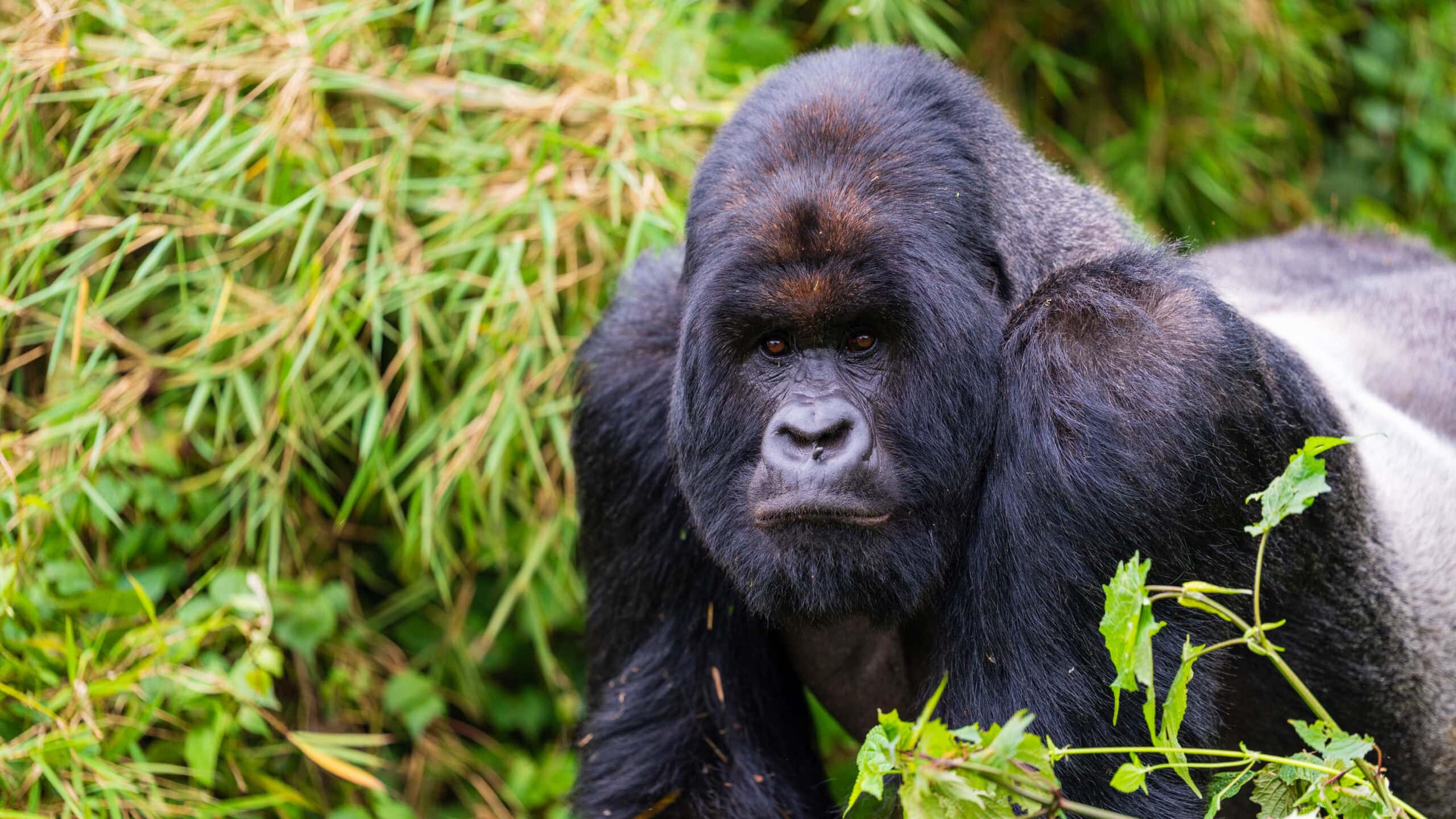
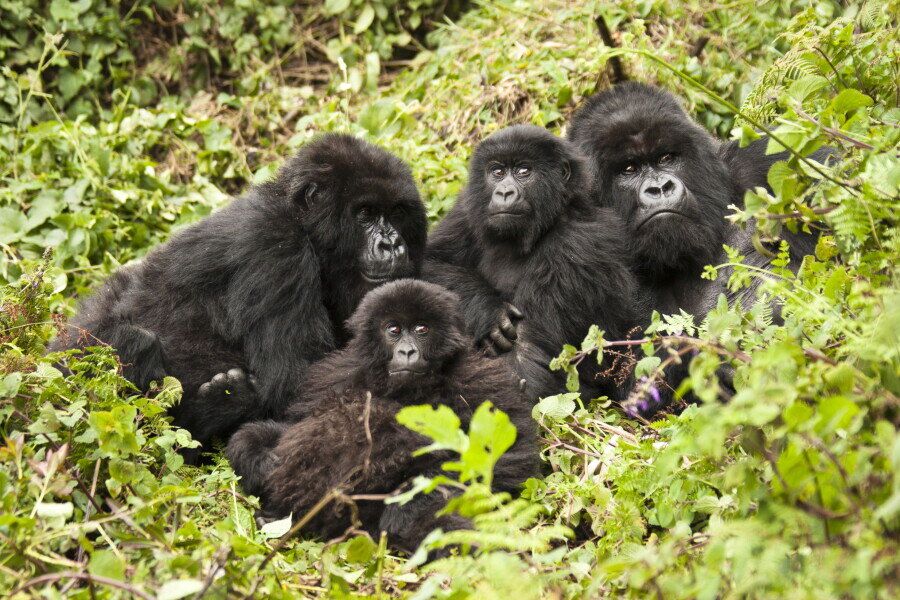
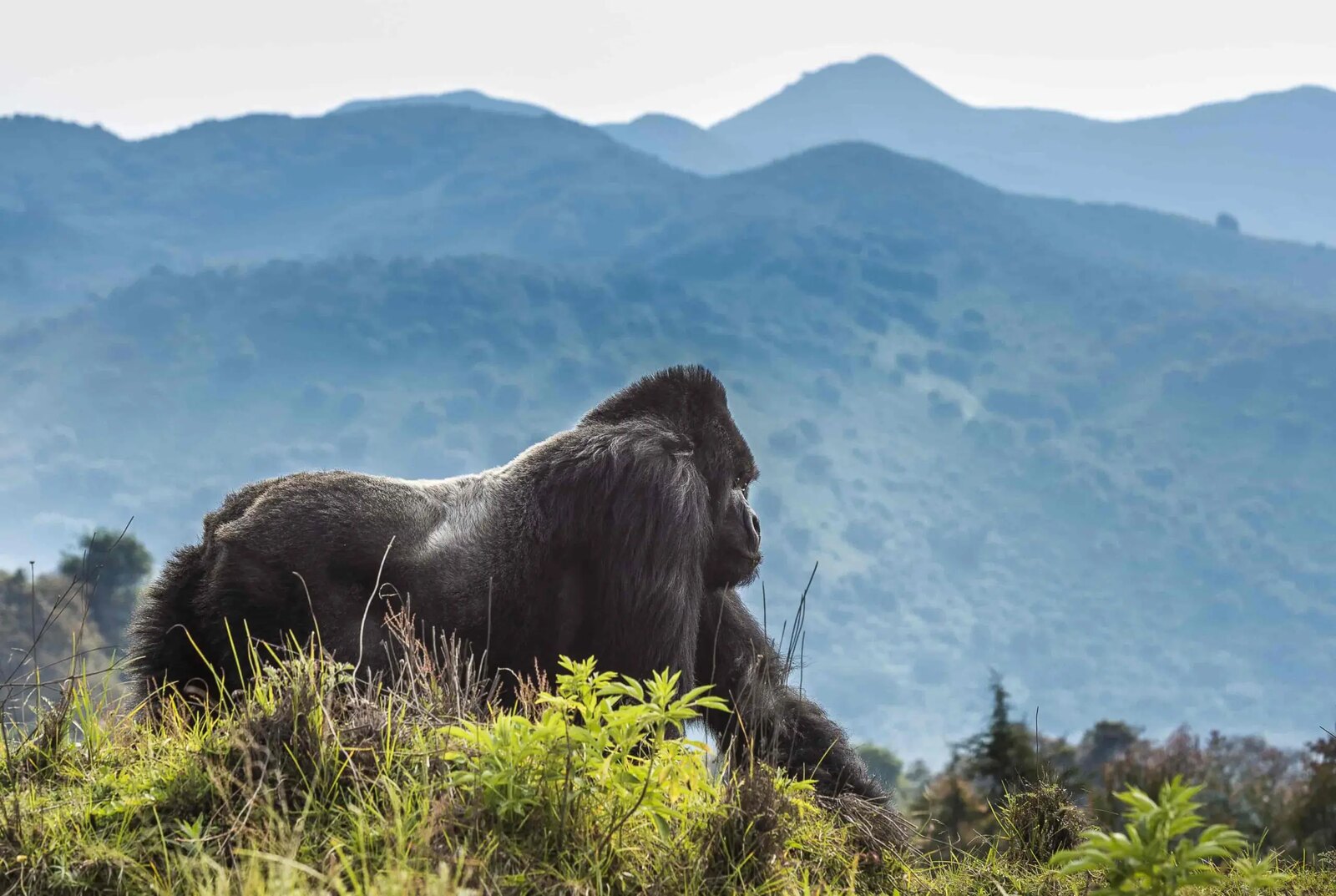
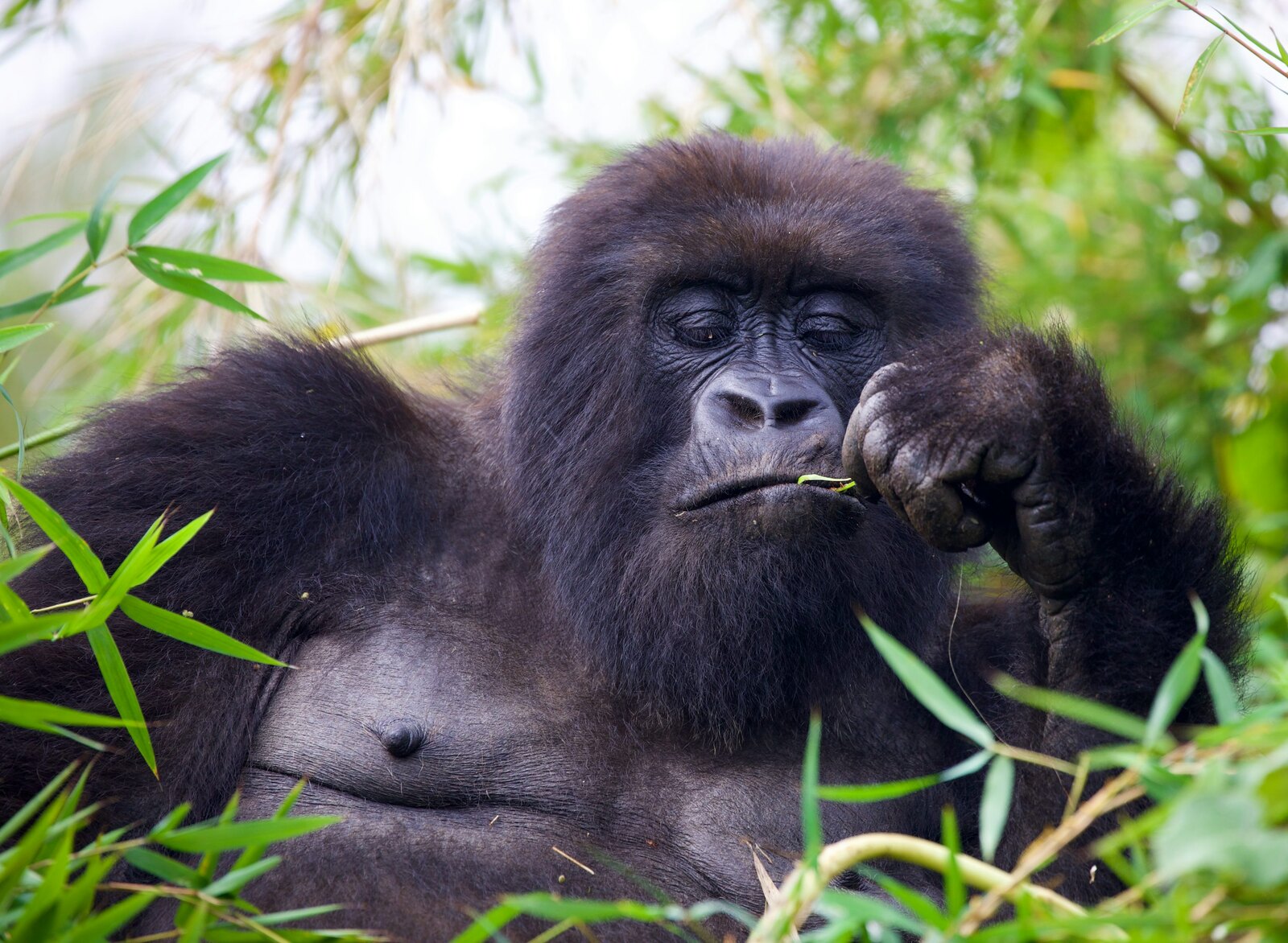
In the misty bamboo forests of Rwanda's Virunga volcanoes, an encounter awaits that will redefine everything you thought you knew about wildlife. Here, at 3,000 metres above sea level, where cloud forest gives way to hagenia woodland and the air is thin and cold, you sit three metres from a 220-kilogram silverback mountain gorilla. He regards you with dark, intelligent eyes, reaches out a hand the size of a dinner plate to strip leaves from a branch, and returns to the quiet business of being. In that moment—heart pounding, breath held, tears forming unbidden—you understand why travellers call gorilla trekking the single most profound wildlife experience on Earth.

1.9403° S, 29.8739° EFrom $1,500 per person per night
Why Travel Private

Why Rwanda Is the Land of a Thousand Hills

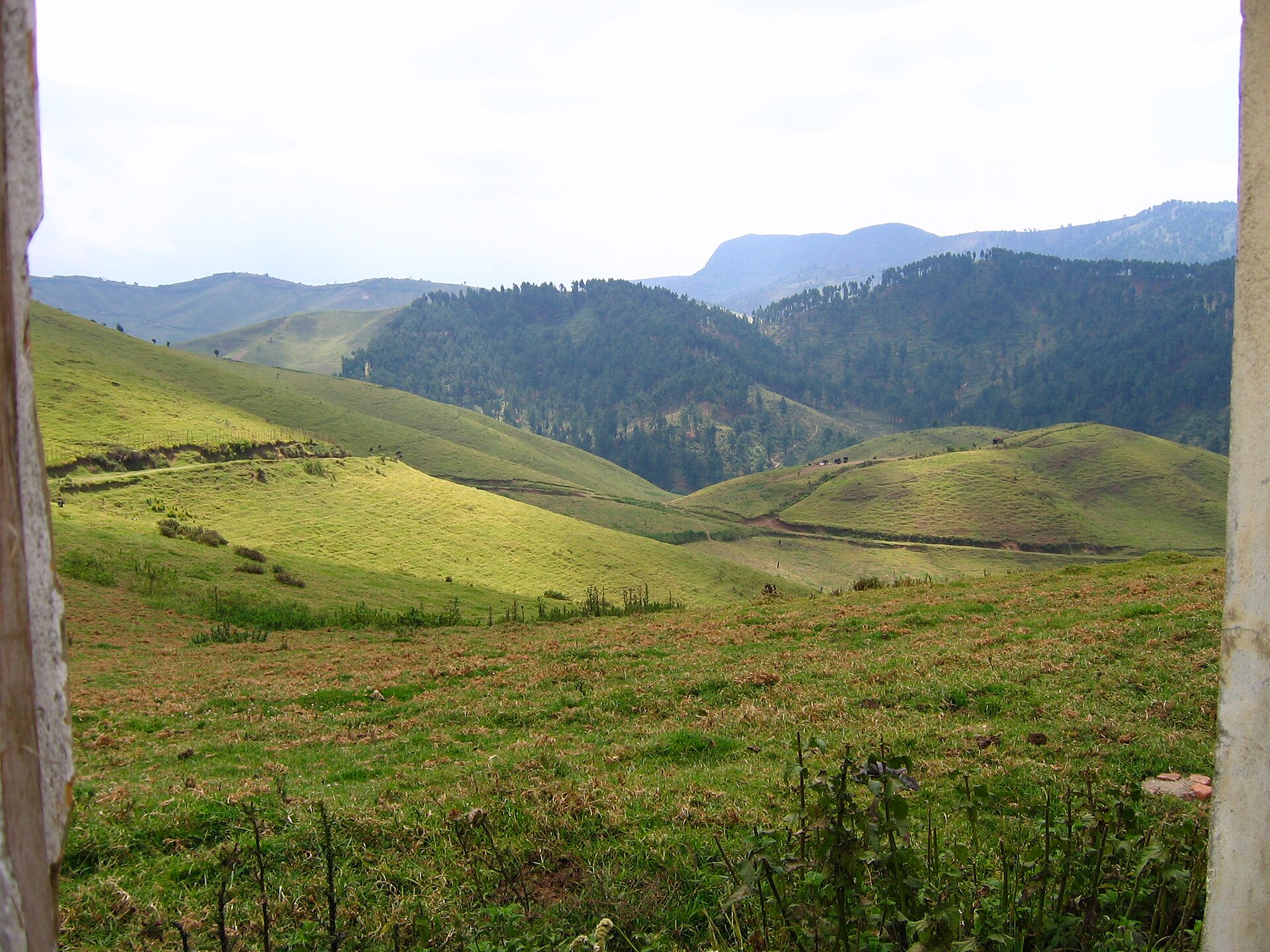
Rwanda is Africa's most surprising destination—a country that has transformed itself from tragedy to triumph in barely three decades, emerging as one of the continent's cleanest, safest, and most forward-thinking nations. For the luxury traveller, Rwanda offers something no other destination can match: the opportunity to sit face-to-face with the world's last mountain gorillas in a setting of staggering natural beauty.

The numbers tell an extraordinary conservation story. Fewer than 1,063 mountain gorillas survive in the wild, and approximately half live in Rwanda's Volcanoes National Park—a chain of mist-shrouded volcanoes that straddle the border with Uganda and the Democratic Republic of Congo. Rwanda's government has invested brilliantly in gorilla tourism, pricing permits at $1,500 per person—a figure that funds anti-poaching patrols, community development, and habitat restoration while ensuring that the trekking experience remains intimate and uncrowded.

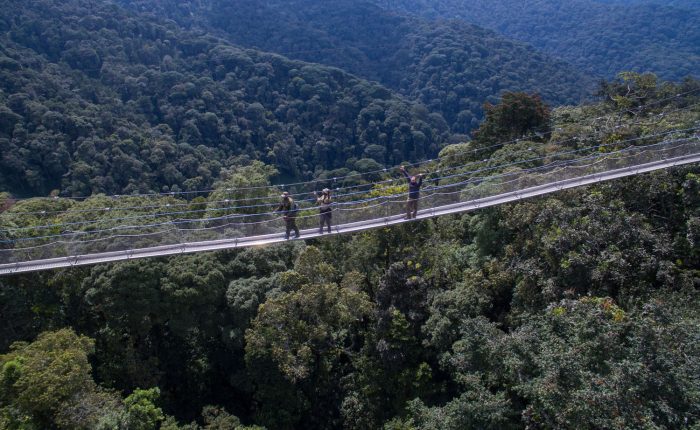
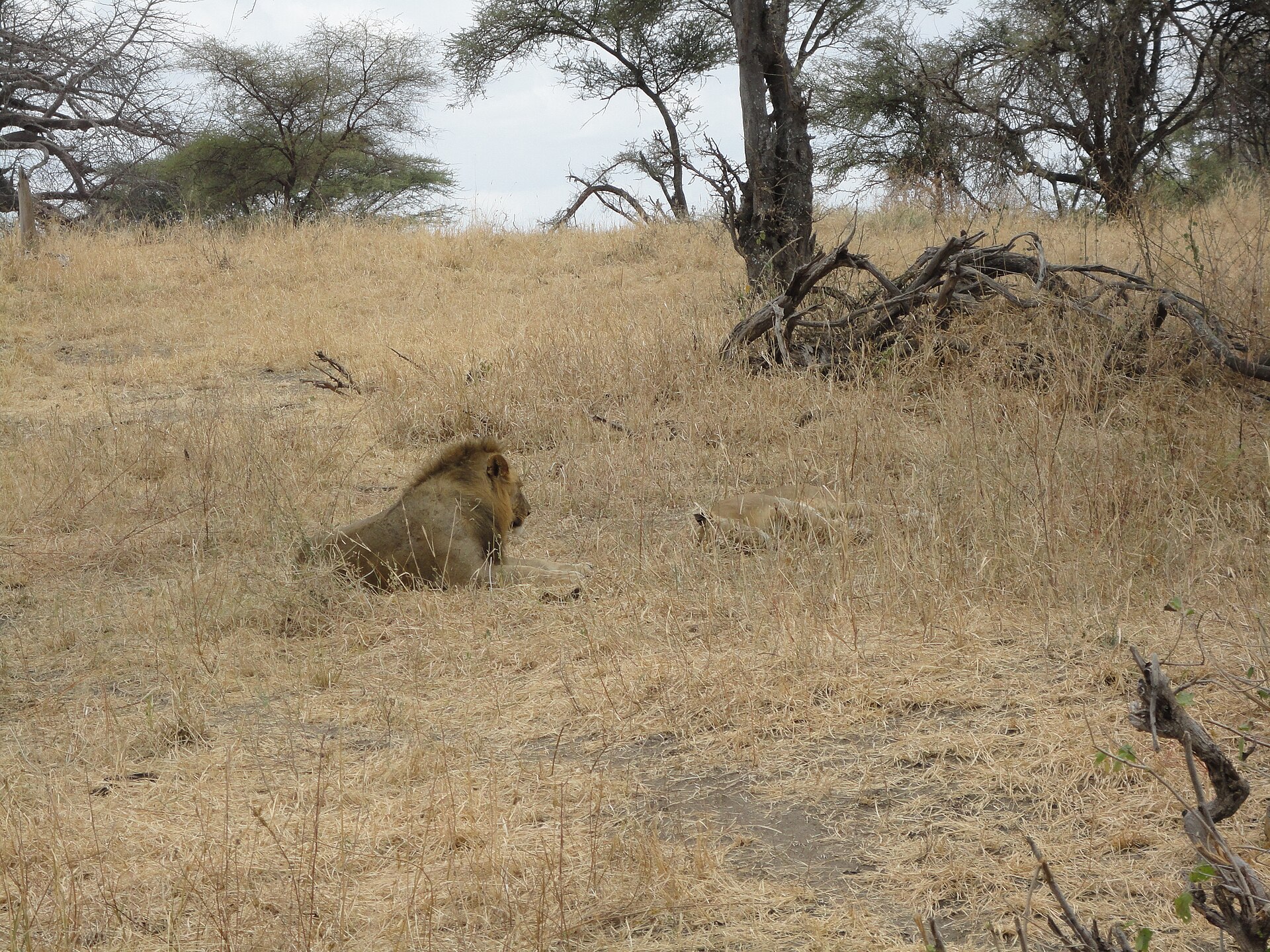
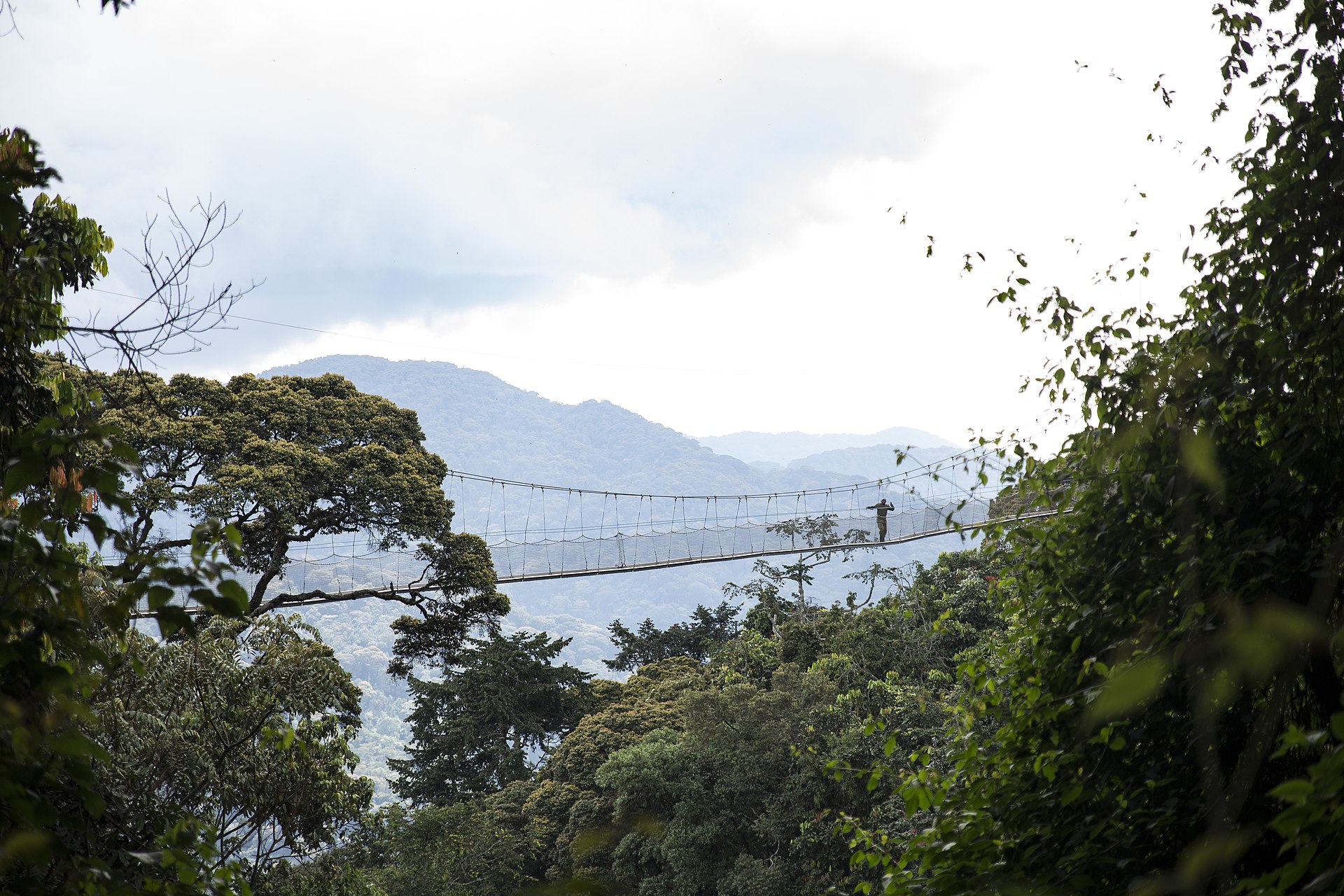
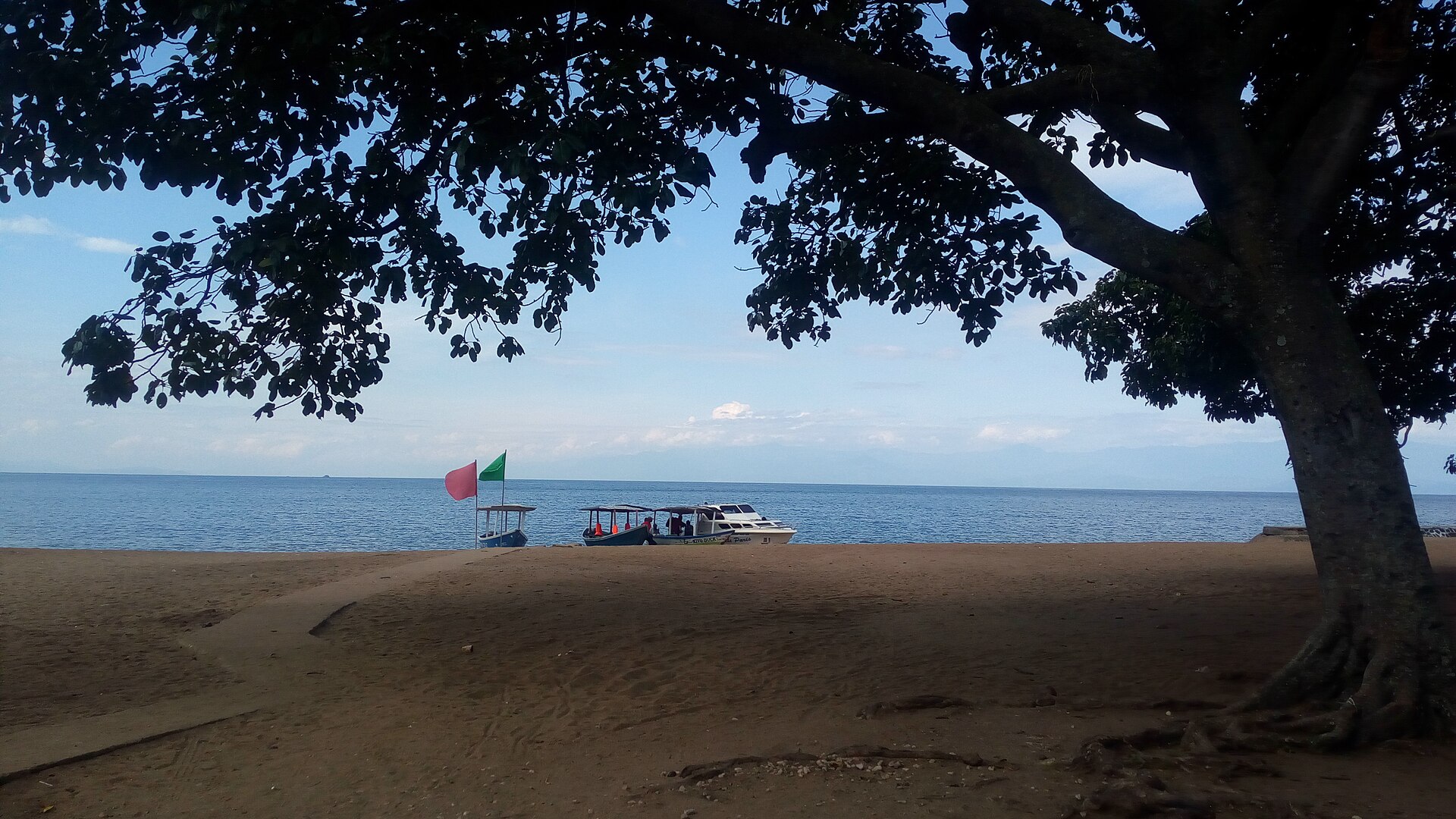
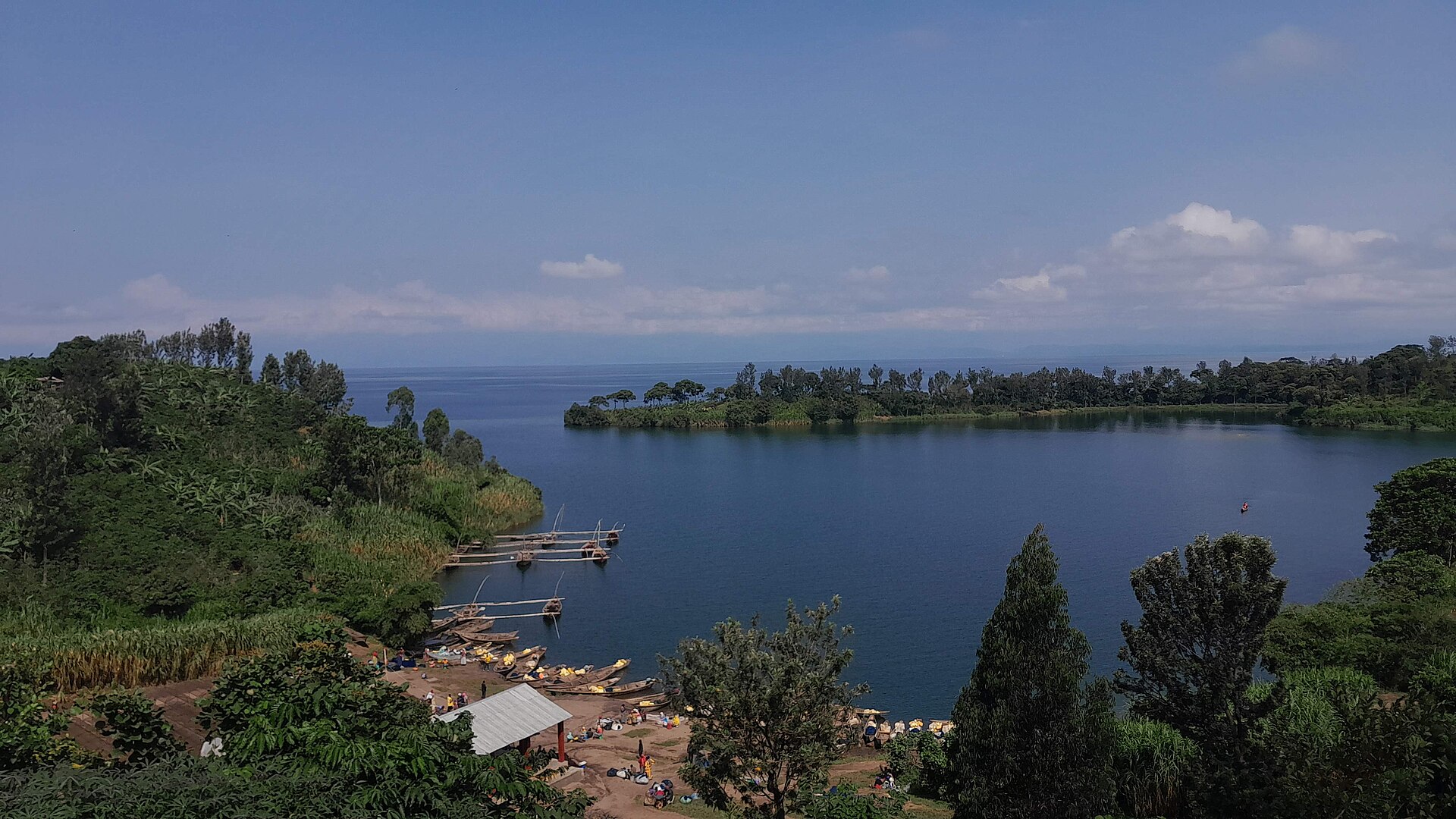
But Rwanda is far more than gorillas. Akagera National Park, in the east, has undergone a remarkable rewilding programme that has reintroduced lions, rhinos, and other species, restoring a Big Five safari experience. Nyungwe Forest National Park, in the southwest, shelters 13 primate species including habituated chimpanzees, plus a canopy walkway suspended 60 metres above the rainforest floor. And Lake Kivu—one of Africa's Great Lakes—offers palm-fringed shores, kayaking, and island-hopping that provide the perfect post-trek relaxation.

What makes Rwanda exceptional is not just its wildlife but its ethos. This is a nation that has consciously chosen to rebuild through conservation and sustainable tourism. The warmth of its people, the quality of its infrastructure, and the intimacy of its safari experiences make Rwanda a destination that touches the heart as much as it thrills the senses. Our bespoke Rwanda safaris, arranged as extensions from Cape Town, deliver these transformative encounters with every detail seamlessly orchestrated.

At a Glance

Rwanda at a Glance

Best Time to VisitJune–September and December–February (dry seasons) for gorilla trekking. Gorilla trekking operates year-round. July–September best for overall safari and trekking conditions.
Tour Duration3–10 nights (5–7 nights optimal for gorillas + Akagera + Nyungwe)
ClimateTemperate highland climate despite equatorial location. Average 20–27°C year-round. Two rainy seasons: long rains (March–May) and short rains (October–November). Volcanoes region cooler (10–15°C) and wetter.

Quick Facts

  • CurrencyRwandan Franc (RWF); USD accepted at lodges
  • LanguagesKinyarwanda, English, French, Swahili (all official)
  • Time ZoneCAT (UTC+2)
  • VisaVisa on arrival for most nationalities ($30 USD); East Africa Tourist Visa also available ($100, covers Rwanda, Kenya, Uganda)
  • AirportsKigali International Airport (KGL) — main gateway; Kamembe Airport for Nyungwe access
  • DrivingRight-hand side

Signature Highlights

  • Mountain gorilla trekking in Volcanoes National Park
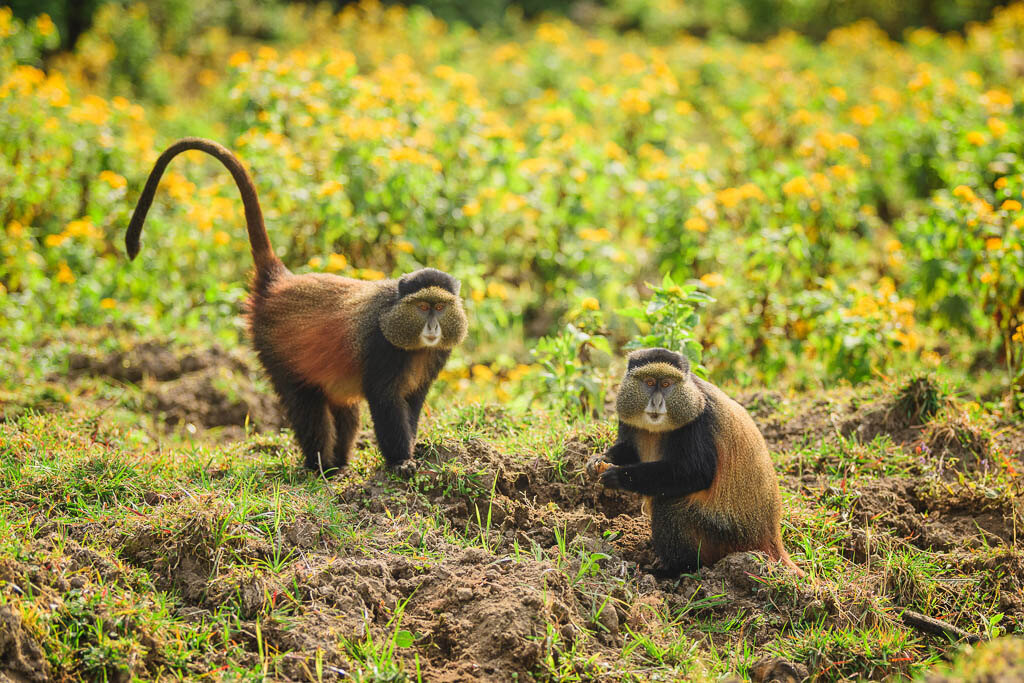
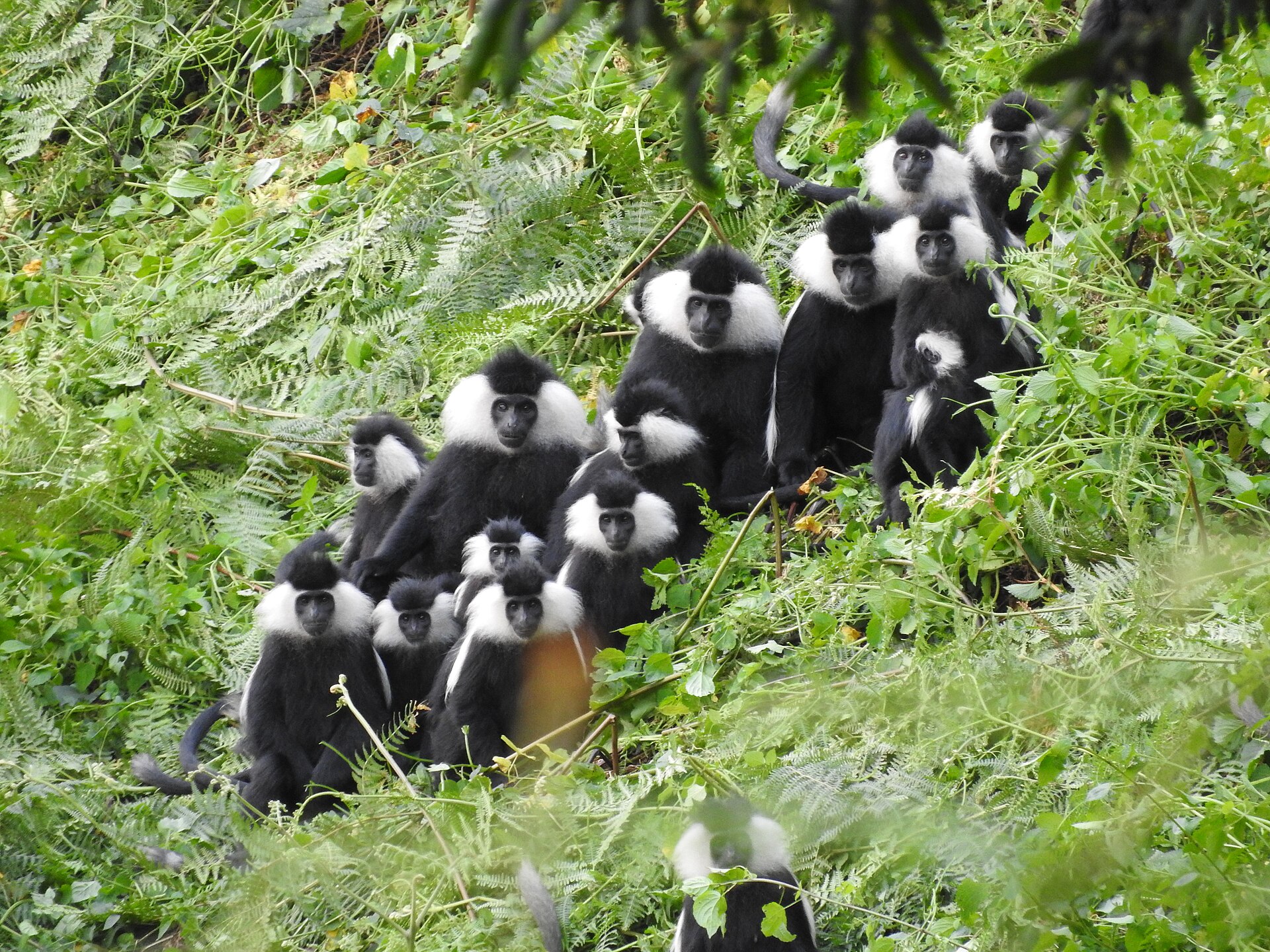
  • Golden monkey tracking in bamboo forests
  • Big Five game drives in rewilded Akagera National Park
  • Chimpanzee trekking in Nyungwe Forest
  • Canopy walkway 60 metres above Nyungwe rainforest
  • Lake Kivu kayaking and island exploration
  • Kigali Genocide Memorial — powerful historical reflection
  • Coffee plantation tour and cupping experience
Where to Go

Regional Highlights

The defining landscapes and experiences that shape a private journey through Rwanda.

Volcanoes National Park01

Volcanoes National Park

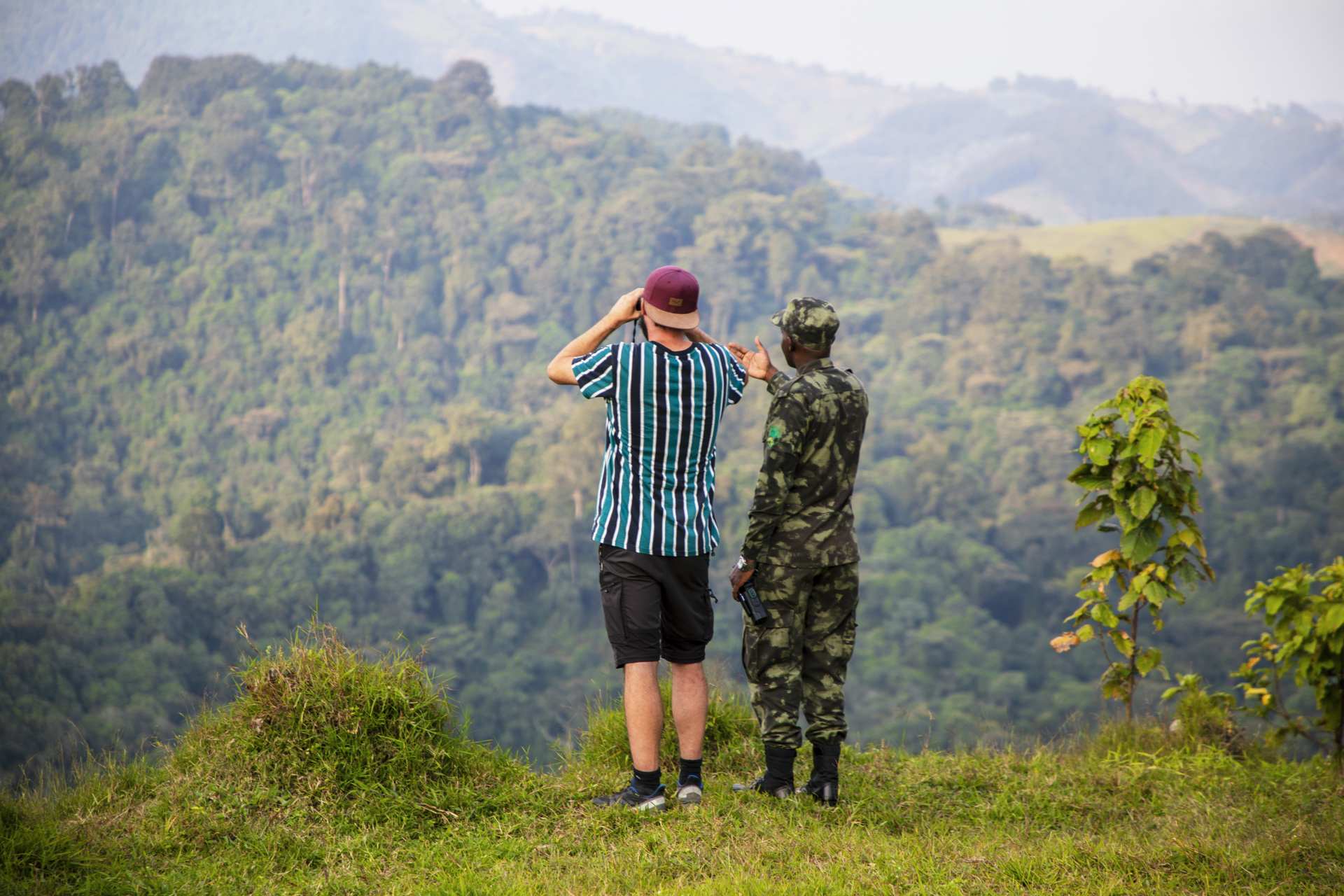
Volcanoes National Park is the crown jewel of Rwanda's conservation success—160 square kilometres of misty bamboo forest, hagenia-hypericum woodland, and volcanic peaks that shelter approximately half the world's remaining mountain gorillas. This is the landscape that captivated…

  • Mountain gorilla trekking — 99%+ success rate
  • Ten habituated gorilla families with distinct personalities
  • Golden monkey tracking in bamboo forest
  • Dian Fossey's grave and Karisoke Research Center
  • Hiking volcanic peaks — Bisoke crater lake
Akagera National Park02

Akagera National Park

Akagera's story is one of Africa's most inspiring conservation narratives. Two decades ago, this 1,122-square-kilometre park in eastern Rwanda had lost its lions, rhinos, and much of its wildlife to poaching and encroachment. Today, thanks to a transformative partnership between…

  • Big Five safari in a rewilded ecosystem
  • Lions and black rhinos reintroduced successfully
  • Over 500 bird species — premier birding destination
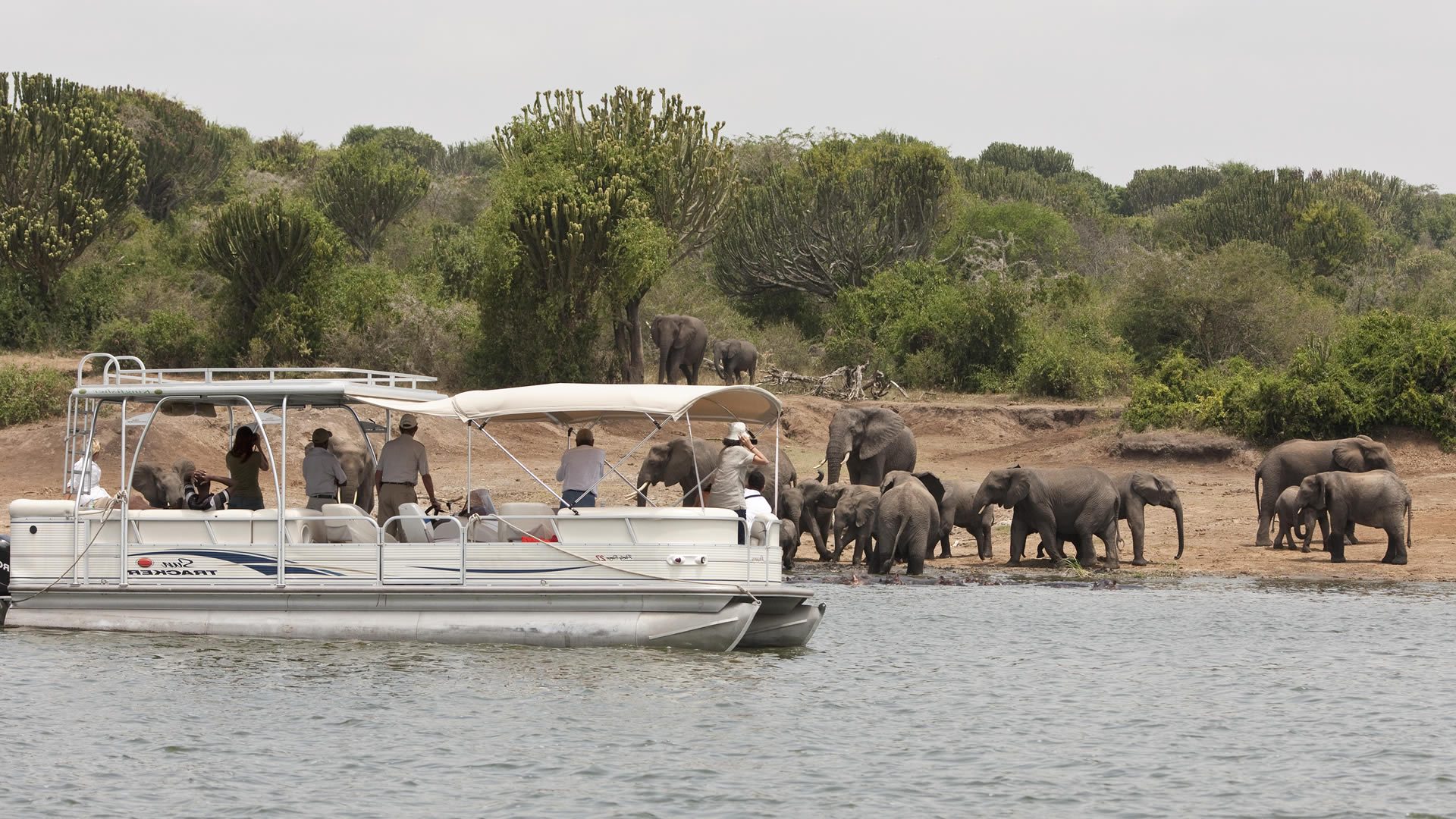
  • Lake Ihema boat safaris with hippos and crocodiles
  • Classic East African savannah landscapes
Nyungwe Forest National Park03

Nyungwe Forest National Park

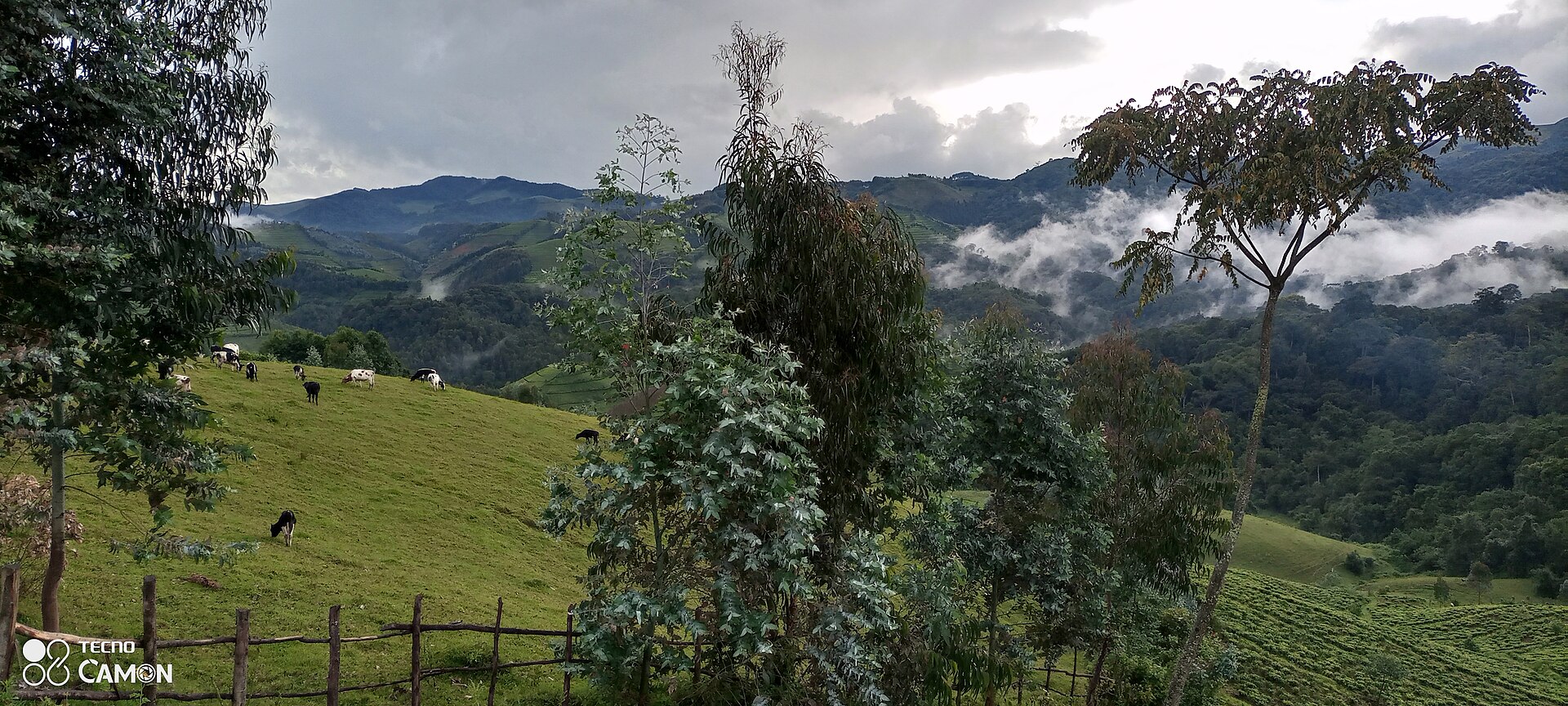
Nyungwe is one of the oldest and most biodiverse rainforests in Africa—a 1,019-square-kilometre cathedral of ancient trees, hanging orchids, and mountain streams that has survived ice ages intact. The forest shelters 13 primate species, including habituated communities of chimpan…

  • Chimpanzee trekking in one of Africa's oldest rainforests
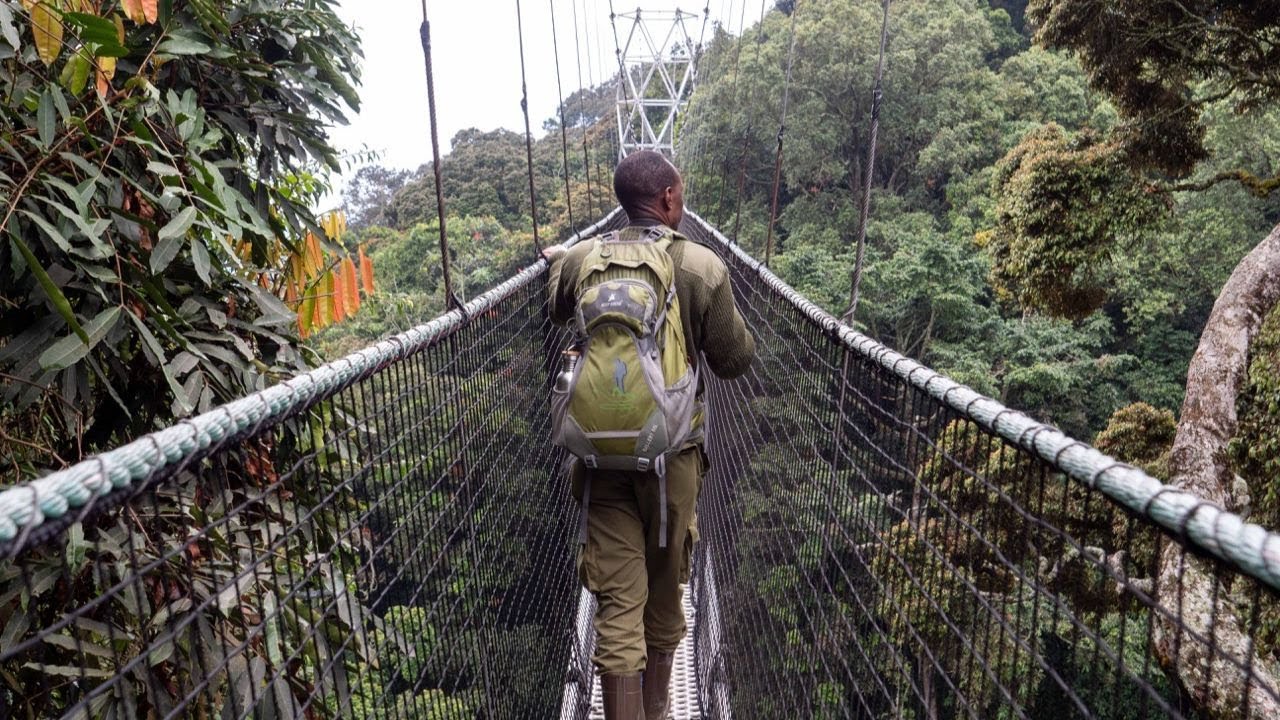
  • Canopy walkway — 60 metres above the forest floor
  • 13 primate species including L'Hoest's and colobus monkeys
  • 310 bird species — 27 Albertine Rift endemics
  • Waterfall hikes through pristine forest
Lake Kivu04

Lake Kivu

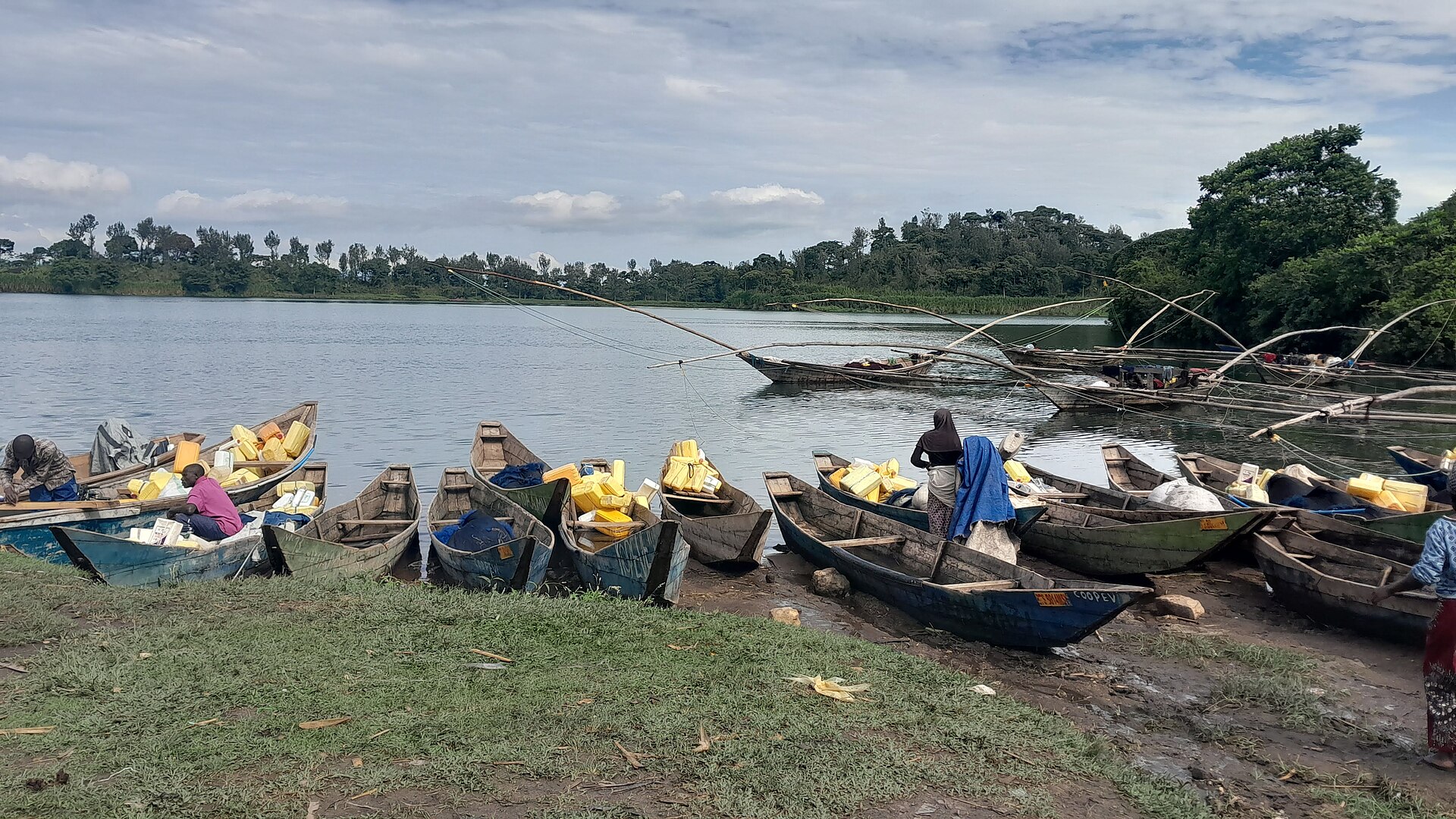
Lake Kivu is Rwanda's Mediterranean—one of Africa's Great Lakes, stretching 90 kilometres along the western border with the Democratic Republic of Congo and fringed by terraced hillsides, fishing villages, and colonial-era towns that evoke a tranquility found nowhere else in East…

  • Kayaking and boat trips on one of Africa's Great Lakes
  • Island-hopping to Napoleon and Peace Islands
  • Coffee plantation tours and cupping experiences
  • Cycling through terraced hillsides and villages
  • Hot springs near Gisenyi
Curated For You

Signature Experiences

Mountain Gorilla Trekking

The hour you spend with a habituated gorilla family in Volcanoes National Park is consistently rated the single most profound wildlife experience on Earth. Sitting in a misty forest clearing as a 220-kilogram silverback feeds three metres away—his dark eyes regarding you with quiet intelligence—redefines what an animal encounter can be. Every trek is unique, every family different, and the emotional impact stays with you for life.

Golden Monkey Tracking

Less famous than their gorilla cousins but equally enchanting, Rwanda's golden monkeys are found only in the Virunga volcanoes. These striking primates—with golden-orange patches against black fur—live in the bamboo zone of Volcanoes National Park. Tracking them is less physically demanding than gorilla trekking and offers delightful close encounters as the playful monkeys leap through the bamboo canopy.

Chimpanzee Trekking in Nyungwe

In the ancient rainforest of Nyungwe, habituated chimpanzee communities of 60 or more individuals go about their daily lives in a forest that has existed since before the last ice age. The experience of hearing their pant-hoot calls echoing through the canopy before suddenly finding yourself beneath a tree full of our closest genetic relatives is thrilling, humbling, and deeply moving.

Akagera Big Five Safari

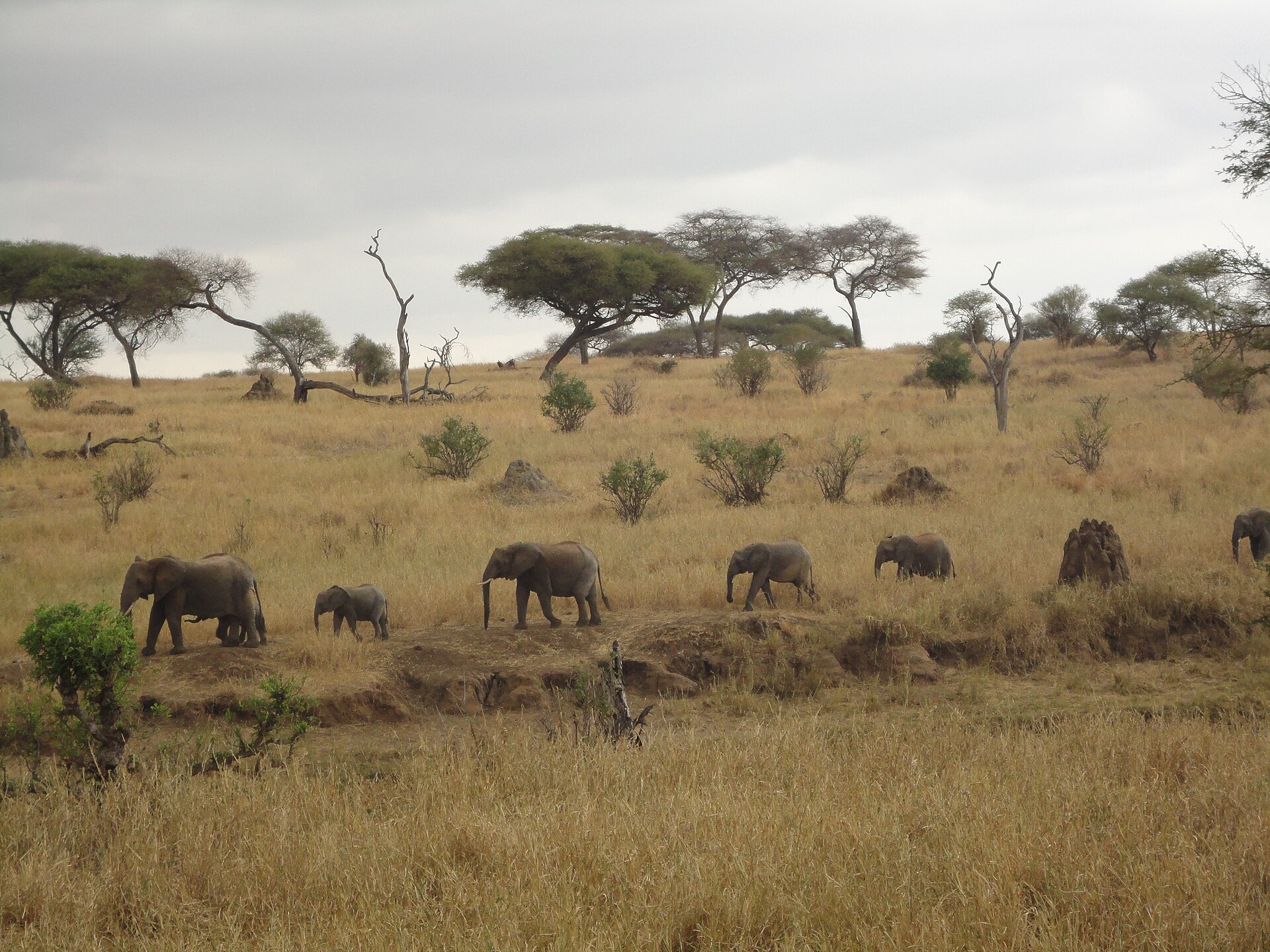
Akagera's transformation from depleted parkland to thriving Big Five reserve is one of Africa's great conservation stories. Driving through savannah where lions once again roam, where black rhinos browse in the undergrowth, and where elephant herds move freely through papyrus swamps—knowing that none of this was possible a decade ago—adds an emotional dimension that elevates every sighting.

Kigali Cultural Immersion

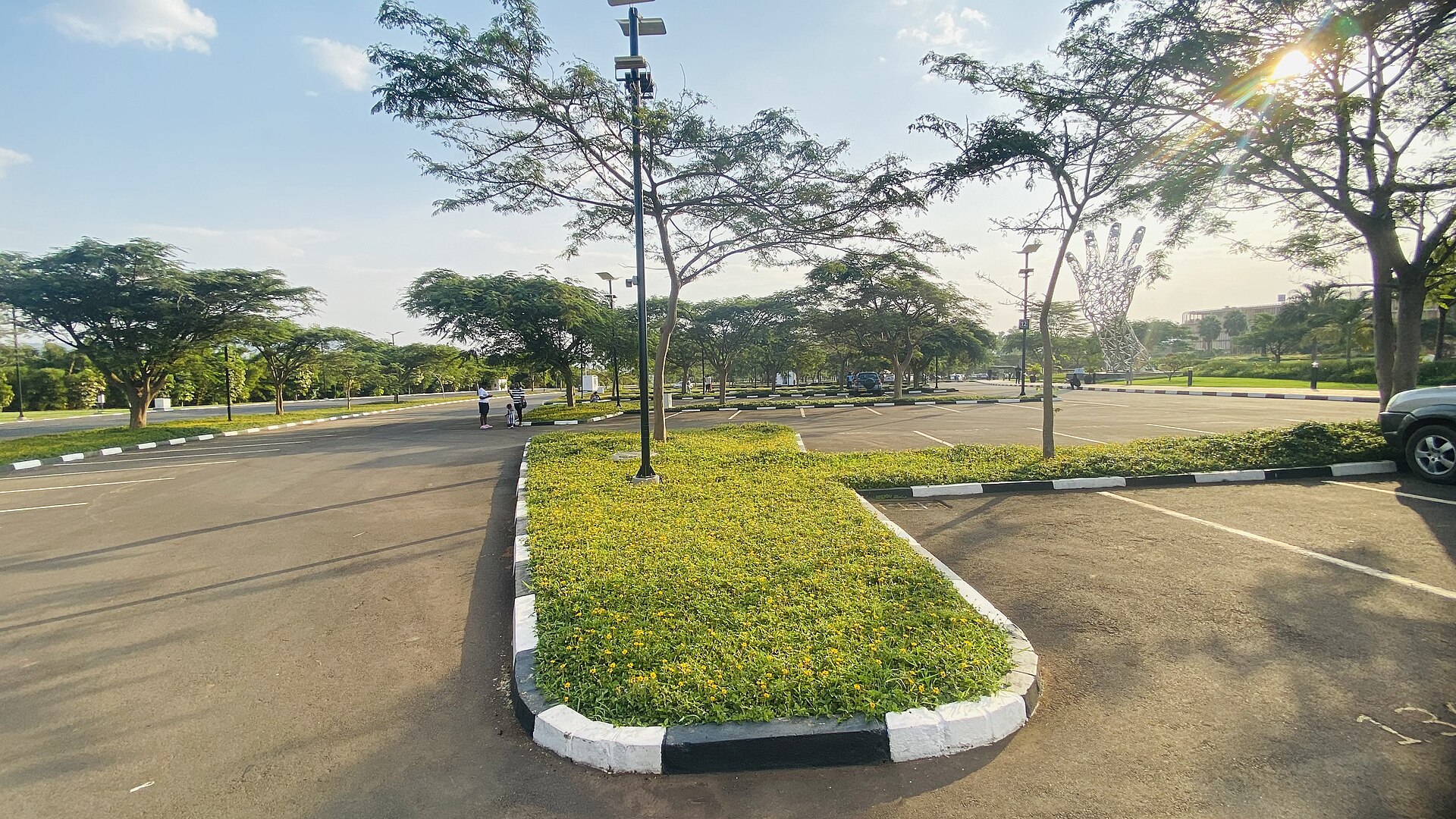
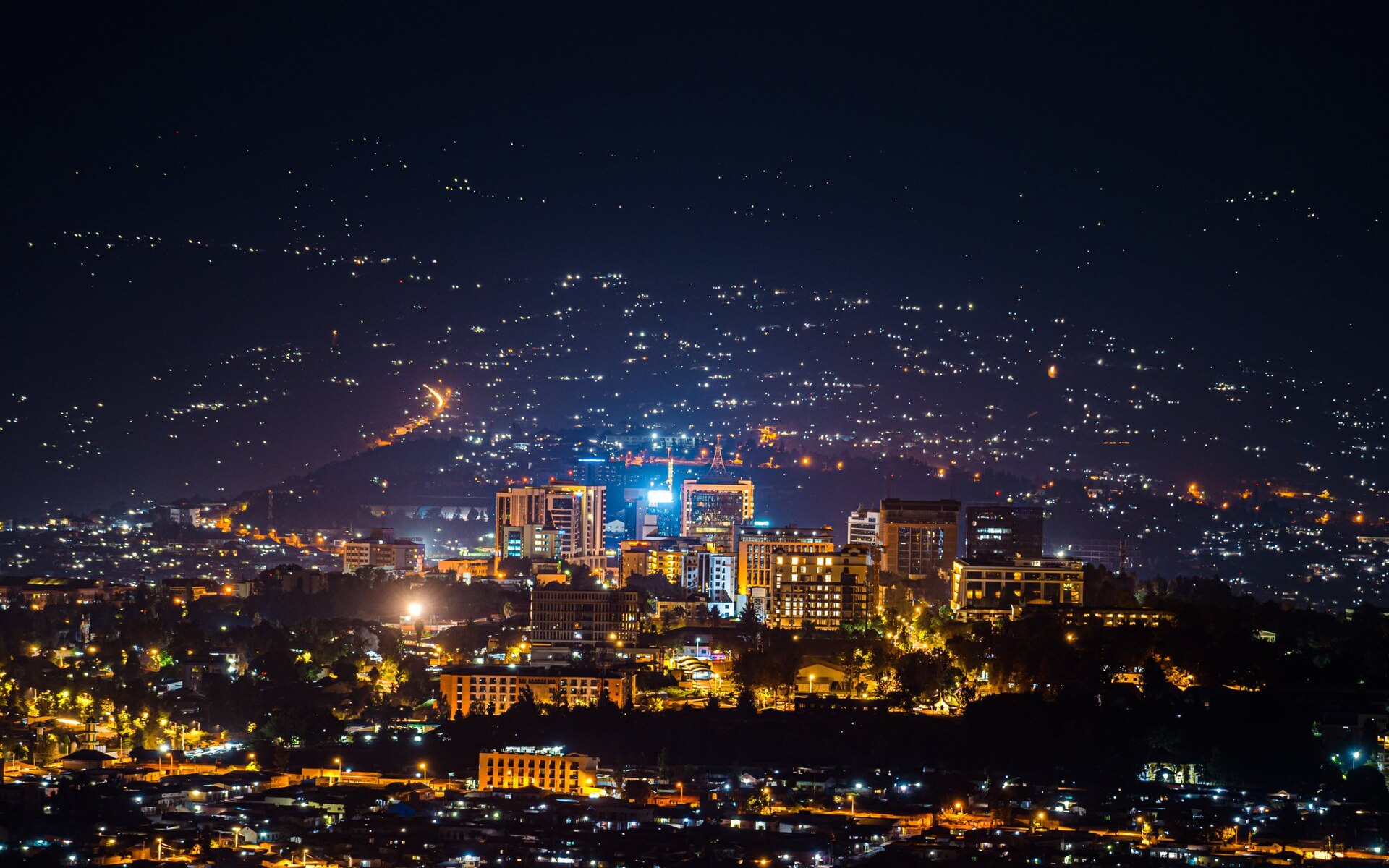
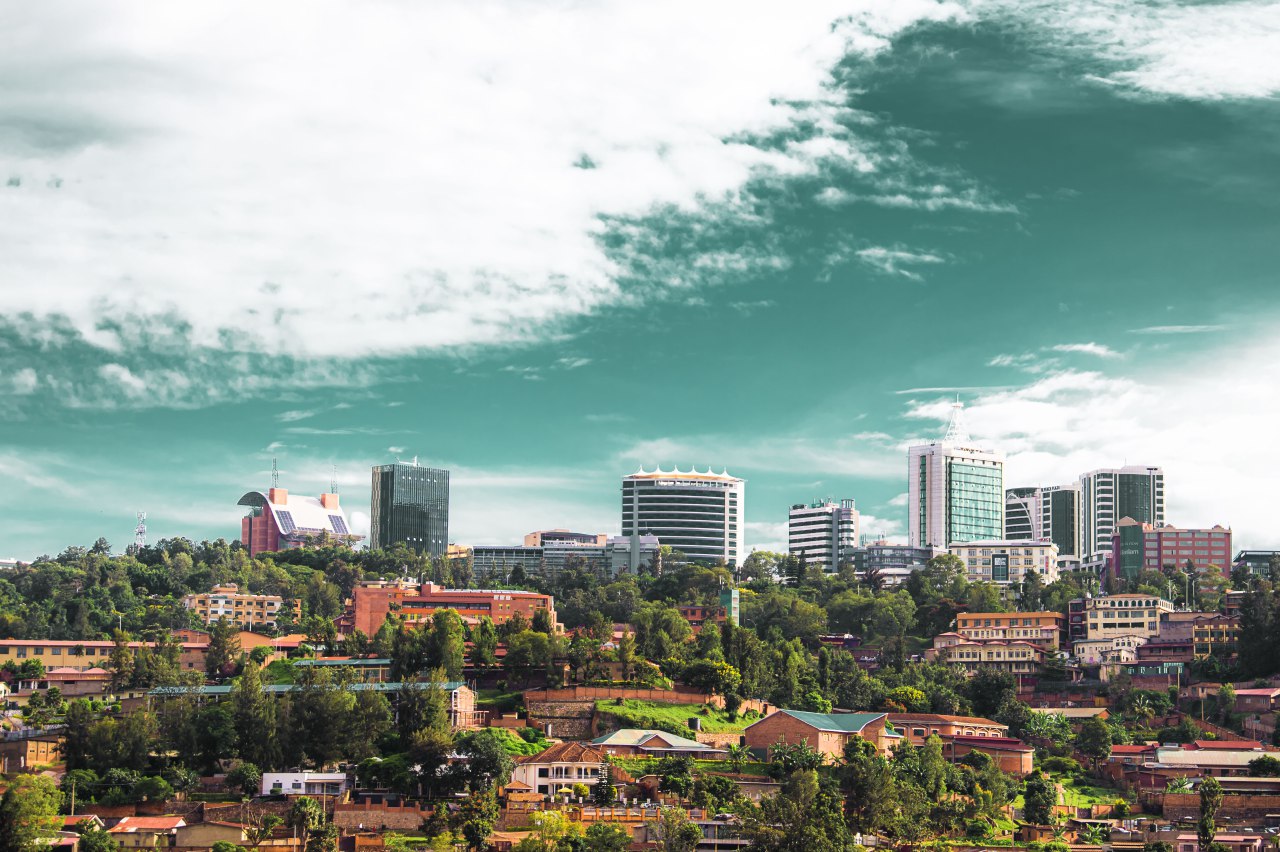
Rwanda's capital is one of Africa's cleanest, safest, and most dynamic cities. The Kigali Genocide Memorial provides essential historical context—a visit that is devastating but necessary. Balance it with the vibrant Kimironko Market, world-class restaurants, the Inema Arts Centre, and a thriving contemporary arts scene that reflects Rwanda's remarkable journey of renewal.

Hour by Hour

A Perfect Day: Gorilla Trekking in the Virungas

From misty forest to silverback encounter — the experience of a lifetime

  1. 05:00

    Pre-Dawn Preparation

    Wake to the sound of birdsong in your lodge overlooking the Virunga volcanoes. Pull on layers—it will be cold and possibly wet in the forest. A hearty breakfast of eggs, fresh fruit, and strong Rwandan coffee fortifies you for the trek ahead.

  2. 06:30

    Park Headquarters Briefing

    At the park headquarters in Kinigi, your guide briefs your group of eight trekkers. You learn about the gorilla family you'll visit—their names, personalities, and recent movements. Trackers have already entered the forest at dawn to locate the family.

  3. 07:30

    Into the Forest

    The trek begins on cultivated farmland at the volcano's base before entering dense bamboo forest. The altitude (2,500–3,500m) makes every step deliberate. Your guide cuts through undergrowth with a machete. The forest closes around you—moss-draped hagenia trees, hanging orchids, the calls of turacos.

  4. 09:30

    First Contact

    A radio crackle: the trackers have found the family. Your pace quickens. Then, a rustle of vegetation, and there they are—a family of sixteen mountain gorillas, feeding in a forest clearing. You deposit your packs and begin your one-hour encounter.

  5. 10:00

    The Golden Hour

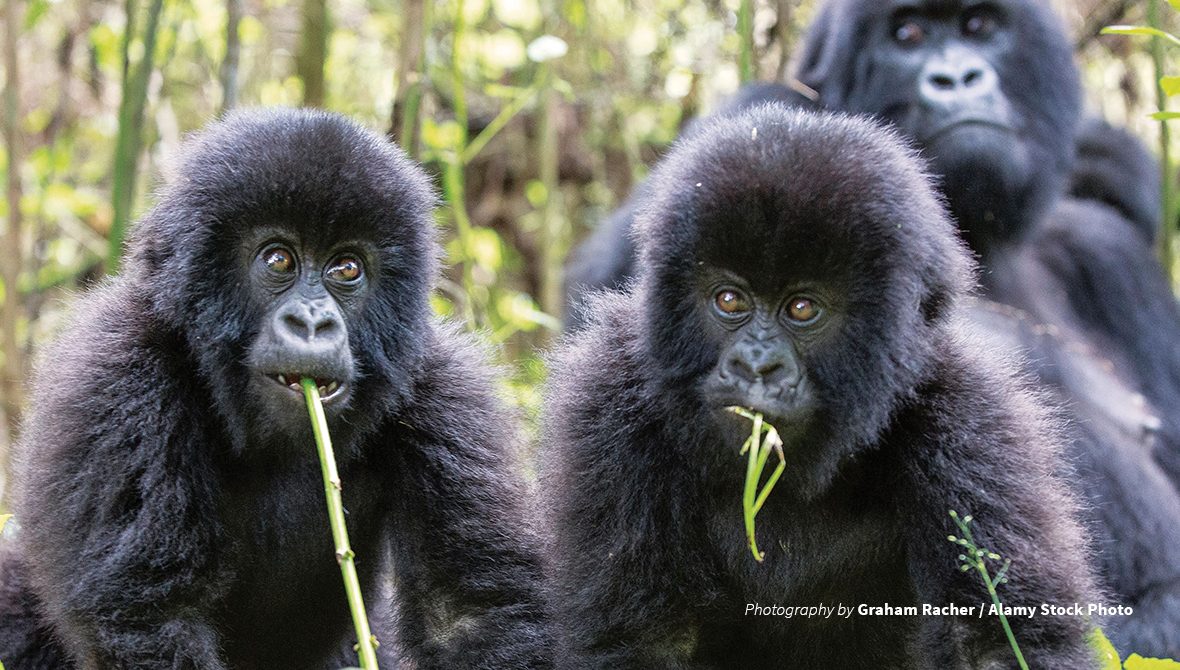
    For sixty extraordinary minutes, you sit among gorillas. The silverback—250 kilograms of quiet power—feeds within arm's reach. A mother nurses a three-month-old infant who watches you with enormous brown eyes. Juveniles tumble and wrestle. The emotional intensity is overwhelming. Cameras click, tears flow, hearts pound.

  6. 11:00

    The Descent

    Your hour ends too quickly. You retreat slowly, filled with an emotion difficult to articulate. The descent through the forest is reflective—your group quiet, each person processing what they've witnessed. Back at the trailhead, champagne toasts and gorilla trekking certificates await.

  7. 13:00

    Celebratory Lunch

    Return to your lodge for a long, celebratory lunch on the terrace. Rwandan cuisine: isombe (cassava leaves), brochettes, fresh lake fish, and passion fruit mousse. The volcanoes shimmer in the afternoon haze. You replay every moment of the morning in your mind.

  8. 15:30

    Cultural Visit or Golden Monkeys

    The afternoon offers a choice: an optional golden monkey trek (less strenuous than gorillas, equally delightful) or a visit to a local community—a Batwa cultural experience, a coffee cooperative, or the Iby'Iwacu Cultural Village.

  9. 18:30

    Sunset & Reflection

    As the sun sets behind the volcanoes, watch the mountains transform from green to purple to silhouette. Dinner at your lodge—candlelit, intimate—is accompanied by stories of the day's encounters and plans for tomorrow. You fall asleep to the sound of the forest.

When to Visit

When to Visit: A Seasonal Guide

Long Dry Season (June – September)

Rwanda's premier trekking season. The trails are drier, the forest floor firmer, and the gorillas tend to stay at lower elevations, shortening trek times. Clear mornings offer spectacular views of the Virunga volcanoes. Akagera's game viewing is at its best as animals concentrate around water sources.

Best for
  • Gorilla trekking — drier trails, shorter treks
  • Akagera Big Five game viewing
  • Clear mountain views and photography
  • Chimpanzee trekking in Nyungwe
  • Comfortable temperatures for hiking

Peak season — gorilla permits sell out months ahead. Book 6–12 months in advance. Higher lodge rates.

Short Dry Season (December – February)

An excellent alternative to the main dry season. Conditions are generally good for trekking, with fewer visitors and easier permit availability. The landscape is lush from the October–November rains. Akagera is green and beautiful. Christmas and New Year bring brief peak demand.

Best for
  • Gorilla trekking with fewer visitors
  • Lush green landscapes and photography
  • Easier permit availability
  • Birding — migratory species present
  • Combined gorilla + beach (Zanzibar/Mozambique)

Occasional afternoon showers possible. January–February generally drier than December.

Wet Seasons (March – May, October – November)

Gorilla trekking operates year-round, including during the rains. The forests are at their most atmospheric—misty, mysterious, and deeply photogenic. Trails are muddy and treks can be longer as gorillas move to higher elevations. Rates are lower and permits may be more available. Serious trekkers often prefer this season for its raw authenticity.

Best for
  • Budget-conscious luxury travel
  • Atmospheric, misty forest photography
  • Fewer visitors — more intimate experience
  • Lower lodge rates
  • Birding peak in Nyungwe and Akagera

Muddy trails — waterproof boots essential. Treks may be longer and more physically demanding. Some secondary roads challenging.

Month-by-Month Calendar
JanDry and warm. Excellent gorilla trekking conditions. Akagera game viewing good. Nyungwe chimpanzee tracking reliable. Lake Kivu warm and calm.
FebContinued dry season. Gorilla families at lower elevations. Great photography conditions. Akagera birdlife peaks. Lake Kivu ideal for water activities.
MarLong rains begin. Gorilla trekking continues — atmospheric misty conditions. Muddy trails. Primates in Nyungwe active. Lower rates and fewer visitors.
AprPeak of long rains. Trekking more challenging but rewarding. Fewest visitors — most intimate gorilla encounters. Significant savings on lodges.
MayRains easing. Forest lush and verdant. Gorilla families beginning to descend. Excellent value. Nyungwe canopy walkway open. Akagera greening.
JunDry season begins. Premier trekking conditions return. Akagera game concentrating. Book ahead — peak season starting. Cool mornings in the highlands.
JulPeak dry season. Best overall conditions for gorilla trekking. Akagera Big Five viewing excellent. Nyungwe chimp tracking reliable. Highest demand.
AugContinued peak season. Clear skies and mountain views. Gorilla permits scarce — advance booking essential. Lake Kivu calm and beautiful.
SepLate dry season. Excellent trekking and game viewing. Temperatures warming slightly. Last month of peak before October rains. Good permit availability returning.
OctShort rains begin. Gorilla trekking still excellent. Forest atmospheric. Akagera transitions. Migratory birds arriving in Nyungwe.
NovRains continue. Green season rates. Gorilla encounters intimate — fewer visitors. Nyungwe birding peaks. Akagera lush and photogenic.
DecShort rains easing. Festive season brings brief peak. Gorilla trekking conditions improving. Beautiful transition landscapes. Book ahead for holidays.
Travel With Purpose

Conservation & Community

Rwanda's conservation story is inseparable from its national story. The 1994 genocide devastated not only the human population but also the country's wildlife and forests. The subsequent rebuilding has been extraordinary—and wildlife conservation has been central to the national recovery.

The gorilla trekking permit system—at $1,500 per person, the most expensive wildlife permit in Africa—was a deliberate strategic choice. Ten per cent of all park revenue is distributed directly to communities surrounding the national parks, funding schools, health clinics, and infrastructure. This revenue-sharing model has transformed gorillas from a resource to be poached into a living asset that communities actively protect.

The results speak for themselves. Mountain gorilla numbers have risen from approximately 680 in 2008 to over 1,063 today—one of the few large-mammal conservation success stories on Earth. Akagera's rewilding programme has returned the Big Five to Rwanda. Nyungwe's chimpanzee populations are stable and growing.

Our Rwanda safaris are designed to maximise the positive impact of your visit. Every dollar spent on permits, lodges, and guides directly funds conservation programmes and community development. When you trek with us, you are not merely observing gorillas—you are actively participating in their survival.

Know Before You Go

Travel Essentials

Getting There

International flights arrive at Kigali International Airport (KGL). Direct or one-stop connections from Johannesburg (4 hours), Nairobi (1.5 hours), and Addis Ababa (3 hours). From Kigali, Volcanoes National Park is a 2.5-hour scenic drive north. Akagera is 2 hours east. Nyungwe is 5 hours southwest (or a short flight to Kamembe). Helicopter transfers are available for time-sensitive itineraries.

Gorilla Permits

A gorilla trekking permit costs $1,500 per person per trek. Permits must be booked well in advance — 6–12 months for peak season (June–September, December–February). Only 96 permits are issued daily (8 per gorilla family, 12 families). We secure permits as part of your booking and can often access allocation held for premium operators.

Visa & Entry

Most nationalities receive visa on arrival ($30 USD) or can apply for an e-Visa online. The East Africa Tourist Visa ($100) covers Rwanda, Kenya, and Uganda — excellent for multi-country itineraries. Passport must be valid for 6 months beyond entry. Yellow fever vaccination required if arriving from endemic countries.

Health & Safety

Rwanda is one of Africa's safest countries. Kigali is consistently rated the cleanest city on the continent. Malaria risk exists at lower elevations (Akagera, Lake Kivu) but is minimal in the highlands (Volcanoes, Nyungwe). Standard vaccinations recommended. No special health concerns beyond altitude (2,500–4,500m) during gorilla treks.

What to Pack for Gorilla Trekking

Waterproof hiking boots with ankle support (essential — trails are muddy), long trousers and long-sleeved shirts (protection from nettles), waterproof jacket, gardening gloves (for grabbing vegetation), a daypack, 2 litres of water, energy snacks, and a camera without flash. Porters are available at the trailhead ($15–20 USD) and highly recommended.

Currency & Payments

Rwandan Franc (RWF) is the official currency. US Dollars accepted at lodges, camps, and for permits/tips. Credit cards accepted at upmarket hotels in Kigali and premium lodges. ATMs available in Kigali and major towns. M-money (MTN MoMo) widely used for local transactions.

Connectivity

Rwanda has excellent mobile and internet infrastructure by African standards. 4G coverage in Kigali and major towns. Wi-Fi at most lodges, though speeds near the national parks are variable. Kigali's connectivity rivals many European cities.

Multi-Country Journeys

Combining Rwanda with South Africa

A Rwanda-South Africa combination delivers the ultimate contrast: Cape Town's cosmopolitan sophistication paired with one of the most raw, emotional wildlife encounters on Earth. The itinerary writes itself—begin with the Cape Winelands, Table Mountain, and the Cape Peninsula, then fly north to Kigali for gorilla trekking in the Virunga volcanoes.

Flights from Cape Town or Johannesburg reach Kigali in 4–6 hours (one stop via Nairobi or Addis Ababa). A compact but comprehensive Rwanda extension—2 nights gorilla trekking, 2 nights Akagera, 1 night Kigali—adds just 5 nights to your South Africa journey. For a more immersive experience, add Nyungwe Forest and Lake Kivu for a 7–10 night extension.

We coordinate every element: flights, transfers, gorilla permits, lodges, and guides. The result is a seamless journey from vineyard to volcano, from fine dining to forest trekking, from urban elegance to primal wilderness.

Good to Know

Frequently Asked Questions

How much does gorilla trekking cost in Rwanda?

A gorilla trekking permit in Rwanda costs $1,500 per person per trek. This is a fixed fee set by the Rwanda Development Board. Combined with luxury lodge accommodation ($500–$2,500/night), a 3-night gorilla trekking experience typically costs $4,000–$10,000 per person all-inclusive.

Is Rwanda safe for tourists?

Rwanda is one of Africa's safest countries. Kigali is consistently ranked among the cleanest and most secure cities on the continent. Violent crime against tourists is virtually unheard of. The country's strong governance and low corruption create a welcoming environment for visitors.

How fit do I need to be for gorilla trekking?

Moderate fitness is recommended. Treks range from 30 minutes to 6+ hours through steep, sometimes muddy terrain at 2,500–3,500m altitude. Porters are available to carry your pack and assist on difficult sections. Your guide will match your group to an appropriate gorilla family based on fitness levels.

When is the best time for gorilla trekking?

Gorilla trekking operates year-round with a 99%+ success rate. June–September and December–February (dry seasons) offer the easiest trekking conditions. The wet season (March–May, October–November) provides atmospheric, misty encounters with fewer visitors and lower rates.

How close will I get to the gorillas?

The minimum distance is 7 metres, though gorillas frequently approach closer. Silverbacks have been known to walk past trekkers within arm's reach. The habituated families are remarkably relaxed around humans. Flash photography is prohibited, and face masks may be required to prevent disease transmission.

What is the difference between Rwanda and Uganda for gorilla trekking?

Rwanda permits cost $1,500 vs Uganda's $800, but Rwanda offers better infrastructure, shorter drives from the capital, and generally shorter treks. Uganda's Bwindi forest is denser and more challenging. Both offer extraordinary encounters. Rwanda is ideal for time-limited travellers; Uganda suits those seeking a more adventurous experience.

Do I need vaccinations for Rwanda?

Yellow fever vaccination is required if arriving from an endemic country. Routine vaccinations should be current. Malaria prophylaxis recommended for lower-altitude areas (Akagera, Lake Kivu) but minimal risk at gorilla trekking altitudes. Consult your travel clinic 6–8 weeks before departure.

Can I combine gorilla trekking with a Big Five safari?

Yes — Akagera National Park offers Big Five game viewing just 2 hours east of Kigali. A combined gorilla trekking + Akagera itinerary is one of Rwanda's most rewarding experiences, delivering primates and plains game in a single country. Allow 5–7 nights for the combination.

How far in advance should I book gorilla permits?

Book 6–12 months ahead for peak season (June–September, December–February). Only 96 permits are issued daily. Shoulder and wet season permits may be available 3–6 months ahead. We have access to premium operator allocations and can sometimes secure permits at shorter notice.

What should I pack for Rwanda?

For gorilla trekking: waterproof hiking boots, long trousers, long-sleeved shirt, waterproof jacket, gardening gloves, daypack, water, and snacks. General: layers for variable temperatures (10–27°C), smart-casual for Kigali restaurants, binoculars, and a camera with telephoto lens. Plastic bags are banned in Rwanda.

Is Rwanda suitable for families with children?

Children must be 15 years or older to participate in gorilla trekking (a park regulation). Akagera and Lake Kivu welcome children of all ages. For families with older teenagers, Rwanda offers an exceptionally rewarding and educational experience.

What is the flying time from South Africa to Rwanda?

Johannesburg to Kigali: approximately 4 hours direct (RwandAir) or 5–6 hours via Nairobi/Addis Ababa. Cape Town to Kigali: approximately 6 hours with one connection. From Kigali, Volcanoes National Park is a 2.5-hour drive — we arrange private transfers.

Do I need a visa for Rwanda?

Most nationalities receive visa on arrival ($30 USD). The East Africa Tourist Visa ($100) covers Rwanda, Kenya, and Uganda for 90 days — ideal for multi-country itineraries. South African citizens are visa-exempt. Apply online or at Kigali airport.

Chat