Ultra-Luxury7 DaysNgorongoro Crater & Serengeti Ultimate
The crater floor and the endless plains, in the finest lodges. Seven days across the two greatest names on the northern circuit — the Ngorongoro Crater and the Se…

A two-minute journey, narrated. Press play and let Ngorongoro Conservation Area unfold.
Africa's Garden of Eden
The world's largest intact caldera — a self-contained wilderness where the Big Five gather on a single grassy floor beneath 600-metre walls.
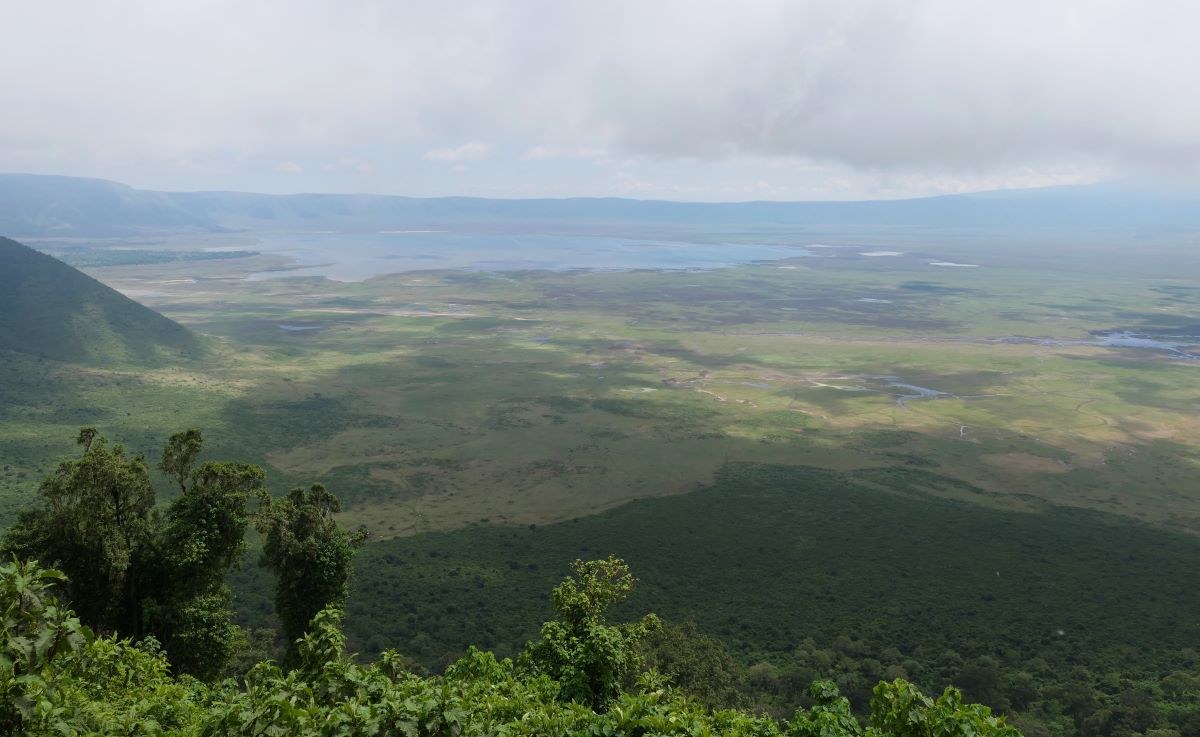
Ngorongoro is the collapsed cone of a volcano that once stood higher than Kilimanjaro. When the mountain caved in on itself some two and a half million years ago, it left behind a caldera 19 kilometres wide and more than 600 metres deep — the largest unflooded, unbroken caldera on earth. Down on that grassy floor lives one of the densest concentrations of large mammals anywhere in Africa: an estimated 25,000 animals that rarely need to leave, because the crater gives them everything — permanent water, open grazing, acacia woodland and a soda lake tinged pink with flamingos. This is one of the few places on the continent where you can reasonably expect to see all of the Big Five in a single morning, including the black rhino that have all but vanished elsewhere in Tanzania. Beyond the crater rim, the wider Conservation Area is a pioneering experiment in shared land: Maasai herders graze cattle alongside the wildlife across highland plains, the fossil beds of Olduvai Gorge record the earliest chapters of the human story, and the calving herds of the southern Serengeti spill onto the Ndutu plains each green season. A UNESCO World Heritage Site on two counts — for its natural drama and its record of human origins — Ngorongoro rewards the traveller who wants depth as well as spectacle.
We time your descent so you meet the crater awake — before the crowds, while the lions still walk the road.
Our guides know which route drops you onto the floor first and where the rhino graze at dawn, turning a busy sight into a private one.
The world's largest intact caldera — a self-contained wilderness where the Big Five gather on a single grassy floor beneath 600-metre walls.
Descend into the world's largest intact volcanic caldera for a near-guaranteed Big Five morning
Tanzania's most reliable sighting
Watch flamingos wade the soda flats of Lake Magadi on the crater floor
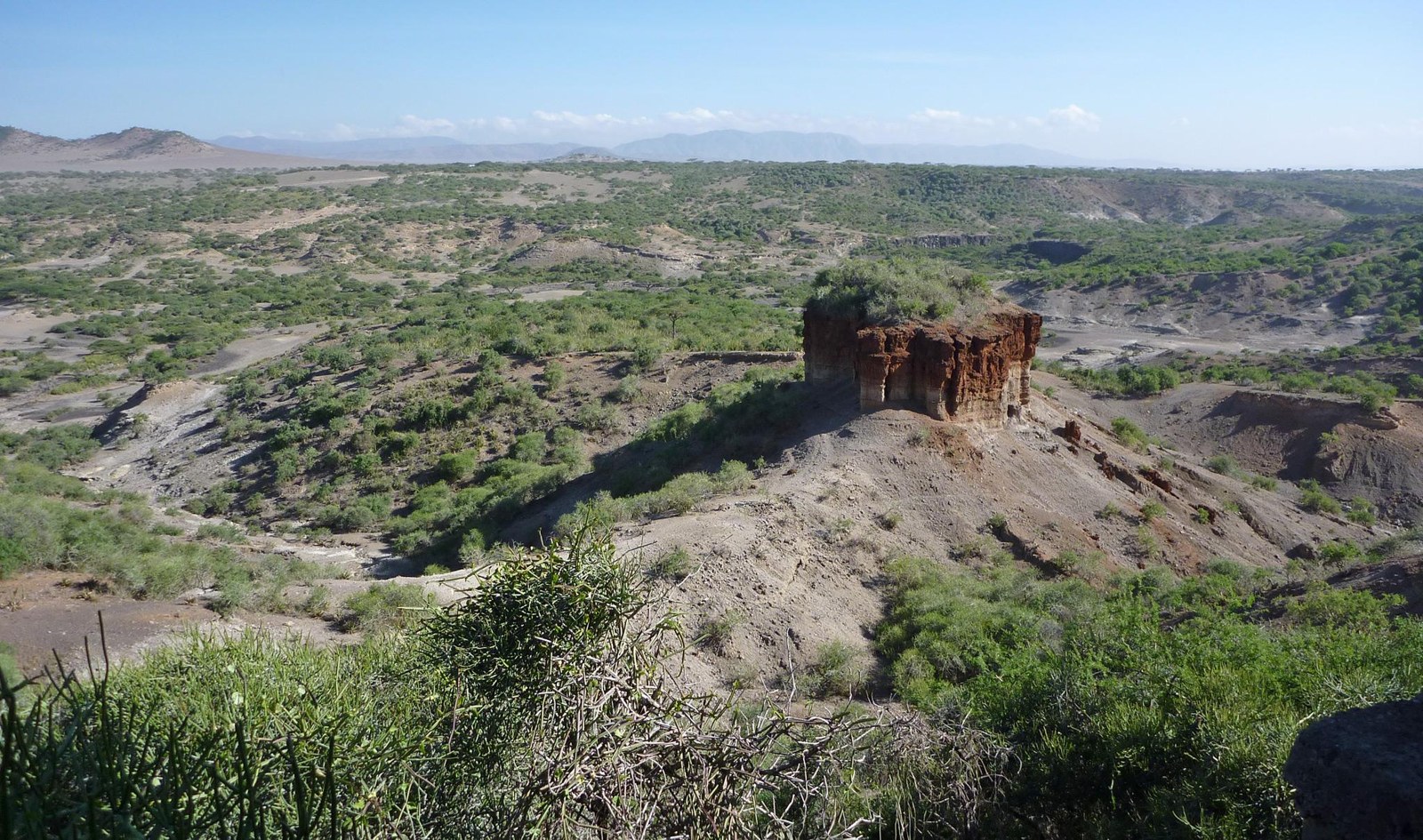
where the Leakeys uncovered our earliest ancestors
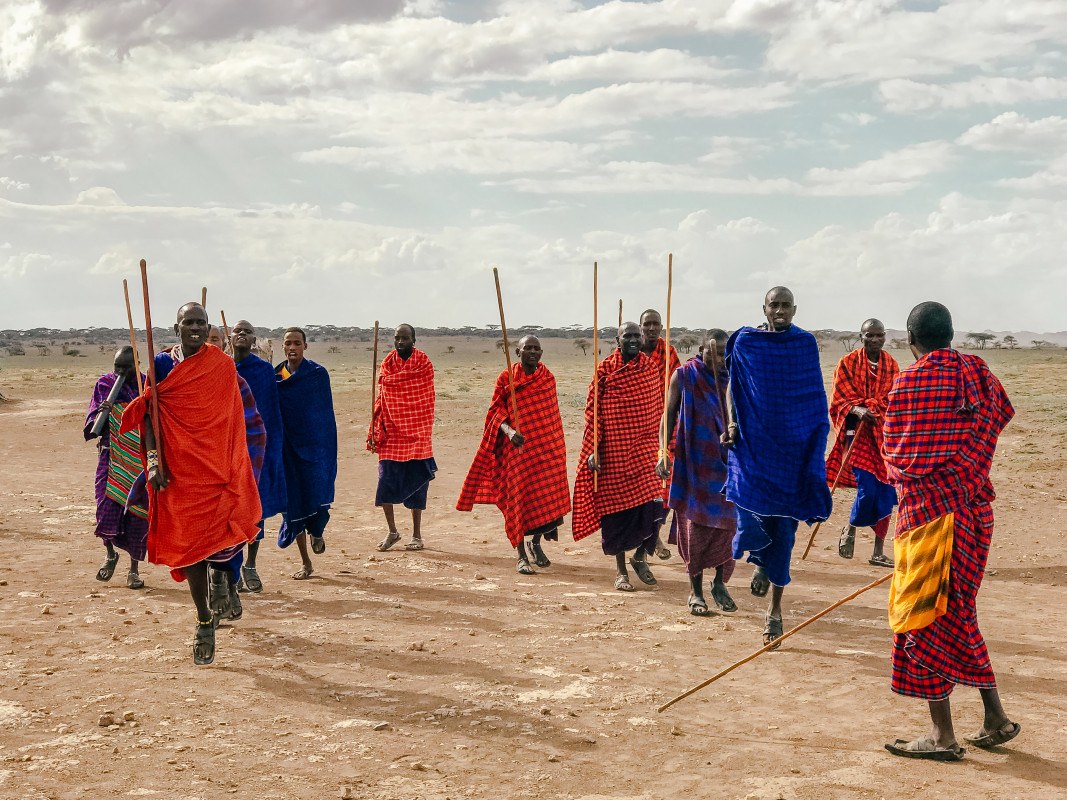
Meet Maasai families who still herd cattle across the highland plains
Hand-crafted private journeys through Ngorongoro Conservation Area — from our flagship ultra-luxury expedition to exceptional value escapes. Every package is fully tailor-made, privately guided and includes luxury lodges, expert rangers and smooth logistics.
Ultra-Luxury7 DaysThe crater floor and the endless plains, in the finest lodges. Seven days across the two greatest names on the northern circuit — the Ngorongoro Crater and the Se…
High-End5 DaysThe crater, Tarangire and Manyara in five easy days. A classic five-day loop of the northern highlights — the elephant herds of Tarangire, the flamingos and fores…
Luxury3 DaysA short, sharp taste of the crater and Tarangire. Three days that pack in two of the north's finest experiences — a day among Tarangire's elephants and a full day…

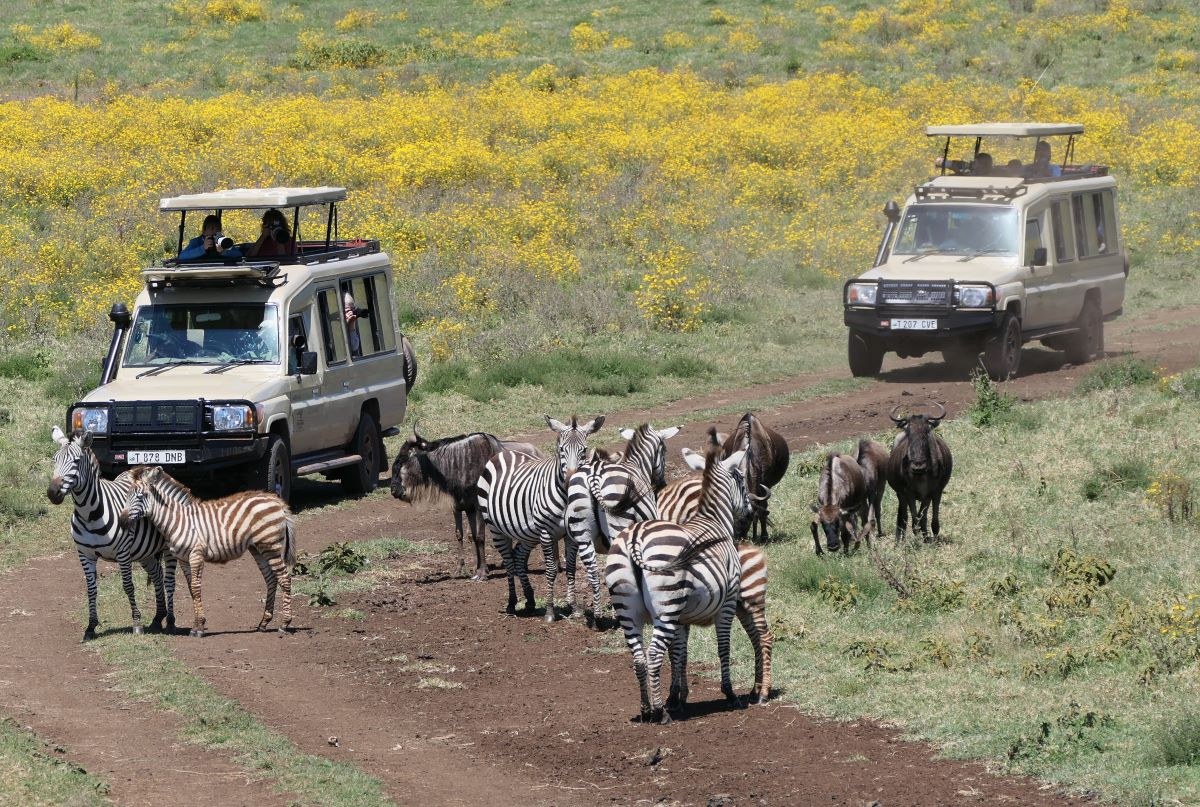
A dawn descent down the steep access road drops you 600 metres onto the caldera floor before the day-trippers arrive. Lions rest in the open, elephant bulls carry the heaviest ivory in the country, and black rhino graze the Lerai Forest fringe. Guides know every waterhole and pride territory on the floor.

A dawn descent down the steep access road drops you 600 metres onto the caldera floor before the day-trippers arrive. Lions rest in the open, elephant bulls carry the heaviest ivory in the country, and black rhino graze the Lerai Forest fringe. Guides know every waterhole and pride territory on the floor.

Step inside a boma on the highland plains, where Maasai families share their way of life — the songs, the jumping dance, the cattle economy and the beadwork that signals age and status. A respectful, community-run visit that puts your stay into human context.

A guided tour of the ravine where Mary and Louis Leakey unearthed hominin fossils and stone tools that pushed back the human timeline by millions of years. The small museum overlooks the gorge, and the wind-driven Shifting Sands dune sits a short drive on.

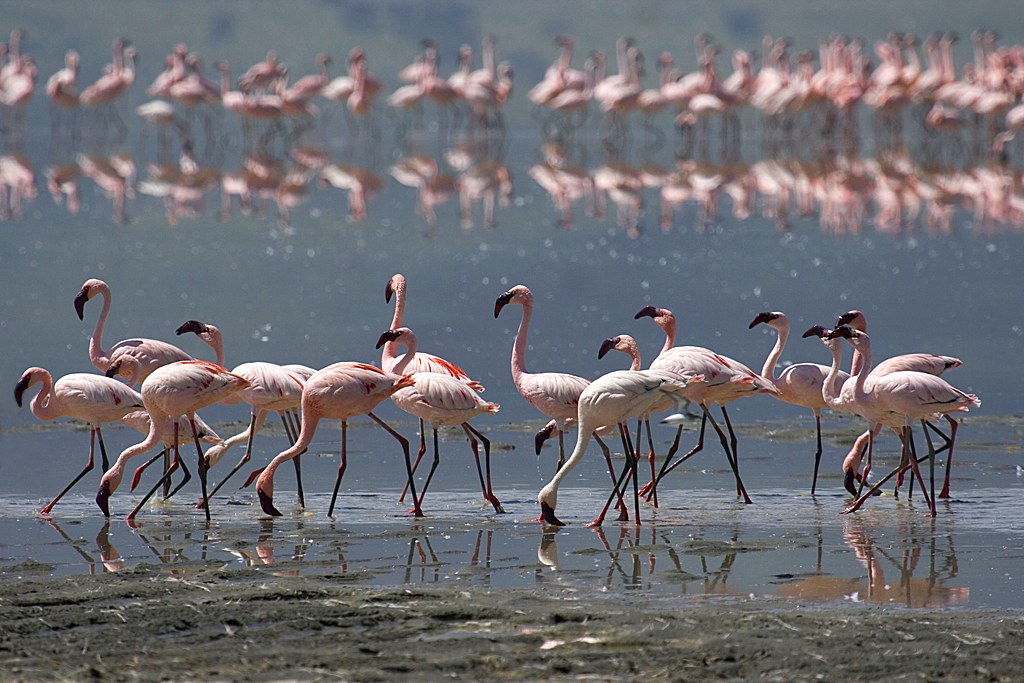
Lake Magadi on the crater floor draws lesser and greater flamingos in shifting pink drifts, alongside crowned cranes, kori bustards and raptors. Slow down at the water's edge with a guide who reads the seasonal comings and goings.

Trace the forested rim for panoramas that take in the entire caldera at once — a view that ranks among the finest in Africa. On clear mornings the far wall floats above the mist and the herds below read as moving specks of shadow.

Break the drive at the hippo pool picnic site, where lunch is laid out beside water thick with grunting hippo and watchful kites. A relaxed midday pause in the middle of the wildest arena in Tanzania.
Handpicked luxury lodges ranging from award-winning ultra-luxury suites to exceptional value properties — every lodge delivers a world-class safari experience.

A theatrical fusion of Maasai craft and baroque grandeur teetering on the crater's edge — arguably the most dramatic lodge setting in Africa
Condé Nast Traveler Gold List, Travel + Leisure World's Best

Light-filled glass domes high on a forested volcano — contemporary design and a launchpad for Empakaai and Olmoti away from the crowds
Featured in Condé Nast Traveler

A small, warm tented camp tucked into the rim forest — old-world safari intimacy minutes from the descent road
Sanctuary Retreats collection

A working coffee and vegetable farm on the crater highlands — slow, soulful and utterly unlike a standard safari lodge
National Geographic Unique Lodges of the World

The nearest camp to the quiet Lemala descent route, giving you a head start onto the crater floor at first light
Lemala Camps & Lodges
For couples seeking something truly special, Ngorongoro Conservation Area pairs unforgettable shared experiences with intimate lodges and quiet, golden moments away from the crowds.
Step inside a boma on the highland plains, where Maasai families share their way of life — the songs, the jumping dance, the cattle economy and the beadwork that signals age and status.
A guided tour of the ravine where Mary and Louis Leakey unearthed hominin fossils and stone tools that pushed back the human timeline by millions of years.
Lake Magadi on the crater floor draws lesser and greater flamingos in shifting pink drifts, alongside crowned cranes, kori bustards and raptors.
Trace the forested rim for panoramas that take in the entire caldera at once — a view that ranks among the finest in Africa.

Tanzania's most reliable black rhino sightings on the open floor
Big Five
Dense resident prides, including heavy-maned crater males
Big Five
Old bulls carrying some of the largest tusks in Tanzania
Big Five
Big herds grazing the caldera grasslands
Big Five
Secretive, in the Lerai fever-tree forest and rim woodland
Big Five
Pink drifts on the soda flats of Lake Magadi

Powerful clans that often out-compete lions here

Wallowing in the Ngoitokitok springs and hippo pool

Thousands grazing the floor alongside wildebeest

Occasional on the open short-grass of the floor
Ngorongoro Conservation Area stands apart — here's how it compares to other destinations.
Cool, clear highland air and superb visibility on the floor; animals easy to find
Brief afternoon showers, fresh green rim forest, fewer vehicles
Lush plains and the southern Serengeti calving on nearby Ndutu
Heaviest rain, misty rim, lowest prices and quietest floor
The practical details that make a real difference — gathered from years of sending travellers into this region.
At 2,300 metres the rim is genuinely chilly at dawn and dusk. Bring fleece, a windproof layer and a hat — game drives start before sunrise.
Aim to be on the floor by 6:30am. The best sightings and the emptiest tracks belong to the early risers.
The rim is low-risk but the wider circuit is not malaria-free. Discuss prophylaxis with your doctor and pack repellent.
The floor is open and animals often keep their distance. A 100–400mm lens earns its place, especially for rhino.
You may spend six hours on the floor with only the picnic site for a break. Keep water and layers within reach.
Crater elephants and rhino are wild and wary. Let your guide set the viewing distance — patience delivers the best moments.
Most guests arrive on a private northern-circuit road transfer from Arusha, often combined with Tarangire, Lake Manyara and the Serengeti. Light-aircraft flights land at Lake Manyara or Serengeti airstrips with a road link up to the rim. Crater descent permits are timed and arranged by your lodge.
A Ngorongoro Conservation Area safari pairs beautifully with the regions below. Our team stitches them into one unhurried journey — flights, transfers and timing handled end to end.
TanzaniaThe endless plains lie three hours north — pair the crater's density with the Serengeti's scale and the Great Migration.
Explore Serengeti
TanzaniaAdd the baobab country and vast elephant herds that open the northern circuit.
Explore Tarangire National Park
TanzaniaA short drive down the escarpment for flamingos, tree-climbing lions and forest elephants.
Explore Lake Manyara National Park
MozambiqueFinish barefoot on an Indian-Ocean island after the highlands — the classic bush-and-beach close.
Explore BazarutoNo. Ngorongoro Conservation Area sits on the south-eastern edge of the greater Serengeti ecosystem but is a separate, multiple-use protected area centred on the crater. The two are usually combined on a single northern-circuit itinerary, roughly three to four hours apart by road.
Yes. The crater floor is one of very few places in Africa where lion, elephant, buffalo, leopard and black rhino all occur, and a full day on the floor gives a genuine chance of all five — with black rhino being the hardest to guarantee.
One full day on the crater floor is enough to see the highlights, but two nights on the rim lets you add Olduvai Gorge, a Maasai village and the quieter Empakaai or Olmoti craters without rushing.
The floor can gather vehicles at a major sighting during peak season. Descending at dawn from a rim lodge, and using guides who work the quieter routes, keeps you ahead of the day-trip traffic.
The high-altitude rim carries a low malaria risk, but the wider region is not risk-free. Prophylaxis is recommended for a Tanzanian safari — consult your doctor and pack repellent.
The crater rim sits around 2,300 metres, so evenings are cold and a few visitors notice the thinner air. Warm layers are essential, but altitude sickness is rare at this height.
June to October offers cool, dry, clear conditions and easy game viewing on the floor. January to February adds the spectacle of the calving herds on the nearby Ndutu plains.
Yes. Ngorongoro is one of the more family-friendly safari destinations — game drives are vehicle-based and several lodges welcome children and offer family suites.
Yes. Only registered four-wheel-drive vehicles with a permit may descend, and your lodge or operator arranges this. Self-drive on the floor is heavily restricted.
We build private, guided itineraries with a dedicated driver-guide, hand-picked rim lodges and dawn descents to beat the crowds, usually paired with Tarangire, Lake Manyara and the Serengeti for a complete northern circuit.
Join 200,000+ travellers who have trusted us with their African safari dreams since 2008. Our expert team will craft a tailor-made Ngorongoro Conservation Area itinerary perfectly suited to your style, budget and dates.