We're Open08:00–19:00 SAST
WhatsAppWishlistPartner Portal
Kenya — Safari's Spiritual Home — Where the Great Migration Thunders Across Golden Plains
EAST AFRICA · KENYA

KENYA

Safari's Spiritual Home — Where the Great Migration Thunders Across Golden Plains

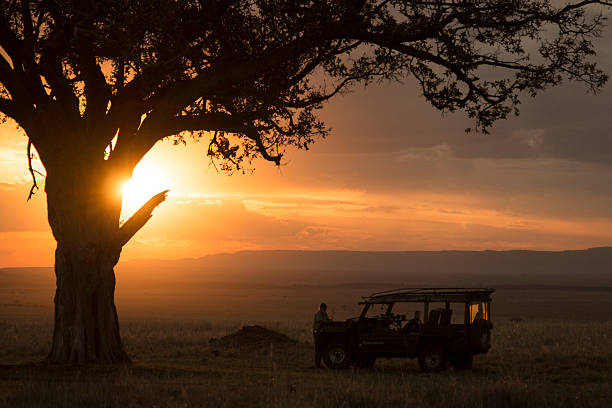
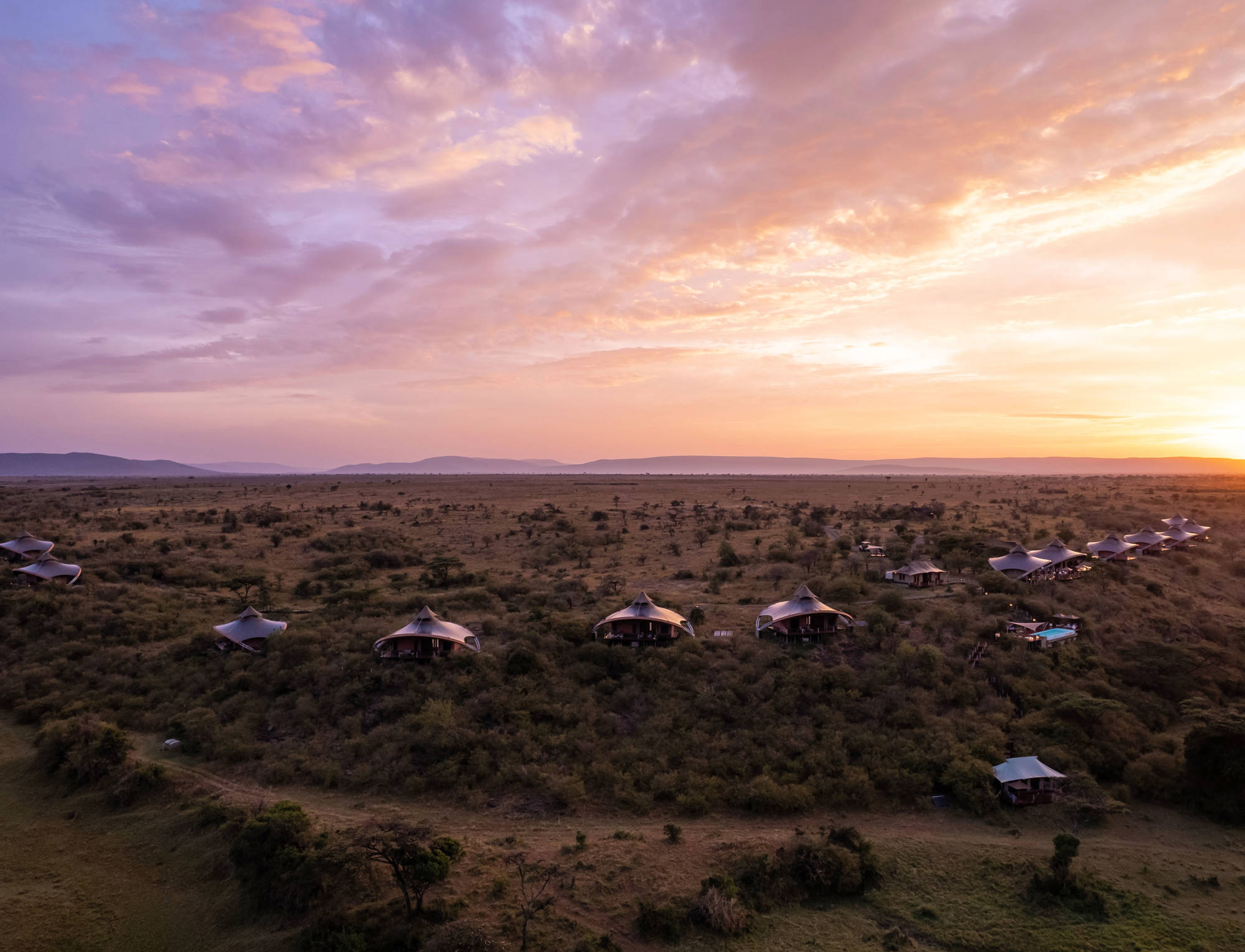
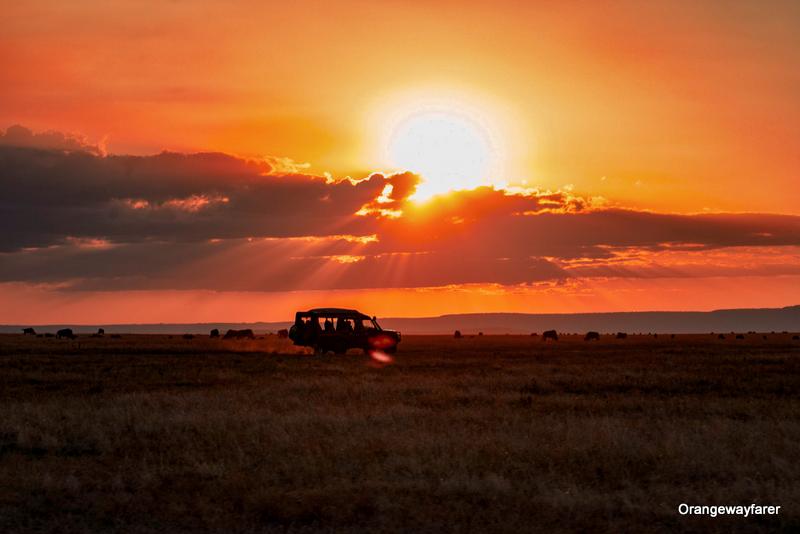
Kenya is where the modern safari was born and where it reaches its most transcendent expression. Across the amber savannahs of the Masai Mara, two million wildebeest and zebra surge in an ancient migration that has unfolded for millennia—river crossings so dramatic they redefine spectacle, predator-prey encounters so raw they rewrite what you thought you knew about nature. This is not a destination you visit; it is a place that claims you, that imprints itself on your consciousness with the roar of a lion at dawn, the silhouette of a Maasai warrior against a blood-orange sunset, the silence of a hot air balloon drifting over an endless sea of grass.

1.2921° S, 36.8219° EFrom $800 per person per night
Why Travel Private

Why Kenya Is Safari's Spiritual Home

Kenya invented the safari. Long before the word entered the English lexicon—borrowed from Swahili, where it simply means 'journey'—the vast grasslands of what is now the Masai Mara were already drawing explorers, naturalists, and dreamers who understood that this landscape held something irreplaceable. Today, Kenya remains the gold standard against which all other safari destinations are measured, and for good reason.

The country's geographic diversity is staggering. From the snow-dusted summit of Mount Kenya—Africa's second-highest peak—to the flamingo-fringed soda lakes of the Great Rift Valley, from the arid beauty of Samburu's semi-desert to the palm-fringed beaches of the Indian Ocean coast, Kenya compresses an entire continent's worth of landscapes into a single nation. Its wildlife is equally extraordinary: the Big Five roam freely across some 60 national parks and reserves, while the annual Great Migration—the largest terrestrial animal movement on Earth—transforms the Mara ecosystem into a theatre of survival every July through October.

But Kenya's allure extends far beyond statistics. It is the warmth of Maasai elders welcoming you into a manyatta at sunset. It is the quiet expertise of a Samburu tracker reading spoor in the red dust. It is the sound of a fish eagle's cry echoing across Lake Naivasha at dawn. Kenya's safari culture has been refined over more than a century, producing some of the world's most skilled guides, most innovative conservancies, and most luxurious wilderness lodges.

For the discerning traveller, Kenya offers something no other destination can match: the ability to witness the greatest wildlife spectacle on Earth from the privacy of a world-class camp, guided by experts whose families have walked these lands for generations. Our bespoke Kenya safaris, arranged as extensions from Cape Town, deliver this experience with the seamless attention to detail that defines Private Tours Cape Town.

At a Glance

Kenya at a Glance

Best Time to VisitJuly–October for the Great Migration. January–February (short dry season) for fewer crowds. June–October (long dry season) for peak wildlife viewing across all parks.
Tour Duration5–14 nights (8–10 nights optimal for multi-region safari)
ClimateTropical along the coast, temperate inland. Two rainy seasons: long rains (March–May) and short rains (November–December). Dry season days 25–30°C with cool mornings (10–15°C) at altitude.

Quick Facts

  • CurrencyKenyan Shilling (KES); USD widely accepted at lodges and camps
  • LanguagesEnglish and Swahili (both official), plus 42 indigenous languages
  • Time ZoneEAT (UTC+3)
  • Visae-Visa available online for most nationalities ($51 USD); ETA system for visa-exempt countries
  • AirportsJomo Kenyatta International (NBO) for Nairobi; Wilson Airport for domestic safari flights; Moi International (MBA) for Mombasa coast
  • DrivingLeft-hand side

Signature Highlights

  • Witness the Great Migration river crossings in the Masai Mara
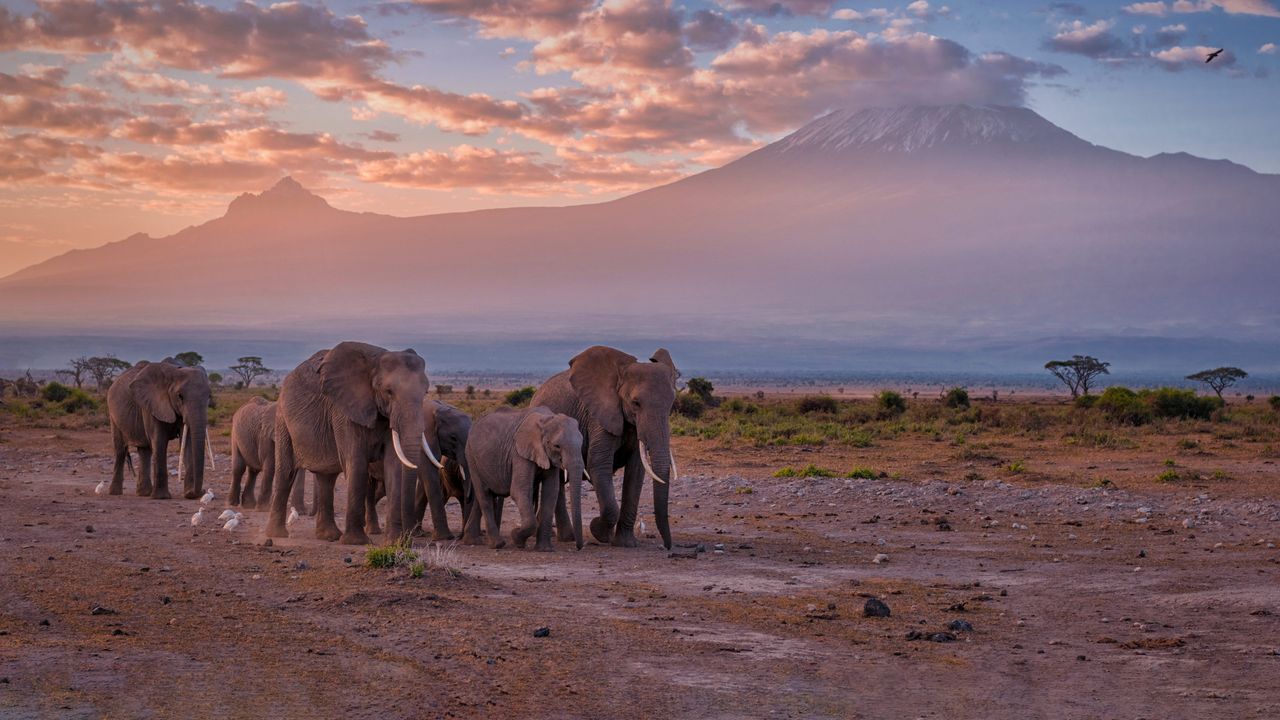
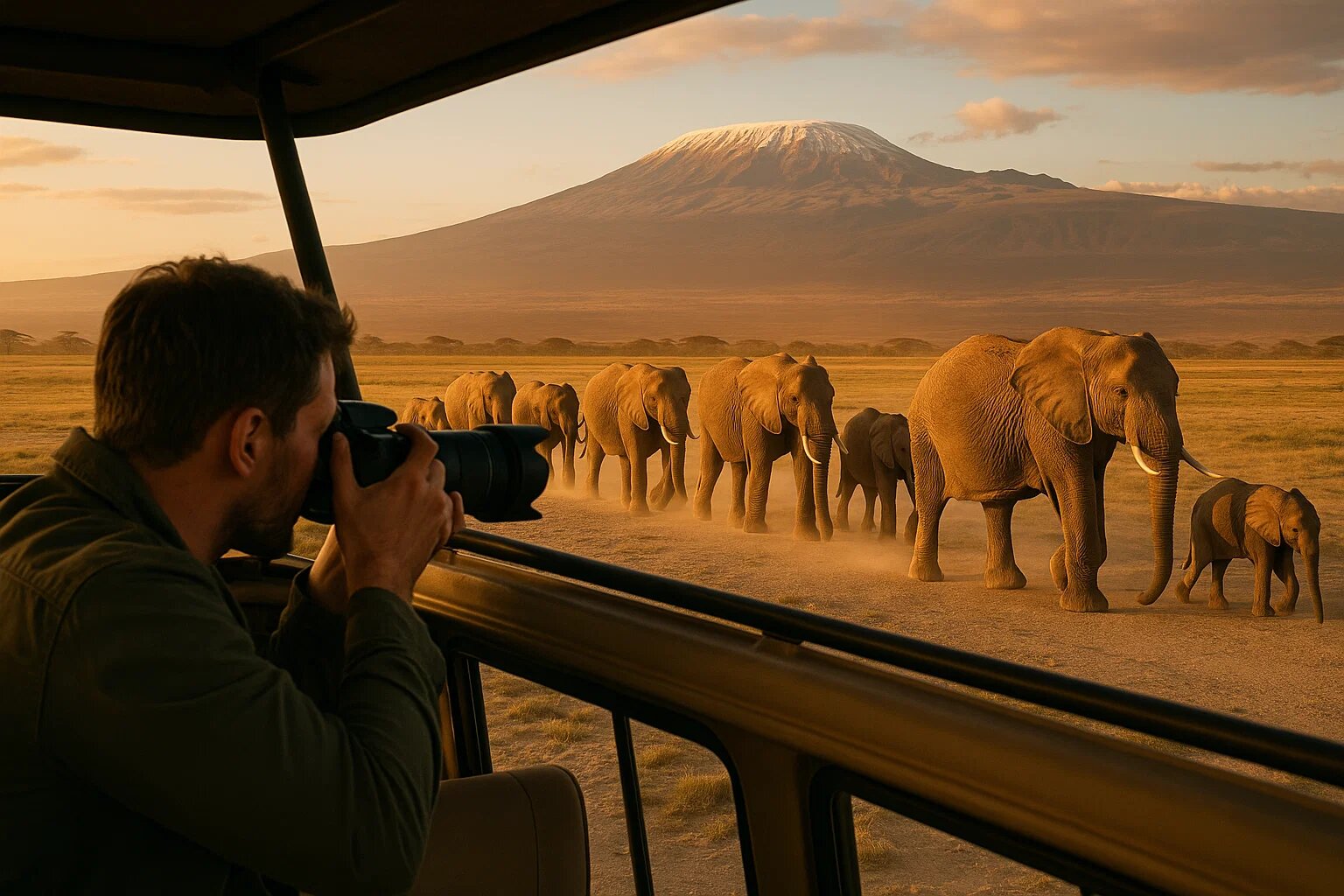
  • Photograph elephants with Kilimanjaro as backdrop in Amboseli
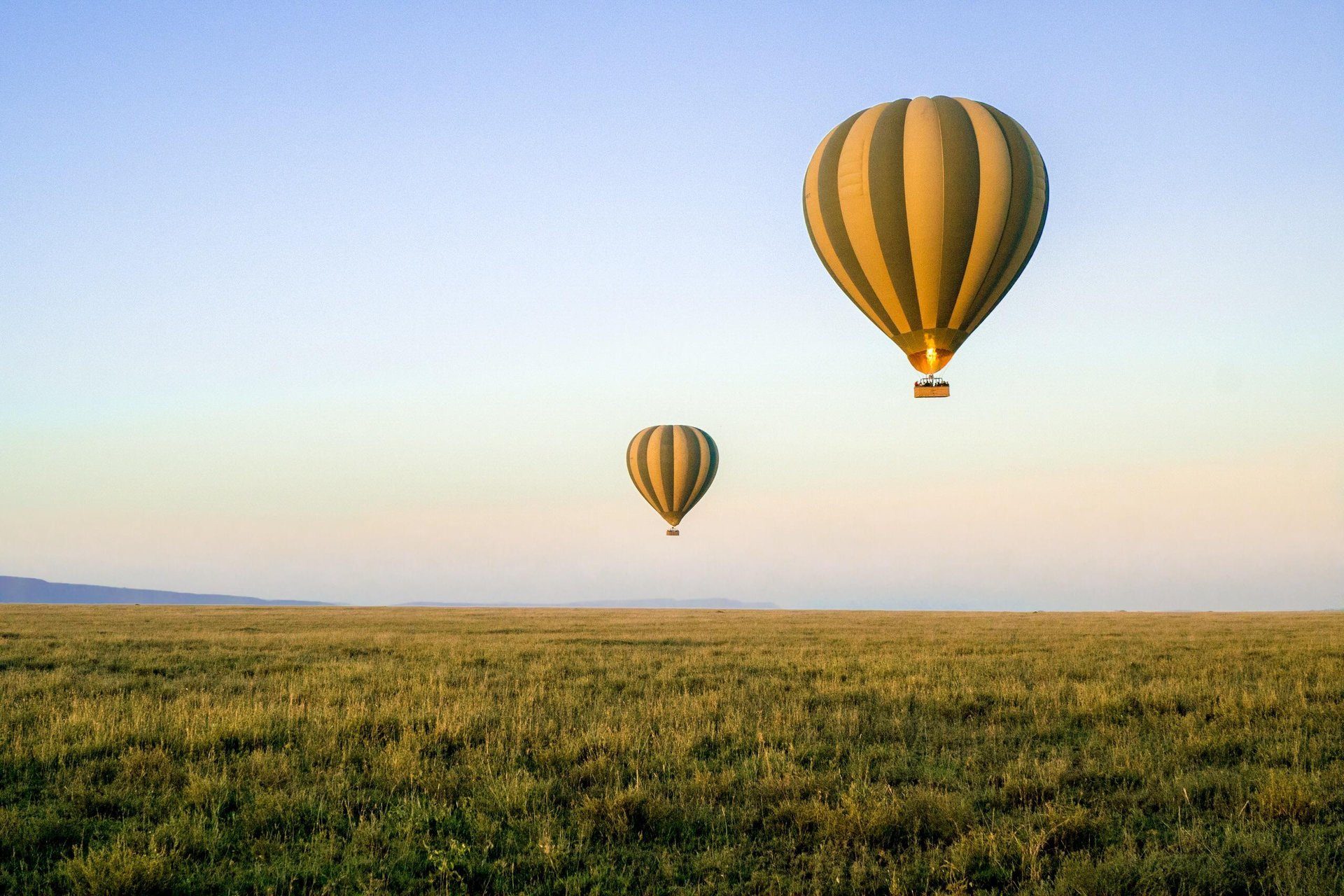
  • Hot air balloon safari over the Mara at dawn
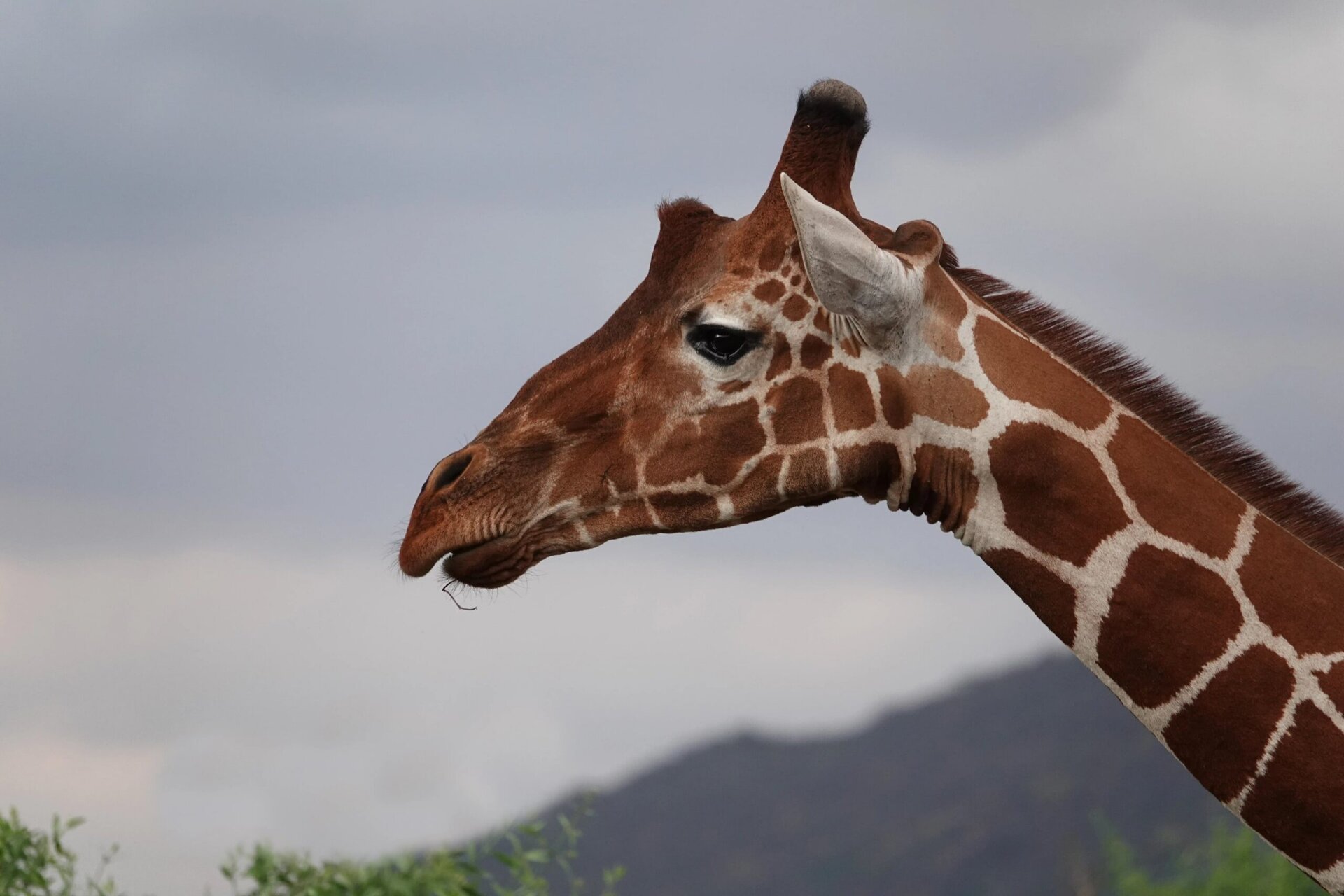
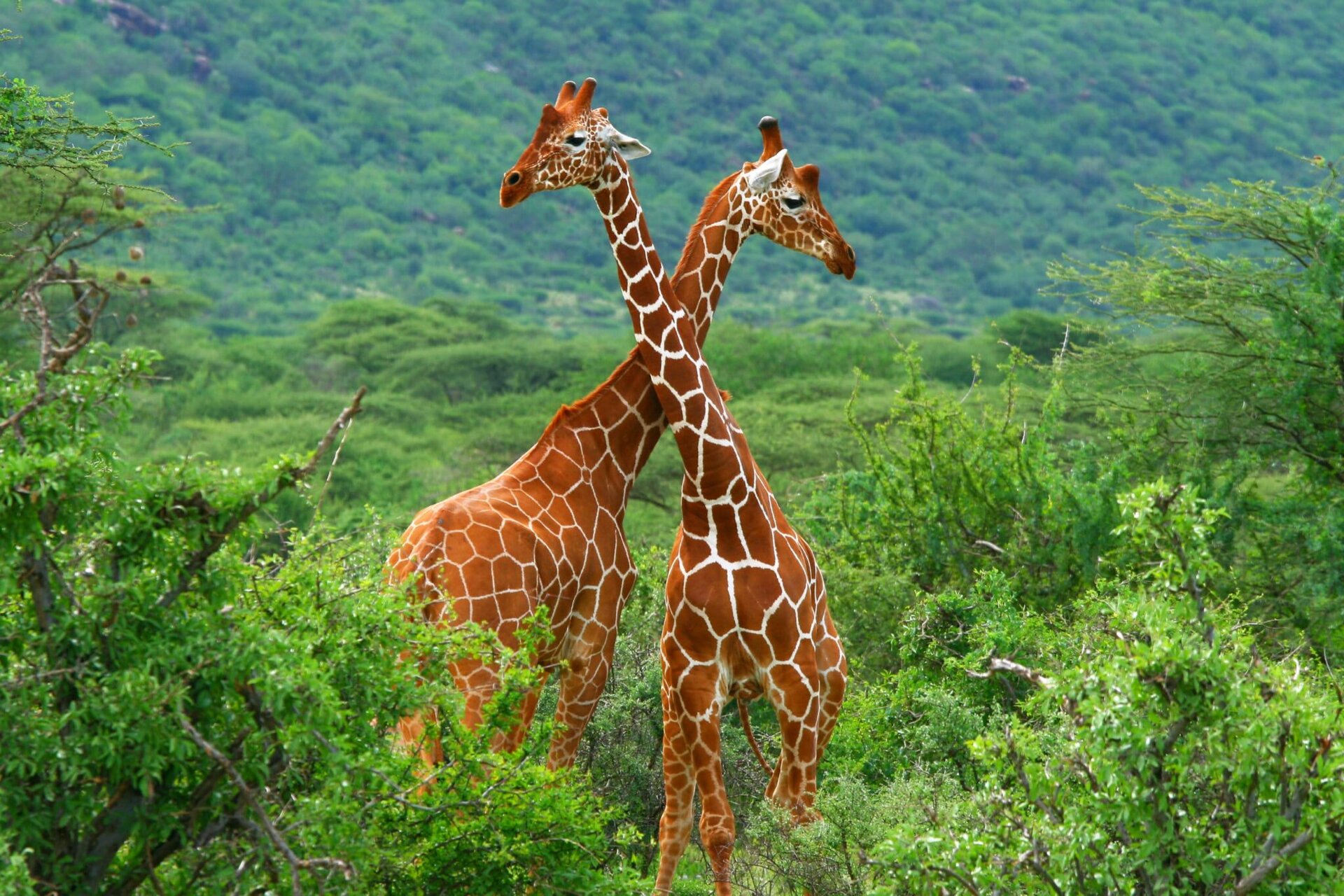
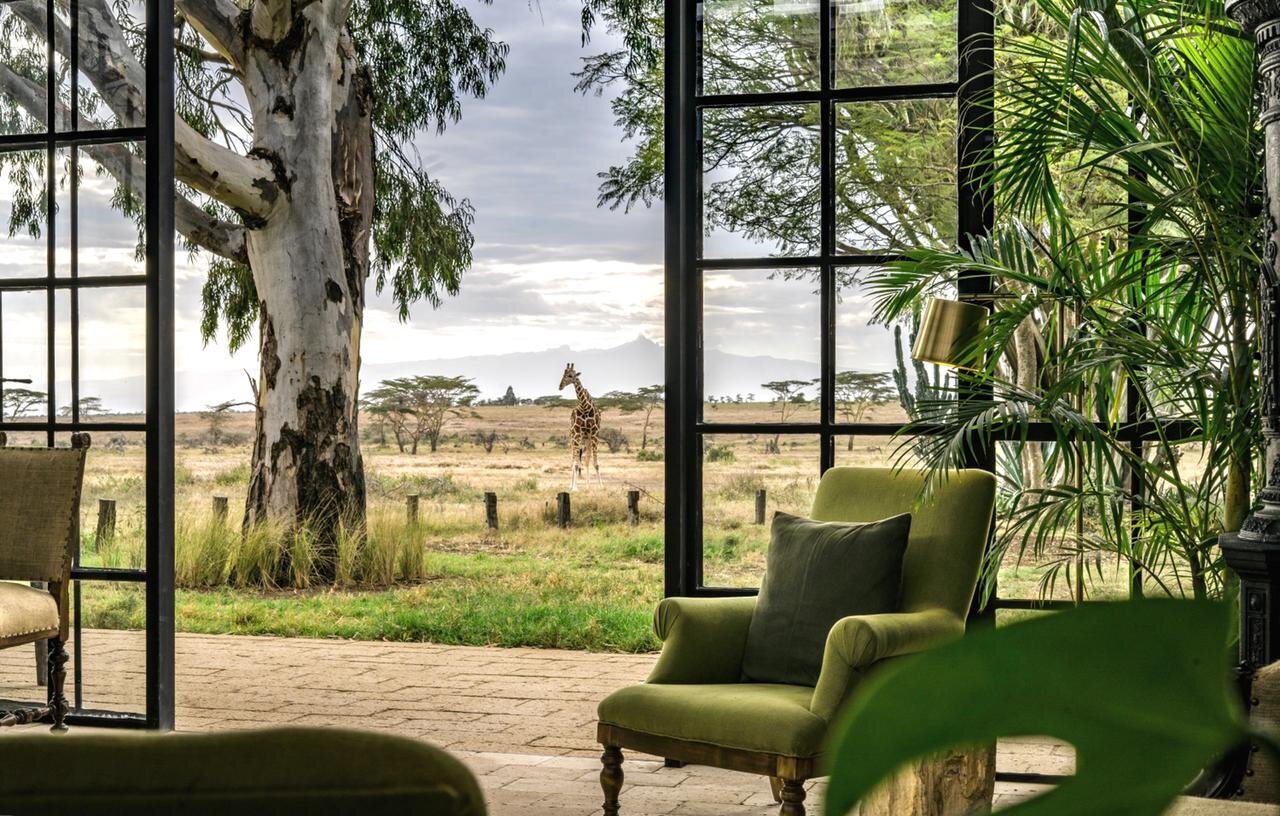
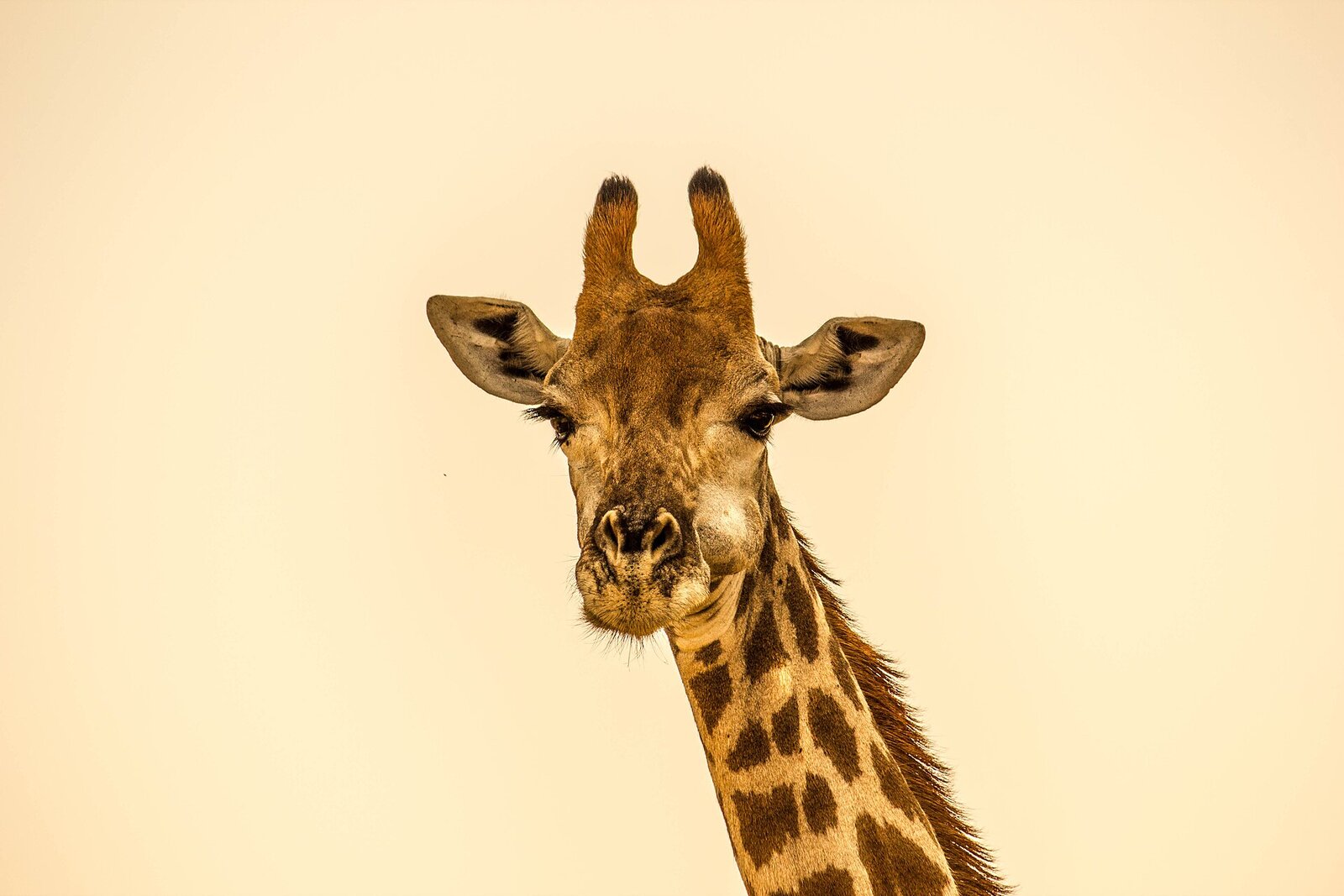
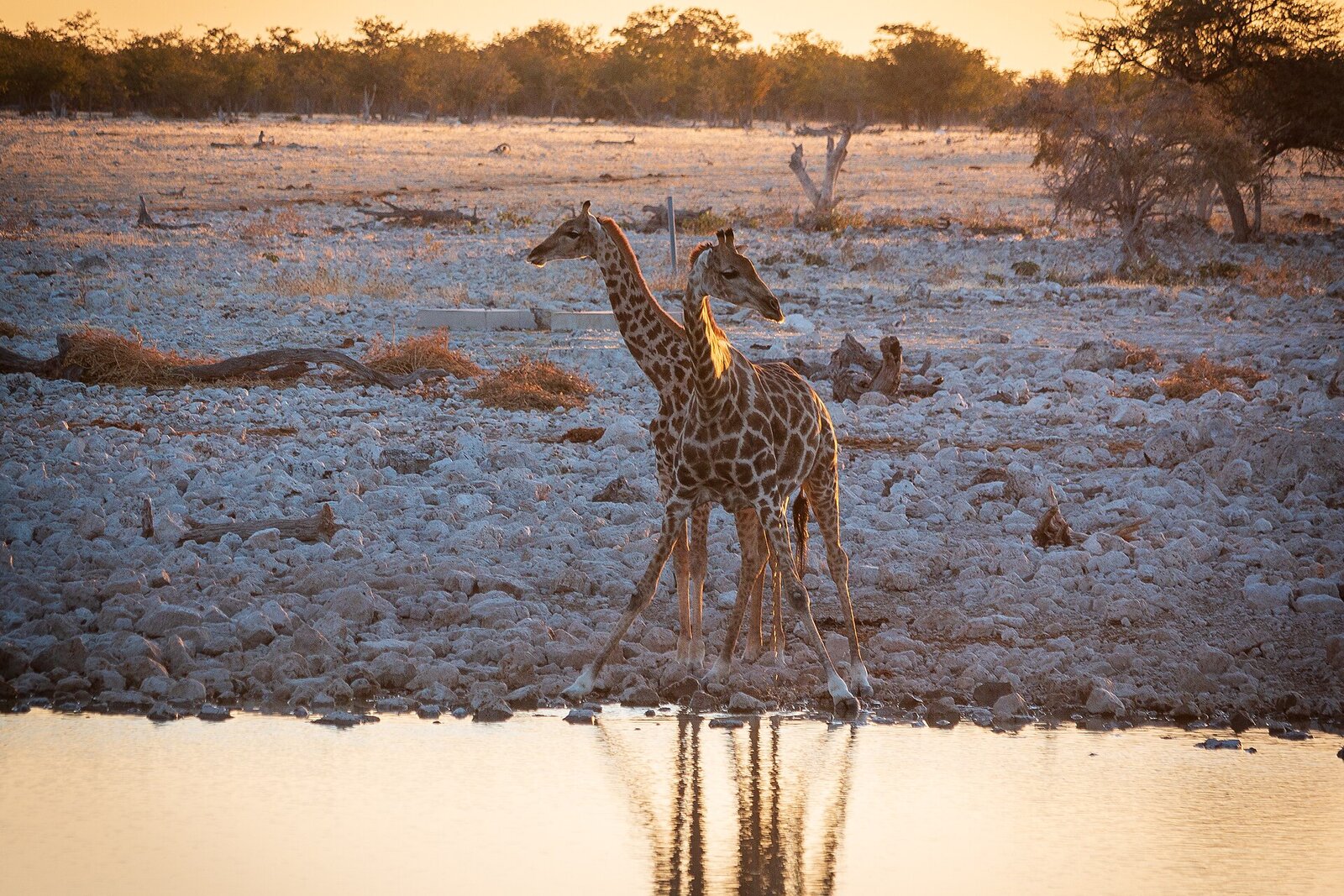
  • Track rare Grevy's zebra and reticulated giraffe in Samburu
  • Stay in exclusive Laikipia conservancy camps
  • Night game drives for nocturnal predators
  • Visit a Maasai community and learn traditional culture
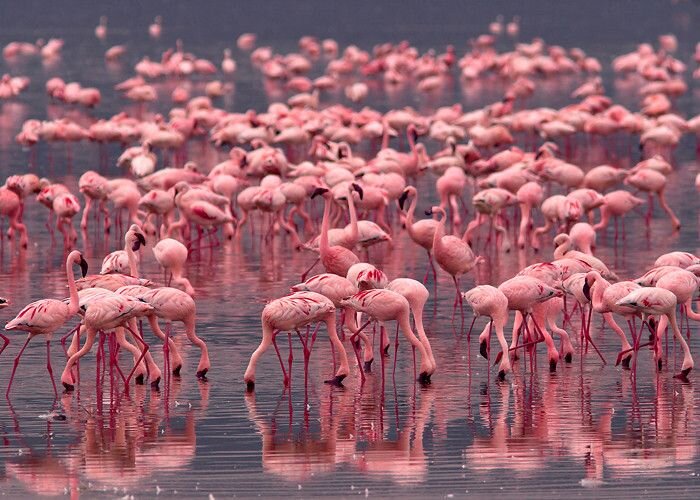
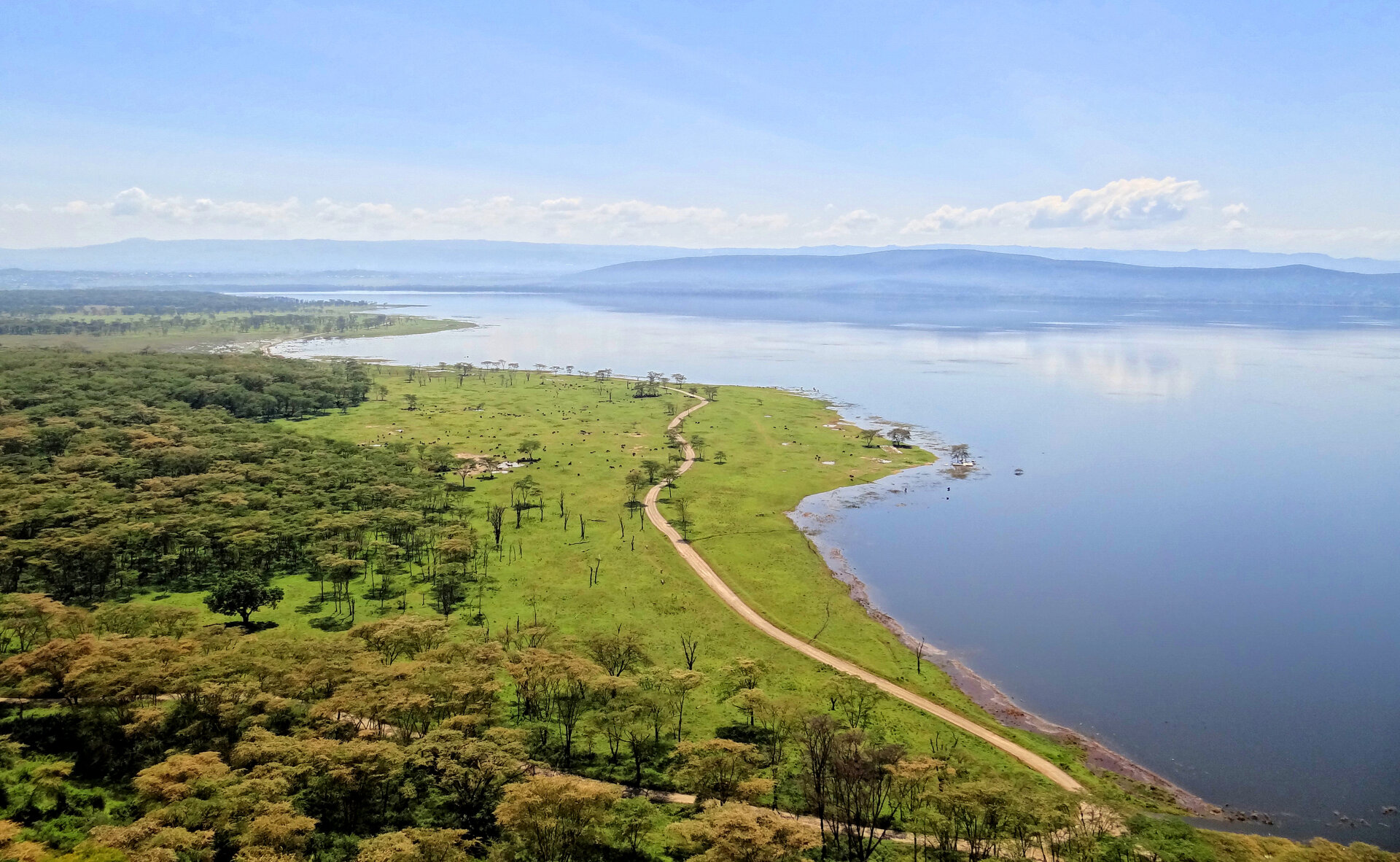
  • Flamingo spectacle at Lake Nakuru
Where to Go

Regional Highlights

The defining landscapes and experiences that shape a private journey through Kenya.

Masai Mara National Reserve01

Masai Mara National Reserve

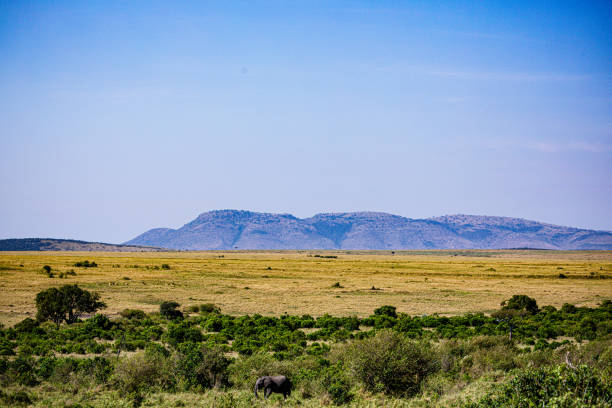
The Masai Mara is, quite simply, the most celebrated wildlife reserve on the planet. Covering 1,510 square kilometres of rolling savannah grassland in southwestern Kenya, the Mara is the northern anchor of the Serengeti-Mara ecosystem—one of the most biodiverse habitats on Earth.…

  • Great Migration river crossings (July–October)
  • Africa's highest density of big cats — lion, leopard, cheetah
  • Private conservancies with exclusive game-viewing rights
  • Hot air balloon safaris at dawn over the Mara
  • Maasai cultural experiences and community visits
Amboseli National Park02

Amboseli National Park

Amboseli is Africa's most photogenic park—a bold claim in a continent of extraordinary landscapes, but one supported by a single, irrefutable image: herds of elephants moving across sun-scorched plains with the snow-capped dome of Mount Kilimanjaro rising behind them. This 392-sq…

  • Iconic elephant herds with Kilimanjaro backdrop
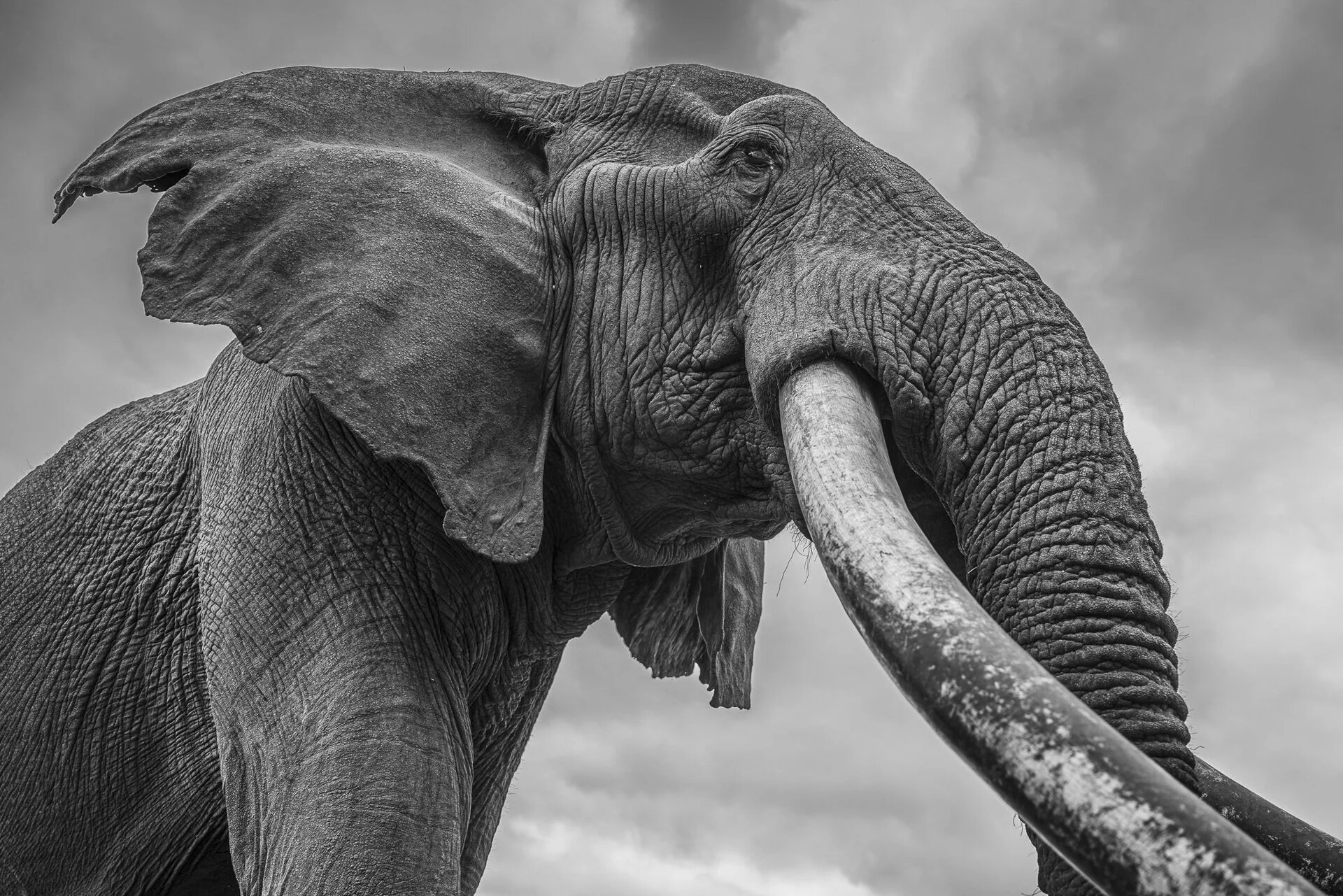
  • Some of Africa's last remaining big-tusker elephants
  • Over 400 bird species including flamingos and pelicans
  • Community-run conservancies and Maasai cultural visits
  • Observation Hill panoramic views
Tsavo National Parks (East & West)03

Tsavo National Parks (East & West)

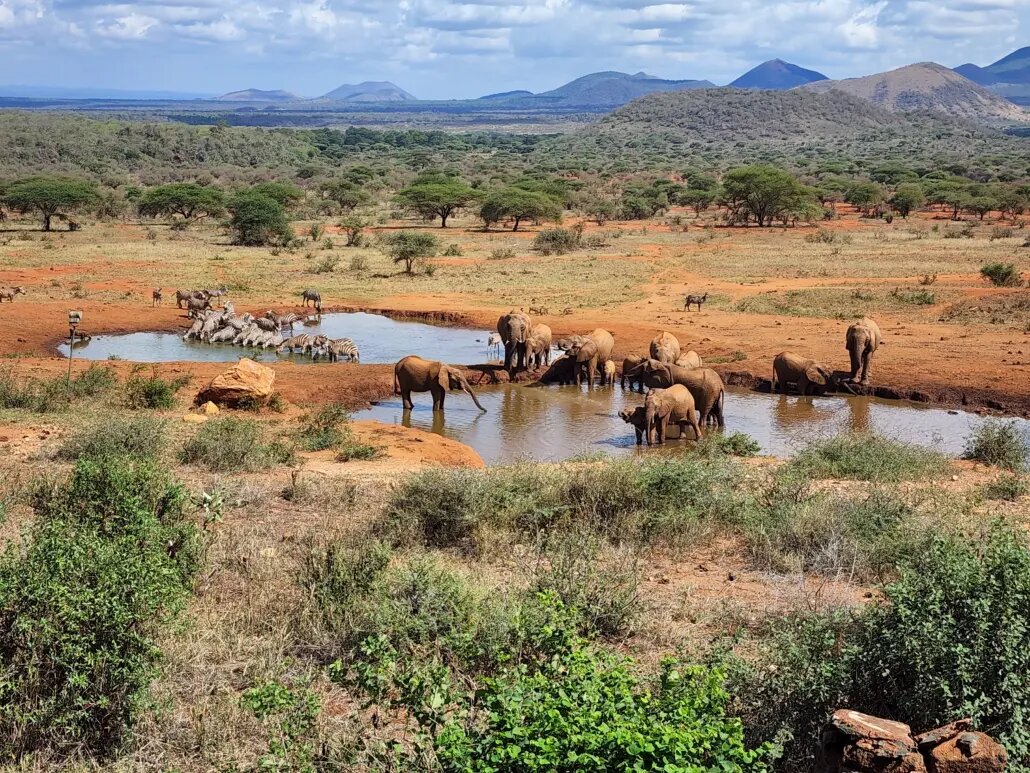
Together, Tsavo East and Tsavo West form one of the world's largest wildlife sanctuaries—a combined 22,000 square kilometres of raw, untamed African bush that dwarfs the Masai Mara by a factor of fourteen. This is Kenya at its wildest: vast landscapes of red-earth savannah, volca…

  • Kenya's largest wildlife sanctuary (22,000 sq km combined)
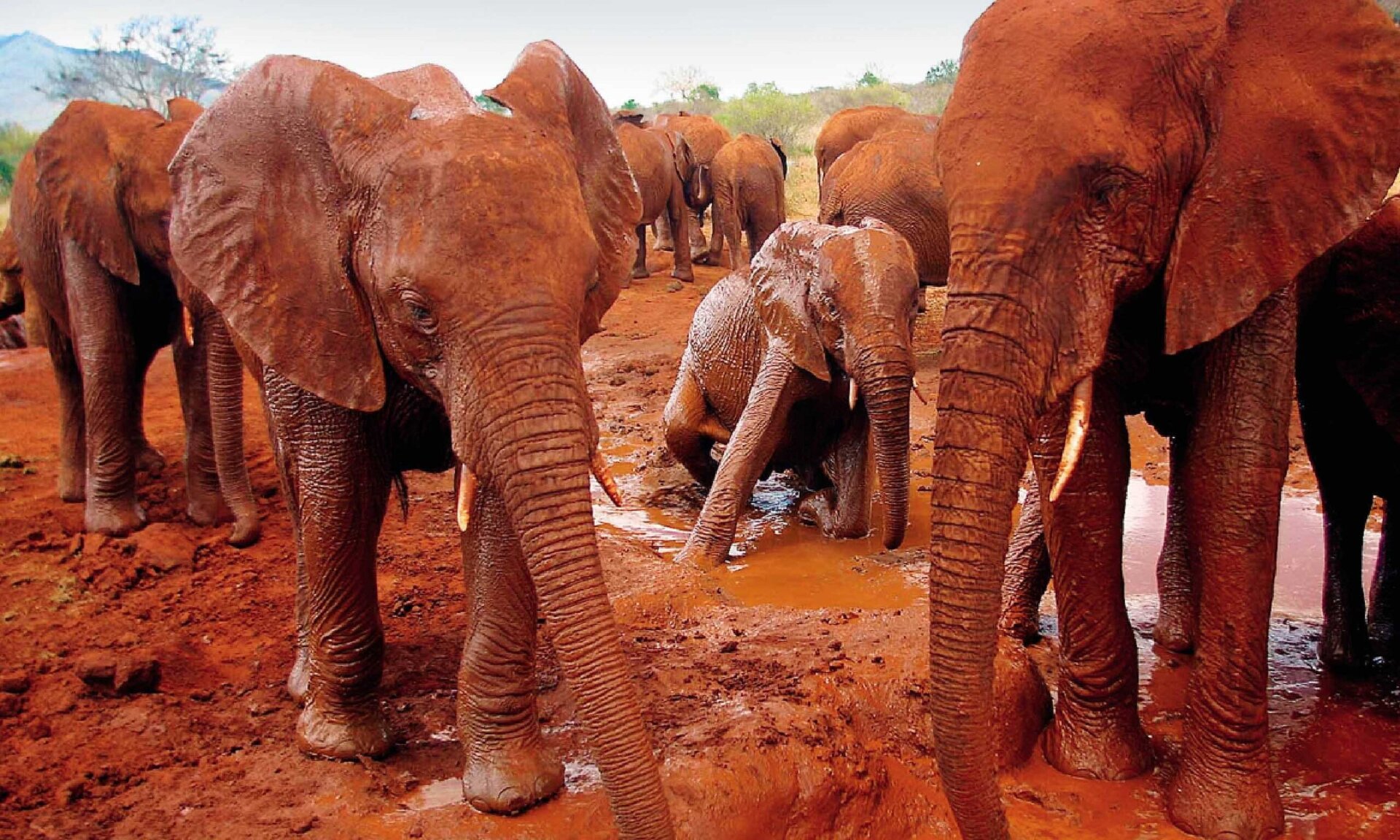
  • Legendary red-dusted Tsavo elephants and lions
  • Mzima Springs underwater wildlife viewing
  • Shetani Lava Flows volcanic landscape
  • Galana River game viewing corridor
Samburu National Reserve04

Samburu National Reserve

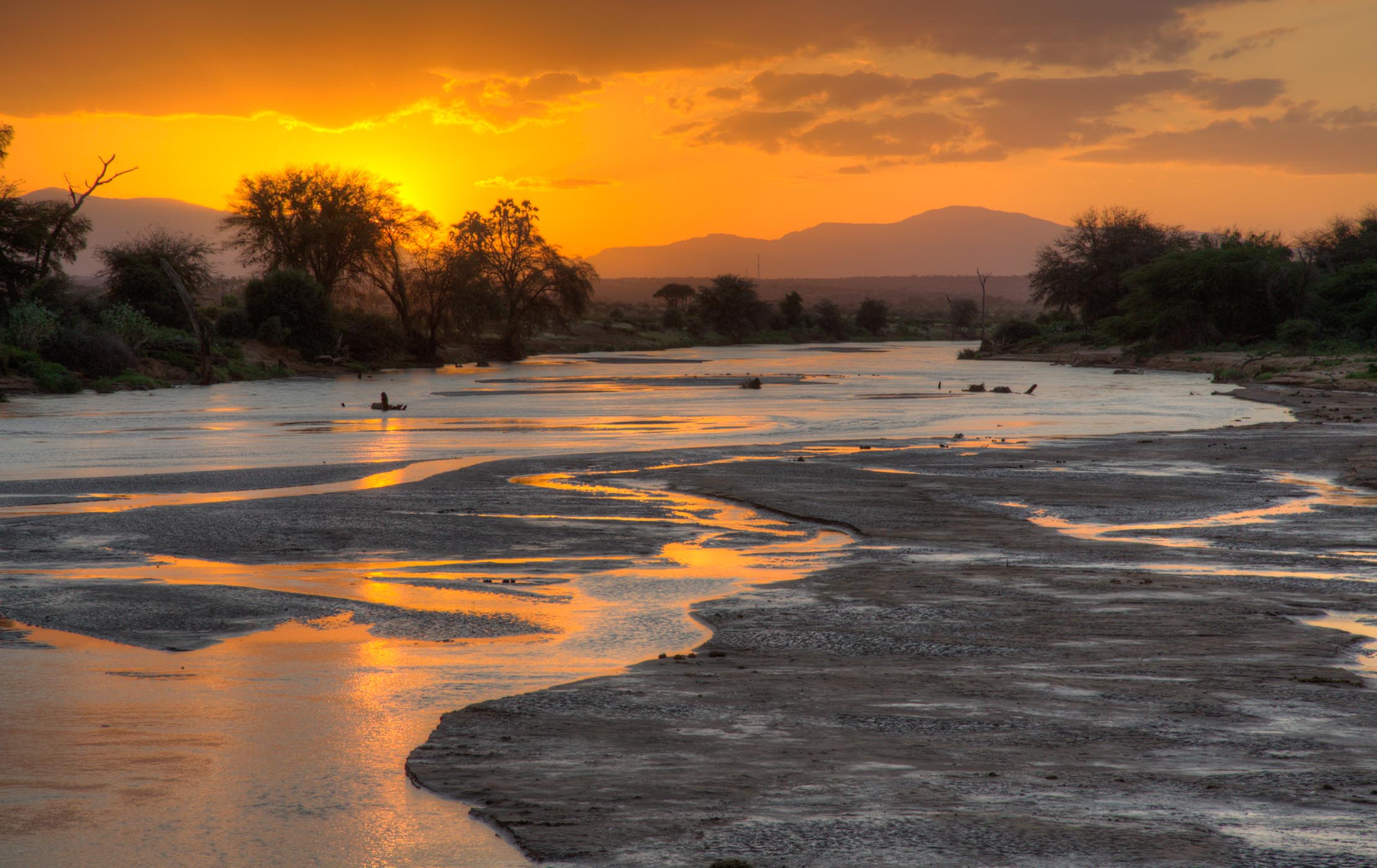
Samburu is the antithesis of the Masai Mara—and that is precisely its appeal. Where the Mara is green and rolling, Samburu is arid and dramatic: a landscape of rust-red earth, doum palms, and the life-giving Ewaso Ng'iro River cutting through semi-desert terrain. This is northern…

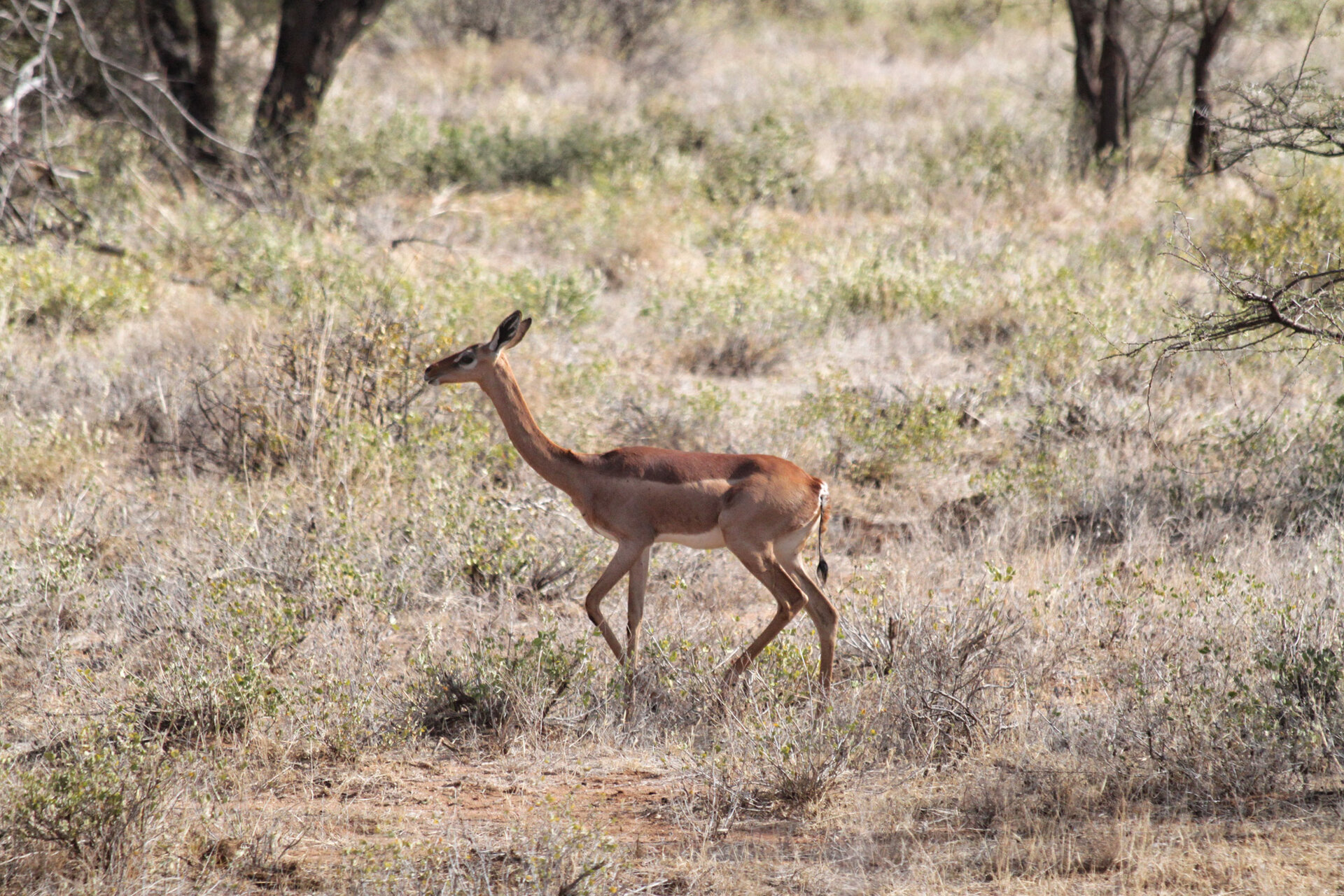
  • The 'Special Five' — Grevy's zebra, reticulated giraffe, gerenuk, Beisa oryx, Somali ostrich
  • Ewaso Ng'iro River ecosystem and riverine forest
  • Samburu warrior cultural experiences
  • Wild dog and leopard sightings
  • Dramatic semi-arid landscapes unlike southern Kenya
Curated For You

Signature Experiences

Witness the Great Migration

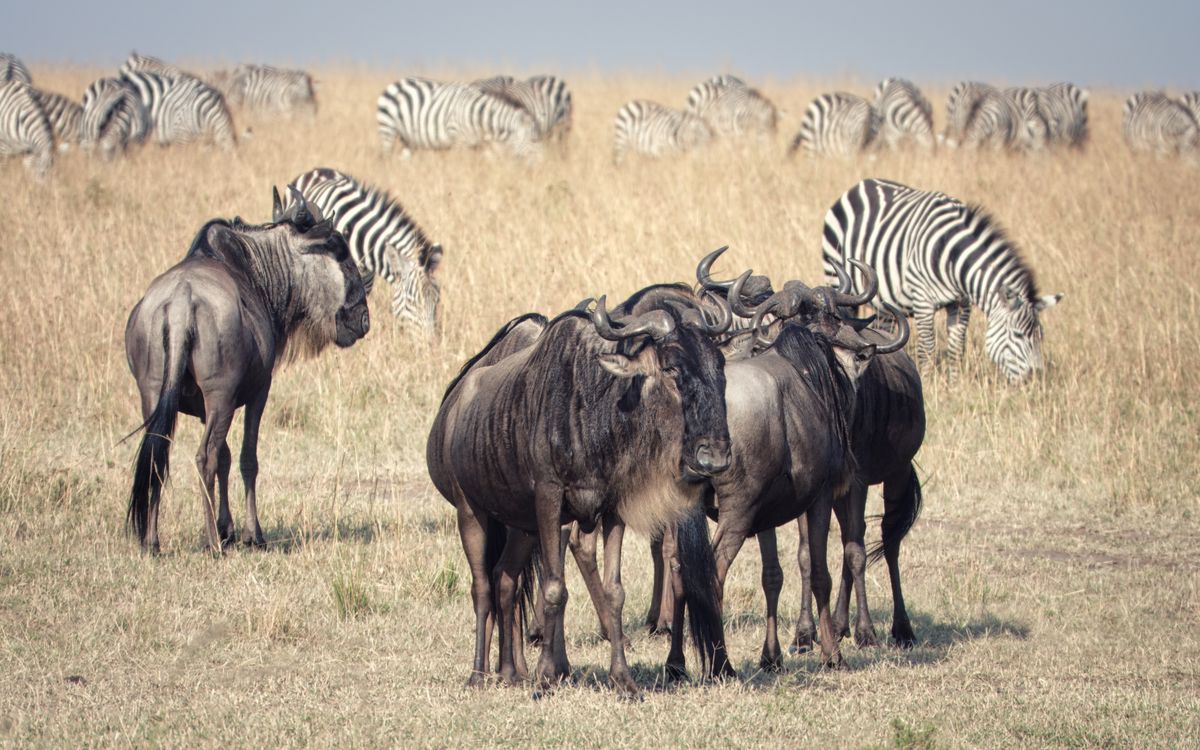
Between July and October, the Masai Mara becomes the stage for the greatest wildlife spectacle on Earth. Over 1.5 million wildebeest and hundreds of thousands of zebra pour across the Mara River in crossings of almost unbelievable drama—crocodiles launching from the shallows, herds surging up crumbling banks, predators waiting on the far side. Our private positioning ensures you witness these crossings from exclusive conservancy vantage points, far from the crowds.

Hot Air Balloon Over the Mara

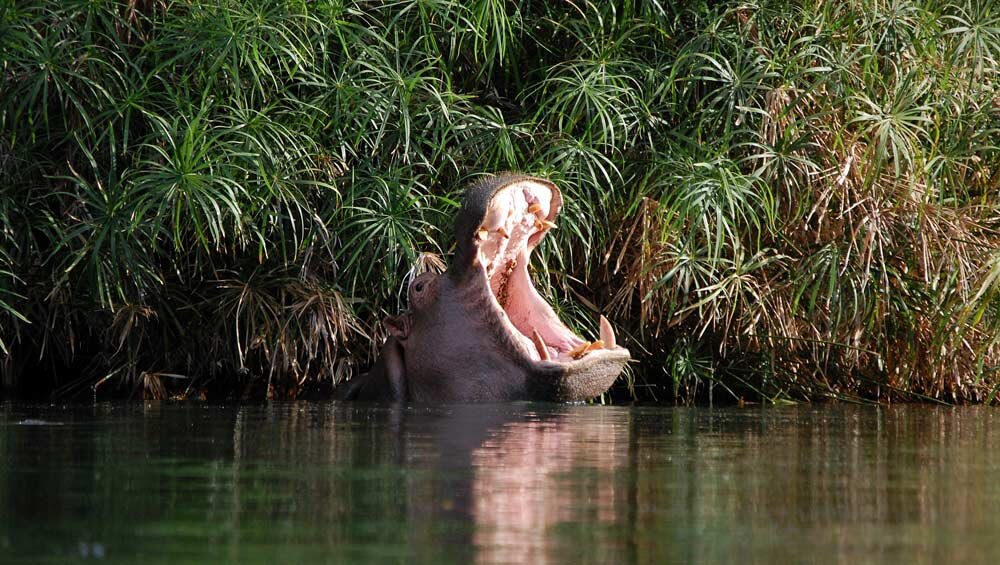
As the first light of dawn paints the savannah in shades of gold and amber, you rise silently above the Masai Mara in a hot air balloon. Below, herds of wildebeest stream across the grasslands, hippos wallow in the Mara River, and lions stalk through the tall grass. After an hour of flight, you descend for a champagne breakfast served on white linen in the middle of the bush—a moment of pure magic.

Walk with Maasai Warriors

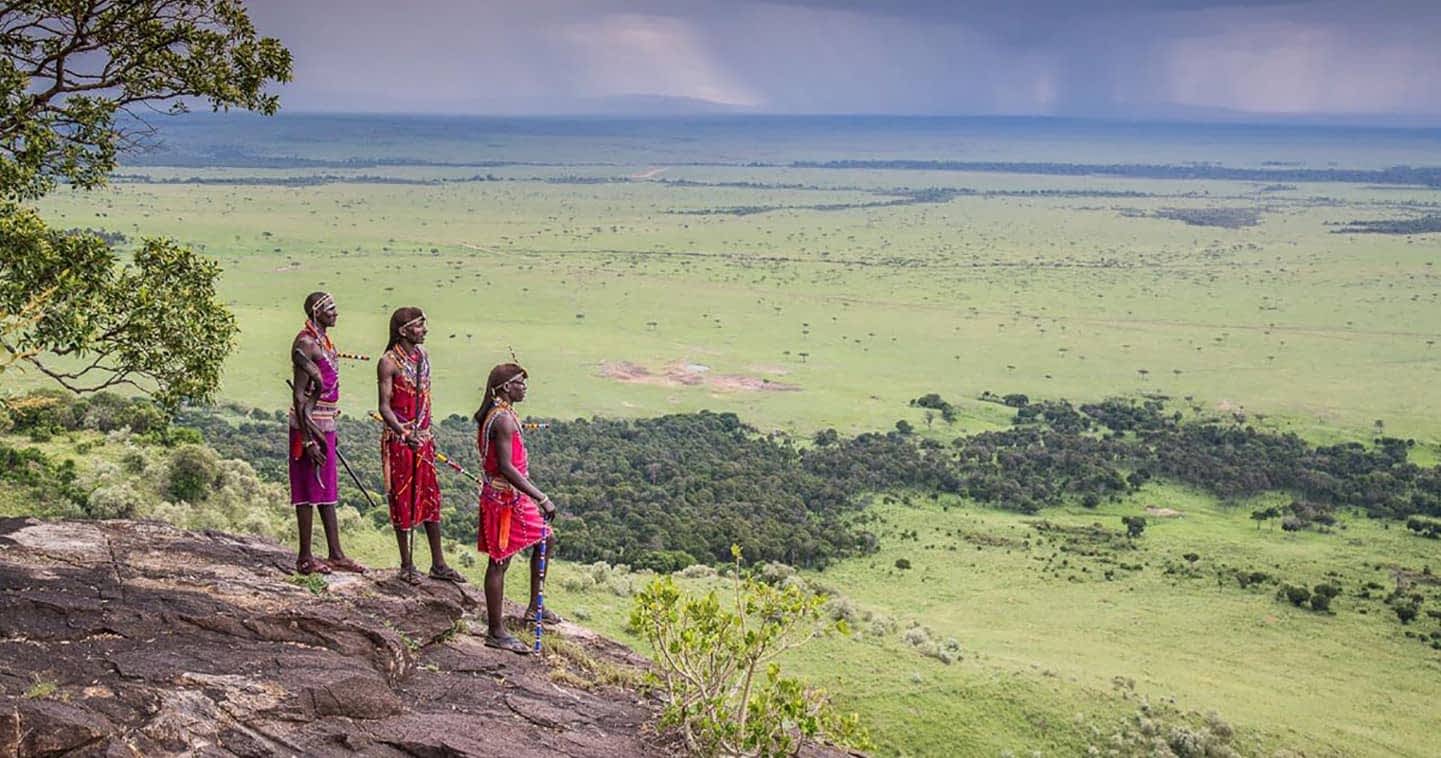
The Maasai have coexisted with wildlife for centuries, and a guided walk with Maasai warriors offers insights no game drive can match. Learn to identify medicinal plants, track animals by their spoor, and understand the delicate balance between pastoralism and conservation that defines this remarkable culture. End the walk at a traditional manyatta for songs, stories, and freshly roasted goat.

Track the Special Five in Samburu

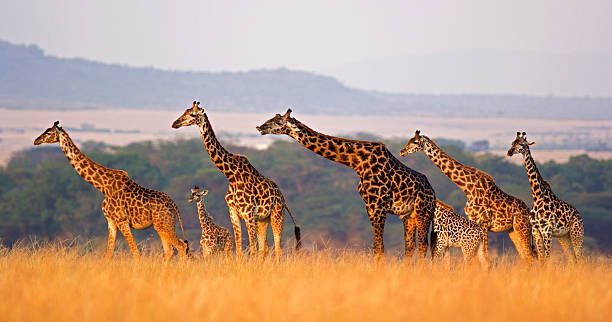
Northern Kenya's Samburu National Reserve harbours five species found nowhere else in the country's popular southern parks. With a specialist Samburu guide, track the elegant gerenuk as it feeds on its hind legs, the geometrically patterned reticulated giraffe, the rare Grevy's zebra, the Beisa oryx, and the blue-necked Somali ostrich across dramatic semi-desert landscapes.

Sleep Under the Stars in Laikipia

Laikipia's innovative 'star bed' concept elevates the concept of sleeping under an African sky to an art form. Your bed is wheeled onto a raised platform overlooking a waterhole. As night falls, the Milky Way blazes overhead while elephants drink below and hyenas call in the distance. No walls, no roof—just you, the stars, and the primal heartbeat of the African bush.

Hour by Hour

A Perfect Safari Day in the Masai Mara

An hour-by-hour journey through the world's greatest wildlife theatre

  1. 05:30

    Pre-Dawn Wake-Up

    A gentle tap on your tent canvas and a tray of Kenyan coffee arrives. The air is crisp, the stars still bright. Wrap yourself in a Maasai shuka and step onto your deck to watch the first blush of dawn colour the eastern horizon.

  2. 06:00

    Morning Game Drive

    Your Land Cruiser rolls out of camp as the sun crests the Mara's rolling hills. The golden-hour light is extraordinary—perfect for photography. Within minutes, you encounter a cheetah scanning the plains from a termite mound, calculating her morning hunt.

  3. 08:30

    Migration River Crossing

    Your guide positions the vehicle at a known crossing point on the Mara River. The tension builds as thousands of wildebeest mass on the opposite bank, jostling, hesitating, until one brave individual plunges in and the rest follow in a thundering cascade of hooves and spray.

  4. 10:30

    Bush Breakfast

    Your chef has set up a mobile kitchen beneath a towering fig tree. Fresh fruit, eggs to order, Kenyan sausages, and pastries are served on crisp linen while giraffes browse in the middle distance and hornbills call from the canopy above.

  5. 13:00

    Midday Rest & Lunch

    Return to camp for a leisurely lunch on the deck overlooking the river. Hippos grunt and blow in the current below. The afternoon heat shimmers across the plains. This is the time for a siesta, a dip in the plunge pool, or a visit to the camp's small library.

  6. 16:00

    Afternoon Game Drive

    The shadows lengthen and the bush comes alive again. A leopard emerges from a riverine thicket, muscles rippling beneath a coat of golden rosettes. Your guide follows at a respectful distance as she stalks a family of impala through the fading light.

  7. 18:30

    Sundowner Cocktails

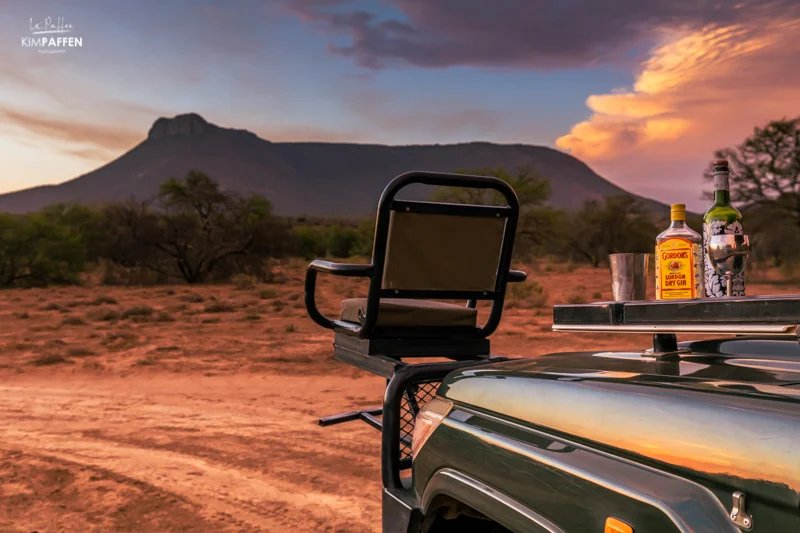
    Parked atop a kopje with panoramic views of the Mara, your guide produces chilled gin and tonics and a selection of canapés. The sun sinks into the savannah in a blaze of tangerine and violet. Somewhere in the gathering dusk, a lion begins to roar.

  8. 19:30

    Dinner Under the Stars

    Back at camp, hurricane lanterns line the pathway to the dining boma—an open-air enclosure of woven branches. A five-course dinner features fresh Kenyan ingredients with global influences: pan-seared tilapia from Lake Victoria, herb-crusted lamb, and a dessert of passion fruit crème brûlée. The Milky Way arches overhead.

When to Visit

When to Visit: A Seasonal Guide

Great Migration Season (July – October)

This is Kenya's defining season—when the Masai Mara transforms into the stage for the greatest wildlife show on Earth. The wildebeest arrive from the Serengeti in July, and dramatic Mara River crossings occur throughout the period. Big cat activity peaks as predators exploit the abundance. The weather is dry and cool, with morning temperatures around 10–15°C rising to 25–28°C by midday. This is peak season, with the highest rates and greatest demand.

Best for
  • Great Migration river crossings
  • Unrivalled big cat action
  • Hot air balloon safaris
  • Wildlife photography
  • First-time safari visitors

Peak demand—book 12–18 months ahead. Highest rates. The Mara can feel busy in the public reserve; private conservancies offer exclusivity.

Short Dry Season (January – February)

An excellent and often-overlooked window. The short rains have ended, the landscape is lush and green, and the bush is quieter. Amboseli is at its best with clear Kilimanjaro views. The Mara still offers superb resident game viewing without migration crowds. Calving season in the Serengeti means newborn animals and heightened predator activity in southern ecosystems. Rates are lower than peak season.

Best for
  • Fewer crowds and lower rates
  • Lush green landscapes and photography
  • Amboseli — clear Kilimanjaro views
  • Newborn wildlife and predator action
  • Birdwatching (migratory species present)

Temperatures can be warm (28–32°C). Some roads in remote areas may be less accessible.

Long Dry Season (June – October)

The broader dry season is prime time across all of Kenya's parks, not just the Mara. Vegetation thins, animals concentrate around water sources, and game viewing is at its easiest. Samburu, Laikipia, and Tsavo all offer exceptional experiences during this period. Clear skies and cool temperatures make for comfortable game drives.

Best for
  • Multi-region safaris covering multiple parks
  • Samburu and Laikipia wildlife concentrations
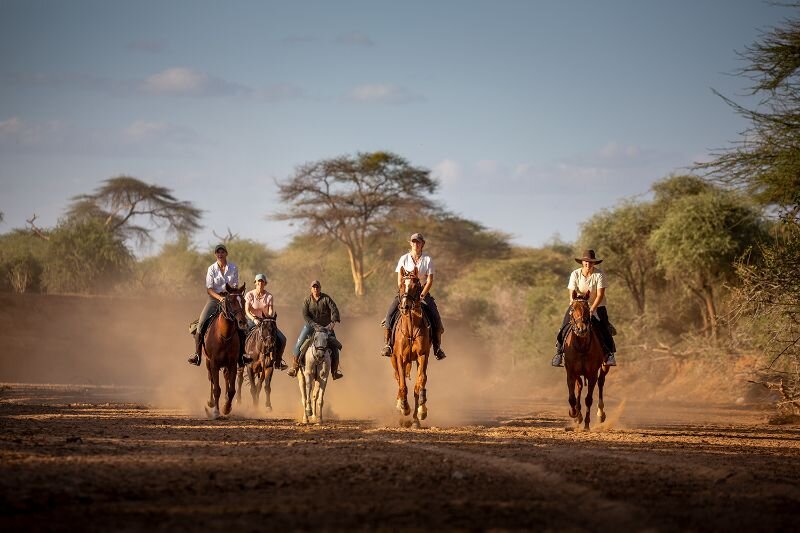
  • Walking and horseback safaris
  • Clear skies for Kilimanjaro photography
  • Cool comfortable temperatures

June can be cool, especially at altitude. The landscape is drier and less photogenic than green season.

Green Season (March – May, November – December)

The long rains (March–May) bring dramatic skies, lush landscapes, and significantly fewer visitors. Many lodges offer reduced rates of 30–50%. The short rains (November–December) are typically brief afternoon showers that rarely disrupt game drives. Birdwatching is exceptional with migratory species. This is the season for the contemplative traveller who values solitude over spectacle.

Best for
  • Budget-conscious luxury travel
  • Birdwatching (300+ migratory species)
  • Dramatic landscape photography
  • Intimate, uncrowded experiences
  • Newborn animals (November–December)

Some remote roads become impassable in April–May. A few camps close during heaviest rains. Pack waterproofs.

Month-by-Month Calendar
JanShort dry season. Clear skies, green landscapes. Excellent Amboseli game viewing. Kilimanjaro views at their best. Calving season underway in southern Serengeti — predator action high.
FebWarm and dry. Peak birdwatching. Flamingos at Rift Valley lakes. Masai Mara quiet and excellent for resident game. Samburu at its best.
MarLong rains begin. Landscapes lush. Some camps offer green season rates. Migratory birds still present. Photography excellent with dramatic skies.
AprPeak of long rains. Some remote roads challenging. Budget-friendly rates. Tsavo and coastal regions remain accessible. Whale sharks off Diani Beach.
MayRains easing. Wildflowers bloom. Safari camps begin reopening. Excellent value. Lake Nakuru flamingo numbers often peak.
JunDry season begins. Cool mornings. Migration herds approaching the Mara from the Serengeti. Samburu game concentrating near rivers.
JulMigration arrives in the Masai Mara. First river crossings. Big cat activity surges. Hot air balloon season begins. Peak demand commences.
AugPeak migration. Multiple river crossings daily. Leopard and cheetah hunting at peak efficiency. Highest lodge rates. Book well in advance.
SepLate migration. Dramatic crossings continue. Laikipia and Samburu excellent. Clear skies perfect for photography. Still peak season.
OctMigration herds begin returning south. Last major crossings. Temperatures warming. Excellent value emerging. Tsavo green-up begins.
NovShort rains begin. Migratory birds arrive in force. Newborn animals appearing. Green season rates. Dramatic storm-lit photography.
DecShort rains easing. Festive season brings brief peak. Amboseli and Laikipia excellent. Mara quieter with superb resident game. Whale sharks off coast.
Travel With Purpose

Conservation & Community

Kenya has been at the forefront of African conservation since Wangari Maathai planted the first trees of the Green Belt Movement in 1977. The country's landmark 1989 ivory burn — when President Moi set fire to 12 tonnes of confiscated elephant tusks — changed global attitudes toward the ivory trade. Today, Kenya's wildlife conservancies represent one of Africa's most successful conservation models.

The Laikipia conservancy system alone protects over 9,500 square kilometres of wildlife habitat through partnerships between private landowners, community groups, and conservation organisations. These conservancies fund anti-poaching patrols, school bursaries, water projects, and healthcare clinics through tourism revenue. Every night you spend in a Laikipia camp directly supports the livelihoods of local Maasai, Samburu, and Pokot communities.

Our Kenya safaris are designed to maximise conservation impact. We partner exclusively with lodges and operators who demonstrate measurable contributions to wildlife protection, habitat restoration, and community development. When you travel with us, your safari is not merely a holiday — it is an investment in the future of Kenya's extraordinary wildlife heritage.
Know Before You Go

Travel Essentials

Getting There

Most Kenya safaris begin with an international flight to Jomo Kenyatta International Airport (NBO) in Nairobi. From Nairobi, scheduled and charter flights connect to airstrips across the country — Wilson Airport serves as the domestic hub for safari flights. The Masai Mara is a 45-minute flight or 5–6 hour drive from Nairobi. Amboseli is a 30-minute flight or 4-hour drive. Samburu and Laikipia are reached by 1-hour flights from Wilson.

Visa & Entry Requirements

Kenya has transitioned to an Electronic Travel Authorization (ETA) system. Most nationalities can apply online before travel. US, UK, EU, and Commonwealth citizens typically receive approval within 72 hours. The ETA fee is approximately $51 USD. A passport valid for at least six months beyond your entry date is required. Yellow fever vaccination certificates are required if arriving from endemic countries.

Health & Safety

Malaria prophylaxis is recommended for all safari areas. Consult your travel clinic 6–8 weeks before departure. Routine vaccinations should be up to date, and yellow fever vaccination is required for travellers arriving from endemic regions. Tap water should not be consumed — bottled water is provided at all lodges. Kenya is generally safe for tourists, though standard travel precautions apply in Nairobi.

What to Pack

Pack neutral-coloured clothing in layers: mornings can be cold (10°C) while afternoons are warm (28°C+). A warm fleece or softshell jacket is essential for open-vehicle game drives. Comfortable walking shoes for bush walks, a wide-brimmed hat, high-SPF sunscreen, quality binoculars, and a camera with a telephoto lens (200–400mm minimum). Formal wear is not required — safari casual is the standard.

Currency & Payments

The Kenyan Shilling (KES) is the local currency. US Dollars are widely accepted at lodges, camps, and for park fees. Credit cards are accepted at most upmarket properties. M-Pesa mobile money is ubiquitous for local transactions. ATMs are available in Nairobi and major towns but not in national parks.

Safari Etiquette

Respect wildlife distances — never leave the vehicle in national parks without guide permission. Tipping is customary: $10–20 per person per day for guides, $5–10 for camp staff. Plastic bags are banned in Kenya — pack reusable alternatives. Photography of military installations and government buildings is prohibited.

Connectivity

Mobile coverage (Safaricom) is good in Nairobi and most towns but limited in remote parks. Most upmarket lodges offer Wi-Fi, though speeds vary. Consider embracing the digital detox — the best safari experiences happen when you put the phone away.

Multi-Country Journeys

Combining Kenya with South Africa

A Kenya safari extension from Cape Town is one of the most rewarding multi-destination itineraries in African travel. The combination delivers extraordinary contrast: Cape Town's cosmopolitan culture, world-class wine estates, and dramatic coastal scenery paired with Kenya's raw, untamed wilderness and the greatest wildlife spectacle on Earth.

Our recommended itineraries typically begin with 4–5 nights in Cape Town and the Winelands, followed by a direct flight to Nairobi (approximately 6 hours via Ethiopian Airlines or Kenya Airways). From Nairobi, domestic flights connect you to the Masai Mara, Amboseli, or Laikipia within an hour. A 10–14 night combined journey delivers both urban sophistication and wilderness immersion — the complete African experience.

We handle every detail: flights, transfers, lodge bookings, park permits, and domestic charter flights. Your only responsibility is to be present for every extraordinary moment.

Good to Know

Frequently Asked Questions

When is the best time to visit Kenya for safari?

The best time depends on your priorities. For the Great Migration in the Masai Mara, visit July–October. For fewer crowds and excellent resident game, January–February is superb. June–October offers the best overall dry-season game viewing. Green season (March–May, November) provides dramatic landscapes and value rates.

How much does a luxury Kenya safari cost?

Luxury safari camps in Kenya range from $600 to $2,500 per person per night, all-inclusive. A typical 7-night Masai Mara safari averages $1,200–$1,800 per person per night at top-tier properties. This includes all meals, drinks, game drives, park fees, and laundry. International flights, domestic transfers, and tips are additional.

Is Kenya safe for tourists?

Kenya's safari areas are very safe. National parks and private conservancies are well-managed with professional rangers. Nairobi requires standard urban precautions — avoid displaying valuables and use reputable transport. Our clients are met at the airport and transferred directly to safari camps with minimal time in the city.

What is the Great Migration?

The Great Migration is the annual circular movement of approximately 1.5 million wildebeest, 400,000 zebra, and 200,000 Thomson's gazelle between the Serengeti (Tanzania) and the Masai Mara (Kenya). The herds follow the rains in search of fresh grazing. The most dramatic phase — the Mara River crossings — occurs in Kenya between July and October.

Do I need vaccinations for Kenya?

Yellow fever vaccination is required if arriving from an endemic country. Routine vaccinations (tetanus, hepatitis A/B, typhoid) should be current. Malaria prophylaxis is strongly recommended for all safari areas. Consult your travel clinic at least 6–8 weeks before departure for personalised advice.

Can I combine Kenya with Tanzania or other countries?

Absolutely. Kenya combines beautifully with Tanzania (Serengeti and Ngorongoro extend the migration experience), Rwanda or Uganda (gorilla trekking), and South Africa (Cape Town, Winelands, Kruger). We specialise in multi-country itineraries that deliver maximum diversity with seamless logistics.

What should I pack for a Kenya safari?

Neutral-coloured clothing in layers (mornings are cold, afternoons warm), a warm jacket for open-vehicle game drives, comfortable walking shoes, a wide-brimmed hat, sunscreen, binoculars, and a camera with a telephoto lens. Plastic bags are banned in Kenya — pack reusable alternatives. Formal wear is unnecessary.

How do private conservancies differ from national parks?

Private conservancies offer exclusive game viewing with strict vehicle limits (typically 1–3 vehicles per sighting vs. 20+ in public parks). They permit off-road driving, night game drives, walking safaris, and bush meals — all prohibited in public reserves. The experience is more intimate, more flexible, and more immersive.

Is the Masai Mara worth visiting outside migration season?

Absolutely. The Mara supports one of Africa's highest densities of big cats year-round. Lion, leopard, cheetah, elephant, buffalo, and hippo are resident species. Outside migration (November–June), the reserve is quieter, rates are lower, and the game viewing is still exceptional — especially in private conservancies.

How far in advance should I book?

For migration season (July–October), book 12–18 months ahead — the best camps sell out quickly. For other seasons, 6–9 months is usually sufficient. Last-minute availability is sometimes possible in green season. Contact us early to secure your preferred dates and properties.

What is the flying time from Cape Town to Kenya?

Direct flights from Cape Town to Nairobi take approximately 5–6 hours. Kenya Airways and Ethiopian Airlines operate regular services. From Nairobi's Wilson Airport, domestic flights to the Masai Mara take 45 minutes, to Amboseli 30 minutes, and to Samburu or Laikipia approximately 1 hour.

Are Kenya safaris suitable for children?

Kenya is one of Africa's best family safari destinations. Many Mara and Laikipia camps welcome children of all ages with specialised kids' programmes, junior ranger activities, and family-friendly accommodation. Some camps have age restrictions — we'll match your family with the ideal property.

Do I need a visa for Kenya?

Most nationalities require an Electronic Travel Authorization (ETA), applied for online before travel. The fee is approximately $51 USD. Processing typically takes 72 hours. South African passport holders are visa-exempt. Check current requirements with our team or the Kenya ETA portal.

What wildlife will I see in Kenya?

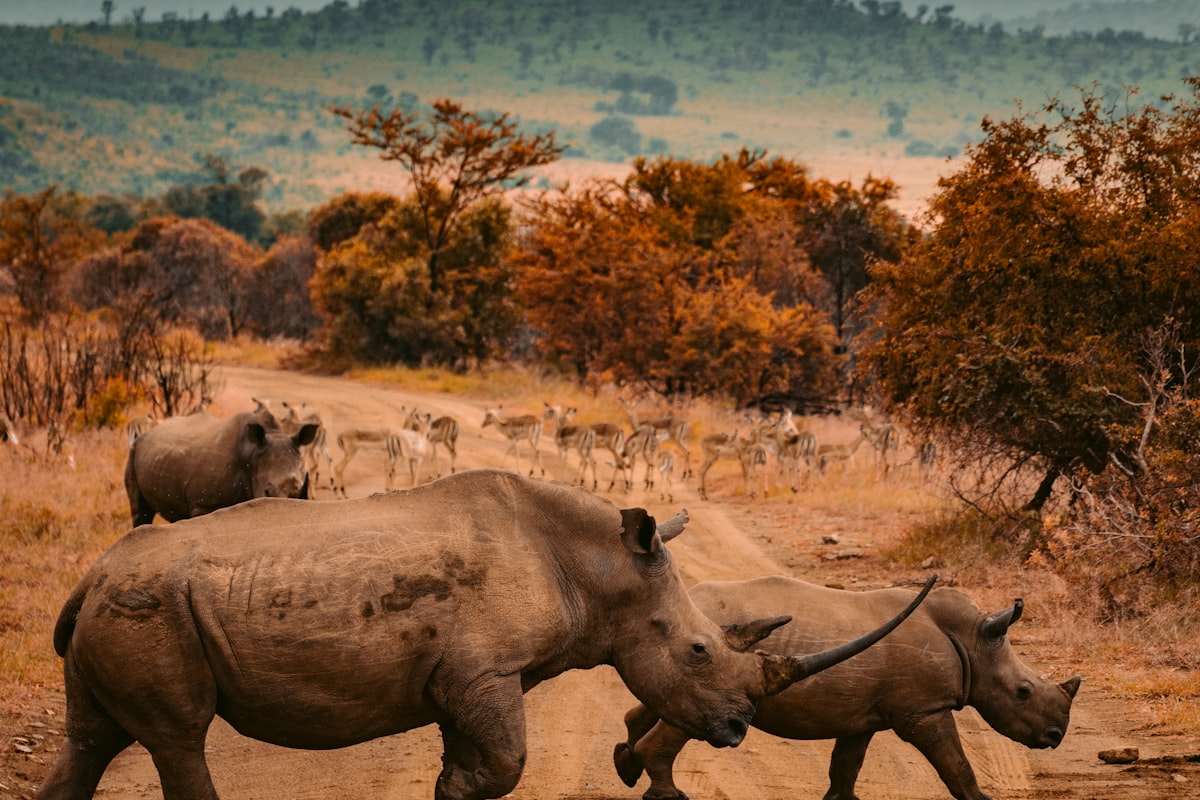
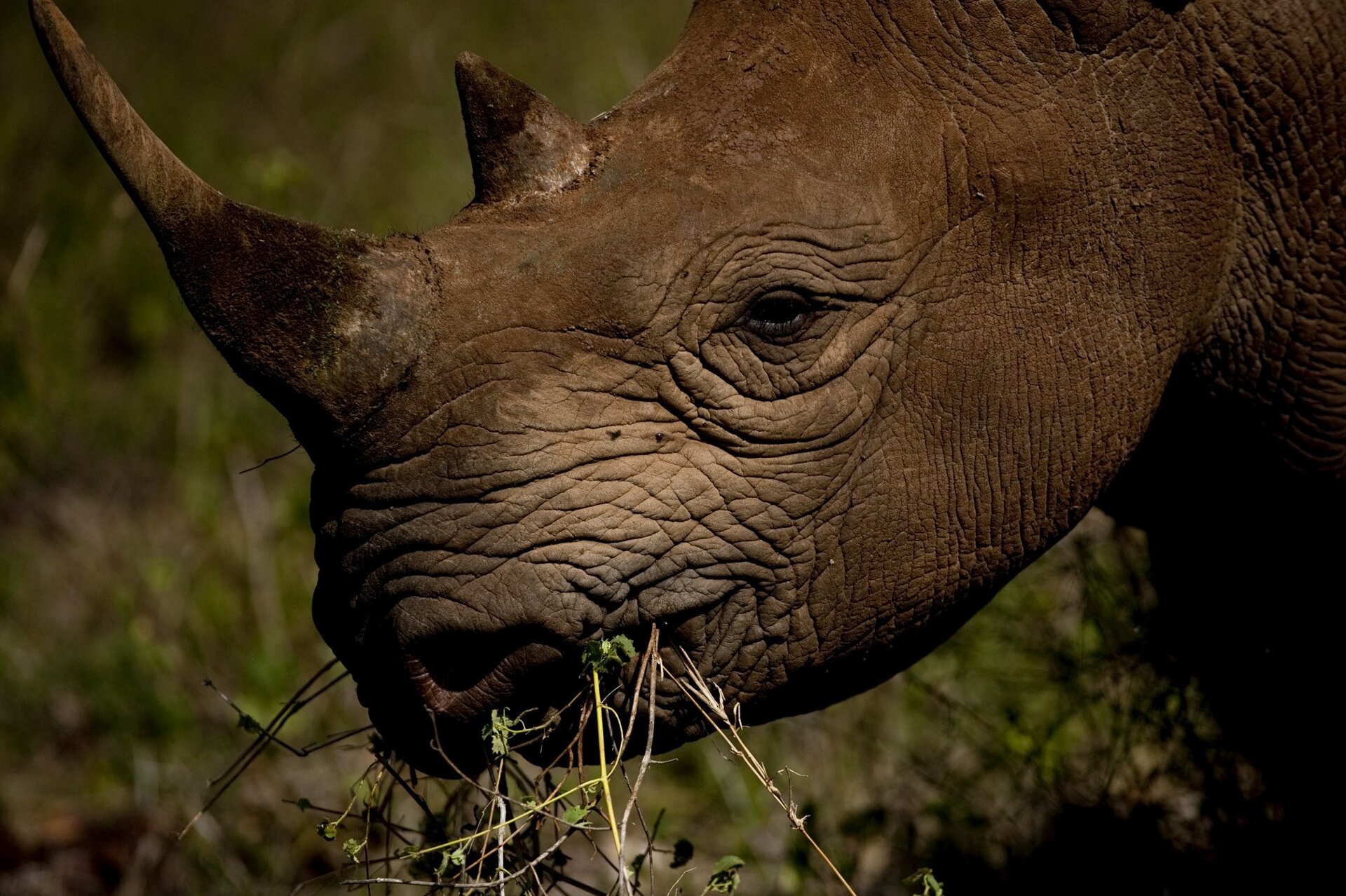
Kenya is home to the Big Five (lion, leopard, elephant, buffalo, rhino), plus cheetah, giraffe, zebra, hippo, crocodile, and over 1,100 bird species. The Masai Mara adds the Great Migration. Samburu offers the 'Special Five' unique species. Laikipia provides exceptional wild dog and black rhino sightings.

How does tipping work on safari?

Tipping is customary but not compulsory. Recommended guidelines: $15–25 per person per day for your safari guide, $10–15 per day for general camp staff (pooled), and $5–10 for specific services (spa, private dining). Tips are typically given in USD or KES at the end of your stay.

Chat