Where is the Laikipia Plateau and why is it famous?
The Laikipia Plateau lies in central Kenya, on high ground north of Mount Kenya. It is famous as one of Africa's greatest conservation success stories — a patchwork of private ranches and community conservancies rather than a national park, protecting the largest black rhino population in East Africa, the last northern white rhinos at Ol Pejeta, endangered wild dogs and rare Grévy's zebra, with a huge range of activities few parks can match.
Is Laikipia a national park?
No — and that is its great strength. Laikipia is a mosaic of privately managed ranches, community conservancies and wildlife sanctuaries. Because the land is private, guests can enjoy activities that national parks prohibit, including walking safaris, night drives, horseback and camel riding, mountain biking and rhino tracking on foot. The model also means tourism directly funds conservation and local communities.
What wildlife will I see in Laikipia?
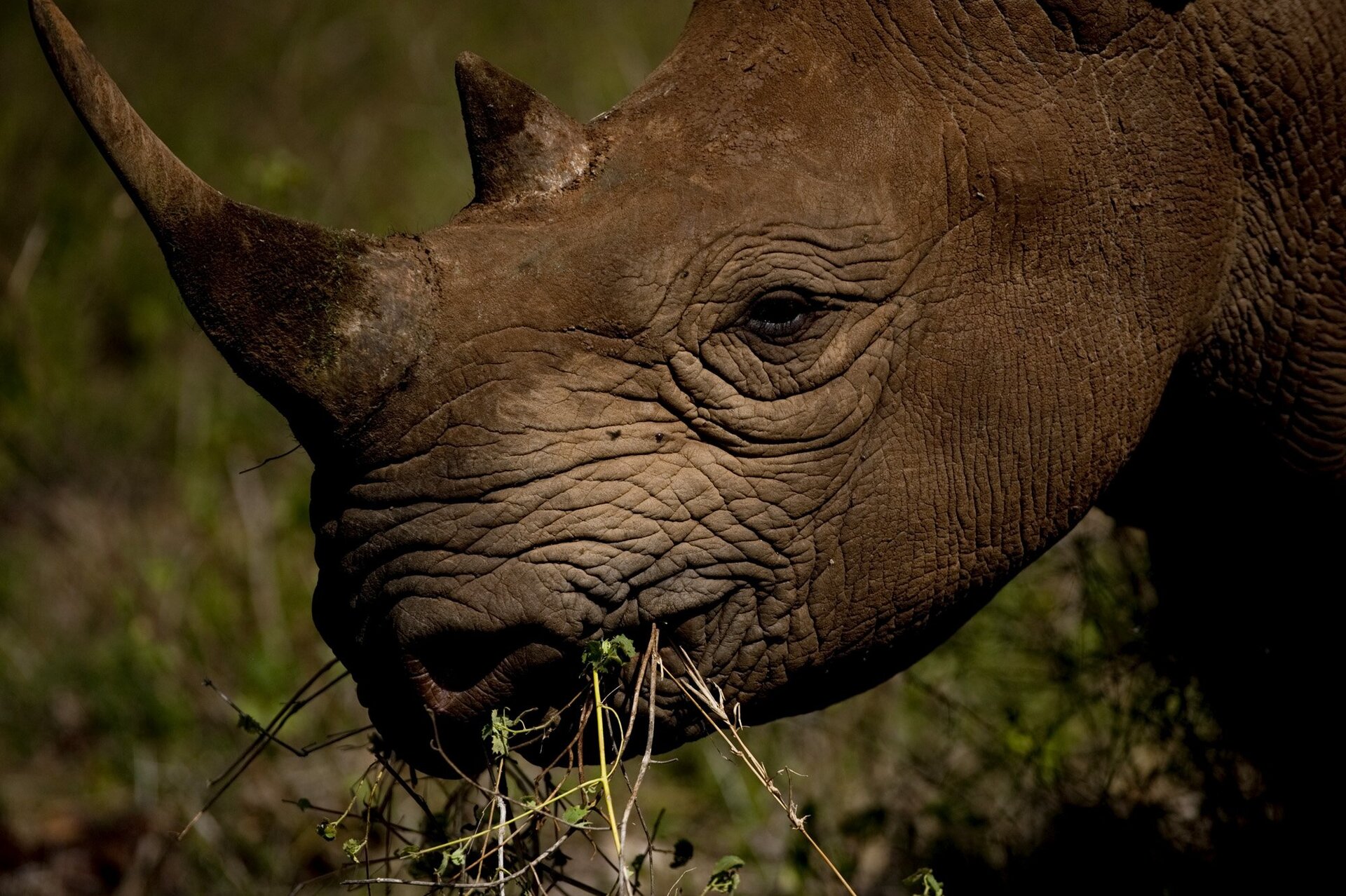
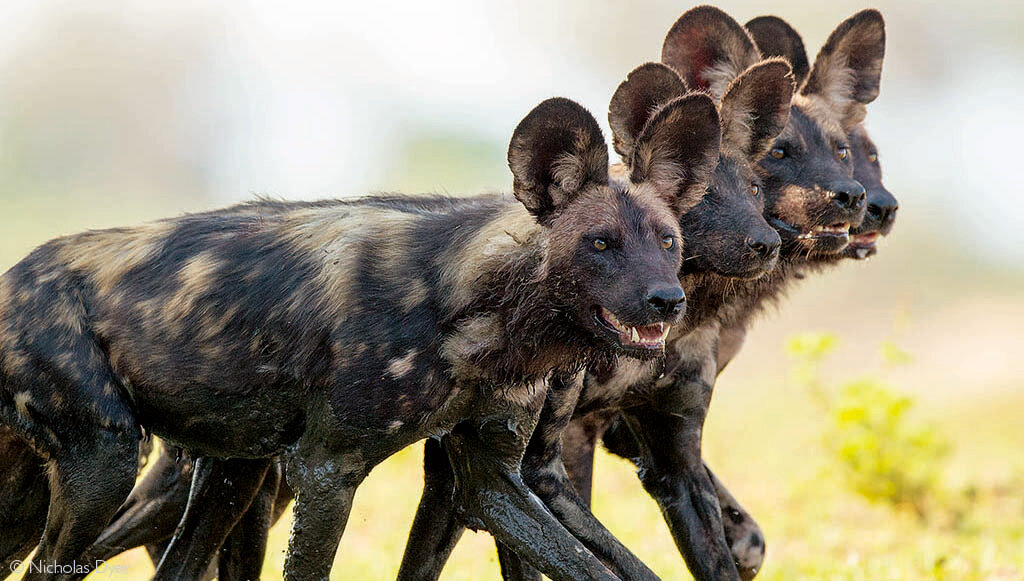
Laikipia offers the Big Five along with exceptional rhino viewing — both black and white, including the last two northern white rhinos at Ol Pejeta — plus thriving packs of endangered African wild dog, rare Grévy's zebra, lion, leopard, cheetah, elephant and reticulated giraffe. With over 550 bird species and a lower density of visitors than the major parks, wildlife encounters here feel exclusive and richly rewarding.
What activities can I do in Laikipia?
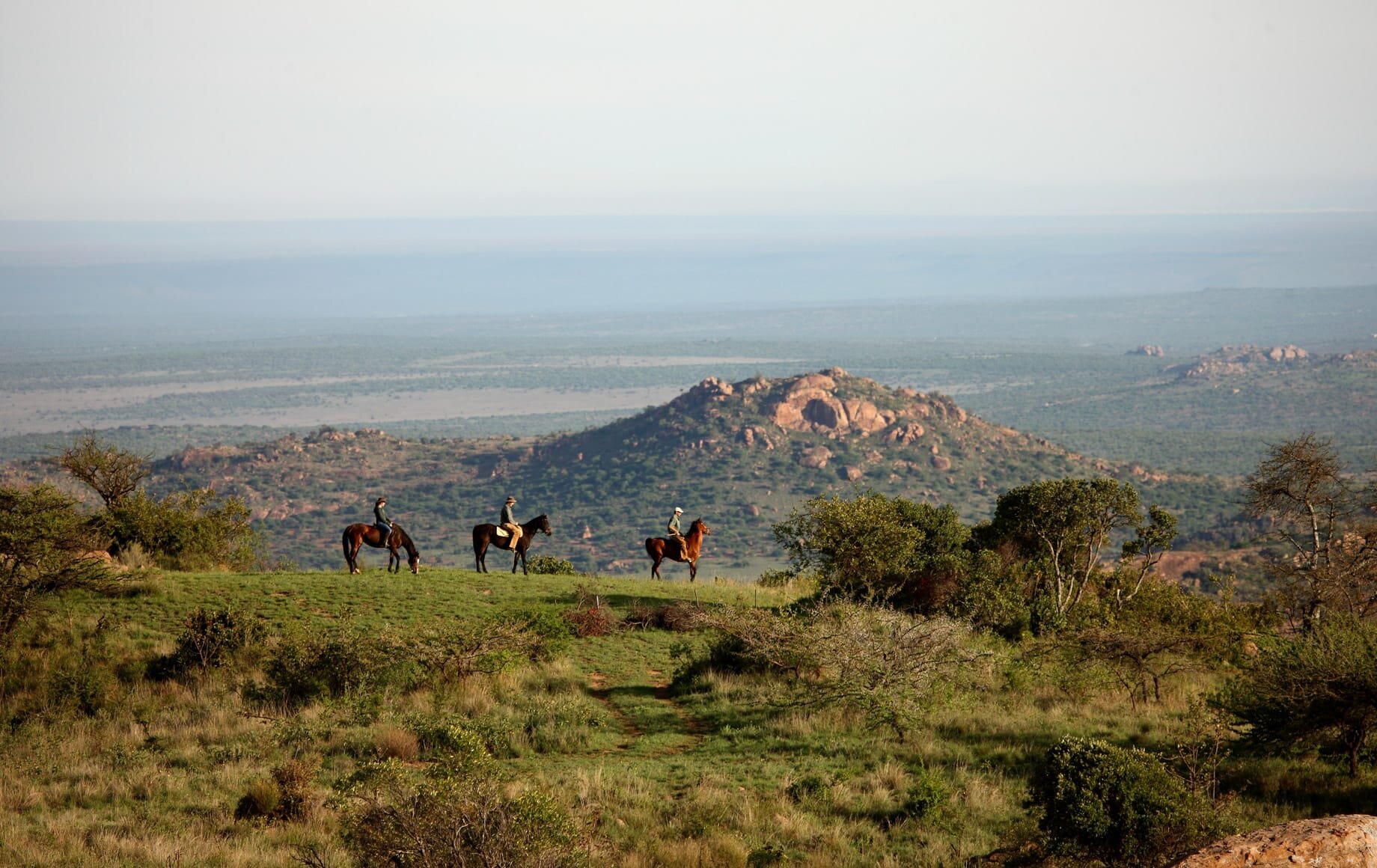
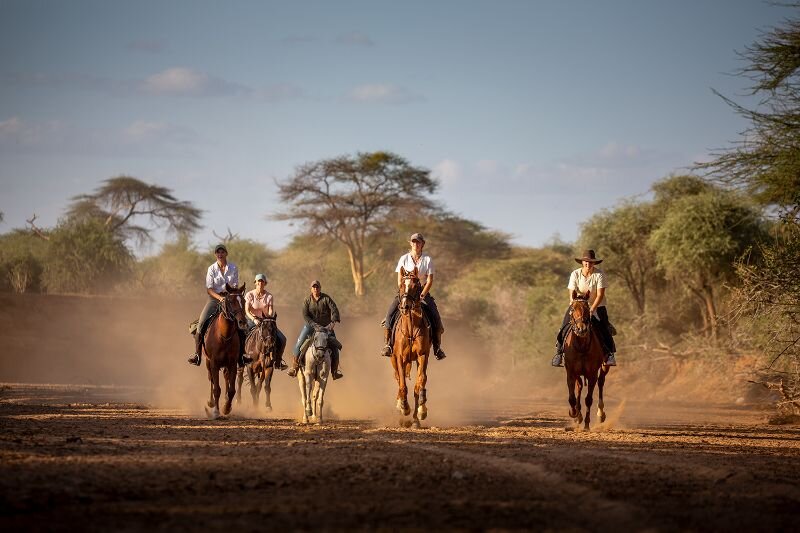
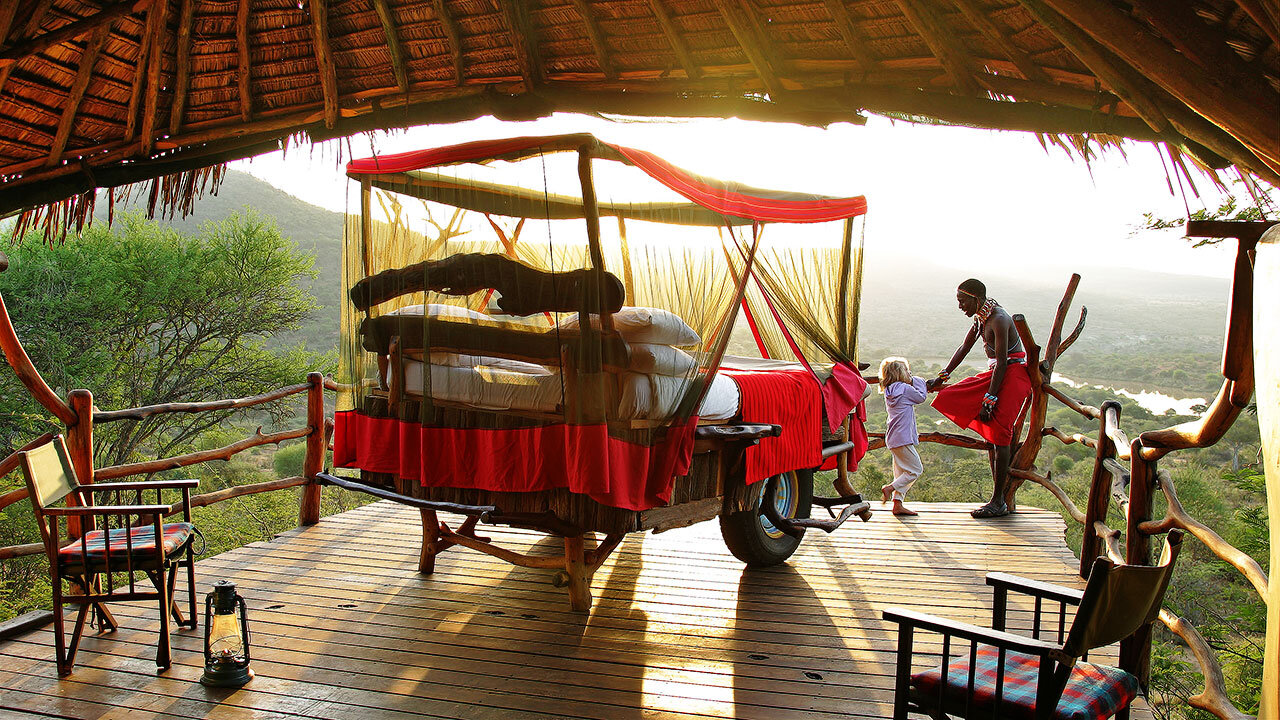
Far more than a typical safari. Because most of Laikipia is private land, you can ride horses or camels among the wildlife, walk with expert guides, track rhino and lion on foot, take night drives for nocturnal species, mountain bike, fish, and sleep out on open-air star beds beneath the Milky Way. It is the most activity-rich safari region in Kenya, ideal for active travellers and repeat safari-goers.
What is the best time to visit Laikipia?
The dry season from June to October offers cool, clear highland weather and the finest game viewing and activities, while December to March is also excellent and often quieter. April, May and November bring the rains — the plateau turns green and prices drop, with superb birding, though some tracks can become muddy. Laikipia's higher altitude keeps temperatures pleasant year-round.
Can I see the last northern white rhinos?
Yes. The Ol Pejeta Conservancy in Laikipia is home to Najin and Fatu, the last two northern white rhinos on Earth, protected around the clock by dedicated rangers. A visit to meet them is a profoundly moving experience and a powerful lesson in conservation. Ol Pejeta also protects black and southern white rhino, chimpanzees at a sanctuary, and the Big Five.
Is Laikipia good for families?
Exceptionally so. The range of activities — riding, walking, biking, rhino tracking, conservation visits and star beds — keeps children of all ages engaged far beyond the game-drive vehicle. Many lodges offer family houses, private guides and tailored kids' programmes, and the malaria risk is lower than in lowland parks thanks to the altitude, making Laikipia a top choice for a family safari.
How many nights should I spend in Laikipia?
Three nights is ideal to enjoy the rhino tracking, riding, walking and star beds without rushing, though the sheer range of activities easily fills more. Laikipia pairs beautifully with neighbouring Samburu for the wild north, or with the Maasai Mara for big cats and the migration, making a week-or-longer Kenya journey that we arrange end to end.
Is Laikipia a malaria area?
Laikipia's high altitude means a lower malaria risk than lowland parks, but precautions are still advisable. Speak to your doctor or a travel clinic about prophylactics before you travel, and pack insect repellent, warm layers for the cool highland evenings and a good sun hat for the strong equatorial daytime sun. Our team will share the latest health guidance as part of your trip planning.
Which lodges are best in Laikipia?
Laikipia is home to some of Africa's finest lodges. Segera Retreat offers art-filled luxury and botanical gardens, Loisaba Tented Camp and its Star Beds combine an infinity pool with horseback and sleep-out adventures, while Borana Lodge and Lewa Safari Camp sit within a UNESCO-listed rhino landscape with superb conservation credentials. We match every guest to the conservancy and lodge that suit them best.