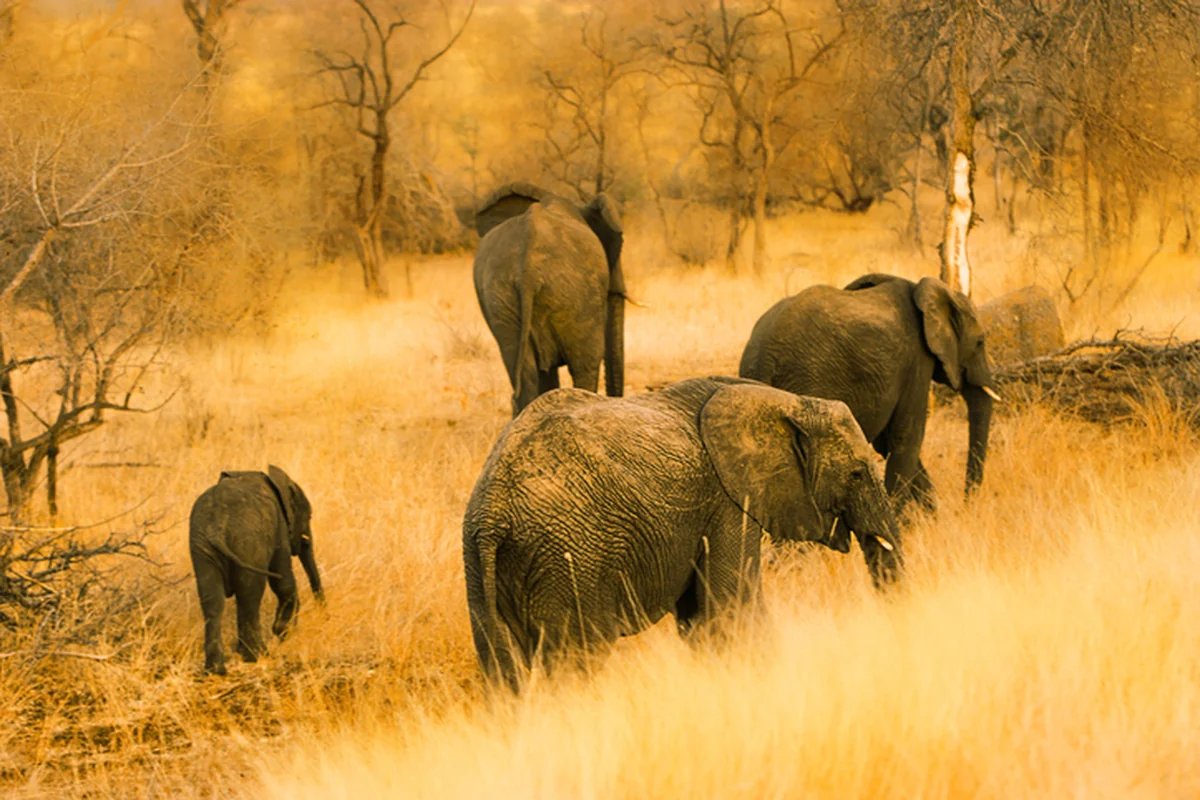
When is the best time to see elephants at Chobe?
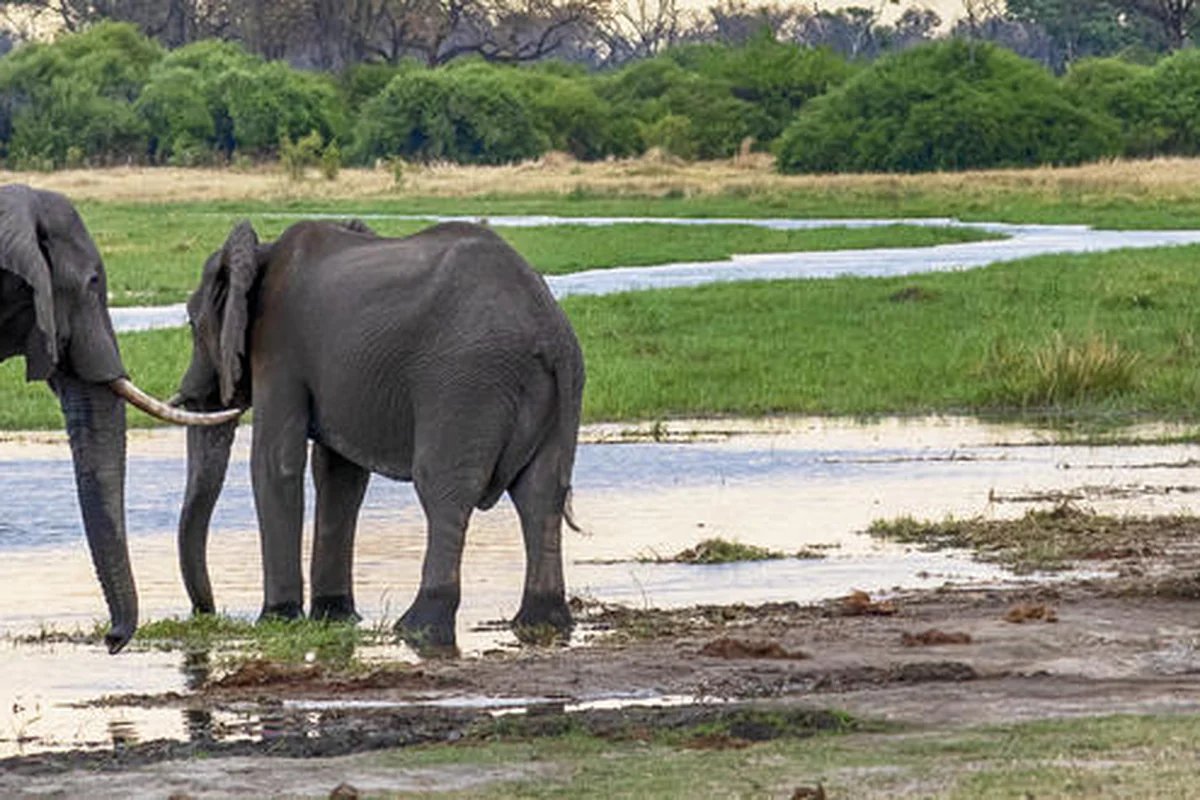
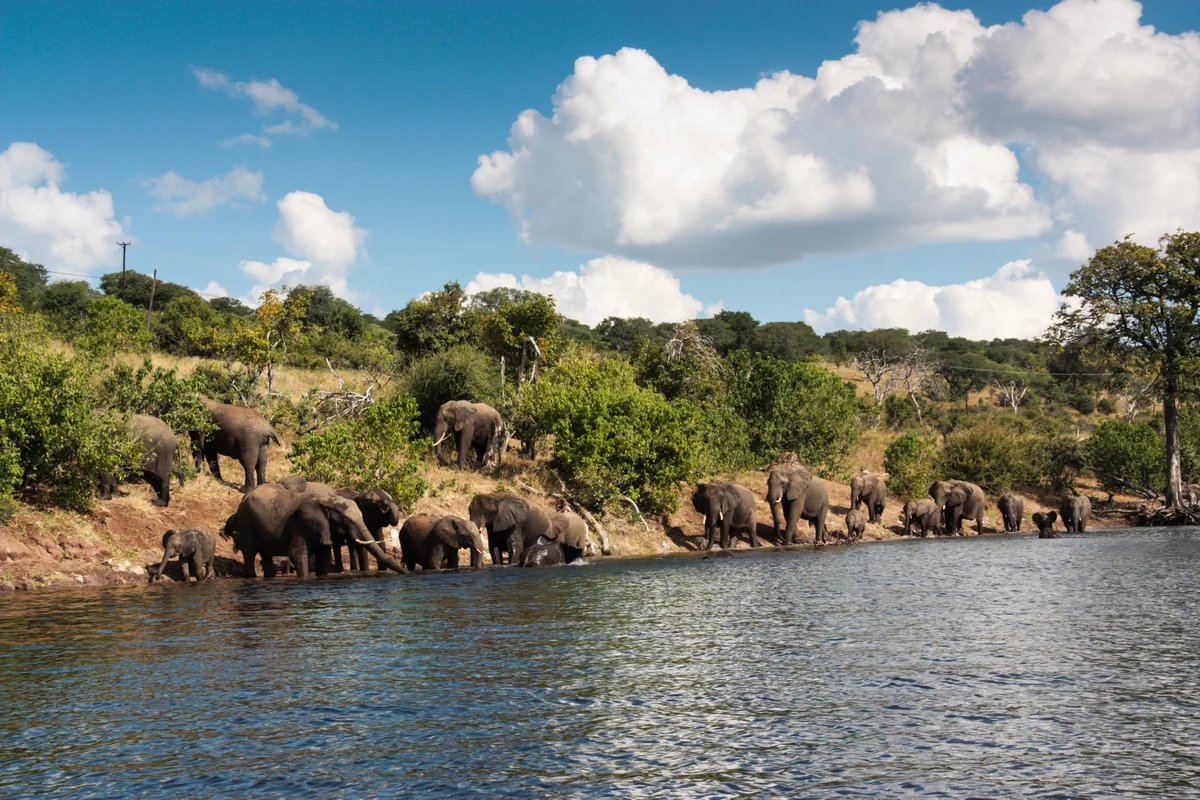
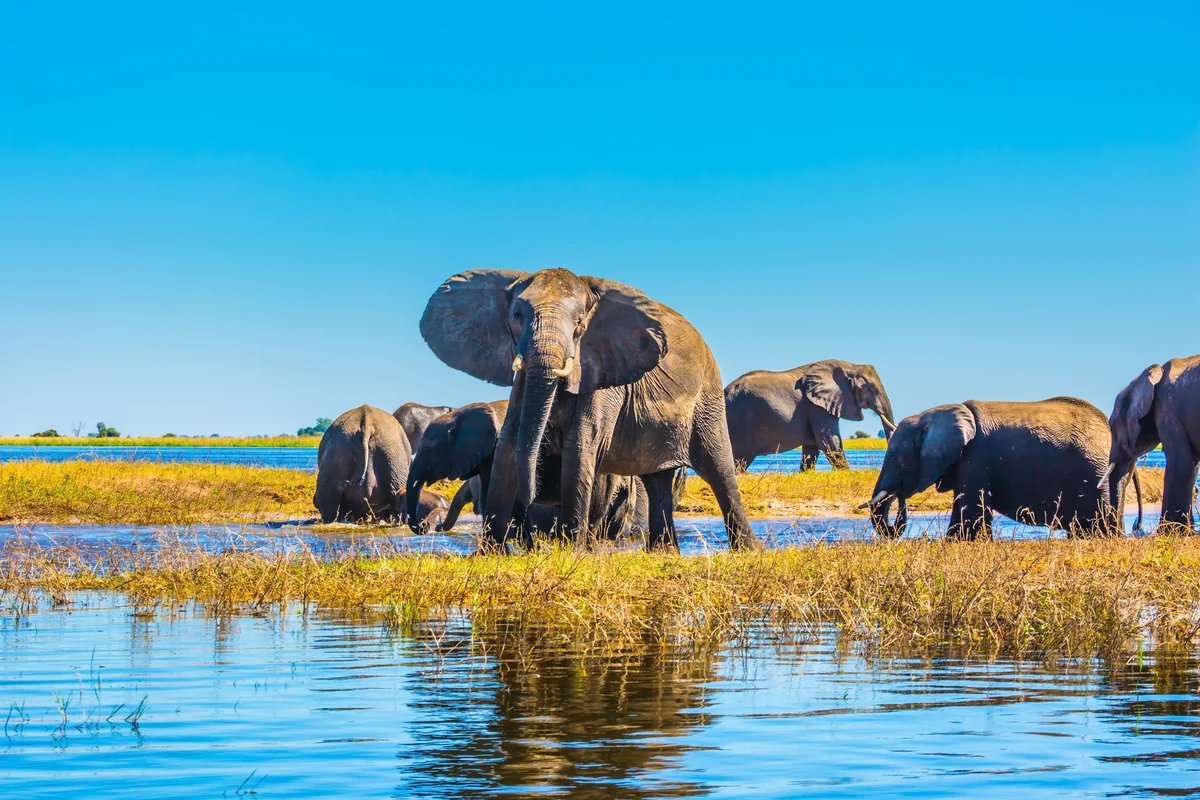
August to October is peak elephant season when 120,000+ elephants converge on the Chobe River as surrounding water sources dry up. Herds of 300–500 elephants are common at sunset. However, elephants are present year-round, with excellent sightings in May–October (dry season).
How many elephants are in Chobe National Park?
Chobe is home to an estimated 120,000 elephants — the world's largest elephant population in a single area. During the dry season (May–October), elephants from across northern Botswana and neighboring countries migrate to the Chobe River, creating the planet's greatest elephant spectacle.
Can I do a day trip to Chobe from Victoria Falls?
Yes, and it's extremely popular. Chobe is 100 km (1.5 hours) from Victoria Falls. Day trips typically include a morning river cruise, lunch, and afternoon game drive. Operators handle border crossings (bring your passport and KAZA UniVisa if possible). Book ahead for best availability.
What is better: river cruise or game drive?
Both are essential. River cruises offer unique aquatic wildlife encounters — elephants swimming, hippos surfacing, crocodiles basking. Game drives access predators (lion, leopard, cheetah) and interior ecosystems. Most visitors do both: morning game drive and sunset river cruise. The combination delivers the complete Chobe experience.
Is Chobe suitable for families with children?
Absolutely. Chobe is one of Africa's most family-friendly safari destinations. River cruises are safe and engaging for kids, lodges like Chobe Game Lodge welcome families, and the guaranteed elephant sightings captivate children. Most lodges accept children (check age restrictions for game drives, typically 6+).
Do I need a visa for Botswana?
Most nationalities (US, UK, EU, Canada, Australia) receive a free 90-day visa on arrival in Botswana. Your passport must have 6 months' validity and 2 blank pages. If combining with Victoria Falls (Zimbabwe/Zambia), consider the KAZA UniVisa ($50) for multiple entries across borders.
Is Chobe National Park malaria-free?
No, Chobe is in a malaria zone. Prophylaxis is recommended year-round. Consult your doctor 4–6 weeks before travel. All lodges provide mosquito nets, insect repellent, and screened rooms. Malaria risk is present but manageable with precautions.
Can I see the Big Five in Chobe?
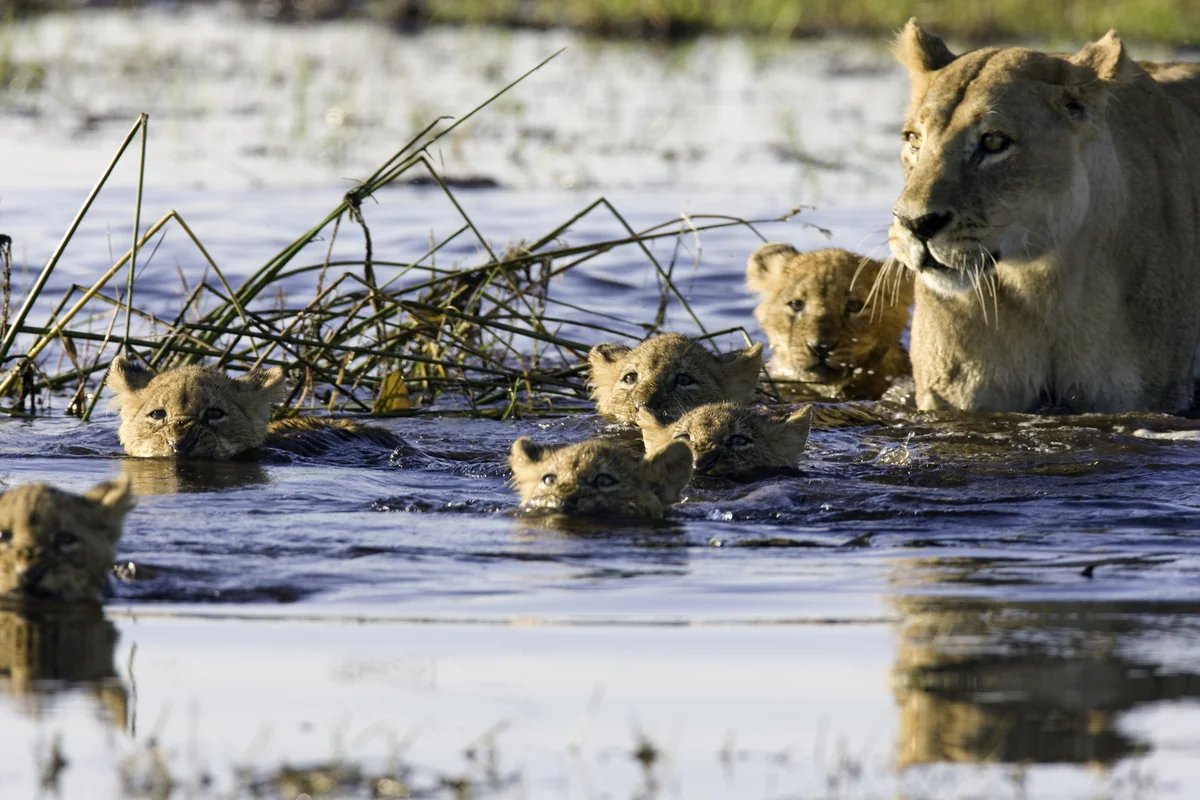
Yes, Chobe has the Big Five, though rhinos are rare. Elephants are guaranteed, buffalo herds are massive, and lion and leopard sightings are excellent. The park is also renowned for cheetahs, wild dogs, and 460+ bird species. Chobe rivals any African park for wildlife diversity.
How does Chobe compare to Kruger and the Okavango?
Chobe specializes in elephants and river-based safaris — its elephant density is unmatched globally. Kruger is larger with higher overall predator density and self-drive access. The Okavango offers mokoro canoe safaris, ultra-luxury camps, and more pristine wilderness. Chobe is excellent value and ideal for Victoria Falls combinations.
What should I pack for Chobe?
Neutral-colored clothing (khaki, olive, beige), warm layers for early morning drives, sun hat, sunscreen, insect repellent, binoculars, camera with telephoto lens (200mm+ recommended), waterproof bag for boat trips, and closed-toe shoes. River cruises can be windy, so bring a light jacket even in summer.