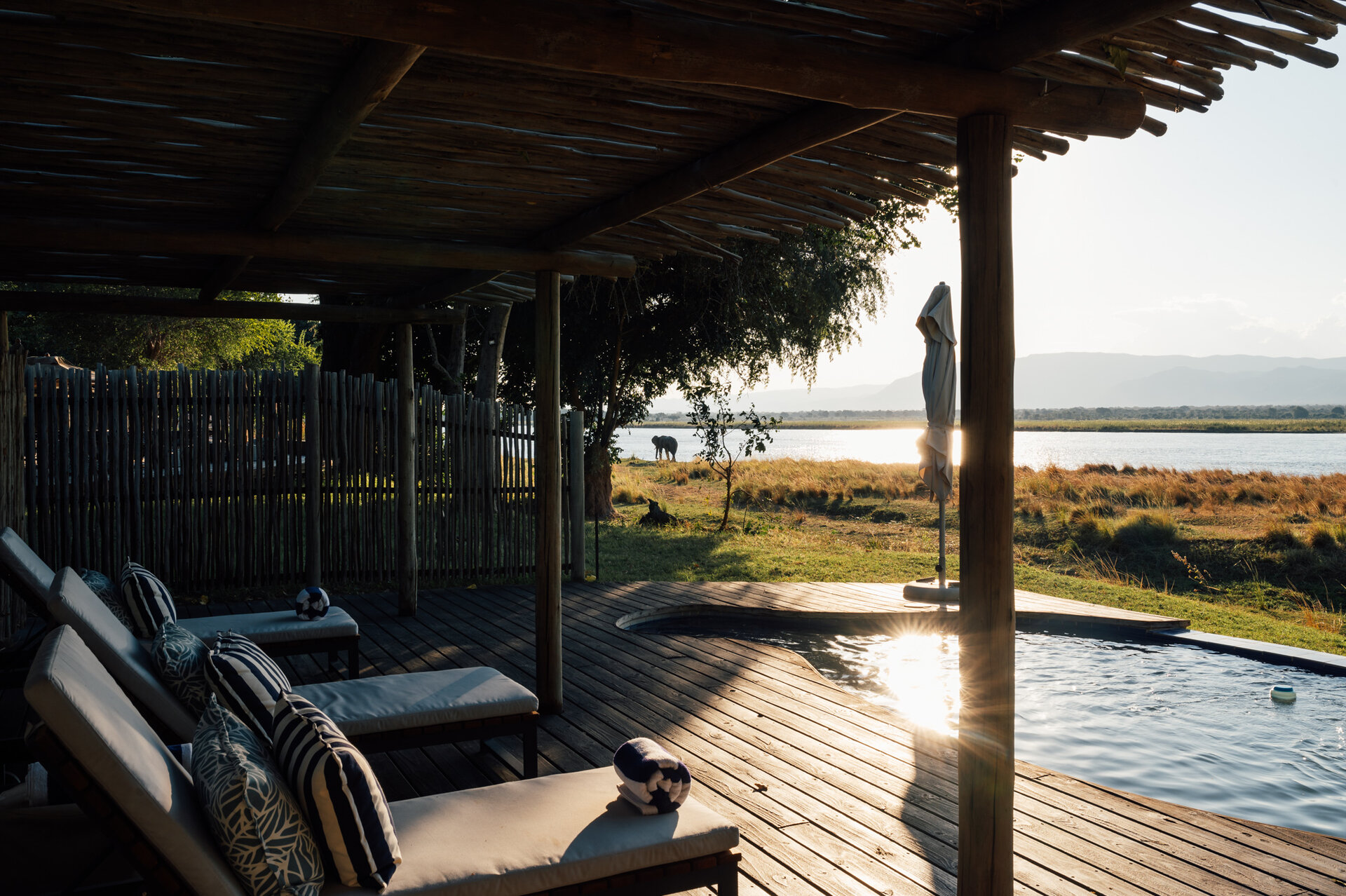
Where is Mana Pools and why is it famous?
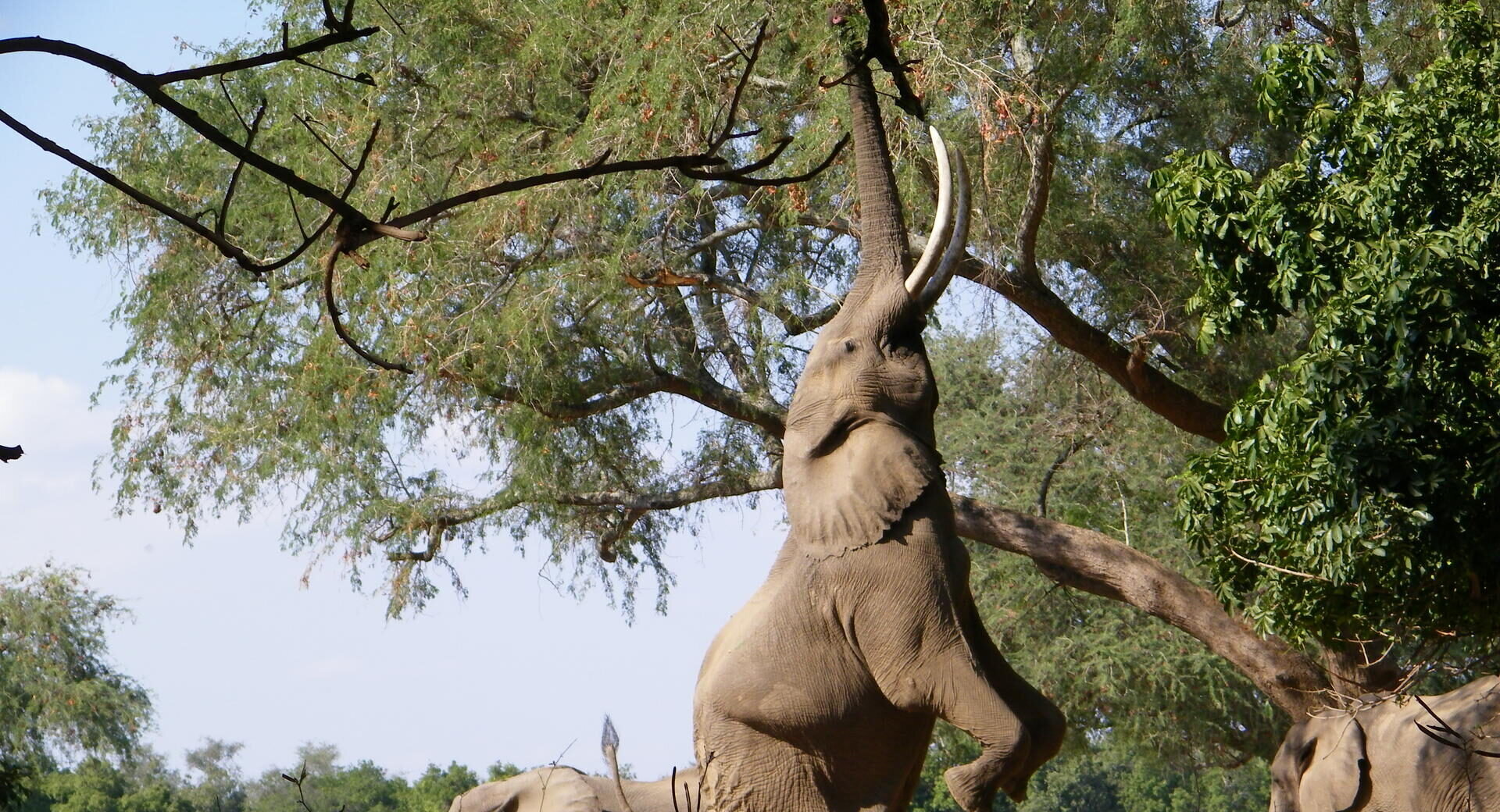
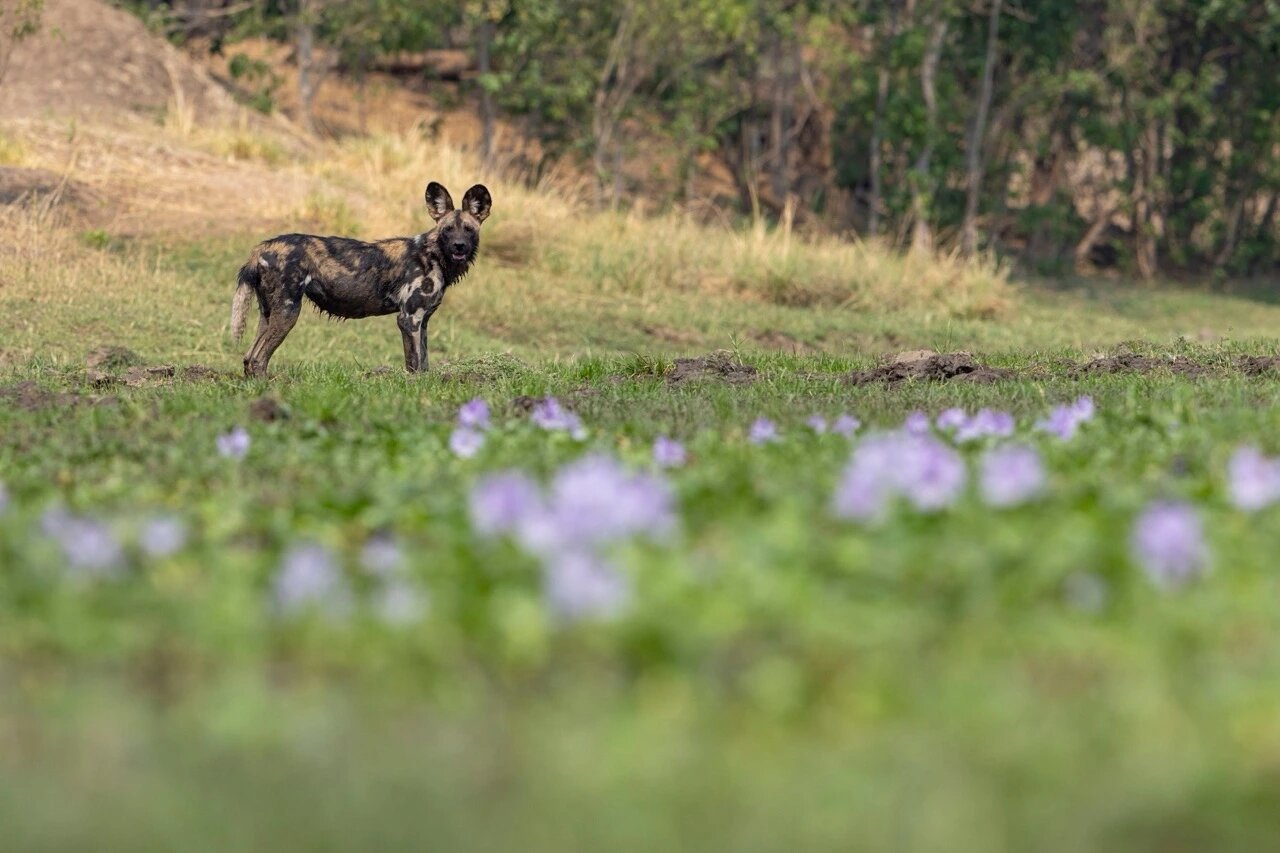
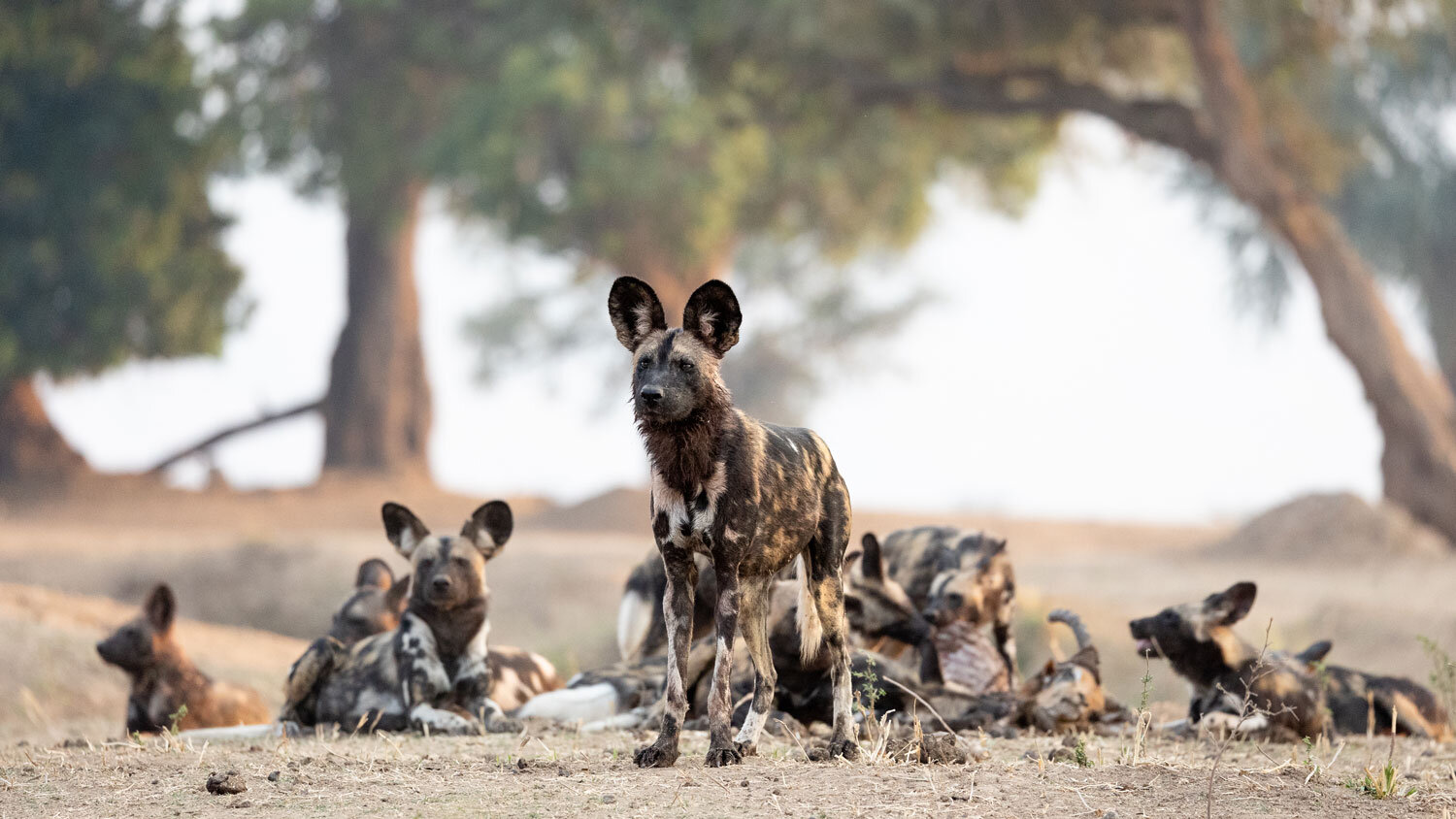
Mana Pools National Park lies on the lower Zambezi River in northern Zimbabwe, opposite Zambia's Lower Zambezi National Park. It is a UNESCO World Heritage Site famous for its cathedral-like winterthorn forest, its walking and canoeing safaris, and its extraordinary wildlife — including the standing elephants that rise on their hind legs and the painted wolves (African wild dogs) made famous by wildlife documentaries.
What does 'Mana' mean?
'Mana' means 'four' in the Shona language, referring to the four large pools left along the floodplain by the meandering of the Zambezi River over thousands of years. These pools, and the fertile albida forest around them, are the heart of the park and a magnet for wildlife through the dry season.
Can you walk and canoe in Mana Pools?
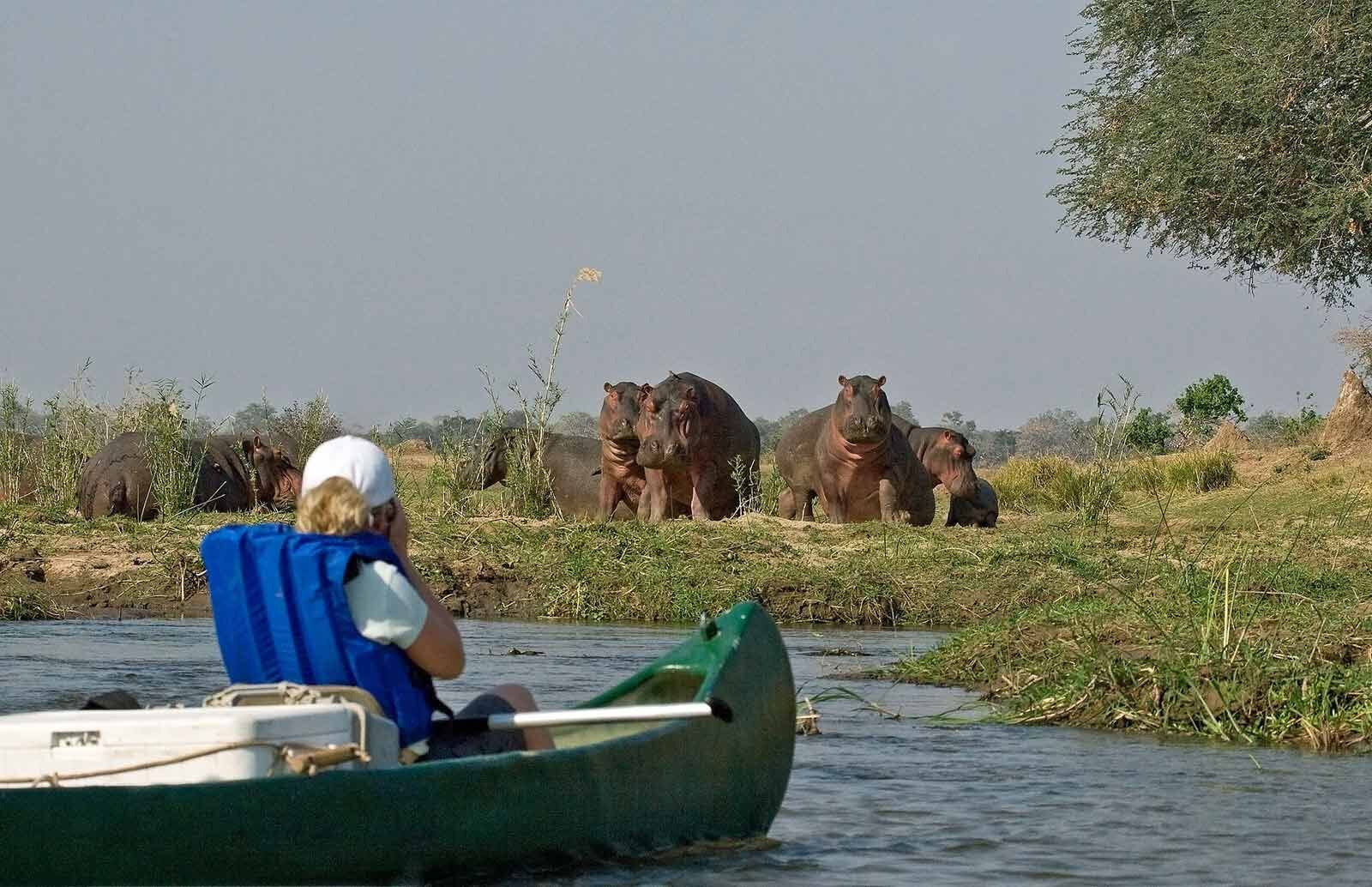
Yes — this is what makes Mana Pools so special. It is one of very few African parks where guests may explore on foot and by canoe with licensed guides. Walking safaris bring you thrillingly close to elephant and buffalo in the open forest, while canoe safaris on the Zambezi glide past hippos, crocodiles and drinking elephants. Both offer a raw intimacy with the wild that vehicle-only parks cannot match.
What is the best time to visit Mana Pools?
The dry season from June to October is by far the best time for game viewing, when wildlife concentrates on the river and shrinking pools. August to October is the peak, with exceptional walking, canoeing and predator sightings, though it becomes very hot. Many camps close during the green emerald season (roughly December to March) when the roads flood, so plan a dry-season trip for the classic Mana Pools experience.
How do I get to Mana Pools?
Almost all visitors fly in by light-aircraft charter from Harare (about 1.5 hours), Victoria Falls or Kariba, landing on one of the park's bush airstrips where camp vehicles meet you. This fly-in access keeps the park remote and uncrowded. Self-drive access is possible for the adventurous in the dry season, but the fly-in safari is the classic and most comfortable way to arrive.
Will I see wild dogs and the standing elephants?
Mana Pools is one of the best places in Africa to see African wild dogs (painted wolves), which den and hunt across the floodplain, and sightings are frequent in the dry season. The famous standing elephants — bulls that rise on their hind legs to reach the highest winterthorn pods — are a Mana Pools speciality, most often seen when the pods fall between roughly September and November. Sightings are never guaranteed in the wild, but few parks offer better odds of both.
Is Mana Pools good for photographers?
It is a photographer's paradise. The winterthorn forest produces extraordinary dawn light — visible golden shafts falling through the canopy onto dust and wildlife — that has drawn the world's leading wildlife photographers and filmmakers for decades. Several camps offer specialist photographic guiding, beanbags and low-angle positions to help you capture cinematic, Nat Geo-quality images.
How many nights should I spend in Mana Pools?
Three to four nights is ideal, allowing time to walk, canoe and drive, and to give the wildlife time to reveal itself. Many guests combine Mana Pools with Victoria Falls and Hwange for a complete week-to-ten-day Zimbabwe safari, or add the lower Zambezi and Kariba for a broader river journey.
Is Mana Pools a malaria area?
Yes — Mana Pools lies in a malaria zone, so anti-malarial precautions are recommended. Speak to your doctor or a travel clinic about prophylactics before you travel, and pack insect repellent, long sleeves for dusk and a good sun hat. Our team will advise on the latest health guidance as part of your trip planning.
Which camps are best in Mana Pools?
Mana Pools is home to some of Africa's finest small camps. Nyamatusi Camp offers the most contemporary luxury on the river, Ruckomechi and Chikwenya are celebrated Wilderness classics with superb guiding, Kanga Camp sits at the only interior pan, and John's Camp delivers romantic old-world safari by the renowned Robin Pope team. We match every guest to the camp — and the guides — that suit them best.