Why is Kibale famous?
It's the chimpanzee capital of the world—1,500 chimps, 13 primate species, and the highest chimp-tracking success rate in East Africa (95%). Also a birding paradise (375+ species).
What's the difference between chimp tracking and habituation?
Tracking: 3–5 hours, 1 hour with chimps, $200. Habituation: full day (6am–7pm) with chimps, watch them wake/nest/feed/play, $250, limited to 4 people daily. Habituation is the ultimate experience.
When should I visit?
Year-round chimp tracking. Dry months (Dec–Feb, June–Sept) have easier trails. Wet season (Mar–May, Oct–Nov) is lush and great for birding but muddy.
What's the success rate for seeing chimps?
95%—the highest in East Africa. Kibale's chimps are well-habituated and rangers track them daily.
Can I see other primates?
Yes! 13 species total: red colobus, L'Hoest's monkey, black-and-white colobus, blue monkey, red-tailed monkey, grey-cheeked mangabey, olive baboon, and nocturnal bushbabies/pottos.
What's Bigodi Wetland Sanctuary?
A community-run papyrus swamp boardwalk 15 min from Kibale. Excellent birding (200+ species), 8 primate species, and ecotourism model. $30, highly recommended.
How long should I spend?
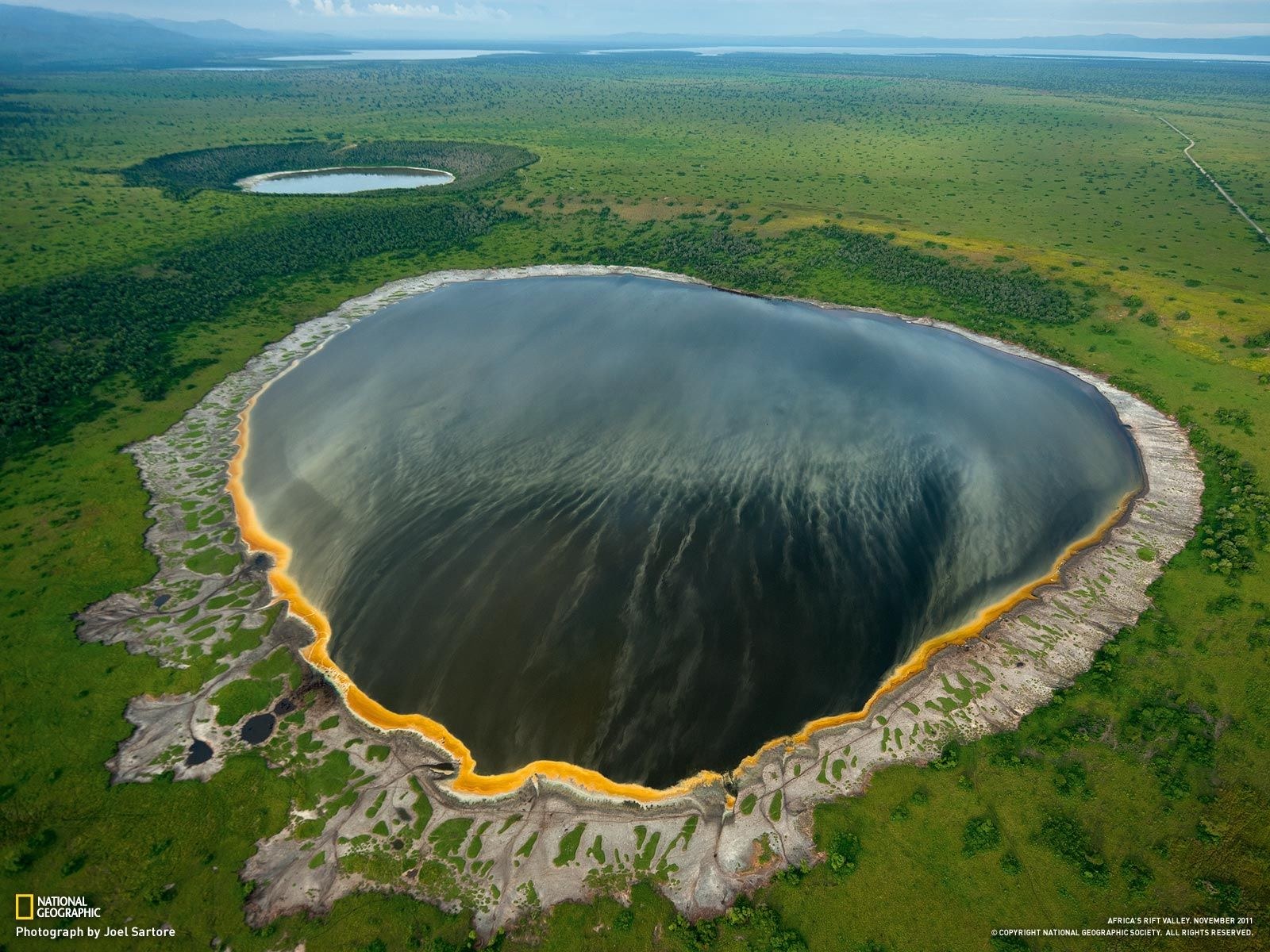
2–3 days: one day for chimp tracking or habituation, one day for Bigodi wetland + crater lakes, optional night walk. Combine with Queen Elizabeth (1.5 hours) or Murchison (5 hours).
Where should I stay?
Primate Lodge (inside park, luxury), Kyaninga Lodge (ultra-luxury, crater lake views), Papaya Lake Lodge (boutique, crater lake), or Turaco Treetops (eco-lodge, treehouses).
What should I pack?
Waterproof jacket, long trousers (for forest), sturdy hiking boots (trails muddy), gardening gloves (for holding vines), insect repellent, camera, binoculars. Expect rain any time.
Is it safe?
Yes. Rangers escort all chimp tracking. Follow guide instructions (don't approach chimps if sick, no flash photography, stay 8m away). Habituated chimps are calm but wild.