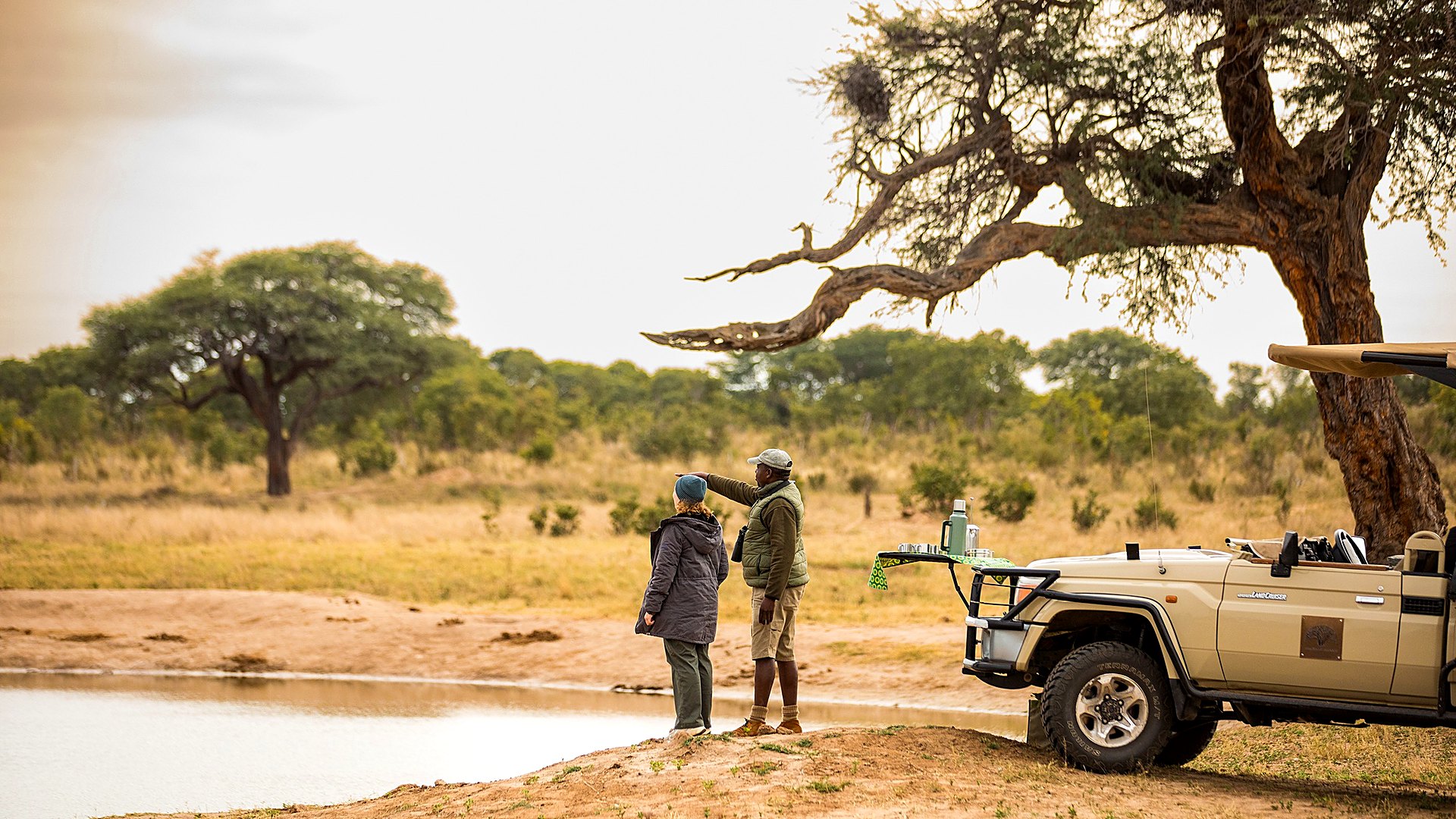
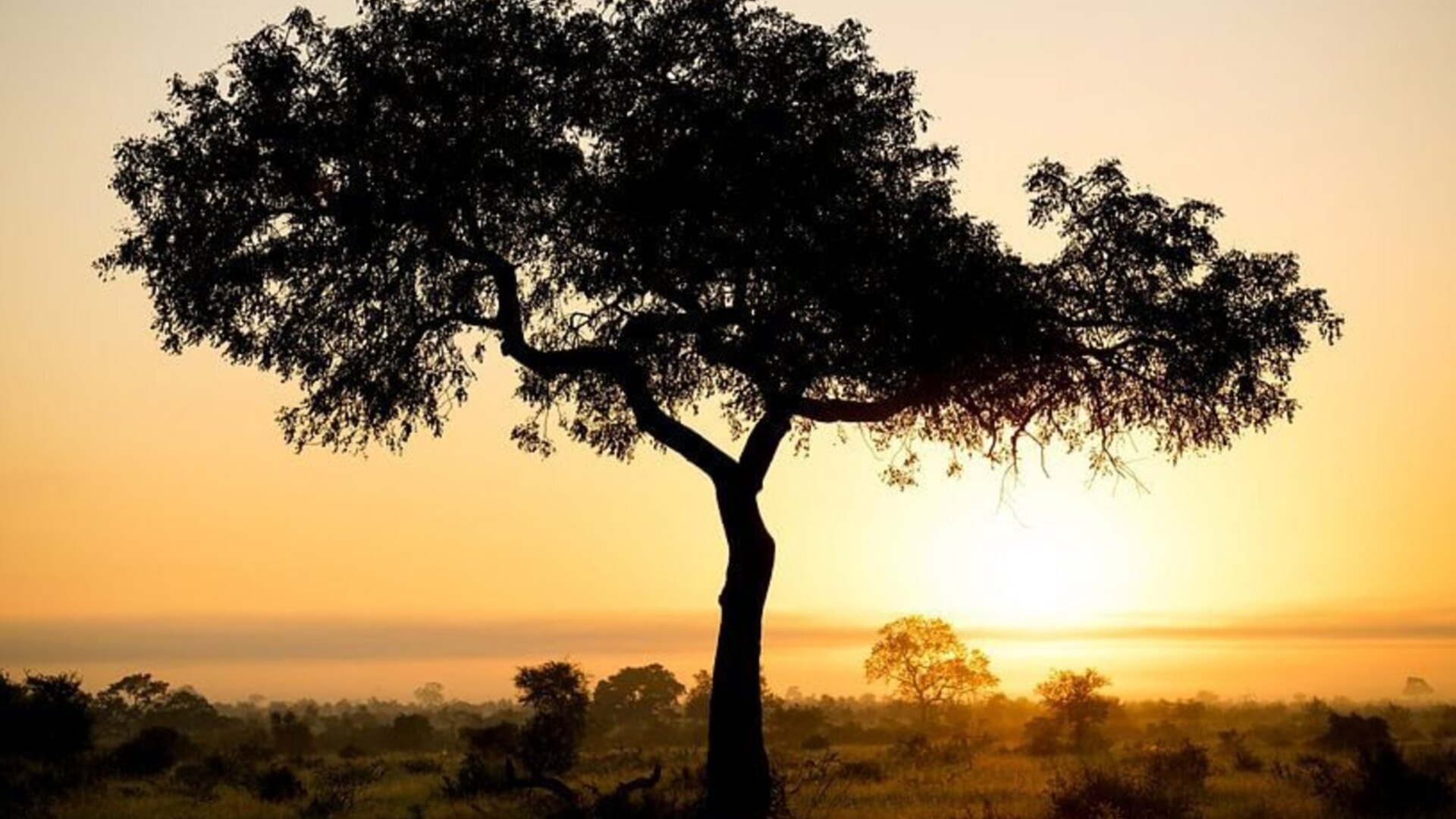
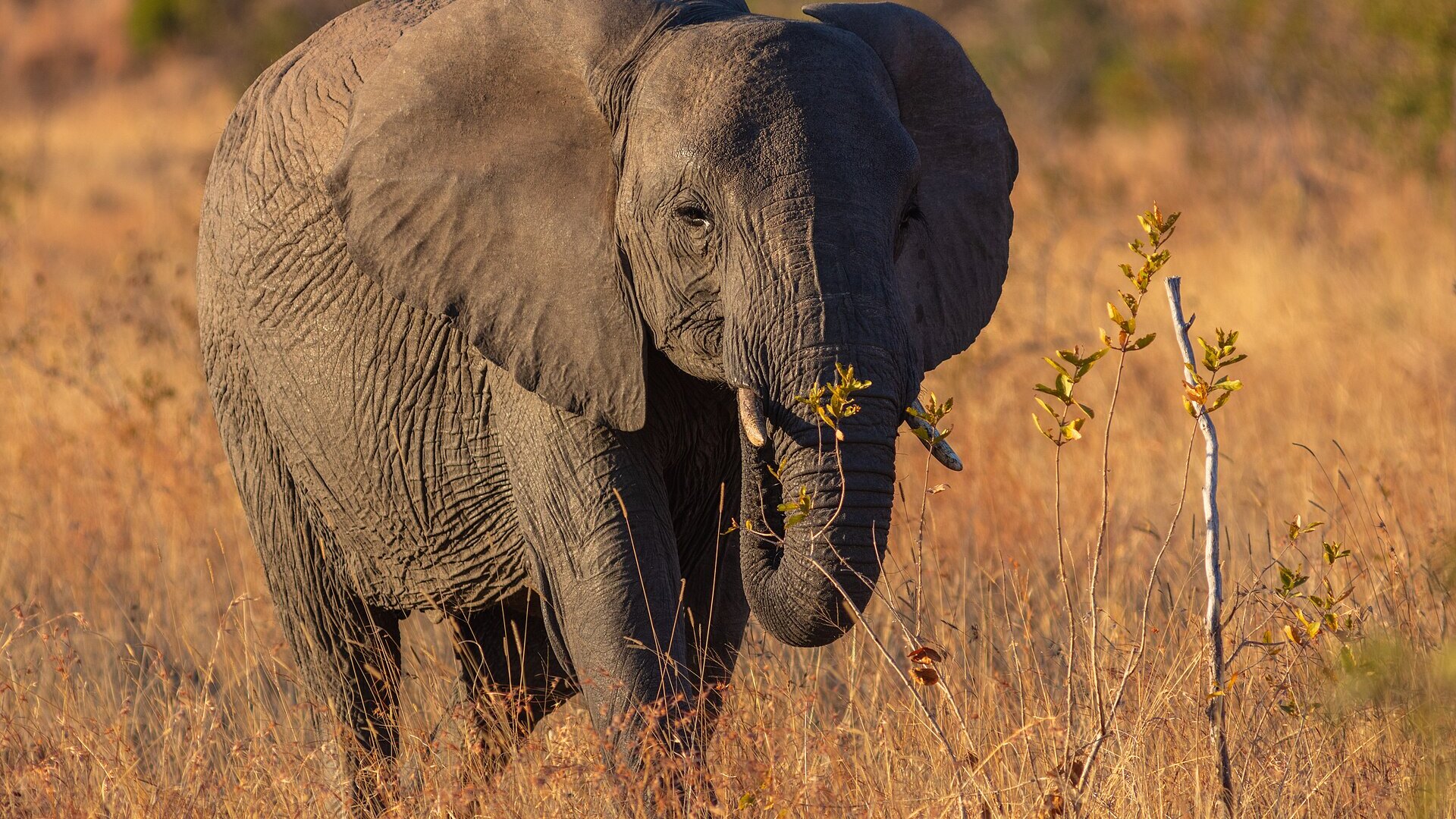
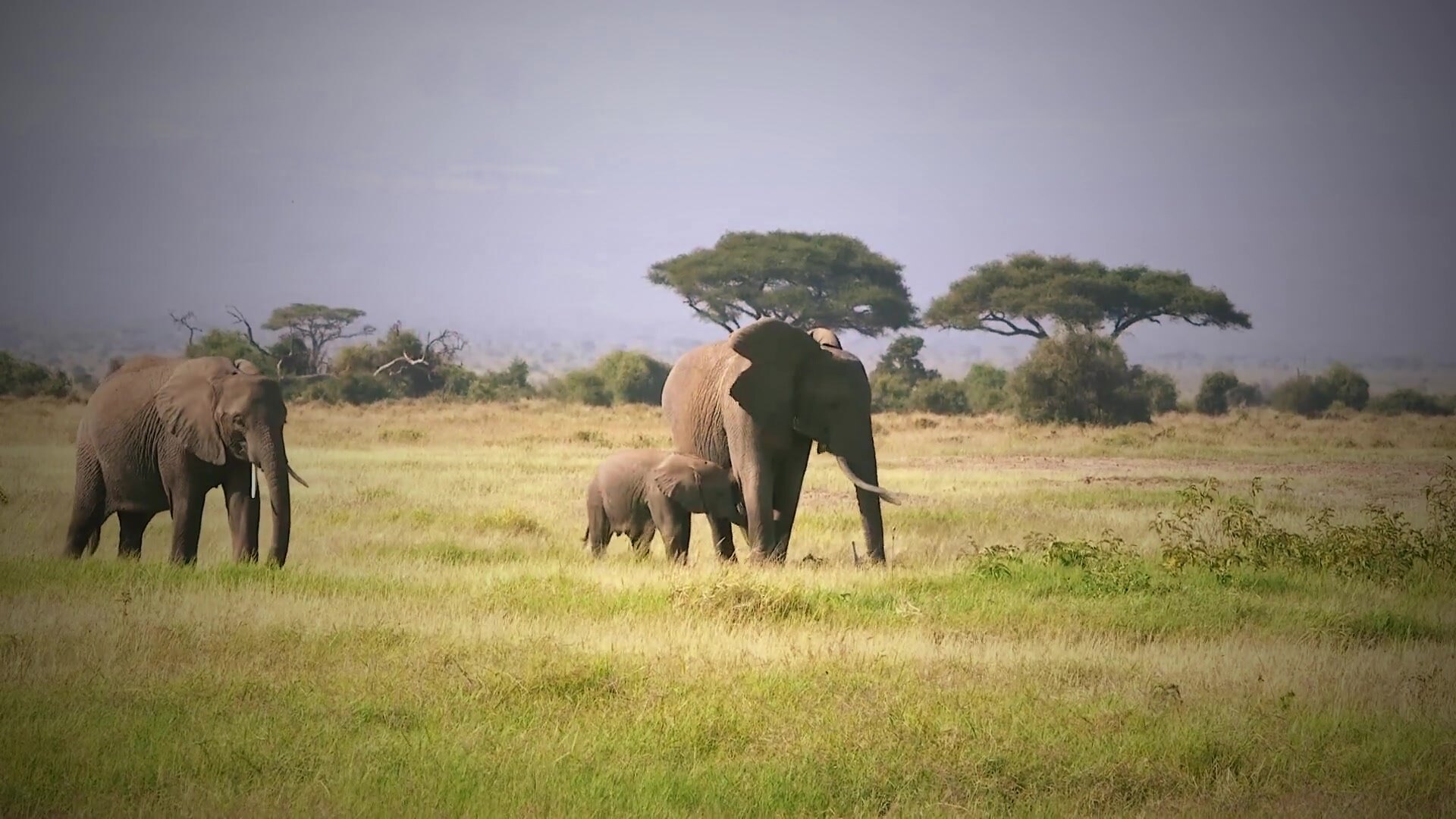
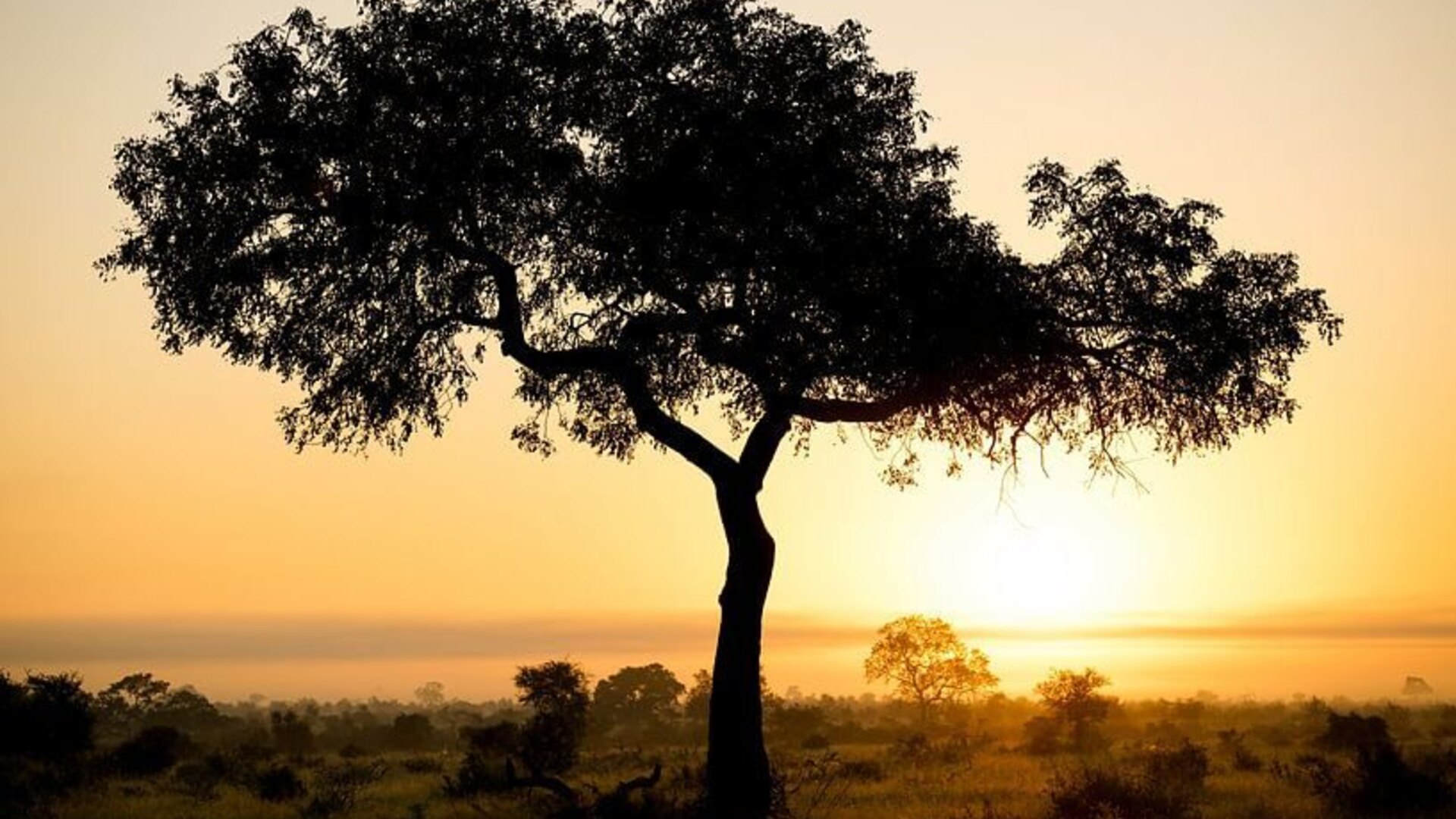
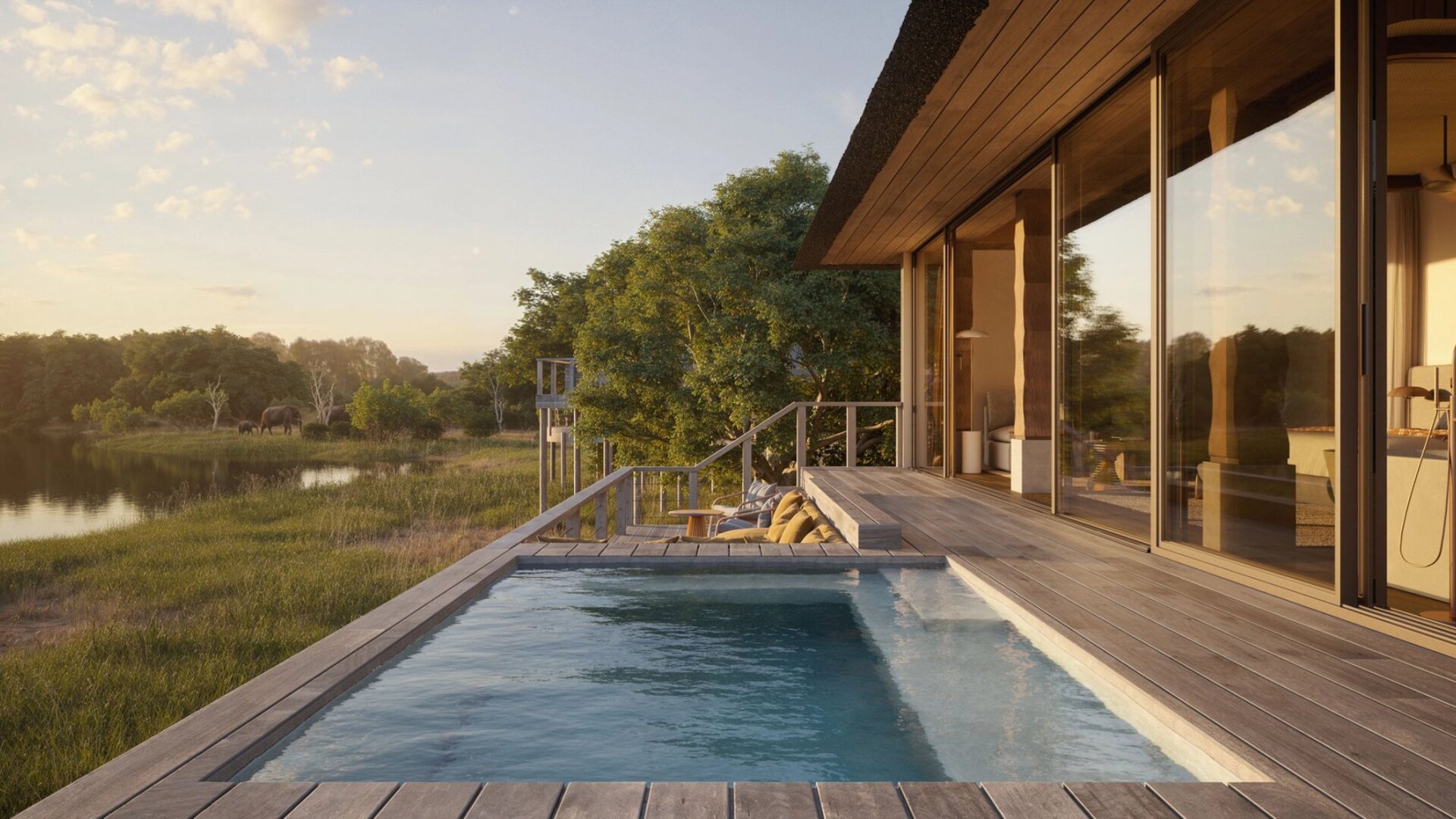
Few journeys live in the imagination quite like an African safari. The first time you watch a leopard flow down from a tree at dusk, hear lions calling across a dark valley, or sit quietly as a herd of elephants crosses the track in front of you, something shifts — and you understand why people return to Africa for the rest of their lives. The good news for a first-timer is that planning it is far simpler than it looks once you understand how the pieces fit together. This guide covers both halves of the decision: first, the best first-time safari destinations in Africa ranked for beginners, and then a clear, step-by-step plan for turning that choice into the trip of a lifetime — when to travel, how many days, how much it costs, the malaria-free options, what to pack, and how to book it the right way.
The Best First-Time Safari Destinations — Ranked
| Rank | Destination | Ease | Big Five | Malaria-free? | From (pp) |
|---|---|---|---|---|---|
| 1 | Sabi Sand & Greater Kruger, South Africa | Very easy | Yes, reliable | No (low-risk) | ~USD 1,200 |
| 2 | South Africa's malaria-free reserves (Eastern Cape, Madikwe) | Very easy | Yes | Yes | ~USD 1,650 |
| 3 | Kenya's Masai Mara | Easy | Almost (rhino scarcer) | No | ~USD 3,500 |
| 4 | Tanzania's Serengeti & Ngorongoro | Moderate | Yes | No | ~USD 12,000 |
For most first-timers, South Africa is the easiest, best-value starting point — malaria-free options, short flights, superb Big Five viewing and effortless pairing with Cape Town. If the picture-book "endless plains and lion prides" dream is what you picture, Kenya's Masai Mara or Tanzania's Serengeti deliver it on the grandest scale. You almost cannot get it wrong — but the rest of this guide will help you get it exactly right.
Quick Answer
Plan your first safari in six steps: decide when you can travel, choose where to go, match your comfort level and budget, set the number of days, sort the practicalities (health, flights, packing), then book with a specialist.
For most first-timers, South Africa is the easiest, best-value introduction — the Sabi Sand for the finest guided Big Five viewing, or a malaria-free reserve for families. Allow at least three to four nights on safari.
First, How to Choose YOUR First Safari
Before you fall in love with a photograph, answer four quick questions. They narrow the whole continent down to the right one or two destinations for you.
- Are you travelling with young children, or would you rather skip malaria tablets? Choose a malaria-free South African reserve — the Eastern Cape, Madikwe or the Waterberg.
- Is seeing the Big Five reliably your top priority? Choose the Sabi Sand or the Greater Kruger, where sightings are the most dependable in Africa.
- Is the picture-book "endless plains and lion prides" image what you dream of? Choose Kenya's Masai Mara or Tanzania's Serengeti.
- Do you want to combine safari with a city or beach? South Africa pairs with Cape Town and the Winelands; Tanzania pairs with Zanzibar.
With that settled, here are the four destinations we recommend most often to complete beginners, and exactly who each one suits.
1. Sabi Sand & Greater Kruger, South Africa — The Perfect First Safari
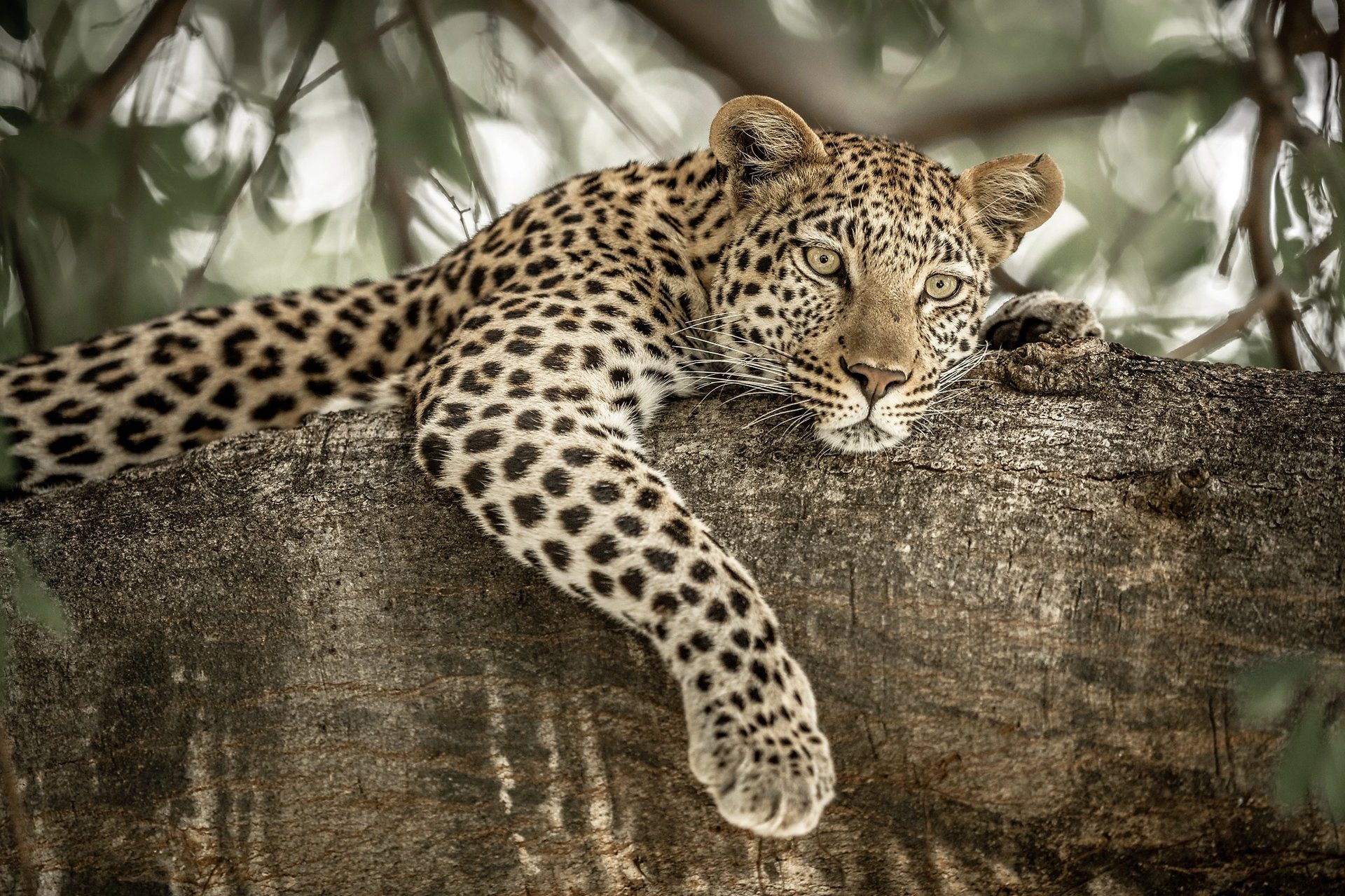
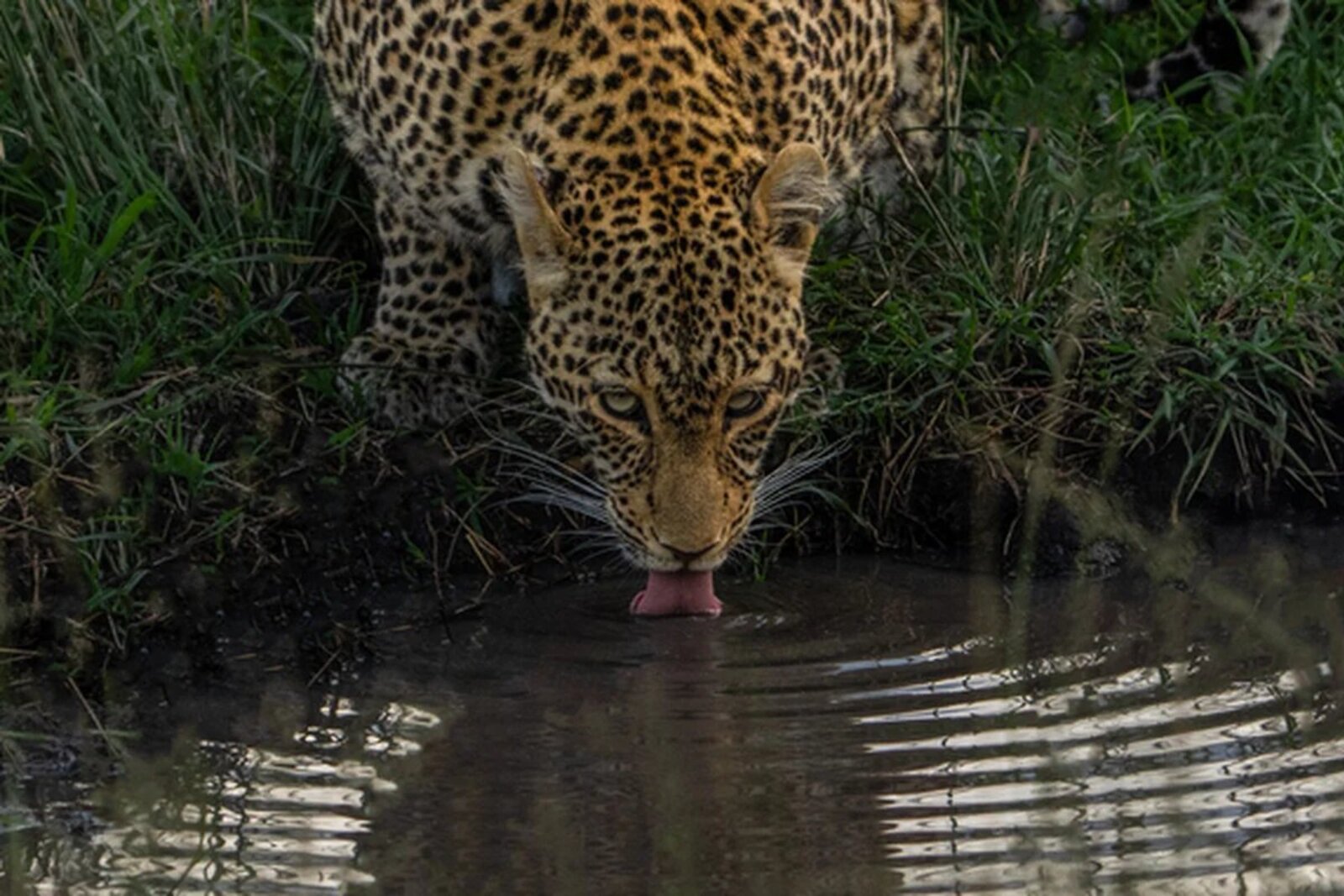
This is our number-one recommendation for beginners, and it is not close. The Sabi Sand is a private reserve sharing an unfenced boundary with the Kruger National Park, so wildlife roams freely — but the game viewing is private: off-road driving to follow any animal, low vehicle numbers at each sighting, and expert ranger-and-tracker teams who find what the public park cannot. The Big Five is reliably seen, often within a day or two, and leopard viewing here is the best on the planet, with relaxed leopards draped over marula branches at eye level.
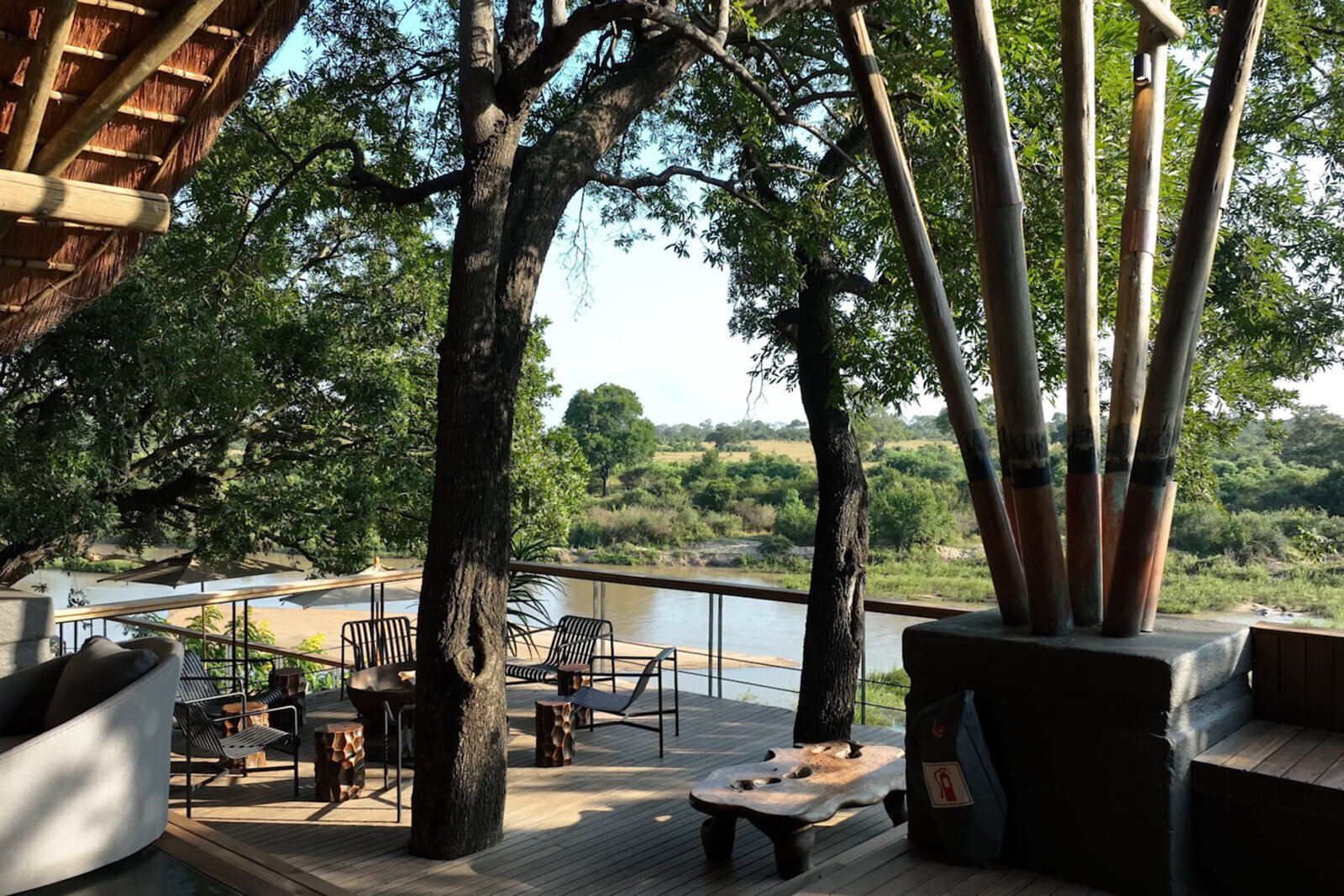
Everything about it is easy for a first-timer: English is universal, lodges span honest value to world-famous luxury, the food and service are exceptional, and you fly in on a short hop from Johannesburg. Add three or four nights in Cape Town and the Winelands and you have a first trip to Africa that feels effortless yet epic. For the full ranking of reserves, see our guide to the best game reserves in South Africa.
Best for: almost every first-timer — couples, honeymooners, solo travellers and confident families. Value: excellent. Malaria: low-risk area; simple precautions advised.
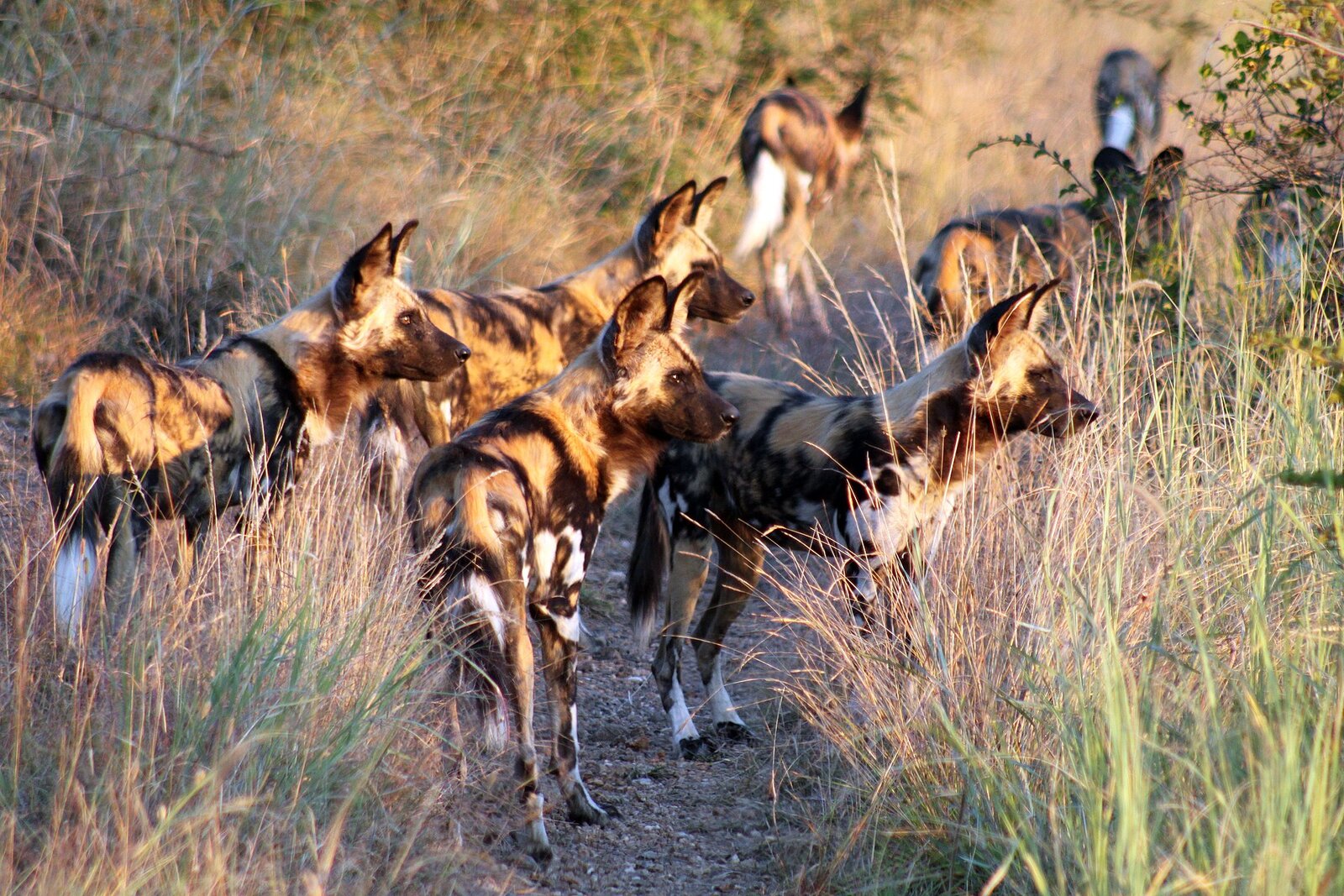
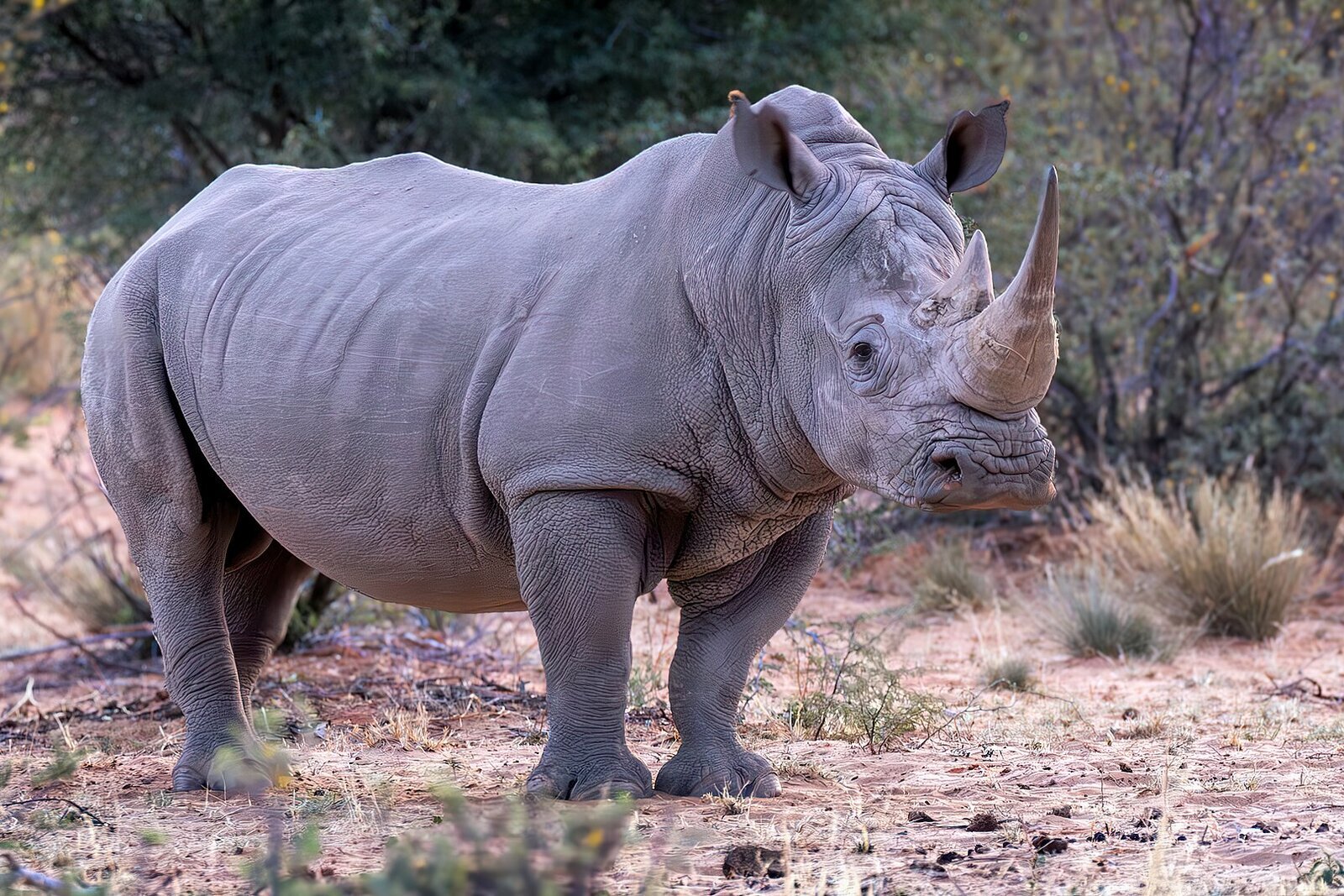
2. South Africa's Malaria-Free Reserves — For Families and the Cautious
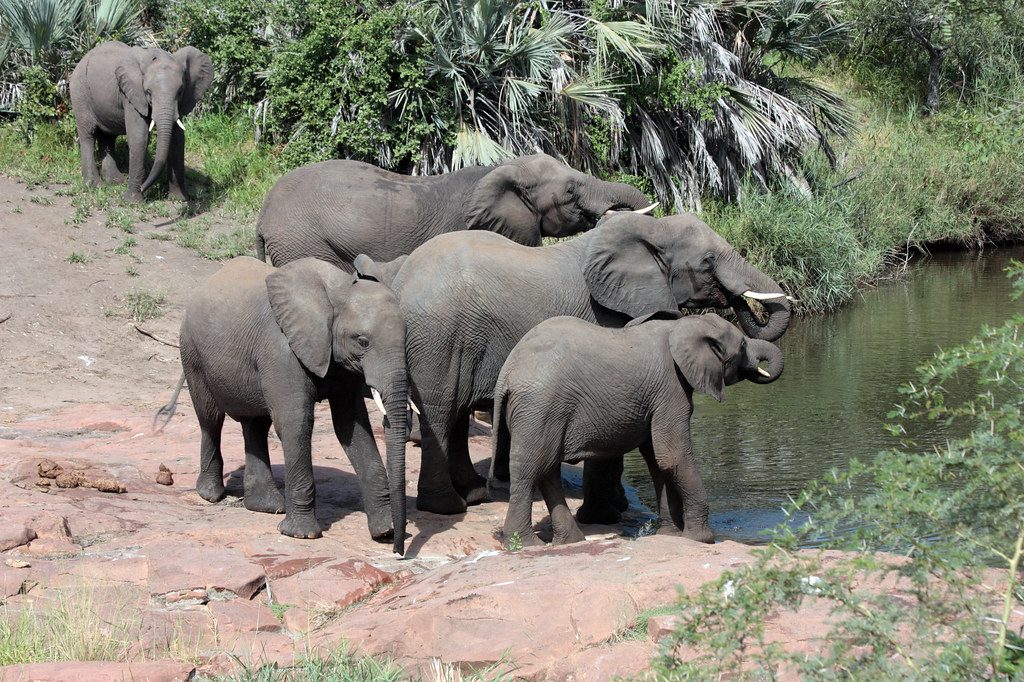
If you are travelling with children, are pregnant, or would simply rather not take antimalarials, this is your answer. The Eastern Cape (a short drive or flight from Gqeberha/Port Elizabeth), Madikwe (on the Botswana border, three hours from Johannesburg) and the Waterberg all deliver genuine Big Five safaris in complete comfort, with no malaria risk at all.
These reserves are purpose-built for a gentle introduction: short transfers, family-friendly lodges with children's programmes and interconnecting suites, shorter game drives suited to younger attention spans, and the same expert guiding as the famous parks. The Eastern Cape also combines beautifully with the Garden Route and Cape Town. For the full picture, read our guide to a malaria-free safari in South Africa.
Best for: families with young children, nervous first-timers, multi-generation trips. Value: very good. Malaria: none.
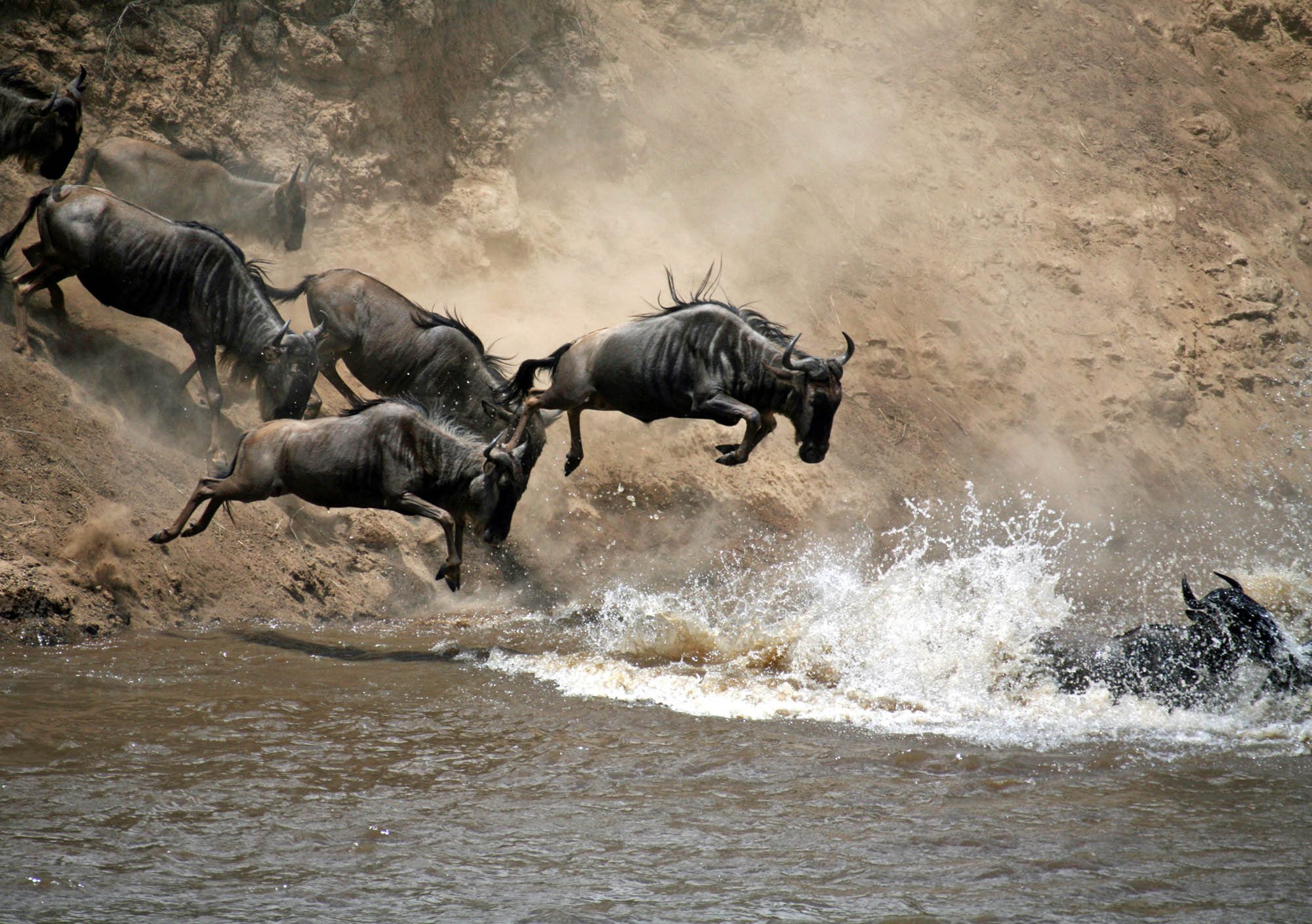
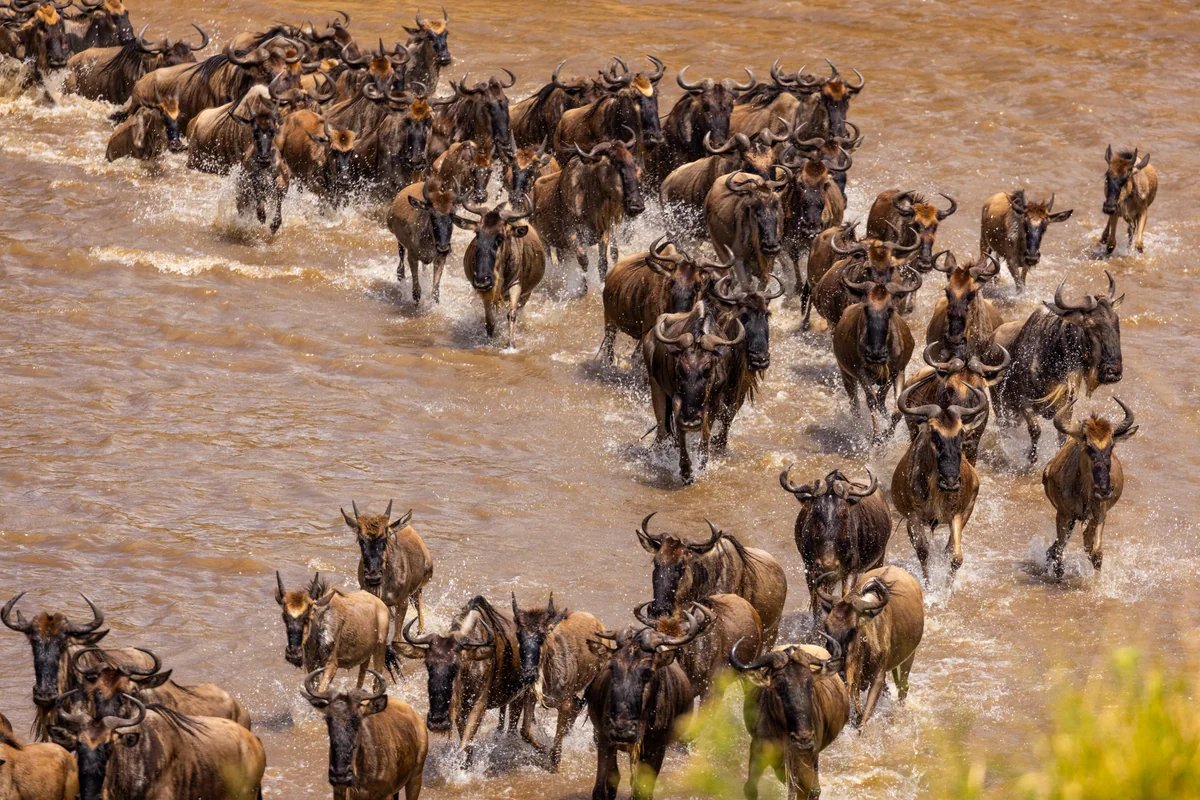
3. Kenya's Masai Mara — The Classic Dream
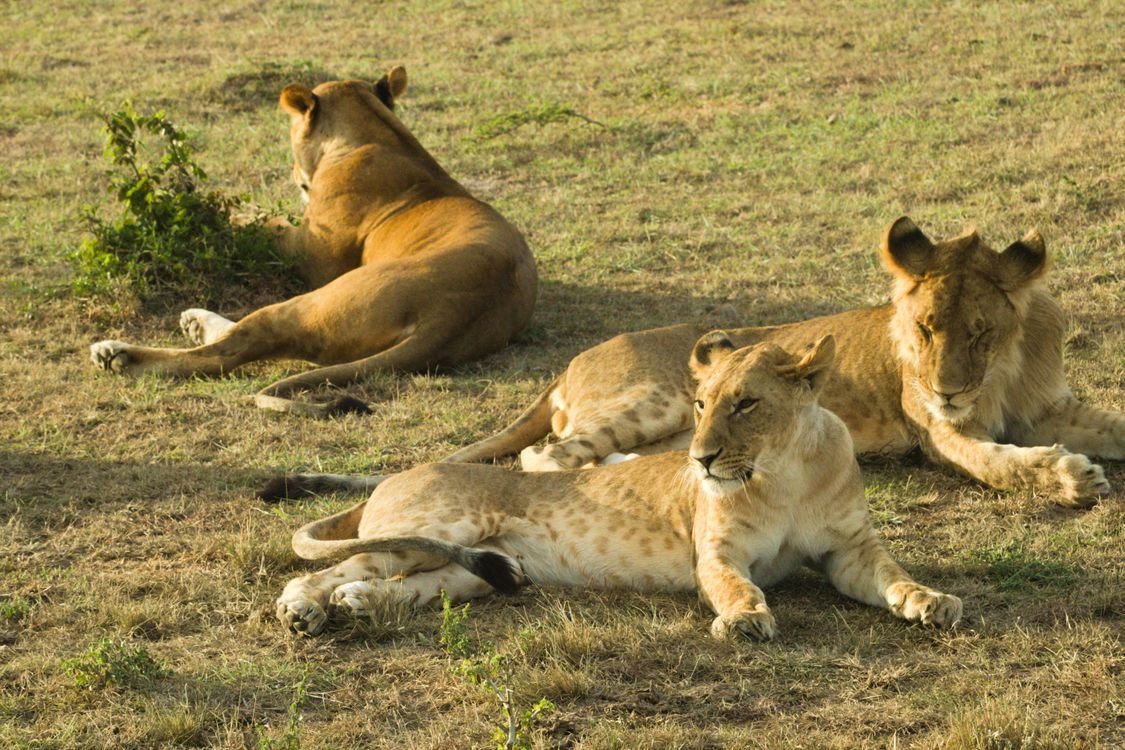
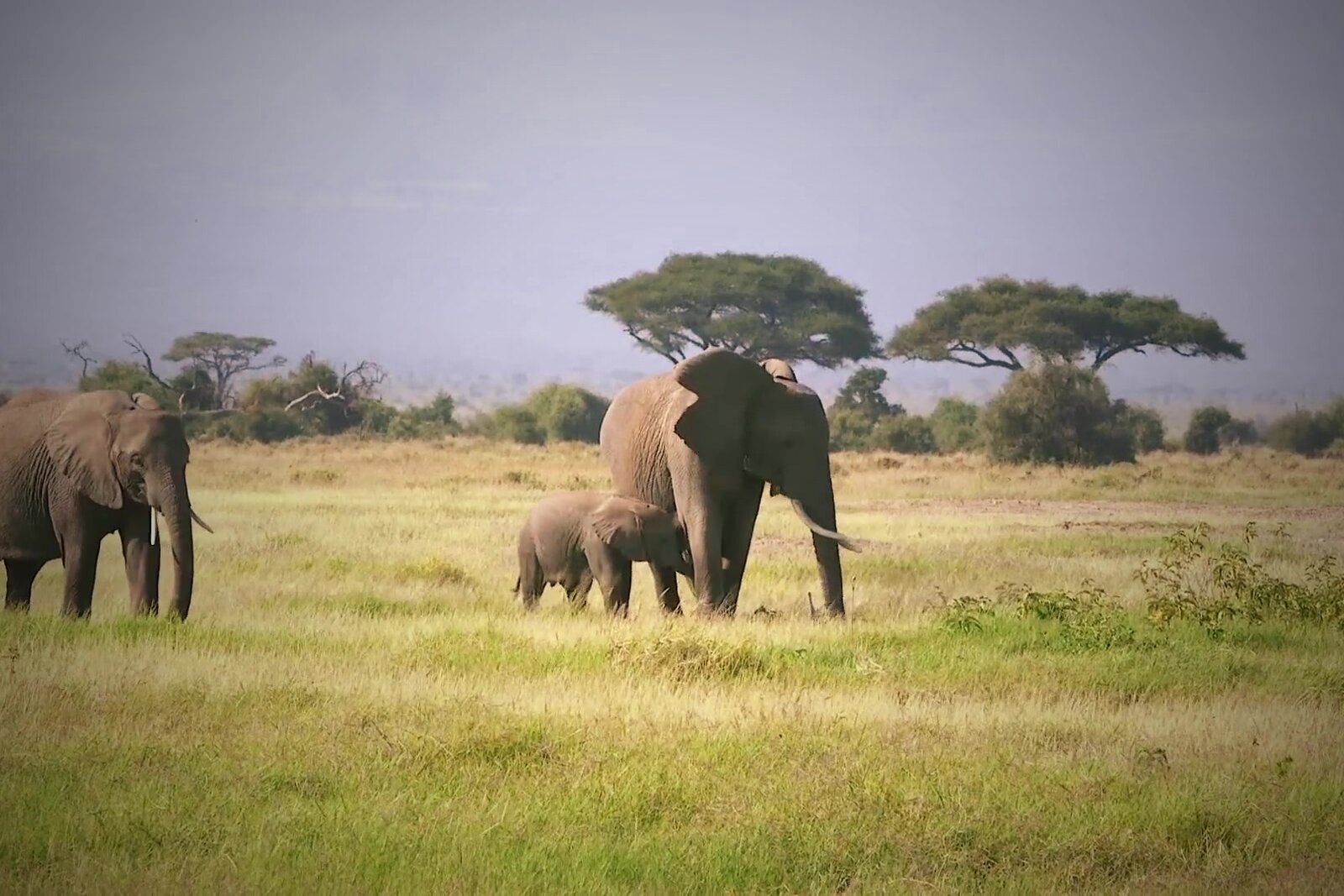
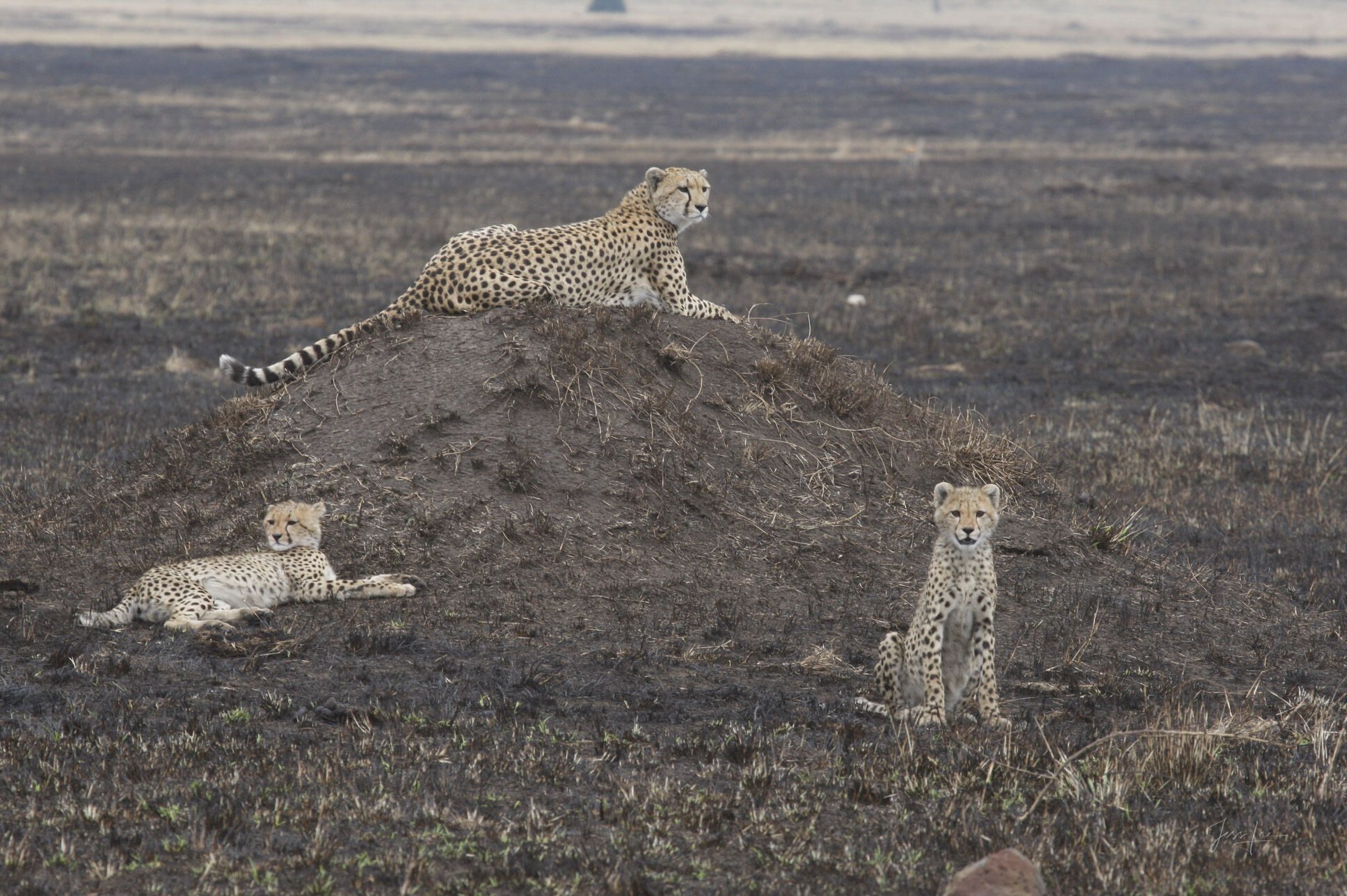
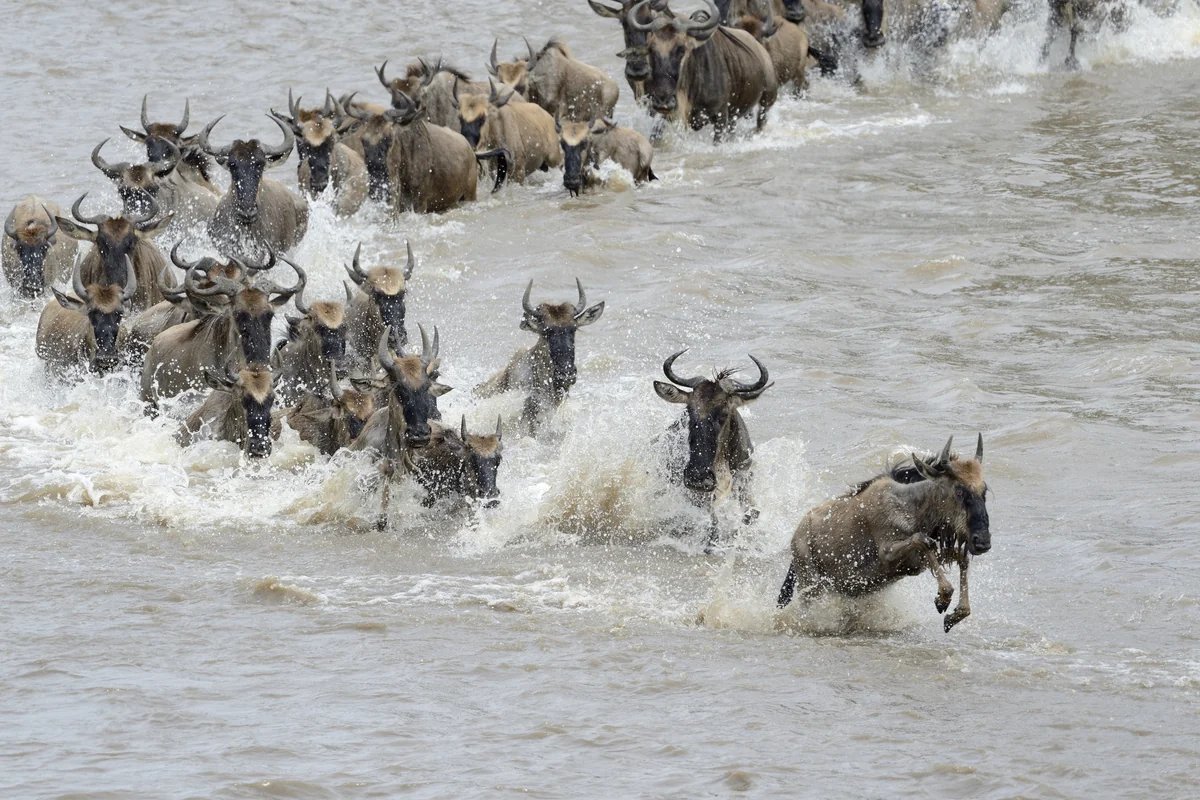
For the picture-book safari — golden grasslands to the horizon, huge lion prides, cheetah on termite mounds and the Maasai people — the Mara is hard to beat. Choose a private conservancy bordering the national reserve rather than the reserve itself: you get the same wildlife with a fraction of the vehicles, plus night drives and walking safaris that the main reserve does not allow. Time it for July to October and you may witness the Great Migration river crossings, one of the greatest wildlife spectacles on earth.
It is slightly more of an adventure than South Africa — a light-aircraft flight from Nairobi gets you in — but the pay-off is that quintessential "this is Africa" feeling. For timing and the wider East African picture, see our guide to the Great Migration safari.
Best for: travellers chasing the iconic plains-safari image and big cats. Value: good. Malaria: present; precautions advised.
4. Tanzania's Serengeti & Ngorongoro — Bucket-List Scale
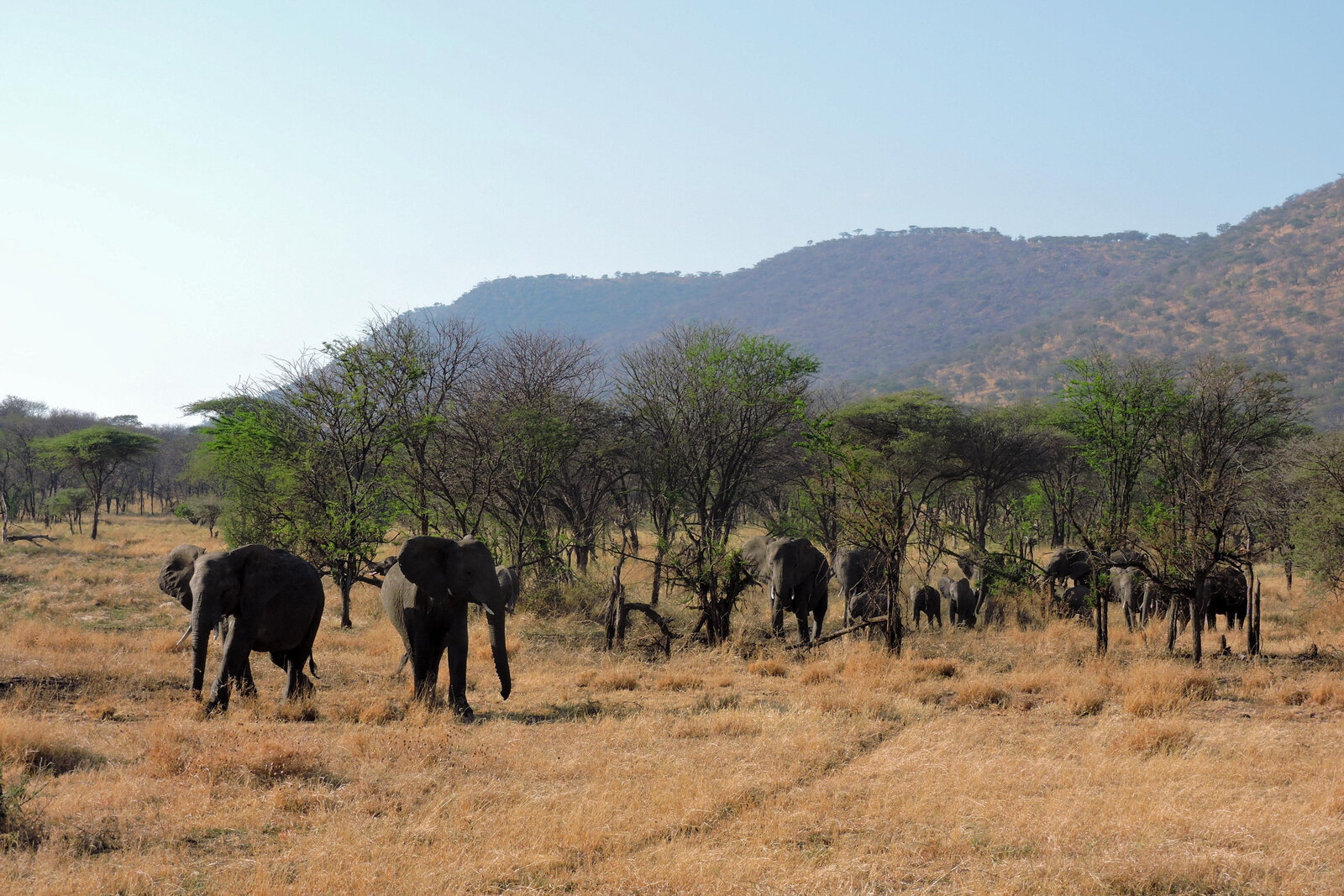
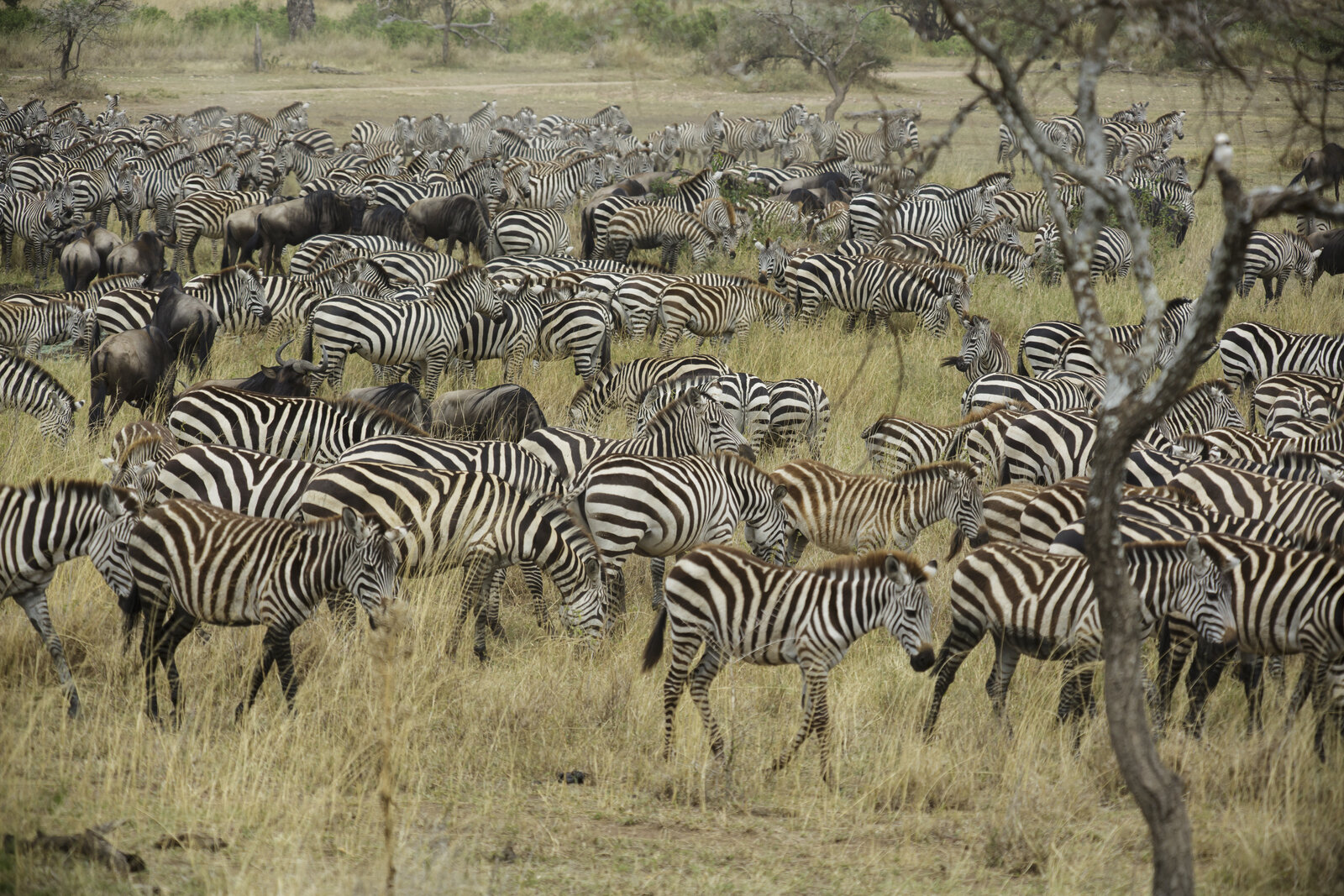
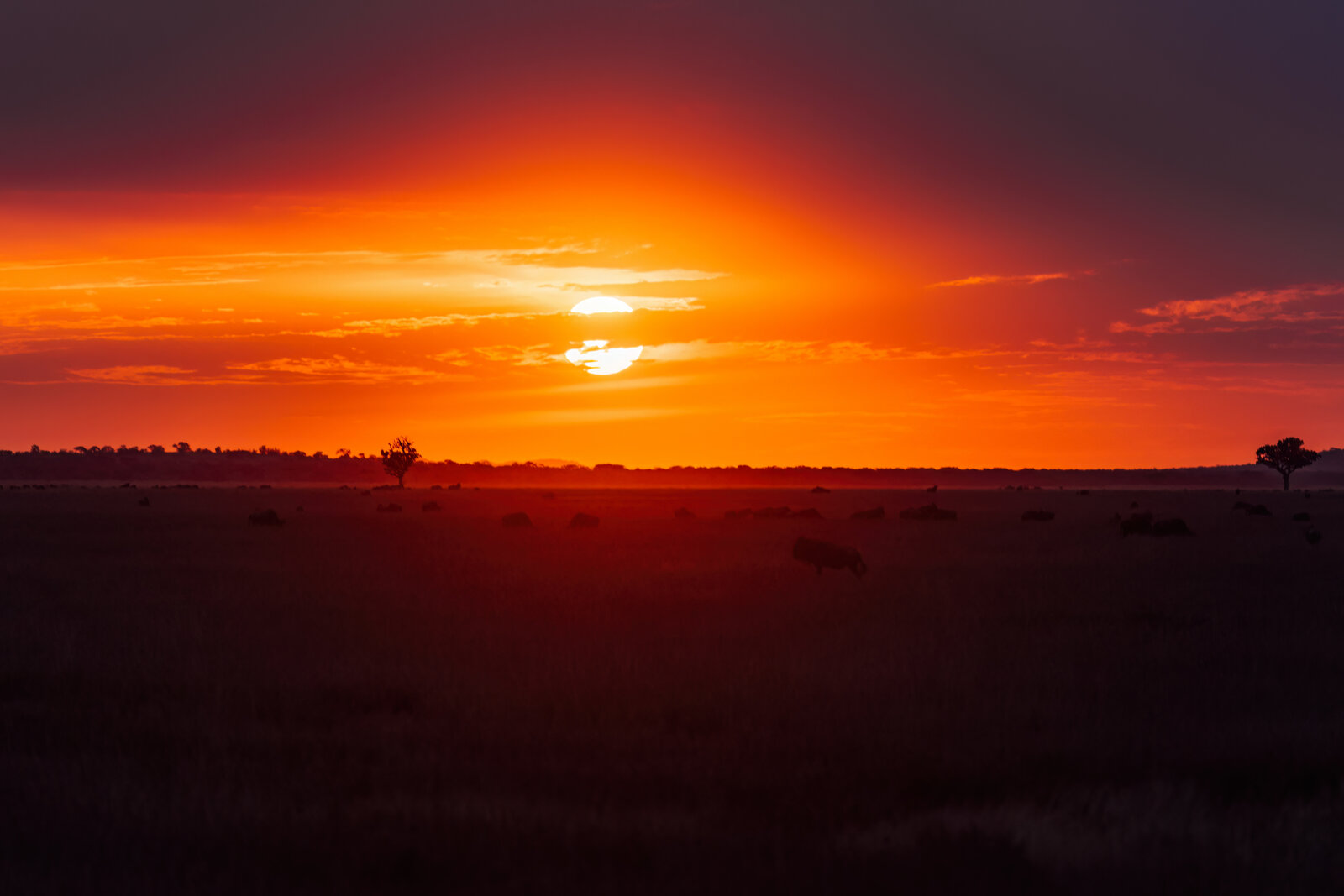
The Serengeti and the Ngorongoro Crater deliver safari at its most epic. The Serengeti's plains stretch beyond imagination and hold the greatest concentration of predators in Africa; the Ngorongoro Crater is a self-contained wildlife amphitheatre where you can realistically see the Big Five in a single morning. Finish with a few nights on the white sands of Zanzibar and you have one of the great first trips to Africa.
It is the most travel-intensive of our four picks — longer transfers and internal flights — and the premium camps carry premium prices, so it rewards a slightly bigger budget. But for headline-sight impact, nothing tops it. Deciding between here and South Africa? Our South Africa vs Tanzania comparison settles it.
Best for: bucket-list travellers who want maximum scale and a beach finish. Value: good at the top end. Malaria: present; precautions advised.
How to Plan Your First Safari — Step by Step
With your destination shortlisted, here is how to turn it into a finished trip. These are the six decisions every first-timer makes, in the order that makes them easiest.
Step 1 — Decide When You Can Travel
Almost everything else flows from your dates, so begin here. Africa's seasons are roughly the reverse of the northern hemisphere's, and the two great seasons offer very different experiences. The dry season (roughly May to October) is the classic safari window: vegetation thins, waterholes shrink, and wildlife concentrates around water, making animals far easier to spot — ideal when you do not yet have a trained safari eye. The green season (roughly November to April) brings lush landscapes, newborn animals, superb birding and lower rates, though sightings take a little more patience in the thicker bush. Timing also shapes the set-pieces: the Great Migration river crossings peak in the Masai Mara around July to October. For the southern-African detail, see our guide to the best time to visit South Africa.
Step 2 — Choose Where to Go
You have already done the hard part above. To recap the beginner's rule of thumb: pick South Africa (Sabi Sand or a malaria-free reserve) for the easiest, best-value, most reliable first safari; pick the Masai Mara or Serengeti for the big-plains, lion-prides-everywhere dream. Keep it to one or two areas for a first trip rather than trying to see the whole continent in ten days.
Step 3 — Match Your Comfort Level and Budget
One of the great myths is that a safari is only for the wealthy. In reality there is a safari for almost every budget — the difference lies in the style of lodge, the exclusivity of the reserve and the season. Broadly, comfortable mid-range lodges and tented camps start around USD 450 to 650 per person per night with superb wildlife; premium smaller camps with more personal service run roughly USD 700 to 1,200; and the world's finest ultra-luxury camps in the Sabi Sand and the Okavango run USD 1,500 and up. The single biggest money-saver is booking direct: because Beyond Africa Safaris works straight with the lodges and adds no resale markups, you get genuine value rather than paying a chain of middlemen.
Step 4 — Decide How Many Days
Wildlife sightings build day by day, so resist the temptation to rush. Plan at least three to four nights in a single reserve for a proper Big Five chance and several game drives. A classic first trip runs seven to ten days — three or four nights on safari paired with Cape Town, the Winelands or Victoria Falls. Two weeks lets you combine multiple reserves or countries at a relaxed pace. The rule that never fails: two areas unhurried beats five in a blur.
Step 5 — Sort the Practicalities
Malaria and health: some safari regions carry a malaria risk, easily managed with prophylactics prescribed by your doctor and simple precautions. If you would rather avoid it altogether — particularly with young children — choose a malaria-free reserve in the Eastern Cape, Madikwe or the Waterberg. Always consult a travel clinic before you go and check current entry requirements.
Flights and getting around: most first safaris route through a major hub — Johannesburg, Cape Town or Nairobi — followed by a short regional or light-aircraft flight to the reserve. We handle every flight, transfer and border crossing so the journey flows from door to door.
What to pack: pack light, in soft bags (light aircraft have weight limits) and in neutral colours — khaki, olive, beige and brown. Essentials are warm layers for cold early-morning drives, light breathable clothing for the heat of the day, a wide-brimmed hat, high-SPF sunscreen, good sunglasses, insect repellent, comfortable closed walking shoes, binoculars, a camera with a zoom lens, any personal medication and a power bank. Avoid bright colours, white (it shows dust) and dark blue or black, which can attract insects.
Step 6 — Book It the Right Way
This is where first-timers most often go wrong, and where it matters most. Online aggregators and high-street agents typically resell lodge inventory with significant markups and rarely know the reserves first-hand. A specialist direct operator does the opposite: we know the lodges personally, build the itinerary around your wishes, secure the best available value, and look after you from your first enquiry to your flight home. Browse for inspiration, share your wishlist — your dates, who is travelling, what you most want to see and your comfort level — then let us design it and travel with confidence, with on-the-ground support throughout.
First-Safari Destinations Compared
| Destination | Ease | Big Five | Malaria-free? | From (pp) | Best for |
|---|---|---|---|---|---|
| Sabi Sand / Kruger | Very easy | Yes, reliable | No (low-risk) | ~USD 1,200 | All-round first safari |
| Eastern Cape / Madikwe | Very easy | Yes | Yes | ~USD 1,650 | Families & the cautious |
| Masai Mara | Easy | Almost (rhino scarcer) | No | ~USD 3,500 | The classic plains dream |
| Serengeti / Ngorongoro | Moderate | Yes | No | ~USD 12,000 | Bucket-list scale + beach |
Prices are indicative per-person starting points for a quality first trip and vary by season and lodge tier. Because pricing is so lodge- and season-dependent, tell us your budget and we will match you to the right tier.
When to Go on Your First Safari
The single best tip for a first-timer: travel in the dry season. As vegetation thins and water sources shrink, animals concentrate around what water remains and become far easier to spot — ideal when you do not yet have a trained safari eye. In southern Africa (South Africa) that means roughly May to October; in East Africa (Kenya and Tanzania) it means June to October, which also covers the Great Migration river-crossing window in the Mara and northern Serengeti. The green (wet) season has its own rewards — lush scenery, newborn animals, lower prices and fewer people — but for a first safari, the dry season stacks the odds in your favour.
What a First Safari Costs
| Destination | From (pp) | What it buys |
|---|---|---|
| South Africa (Sabi Sand / Kruger) | USD 1,200 – 1,700 | 4–5 nights, Big Five, excellent value; Cape Town easy to add |
| South Africa malaria-free (Eastern Cape) | USD 1,650 – 2,500 | Big Five with no antimalarials; ideal for families |
| Kenya's Masai Mara | USD 3,500 – 4,500 | Private conservancy, big cats, the Migration window |
| Tanzania Serengeti & Ngorongoro | USD 12,000 – 15,000+ | Premium bucket-list journey; pairs with Zanzibar |
Those figures are realistic per-person starting points for a good-quality first trip and typically include lodging, meals, game drives, park fees and local transfers — but not international flights. South Africa is comfortably the best value for beginners, which is another reason it tops our ranking. For the full breakdown of what drives the price, see our African safari cost and budget guide.
Classic First-Timer Mistakes to Avoid
- Trying to see too much. Two areas, unhurried, beats five in a blur — give each camp three to four nights.
- Booking the wrong season. For a first trip the dry season means easier sightings for untrained eyes.
- Choosing the busy public reserve over a quiet private one. Private conservancies mean fewer vehicles and off-road access.
- Under-packing binoculars and over-packing clothes. Lodges do daily laundry; neutral layers are all you need.
- Ignoring malaria planning. Either take precautions for the Kruger, Mara and Serengeti, or pick a malaria-free reserve.
- Booking through a chain of middlemen. A direct specialist secures better value and knows the lodges first-hand.
Seeing the Big Five on a First Safari
The Big Five — lion, leopard, elephant, rhino and buffalo — are the headline act of a first safari, and the single most common question beginners ask is how likely they are to see them all. The honest answer is that it depends on where you go. In the Sabi Sand and the Greater Kruger private reserves, all five are reliably seen, often within the first two days, because off-road driving lets your guide follow a sighting wherever it goes. In the malaria-free Eastern Cape and Madikwe reserves the full Big Five is present and regularly seen. In the Masai Mara, four of the five are easy but rhino are scarcer; in the Serengeti and especially the Ngorongoro Crater, all five are seen. Give yourself three to four nights, travel in the dry season, choose a private reserve or conservancy, and your odds of a clean sweep are excellent.
Travelling with Family or as a Couple
Safaris are wonderful for all ages. For families, choose malaria-free reserves and child-friendly lodges with flexible game drives — the Eastern Cape, Madikwe and the Waterberg are built exactly for this, with junior ranger programmes and interconnecting suites. For couples and honeymooners, few experiences are as romantic as a private deck under the stars, a candlelit dinner in the bush, and a sunrise game drive with no one else around. The Sabi Sand and the private Kruger reserves excel at both, and a bush-and-city honeymoon pairing safari with Cape Town is one of the great first trips to Africa.
The Verdict — Where Should a Beginner Go?
If you want the easiest, best-value, most reliable first safari, go to South Africa — the Sabi Sand for the finest guided Big Five viewing, or a malaria-free reserve if you are travelling with children. If you want the big-open-plains, lion-prides-everywhere dream and do not mind a little more travel, go to the Masai Mara or the Serengeti. A first African safari is not just a holiday — it is a reset for the soul, a reminder of how wild and beautiful the world still is. With the right destination, the right season and the right people looking after you, it unfolds effortlessly.
Ready to plan your first African safari? Speak to a Beyond Africa Safaris specialist or explore our safari packages. For your next step, read our ranking of the best game reserves in South Africa, our self-drive safari South Africa guide, or our guide to the best time to visit South Africa.