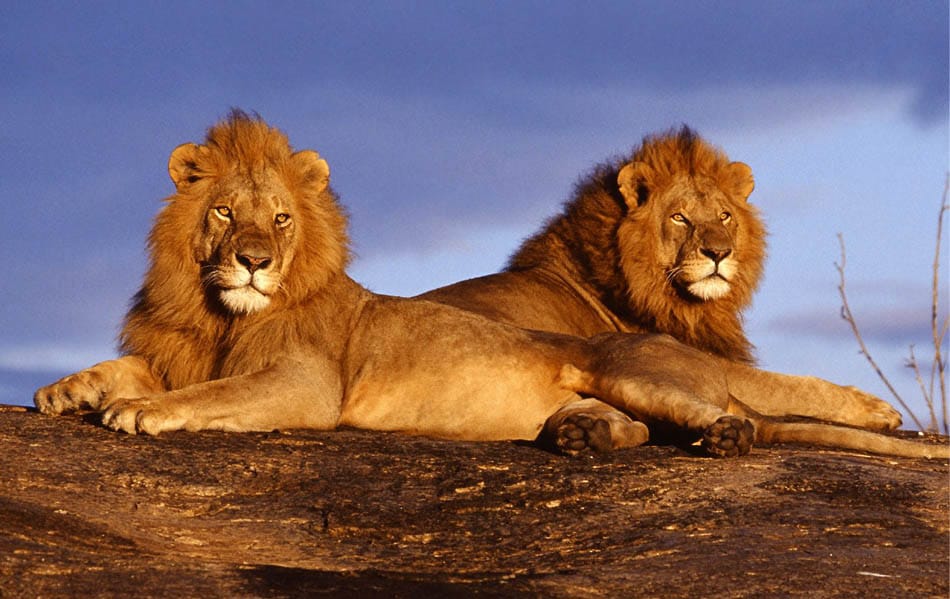
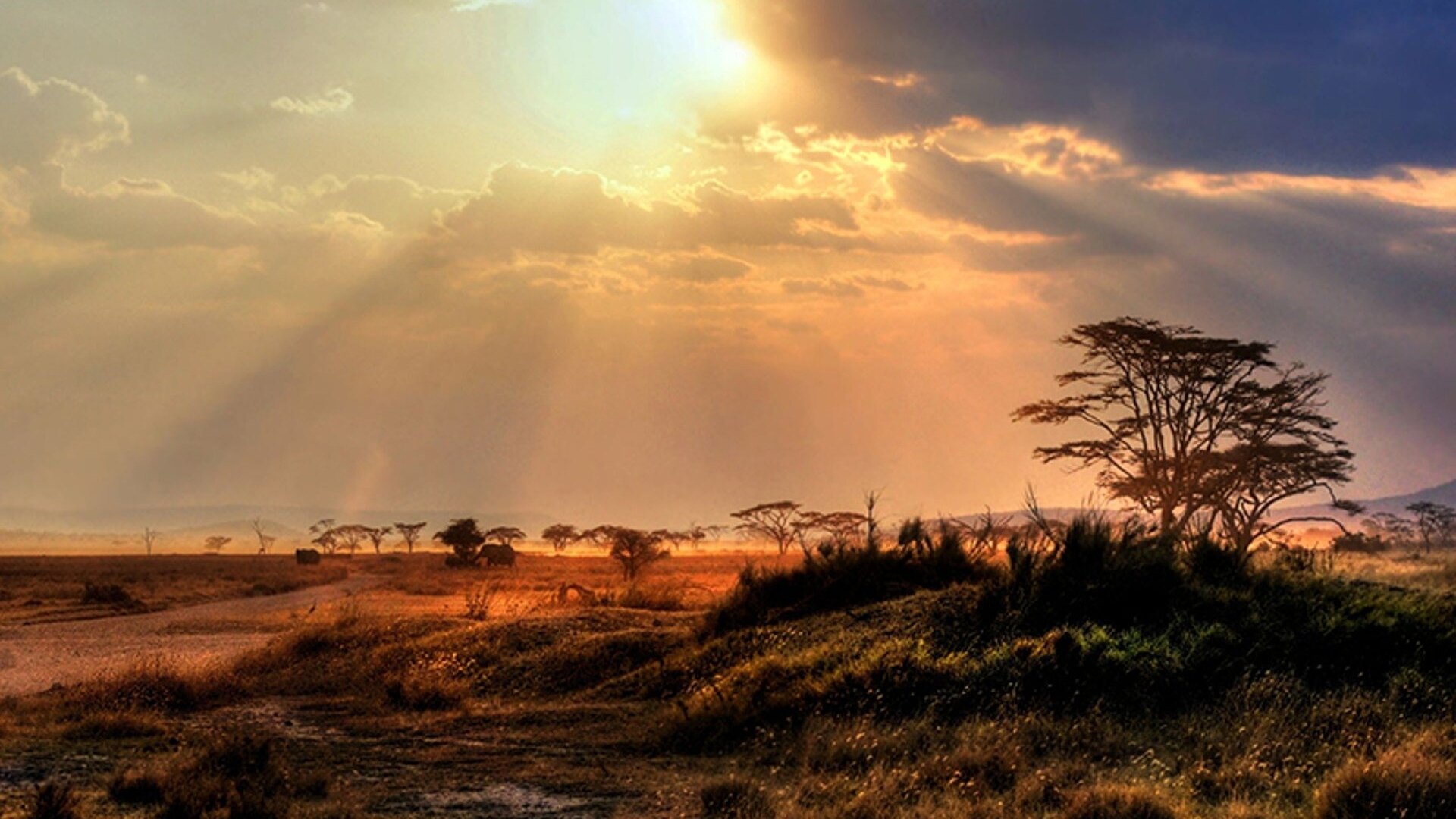
The best time to visit South Africa is not a single answer — it is a country with two hemispheres of mood inside one border, where the finest safari season and the finest beach season fall at opposite ends of the calendar. Get your timing right and South Africa will give you the greatest-value, most varied trip in Africa: Big Five mornings, Cape summer afternoons, whales breaching within sight of your lunch table, and wildflowers to the horizon. This is the definitive, specialist-written guide for 2026 and 2027, built around one principle — the right month, in the right region, for the trip you actually want.
Best Time to Visit South Africa — At a Glance
If you are planning in a hurry, use this table. The full breakdown follows below.
| Your priority | Best window | Why it works |
|---|---|---|
| Big Five safari (Kruger & Sabi Sand) | May – September | Dry winter; thin bush and wildlife packed around shrinking water make for the best game viewing of the year |
| Cape Town, beaches & Table Mountain | November – March | Warm, dry Mediterranean summer; long beach days, clear mountain views and the city at its liveliest |
| Cape Winelands | February – April | Grape harvest season; warm days, vineyards in full colour and the most atmospheric cellar visits |
| Garden Route road trip | November – April | Warm coastal weather, calm seas and lush forests along the entire Cape south coast |
| Whale watching (Hermanus & the Cape) | June – November | Southern right whales calve metres from shore; peak sightings September–October |
| Namaqualand wildflowers | August – September | A few short weeks when the semi-desert erupts into a carpet of spring flowers |
| Best value — lowest rates | April – May & November | Shoulder months: excellent conditions, soft rates, fewer crowds across both safari and Cape |
| Birding (migrants & breeding plumage) | November – March | Summer migrants arrive from Europe; lush green backdrops and nesting activity |
| Best all-round family trip | June – August | Safari at its peak, lower malaria risk, school-holiday alignment, no extreme Cape heat |
| One trip, everything (safari + Cape) | April – May or September – October | Shoulder windows that pair strong Big Five game with pleasant Cape weather in a single itinerary |
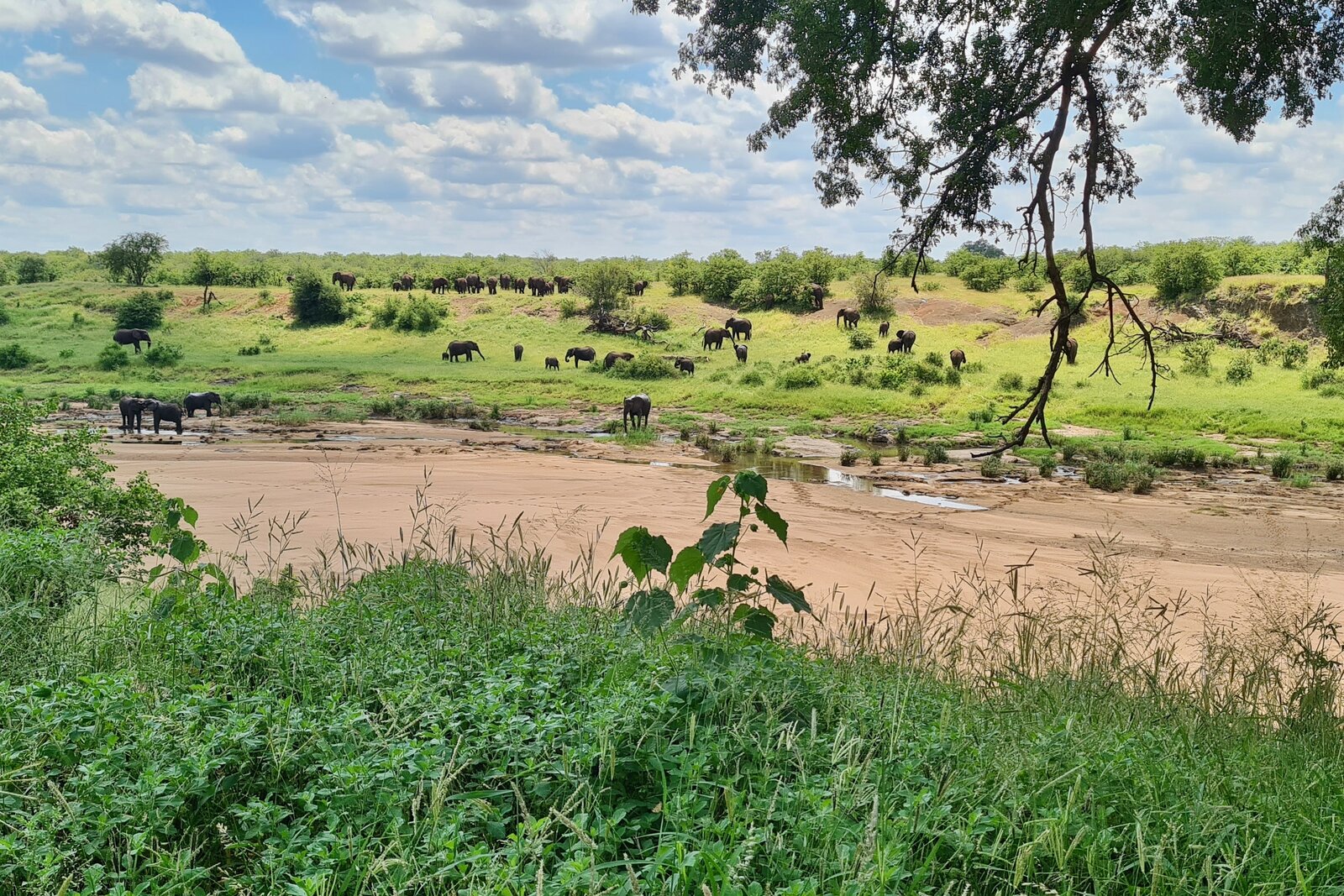
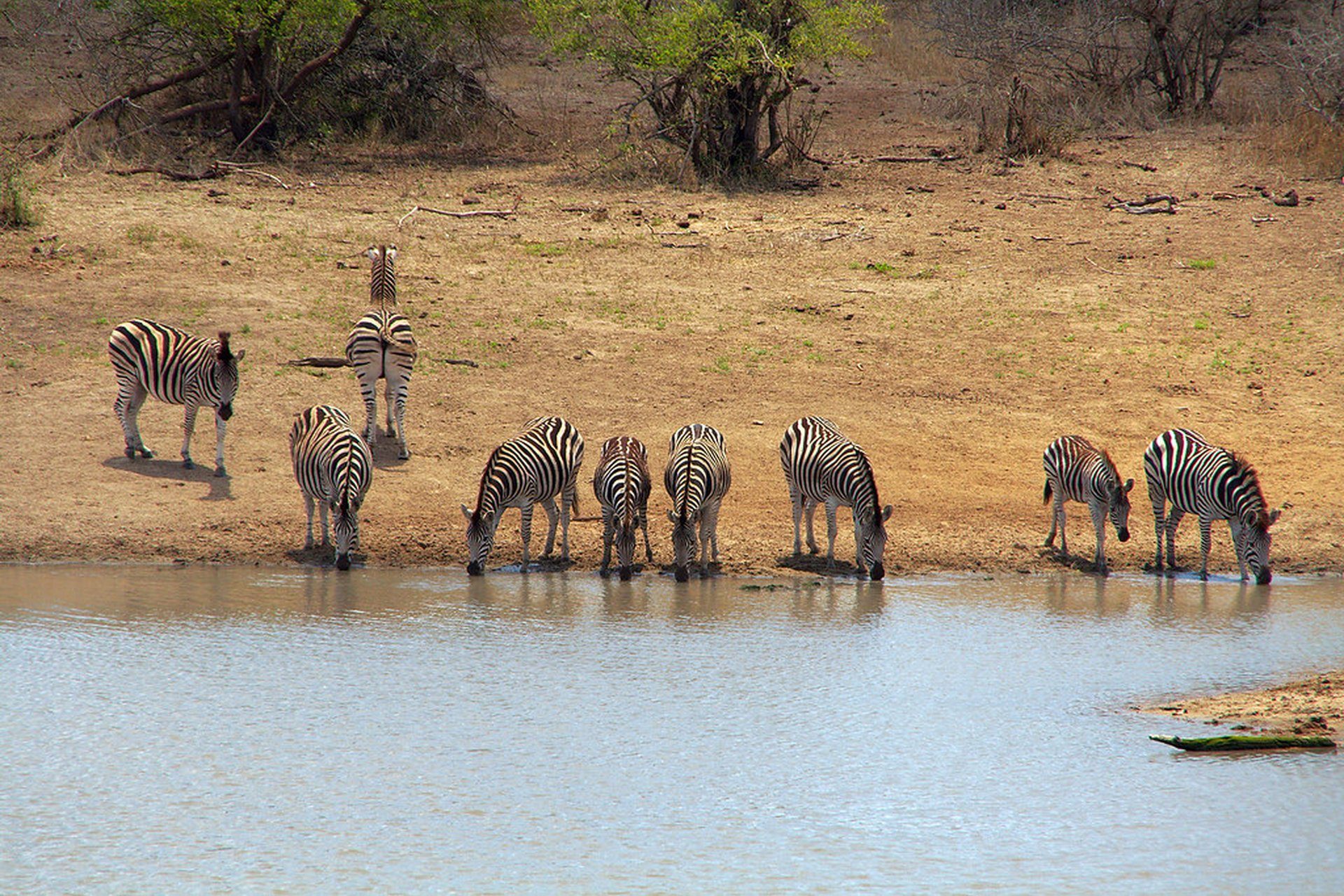
The Dry Winter (May–September): Peak Safari Season
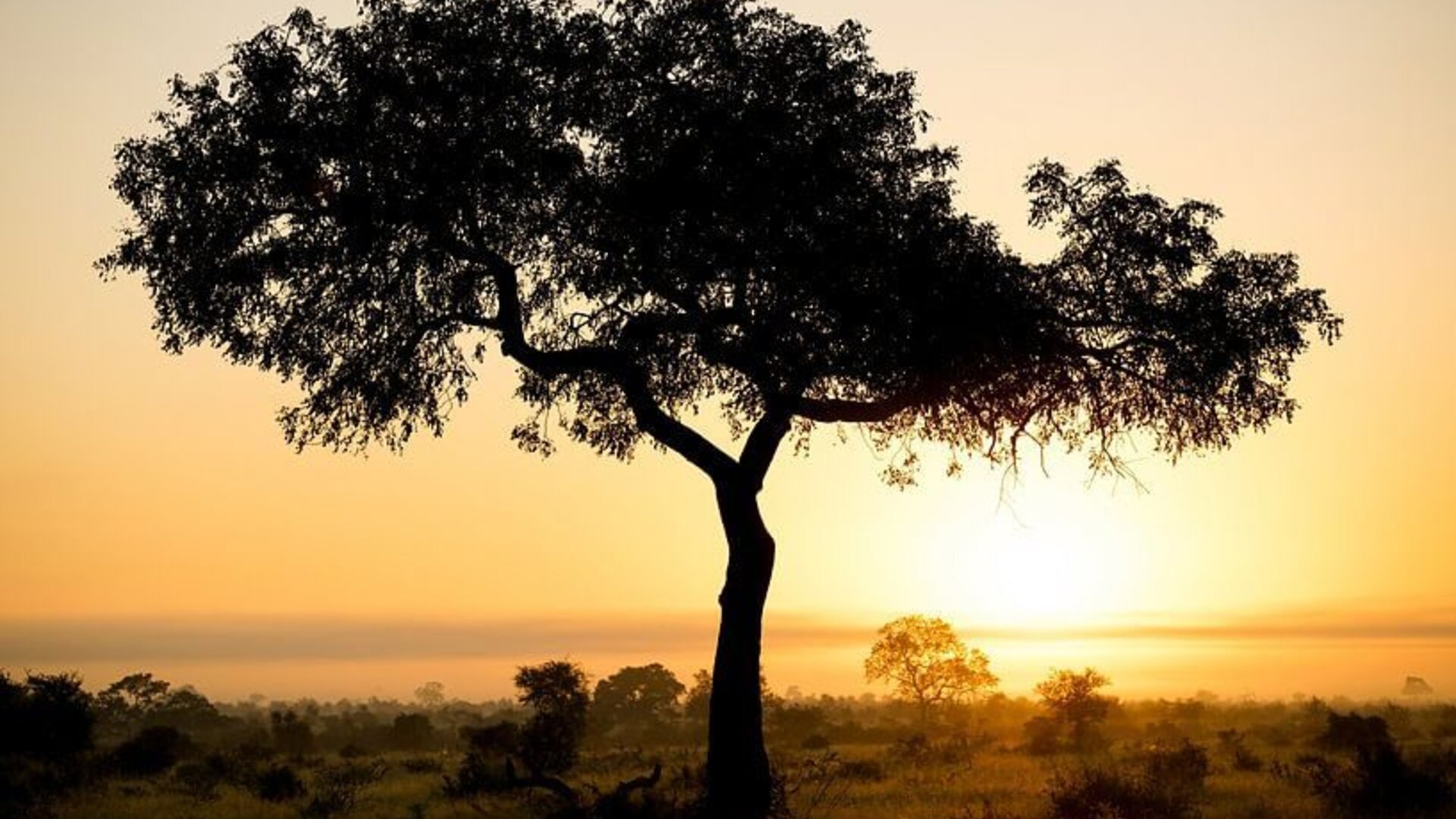
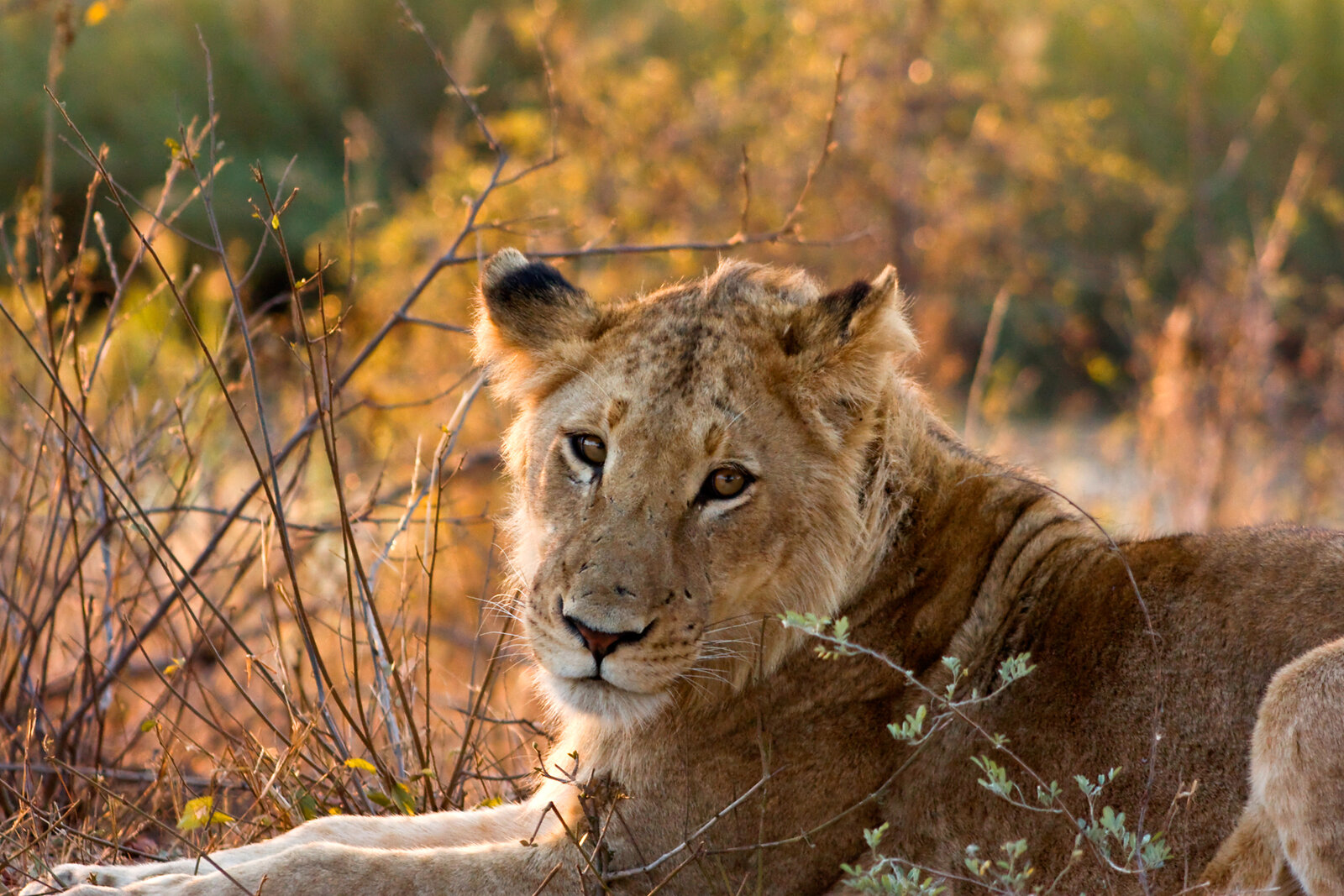
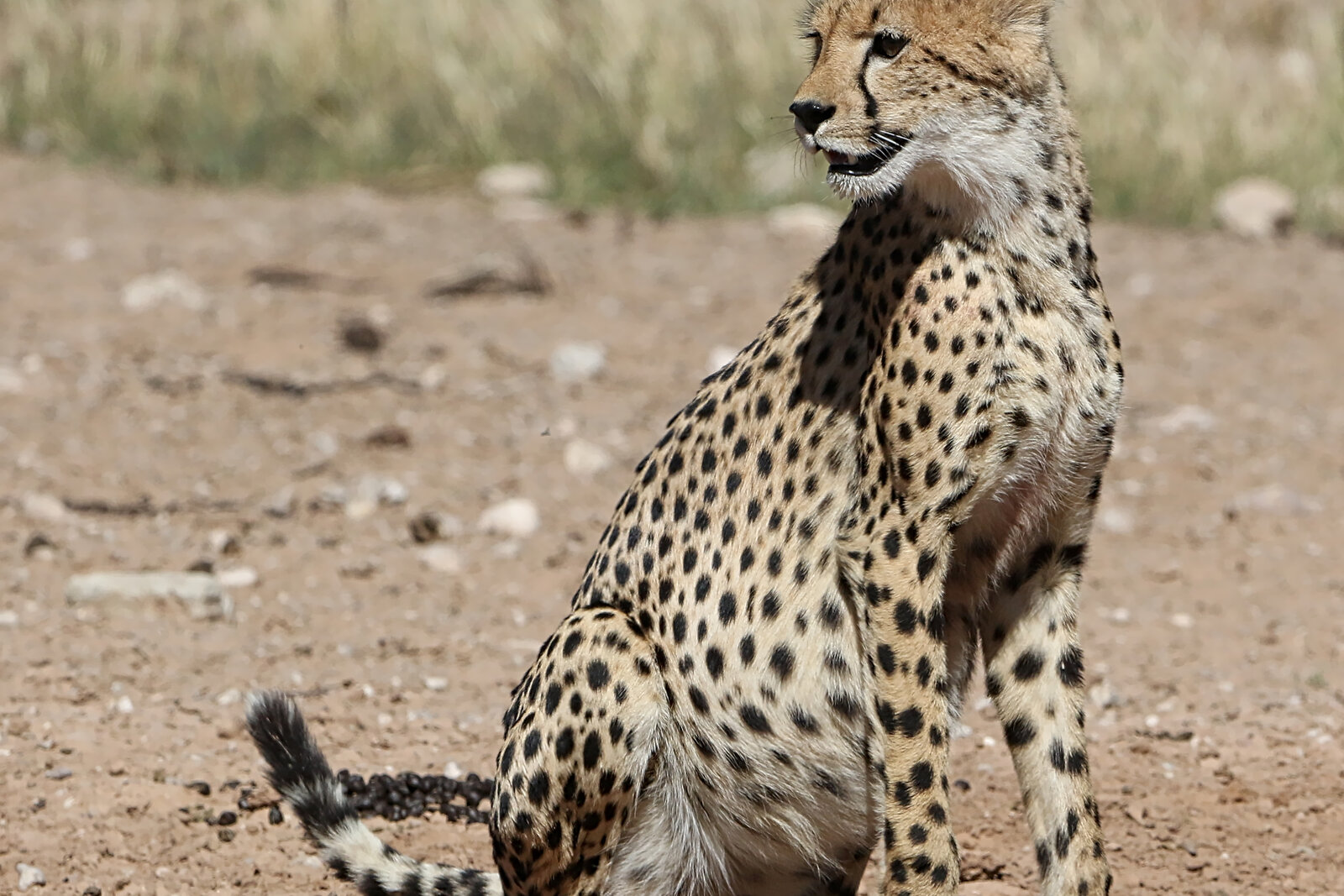
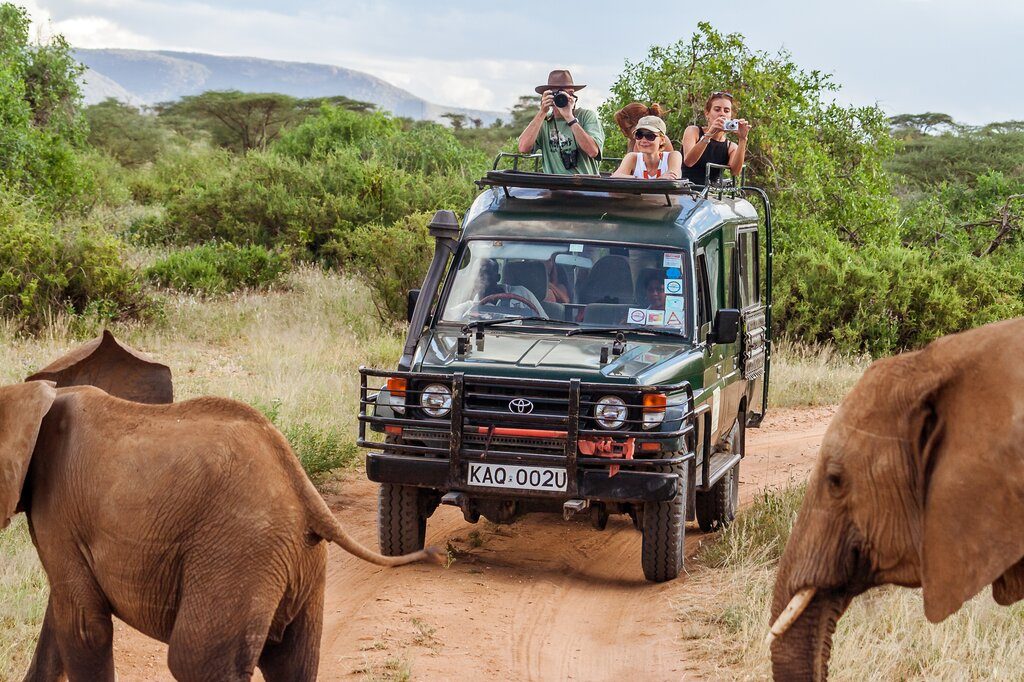
This is South Africa's headline safari season — and the best time to visit for anyone whose priority is the Big Five. As the summer rains end in April, the bushveld of the Lowveld dries out, the grass thins and loses its height, deciduous trees shed their leaves, and the many temporary waterholes evaporate. Animals are forced to gather around the few permanent rivers and pumped waterholes, and with so little foliage to hide behind, they are far easier to see. For the Kruger National Park, the Sabi Sand, Timbavati and the Greater Kruger private reserves, winter is simply the finest time to be on a game drive.
May — The Secret Shoulder Month
May is one of South Africa's most underrated months. The summer humidity has gone, the air is crisp and clear, the bush is beginning to thin and animals are starting to concentrate — yet peak-season rates and crowds have not yet arrived. Days are warm and comfortable (around 24–26°C in the Lowveld), nights are cool but not yet cold, and the malaria risk is dropping with the dryness. For travellers who want near-peak game viewing without peak prices, May is the answer. The Cape is cooling into autumn but still often lovely, making a combined safari-and-Cape trip very appealing this month.
June and July — The Cool, Clear Heart of Winter
These are the classic dry-winter safari months: cloudless blue skies, warm days around 23–25°C and cold nights that can drop to 5°C or below in the Lowveld — pack warm layers for dawn drives. The bush is at its most open, wildlife funnels to water, and predator sightings are superb. This is also a key family window, aligning with northern-hemisphere summer holidays, and the lower winter malaria risk makes it popular with travellers who have young children. Book well ahead for July, as it is one of the busiest months in the private reserves.
August and September — Peak Game Concentration
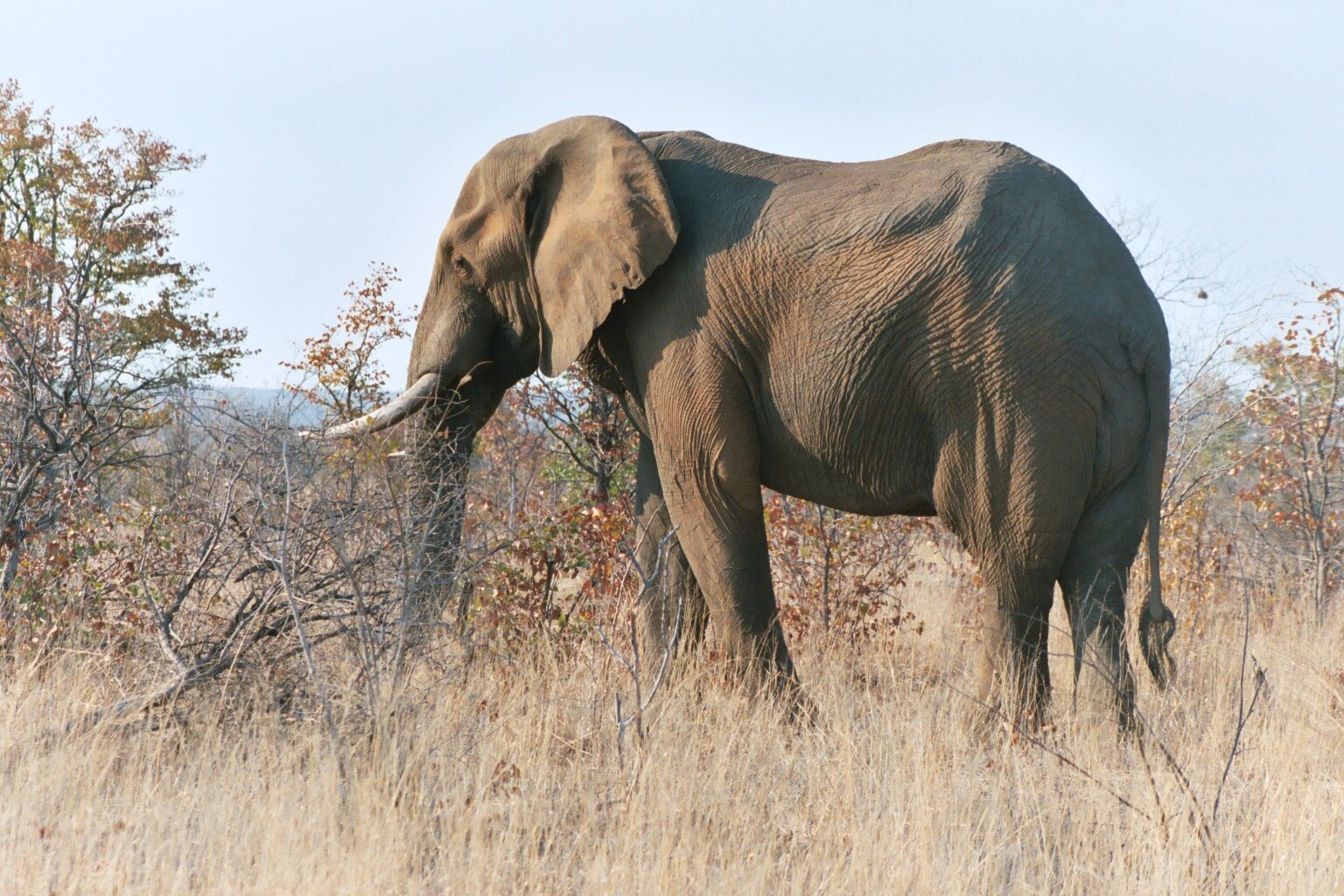
These are the most intense game-viewing months of the South African safari year. The bush is bare and brown, waterholes are shrinking fast, and animals congregate in extraordinary numbers around the last remaining water. Elephant, buffalo, and the big cats that follow them are visible at close range across open ground. September in particular is a connoisseur's pick — the densest sightings of the year, just before the first rains break the season. It is also peak whale season on the Cape coast and the start of the Namaqualand wildflower bloom — making September one of the most rewarding all-round months to visit South Africa.
Best dry-season travellers: first-time safari-goers, Big Five and predator seekers, families, photographers wanting open sightlines, whale watchers (September), wildflower chasers (September). Trade-offs: cold early mornings in June–July, higher rates in July–September in the reserves, the Cape can be wet and cool in winter (June–August).
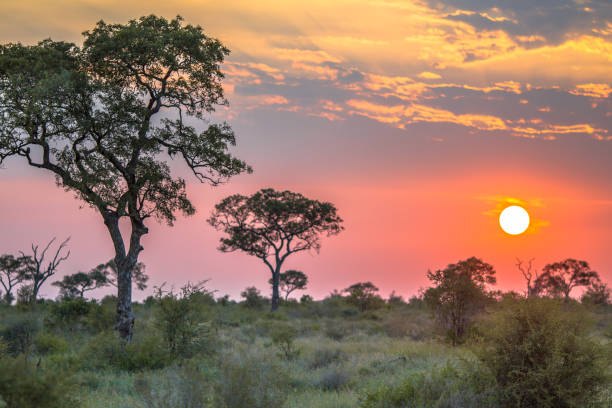
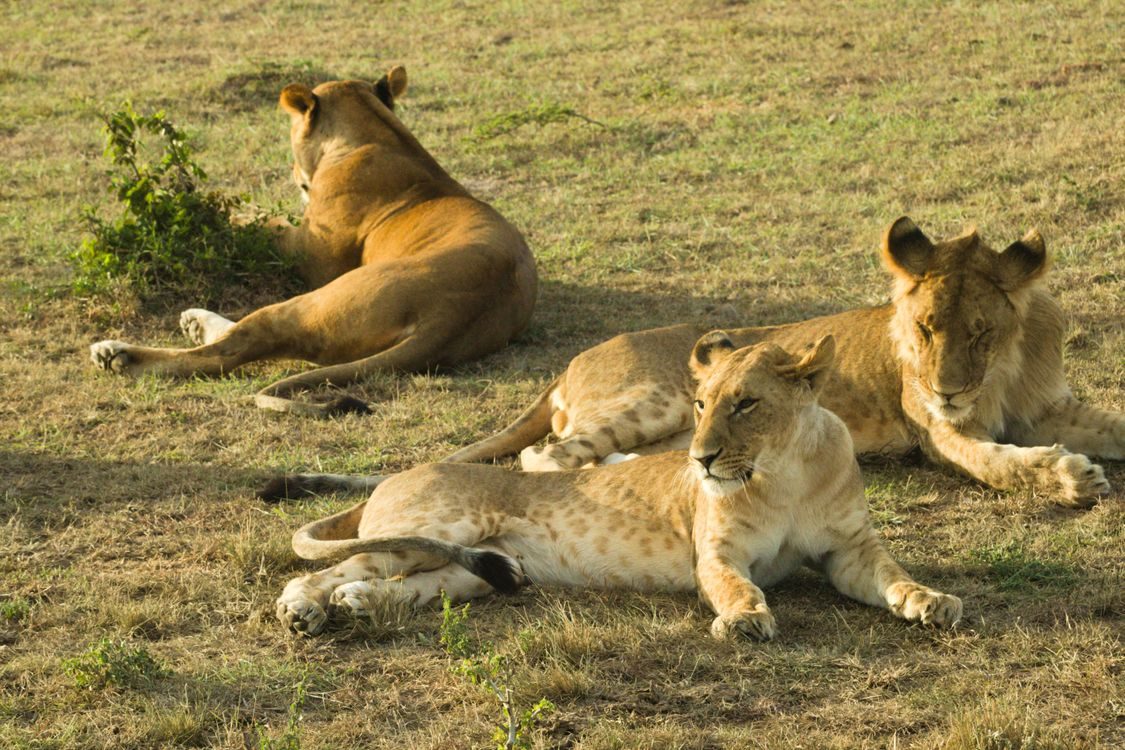

The Summer (November–March): Cape Town, Coast and Green-Season Safari
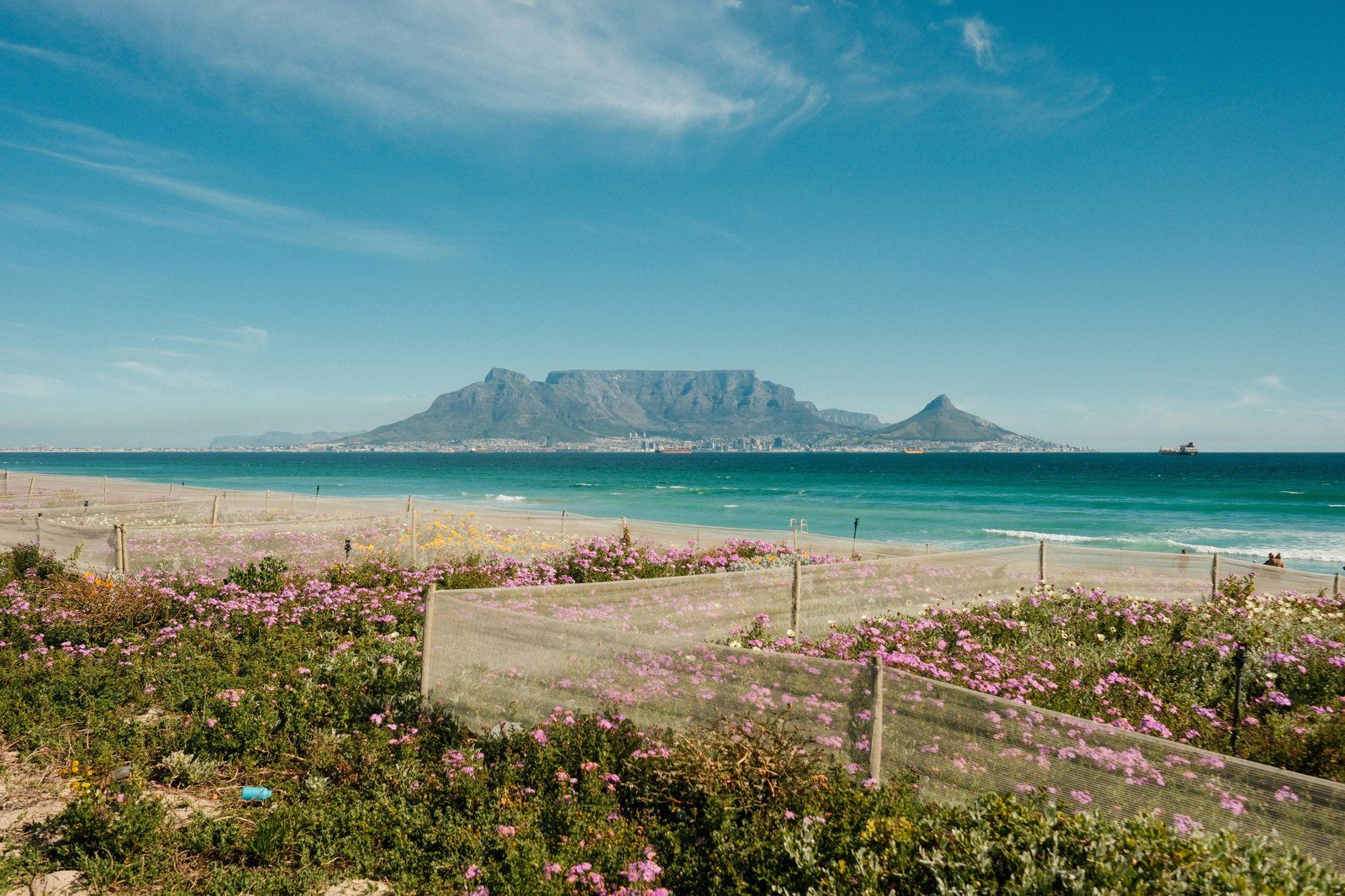
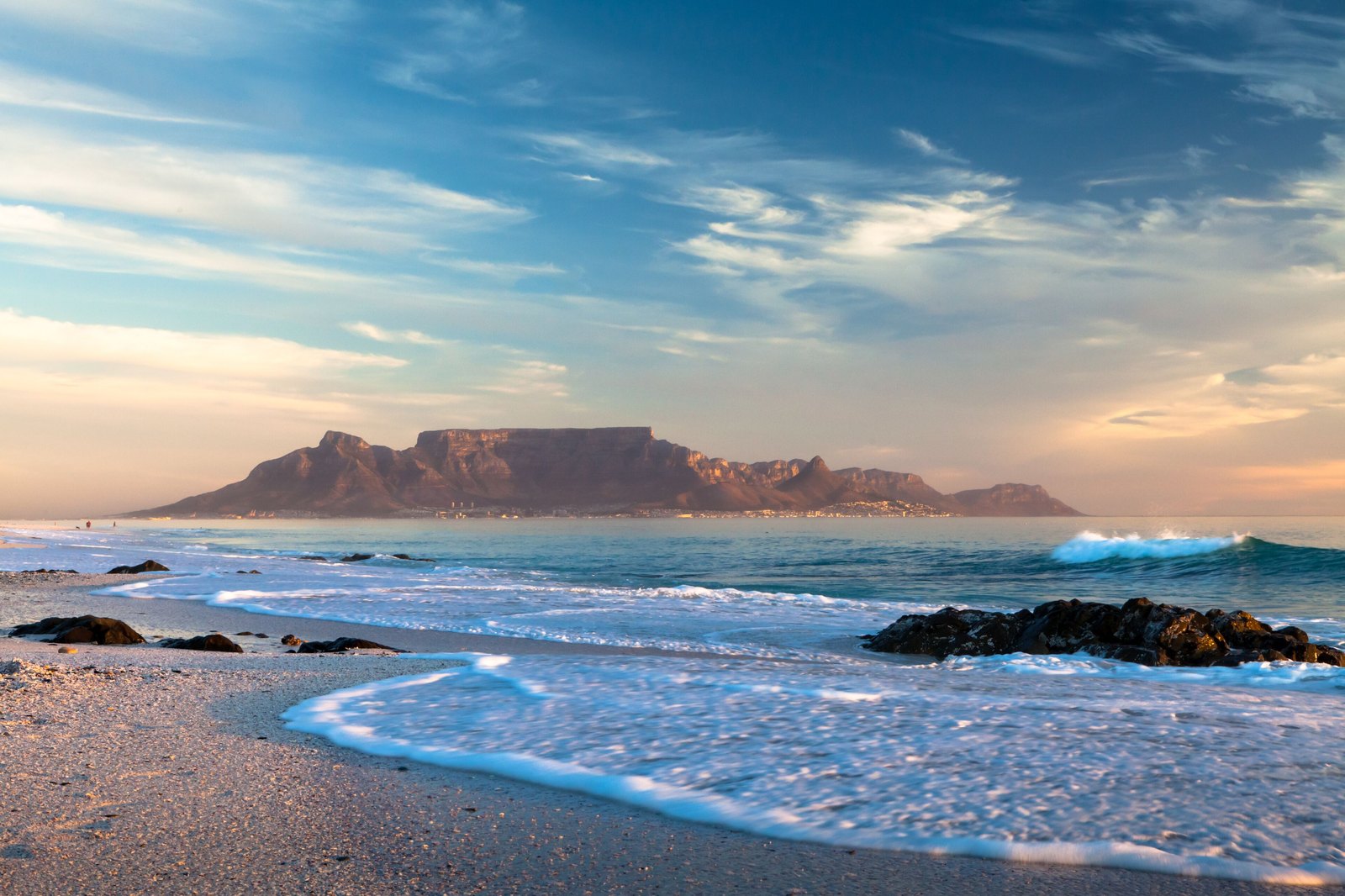
While winter belongs to the safari regions, summer belongs to the Cape. From November to March, Cape Town, the Winelands, the Garden Route and the whole southern coastline enjoy a warm, dry Mediterranean summer — the best time by far to experience the most beautiful corner of the country. This is also the green season for safari, a completely different and underrated experience in the bush.
November — Spring into Summer
November is a glorious transitional month. The Cape has warmed into early summer with long, bright days ideal for Table Mountain, the beaches and the Winelands, while the safari bush greens up with the first rains — impala drop their lambs in a synchronised pulse and the predators follow. It is a superb value month before the December peak, and whale watching is still excellent in its final weeks. For travellers wanting both worlds in one trip without peak-season prices, November is a sweet spot.
December to February — Peak Cape Summer
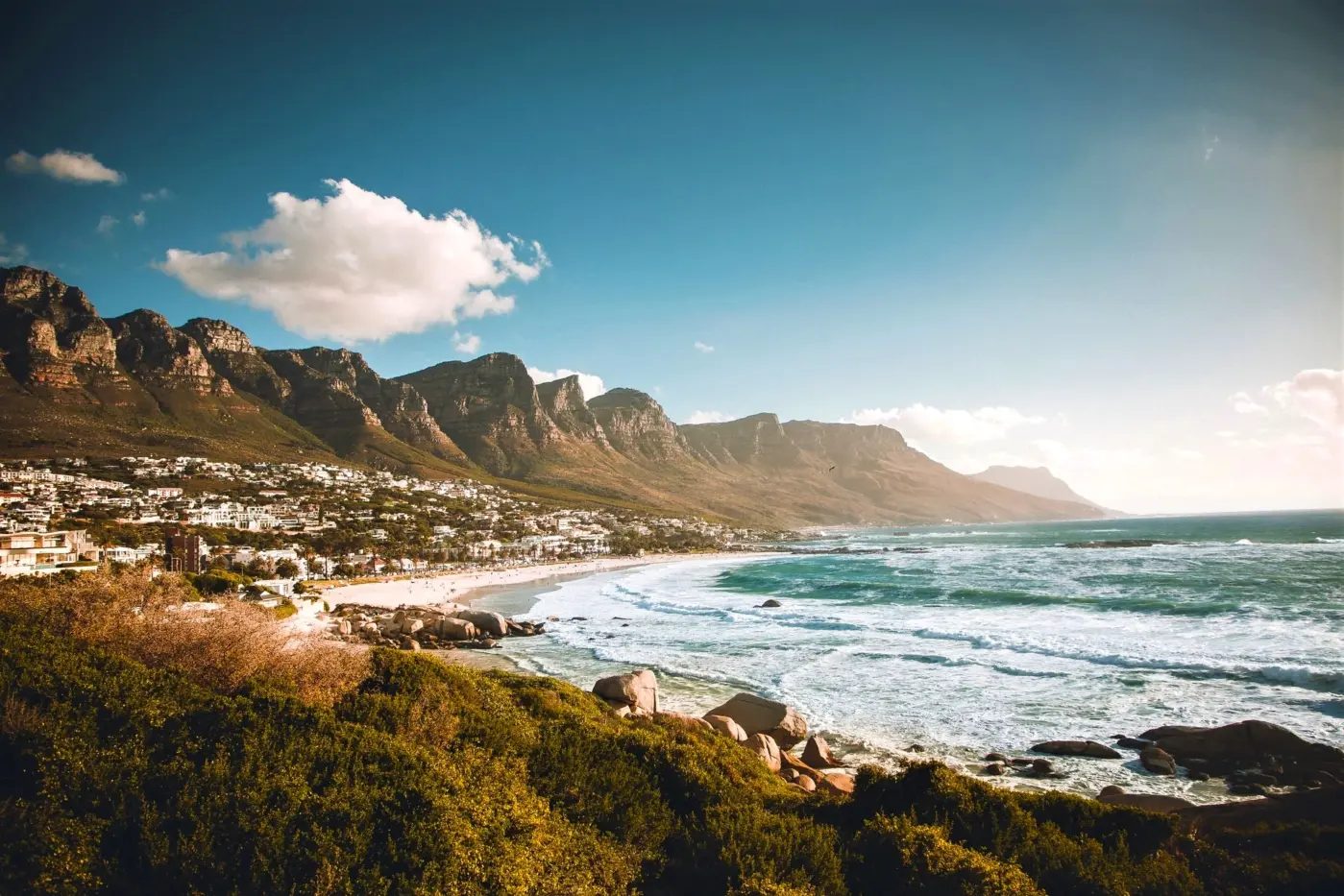
This is high summer in the Cape: hot, dry days (often 26–32°C in Cape Town), balmy evenings and the whole coastline at its most alive. It is the best time for the beaches of Camps Bay and Clifton, sundowners on the Atlantic seaboard, swimming along the Garden Route and long days in the Winelands. It is also South Africa's domestic holiday season, so Cape Town, the Garden Route and coastal towns are busy and at their most expensive — particularly from mid-December to mid-January. In the bush, the green season is in full swing: lush scenery, superb birding and newborn animals, though taller grass and spread-out water make game harder to spot than in winter.
March and April — The Autumn Gold
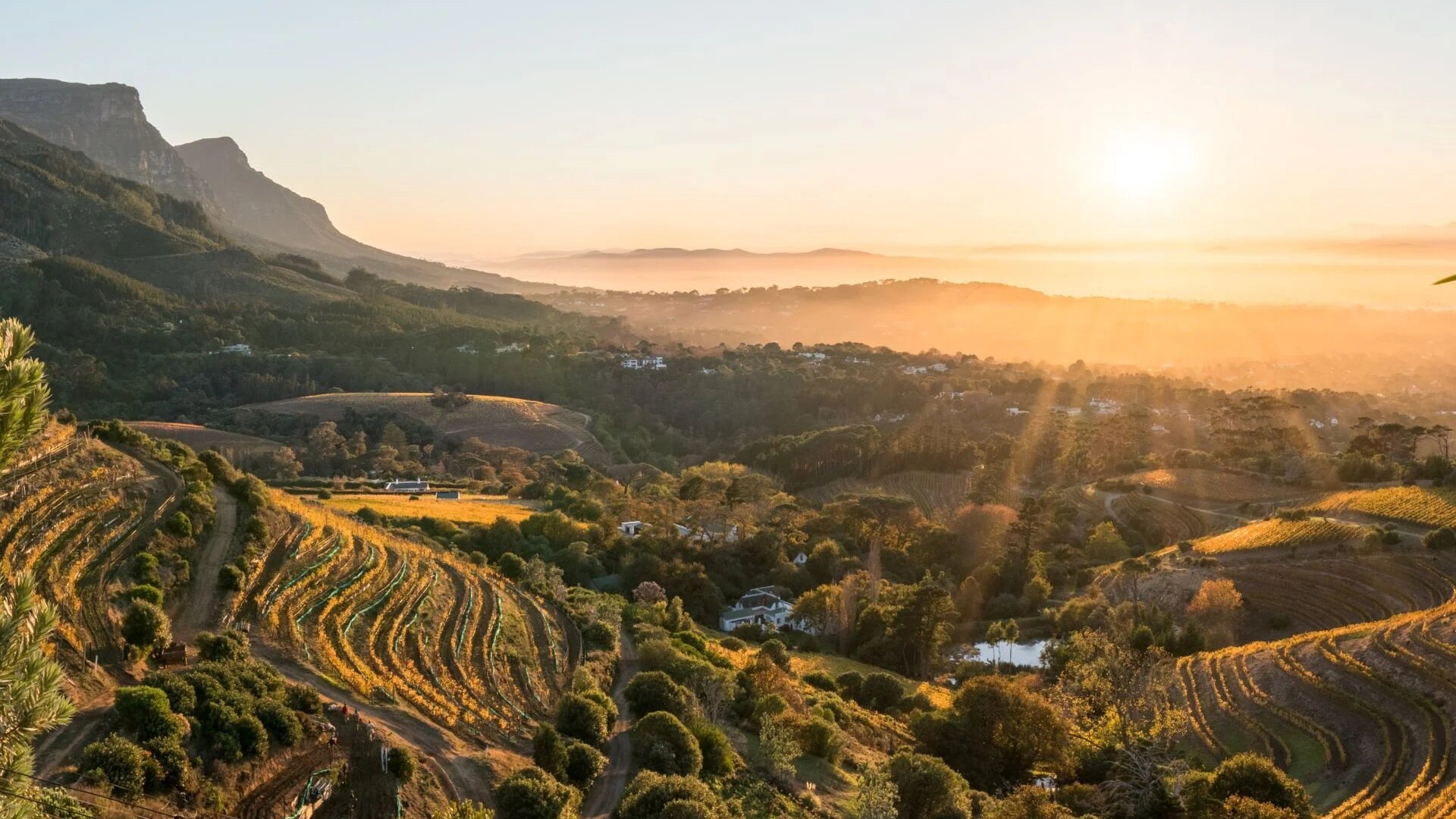
Autumn in the Cape is arguably its finest season of all: the summer crowds thin out, the weather stays warm and settled, the sea is at its warmest, and the Winelands move into harvest. February and March are the grape-harvest months, when the vineyards turn and the cellars are at their most atmospheric. In the bush, the green season continues with good resident game and excellent birding, and by late April the first signs of the dry season begin to return. April is one of the best all-round months to visit South Africa — a genuine chance to pair strong safari with beautiful Cape weather in a single trip, at shoulder-season rates.
Best summer travellers: beach and city lovers, Winelands and foodie travellers, Garden Route road-trippers, honeymooners wanting the Cape, birders, green-season safari value-seekers. Trade-offs: peak Cape prices and crowds in December–January, hotter and greener bush makes big-game spotting harder, occasional summer heat spikes inland.
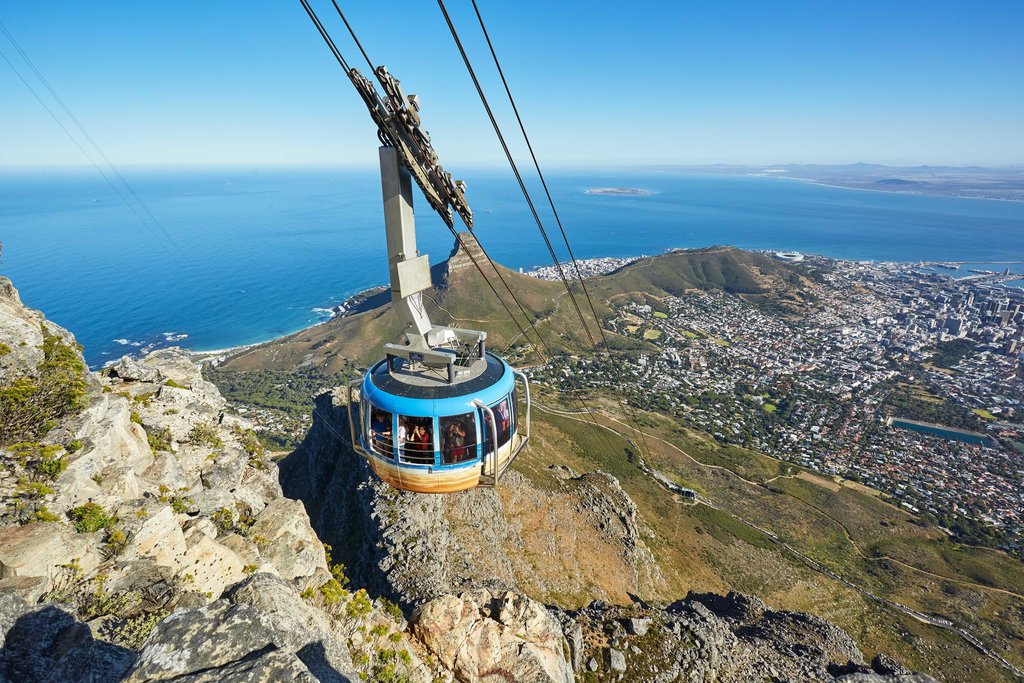
South Africa's Two-Season Paradox — Why Timing Is a Trade-Off
The single most important thing to understand about planning a South African trip is that the best safari season and the best Cape season are opposites. Winter (May–September) is peak for the Big Five but can be wet and cool in Cape Town; summer (November–March) is peak for the Cape and coast but makes bush game viewing harder. This is South Africa's defining planning paradox — and the reason most first-time visitors over-focus on one season and compromise the other.
There are two ways to solve it. The first is to decide what matters most and travel in that region's peak — winter if the safari is the heart of your trip, summer if the Cape is. The second, and often the smartest for a combined safari-and-Cape itinerary, is to travel in the shoulder windows of April–May or September–October. In these months the Lowveld still delivers very strong game viewing while the Cape is pleasant, dry and far less crowded. September–October has the added bonus of whales on the coast and the tail of the wildflower season. For a first-time visitor who wants to see both the bush and the Cape in one trip, these shoulder months are usually the ideal compromise.
One further caveat for 2026 and 2027 planning: South Africa's domestic holiday calendar matters as much as the weather. The mid-December to mid-January period, Easter, and the local school-holiday weeks push up prices and fill coastal towns and popular lodges — so dates a week either side of these peaks can make a real difference to both cost and crowds. A good specialist plans around this; that is exactly what we do at Beyond Africa Safaris.
Whale Season and the Cape Coast (June–November)
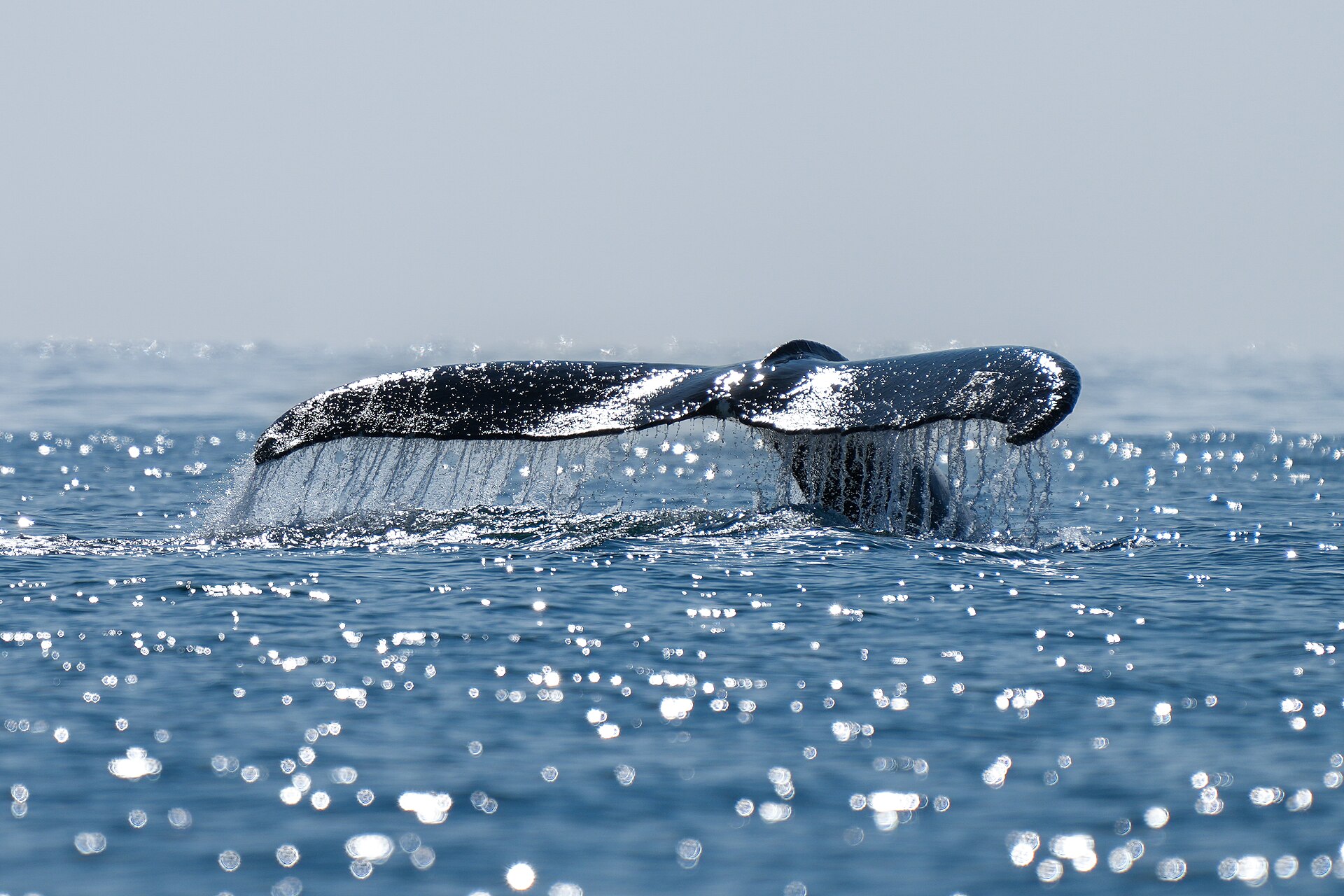
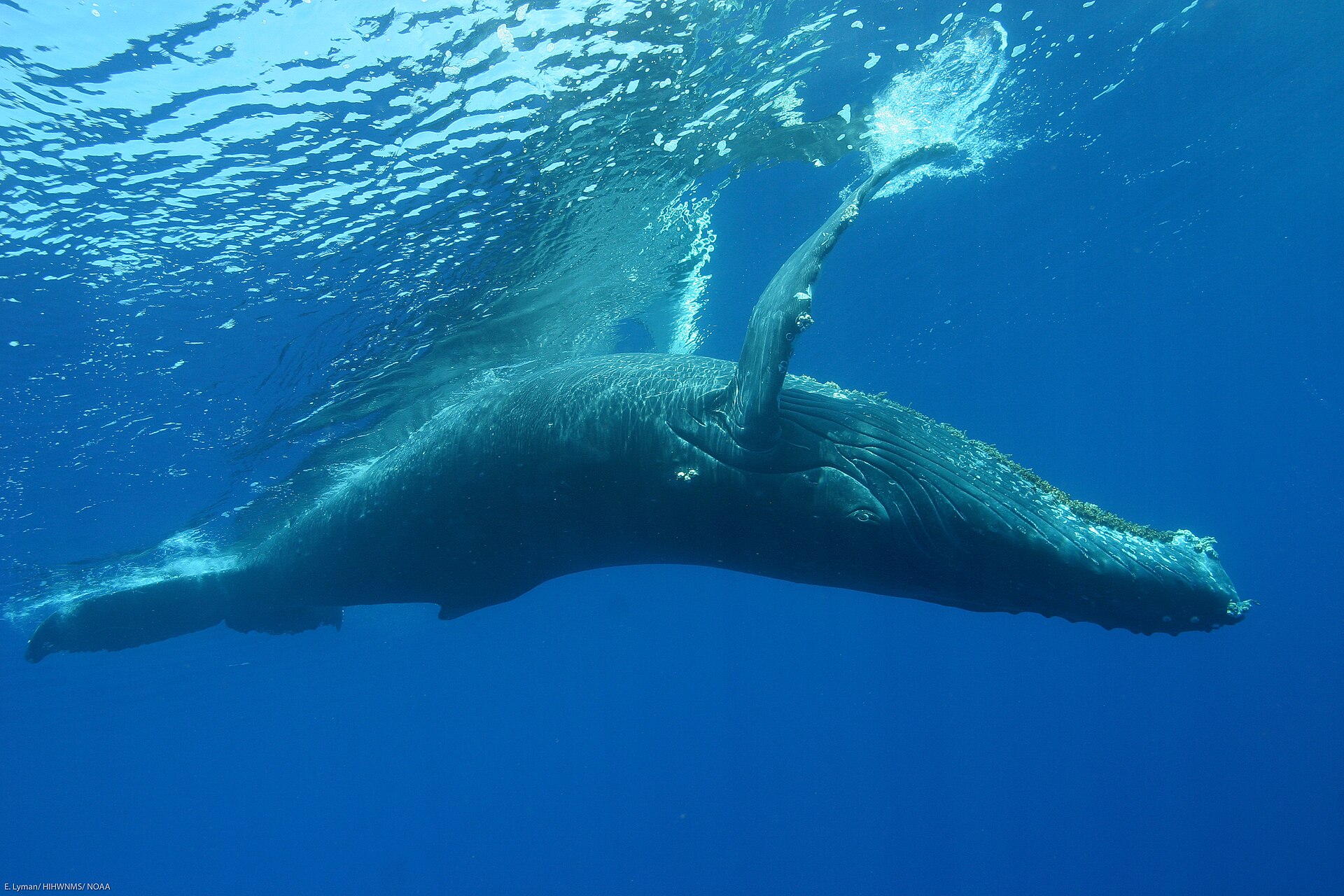
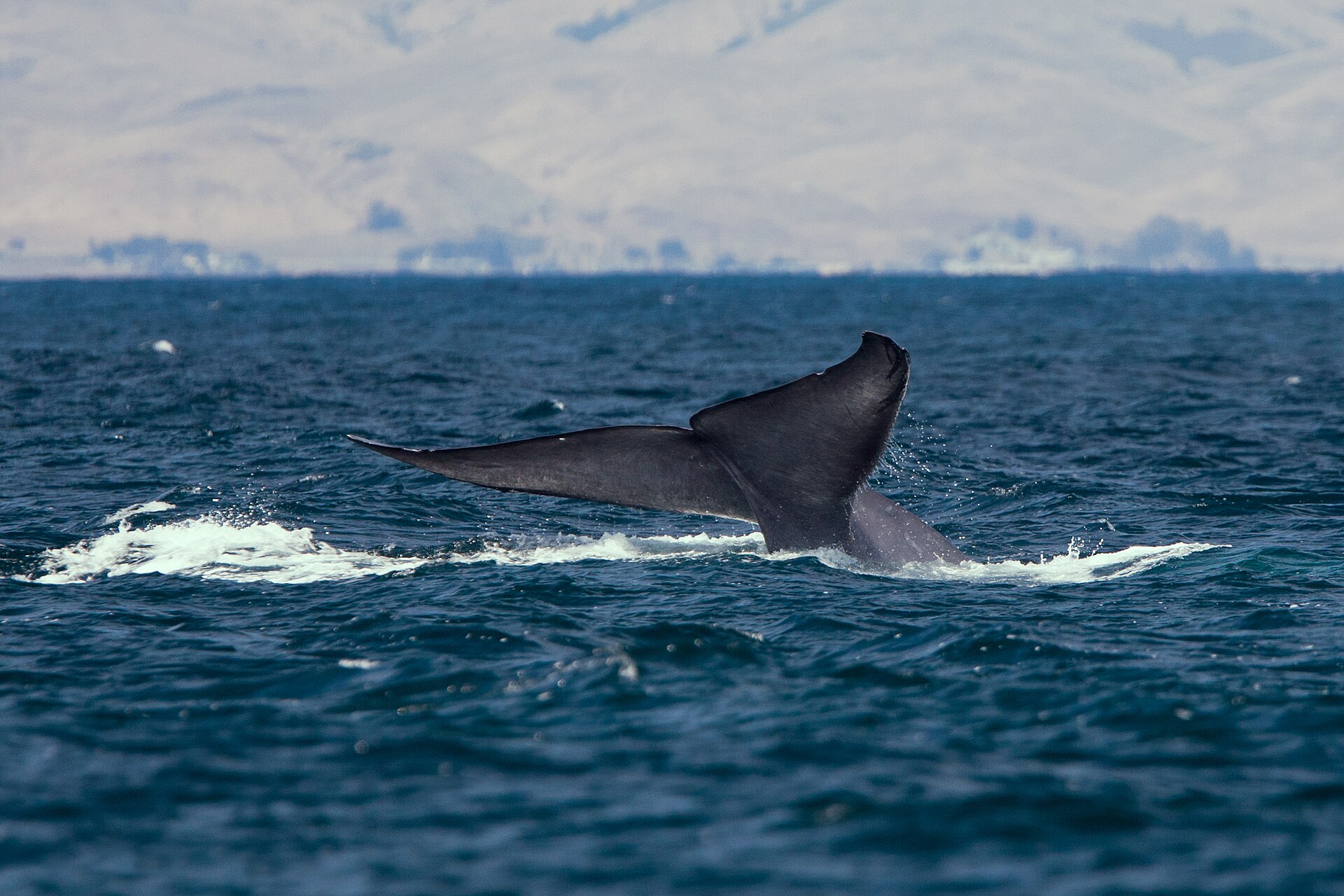
South Africa has one of the finest land-based whale-watching seasons in the world, and it runs counter to the safari calendar — adding a compelling reason to consider a winter or spring trip even if the Cape weather is cooler. From June, southern right whales migrate up from the Antarctic to calve and mate in the sheltered bays of the Western and Eastern Cape. They come astonishingly close to shore — often within metres of the cliff paths at Hermanus, the self-styled whale-watching capital of the world.
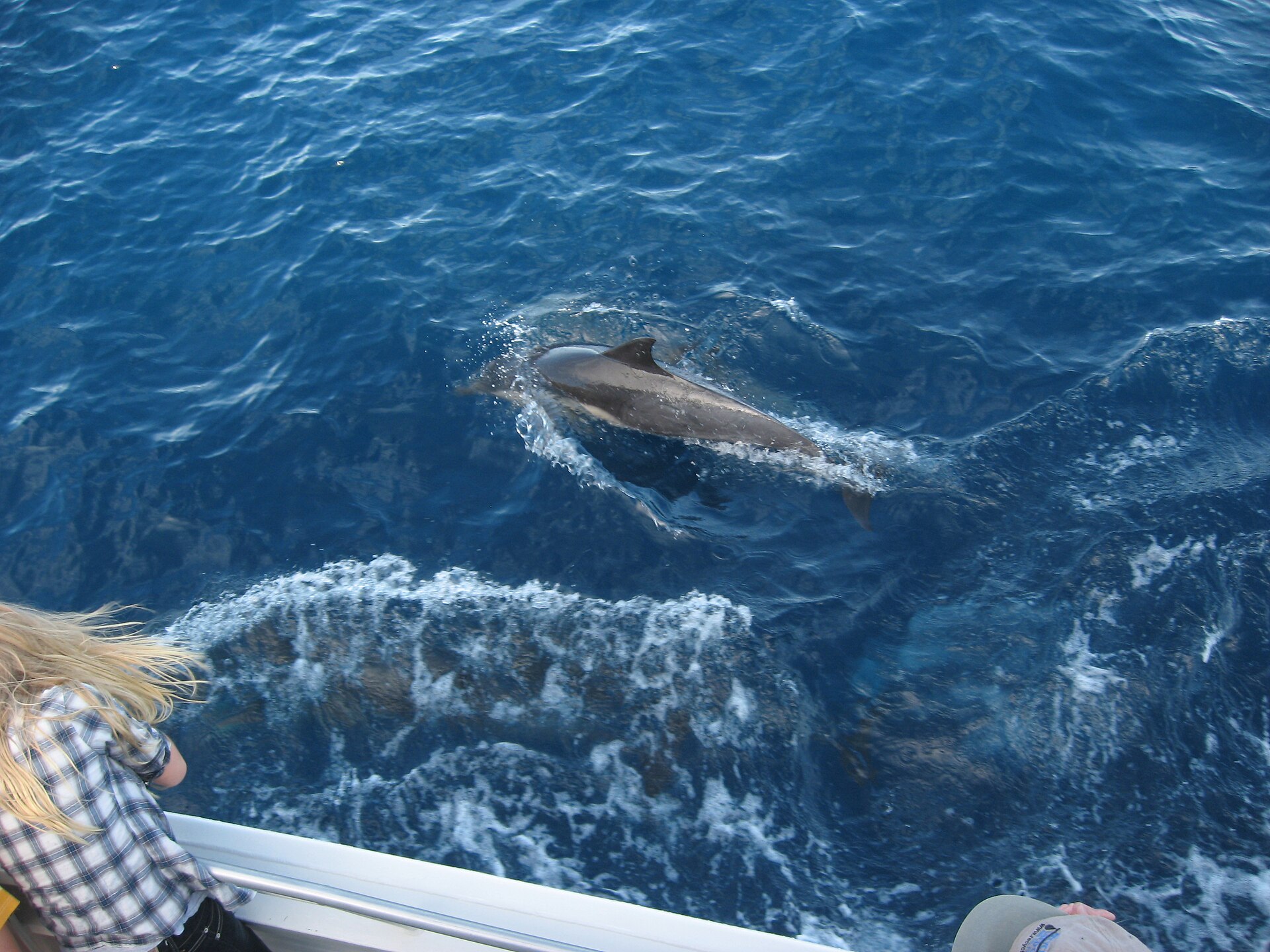
The season builds from June, peaks in September and October when mothers and calves are most numerous and active, and tails off in November. Hermanus, Walker Bay, De Hoop Nature Reserve and Plettenberg Bay on the Garden Route are among the best vantage points, and boat-based whale-watching permits allow closer approaches. Humpback whales pass along the coast too, and Bryde's whales are resident year-round. For a trip that combines winter Big Five game viewing with the whales, a Kruger-then-Cape itinerary in September or October is hard to beat.
South Africa Month by Month — Full 2026/2027 Breakdown
| Month | Season | Weather | Highlights | Rating |
|---|---|---|---|---|
| January | Peak summer | Hot Cape 26–32°C; warm humid Lowveld; afternoon storms inland | Cape beaches, Winelands and Garden Route at their best; busy and pricey; green-season bush with newborns and birding | ★★★★ (Cape) / ★★★ (bush) |
| February | Peak summer | Hottest month; warm dry Cape; humid bush | Winelands harvest begins; superb Cape weather; crowds easing after mid-Jan; lush green bush | ★★★★½ (Cape) |
| March | Autumn | Warm, settled; sea at its warmest | Harvest in full swing; Cape at its finest with fewer crowds; good resident game; excellent all-round month | ★★★★½ |
| April | Autumn shoulder | Mild, dry; pleasant across the country | The great all-rounder — strong safari returning, lovely Cape weather, soft rates; ideal combined trip | ★★★★★ (combined) |
| May | Early dry | Crisp, clear bush; cooling Cape | Underrated safari shoulder: bush thinning, game concentrating, near-peak viewing below peak prices | ★★★★½ (safari) |
| June | Peak dry | Cool sunny bush; cold nights; wet-ish Cape | Prime Big Five game viewing begins; whale season opens; pack warm layers for dawn drives | ★★★★★ (safari) |
| July | Peak dry | Cold Lowveld nights; cool Cape & some rain | Classic winter safari; family-friendly; whales building; book reserves well ahead | ★★★★★ (safari) |
| August | Peak dry | Warming days; dry; bare bush | Peak game concentration; Namaqualand wildflowers begin; whales strong; one of the best safari months | ★★★★★ (safari) |
| September | Peak dry / spring | Warm, dry; bush at its most open | The connoisseur's all-rounder: densest game, peak whales, wildflowers, warming Cape — arguably the best single month | ★★★★★ |
| October | Late dry / spring | Hot bush; pleasant warming Cape | Maximum wildlife concentration before the rains; whales tailing off; Cape coming into its own; superb combined trips | ★★★★★ (combined) |
| November | First rains / early summer | Warm Cape summer; greening bush; storms inland | Cape and coast into summer; green-season safari with newborns; final whales; excellent value before December peak | ★★★★ (Cape) |
| December | Peak summer | Hot Cape; warm humid bush; afternoon storms | Cape, Garden Route and beaches at their peak — and busiest; festive crowds mid-Dec on; green lush bush | ★★★★ (Cape, book ahead) |
Best Time to Visit South Africa — By Region
Because South Africa runs on opposite calendars for the bush and the Cape, the best time depends heavily on where you are going. Here is how each region lines up through the 2026–2027 seasons.
Kruger National Park & the Greater Kruger (Sabi Sand, Timbavati)
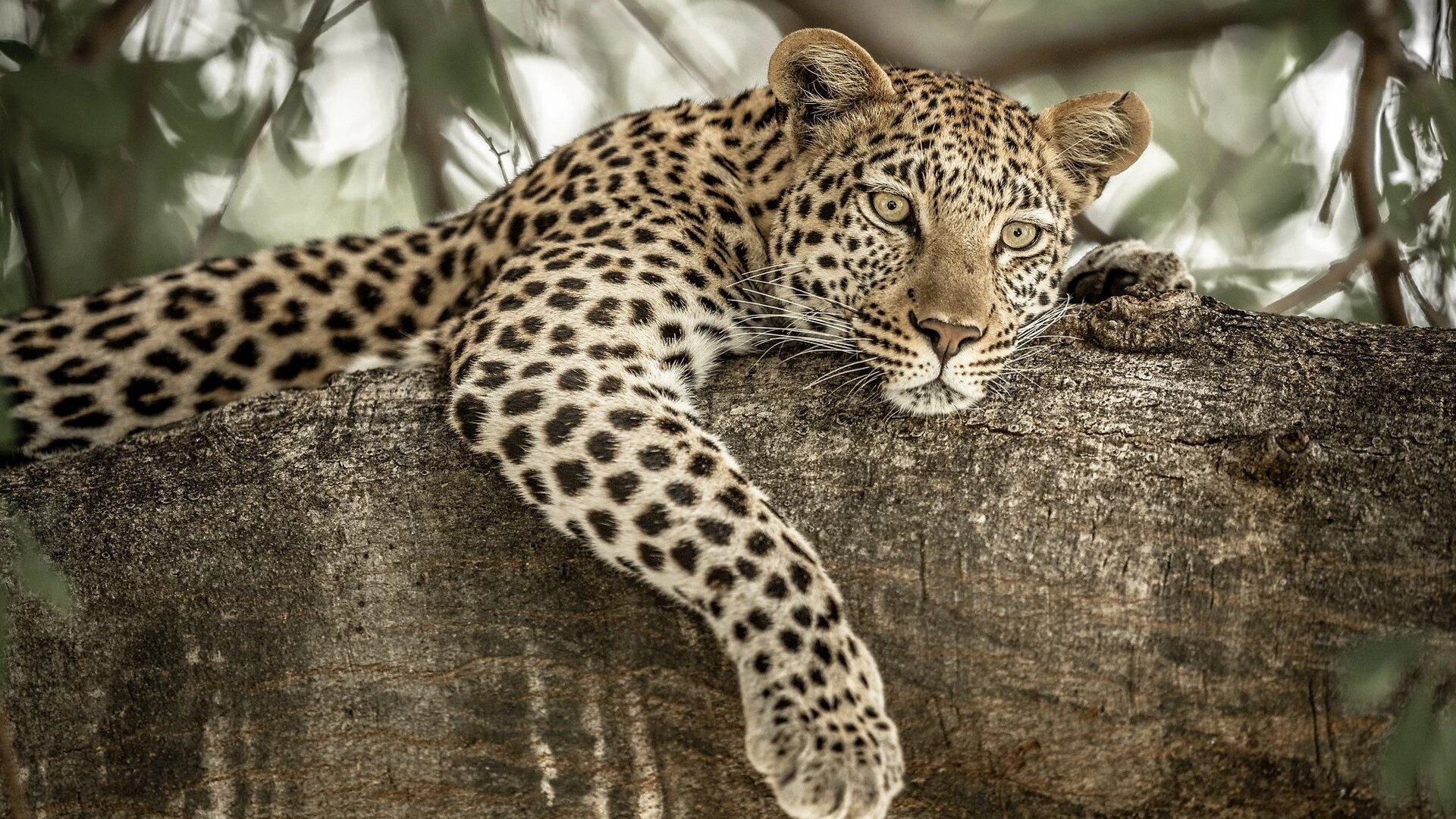
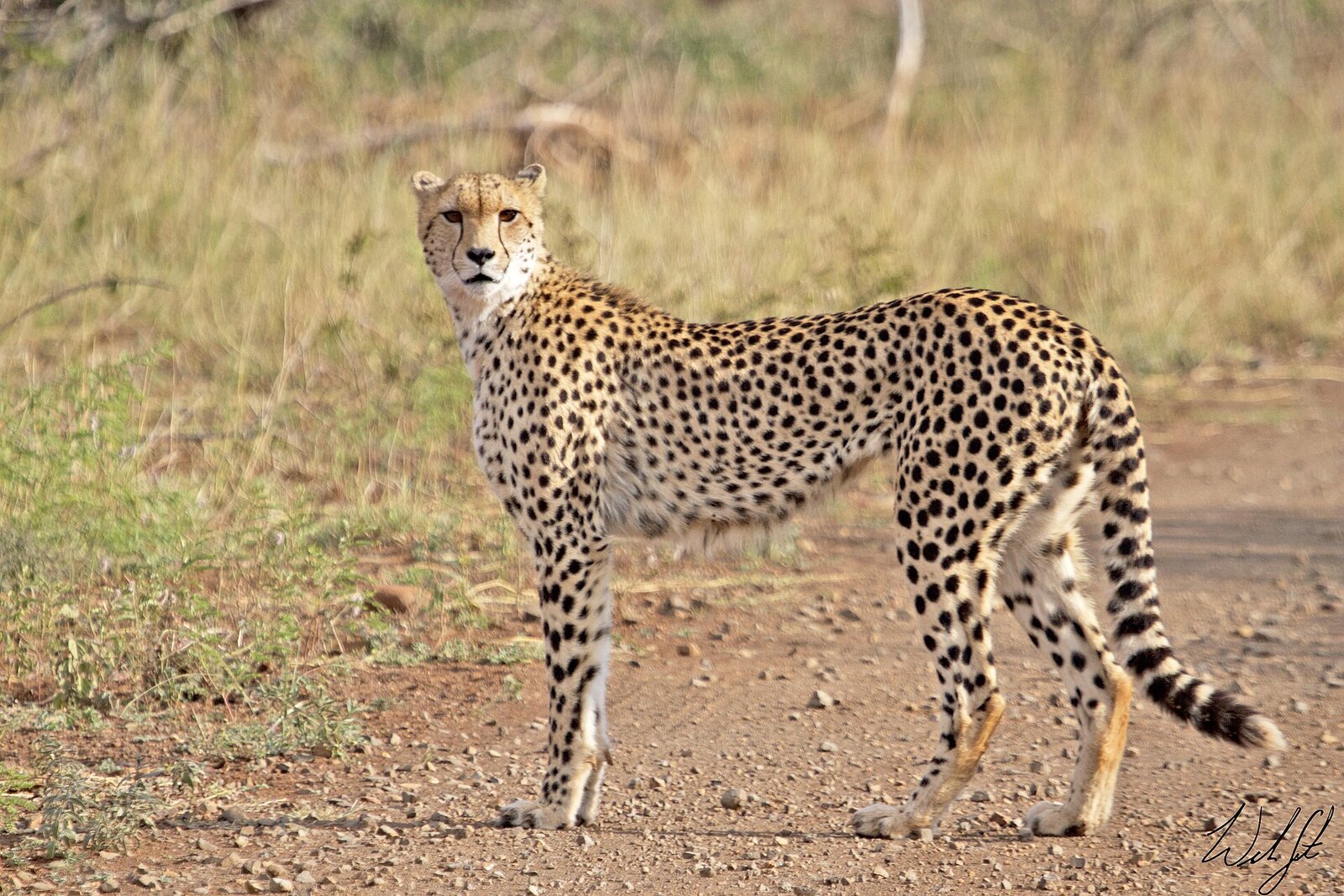
The country's safari heartland. Best from May to September, peaking August–September when the bush is bare, water is scarce and wildlife concentrates for the best game viewing of the year. Winter nights are cold, so pack warm layers for dawn drives. The green summer season (November–March) brings lush scenery, newborn animals and superb birding, but taller grass and spread-out water make big game harder to find. The private reserves of the Sabi Sand and Timbavati deliver world-class leopard and Big Five sightings year-round, but winter is when they truly excel.
Cape Town & the Cape Peninsula
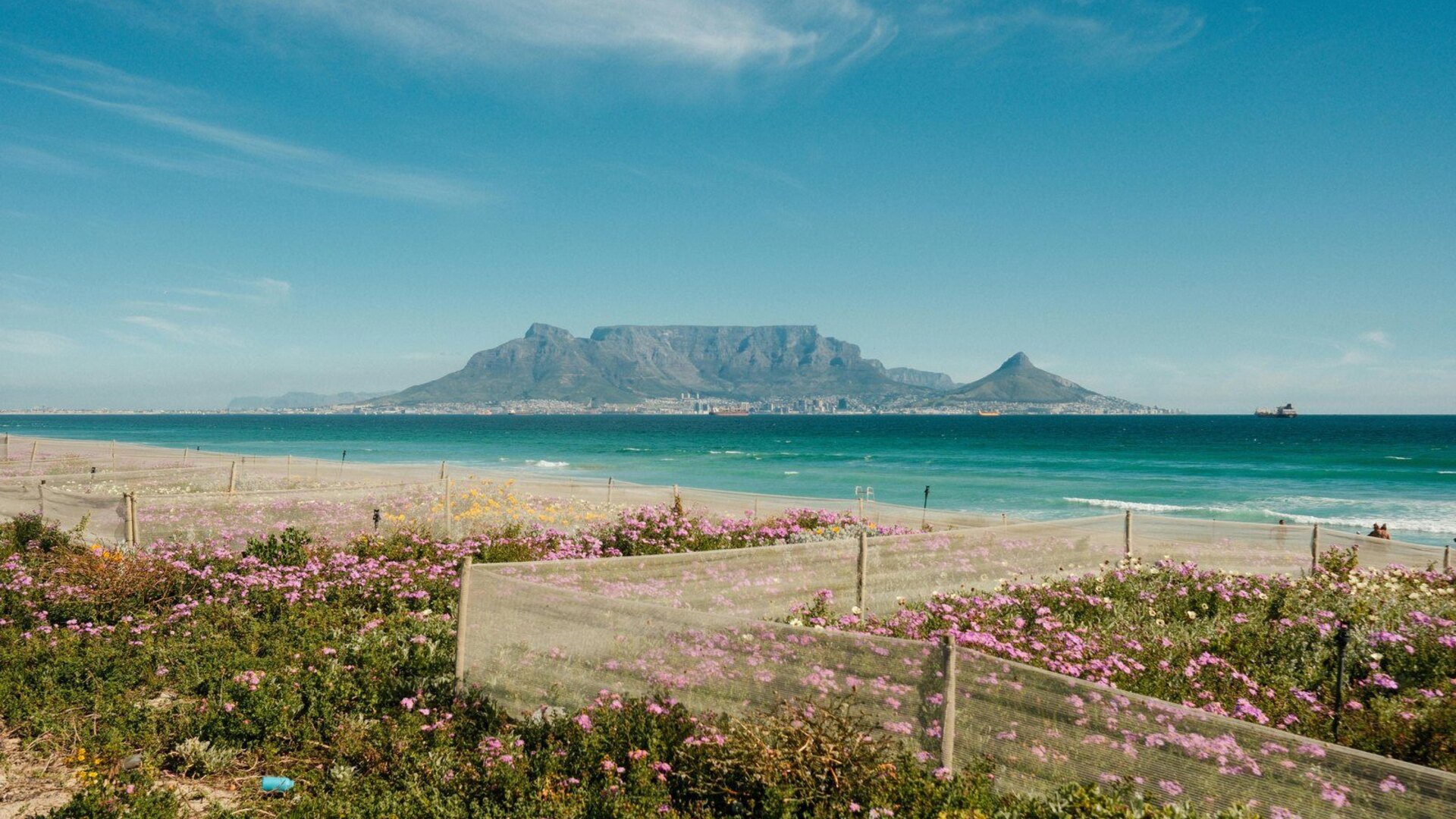
One of the most beautiful cities on earth. Best from November to March, during the warm, dry Mediterranean summer — ideal for Table Mountain, the beaches of Camps Bay and Clifton, Cape Point and the Atlantic seaboard. Autumn (March–April) is arguably even better: warm, settled and far less crowded. Winter (June–August) is the Cape's green, wet season — cooler and rainier, with dramatic storms and the lowest prices, but also the start of whale season and a moody beauty of its own.
The Cape Winelands (Stellenbosch, Franschhoek, Paarl)
The heart of South African wine and fine dining. Best in summer and autumn, November to April, peaking during the grape harvest of February and March when the vineyards turn gold and the cellars are at their most atmospheric. Summer delivers warm days perfect for terrace lunches and outdoor tastings. Winter brings green landscapes, roaring fireplaces, cosy cellar lunches and the lowest rates — a different, quieter kind of Winelands charm.
The Garden Route & the Coast
The scenic coastal drive from Mossel Bay to Storms River. Best from November to April, when warm coastal weather, calm seas and lush indigenous forest are at their finest for beaches, hikes and water activities. September–October adds whales at Plettenberg Bay. Winter is cooler and wetter but still green and beautiful, with the advantage of fewer crowds. Because the Garden Route has a milder maritime climate than the inland regions, it rarely gets uncomfortably hot or cold.
KwaZulu-Natal (Hluhluwe, iSimangaliso, the Elephant Coast)
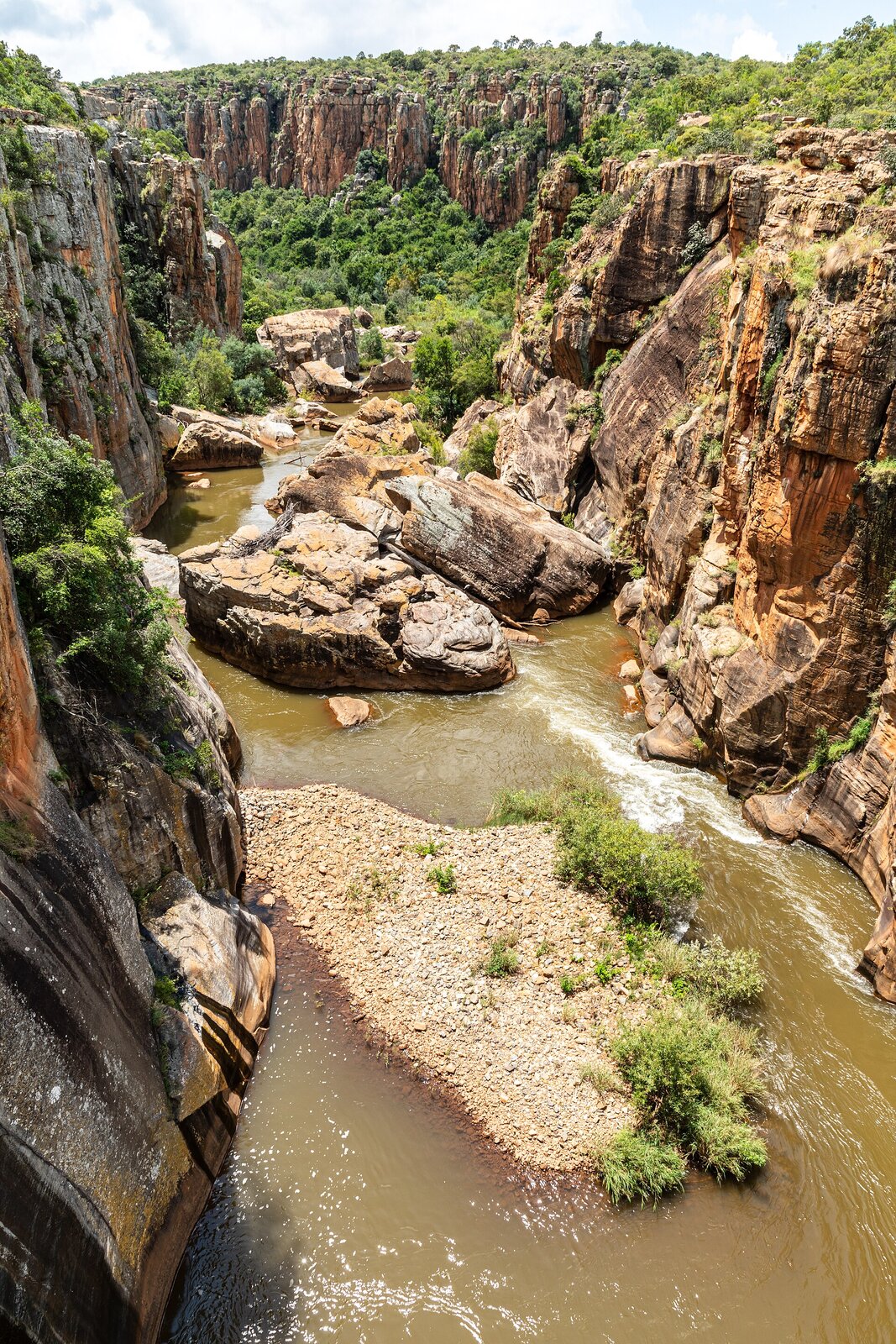
A subtropical province combining Big Five safari with warm Indian Ocean beaches. Best for safari in the dry winter, May to September, when game viewing in Hluhluwe-iMfolozi peaks; best for beaches and diving in summer, November to March, when the sea is warm and turtle nesting takes place at iSimangaliso. The winter months are also ideal for the humpback and southern right whale migration along the KZN coast. KZN's subtropical climate means it is warmer in winter than the Cape or Lowveld.
Namaqualand & the Northern Cape (wildflowers & the Kgalagadi)
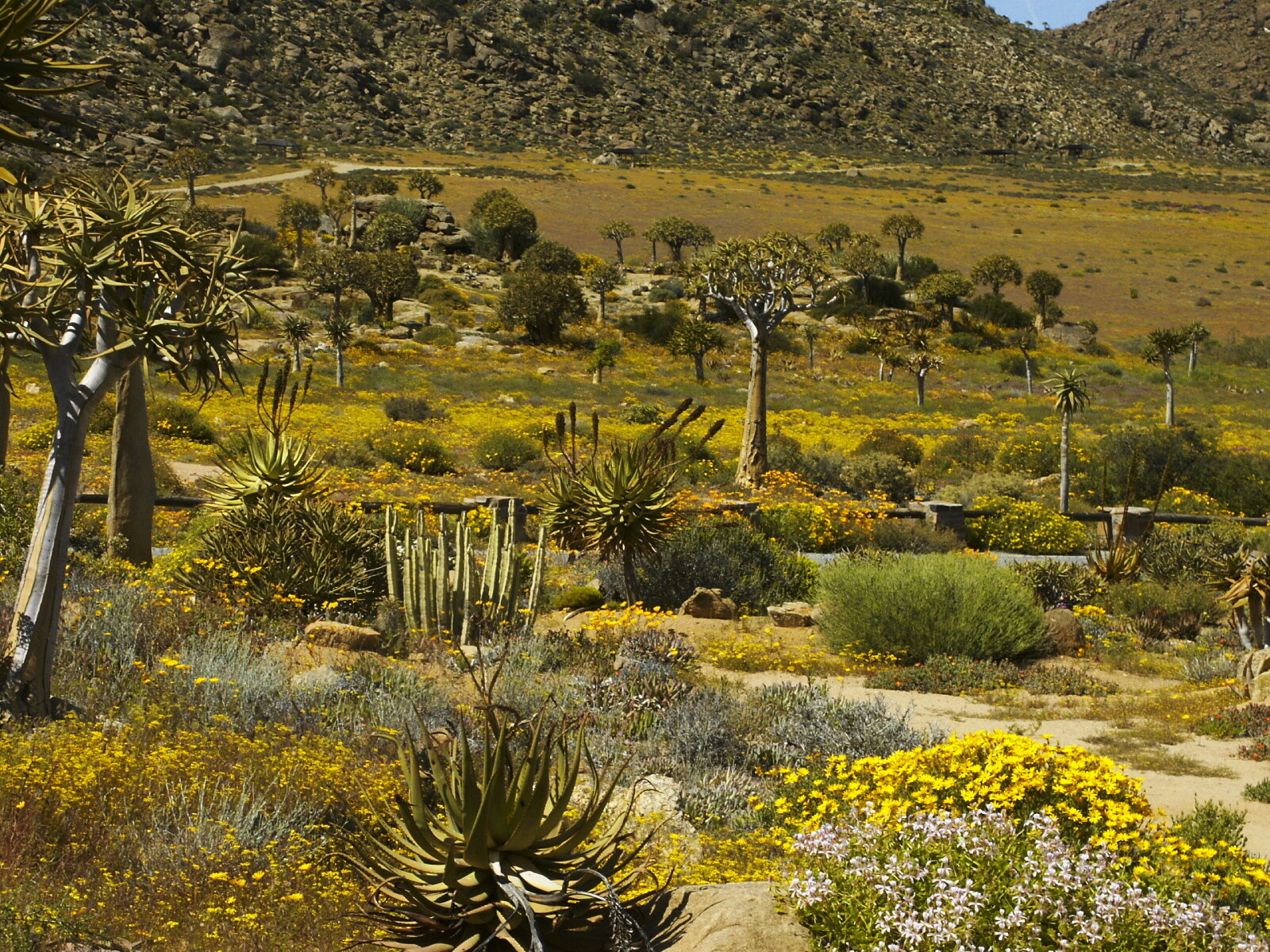
A vast semi-desert that holds two of South Africa's great seasonal spectacles. The Namaqualand wildflower bloom is best in August and September, when — after good winter rains — the normally barren veld erupts into carpets of orange, white and purple flowers for just a few short weeks (exact timing shifts year to year with the rains). The Kgalagadi Transfrontier Park, home to the famous black-maned Kalahari lion, is best in the cooler dry months of May to September for comfortable game viewing, though the green summer (which brings calving herds and raptors) has its own rewards despite the fierce heat.
Best Time to Visit South Africa by Traveller Type
| Traveller | Best time | Notes |
|---|---|---|
| First-time safari visitor | May – September | Reliable dry-season game viewing in the Kruger and Sabi Sand — delivers everything South Africa is famous for |
| Safari + Cape in one trip | April–May or September–October | Shoulder windows that pair strong Big Five game with pleasant, uncrowded Cape weather |
| Honeymooners | September – April | Spring and summer for the Cape, Winelands and Garden Route; or a winter safari for dramatic Big Five romance |
| Families with children | June – August | Peak safari, lower malaria risk, school-holiday alignment, no extreme Cape summer heat |
| Beach & city lovers | November – March | Cape Town, the Garden Route and the coast at their warm, dry, lively best |
| Whale watchers | September – October | Peak southern right whale activity at Hermanus and along the Cape coast |
| Wine & food travellers | February – April | Harvest season in the Winelands — warm days, turning vineyards, the most atmospheric cellars |
| Wildflower chasers | August – September | The short Namaqualand and West Coast bloom — timing shifts yearly with the winter rains |
| Value & shoulder seekers | April–May & November | Excellent conditions at well below peak rates, with fewer crowds across both safari and Cape |
| Birders | November – March | Summer migrants arrive from Europe; breeding plumage and lush green backdrops |
South Africa Trip Planning Calendar — 2026 & 2027
Planning your 2026 or 2027 South Africa trip? Here is what to expect season by season across the two years. The weather patterns are consistent — the key variables are the domestic holiday peaks and, for the wildflowers, the timing of the winter rains.
| Season window | 2026 / 2027 planning notes | Book by |
|---|---|---|
| Oct–Nov 2026 | Spring all-rounder: peak game before the rains, final whales, Cape warming into summer; superb combined trips, value before December | Book now — short lead window |
| Dec 2026 – Feb 2027 | Peak Cape summer: beaches, Winelands and Garden Route at their best but busiest; green-season bush. Avoid mid-Dec to mid-Jan for value | 6–9 months ahead (festive fills first) |
| Mar – Apr 2027 | Autumn gold: Winelands harvest, warm settled Cape, returning safari game, soft rates — one of the best combined windows | 4–6 months ahead |
| May – Jul 2027 | Dry-season safari heart: prime Big Five in the Kruger and Sabi Sand; whale season opening; cold bush nights. Family peak in Jul | 6–9 months ahead for Jul |
| Aug – Sep 2027 | Peak concentration game viewing; Namaqualand wildflowers; peak whales — arguably the finest all-round months to visit | 6–9 months ahead for September |
When to Book — Price Guide and Availability by Season
South Africa is one of the best-value premium safari destinations in Africa, but prices and availability swing sharply by season — and the swings are different for the bush and the Cape.
| Season | Safari lodges (Greater Kruger) | Cape Town & coast | Book ahead |
|---|---|---|---|
| Peak safari (Jul–Oct) | Highest rates; private reserves fill early | Moderate (winter) rising to high (Oct) | 6–9 months for lodges |
| Peak Cape (mid-Dec–mid-Jan) | Green-season value in the bush | Highest rates; book far ahead | 6–9 months for the coast |
| Shoulder (Apr–May, Nov) | Strong value, near-peak game | Good value, pleasant weather | 3–5 months |
| Low (Jun winter Cape / Feb–Mar bush) | Varies by region | Lowest Cape rates in winter | 2–4 months |
Safari lodge rates in the Greater Kruger range widely — from accessible mid-range camps to ultra-luxury lodges at USD 1,000–3,000+ per person per night all-inclusive. Cape Town hotels span every budget, with the biggest price swings driven by the December–January domestic peak rather than international demand. The single biggest money-saving lever in South Africa is avoiding the mid-December to mid-January festive peak on the coast, and travelling the safari regions in the April–May or November shoulder. Because the domestic holiday calendar and the wildflower timing shift each year, the smartest move is to consult a specialist who builds your dates around both — exactly what we do at Beyond Africa Safaris.
South Africa Weather and What to Pack — Season by Season
| Season | Temperatures | Conditions | What to Pack |
|---|---|---|---|
| Safari winter (May–Sep) | Bush days 20–26°C; nights 3–10°C | Dry, sunny, clear; cold dawns | Warm fleece, beanie and gloves for dawn drives; light layers for midday; neutral earth tones; sunhat and SPF |
| Cape summer (Nov–Mar) | Cape 20–32°C; warm humid bush | Warm, dry Cape; afternoon storms inland | Light summer clothing, swimwear, sunhat, high SPF, a light layer for the famous Cape wind, comfortable walking shoes |
| Cape winter (Jun–Aug) | Cape 8–18°C | Cool, wet, some storms; green | Warm layers, waterproof jacket, umbrella, closed shoes — plus binoculars for whale watching from the cliffs |
| Autumn/spring shoulder (Apr, Oct) | Mild 18–27°C across regions | Settled, dry, pleasant countrywide | Versatile layers for both bush and city; a light jacket for cool evenings; everything for a combined trip |
For the safari portion, wear neutral earth tones (khaki, olive, sand — avoid white and bright colours, and dark blue/black which attract tsetse flies in some areas). A good telephoto lens (at minimum 300mm) will transform your wildlife photography. For the Cape, pack for sun and wind in summer and for rain in winter. Malaria prophylaxis is recommended for the low-lying Kruger and KZN safari areas, with risk highest in the wet summer months — consult a travel health clinic at least four weeks before departure. Note that malaria-free Big Five reserves in the Eastern Cape, Waterberg and Madikwe are excellent alternatives for families with young children or travellers who prefer to avoid antimalarials.
Health, Visas & Pre-Trip Timing
Planning the best time to visit South Africa also means timing your pre-trip preparation correctly.
- Visas: Many nationalities — including US, UK, EU and Australian passport holders — do not need a visa for South Africa for tourist stays of up to 90 days. Check current entry requirements with the South African Department of Home Affairs at least 8 weeks before travel, and ensure your passport has at least two blank pages and six months' validity.
- Malaria: The low-lying Kruger, the Greater Kruger private reserves and northern KwaZulu-Natal carry a malaria risk, highest in the wet summer (November–April). Cape Town, the Garden Route, the Winelands and the malaria-free Big Five reserves (Eastern Cape, Madikwe, Waterberg) carry no malaria risk. Consult a travel health clinic at least 4 weeks before departure for current prophylaxis advice if you are visiting a malaria area.
- Yellow fever: A yellow fever vaccination certificate is required if you are arriving from or transiting through a yellow-fever endemic country. It is not required for travellers arriving directly from Europe, North America, Australia or most of Asia.
- Minors: South Africa has specific documentation requirements for travellers under 18 (including unabridged birth certificates in some cases). Check the latest rules well before travel if you are bringing children.
The Verdict — When Should You Visit South Africa?
For most travellers whose trip is built around the Big Five, the answer is the dry winter, May to September, with August–September the connoisseur's pick for the densest game viewing in the Kruger and Sabi Sand. If Cape Town, the Winelands, the Garden Route and the beaches are your priority, come in the summer, November to March — or better still, the warm, uncrowded autumn of March–April. And if you want to do it all in one trip — bush and Cape, whales and wildflowers — then the shoulder months of April–May or September–October are the ideal compromise, pairing strong safari with pleasant Cape weather at better value.
The beauty of South Africa is that there is no bad time to visit; there is only the right time for the trip you dream of. Tell us what you want to see, and we will build the journey around the perfect month.
Ready to plan your South African trip? Speak to a Beyond Africa Safaris specialist or explore our private South Africa safari packages — every journey is tailor-made to the perfect season for you. You can also read our full guide to South Africa safari packages and costs, explore the best luxury safari lodges in South Africa, or discover the best places to see whales in South Africa.