Key Takeaways
- The Kruger and Cape Town want opposite seasons: the bush is best in the dry winter (May–October), the city in the dry summer (November–March).
- The best all-round window to do both in one trip is September to October — near-peak game viewing with a warm, uncrowded Cape. April to May is the quieter, better-value mirror of it.
- If your dates are fixed to the December–March summer holidays, the trip still works beautifully — glorious Cape Town plus a green, newborn-filled bush viewed from private reserves.
- Allow at least seven days, fly between Cape Town and the lowveld (never drive), and expect roughly three nights in each half.
- Malaria risk in the greater Kruger is lowest in the dry winter; private reserves and the malaria-free option solve the green-season question entirely.
It is the question we are asked more than any other about a South African holiday: when is the best time to go if you want to do both the Kruger and Cape Town in one trip? It sounds simple, and it has an awkward answer, because the two halves of the country's greatest journey do not agree on the calendar. The Kruger is at its finest in the dry winter. Cape Town is at its finest in the summer. Pick the perfect month for one and you have chosen a lesser month for the other.
The good news is that there is a way to square the circle, and once you understand it the whole trip falls into place. This guide lays out the two seasons honestly, month by month, for each half — and then gives you the shoulder-window sweet spot that gives you strong game viewing and a lovely Cape at the same time, the logistics that make the trip easy, and the honest trade-offs for every season so you can time your own dates well. For the deep single-destination detail we will point you to our dedicated guides as we go; here, the job is to time the two together.
The short answer, by what matters most to you
If you want the headline before the detail, here it is. The table below gives the best window depending on what you care about most — the strongest safari, the finest Cape, the best overall balance, or the best value.
| What matters most to you | Best window | Why |
|---|---|---|
| Best all-round balance | September – October | Near-peak Big Five viewing with a warm, green, uncrowded Cape — the one window that serves both. |
| Strongest safari | May – October (dry winter) | Thin bush and animals at water make the Kruger's game viewing most reliable; Cape Town is cool and quiet. |
| Finest Cape Town | November – March (summer) | Beaches, Table Mountain and the Winelands at their best; the bush is green, so lean on private reserves. |
| Best value & fewer crowds | April – May | The quieter mirror of the sweet spot — good game as the bush dries, a warm settled Cape, softer prices. |
Everything below explains why these windows fall where they do — and how we tune them to your exact dates, because the right month for your trip depends on whether the safari or the city is the beating heart of it.
The two-season paradox, explained
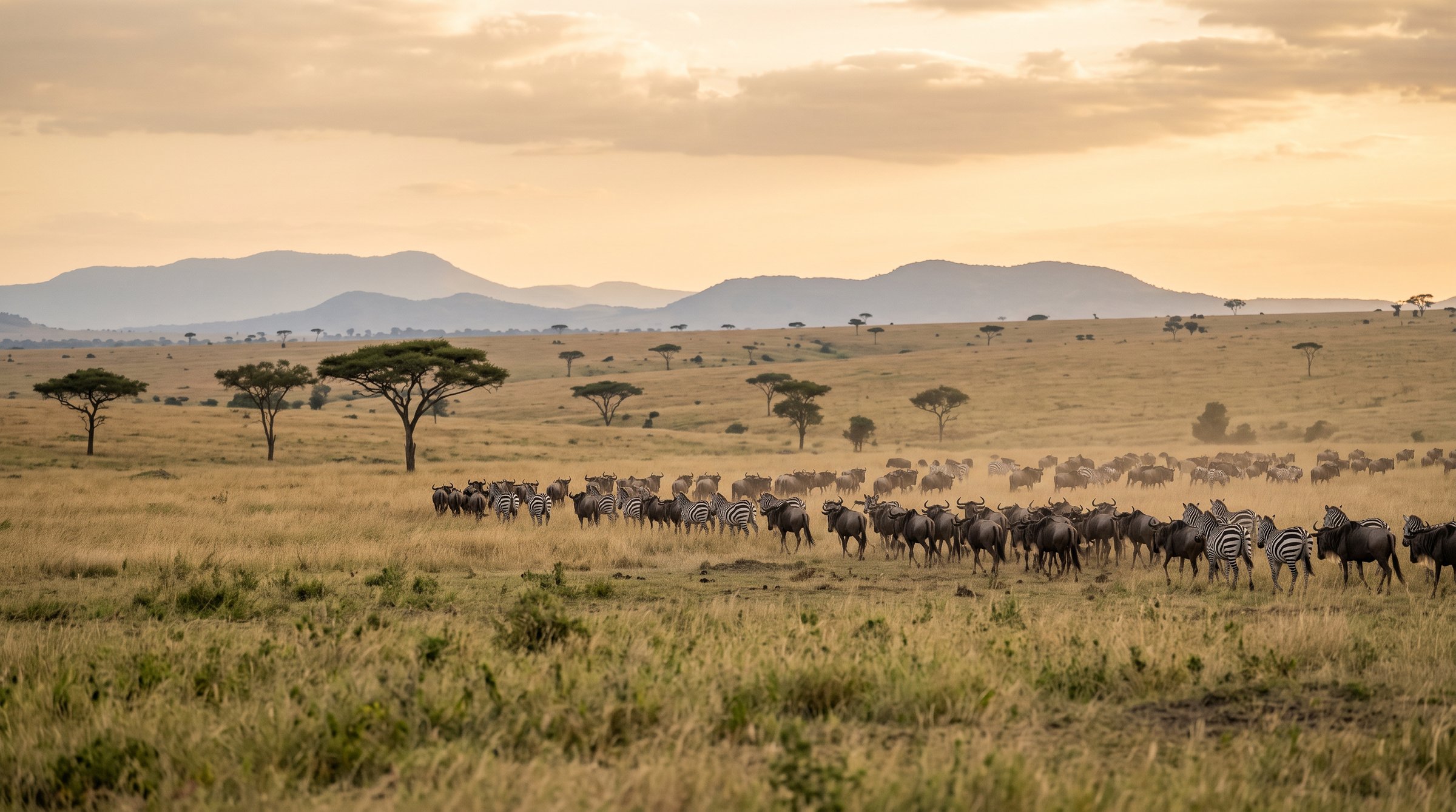
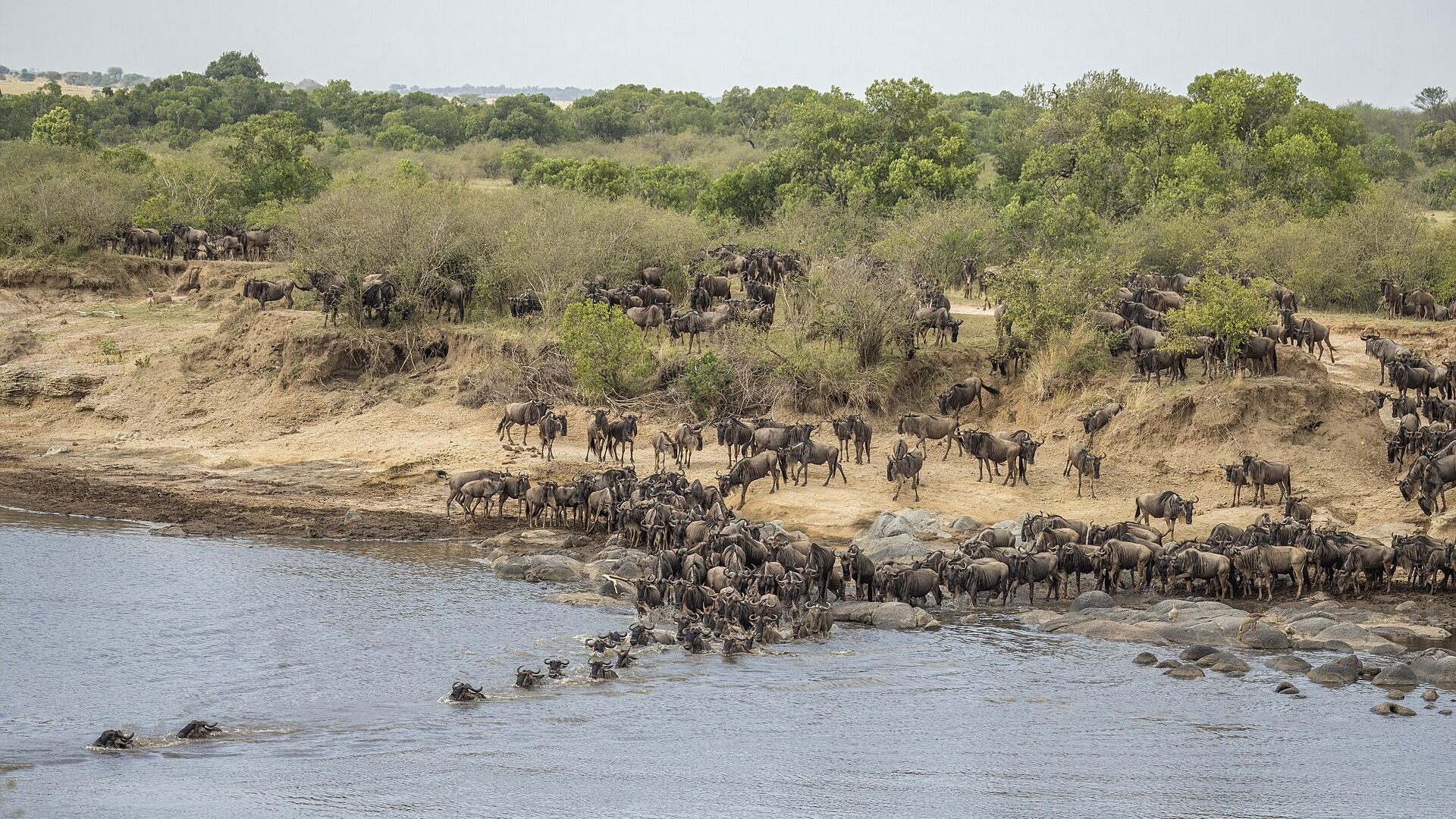
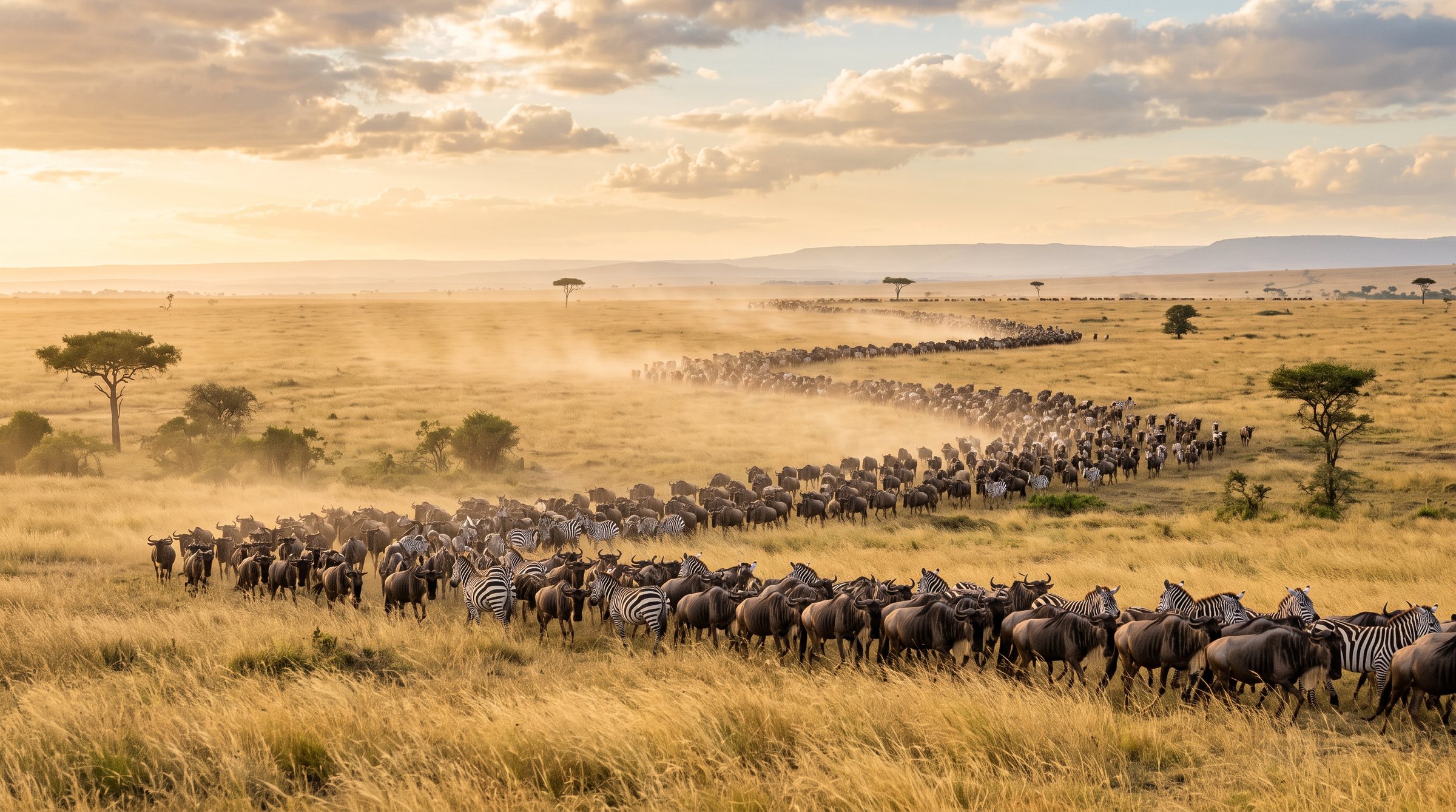
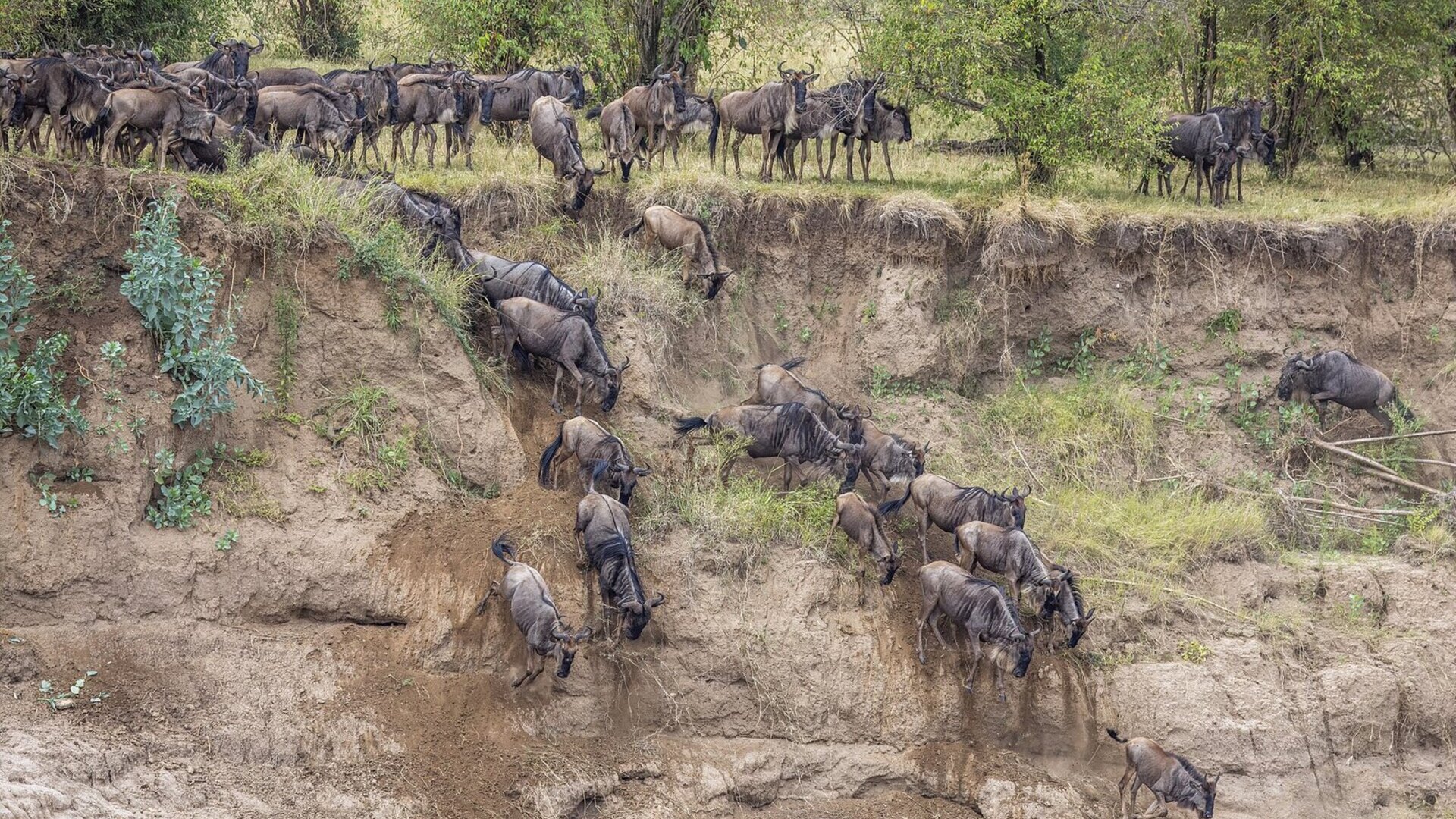
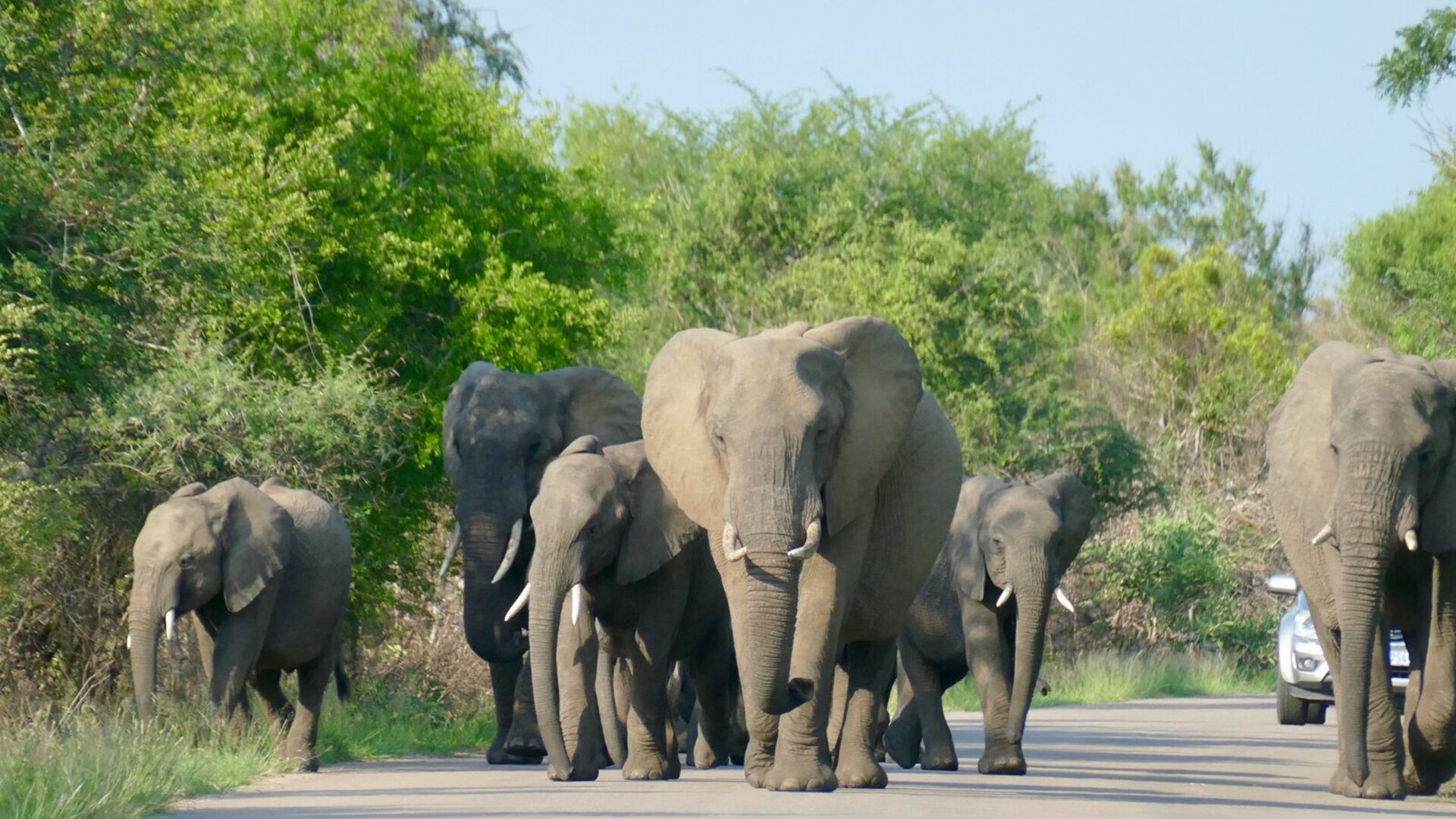
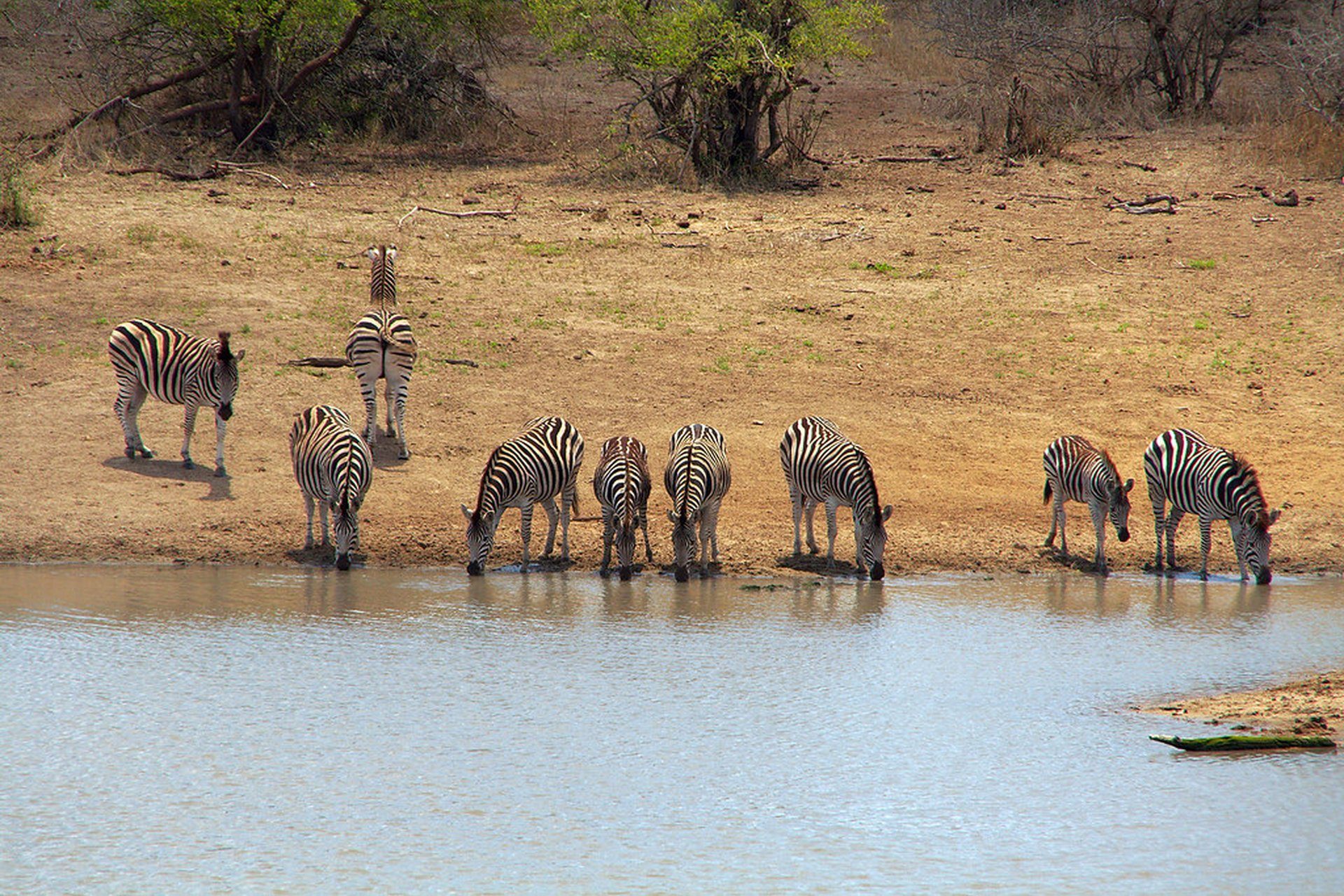
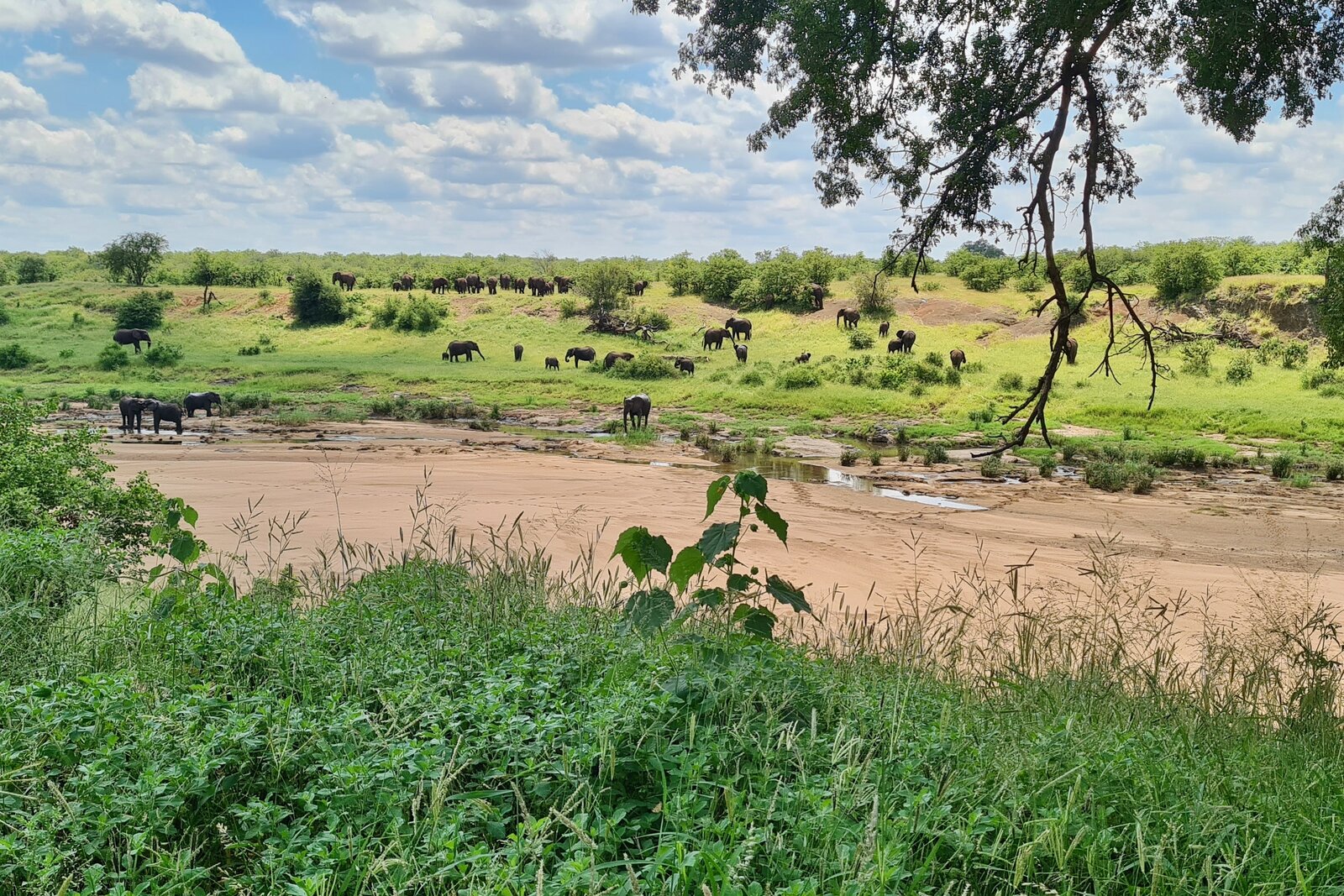
To time this trip you have to understand one thing: the Kruger and Cape Town live in two different climates, and their best seasons sit at opposite ends of the year. The greater Kruger, in the north-east, is a summer-rainfall bushveld. Its rain falls in the hot months of roughly November to March, and its dry season is the cooler winter of May to October. For watching wildlife, dry is better — the bush thins out, the grass dies back, and animals are forced to gather at the shrinking water, where they are far easier to find. So the Kruger's peak is the winter.
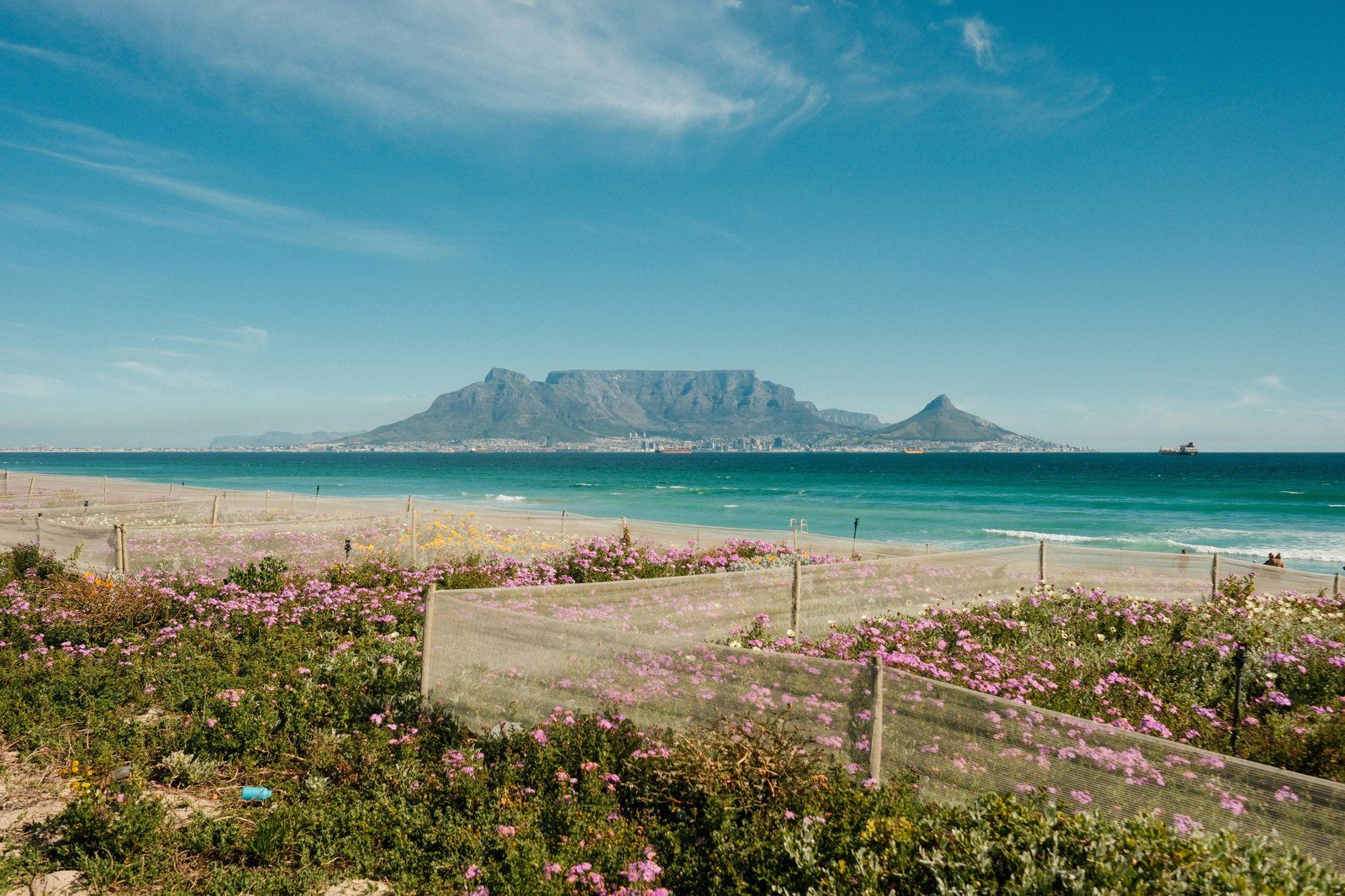
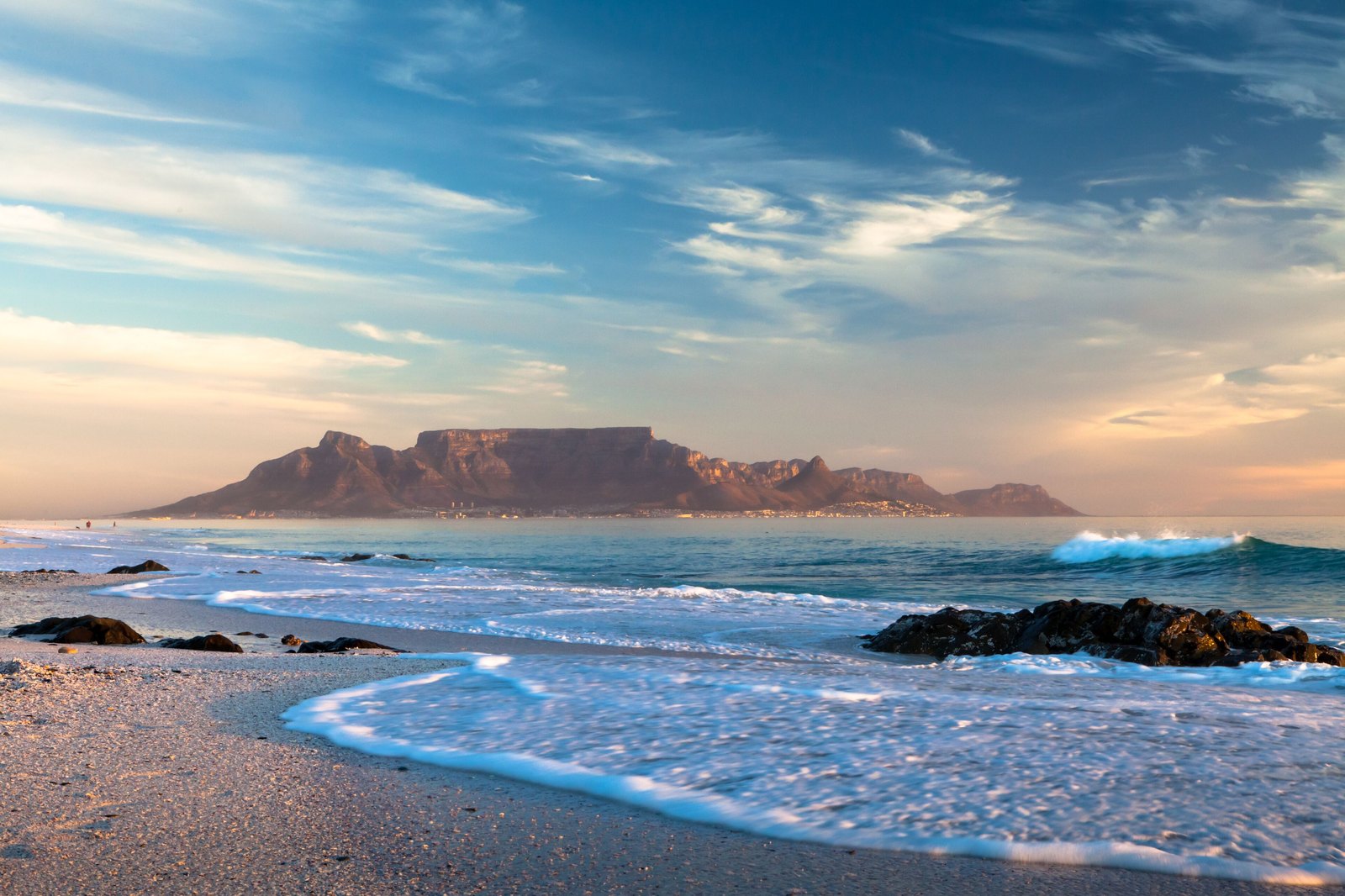
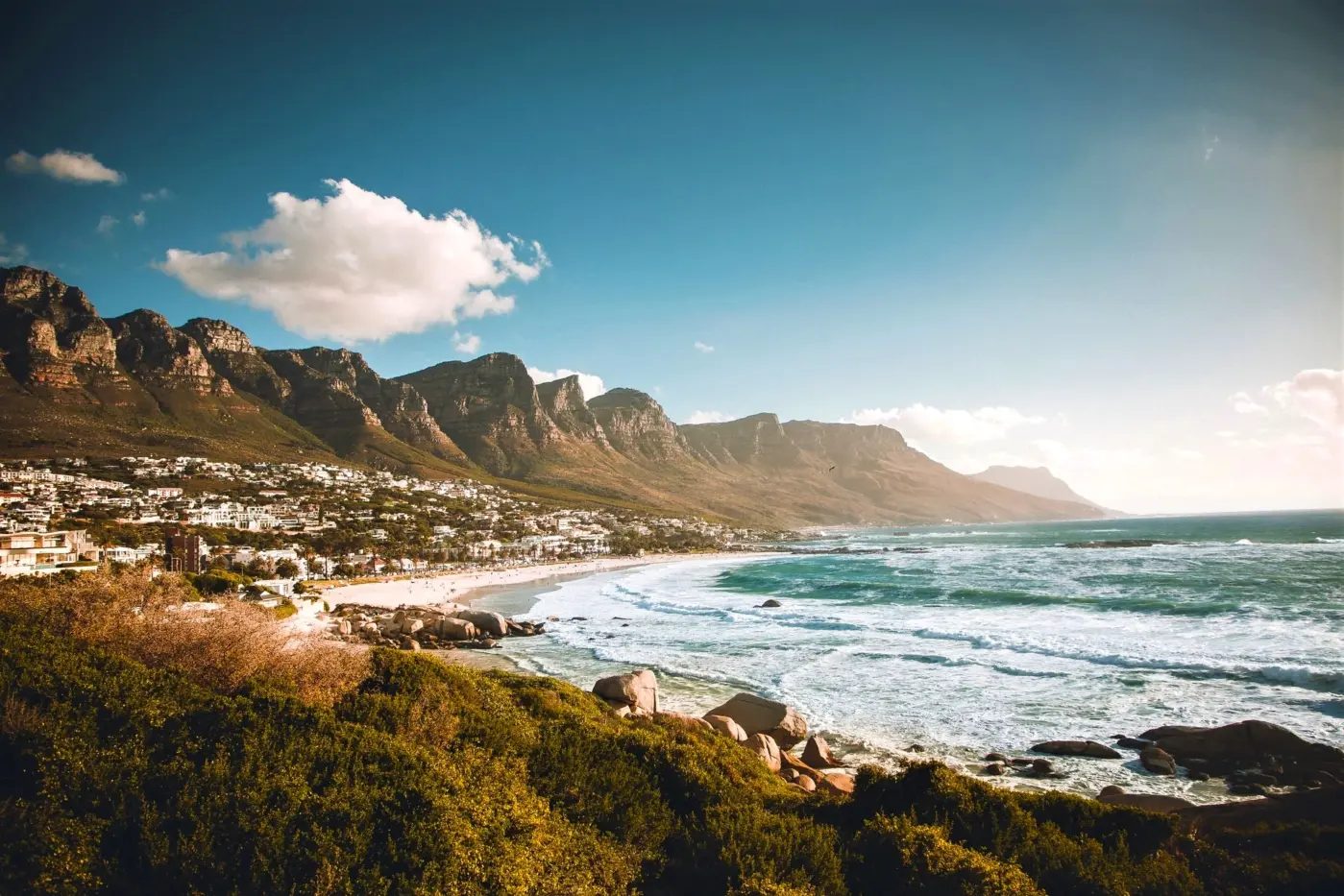
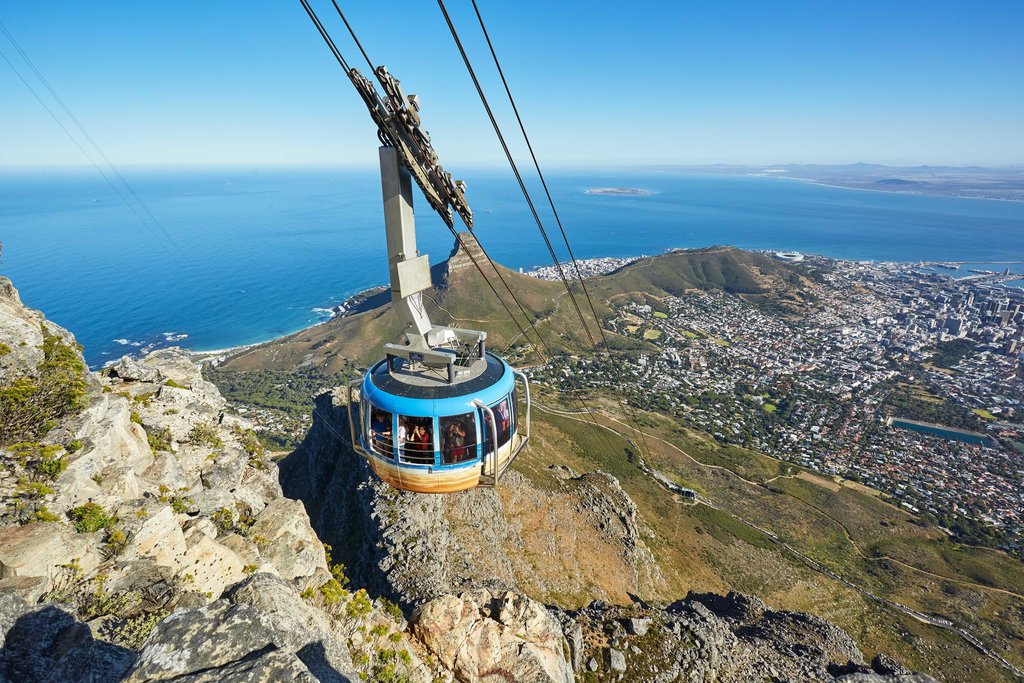
Cape Town, at the south-western tip, has the opposite — a Mediterranean climate with dry summers and wet winters. Its glory months are the warm, dry summer of November to March, when the beaches, the mountain and the Winelands are at their best, while its winter is cool and changeable with real spells of rain and wind. So the city's peak is the summer. Line the two up and the problem is plain: the best safari months are the weakest Cape months, and the best Cape months are the softest safari months. Neither is ruined in the other's season — far from it — but there is genuinely no single month that is simultaneously perfect for both. The art of this trip is managing that honestly, and the next sections show how.
The Kruger, month by month
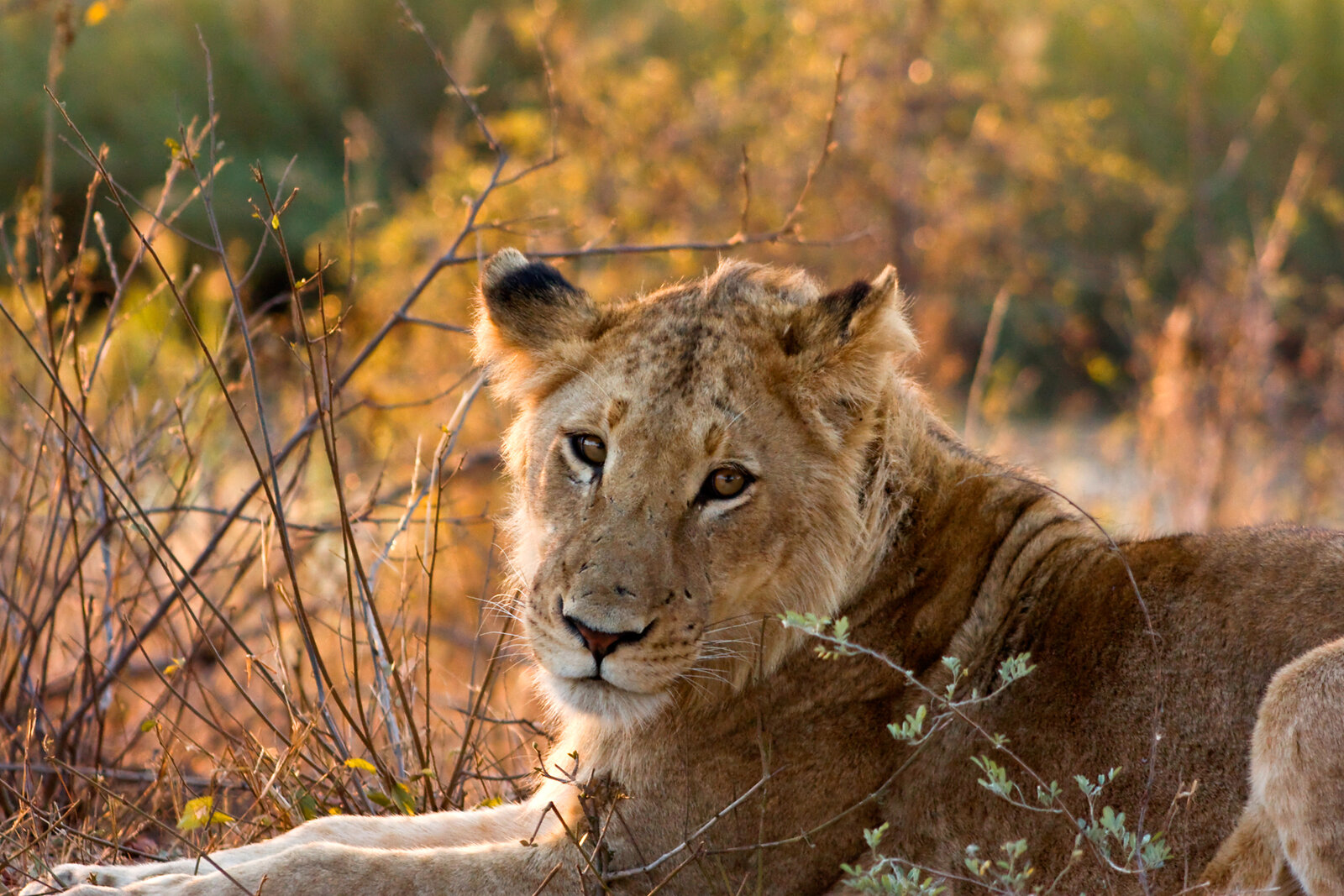
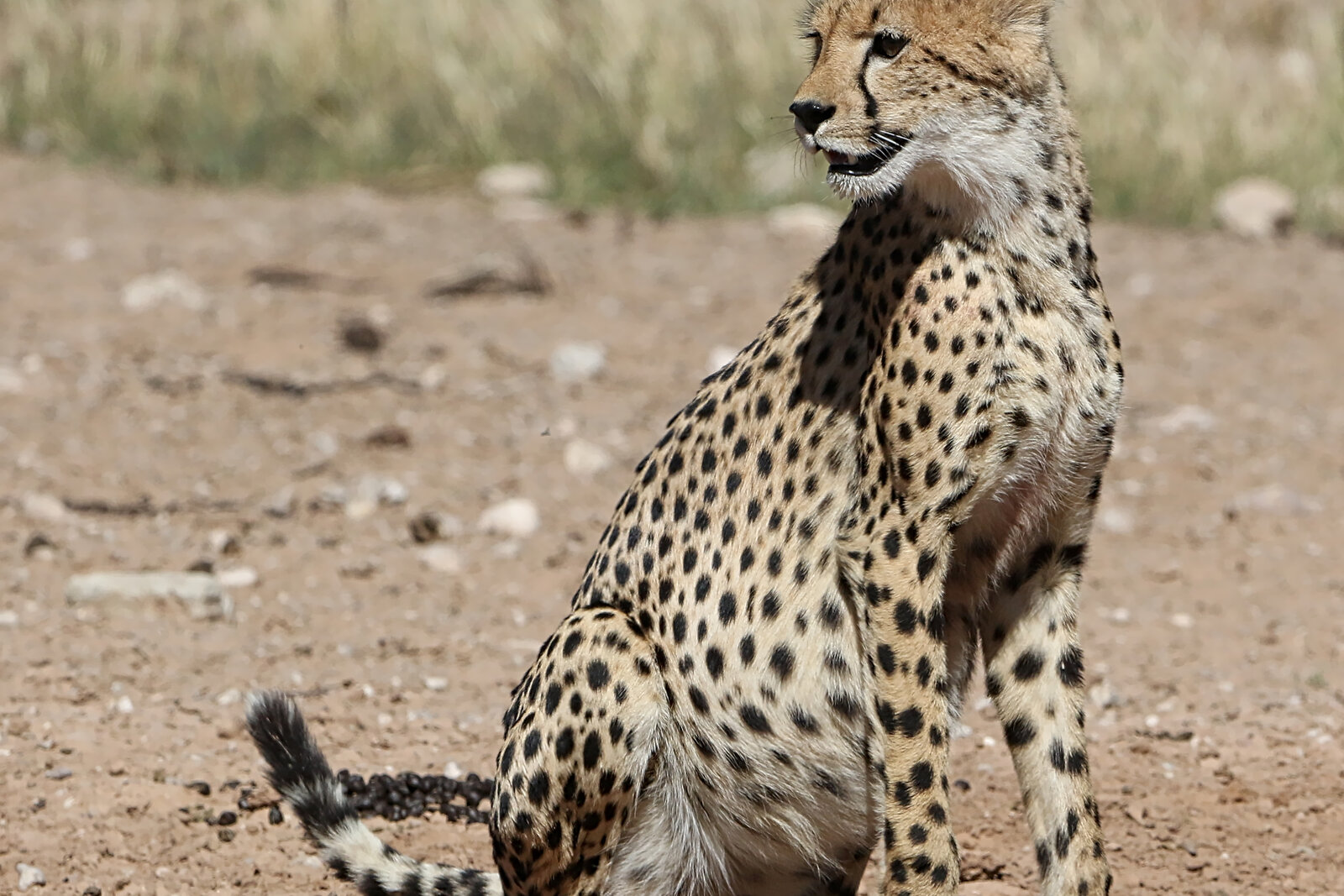
The bush half of your trip runs on two seasons: the dry winter, when game viewing peaks, and the green summer, which is lush, cheaper and quieter but harder for spotting animals. Here is how the year behaves in the greater Kruger, written with the combined trip in mind.
| Season | Months | What to expect in the bush |
|---|---|---|
| Peak dry | Aug – Oct | The strongest game viewing of the year — very thin bush, animals at water, superb sightings. Hot by October. |
| Early dry | May – Jul | Excellent, reliable viewing with cool, comfortable mornings and lowest malaria risk. Cold at dawn — pack layers. |
| Green season | Nov – Mar | Lush and beautiful, newborn animals, migrant birds, dramatic skies, lower prices — but thick bush, hot, and harder to spot game. |
| Autumn shoulder | Apr | The bush drying and thinning after the rains — good, improving viewing, pleasant warmth, quieter and better value. |
In short, if the safari is the heart of your trip, aim for the dry months and especially the August-to-October peak. If your dates land in the green summer, do not worry — it is a lovely time to be in the bush, and choosing a private reserve with off-road driving keeps the big cats coming. For the full month-by-month breakdown of the bush alone, see our best time to visit the Kruger guide.
Cape Town, month by month
The city half runs on the opposite calendar. Its summer is the headline season; its winter is quiet, green and good value, with whales as a bonus. Here is the year in Cape Town, again with the combined trip in mind.
| Season | Months | What to expect in the city |
|---|---|---|
| Peak summer | Dec – Feb | Warm, dry, long days — beaches and Winelands at their best. Busiest and dearest; the Cape Doctor wind can blow. |
| Autumn shoulder | Mar – Apr | Arguably the loveliest — warm, settled, less wind, the Winelands harvest, and thinner crowds. |
| Winter | Jun – Aug | Cool, green, changeable with rain spells — peaceful and great value, and the season for whale watching nearby. |
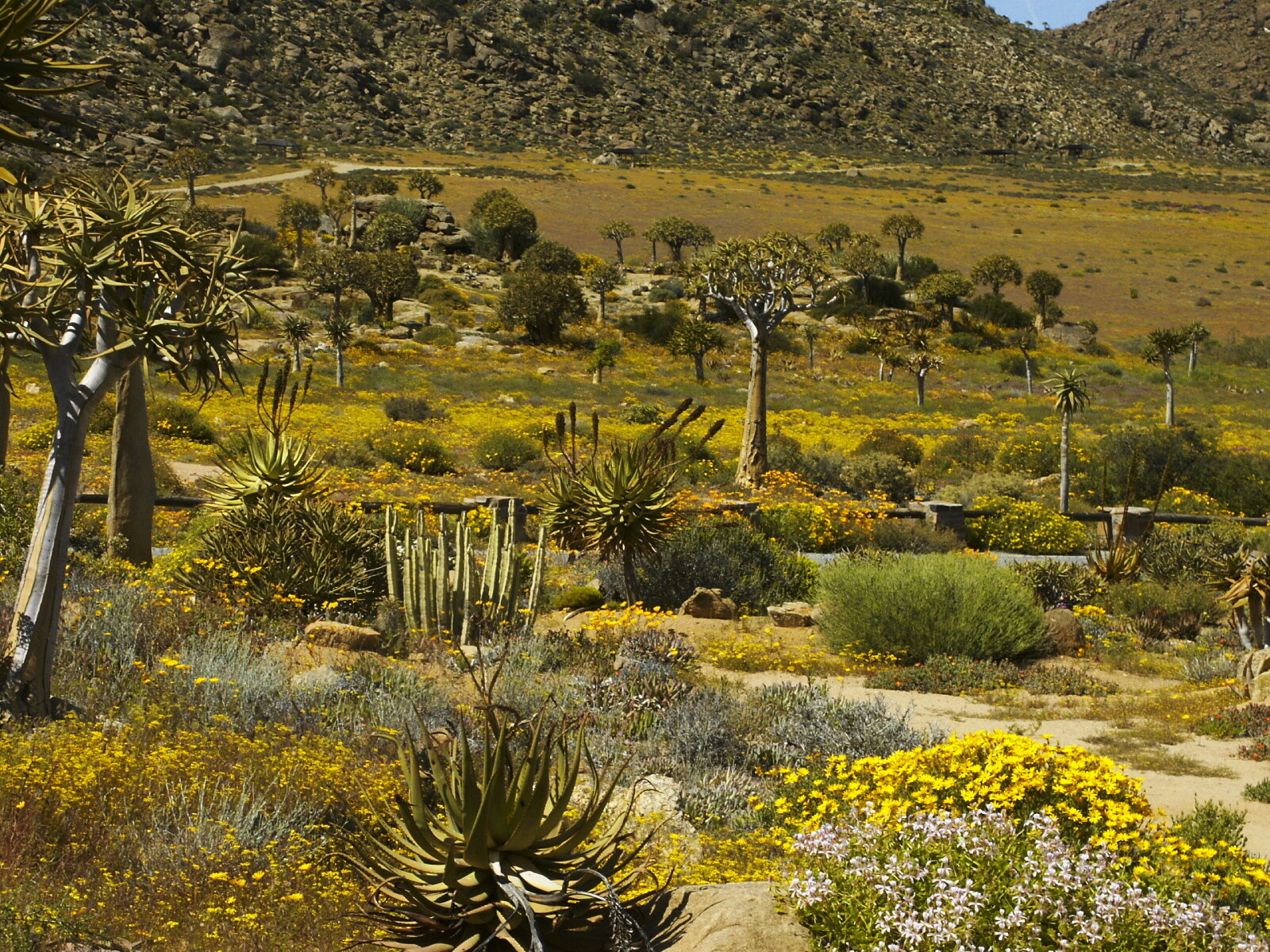
| Spring shoulder | Sep – Oct | Warming and greening, wildflowers in the wider Cape, whales lingering — fresh, uncrowded and a joy. |
So Cape Town's best weather is the December-to-March summer, but its shoulder months — March to April, and September to October — are warm, settled and far quieter, which is precisely why they matter for a combined trip. Our full best time to visit Cape Town guide goes deeper on the city alone.
The sweet spot: September–October (and April–May)
Now put the two calendars side by side and the answer appears in the overlap. The Kruger's game viewing is strong from May right through to October. Cape Town is pleasant and warm from about September, and again in the autumn of March to May. The windows where both are good at once are September to October and April to May — the shoulder months that are the honest best time to do this trip as one.
Of the two, September to October is the stronger. It sits at the very end of the Kruger's dry season, when sightings are at or near their annual peak, while Cape Town has woken from winter into warm, green, uncrowded days with whales still offshore and spring colour in the wider Cape. April to May is its gentler mirror: the bush is drying and thinning after the summer rains with good and improving viewing, the Cape is warm and settled after the summer crowds have gone, and prices on both sides are softer. The table below shows why these windows win.
| Window | Kruger (bush) | Cape Town (city) | Verdict |
|---|---|---|---|
| Sep – Oct | Near-peak, bush at its thinnest | Warm, green, uncrowded, whales offshore | The best all-round window |
| Apr – May | Good and improving as it dries | Warm, settled, post-summer calm | Best value and fewest crowds |
| Jun – Aug | Excellent, cool mornings, low malaria | Cool, wet spells — quiet, whale season | Safari-led trips |
| Dec – Mar | Green, lush — private reserves shine | Glorious summer peak — busy, pricey | City-led & holiday dates |
The reading is simple. If you can choose freely, aim for September to October. If value and quiet matter more, take April to May. If the safari is everything, the deep winter is magnificent and you accept a cooler Cape. And if your dates are locked to the summer holidays, you lean on the private reserves for the bush and enjoy Cape Town at its absolute best. There is a right answer for every traveller — it just depends which half is the soul of your trip.

Which window suits which traveller
The best month is personal, because it depends on who is travelling and what they came for. This is how we usually steer different travellers.
| Traveller | We usually suggest |
|---|---|
| First-timers wanting it all | September to October — the balanced window, strong bush and a fine Cape together. |
| Keen wildlife watchers & photographers | August to October for peak sightings, or the green season for newborns, birds and dramatic skies. |
| Honeymooners | Late April to May or September to October — warm, romantic, uncrowded on both sides. |
| Families on school holidays | December to March for glorious Cape Town, with a greater-Kruger or malaria-free reserve for the bush. |
| Budget-minded travellers | April to May, or a green-season bush leg — good value with the trip still at its best. |
| Beach & Winelands lovers | November to April for the Cape, paired with a dry-season or private-reserve bush leg. |
The logistics that make it work
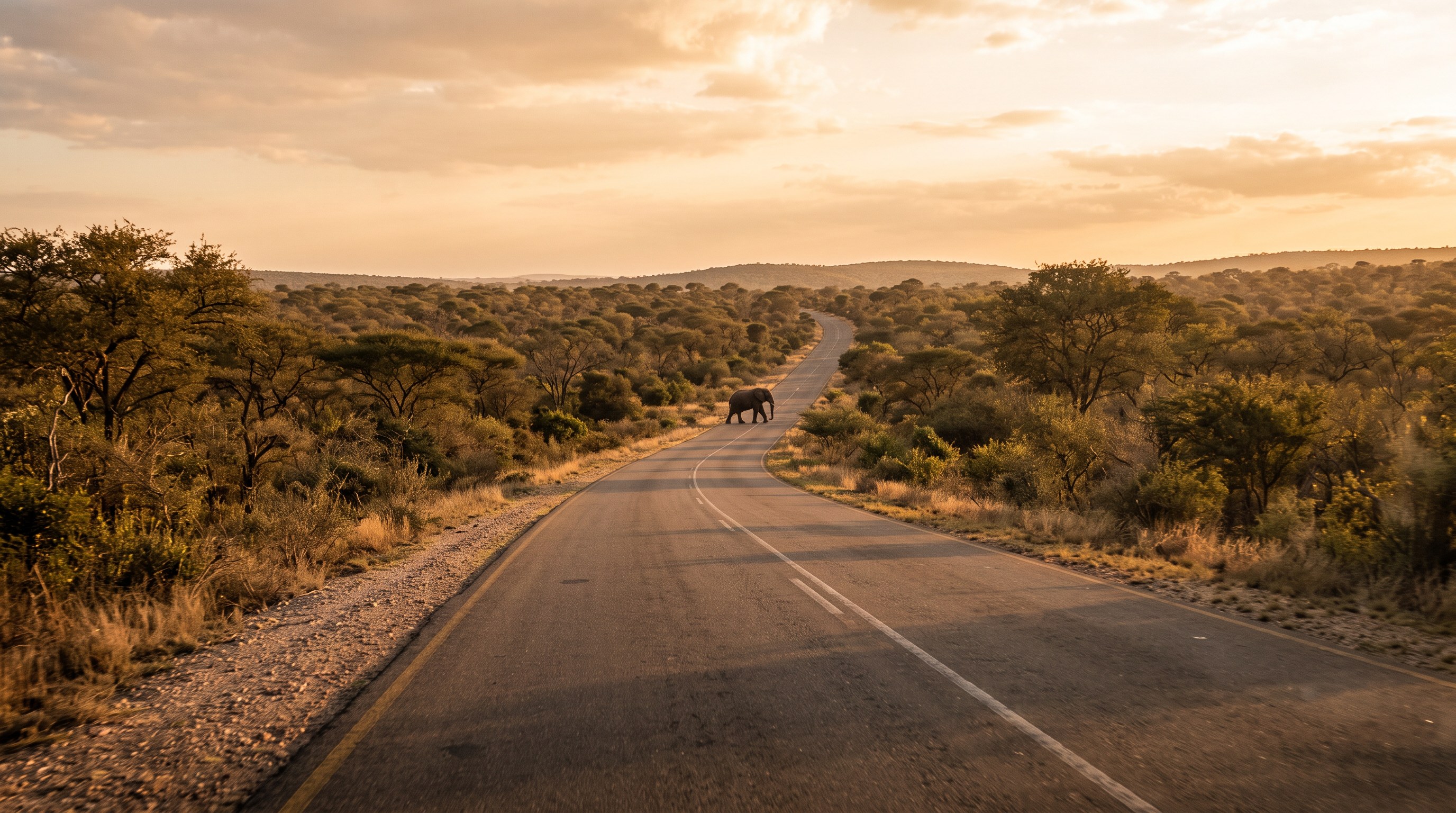
Timing is half the trip; the shape of it is the other half. A combined Kruger and Cape Town holiday has a natural geography, and working with it is what keeps the days in place rather than in transit. Cape Town sits at the south-western tip of the country; the greater Kruger lies far to the north-east. You do not drive between them — the road journey runs to the better part of two days. You fly: a two-hour hop from Cape Town to the lowveld, landing at Nelspruit (Mbombela / KMIA) for the southern and central reserves or at Hoedspruit for the central and northern ones, then a short transfer or light-aircraft leg to the lodge.
Allow at least seven days so the trip breathes — roughly three nights in each half with the flight between — and ten to twelve if you want to add the Winelands, the Garden Route or a third leg such as Victoria Falls. We usually open in Cape Town while you are fresh for the walking and the sightseeing, then finish in the bush, where the slow rhythm of game drives and long lodge afternoons is the perfect way to wind down. If you would like to see how the route itself joins up, our Cape Town to Kruger route guide walks through it, and the wider picture lives in our best time to visit South Africa guide.
Malaria, the green season, and how timing changes it
One honest point of detail, because it bears on when you travel. The greater Kruger is a low-risk — not high-risk — malaria area, and the risk varies through the year: it is at its lowest in the dry winter months of May to September and at its highest in the hot, wet peak of January and February. Many travellers visit year-round using antimalarial tablets and sensible evening cover and think nothing of it. Cape Town itself carries no malaria risk at all.
If you would rather set the question aside entirely — travelling with young children, say, or during the green summer — there is a clean solution that does not cost you the safari: route the bush leg through a malaria-free Big Five reserve such as Madikwe or the Eastern Cape, which delivers lion, elephant, buffalo, rhino and leopard with no malaria at all. It is one of the reasons the summer holidays can still make a wonderful combined trip. We will always lay out the real trade-offs and let you choose; our Kruger malaria guide has the full picture.
When to book, and what each season costs
Because the two halves peak at different times, the cost of the trip shifts with the season on each side — and the best lodges, the shoulder windows and the limited flights between the two cities all sell out first. For peak and shoulder dates — the dry winter in the bush, the September-October sweet spot, and the December-January Cape Town holidays — book six to twelve months ahead, and a year or more for the finest small private lodges on prime dates. The green summer in the bush and the quieter Cape winter can often be arranged at shorter notice and better value.
As a rough guide, the single biggest lever on cost is the bush lodge you choose, followed by the season: the festive weeks and the dry-season peak carry the highest rates, while April to May and the green season offer the softest. Pairing a shoulder-month Cape with a green-season bush leg, or a winter Cape with a dry-season safari, is how we bring real value to travellers whose dates allow it. We price every option plainly and itemised, so you can see exactly what each season and each choice is costing you.
The verdict
So, when should you go? If you can choose your dates freely, September to October is the finest all-round time to combine the Kruger and Cape Town — near-peak game viewing and a warm, uncrowded city in one window. April to May is its quieter, better-value twin. If the safari is the soul of your trip, the deep dry winter is magnificent and you simply accept a cooler, calmer Cape. And if your dates are fixed to the summer holidays, go happily — Cape Town will be at its glorious best and the green bush, viewed from a private reserve, is a joy of its own. There is no bad time to make this journey; there is only the timing that puts your particular trip at its best.
That last piece — matching the month to what matters most to you, and sequencing the lodges, the flight and the malaria call around it — is exactly what we do by hand for every traveller. Beyond Africa Safaris is a specialist, owner-run operation; we have stayed in these lodges and city hotels ourselves and we time each trip honestly rather than selling a fixed package. Tell us roughly when you can travel and whether the bush or the city is the heart of it, and we will build the version of this trip that puts both halves at their best. Send your dates through our safari planning form, or reach Remondy directly on WhatsApp at +27 78 471 4852 to start planning today.