Ask ten Capetonians when you should visit their city and you will get ten different answers — and every one of them will be right. Cape Town does not have a single best season so much as four completely different personalities, each with its own light, mood and reasons to fall in love. The mountain that towers over a shimmering summer beach day is the same mountain that turns emerald green under winter cloud, wraps itself in a spring carpet of wildflowers, or glows amber in the impossibly golden light of an autumn afternoon.
This guide breaks the year down season by season and month by month — the real weather, the crowds, the costs and exactly what to do — so you can match your trip to the Cape Town you have been dreaming of. Whether you want long hot beach days, calm seas and clear skies, whales breaching below the cliffs, or wildflowers under the mountain, there is a perfect moment for you.
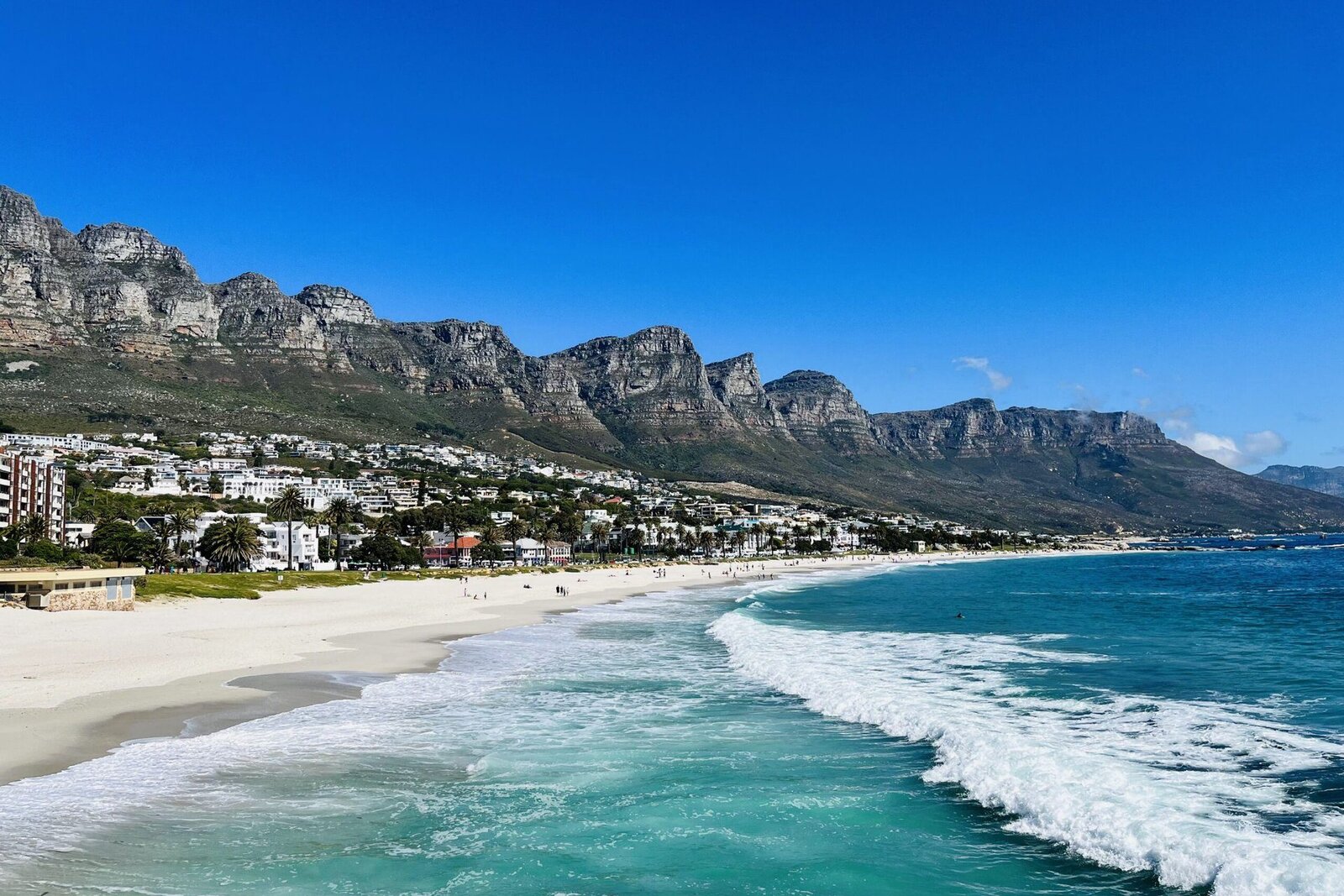
Cape Town at golden hour — the light that makes this one of the most beautiful cities on earth.
Quick Answer
The best time to visit Cape Town is the shoulder seasons — March to May and September to November — for warm, settled weather, calm seas, the year's clearest golden light, smaller crowds and better value. Come in summer (December–February) for hot beach days, in winter (June–August) for whales, green mountains and the lowest prices.
Plan around the seasons with our 5-day Cape Town itinerary and explore our private Cape Town tours, or speak to a local specialist.
Cape Town's Climate in a Nutshell
Cape Town sits at the meeting point of two oceans and enjoys a classic Mediterranean climate: hot, dry summers and cool, wet winters — the mirror image of the northern hemisphere. Summer runs December to February, autumn March to May, winter June to August and spring September to November. What makes the Cape unique is its geography: Table Mountain and its ranges create dramatic microclimates, so it can be windless and sunny in the City Bowl while a cloud "tablecloth" pours over the mountain and the Atlantic seaboard bakes in the sun. Pack layers whatever the season, and always keep a plan B for the weather — locals do.
Summer in Cape Town — December, January, February
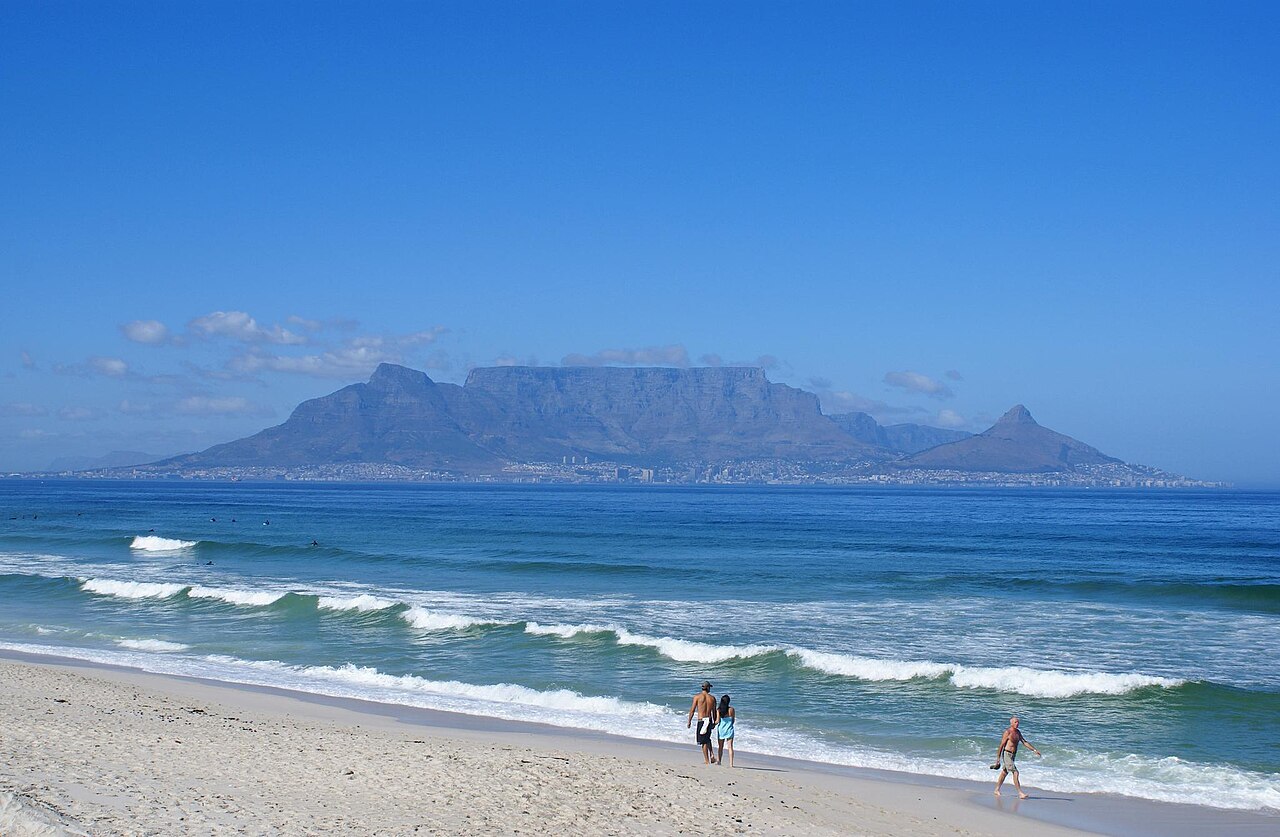
This is Cape Town at its most iconic: long, hot, dry days of 25–30°C, sea until 9pm and a city in full holiday swing. It is beach weather at Camps Bay, Clifton and Llandudno, sunset picnics on Signal Hill, wine estates buzzing in the Winelands, and open-air concerts at Kirstenbosch. Summer is also the peak of the international cruise and festive season, so it is the busiest and priciest time — mid-December to mid-January in particular books out months ahead.
The one catch is the southeaster, the strong summer wind locals call the "Cape Doctor". On its windiest days the Table Mountain cableway closes and exposed Atlantic beaches get blustery. The fix is simple: ride the cableway or hit the beach on calm mornings, and on windy afternoons retreat to sheltered spots like the Bo-Kaap, Hout Bay, Kalk Bay or the Winelands. If you want hot weather and a lively atmosphere and don't mind crowds and higher prices, summer is your season.
Autumn in Cape Town — March, April, May
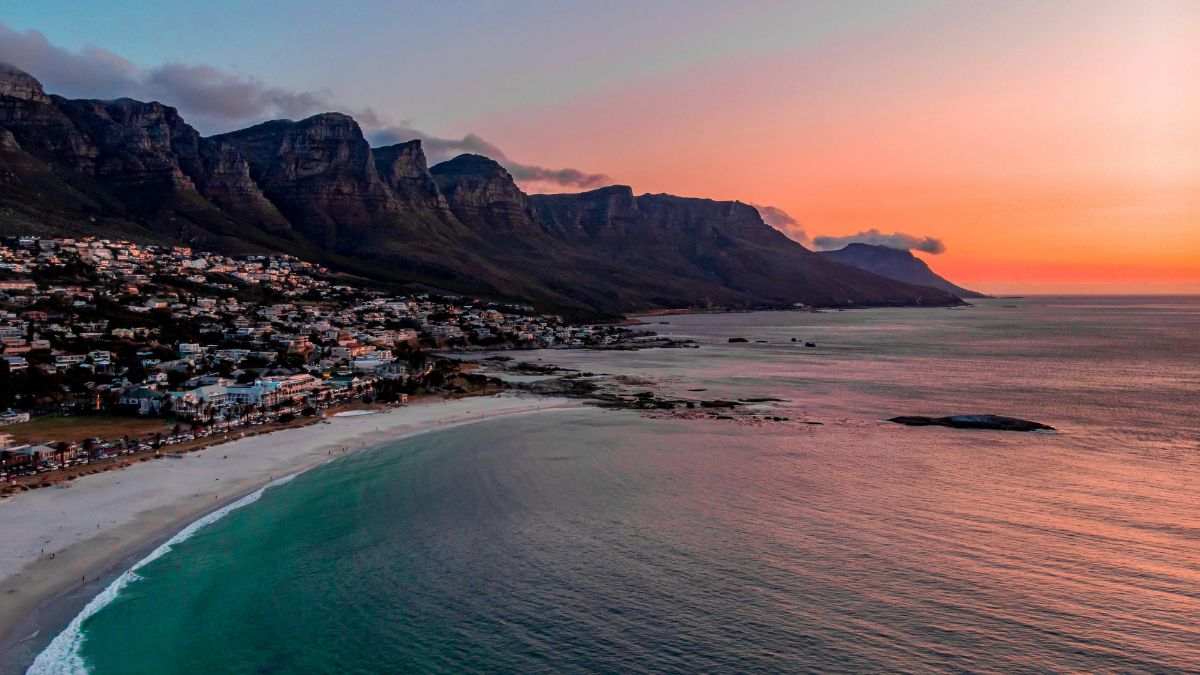
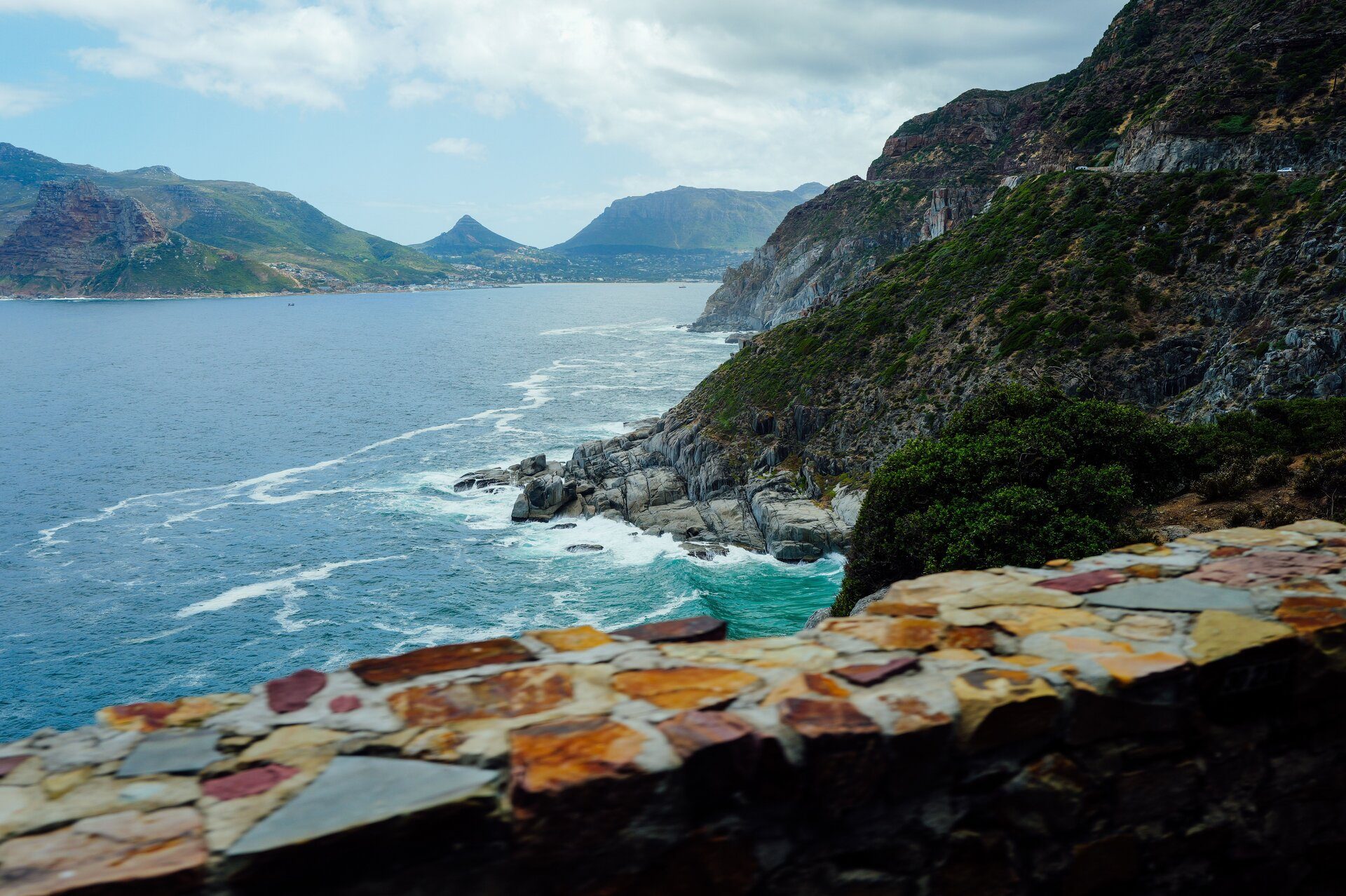
Ask a local for the secret best time to visit, and most will say autumn. The summer wind drops, the sea is at its warmest and calmest, the crowds thin out, and the light turns to the richest, most golden hue of the entire year — a photographer's dream from Chapman's Peak to Cape Point. Days stay warm (20–26°C) well into April, the ocean is perfect for swimming and boat trips, and the Winelands come alive with the grape harvest, turning amber and gold.
March still feels like summer without the peak-season prices; by May the first winter fronts arrive but the days between them are crisp and clear. This is the ideal window for the full Cape experience — Table Mountain, the Cape Peninsula and the Winelands — with reliable weather, calm seas and excellent value. If you can only pick one season, this is it.
Winter in Cape Town — June, July, August
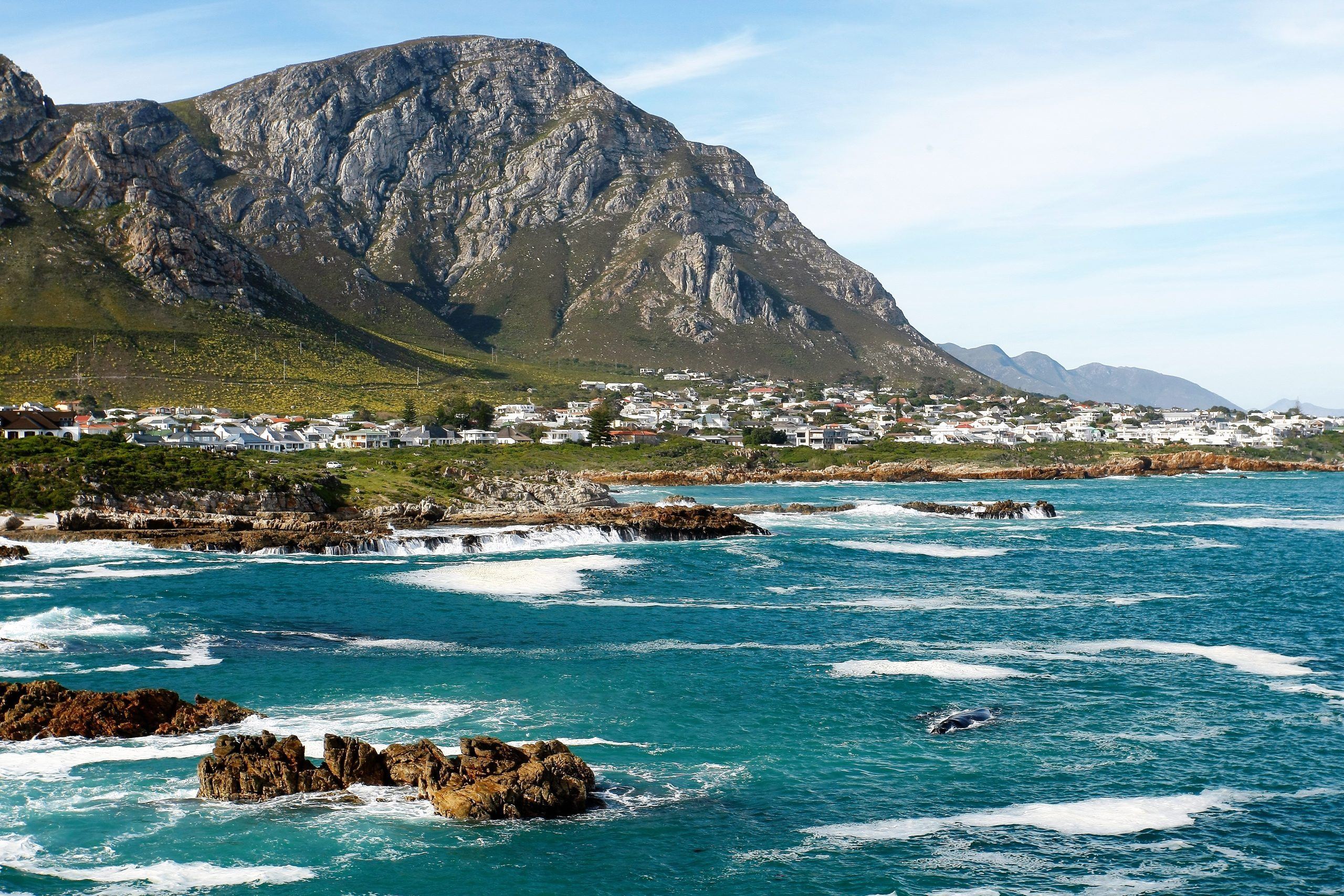
Winter is Cape Town's quiet, moody, wonderfully affordable secret — and it comes with a headline act: whales. From June the Southern Right whales arrive to calve in the sheltered bays, and by September the coast from Hermanus to False Bay is one of the best land-based whale-watching stretches on earth. The mountains turn green, waterfalls run, the vineyards rest under cloud, and the city empties of tourists so you have Table Mountain, the beaches and the restaurants almost to yourself.
Temperatures sit around 12–18°C and rain comes in bursts off the Atlantic — a few wet, grey days broken by brilliantly clear, crisp ones. It is the season for cosy wine-estate lunches by the fire, museums like the Robben Island and district heritage sites, hearty Cape Malay food, and dramatic storm-watching along the coast. Flights and hotels are at their cheapest (outside the July school holidays). Come in winter for whales, green landscapes, quiet and value — just pack a raincoat and stay flexible.
Spring in Cape Town — September, October, November
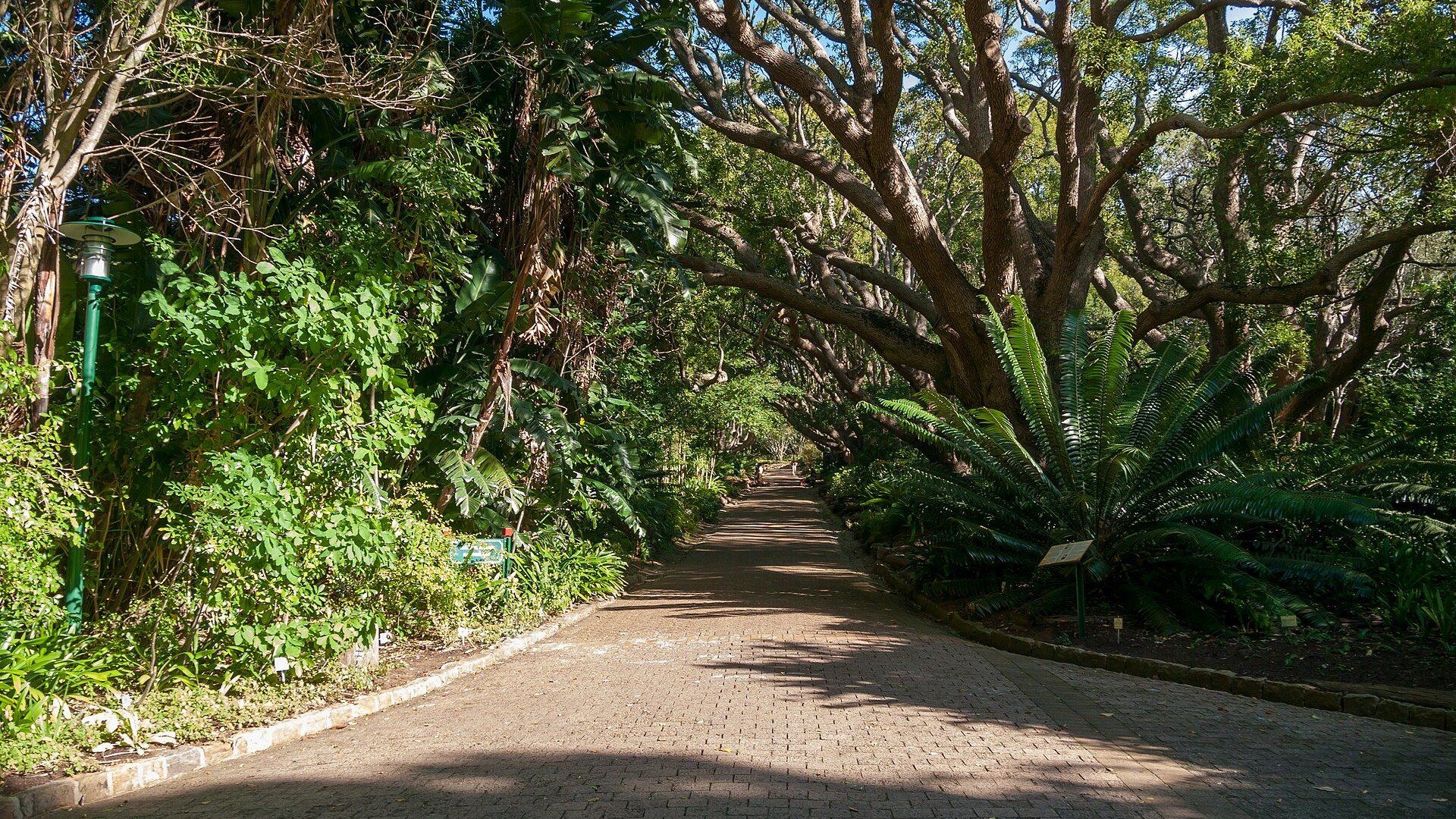
Spring is a joyful reawakening. The rains ease, the days warm to 18–25°C, and the whole Cape bursts into flower — nowhere more spectacularly than at Kirstenbosch, and, in a good year, across the wildflower fields of the West Coast and Namaqualand to the north. It is also the tail end of whale season, so September and October let you combine wildflowers, whales and warming beach days in a single trip.
The air is fresh and clear, the crowds have not yet returned to summer levels, and prices remain reasonable until the festive rush. October is a particular sweet spot — settled weather, whales still in the bays, gardens in full bloom and the sea warming up. Spring rivals autumn as the smartest time to visit for travellers who want variety and value in one trip.
Month-by-Month at a Glance
January — Peak summer. Hottest, busiest, priciest; brilliant beaches, strong wind at times. Book far ahead.
February — Hot and dry, slightly calmer than January as crowds thin after the holidays. Superb beach and wine weather.
March — The sweet spot. Warm, calm, golden light, harvest in the Winelands, prices easing. Highly recommended.
April — Warm days, cooler evenings, calm seas, small crowds, glorious light. One of the best all-round months.
May — First winter fronts arrive between clear spells; great value, early whales appearing, green mountains.
June — Winter begins; whales arriving, cool and rainy in bursts, very quiet, lowest prices.
July — Coldest and wettest, but dramatic and green; whales building; local school-holiday spike mid-month.
August — Still cool and wet but brightening; whales excellent; early wildflowers on the West Coast.
September — Spring arrives: wildflowers, peak whale season, warming days, great value. A brilliant month.
October — Arguably the finest all-rounder: whales, blooms, warm settled days, sea warming, reasonable prices.
November — Warm and fresh, wind picking up, whales tailing off, gardens lush, pre-peak value.
December — Summer and festive season begin; hot, lively, expensive from mid-month. Book early.
Understanding Cape Town's Microclimates
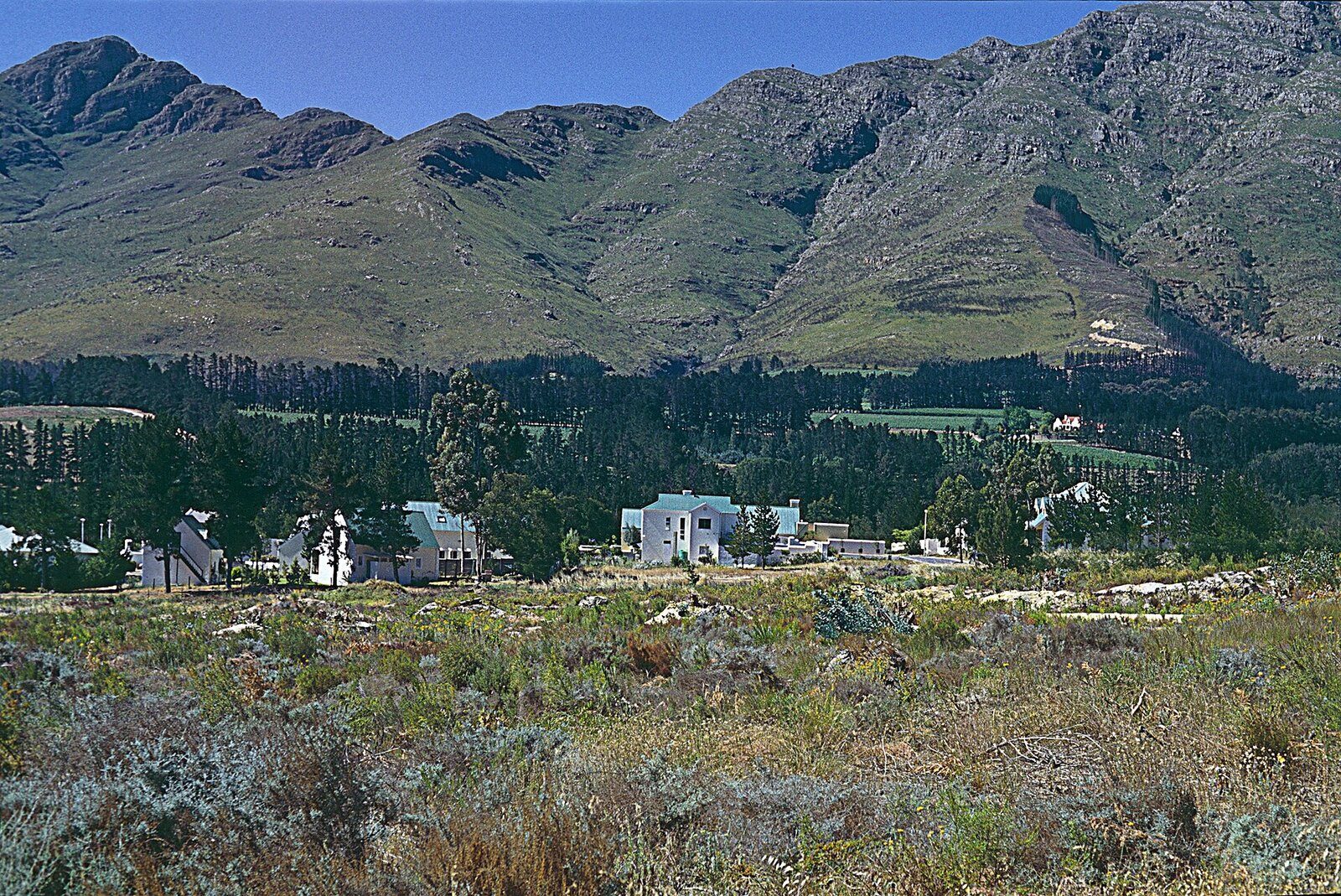
One of the biggest surprises for first-time visitors is how much the weather changes across the city. The mountains funnel wind and rain in ways that create distinct pockets. The Southern Suburbs around Newlands and the mountain's eastern slopes are the greenest and wettest, catching cloud and rain the rest of the city misses. The Atlantic seaboard — Camps Bay, Clifton, Sea Point — is drier and sunnier but bears the brunt of the summer southeaster. The City Bowl is often sheltered and warm. False Bay (Muizenberg, Simon's Town, Kalk Bay) has the warmest swimming water and can be calm when the Atlantic side is wild. And the Winelands of Stellenbosch, Paarl and Franschhoek run hotter in summer and colder in winter than the coast. The practical lesson: if the weather is poor in one spot, drive 20 minutes and it can be completely different — a good private guide plans the day around exactly this.
When to Come for Specific Experiences
Beaches and swimming: December to April, with False Bay warmest. Table Mountain cableway: any calm, clear day — best odds in autumn and spring mornings. Whales: June to November, peaking September–October (see our Cape Town whale-watching guide). Wine and harvest: February to April for the grape harvest; year-round for tastings. Wildflowers: August to September on the West Coast and Namaqualand. Photography and golden light: autumn, hands down. Value and quiet: May, June and September.
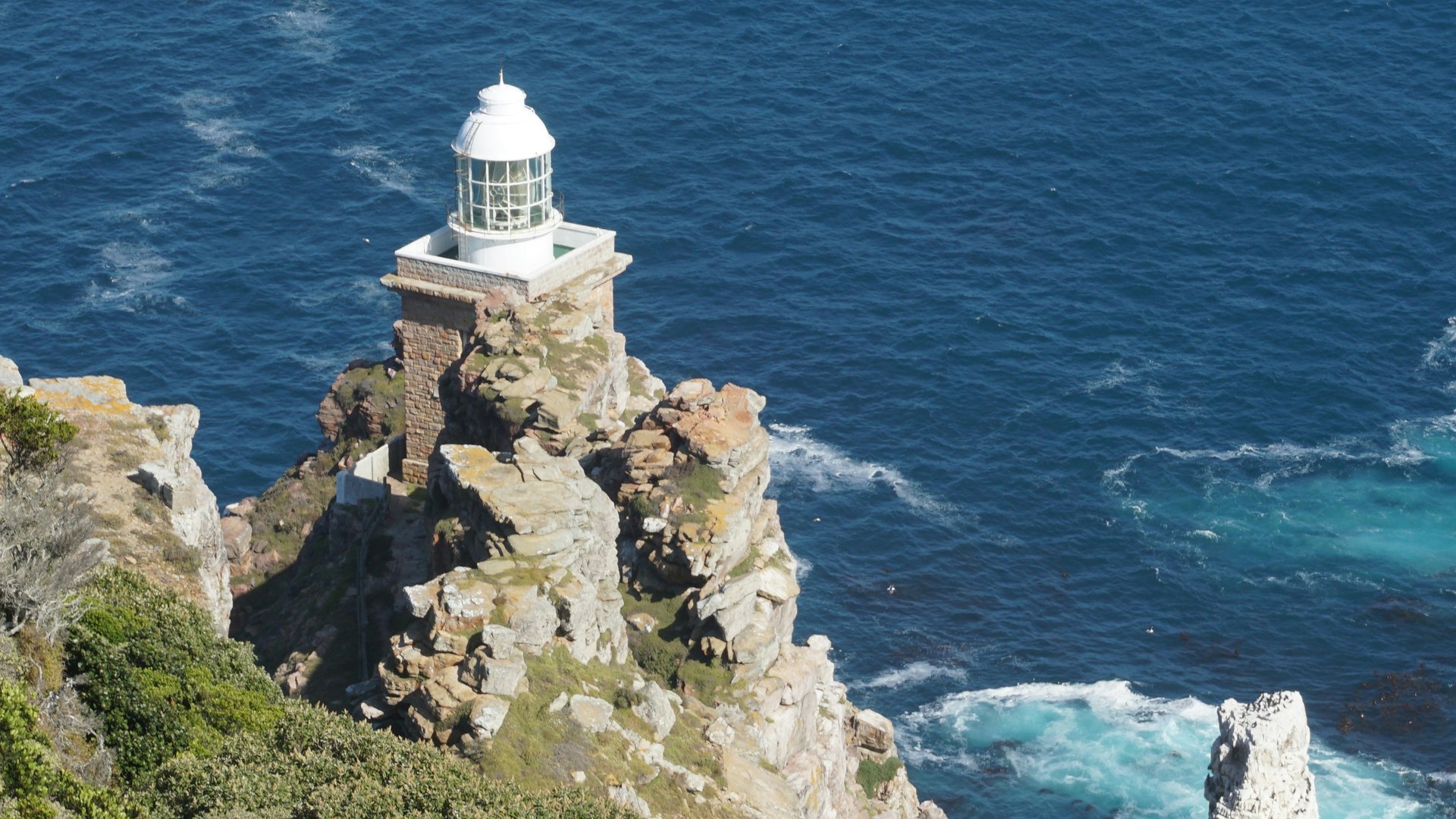
Planning Your Cape Town Trip
Whenever you come, build in a buffer day for weather and plan flexibly around the mountain and the wind. Give yourself at least four to five full days — enough for Table Mountain, the Cape Peninsula, the city and its heritage, and a day in the Winelands. Our 5-day Cape Town itinerary is paced to make the most of the light and the seasons, and if you are travelling as a couple, our Cape Town honeymoon guide shows you the most romantic moments of the year.
The easiest way to travel around the weather is with a private guide who can flip the day's plan the moment a cloud rolls over the mountain. Explore our Best of Cape Town full-day private tour, the all-inclusive Table Mountain, Cape Point & penguins tour, or a day in the Winelands.
Ready to pick your perfect moment? Talk to our Cape Town team and we will help you choose the season, plan the days and travel at exactly the right time.