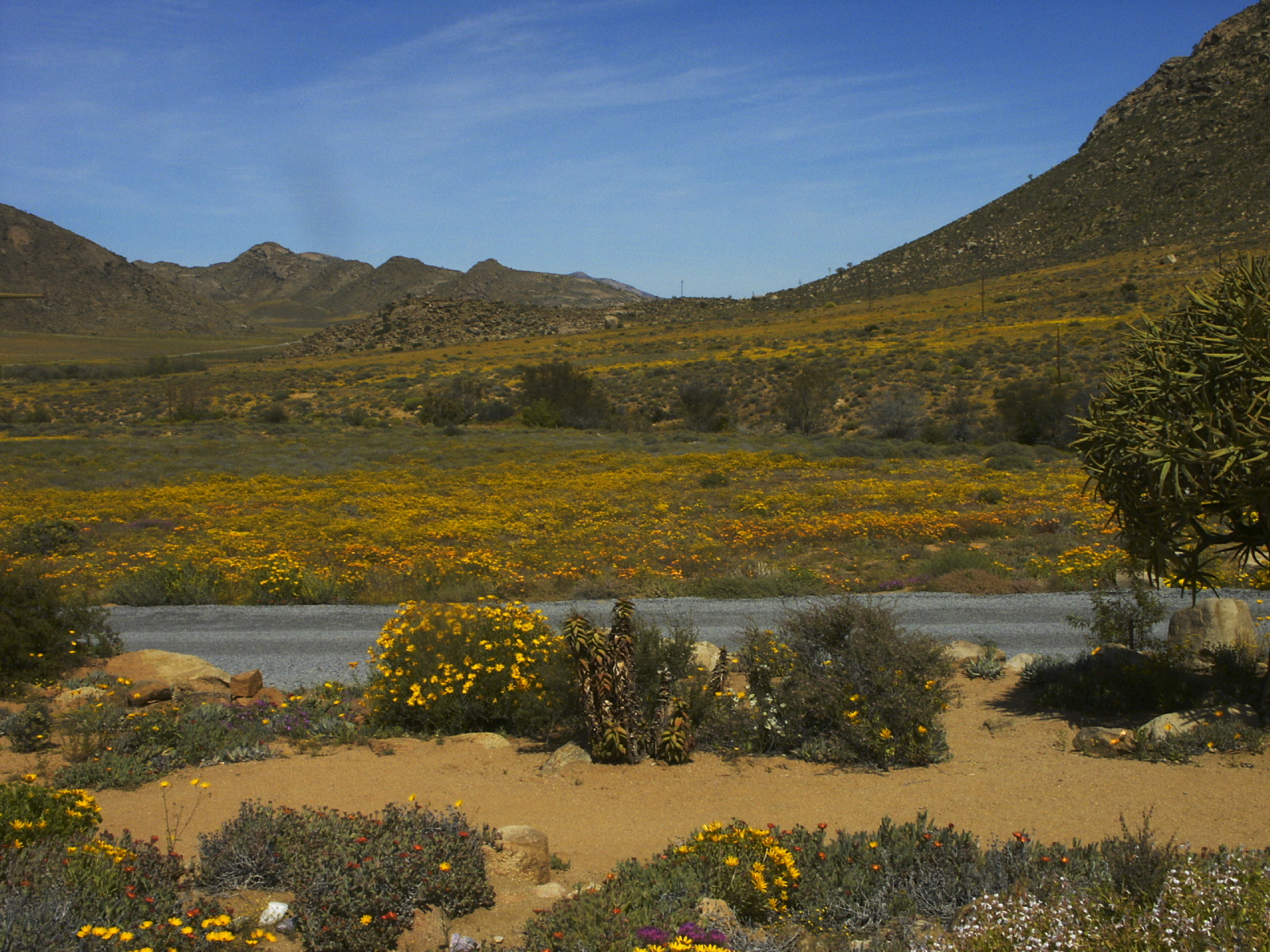
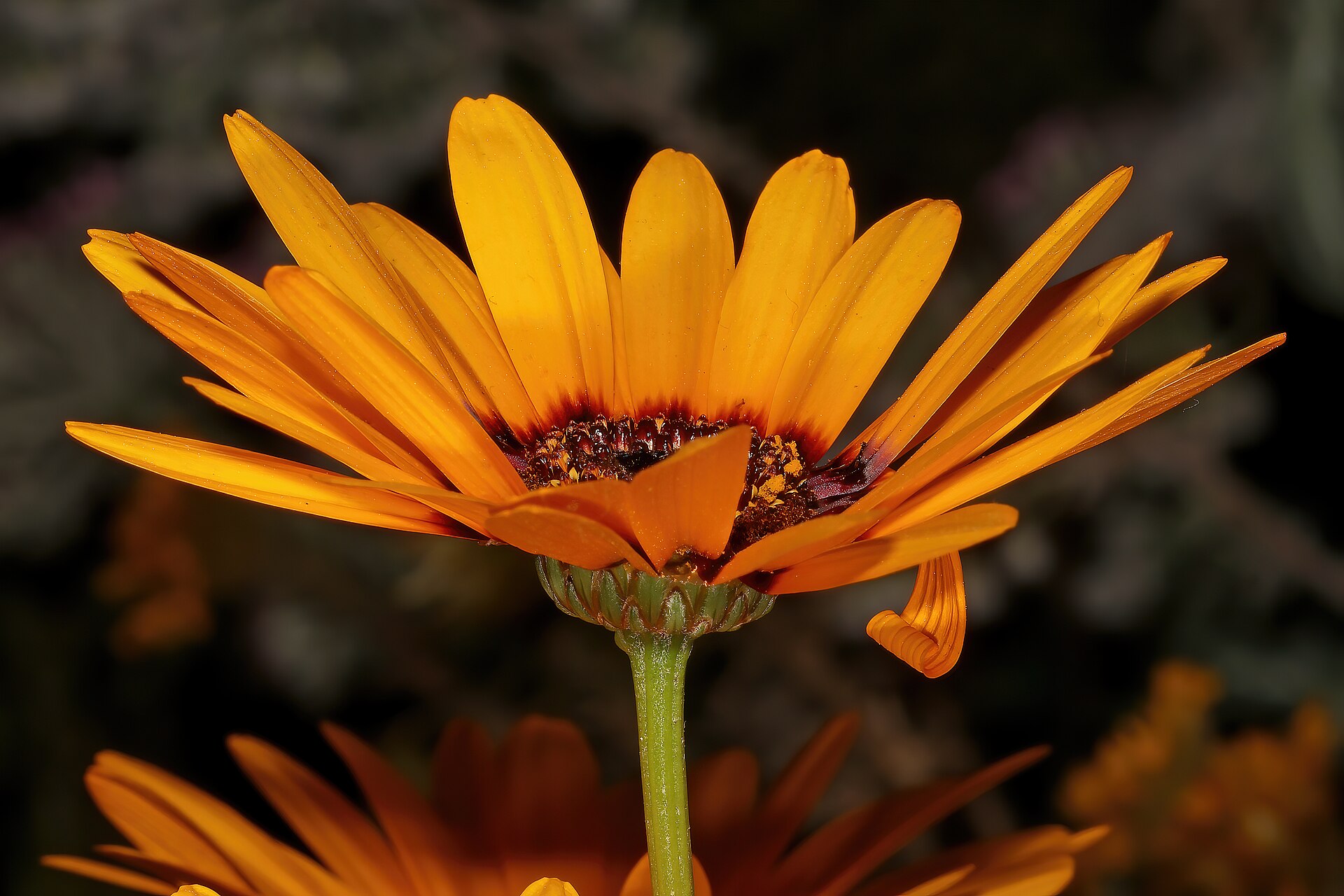
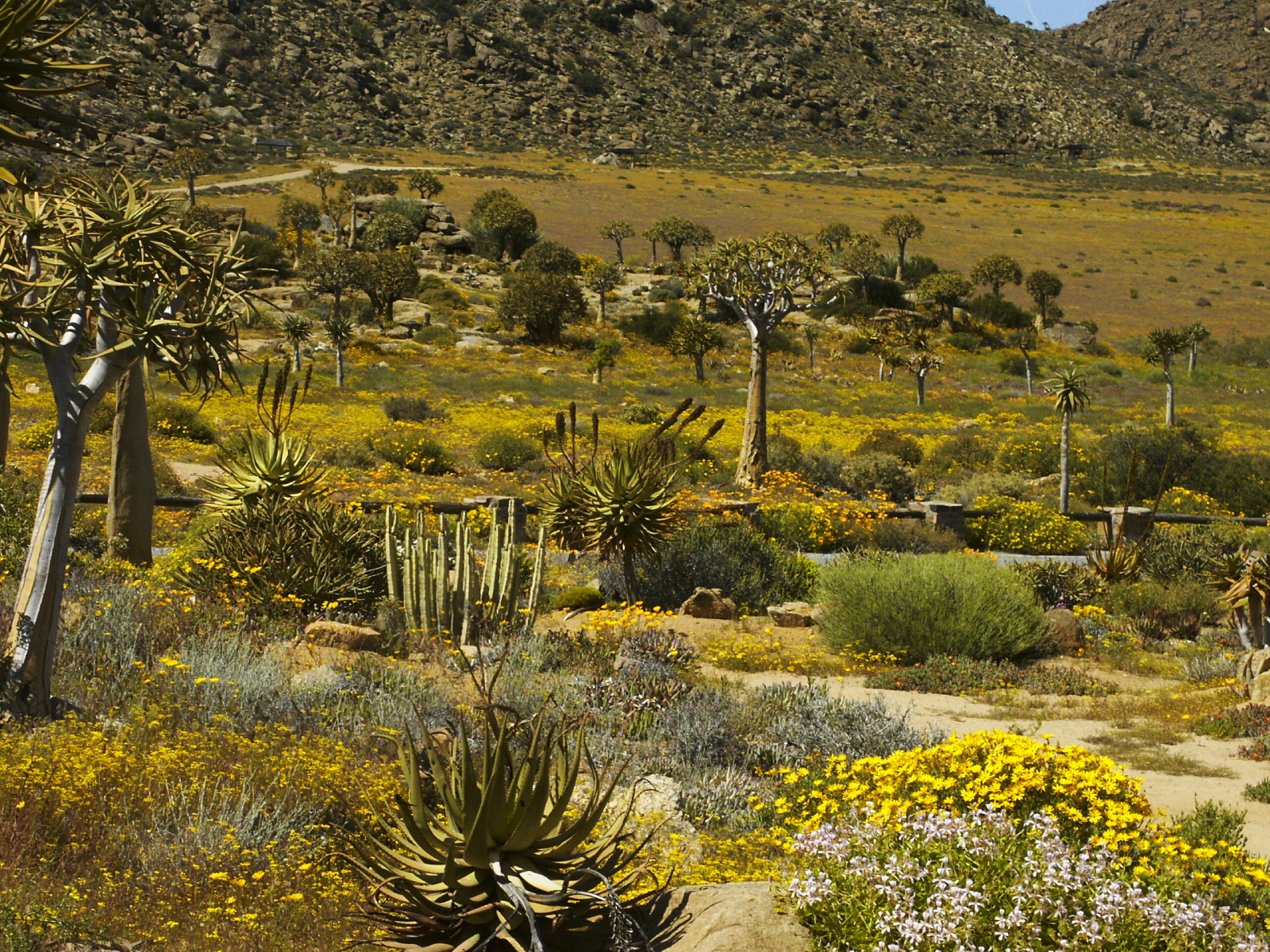
South Africa's West Coast spends most of the year looking like what it is: a dry, tough, sun-scoured land where only the hardiest plants survive. And then, for a few short weeks each spring, it does something miraculous. After the winter rains, seeds that have waited patiently in the dust erupt all at once, and the veld disappears beneath a carpet of orange, gold, white and purple that runs unbroken to the mountains. It is, quite simply, one of the greatest natural spectacles on Earth — and most of the world has never heard of it.
The Namaqualand and West Coast flower season is our home turf, and this is our guide to seeing it at its best in 2026: when to go, where to look, how to catch the daisies open, and how to fold a flower day into a wider Cape trip.
When Do the Flowers Bloom?
Quick Answer
The Namaqualand flower season runs roughly from mid-August to mid-September, though exact timing depends on the winter rains — good rains bring an earlier, richer bloom. See the West Coast (West Coast National Park, Postberg and Darling) on a day trip from Cape Town, or head further north to Namaqualand proper (Namaqua National Park, Goegap, Springbok) for the most spectacular carpets.
Visit on a sunny day between about 10am and 3pm, when the daisies open, and drive north-to-south so the sun-facing flowers face you. Early spring also suits Cape Town and safaris, making the flowers easy to combine into a wider trip.
The bloom is dictated by the rain. Namaqualand and the West Coast have a winter-rainfall climate, so the flowers follow the wet season, usually peaking somewhere between mid-August and mid-September. In a year of generous rains the display comes earlier and richer; in a dry year it is more modest and later. Because it shifts, the smartest approach is to stay flexible and take local guidance on timing — which is exactly what we do, tracking conditions each season so our guests arrive at the peak.
Where to See the Wildflowers
The West Coast — Easy From Cape Town
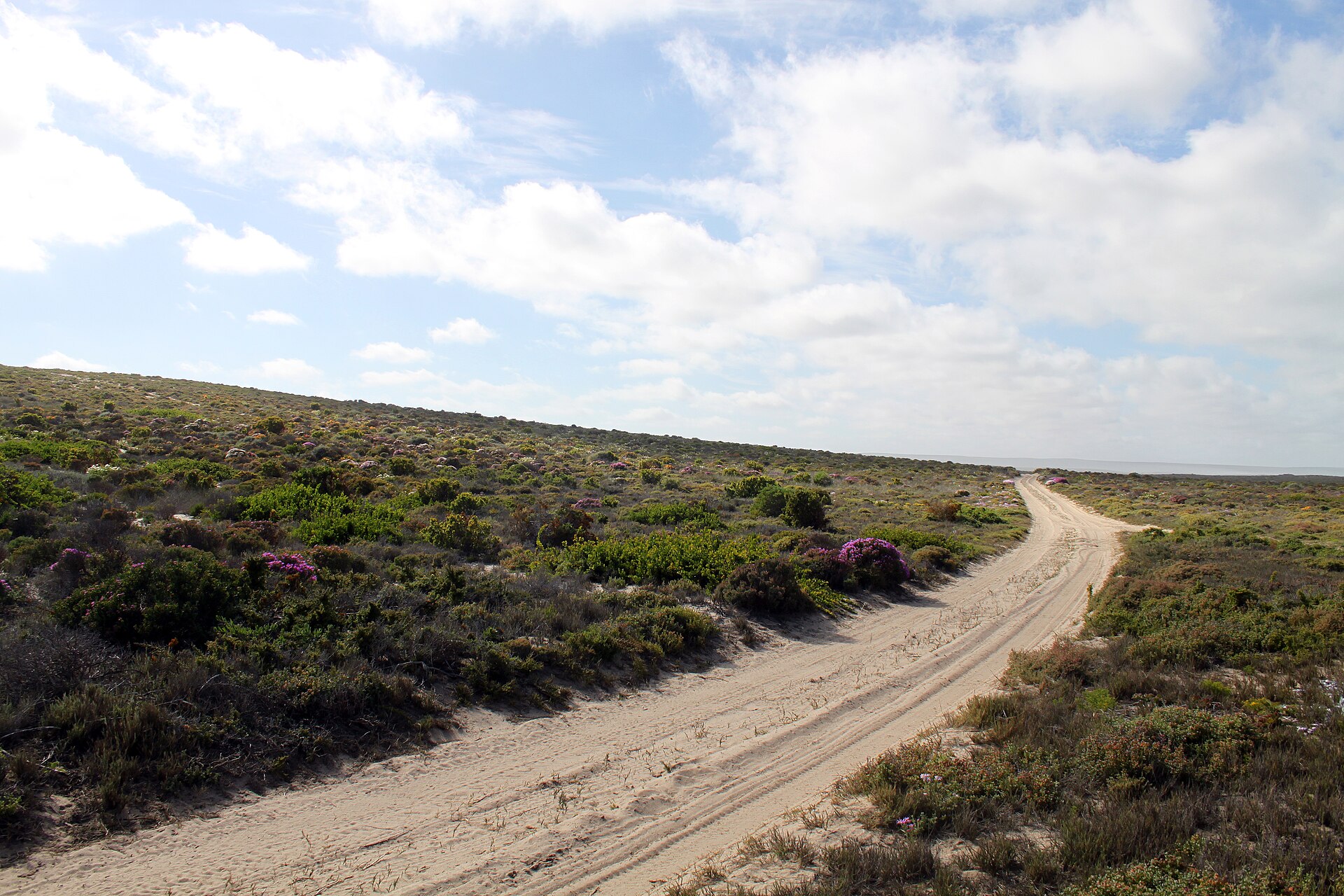
For most visitors, the West Coast is the answer. Roughly 90 minutes to two hours north of Cape Town, the West Coast National Park — and especially its Postberg section, which opens only during flower season — puts on a magnificent show, with the added drama of the Langebaan lagoon. The nearby town of Darling is another reliable favourite. All of this is comfortably doable as a full day out from the city.
Namaqualand Proper — The Grand Spectacle
For the truly jaw-dropping carpets, you go north to Namaqualand itself: Namaqua National Park, Goegap Nature Reserve and the country around Springbok. In a good year the hills here turn solid orange as far as you can see. It is a longer journey — best as an overnight or multi-day flower-route trip — but in the right season it is unforgettable.
How to See Them at Their Best
- Choose a sunny day. Most daisies only open in bright, direct sun and stay firmly shut when it is cold or overcast.
- Go between 10am and 3pm. That is the window when the flowers are fully open.
- Drive north-to-south. The blooms turn to face the sun, so travelling southward keeps their faces towards you.
- Be patient with timing. The flowers answer to the weather, not the calendar — a little flexibility pays off enormously.
Part of a Bigger Cape Story
The flower season is a chapter in something larger: the Cape Floral Kingdom, the smallest and most concentrated of the world's six floral kingdoms, and the only one contained within a single country. Table Mountain alone holds more plant species than the entire United Kingdom. Seeing Namaqualand in bloom is seeing that astonishing botanical wealth at its most theatrical.
Best of all, it slots neatly into a wider trip. Early spring is a lovely time for the city and the winelands, and an excellent season for a Big Five safari. A classic combination is a few days in Cape Town, a flower day on the West Coast, then a flight north to the bush — see how it all fits in our Cape Town and safari itinerary, and browse ideas in our best Cape Town tours guide.
Catch It While It Lasts
The flower season is fleeting by design — a few short weeks, then the veld returns to its patient brown. That is exactly what makes it precious. Our lead guide George says there is no photograph that does it justice; you have to stand in it, with the colour running to the horizon and the whole desert humming with bees, to understand.
Ready to see the Cape in bloom? Explore our Cape & Garden Route tours, use our trip planner, or talk to our specialists and we will time your trip to catch the flowers at their glorious peak.