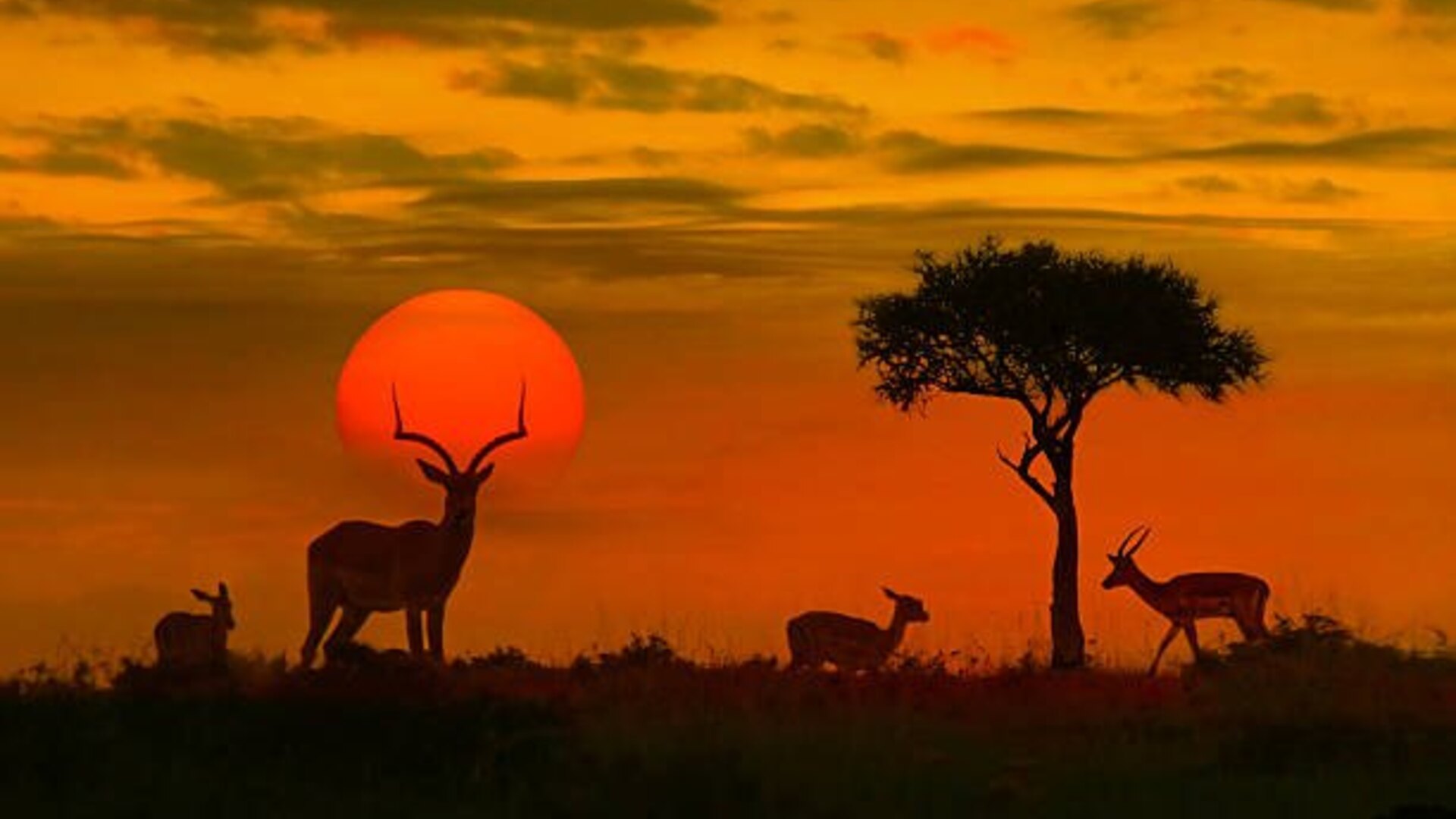
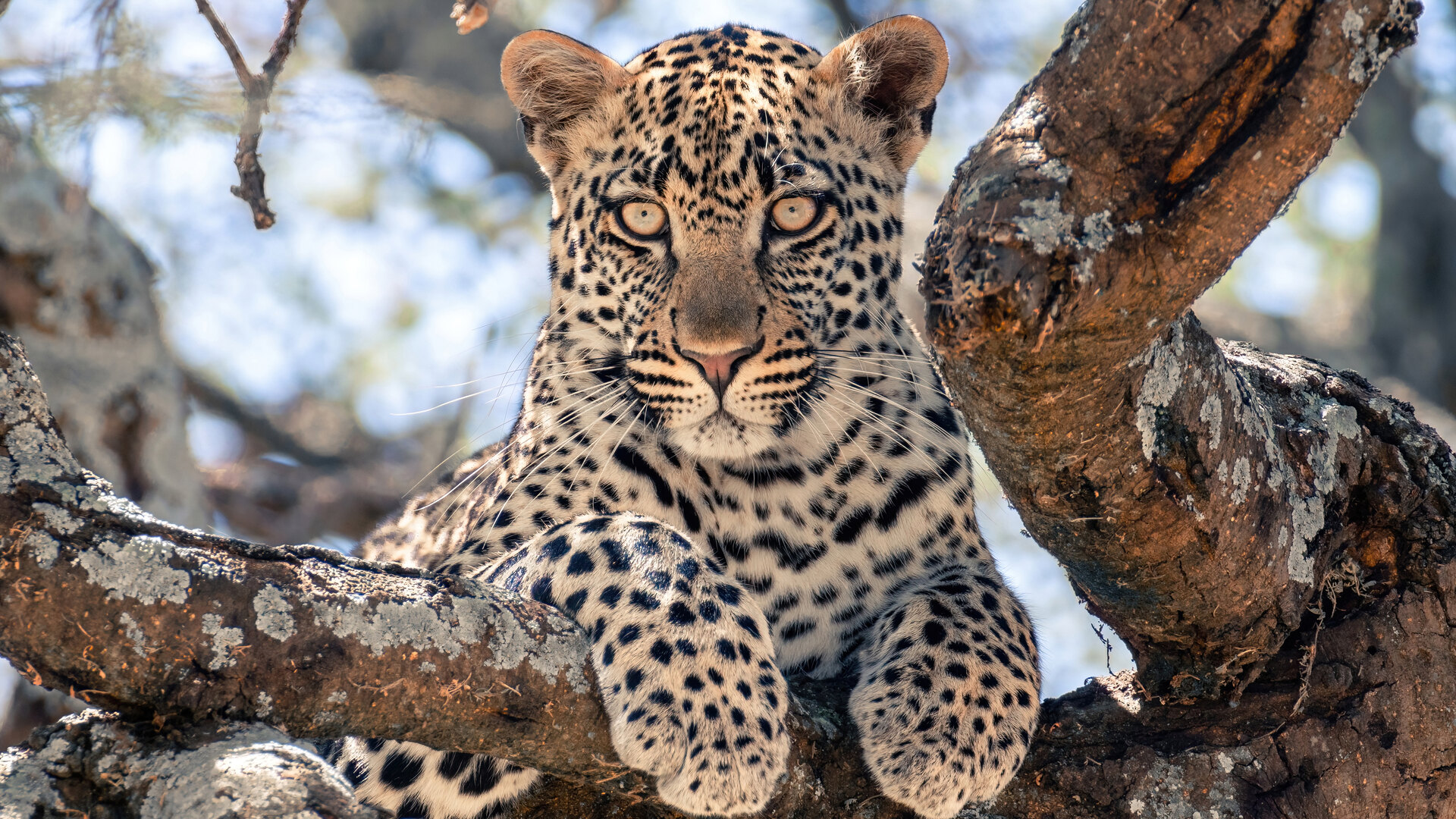
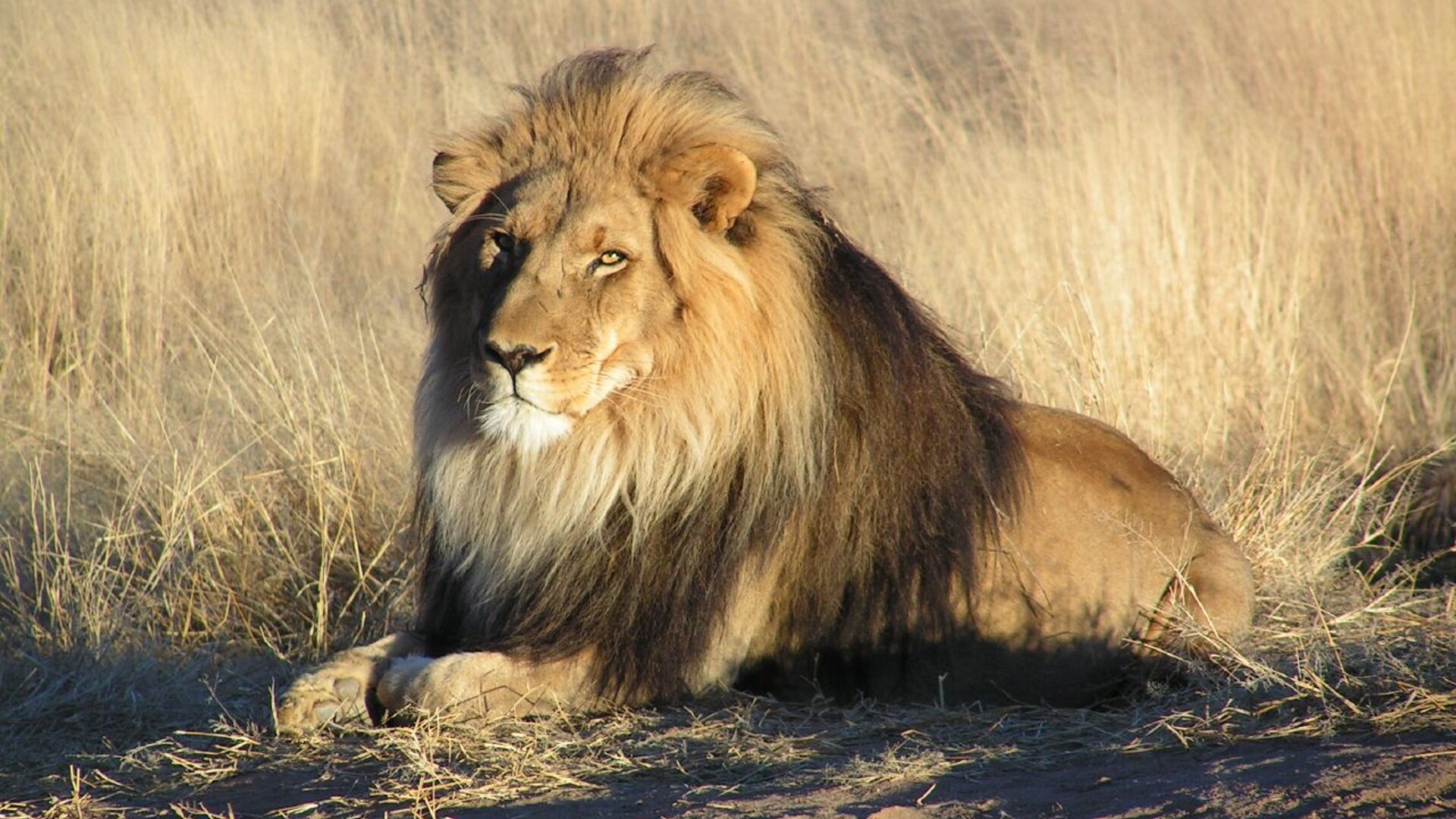
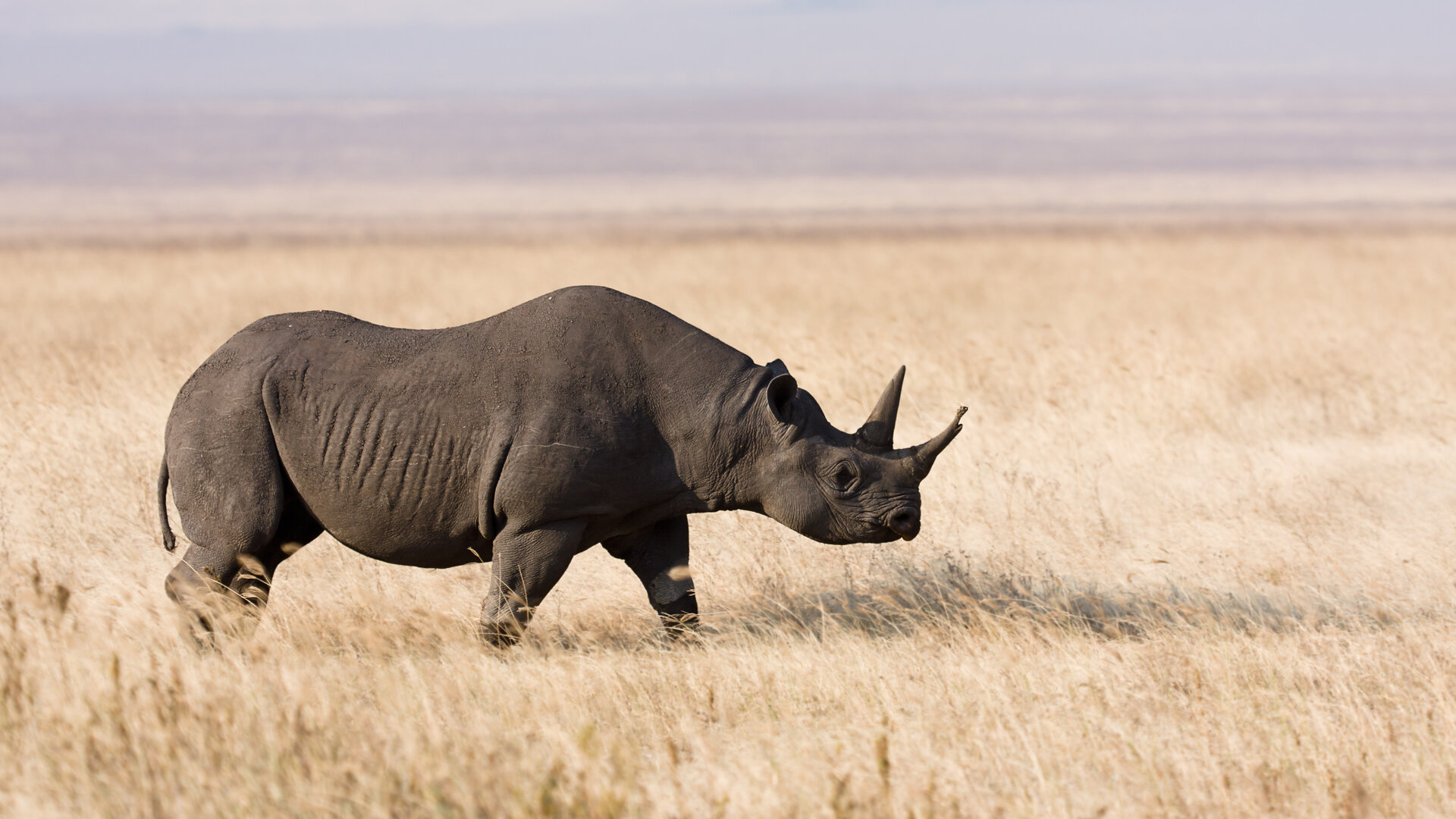
There is a moment on every safari that stays with you: an elephant lifts its trunk to test the air, a rhino and its calf step out of the treeline, a leopard drapes itself over a branch in the last gold light of the day. In that moment, it is easy to forget how close we have come to losing these animals — and how much quiet, unglamorous work keeps them here. The best safari you can take is one that is part of that work.
A conservation-first safari is not a marketing badge. It is a way of travelling that makes wildlife worth more alive than gone, and that shares the rewards with the people who live alongside it. This guide is about how to tell the real thing from the slogan — the questions to ask, where your money really goes, and how the right trip protects both the wild and the communities around it.
Travel that helps keep the wild places wild.
Does Safari Really Help Conservation?
Quick Answer
A conservation-first safari uses tourism revenue to protect wildlife and support local communities. Your park and conservation fees fund anti-poaching, habitat protection and wildlife monitoring; lodges employ and train nearby residents; and the land stays wild because it earns more that way. On a well-run reserve, your trip is a direct investment in the animals you came to see.
To travel ethically, choose operators who can tell you exactly where your money goes, who limit their footprint, and who put local people in real jobs. Ask specific questions, favour lower-volume reserves, and remember: it is not how much you spend, but where it lands.
Here is the simple, powerful truth at the heart of it. Wild land is under constant pressure to become something else — farmland, a mine, a town. What keeps a reserve wild is that keeping it wild pays. Every game drive, every lodge night, every conservation levy tips that balance. Where wildlife tourism thrives, wild places survive; where it collapses, they are usually the first thing to go.
Southern Africa has some of the most encouraging conservation stories on earth. The rhino of the Sabi Sand, the recovering elephant herds of Addo, the sheer scale of the Greater Kruger — none of it is an accident. It is paid for, in large part, by travellers who chose to come.
The Three Pillars of a Genuine Conservation Safari
1. It Protects Wildlife
The most direct impact. Conservation fees fund the anti-poaching units, the monitoring teams, the fences and the vets. On the best reserves, viewing itself is done ethically — vehicles keep respectful distances, off-road driving is limited, and no sighting is worth stressing an animal. Ask how a lodge approaches sensitive sightings; the answer tells you a great deal.
2. It Supports Communities
Conservation that ignores the people living beside the wild does not last. Genuine operators employ locally — not just as staff, but as guides, managers and trainees — and channel real money into schools, clinics, water and enterprise. When a community benefits from wildlife, it becomes wildlife's fiercest protector. This is the quiet engine of every lasting success story.
3. It Treads Lightly
The best lodges think hard about their footprint: solar power, careful water use, minimal single-use plastic, sensible waste management, and crucially, low visitor densities. A reserve that limits how many vehicles can attend a sighting is protecting both the animals and the quality of your experience. Fewer people, more wild.
How to Spot the Real Thing (and Avoid Greenwashing)
"Eco-friendly" printed on a brochure means nothing on its own. What you are listening for is specificity. A genuinely conservation-first operator answers detailed questions with detailed answers. Before you book, ask:
- Where does my conservation levy actually go? They should be able to tell you.
- How many local people do you employ, and in what roles? Look for depth, not tokenism.
- What are your rules for approaching and viewing animals? Ethics live in the details.
- How do you limit your environmental impact? Water, energy, waste, vehicle numbers.
Confident, concrete answers are the mark of an operation doing the real work. Vagueness is the red flag. We do this screening on your behalf — we only place our guests with lodges and reserves that can show their receipts, not just their photography.
Where to Take a Conservation-First Safari
You do not have to travel far off the beaten track to travel well. Some of the strongest conservation models sit right inside the classic South African safari:
- The Sabi Sand — a private reserve famous for low visitor densities, intensive protection and world-leading leopard conservation. See our Sabi Sand guide.
- The Greater Kruger — vast, publicly protected wilderness supported by a ring of private conservancies. Explore Big Five safaris.
- The Eastern Cape & Addo — malaria-free reserves with powerful recovery stories, ideal for families.
Pair any of these with a few days in the city and you have a trip that is as meaningful as it is beautiful — see our Cape Town and safari itinerary for how to combine them.
Travel Well, and Do Good
You do not have to choose between a spectacular safari and a responsible one. The finest trips are both. Our lead guide George often says the wild does not need us to admire it from a distance — it needs us to show up, pay our way, and leave it stronger. That is exactly the kind of safari we plan.
Ready to travel with a conscience? Explore our luxury safaris, use our trip planner, or speak to our specialists and we will build you a journey that gives back as much as it gives you.