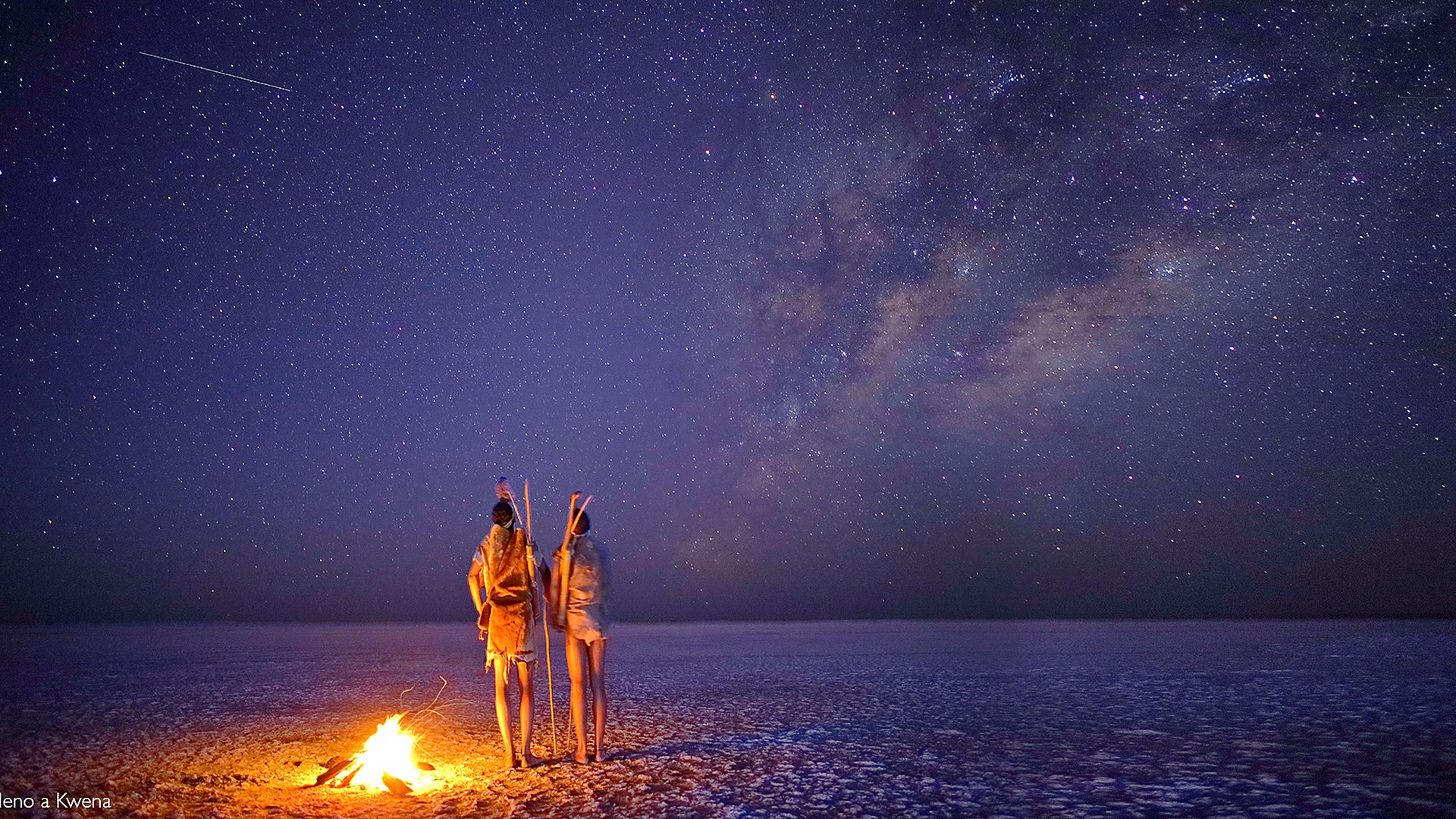
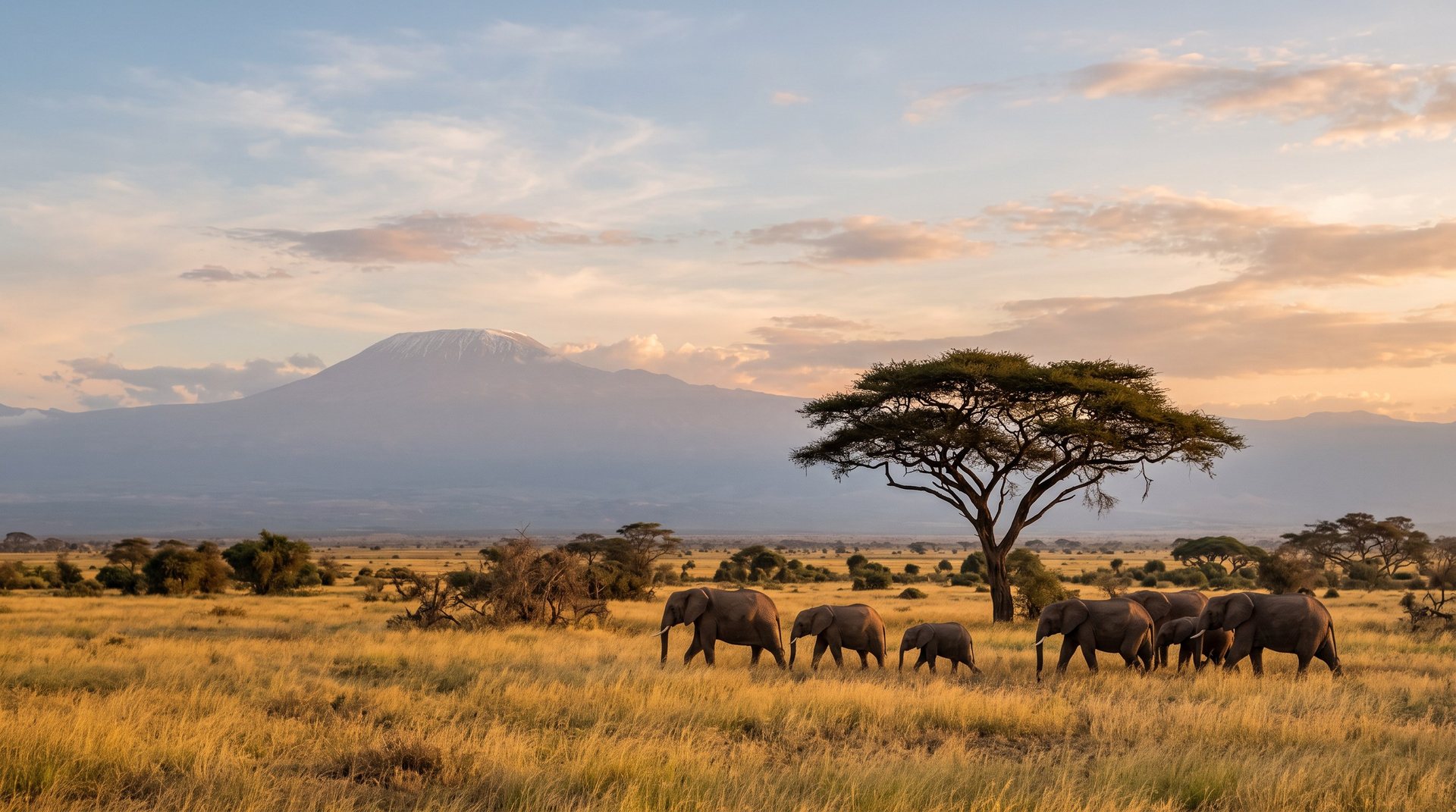
Everyone comes to Africa for what moves in the daylight — the lion, the leopard, the great grey shapes of elephant against the dust. But stay out past the last sundowner, tip your head back, and you will meet the continent's other great wilderness: the sky. Away from cities and their glow, under air as dry and clear as anywhere on Earth, the Milky Way does not twinkle faintly on the horizon. It pours across the whole heavens, bright enough to cast a shadow.
A stargazing safari gives you both worlds — the Big Five by day, the cosmos by night. This is your guide to doing it well: where to find the darkest skies, when to go, what you will see, and how to combine wildlife and wonder in a single unforgettable trip.
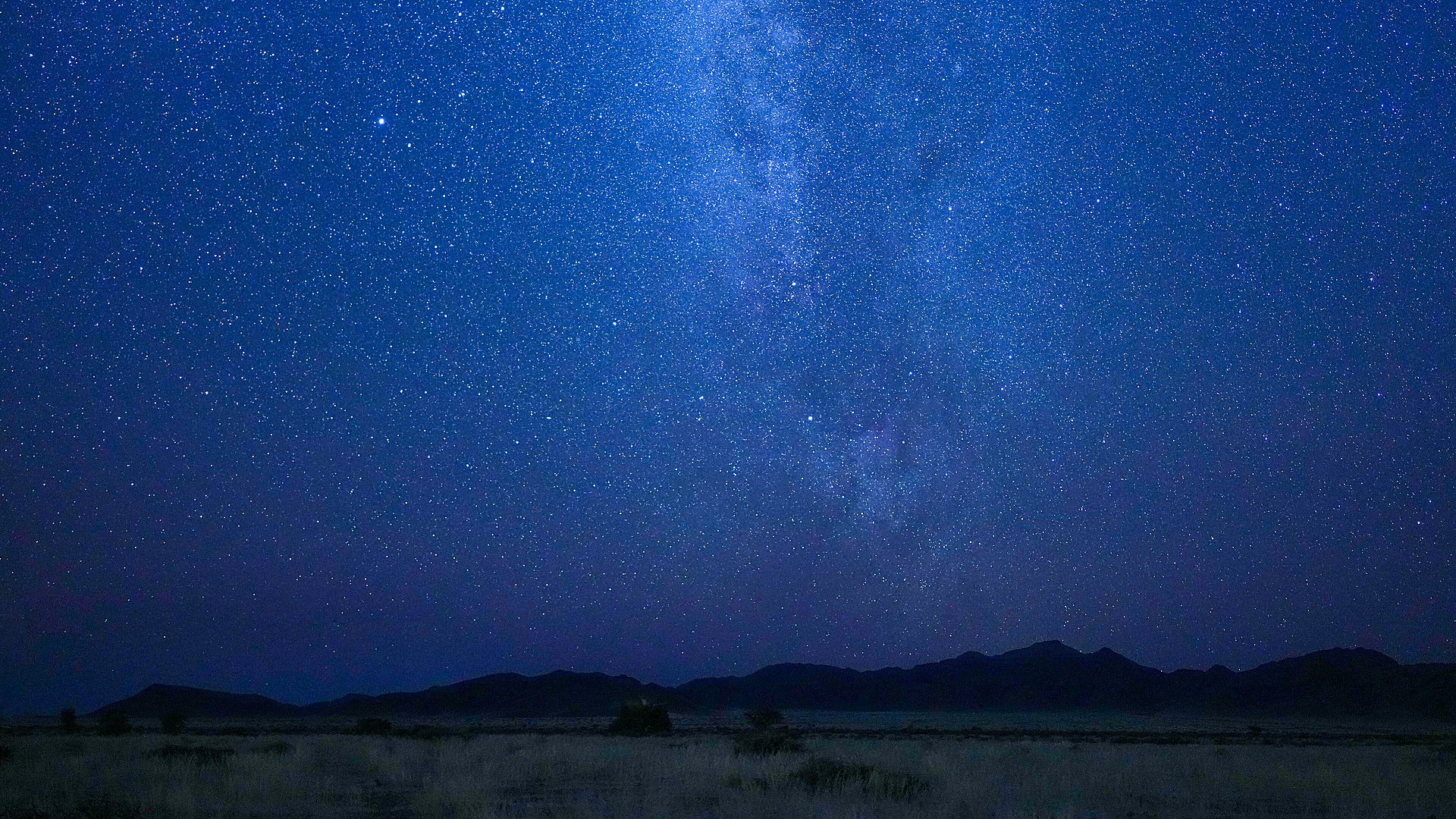
The Kalahari at dusk — where Africa's darkest skies begin.
Why Africa for Stargazing?
Quick Answer
A stargazing safari combines classic Big Five game drives by day with world-class astronomy by night. Southern Africa's dry, high, sparsely populated interior — the Kalahari, the Karoo and the Northern Cape — has some of the darkest, clearest skies on the planet, where the Milky Way, the Southern Cross and neighbouring galaxies are visible to the naked eye.
Go in the dry winter (May–September), plan around the new moon for the darkest skies, and choose remote lodges — many offer telescopes, astronomy guides or open-air 'star bed' sleep-outs. No experience or equipment needed; the sky does the rest.
Great stargazing needs three things: dark skies, clear air and open horizons. Southern Africa has all three in abundance. Its interior is dry, high in altitude and remarkably empty of the artificial light that drowns the stars almost everywhere people gather. It is no coincidence that this region hosts some of the world's most important observatories — the same qualities that draw astronomers draw travellers who simply want to look up and be amazed.
Where to Find the Darkest Skies
The Kalahari
The Kalahari is the headline act. Vast, arid and almost unpeopled, it delivers night skies of astonishing depth alongside its own distinctive wildlife — black-maned lions, meerkats and oryx. The silence at night is as memorable as the stars.
The Karoo & Northern Cape
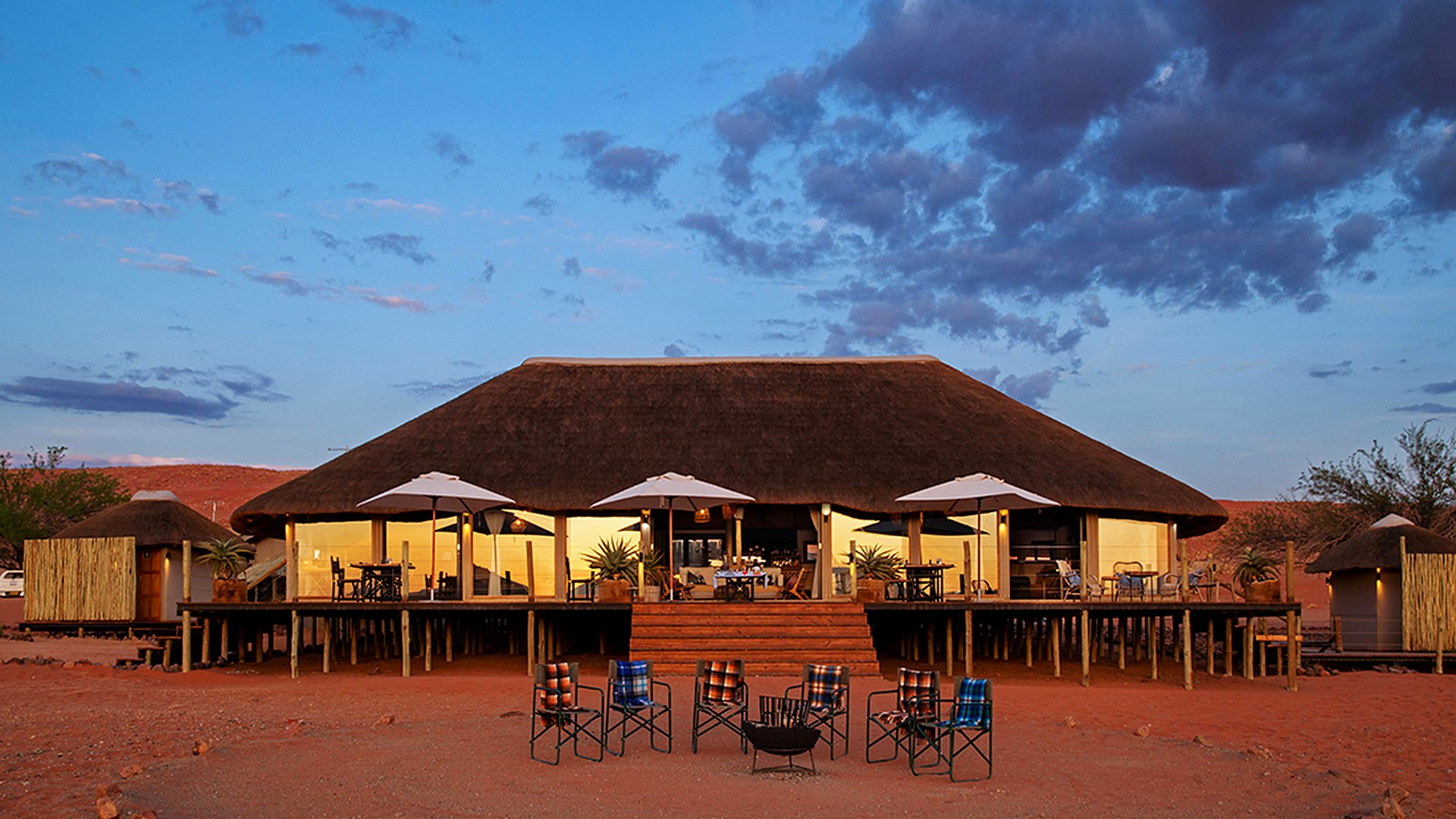
The semi-desert Karoo and the wider Northern Cape are among the least light-polluted places on Earth, home to major astronomical research and to lodges that lean fully into astro-tourism, telescopes and all.
The Greater Kruger & Sabi Sand
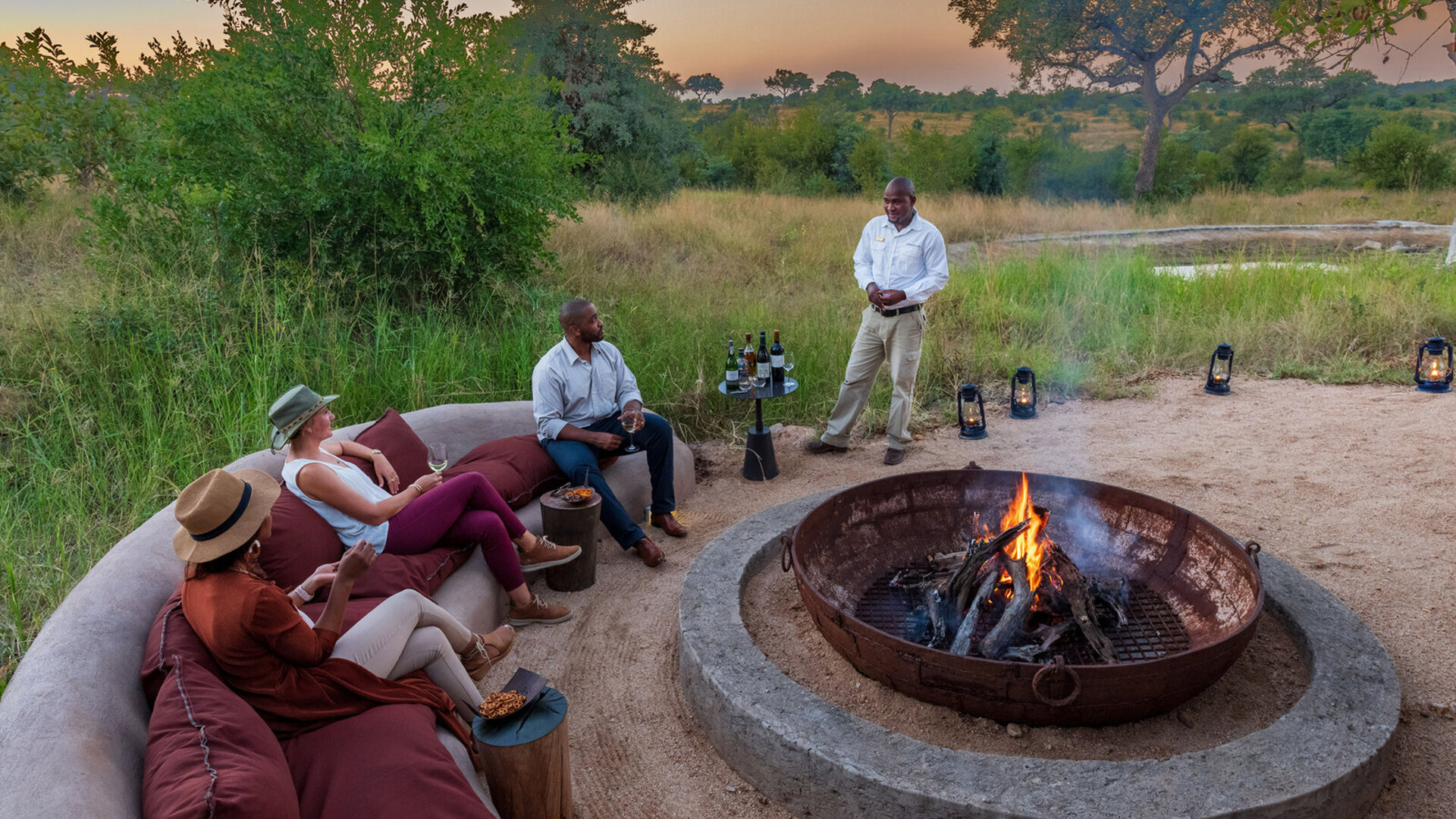
You do not have to choose desert over the Big Five. Many Greater Kruger and Sabi Sand lodges are remote enough for wonderful stargazing, and their Big Five game drives mean you can watch leopard by day and Saturn by night from the same camp.
When to Go
Time your stargazing safari for the dry winter months (May to September), when cloudless nights are most reliable and the air is at its crispest. Then time it more finely still: aim for the days around the new moon, when the sky is at its darkest and the Milky Way at its most spectacular. A full moon is beautiful in its own right but washes out the fainter stars. We plan astro-focused trips around the lunar calendar so your best nights land in the dark window. For the wider seasonal picture, see our best time to visit guide.
What You Will See
The southern hemisphere sky is a revelation, even to seasoned northern stargazers:
- The Milky Way in full, three-dimensional glory, arcing from horizon to horizon.
- The Southern Cross — the iconic constellation you cannot see from Europe or North America.
- The Magellanic Clouds — two neighbouring galaxies, visible to the naked eye.
- Planets, shooting stars and satellites, and through a telescope, Saturn's rings and Jupiter's moons.
How to Experience It
- Deck astronomy — many lodges keep telescopes and offer guided sky tours after dinner.
- Night drives — combine nocturnal wildlife with a canopy of stars overhead.
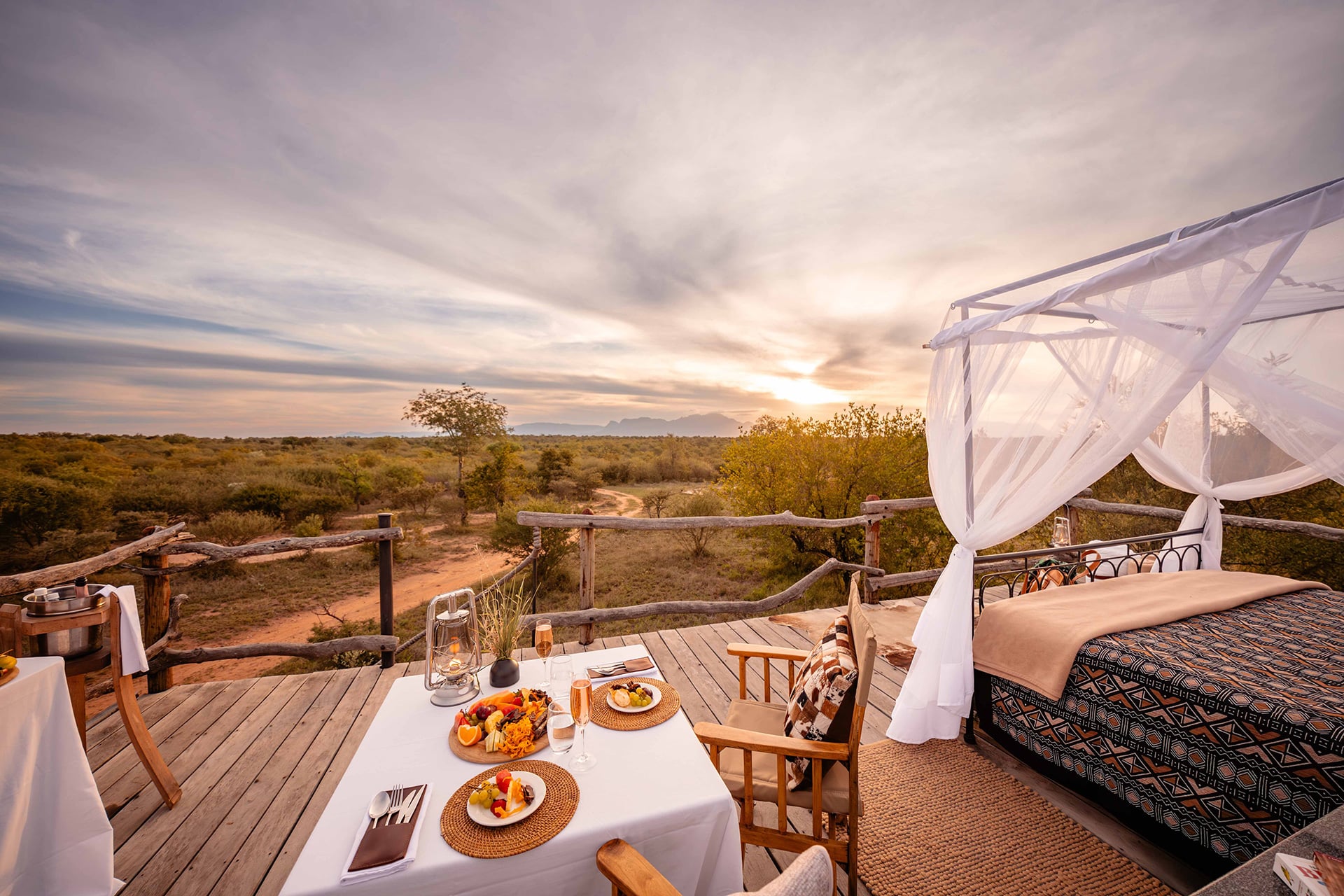
- Star beds — at select camps, sleep in the open on a raised platform beneath the entire sky.
A stargazing safari also pairs beautifully with an unhurried pace — see our slow safari guide — and with a few days in Cape Town first via our Cape Town and safari itinerary.
The Sky Was Always Part of the Safari
Our lead guide George likes to remind guests that long before there were game drives, people sat around these same fires and read these same stars. A stargazing safari simply gives the night back its rightful place in the journey. Days of wildlife, nights of wonder — the whole of Africa, from the ground to the galaxies.
Ready to sleep under the Milky Way? Explore our luxury safaris, use our trip planner, or speak to our specialists and we will build you a trip timed to the darkest, most dazzling skies.