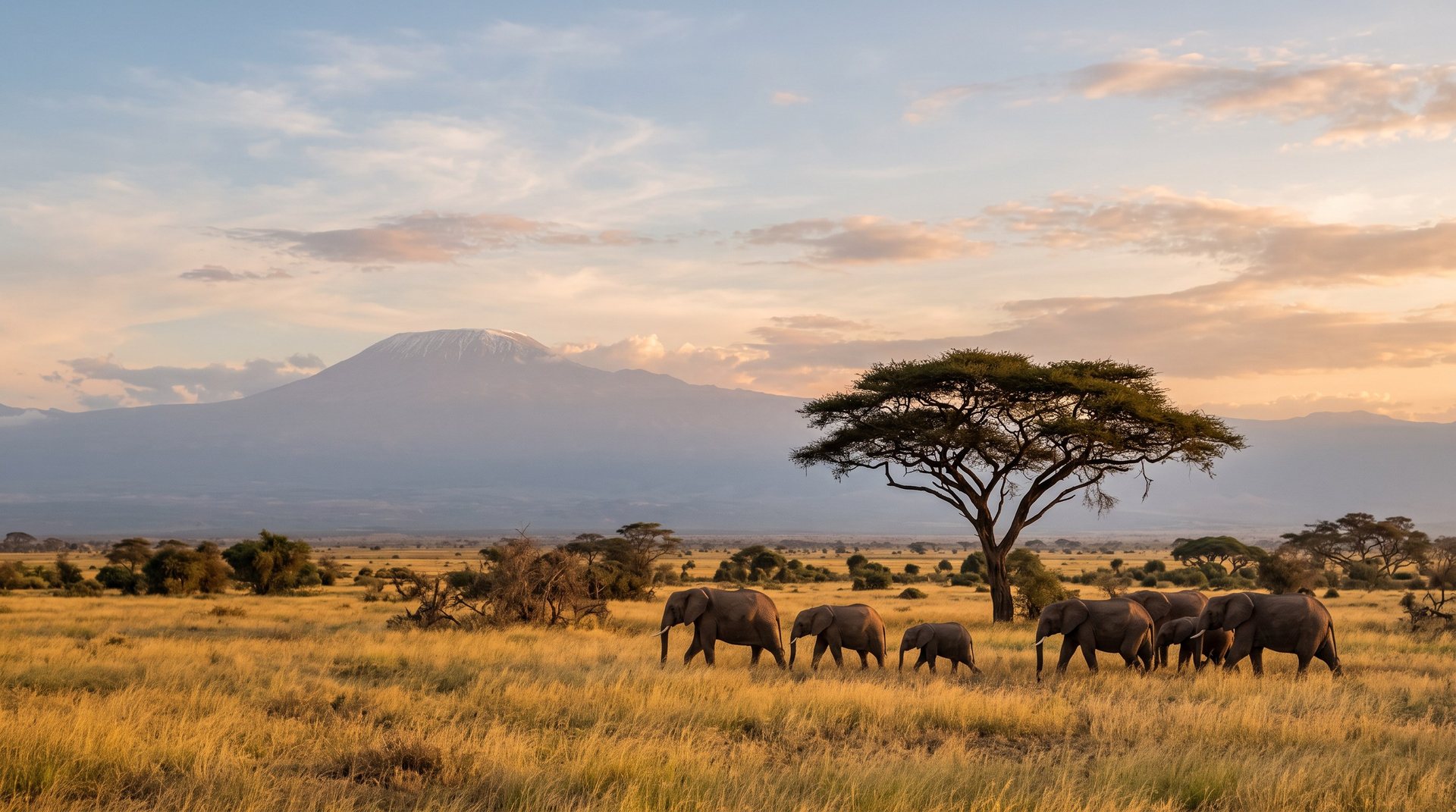
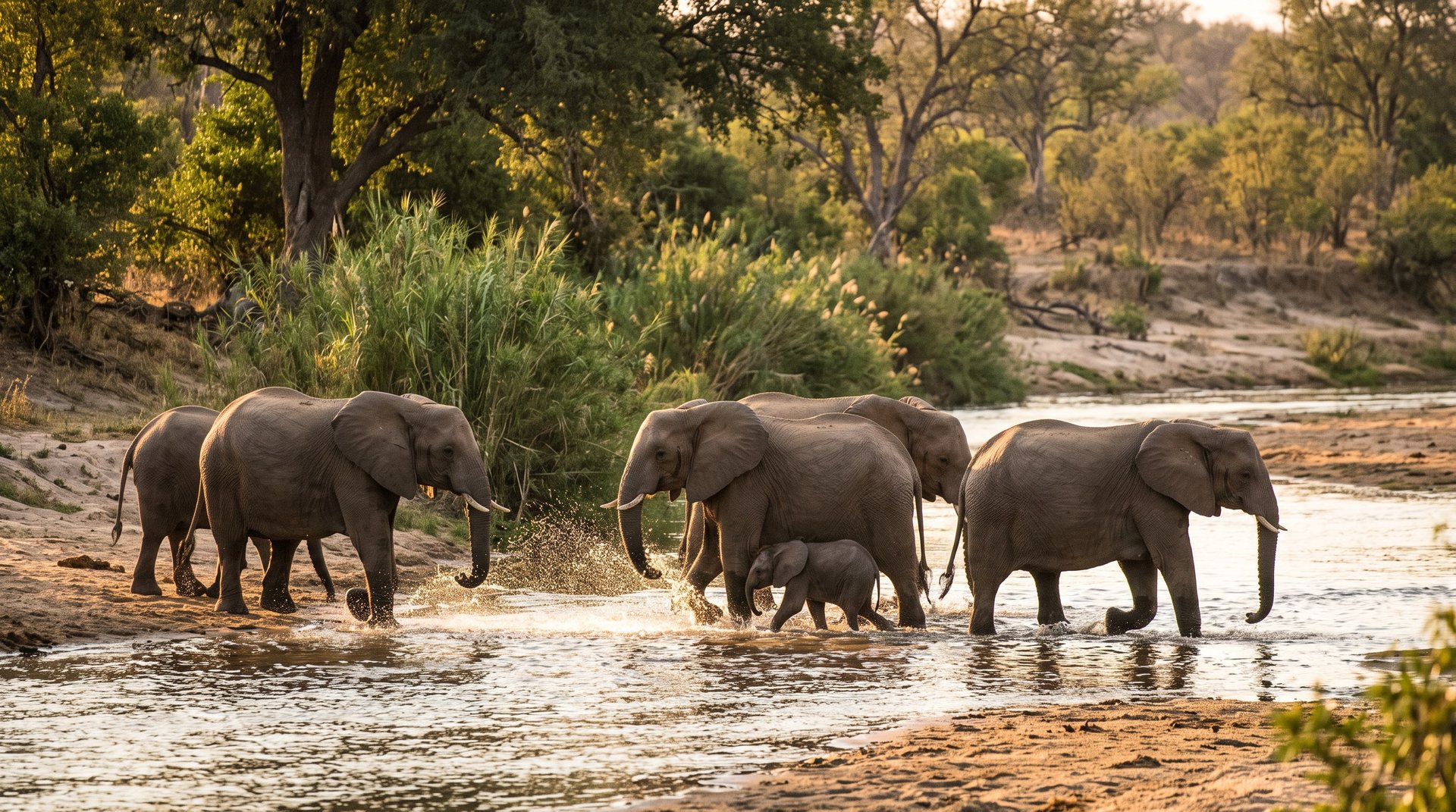
Ask a seasoned guide about their favourite day on safari, and it is almost never the first one. It is day four — the morning you already know which drainage line the leopard favours, which waterhole the elephants visit at noon, where the light will fall at sundown. The bush does not give up its best on arrival. It rewards those who stay.
That simple truth is behind the defining travel trend of 2026: the slow safari. Fewer camps, longer stays, a deeper connection to a single wild place. It is the safari answering the same instinct that gave us slow food and slow travel — the sense that we have been rushing through the very things we came for. Here is why it is winning, and how to plan one.
Slow down, stay longer, and let the wild reveal itself.
What Is a Slow Safari?
Quick Answer
A slow safari means staying three or more nights in fewer camps, rather than hopping between reserves every night or two. You travel at the pace of the bush — getting to know your guides, following individual animals, and letting the deepest experiences come to you. It is the fastest-growing safari style of 2026 because it delivers richer sightings, less exhaustion and, often, better value.
Plan four to five nights per camp, choose one or two reserves rather than five, and favour the shoulder and green seasons. It suits families, honeymooners and first-timers alike — and almost everyone who tries it never goes back to the rushed circuit.
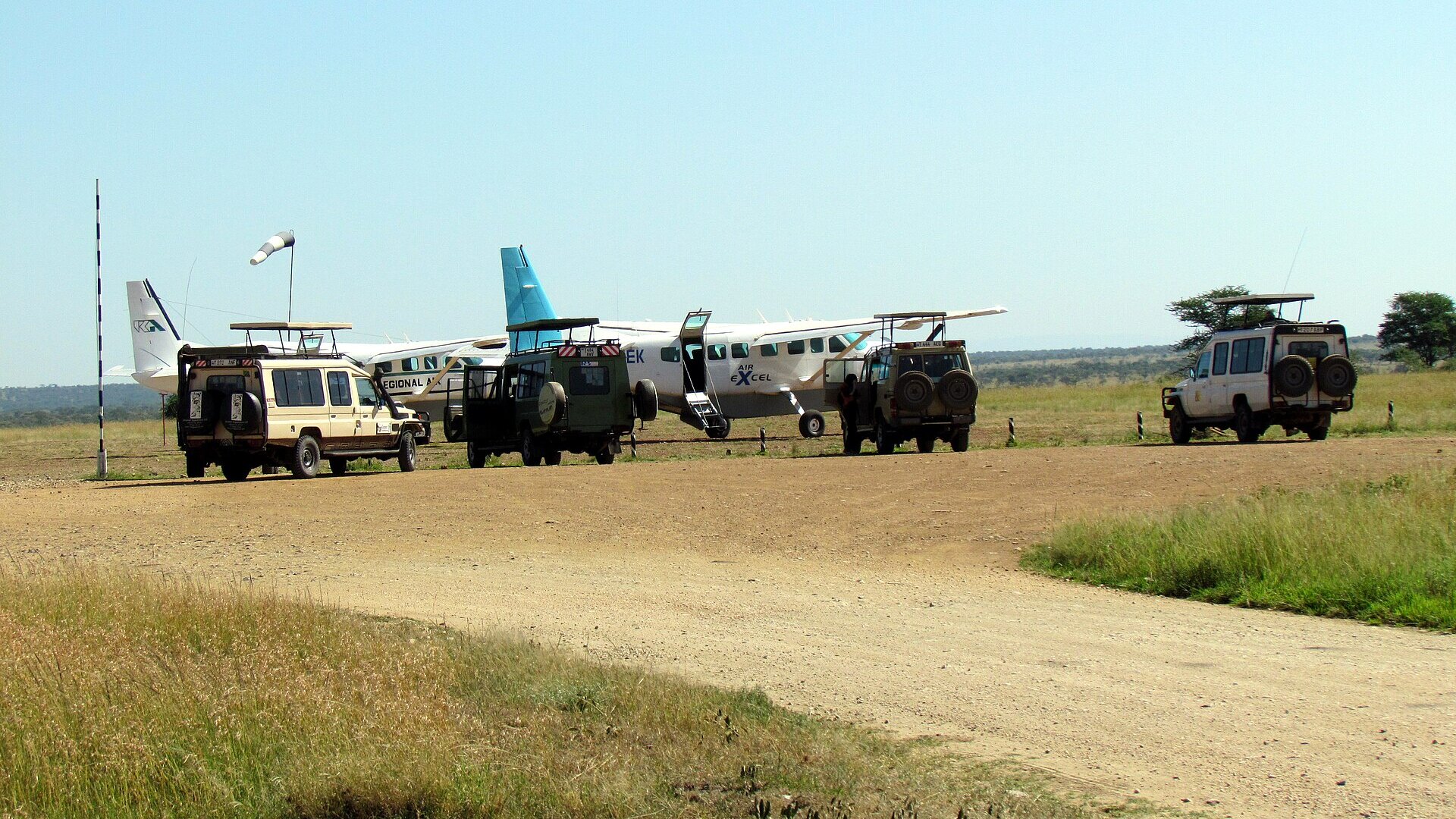
For years, the classic safari itinerary was built around movement: three nights here, two there, a night somewhere else, forever packing and unpacking, forever catching another light aircraft. It works, and it shows you a lot. But it also keeps you permanently on arrival day — the least rewarding day of any stay. The slow safari inverts the formula. You choose fewer places and give each one the time it deserves.
Why the Slow Safari Is Winning
The Wildlife Gets Better
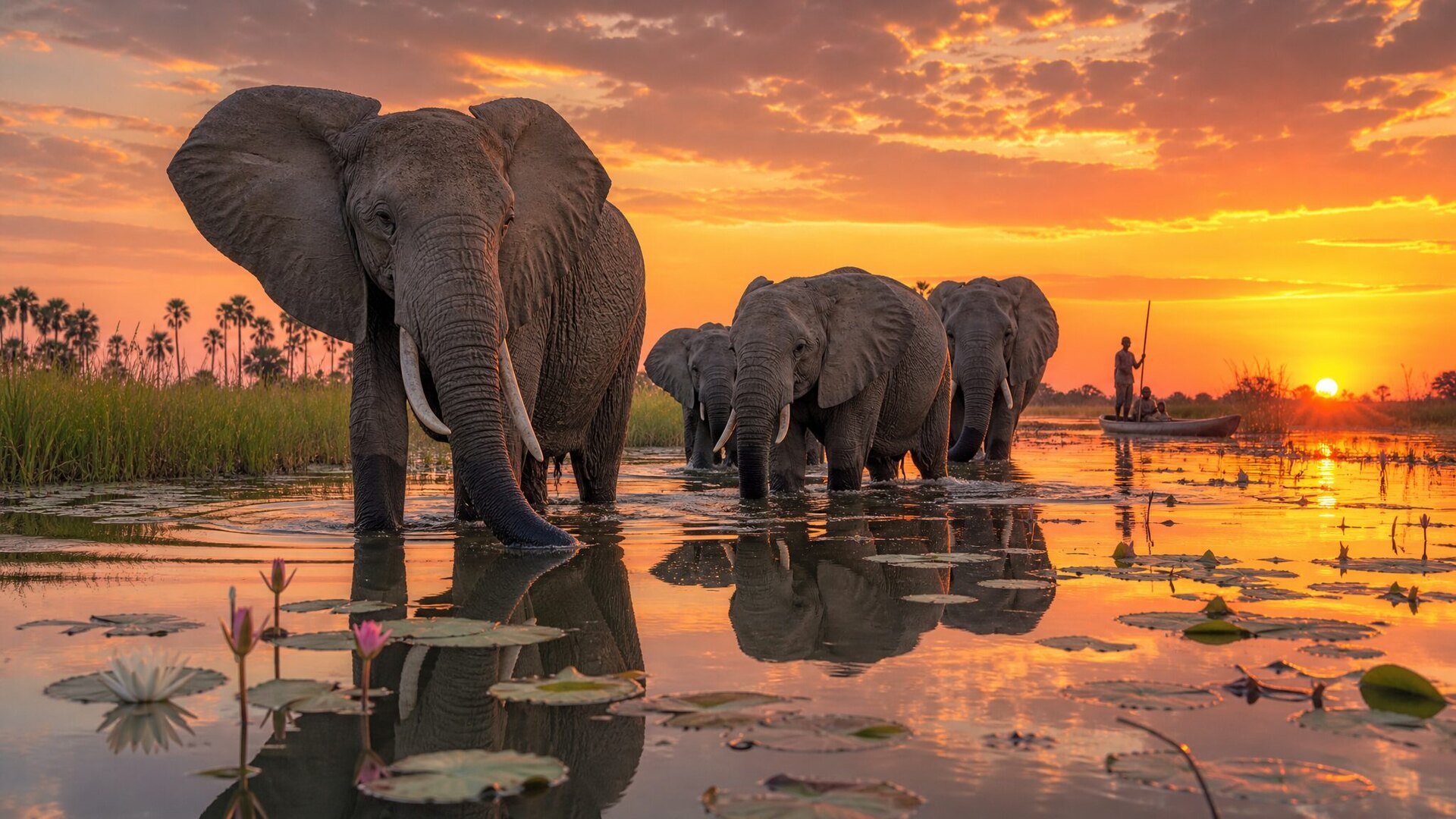
This is the part that surprises people. Staying longer does not mean seeing less — it usually means seeing more, and more intimately. Your guide can work a familiar area, revisit a promising sighting, and track the daily rhythms of the animals. The leopard you glimpsed on day one becomes, by day four, a story you are following. Some of the most extraordinary sightings on any trip come once the bush has settled around you.
You Actually Rest
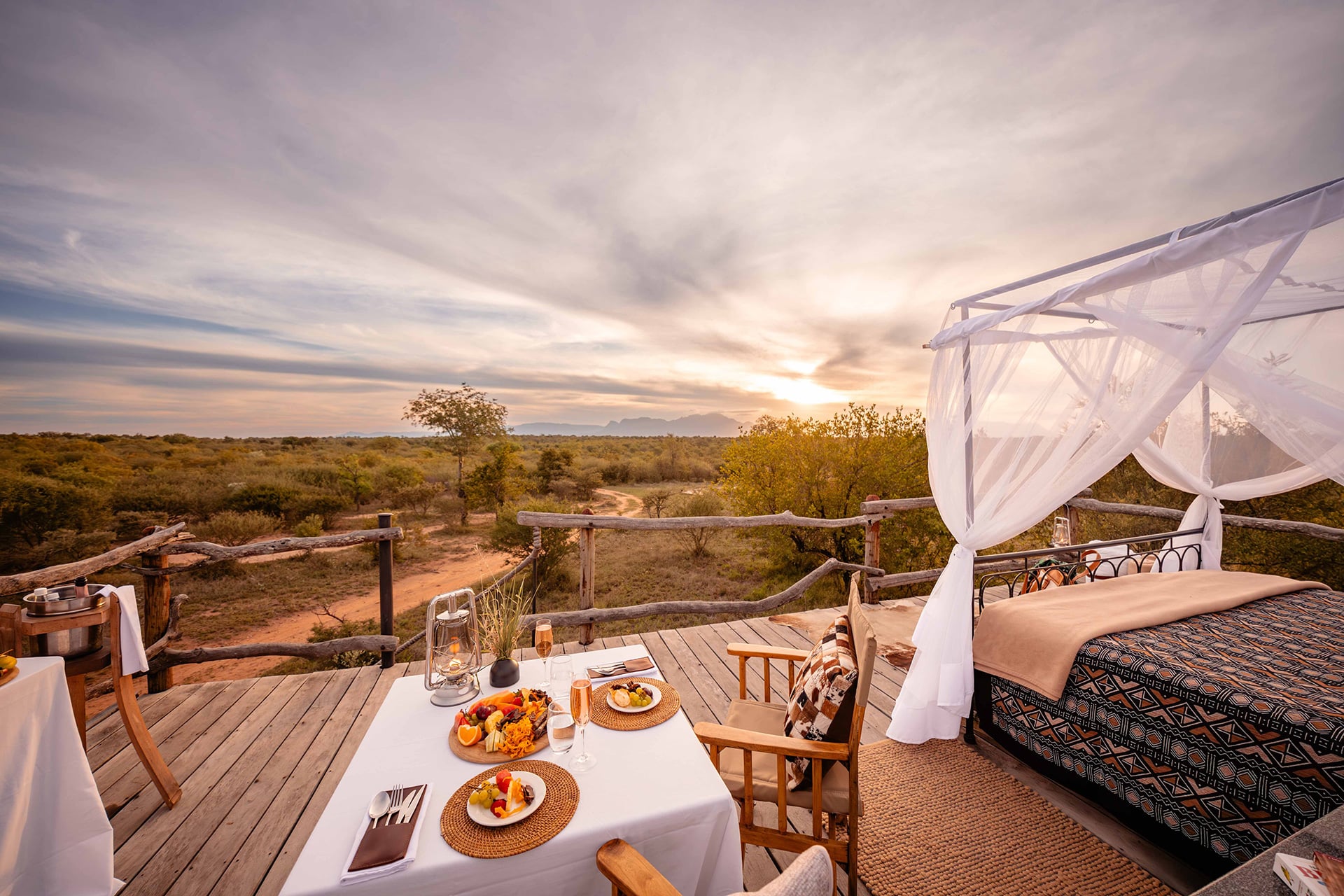
A safari should not leave you needing a holiday. Endless transfers, dawn flights and single-night stays are exhausting. Settle into one camp and the whole experience softens: long lunches, an afternoon by the pool, a book on the deck as elephants drift past. You come home restored, not wrung out.
It Is Often Better Value
Fewer camps means fewer costly light-aircraft transfers and fewer single-night surcharges. Combined with shoulder- and green-season travel, the money you would have spent moving around goes instead into a richer stay — frequently for a similar or lower total. See our safari cost guide for how the numbers work.
It Treads More Lightly
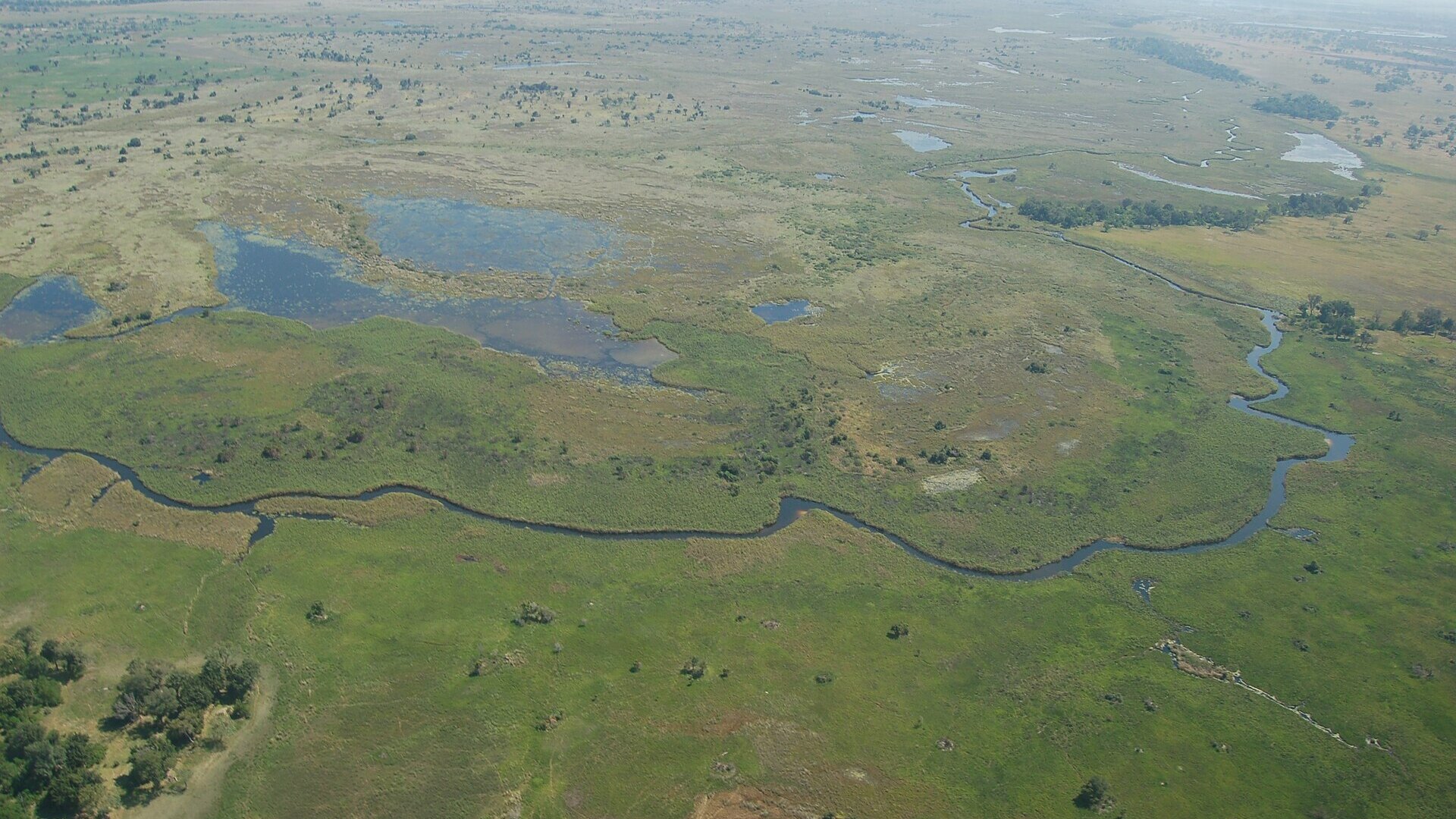
Slower travel is naturally lower-impact — fewer flights, less fuel, a deeper relationship with one community and one piece of land. It pairs beautifully with the values behind a conservation-first safari.
How to Plan a Slow Safari
- Stay at least three nights per camp — four or five is ideal. Three is the point where the magic starts.
- Choose one or two reserves, not five. A single outstanding reserve, deeply explored, beats a blur of many.
- Travel in shoulder or green season for value, softer light and fewer vehicles.
- Build in unstructured time — not every hour needs a game drive. Some of the best moments happen at camp.
- Pick guides you can stay with. Continuity with one guide over several days is where real understanding grows.
Where to Slow Down
Some reserves are made for lingering:
- The Sabi Sand — extraordinary big-cat density and low vehicle numbers reward multi-night stays. Our Sabi Sand guide has more.
- The Greater Kruger — vast and varied, with lodges built for settling in. Explore Big Five safaris.
- The Kalahari — silence, space and immense skies that only make sense when you stay.
A slow safari also pairs perfectly with a relaxed few days in the city first — see our Cape Town and safari itinerary.
The Case for Doing Less
Our lead guide George puts it simply: the bush keeps its secrets for people who stay long enough to be trusted with them. The slow safari is not about seeing less of Africa. It is about seeing it properly — the way the animals live it, one unhurried day at a time.
Ready to slow down? Explore our luxury safaris, use our trip planner, or talk to our specialists and we will design a slower, deeper journey built entirely around you.