When is the best time to visit the Kalahari?
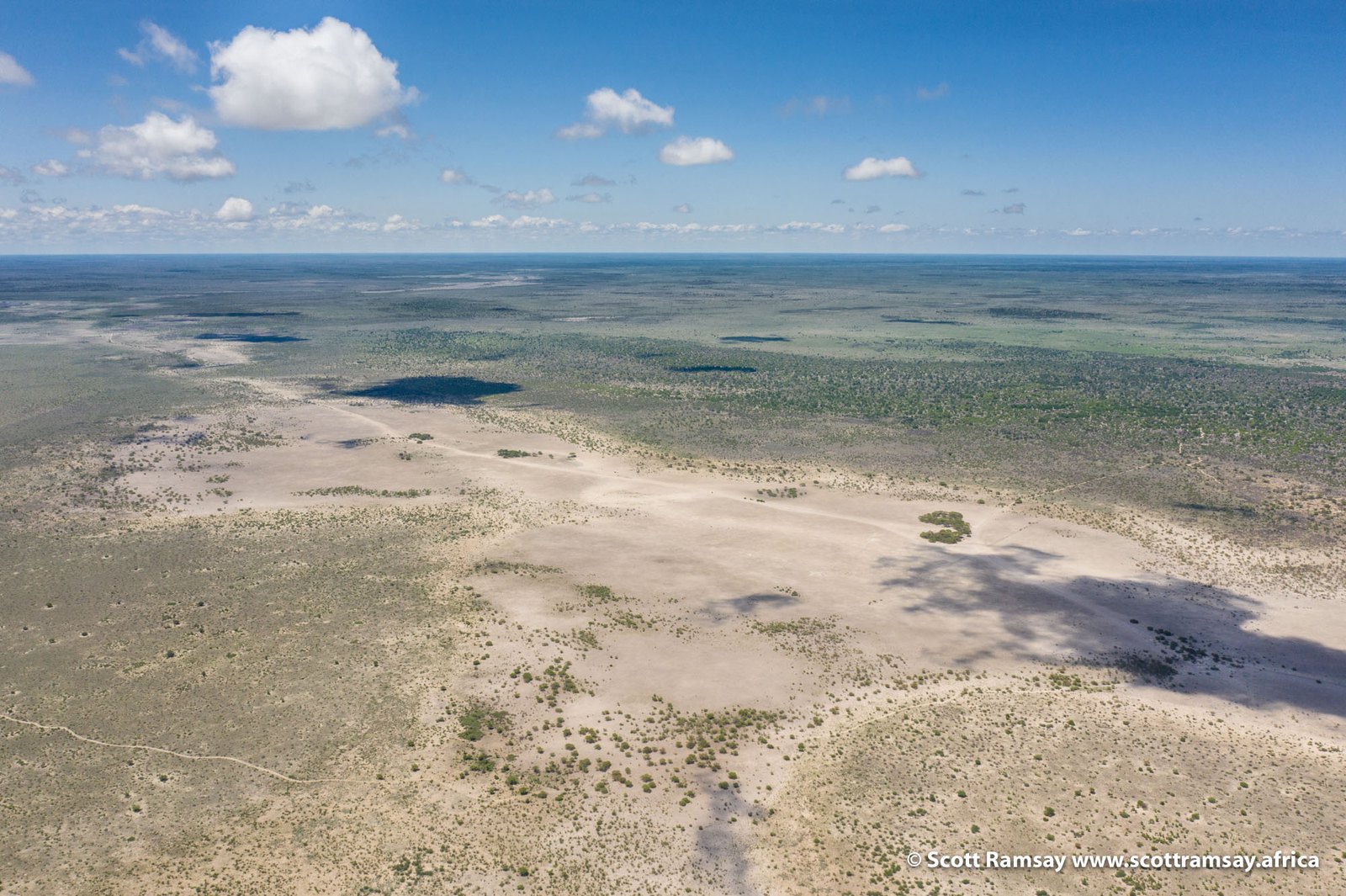
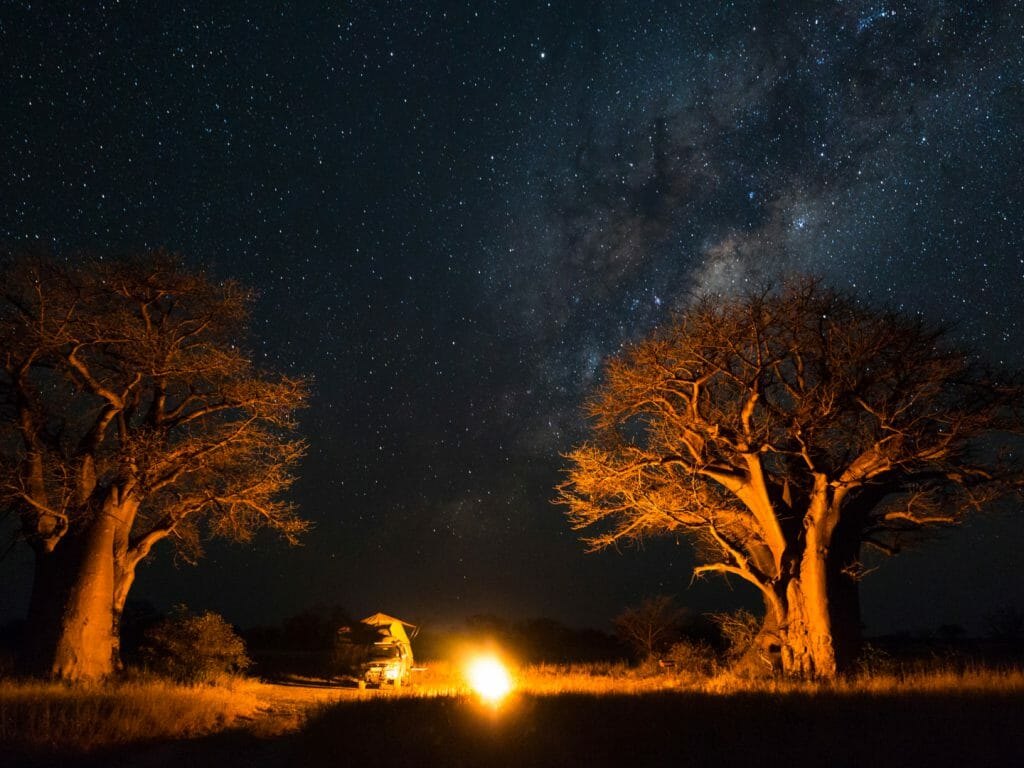
The Kalahari runs opposite to most safari areas. Its peak is the green season, roughly December to April, when summer rains draw thousands of springbok and gemsbok onto Deception Valley and the black-maned lions and cheetah follow. The dry season (May–October) is cool and quiet, with wildlife near waterholes, reliable meerkats and superb stargazing.
Why are Kalahari lions special?
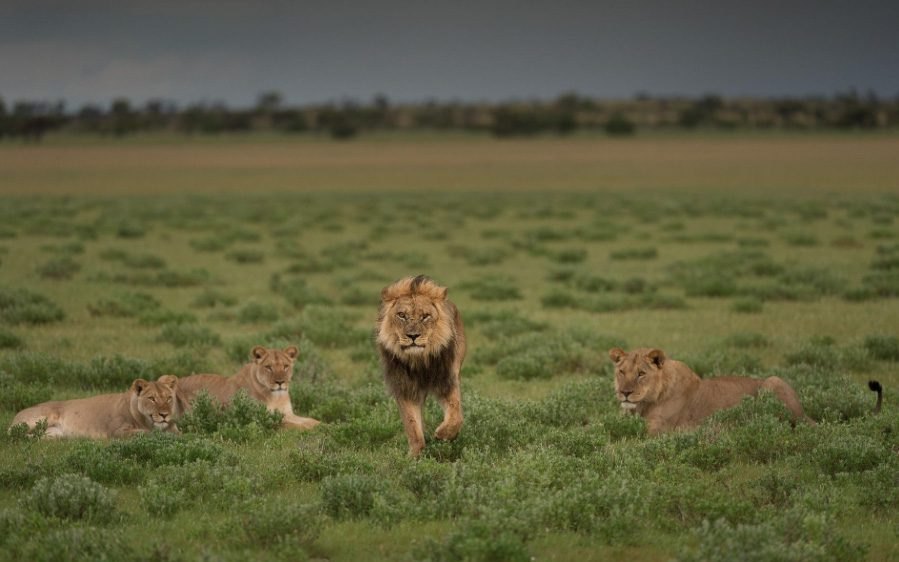
The Central Kalahari is famous for its black-maned lions — large, dark-maned desert lions that range enormous distances and have adapted to survive with little water. Made legendary by decades of research in Deception Valley, they are one of the great draws of a Kalahari safari.
Can I see meerkats in the Kalahari?
Yes. Several camps offer visits to habituated meerkat clans. At dawn you can sit metres from a warren as the meerkats emerge, stand sentry and forage — completely unbothered by people. It is one of the most charming and photogenic experiences in Botswana.
Is the Kalahari good for the Big Five?
The Kalahari is not a Big Five destination — there are no wild rhino in the Central Kalahari and elephant and buffalo are largely absent. Its magic is different: black-maned lion, cheetah, leopard, brown hyena, gemsbok, meerkat and rare nocturnal species, all set in vast, uncrowded wilderness. For Big Five we combine it with Chobe or the Delta.
Who are the San, and can I meet them?
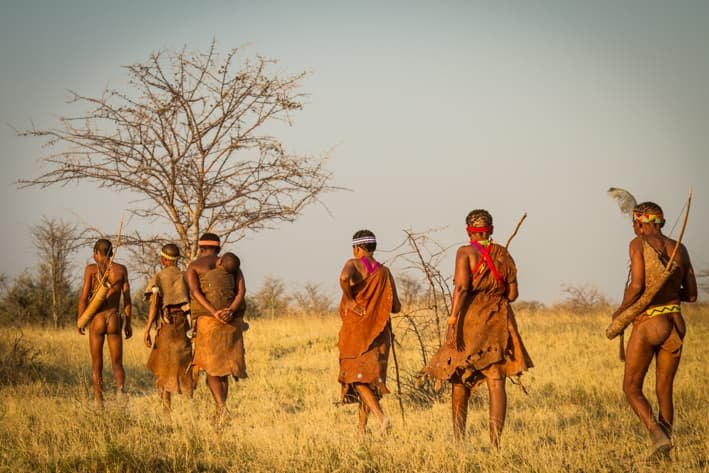
The San (sometimes called Bushmen) are the indigenous people of the Kalahari and one of the world's oldest continuous cultures. Several lodges offer guided bush-walks with San hosts who share extraordinary knowledge of tracking, water, plants and survival. These respectful cultural experiences are a highlight for many guests.
How do I get to the Central Kalahari?
Most visitors fly in by light aircraft from Maun to bush airstrips like Tau Pan or Deception, where camps meet them. Edge lodges can also be reached by 4x4 from Maun or Ghanzi. The Kalahari combines easily with the Okavango Delta by a short flight, contrasting desert silence with Delta water.
Is the Kalahari malaria-free?
The Central Kalahari is very low-risk for malaria, especially in the dry season, as it is arid and far from permanent water. Risk rises slightly in the wet summer months. We advise discussing prophylaxis with your doctor, particularly if you are combining the Kalahari with the Okavango Delta or Chobe, which are malaria areas.
Is the Kalahari suitable for families?
Yes — meerkat visits, star-gazing and San bush-walks are wonderful for children, and several edge lodges are family-friendly. Distances are large and drives can be long, so we usually suggest the Kalahari as part of a wider Botswana itinerary and match you to camps that welcome families.
How many nights should I spend in the Kalahari?
Two to three nights is ideal to appreciate the space, enjoy meerkats, night drives and a San walk, and — in green season — the Deception Valley herds. The Kalahari is best combined with the Okavango Delta and Chobe for a varied Botswana journey of water, desert and river.
What should I pack for the Kalahari?
Neutral-coloured clothing, warm layers (desert nights are cold in winter, near freezing), a sun hat, high-SPF sunscreen, lip balm, plenty of lens cloths for the fine dust, binoculars and a camera. Light-aircraft transfers require soft-sided luggage, usually around 20 kg, so pack light.