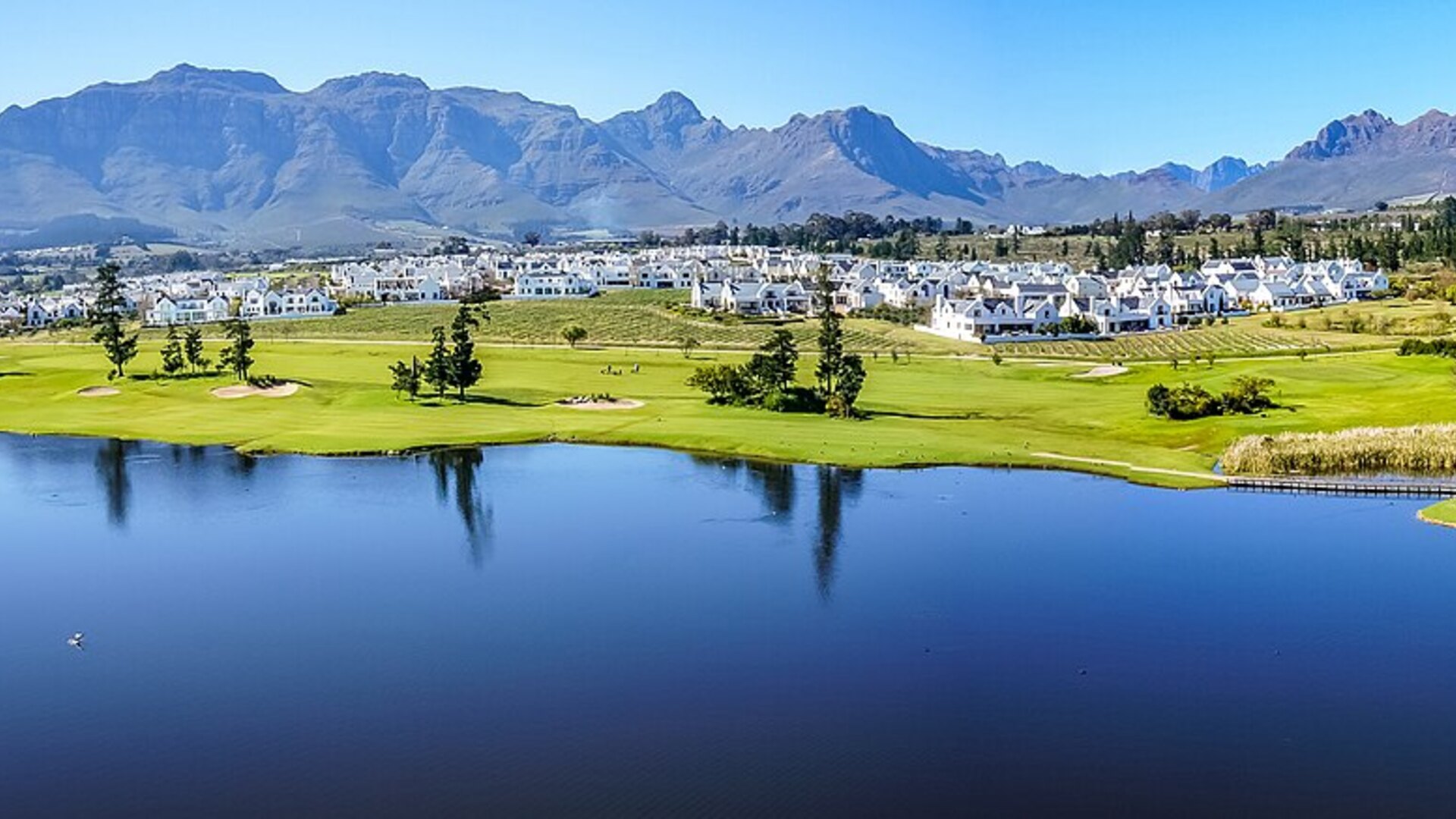
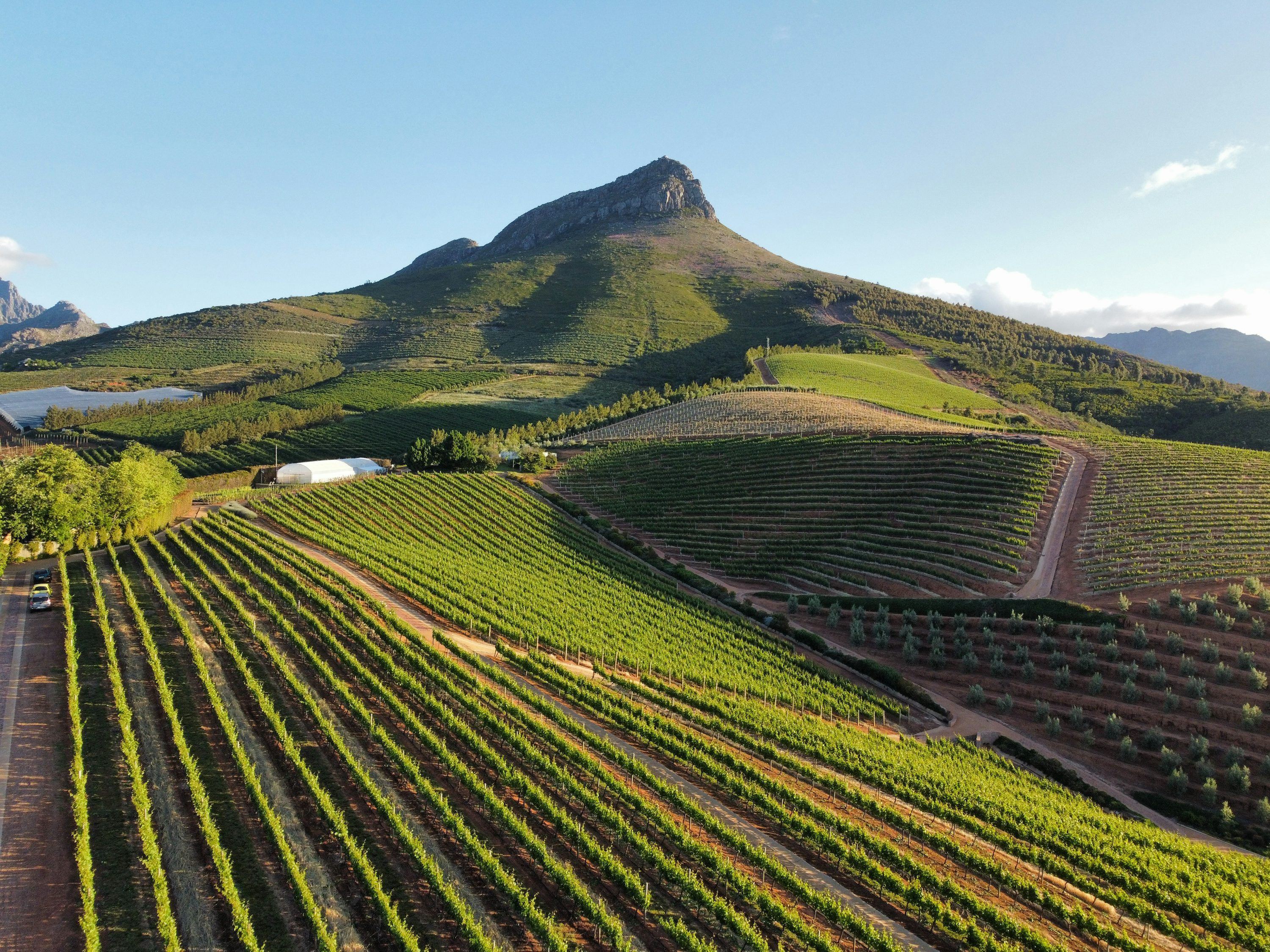
Quick Answer: How Should I Plan a Cape Winelands Day Trip?
Classic full-day itinerary from Cape Town: Depart 9:00 AM → Stellenbosch (first estate tasting 10:00–11:00) → Franschhoek via scenic Helshoogte Pass (second estate + cellar tour 11:30–12:30) → Gourmet lunch at award-winning restaurant (13:00–14:30) → Final estate tasting (15:00–16:00) → Return to Cape Town by 17:30.
Maximum estates per day: 3–4 (any more causes palate fatigue).
Transport: Guided tour with hotel pickup (most popular, stress-free) or self-drive (flexibility, but you'll need a designated driver).
Cost: Guided tours R1,400–R2,500 (~$80–$145) per person, including transport, tastings, and lunch.
Why the Cape Winelands are a World-Class Wine Destination
The Cape Winelands — anchored by the historic towns of Stellenbosch, Franschhoek, and Paarl — produce over 560 million liters of wine annually, representing 95% of South Africa's total wine output. This UNESCO-nominated cultural landscape is not just about quantity; it's about heritage, innovation, and breathtaking beauty.
South Africa's wine industry dates back to 1659, when Dutch settlers planted the first vines at the foot of Table Mountain. Today, the Winelands are home to over 200 estates, producing everything from robust Pinotage (South Africa's signature red varietal) and crisp Chenin Blanc to world-beating Shiraz and elegant MCC (Méthode Cap Classique — South African sparkling wine that rivals Champagne).
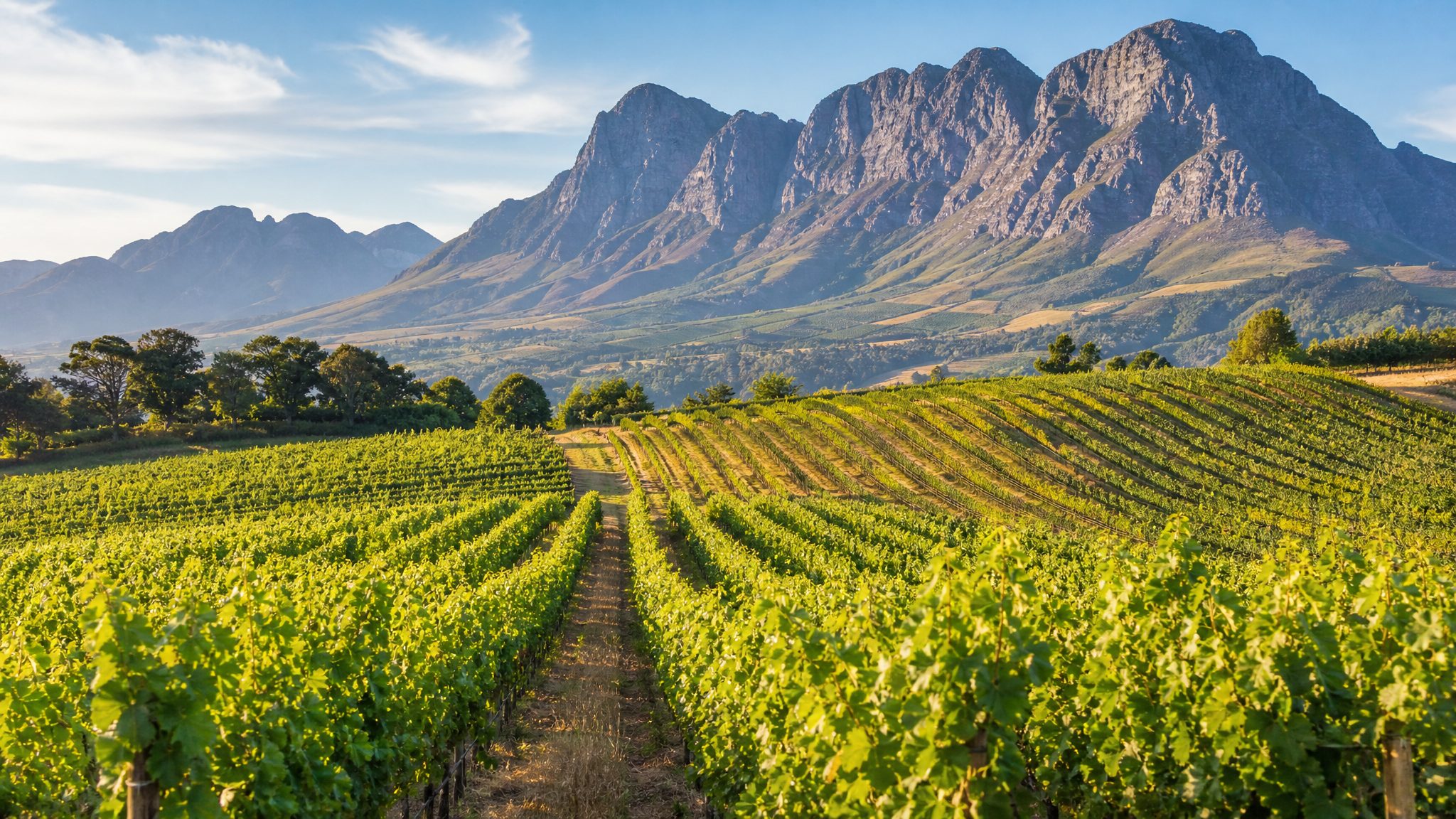
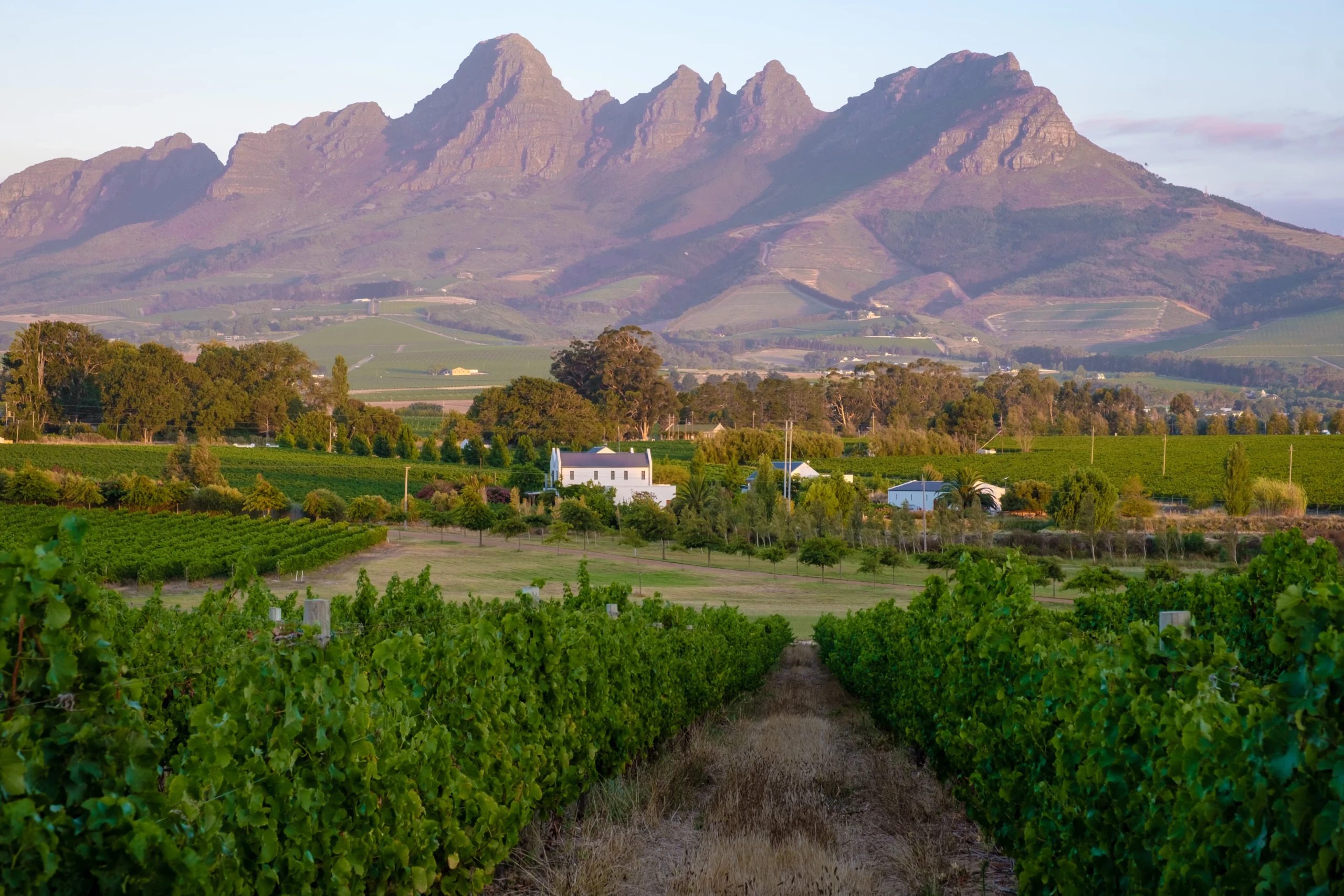
But what sets the Cape Winelands apart is the setting. Imagine tasting a chilled Sauvignon Blanc on a vine-shaded terrace, the Simonsberg mountains rising purple in the distance, while a sommelier explains how the cool Atlantic winds and ancient granite soils create the wine's minerality. Or lunching on slow-roasted Karoo lamb paired with a velvety Bordeaux blend, in a 300-year-old Cape Dutch manor house dripping with history.
This is wine country elevated to art. And it's just 45 minutes from Cape Town.
The Big Three: Stellenbosch, Franschhoek & Paarl
The Cape Winelands encompass several regions, but three stand out for first-time visitors:
Stellenbosch: The Wine Capital
Stellenbosch is South Africa's oldest and most famous wine region, established in 1679. With over 150 wine estates, a charming university town center filled with oak-lined streets and Cape Dutch architecture, and a reputation for producing some of the country's finest reds (particularly Cabernet Sauvignon and Pinotage blends), Stellenbosch is the beating heart of the Winelands.
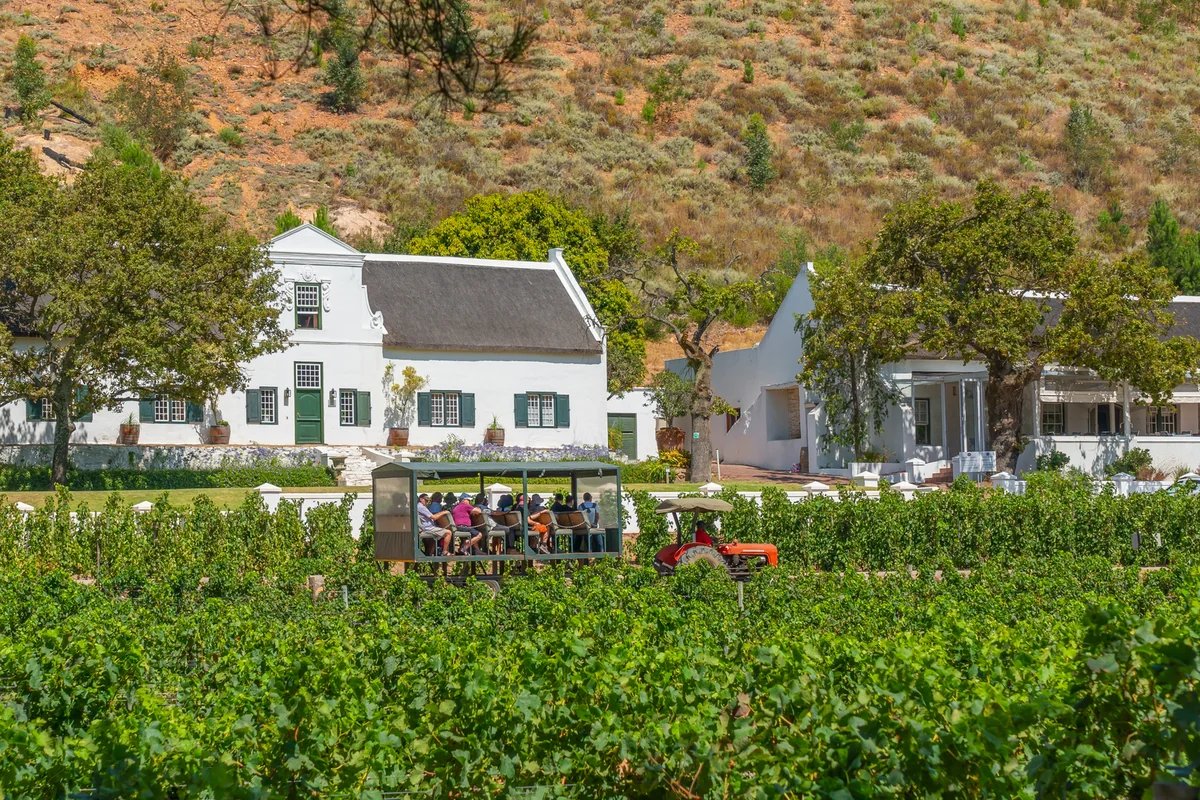
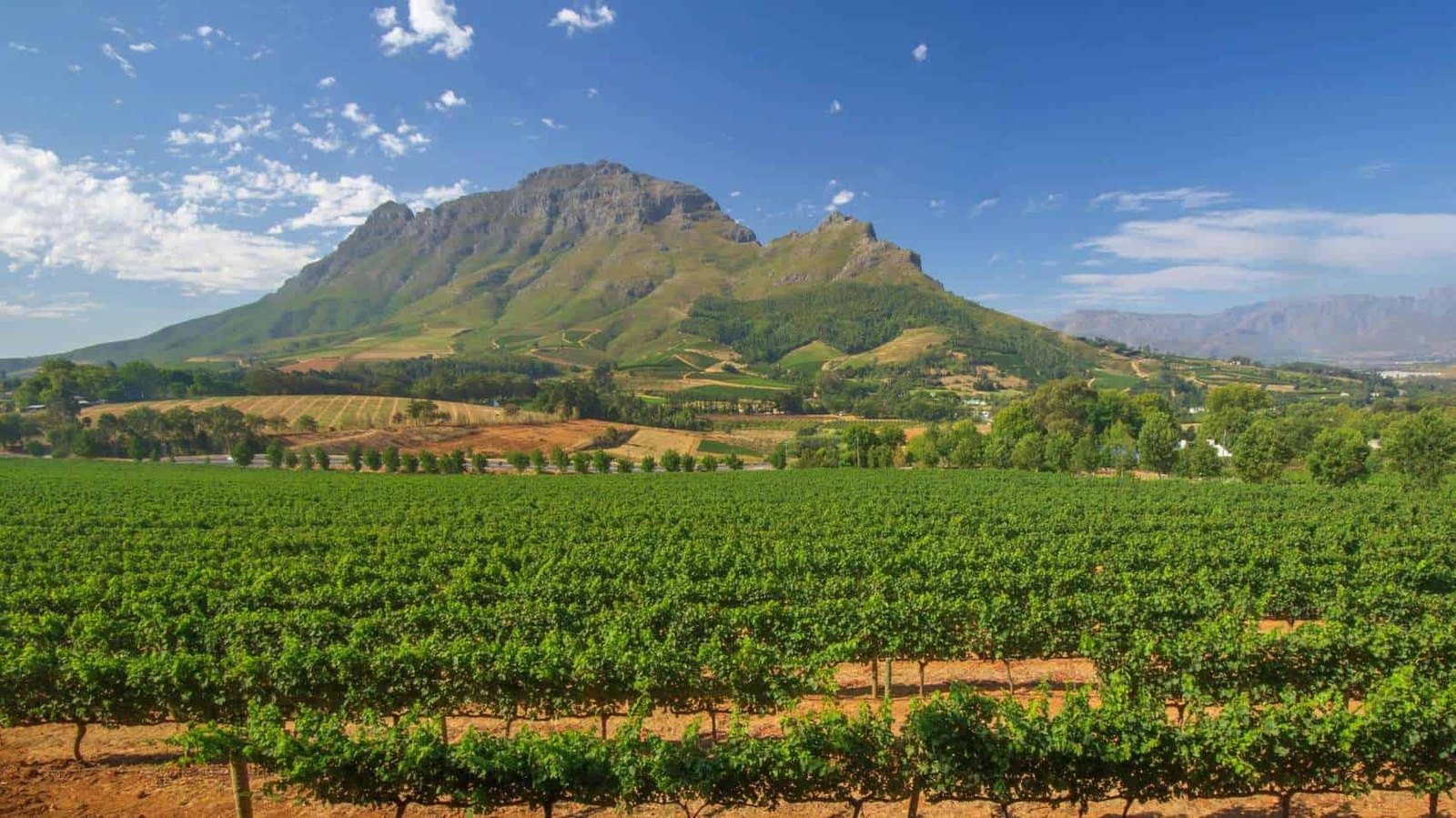
Must-visit estates in Stellenbosch:
- Delaire Graff Estate: Ultra-luxury, perched on the crest of Helshoogte Pass. Michelin-star-caliber restaurant, art gallery, and jaw-dropping views. Expect to spend R400+ per tasting, but it's worth every cent for the experience.
- Tokara: Modern architecture, stunning terraced vineyards, and a brilliant olive oil tasting alongside the wines. The views alone justify the visit.
- Waterford Estate: Famous for its wine-and-chocolate pairing (their signature experience matches wines with artisanal chocolates — divine).
- Spier Wine Farm: Family-friendly, with eagle encounters, picnic grounds, and a range of tasting options from budget to premium.
- Rust en Vrede: Serious wine lovers' estate. No frills, just exceptional reds and a Michelin-trained chef in the restaurant.
Vibe: Dynamic, diverse, accessible. Stellenbosch caters to everyone from backpackers doing walk-in tastings at R50 to billionaires helicopter-hopping between estates.
Franschhoek: The Culinary Capital
Franschhoek ("French Corner") was settled by French Huguenot refugees in the late 1600s, and the French influence is palpable. The valley is compact, intimate, and focused on gastronomy — this is where wine and food intersect at the highest level. Franschhoek boasts the highest concentration of award-winning restaurants per capita in South Africa, and many estates prioritize food-and-wine pairings over volume tastings.
Must-visit estates in Franschhoek:
- Babylonstoren: A working farm and garden paradise. The estate features an extensive vegetable and herb garden (you can wander for hours), a farm-to-table restaurant, a bakery, and a tasting room offering wines and preserves. It's an experience, not just a tasting.
- La Motte: Elegant, historic, and refined. The museum showcases Huguenot heritage, and the restaurant is superb. Their Shiraz is legendary.
- Grande Provence: Art gallery, gourmet restaurant, and a boutique hotel. The tasting terrace overlooks manicured vineyards with mountain views.
- Boschendal: One of the oldest estates (founded 1685). Known for its Cap Classique (sparkling wines) and picnic experiences under the oaks.
- Rickety Bridge: Charming, unpretentious, and beloved by locals. Their Chenin Blanc and Paulina's Reserve red blend are standouts.
Vibe: Intimate, gourmet, romantic. Franschhoek is where you go to linger over a five-course lunch, not tick off six estates in a day.
Paarl: The Undiscovered Gem
Paarl is larger and less touristy than Stellenbosch or Franschhoek, which means fewer crowds and often better value. The town is dominated by Paarl Rock, a massive granite outcrop, and the wine estates here tend to be larger, more commercial operations — though boutique gems exist.
Must-visit estates in Paarl:
- Fairview: Famous for its goat tower (a spiraling structure where goats climb and play) and artisan cheese production. The wine-and-cheese pairing is excellent and affordable.
- Spice Route: Not a single estate, but a complex featuring a craft brewery, chocolate factory, charcuterie, glass-blowing studio, and multiple tasting rooms. It's a full afternoon's entertainment.
- Laborie: Historic estate with a laid-back vibe, excellent MCC, and a riverside restaurant perfect for lazy lunches.
- Nederburg: One of South Africa's largest and most awarded wineries. Their annual auction is legendary among collectors.
Vibe: Relaxed, unpretentious, value-driven. Paarl is where locals go to avoid the tourist crowds.
How to Plan Your Winelands Day Trip
Most visitors to the Cape Winelands are based in Cape Town and visiting for a day trip. Here's how to maximize your time:
Option 1: Guided Wine Tour (Recommended for First-Timers)
Guided tours remove all stress — a professional driver picks you up from your Cape Town hotel, navigates the winding mountain passes, handles all tasting bookings, and drops you back in the evening. You can relax, enjoy the wines, and learn from an expert guide.
What's included: Door-to-door transport (air-conditioned minibus or luxury sedan), visits to 3–4 estates, cellar tours, all tasting fees, lunch at a winery restaurant or gourmet deli, bottled water, and insider commentary on the region's history and viticulture.
Cost: Small-group tours R1,400–R1,800 (~$80–$105) per person; private tours R2,200–R3,500 (~$130–$200) per person.
Pro tip: Book a small-group tour (max 8–12 people) for a more intimate experience, or splurge on a private tour if you have specific estates in mind or want total flexibility.
Option 2: Self-Drive (For Independent Travelers)
Renting a car and driving yourself offers maximum flexibility — you control the pace, choose your stops, and can explore off-the-beaten-path estates. However, you must designate a driver (South Africa has strict drunk-driving laws and frequent roadside checkpoints) or spit-taste (use the provided spit buckets to taste without swallowing — standard practice among professionals).
Route suggestion: Cape Town → Stellenbosch via N2/M12 (50km, 45 min) → Estate 1 in Stellenbosch (10:00–11:00) → Helshoogte Pass to Franschhoek (30 min drive, spectacularly scenic) → Estate 2 in Franschhoek + cellar tour (11:30–12:30) → Lunch in Franschhoek village (13:00–14:30) → Estate 3 or 4 for sunset tasting (15:00–16:30) → Return to Cape Town via R310/N1 (75 min).
Pro tip: Download the Stellenbosch Wine Routes or Franschhoek Wine Valley apps for maps, estate details, and real-time updates. Pre-book tastings at premium estates to avoid disappointment.
Option 3: The Franschhoek Wine Tram
A unique hop-on, hop-off experience combining vintage tram cars and open-air buses. The tram stops at multiple estates along designated routes, and you can disembark for tastings, then catch the next tram. It's scenic, leisurely, and removes the need for a designated driver.
Cost: R350–R450 (~$20–$27) per person for a full-day ticket (does not include tasting fees).
Limitation: You're tied to the tram schedule (every 30–45 minutes), and it only covers Franschhoek estates (no Stellenbosch).
🍷 Our Top Recommendation: Join a guided tour for your first Winelands visit. The guide's expertise, curated itinerary, and stress-free transport are invaluable. Once you've got your bearings, return for a self-drive adventure to explore estates you missed.
What to Expect: A Typical Wine Estate Experience
Most estate visits follow a similar structure, though luxury estates add layers of exclusivity and storytelling.
The Arrival
You'll be greeted at the tasting room (often a beautifully restored Cape Dutch manor or a sleek modern pavilion) and seated at a tasting bar or terrace. Some estates offer walk-in tastings; others require advance bookings.
The Cellar Tour (Optional)
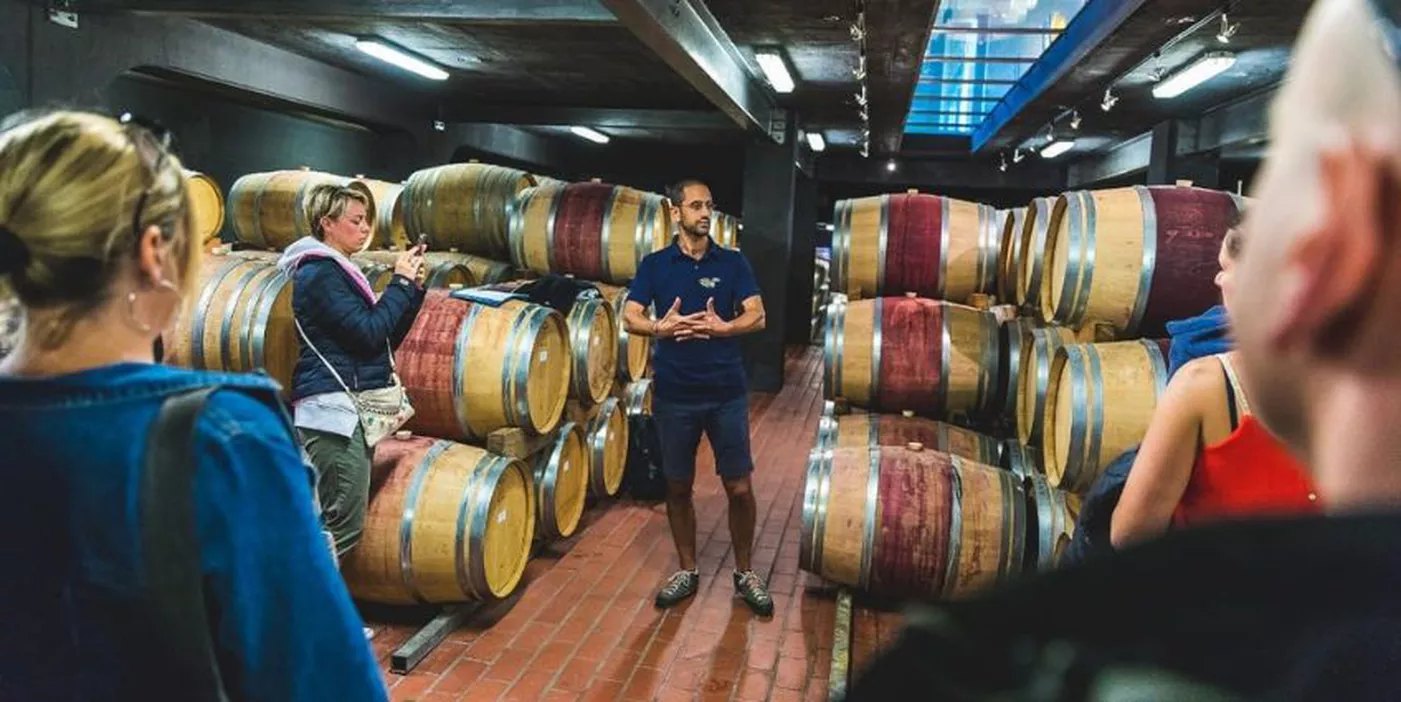
Many estates offer guided cellar tours (15–30 minutes) where you'll walk through the vineyards, see the pressing equipment, explore barrel-aging cellars, and learn about the winemaking process. It's fascinating, even for non-experts, and often included free with your tasting fee.
The Tasting
You'll be presented with a flight of 4–8 wines (typically starting with whites, progressing to rosés, then reds, and finishing with dessert wines or MCC). A sommelier or tasting host will explain each wine's origin, varietal, flavor profile, and suggested food pairings. Don't be shy — ask questions, swirl, sniff, sip, and savor. Use the spit buckets if you need to pace yourself.
Pairing Experiences
Premium estates often offer food-and-wine pairings: cheese platters, charcuterie boards, chocolate, biltong (dried cured meat), or multi-course tasting menus. These elevate the experience from "tasting" to "dining," and they're highly recommended for serious foodies.
The Shop
Every estate has a wine shop where you can purchase bottles to take home. Staff can arrange shipping or provide secure packaging for luggage. Many estates also sell olive oils, preserves, artisan chocolates, and branded merchandise.
Insider Tips for Wine Tasting in the Cape Winelands
Maximize your experience with these pro tips from seasoned Winelands visitors:
Pace Yourself
Tasting 6–8 wines at four estates = 24–32 wines in a day. Even if you're spitting, that's overwhelming. Stick to 3–4 estates, limit tastings to 5–6 wines per stop, and alternate sips with water and food.
Use the Spit Buckets
There's no shame in spitting — it's what professionals do to maintain palate clarity. Swirl, sniff, sip, savor, then spit. You'll taste more accurately and avoid the midday stupor.
Ask Questions
Winemakers and sommeliers love sharing their craft. Ask about the terroir (soil, climate, altitude), the aging process, the vintage's characteristics, or which wine pairs best with braai (South African barbecue). You'll learn far more than you would from passively sipping.
Skip the "Big Name" Estates (Sometimes)
While iconic estates like Delaire Graff and Babylonstoren are worth visiting, some of the best experiences come from smaller, family-run farms where the winemaker personally pours your tasting and shares stories over homemade bread and cheese. Ask your guide or locals for hidden gems.
Buy Direct from the Estate
Estate-exclusive wines (limited releases, cellar reserves, winemaker's selections) are often only available at the source. Buying direct also supports the farm and gives you access to vintages you won't find in retail stores abroad.
Dress Comfortably (But Smartly)
Wine estates are elegant but relaxed. Think "smart casual" — sundresses, linen pants, chinos, polos. Avoid stilettos (gravel paths), overly formal suits, or beachwear. Bring layers and sunscreen.
Beyond Wine: What Else to Do in the Winelands
The Cape Winelands offer far more than tastings. Here are the top complementary experiences:
Gourmet Dining
Franschhoek alone boasts over a dozen award-winning restaurants. Highlights include La Petite Ferme (stunning valley views, French-inspired cuisine), The Werf Restaurant at Boschendal (farm-to-table perfection), and Foliage (fine dining in a glass-walled pavilion). Book weeks in advance for weekend lunches.
Scenic Drives
The drive over Helshoogte Pass (Stellenbosch to Franschhoek) and Sir Lowry's Pass (Somerset West to Gordon's Bay) offer breathtaking mountain and valley vistas. Stop at viewpoints for photos.
Art Galleries
Many estates double as art galleries. Delaire Graff's sculpture garden and contemporary art collection, Grande Provence's rotating exhibitions, and Tokara's modern pieces are world-class.
Outdoor Activities
Horse riding through vineyards, e-bike tours between estates, hot-air balloon rides at sunrise, and hiking in the Jonkershoek Nature Reserve are popular add-ons.
Spa Treatments
Several luxury estates (Delaire Graff, Grande Provence, Lanzerac) offer spa treatments using grape-based skincare products. A massage after a day of tastings? Bliss.
Where to Stay: Overnight in the Winelands
While most visitors day-trip from Cape Town, staying overnight allows you to slow down, enjoy sunset tastings, and wake up among the vines.
Luxury Estates & Manor Houses
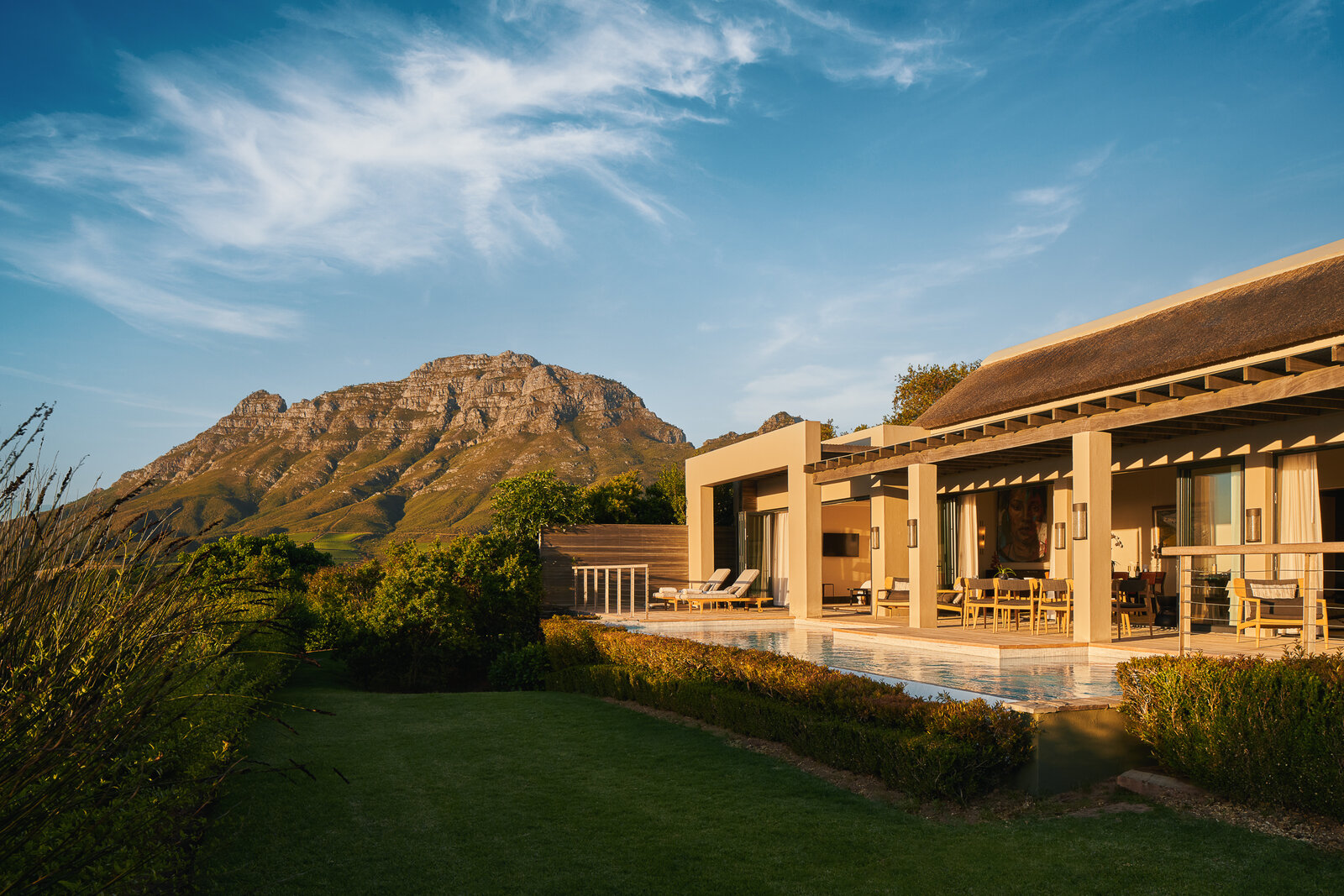
Delaire Graff Lodges & Spa, Leeu Estates (Franschhoek), Lanzerac Hotel & Spa (Stellenbosch), and Babylonstoren Farm Hotel offer five-star suites, gourmet breakfasts, and vineyard views. Expect R5,000–R15,000+ (~$280–$850+) per night.
Boutique Guesthouses
Franschhoek and Stellenbosch are dotted with charming guesthouses and B&Bs. Expect R1,500–R3,500 (~$85–$200) per night for characterful rooms, often in restored Cape Dutch buildings.
Self-Catering Cottages
Many estates offer self-catering cottages on the property. Wake up, walk to the tasting room, buy a bottle, and enjoy it on your private deck. Rates start around R1,200 (~$70) per night.
Sample Itineraries
Half-Day Quickie (4 Hours)
Depart Cape Town 9:00 AM → Stellenbosch (2 estates, quick tastings) → Lunch at estate restaurant → Return 13:00. Best for cruise passengers or time-limited travelers.
Full-Day Classic (8 Hours)
Depart 9:00 AM → Stellenbosch (Estate 1 + cellar tour) → Franschhoek via Helshoogte Pass (Estate 2) → Gourmet lunch → Final estate tasting → Return 17:30.
Two-Day Luxury Escape
Day 1: Morning arrival → Check into boutique hotel → Afternoon tastings at 2 estates → Dinner at award-winning restaurant.
Day 2: Sunrise hot-air balloon ride → Breakfast at estate → Final tastings → Spa treatment → Depart late afternoon.
What to Know Before You Go
Tasting Etiquette
- Hold the glass by the stem (not the bowl) to avoid warming the wine.
- Swirl gently to release aromas, sniff, then sip.
- It's polite to buy at least one bottle if you've enjoyed the tasting (though not obligatory).
- Don't wear perfume or cologne (it interferes with the wine's bouquet).
- Photography is welcome, but ask before filming private cellars or staff.
Driving & Safety
- South Africa's legal blood-alcohol limit is 0.05% — roughly one glass of wine. Do not risk it. Use a tour, Uber, or designated driver.
- The Winelands are safe during the day. Stick to main roads and avoid stopping in isolated areas after dark.
Language
English is widely spoken at all estates, alongside Afrikaans (the region's predominant language). French is common in Franschhoek.
Ready to Raise a Glass in the Cape Winelands?
The Cape Winelands are more than a wine destination — they're a celebration of South Africa's natural beauty, culinary excellence, and warm hospitality. Whether you're savoring a velvety Merlot on a sun-drenched terrace, learning about centuries-old winemaking traditions in a candlelit cellar, or simply watching the mountains turn purple at sunset with a glass of chilled Chenin Blanc in hand, the Winelands deliver moments you'll treasure forever.
And the best part? It's all just 45 minutes from Cape Town.
Book your Cape Winelands wine tour today — and discover why South Africa's wine country rivals the world's best.