Quick Answer: When Is the Best Time to See Whales in Hermanus?
Peak whale season: September and October (highest numbers, mother-calf pairs abundant, Whale Festival in late September).
Full season: June to December (whales arrive late May, depart by early December).
Best months for first-timers: August, September, October (consistent sightings, pleasant weather, full town atmosphere).
Quietest months (fewer tourists): June, July, early November (whales still present, but fewer crowds and lower accommodation rates).
Land-based viewing: Free, accessible year-round from the Hermanus cliff path.
Boat tours: R800–R1,200 (~$45–$70) per person, weather-dependent, 1.5–2 hours.
Why Hermanus is the World's Best Whale-Watching Destination
Hermanus, a picturesque coastal town perched on the cliffs of Walker Bay, holds a unique distinction: it's the only place on Earth where you can consistently watch whales from the shore — often just 10–20 meters away — without needing a boat, binoculars, or even luck.
Every year, from June to December, hundreds of Southern Right whales migrate from the icy Antarctic waters to the sheltered, nutrient-rich bays of South Africa's southern coast. They come here to mate, calve, and nurse their young in the calm, shallow waters. And Hermanus, with its deep-water bay that comes tantalizingly close to the clifftop promenade, offers the world's best land-based vantage point.
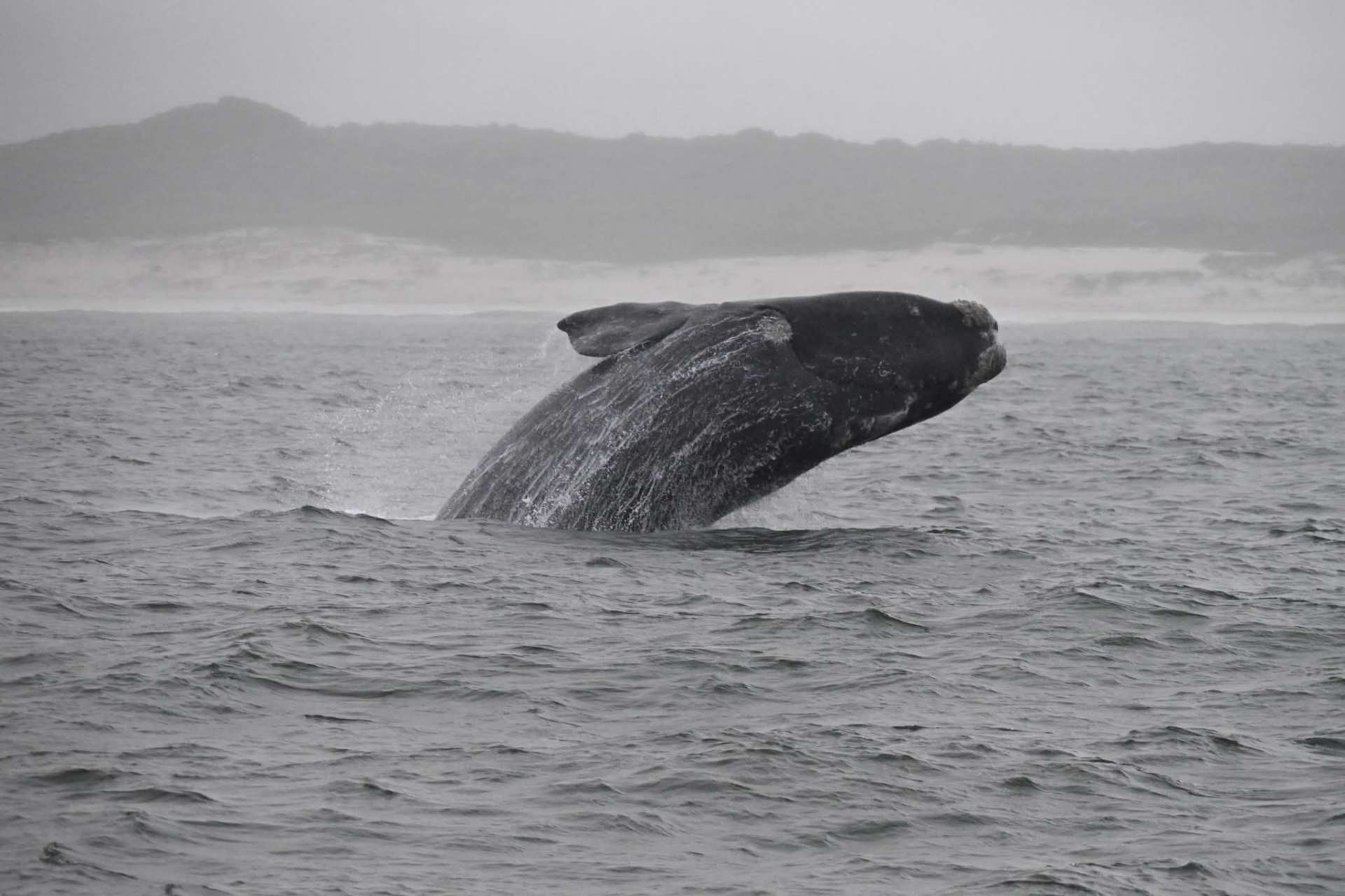
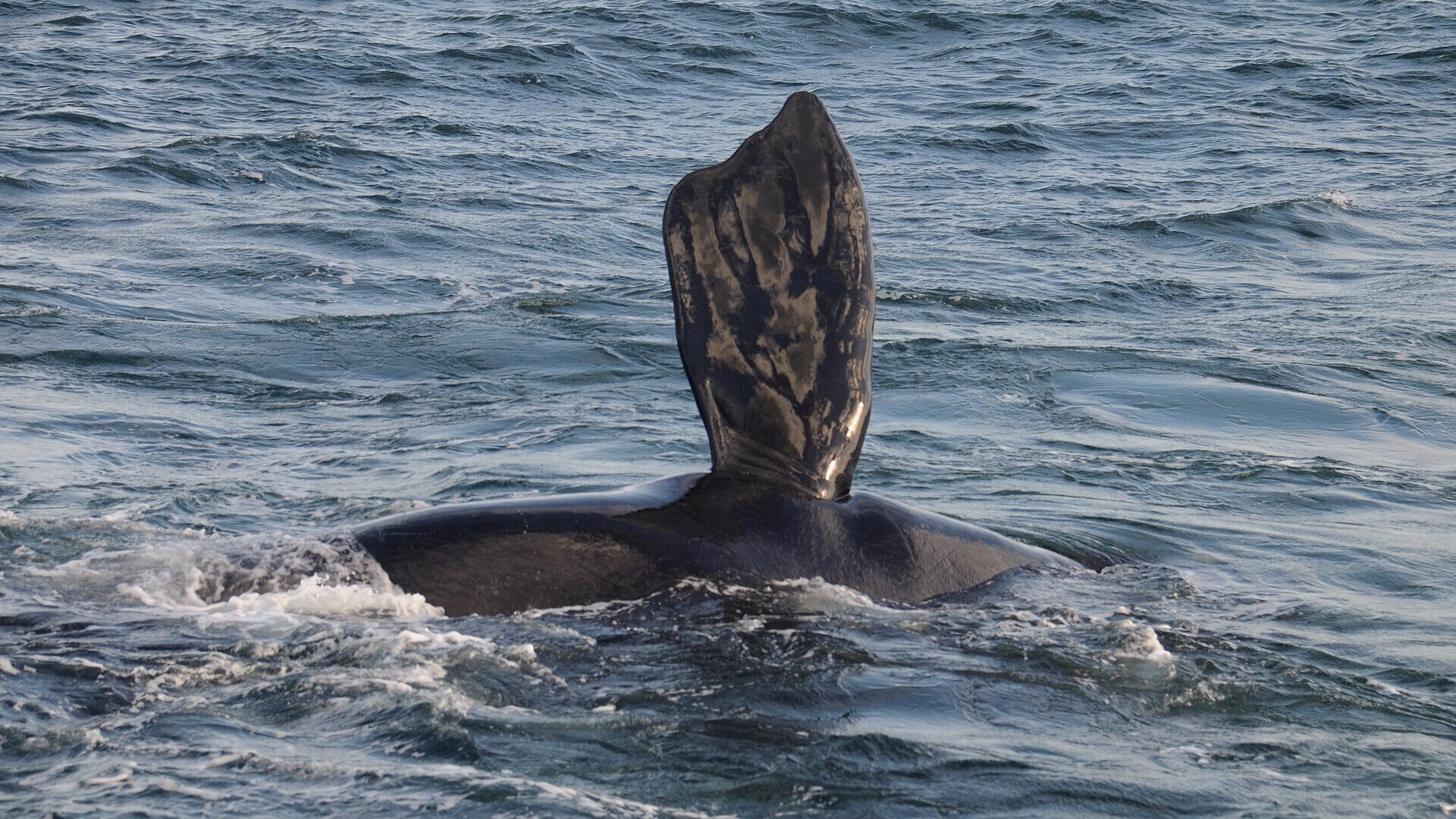
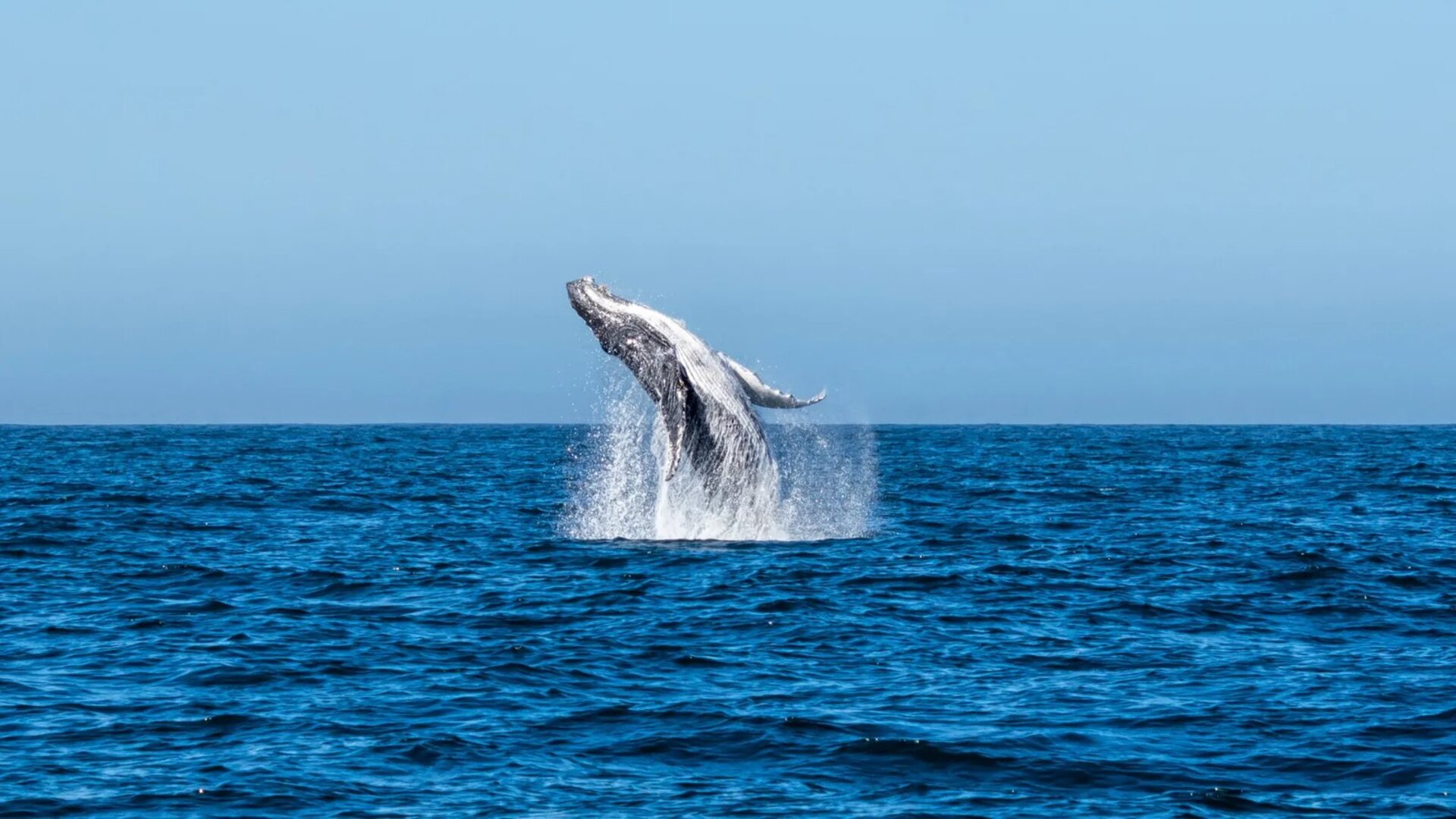
You'll see mothers teaching their calves to breach (launching their massive bodies out of the water in explosive displays). You'll watch whales "spy-hop" (poking their heads vertically above the surface to look around). You'll hear them exhale through their blowholes — a sound somewhere between a sigh and a thunderclap. And you'll feel the spray on your face when a 40-ton whale tail-slaps the ocean just meters from the rocks.
This is not passive wildlife viewing. This is communion with one of the ocean's most intelligent, gentle, and awe-inspiring creatures — and it happens on a clifftop walking path that anyone can access for free.
Meet the Southern Right Whale
The Southern Right whale (Eubalaena australis) is a baleen whale — meaning it has no teeth, but instead filters vast quantities of tiny plankton, krill, and copepods through comb-like baleen plates in its mouth. Adults can grow up to 18 meters (60 feet) long and weigh 60–80 tons — roughly the weight of 10 elephants.
Why "Right" whale? Whalers in the 18th and 19th centuries dubbed them the "right" whales to hunt because they swim slowly, float when killed (due to their thick blubber layer), and yield copious amounts of oil and baleen. This made them easy targets, and they were hunted to the brink of extinction. By the 1920s, the Southern Right whale population had collapsed to fewer than 300 individuals worldwide.
Thanks to international protection (hunting was banned in 1935), the species has made a remarkable recovery. Today, an estimated 15,000–20,000 Southern Right whales roam the Southern Hemisphere's oceans, with roughly 8,000 visiting South African waters annually. Hermanus alone sees 100+ individual whales each season.
Distinctive features: Southern Right whales are recognizable by their massive, stocky bodies with no dorsal fin, paired blowholes that create a distinctive V-shaped blow (spout of mist), and callosities — rough, white patches of hardened skin on their heads (like barnacles, but actually skin). These callosities are unique to each whale, allowing researchers to identify individuals year after year.
Whale Season in Hermanus: Month-by-Month Breakdown
Southern Right whales are seasonal visitors to Hermanus. Here's what to expect each month:
May & Early June: The Arrivals
The first scouts begin arriving in late May. Numbers are low, but excitement is high — locals and early-bird visitors gather on the cliff path to welcome the season's first whales. By mid-June, dozens of whales are present.
Best for: Avoiding crowds, lower accommodation rates, and witnessing the season's first breaches.
July & August: Building Numbers
By July, Walker Bay is teeming with whales. This is when pregnant females arrive to give birth in the sheltered waters. You'll see mothers with tiny calves (born at around 5–6 meters long and weighing 1 ton) learning to swim and surface. The whales are active, curious, and often approach boats and the shore.
Best for: Newborn calves, fewer tourists than September, and crisp winter weather (bring layers — it can be cold and windy).
September & October: Peak Season
This is the absolute peak of whale season. The bay is alive with whales — mothers and calves, juveniles playing, and males competing for mates. The Hermanus Whale Festival (typically late September) draws thousands of visitors for live music, craft markets, marine conservation talks, and, of course, whale watching. Sightings are virtually guaranteed every day.
Best for: First-timers, families, photographers, and anyone seeking the full Hermanus experience. Book accommodation and boat tours well in advance — the town fills up.
November & Early December: The Farewells
By November, the whales begin their migration back to Antarctic waters. Numbers thin, but those remaining are often the most relaxed and approachable (mothers with strong calves preparing for the long journey south). The weather is warmer, and the town is quieter.
Best for: Post-season deals on accommodation, warm weather, and peaceful viewing.
| Month | Whale Numbers | Highlights | Crowds |
|---|---|---|---|
| June–July | ⭐⭐⭐ | Newborn calves, early season energy | Low |
| August | ⭐⭐⭐⭐ | Strong numbers, mothers teaching calves | Moderate |
| September–October | ⭐⭐⭐⭐⭐ | Peak season, Whale Festival, guaranteed sightings | High |
| November | ⭐⭐⭐ | Calmer whales, warm weather, fewer crowds | Low–Moderate |
Land-Based Whale Watching: The Hermanus Cliff Path
The Hermanus Cliff Path is the town's crown jewel — a 12-kilometer paved and gravel promenade that hugs the coastline from the New Harbour in the west to Grotto Beach in the east. Along the way, you'll find over a dozen official viewpoints, benches, informational plaques, and the iconic Whale Crier.
Top Cliff Path Viewpoints
- Gearing's Point: The most famous viewpoint. A rocky promontory jutting into Walker Bay, offering 180-degree ocean views. Whales frequently linger in the calm waters directly below. Bring binoculars (though often unnecessary) and a camera with a zoom lens.
- Siever's Point: A quieter alternative to Gearing's Point, with benches and interpretive signs explaining whale behavior. Ideal for extended viewing sessions.
- Kwaaiwater (Angry Water): Named for the churning waves that crash between the rocks, this spot is dramatic and often yields close encounters with curious whales.
- Old Harbour: The historic heart of Hermanus, with easy parking, cafes, restaurants, and the famous bronze whale sculpture. Families love this spot for its accessibility and amenities.
- Fick's Pool & Die Gang: Rock pools and tidal formations where whales sometimes venture surprisingly close to investigate.
How to Maximize Your Land-Based Viewing
- Walk the entire path: Whales move constantly. A viewpoint that's empty at 9:00 AM may have three whales by 10:30 AM. Walking the path allows you to follow the action.
- Bring binoculars: While many sightings are close enough for the naked eye, binoculars let you see details like callosities, eye movements, and distant breaches.
- Patience pays off: Whales surface every 5–15 minutes to breathe. If you spot a blow (spout), wait — the whale will likely surface again nearby.
- Listen: The sound of a whale's exhalation is unmistakable — a deep, resonant "whoosh" that carries across the water. Let your ears guide you.
- Best time of day: Early morning (7:00–9:00 AM) and late afternoon (15:00–17:00) often see increased whale activity. Midday can be quiet as whales rest.
🐋 Pro Tip: Download the Whale Sightings South Africa app or check Hermanus Tourism's live sighting updates. Fellow viewers share real-time whale locations, giving you a head start on where to go.
Boat-Based Whale Watching Tours
While land-based viewing is extraordinary, boat-based tours offer a different thrill: you're on the water, at the whales' level, and often surrounded by multiple individuals. Licensed operators depart from the New Harbour daily (weather permitting) during whale season.
What to Expect on a Boat Tour
Tours last 1.5–2 hours and are conducted on rigid inflatable boats (RIBs) or stable catamarans. A skipper and marine guide provide safety briefings, whale behavior commentary, and positioning to maximize sightings while adhering to legal distance limits (300 meters minimum, though whales often approach the boat voluntarily).
You'll see whales breaching, spy-hopping, tail-slapping, and logging (resting at the surface). You might also encounter Cape fur seals, African penguins, dolphins, and seabirds (albatrosses, gannets, cormorants). The experience is exhilarating, wet (bring waterproof gear), and unforgettable.
Cost & Booking
Boat tours cost R800–R1,200 (~$45–$70) per person. Book directly with operators like Southern Right Charters, Hermanus Whale Watchers, or Walker Bay Adventures. Tours are weather-dependent — rough seas or high winds lead to cancellations (full refunds or rescheduling offered).
Boat vs. Land: Which is Better?
Both experiences are magical, but different. Land-based viewing is free, accessible, and offers the thrill of watching whales from solid ground (no seasickness risk). Boat-based tours get you closer to the whales, offer a 360-degree ocean perspective, and include marine guide expertise. If budget and time allow, do both — land viewing in the morning, boat tour in the afternoon.
The Hermanus Whale Festival
Every year in late September or early October, Hermanus hosts the Hermanus Whale Festival — a week-long celebration of marine life, conservation, and coastal culture. The festival features live music, food stalls, craft markets, eco-marine talks, kids' activities, and — of course — prime whale watching.
The festival draws 100,000+ visitors, transforming the sleepy coastal town into a vibrant hub. Streets close for pedestrian markets, local chefs showcase seafood specialties, and marine conservation organizations offer educational exhibits. It's family-friendly, festive, and a fantastic way to combine whale watching with South African culture.
Pro tip: If you're visiting during the festival, book accommodation at least 2–3 months in advance — hotels and guesthouses fill up fast.
Beyond Whales: What Else to Do in Hermanus
Hermanus offers far more than marine mammals. Here are the top complementary experiences:
Great White Shark Cage Diving (Gansbaai)
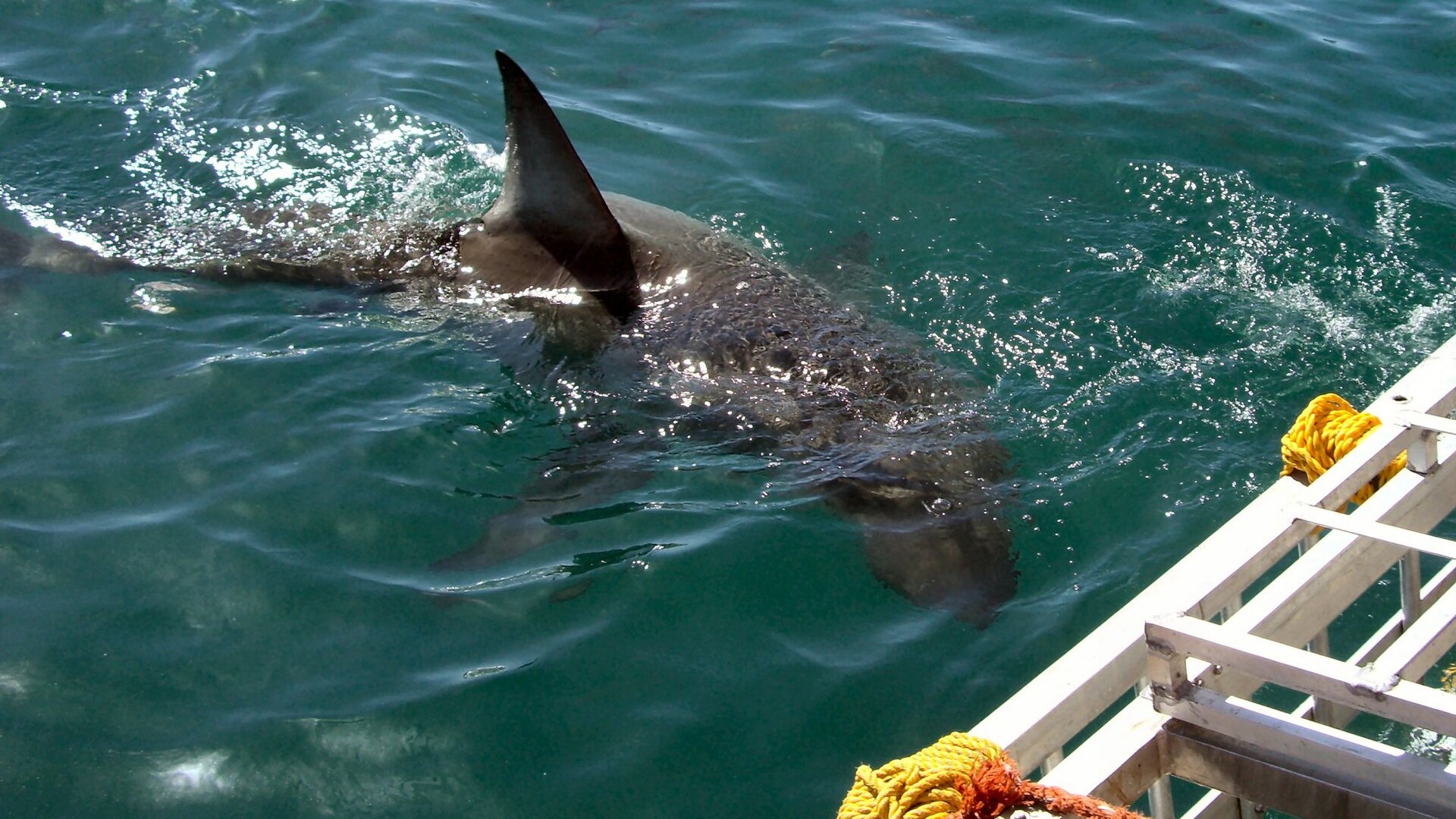
Just 40 minutes from Hermanus, the town of Gansbaai is the "Great White Shark Capital of the World." Cage diving tours depart daily, offering face-to-face encounters with apex predators in their natural habitat. It's utterly thrilling and perfectly safe. Cost: ~R2,000–R2,500 (~$115–$145) per person.
Hemel-en-Aarde Valley Wine Estates
The "Heaven and Earth" Valley, just 10 minutes from Hermanus, is home to cool-climate wine estates producing world-class Pinot Noir, Chardonnay, and Sauvignon Blanc. Top estates include Creation, Hamilton Russell, Newton Johnson, and Bouchard Finlayson. Combine whale watching with wine tasting for the ultimate Overberg day.
Fernkloof Nature Reserve
Over 50km of hiking trails wind through fynbos-covered mountains above Hermanus, offering panoramic ocean views, wildflowers (especially in spring), and birdwatching. The trails range from easy 30-minute strolls to challenging 4-hour mountain hikes.
Cliff Path Running & Cycling
The paved sections of the cliff path are perfect for jogging or cycling, with ocean views and whale sightings as your backdrop. Rent a bike from local shops and explore at your own pace.
Hermanus Restaurants & Cafes
Hermanus has a burgeoning food scene. Don't miss Bientang's Cave (seafood restaurant built into a cave overlooking the ocean), Fisherman's Cottage (sustainable line-caught fish), or Burgundy Restaurant (fine dining with local ingredients). The Saturday morning market at the Old Harbour is fantastic for artisan breads, cheeses, and coffee.
How to Plan Your Hermanus Day Trip from Cape Town
Most visitors to Hermanus are based in Cape Town and visiting for a day trip. Here's how to structure your day:
Self-Drive Itinerary
- 7:30 AM: Depart Cape Town via N2/R44 (scenic coastal route via Gordon's Bay).
- 9:00 AM: Arrive Hermanus, park at Old Harbour, walk cliff path to Gearing's Point and back (2–3 hours of land-based viewing).
- 12:00 PM: Lunch at a harbor-side restaurant or cafe.
- 13:30 PM: Boat-based whale watching tour (1.5–2 hours).
- 15:30 PM: Depart for Cape Town, with optional wine tasting stop in Hemel-en-Aarde Valley or Betty's Bay (penguin colony at Stony Point).
- 18:00 PM: Arrive back in Cape Town.
Guided Tour Option
Full-day guided tours from Cape Town include hotel pickup, return transport, whale watching (boat or land-based), lunch, and often a wine estate stop. Cost: R1,800–R2,800 (~$105–$165) per person. Operators handle all logistics, allowing you to relax and enjoy the experience.
Where to Stay in Hermanus
If you want to extend your visit, Hermanus offers accommodation for every budget:
Luxury
The Marine Hermanus (iconic 5-star oceanfront hotel with clifftop suites and Michelin-level dining), Birkenhead House (ultra-luxury boutique hotel perched on the cliffs), and Grootbos Private Nature Reserve (luxury eco-lodge in the nearby fynbos-covered hills). Expect R4,000–R12,000+ (~$230–$700+) per night.
Mid-Range
Misty Waves Boutique Hotel, Auberge Burgundy, and Windsor Hotel offer comfortable rooms, sea views, and easy access to the cliff path. R1,800–R3,500 (~$105–$200) per night.
Budget
Hermanus Backpackers and Zoete Inval Travellers Lodge provide clean dorms and private rooms from R500–R1,200 (~$30–$70) per night.
Practical Tips for Hermanus Whale Watching
What to Bring
- Binoculars: For distant sightings and detailed observation.
- Camera with zoom lens: A 300mm+ lens is ideal for whale photography.
- Sun protection: Hat, sunglasses, SPF 50+ sunscreen (the coastal sun is intense).
- Layers: Weather can change quickly. Bring a windbreaker, fleece, and warm jacket in winter.
- Waterproof jacket: Essential for boat tours (you will get wet from spray).
- Comfortable walking shoes: The cliff path is mostly paved, but some sections are rocky.
- Snacks and water: While cafes dot the path, bring your own if planning extended viewing.
Respect the Whales
- Do not litter (especially plastic — it's deadly to marine life).
- Keep noise levels down (loud shouting can disturb whales).
- Never attempt to touch or swim with wild whales (it's illegal and dangerous).
- On boat tours, follow the skipper's instructions and respect distance regulations.
Ready to Meet the Southern Right Whales?
Hermanus whale watching is not just a tick-box wildlife experience — it's a profound connection with one of the ocean's most majestic creatures. Standing on the cliffs of Walker Bay, watching a mother whale teach her calf to breach, hearing the thunderous exhalation as they surface mere meters from you, feeling the spray on your face — it's a moment that transcends words.
And it's all just 90 minutes from Cape Town.
Whether you choose the free clifftop promenade or a thrilling boat-based encounter (or both), Hermanus delivers whale-watching magic that rivals — and often surpasses — anywhere else on Earth.
The whales are waiting. Will you answer the call?
Book your Hermanus whale watching tour today — and witness the Southern Right whales of Walker Bay in all their glory.