Every winter, one of the greatest wildlife spectacles on earth arrives on Cape Town's doorstep — and you barely have to leave the coast road to see it. Southern Right whales, having journeyed up from the sub-Antarctic, ease into the sheltered bays of the Western Cape to calve and court, so close to shore that you can stand on a cliff-top with a coffee and watch a 50-tonne animal breach in the bay below. From the famous cliffs of Hermanus to the wild dunes of De Hoop and the peninsula edges of False Bay, this is land-based whale watching at its very best.
This guide covers everything you need to plan it: when the season runs, which whales you will see, and the best spots — both on land and by boat — to witness them, all within easy reach of Cape Town.
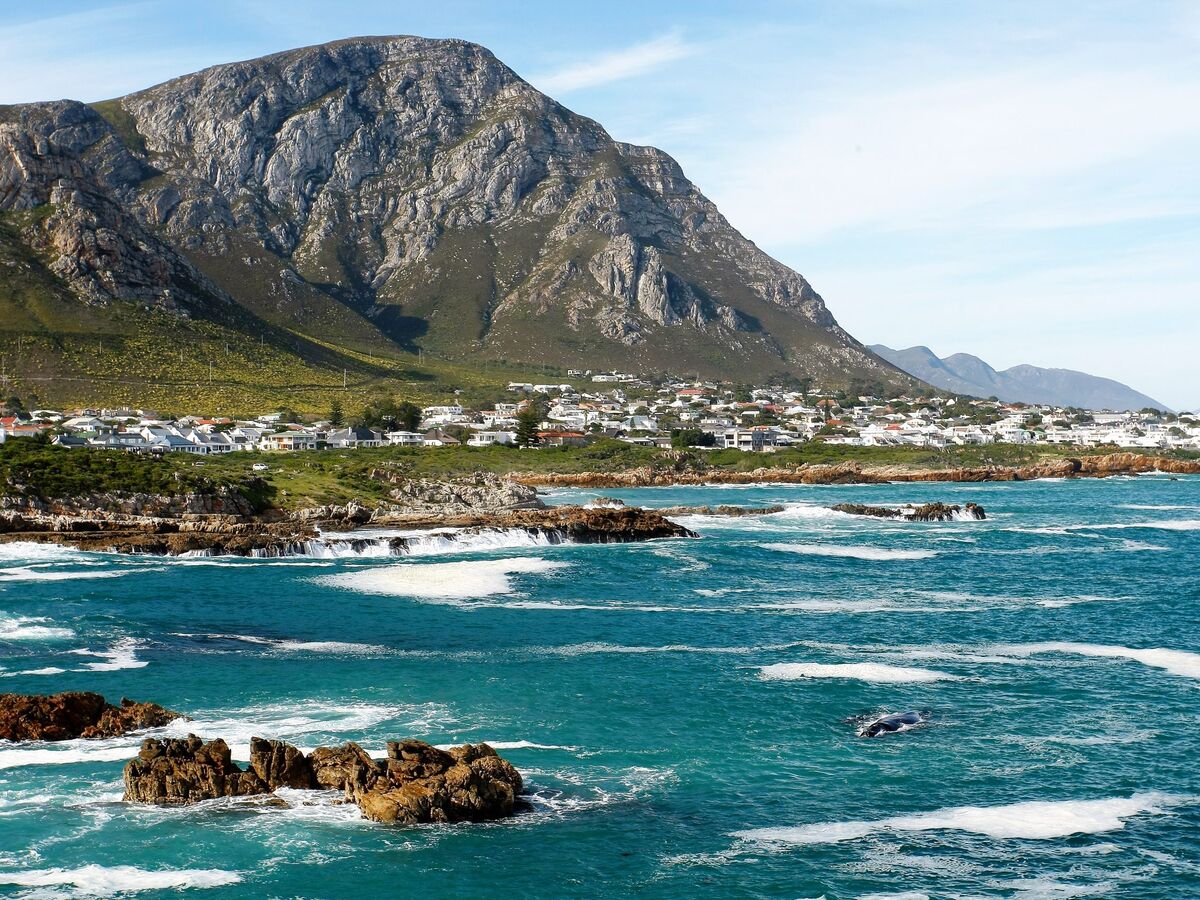
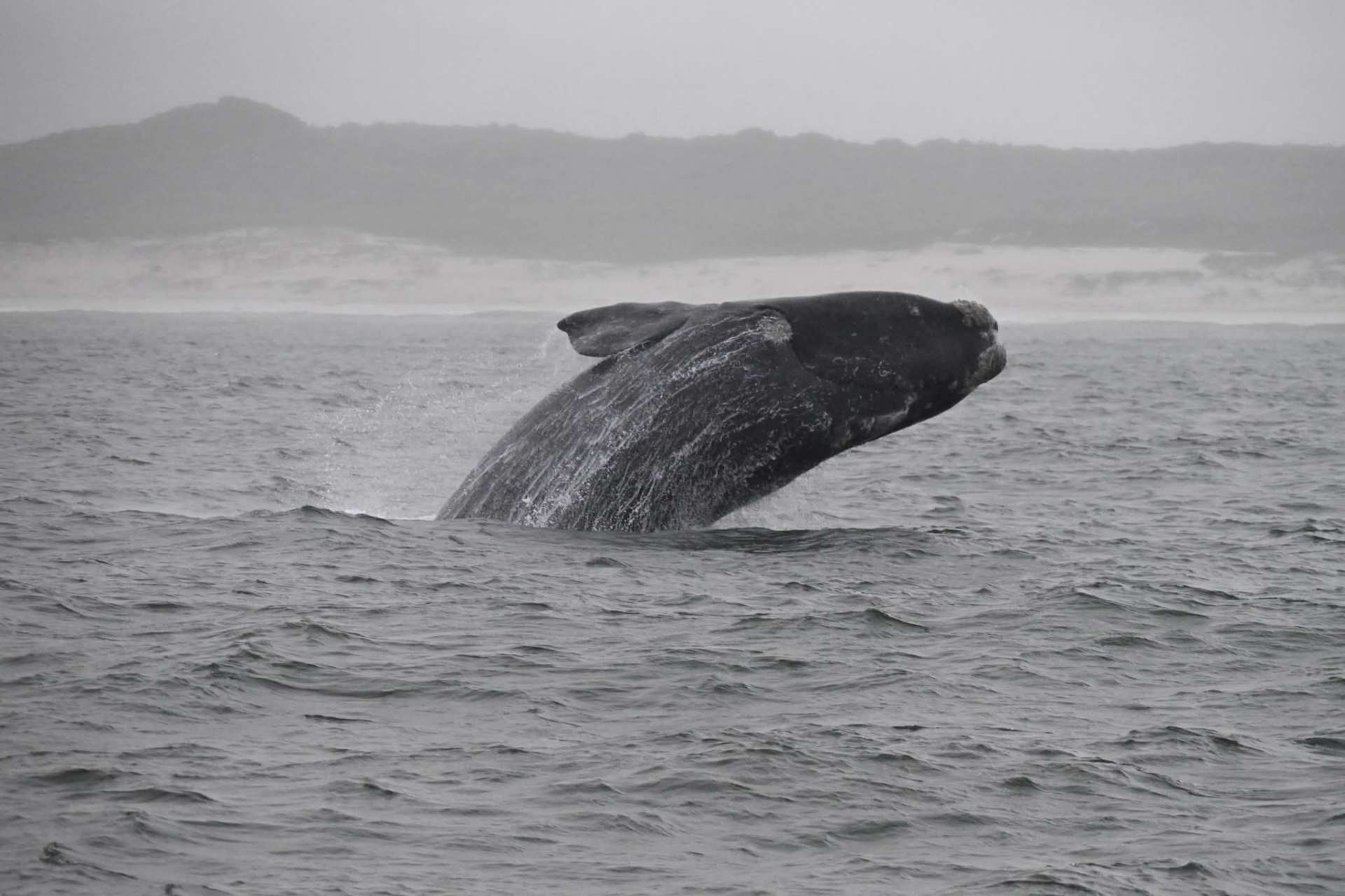
Whales in Walker Bay — the Western Cape's great winter spectacle, close to shore.
Quick Answer
The Western Cape whale season runs June to November, peaking in September and October, when Southern Right whales calve in the sheltered bays. The best spots are Hermanus (the whale capital, with world-class cliff-top viewing), False Bay, De Hoop Nature Reserve, Gansbaai and Plettenberg Bay — all easy day trips from Cape Town, on land or by boat.
Combine it with the season in our best-time-to-visit guide, or explore our Hermanus whale-watching tour and plan with a local specialist.
When Is Whale Season in the Western Cape?
The Western Cape whale season runs from roughly June to November. Southern Right whales migrate north from their Antarctic feeding grounds to the calm, protected bays of the South African coast to mate and give birth, then stay for months while their calves grow strong enough for the return journey. The first whales appear in June, numbers build through July and August, and the season peaks in September and October — the ideal window if seeing them is your priority. By November most are heading back south. It is one of the best reasons to visit Cape Town in winter and spring, when the city is quieter and better value.
Which Whales Will You See?
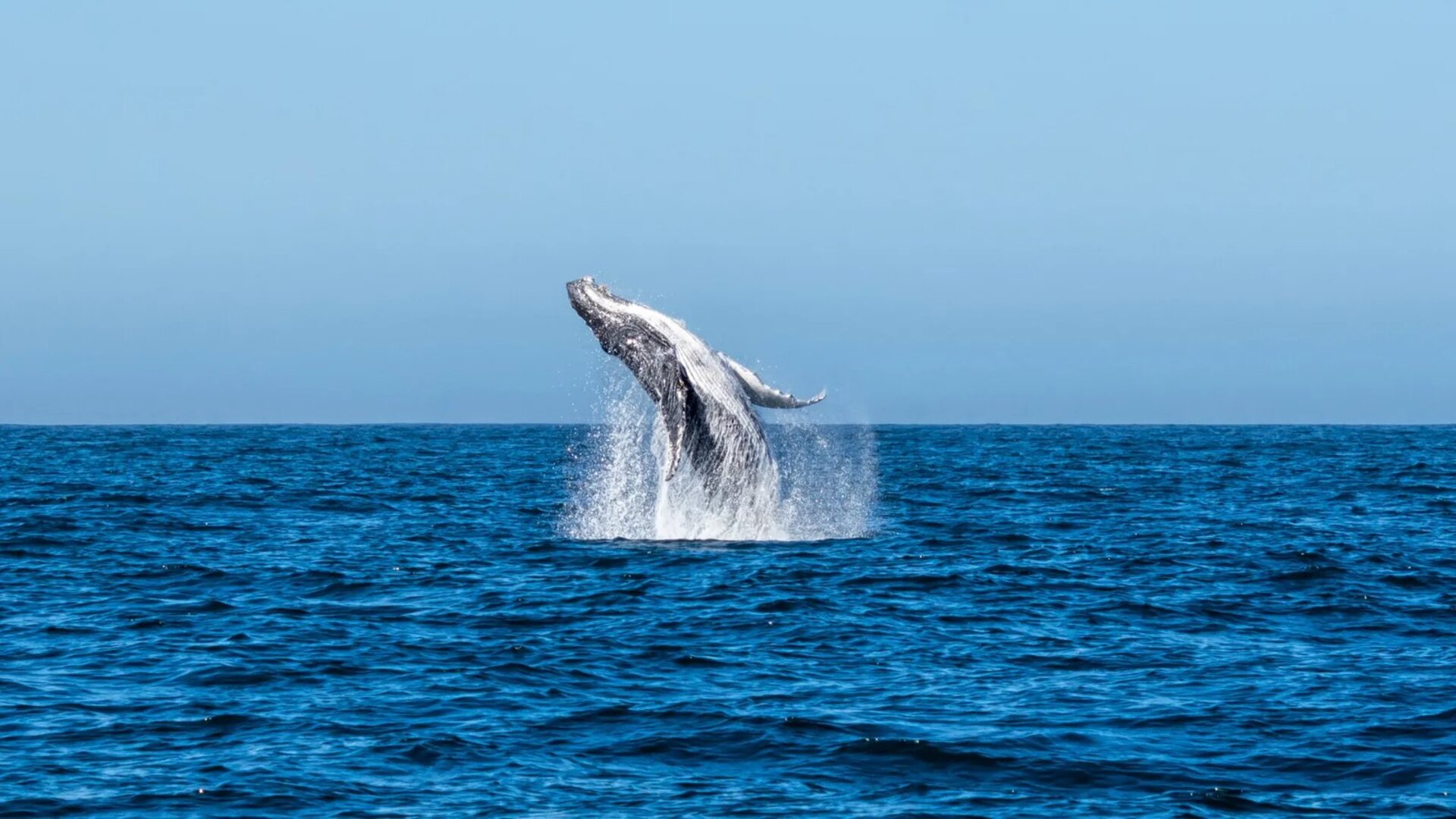
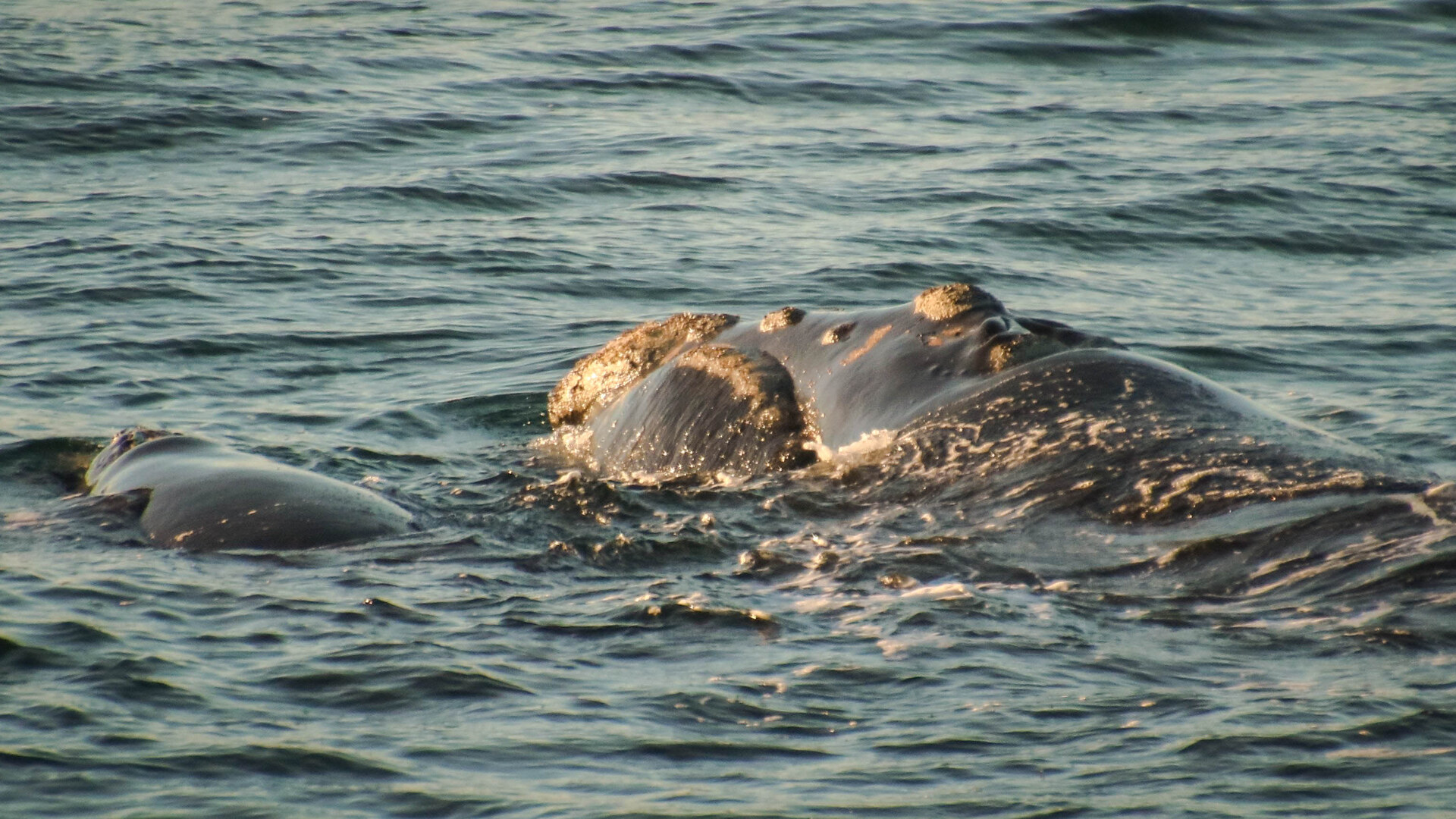
The undisputed star is the Southern Right whale — so named because it was once the "right" whale to hunt. These enormous, gentle animals, recognisable by the pale callosities on their heads and their V-shaped blow, come closest to shore and are the ones you will most reliably see from land between June and November. You may also spot Humpback whales passing on migration, and Bryde's whales, which are present off the coast year-round. Throughout the year, playful pods of dolphins and, on the West Coast, the occasional gathering of feeding whales add to the show.
Hermanus — The Whale Capital of the World
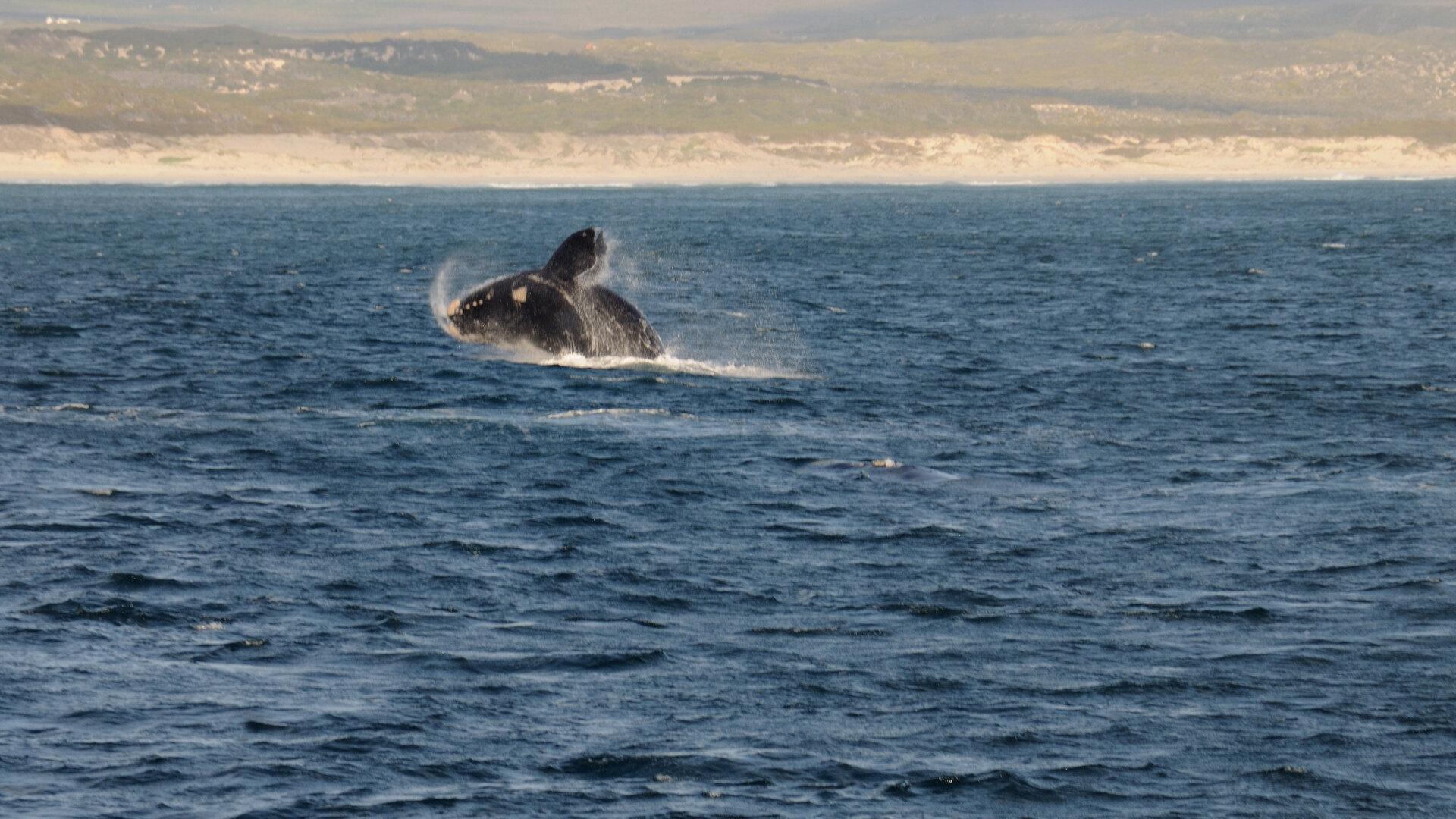
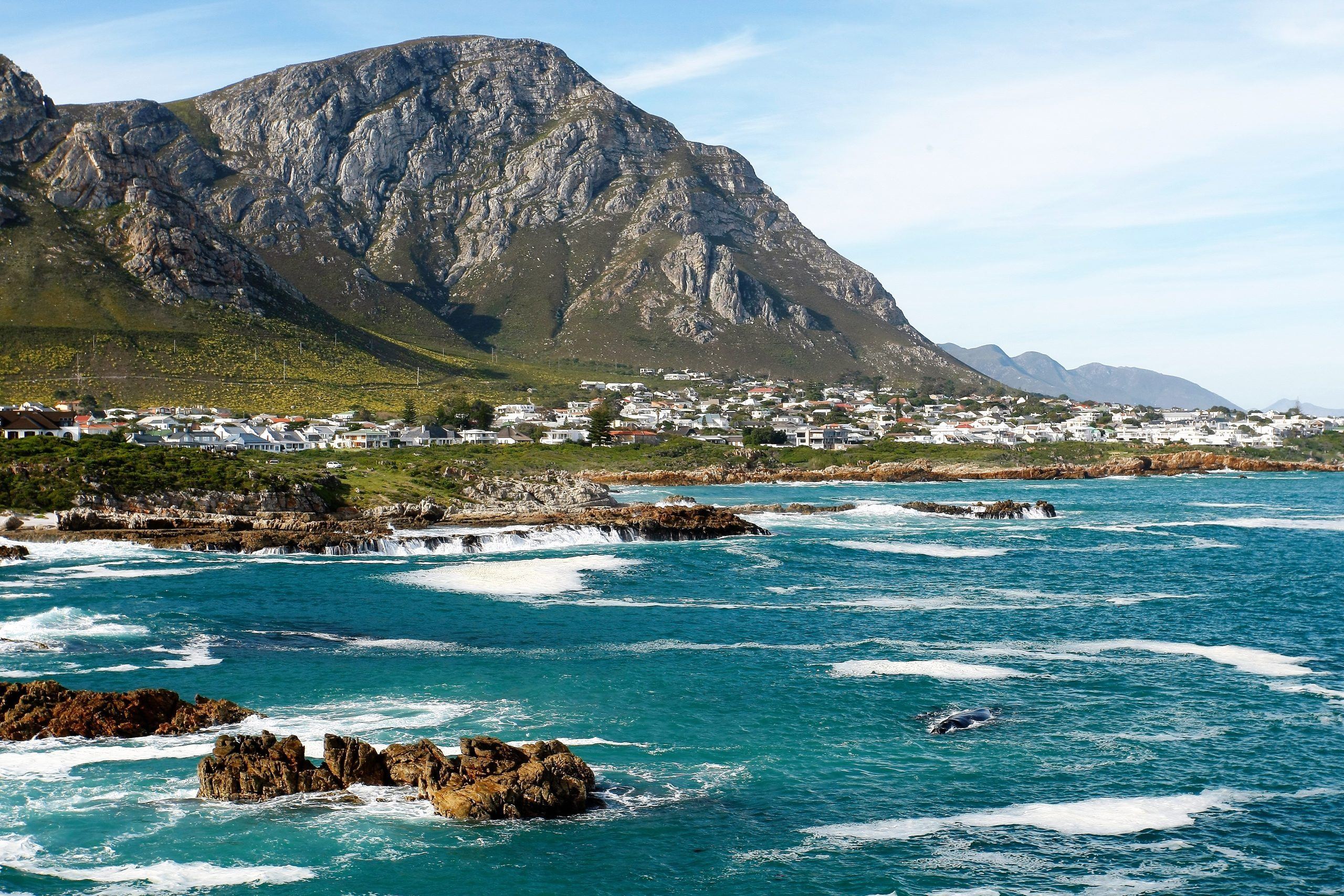
If you see whales in only one place, make it Hermanus, about 90 minutes east of Cape Town on Walker Bay. Its clifftop path delivers what many consider the finest land-based whale watching on earth: Southern Rights breach, lobtail and nurse their calves just metres from the rocks below. Hermanus is also home to the world's only Whale Crier, who walks the cliffs blowing a kelp horn to announce sightings, and hosts the annual Hermanus Whale Festival around late September — the peak of the season. For a closer look, a permitted boat trip out into the bay gets you alongside the whales. Our Hermanus whale-watching boat cruise combines the sea trip with a visit to a penguin colony.
False Bay — Whales on the Peninsula's Doorstep
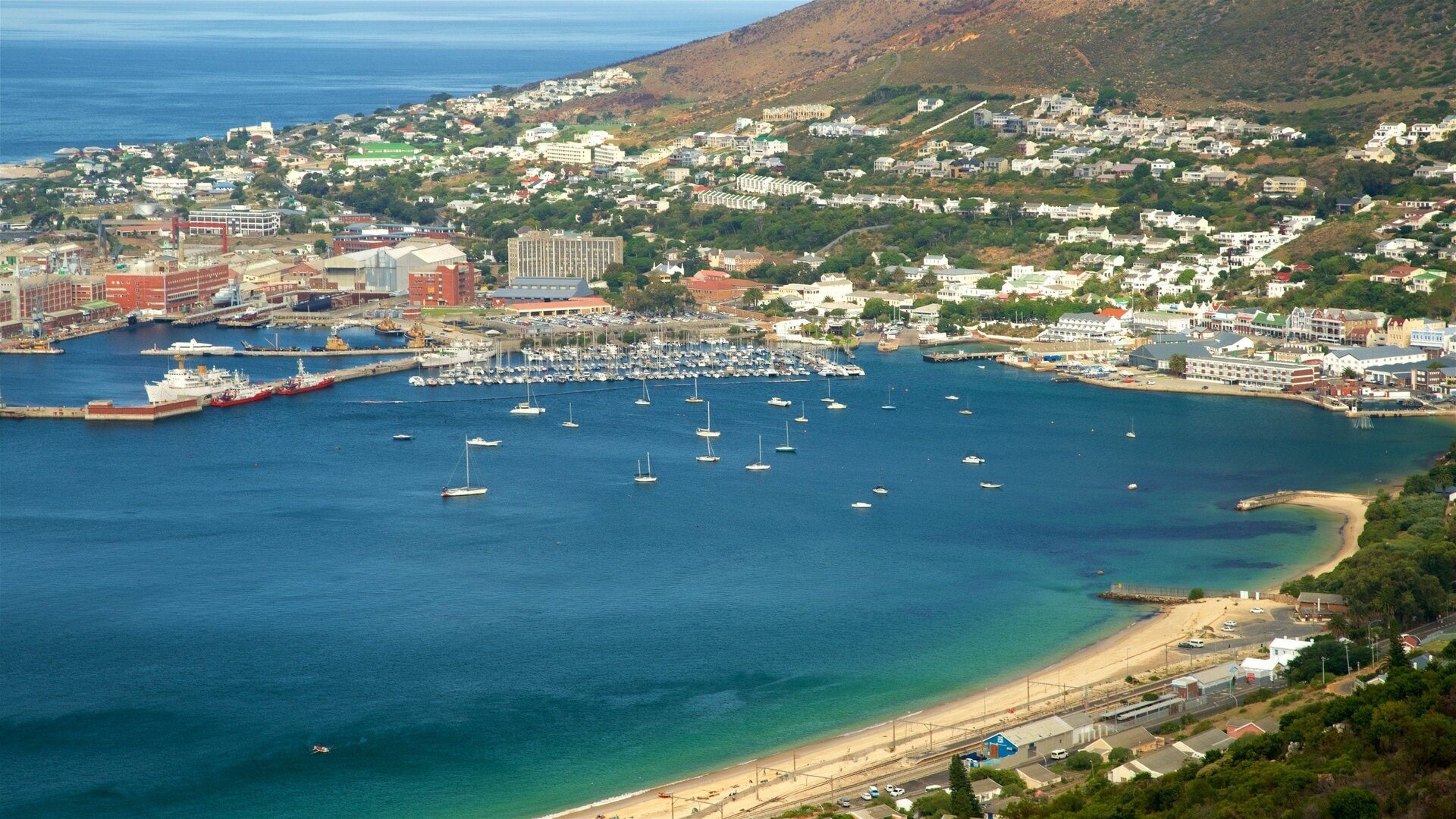
You do not even have to leave the city to find whales. The sheltered, warmer waters of False Bay, on the eastern side of the Cape Peninsula, draw Southern Rights close to shore through the season. The elevated Boyes Drive above Muizenberg and Kalk Bay is a superb free vantage point, and the coast around Simon's Town offers boat trips that pair naturally with the penguins at Boulders Beach. It makes whale watching an easy addition to a Cape Peninsula day — mountains, penguins, Cape Point and whales in one unforgettable loop.
De Hoop Nature Reserve — The Wild Alternative
For those willing to venture a little further — about three hours east of Cape Town — De Hoop Nature Reserve offers what many experts rate as the best land-based whale watching in South Africa. From the dunes at Koppie Alleen, you look down on a nursery of Southern Right mothers and calves in a pristine marine protected area, with barely another soul in sight. It is wilder and quieter than Hermanus, and rewards the extra drive with an intimate, uncrowded encounter — often best in the golden light of early morning.
Gansbaai and the Overberg Coast
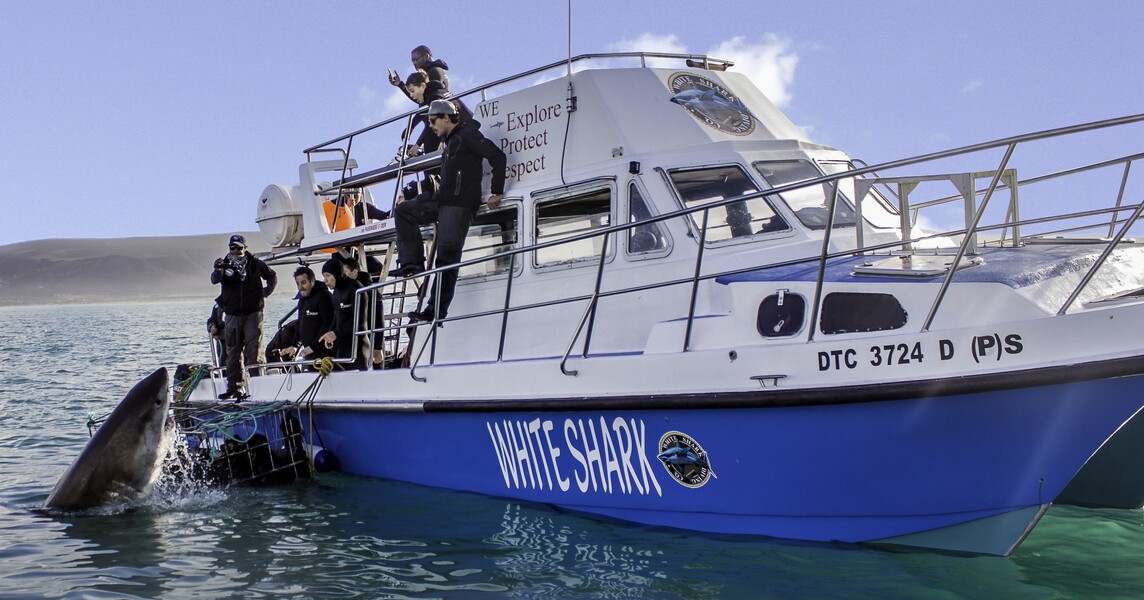
A little beyond Hermanus, Gansbaai is best known as the shark-cage-diving capital, but its wild Overberg coastline is also excellent for whales in season. It is the perfect base for combining two bucket-list marine experiences: face a great white on a shark-cage-diving trip in the morning and watch Southern Rights in the afternoon. The dramatic cliffs and empty beaches here are worth the trip in their own right.
Beyond the Cape — Plettenberg Bay and the Garden Route
If your trip extends along the Garden Route, Plettenberg Bay is a designated Whale Heritage Site and one of the richest marine areas in the country, with Southern Rights, Humpbacks, Bryde's whales, dolphins and seals. Boat-based trips here are outstanding, and the bay's beauty makes it a natural whale-watching stop on any Cape-to-Garden-Route journey.
Land-Based or Boat-Based?
The wonderful thing about the Western Cape is that you do not have to choose. Because Southern Rights come so close to shore, land-based viewing from Hermanus, De Hoop and False Bay is genuinely world-class — and free. A permitted boat-based trip gets you closer for a more immersive encounter and better photographs, always operated under strict regulations that keep a respectful distance. Our advice: watch from the cliffs to appreciate the scale and the behaviour, and take a boat trip for the up-close thrill. Both are magic.
Planning Your Whale-Watching Trip
Cape Town is the perfect base for the Western Cape whale coast, with Hermanus, False Bay and Gansbaai all within easy day-trip reach. Time your visit for September or October to catch the peak, and pair it with the quieter, better-value winter city — see our best-time-to-visit guide and our 5-day Cape Town itinerary to slot it in. A private guide can combine whales with the Winelands, the Cape Peninsula or the penguins for a seamless day.
Explore our Hermanus whale-watching cruise, the Cape Peninsula private tour, or a shark-cage-diving trip in Gansbaai.
Ready to meet the giants of the Western Cape? Talk to our team and we will build whale watching into your perfect Cape Town trip.