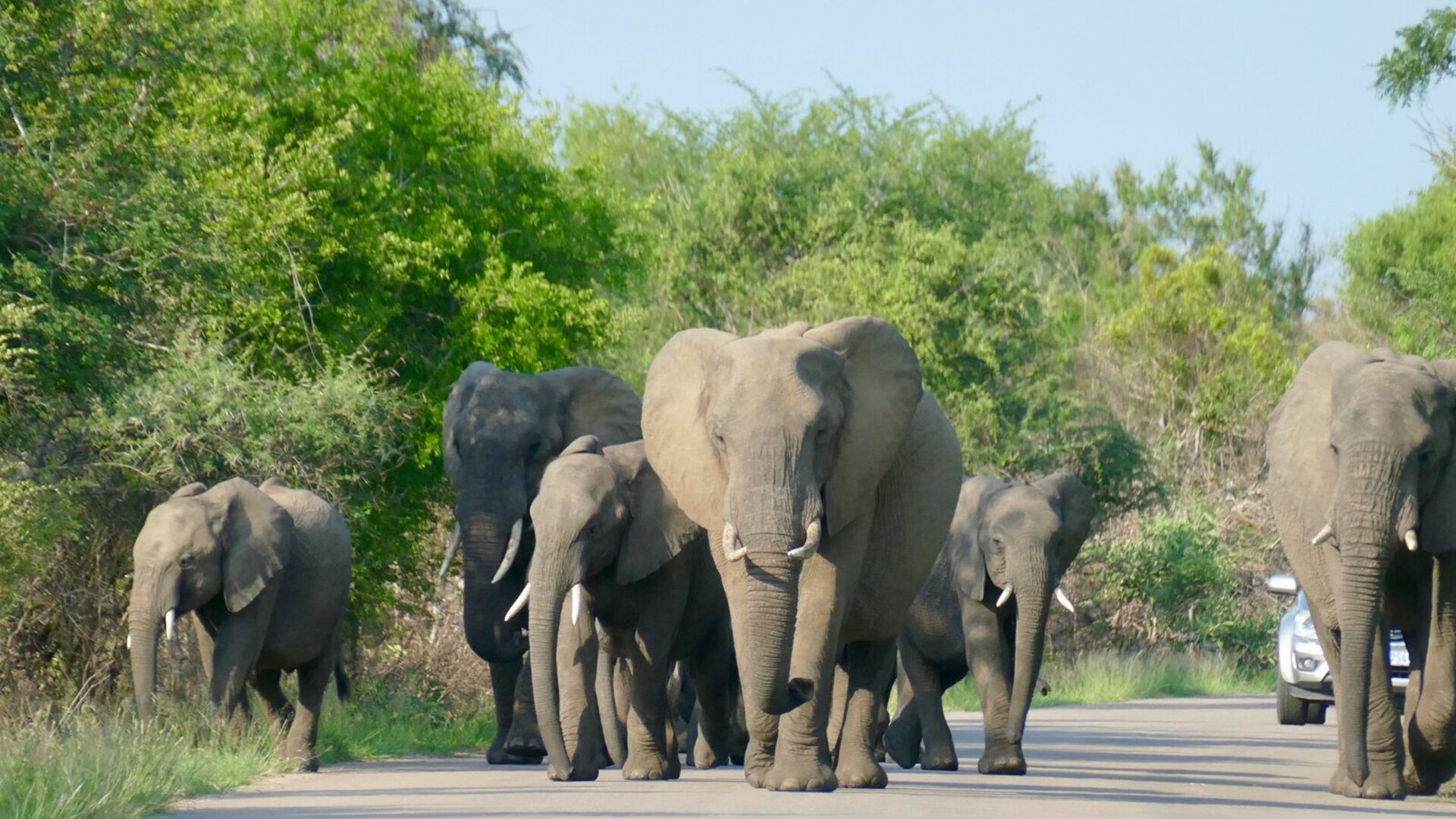
Kenya and Tanzania are the two names everyone pictures when they imagine an African safari — the Masai Mara and the Serengeti, the Great Migration, lion on open plains under a huge sky. What most people do not realise until they start planning is that the two countries are really one ecosystem split by a border, and the single best month to see both on one trip is a narrower window than the brochures suggest.
This guide is the honest version. We run these trips for a living, so instead of telling you every month is wonderful, we will tell you what each month actually delivers, where the two calendars line up, and where they fight each other. By the end you will know exactly when to go for the trip you want.
Key Takeaways
- Best overall window: late June to October — dry, thinned-out bush, and the migration in both the Mara and the northern Serengeti.
- Peak and priciest: July to September, with the famous river crossings.
- Quiet and green alternative: January to February — calving season, dramatic skies, fewer vehicles, lower rates.
- Usually avoid: the long rains of April and May, unless budget is the main driver.
- Trip length: ten days minimum for both countries; twelve to fourteen is more comfortable.
The quick answer
If you only read one paragraph: for a single combined Kenya and Tanzania safari, book late June through October. The long rains are long gone, the grass is short so animals are easy to spot, and the Great Migration is sitting in the northern Serengeti and the Masai Mara — the one part of the year when crossing both borders keeps you with the herds the whole way. Inside that window, July to September is the busiest and most expensive, and it is also when the river crossings happen. If you want the same conditions with a little more room and slightly softer pricing, aim for late June or October.
Prefer green plains, newborn animals and far fewer vehicles? Then January to February is your trip instead — a genuinely different experience that happens to be quieter and cheaper. Both are good. They are just not the same holiday.
Why one trip, two countries
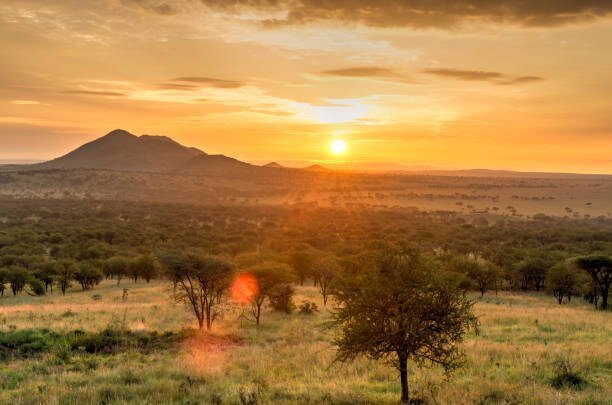
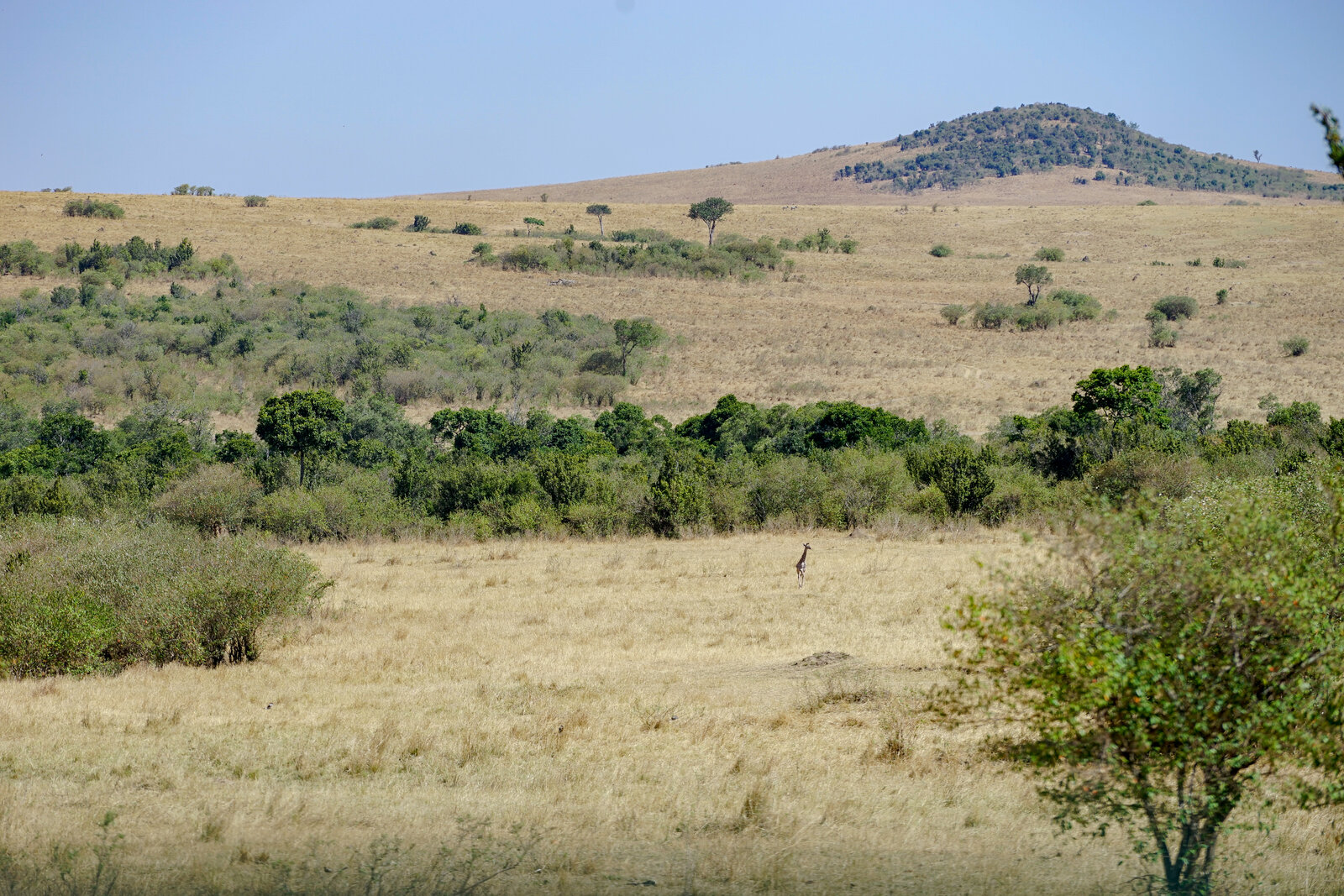
The Masai Mara in Kenya and the Serengeti in Tanzania are the same plains under two names. The border runs straight through the middle of the ecosystem, and the animals have no idea it is there. That is why combining the two is one of the most natural pairings in Africa rather than two separate holidays bolted together.
In practice, most combined trips fly between Nairobi and Kilimanjaro or Arusha, or take a short light-aircraft hop between the Mara and Serengeti airstrips. You are not losing whole days to border roads. Ten to fourteen days covers both countries comfortably, and the order you do them in depends mostly on where the herds are when you travel.
Because the two countries share the same weather pattern and the same migration, their good seasons overlap — but not perfectly. The job of this guide is to show you where they agree and where you have to choose.
The migration drives everything
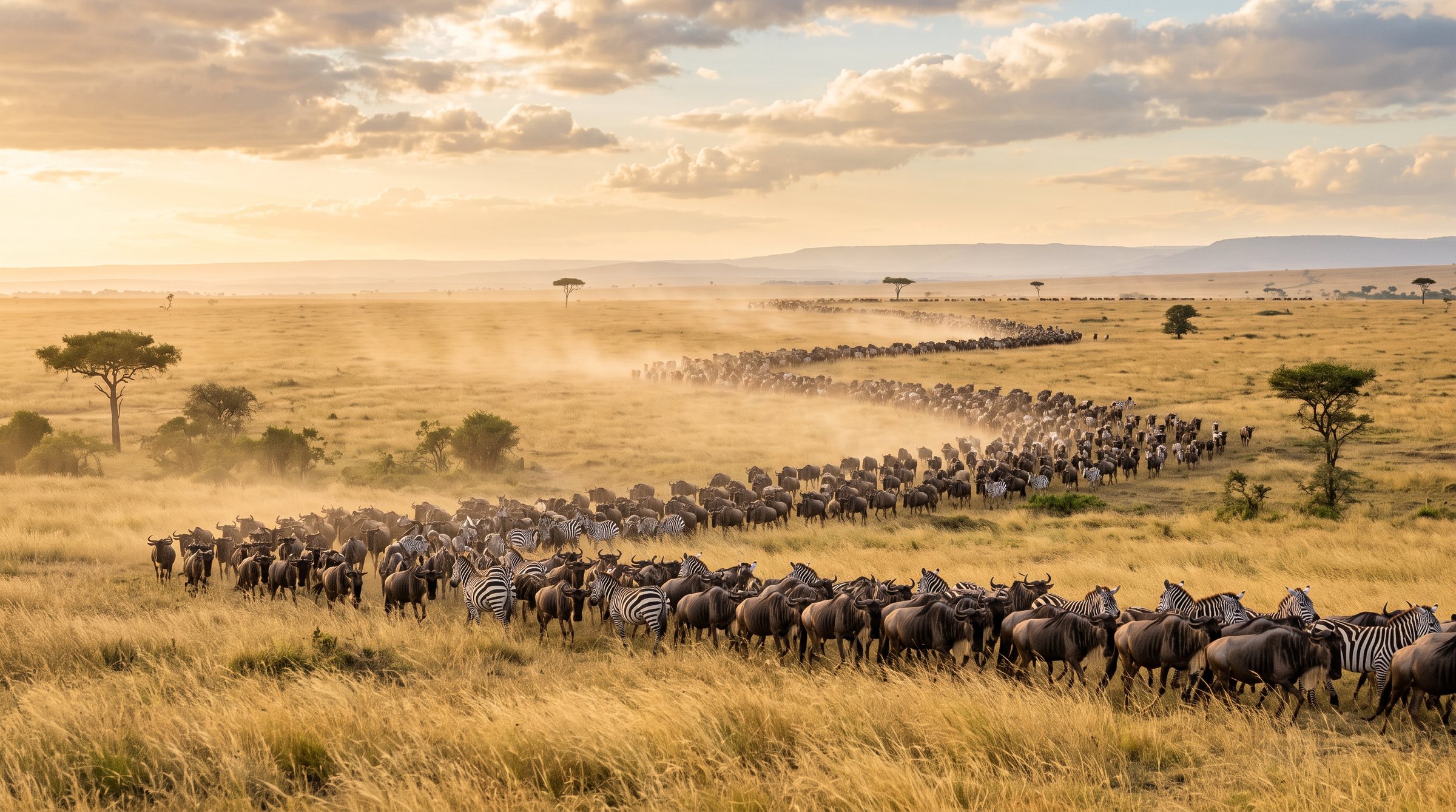
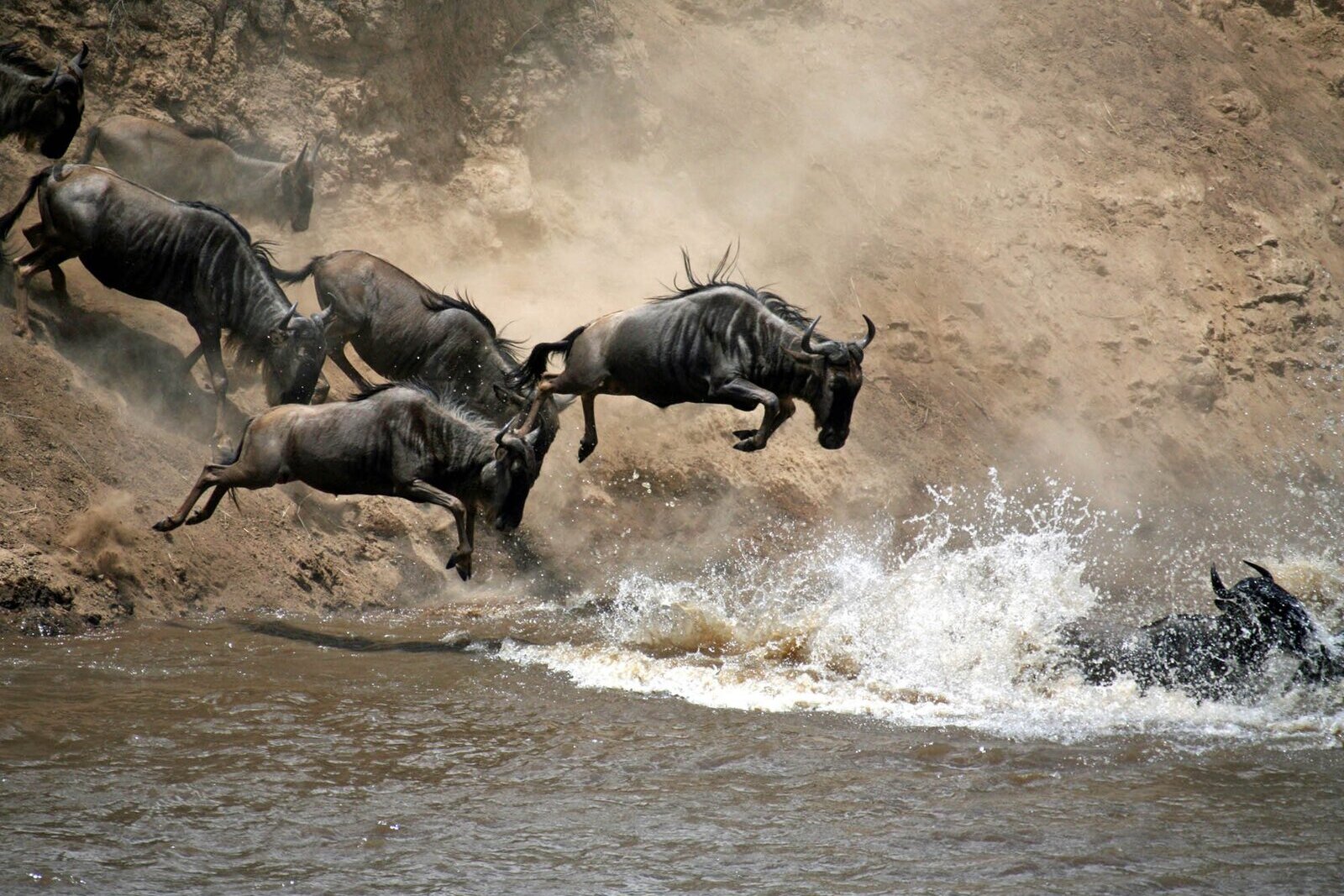
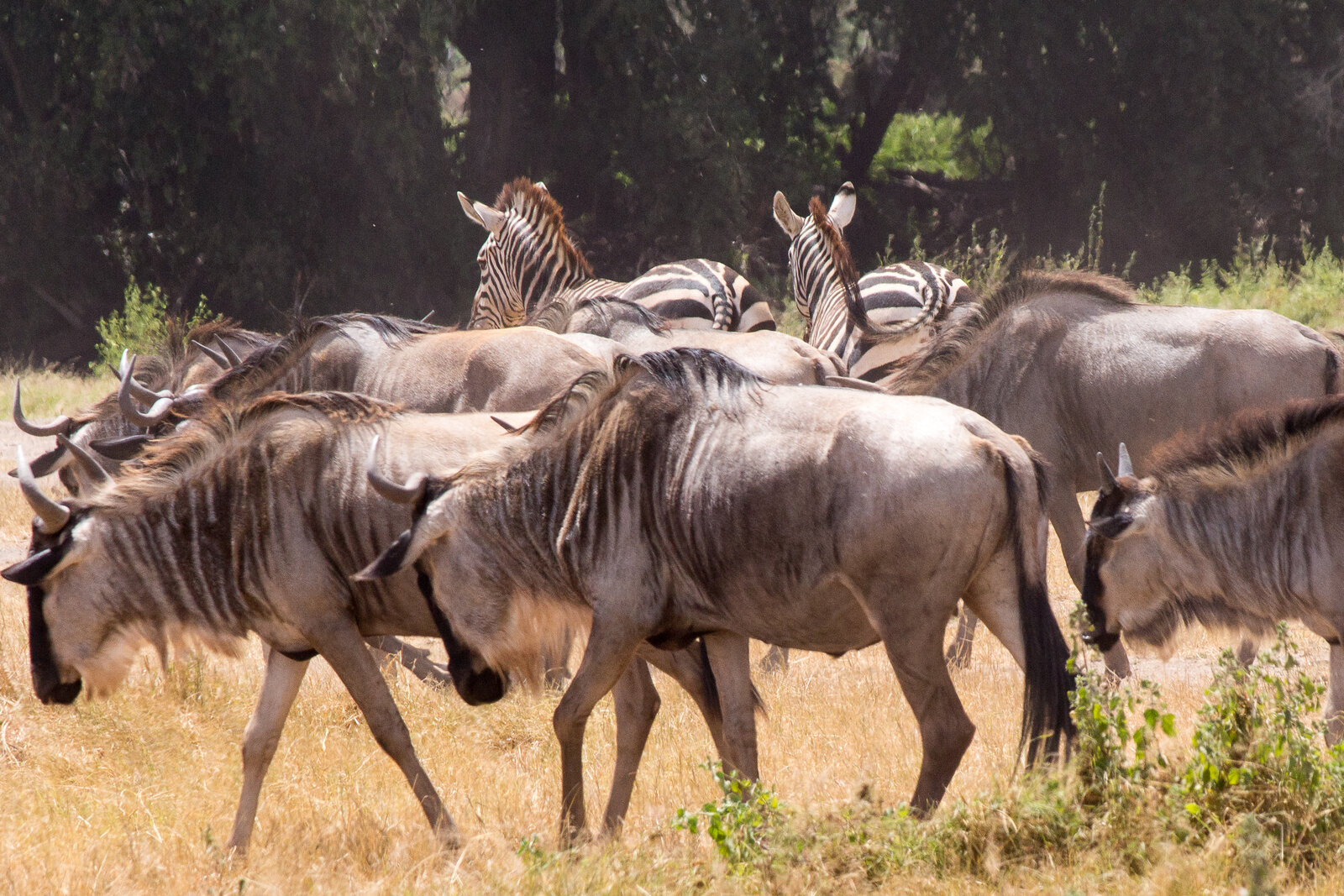
You cannot talk about timing in East Africa without talking about the Great Migration, because it is the single factor that shapes the whole calendar. Roughly two million wildebeest, zebra and gazelle move in a continuous loop through the ecosystem, following the rain and the fresh grass. It is not a dated event with a start and a finish — it is a slow, year-round circle, and weather nudges it earlier or later every single year.
Here is the broad rhythm, with the honest caveat that any date can shift by weeks:
| Rough period | Where the herds are | What you see |
|---|---|---|
| Jan – Mar | Southern Serengeti (Tanzania) | Calving season, heavy predator action |
| Apr – Jun | Central & western Serengeti | Herds moving north, green plains |
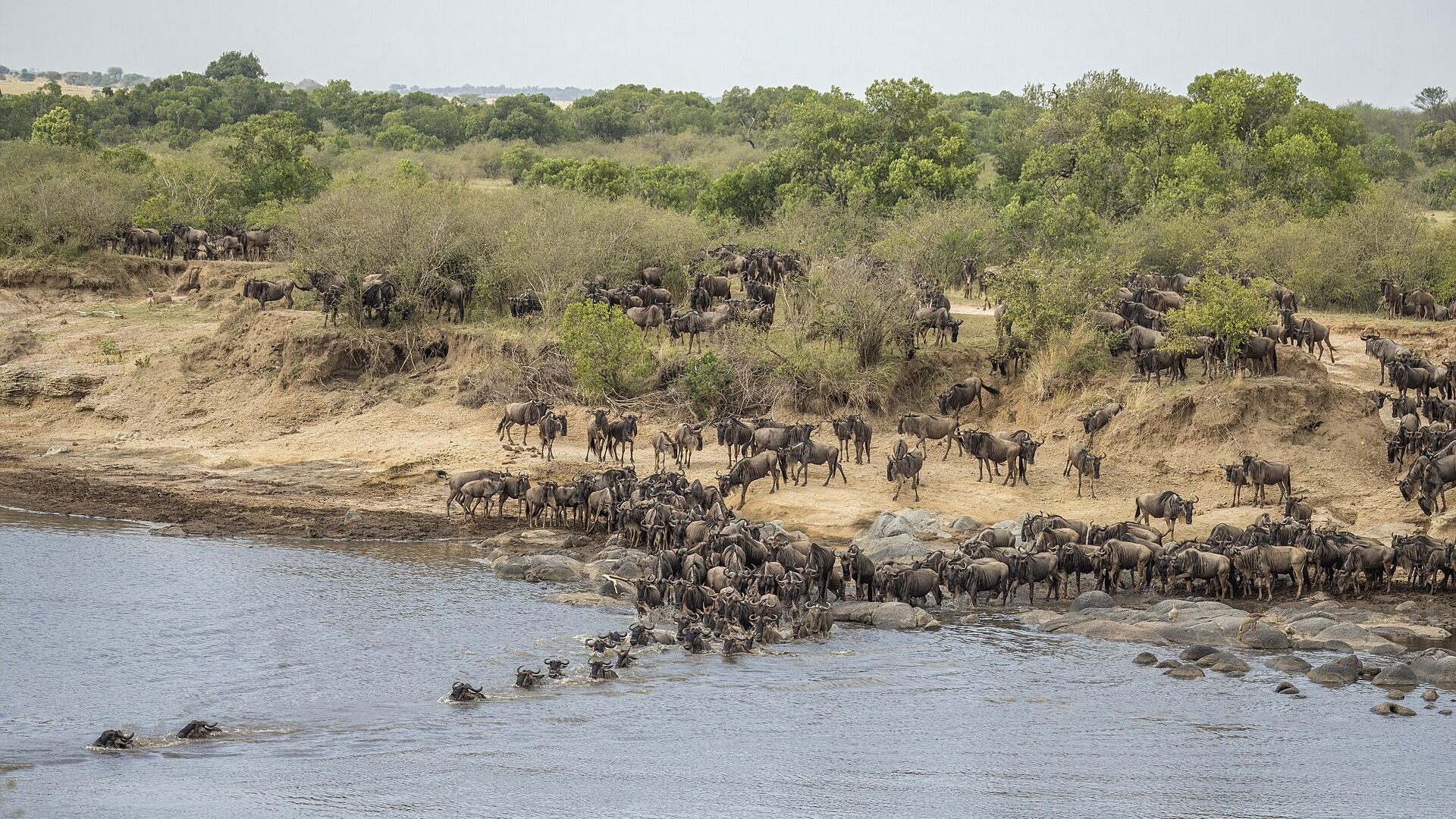
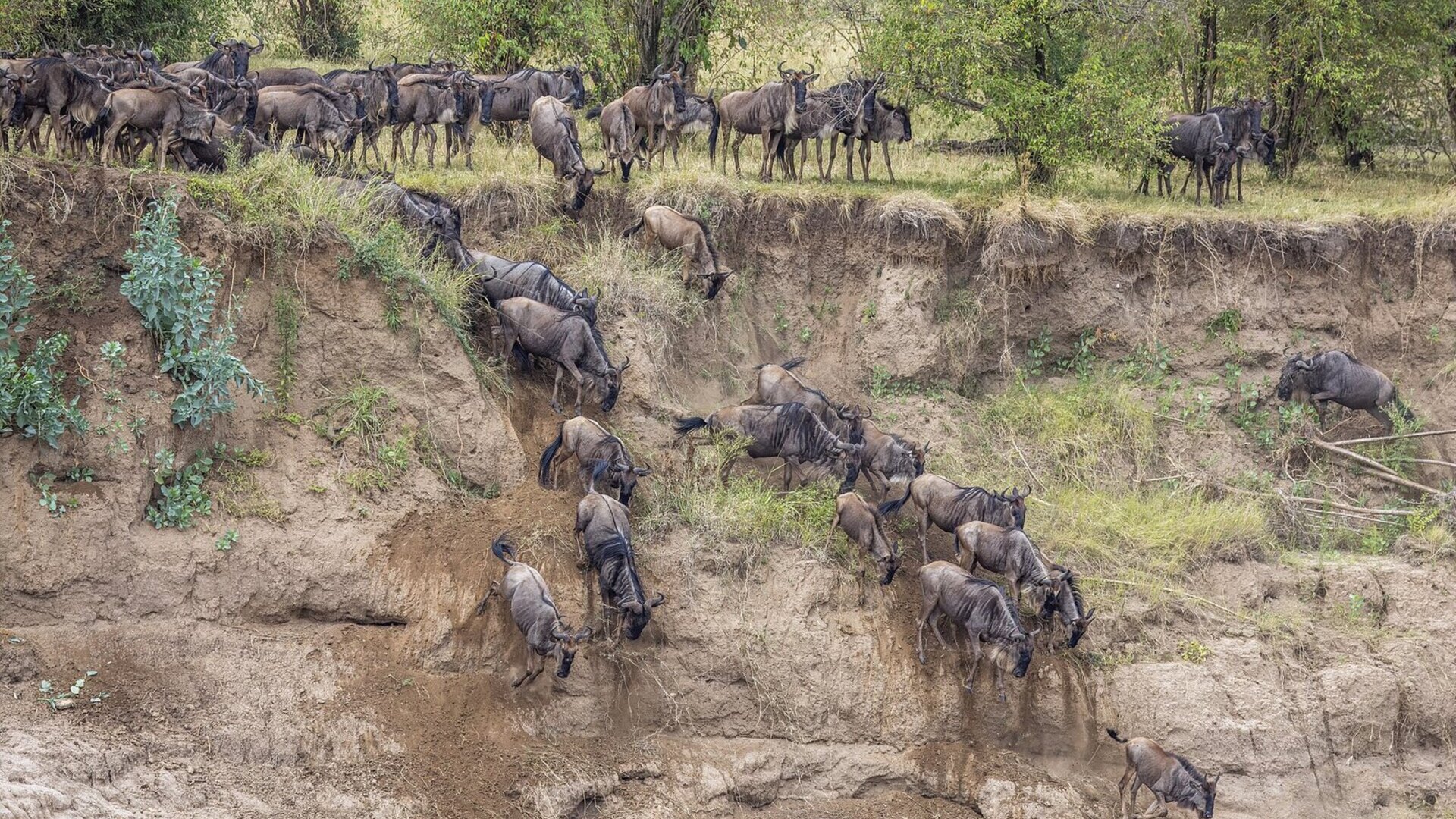
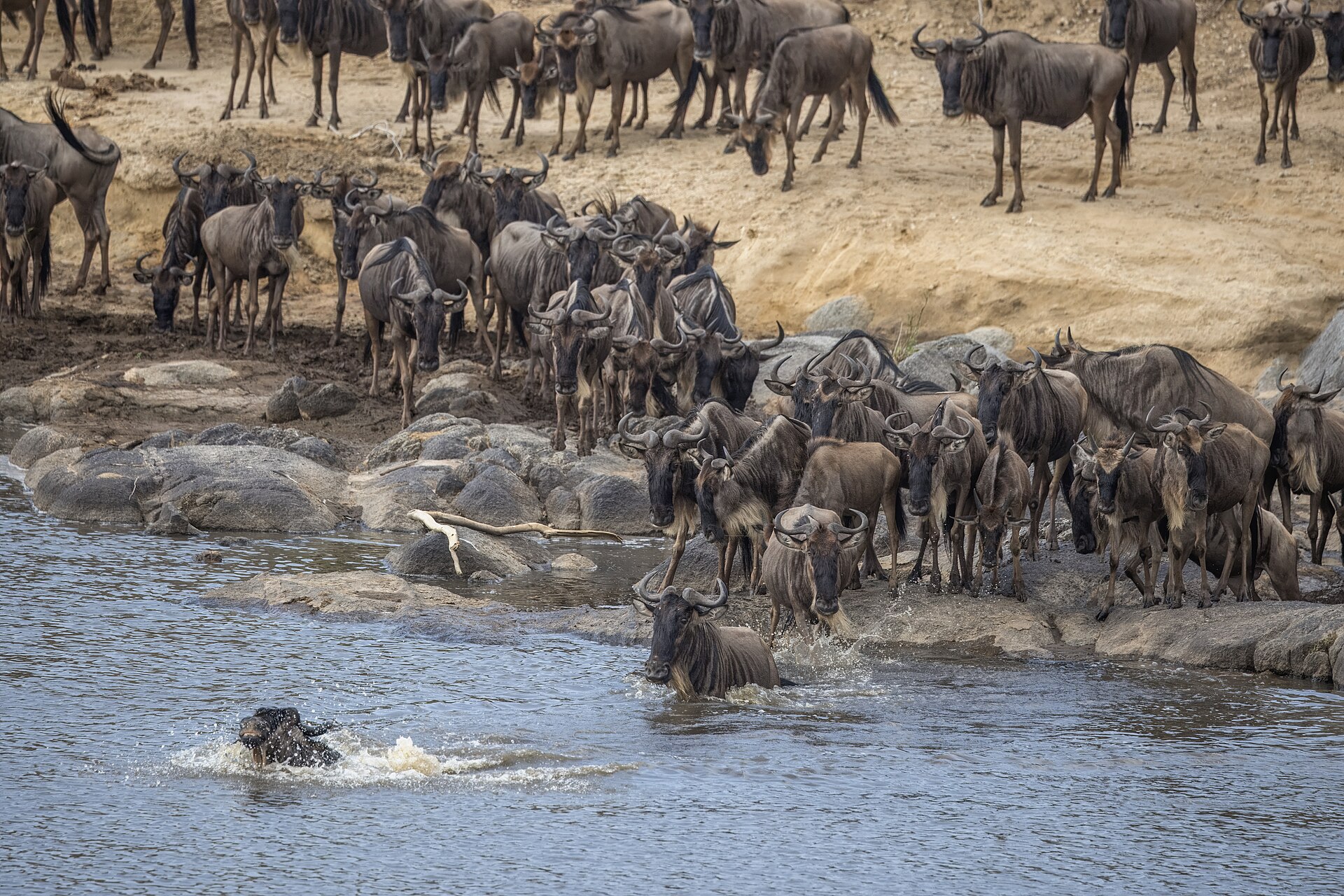
| Jul – Oct | Northern Serengeti & Masai Mara | River crossings, both countries hold herds |
| Nov – Dec | Drifting south again | Short rains, herds returning to Tanzania |
The takeaway for a combined trip is simple: July to October is the only stretch when the migration sits across both the Tanzanian and Kenyan sides at once. That is why it is the classic window for seeing both countries with the herds. For the deeper month-level detail on the migration itself, we keep separate guides so this one does not try to do everything — see the Kenya migration timing guide, the Tanzania migration timing guide, and the Mara-specific 2026/2027 crossing guide.
Kenya, month by month
Kenya's safari heart is the Masai Mara, backed by Amboseli under Kilimanjaro, Lake Nakuru, Samburu and the private conservancies around the Mara. The country reads like this through the year:
- January – February: Warm, mostly dry, green from the short rains. Good general game viewing, quieter parks, fair pricing. The migration is down in Tanzania, so this is a resident-wildlife season in Kenya rather than a herds season.
- March – May: The long rains. Lush and empty, lowest prices, but muddy roads and some camp closures. The one stretch we usually steer people away from unless value is everything.
- June: The bush dries out and thins. A quietly excellent, slightly under-the-radar month — late June often has early migration arrivals with fewer crowds.
- July – October: Peak. Dry, short grass, superb sightings, and the migration in the Mara with river crossings. Busiest and priciest, especially August.
- November – December: Short rains, then drying out. Green, fresh, quieter, with good resident game. A nice value window either side of the Christmas peak.
For the full single-country picture, our when to visit Kenya guide and the park-specific best time for the Masai Mara go further than we can here.
Tanzania, month by month
Tanzania's safari weight sits in the Serengeti, Ngorongoro Crater and Tarangire, with the southern parks of Ruaha and Nyerere for the quieter end of things. Because the Serengeti holds the migration for most of the year, Tanzania's calendar has more moving parts than Kenya's:
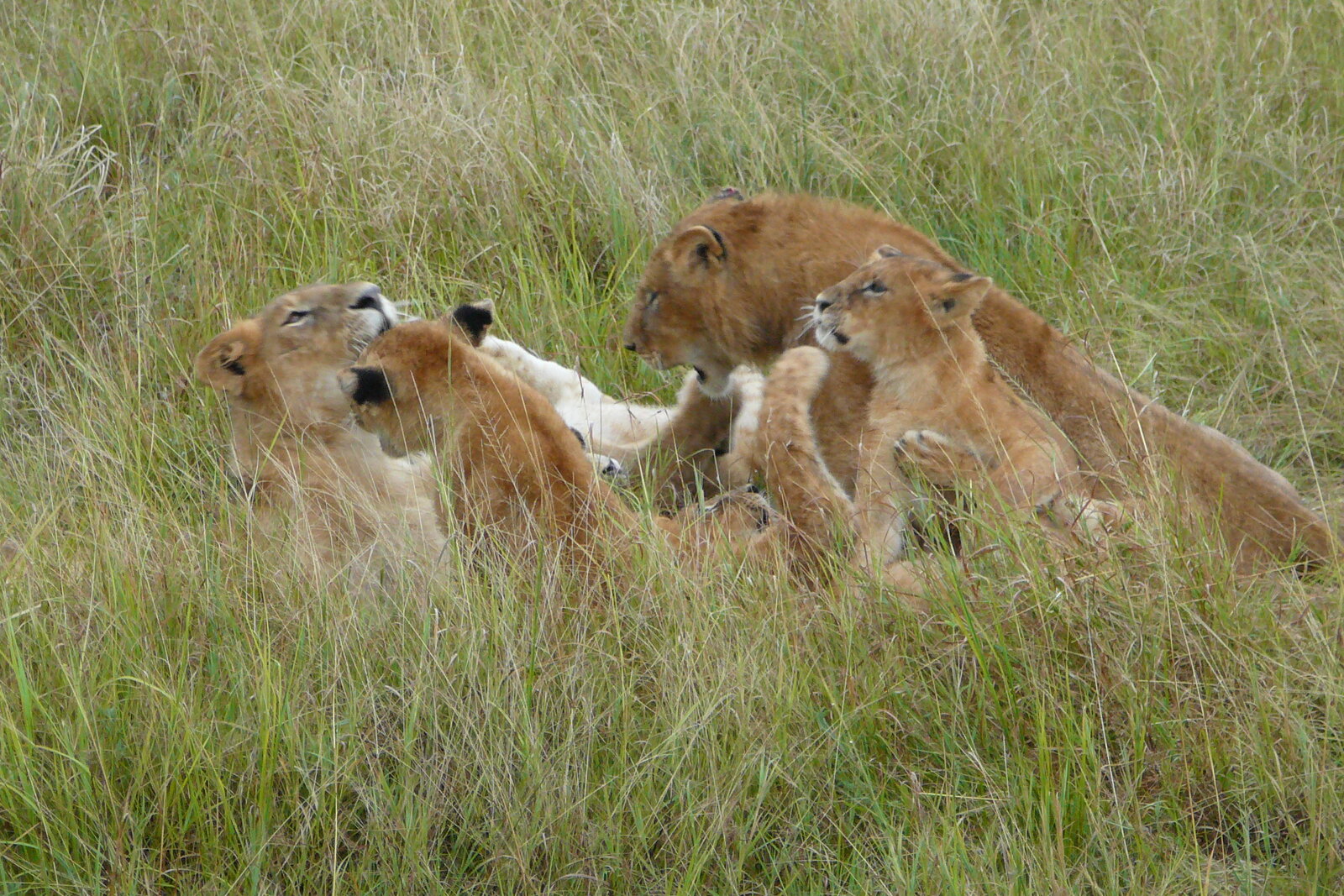
- January – February: Calving season in the southern Serengeti — one of the great wildlife spectacles of the year, with newborn wildebeest and heavy predator pressure. Warm, largely dry, excellent and relatively uncrowded.
- March – May: Long rains. Green, cheap, quiet, with some camps closed and heavier going underfoot. The herds move north and west through this period.
- June: Drying out, herds pushing toward the northern and western Serengeti. A strong shoulder month with fewer people.
- July – October: Peak dry season. Northern Serengeti crossings, superb general game, and the Crater at its best. Busy and priced to match.
- November – December: Short rains, herds drifting back south. Green, fresh and quieter before the late-December festive bump.
The park-level detail lives in our when to visit Tanzania guide and the best time for the Serengeti.
The sweet-spot months for one combined trip
Now we can line the two calendars up. When you overlay Kenya and Tanzania, the months stack up like this:
| Window | Verdict for a combined trip | Crowds / price |
|---|---|---|
| Jul – Oct | Best overall — herds in both, dry, crossings | Highest |
| Late Jun | Near-peak conditions, a little quieter | Medium-high |
| Jan – Feb | Green, calving in Tanzania, quiet — different trip | Medium |
| Nov | Fresh, quiet, good value shoulder | Lower |
| Apr – May | Cheapest, but wet — only if budget leads | Lowest |
So the honest answer to "when should I go?" is: if you want the full classic trip with the herds on both sides and the river crossings, book late June to October and accept the crowds and the cost. If you care more about green plains, newborn animals, space and value, go in January or February and build the trip around calving in the southern Serengeti. Everything else is a shoulder compromise that can still be excellent in the right hands — which is where we come in.
By traveller and by budget
The best month also depends on who is travelling. A few straight pointers from the trips we run most:
- Families: July to September lines up with school holidays and gives the easiest, most reliable sightings — worth the peak pricing for a first safari with children. Private conservancies on the Kenyan side are more relaxed about young children and off-road driving.
- Honeymooners: late June, October or the green January–February window all give you fewer vehicles and softer light. Adding Zanzibar at the end is easiest when the coast is drier, which favours the mid-year months.
- Photographers: the green season is underrated — dramatic skies, clean backgrounds, and calving-season predator action. For crossings, you need the July-to-October window and some patience.
- Value-seekers: November and the April–May green season cut costs hard. You trade some weather certainty for quiet parks and lower rates. We will tell you honestly what each saving buys.
Let us time it around you
Tell us your dates and what matters most — crossings, calving, quiet, or budget — and we will build a Kenya and Tanzania trip that lands in the right season for you. No pressure, just straight advice from people who run these journeys.
Plan My Safari or WhatsApp us on +27 78 471 4852
The verdict
Kenya and Tanzania belong together on one trip, and the single best window to see both is late June to October — dry, open, and the only stretch when the Great Migration holds the herds across both borders at once. July to September is the peak of it, river crossings and all, with the crowds and prices that come with being the best time of year to be there.
If that is not your kind of trip, January to February gives you a greener, quieter, cheaper journey built around calving in the southern Serengeti — just as rewarding, just different. The months to approach with caution are the long rains of April and May, and even those have a place if budget leads.
Whatever the dates on your calendar, there is a good version of this trip to be had — the trick is matching the month to what you actually want to see. That is the part we are good at. Send us your dates and let us build it properly.