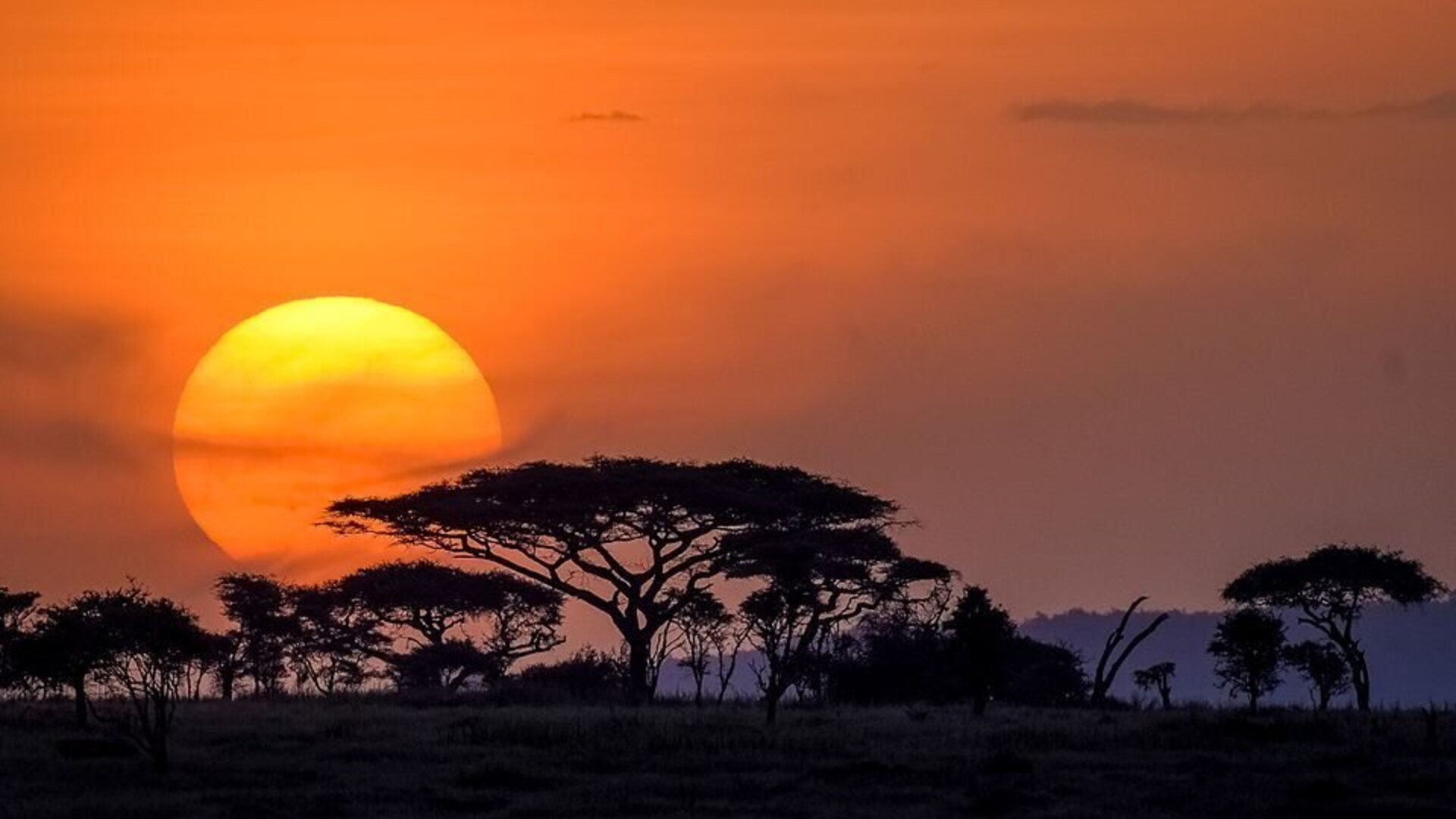
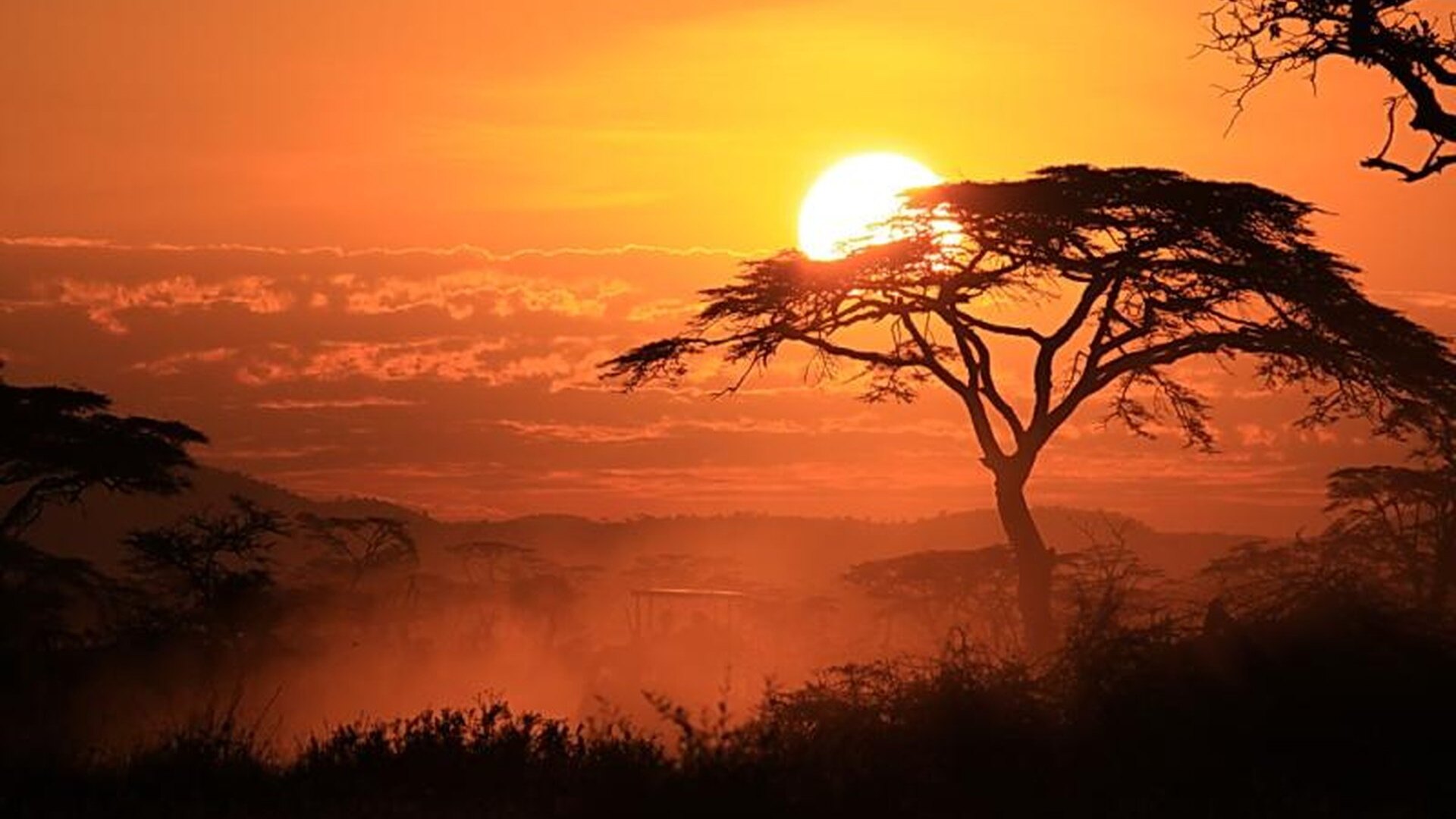
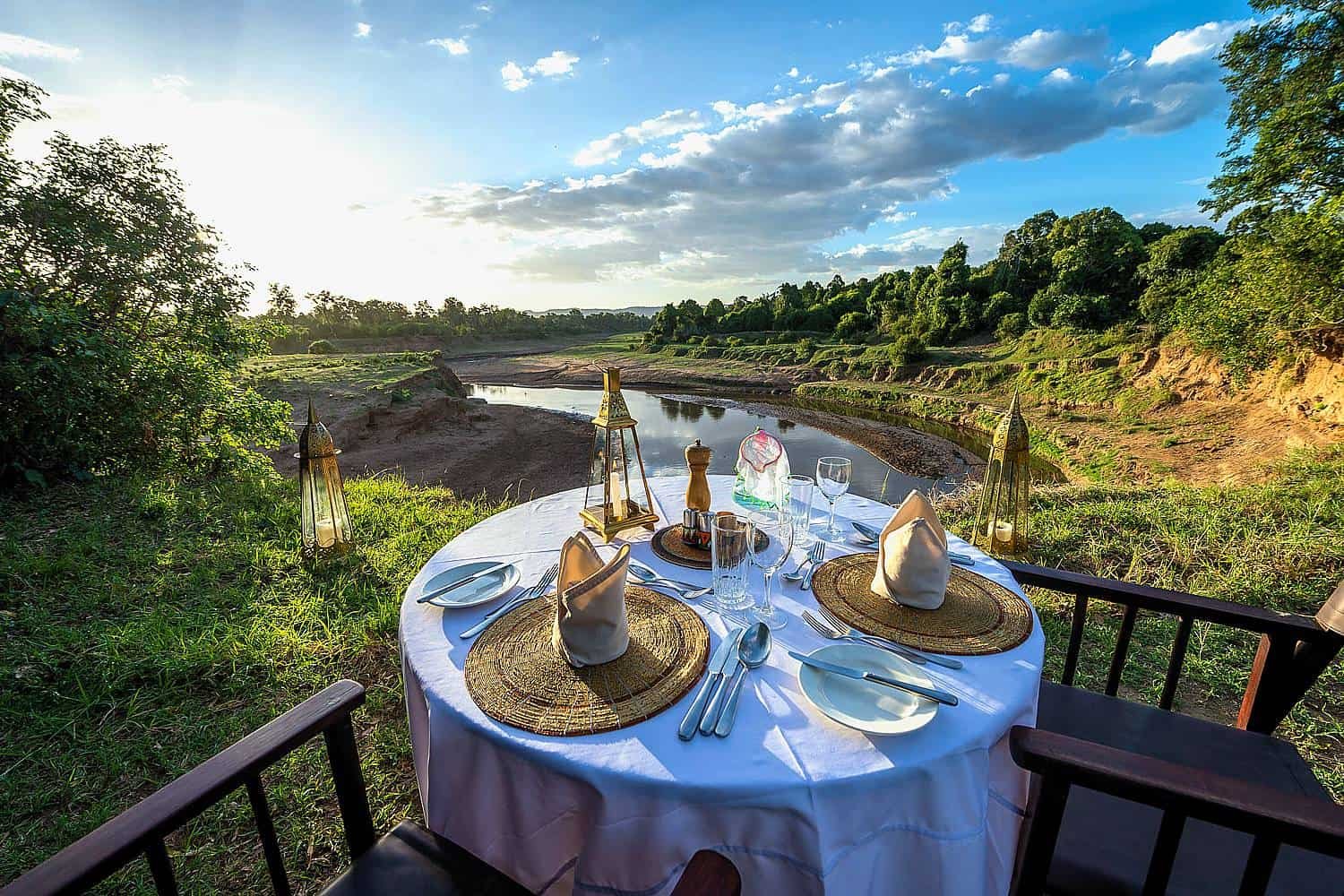
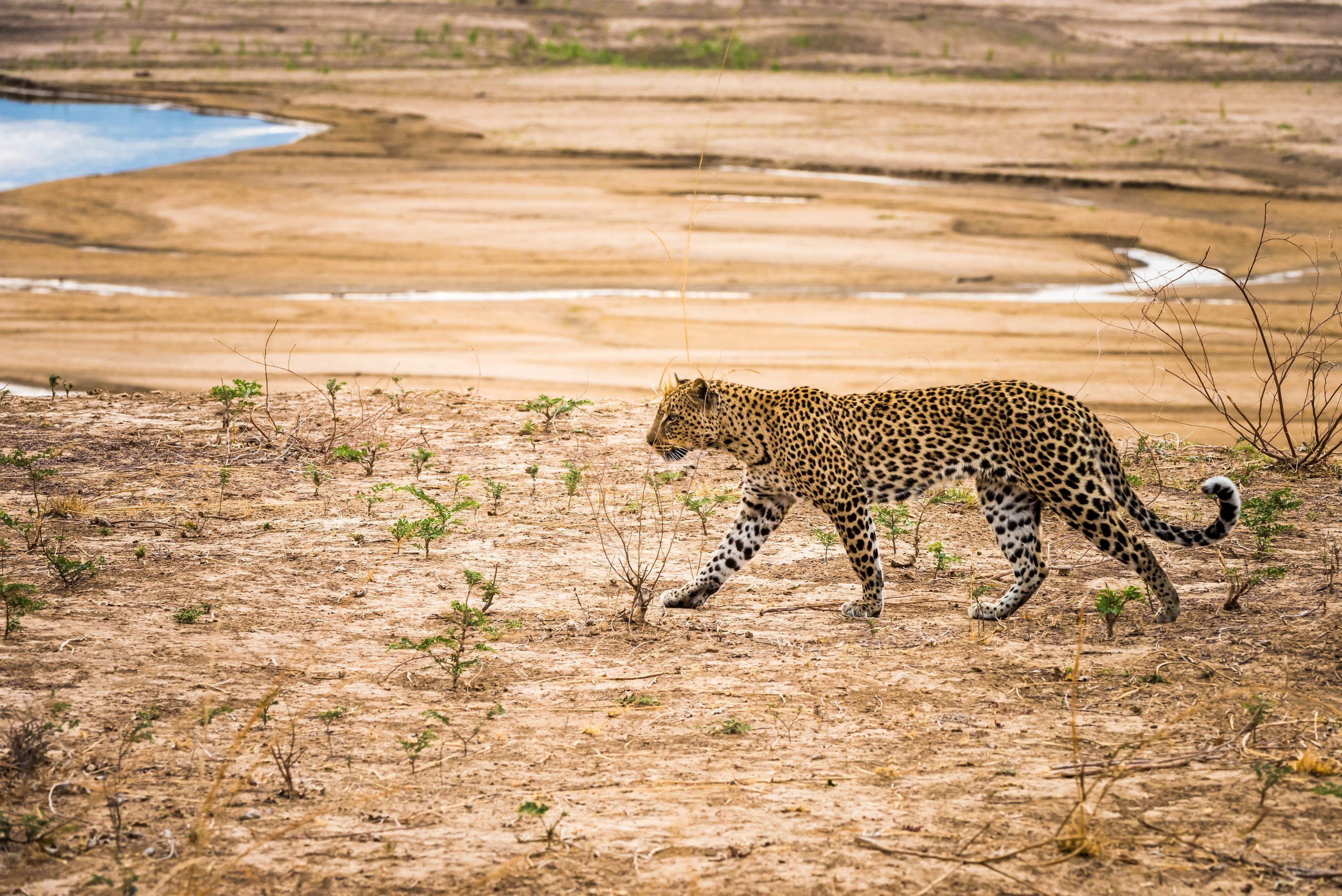
Tanzania is a genuine year-round safari because the Serengeti hosts the Great Migration almost all year — it simply moves. The two dry-season windows, June to October (river crossings, general game) and late January to March (the calving season), are the classics. Ngorongoro Crater is superb whenever you go.
🦓 Planning Your Tanzania Safari?
For the complete tanzania safari resource - expert guides, honest costs, luxury lodges, curated itineraries, and everything you need to plan your trip - visit our comprehensive hub:
View Complete Tanzania Safari Hub →The migration calendar, decoded
Roughly: the herds calve on the southern Serengeti and Ndutu plains from late January to March; they move north-west through April and May; they reach the western and northern Serengeti for the Grumeti and Mara river crossings from June to October; then circle back south with the November short rains. The herds follow the rain, so exact timing shifts each year — we track it closely when planning.
June to October — the dry season and crossings
The long dry season delivers the classic Tanzanian safari: thinning bush, concentrated wildlife, and the dramatic Grumeti and Mara river crossings in the north from around July. Skies are clear, days warm, nights cool. This is the peak window for the northern circuit and the busiest, priciest time — book early.
Late January to March — the calving season
On the southern plains around Ndutu, hundreds of thousands of wildebeest give birth within a few weeks, and predators gather for the easiest hunting of the year. It is arguably the most action-packed and least crowded of the great migration moments — a superb, slightly under-appreciated time to travel.
The green season and the southern circuit
The long rains (April–May) are lush, dramatic and the best value, though a few camps close. Beyond the north, Tanzania's wild southern and western circuits — Ruaha, Nyerere (Selous) — are best in the dry months of June to October and offer a raw, uncrowded alternative. Add Zanzibar's beaches, best from June to October and December to February.
Best months for specific goals
For river crossings, go July to October. For the calving season and predator action, go late January to March. For Ngorongoro Crater, any month works — it is a year-round Big Five bowl. For value and green landscapes, go April to May. For a Zanzibar beach finish, aim for June–October or December–February.
| Months | Migration phase | Where | Crowds & price | Best for |
|---|---|---|---|---|
| Jan–Mar | Calving | Ndutu / south Serengeti | Moderate | Newborns, predators |
| Apr–May | Moving north | Central / west | Low | Value, green |
| Jun–Jul | Grumeti crossings | Western Serengeti | High | Early crossings |
| Aug–Oct | Mara crossings | Northern Serengeti | Very high | River drama |
Explore these safari destinations
Discover the parks and reserves behind this guide:
- Serengeti Tanzania
- Ngorongoro Conservation Area
- Tarangire National Park
- Lake Manyara National Park
- Ruaha National Park
- Nyerere National Park (Selous)
Safaris to plan around the season
Private journeys we tailor to your dates and budget:
- Serengeti Great Migration Safari — 7 days, from $5,000 pp
- Serengeti & Ngorongoro Ultimate — 8 days, from $14,500 pp
- Ultimate Great Migration Safari — 7 days, timed to the crossings
- Nyerere & Ruaha Southern Circuit — 8 days, the wild south
Related Reading
Start Planning
Every safari we craft is private and built entirely around you — your dates, your pace, your budget and the wildlife you most want to see. Our specialists have travelled this ground themselves and design each itinerary by hand. Speak to our team to begin, or browse our safari packages for inspiration.