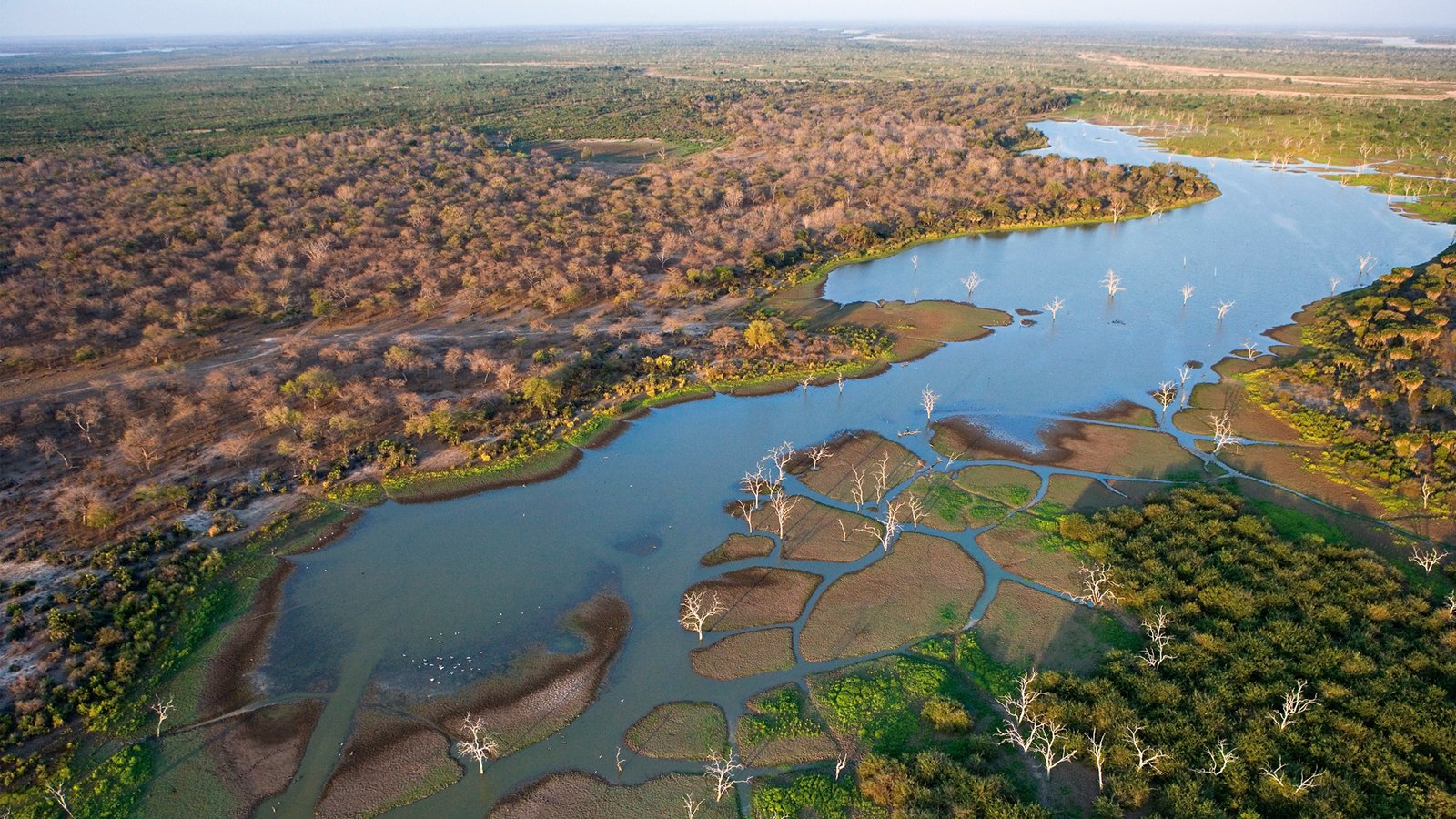
The best time to visit Botswana is not a single answer — it is two seasons, two completely different countries, and the single most important decision you will make for your safari. Get it right and Botswana will deliver the greatest wildlife spectacle you have ever witnessed. This is the definitive, specialist-written guide for 2026 and 2027, built around one principle: the right month, in the right region, for the safari you actually want.
Best Time to Visit Botswana — At a Glance
If you are planning in a hurry, use this table. The full breakdown follows below.
| Your priority | Best window | Why it works |
|---|---|---|
| Overall best game viewing | July – October | Peak dry season; wildlife packed around shrinking water; thin bush means nothing is hidden |
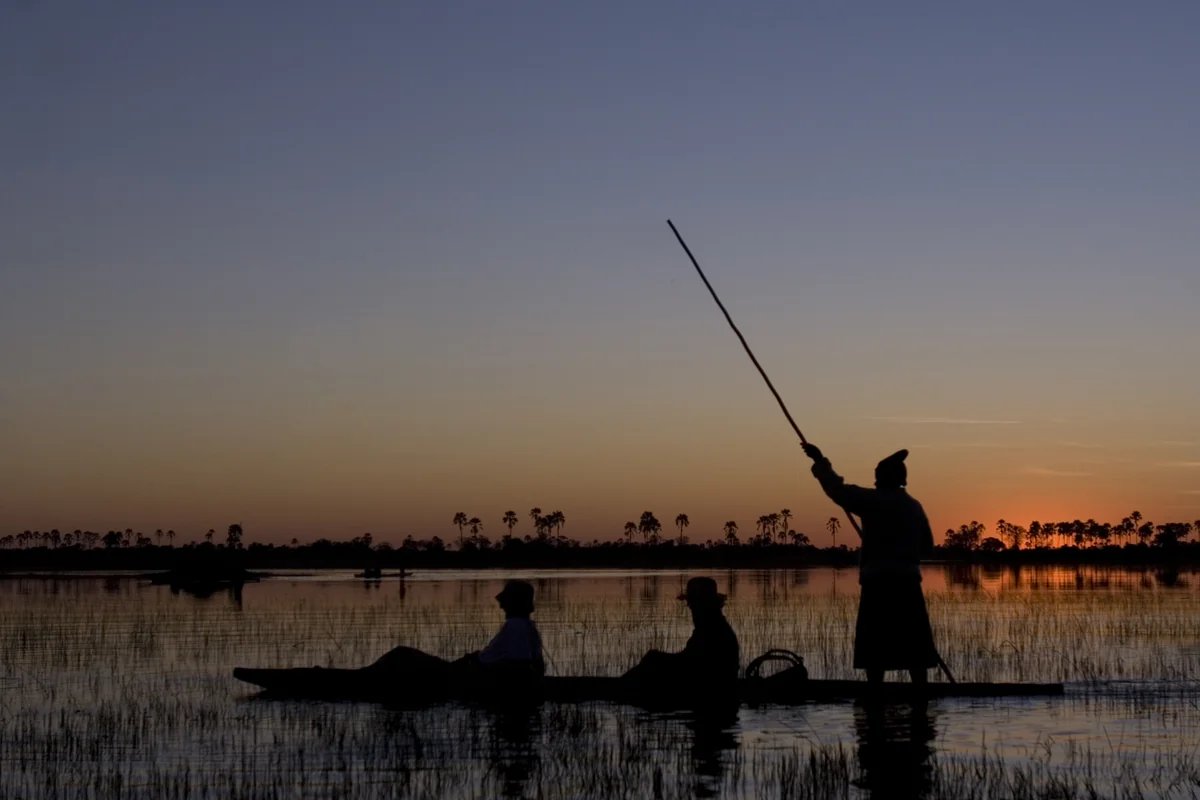
| Okavango Delta by mokoro or boat | June – August | Floodwaters from Angola reach their peak — the delta at its most magical and navigable |
| Chobe elephants (densest on earth) | August – October | Thousands gather on the Chobe River each afternoon; boat safaris deliver eye-level sightings |
| Kalahari black-maned lions | December – April | Green season transforms Deception Valley; lion, cheetah and brown hyena follow the calves |
| Botswana zebra migration | December – March | Africa's longest land migration — tens of thousands stream to Makgadikgadi & Nxai Pans |
| Birding (250+ species) | November – March | Migrants arrive from Europe and Central Africa; breeding plumage; lush green backdrops |
| Best value — lowest rates | November & April – May | Shoulder months: near-peak conditions, soft rates, camps not yet full |
| Photography — storm drama | January – February | Green-season electrical storms, lush backdrops and baby animals frame extraordinary shots |
| Photography — golden water light | May – June | High water, golden winter light and not yet the peak crowds — a photographer's secret |
| Best all-round family safari | July – August | Cool, reliable, malaria risk lower, school holiday window, easy big game sightings |
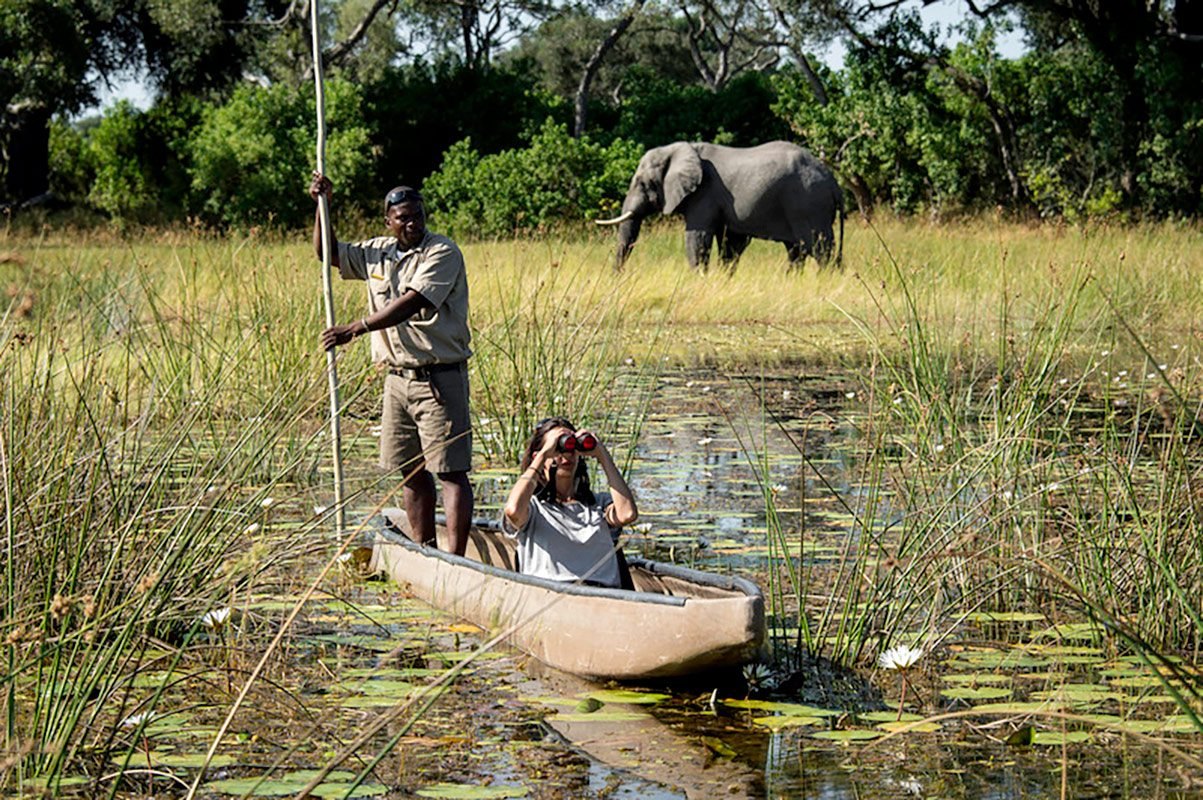
The Dry Season (May–October): The Flood Arrives and Wildlife Concentrates
This is Botswana's headline season — and the best time to visit Botswana for most travellers. As the summer rains end in April, the landscape dries, temporary waterholes evaporate and the bush sheds its leaves. Animals are forced to gather around the few permanent water sources — the Okavango Delta, the Chobe and Linyanti rivers, and the remaining pans — in numbers that can seem almost impossible. At the same time, the paradoxical flood from Angola begins to fill the Okavango from the north. The result is a collision of concentrated wildlife and rising water that has no equal on the continent.
May — The Secret Month
May is one of Botswana's most underrated months. The air is fresh and clean, the landscape still carries a green tinge, floodwaters are rising fast in the delta's Panhandle, and lodge rates sit noticeably below peak. Game drives are excellent — the bush is thinning, animals are beginning to concentrate and the first flush of waterfowl arrives ahead of the flood. For travellers who want near-peak conditions without peak prices and crowds, May is the answer.
June and July — The Classic Winter Heart
These are Botswana's cool, dry winter months — cloudless blue skies, warm days around 24–26°C and nights that can drop toward zero in the Kalahari. The delta flood is rising toward its peak and mokoro safaris through the channels are at their most enchanting: mirror-still water reflecting the papyrus, and the quiet soundtrack of birds and frogs. Game drives in Moremi and the private concessions deliver extraordinary predator sightings — the thin bush hides nothing, and wildlife funnels to the channels. Book nine to twelve months ahead for these months.
August and September — The Peak Concentration
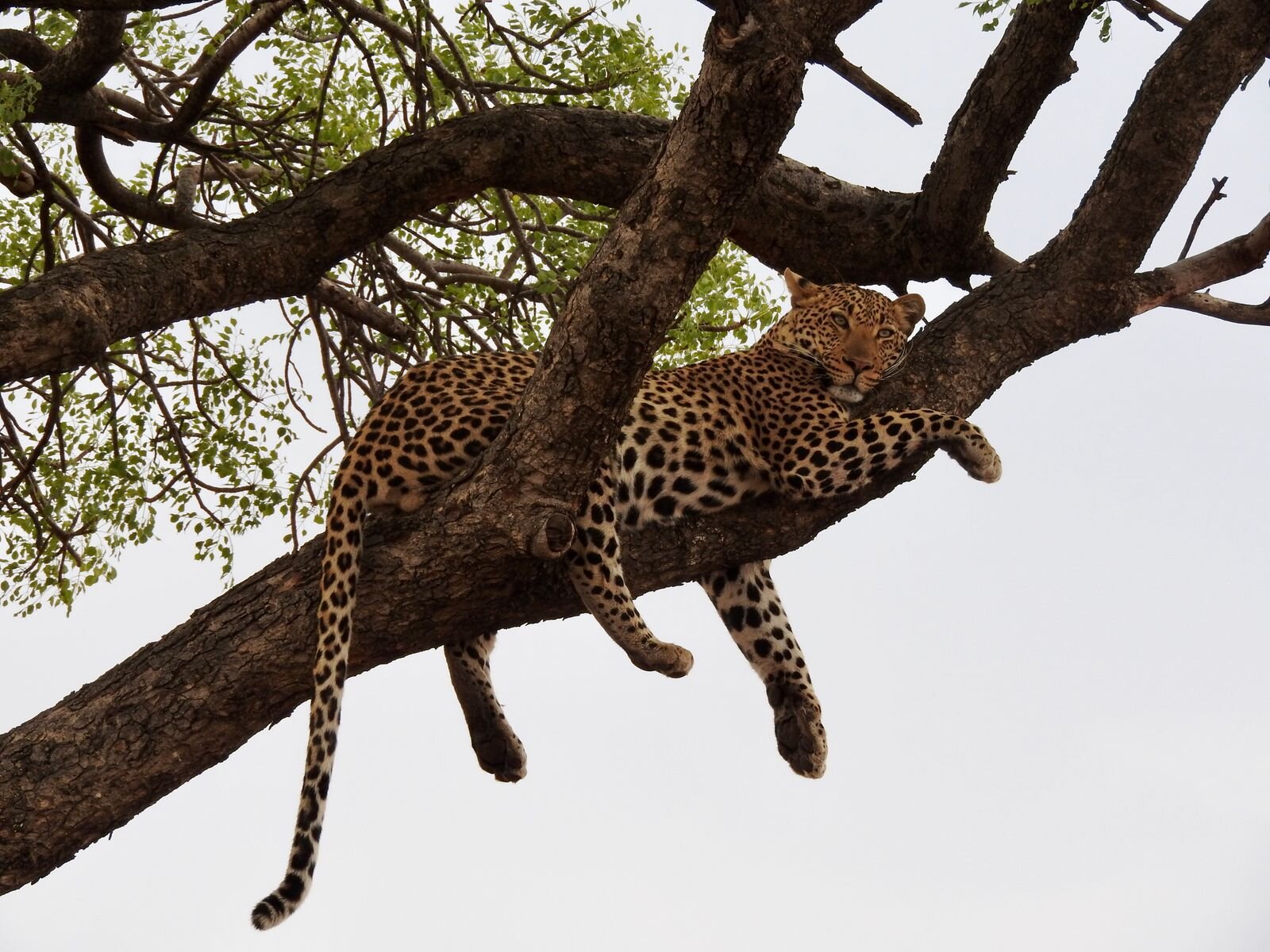
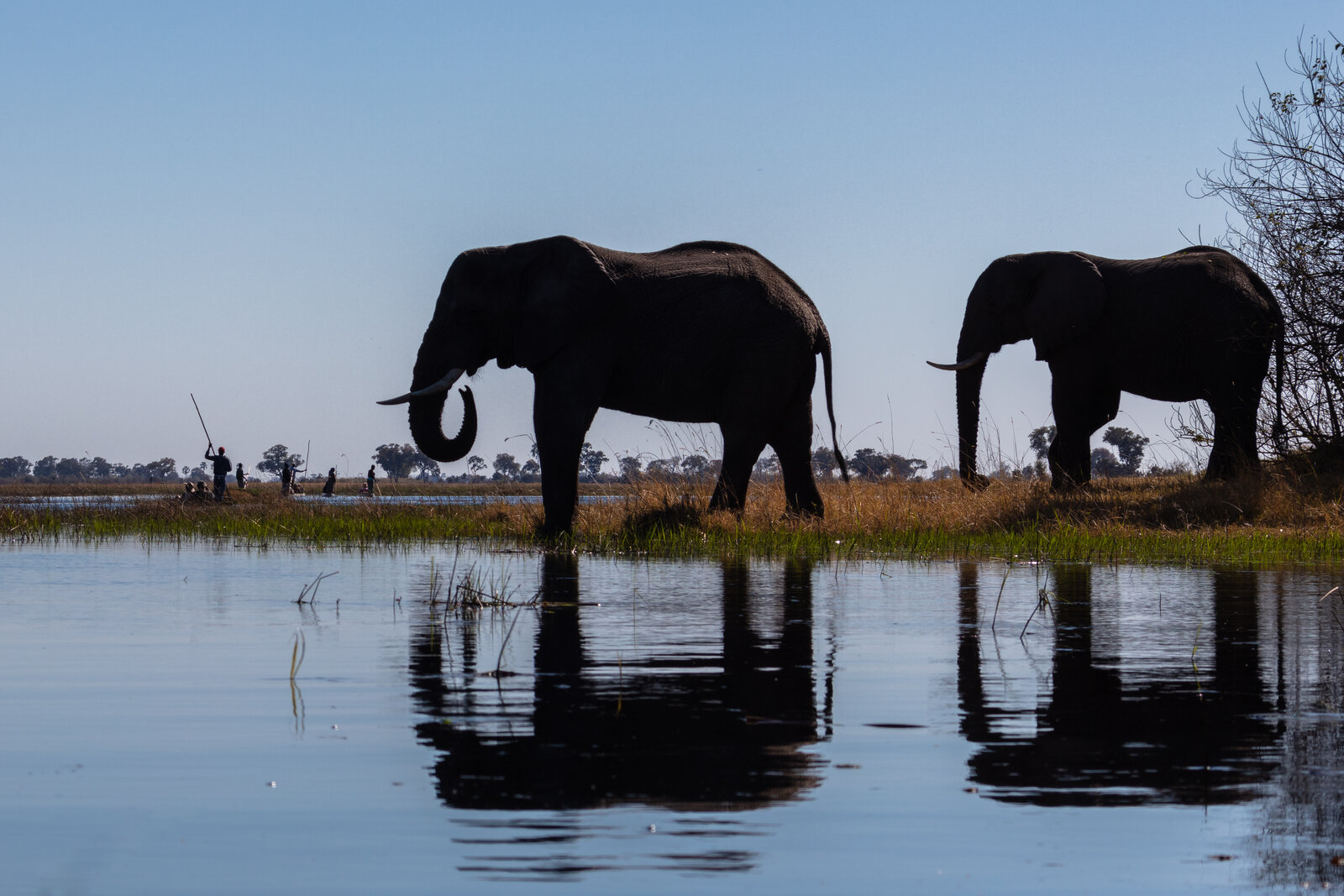
The most intense game-viewing months of the Botswana year. The bush is bare, temperatures climb (25–33°C by day), and every waterhole and river channel is a stage. Chobe's elephant herds — the largest concentration on earth — mass on the riverfront in their thousands each afternoon, creating boat-safari scenes that have to be seen to be believed. In the private northern concessions (Linyanti, Selinda, Savute), lion, leopard, wild dog and cheetah are visible from extraordinary distances across open ground. These are the months that fill wildlife documentaries.
October — Maximum Drama
October is called “suicide month” by guides — for its heat, not its danger. Temperatures push into the mid-30s°C and the bush is at its most open and bare. Wildlife is packed impossibly tight around the last remaining water: waterholes become arenas of constant activity from dawn to dusk, with predators hunting in open sight. For photographers and serious wildlife watchers who can handle the heat, October delivers Botswana's most visceral and concentrated safari. The rains typically break in late October or early November, ending the season abruptly.
Best dry-season travellers: first-time safari-goers, the Big Five and predator seekers, mokoro enthusiasts, river-safari fans, honeymooners wanting the classic postcard. Trade-offs: highest prices, camps booked 9–12 months ahead, cold early mornings June–July, extreme heat in October.


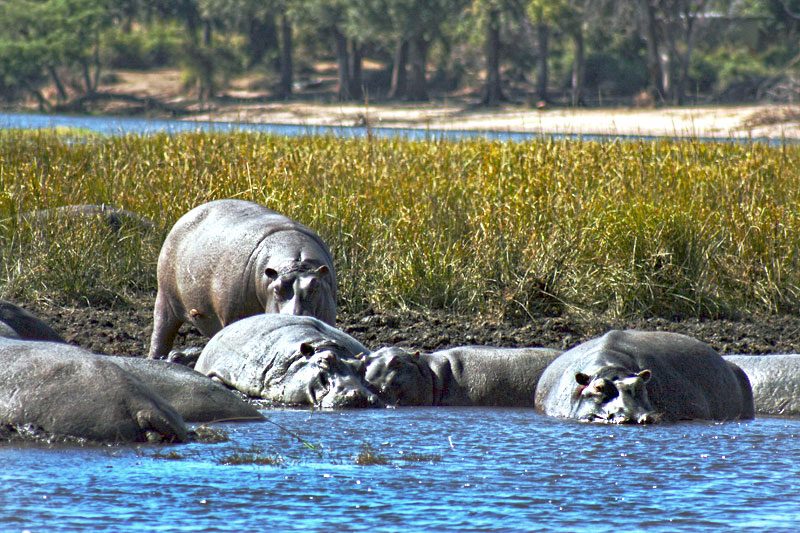

The Okavango Flood Paradox — Why Botswana's Dry Season is Its Wettest Safari
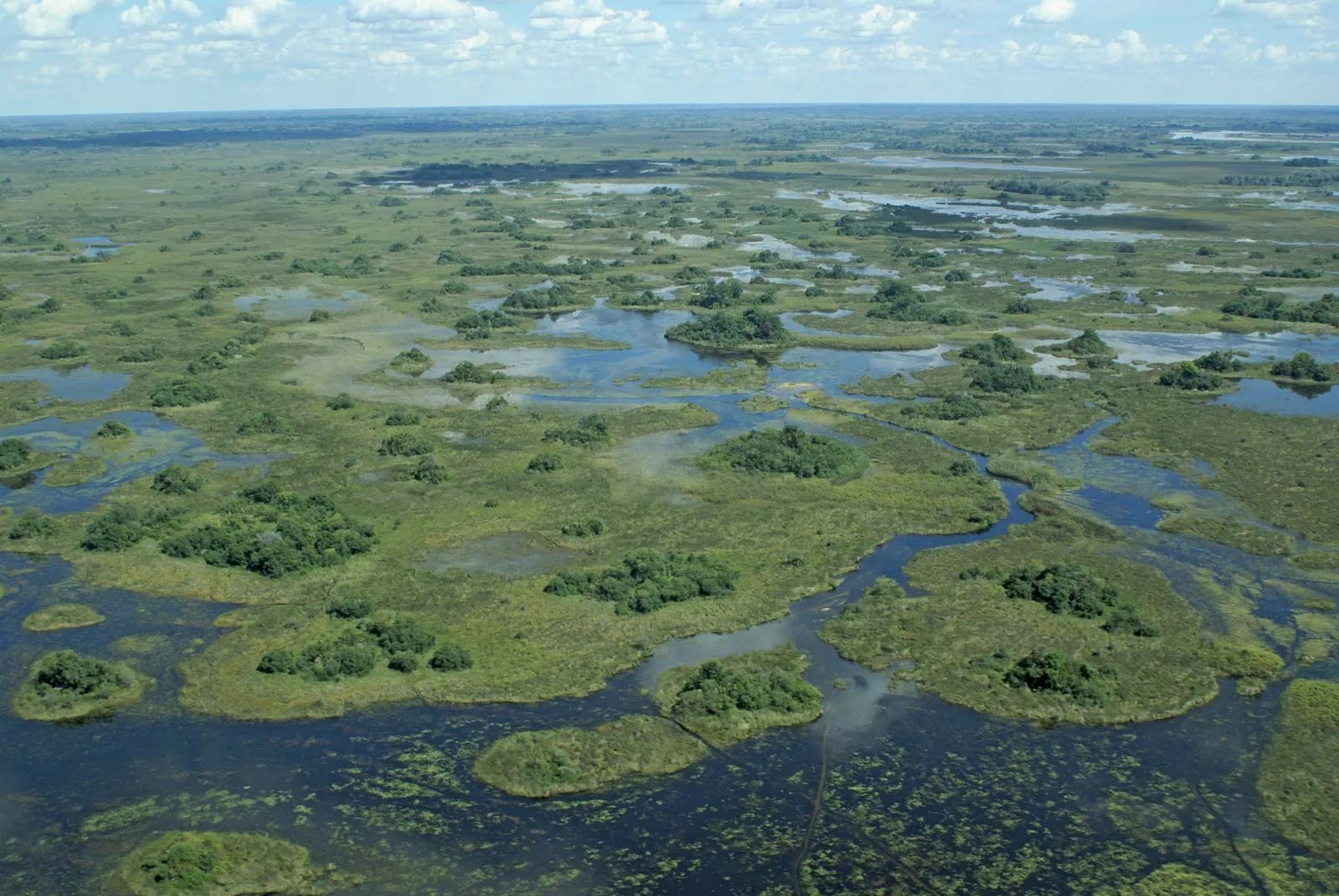
The single most confusing thing about planning a Botswana trip is the Okavango flood — and understanding it is the key to choosing your timing correctly. The Okavango Delta does not flood when it rains locally. Instead, summer rains that fall in the Angolan highlands between November and March feed the Okavango River, which then flows 1,200km south. That journey takes roughly four months, so the floodwater reaches Botswana during the dry winter months.
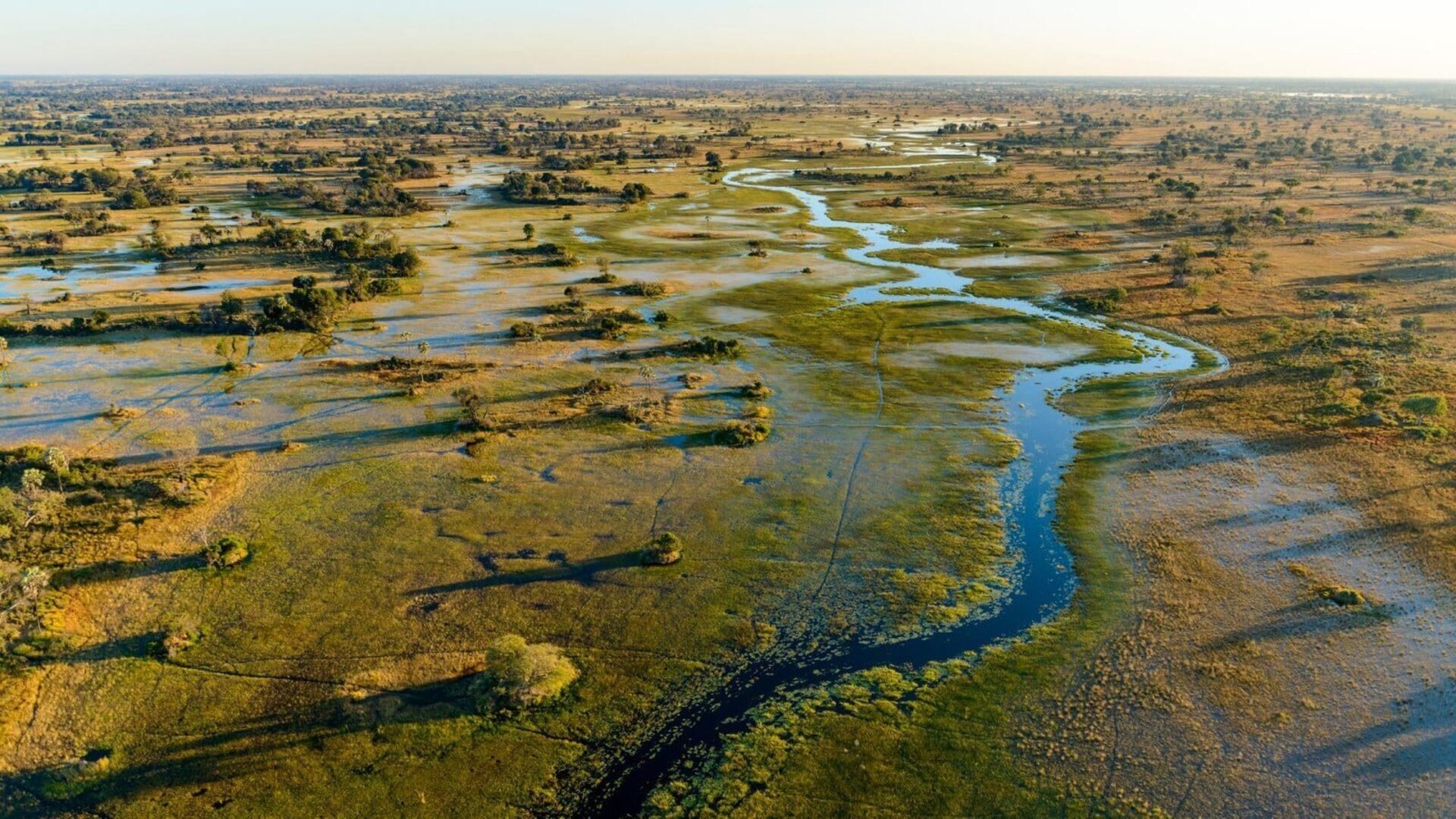
The flood pulse enters the northern Panhandle around March–May, then spreads across the delta fan, reaching its peak extent between June and August, when open water can cover more than 7,000km². This is why the delta's finest water-based safaris — mokoro (dugout canoe) trips and motorboat cruises through the channels — coincide with the dry season, not the local rains. As the flood recedes from September, wildlife concentrates around the shrinking channels for some of the most dramatic predator-prey action of the year.
One essential caveat for 2026 and 2027 planning: flood levels vary year to year with Angolan rainfall. The specific camps offering the best water access — and whether certain areas can be navigated by mokoro or only by boat — shifts annually. A good specialist reads the flood forecasts and matches your camp to that season's water. That is exactly what we do at Beyond Africa Safaris.
The Green Season (November–April): The Kalahari Awakens and the Zebra Move
The green season is Botswana's most underestimated time to visit — and for the Kalahari, the salt pans and photographers, it is arguably the better one. The first rains break in November, transforming dusty plains into rolling emerald grassland almost overnight. Migratory birds pour in from Europe and Central Africa, antelope drop their calves in a synchronised pulse, and the predators that follow them put on a relentless show.
November — The First Rains and the Start of the Migration
Storms break in November and the land greens almost overnight. The zebra migration — Africa's longest land mammal migration — begins, triggered by the rains, as tens of thousands of zebra stream south from the Chobe floodplains toward the fresh grazing of the Nxai and Makgadikgadi Pans. It is a transitional month — some delta camps are closing, but the Kalahari and pans are coming alive, birding is brilliant, and rates are at their best for the quality on offer.
December to February — Peak Green Season
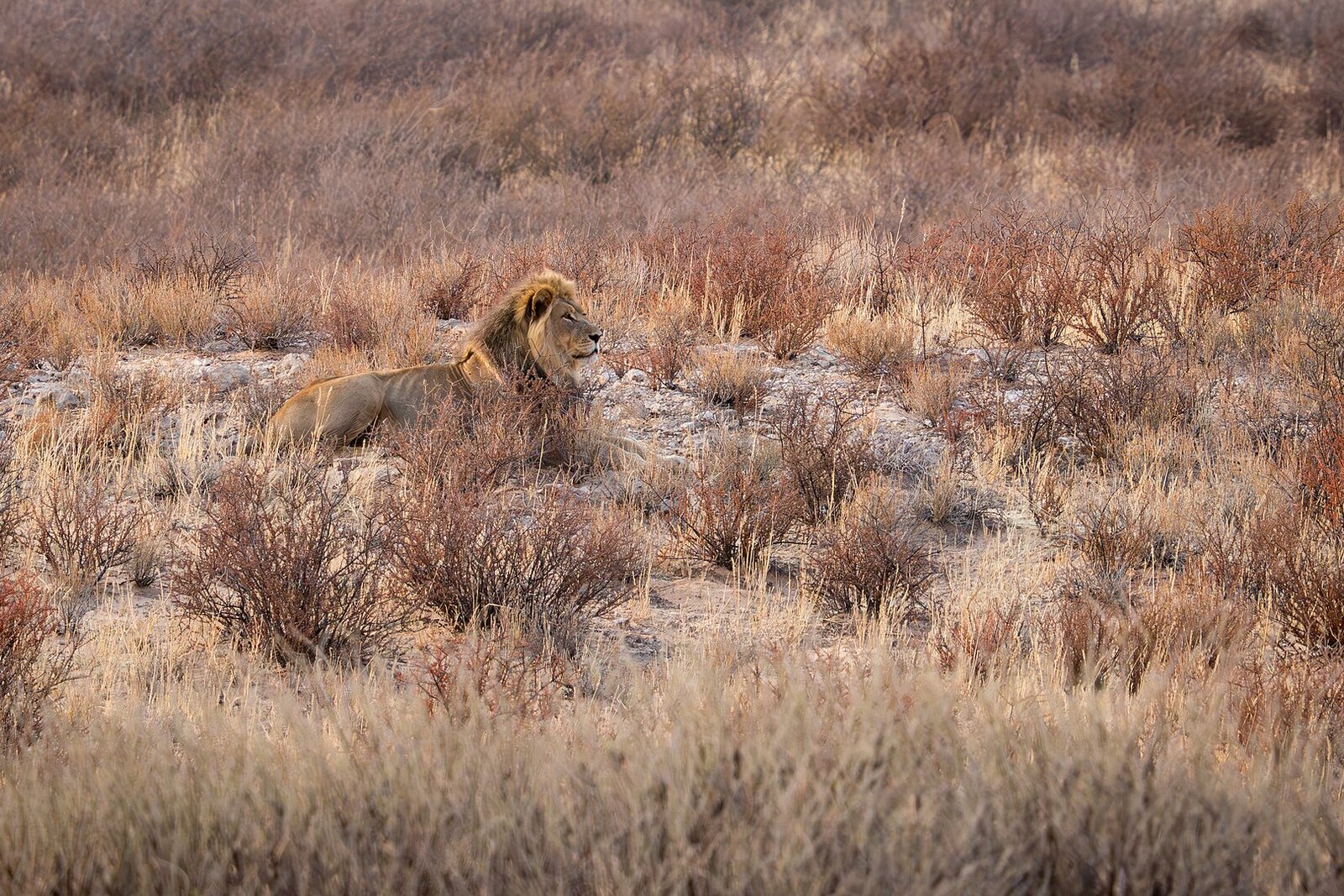
This is the most lush and photogenic season. The Central Kalahari awakens: Deception Valley greens up, black-maned lions patrol the grasslands following calving herds, and the desert briefly overflows with life. On the salt pans, the zebra migration is in full swing. Rain in Botswana falls mostly as short, spectacular afternoon thunderstorms — not all-day downpours — so game drives continue uninterrupted. Skies are cinematic and the light is extraordinary. Lodge rates run 30–50% below peak season. The festive period (late December to early January) is the one exception: rates spike and camps fill fast.
March and April — The Shoulder Transition
The rains ease in March and the landscape is still brilliantly green. The zebra begin drifting north from the pans. April is one of Botswana's finest shoulder months: the air dries and cools, the flood pulse is rising in the Okavango Panhandle, game viewing is excellent (the bush still holds some green for shy species like pangolin and serval), and rates are soft with availability open. For travellers who want both worlds — a taste of the green season and a preview of the dry — April is exceptional.
Best green-season travellers: Kalahari explorers, salt-pan enthusiasts, birders, photographers chasing storm light, value-seekers, families wanting the bush to themselves. Trade-offs: wildlife disperses in the delta and Chobe as water spreads out; a handful of seasonal camps close November–March; some roads in the delta can flood after heavy rain.
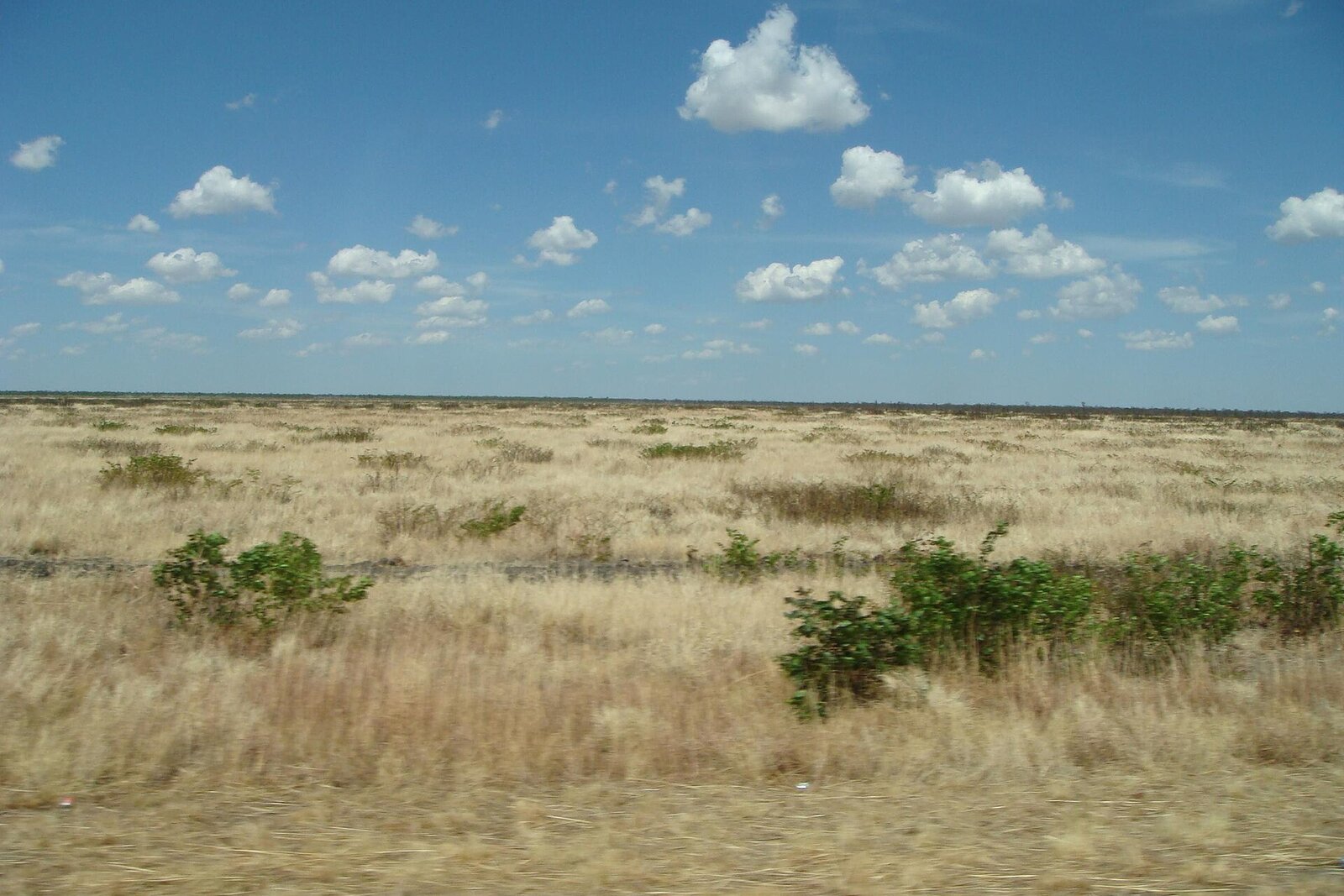
Botswana Month by Month — Full 2026/2027 Breakdown
| Month | Season | Weather | Wildlife & Safari Highlights | Rating |
|---|---|---|---|---|
| January | Green (wet) | Hot 30–34°C; afternoon storms; lush | Peak calving; Kalahari black-maned lions hunting; zebra on Nxai Pan; superb birding; low rates post-festive | ★★★★ (Kalahari & pans) |
| February | Green (wet) | Hottest month; heavy afternoon storms | Greenest landscapes; predator action follows calves; flamingos on flooded Makgadikgadi; delta camps quiet | ★★★★ (Kalahari & pans) |
| March | Green tail | Rains easing; still warm 27–30°C | Zebra begin drifting north; Kalahari still productive; flood rising in the Panhandle; excellent value | ★★★½ (transitional) |
| April | Shoulder | Cooling; dry; 22–27°C; fresh air | Flood rising fast in delta; green bush; game dispersing; excellent value and availability | ★★★★ (shoulder gem) |
| May | Early dry | Crisp; dry; 20–26°C; cool nights | Delta filling; game concentrating; thin bush beginning; one of best-value peak-quality months | ★★★★½ |
| June | Peak dry | Cool; 18–24°C days; cold nights 5–10°C | Delta flood near its height; prime mokoro season; lion activity high; pack warm layers for dawn drives | ★★★★★ |
| July | Peak dry | Sunny; 20–25°C; cold mornings 3–8°C | Peak water in delta; wildlife concentrating; book 9–12 months ahead; the classic Botswana safari month | ★★★★★ |
| August | Peak dry | Warming; 24–30°C; dry and dusty | Chobe elephants in full force; Moremi predators superb; delta still high; the most in-demand month | ★★★★★ |
| September | Peak dry | Hot; 27–34°C; very dry; bare bush | The connoisseur's pick — densest sightings of the year; wildlife packed at water; intense, spectacular | ★★★★★ |
| October | Late dry | Very hot 30–38°C; “suicide month” | Maximum wildlife concentration; bare bush; intense heat rewards the tough with extraordinary predator action | ★★★★ (for heat-tolerant) |
| November | First rains | Storms begin; 27–32°C; greening fast | Zebra migration starts; Kalahari comes alive; excellent birding; transitional delta; best value for conditions | ★★★★ |
| December | Green (wet) | Warm 28–33°C; lush; afternoon storms | Green season full swing; Kalahari & pans excellent; festive period spikes late December — book far ahead | ★★★★ (Kalahari & pans) |
Best Time to Visit Botswana — By Region
Because Botswana runs on two calendars, the best time depends heavily on where you are going. Here is how each region lines up through the 2026–2027 seasons.
Okavango Delta & Moremi Game Reserve
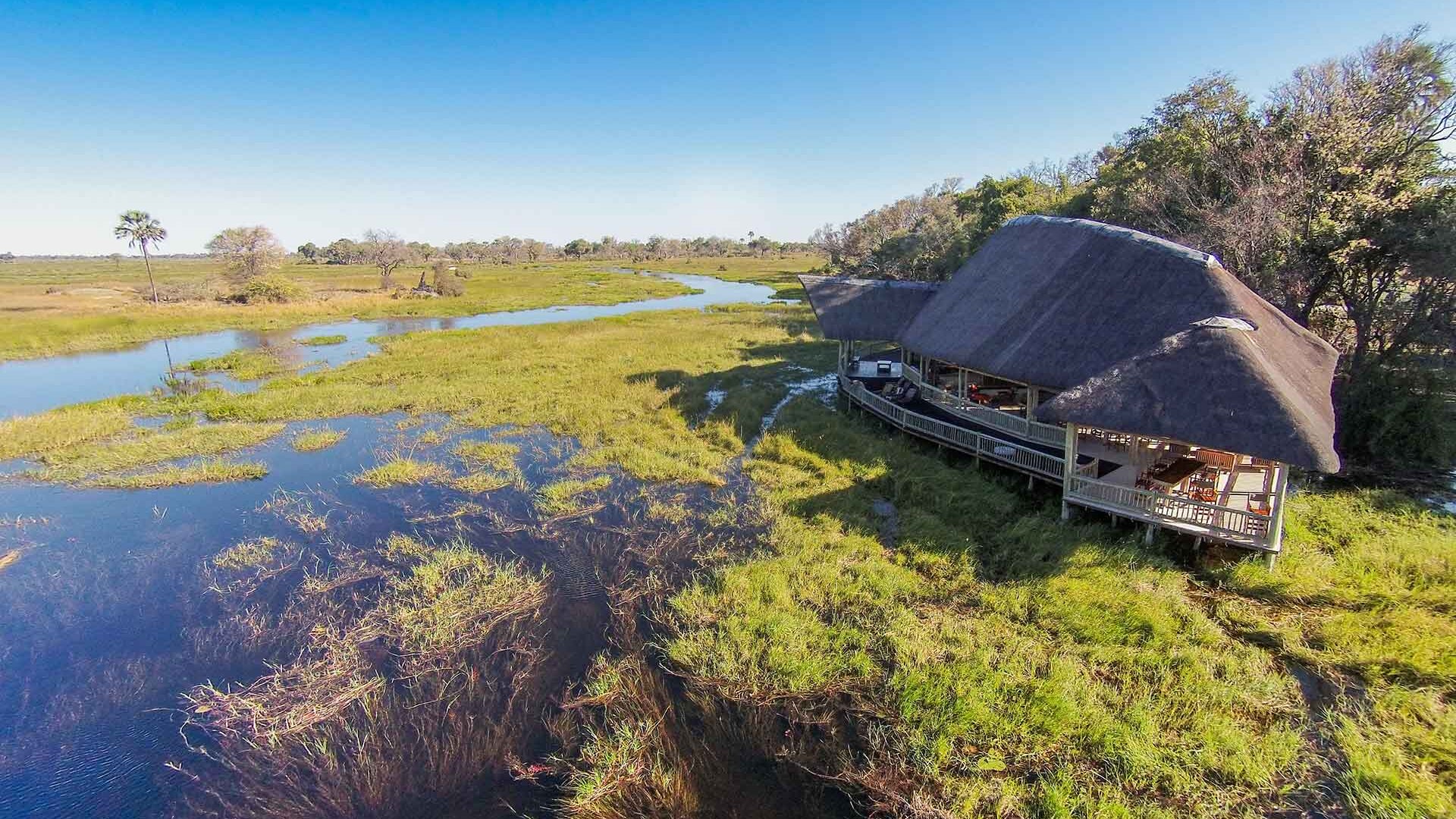
Botswana's crown jewel, and the world's largest inland delta. Best from May to October, peaking June–August when floodwaters are at their highest for mokoro and boating, and September–October for concentrated big-game drives as the delta retreats. The green season (December–March) is quieter and cheaper with good resident game — predators, wild dog, hippo — and superb birding, but water-based activity depends on the previous flood and some seasonal camps close. May and June offer the extraordinary combination of high water and manageable rates before peak hits in July.
Chobe National Park & the Riverfront
Home to the densest elephant population on earth. Best from July to October, when thousands of elephants and buffalo crowd the Chobe River each afternoon and boat safaris deliver eye-level sightings from close range. The riverfront transformation at dusk — hundreds of elephants on both banks, hippos surfacing, crocodiles sliding off sandbanks — is one of Africa's great safari spectacles. The green season brings superb birding and the zebra departure, but game disperses inland away from the river.
Central Kalahari (CKGR) & Deception Valley
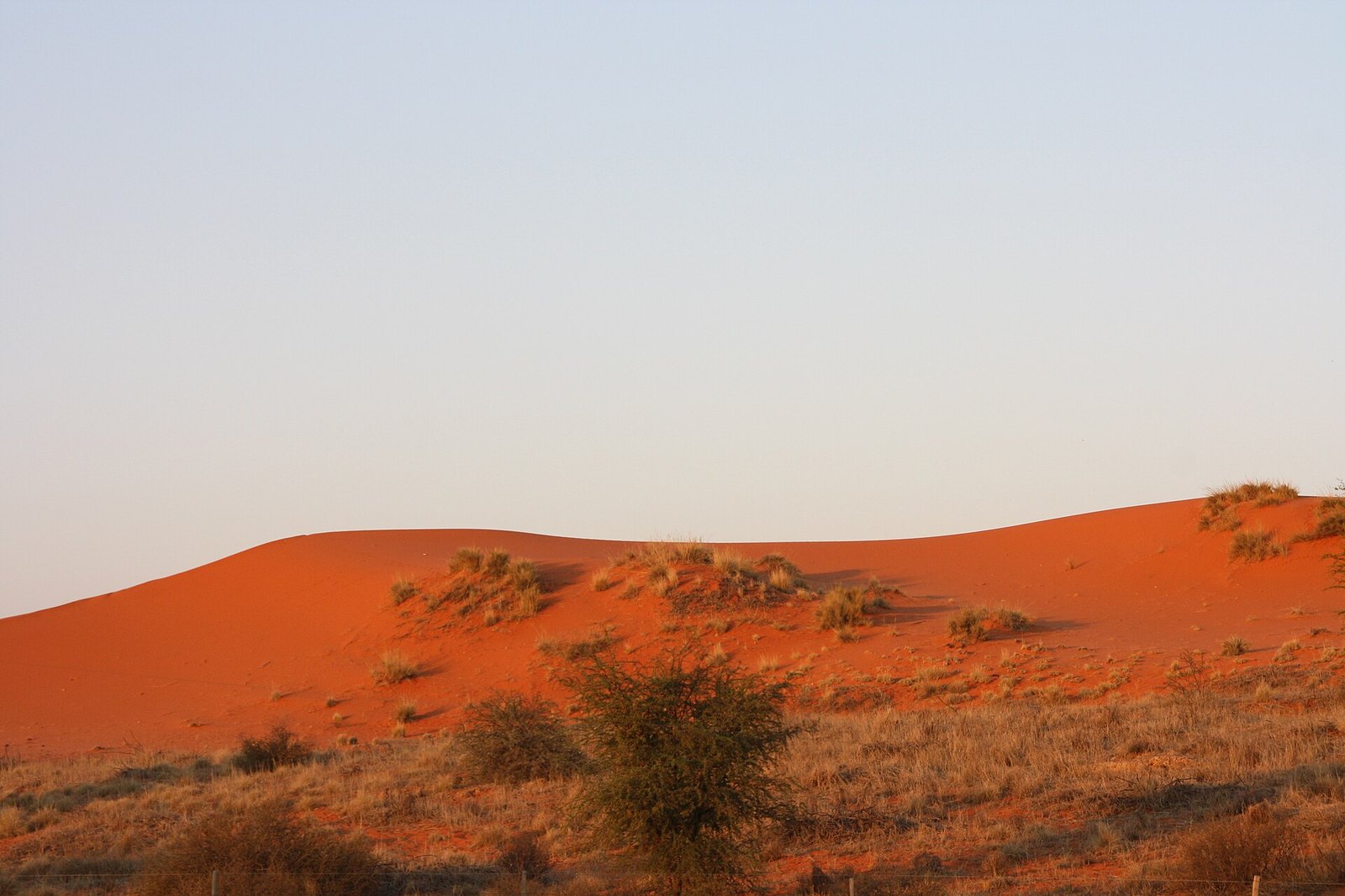
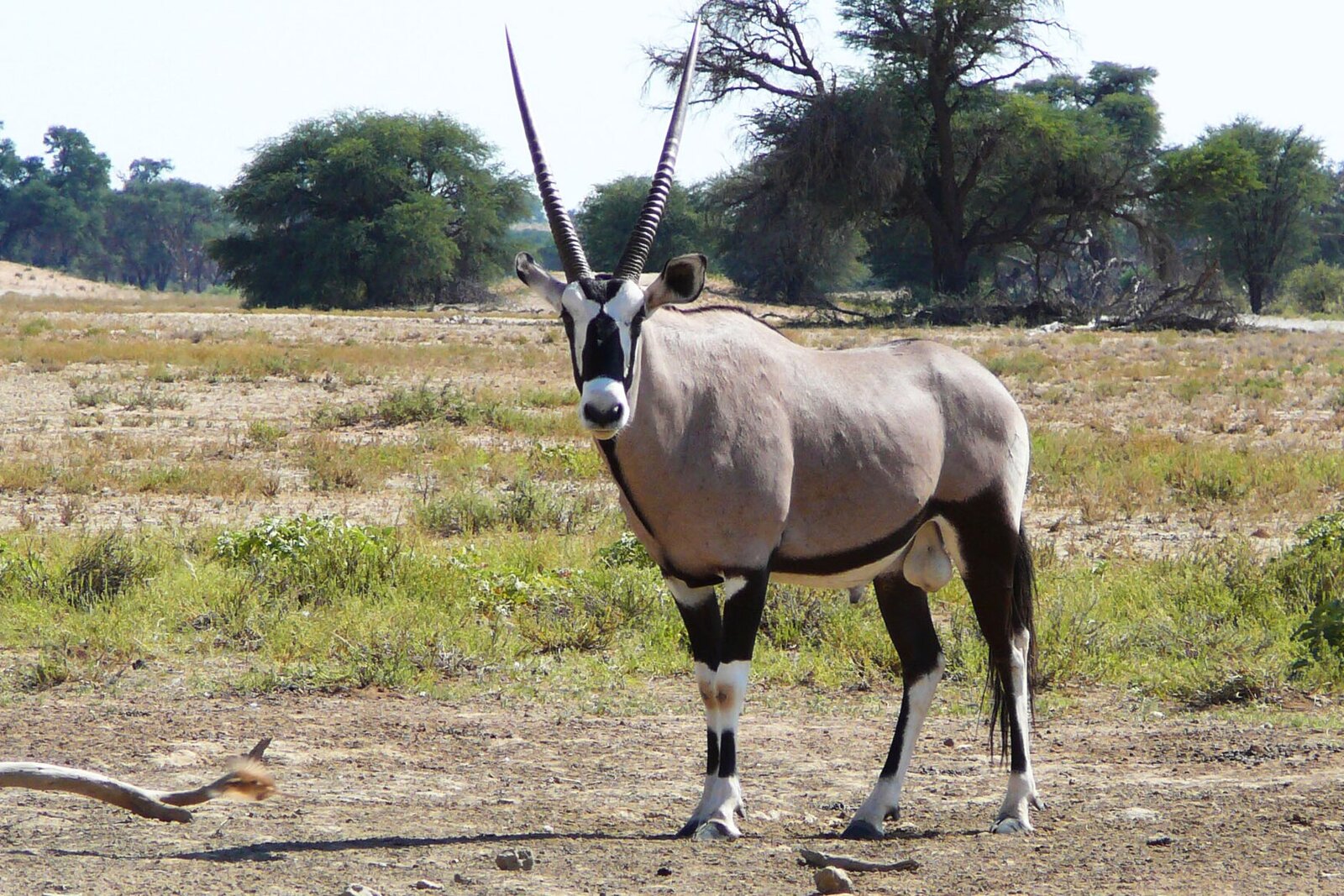
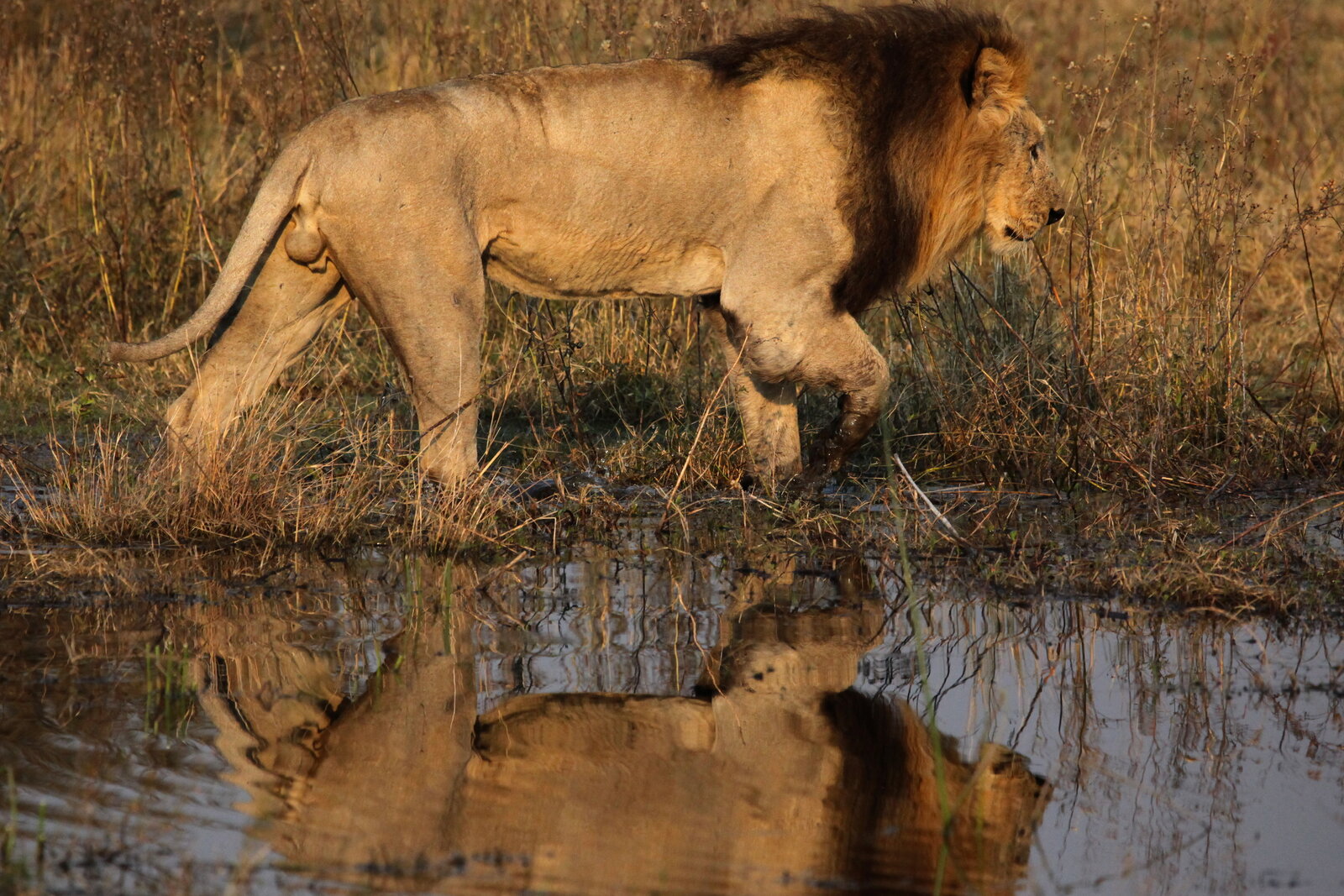
The great inversion. Best in the green season, December to April, when summer rains transform Deception Valley into grassland grazed by springbok, gemsbok and wildebeest, drawing the Kalahari's famous black-maned lions, cheetah and brown hyena. This is one of the most underrated safari experiences in Africa — a private desert wilderness with extraordinary cat sightings and almost no other visitors. The dry season brings a stark lunar landscape ideal for stargazing and San bushman walks, but game is scarce and waterholes empty.
Makgadikgadi & Nxai Pans
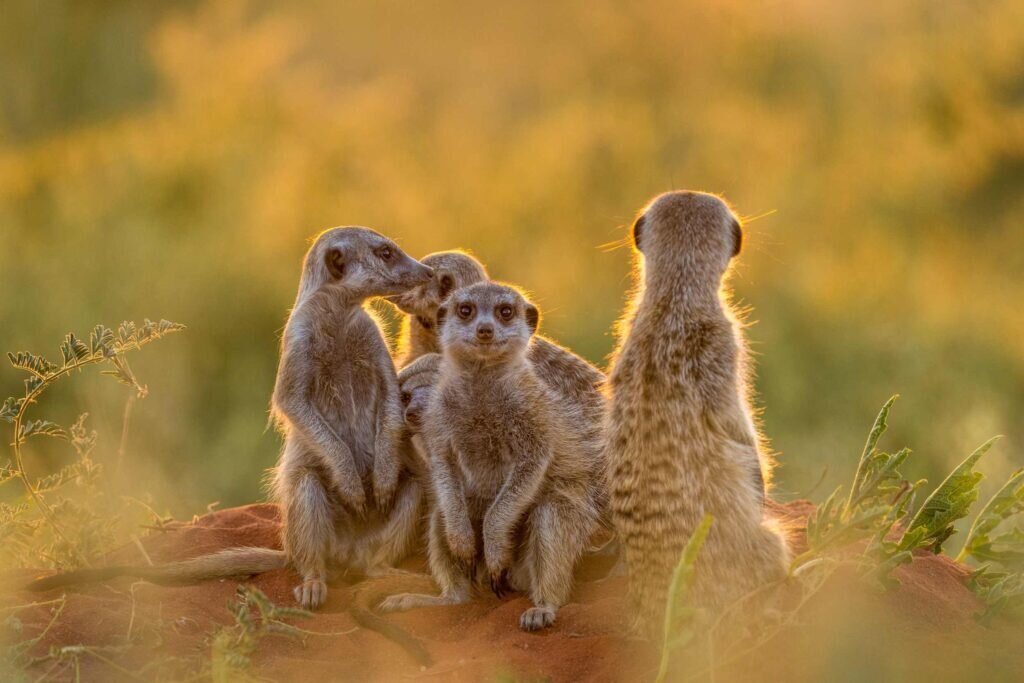
The salt-pan theatre — most spectacular in the wet season, December to March, for the zebra migration, flamingos on the flooded white pans and vast calving herds on the surrounding grasslands. The sight of zebra reflected on a flooded Makgadikgadi is one of the most photographed in Botswana. The dry season flips to a lunar landscape — ideal for quad-biking, sleeping under the stars with 360-degree horizons and meerkat encounters at Jack's Camp.
Linyanti, Selinda & Savute
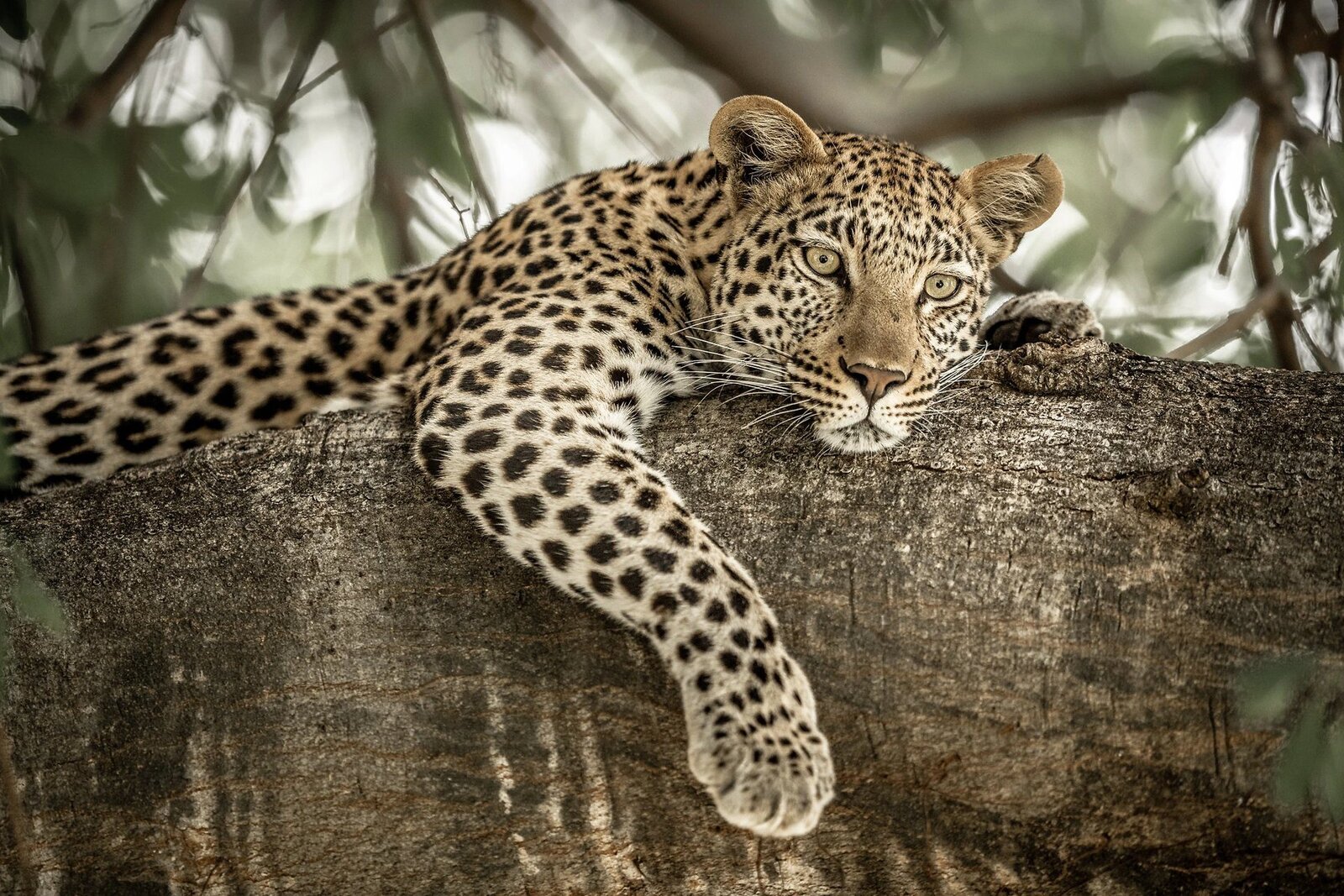
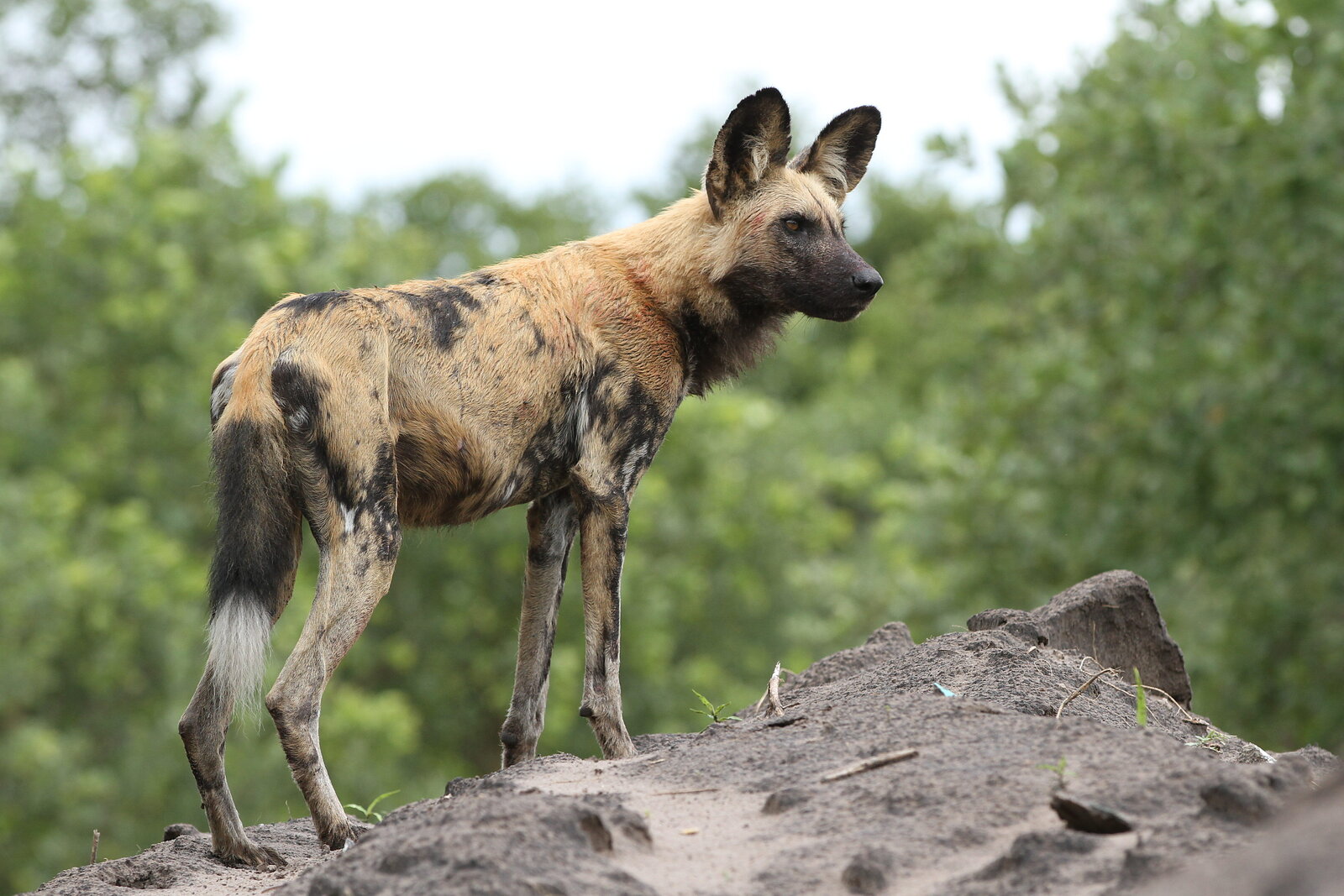
The ultimate predator country in Botswana's private northern concessions. Best from July to October, when wildlife funnels to the Linyanti and Savute channels and wild dog packs roam the concessions in search of impala. Lion, leopard, hyena and elephant are visible in extraordinary concentrations. These concessions have almost no traffic — the antithesis of the Serengeti — and year-round resident wildlife that shifts with the seasons. The combination of low visitor numbers and exceptional game makes Linyanti a connoisseur's choice year-round.
The Tuli Block (Eastern Botswana)
Often missed by first-timers, the Tuli Block is an underrated gem best visited in the dry season, May to October. The rocky Motloutse and Limpopo river valleys are dramatically different from the flat delta country — huge geological formations, massive baobab trees and resident elephant herds that can be tracked on foot. Because it is not a water-dependent ecosystem in the same way as Chobe or the delta, it holds good game through most of the year. It pairs well with a Limpopo Valley trip from South Africa.
Best Time to Visit Botswana by Traveller Type
| Traveller | Best time | Notes |
|---|---|---|
| First-time safari visitor | July – September | Reliable weather, easy sightings, the classic delta-and-Chobe circuit — delivers everything Botswana is famous for |
| Honeymooners | May – June or September – October | High water and romance for mokoro couples; or dramatic dry-season game with sunset river cruises |
| Families with children | July – August | Cool, malaria risk slightly lower, school-holiday alignment; easy big-game sightings without extreme heat |
| Wildlife photographers | May–June & January–February | Peak flood and golden light; or lush green backdrops, storm drama and newborn animals in green season |
| Bird specialists | November – March | Migrants from Europe and North Africa; breeding plumage; the delta's water birds in full voice — 550+ species possible |
| Value & shoulder seekers | November & April – May | Shoulder months: excellent conditions at 20–35% below peak rates; easy availability |
| Kalahari & pans enthusiasts | December – April | The reverse season — the Kalahari at its finest, when the rest of Africa has emptied the Botswana bucket list |
| Luxury solitude seekers | Any time in private concessions | Linyanti, Selinda, Chitabe and Kwara are quiet year-round; dry season Jul–Oct for peak game, green season for exclusivity |
| Walking-safari enthusiasts | April – October | Dry conditions favour walking (no deep mud); cool mornings May–August are particularly comfortable; always with an armed guide |
Botswana Safari Planning Calendar — 2026 & 2027
Planning your 2026 or 2027 Botswana trip? Here is what to expect season by season across the two years. The patterns are consistent — the key variable is annual flood levels, which we track and advise on for each booking.
| Season window | 2026 / 2027 planning notes | Book by |
|---|---|---|
| Oct–Nov 2026 | Late dry season: late-breaking availability in some camps; heat-tolerant travellers get superb game; rains break late Oct | Book now — short lead window |
| Dec 2026 – Mar 2027 | Full green season: Kalahari, pans, zebra migration; excellent value outside the festive spike (late Dec – early Jan) | 6–8 months ahead for festive; 4 months other dates |
| Apr – May 2027 | Shoulder gold: flood rising in the Panhandle, bush still green, rates softening — one of the most underrated windows | 4–6 months ahead |
| Jun – Aug 2027 | Peak delta flood; cool winter heart; the most sought-after months — Moremi and the concessions booked first | 9–12 months ahead; now for Jun–Jul |
| Sep – Oct 2027 | Peak concentration game viewing; Chobe elephants at maximum; extreme heat in October for the tough | 9–12 months ahead for September |
When to Book — Price Guide and Availability by Season
Botswana runs a deliberate low-volume, high-value tourism model. There are relatively few beds in the prime concessions and camps, and they are protected by premium pricing and controlled visitor numbers. That makes booking timing as important as travel timing.
| Season | Approximate nightly rate range | Availability | Book ahead |
|---|---|---|---|
| Peak dry (Jul–Oct) | USD 1,200–3,500+ per person per night (all-inclusive) | Low — fills fast | 9–12 months minimum |
| Shoulder (May–Jun, Nov) | USD 800–2,000 per person per night | Medium | 4–6 months |
| Green season (Dec–Apr) | USD 500–1,500 per person per night | Good (except festive) | 3–4 months (festive: 6–8 months) |
Rates are all-inclusive (meals, drives, some activities, park fees), and most camps include internal charter flights from Maun or Kasane in private-concession packages. The gap between green-season and peak-season pricing is significant — but so is the difference in camp density and wildlife behaviour. The right answer depends on which wildlife experience matches your goals.
Because flood levels and camp availability shift every year, the smartest move is to consult a specialist who reads the annual forecast and matches your dates, budget and wildlife priorities to the right region and camp. That is precisely what we do at Beyond Africa Safaris — every private itinerary is built around the season that suits you, not a template.
Botswana Weather and What to Pack — Season by Season
| Season | Temperatures | Conditions | What to Pack |
|---|---|---|---|
| Dry / winter (May–Aug) | Days 20–26°C; nights 3–10°C (Kalahari near freezing) | Sunny, dry, clear; zero rain | Warm fleece and beanie for dawn drives, light layers for afternoons, sunhat, good SPF, neutral earth tones |
| Late dry (Sep–Oct) | Days 30–38°C; mild nights 15–20°C | Hot, dusty, very dry; bare bush | Lightweight breathable clothing, wide-brim hat, buff/scarf for dust, high-SPF sun protection, large water bottle |
| Green / wet (Nov–Apr) | Days 28–34°C; nights 18–22°C | Short afternoon storms; humid; lush | Light rain shell, quick-dry fabrics, strong insect repellent, antimalarials, binoculars for birding, camera with zoom |
Across all seasons, pack in a soft-sided bag — light aircraft into the delta enforce strict luggage limits, typically 15–20kg in soft bags only (no hard-sided cases). Wear neutral earth tones (khaki, olive, sand — never white or bright colours). A good telephoto lens (at minimum 300mm) will transform your wildlife photography. Malaria prophylaxis is recommended for the northern areas (delta, Chobe, Linyanti) year-round, with risk highest during the wet summer — consult a travel health clinic at least four weeks before departure.
Health, Visas & Pre-Trip Timing
Planning the best time to visit Botswana also means timing your pre-trip preparation correctly.
- Visas: Most nationalities — including US, UK, EU, Australian and South African passport holders — do not need a visa for Botswana for stays up to 30–90 days. Check current entry requirements with the Botswana Department of Immigration at least 8 weeks before travel.
- Malaria: The northern safari areas (Okavango Delta, Chobe, Linyanti, Moremi) carry a malaria risk year-round, with highest transmission during the wet season (November–April) and particularly January–March. Consult a travel health clinic at least 4 weeks before departure for current prophylaxis recommendations. The Central Kalahari has low to negligible malaria risk and is a good choice for families cautious about malaria exposure.
- Yellow fever: A yellow fever vaccination certificate may be required if you are arriving from or transiting through a yellow-fever endemic country. Check Botswana's current entry health requirements before booking flights.
- COVID and health documentation: Always check current entry requirements through official Botswana Government channels closer to your departure date, as requirements can change.
The Verdict — When Should You Visit Botswana?
For most travellers chasing the definitive Botswana safari — the flooded Okavango, the elephants of Chobe, predators around shrinking water — the answer is July to October, with September the connoisseur's pick for the densest concentration of wildlife you will find anywhere on earth. If your heart is set on mokoro trips through mirror-still channels, aim for June to August when the flood peaks. If the Kalahari's black-maned lions, the zebra migration and extraordinary green-season skies call to you — and you want a quieter, better-value trip — then December to April is your season.
The beauty of Botswana is that there is no bad time; there is only the right time for the safari you dream of. Tell us what you want to see, and we will build the trip around the perfect month.
Ready to plan your Botswana safari? Speak to a Beyond Africa Safaris specialist or explore our private Botswana safari packages — every journey is tailor-made to the perfect season for you. You can also read our full guide to Botswana safari packages and costs, explore the best luxury lodges in Botswana, or discover everything about Okavango Delta safari packages.