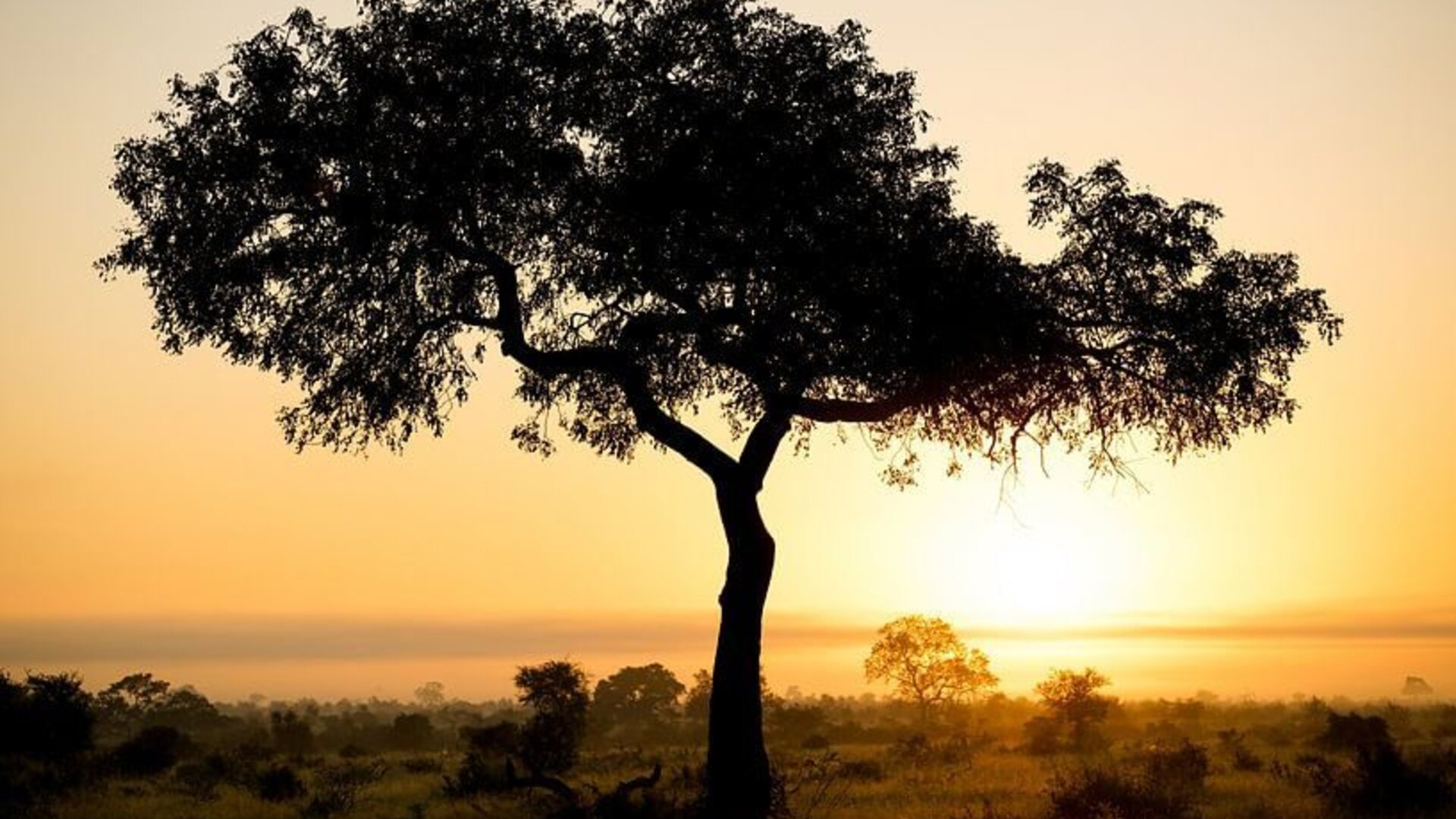
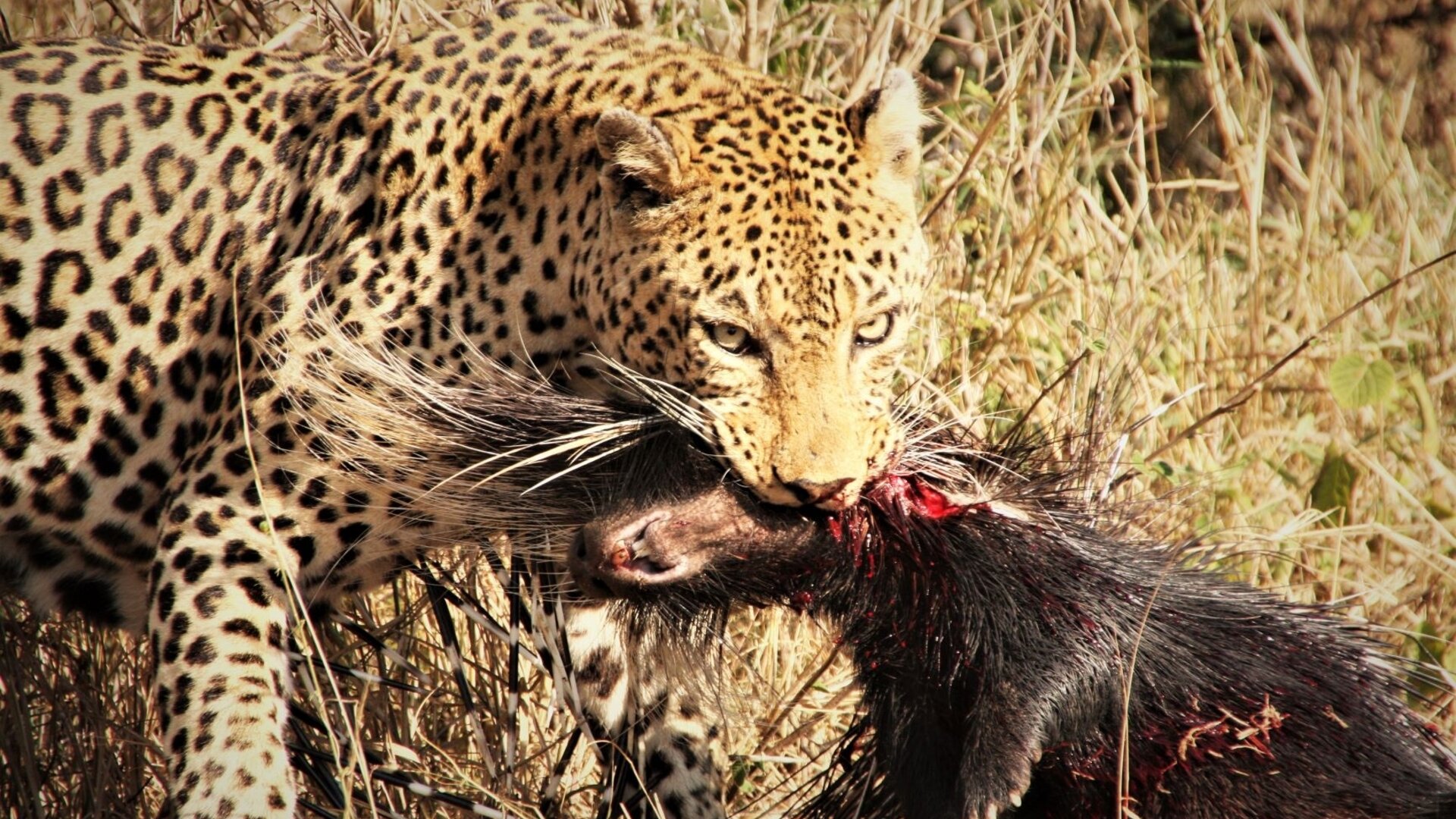
The best time to visit Tanzania is not a single answer — it depends on which of the country's great wildlife spectacles you have come for. Get the timing right and Tanzania will deliver the most extraordinary safari of your life: the Serengeti migration in full thunder, the Ngorongoro Crater brimming with Big Five, the wild southern parks at their peak. This is the definitive, specialist-written guide for 2026 and 2027, built around one principle: the right month, in the right region, for the safari you actually want.
Best Time to Visit Tanzania — At a Glance
If you are planning in a hurry, use this table. The full breakdown follows below.
| Your priority | Best window | Why it works |
|---|---|---|
| Overall best game viewing | June – October | Peak dry season; wildlife concentrated at water; thin bush means nothing is hidden |
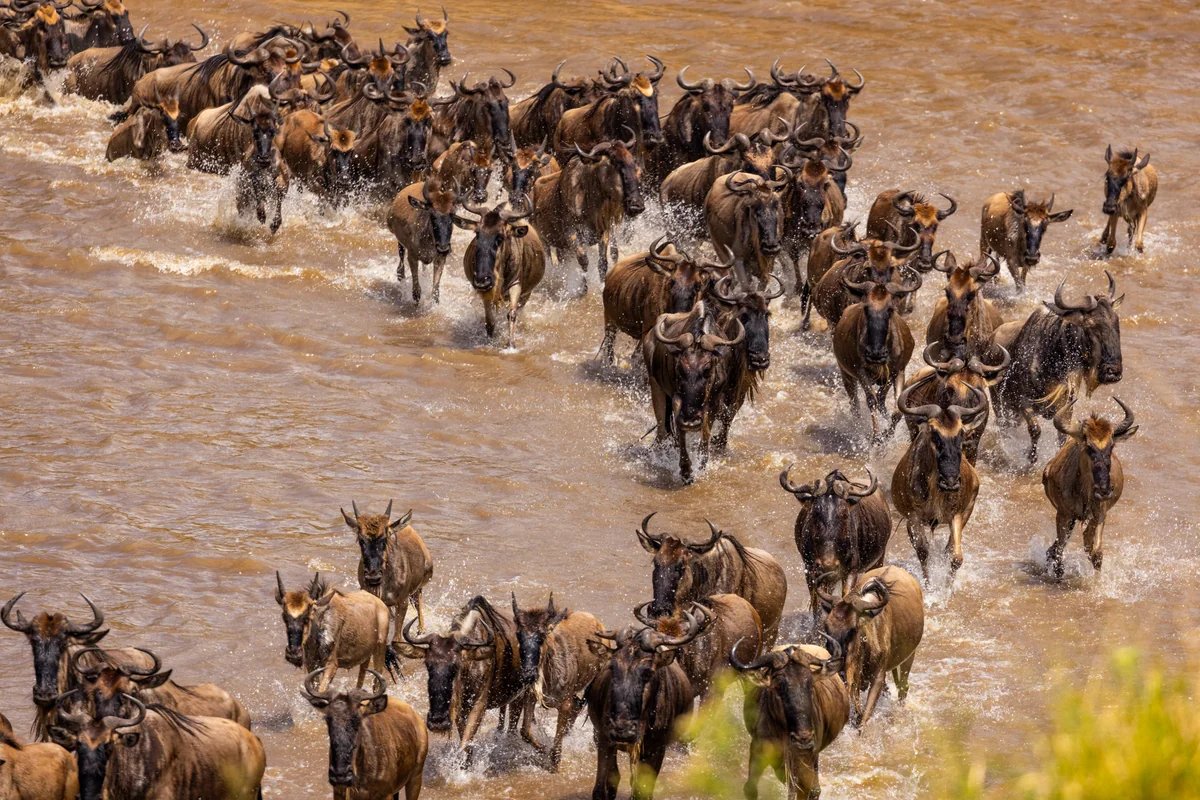
| Mara River crossings (northern Serengeti) | July – October | The migration storms the crocodile-filled Mara River — the headline drama of the safari year |
| Calving season (Ndutu, southern Serengeti) | Late January – March | Half a million wildebeest calves born in weeks; predators follow in extraordinary numbers |
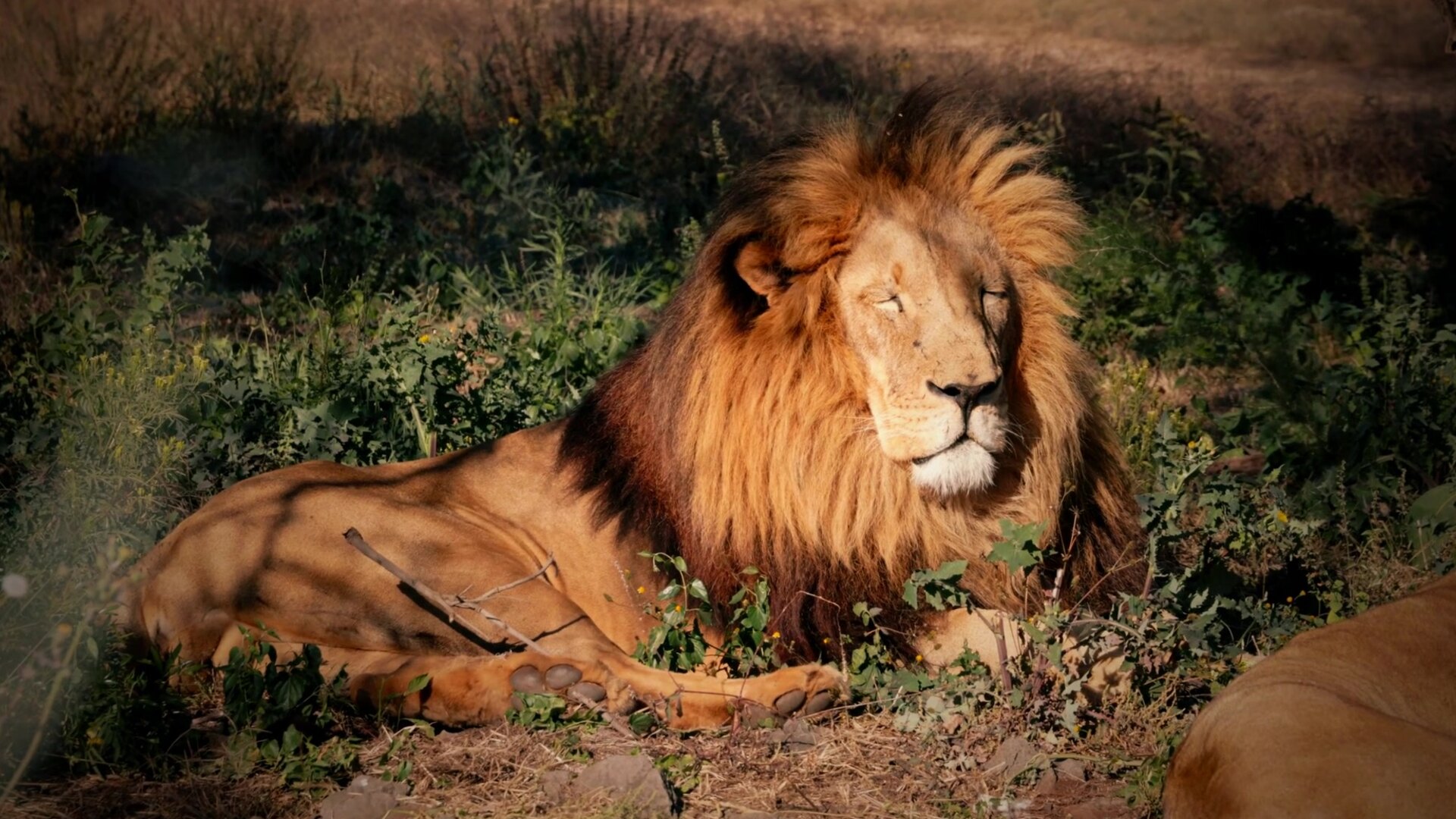
| Ngorongoro Crater Big Five | Year-round (June – October driest) | A contained volcanic amphitheatre holds lion, elephant, buffalo, rhino and leopard every month |
| Tarangire elephant herds | June – October | The dry season draws huge herds to the Tarangire River — one of Africa's finest elephant parks |
| Southern circuit (Ruaha & Nyerere) | June – October | Tanzania's wildest, least-crowded parks at their dry-season peak for big cats and wild dog |
| Birding (500+ species) | November – April | Migrants arrive from Europe and Asia; breeding plumage; lush green backdrops |
| Best value — lowest rates | April – May | The long rains; lush landscapes, soft rates and the Serengeti almost to yourself |
| Photography — storm drama & newborns | February – March | Calving-season predator action, lush backdrops and dramatic Rift Valley skies |
| Best all-round family safari | June – August / December | Reliable dry weather, easy big-game sightings and the school-holiday windows |
| Zanzibar beach extension | June – October & December – February | Dry, sunny island weather pairs perfectly with a mainland safari either side of the long rains |
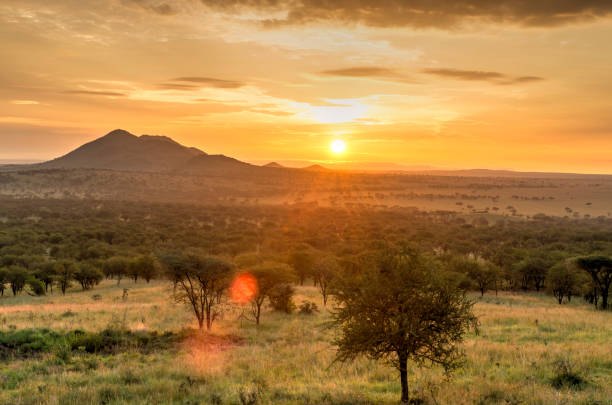
The Dry Season (June–October): The Classic Tanzania Safari
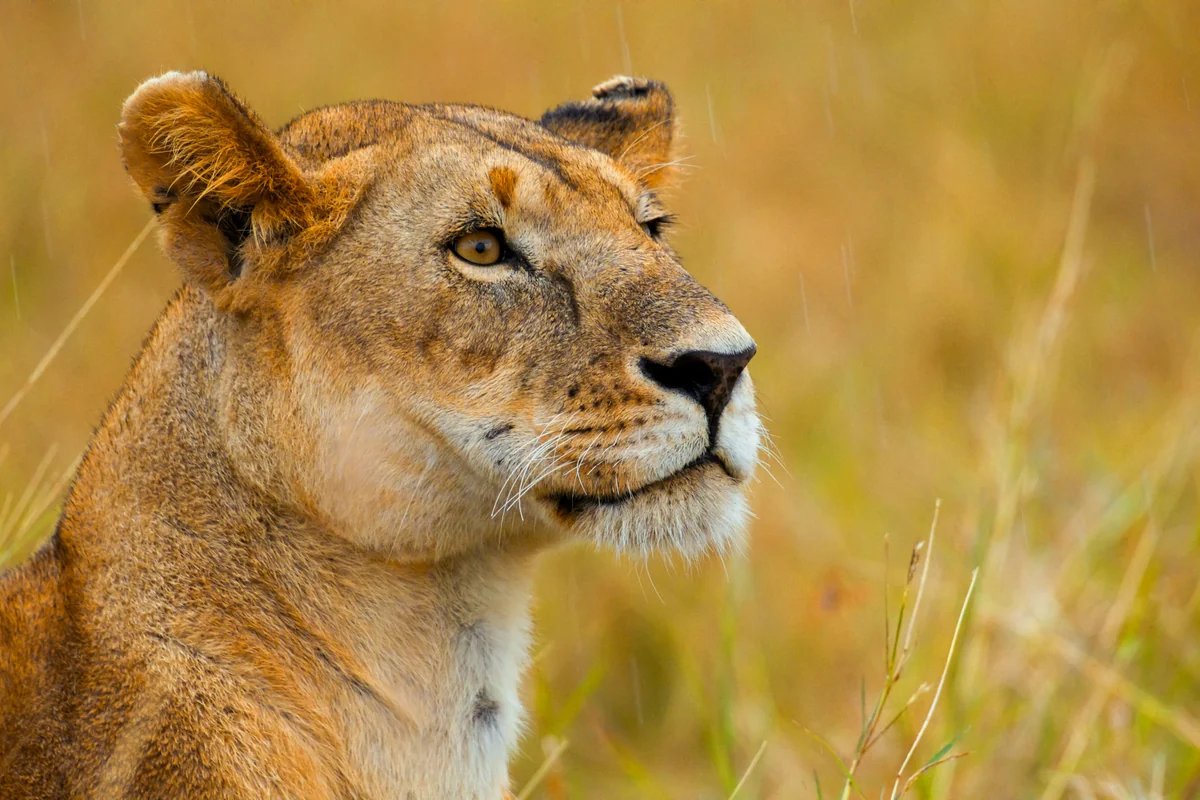
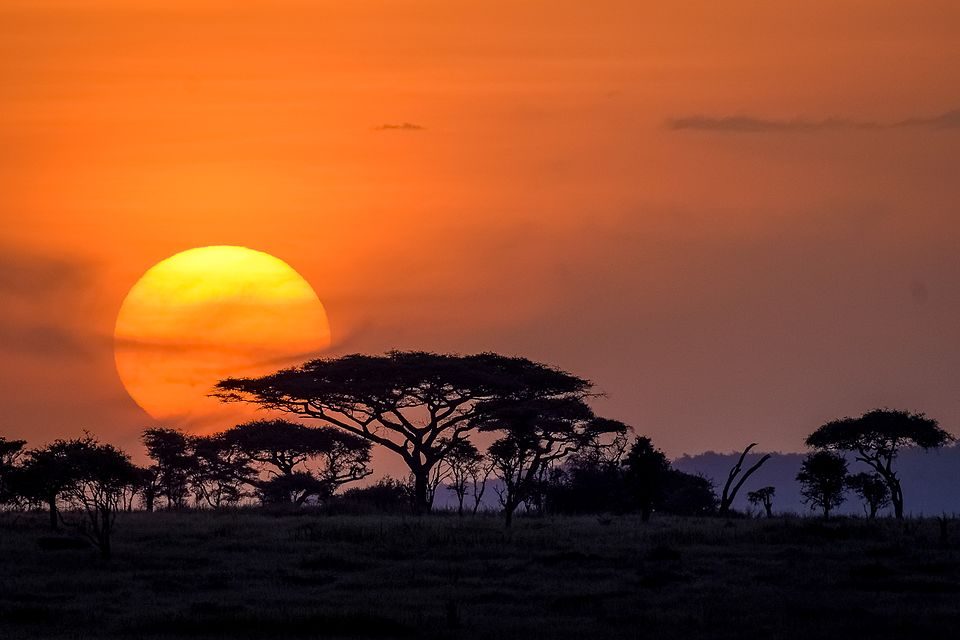
This is Tanzania's headline season — and the best time to visit Tanzania for most travellers. As the long rains end in late May, the landscape dries, temporary waterholes shrink and the bush thins out. Animals gather around the permanent rivers and water sources, and the thin cover makes predators and big game far easier to see. Clear, cloudless skies, warm days and cool nights make for comfortable game driving, and the roads are firm and reliable across every park. Above all, this is when the Great Migration reaches its most dramatic act: the Mara River crossings in the northern Serengeti.
June — The Season Opens
June is one of Tanzania's most rewarding and underrated months. The long rains have cleared, the plains are still carrying a green tinge, and the migration herds are massing in the western corridor around the Grumeti River, where the first dramatic crossings take place. Lodge rates sit below the July–August peak, the parks are quieter, and game viewing is already excellent as the bush thins. For travellers who want near-peak conditions ahead of the crowds, June is a sweet spot.
July and August — The Peak and the Mara Crossings
These are Tanzania's most sought-after months. The migration reaches the northern Serengeti, and the Mara River crossings begin — tens of thousands of wildebeest and zebra plunging through crocodile-filled waters in the single most dramatic wildlife event on the continent. Days are warm (24–27°C), nights are cool, and skies are a flawless blue. Game viewing across the Serengeti, Ngorongoro and Tarangire is at its reliable best. These months book out nine to twelve months ahead, especially the northern Serengeti camps positioned for the crossings.
September and October — The Crossings Continue
The crossings carry on through September and into October, often with fewer vehicles than the August peak. The bush is at its most open and bare, wildlife is concentrated around the remaining water, and predator action is relentless. The southern parks — Ruaha and Nyerere — are at their absolute peak, with big cats and wild dog visible across open ground. October is hot and dusty and the short rains can break late in the month, ending the dry season, but for serious wildlife watchers it delivers some of the most concentrated game of the year.
Best dry-season travellers: first-time safari-goers, migration and river-crossing seekers, Big Five and predator watchers, photographers, families in the school-holiday windows. Trade-offs: highest prices, northern Serengeti camps booked 9–12 months ahead, cold early mornings, extreme heat and dust in October.

The Great Migration Calendar — Why Timing is Everything
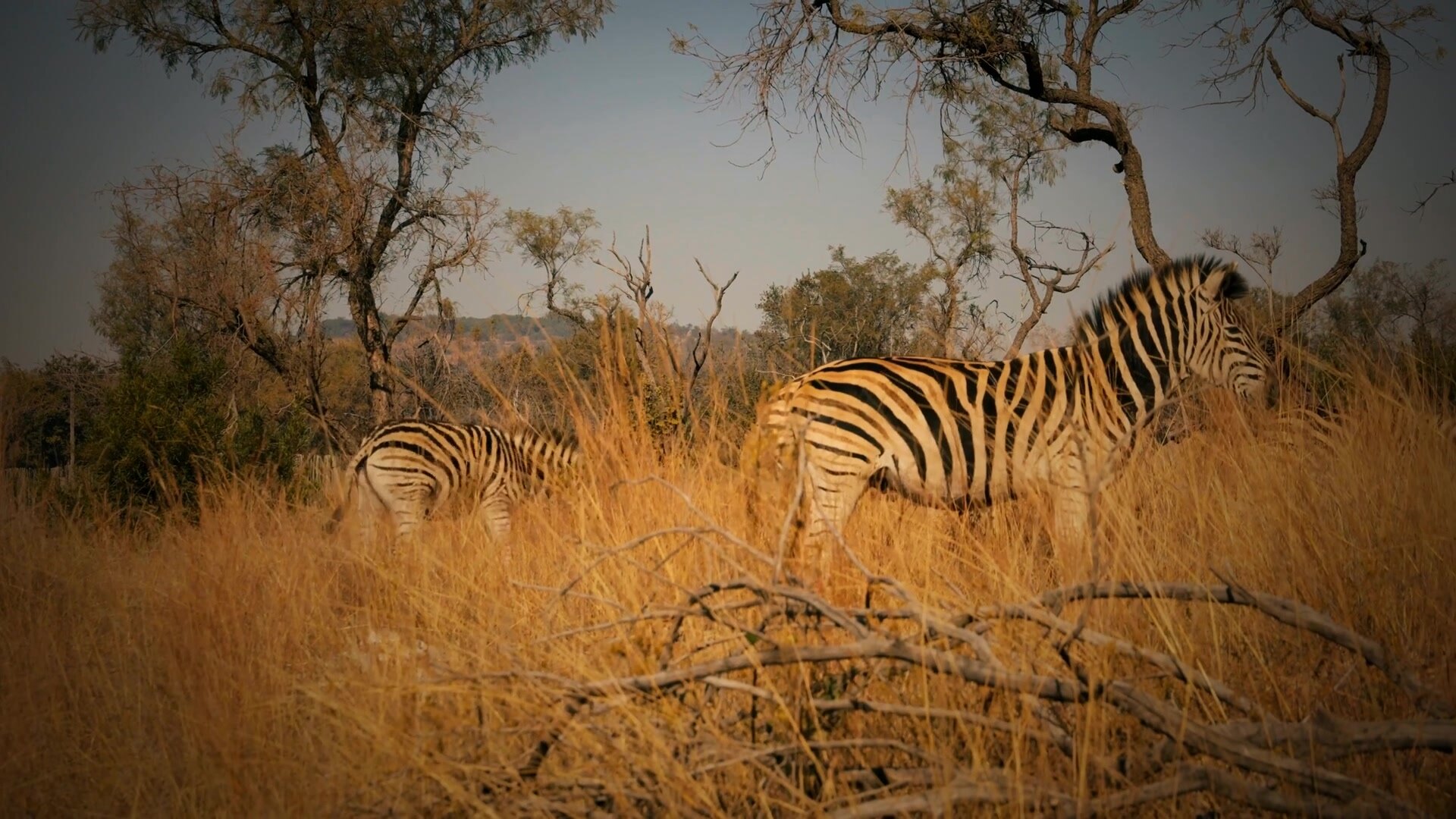
The single most confusing thing about planning a Tanzania trip is the Great Migration — and understanding it is the key to choosing your timing correctly. The migration is not an event that happens in one place at one time; it is a continuous, year-round clockwise circuit of roughly 1.5 million wildebeest and hundreds of thousands of zebra following the rains across the Serengeti–Mara ecosystem. Where the herds are depends entirely on the month.
From late January to March, the herds gather on the short-grass southern plains around Ndutu, where some half a million calves are born in a synchronised pulse of a few weeks — drawing lion, cheetah and hyena in extraordinary numbers. As the plains dry out in April and May, the herds begin moving north and west. Around June, they reach the western corridor and the first big crossings take place at the Grumeti River. By July to October, the migration is in the northern Serengeti, where the famous Mara River crossings unfold. With the short rains in November, the herds turn south again toward the fresh grazing of the southern plains, completing the circuit by December.
One essential caveat for 2026 and 2027 planning: the migration follows rainfall, and rainfall varies year to year. The exact timing of the calving and the river crossings shifts by weeks from one season to the next. A good specialist reads the rains and positions your camp where the herds will actually be — not where a generic calendar says they should be. That is exactly what we do at Beyond Africa Safaris.
The Green Season (November–May): Calving, Value and the Quiet Serengeti
The green season is Tanzania's most underestimated time to visit — and for the calving spectacle, photographers and value-seekers, it holds some of the finest moments of the year. The short rains break in November, the land greens almost overnight, migratory birds pour in, and the herds begin their return south. Then, from late January, the calving season fills the Ndutu plains with newborn life and the predators that follow it.
November — The Short Rains and the Return South
The short rains arrive in November, usually as brief afternoon storms rather than all-day downpours, and the plains turn green. The migration herds begin drifting south from the northern Serengeti toward the fresh grazing of the southern short-grass plains. Birding is superb as migrants arrive, the parks are quiet, and rates are excellent for the quality on offer. It is a transitional month, but a rewarding one for travellers who want green landscapes and few other vehicles.
December to March — Calving Season and Peak Green
This is the most lush and photogenic stretch of the Tanzania year. The herds gather on the southern plains around Ndutu, and from late January the calving pulse begins — half a million wildebeest calves born within a few weeks, with lion, cheetah and hyena hunting in constant view. Rain falls mostly as short, dramatic afternoon storms, so game drives continue, and the skies deliver extraordinary light for photography. December sees a festive-period spike in rates, but January to March (outside the holidays) combines the calving spectacle with soft pricing and quiet plains.
April and May — The Long Rains and the Best Value
The long rains fall from April into May — Tanzania's wettest, quietest and cheapest months. A handful of seasonal camps close, some roads soften, and showers can be heavy. But the rewards are real: the landscapes are brilliantly green, the air is washed clean, newborn plains game is everywhere, and the Serengeti and Ngorongoro are almost empty of other visitors. Lodge rates fall well below peak. For flexible travellers who do not mind the chance of rain, this is the value window of the year — and the Ngorongoro Crater and the permanent-water parks still deliver excellent game throughout.
Best green-season travellers: calving-season watchers, photographers chasing storm light and newborns, birders, value-seekers, and travellers who want the Serengeti to themselves. Trade-offs: the long rains (April–May) can disrupt travel; a few seasonal camps close; the Mara River crossings are not happening in these months.
Tanzania Month by Month — Full 2026/2027 Breakdown
| Month | Season | Weather | Wildlife & Safari Highlights | Rating |
|---|---|---|---|---|
| January | Green (short dry) | Warm 28–31°C; brief afternoon showers | Herds on southern plains; calving begins late month at Ndutu; predator action building; good value post-festive | ★★★★ (southern Serengeti) |
| February | Green (calving) | Warm; lush; occasional storms | Peak calving at Ndutu; relentless predator action; superb photography; quiet plains outside holidays | ★★★★★ (calving) |
| March | Green tail | Warming; first long-rain showers late month | Calving tails off; herds begin moving north-west; excellent value; green landscapes | ★★★★ (calving tail) |
| April | Long rains | Wettest month; heavy showers; humid | Lush, empty parks; lowest rates; some camps close; Ngorongoro and permanent-water parks still strong | ★★★ (value/quiet) |
| May | Long rains easing | Rains tapering; green; fresh air | Herds in the western Serengeti; excellent value; quiet plains; conditions improving through the month | ★★★½ (value gem) |
| June | Early dry | Cool, dry; 24–27°C days; cold nights | Grumeti crossings in the western corridor; bush thinning; rates below peak; the season opens | ★★★★½ |
| July | Peak dry | Sunny; 24–27°C; cold mornings | Mara River crossings begin in northern Serengeti; the classic safari month; book 9–12 months ahead | ★★★★★ |
| August | Peak dry | Dry, clear; warm days, cool nights | Mara crossings in full force; big game concentrated; the most in-demand month of the year | ★★★★★ |
| September | Peak dry | Dry, warming; clear skies | Crossings continue with fewer vehicles; southern parks superb; the connoisseur's pick | ★★★★★ |
| October | Late dry | Hot, dusty 28–32°C; short rains may break late | Final crossings; maximum concentration around water; Ruaha and Nyerere at their peak | ★★★★ (for heat-tolerant) |
| November | Short rains | Brief afternoon storms; greening fast | Herds return south; superb birding; quiet parks; excellent value for conditions | ★★★★ |
| December | Green (short dry) | Warm 28–31°C; lush; occasional storms | Herds on southern plains; green-season game excellent; festive period spikes late December — book ahead | ★★★★ (southern Serengeti) |
Best Time to Visit Tanzania — By Region
Because Tanzania's wildlife moves with the rains, the best time depends heavily on where you are going. Here is how each region lines up through the 2026–2027 seasons.
Serengeti National Park
Tanzania's crown jewel, and the stage for the Great Migration. The northern Serengeti is best from July to October for the Mara River crossings; the southern plains around Ndutu are best from late January to March for the calving. The western corridor sees the Grumeti crossings around June. Resident wildlife — lion, leopard, cheetah and elephant — is excellent year-round, so even outside the migration windows the Serengeti rewards. The long rains (April–May) bring the quietest, greenest and cheapest Serengeti of the year.
Ngorongoro Crater & Conservation Area
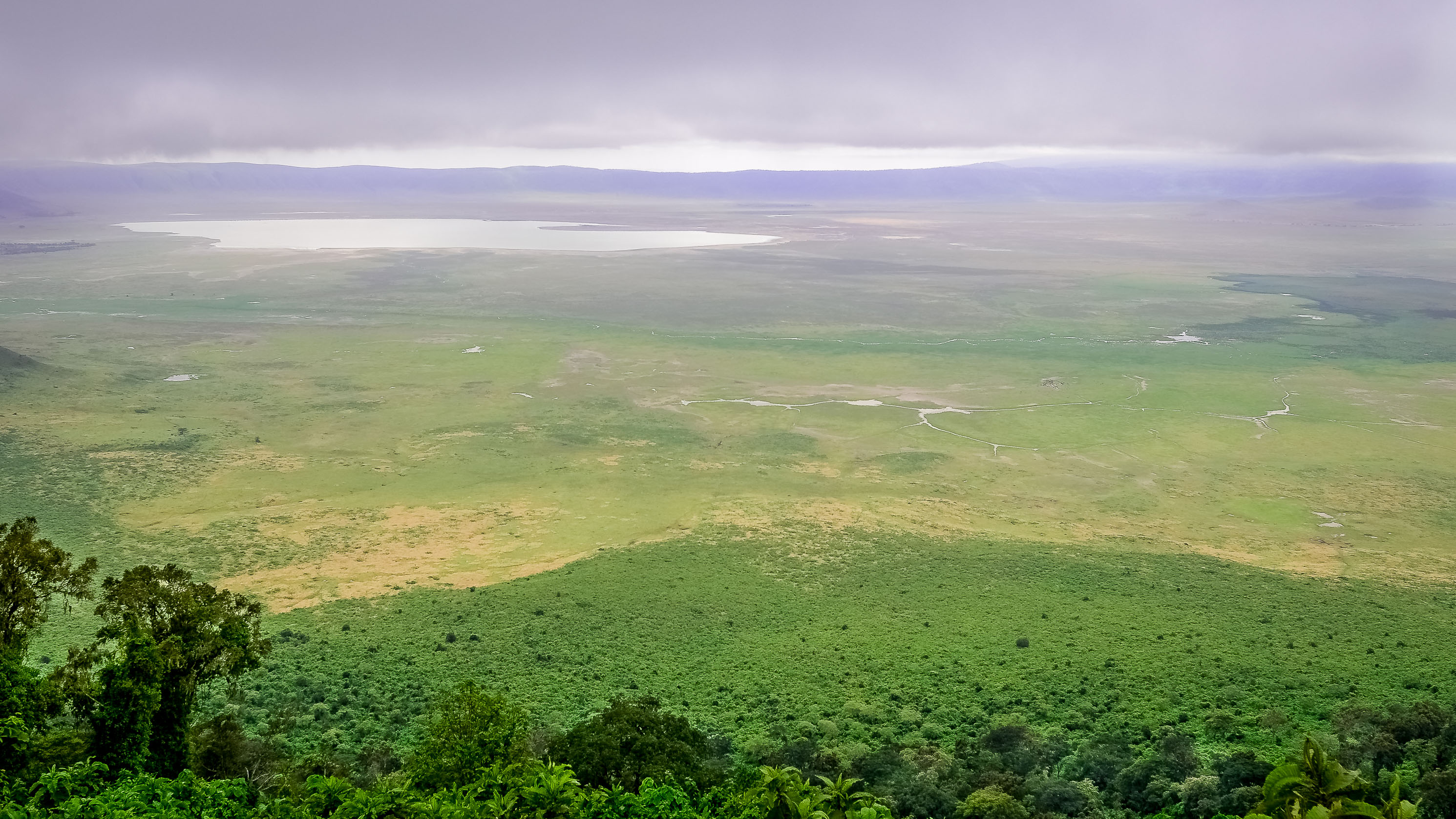
A collapsed volcanic caldera holding one of the densest concentrations of wildlife in Africa, including a reliable chance at all of the Big Five in a single day. The crater is a year-round destination — its permanent water and grazing hold game in every month. The dry season (June–October) brings the clearest conditions and easiest access, while the green season offers lush backdrops and fewer vehicles on the crater floor. Mornings on the rim are cold year-round, so pack warm layers whatever the season.
Tarangire National Park
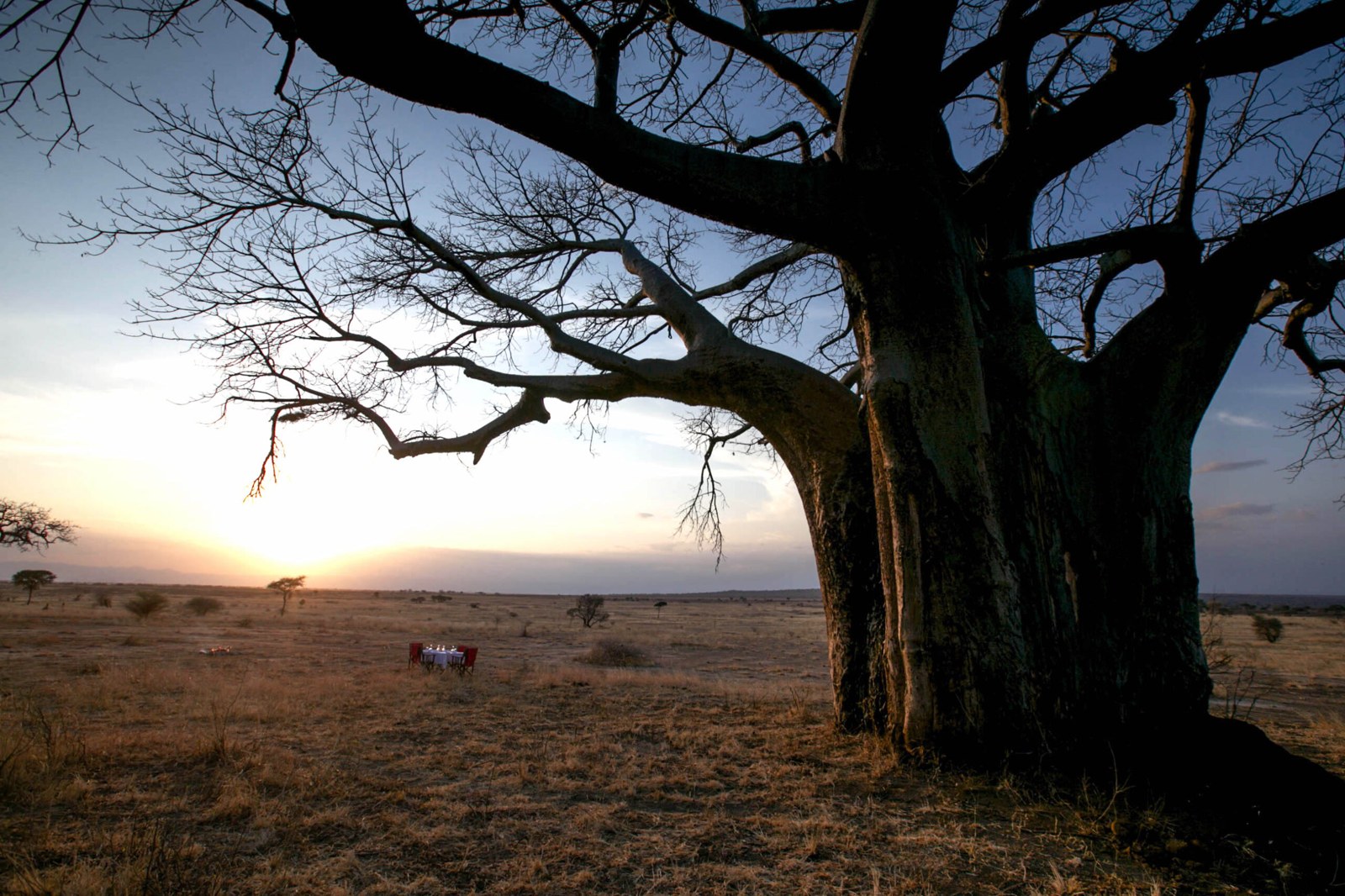
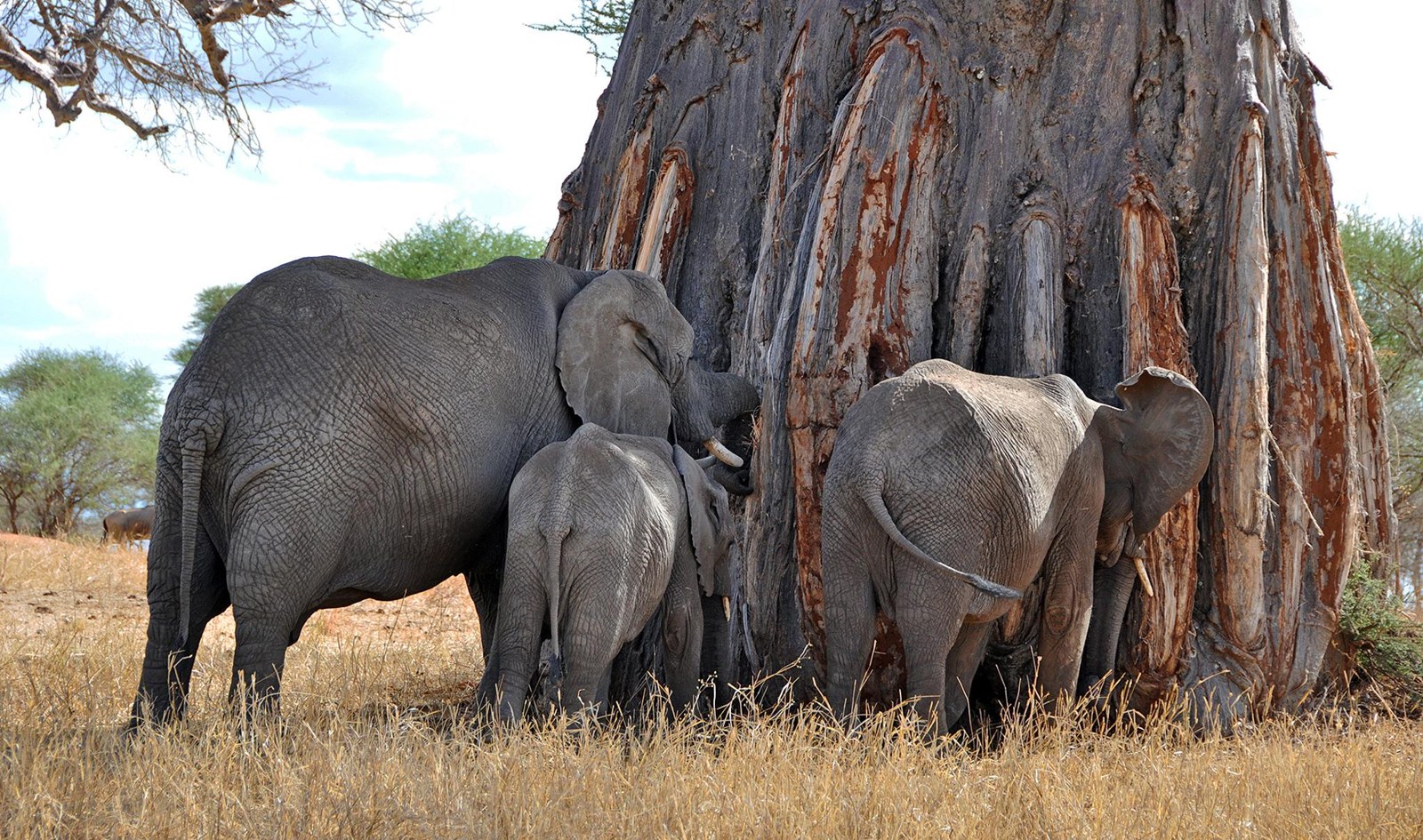
Famous for its giant baobabs and vast elephant herds. Tarangire is best in the dry season, June to October, when the Tarangire River becomes the only reliable water for miles and draws huge concentrations of elephant, buffalo, zebra and the predators that follow them. In the green season the game disperses across a wider area as water becomes widely available, though birding is excellent and the park is quiet. For the signature Tarangire elephant spectacle, come in the dry months.
Ruaha National Park
Tanzania's largest national park and the heart of the wild southern circuit. Best from June to October, when the dry season concentrates game along the Great Ruaha River — this is outstanding big-cat country, with large lion prides, leopard and one of Africa's most important wild dog populations. Ruaha sees a fraction of the northern circuit's visitors, delivering a genuinely remote wilderness. The green season (December–April) brings lush scenery and superb birding, but some camps close and access is harder in the rains.
Nyerere National Park (Selous)
The vast southern wilderness along the Rufiji River, offering boat safaris alongside game drives and walking. Best from June to October, when wildlife gathers along the river and the shrinking lakes, and wild dog denning is often at its most visible. The combination of water-based and land-based safari sets Nyerere apart from the northern parks. Most camps close during the long rains (April–May) when the Rufiji floods, so time a Nyerere trip firmly within the dry season.
Zanzibar & the Coast
The perfect beach finale to a mainland safari. Zanzibar is best from June to October and again from December to February — dry, sunny island weather ideal for diving, snorkelling and relaxing on white-sand beaches. Avoid the long rains of April and May, when humidity is high and showers frequent, and the short rains of November. Pairing a few nights on Zanzibar either side of a northern or southern safari is one of the most rewarding ways to round off a Tanzania trip.
Best Time to Visit Tanzania by Traveller Type
| Traveller | Best time | Notes |
|---|---|---|
| First-time safari visitor | July – September | Reliable weather, easy sightings, the migration crossings and the classic northern circuit — everything Tanzania is famous for |
| Honeymooners | June – October or February | Dry-season drama and the Mara crossings, or lush green calving-season plains, paired with a Zanzibar beach finale |
| Families with children | July – August & December | Dry, reliable weather and easy big-game sightings in the school-holiday windows; the crater is a sure-fire winner |
| Wildlife photographers | February – March & August – September | Calving-season newborns and storm light; or the Mara crossings and open dry-season plains |
| Bird specialists | November – April | Migrants from Europe and Asia; breeding plumage; Rift Valley flamingos and lush backdrops — 500+ species possible |
| Value & shoulder seekers | April – May & November | Green-season rates well below peak, quiet parks and brilliantly green landscapes; permanent-water parks still deliver |
| Southern-circuit & wilderness seekers | June – October | Ruaha and Nyerere at their dry-season peak — remote, wild and almost empty of other vehicles |
| Calving-season watchers | Late January – March | The Ndutu plains fill with newborn herds and relentless predators — a spectacle to rival the river crossings |
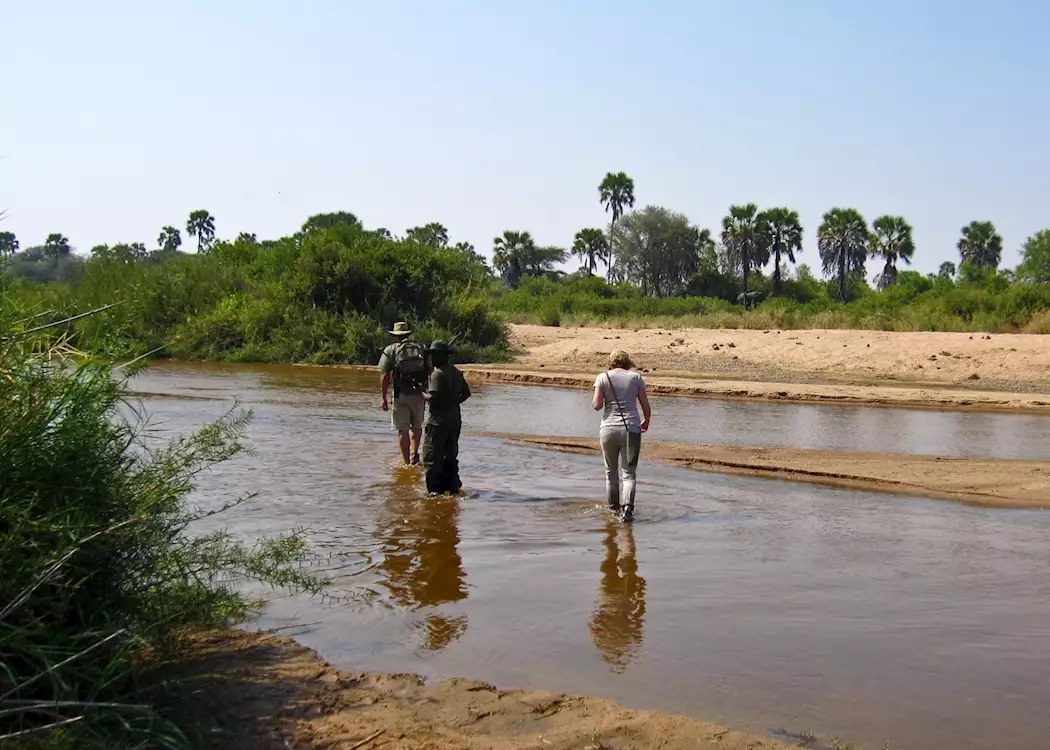
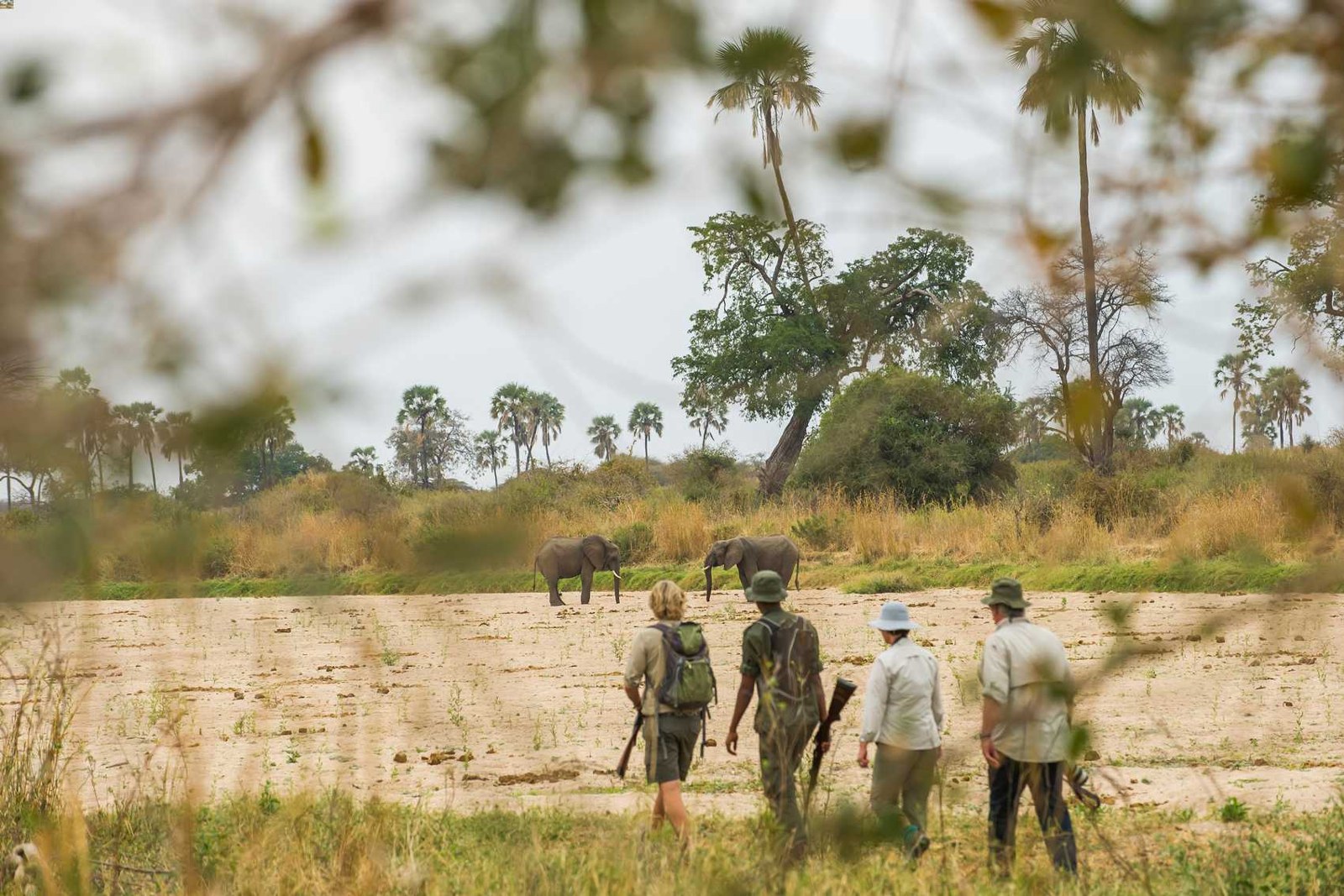
| Walking-safari enthusiasts | June – October | Dry conditions favour walking in the southern parks and private concessions; always with an armed guide |
Tanzania Safari Planning Calendar — 2026 & 2027
Planning your 2026 or 2027 Tanzania trip? Here is what to expect season by season across the two years. The patterns are consistent — the key variable is the exact timing of the rains, which shifts the migration by weeks and which we track and advise on for every booking.
| Season window | 2026 / 2027 planning notes | Book by |
|---|---|---|
| Oct–Nov 2026 | Final Mara crossings then the herds turn south; short rains green the plains; good value and quiet parks | Book now — short lead window |
| Dec 2026 – Mar 2027 | Southern plains and the Ndutu calving; excellent value outside the festive spike (late Dec – early Jan) | 6–8 months ahead for festive and calving camps; 4 months other dates |
| Apr – May 2027 | Long rains: lush, quiet and the cheapest safari of the year; some seasonal camps close | 3–4 months ahead |
| Jun – Aug 2027 | Grumeti then Mara crossings; the most sought-after months — northern Serengeti camps booked first | 9–12 months ahead; now for Jul–Aug |
| Sep – Oct 2027 | Crossings continue with fewer vehicles; southern circuit at its peak; hot and dusty by October | 9–12 months ahead for September |
When to Book — Price Guide and Availability by Season
Tanzania's prime camps — especially the mobile camps that follow the migration in the northern and southern Serengeti — have limited beds and sell out early. That makes booking timing almost as important as travel timing.
| Season | Approximate nightly rate range | Availability | Book ahead |
|---|---|---|---|
| Peak dry (Jul–Oct) | USD 800–2,500+ per person per night (all-inclusive) | Low — fills fast | 9–12 months minimum |
| Calving & green (Dec–Mar) | USD 600–1,800 per person per night | Medium (festive fills early) | 4–6 months (festive: 6–8 months) |
| Long rains (Apr–May) | USD 400–1,200 per person per night | Good | 3–4 months |
Rates are typically all-inclusive (meals, game drives, park fees and often internal charter flights between the parks). The gap between green-season and peak-season pricing is significant — but so is the difference in what you will witness. The right answer depends on which wildlife experience matches your goals.
Because the migration follows the rains and camp availability shifts every year, the smartest move is to consult a specialist who reads the season and matches your dates, budget and wildlife priorities to the right parks and camps. That is precisely what we do at Beyond Africa Safaris — every private itinerary is built around the season that suits you, not a template.
Tanzania Weather and What to Pack — Season by Season
| Season | Temperatures | Conditions | What to Pack |
|---|---|---|---|
| Dry / winter (Jun–Aug) | Days 24–27°C; nights 10–15°C (crater rim colder) | Sunny, dry, clear; zero rain | Warm fleece and beanie for dawn drives, light layers for afternoons, sunhat, good SPF, neutral earth tones |
| Late dry (Sep–Oct) | Days 28–32°C; mild nights 15–18°C | Hot, dusty, very dry; bare bush | Lightweight breathable clothing, wide-brim hat, buff/scarf for dust, high-SPF sun protection, large water bottle |
| Green / rains (Nov–May) | Days 28–31°C; nights 18–22°C | Afternoon storms; humid; lush (heaviest Apr–May) | Light rain shell, quick-dry fabrics, strong insect repellent, antimalarials, binoculars for birding, camera with zoom |
Across all seasons, pack in a soft-sided bag — light aircraft between the parks enforce strict luggage limits, typically 15kg in soft bags only (no hard-sided cases). Wear neutral earth tones (khaki, olive, sand — never white or bright colours). A good telephoto lens (at minimum 300mm) will transform your wildlife photography. Malaria prophylaxis is recommended for all the safari areas year-round, with risk highest during the wet season — consult a travel health clinic at least four weeks before departure.
Health, Visas & Pre-Trip Timing
Planning the best time to visit Tanzania also means timing your pre-trip preparation correctly.
- Visas: Most nationalities — including US, UK, EU, Australian and many African passport holders — require a visa for Tanzania, available as an e-visa in advance or on arrival for many travellers. Apply for the e-visa online at least 3–4 weeks before travel to avoid delays.
- Malaria: The safari areas carry a malaria risk year-round, with highest transmission during and just after the rains (November–May). Consult a travel health clinic at least 4 weeks before departure for current prophylaxis recommendations, and pack a strong DEET repellent. Higher-altitude areas such as the Ngorongoro rim carry lower risk.
- Yellow fever: A yellow fever vaccination certificate is required if you are arriving from or transiting through a yellow-fever endemic country (including several African neighbours). Check current requirements before booking flights, especially if combining Tanzania with another African country.
- Health documentation: Always check current entry requirements through official Tanzanian government channels closer to your departure date, as requirements can change.
The Verdict — When Should You Visit Tanzania?
For most travellers chasing the definitive Tanzania safari — the Mara River crossings, concentrated big game and clear skies — the answer is July to October, with September the connoisseur's pick for the crossings with fewer vehicles. If the newborn herds and relentless predators of the calving season call to you, aim for late January to March on the Ndutu plains. And if you want a quieter, greener, far better-value trip — and you do not mind the chance of rain — then April to May gives you the Serengeti almost to yourself.
The beauty of Tanzania is that there is no bad time; there is only the right time for the safari you dream of. Tell us what you want to see, and we will build the trip around the perfect month.
Ready to plan your Tanzania safari? Speak to a Beyond Africa Safaris specialist or see our private Tanzania safari packages and costs — every journey is tailor-made to the perfect season for you. You can also read our focused guides to the best time to visit the Serengeti and the best time to see the Great Migration.