The short answer
- Budget to ultra-luxury runs roughly US$150 to US$3,500+ per person per day — the tier you pick matters more than the country.
- South Africa is the best value for most first-timers; Botswana and the gorilla countries sit at the top end.
- A real safari rate is all-inclusive — lodge, meals, game drives, park fees and local transfers. International flights, insurance, visas, permits and tips sit on top.
- Travel in the green and shoulder months and the same camp can cost a third less, often with the single supplement waived.
- Tell us your month, your style and your must-sees, and we build one honest all-in number around them — no guesswork.
It is the first question almost every traveller asks us, and most websites dodge it. So here is the honest version, from a team that prices these trips every week of the year.
There is no single safari price, the way there is a single airfare. A week in the bush can cost one couple US$2,000 a head and another couple US$30,000 a head, and both can be having the trip of their lives. What changes is not the wildlife — the lions do not read the room rate — but the kind of camp you sleep in, the country you choose, the month you travel, and if you have a vehicle to yourselves. Once you understand those levers, the number stops being a mystery and becomes something you can shape.
Below you will find per-day tiers, real per-country ranges for 2027, what the price does and does not include, the extras that catch people out, and the honest ways to pay less. Where a country deserves its own deep-dive, we link straight to it.
The six things that move the price
Before any country or camp, six choices set the number. Get these clear in your head and every quote you read afterwards makes sense.
- Accommodation tier. This is the single biggest lever. A simple tented camp and an exclusive-use villa sit on the same river and see the same leopard; the difference in the bill is almost entirely the bed, the service ratio and the privacy.
- Country and park. South Africa and Namibia cost less per day than Botswana, Kenya, Tanzania or the gorilla countries, because the parks are smaller and easier to reach and the camps are larger.
- Season. Peak dry-season and migration dates carry peak rates. The green and shoulder months can be a third cheaper for the identical camp.
- Private or shared. A private vehicle, a private guide and sole-use space all cost more than joining a shared game drive with other guests.
- Fly-in or drive. Light-aircraft hops save days and reach remote camps, but they add real cost. A road-based trip is cheaper and works well where the parks are close together.
- Length and group size. Longer trips lower the cost of fixed items like flights and transfers per day, and four or six people sharing guides and vehicles pay less per head than a solo traveller.
Want to see those levers add up in real time? Our safari cost estimator lets you move country, tier, nights and season and watch the number respond before you ever speak to us.
What a safari costs per day: the four tiers
The cleanest way to think about safari cost is per person, per day, sharing a room — because that is how camps price themselves. These are 2027 guideline from-rates across Africa; the country tables further down show how each destination sits inside them.
| Tier | Per person / day | What you get |
|---|---|---|
| Budget & entry | US$150 – $350 | Camping, overland and self-drive trips, basic tented camps, shared game drives, often self-catering at the edges. Honest, close-up wildlife without the frills. |
| Mid-range | US$350 – $650 | Comfortable lodges and classic tented camps, good food, en-suite rooms, shared drives with a strong guide, some light-aircraft legs. The tier most couples choose. |
| Luxury | US$650 – $1,200 | Private reserves and top camps, excellent guiding, fly-in access, pools and fine dining, smaller guest numbers and often a vehicle shared with only one other couple. |
| Ultra-luxury (5-star) | US$1,200 – $3,500+ | Exclusive-use villas and the flagship camps, your own vehicle and private guide, helicopter transfers, butler service and the quietest corners of the best reserves. |
The jump from mid-range to luxury is the one most people feel. It rarely buys you more animals; it buys you fewer other guests, a better guide, more space and the sense that the place is yours. If you want that difference laid out plainly, read luxury vs budget safari: what the money actually gets you and what a luxury safari costs per night.
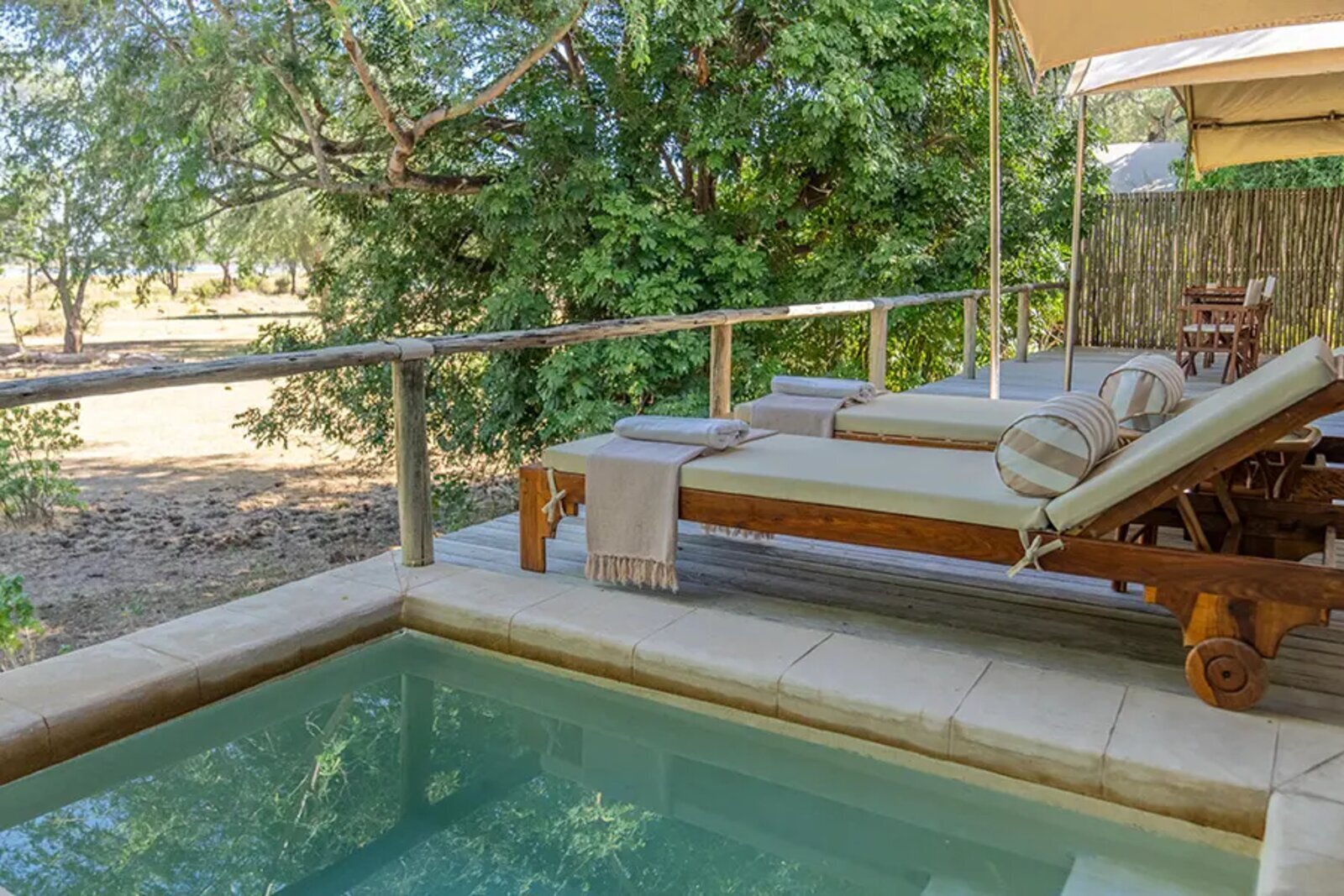
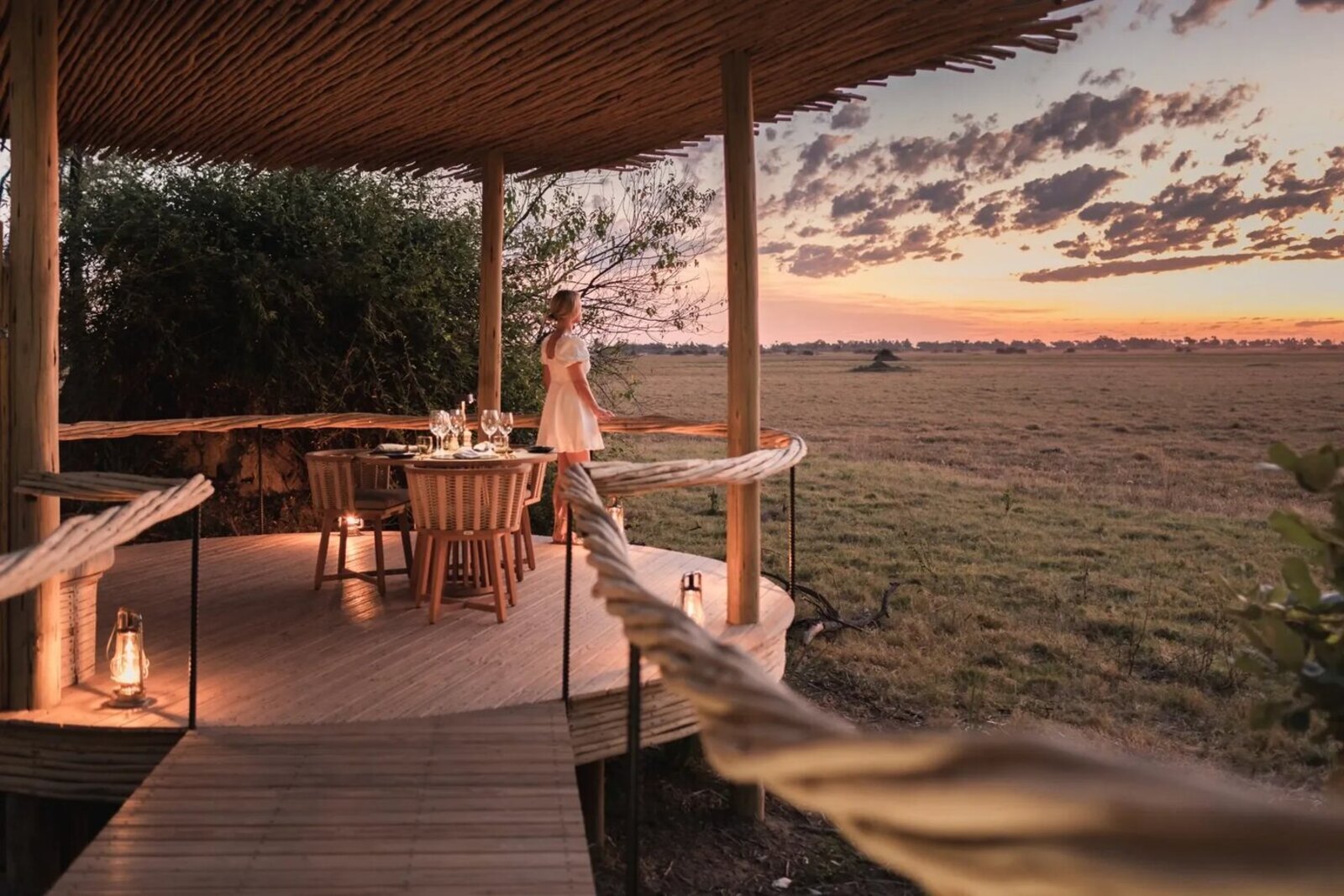
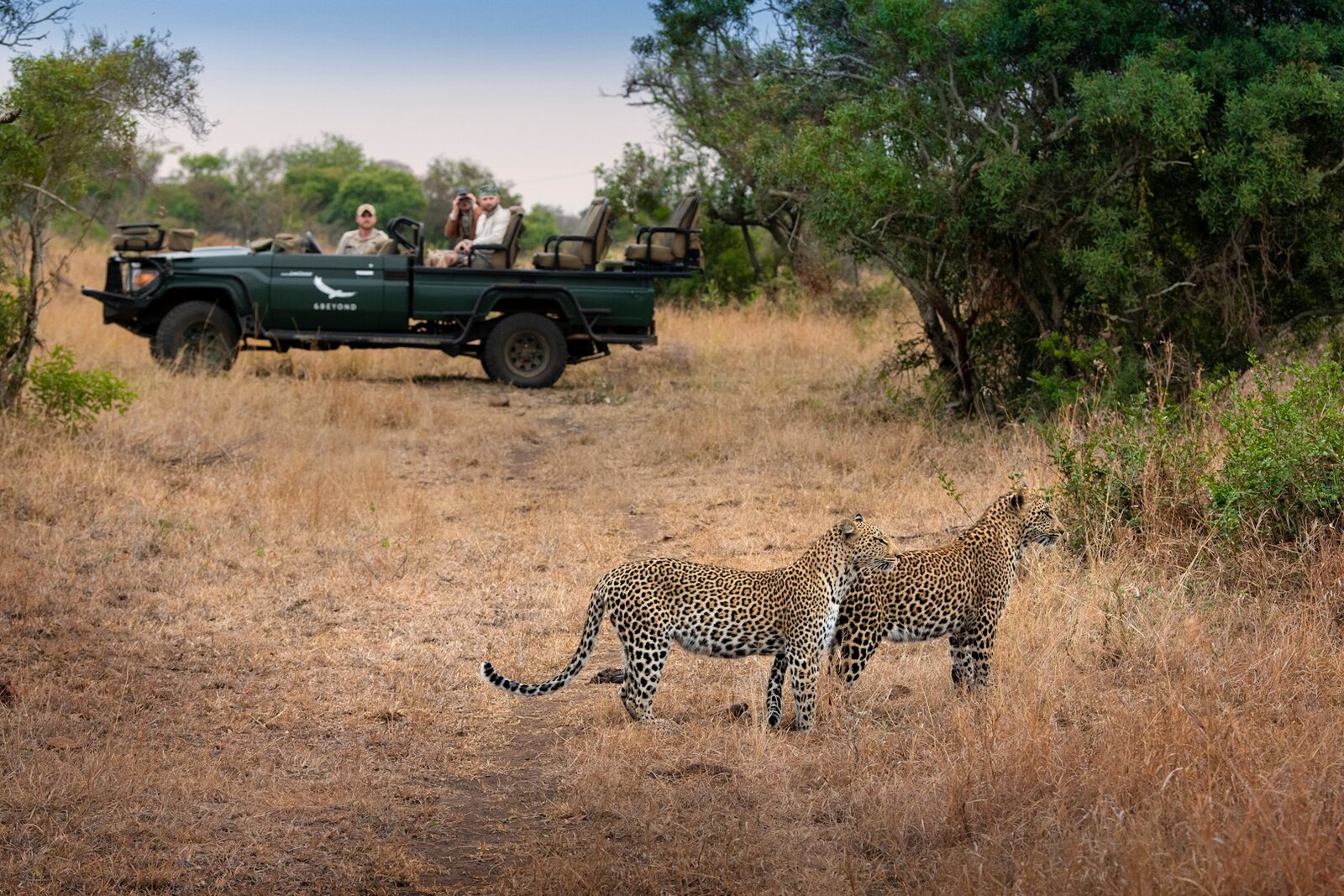
What a safari costs by country
Here is where the per-day tiers meet the map. The ranges below are 2027 guideline from-rates, per person per day sharing, covering the land safari itself. We have ordered them roughly from the most affordable to the most premium. Each country with its own detailed breakdown is linked so you can go deeper.
| Country | Mid-range | Luxury | Ultra / 5-star |
|---|---|---|---|
| South Africa (detail) | US$350 – $550 | US$700 – $1,200 | US$1,500 – $3,000 |
| Namibia (detail) | US$400 – $700* | US$900 – $1,600 | US$1,700+ |
| Zimbabwe (detail) | US$450 – $800 | US$1,000 – $1,900 | US$1,950 – $2,200 |
| Kenya (detail) | US$450 – $750 | US$900 – $1,800 | US$2,000 – $3,400 |
| Zambia (detail) | US$500 – $900 | US$1,100 – $1,800 | US$2,000 – $2,500 |
| Tanzania (detail) | US$500 – $850 | US$1,000 – $2,000 | US$2,200 – $3,500 |
| Botswana (detail) | US$700 – $1,100 | US$1,200 – $2,200 | US$2,500 – $5,000+ |
| Uganda (gorillas) (detail) | US$700 – $1,160 | US$1,200 – $1,870 | US$1,900+ |
| Rwanda (gorillas) (detail) | US$1,500 – $2,400 | US$2,400 – $3,100 | US$3,100 – $3,440 |
*Namibia rewards self-drive travellers: an entry-level self-drive can run nearer US$150–$250 per day once you are in your own vehicle. The gorilla-country ranges include the trekking permit, which is the main reason Rwanda sits so high — US$1,500 per person per trek, against US$800 in Uganda.
A few country notes worth knowing. Victoria Falls, shared by Zimbabwe and Zambia, is usually added to a safari rather than visited alone, and runs from about US$150 a day at entry level to US$1,200 at the top. Madagascar is its own world — from around US$250 a day for simple lodges to nearly US$5,000 for the few flagship island camps. The Congo and Gabon lowland-gorilla camps are remote and run near US$2,100–$2,300 a day. And if you cannot choose between the Serengeti and the Masai Mara, a combined Kenya-and-Tanzania trip runs from about US$1,100 a day at comfort level to US$3,800 at the top — the figures sit in our Kenya vs Tanzania cost comparison.
For park-level and per-day detail, we have written it out in full: Serengeti safari cost, Masai Mara private safari cost, Kruger safari cost, Sabi Sand safari cost, Botswana cost per day and what a luxury African safari costs.
Why South Africa is the value pick
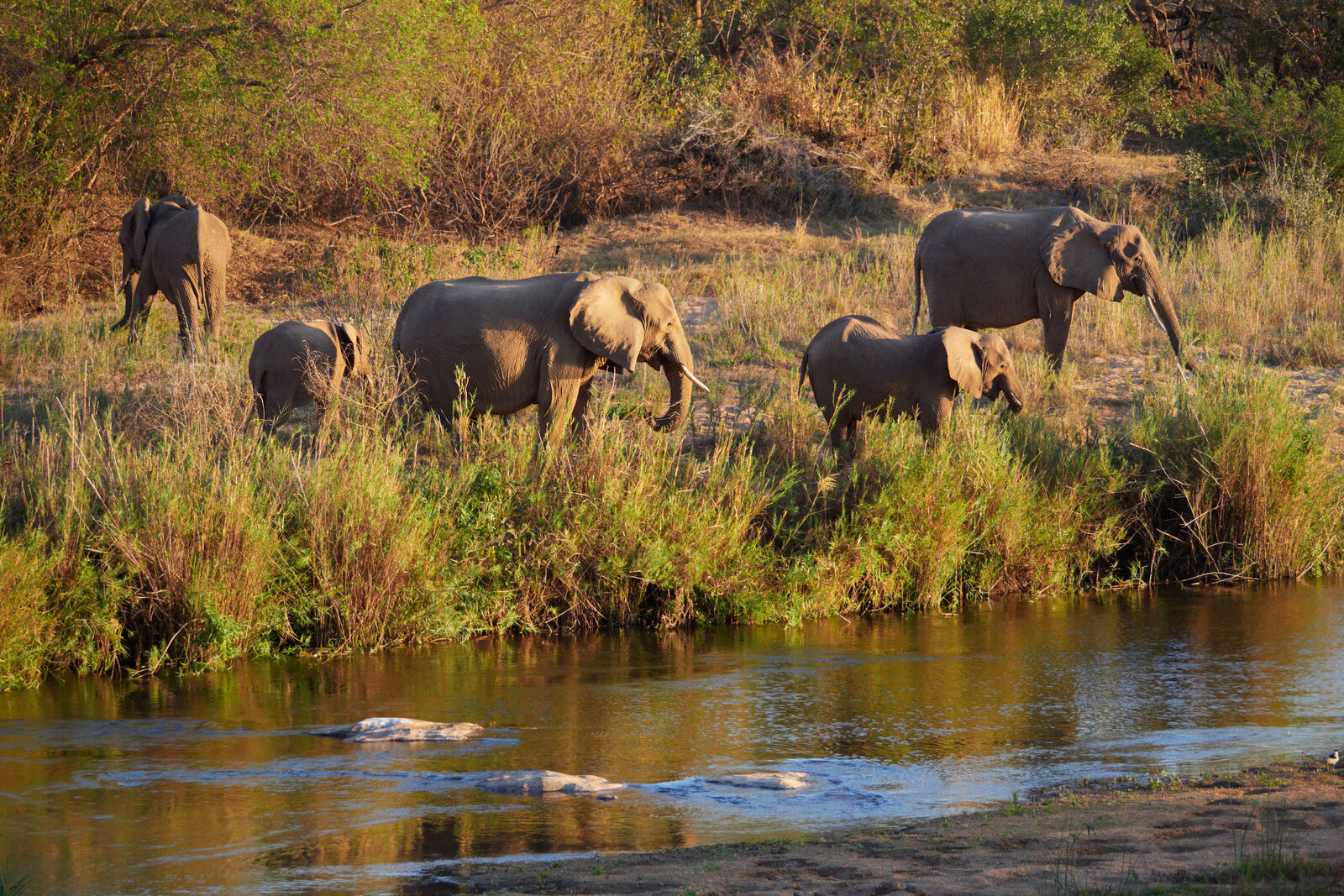
If you want the most safari for your money, start in South Africa. The reasons are practical, not sentimental. The rand-to-dollar and rand-to-pound rate works hard in your favour, so a room that would cost a fortune in East Africa comes in lower here. The Big Five reserves next to Kruger, and the malaria-free ones in the Eastern Cape and the Waterberg, are a short flight or drive from Johannesburg and Cape Town, which cuts the light-aircraft bills that push up East African trips. And you can fold in Cape Town, the winelands and the coast without a separate long-haul leg.
For a first safari, especially with children or older parents, that combination is hard to beat. We lay out the numbers in how much a South Africa safari costs, and compare it head to head with the Delta in Botswana vs South Africa.


Private vs group: which is really cheaper
There is a common belief that a set group package is always the cheapest way to go, and a tailor-made private trip is always the splurge. It is not that simple.
A scheduled small-group departure shares the cost of the vehicle and the guide across everyone on board, so the per-head game-drive cost falls. That can make group travel kinder on the wallet, particularly for a solo traveller who would otherwise carry a single supplement. But you travel to a fixed route, on fixed dates, with people you have not met.
A tailor-made private trip can go either way on price. Build it around mid-range camps in the green season and it can undercut a group tour. Build it around flagship camps in peak season with your own vehicle and it becomes the top-tier trip. The point of private travel is not that it is dearer — it is that you control every lever on this page, so you can spend exactly where it matters to you and trim where it does not. If a private vehicle matters most, we protect that and soften the room tier; if the camp matters most, we do the reverse.
Can you really do it cheaper yourself?
On paper, booking direct looks cheaper. In practice it rarely is, and in the remote camps it is often not even possible. Light-aircraft schedules change by the season and have to connect camp to camp within tight windows; ground handlers and transfers have to meet every flight; and the best camps release their keenest rates to trade partners, not to the public site. Stitch it together yourself and you tend to pay more, not less, while carrying all the risk if a connection slips.
What a good specialist adds is a single all-in price — often including your international flights — and one team that owns the whole chain. If a plane is delayed or a camp floods, that becomes our problem to solve, not yours to fix from a satellite phone in the bush. That is the real value, and it usually comes in at or below what the parts would cost alone.
What the price includes
When a safari is quoted as all-inclusive, here is what that should mean. If a quote you are reading leaves any of these out, ask why.
- Your lodge or camp, for every night of the safari.
- All meals — three a day, plus the snacks and drinks on game drives at most camps.
- Two guided activities a day, typically a morning and an afternoon game drive in an open 4x4 with a trained guide, and guided bush walks where the reserve allows them.
- Park, reserve and conservation fees for the areas you visit.
- Local transfers between camps by road or light aircraft, as the route needs.
Some camps fold in more — house wines and spirits, laundry, even a private vehicle on longer stays. Others keep those as extras. The right question is never just the headline rate but what sits inside it.
The costs that catch people out
These are the lines that turn a tidy budget into a shock at the end. Build them in from the start and nothing on the final bill will surprise you.
| Cost | Rough guideline |
|---|---|
| International flights to Africa | US$800 – $2,500+ per person, by origin and season |
| Travel insurance | US$150 – $600 per person — never optional on safari |
| Visa / entry fees | US$0 – $100 per country, depending on your passport |
| Gorilla / special permits | US$800 (Uganda) – $1,500 (Rwanda) per person per trek |
| Tips for guides & staff | Budget around US$20 – $40 per guest per day |
| Premium drinks, spa, ballooning, private guide | Varies — a balloon flight alone is around US$500 per person |
| Spending money & curios | Your call — see our guide on how much cash to carry |
On how much actual cash to bring for tips, drinks and curios, we wrote a whole piece: how much spending money you need on safari.
How season changes the price
Timing is the lever most travellers underuse. The same camp, the same room, the same guide can cost a third less a few weeks either side of peak — and sometimes show you a better safari.
In Southern Africa the lower-rate green season runs roughly November to April. In East Africa the long rains fall around April and May. Rates drop, single supplements are frequently waived, newborn animals are on the plains and the birding is at its peak. The trade-off is the odd afternoon shower and taller grass. The shoulder months — May and November in particular — tend to be the sweet spot: softer prices with mostly settled weather and thinner crowds.
We have costed this out in detail in green season safari savings and dry season vs wet season cost. If your dates are flexible, this is the single easiest way to spend less without giving anything up.
Honest ways to pay less
No gimmicks, just the levers we actually pull for clients who want the trip to come in lower.
- Travel green or shoulder season. The biggest single saving, often a third off the room rate.
- Choose a value country. South Africa or Namibia over Botswana or East Africa, where the wildlife goals allow.
- Drop one tier on the room, not on the guiding. A mid-range camp with a top guide beats a luxury camp with an average one.
- Base more, fly less. Fewer light-aircraft legs and a couple of longer camp stays cut transfer costs and give you deeper time in each place.
- Travel as a group. Four or six sharing vehicles and guides lowers the per-head number sharply.
- Book the big camps early. The best-value rooms sell first; once a camp is full the alternatives cost more.
- Let one team price the whole trip. A single all-in quote usually beats self-assembled parts, and protects you if a connection slips.
Budget the whole trip, not just the safari
The safari rate is the headline, but the trip is the whole picture. When you set your number, add the flights, insurance, visas, any permits, tips and spending money to the per-day safari cost. A realistic way to frame it: take the nightly tier you want, multiply by your nights, then add roughly US$1,500–$3,000 per person for the flights-and-extras layer, more if gorilla permits are involved.
Do that once, honestly, at the start, and the rest of the planning is calm. It is exactly the sum we do for every client before a single camp is confirmed, so the figure you approve is the figure you pay.
Tell us your number
Give us your month, your travelling party and the style you have in mind, and we will build one honest all-in price around it — flights and all, if you want them in. No pressure, no sales patter, just the real figure and the trip it buys.
Start with the safari cost estimator to see the levers move, or browse our private and tailored safari packages and we will take it from there.
The honest bottom line
So, how much does an African safari cost? Anywhere from about US$150 to over US$3,500 per person per day, and the right answer for you depends on four choices more than the map: your room tier, your country, your season and how private you want it. Set those, add the flights-and-extras layer, and the number stops being a mystery.
Tell us where you dream of waking up and roughly what you want to spend, and we will tell you straight whether it is enough, where to put the money, and where to save it. That is the whole job. Come, let us build your number.