Key takeaways
- Your passport must be valid for at least six months beyond the day you arrive, and hold at least three completely blank pages. Mozambican immigration applies the page rule properly and will not use endorsement pages.
- South Africans and Mozambique's SADC neighbours cross visa-free — South African passport holders for up to 30 days per entry and 90 days per calendar year. Most travellers from further afield (the UK, the US, Canada, Australia and the EU) need a visa, obtained as an e-visa online before travel or, where available, a visa on arrival.
- A single-entry tourist visa is usually 30 days and costs in the region of US$50, payable in meticais, US dollars or rand depending on where you apply. Rates change, so confirm on the official portal.
- Children under 18 need a passport and, when travelling through South Africa, an unabridged birth certificate naming both parents, plus consent letters when a child travels with one parent or a guardian.
- Mozambique is a malaria area, and a yellow fever certificate is required if you arrive from a risk country. Entry rules also change without much warning — treat this guide as your map, then confirm the detail for your own passport with a Mozambican mission or the official e-visa portal before you book flights.
Most of the trouble with a Mozambique trip happens weeks before anyone reaches the airport or the border gate, at the kitchen table, over a passport nobody has looked at properly since the last holiday. The visa question itself is usually the easy part. It is the passport underneath it — the validity date, the blank pages — that quietly turns a family away at check-in, because the airline, not the traveller, pays the fine if Mozambique refuses you at the other end.
Almost none of this is difficult. It just has to be done early and in the right order. We send travellers into Maputo, up to Vilankulo for the Bazaruto islands, and across the land borders from South Africa all year, and the people who sail through are the ones who sorted their documents while the trip was still a nice idea, not the night before they left. This guide walks through every requirement for 2026, in the order you will actually meet it.
Do you even need a visa?
Start here, because for a good share of our travellers the answer is a relief. If you hold a South African passport, you do not apply for anything in advance. South Africa and Mozambique have a reciprocal agreement, so you arrive, present your passport, answer a question or two about where you are staying, and you are stamped in for up to 30 days. The same visa-free welcome applies to most of Mozambique's SADC neighbours, which we set out in full further down.
For travellers from further afield — the United Kingdom, the United States, Canada, Australia and the European Union among them — a visa is required, and the good news is that getting one is straightforward. Mozambique runs an online e-visa, and a visa on arrival is available at the main ports of entry for many nationalities. We explain both routes, and which to choose, in the next two sections.
One warning that catches people out every season: these rules move, and they move without a press release. A nationality that could once turn up at the border and pay on the spot may find the on-arrival option paused at certain crossings, and the safe route then is to apply online first. Before you commit to flights, check your own nationality against the current position. A Mozambican embassy or high commission, or the official e-visa portal, holds the authoritative version.


The e-visa and visa on arrival
If your nationality needs a visa, there are two ways to get one, and you choose before you leave home:
- The e-visa. You apply online through Mozambique's official e-visa portal, upload your details and passport, pay, and receive an approval you carry with you. This is the route we recommend, because it takes the queue out of your arrival and gives you a record in hand before you set off.
- Visa on arrival. You apply and pay at the port of entry itself. It is available at the main airports and the busier land borders for many nationalities, but it is not guaranteed at every crossing, and the list of who qualifies can change. It works, but it puts the whole thing on the immigration desk at the end of a long journey, which is the last place you want a surprise.
One detail trips up e-visa users more than anything else: if you apply online, carry a printed hard copy of your approval. A screenshot on a phone with a flat battery is not a document, and officials ask to see the paper.
How the e-visa step works
- Confirm your passport has at least six months of validity and three blank pages.
- Apply on Mozambique's official e-visa portal with your passport, flight and accommodation details, and pay the fee.
- Print the approval notice and keep it with your passport, alongside proof of a return or onward ticket.
- At the port of entry, immigration checks your approval and stamps you in.
Passport rules: the three that refuse people at the gate
More travellers are turned away for passport problems than for visa problems, and every one of these is avoidable with a glance at your passport today.
| Requirement | The rule |
|---|---|
| Validity | Valid for at least six months beyond the date you arrive in Mozambique. |
| Blank pages | At least three completely blank pages for stamps and visa labels. Officials will not use endorsement or amendment pages — no blank pages means no entry. |
| Onward travel | A valid return or onward ticket, and proof of sufficient funds for your stay, may be requested on arrival. |
| Supporting documents | Proof of accommodation and a travel itinerary are useful to have on hand, and travel insurance is strongly advised. |
The blank-page rule is the one that catches Mozambique-bound travellers most, because the country genuinely applies it. Three clear pages, not two, and they must be the pages set aside for visas — immigration will not use the pages marked for endorsements or amendments. The validity rule trips up the frequent traveller whose passport simply feels usable: five months left is not expired, after all, but for Mozambique it is useless. Count six months forward from your arrival date, and if your passport expires inside that window, renew it before you do anything else.
Visa-free countries and the 30-day rule
If your country has a visa-waiver agreement with Mozambique, you arrive without applying and are stamped in at the border. For South Africans the stay is up to 30 days per entry, with a ceiling of 90 days in any calendar year. That per-year ceiling matters for anyone who runs back and forth across the border — weekends at Ponta do Ouro, a run of short trips — because each visit counts toward the same yearly allowance.
The visa-free list is built around the SADC region:
| Region | Visa-free (confirm your own duration) |
|---|---|
| Southern Africa | South Africa, eSwatini, Botswana, Zimbabwe, Zambia, Malawi, Tanzania, Mauritius and other SADC member states. |
| Everyone else | Most travellers from outside the region — the UK, the US, Canada, Australia and the EU among them — need a visa, by e-visa or on arrival (see the sections above and below). |
Two things people assume wrongly. A visa-free stay is for tourism or a short family or business visit, not work — paid employment, volunteering, training staff or filming for profit all need the right work visa or permit, whatever your nationality. And the waiver covers the person, not the vehicle: if you are driving in from South Africa, the car has its own cross-border paperwork — a police clearance letter for a financed vehicle, a ZA sticker, the registration papers — which your operator or rental company arranges separately.
If you need a visa: e-visa versus visa on arrival
If your nationality needs a visa, you choose between the two routes before you travel. The honest recommendation from our side is the e-visa every time, for the simple reason that it moves the admin away from the one moment you cannot control — the immigration desk after a long flight, with a queue behind you and a tired family beside you.
What the application usually asks for, either way:
- A passport valid for at least six months beyond arrival, with three blank pages.
- A recent passport photograph and your completed application.
- Your flight details and proof of a return or onward ticket.
- Proof of where you are staying, and evidence of sufficient funds for the trip.
- The fee, paid online for the e-visa or at the desk for the visa on arrival.
Visa on arrival is available at the main ports of entry rather than every crossing, and the nationalities it covers can change, so it suits travellers flying into Maputo or Vilankulo more than those arriving at a quiet land border. If your route is unusual — a remote crossing, an overland leg through a third country — tell us when we plan the trip and we will confirm what applies at your exact point of entry rather than leave it to chance.

What it costs
Mozambique's currency is the metical (plural meticais, MZN), but visa fees are commonly quoted and accepted in US dollars, and at the southern land borders in South African rand. The figures below are typical published rates for a single-entry tourist visa; because governments adjust these periodically and the exact amount depends on where and how you apply, treat the table as your guide and confirm the current fee on the official portal when you apply.
| Visa type | Typical validity | Guide fee |
|---|---|---|
| Single-entry tourist visa | 30 days | In the region of US$50 |
| Multiple-entry tourist visa | Longer, set on issue | Higher — confirm on the portal |
| Visa-free visitors (SADC) | Up to 30 days per entry | No visa fee |
A practical word on money at the border: carry the fee in the currency the crossing actually uses — US dollars in reasonable, clean notes for the airports, rand at the southern road borders — and do not rely on a card reader working at a remote post. Keep the receipt you are given; it is your proof the visa was paid for.
Travelling with children
Mozambique, like South Africa, pays close attention to children crossing its borders, and because most family trips route through South Africa on the way in or out, it is the South African documentation rules that tend to decide whether a family travels smoothly. Build the paperwork around the strictest version and you are covered at both ends.
- Every traveller under 18 needs their own valid passport.
- Carry an unabridged (long-form) birth certificate that names both parents — not the short birth certificate.
- A child travelling with one parent should carry a notarised consent letter from the absent parent, with a copy of that parent's identity document.
- A child travelling with a guardian, grandparent or alone needs notarised consent from both parents and the contact details of whoever is receiving them.
- Where one parent has sole custody, carry the court order; where a parent has died, carry the death certificate.
None of this is onerous, but it is the kind of thing that takes a fortnight to arrange and five minutes to forget. Sort the children's documents at the same time as the adults' passports, not the week before you leave.
Yellow fever, malaria and health
Two separate health points matter for Mozambique, and travellers often muddle them.
Yellow fever is a border requirement, not a medical recommendation. You need a certificate only if you are arriving from, or have transited through, a country with a risk of yellow fever transmission — and a layover can count. A traveller flying straight from the UK, Europe, Australia or South Africa will not need one. Multi-country African itineraries that pass through a risk zone often do, so check your exact routing with a travel clinic, remembering the vaccine must be given at least ten days before travel to be valid.
Malaria is the health point that actually affects most visitors, because much of Mozambique — including the coast, the islands and the far south — is a malaria area. This is not a border formality; it is a reason to see a travel clinic well before you go, take the prophylaxis they prescribe, and pack repellent and cover-up clothing for dusk. We treat it as part of planning every Mozambique trip. For the fuller picture on vaccinations and anti-malarials across the region, our safari health, vaccinations and malaria guide walks through it properly.
Extending your stay and overstaying
If you want to stay longer than your visa or your visa-free allowance permits, the time to act is before your current permission runs out, not after. Extensions are handled through Mozambique's immigration service (Serviço Nacional de Migração, usually shortened to SENAMI), and the sensible move is to ask at a provincial immigration office in good time rather than leave it to the last day.
Overstaying is treated firmly. Mozambique applies a daily fine for each day beyond your permitted stay, payable on departure, and a long overstay can make a future entry harder. If your plans change mid-trip, tell us or your lodge early — it is almost always simpler to extend properly than to pay your way out at the airport.
Ports of entry
Where you enter shapes which visa route is open to you, so it is worth knowing the main doors into the country.
| Entry point | What it serves |
|---|---|
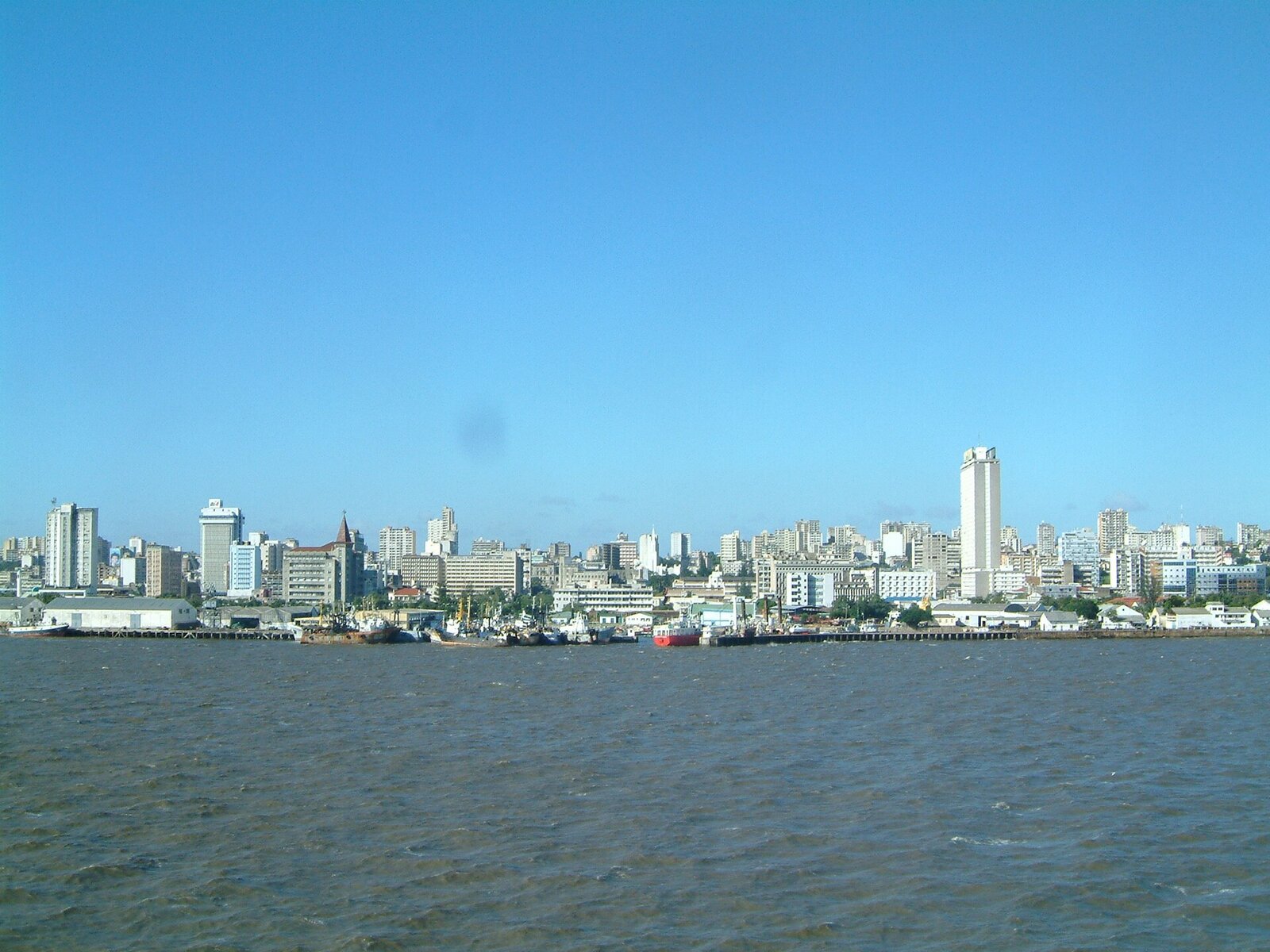
| Maputo International Airport | The main gateway, in the capital — most international flights and the busiest visa-on-arrival desk. |
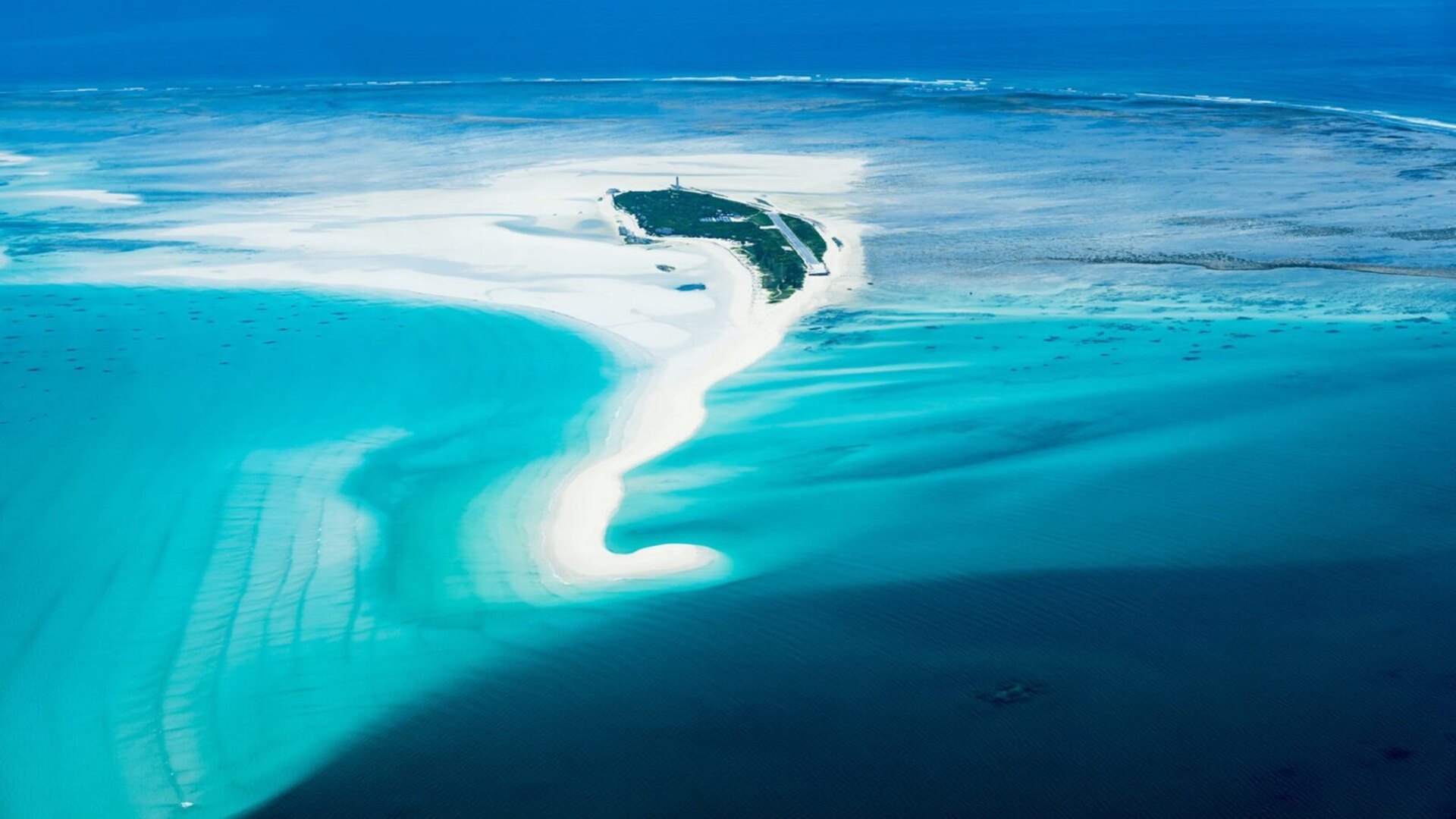
| Vilankulo Airport | The air gateway to the Bazaruto Archipelago — most island-bound travellers connect here. |
| Ressano Garcia / Lebombo | The busiest land border, on the N4 from Komatipoort in South Africa — the road route to Maputo. |
| Kosi Bay / Ponta do Ouro | The far-southern crossing from KwaZulu-Natal, for Ponta do Ouro and Ponta Mamoli — a 4x4 route. |
| Giriyondo / Namaacha / Machipanda | Giriyondo from the Kruger side (seasonal hours), Namaacha from eSwatini, Machipanda from Zimbabwe toward Beira. |
The practical point is simple: if your route runs through a small or seasonal border post, do not assume you can pay for a visa there. Apply for the e-visa online first, carry the printed approval, and the crossing becomes a formality wherever you arrive.
Your pre-departure checklist
Run this list the day you start planning, not the night before you leave. Everything on it is quick to check and slow to fix.
- Passport valid for at least six months beyond your arrival date.
- At least three completely blank pages in the passport.
- Visa sorted — confirmed visa-free, or an e-visa approval printed and packed (or your plan for a visa on arrival confirmed for your crossing).
- Return or onward ticket booked, and proof of accommodation to hand.
- Children's unabridged birth certificates and any consent letters, notarised.
- Travel-clinic visit done: malaria prophylaxis prescribed, and a yellow fever certificate if your routing needs one.
- Travel insurance in place, with medical cover.
- Visa fee in the right currency — US dollars for the airports, rand for the southern road borders — in clean notes.
Get these in order and the border is the easy part of the trip. If you would rather not hold all of it in your head, that is exactly the sort of detail we carry for our travellers — from the passport check at the start to the right documents in the right pocket at the gate. Tell us your passport, your route and who is travelling, and we will tell you precisely what you need for your journey.