KEY TAKEAWAYS
- Southern Mozambique runs from Maputo south to Ponta do Ouro and north to the Bazaruto Archipelago — three to four hours of coastline, a lifetime of reefs, dunes and empty sand.
- The luxury option is to fly in: a 90-minute charter from Vilanculos puts you on the Bazaruto islands; a 45-minute hop from Maputo lands at White Pearl Ponta Mamoli. Self-drive via Kosi Bay from KZN is a solid 4x4 adventure, but plan fuel and cash.
- Best months: May to October for whale watching, clear diving water and mild temperatures. November to March for warm swims, turtle nesting and green-season rates.
- Expect to pay: USD 350–700 per person per night at a top-tier beach lodge (White Pearl, Azura Benguerra, Anantara Bazaruto); mid-range self-catering from ZAR 1,500–3,500pn.
- We book this coast every week — call it home-ground knowledge. This guide gives you the same advice our travel consultants give over the phone.
Southern Mozambique is the stretch of Indian Ocean coastline that starts where South Africa's iSimangaliso Wetland Park ends and runs roughly 600 km north to Vilanculos and the Bazaruto Archipelago. Most of Africa's other beach destinations — Zanzibar, the Seychelles, Mauritius — are islands that feel separate from the mainland. Southern Mozambique is different. You can drive from Durban or Johannesburg, cross the Kosi Bay border at dawn, and by lunchtime be standing on sand that has no footprints except your own. Or you can fly from Maputo and be on a private island before the ice in your gin-and-tonic has melted.
That dual personality — accessible enough for a long weekend from South Africa, remote enough to feel like you have left the continent behind — is exactly what makes this coast so valuable for the right traveller. Below is the ground-level rundown: where to go, where to sleep, how to get there, what it really costs, and which months matter for which experiences.
1. Maputo — The Starting Point
Maputo is where most itineraries in southern Mozambique begin, regardless of how you arrive — by air (O. R. Tambo or Cape Town International to Maputo International, roughly 90 minutes) or overland from Swaziland (eSwatini) via the Ressano Garcia border. The city itself rewards a night or two. The Central Railway Station — designed by an associate of Gustave Eiffel — is worth a morning visit on its own. The Mercado Central fish market opens before dawn, and the grilled prawns with peri-peri sauce on the waterfront at Costa do Sol are among the best you will eat anywhere on the continent.
Maputo is also a logistics hub. The city has reliable banking, fuel and mobile coverage — three things you should not count on once you head south down the coast. Stock up on Meticais or South African Rand (both widely accepted), fill the tank, and download offline maps before you leave the city. If you are flying to Ponta Mamoli, Bazaruto or Machangulo, your charter departs from Maputo's domestic terminal.
2. Ponta Mamoli & White Pearl — The Premium Coast
Ponta Mamoli sits roughly 100 km south of Maputo, on the same wild coastline that runs down to the South African border. The landscape here is dramatic: high vegetated dunes, crashing surf on one side, calm tidal rock pools on the other, and almost nobody around. This is the stretch of southern Mozambique that made our team fall in love with the country, and it is where we send honeymooners and anniversary travellers who want privacy over activity.
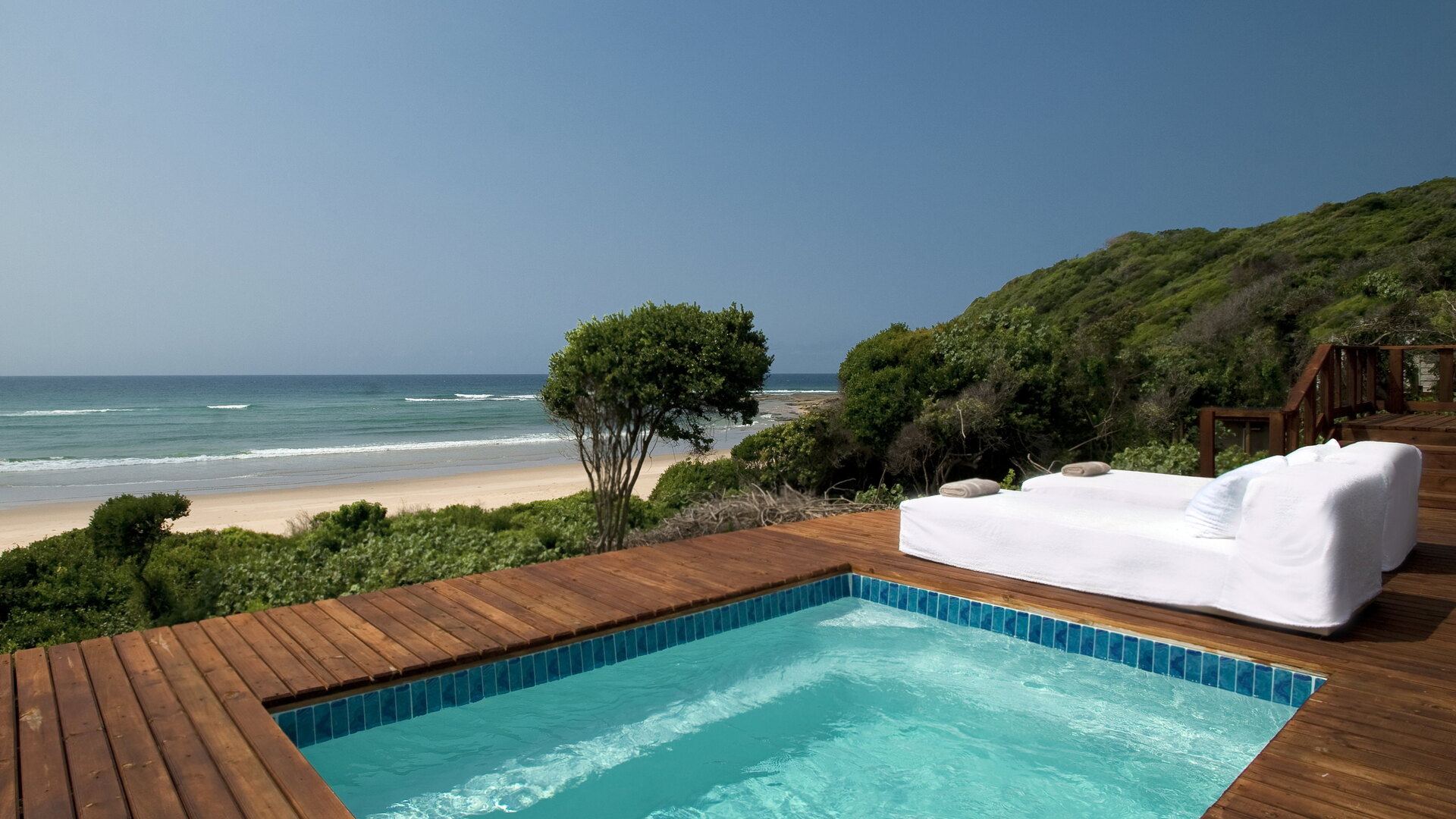
The flagship property is White Pearl Resorts, an owner-run lodge of 22 ocean-facing suites, each with a private plunge pool and direct dune-path access to the beach. The kitchen runs on locally caught seafood — crayfish, line fish, Mozambican prawns — and the wine list is strong on South African estates. Rates run roughly USD 500–700 per person per night, fully inclusive of meals, house drinks and two guided activities per day (snorkelling, ocean safaris, turtle walks in season). It is, pound for pound, one of the best-value luxury beach lodges on the East African coast.
Getting to Ponta Mamoli is part of the experience. Most of our guests fly in on a 45-minute light-aircraft transfer from Maputo, landing on a private sand strip. The alternative is a self-drive from South Africa via the Kosi Bay border (open 08:00–18:00 daily in peak season, 08:00–17:00 off-peak). The final 20 km to Ponta Mamoli is sand track — a proper 4x4 with low-range is non-negotiable, and you should lower your tyres to 1.2 bar as soon as you leave tarmac. Carry a tow rope, a spade and enough fuel to get back. There is a fuel station in Ponta do Ouro, 17 km to the south, but it does run dry from time to time.
3. Ponta do Ouro — The Far South
Ponta do Ouro is the first settlement you reach after crossing from South Africa. It is a small, sand-road village backed by casuarina trees and fronted by a wide beach with consistent surf. The diving here is genuinely good — more than 15 mapped reef sites between 10 and 48 metres, including the well-known Pinnacles and Bass City — and a resident pod of roughly 200 bottlenose dolphins means that guided ocean swims with wild dolphins are a real (and ethical, boat-based) option most mornings.
Ponta do Ouro is not a luxury destination in the lodge sense. Accommodation is mainly self-catering chalets, backpacker lodges and a handful of comfortable mid-range guesthouses. But it is a good base for dive enthusiasts and surf fishermen, and it offers the rare experience of walking across a national border and being on an empty African beach within an hour. For families or couples who want staffed villas and restaurant-quality food, Ponta Mamoli (20 minutes north) or the Bazaruto islands (a day's drive or a short charter flight north) are better fits.
4. Tofo & Barra Beach — The Diving Capital
Tofo Beach, on the Inhambane peninsula roughly 400 km north of Maputo, is the place the international dive community put on the map. The reason is simple: whale sharks. Tofo is one of a handful of places in the world where you can reliably swim alongside these gentle giants — ocean safaris run year-round, with peak sightings from October to March when plankton blooms draw the sharks inshore. Manta rays are the other headline: Manta Reef, a 20-minute boat ride offshore, holds a resident cleaning station where mantas return day after day.
Barra Beach, a short drive north of Tofo, is the quieter sister. The bay here is calmer (good for kitesurfing and paddleboarding), the accommodation skews family-friendly, and the mangrove channels behind the dunes are worth a kayak morning. The drive from Maputo to Tofo takes roughly five hours on the EN1 — paved all the way, no 4x4 needed. A direct charter flight from Maputo to Inhambane airport cuts that to about an hour.

5. Inhambane Town
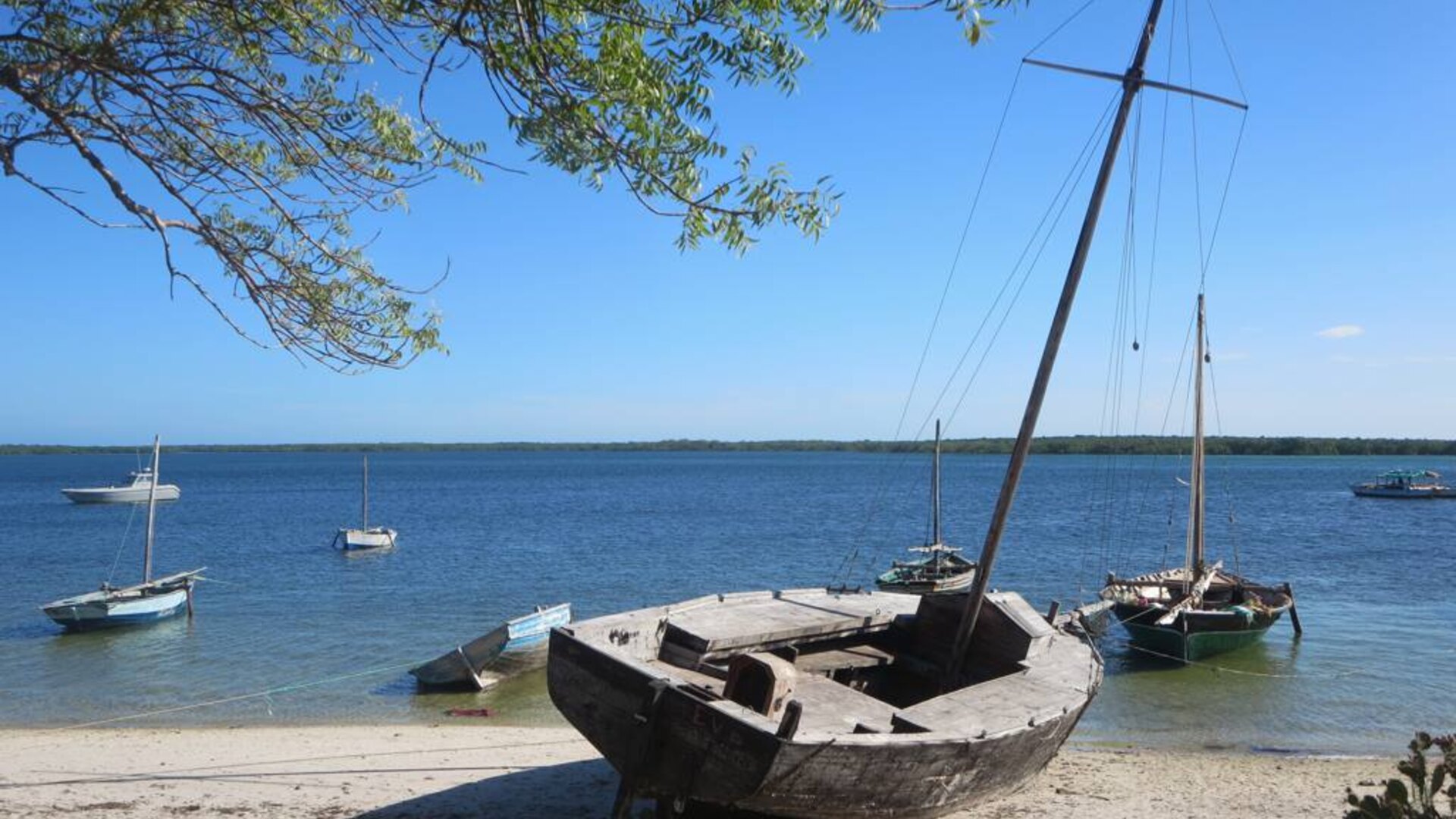
Inhambane is one of the oldest continuously settled ports on the East African coast — Arab and Portuguese traders were landing here in the 1400s. Today it is a quiet town on the western shore of Inhambane Bay, connected to Maxixe across the water by a regular dhow ferry. The Cathedral of Nossa Senhora da Conceição, the old harbour, the central market and the working boat-builders' yard give it more cultural weight than any beach resort along this coast. Most visitors pass through on the way to Tofo, but a half-day walking the town is time well spent, especially with a local guide.
6. Maputo National Park — Safari by the Sea
Formerly known as the Maputo Special Reserve, Maputo National Park lies roughly 100 km south-east of the capital, stretching from freshwater lakes and floodplain grassland down to a wild, undeveloped Indian Ocean shore. The park holds breeding herds of elephant (partly translocated from South Africa's Tembe Elephant Park), giraffe, zebra, nyala, reedbuck and hippo. The coastal strip is nesting ground for loggerhead and leatherback turtles between November and March, and humpback whales pass close to shore from July to October.
This is not the Kruger — visitor infrastructure is limited, game density is lower, and the appeal is in the wildness rather than the sighting-per-hour count. A morning game drive followed by a swim at the deserted beach on the eastern boundary is one of the most under-rated half-day outings in southern Africa. Access is via a tarred road from Maputo to the Zitundo gate; you need a vehicle with some clearance inside the park, though a full 4x4 is not essential in the dry season.
7. Bazaruto Archipelago — The Island Lodges
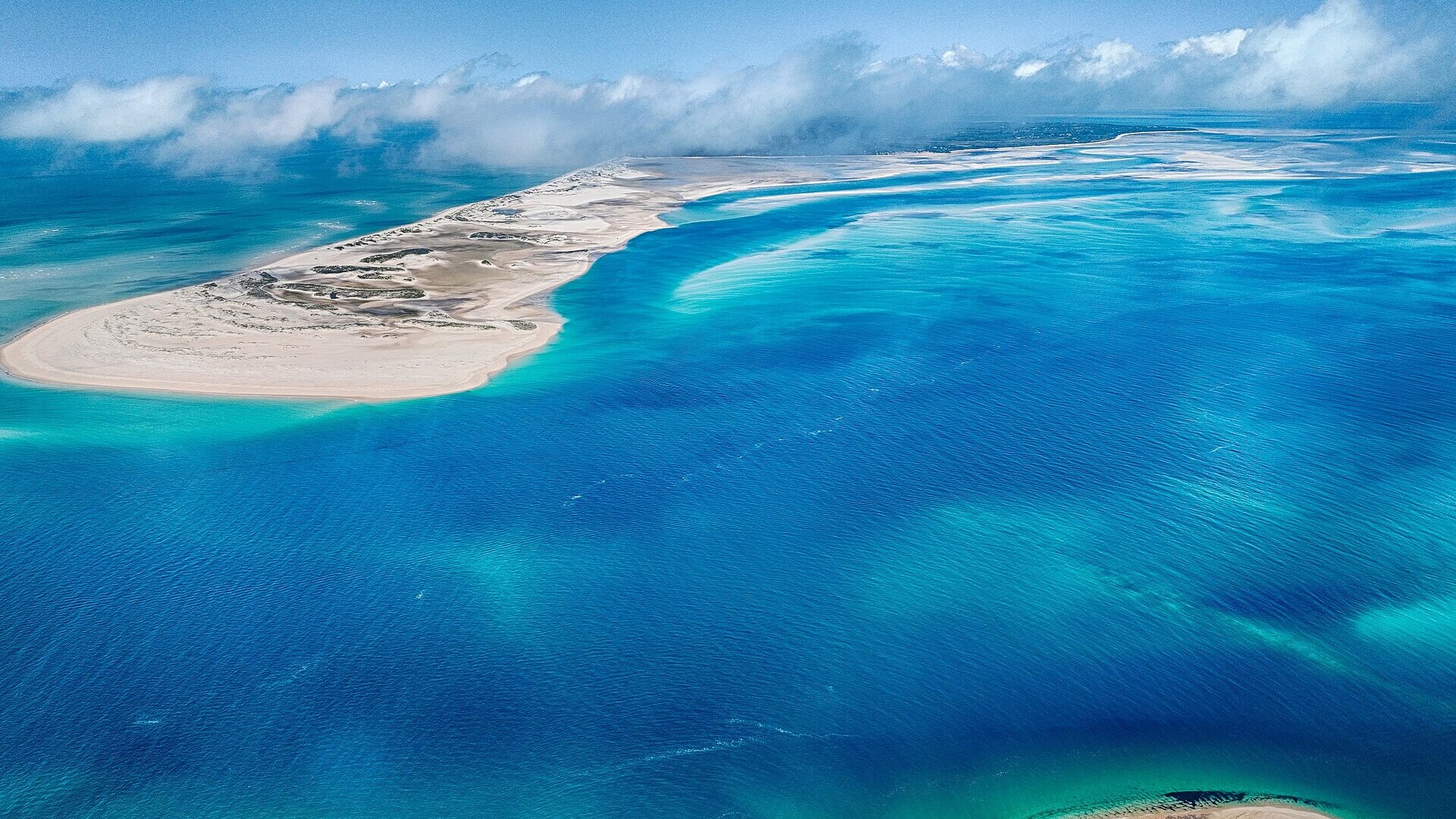
The Bazaruto Archipelago sits offshore from Vilanculos, roughly 700 km north of Maputo. Five islands — Bazaruto, Benguerra, Magaruque, Santa Carolina and Bangué — are protected within a marine national park, and the diving, snorkelling and deep-sea fishing here are among the finest in the western Indian Ocean. Two Mile Reef, between Bazaruto and Benguerra, is the signature dive site: hard and soft coral gardens, potato bass the size of coffee tables, reef sharks, turtles, rays and, in the channels, the occasional dugong — one of the last viable populations left on this coast.
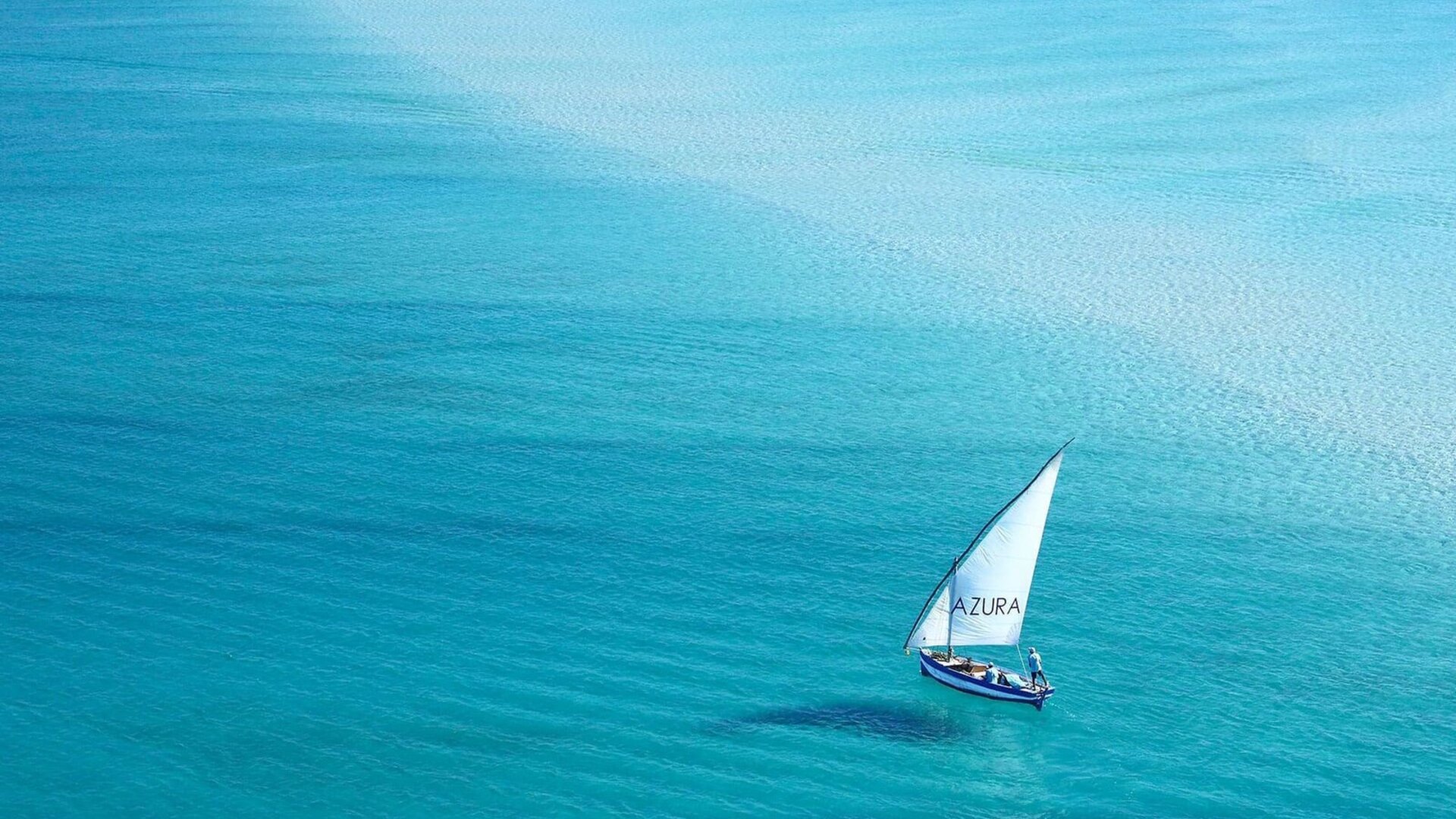
The lodges match the setting. Anantara Bazaruto Island Resort sits on the largest island, with 44 rooms, two restaurants and a spa. Azura Benguerra is smaller and more intimate — 20 villas on a private stretch of beach, each with a host (not a butler; they use that word). Rates at both properties run USD 550–900 per person per night, all-inclusive with diving and island excursions. Getting there: a 30-minute speedboat or dhow transfer from Vilanculos, or a direct charter flight from Maputo or Johannesburg to the island strips.
For a fuller treatment of the archipelago's lodges and logistics, our Bazaruto Archipelago guide has the detail.
8. Machangulo Peninsula
Machangulo is the long, narrow finger of land that separates Maputo Bay from the open Indian Ocean, directly opposite the capital. It feels like a different country — mangroves, flamingos, traditional fishing villages and almost no vehicles. The single high-end property, Machangulo Beach Lodge, is a collection of thatched casitas perched above the dunes, reached by a 45-minute boat transfer from Maputo's waterfront. Kayak through the mangroves in the morning, walk to a deserted ocean beach in the afternoon, and eat grilled crayfish under the stars. It is one of the easiest "total escape" experiences we book — 45 minutes from the city, and the phone signal disappears the moment you step off the boat.
Getting There — Fly-In vs Self-Drive
Southern Mozambique is one of the few luxury beach destinations in Africa that can also be reached overland from a major city. That gives you two fundamentally different travel experiences:
| Option | Journey | Vehicle | Best for |
|---|---|---|---|
| Fly-in from Maputo | 45 min to Ponta Mamoli; 90 min to Bazaruto | Light aircraft (6–12 seats) | Honeymooners, time-pressed travellers, island lodges |
| Self-drive from KZN | 4–5 hr Durban to Ponta do Ouro via Kosi Bay | 4x4 with low-range essential for sand tracks | Adventure travellers, dive groups, families with gear |
| Drive from Maputo | 5 hr to Tofo (paved); 2 hr to Ponta do Ouro (part sand) | Standard car to Tofo; 4x4 south of Maputo | Independent travellers combining city + coast |
Regardless of your route, carry cash (Meticais or South African Rand), a current passport, vehicle registration papers (if driving), and a printed booking confirmation for your accommodation. ATMs outside Maputo, Vilanculos and Inhambane town are rare and unreliable. Mobile coverage is patchy south of Maputo — Vodacom Mozambique is the strongest network.
When to Go — Season by Season
May to October (dry season): The most popular window. Daytime temperatures sit around 25–28 °C, humidity is low, diving visibility peaks at 20–30 metres, and humpback whales pass close to shore from July through October. This is also the best period for turtle walks — the hatchlings emerge from November onward, but the nesting females arrive from October. Lodge rates are at their highest during South African school holidays (June/July and September/October).
November to March (green season): Warmer water (26–29 °C), occasional afternoon thunderstorms, greener landscapes and noticeably lower rates. Whale-shark sightings at Tofo peak from October to March. Turtle nesting runs November to February. Roads south of Maputo can become heavy after sustained rain — check conditions before attempting the Ponta do Ouro sand tracks in January or February.
April (shoulder): Often the sweet spot — warm water, few other guests, rates dropping toward green-season levels, and the last of the whale-shark season at Tofo. We book a lot of Mozambique honeymoons in April.
For month-by-month detail, our best time to visit Mozambique guide breaks it down across the whole country.
What It Costs — A Realistic Breakdown
Southern Mozambique spans a wide price range. Here is an honest summary as of late 2026:
| Category | Nightly Rate (per person) | Includes |
|---|---|---|
| Top-tier island lodge | USD 550–900 | All meals, drinks, diving, island excursions, transfers |
| Mainland luxury lodge | USD 350–700 | Meals, house drinks, 2 activities/day |
| Mid-range beach hotel | USD 80–180 | B&B or half-board |
| Self-catering chalet | ZAR 1,500–3,500 per unit | Accommodation only; bring your own supplies |
Charter flights from Maputo to Ponta Mamoli or Bazaruto cost USD 250–450 per person one-way (shared) or USD 1,200–2,000 for a private booking. The Kosi Bay border crossing is free for pedestrians; vehicle third-party insurance (seguro) costs roughly ZAR 300–500 at the gate.
How We Build a Southern Mozambique Itinerary
Most of our guests combine two or three stops rather than staying in one place for the whole trip. The three itinerary shapes we book most often:
- Honeymoon (7–10 nights): Two nights in Maputo (city, food, CFM station) → fly to Bazaruto Archipelago for four or five nights (Azura Benguerra or Anantara) → return via Maputo. Our Mozambique honeymoon packages page has costed examples.
- Bush-and-beach combo (10–12 nights): Four nights in the Kruger or Sabi Sands (Big Five) → fly to Maputo → transfer to Ponta Mamoli or Bazaruto for five nights. See our bush-and-beach combo guide.
- Self-drive adventure (7 nights): Drive from Durban via Kosi Bay → two nights Ponta do Ouro (diving) → two nights Ponta Mamoli (White Pearl or self-catering) → drive north to Maputo → one night city → fly home.
If you are not sure which shape fits, tell us roughly what you have in mind — number of nights, budget, if diving matters, if you want luxury or adventure — and one of our named consultants will come back with a costed itinerary within 24 hours. No obligation, no call centre.