Key Takeaways
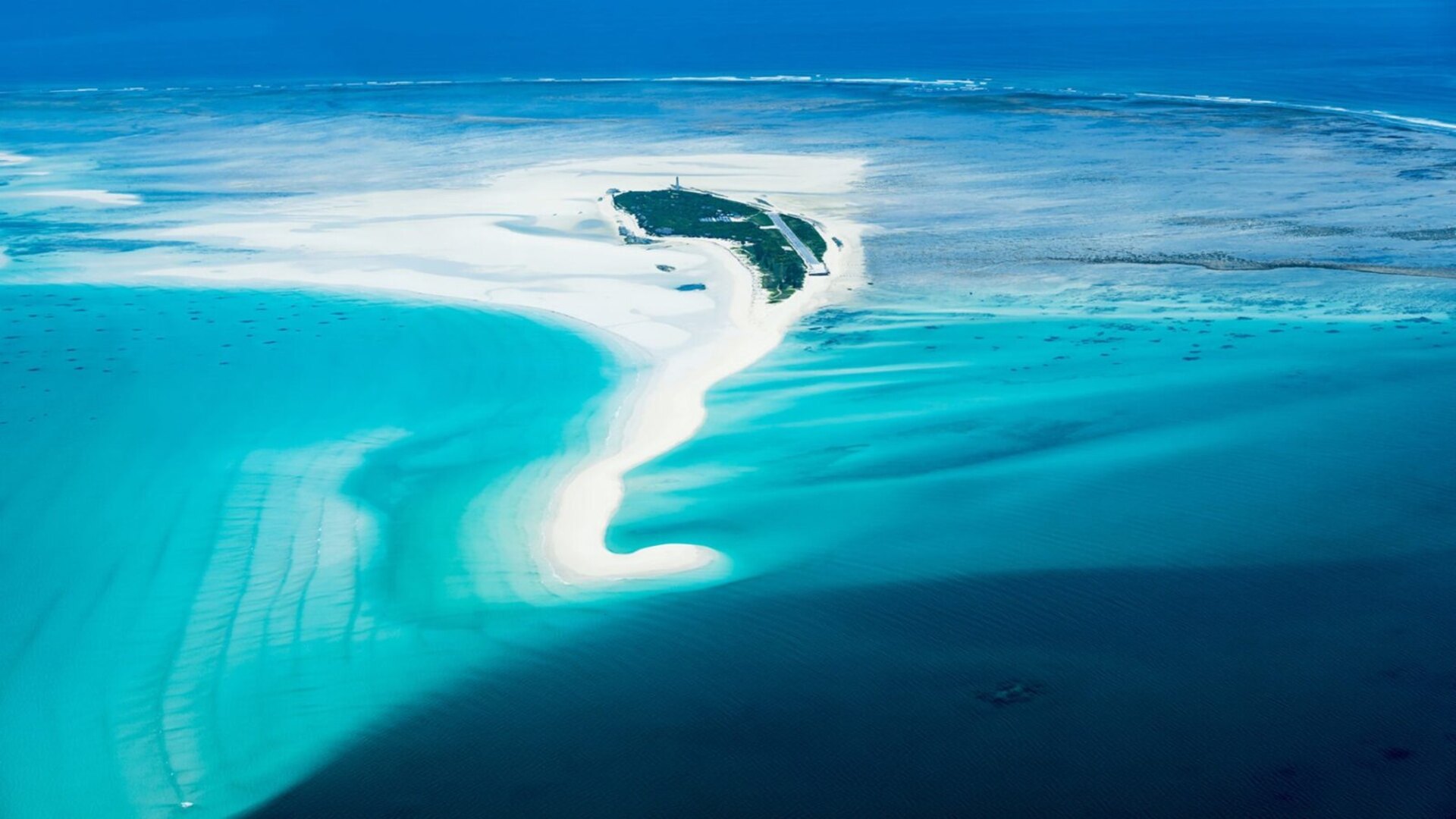
- The Bazaruto Archipelago is a protected marine national park of five islands off the coast of Vilanculos in southern Mozambique.
- Its waters shelter one of the last viable dugong populations in the western Indian Ocean, alongside whale sharks, manta rays, turtles and dolphins.
- Two Mile Reef between Bazaruto and Benguerra is the archipelago’s legendary dive and snorkel site, with warm, gin-clear water.
- Bazaruto Island is famous for its towering inland dunes and freshwater lakes; Benguerra is the intimate, lodge-lined heart of the archipelago.
- The dry season from April to October offers the best diving visibility, calm seas for dhow sailing and the humpback whale migration from July to October.
- It is the perfect barefoot finale to a Southern African safari — a short flight turns the bush into an Indian Ocean paradise.
Why Bazaruto Is the Jewel of Mozambique
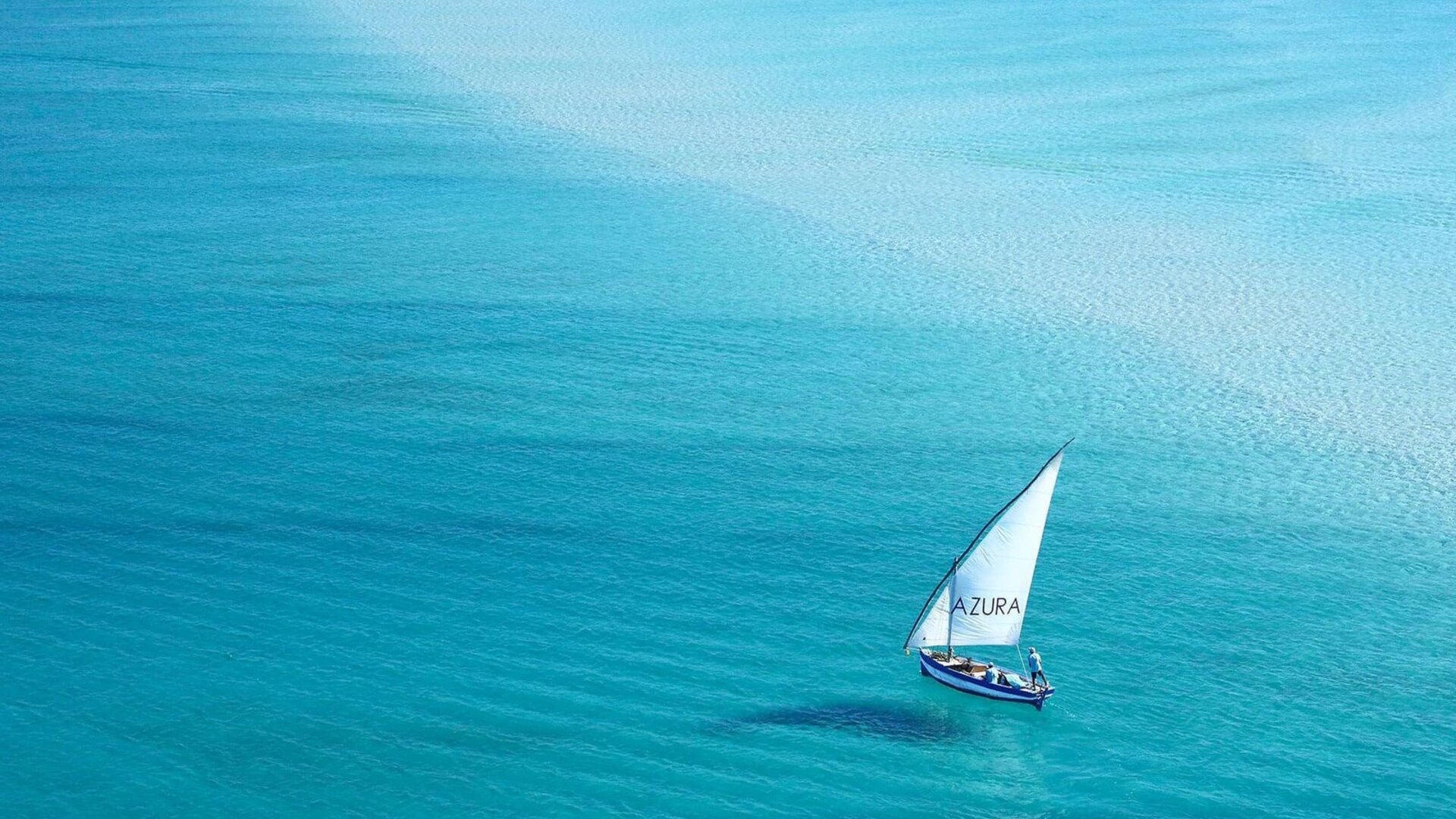
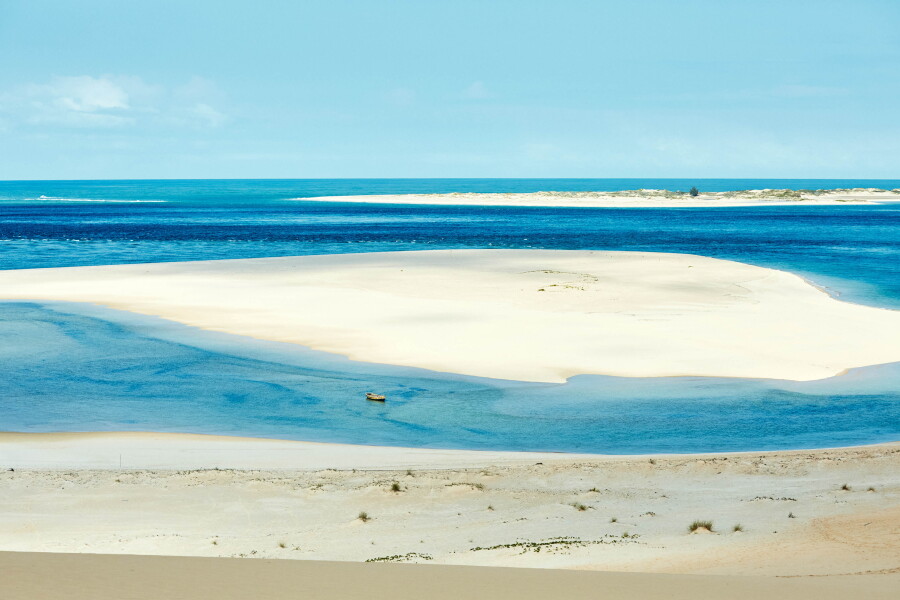
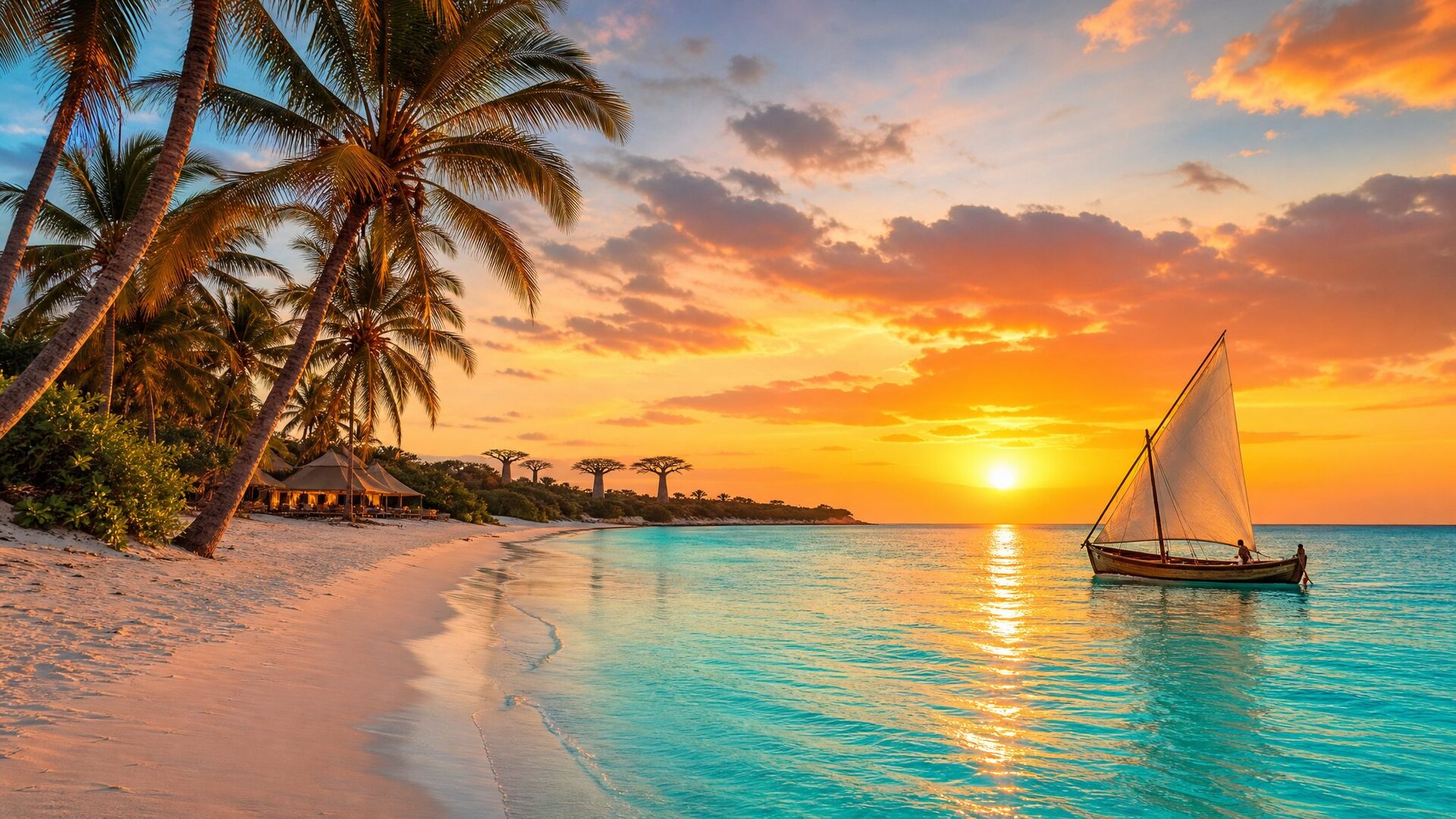
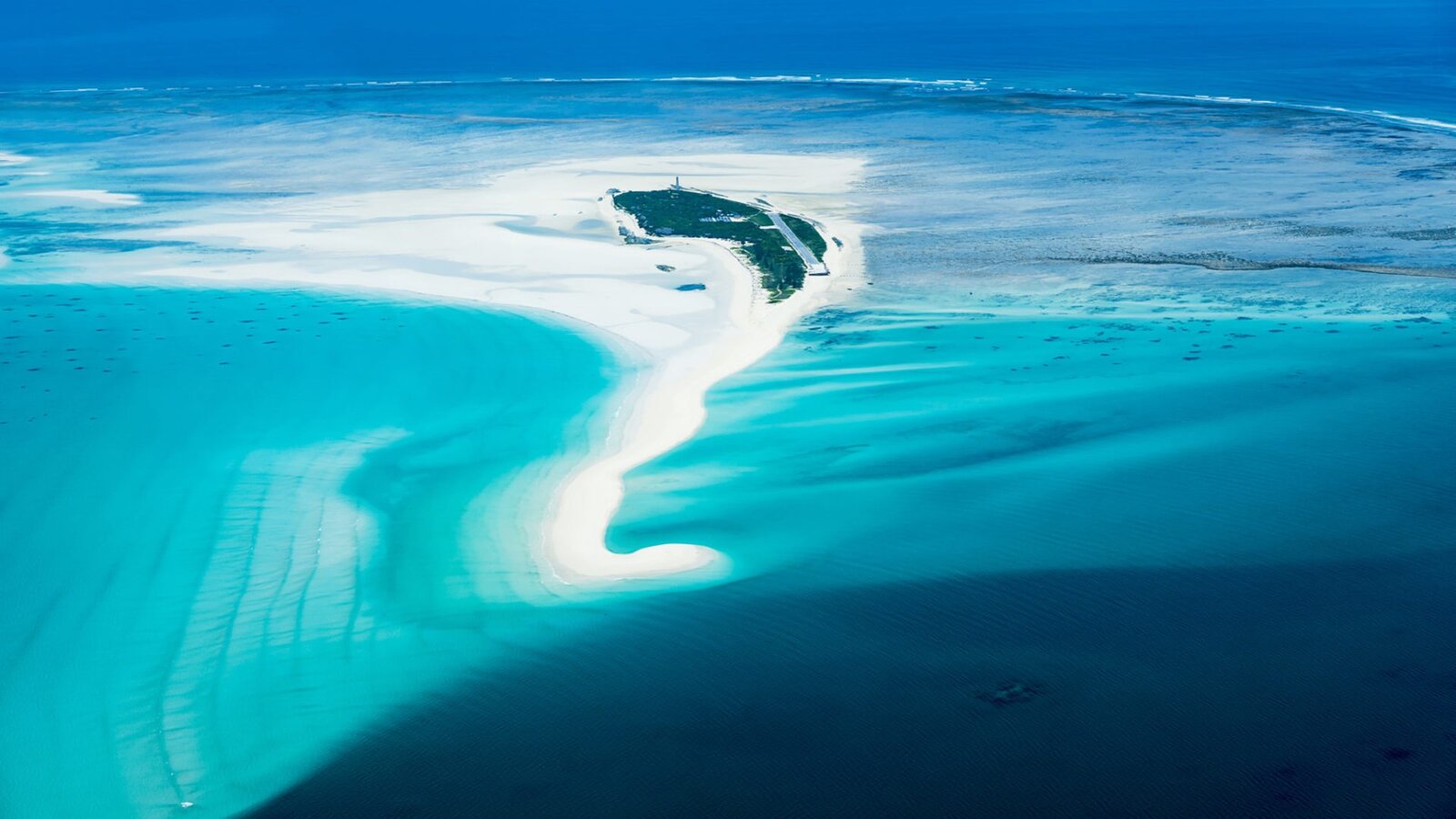
Off the coast of Vilanculos, where the warm Indian Ocean meets southern Mozambique, five islands rise from a shimmer of turquoise and white. This is the Bazaruto Archipelago, a protected marine national park since 1971, and one of the most beautiful stretches of coast in all of Africa. From the air it is a watercolour of sandbanks and reefs in every shade of blue, threaded by the white triangular sails of traditional dhows.
Beneath the surface, it is one of the richest marine sanctuaries on the continent. The archipelago protects coral reefs, seagrass meadows and one of the last strongholds of the dugong — the gentle, elusive sea cow that grazes the shallows. Above the water, Bazaruto Island lifts into great forested dunes and hides freshwater lakes, while the smaller islands offer nothing but powder beaches, warm lagoons and the deep quiet of the ocean. It is barefoot Africa at its most refined.
A Protected Marine National Park
The Bazaruto Archipelago National Park covers the islands and the waters between them, and its protected status is what keeps the reefs healthy and the marine life abundant. This is not a developed resort strip — the number of lodges is deliberately small, guest numbers are low, and much of the archipelago remains gloriously empty. The result is water clarity and coral health that have become rare elsewhere on the coast.
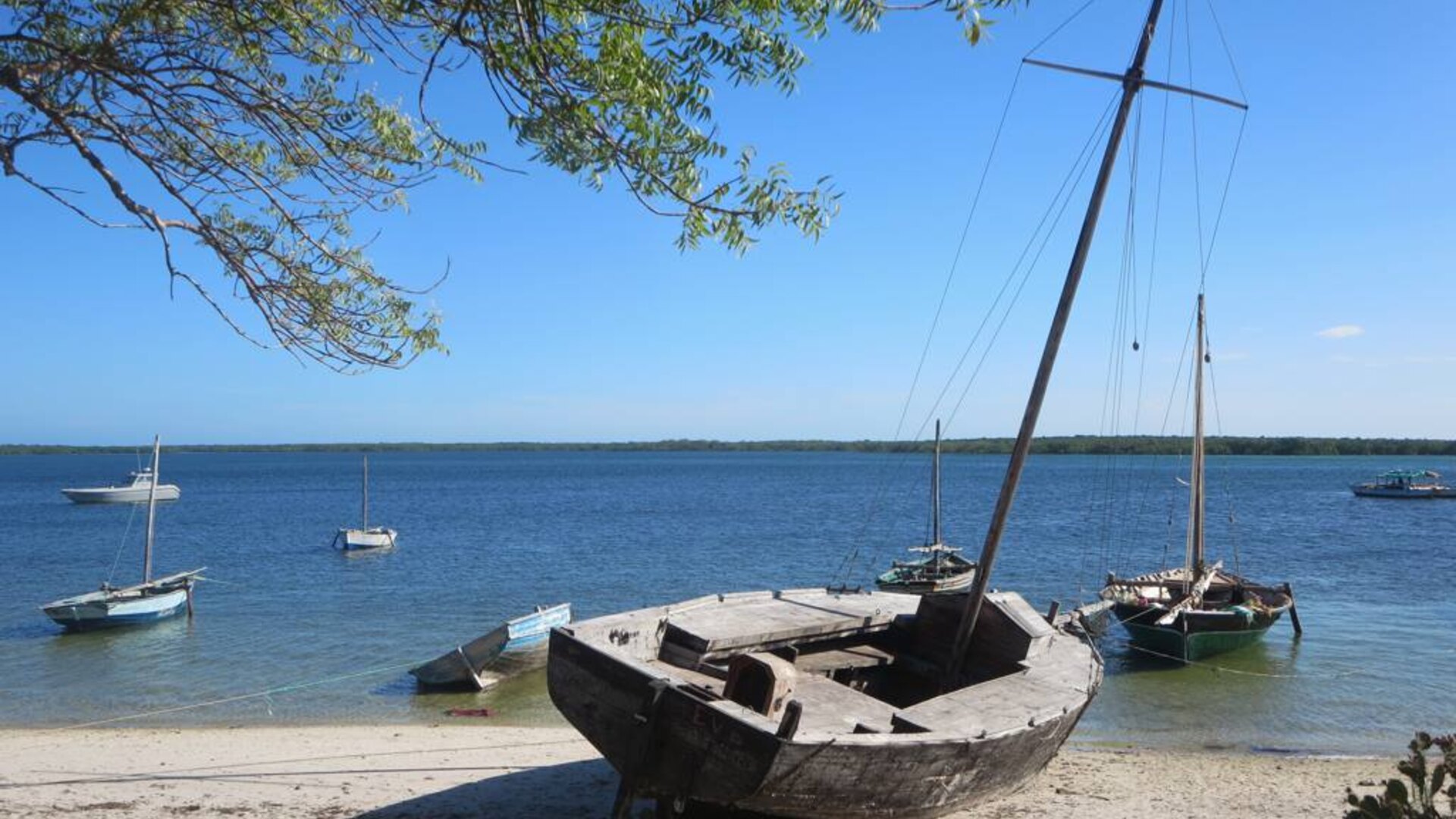
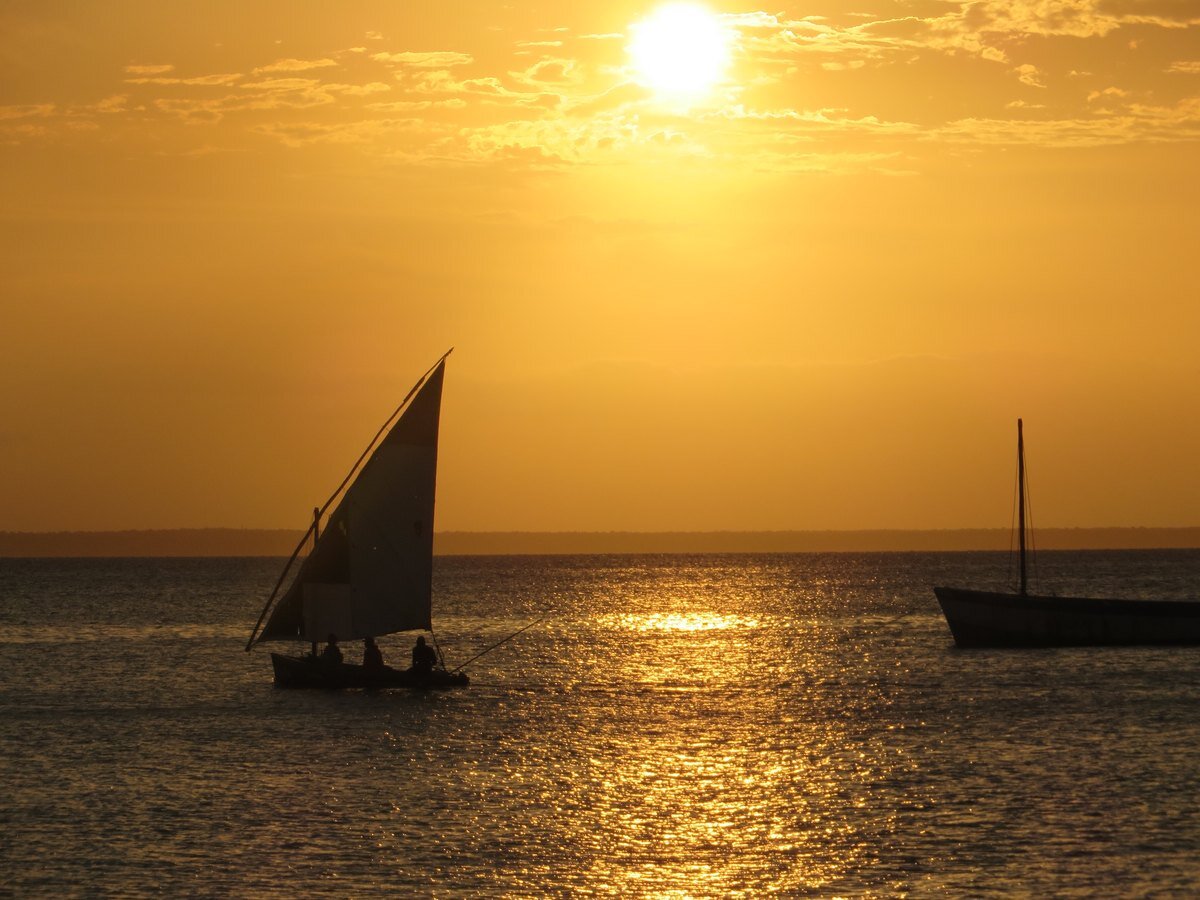
The park is also a cultural landscape. Local communities have sailed these waters in hand-built dhows for centuries, and a sunset dhow cruise — gliding silently across a lagoon as the sky turns to fire — remains one of the defining experiences of a visit here. It is a place where conservation, community and quiet luxury genuinely coexist.
The Islands — Bazaruto, Benguerra & Beyond
Bazaruto Island is the largest, a 37-kilometre spine of forested and shifting dunes that rise dramatically above the sea, hiding freshwater lakes where crocodiles and flamingos live. Climbing a dune at sunset for the panorama across the whole archipelago is unforgettable. Benguerra Island, the second largest, is the intimate heart of the destination — home to the finest lodges, fringed by beaches and reef, small enough to feel entirely your own.
The smaller islands complete the picture. Magaruque and Santa Carolina (the old “Paradise Island”) are perfect for a private picnic and a snorkel, reached by boat for a day of castaway seclusion. Most travellers base themselves on Benguerra or Bazaruto and explore the others by dhow and speedboat.
Related journey: Bazaruto Paradise — 7 Days →
Diving, Dugongs & Two Mile Reef
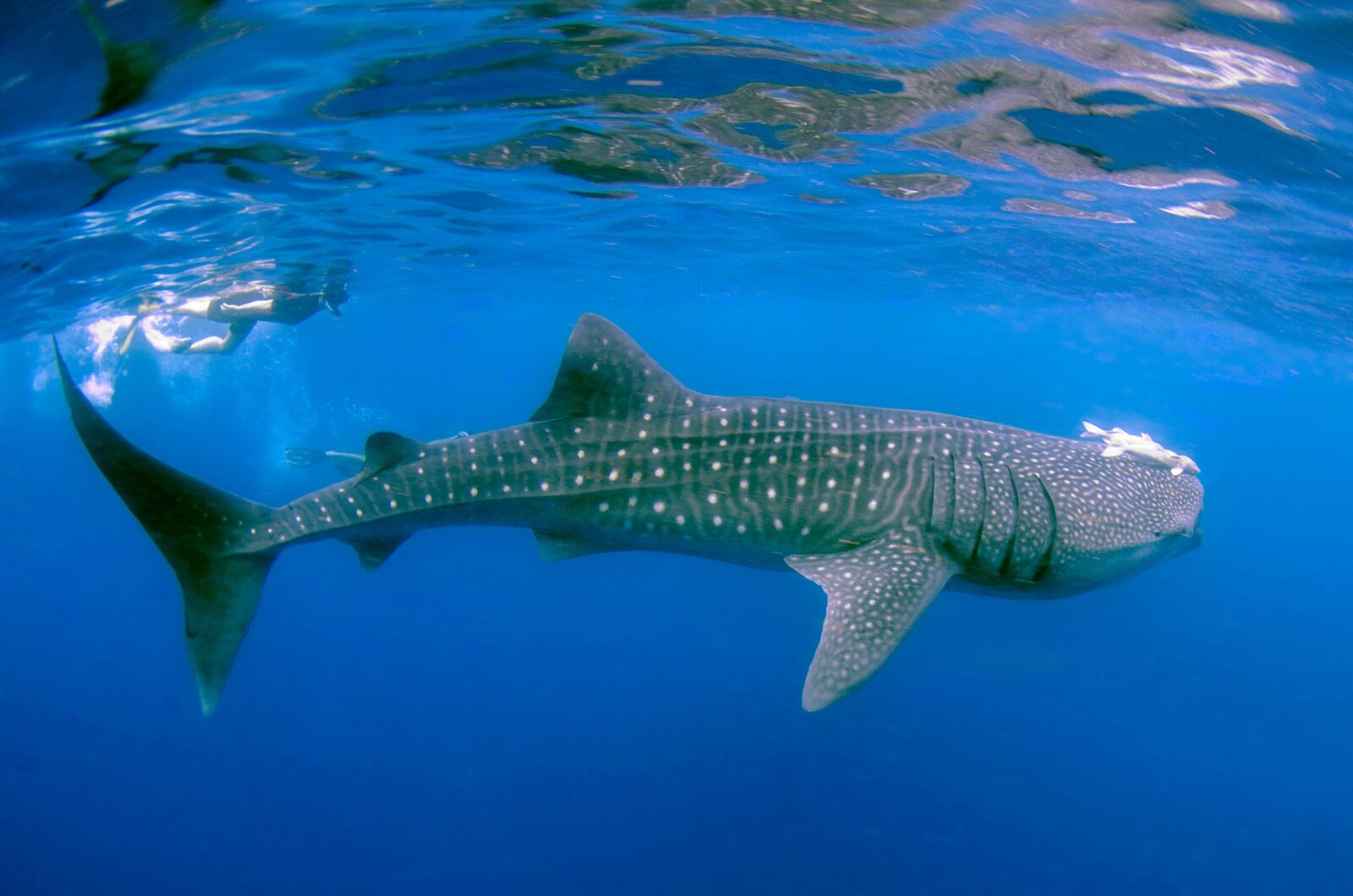
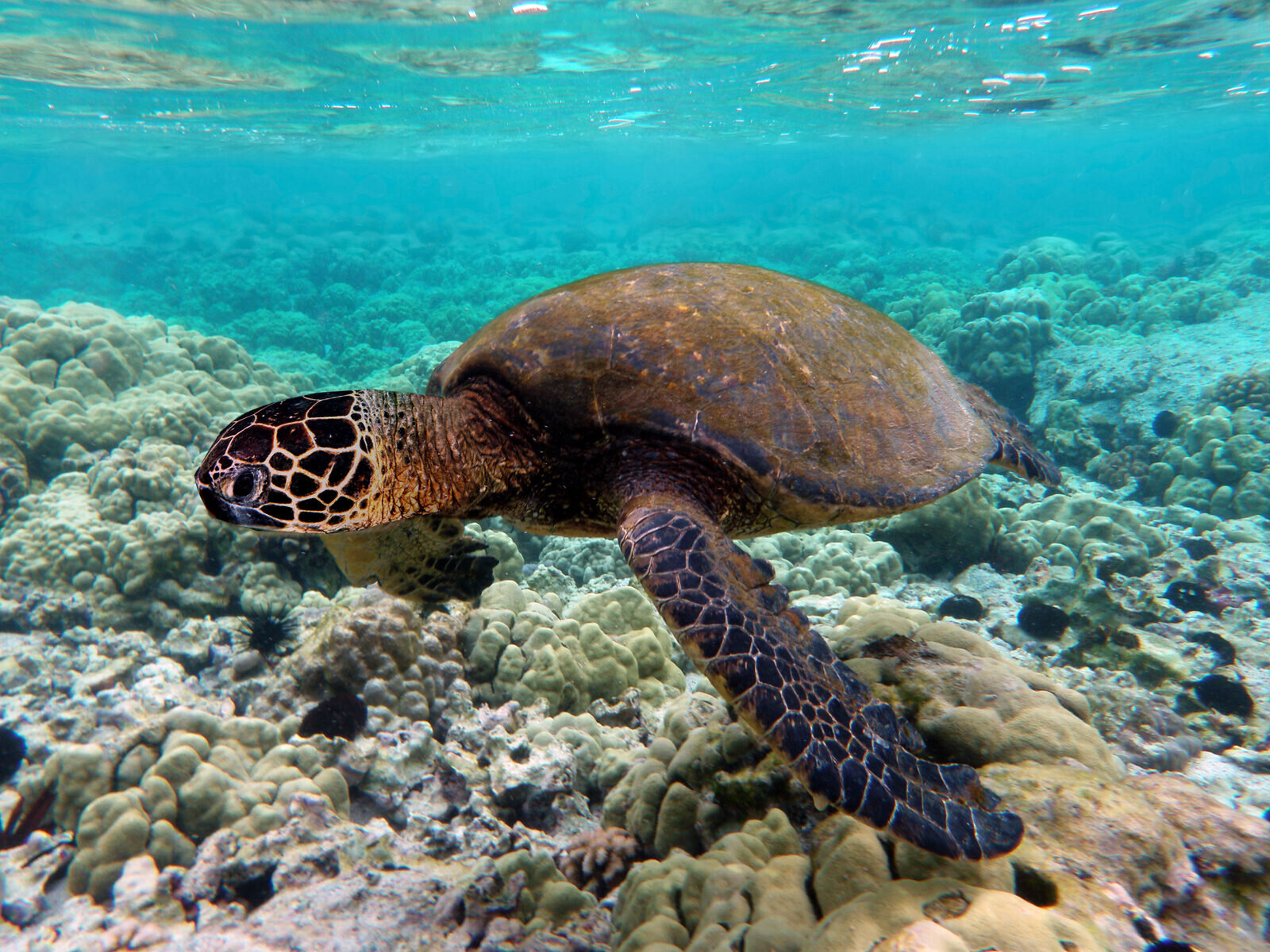
The waters of Bazaruto are the reason many travellers come. The archipelago shelters one of the last viable dugong populations in the western Indian Ocean — a rare privilege to know you are floating above these gentle grazers even if a sighting is never guaranteed. Alongside them, the seagrass and reef systems support green and loggerhead turtles, bottlenose and humpback dolphins, and seasonal giants: whale sharks and manta rays that cruise the plankton-rich channels.
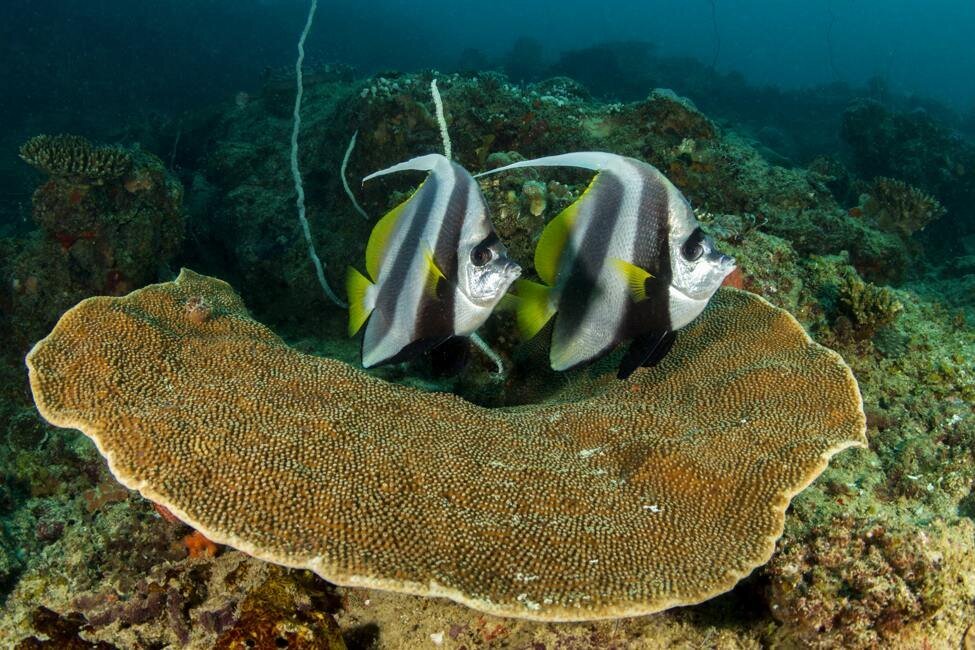
The signature dive and snorkel site is Two Mile Reef, a long coral bank between Bazaruto and Benguerra, alive with reef fish, moray eels, potato bass and the occasional shark, all in warm, gin-clear water. From July to October, migrating humpback whales pass close to the islands, their breaches visible from the beach. Even non-divers snorkel straight off the sandbanks into a world of colour.
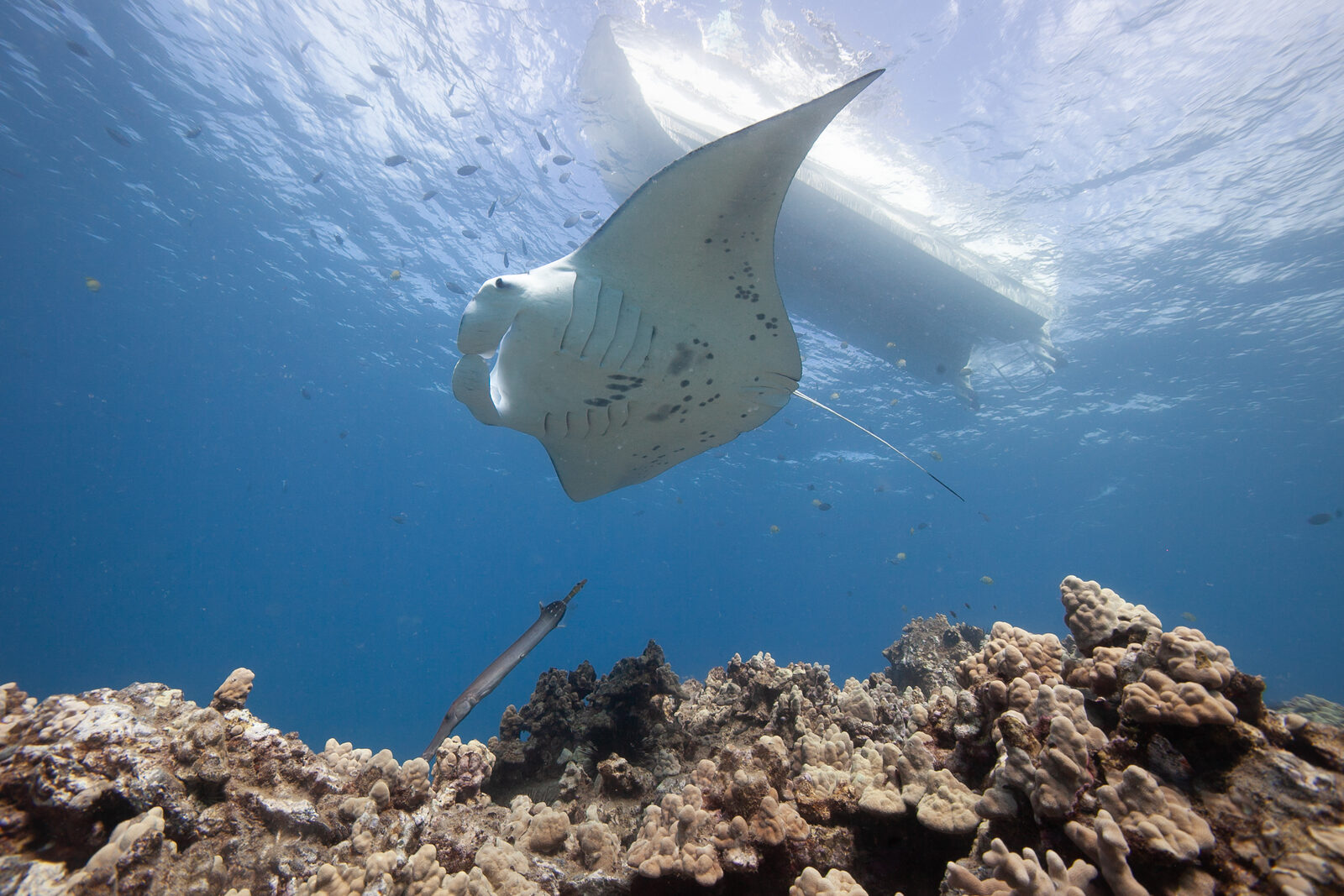
For serious divers and snorkellers, Bazaruto is a bucket-list destination in its own right. Dive centres at the island lodges run daily trips to the reefs and to the deeper channels where the big pelagics gather. Game fishing here is also world-class — the archipelago sits on the edge of a deep drop-off that draws marlin, sailfish and tuna.
Best Time to Visit Bazaruto
Bazaruto is a year-round tropical destination, but the seasons shape the experience. The dry season from April to October brings cooler, drier days, calm seas, the best underwater visibility and the humpback whale migration from July to October — the peak window for most travellers. The green season from November to March is hotter and more humid with occasional afternoon storms, but it is also quieter, warmer in the water and prime time for whale sharks and manta rays.
| Season | Months | Conditions | Best For |
|---|---|---|---|
| Peak Dry | Apr – Oct | Cooler, dry, calm seas, best visibility | Diving, dhow sailing, whales (Jul–Oct). Book lodges early. |
| Green Season | Nov – Mar | Hot, humid, warm water, occasional storms | Whale sharks, mantas, quieter beaches, better value. |
Because the archipelago is a marine park protected from over-development, it rarely feels crowded in any season. For the classic combination of whale watching, flat seas and clear diving, aim for the July to October window and book the island lodges well ahead, as their small size means they fill early.
The Finest Island Lodges
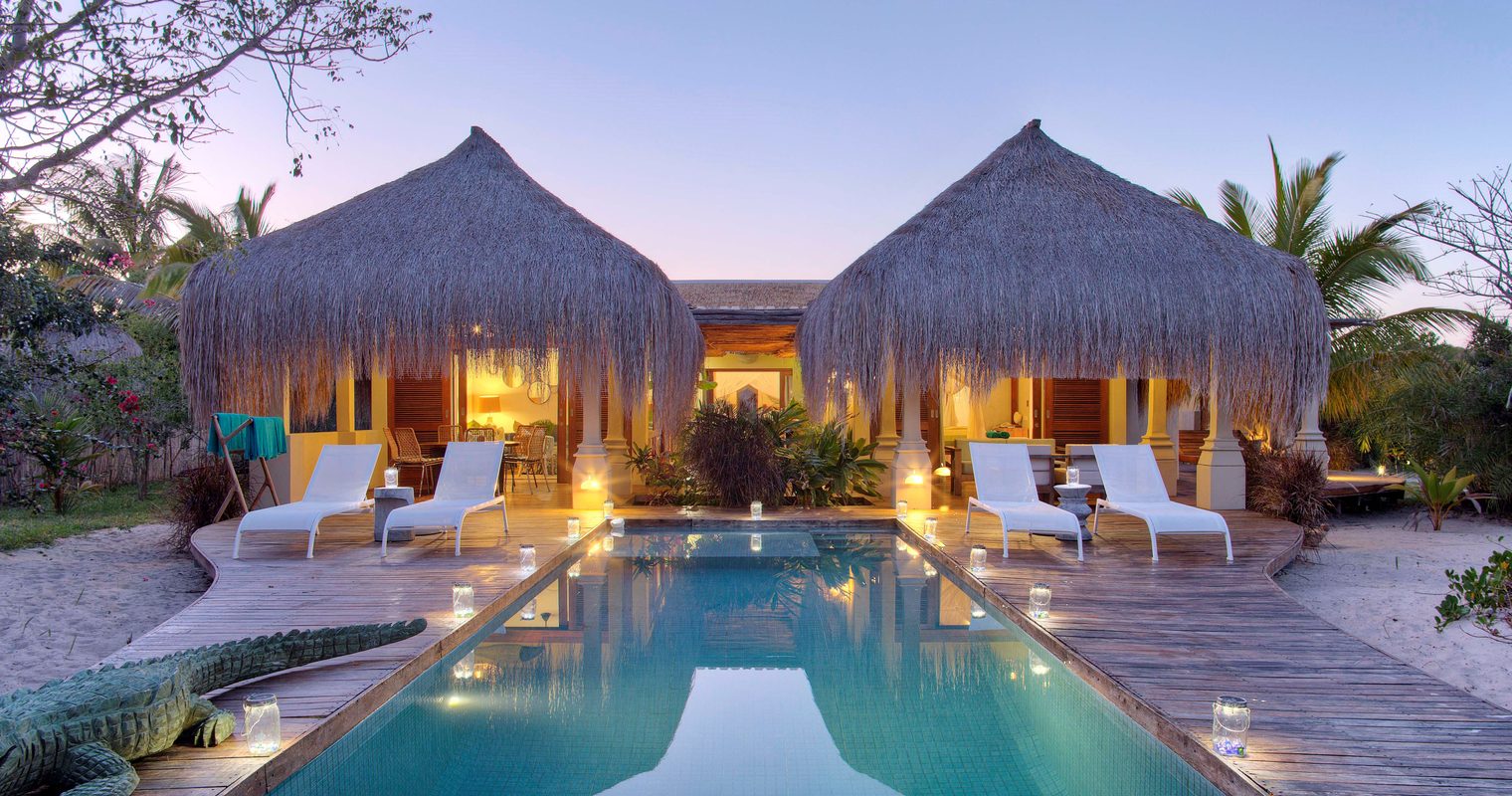
The Bazaruto Archipelago is home to some of the most beautiful barefoot-luxury lodges in Africa, and almost all of them sit on Benguerra Island. Azura Benguerra pioneered eco-luxury here with hand-built villas, each with a private pool, set on a flawless stretch of beach. &Beyond Benguerra Island offers casinha and villa suites with a relaxed, design-led elegance and superb guiding on land and sea. Bazaruto Island Lodge brings a chic base on the largest island itself, beneath the great dunes.
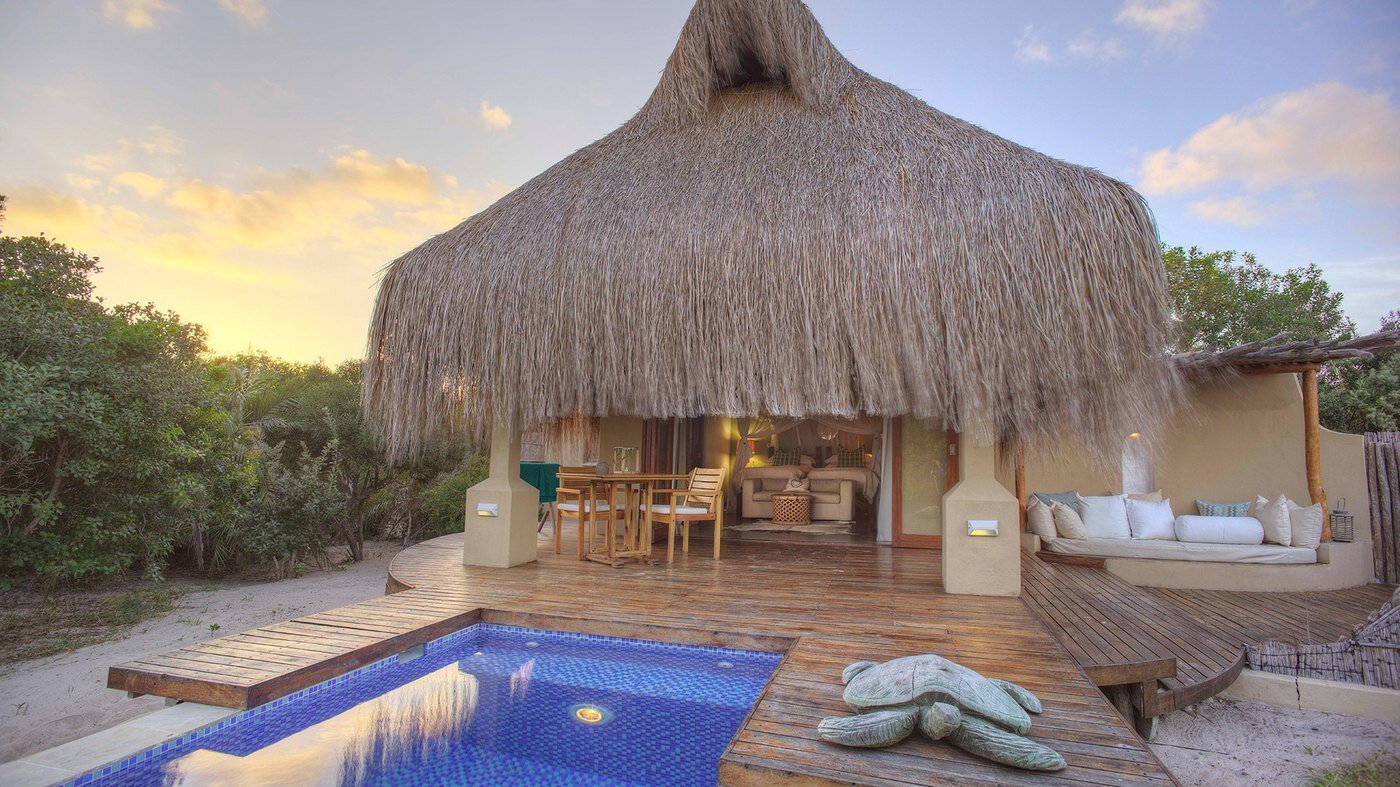
What these lodges share is a rhythm the archipelago demands: slow mornings, long snorkels, a picnic on a deserted sandbank, a spa treatment to the sound of the sea, and a dhow cruise into the sunset. They are all-inclusive by nature, with diving, sailing and island excursions built in — the kind of place where days blur gently into one another.
Related journey: Beach & Safari Ultimate Mozambique — 10 Days →
Planning Your Bazaruto Journey — Bush & Beach
Getting to Bazaruto is easy and part of the magic. International flights arrive into Vilanculos (via Johannesburg), and from there a short light-aircraft, helicopter or boat transfer delivers you to your island lodge. Most travellers stay four to six nights — enough to dive, sail, island-hop and truly switch off.
Bazaruto is the perfect ocean finale to a safari. A classic bush-and-beach journey pairs the Big Five of the Kruger, Sabi Sands or a Botswana delta with the barefoot calm of the islands — the drama of the wild, then the deep exhale of the sea. We handle the flights, the transfers and the timing so the two halves flow together as one seamless trip.
Why Book Your Bazaruto Escape With Us
We plan Mozambique the way we would want our own family to travel — matched to the right island, the right lodge and the right season, with every flight, transfer and dhow sunset arranged. We book direct with the finest island lodges, secure the private-pool villas that sell out first, and stitch Bazaruto seamlessly onto a Big Five safari for the ultimate bush-and-beach journey.
Ready to Plan Your Bazaruto Archipelago Escape?
Our specialists design tailor-made Mozambique island escapes — matched to the finest barefoot-luxury lodges, the best diving season and your own pace. We book direct, secure the villas that sell out first, and pair the islands with a safari so all you do is arrive and be moved.