Key Takeaways
- Indian Ocean Paradise: Mozambique's 2,500-kilometre coastline protects some of Africa's last pristine beaches — turquoise waters, white sand, and near-zero crowds.
- Bazaruto Archipelago: Six islands form a UNESCO-protected marine national park — dugongs, dolphins, whale sharks, and traditional dhow sailing.
- Gorongosa Comeback: Once decimated by war, Gorongosa National Park has recovered to 100,000+ animals through visionary conservation — lions, elephants, buffalo returning.
- Whale Shark Capital: Tofo Beach and Inhambane offer year-round whale shark encounters — swim with the world's largest fish (12+ metres).
- Quirimbas Diving: 32-island archipelago with world-class diving — manta rays, turtles, humpback whales, and untouched coral reefs.
- Best-Kept Secret: Mozambique sees 1/20th the beach tourists of Zanzibar or Seychelles — authentic, uncrowded, exceptional value.
Why Mozambique Is Africa's Last Coastal Paradise
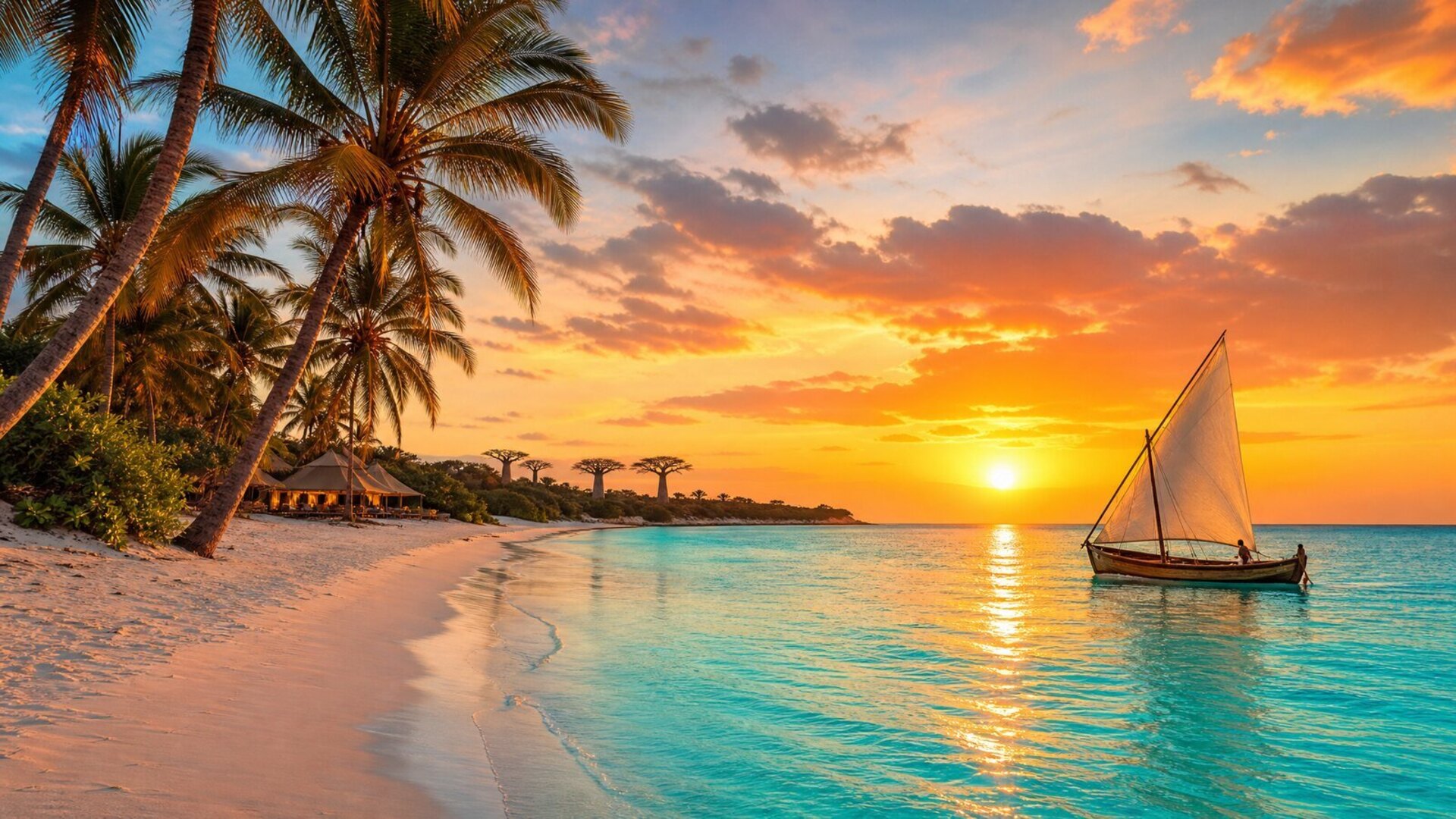
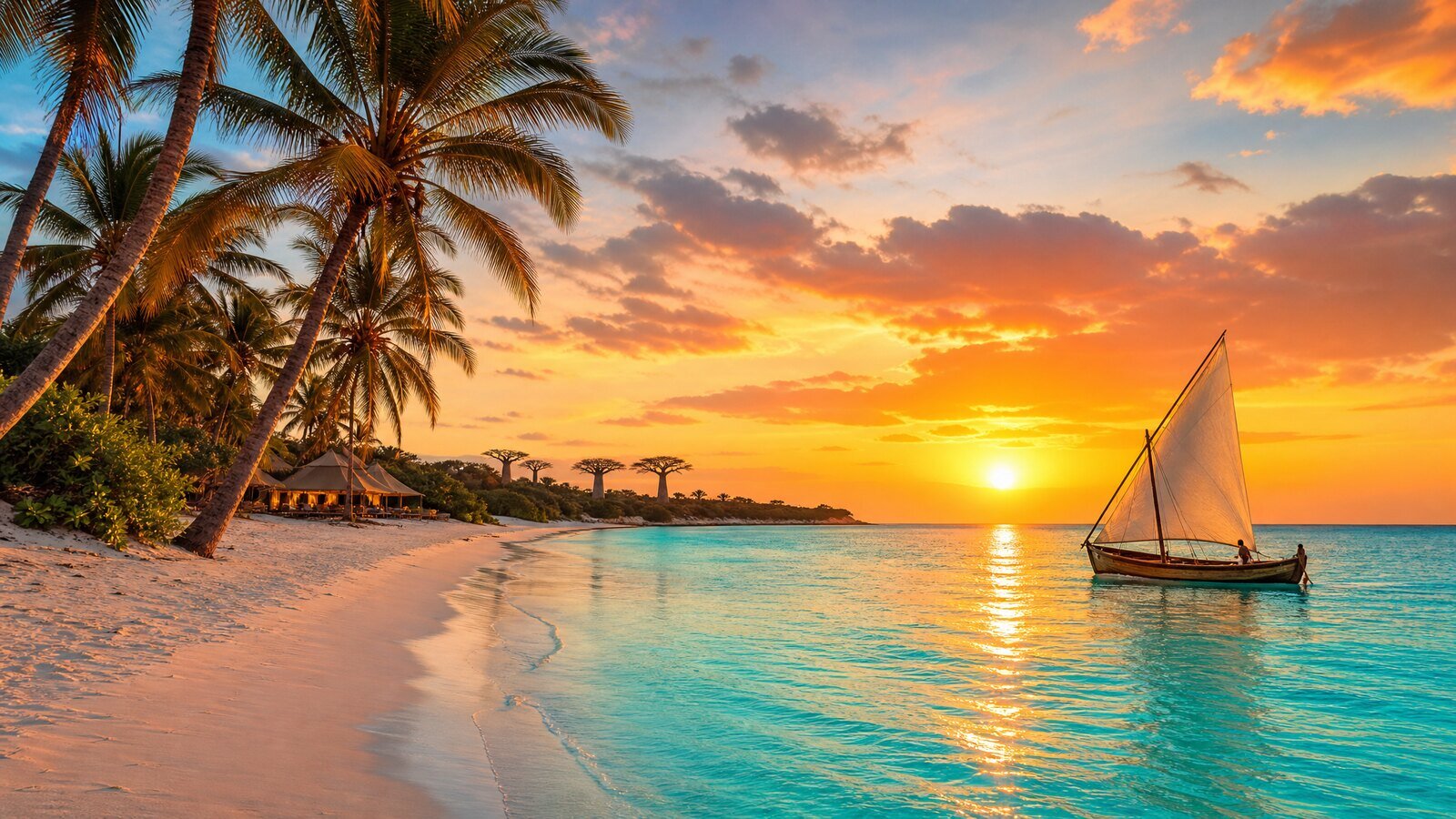
Mozambique's 2,500-kilometre Indian Ocean coastline is the Africa most travelers never see: deserted white-sand beaches stretching for miles, turquoise waters teeming with marine life, and traditional dhows sailing at sunset against a backdrop of swaying palms. While Zanzibar and the Seychelles overflow with package tourists, Mozambique's islands remain blissfully empty.
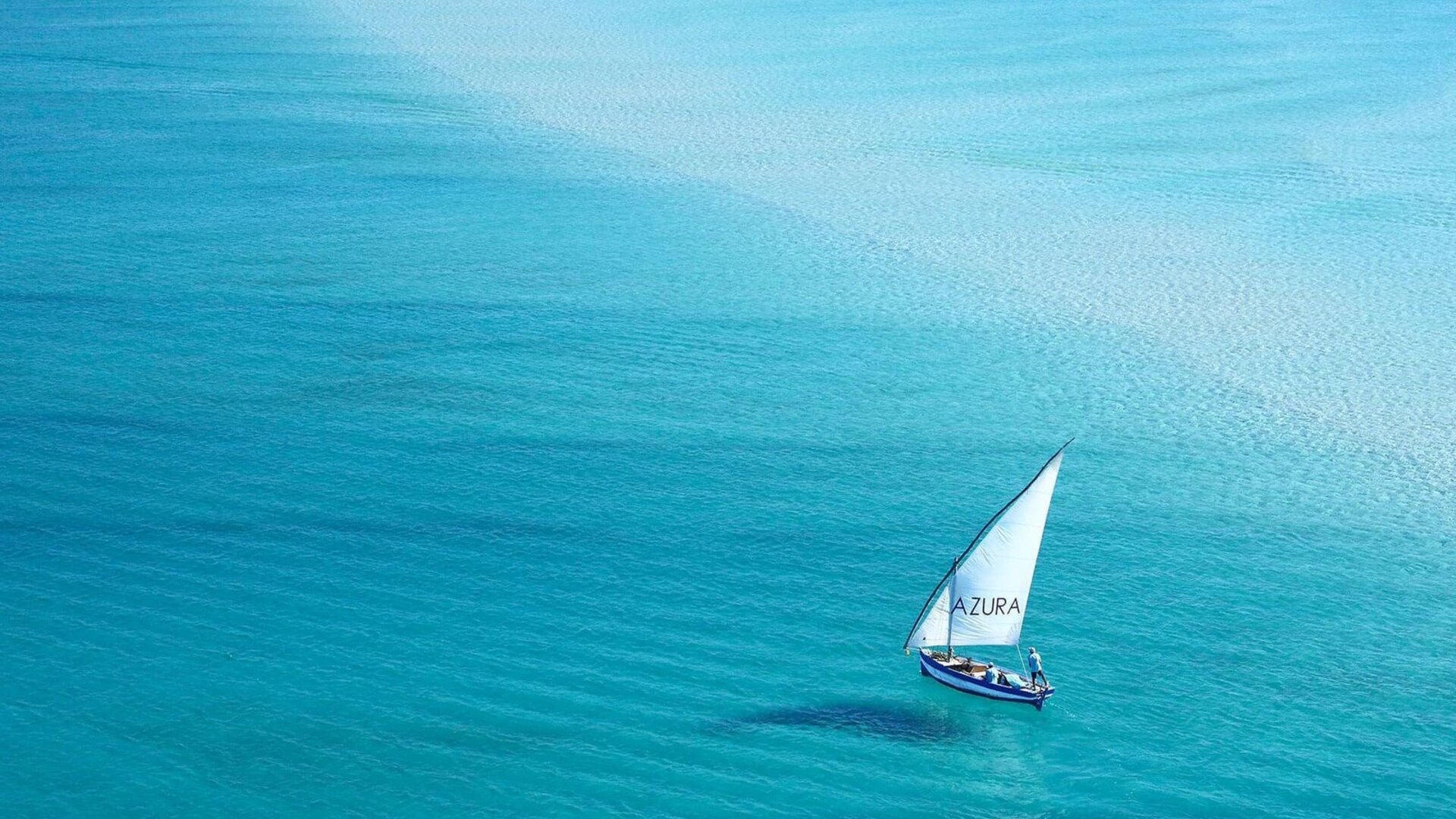
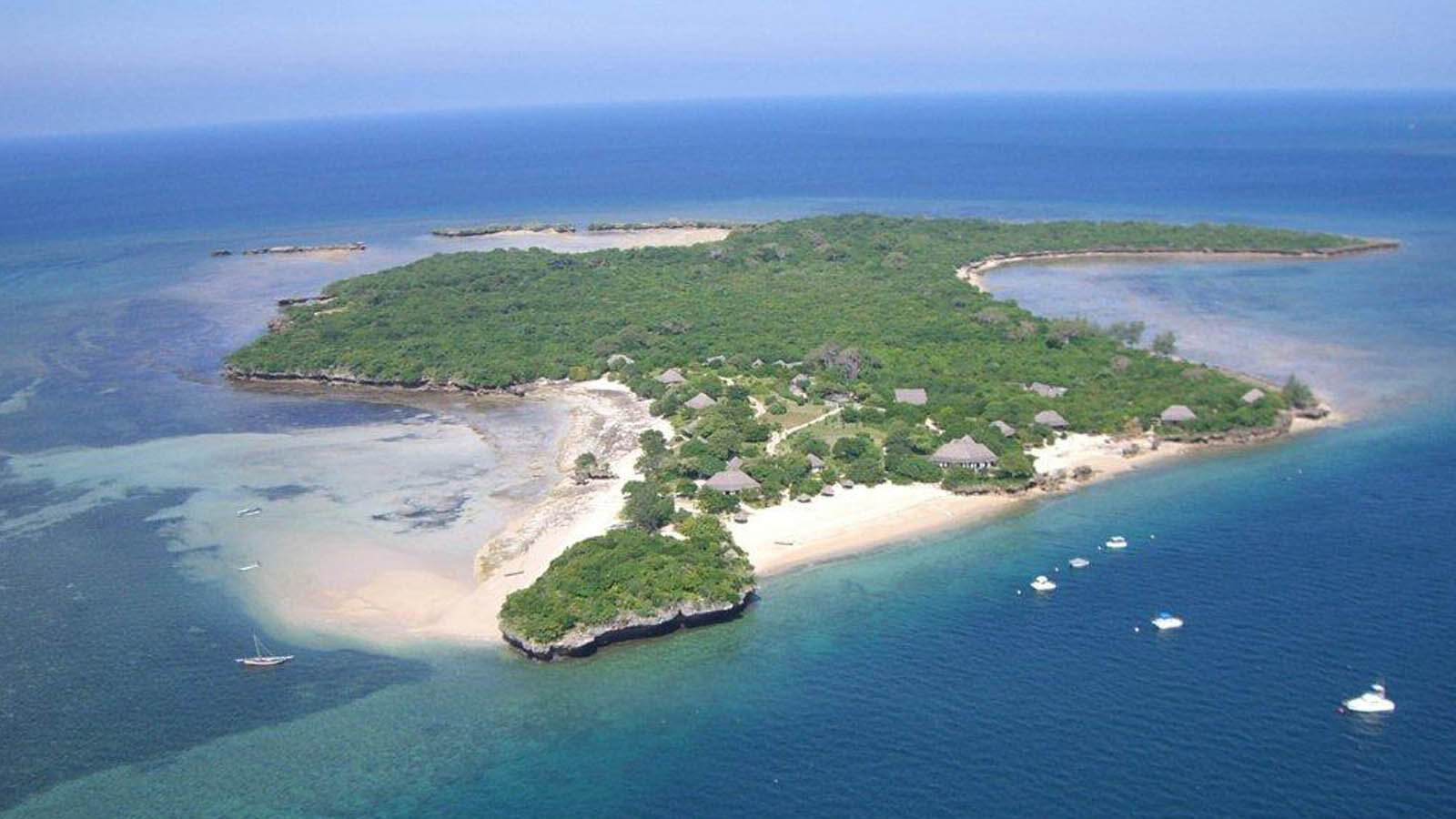
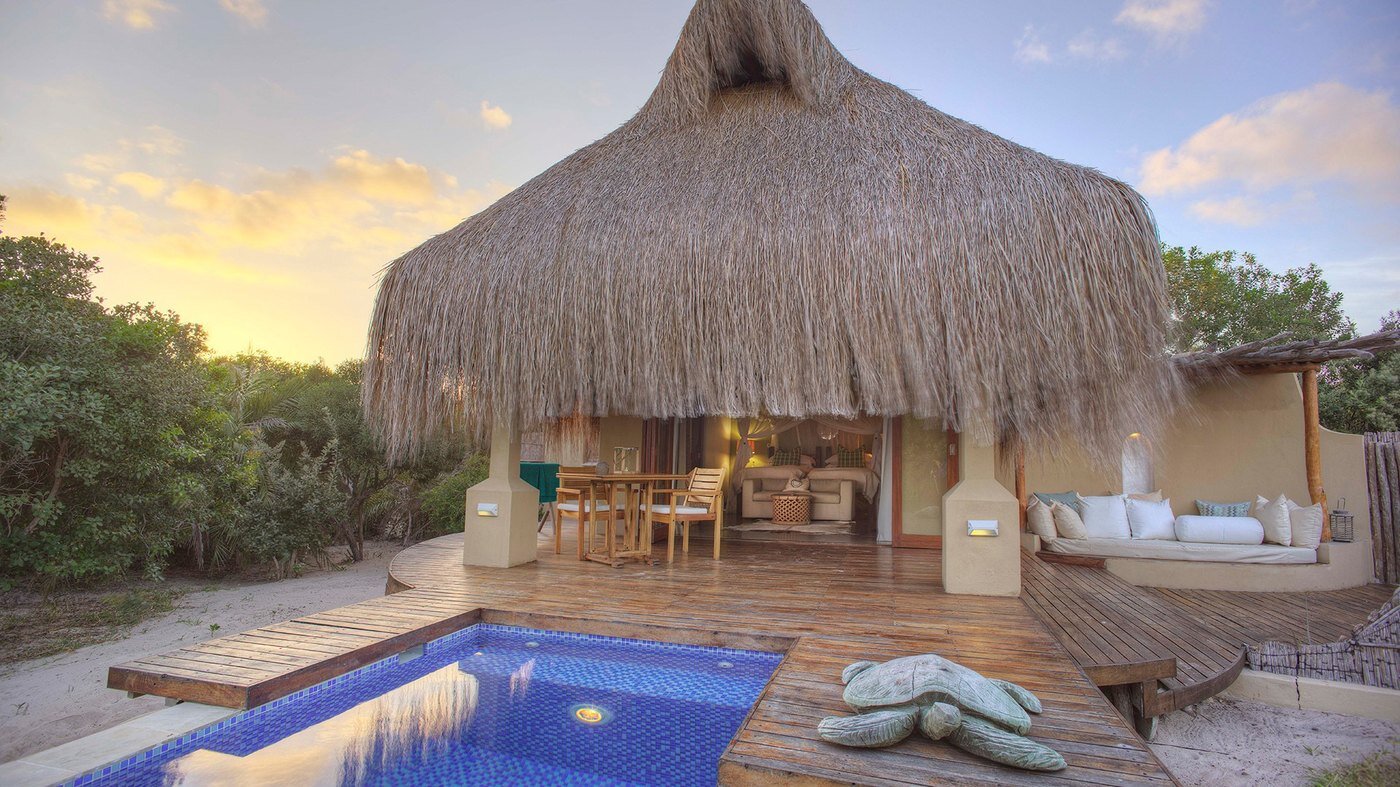
The Bazaruto Archipelago — six islands 10-30 kilometres offshore — forms a UNESCO-protected marine national park where dugongs graze on seagrass beds, dolphins hunt in pods, and whale sharks cruise the channels. Here you'll sail on traditional dhows, snorkel pristine coral reefs, and sleep in barefoot-luxury lodges where the only sounds are waves and fish eagles.
Mozambique isn't just beaches. Gorongosa National Park in the Great Rift Valley is one of conservation's greatest comeback stories. Devastated during Mozambique's civil war (1977-1992), the park has recovered from 90% wildlife loss to now protecting 100,000+ animals: elephants, buffalo, lions, hippos, and over 500 bird species. American philanthropist Greg Carr partnered with the Mozambican government in 2004 to fund the restoration — today, Gorongosa rivals East Africa's best parks for wildlife density and beauty.
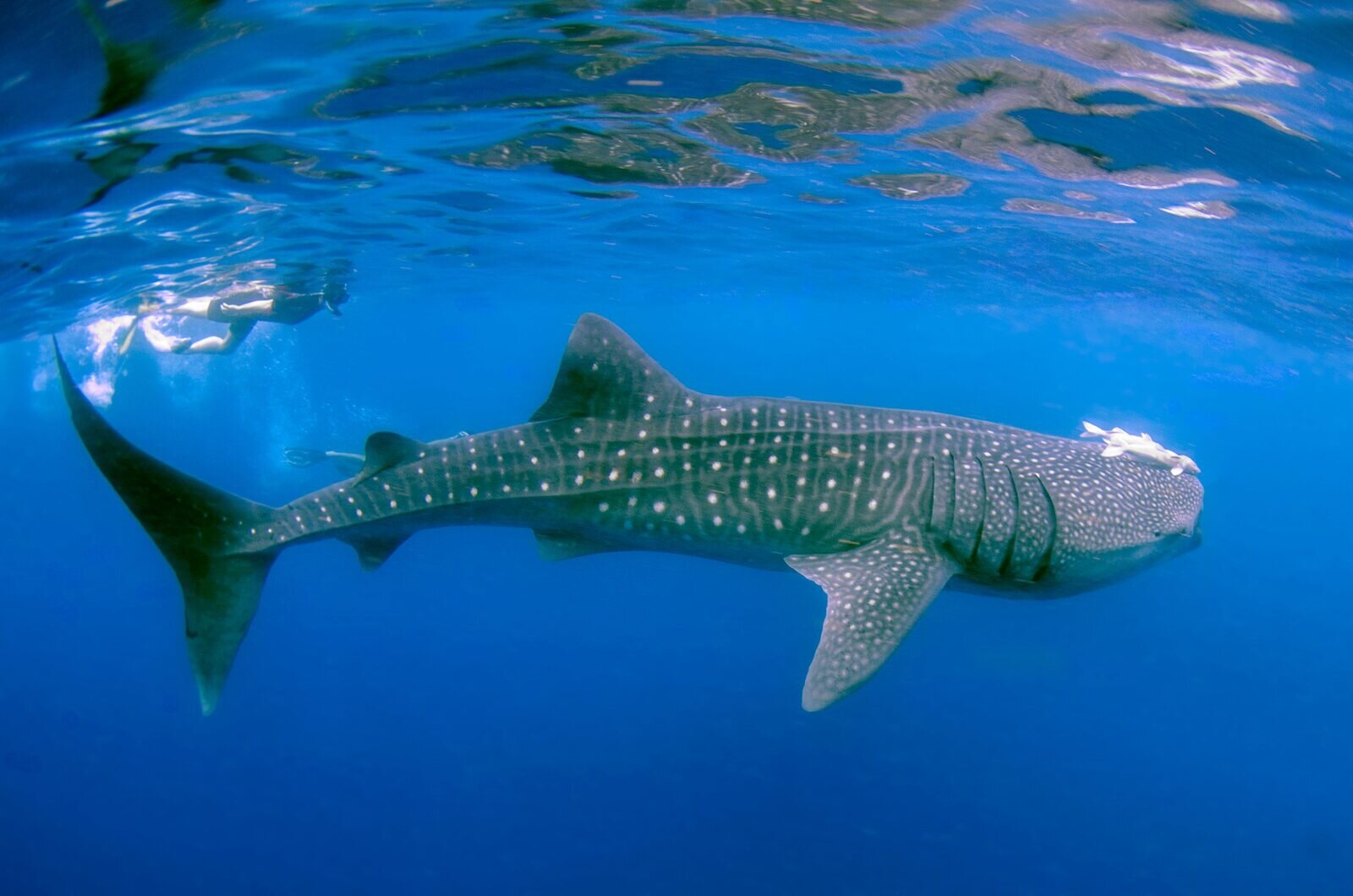
Tofo Beach and Inhambane are the global hotspot for whale shark encounters. These gentle giants (12-15 metres long, weighing 20 tons) congregate year-round off Tofo's reefs. You'll snorkel or dive alongside whale sharks as they filter-feed on plankton, plus encounter manta rays, dolphins, humpback whales (June-October), and reef sharks.
The Quirimbas Archipelago — 32 islands stretching 250 kilometres along the northern coast — is East Africa's last great diving frontier. Pristine coral reefs, manta ray cleaning stations, sea turtle nesting beaches, and historical Ibo Island (Portuguese colonial ruins) make this a dream for divers and history lovers.
Mozambique offers the perfect safari-beach combination: pair Gorongosa's Big Five with Bazaruto's turquoise paradise, or combine South Africa's Kruger with a Mozambique beach extension. The country is Africa's best-kept coastal secret.
Bazaruto Archipelago — Turquoise Paradise & Dhow Sailing
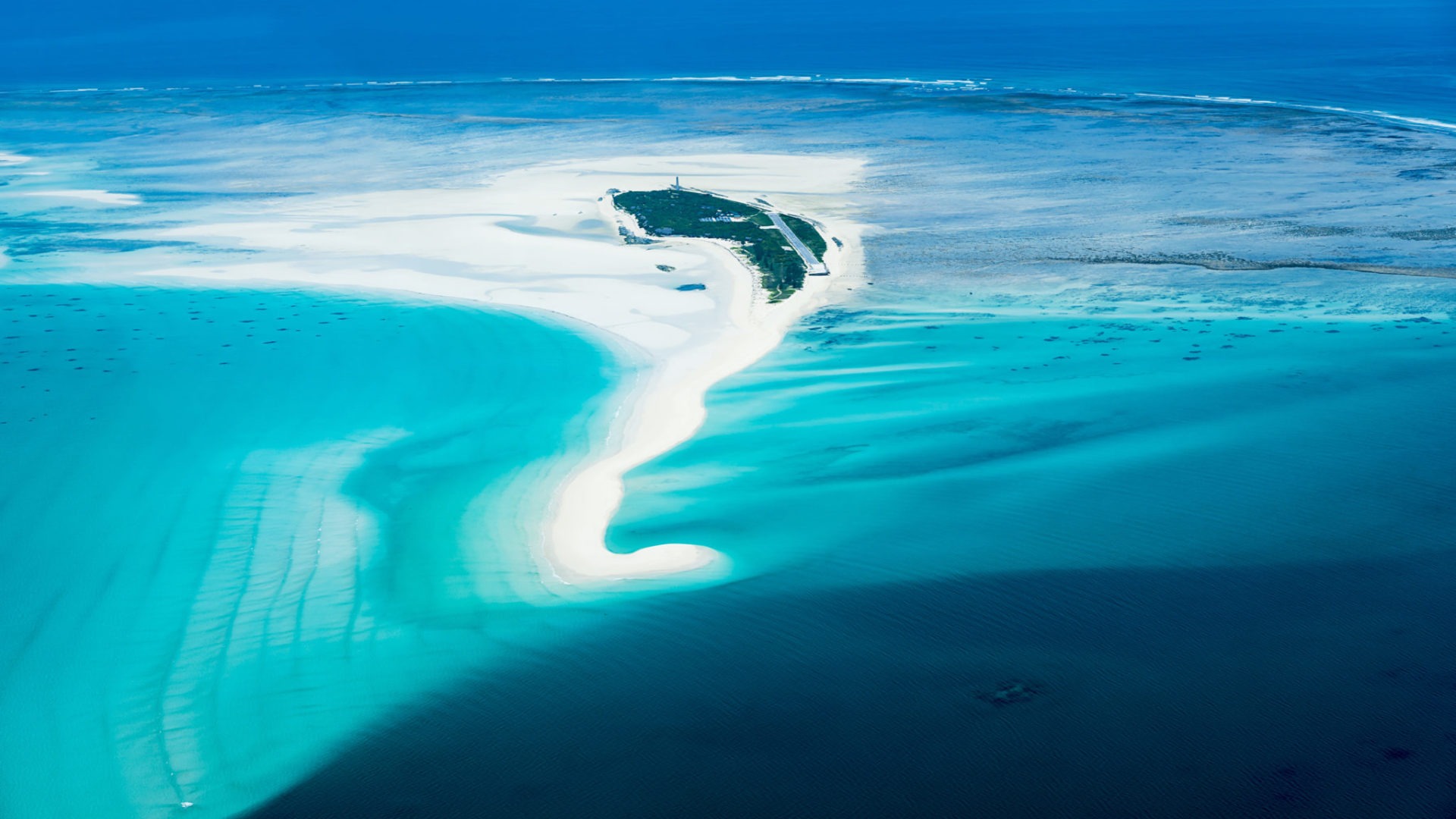
The Bazaruto Archipelago lies 10-30 kilometres offshore from Vilanculos, comprising six islands: Bazaruto (largest, 37 km long), Benguerra (second-largest, most lodges), Magaruque, Santa Carolina (Paradise Island), Bangue, and Shell Island. The entire 1,430 km² archipelago is protected as Bazaruto National Park — a UNESCO World Heritage Site candidate.
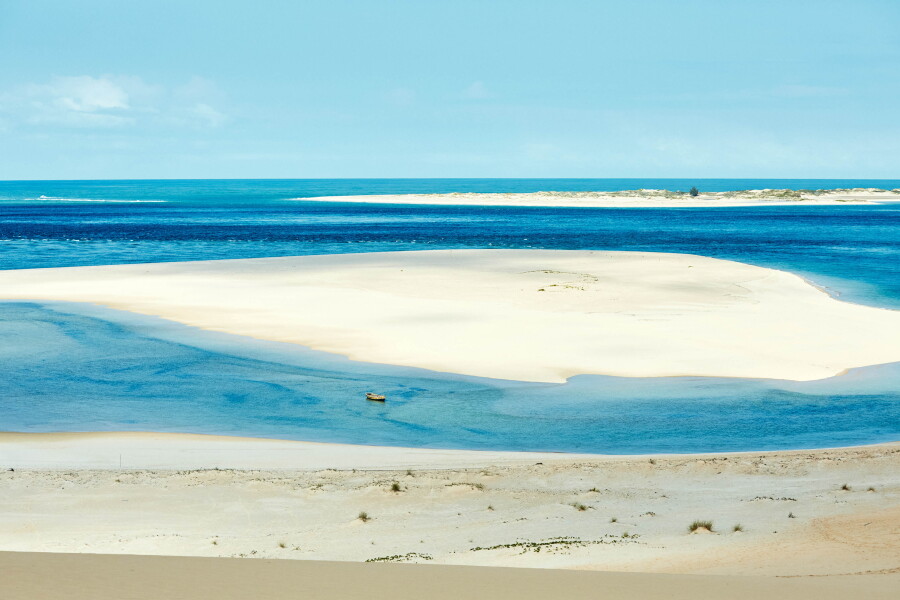
Bazaruto's waters are a gradient of blues: deep cobalt channels, turquoise shallows, and pale aquamarine sandbars. The islands' inland freshwater lakes support flamingos and crocodiles, while coastal dunes rise 100+ metres, offering panoramic ocean views.
Marine life: The archipelago protects the last viable population of dugongs (sea cows) on Africa's east coast — approximately 200 individuals graze on seagrass meadows. You might spot these gentle marine mammals while snorkeling or from dhows. Dolphins (bottlenose and humpback) are frequently sighted, and whale sharks cruise the channels year-round (peak November-April).
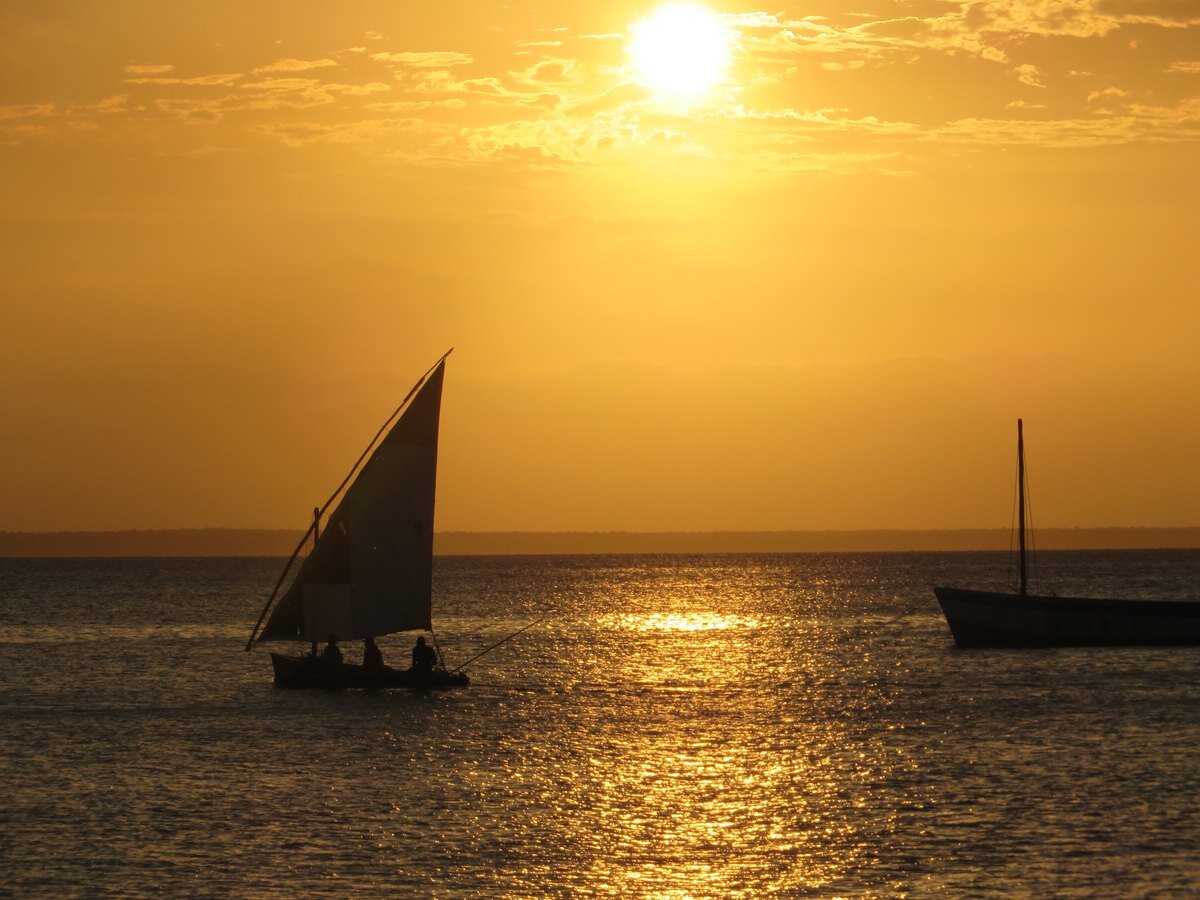
Dhow sailing: Traditional dhows (wooden sailboats) have plied these waters for centuries, built by local craftsmen using techniques unchanged since Arab traders dominated the Indian Ocean. Multi-day dhow safaris island-hop between Bazaruto, Benguerra, and Magaruque, with crew preparing fresh seafood (crayfish, calamari, line-caught fish) on beach fires each evening. You'll sail with the wind, snorkel secluded reefs, and sleep under stars on deck or in simple beach camps.
Activities: Snorkeling (Two Mile Reef is the prime site — 500+ fish species, sea turtles, rays), scuba diving (25+ dive sites, coral gardens, reef sharks), kayaking through mangrove channels, horse riding on endless beaches, island picnics on deserted sandbars, and catch-and-release fishing (marlin, sailfish, kingfish).
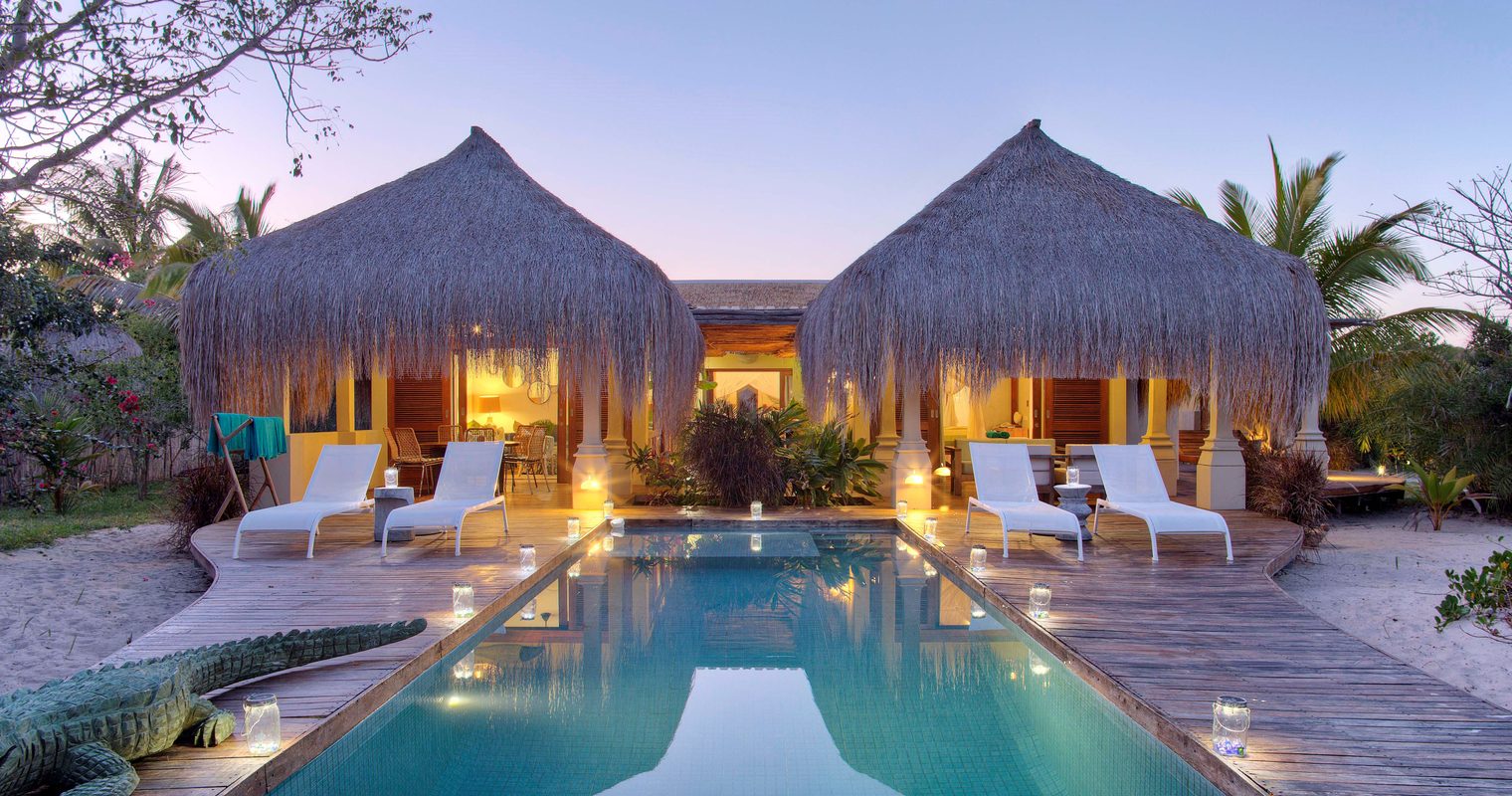
Lodges: The archipelago offers barefoot luxury — no roads, no shops, no crowds. Top properties: Azura Benguerra (15 villas, infinity pools, marine conservation focus), Benguerra Island Lodge (&Beyond, 10 casitas, spa), Anantara Bazaruto (44 villas, largest island), and Marlin Lodge (Benguerra, family-friendly, all-inclusive).
Access: fly Maputo to Vilanculos (1 hour), then helicopter or boat transfer to islands (20-45 minutes depending on island). Budget 4-5 nights for full immersion — longer for dhow safaris.
Gorongosa National Park — Africa's Greatest Restoration Story
Gorongosa National Park (4,067 km²) lies at the southern tip of the Great Rift Valley in central Mozambique. Once one of Africa's richest wildlife reserves (1960s: 200+ lions, 2,000+ elephants, 14,000 buffalo), Gorongosa was devastated during Mozambique's 15-year civil war (1977-1992). Armies camped in the park, poached wildlife for food, and left it 90% empty.
In 2004, American entrepreneur and philanthropist Greg Carr partnered with the Mozambican government to restore Gorongosa. The Carr Foundation committed US$100+ million over 30 years for wildlife reintroduction, anti-poaching, community development, and scientific research. The results are extraordinary: 100,000+ animals now thrive in Gorongosa, and wildlife populations grow 10-15% annually.
Current wildlife: 600+ elephants (up from 200 in 2004), 15,000+ buffalo (formerly 200), 400+ hippos, 10,000+ waterbuck, lion prides (reintroduced from South Africa), leopards, wild dogs (reintroduced 2018), zebras, wildebeest, sable antelope, and 540 bird species including Pel's fishing owl and wattled cranes.
Gorongosa's landscape is stunning: the Lake Urema floodplain (90 km²) floods seasonally, creating a vast wetland dotted with palm islands. During dry season (May-November), thousands of waterbuck, reedbuck, and buffalo concentrate around the lake, drawing lion prides and wild dog packs. The Cheringoma Plateau and Mount Gorongosa rainforest add montane ecosystems (elevation 1,863m), with endemic birds, butterflies, and primates.
Game drives depart from Chitengo Camp twice daily. Expect excellent buffalo herds, elephant family groups, waterbuck by the hundreds, and increasingly frequent lion and leopard sightings. Night drives reveal spotted hyenas, genets, civets, and lion prides hunting.
Gorongosa's conservation model is community-focused: 50% of park tourism revenue goes directly to surrounding villages for schools, health clinics, and sustainable agriculture. The park employs 700+ local staff, and community support for conservation is near-total — poaching has dropped 95% since 2004.
Lodges: Gorongosa Bush Camp (luxury tented camp, 10 tents), Chitengo Camp (mid-range chalets, restaurant, pool), and Explore Gorongosa education centre. Access: fly Maputo to Beira (1 hour), then 3-hour drive. Or fly to Gorongosa airstrip (charter). Budget 3-4 nights.
Tofo Beach, Inhambane & Whale Shark Diving
Tofo Beach, 500 kilometres north of Maputo near the historic town of Inhambane, is one of the world's most reliable destinations for whale shark encounters. These gentle giants — the planet's largest fish, reaching 12-18 metres and weighing 20+ tons — congregate here year-round to feed on plankton blooms in the warm Mozambique Current.
Whale shark season peaks November-April (summer), but encounters occur 12 months. Dive operators run daily trips: you snorkel or freedive alongside whale sharks as they filter-feed, mouths 1.5 metres wide, gliding through the water at 5 km/h. The sharks tolerate close presence (3-5 metres), and you'll spend 30-60 minutes in the water per encounter.
Tofo's reefs also deliver manta ray encounters (year-round, peak May-September at cleaning stations), dolphins, reef sharks (blacktip, grey, bull), turtles (loggerhead, leatherback, green), and humpback whales (June-October migration from Antarctica).
The underwater topography includes dramatic drop-offs, coral-encrusted pinnacles, and the famous Manta Reef where giant oceanic mantas (wingspan 5+ metres) visit cleaning stations. Visibility ranges 10-30 metres depending on season and plankton blooms.
Inhambane town (15 km from Tofo) is one of Mozambique's oldest settlements, founded by Arab traders in the 11th century. The dhow harbour, colonial Portuguese architecture, and Cathedral of Nossa Senhora da Conceição (1773) offer cultural context. Hire a bicycle or tuk-tuk to explore mangrove-lined bays and Inhambane's crumbling waterfront.
Tofo accommodation ranges from backpacker hostels to mid-range lodges. Popular: Casa na Praia (beachfront bungalows), Coral Cove (boutique 7-room lodge), and Baia Sonambula (luxury eco-lodge). Dive operators: Peri-Peri Divers, Tofo Scuba, Diversity Scuba. Budget 3-5 nights for multiple whale shark trips.
Quirimbas Archipelago, Ibo Island & Northern Mozambique
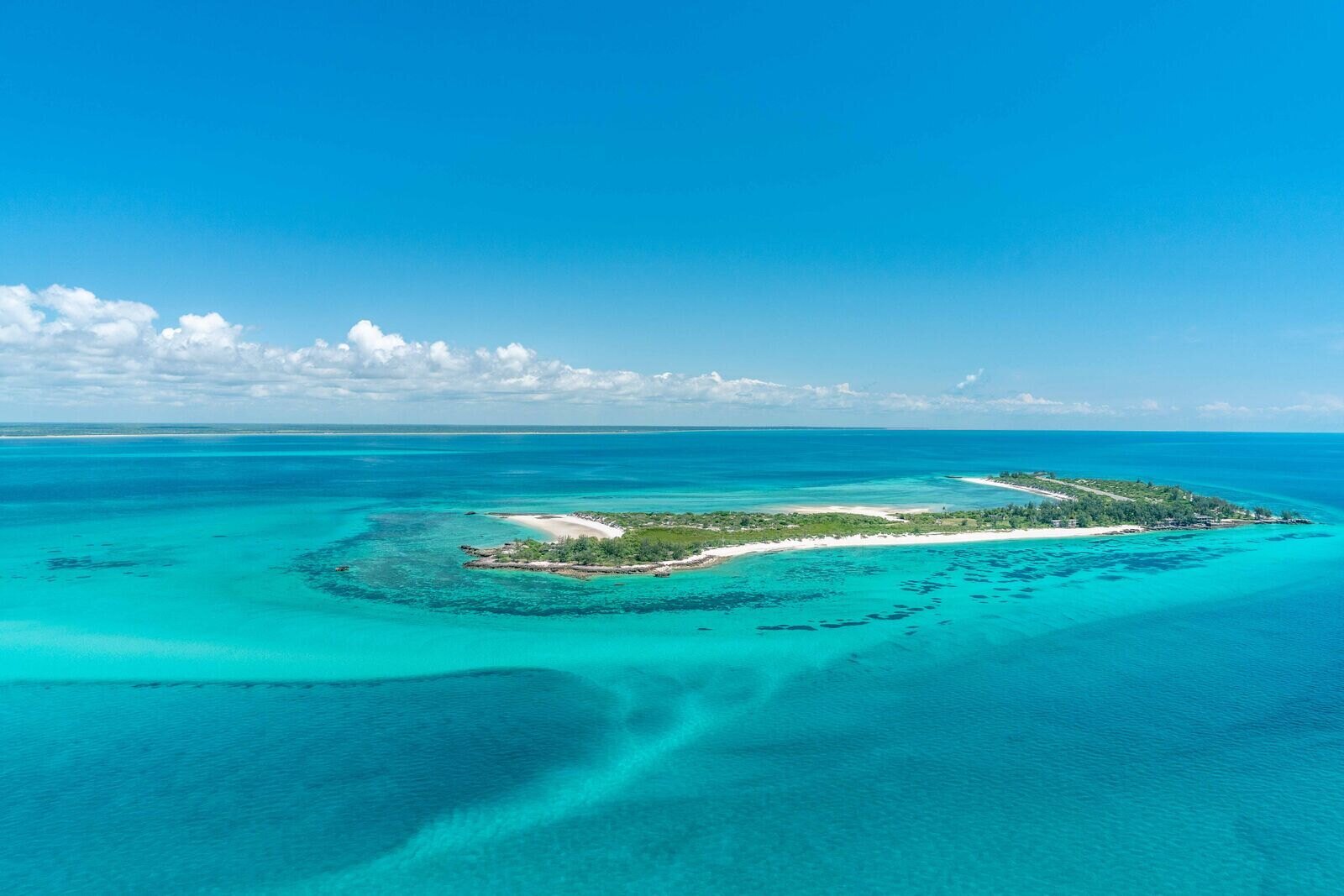
The Quirimbas Archipelago stretches 250 kilometres along Mozambique's northern coast, comprising 32 islands from Pemba to the Tanzania border. The southern 11 islands form Quirimbas National Park (7,506 km² including marine reserve), protecting pristine coral reefs, mangrove forests, nesting sea turtles, and dugongs.
Quirimbas offers world-class diving: 400+ fish species, manta ray cleaning stations (June-October), humpback whales (July-September), sea turtles year-round, and some of the Indian Ocean's healthiest hard and soft coral reefs. The remote location (4-hour drive or 1-hour flight from Pemba) means near-zero dive-site crowding.
Top dive sites: Manta Reef (year-round manta cleaning station), Farol Island (drift dives, pelagics), Vamizi Island (untouched corals, turtles), and Matemo Island (sharks, rays, macro life). Visibility averages 15-30 metres, water temperature 24-28°C.
Ibo Island is the archipelago's historical heart — a UNESCO World Heritage candidate protecting 16th-century Portuguese forts, colonial mansions, and centuries-old silversmith workshops. The island served as a major slave and ivory trade hub under Portuguese rule (1500s-1975). Today, Ibo's crumbling architecture (three stone forts, dozens of colonial buildings) creates an atmospheric time capsule.
You can explore Ibo's fort (Fortaleza de São João Baptista, 1791), wander mangrove-lined beaches, visit local silversmiths still using Portuguese techniques, and learn about the island's complex history at community-run museums. Ibo Island Lodge (3 restored mansions, 14 rooms) is the island's luxury option.
Vamizi Island is the archipelago's luxury flagship: a private 12-km island with 7 exclusive villas (maximum 16 guests), pristine reefs, and sea turtle nesting (November-March). Azura Quilalea (9 villas, private island) and Medjumbe Private Island (13 villas, &Beyond) offer similar barefoot-luxury isolation.
Access: fly Maputo to Pemba (2 hours), then helicopter or boat to islands (30-90 minutes). Alternatively, charter from Dar es Salaam (Tanzania). Budget 5-7 nights for diving + Ibo culture.
Maputo, Niassa Reserve & Other Mozambique Highlights
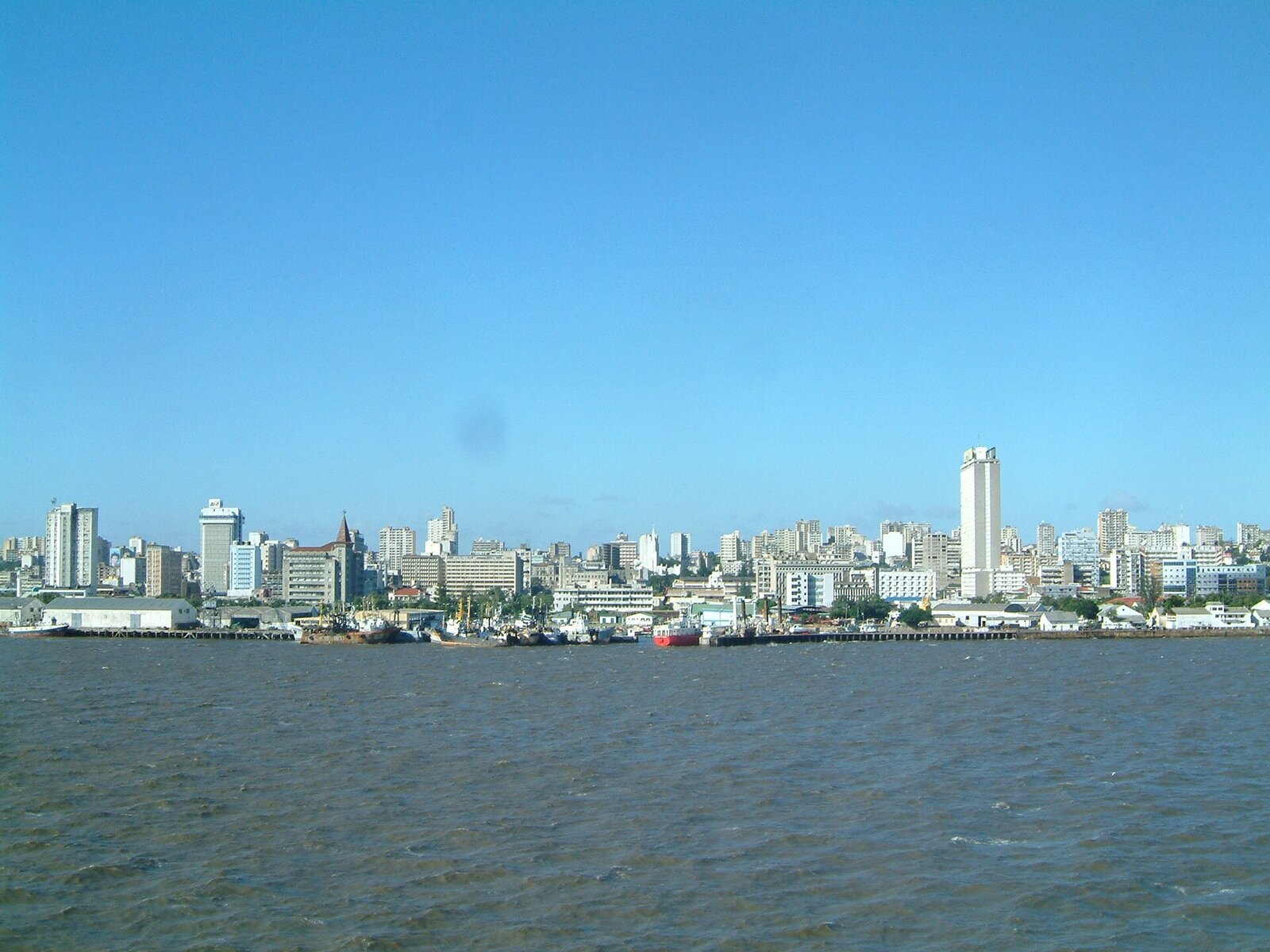
Maputo, Mozambique's capital, is a vibrant coastal city blending Portuguese colonial architecture, African markets, and Indian Ocean seafood culture. Highlights include the Maputo Railway Station (designed by Gustave Eiffel's firm, 1910), FEIMA craft market (Mozambican art, textiles, woodcarvings), Fortaleza da Nossa Senhora da Conceição (1787 fort), and Ponta do Ouro beaches (1 hour south, dolphin diving).
Maputo's food scene fuses Portuguese, African, and Indian influences: peri-peri prawns, matapa (cassava-leaf stew), chamussas (samosas), and Portuguese pastéis de nata. Top restaurants: Zambi (contemporary Mozambican), Restaurante Costa do Sol (beachfront seafood), and Dhow Cafe (waterfront).
Niassa Reserve in northern Mozambique is Africa's largest wildlife reserve (42,200 km² — larger than Switzerland) and one of its least visited. The reserve protects elephants (12,000+), lions, wild dogs, sable antelope, and vast miombo woodland. Only 2-3 luxury camps operate: Lugenda Wilderness Camp (8 tents, remote luxury). Access is challenging (fly Pemba to reserve, 1.5 hours), but rewards include total isolation and raw wilderness.
Ponta do Ouro and Ponta Malongane (extreme south, near South Africa border) offer excellent diving: dolphins year-round, whale sharks (October-March), manta rays (May-August), and humpback whales (June-October). Popular with South Africans for weekend getaways.
Nampula (northern city) is the gateway to Ilha de Moçambique — a UNESCO World Heritage Site and former Portuguese colonial capital (1507-1898). The tiny coral island (3 km long) protects 16th-century forts, churches, and palaces. Worth a 2-day stopover if traveling between Maputo and Quirimbas.
Best Time to Visit Mozambique & Practical Planning
Mozambique's tropical climate varies by region. Coastal areas are hot and humid; interior highlands are cooler.
| Season | Months | Weather & Conditions | Best For |
|---|---|---|---|
| Dry Season (Peak) | May – Nov | 25-30°C, minimal rain, best diving visibility, cooler nights | Diving (15-30m visibility), whale sharks (peak Nov-April but year-round), humpback whales (Jun-Oct), Gorongosa safaris. |
| Hot Season (Summer) | Dec – Feb | 30-35°C, afternoon storms, humid, cyclone risk (Jan-Mar) | Turtle nesting (Nov-Mar), whale sharks (peak season), green landscapes. Lodge discounts. |
| Shoulder Season | March – April | Warm (28-32°C), intermittent rain, fewer tourists | Best value, good weather, manta rays arriving (April-May), avoiding crowds. |
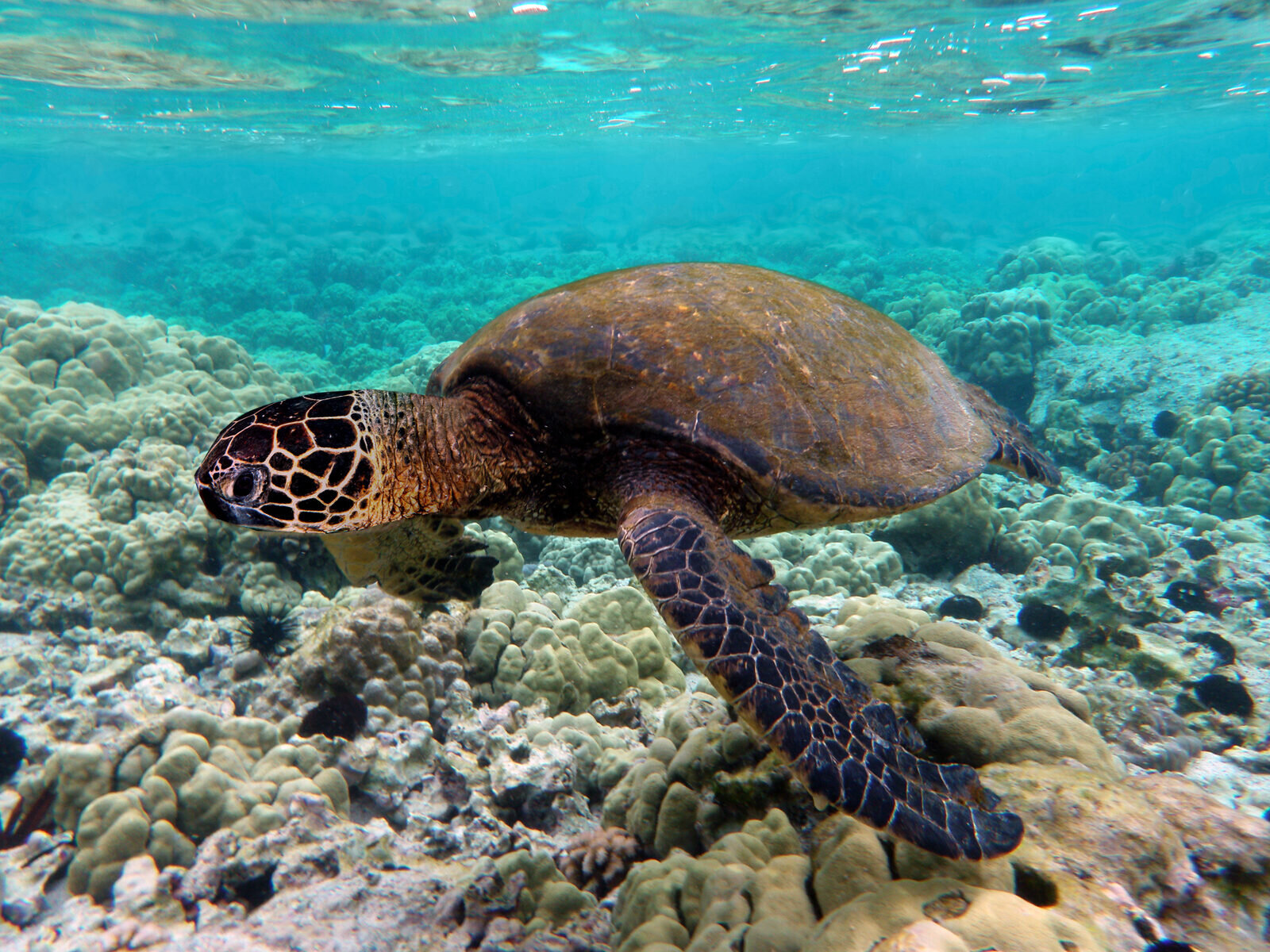
Whale shark season: Year-round at Tofo, peak November-April when plankton blooms intensify. Humpback whales: June-October migration (Antarctica to equatorial breeding grounds). Manta rays: May-September at cleaning stations. Sea turtles: Nesting November-March (loggerhead, leatherback, green).
Cyclone season: January-March carries cyclone risk (tropical storms from Indian Ocean). Most island lodges close February-March for maintenance. Gorongosa and inland areas are unaffected.
Visa: E-visas available online (US$50, apply 2+ weeks ahead). Some nationalities get visa-on-arrival. Bring passport copy and yellow fever certificate (mandatory if arriving from endemic countries). Vaccinations: Malaria prophylaxis essential. Yellow fever, typhoid, hepatitis A/B recommended.
Getting there: Maputo International Airport (MPM) is the main gateway. Regional flights: South African Airways (from Johannesburg, 1 hour), LAM Mozambique Airlines, Kenya Airways. Domestic: LAM connects Maputo to Vilanculos (Bazaruto), Beira (Gorongosa), Inhambane (Tofo), Pemba (Quirimbas). Charter flights serve remote islands.
Currency: Mozambican Metical (MZN). US Dollars widely accepted at lodges and dive operators. Bring small USD bills. Credit cards work at major lodges but cash needed for markets and tips.
Sample 10-day itinerary: Maputo (1 night) → Gorongosa safari (3 nights: game drives, lake excursions) → Vilanculos (1 night transfer) → Bazaruto Archipelago (5 nights: dhow sailing, snorkeling, beach) → Maputo departure. Or swap Gorongosa for Tofo (whale sharks) + Inhambane culture.
Mozambique Costs, Lodges & Booking Tips
Mozambique offers excellent value for beach and diving holidays. Bazaruto luxury lodges cost US$600-1,200 per person per night (full-board, activities). Tofo mid-range lodges start at US$100-200 per night. Gorongosa is affordable: US$250-400 per night including game drives.
Package holidays combining safari and beach start at US$3,600 per person for 10 days (Gorongosa + Bazaruto, mid-range lodges) and reach US$9,000+ for ultra-luxury island resorts with private villas. Our Mozambique beach and safari packages include all internal flights, transfers, activities, and full-board accommodation.
Top luxury lodges:
- Azura Benguerra (Bazaruto) — 15 villas with infinity pools, marine conservation focus, dhow safaris.
- Anantara Bazaruto — 44 luxury villas, spa, largest Bazaruto island resort.
- Azura Quilalea (Quirimbas) — 9 villas on private island, world-class diving, manta rays.
- Vamizi Island (Quirimbas) — 7 villas, maximum 16 guests, ultra-exclusive, sea turtle nesting.
- Gorongosa Bush Camp — 10 luxury tents, game drives, Mount Gorongosa hikes.
- Benguerra Island Lodge (&Beyond) — 10 casitas, spa, family-friendly, horse riding on beach.
Booking tips: Bazaruto and Quirimbas lodges book out 6-12 months ahead for July-October peak season. Shoulder months (April-May, November) offer 20-30% discounts and excellent weather. Most island lodges close February-March (cyclone season maintenance). Whale shark trips from Tofo run year-round, but November-April is peak season with highest encounter rates.
Diving requires Open Water certification minimum (most operators). Advanced Open Water recommended for deeper sites and drift dives. Nitrox available at major operators. Tofo is ideal for learning to dive: warm water (24-28°C), good visibility, abundant marine life.
Combine Mozambique beaches with South Africa's Kruger (fly Kruger → Maputo → Vilanculos) or Zimbabwe's Victoria Falls (fly Vic Falls → Maputo → islands). Many safari operators offer Kruger + Bazaruto packages (7-10 days).
Contact us on WhatsApp (+27 74 315 5782) or request a custom itinerary — we'll design your Mozambique beach and safari adventure.
Bazaruto Archipelago
Best for: Pristine beaches, dhow sailing, snorkeling, dugongs, whale sharks, barefoot luxury. 6 islands, UNESCO marine park. 4-5 nights recommended. Year-round access. View beach packages.
Gorongosa National Park
Best for: Conservation comeback story, 100,000+ animals, Lake Urema floodplain, lions, elephants, buffalo, 540 bird species. 3-4 nights ideal. Best May-November (dry season).
Tofo Beach & Inhambane
Best for: Whale shark diving/snorkeling (year-round, peak Nov-April), manta rays (May-Sept), humpback whales (Jun-Oct), historic Inhambane town. 3-5 nights diving. Budget-friendly.
Quirimbas Archipelago
Best for: World-class diving, manta rays, turtles, humpback whales, pristine reefs, Ibo Island history. 32 islands, 11 in national park. 5-7 nights diving + culture. Best May-Nov.
Maputo
Best for: Portuguese colonial architecture, FEIMA craft market, seafood restaurants, Ponta do Ouro beaches (dolphins, diving). 1-2 nights stopover. Year-round city break.
Niassa Reserve
Best for: Africa's largest reserve (42,200 km²), 12,000 elephants, lions, wild dogs, total wilderness. Ultra-remote, fly-in only. 3-4 nights Lugenda Wilderness Camp. Best May-Oct.