Key Takeaways
- Mozambique's headline destination is the Bazaruto Archipelago — turquoise honeymoon and family islands off Vilanculos.
- The Quirimbas Archipelago and Ibo Island in the north are wilder, remoter and steeped in history.
- Tofo & Inhambane are the whale-shark and manta capital; Ponta do Ouro in the south offers wild dolphins and shark diving.
- Ilha de Moçambique (UNESCO), Maputo and Gorongosa National Park add culture, cuisine and wildlife.
- Mozambique is a fly-and-transfer country — the highlights are best woven into one tailor-made, guided journey.
Why Mozambique Belongs on Your 2026 List
Few countries pack as much variety into one coastline as Mozambique. Its 2,700 kilometres of Indian Ocean shore run from the honeymoon islands of the south to the untouched archipelagos of the far north, past whale-shark beaches, Swahili stone towns and a national park brought back from the brink. The water is warm and turquoise, the beaches are long and empty, the seafood is superb, and the sense of discovery is real — this is not a country that feels packaged.
It is also wonderfully easy to combine. A short flight from Johannesburg or the Kruger drops you onto a barefoot island; a longer hop reaches the wild north. Below are the best places to visit in Mozambique in 2026 — what makes each one special, who it suits, and when to go — followed by how we weave the highlights into a single seamless journey.
The 8 Best Places to Visit in Mozambique
1. The Bazaruto Archipelago — The Turquoise Icon
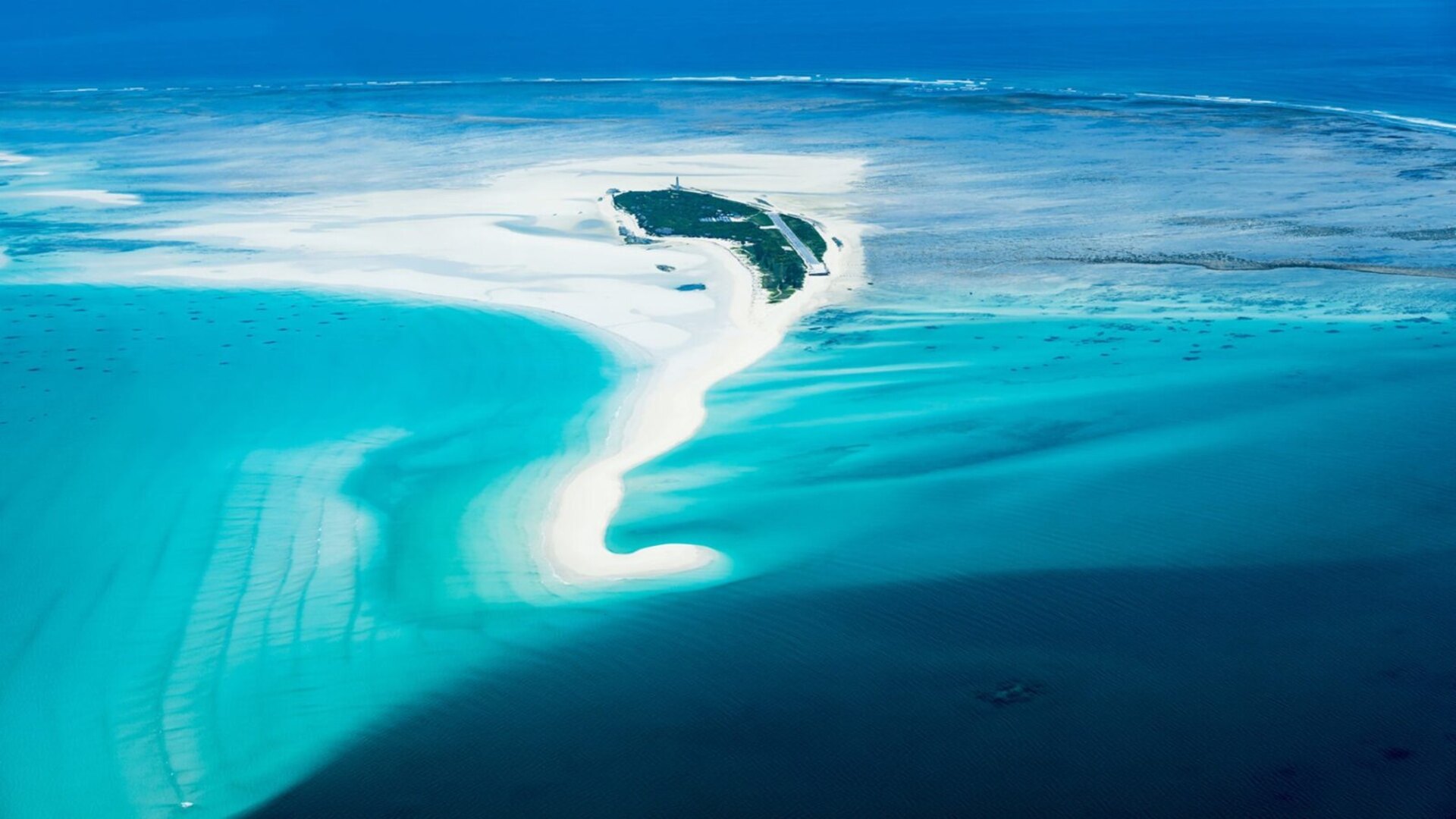
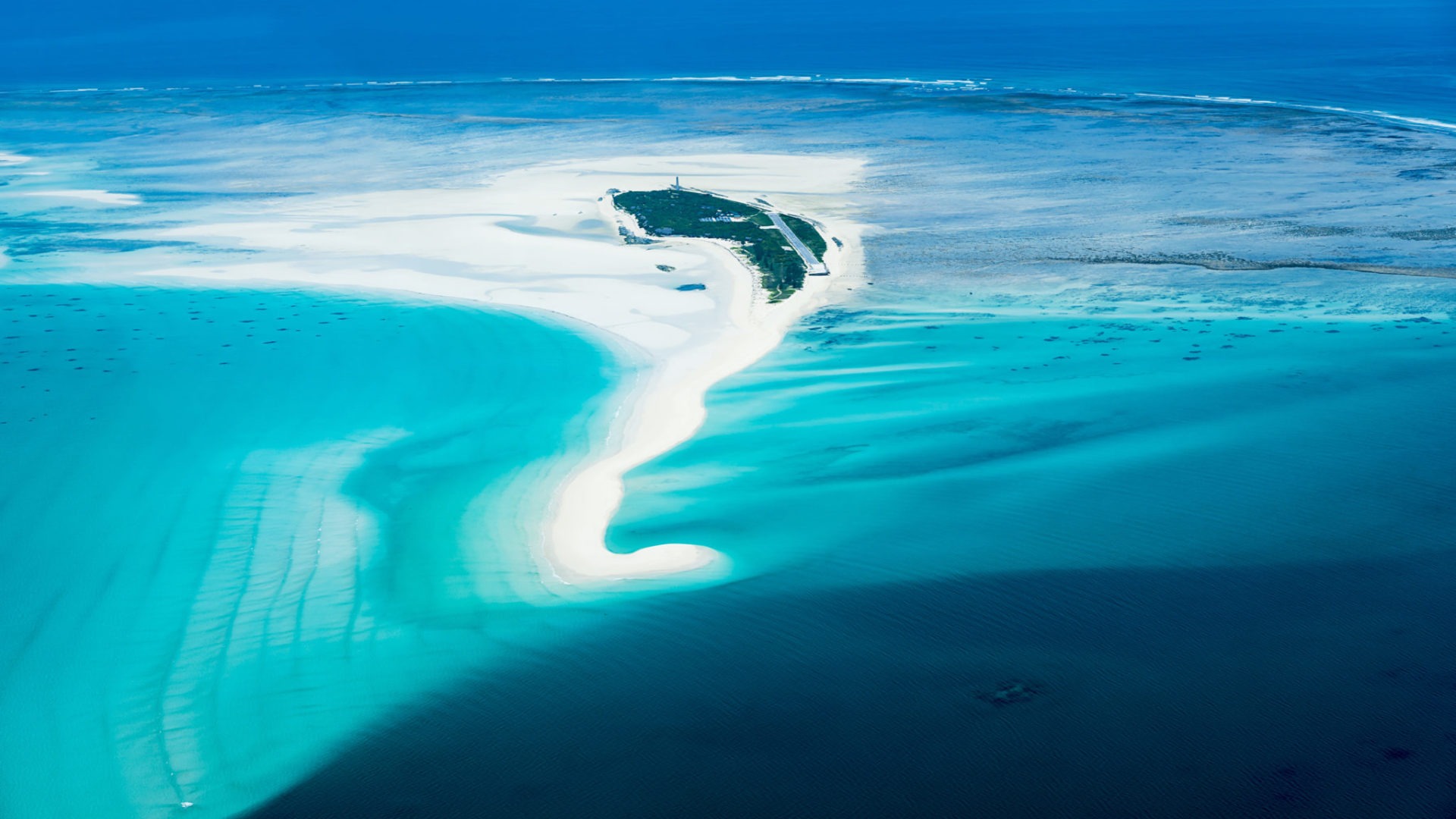
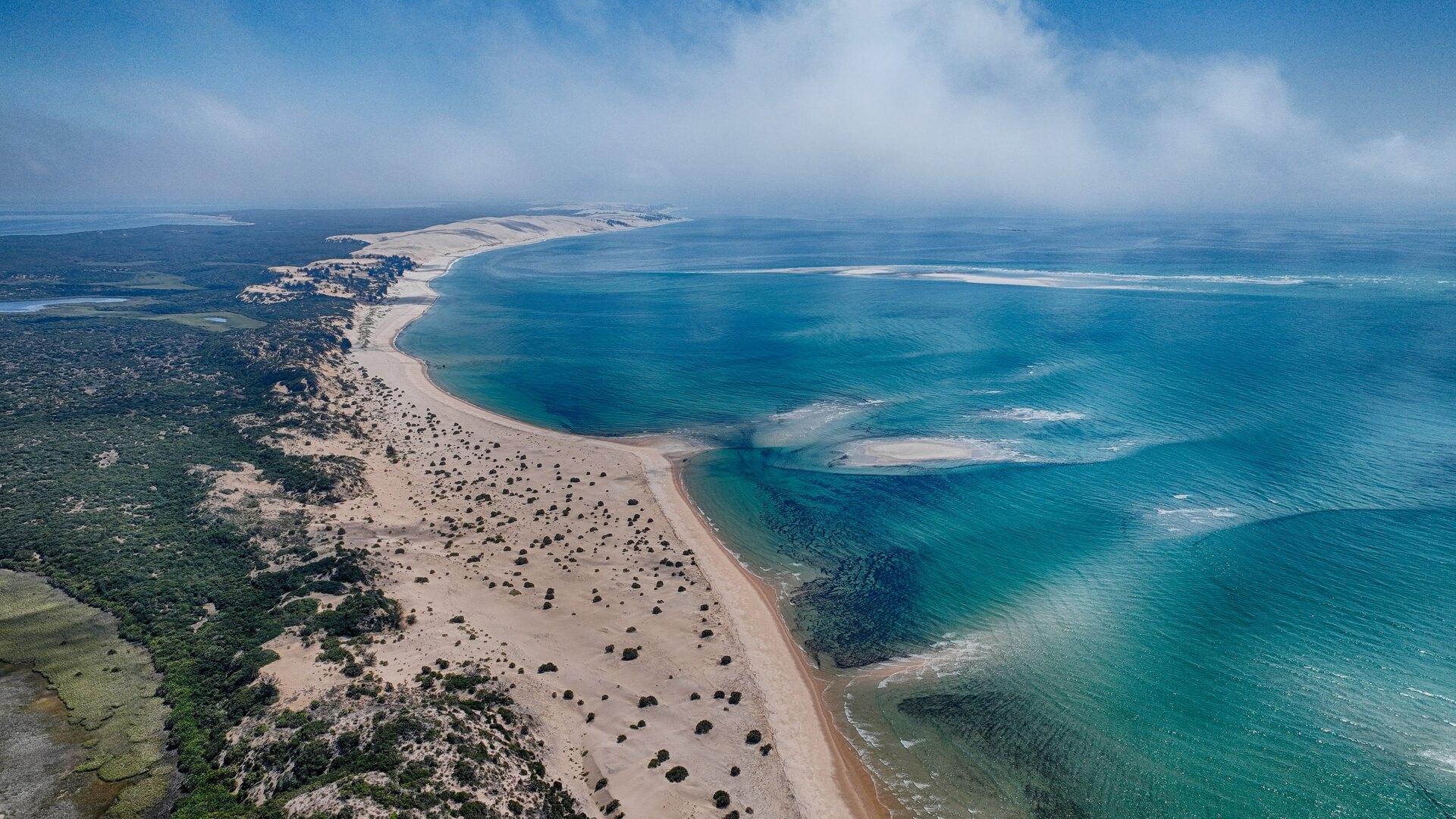
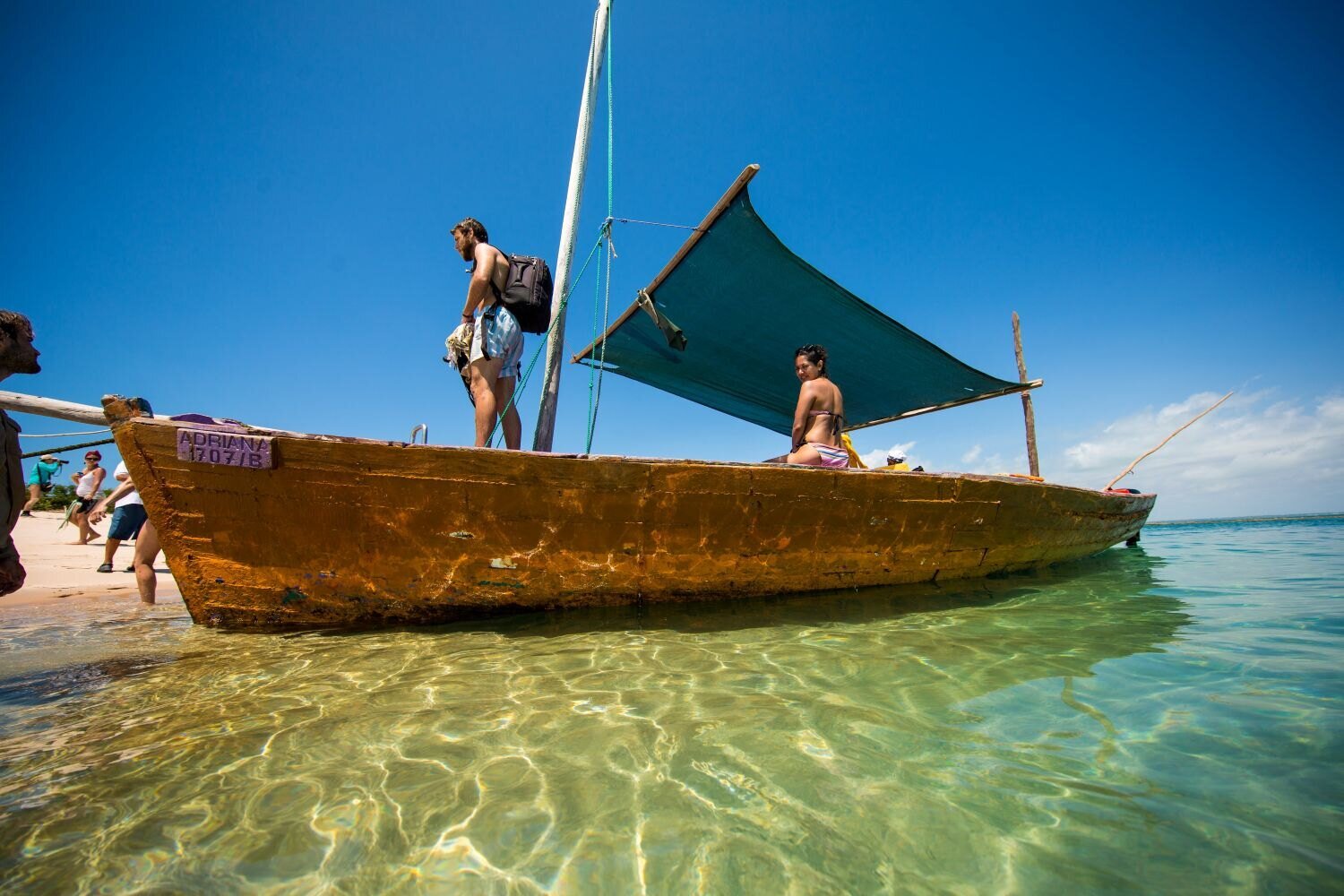
Mozambique's most famous destination, and rightly so. Five protected islands off Vilanculos — Bazaruto, Benguerra, Magaruque, Santa Carolina and Bangue — rising in towering white dunes above glass-clear lagoons. It is the country's honeymoon and family heartland: barefoot-luxury lodges, sunset dhow cruises, sandbank picnics, and a marine park sheltering dugongs, turtles and seasonal whale sharks. If you visit one place in Mozambique, make it here.
Related journey: Bazaruto Paradise →
2. The Quirimbas Archipelago — Wild & Remote
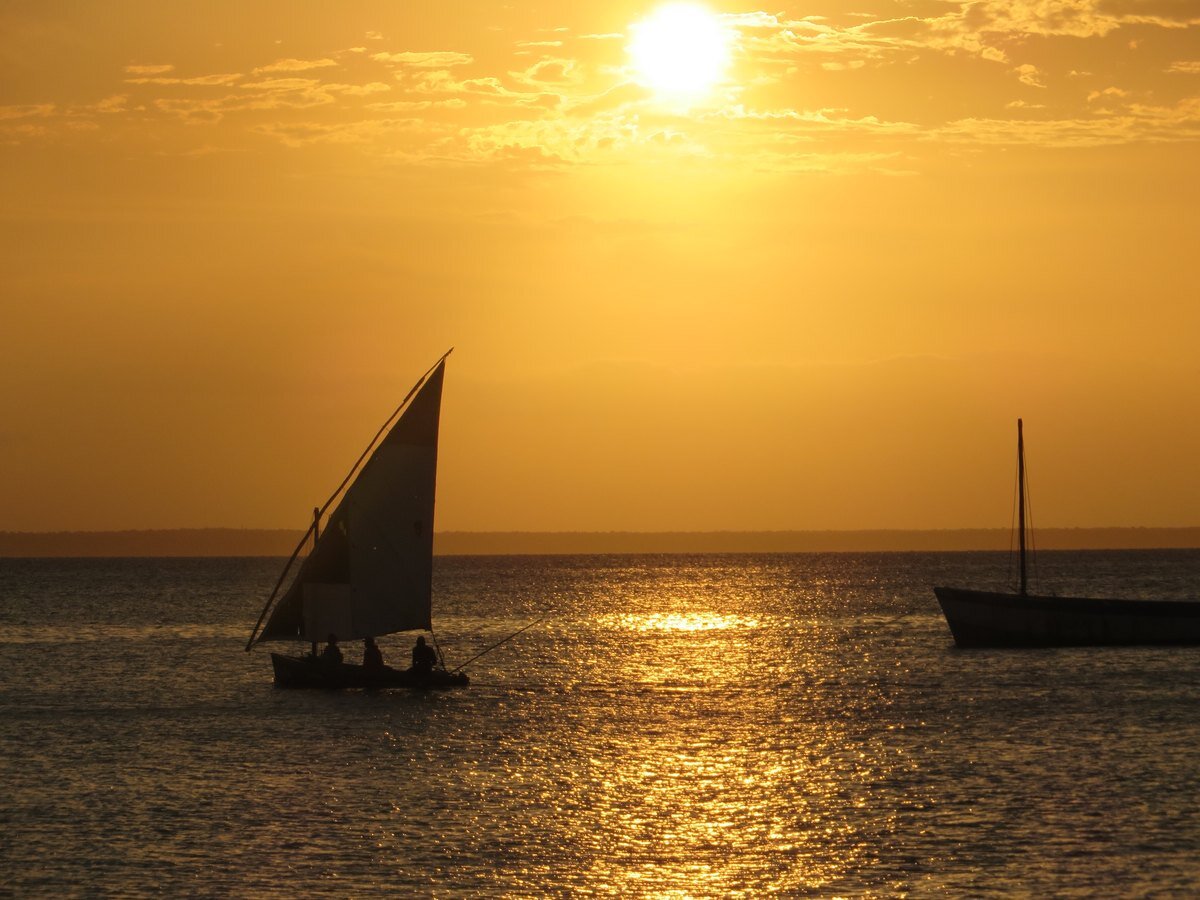
For travellers who want the islands without another soul in sight. Far up in the north, the Quirimbas Archipelago strings 32 islands along a coastline of mangroves, coral reefs and empty white beaches. It is wilder and remoter than Bazaruto — fewer lodges, less development, and a real end-of-the-earth feel. Diving and snorkelling here are exceptional, and the sense of exclusivity is total. This is Mozambique at its most untouched.
Related journey: Quirimbas Archipelago Ultimate Safari →
3. Ibo Island — History in the Quirimbas
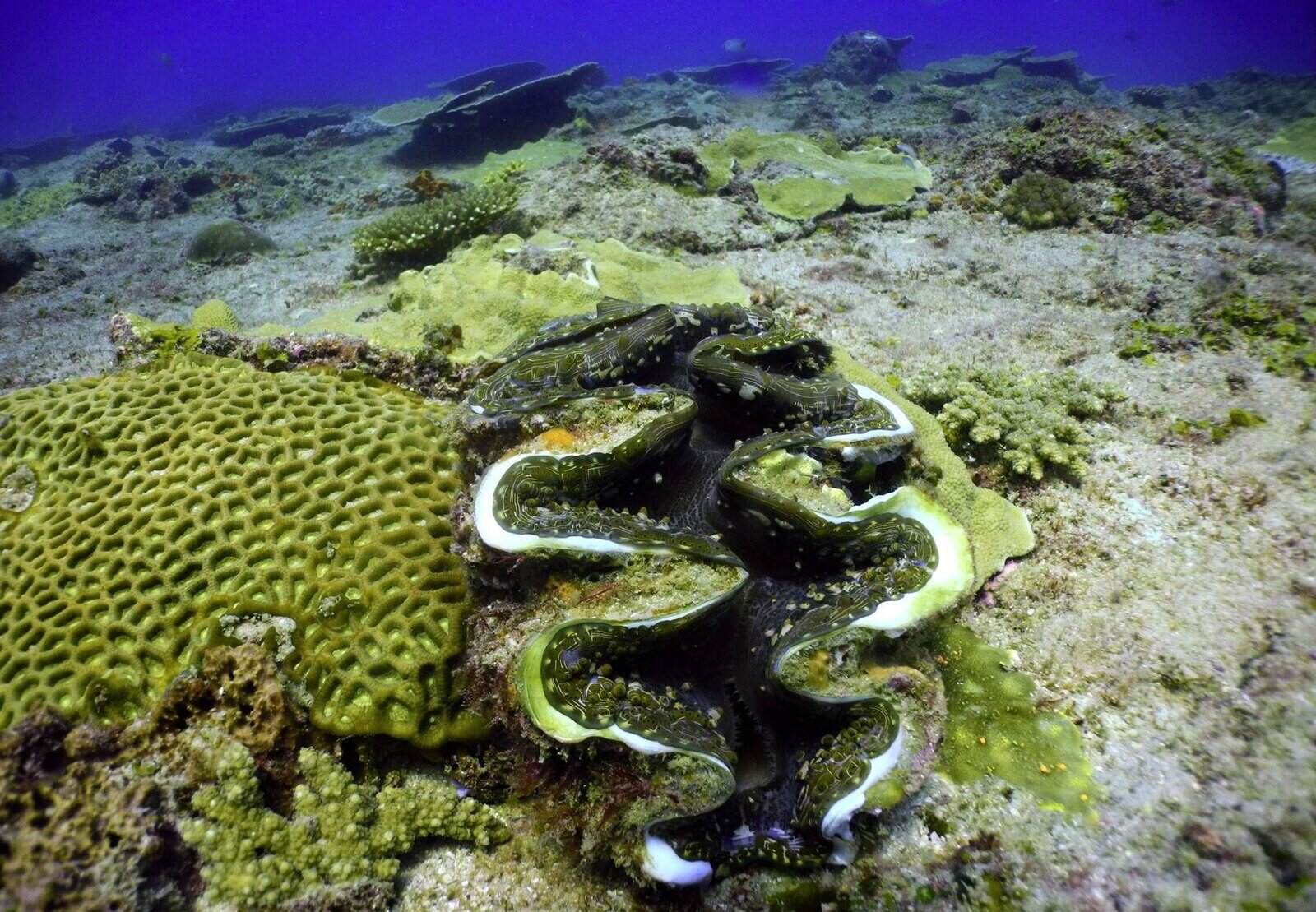
The soul of the north. Part of the Quirimbas, Ibo Island is a hauntingly beautiful place of crumbling colonial mansions, an old Portuguese fort, and silversmiths who still work the way they have for generations. Centuries of Swahili, Arab and Portuguese trade have left a layered, atmospheric town unlike anywhere else on the coast. Wander its lanes at dusk, take a dhow through the mangroves, and step back a hundred years.
Related journey: Quirimbas Archipelago Classic Safari →
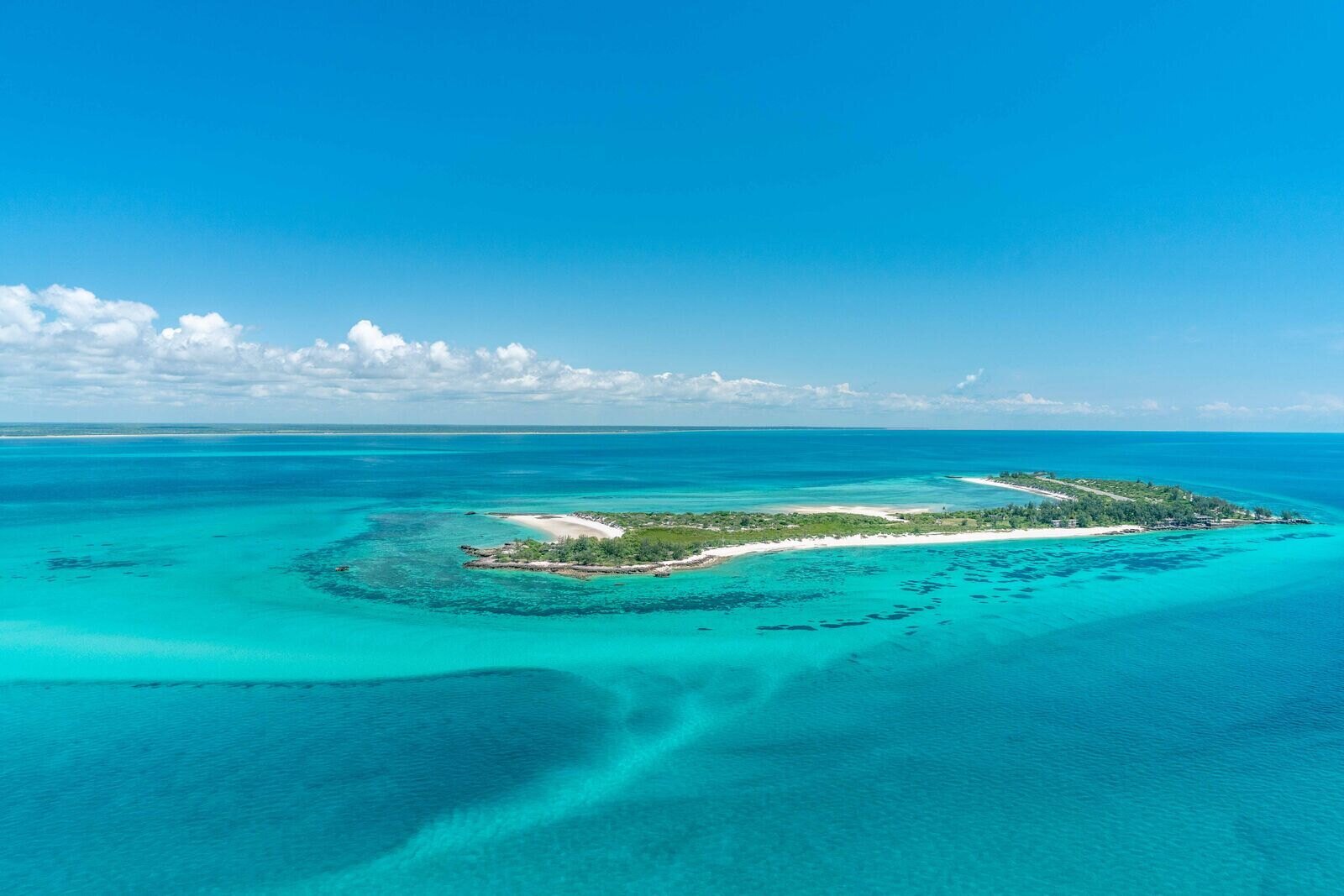
4. Tofo & Inhambane — The Whale-Shark Capital
For ocean lovers, there is nowhere better. Near the old Portuguese town of Inhambane, Tofo and the Barra Peninsula are famous for year-round whale sharks and manta rays, superb diving, and a warm, laid-back beach-town buzz. Humpback whales pass from June to November, turtles nest in summer, and the surf is friendly. It is more social and affordable than the private islands — perfect for couples, divers and independent-minded travellers.
Related journey: Mozambique Highlights →
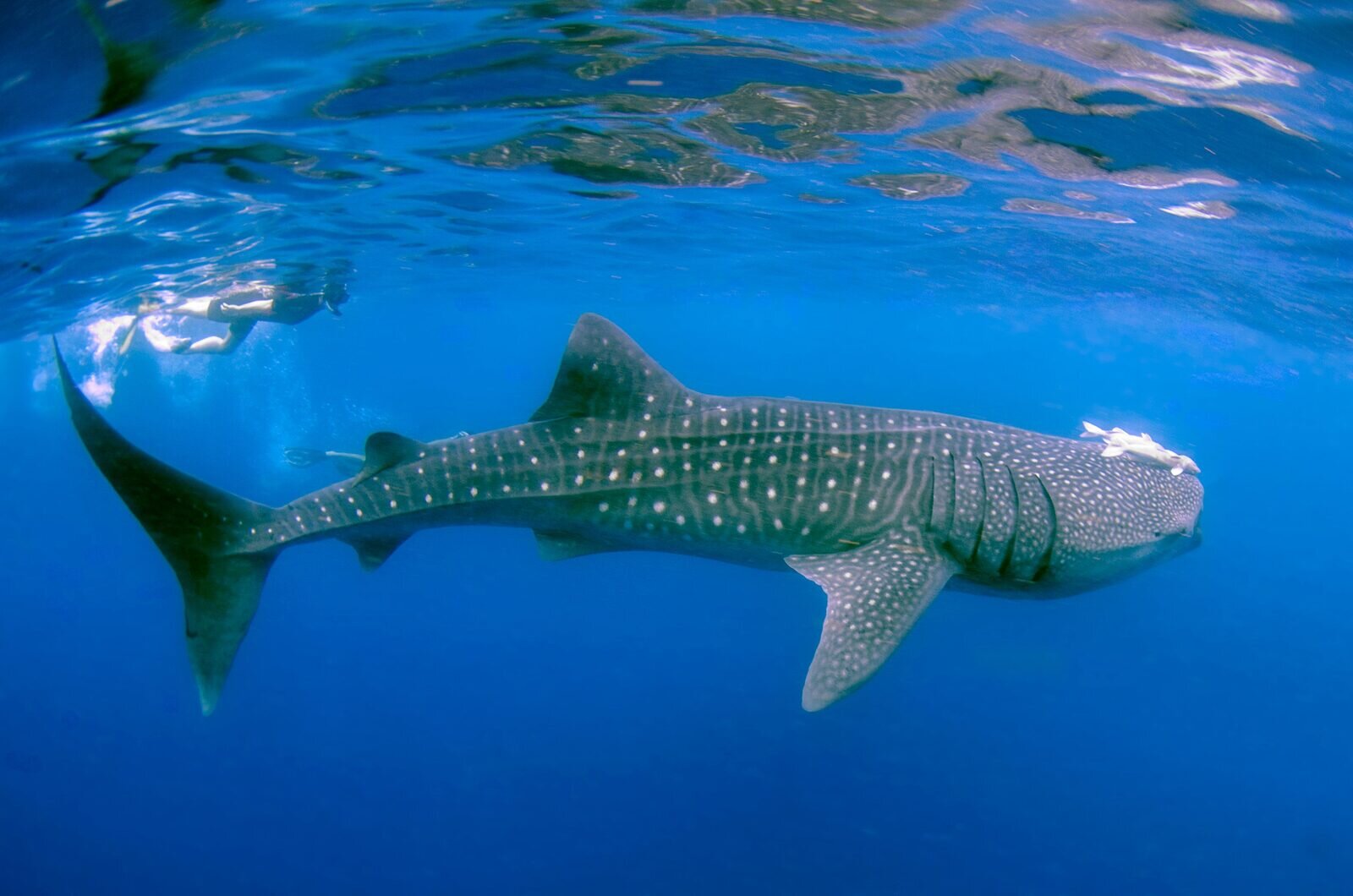
5. Ponta do Ouro — Wild Dolphins & Shark Diving
The adventurous far south, on the South African border. Ponta do Ouro is an intimate, bohemian beach town famous for swimming with wild dolphins and for the Pinnacles — a legendary dive site where, in season, you can encounter up to nineteen species of shark on a single baited or unbaited dive. Add friendly surf and a relaxed, off-grid feel, and it is a favourite for divers and couples who want their beach with a pulse of adrenaline.
Related journey: Maputo & the South Coast Classic Safari →
6. Ilha de Moçambique — UNESCO Stone Town
The country's greatest cultural treasure. This tiny island — once the capital of Portuguese East Africa — is a UNESCO World Heritage Site where Swahili, Arab and Portuguese worlds collide in a stone town of churches, mosques, and the vast 16th-century Fort São Sebastião, the oldest complete European building in the southern hemisphere. It is history you can walk through, ringed by turquoise water. Unmissable for culture lovers.
Related journey: Quirimbas Archipelago Explorer Safari →
7. Maputo — Africa's Latin Capital
One of Africa's most characterful cities. Mozambique's capital is a sun-warmed, Latin-flavoured port of wide avenues, Portuguese-colonial and Art Deco architecture, jacaranda trees and superb food. Visit the Eiffel-designed CFM railway station, browse the Mercado Central, and eat your fill of piri-piri prawns, fresh seafood and pastéis de nata at pavement cafés. It is a lively, cultured start or finish to any Mozambique trip.
Related journey: Maputo & the South Coast Ultimate Safari →
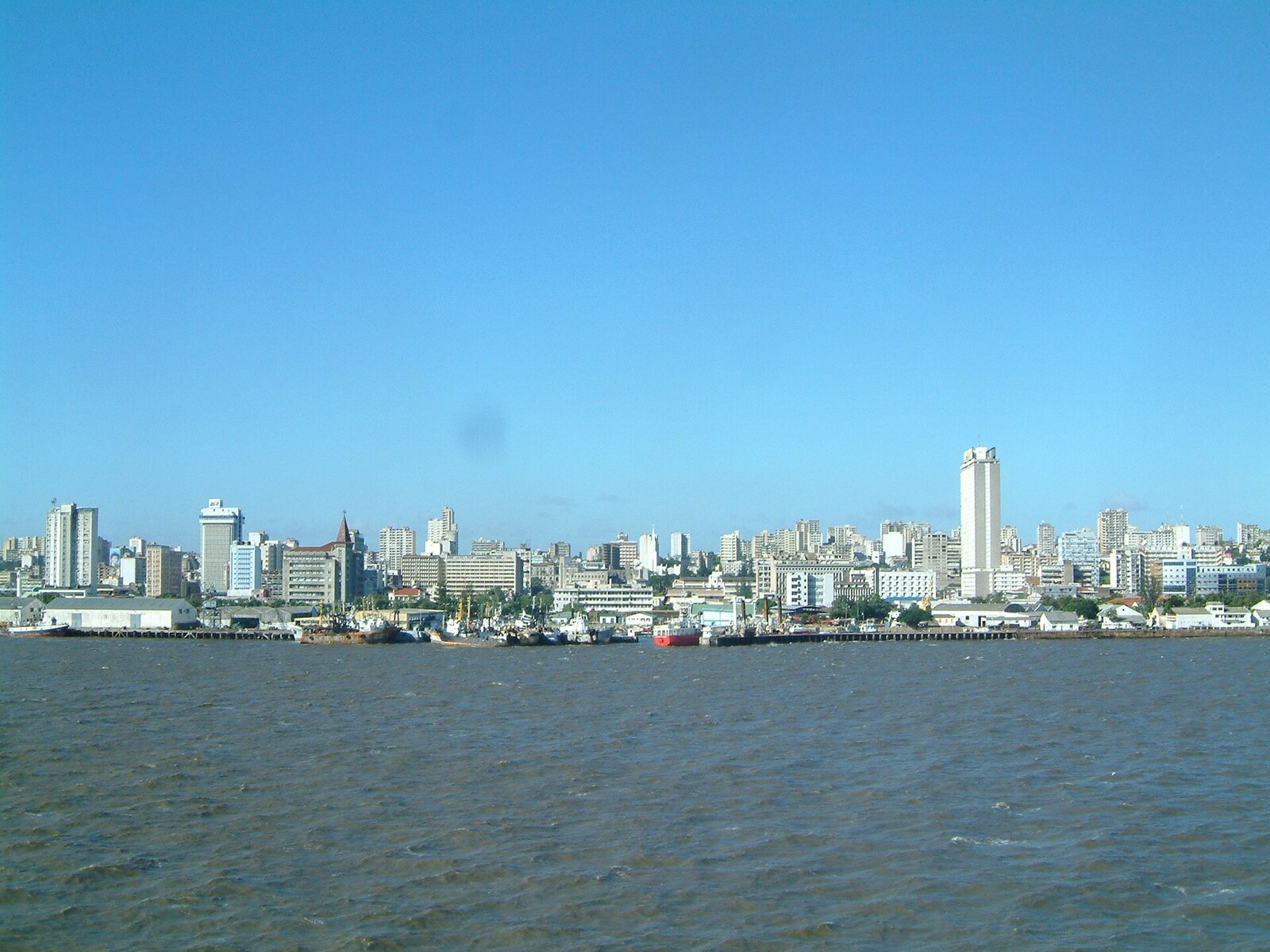
8. Gorongosa National Park — The Serengeti of the South
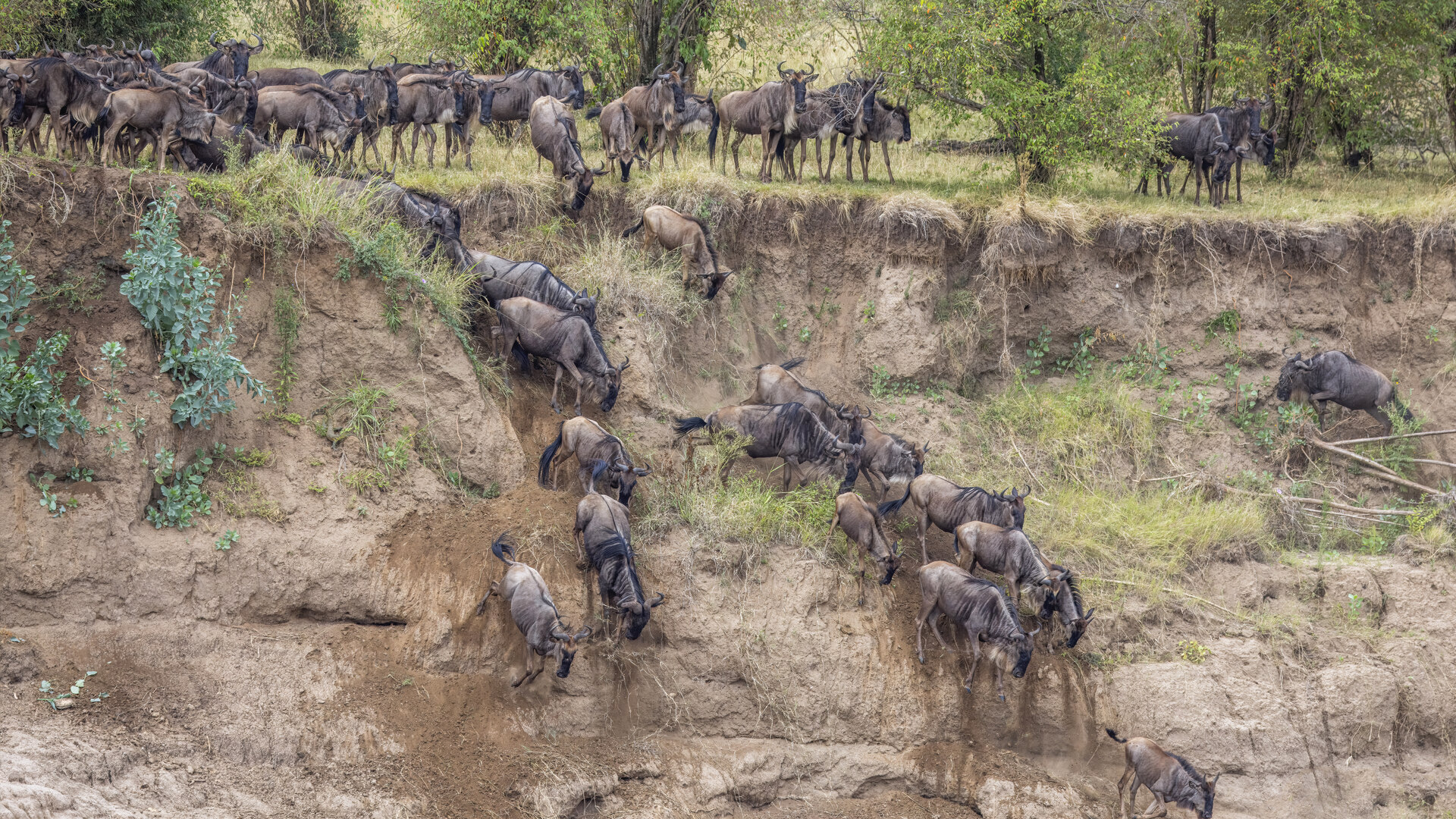
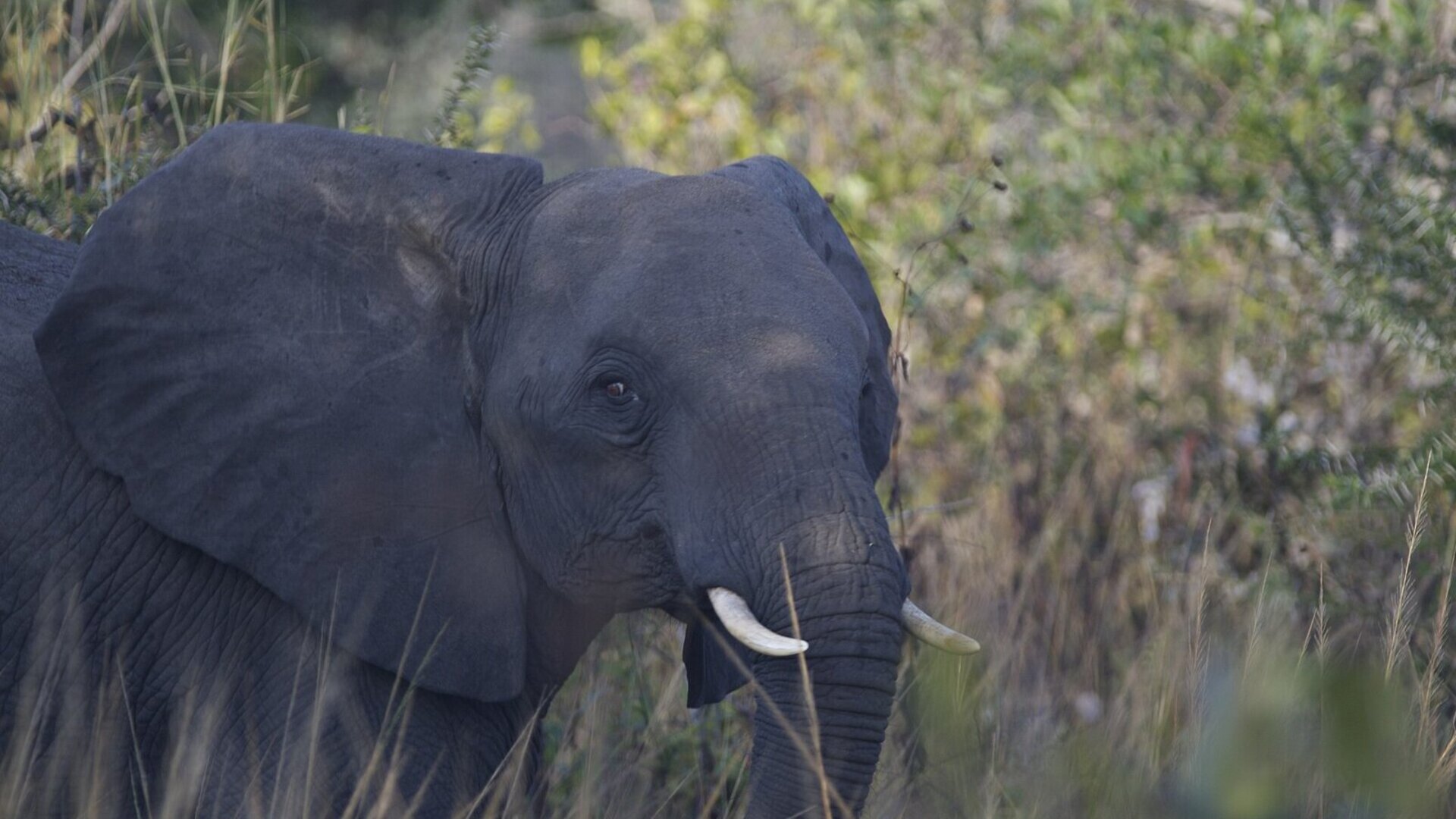
One of Africa's greatest conservation stories. Once devastated by war, Gorongosa has been restored into a thriving wilderness of lions, elephants, antelope and more than 400 bird species across floodplains and forest. It is a moving, hopeful place to safari — proof that wild Africa can come back — and it pairs beautifully with a beach finish to create a true Mozambican bush-and-beach. For wildlife with meaning, few parks match it.
Related journey: Gorongosa National Park Ultimate Safari →
When to Go & How to Travel
When to go: The dry season, April to November, is the best all-round time — calm, clear seas, warm days of 25–32°C and excellent diving visibility. May to October is peak. July to October adds humpback whales along the coast, while whale sharks are best around Tofo from October to March. The wet season, December to March, is hotter and greener with afternoon storms, but quieter and better value.
How to travel: Mozambique is a fly-and-transfer country, not a casual self-drive one — distances are vast and roads variable, so the highlights are reached by short internal flights and private transfers. The classic gateways are Vilanculos (for Bazaruto), Pemba (for the Quirimbas and Ibo), Inhambane (for Tofo) and Maputo. We handle every flight, boat and transfer so the whole journey flows door-to-door.
Practical notes: Most nationalities need a visa — arrange it before you travel; carry a passport valid for six months with two blank pages. Malaria is present year-round, so plan prophylactics. The currency is the metical, with rand and US dollars widely accepted in the south and at lodges — carry some cash, as card facilities are limited.
How to Combine the Highlights
- The classic (7–10 days) — Kruger or Sabi Sands safari, then the Bazaruto islands for a barefoot beach finale.
- The ocean-lover's trip (7–9 days) — Tofo and Inhambane for whale sharks and diving, with a Bazaruto island stay.
- The wild north (8–11 days) — the remote Quirimbas Archipelago and historic Ibo Island, far from the crowds.
- The culture & coast (9–12 days) — Maputo, Ilha de Moçambique and an island beach for history and sea.
- The Mozambican bush-and-beach (9–12 days) — Gorongosa's restored wilderness and a warm-ocean island finish.
Plan Your Mozambique Journey
We are a private, tailor-made travel house based in Cape Town, and Mozambique is one of the coastlines we love most. Tell us your dates, your dream — barefoot islands, whale sharks, colonial history, restored wilderness, or a safari-and-beach combination — and we will design a Mozambique journey that is entirely your own, then run it flawlessly from the moment you land.
Ready to explore? 👉 Request a Mozambique quote → 👉 Browse our tours & safari packages → 👉 WhatsApp us: +27 78 471 4852
Planning the wider trip? Our Mozambique safari overview brings the parks, beaches and archipelagos together in one place.