Key Takeaways
- Tanzania offers five kinds of travel in one country — world-class wildlife, Africa's highest mountain, tropical islands, rainforest chimpanzees and living Swahili culture.
- The Serengeti and Ngorongoro Crater are the wildlife heart, but the best trips add a mountain, a forest or an island for contrast.
- Mount Kilimanjaro and Zanzibar are the two non-safari places most travellers build a trip around — the roof of Africa, and the spice-island beaches.
- For something rarer, trek chimpanzees at Mahale on Lake Tanganyika, or dive with whale sharks off Mafia Island.
- Best time: the dry season, late June to October, is ideal for wildlife and climbing; December to February is superb for the coast and southern Serengeti calving.
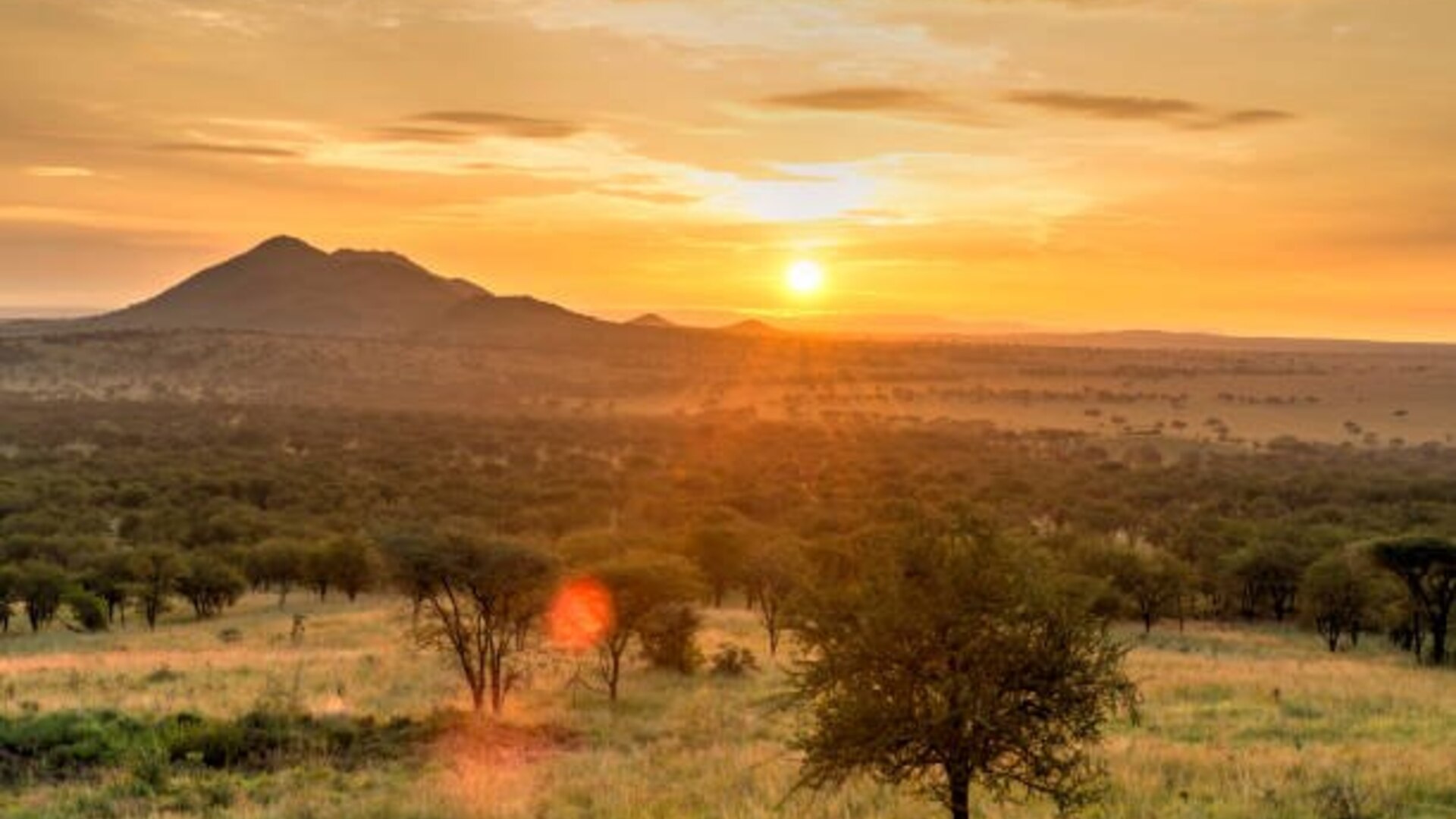
Ask most travellers what they know about Tanzania and they will say one word: safari. They are right — but only partly. This is the country of the Serengeti and the Ngorongoro Crater, yes, but it is also home to Mount Kilimanjaro, the highest peak in Africa; to Zanzibar, one of the Indian Ocean's great island cultures; to rainforests where you can trek wild chimpanzees; and to reefs where whale sharks glide beneath your fins. Tanzania is not one holiday. It is five.
This guide ranks the ten best places to visit in Tanzania — not as a park checklist, but as a traveller's map of the whole country. For each place we tell you what it is genuinely best for, when to go, how easy it is to reach, and how it fits with the others. If your trip is purely about game drives and safari routing, our companion Top 10 Best Safari Destinations in Tanzania covers the circuits in depth. This article is the bigger picture: everywhere worth going in Tanzania, and why.
How to Read Tanzania: Five Kinds of Place
Tanzania is vast, and the country divides naturally into five kinds of experience. Knowing them makes planning simple — most great trips combine two or three.
| Experience | Headline Places | Best For |
|---|---|---|
| Iconic Wildlife | Serengeti, Ngorongoro, Tarangire, Lake Manyara | First-timers, the Great Migration, guaranteed big game |
| Mountains & Highlands | Kilimanjaro, Arusha & Mount Meru, the Northern Highlands | Trekkers, hikers, adventure and culture |
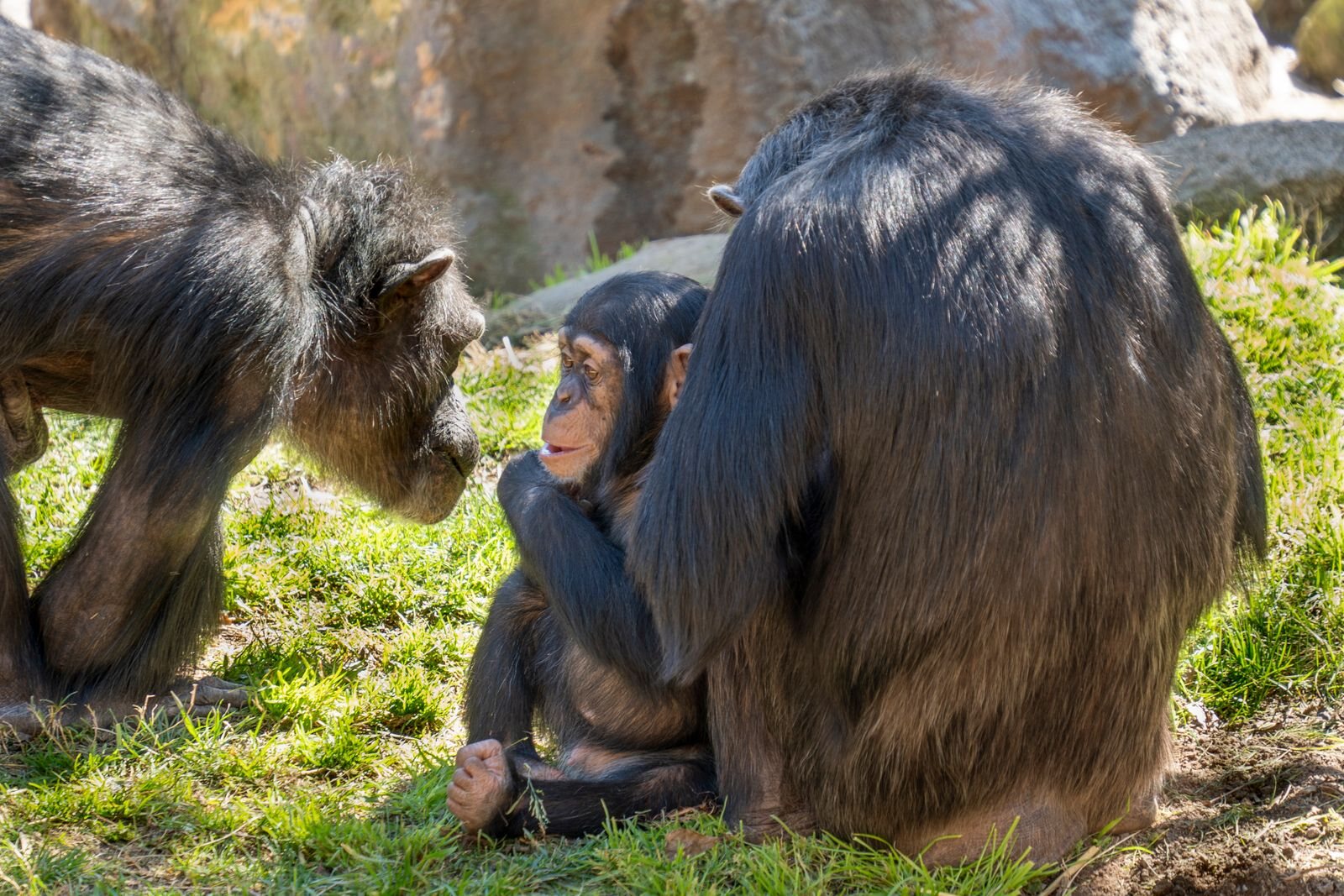
| Rainforest & Chimps | Mahale Mountains, Gombe, Lake Tanganyika | Primate trekking, remoteness, once-in-a-lifetime travel |
| Islands & Coast | Zanzibar, Stone Town, Mafia Island | Beaches, diving, culture, honeymoons, the finale |
| Wild Frontiers | Ruaha, Nyerere (Selous), the Southern wilderness | Boat safaris, walking, solitude, return visitors |
The classic Tanzania trip pairs iconic wildlife with an island finale — a Northern Circuit safari followed by Zanzibar. But the country rewards imagination: add Kilimanjaro for a summit, Mahale for chimpanzees, or the wild south for solitude. Below, the ten places that should shape your trip.
The 10 Best Places to Visit in Tanzania
1. Serengeti National Park — The Greatest Wildlife Show on Earth
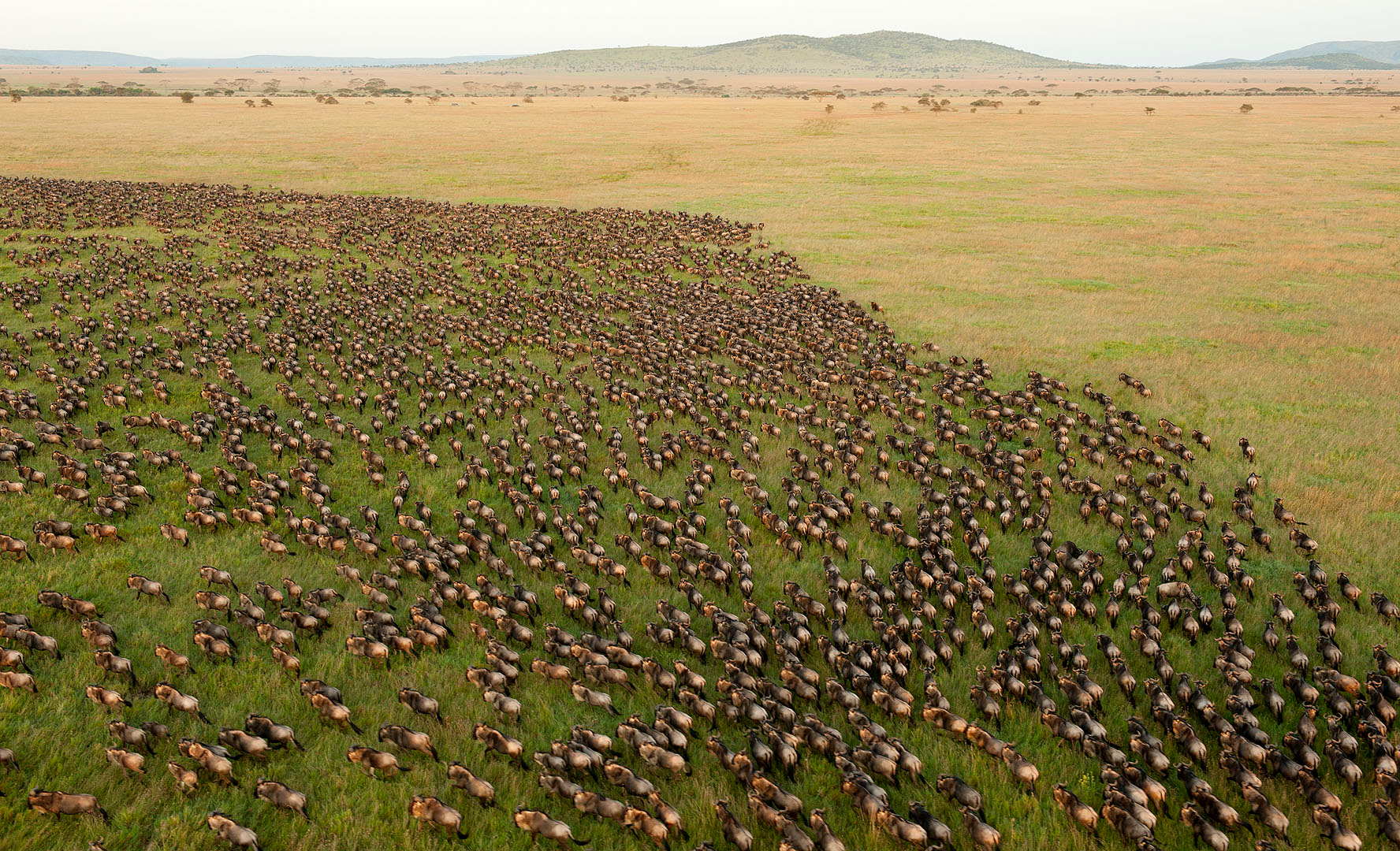
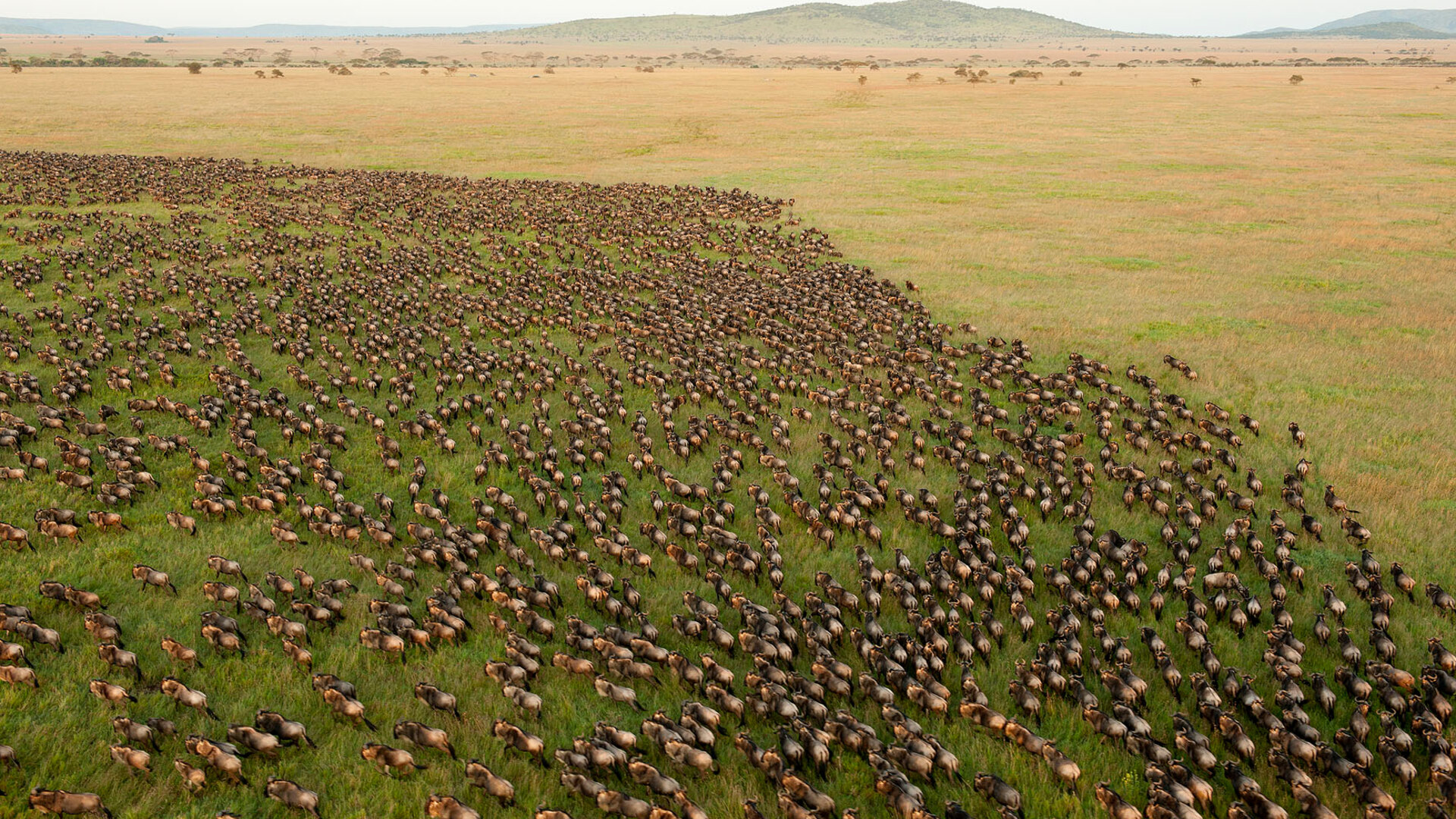
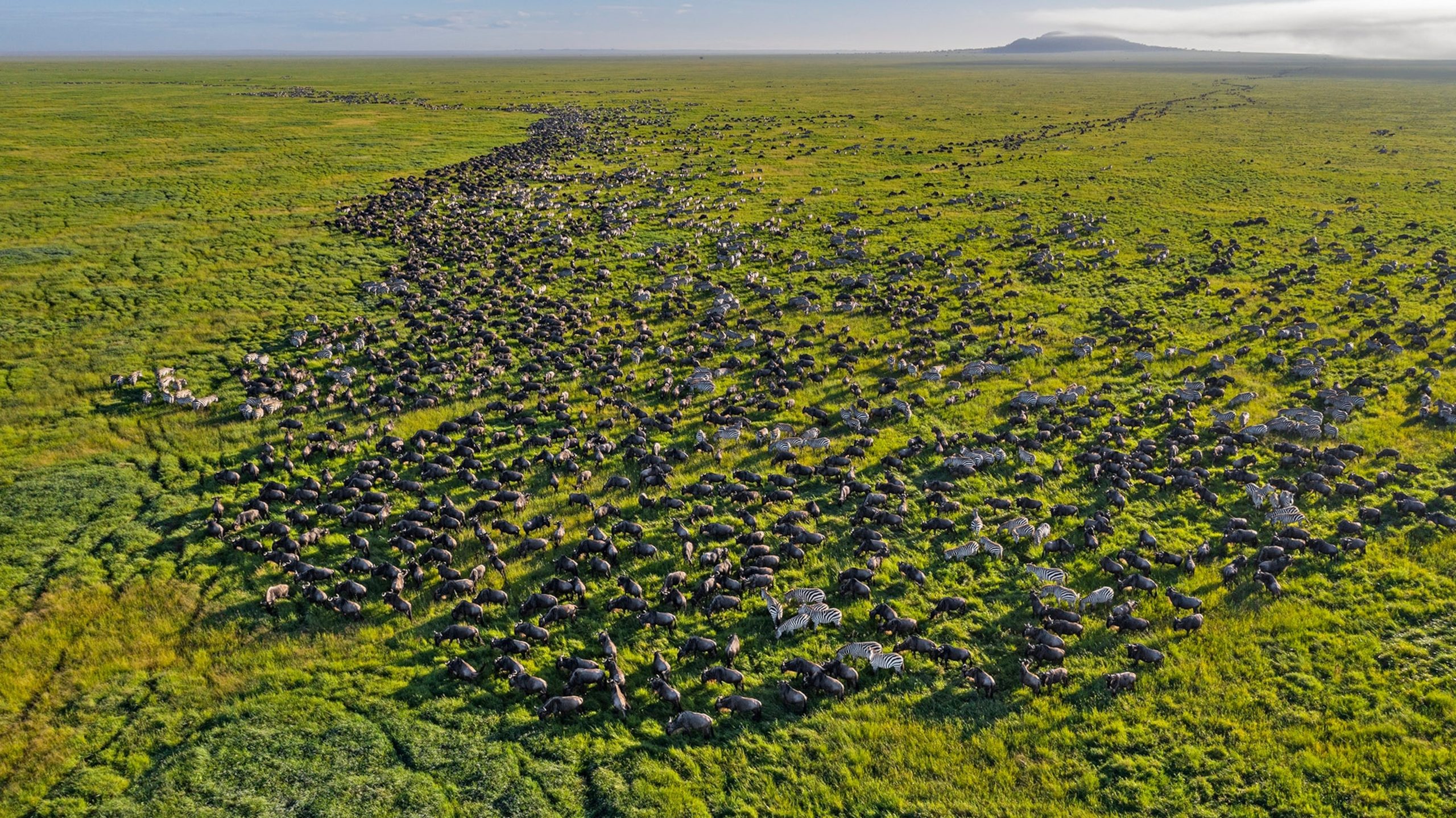
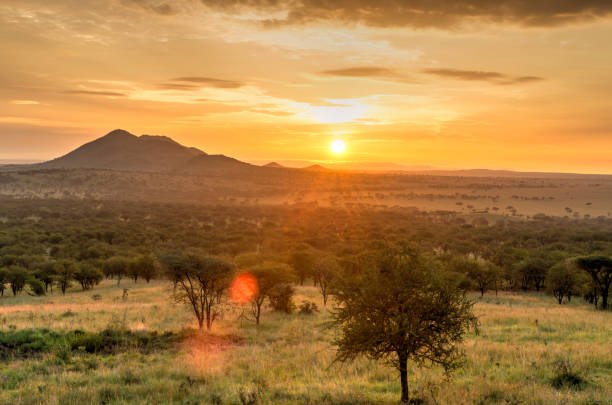
No place in Tanzania — arguably no place in Africa — is more famous, and the reputation is deserved. The Serengeti's endless plains stage the Great Migration, roughly two million wildebeest, zebra and gazelle moving in a vast annual circuit, alongside the highest lion density on the continent, cheetah on the short-grass plains and leopard in the riverine woodlands. Watch a river crossing or a dawn hot-air-balloon flight and you understand why the Serengeti tops every list.
- Best for: The Great Migration, big cats, first-time safari wonder
- When to go: Late June–July for northern river crossings; late January–March for the southern calving; year-round for resident game
- Access: Easy — fly into Seronera or the northern airstrips, or drive the Northern Circuit
- Don't miss: A dawn balloon safari over the plains. For timing, see our Best Time for the Great Migration guide.
2. Mount Kilimanjaro — The Roof of Africa
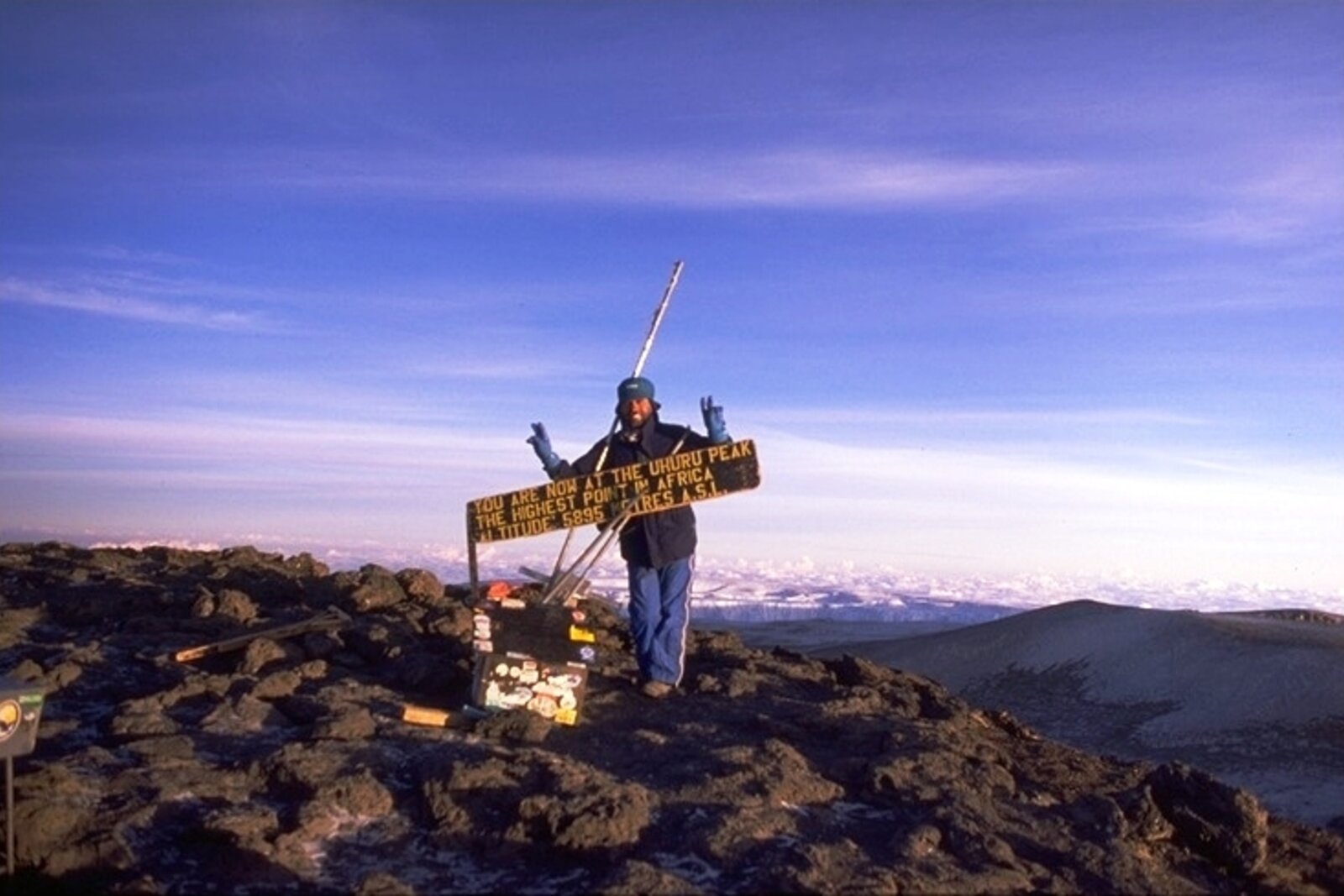
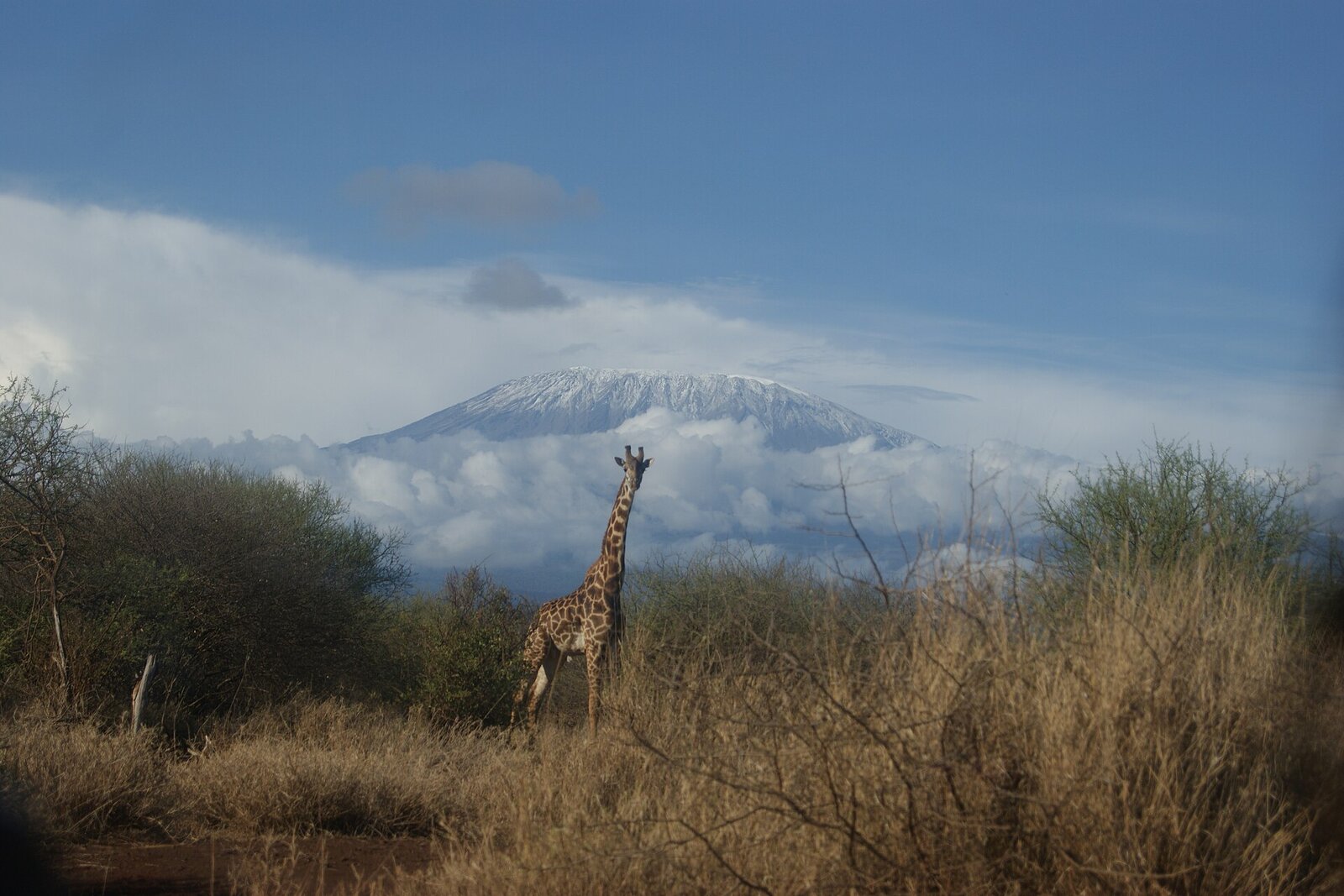
Rising alone from the plains to 5,895 metres, Mount Kilimanjaro is the highest peak in Africa and the tallest free-standing mountain on Earth — and, remarkably, a summit that fit travellers can reach without technical climbing. The trek passes through five climate zones, from montane rainforest to arctic summit glaciers, ending at Uhuru Peak for a sunrise above the clouds. Even if you never climb, the sight of its snow-capped dome floating above a herd of grazing elephants is one of travel's great images.
- Best for: Trekkers, bucket-list adventurers, dramatic scenery
- When to go: January–March and June–October for the driest, clearest trekking conditions
- Access: Trailheads near Moshi and Arusha, minutes from Kilimanjaro International Airport
- Reality: Allow 6–8 days on the mountain — the longer routes (Lemosho, Machame) give better acclimatisation and higher success rates.
3. Zanzibar & Stone Town — Spice Island Beaches & Swahili History
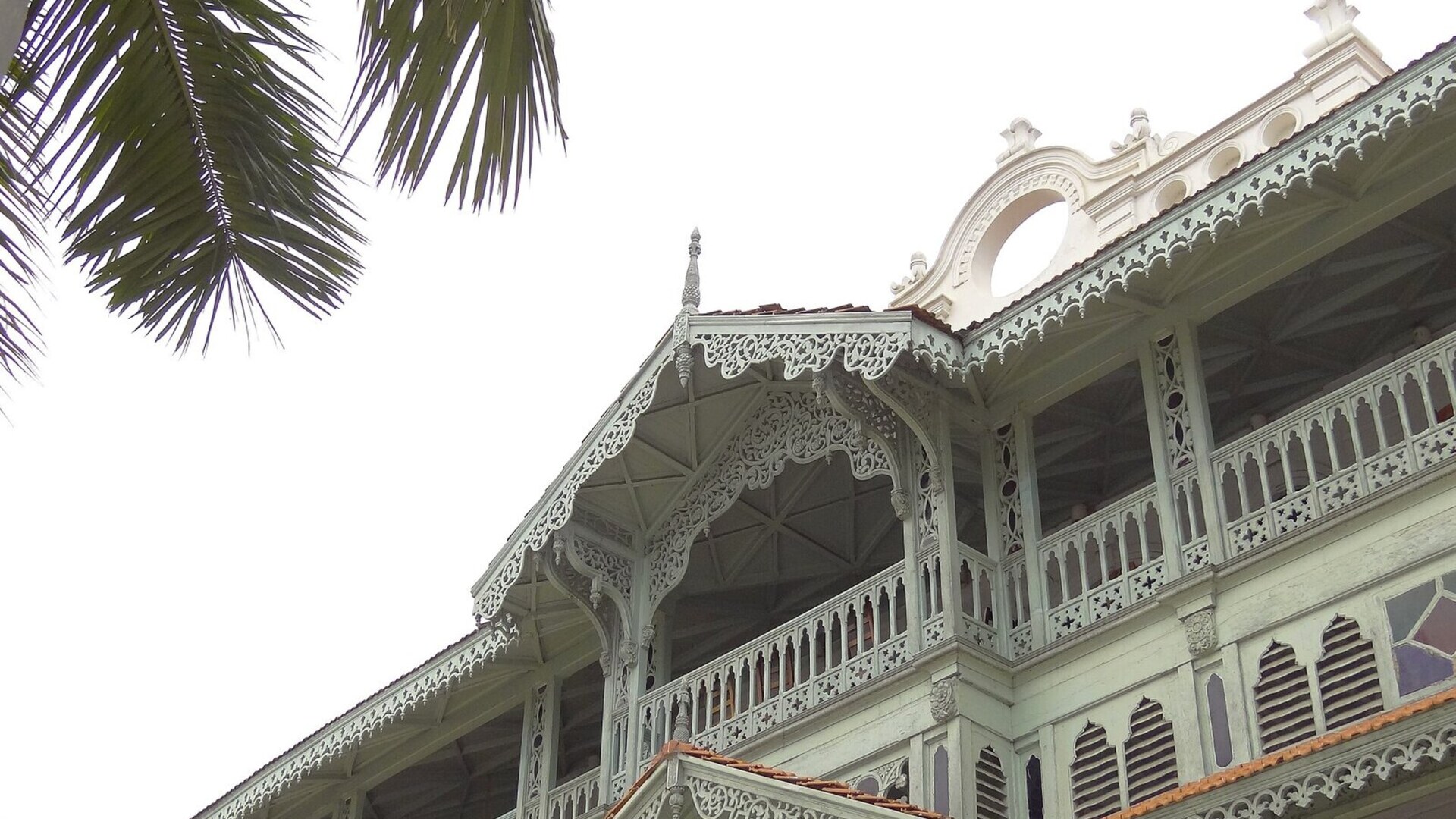
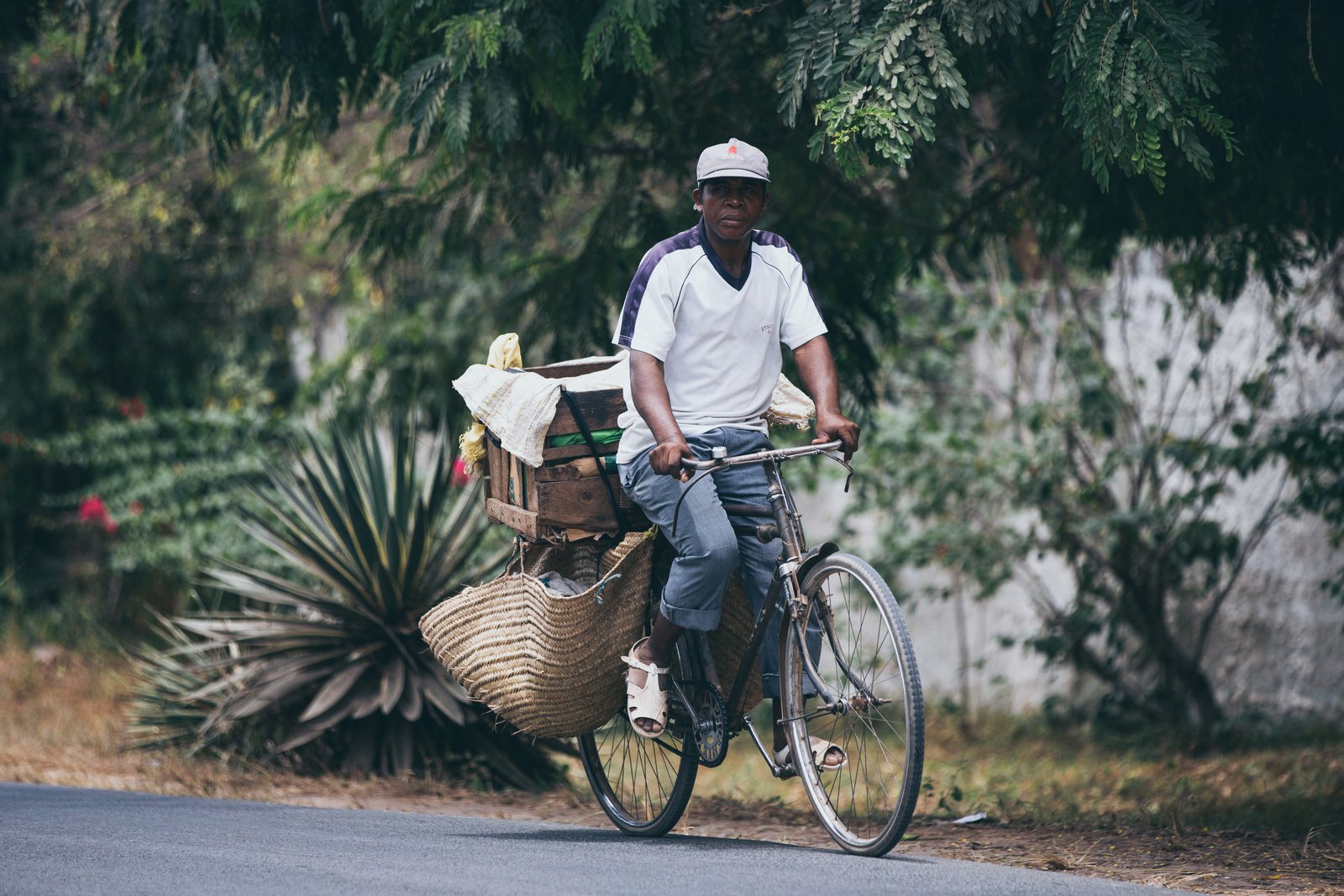
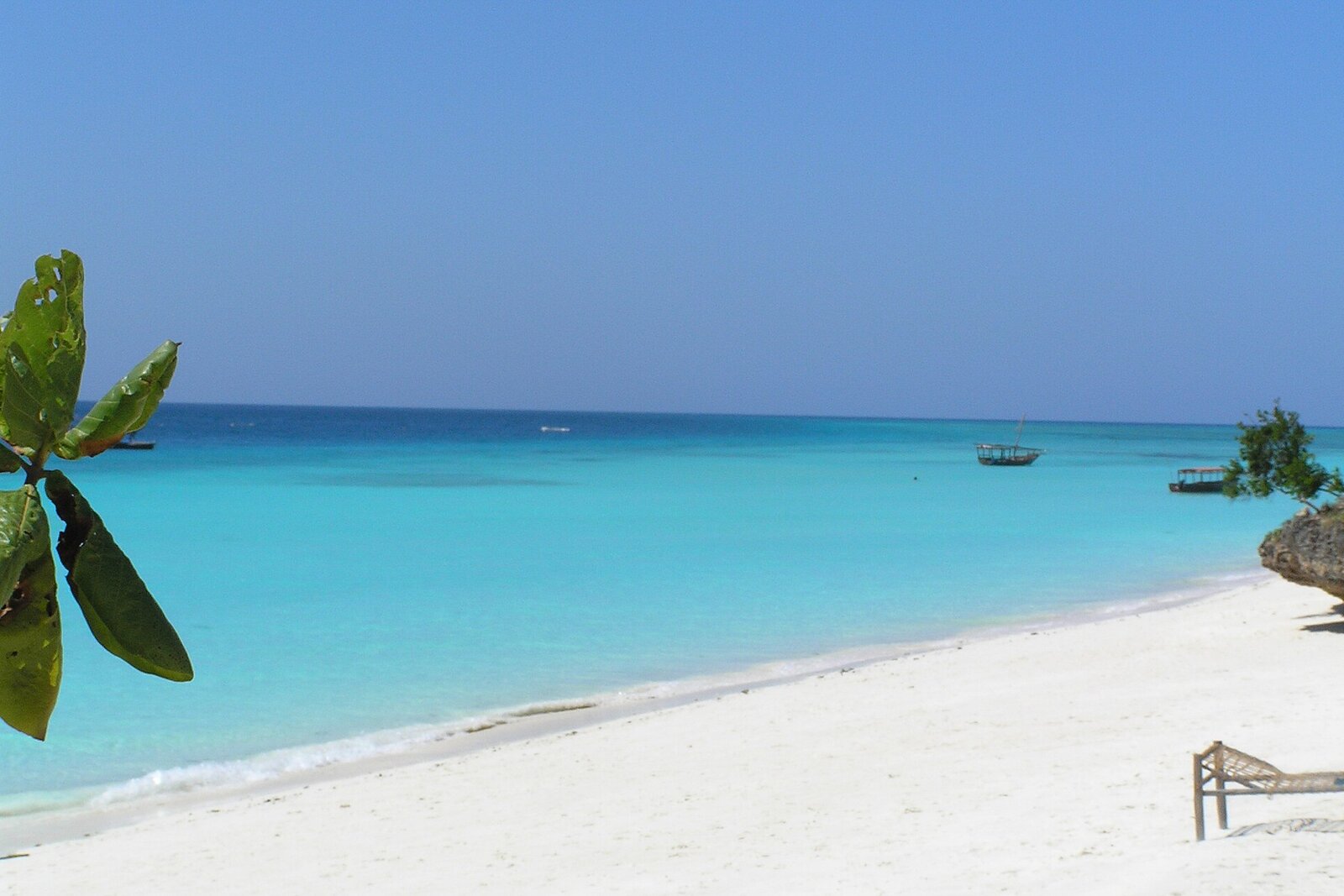
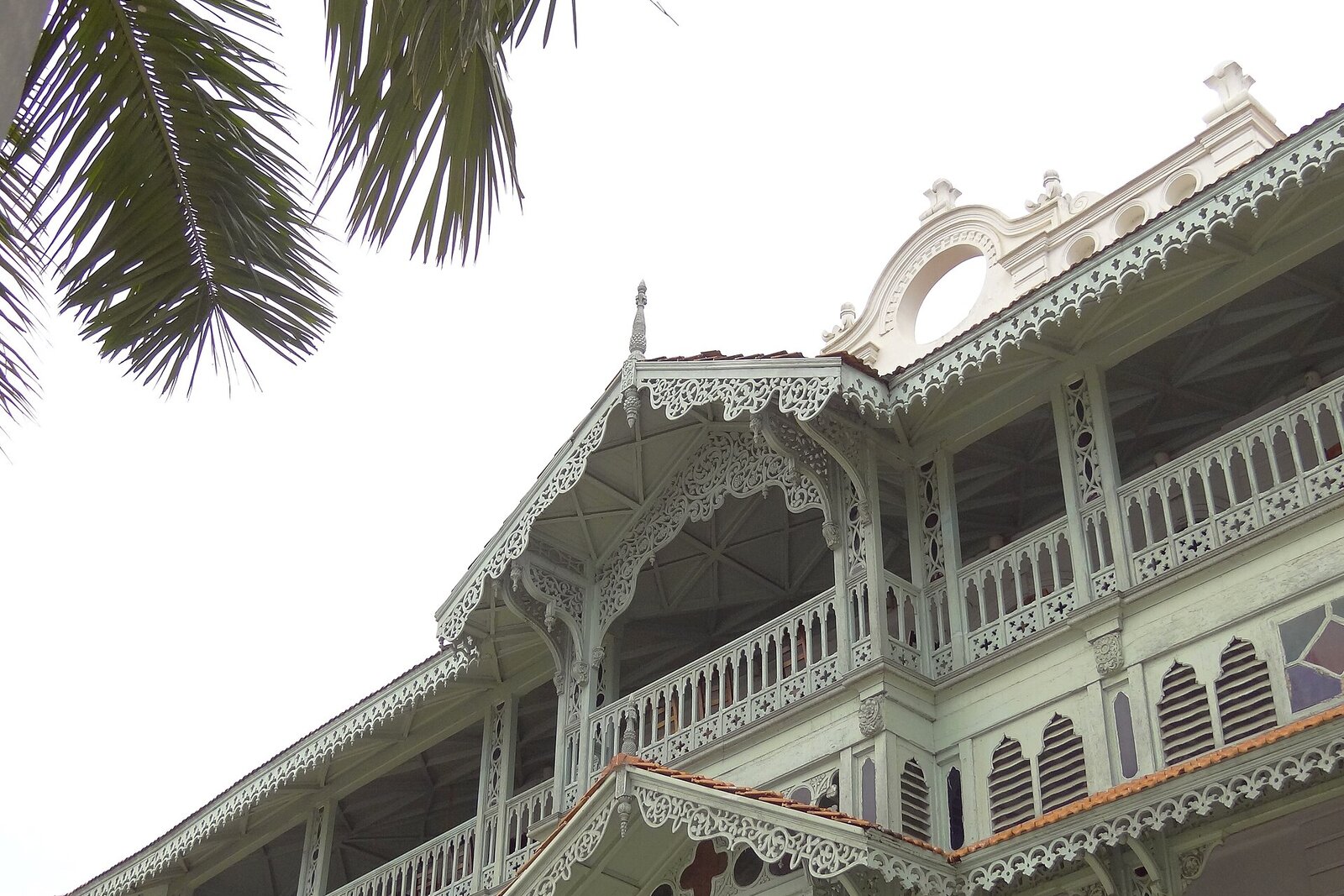
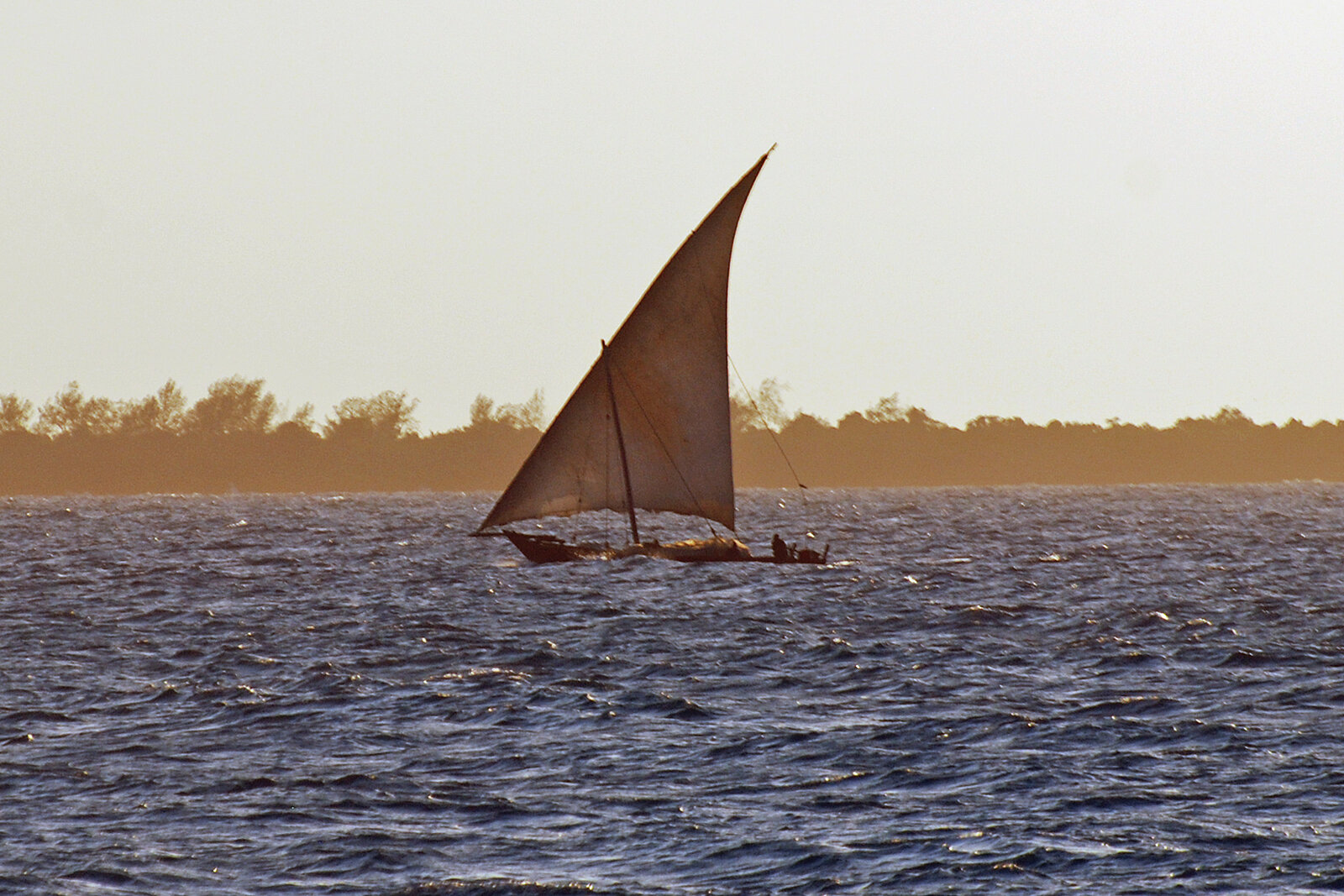
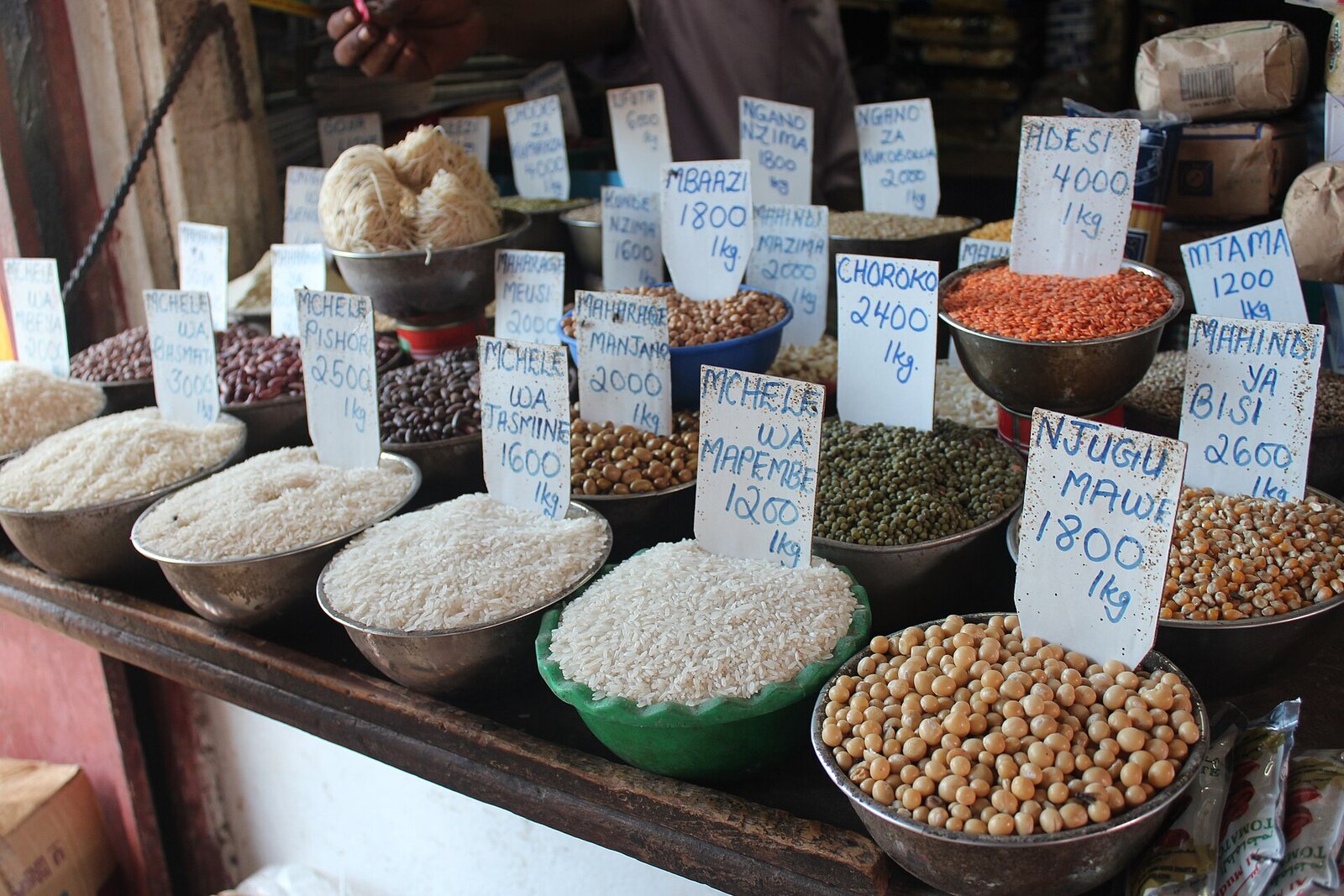
End your trip where the mainland gives way to the Indian Ocean. Zanzibar pairs powder-white beaches and turquoise water with the living history of Stone Town, a UNESCO-listed maze of carved doors, spice markets and Swahili, Arab, Indian and Persian influences. Wander the old town at dusk, tour a spice farm, sail a traditional dhow at sunset, then melt into the sand at Nungwi or Kendwa. It is the perfect counterpoint to the dust and adrenaline of safari.
- Best for: Beaches, culture, honeymoons, the post-safari finale
- When to go: June–October and December–February for the driest coastal weather
- Access: Short flights from Arusha, the Serengeti or Dar es Salaam
- Don't miss: A sunset dhow cruise and a Stone Town food tour. For ideas, see Best Things to Do in Zanzibar.
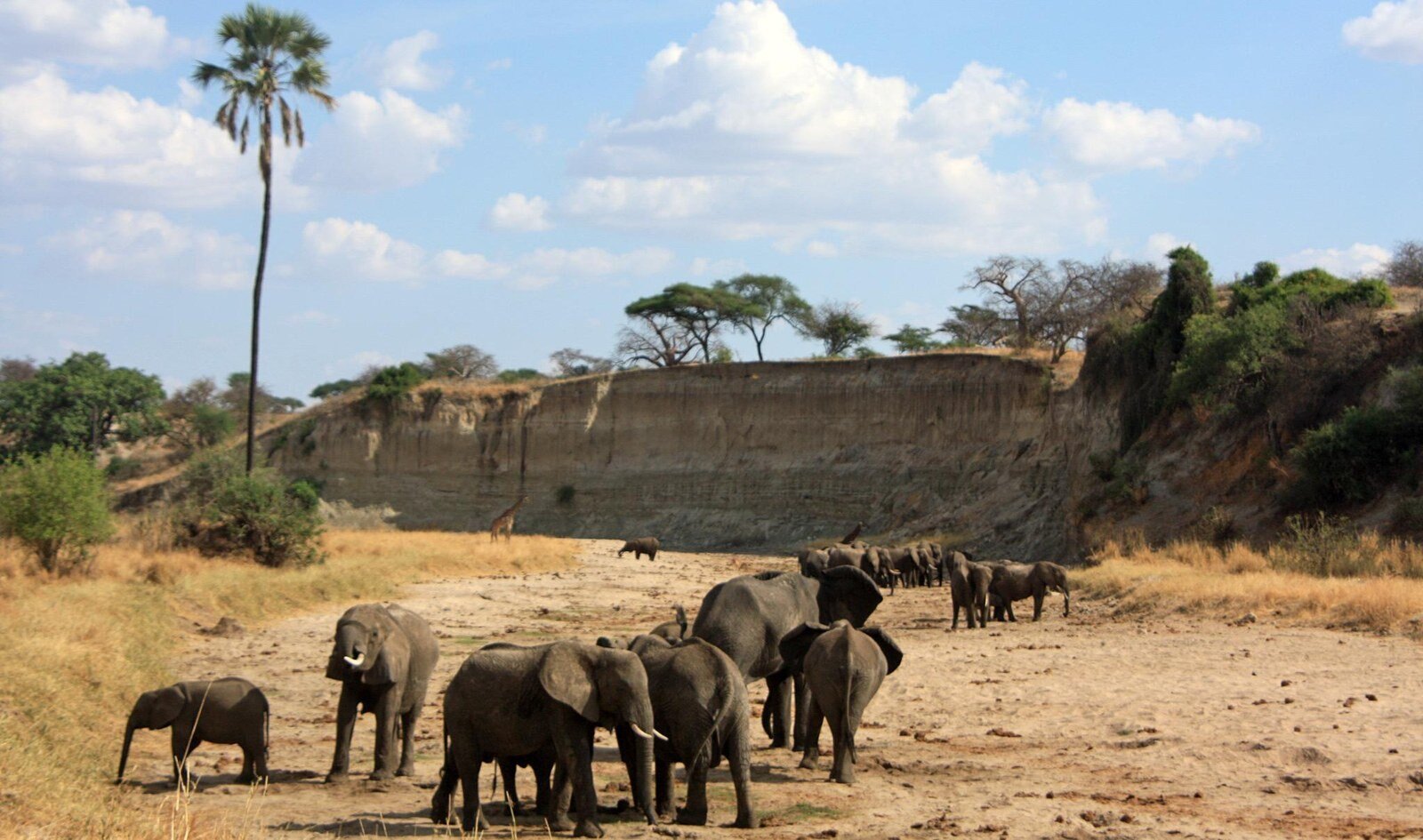
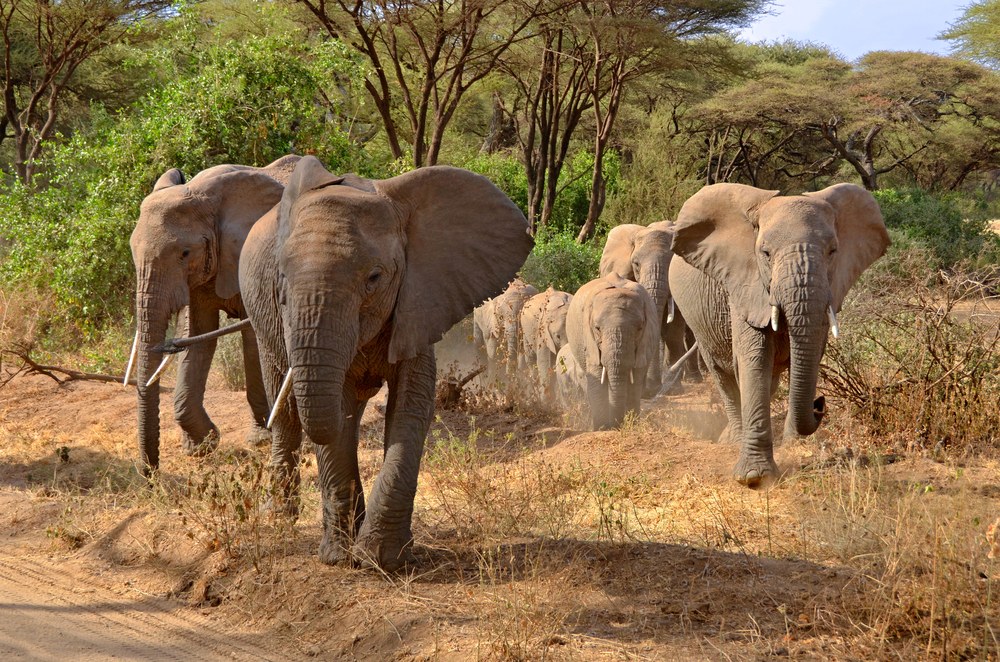
The Iconic Wildlife Parks — Serengeti, Ngorongoro & the North
4. Ngorongoro Crater — The Garden of Eden
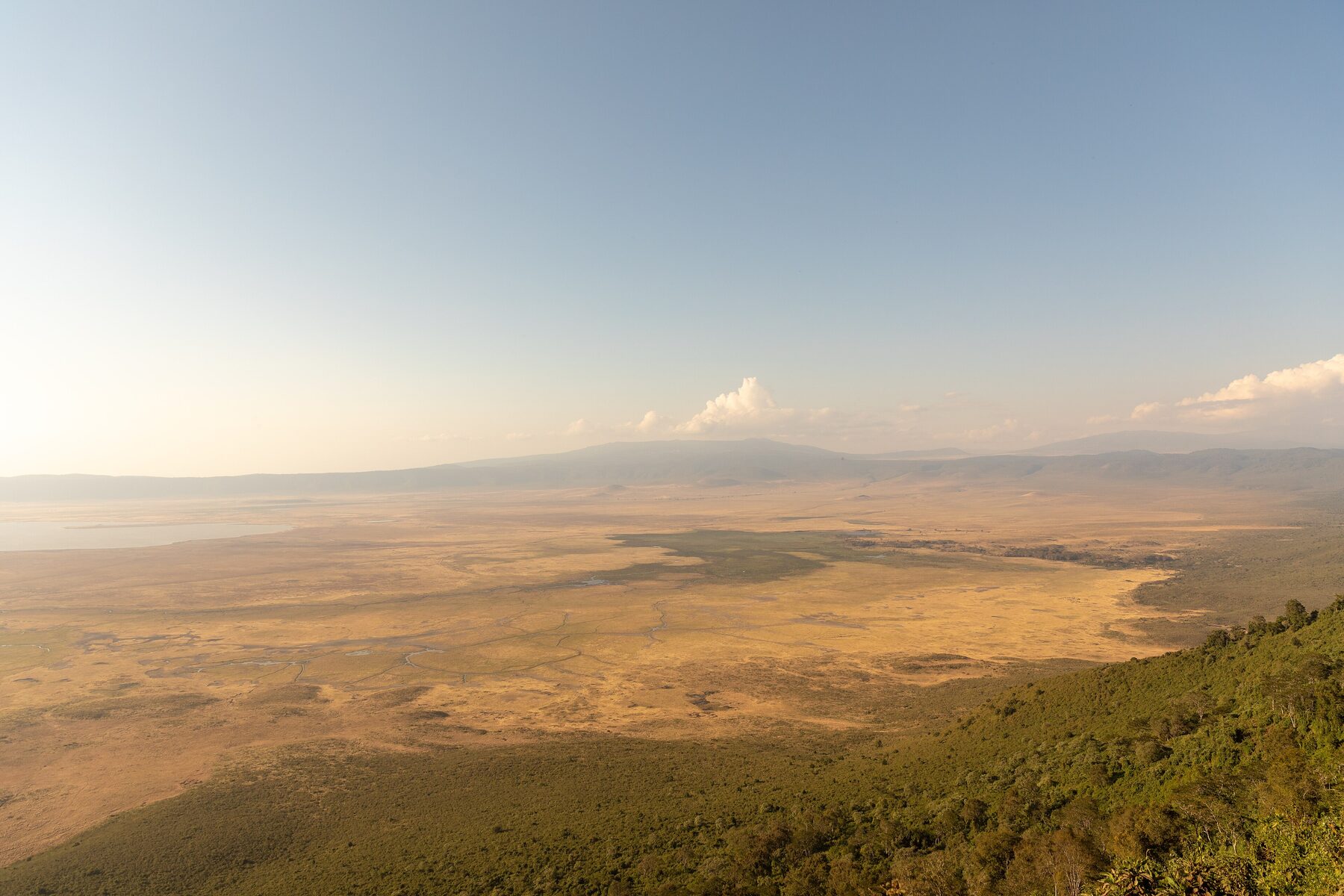
The Ngorongoro Crater is the world's largest intact volcanic caldera and one of the few places on Earth where you can realistically see all of the Big Five in a single morning. Some 25,000 large animals live on the crater floor, including one of Tanzania's most reliable populations of black rhino. Above the rim, the wider Conservation Area blends abundant wildlife with the living culture of the Maasai, who still graze cattle across these highlands.
- Best for: Big Five in one day, black rhino, dramatic scenery, Maasai culture
- When to go: Year-round — the crater holds resident game in every season
- Access: Easy — a scenic drive from Arusha or the Serengeti
- Reality: Start at dawn to beat the mid-morning crowds on the floor; one full day is usually enough.
5. Tarangire National Park — Elephants & Ancient Baobabs
Underrated and often skipped, Tarangire is one of Tanzania's most rewarding stops. In the dry season the Tarangire River draws enormous elephant herds — some of the biggest concentrations in the country — against a landscape studded with ancient baobab trees. Lion, leopard and vast numbers of plains game follow the water, and the birdlife is exceptional.
- Best for: Elephants, baobab landscapes, dry-season density, fewer crowds
- When to go: June–October, when the river is the region's lifeline
- Access: Easy — about two hours from Arusha, the natural first stop on the Northern Circuit
- Reality: Two nights here transform a northern trip — this is Tanzania's finest elephant theatre.
6. Mahale Mountains & Lake Tanganyika — Chimpanzee Trekking
On the remote eastern shore of Lake Tanganyika, the forested peaks of the Mahale Mountains — and, further north, tiny Gombe, where Jane Goodall began her research — offer one of Africa's most moving experiences: trekking habituated chimpanzees through rainforest, then swimming in the clearest lake on the planet. There are no roads here; days are spent on foot in the forest and by boat along a beach backed by jungle-clad mountains.
- Best for: Chimpanzee trekking, remoteness, adventurous and repeat travellers
- When to go: May–October, the dry season, when chimps are easier to find lower down
- Access: Fly-in only, via Arusha or Dar es Salaam — the most involved logistics in this guide
- Reality: Expensive and remote, but for many it becomes the highlight of a lifetime of travel.
7. Mafia Island — Diving, Coral & Whale Sharks
Quieter and wilder than Zanzibar, Mafia Island is Tanzania's marine jewel. Its protected marine park shelters vibrant coral reefs, sea turtles and, between roughly October and March, the chance to snorkel alongside whale sharks — the largest fish in the sea — as they feed in the plankton-rich channel. With few resorts and almost no crowds, Mafia is for travellers who want the ocean at its most pristine.
- Best for: Diving and snorkelling, whale sharks, reef life, off-the-radar calm
- When to go: October–March for whale sharks; the reefs are superb most of the year
- Access: Short flights from Dar es Salaam or Zanzibar
- Reality: Facilities are simple compared with Zanzibar — that is exactly the appeal.
Peaks, Chimps & the Swahili Coast — Kilimanjaro, Mahale & Mafia
8. Lake Manyara & the Great Rift Valley — Tree-Climbing Lions & Flamingos
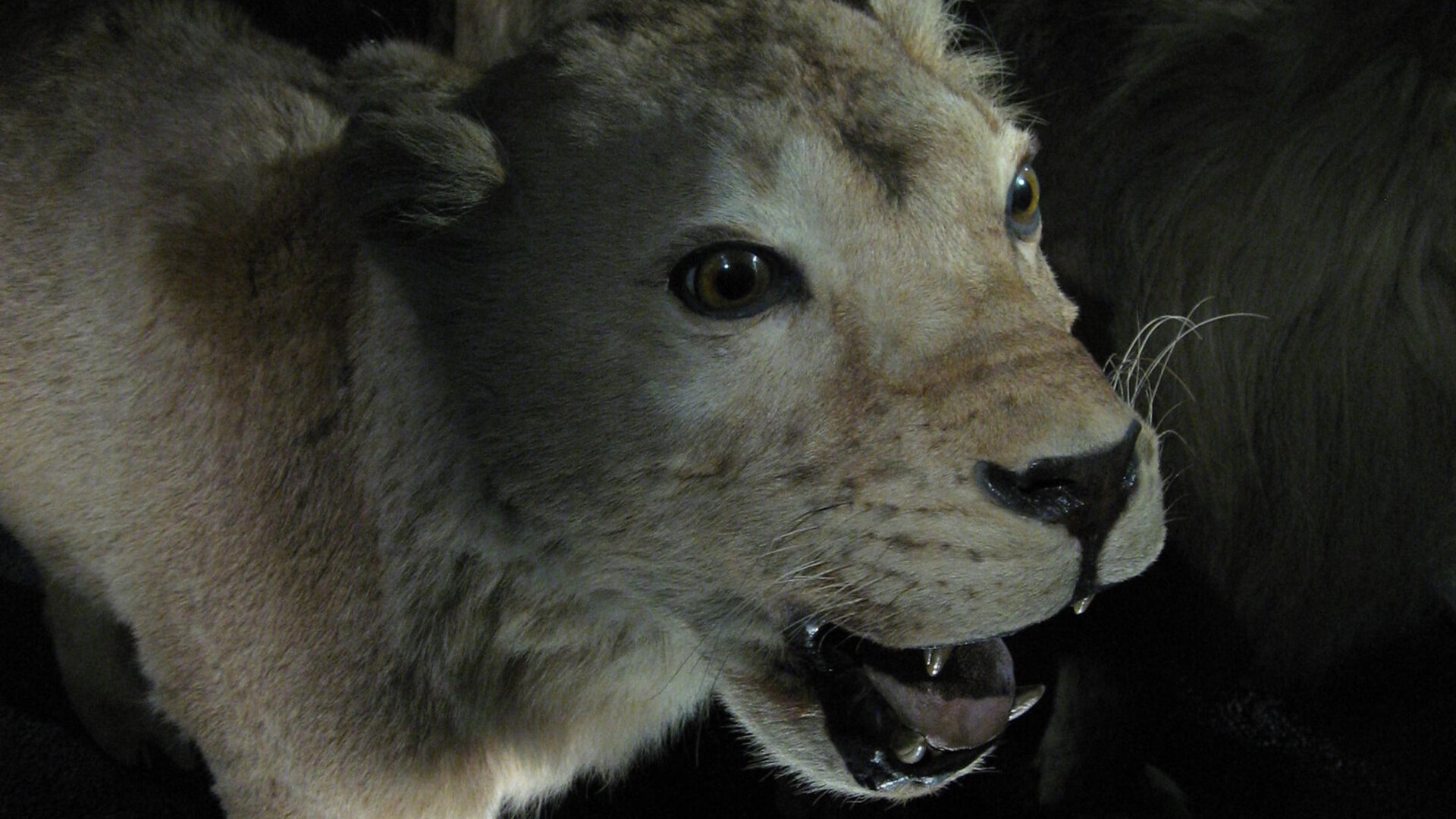
Compact but beautiful, Lake Manyara is the perfect stop on the drive between Arusha and the Serengeti, cradled beneath the dramatic wall of the Great Rift Valley escarpment. Its groundwater forest, soda lake and cliffs hold famous tree-climbing lions, big troops of baboons, elephants and — when conditions are right — thousands of flamingos rimming the lake in pink. Over 400 bird species make it a birder's paradise.
- Best for: Tree-climbing lions, birdlife, Rift Valley scenery, an easy add-on
- When to go: Dry season for game; November–June for the best birding and flamingos
- Access: Very easy — on the main Northern Circuit road, near Ngorongoro
- Reality: Rarely a destination on its own, but a rewarding, low-cost addition to the north.
9. Ruaha & Nyerere (Selous) — The Wild Southern Frontier
For travellers who want Africa raw and uncrowded, southern Tanzania is unmatched. Ruaha National Park is the country's largest, holding roughly 10% of the world's remaining lions across baobab-dotted hills. Neighbouring Nyerere National Park, carved from the legendary Selous Game Reserve, offers something the north cannot: boat safaris on the Rufiji River, gliding past hippos and elephants, plus walking safaris and one of Africa's key populations of endangered wild dog.
- Best for: Boat and walking safaris, big lion prides, wild dog, solitude
- When to go: June–October for concentrated dry-season game
- Access: Short flights from Dar es Salaam; best reached by air
- Reality: This is a safari for someone who has done the north and craves wilderness with few other vehicles.
10. Arusha & the Northern Highlands — Gateway, Coffee & Culture
Most Tanzania journeys begin in Arusha, the green, temperate "safari capital" beneath Mount Meru — but it deserves more than a night in transit. The surrounding highlands offer coffee-farm tours, day hikes on Meru's lower slopes, the waterfalls and Maasai villages of the Ngorongoro Highlands, and the soda-red drama of Lake Natron beneath the active volcano Ol Doinyo Lengai. It is the cultural and scenic connective tissue that turns a wildlife trip into a rounded Tanzanian experience.
- Best for: First and last nights, coffee and culture, day hikes, photography
- When to go: Year-round; June–October is best for hiking and clear mountain views
- Access: Kilimanjaro International Airport is the main gateway to northern Tanzania
- Reality: Build in a day at the start or end — it is the easiest way to add depth and culture.
The Swahili Coast & Islands — Zanzibar, Stone Town & Mafia
Building Your Trip: How to Combine Tanzania's Best Places
The art of a Tanzania trip is combination — pairing contrasting experiences so each one feels sharper. Here are the routes that work best, matched to how much time you have. For fully costed, pre-designed trips, see our Tanzania Safari Tours guide, or design a tailor-made itinerary via Private Safari Tours Tanzania.
The Classic (7 days): Tarangire → Ngorongoro Crater → Serengeti. The definitive first trip — every iconic landscape and the Great Migration, with easy logistics.
Bush & Beach (10 days): Northern Circuit safari → fly to Zanzibar. The most popular honeymoon and family route — wildlife first, then white sand and Stone Town.
Summit & Safari (12–14 days): Climb Kilimanjaro → Northern Circuit safari → Zanzibar. The ultimate Tanzania bucket-list, combining mountain, wildlife and beach.
The Explorer (10–12 days): Mahale chimpanzees → southern Tanzania, or a north-plus-coast combination for travellers who want the wildest corners.
💡 Planning Tip: Tanzania is bigger than it looks, and its regions are reached by different flights. Rather than racing to tick every box, choose two or three complementary places — a park, a mountain or a beach — and give each enough time to breathe. For a realistic budget, see How Much Does a Tanzania Safari Cost.
Best Time to Visit Tanzania
| Season | Months | Best For | Notes |
|---|---|---|---|
| Peak Dry | Jul–Oct | ★★★★★ Wildlife, Kilimanjaro, chimps | Best all-round game viewing; northern river crossings; ideal trekking; book early |
| Green / Calving | Jan–Mar | ★★★★★ Coast, calving, whale sharks | Southern Serengeti calving; superb Zanzibar & Mafia weather; clear Kilimanjaro |
| Long Rains | Apr–May | ★★★☆☆ Value & quiet | Lowest rates and fewest crowds; some southern/western camps close |
| Shoulder | Jun & Nov | ★★★★☆ All-rounder | Drying (Jun) or short rains (Nov); good value, fewer vehicles |
Verdict: For a first Tanzania trip covering wildlife and the mountain, aim for the dry season (late June–October). For the coast, whale sharks and the Serengeti calving, December to March is magical. For detailed, month-by-month timing, see Best Time for the Great Migration.
🦁 Ready to plan your Tanzania trip? Browse pre-designed journeys in our Tanzania Safari Tours guide, compare accommodation in the Best Tanzania Safari Lodges, or design a tailor-made trip via Private Safari Tours Tanzania. Focused on game drives? See the Top 10 Best Safari Destinations in Tanzania.
Best Places to Visit in Tanzania: Frequently Asked Questions
What is the number one place to visit in Tanzania?
For most travellers the Serengeti is the single best place to visit, thanks to the Great Migration and the highest concentration of big cats in Africa. But Tanzania's magic is its range: Mount Kilimanjaro for trekkers, Zanzibar for beaches and culture, the Ngorongoro Crater for the Big Five in a day, and Mahale for chimpanzees. The best trips combine two or three contrasting places rather than chasing a single highlight.
How many days do you need to visit Tanzania?
Plan on at least 7 days to enjoy the Northern Circuit — Tarangire, the Ngorongoro Crater and the Serengeti. Add 3–5 nights for a Zanzibar beach finale, 6–8 days if you want to climb Kilimanjaro, or a separate 7–8 days for the wild south. Two weeks lets you combine a mountain, a safari and an island comfortably.
What are the best non-safari places to visit in Tanzania?
Beyond the wildlife parks, Tanzania's standout non-safari places are Mount Kilimanjaro for trekking, Zanzibar and Stone Town for beaches and Swahili culture, Mafia Island for diving and whale sharks, and the Mahale Mountains for chimpanzee trekking on Lake Tanganyika. Arusha and the Northern Highlands add coffee farms, day hikes and Maasai culture.
Can you combine Kilimanjaro, a safari and Zanzibar in one trip?
Yes — it is the ultimate Tanzania itinerary. A typical route climbs Kilimanjaro first (6–8 days), then enjoys a Northern Circuit safari (4–6 days), and finishes with 3–5 nights on Zanzibar. Allow around two weeks in total. Doing the mountain first means you descend to the reward of game drives and then the beach.
Where can you see the Great Migration in Tanzania?
The Great Migration happens within the greater Serengeti ecosystem, but the herds move with the seasons. Expect the southern Serengeti and Ndutu for the calving (late January–March), the western corridor around May–June, and the northern Serengeti's Mara River crossings from roughly July to October. Match your camp's location to the season for the best sightings.
Is Zanzibar or Mafia Island better?
They suit different travellers. Zanzibar offers more beaches, resorts, nightlife and the culture of Stone Town, making it ideal for honeymoons and first visits. Mafia Island is quieter, wilder and less developed, and it is the better choice for serious diving and the chance to snorkel with whale sharks between October and March. Many travellers pick Zanzibar for a first trip and Mafia for a return.
Which places in Tanzania are best for avoiding crowds?
The southern and western regions. Ruaha, Nyerere (Selous) and Mahale receive a tiny fraction of the visitors the Northern Circuit sees, so you enjoy sightings with few or no other travellers. Mafia Island is far quieter than Zanzibar, and even the Ngorongoro Highlands and Lake Natron feel remote compared with the crater floor.
Is Tanzania safe to visit?
Tanzania is widely regarded as one of the safer destinations in Africa, particularly within the established tourist areas — the northern parks, Kilimanjaro, Zanzibar and the safari circuits. As anywhere, take normal precautions in cities like Arusha and Dar es Salaam, use reputable operators, and follow guide advice on safari and the mountain. Most visits are trouble-free.
How much does a trip to Tanzania cost?
Costs vary widely by style. Mid-range Northern Circuit safaris typically run about $350–600 per person per night, while luxury and remote fly-in camps can reach $1,000–1,500+ per night. A Kilimanjaro climb usually costs $2,000–4,500+ per person depending on route and operator, and Zanzibar ranges from budget guesthouses to high-end resorts. For a detailed breakdown, see our How Much Does a Tanzania Safari Cost guide.
Final Word: Choosing the Best Places to Visit in Tanzania
Tanzania's greatness lies in its range. In one country you can summit the highest peak in Africa, watch a million wildebeest thunder across the Serengeti, descend into a volcanic crater teeming with rhino and lion, trek chimpanzees through rainforest, and finish with your toes in the Indian Ocean. Few places on Earth offer such contrast in a single trip.
- ✅ First visit? Serengeti and Ngorongoro, then a few nights on Zanzibar
- ✅ Adventure seeker? Climb Kilimanjaro, then reward yourself with a safari
- ✅ Want something rarer? Mahale's chimpanzees or Mafia's whale sharks
- ✅ Craving solitude? The wild south — Ruaha and the Selous
The honest advice: don't try to see everything. Choose the places that match who you are as a traveller, give each enough time, and let your trip tell one coherent story. Do that, and Tanzania will give you the journey of a lifetime.
Ready to start planning? Explore our Tanzania Safari Tours guide, browse the Best Tanzania Safari Lodges, or begin with the comprehensive Ultimate Tanzania Travel Guide.