Key Takeaways
- Tanzania holds the Serengeti, the Great Migration and the Ngorongoro Crater — the greatest wildlife show on earth.
- The best time to safari is June–October (dry season); the calving migration peaks January–March in the southern Serengeti.
- A classic trip pairs a Serengeti & Ngorongoro safari with the beaches of Zanzibar — bush and beach in one journey.
- Most visitors need a visa (available online or on arrival) and a yellow-fever certificate if arriving via an at-risk country.
- Everything is easiest as a private, tailor-made journey — flights, transfers, camps and guides handled as one.
Why Visit Tanzania?
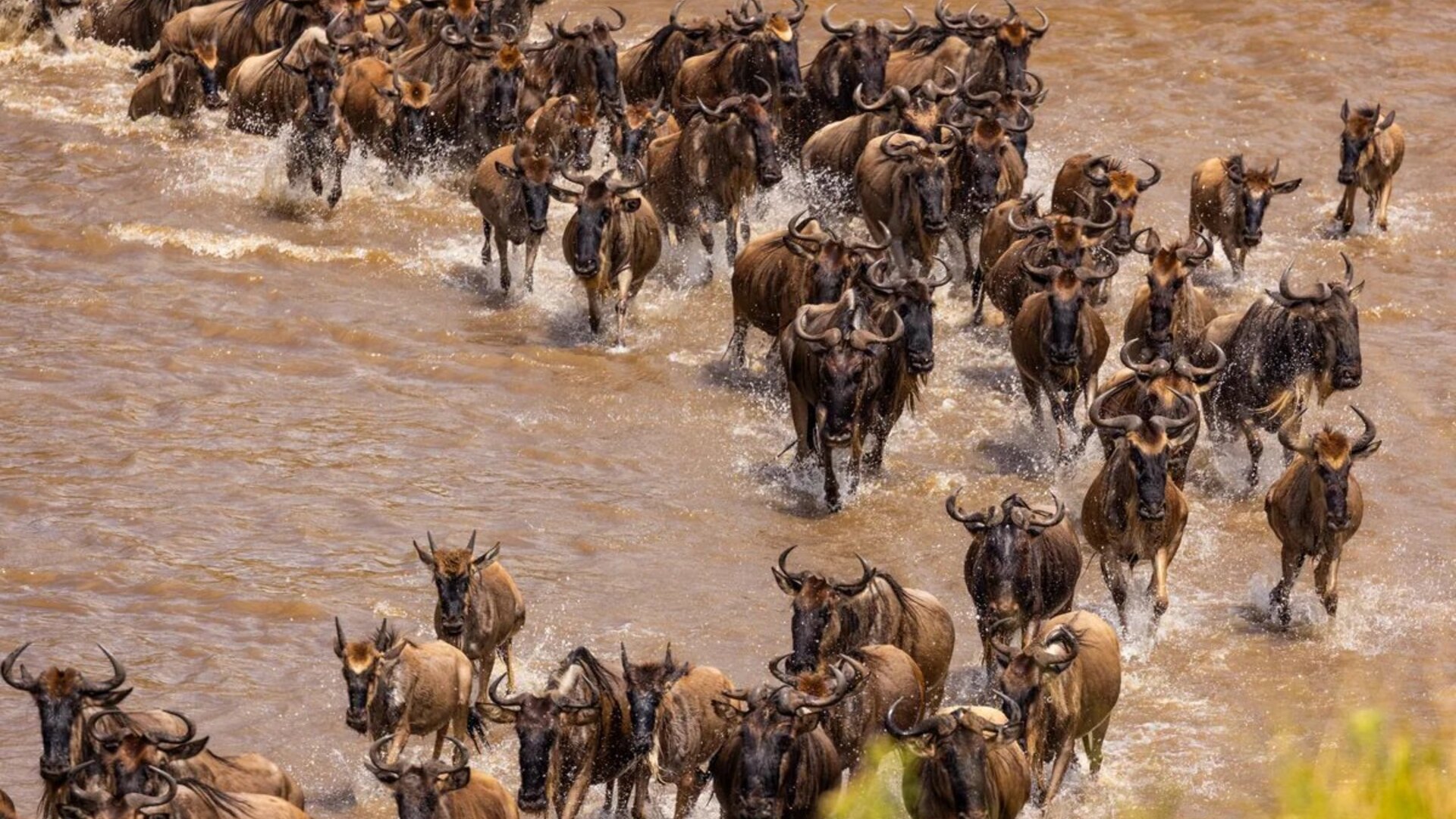
Tanzania is the greatest wildlife destination on earth, and the birthplace of the classic African safari. Nowhere else can you witness two million wildebeest on the move across the Serengeti, descend into the Ngorongoro Crater to find lions, elephants and black rhino in a single morning, watch elephant herds gather beneath ancient baobabs in Tarangire, and then fly to Zanzibar to end your journey on some of the finest beaches in the Indian Ocean. It is raw, vast and utterly cinematic — and it delivers all of this with superb camps, expert guides and the timeless romance of the safari.
This guide walks you through everything you need to plan the perfect Tanzanian journey in 2026 — the seasons, the parks, the migration, the costs, the practicalities and the itineraries — drawing on our years of building these trips as a private travel house.
Best Time to Visit Tanzania
Tanzania is a year-round safari destination, but the best time depends on what you want to see. The dry season delivers the easiest game viewing, while the migration moves through a predictable annual cycle across the Serengeti ecosystem.
- June–October (dry season): the prime safari window — thin bush, animals gathered at water, and the dramatic Grumeti and Mara river crossings in the northern Serengeti (roughly July–September).
- January–March (green season): the calving season in the southern Serengeti and Ndutu — hundreds of thousands of wildebeest give birth, and predator action is intense. Lush, photogenic and quieter.
- April–May (long rains): the greenest, quietest and best-value months, with some camps closed; showers are usually short but the bush is at its most beautiful.
- November (short rains): a lovely shoulder month — fresh green landscapes, good game and fewer visitors.
The perfect answer for most first-timers is June–October for the classic dry-season safari, or January–March to witness the calving drama. We time every trip around the migration and the experience that matters most to you. For a deeper look at the seasonal case for dry-season game viewing, see our guide to why winter is the best time for an African safari.
Where to Go: Tanzania's Great Parks
Tanzania's highlights fall into a handful of extraordinary parks and regions, each with a distinct character. A great trip strings two or three of them together, often finishing on the coast.
The Serengeti
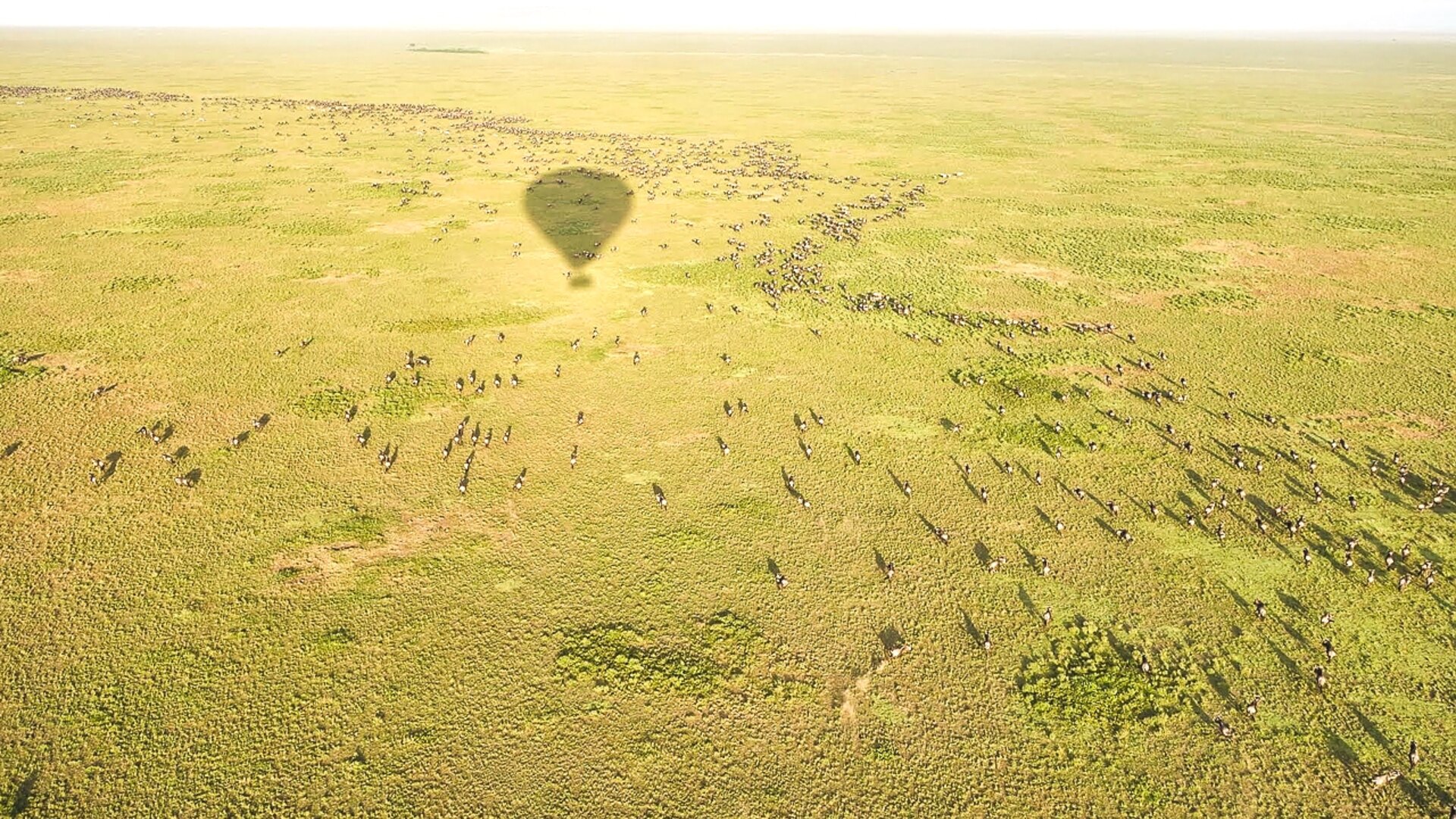
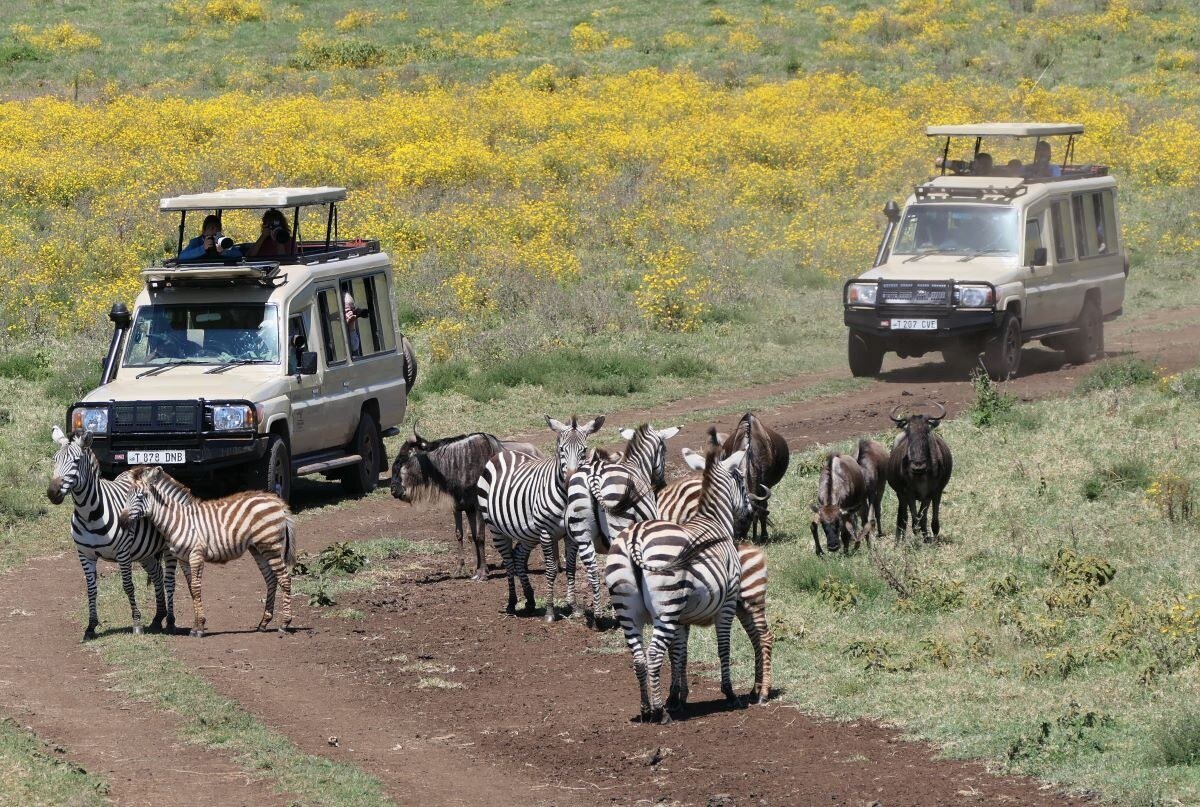
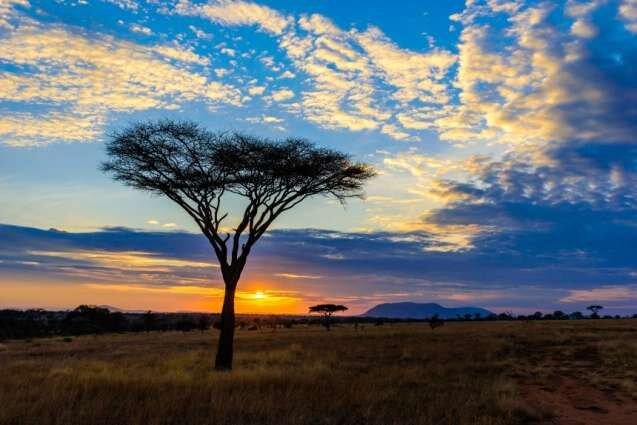
The most famous safari destination on earth, and the stage for the Great Migration. Endless golden plains, prides of lion, cheetah on the hunt and — in the right season — the thunder of two million wildebeest and zebra. The northern Serengeti holds the Mara River crossings; the south is the calving ground. Allow three to four nights minimum.
The Ngorongoro Crater
A collapsed volcano holding one of the densest concentrations of wildlife on the planet. Descend 600 metres to the crater floor to find lion, elephant, buffalo, flamingo and the rare black rhino — often all in a single game drive. A UNESCO World Heritage Site and an unmissable one- or two-night stop.
Tarangire National Park
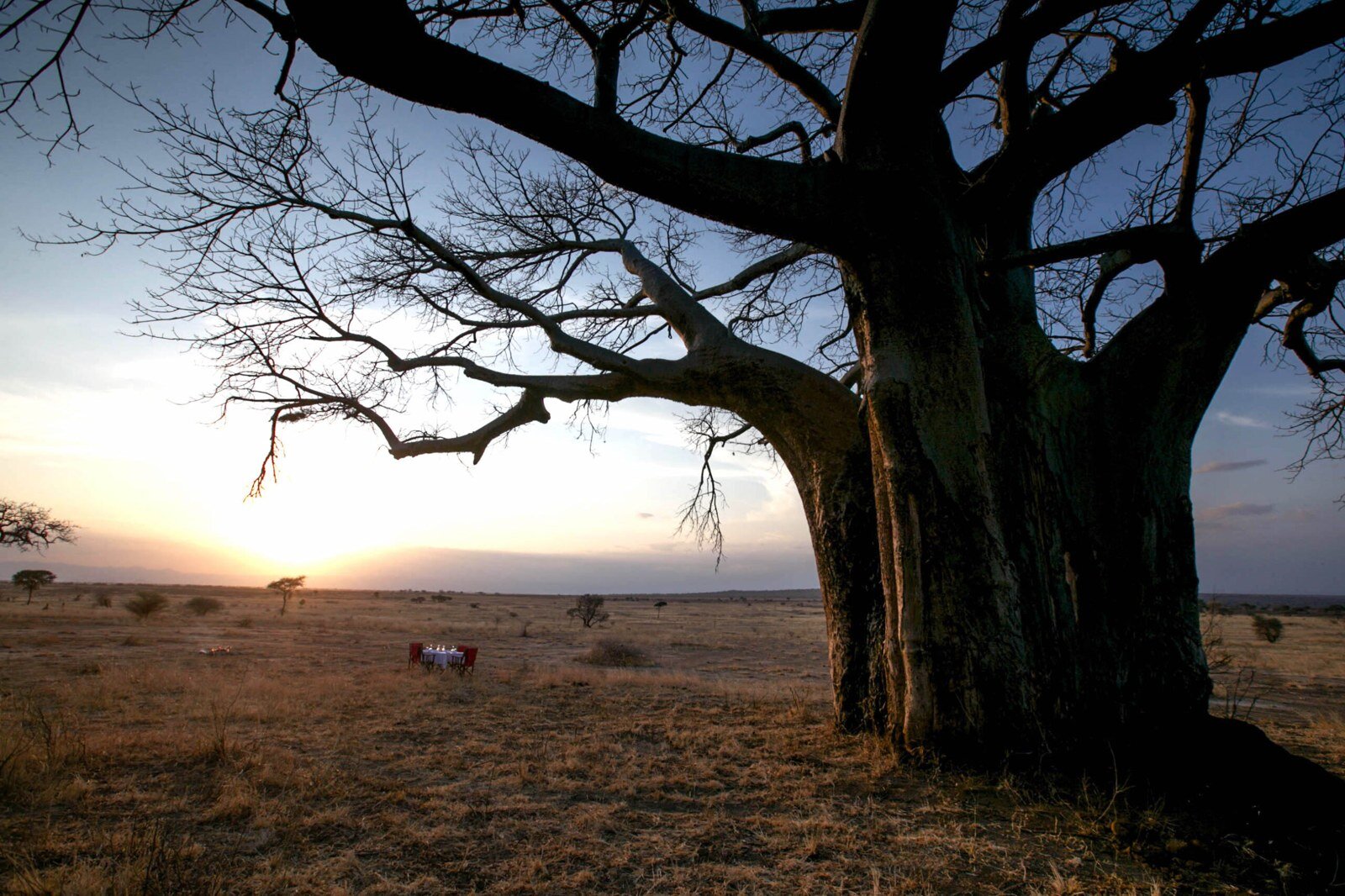
The elephant kingdom, famous for its ancient baobab trees. Tarangire holds some of the largest elephant herds in Tanzania and swells with game in the dry season as animals gather along the Tarangire River. A superb, less-crowded addition to the northern circuit.
Lake Manyara & the Northern Circuit
A jewel of a park beneath the Great Rift Valley escarpment. Famous for tree-climbing lions, huge flocks of flamingo and a lush groundwater forest, Manyara is a lovely half-day stop that completes the classic northern safari circuit between Arusha and the Serengeti.
Ruaha, Nyerere & the Southern Wilderness
Tanzania's vast, remote and gloriously uncrowded south. Ruaha and the Nyerere National Park (the former Selous) offer big-wilderness safaris, boat safaris on the Rufiji River, and superb predator viewing with a fraction of the vehicles. Ideal for a second trip or a traveller seeking true seclusion.
Zanzibar & the Coast
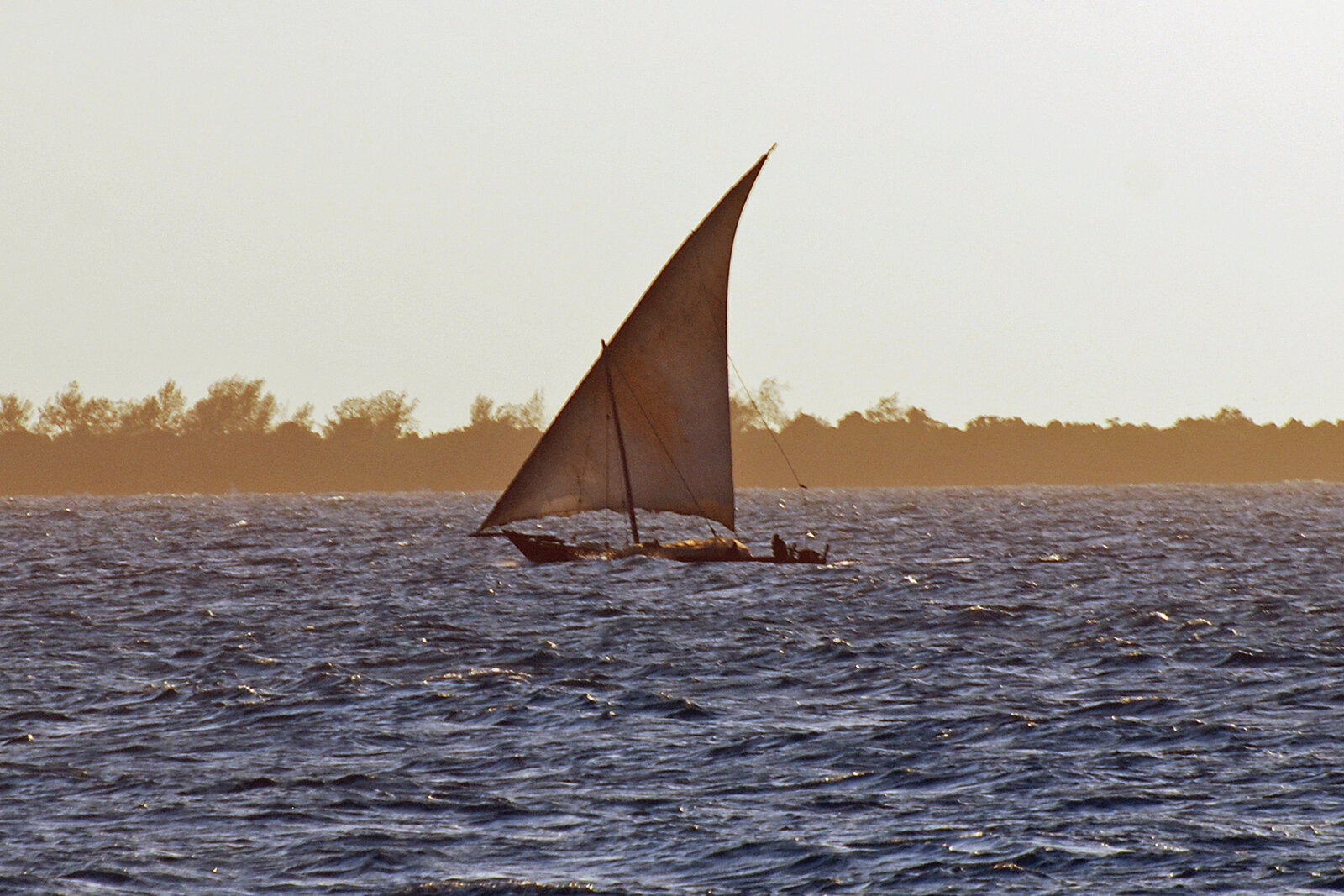
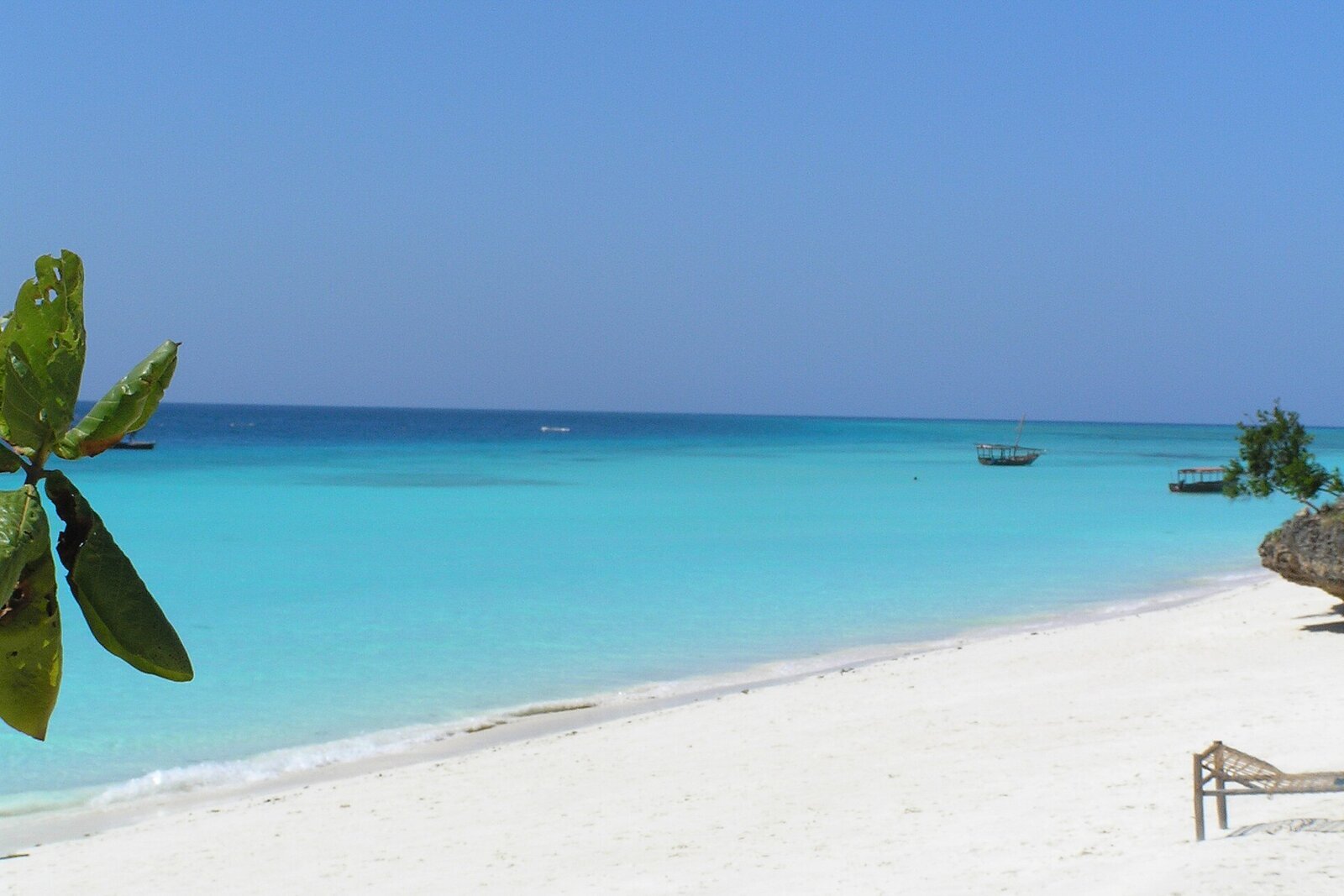
The perfect beach finale to any Tanzanian safari. An hour's flight from the bush, Zanzibar delivers powder-white sand, turquoise water, historic Stone Town, spice farms and dhow sunsets — the classic bush-and-beach combination. Allow three to five nights to truly unwind.
Related journey: Tanzania & Zanzibar Bush and Beach Safari — 8 Days →
Where to Stay: Our Top Tanzania Lodges
Tanzania offers some of Africa's finest safari lodges and tented camps, from iconic rim-crater properties to mobile camps that follow the migration. These are three of our go-to recommendations that deliver the full safari experience.


Singita Sasakwa Lodge
Serengeti National Park, Tanzania
The crown jewel of the Serengeti — a grand Edwardian manor on a private concession with sweeping views over the plains. Ultra-luxury suites, world-class guiding and access to the western corridor and Grumeti River crossings. The ultimate Serengeti experience.
From $1,800 per person per night (all-inclusive with game drives, drinks, conservation levy)


&Beyond Ngorongoro Crater Lodge
Ngorongoro Crater Rim, Tanzania
Perched on the crater rim with floor-to-ceiling views into one of the world's great wildlife amphitheatres. The most luxurious property on the Ngorongoro Crater, with opulent suites, butler service and first access to the crater floor each morning. An icon.
From $1,500 per person per night (all-inclusive with butler, drinks, crater fees, game drives)


Tarangire Treetops
Tarangire National Park, Tanzania
A mid-luxury tented lodge built into the baobab canopy, offering elevated game viewing and an intimate, family-friendly atmosphere. Perfect for watching elephants gather at water, with excellent guiding and a superb location in the heart of Tarangire's elephant kingdom.
From $600 per person per night (full-board with most drinks, twice-daily game drives)
The Best Things to Do in Tanzania
- Witness the Great Migration — river crossings in the north or calving in the south, depending on the season.
- Descend into the Ngorongoro Crater for Big Five game viewing in a natural amphitheatre.
- Take a hot-air balloon safari over the Serengeti plains at dawn.
- Photograph the elephants and baobabs of Tarangire.
- Fly to Zanzibar for white-sand beaches, Stone Town and spice farms.
- Go off the beaten track to Ruaha or Nyerere for a wilder, quieter safari.
- Meet the Maasai and learn about one of Africa's most iconic cultures.
- Climb — or simply admire — Kilimanjaro, the roof of Africa.
- Snorkel or dive the coral reefs off Zanzibar and Mnemba Atoll.
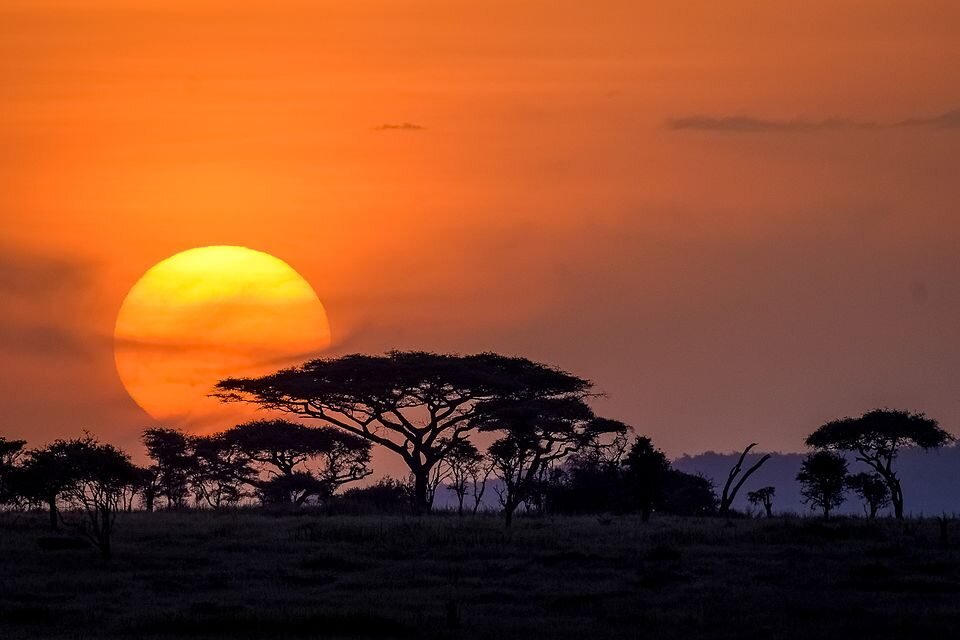
- Enjoy a sundowner on the plains as the African sky turns to fire.
How Many Days Do You Need?
Seven to ten days is the sweet spot for a first trip — enough to combine the great northern parks with a few nights on the coast without rushing. Here is how the timings tend to work:
| Trip length | What it covers |
|---|---|
| 4–5 days | A short northern safari — Ngorongoro & central Serengeti |
| 7 days | The classic circuit — Tarangire, Ngorongoro & Serengeti |
| 8–10 days | Northern safari plus a Zanzibar beach finish |
| 12–14 days | The grand tour — north, southern wilderness & the coast |
Tanzania Safari Regions at a Glance
Tanzania's regions each offer distinct wildlife experiences, landscapes and logistics. Here is how the three main safari areas compare:
| Region | Signature Experience | Best For | Access |
|---|---|---|---|
| Northern Circuit | Serengeti, Ngorongoro Crater, Tarangire, Lake Manyara | First-timers, Great Migration, Big Five | Arusha gateway, road or fly-in |
| Southern Circuit | Ruaha, Nyerere, boat safaris, wild & remote | Second trips, seclusion, walking safaris | Dar es Salaam, fly-in only |
| Zanzibar & Coast | White-sand beaches, Stone Town, spice farms, dhow sunsets | Post-safari unwinding, honeymooners | 1-hour flight from Arusha or Dar |
Tanzania Safari Budget & Cost Planning
Tanzania safari costs span a wide range depending on accommodation tier, season and whether you add Zanzibar. This table gives realistic budget ballparks per person for the classic 7-day northern circuit safari:
| Tier | Accommodation Style | Typical Cost (7 days) | What's Included |
|---|---|---|---|
| Comfort | Permanent tented camps, good locations | $4,500 – $6,500 | Park fees, full-board, game drives, transfers |
| Mid-Luxury | Luxury tented camps, prime areas | $7,000 – $10,000 | Park fees, all-inclusive, expert guides, fly-in |
| Ultra-Luxury | Flagship lodges, private concessions | $12,000 – $20,000+ | Everything + exclusive access, premium drinks, spa |
| + Zanzibar | Add 3–5 beach nights | +$1,500 – $5,000 | Flights, beach resort, meals, activities |
Ready-Made Itineraries
The First-Timer's 7 Days
Tarangire, the Ngorongoro Crater and the Serengeti — the classic northern circuit, timed to the migration, staying in superb tented camps. The perfect introduction to the Tanzanian safari.
The Bush & Beach 8–10 Days
The northern safari circuit followed by a flight to Zanzibar for white-sand beaches, Stone Town and dhow sunsets — the definitive Tanzanian combination of wildlife and ocean.
The Honeymoon & Grand Tour
A tailor-made blend of the Serengeti, Ngorongoro and a barefoot-luxury island finish — or, for a second trip, the wild and empty parks of the south. The safari of a lifetime.
Related journey: Serengeti Migration Safari — 7 Days →
What Does a Trip to Tanzania Cost?
Tanzania sits at the premium end of African safari, and the experience justifies it. National-park fees, remote fly-in camps and the sheer quality of the wildlife place it above many other destinations, but costs vary widely by season and comfort level. The green season and mid-range camps offer excellent value, while flagship migration camps and private conservancies sit at the top of the global luxury scale. Zanzibar spans everything from characterful beach hotels to barefoot-luxury island resorts. We build every trip to your budget and are transparent about where your money goes furthest.
Practical Information
- Visas: most visitors need a visa, available online in advance (e-visa) or on arrival. Always confirm the latest requirements for your nationality before travelling.
- Health: a yellow-fever certificate is required if you arrive from an at-risk country; anti-malarial precautions are strongly advised for the safari parks. Consult a travel clinic before you go.
- Currency: the Tanzanian shilling (TZS); US dollars are widely accepted for tourism, park fees and tips. Carry newer US-dollar notes.
- Language: Swahili and English are both widely spoken; English is the language of tourism.
- Getting around: light-aircraft flights link the parks and Zanzibar quickly and comfortably; road transfers are used on the northern circuit. We handle all internal flights and transfers.
- Electricity: 230V, with UK-style three-square-pin plugs — bring a universal adapter.
- Tipping: customary — a daily gratuity for guides and camp staff is expected and appreciated.
Is Tanzania Safe to Visit?
Tanzania is a welcoming, politically stable destination that hosts hundreds of thousands of safari travellers every year. On safari, you are in the expert hands of professional guides and reputable camps, and the wildlife parks are among the safest, most controlled environments in African travel. In towns and on the coast, the usual sensible precautions apply — keep valuables discreet, use arranged transfers, and follow local advice. On a privately arranged trip with vetted guides and quality camps, the logistics of safety are handled for you, which is exactly why most first-time visitors travel this way.
Food & Culture
Tanzanian food is a warm, flavourful blend of African, Arab and Indian influences — think grilled meats, rich curries, fresh tropical fruit and, on the coast, Swahili seafood scented with coconut and spice. On safari, camps deliver surprisingly excellent dining, from bush breakfasts to candlelit dinners under the stars. Culturally, Tanzania is home to the Maasai, the Hadzabe and more than 120 ethnic groups, and a visit to a village or a Stone Town spice tour adds real depth to any journey.
Why Travel with a Private Travel House
- One team, one point of contact — every flight, transfer, camp and experience handled as a single seamless journey.
- Insider access — the best camps, the right migration positioning, the finest guides and experiences.
- Tailor-made to you — your dates, your pace, your interests, your budget, shaped entirely around you.
- On-the-ground support — genuine 24/7 assistance from arrival to departure.
- Peace of mind — safety, logistics and quality all taken care of, so you simply enjoy the wild.
Plan Your Tanzanian Journey
We are a private, tailor-made travel house, and East Africa is our specialty. Tell us your dates, who is travelling and what you dream of — the Great Migration, a first Big Five safari, a bush-and-beach honeymoon or a grand family adventure — and we will design a Tanzanian journey that is entirely your own, then run it flawlessly from the moment you land.
Ready to plan the perfect trip? 👉 Request a Tanzania quote → 👉 Browse our tours & safari packages → 👉 WhatsApp us: +27 74 315 5782