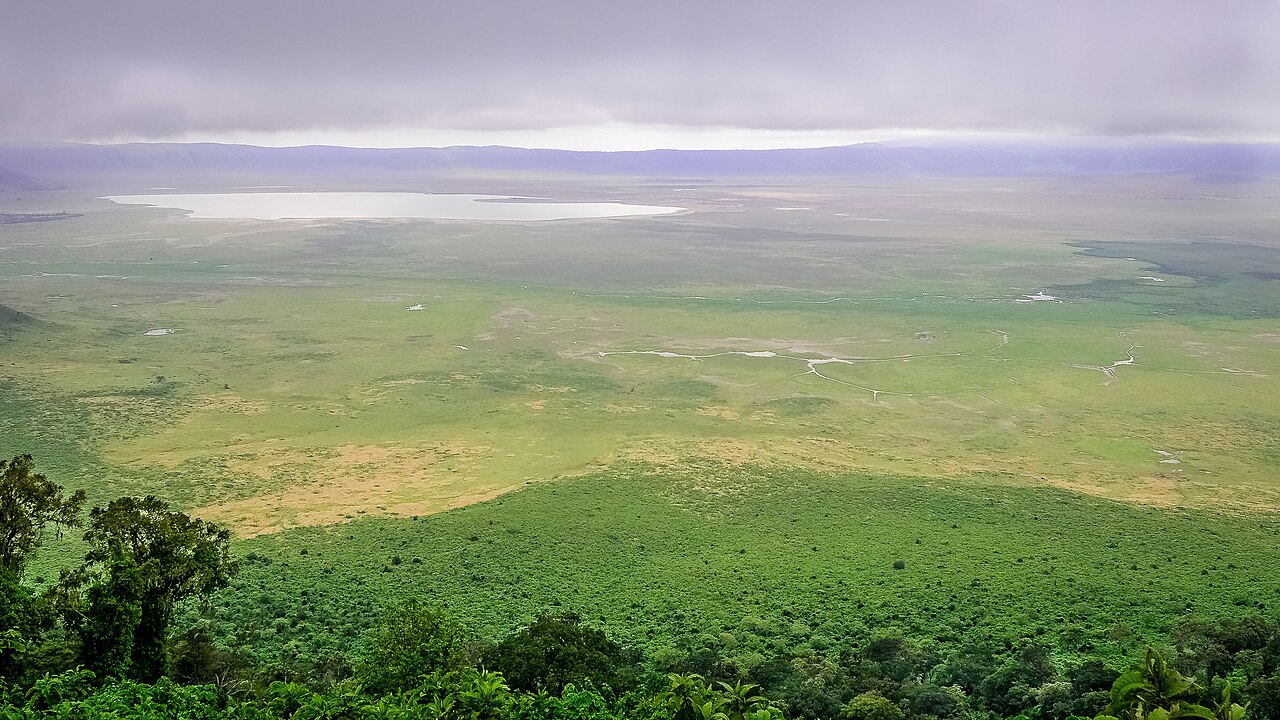
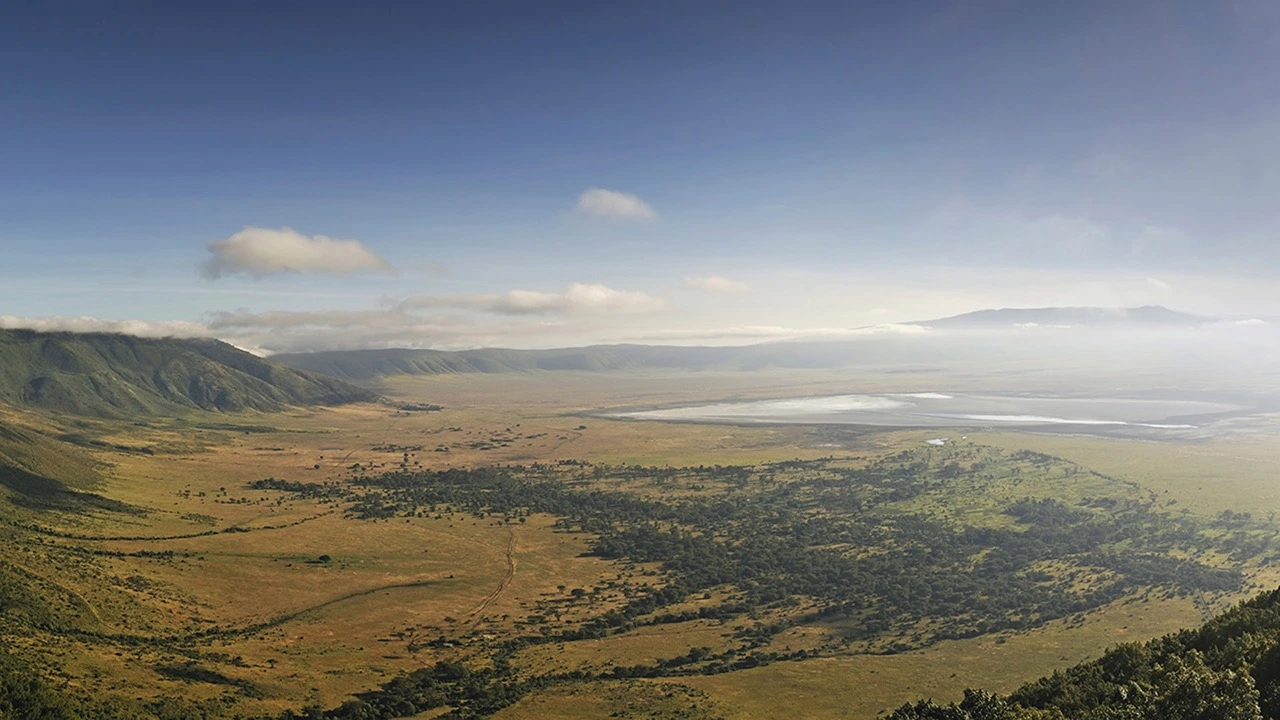
Can you really do a safari in a day from Arusha? Which airport do you fly into? And is the town worth a night or two of its own, or just somewhere to sleep before the bush? Those three questions come up in almost every message we get about northern Tanzania, so this guide answers them plainly, then lays out the things worth doing in Arusha and the safaris you can actually book from here for 2026-2027.
📋 Key Takeaways
- Arusha is the start line, not the safari — the Serengeti, Ngorongoro and Tarangire all begin here, but none of them is a same-day round trip from town.
- There is one true day safari — Arusha National Park, 40 minutes away, with giraffe, buffalo, the Momella Lakes and walking on foot.
- You fly into Kilimanjaro International (JRO) — about 46km east of Arusha; the small Arusha Airport (ARK) is for light-aircraft flights into the parks.
- One or two nights in Arusha is plenty — enough for a coffee tour, Lake Duluti or the waterfalls, then on to the parks.
- A real Serengeti safari needs three days or more — by road it is a four to six-hour drive each way, so anyone selling a one-day Serengeti trip is stretching the truth.
Why every northern-circuit safari begins in Arusha
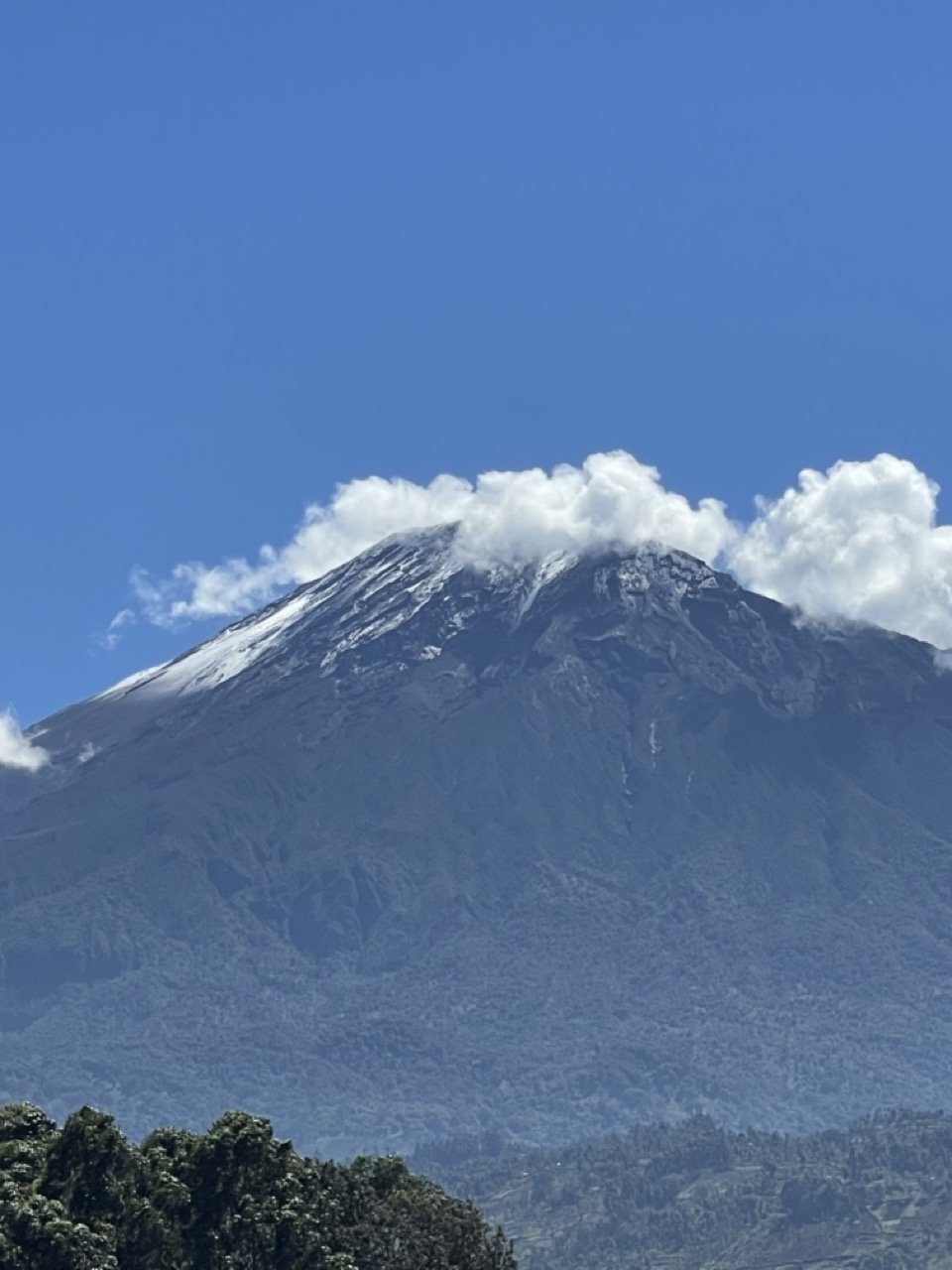
Arusha sits at the foot of Mount Meru in northern Tanzania, roughly halfway between Cape Town's time zone and the Indian Ocean, and it is the one town every traveller on the northern safari circuit passes through. The Serengeti, the Ngorongoro Crater, Tarangire and Lake Manyara all fan out to the west and south of here, and the light-aircraft flights that reach the remote camps leave from the edge of town. That is why your safari paperwork, your guide and your vehicle nearly always start in Arusha, even if you never planned to spend time here.
This page is the gateway guide: how to use the town well. If you want the wildlife detail on the park next door, read our Arusha National Park safari guide. If you are planning the full route west, our Tanzania northern circuit itinerary maps the days park by park. Everything below is about the first and last pieces of your trip — the part most guides skip.
1. Arusha National Park — the one real day safari
If you have a spare day in town and want to see animals, this is where you go. Arusha National Park sits about 40 minutes from the centre, under the jagged peak of Mount Meru, and it packs a lot into a small area: giraffe moving through open glades, buffalo and warthog, black-and-white colobus monkeys in the forest, and the Momella Lakes where flamingos gather on the shallows. There are no lions here, which is exactly why the park allows walking safaris on foot with an armed ranger — a rare thing in Tanzania and a good first taste of the bush for families and nervous first-timers. A half or full day is enough, and you are back in Arusha for dinner. It is the only genuine same-day safari from town, so if someone offers you a one-day Serengeti trip, this is usually what they mean.
2. Lake Duluti — a quiet crater lake twenty minutes out
Lake Duluti is a small forest-ringed crater lake on the eastern edge of Arusha, about twenty minutes from the centre. You can take a guided canoe out onto the still water, watch for kingfishers, cormorants and the odd monitor lizard along the reed line, and walk the shaded nature trail around the rim. It is calm, cheap and easy, and it pairs neatly with a coffee tour on the same slopes. For an afternoon when you have arrived tired off a long flight and do not want a full day out, Lake Duluti is the gentle option.
3. Materuni Waterfalls & Kikuletwa Hot Springs
About an hour north-east of Arusha, on the lower slopes of Kilimanjaro, the village of Materuni sits among Chagga coffee smallholdings. A guided walk through the farms leads to the Materuni waterfall, a tall single drop into a cold plunge pool that you can swim in if you do not mind the chill. Most trips here are run by the village and include a Chagga coffee demonstration — roasting beans over a fire and singing the grinding song — which is the real draw. On the way back, many people stop at the Kikuletwa (Chemka) hot springs, a warm, clear spring pool shaded by fig trees where you can float for an hour. It makes a full, active day and suits families with older children.
4. Coffee plantation tours
The volcanic soil around Arusha and Kilimanjaro grows some of East Africa's best arabica, and a coffee tour is one of the easiest half-days to add to your trip. You walk the rows, pick ripe cherries, then pulp, dry, roast and grind them by hand before drinking the result on a plantation veranda. Several of the lodges around town, including the Arusha Coffee Lodge estate, sit on working farms and run their own tours. It is relaxed, shaded and genuinely interesting, and it travels well with Lake Duluti or a market visit on the same day.
5. Mount Meru trek
Mount Meru rises to 4,566 metres right behind Arusha, and climbing it is the serious outdoor option here. It is a three to four-day trek through forest, moorland and a dramatic ash cone, with game — giraffe, buffalo, colobus — on the lower slopes, which is why an armed ranger walks with you on day one. Most climbers do Meru as acclimatisation before Kilimanjaro, and it works: the altitude profile and the summit night prepare your body well. On its own it is a strong, quieter trek with far fewer people than Kilimanjaro. If a climb is part of your plan, tell us and we will build the rest days in Arusha around it.
6. Cultural Heritage Centre & markets
For a last afternoon, the Cultural Heritage Centre on the western edge of town is a one-stop stop: a large gallery of African carvings and paintings, a Tanzanite showroom where you can see the blue stone mined only in this corner of Tanzania, and a cafe. It is aimed at travellers, so prices are higher than the street, but the quality and the range are good and the building itself is worth a look. For something livelier, the Maasai Market in the centre is where to haggle for beadwork and fabric, and the Arusha Declaration grounds and the clock tower give you a feel for the town. Keep an eye on your bag in the busy streets, as you would in any town.
7. Where to stay in Arusha
Arusha spreads out, and where you sleep comes down to your budget and to town versus a green estate outside it. The coffee lodges on the farms give you quiet and birdsong; the city hotels put you near restaurants and the market. Here is how the main options sort out.
| Budget tier | Places we use | Area & feel | From (pp, per night) |
|---|---|---|---|
| Luxury | Gran Meliá Arusha, Arusha Coffee Lodge, Arusha Safari Lodge, Legendary Lodge | Coffee estates and garden grounds on the edge of town, quiet and green | US$280 |
| Upper mid-range | Mount Meru Hotel, Kibo Palace, Four Points by Sheraton (The Arusha Hotel) | City centre, walkable to restaurants and the clock tower | US$140 |
| Mid-range | Africa Safari Arusha (Sakina), lodges around Njiro | Leafy suburbs, pool, good value, short drive to town | US$90 |
| Budget / boutique | Tulia Boutique Hotel & Spa, well-run guesthouses | Clean, friendly, simple — fine for a night either side of safari | US$55 |
| Near the airport (JRO) | Lodges between Kilimanjaro airport and Arusha | Handy for a late arrival or an early climb start, away from town | US$110 |
Prices are indicative per person per night sharing with breakfast, and change with season and room type. We book the tier that fits your trip and quote the exact rate for your dates in writing.
For most people one or two nights is right: a night to recover from the flight and do one activity, and often a last night at the end before you fly home. If you are climbing Meru or Kilimanjaro, you will want a night either side. A green coffee-estate lodge is the nicer choice if you have the budget and want to rest; a central hotel is better if you want to eat out and shop.
8. Airports & transfers — how they really work
This trips up a lot of first-time visitors, so here it is clearly. There are two airports, and they do different jobs.
| Airport | What it is for | Distance from Arusha |
|---|---|---|
| Kilimanjaro International (JRO) | The main gateway — nearly all international flights land here | About 46km east, 50 to 70 minutes by road |
| Arusha Airport (ARK) | Small domestic strip for light-aircraft fly-in flights to the Serengeti and other parks | About 8km west, 15 to 20 minutes by road |
So the usual pattern is: you land at Kilimanjaro International, a driver meets you and brings you to Arusha, you spend a night, then you either drive west into the parks or transfer the short way to Arusha Airport for a light-aircraft flight. A private transfer from JRO to Arusha is the simplest arrival after a long flight, and we include it in most of our trips. Do not book a cheap shuttle for your first night tired and jet-lagged — the private meet-and-greet is worth it. If your safari is fly-in rather than drive-in, we time the Arusha Airport hop so you are not waiting around.
9. Day trips versus multi-day safaris — the honest answer
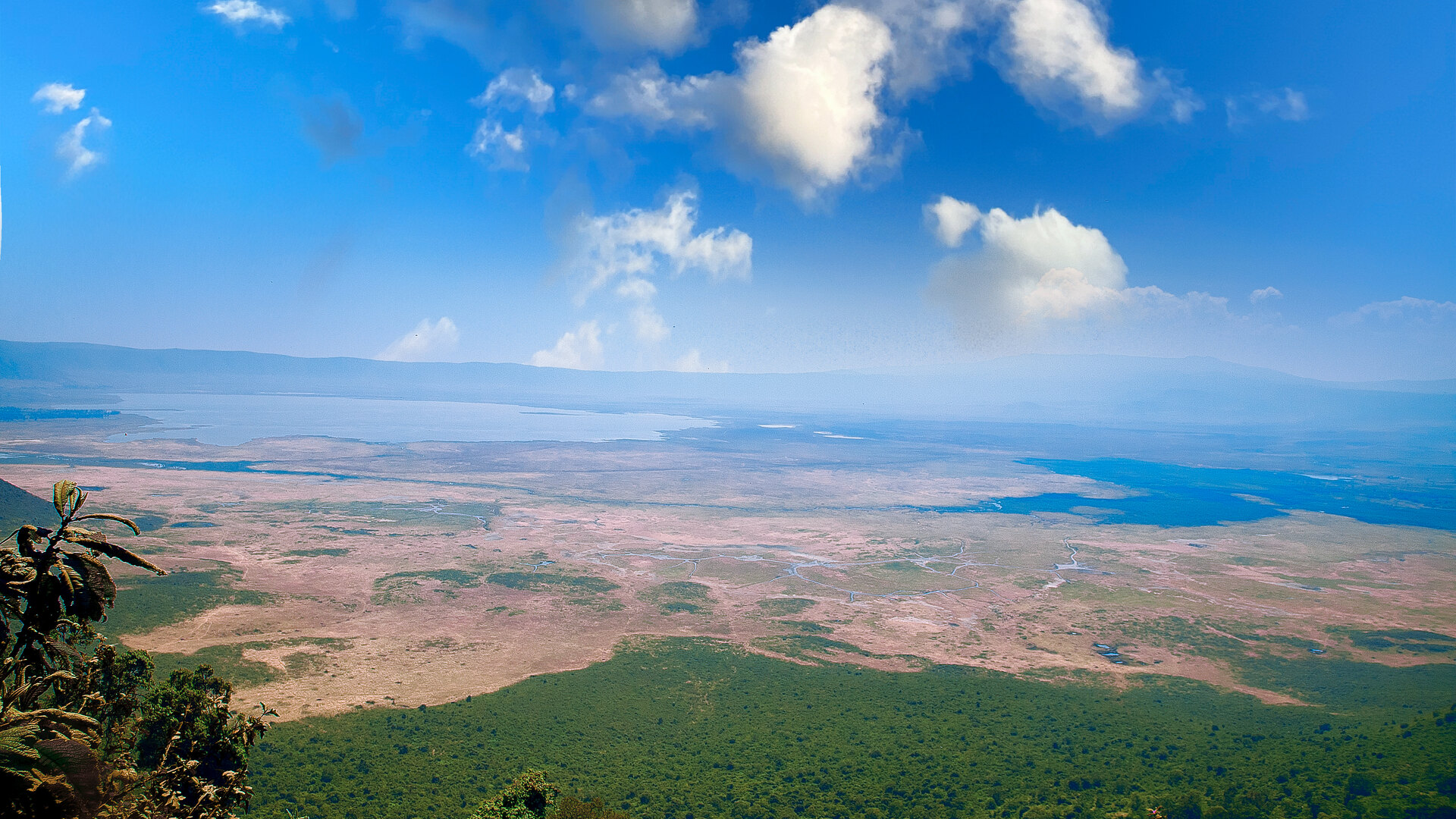
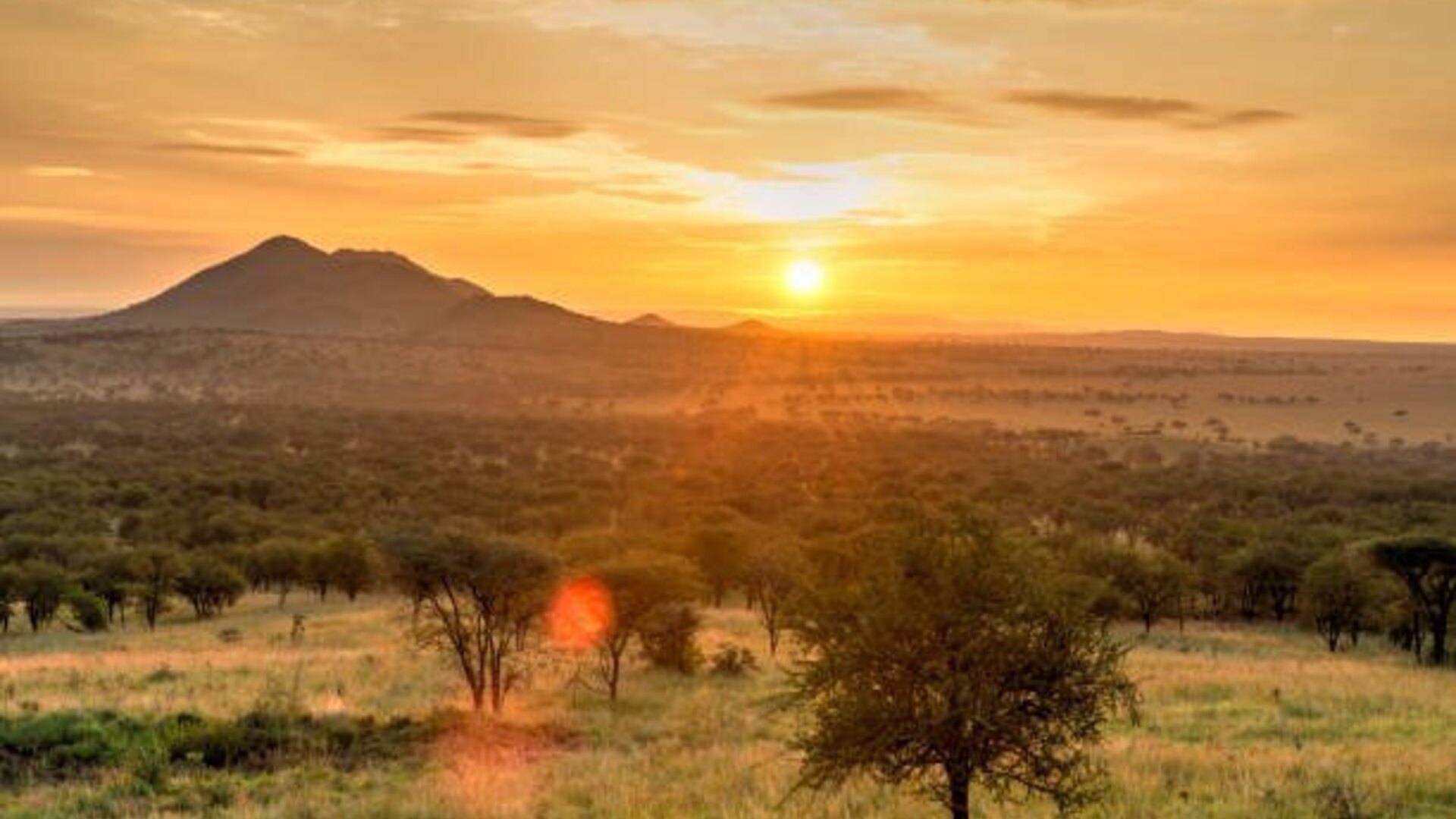
Here is the question we are asked most, and the straight answer. You cannot do a real Serengeti safari in a day from Arusha. The Serengeti gate is a four to six-hour drive west, so a day trip would be ten hours in a vehicle for an hour or two of game viewing — not worth it, and not what you came for. The same goes for a rushed single day to Ngorongoro: possible, but a long drive for a short time on the crater floor. Anyone marketing a "one-day Serengeti" is usually either sending you to Arusha National Park instead or putting you through a punishing day you will regret.
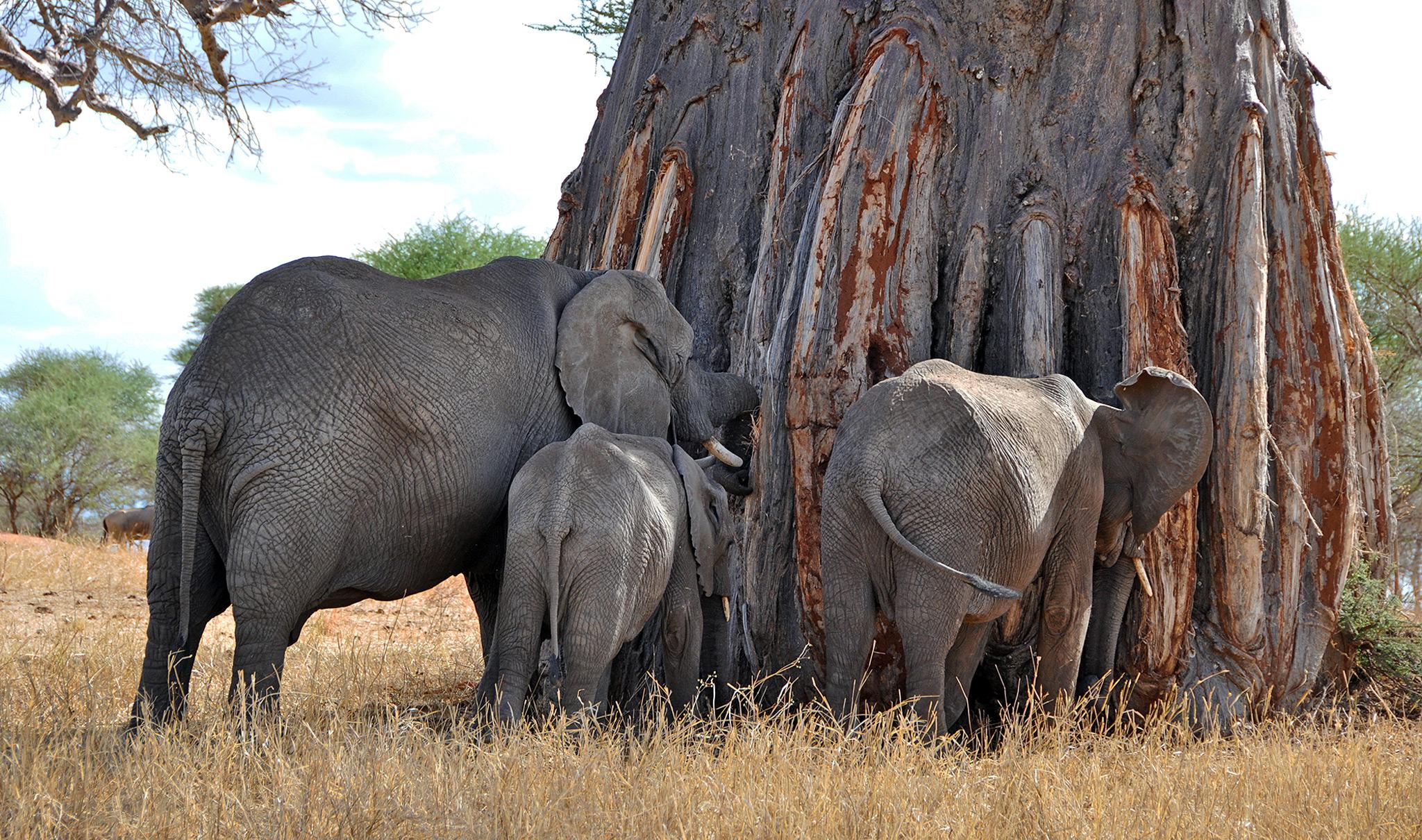
What you can do in a day from Arusha is the park next door, Lake Duluti, the Materuni waterfalls, a coffee tour or the market. What the famous parks need is time. As a rough guide: the Ngorongoro Crater deserves two days with Tarangire or Manyara, the Serengeti wants three days or more on its own, and the classic northern loop of Tarangire, Ngorongoro and the Serengeti runs best over six to eight days. Below is how the options compare.
| What you want | Realistic trip | Time needed | How you travel |
|---|---|---|---|
| Animals today, back for dinner | Arusha National Park | Half to full day | Road, 40 min each way |
| The crater and a taste of the bush | Tarangire + Ngorongoro | 3 days | Road safari from Arusha |
| The full northern circuit | Tarangire, Ngorongoro & Serengeti | 6 to 8 days | Road, or drive-in and fly-out |
| The migration, less driving | Serengeti fly-in safari | 5 to 8 days | Light aircraft from Arusha Airport |
10. Safaris from Arusha — bookable for 2026-2027
When you are ready to leave town for the real thing, these are the trips we run most from Arusha. Each one starts here, so your Arusha nights and transfers slot straight in. They range from a value road safari to a fly-in trip that cuts out the long drives.
The Serengeti Value Northern Circuit — 7 Days is the honest, well-priced way to do the whole loop by road: Tarangire, the Ngorongoro Crater and three nights in the Serengeti, starting and ending in Arusha. For travellers who come for the wildebeest, the Serengeti Migration Safari — 7 Days times the route to where the herds are that month. And if you would rather fly than drive, the Luxury Tanzania Fly-In Safari — 8 Days uses light aircraft from Arusha Airport to reach remote camps with far less time on the road. Tell us your dates and we will match the trip to the season and your pace.
How many days do you really need in Arusha?
Short version: one or two nights in town, then the parks. A good first trip looks like this — fly into Kilimanjaro, a private transfer to an Arusha lodge, one night and a coffee tour or Lake Duluti to shake off the flight, then west into Tarangire, Ngorongoro and the Serengeti for six to eight days, and a last night back in Arusha before you fly home. Families and first-timers often add Arusha National Park at the start for a gentle warm-up. Climbers building up to Kilimanjaro use Mount Meru and a couple of Arusha nights for acclimatisation. The town is the frame around the picture, not the picture itself — but get the frame right and the whole trip runs smoother.
Book your Arusha and northern-circuit safari with Beyond Africa Safaris
Tell us your dates, how many of you are travelling and a rough budget, and we will come back with one or two northern-circuit itineraries that begin in Arusha, with real lodge names, the right airports and a written quote — then adjust until it fits. Message us on WhatsApp at +27 78 471 4852 or email reservations@privatetourscapetown.com. We are a Cape Town-based team who book the Tanzania northern circuit every season, and we will be honest with you about day trips, driving times and timing before you pay for anything.
Hero image: Beyond Africa Safaris.