Key Takeaways
- The Northern Circuit links Arusha, Tarangire, Lake Manyara, the Serengeti and the Ngorongoro Crater — Africa's finest concentration of parks.
- Seven days covers the highlights; eight to ten days gives you the depth the circuit deserves.
- Tarangire is famous for its elephants and ancient baobabs; Lake Manyara for its flamingos and tree-climbing lions.
- The Serengeti is the heart of the trip — endless plains, big cats and the Great Migration.
- The Ngorongoro Crater has the highest density of predators in Africa and superb Big Five viewing.
- You can drive the circuit or fly between parks — flying saves time and suits shorter or higher-end trips.
If there is a single safari that belongs at the top of every list, it is the Tanzania Northern Circuit. Nowhere else on earth are so many great parks strung so close together, each one distinct, each one world-class. In a week to ten days you travel from baobab-studded valleys to flamingo-pink lakes, across the endless Serengeti and down into a collapsed volcano teeming with life. It is the safari by which all others are measured, and it begins in Arusha.
The Itinerary at a Glance
Days 1–2: Arusha & Tarangire
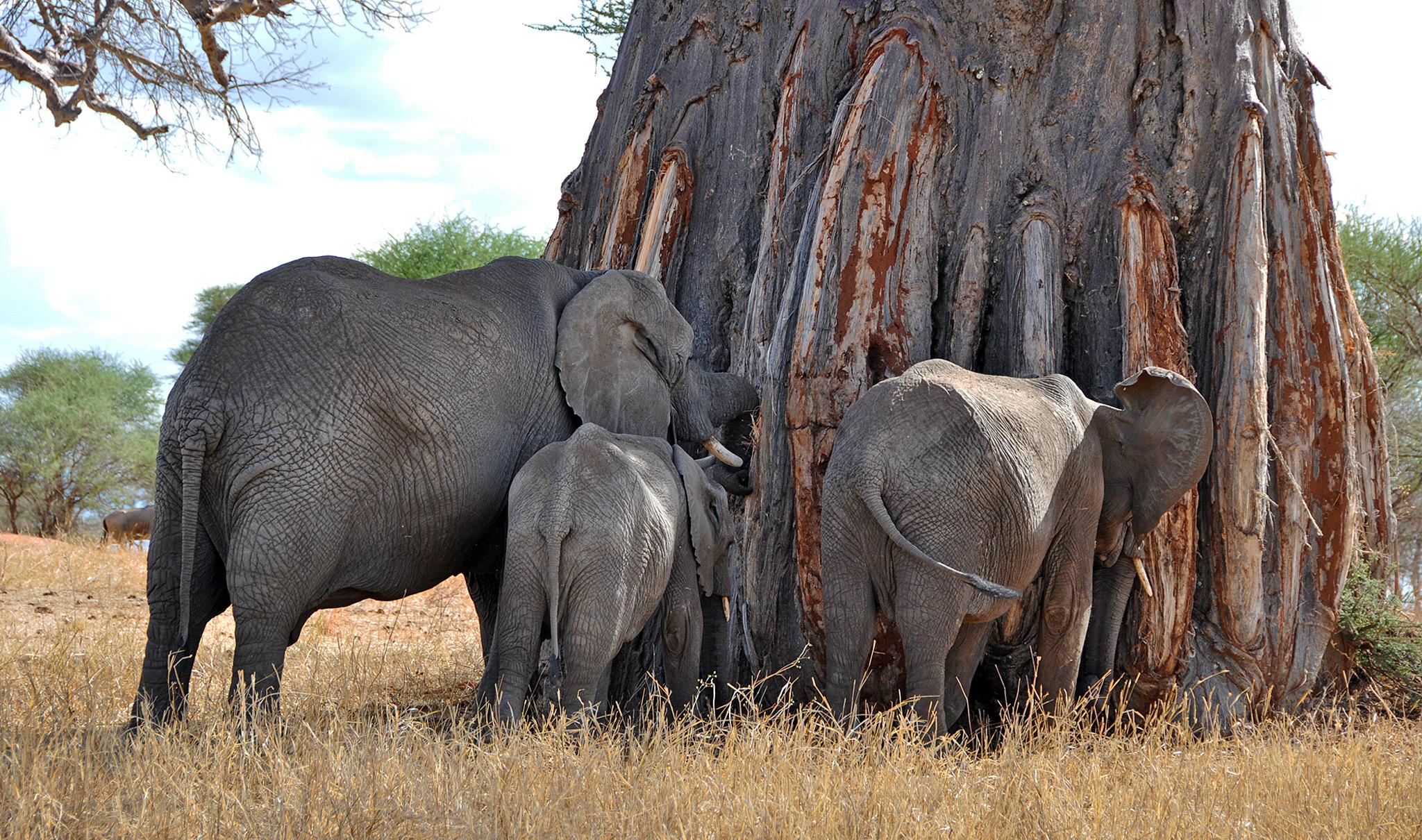
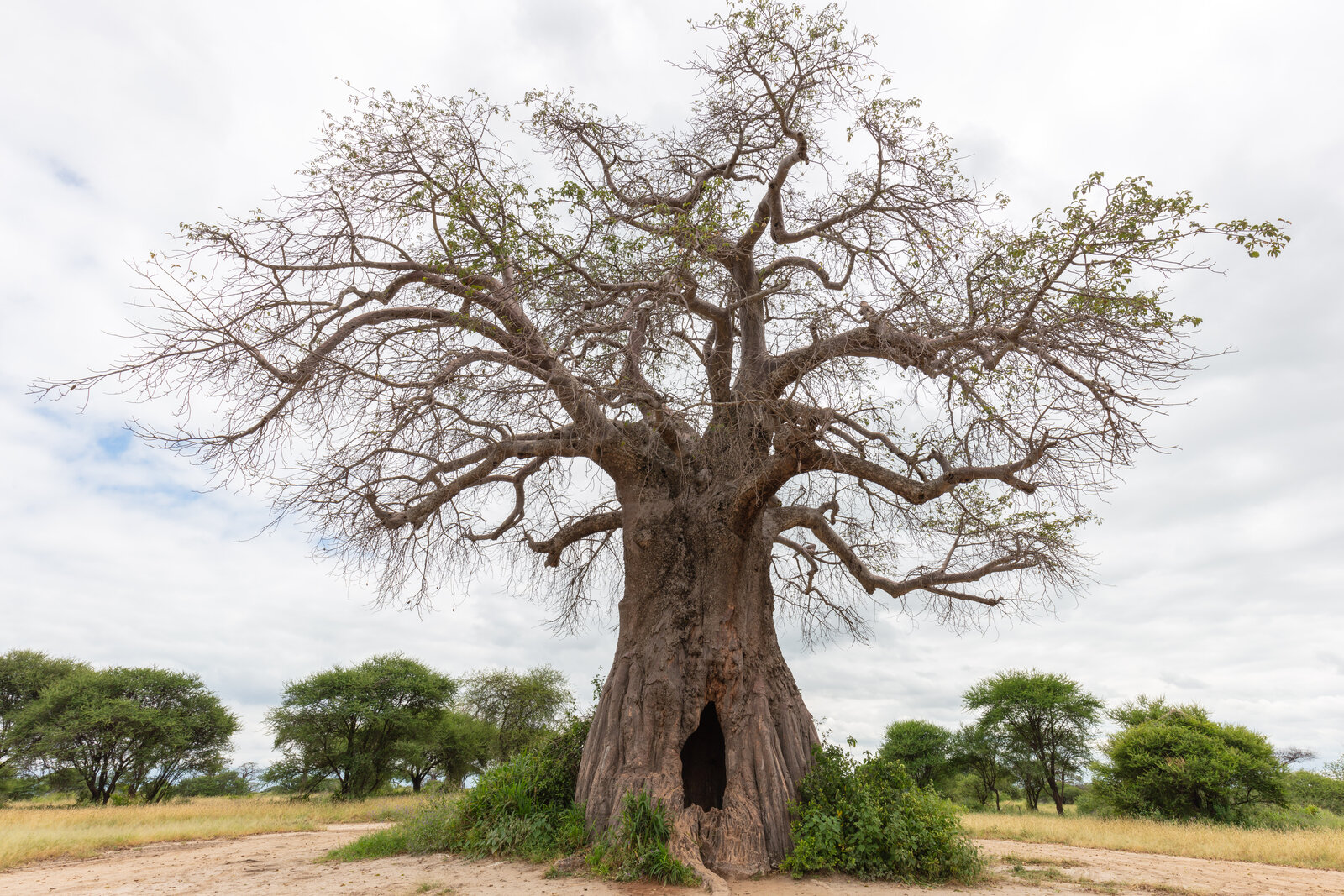
You begin in Arusha, the safari capital of Tanzania, set at the foot of Mount Meru. After a night to settle, you head to Tarangire National Park — often overlooked, and all the better for it. Tarangire is elephant country, with some of the largest herds in Tanzania, and its landscape is unforgettable: ancient baobab trees, their swollen trunks thousands of years old, standing sentinel over the Tarangire River. In the dry season the game gathers at the water in extraordinary numbers, and the birdlife is superb year-round.
Day 3: Lake Manyara
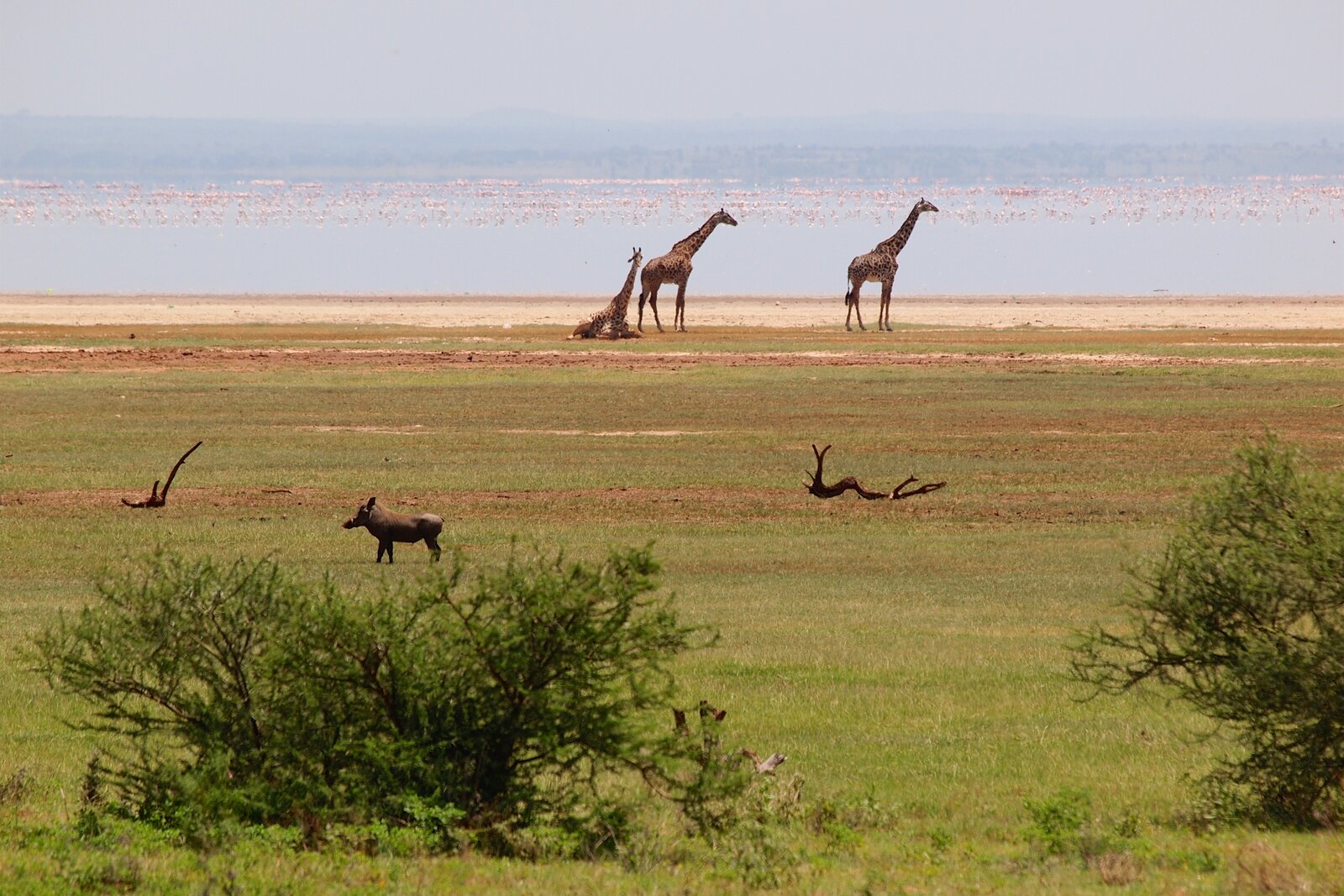
Lake Manyara National Park is small but wonderfully varied. A lush groundwater forest of fig and mahogany gives way to open grassland and the soda lake itself, where flamingos gather in shimmering pink rafts. Manyara is famous for its tree-climbing lions, draped along the branches in the heat of the day, and for the sheer density of life packed into a compact park beneath the dramatic Rift Valley escarpment. It makes a perfect staging point between Tarangire and the Serengeti.
Days 4–6: The Serengeti
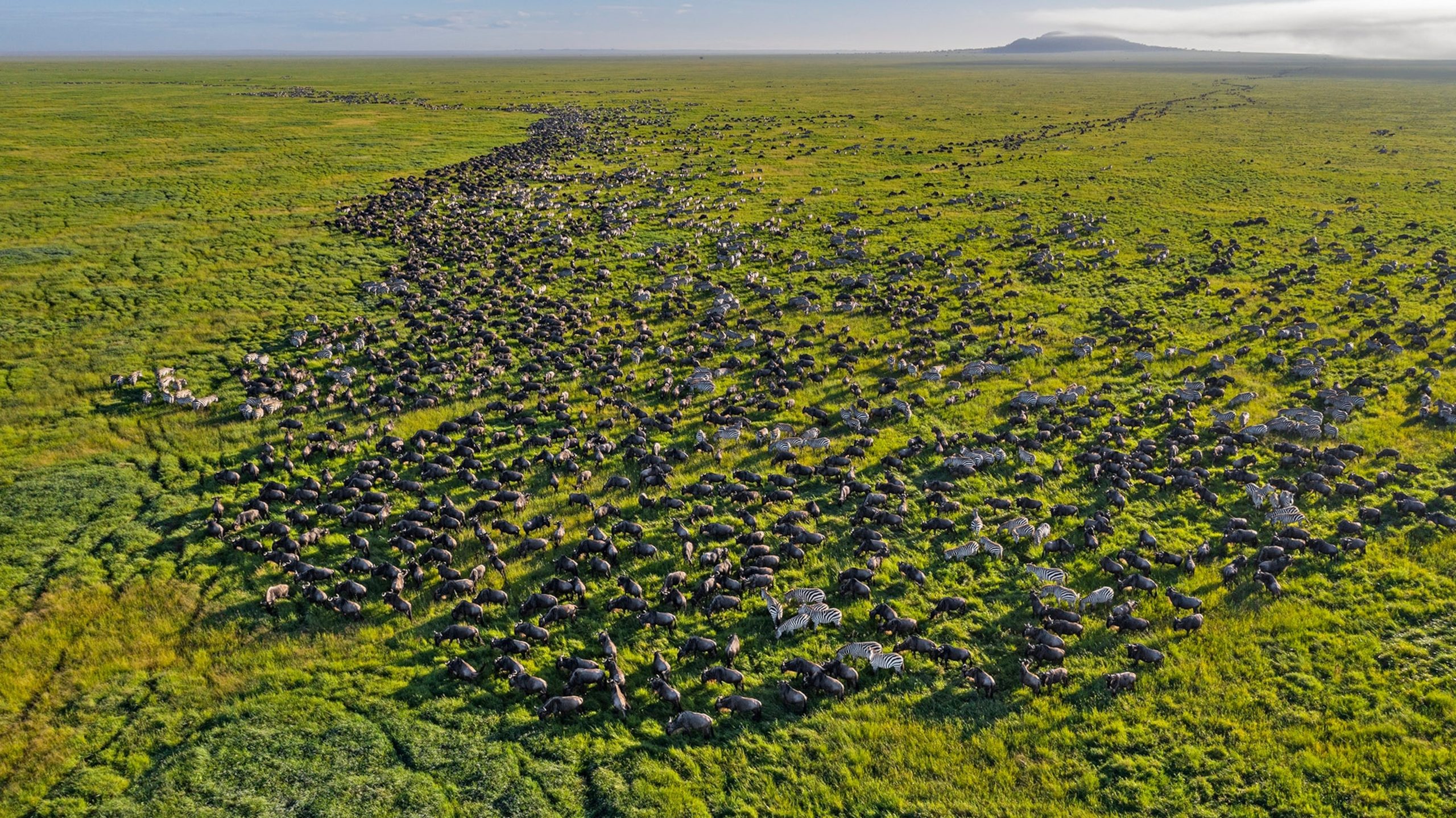
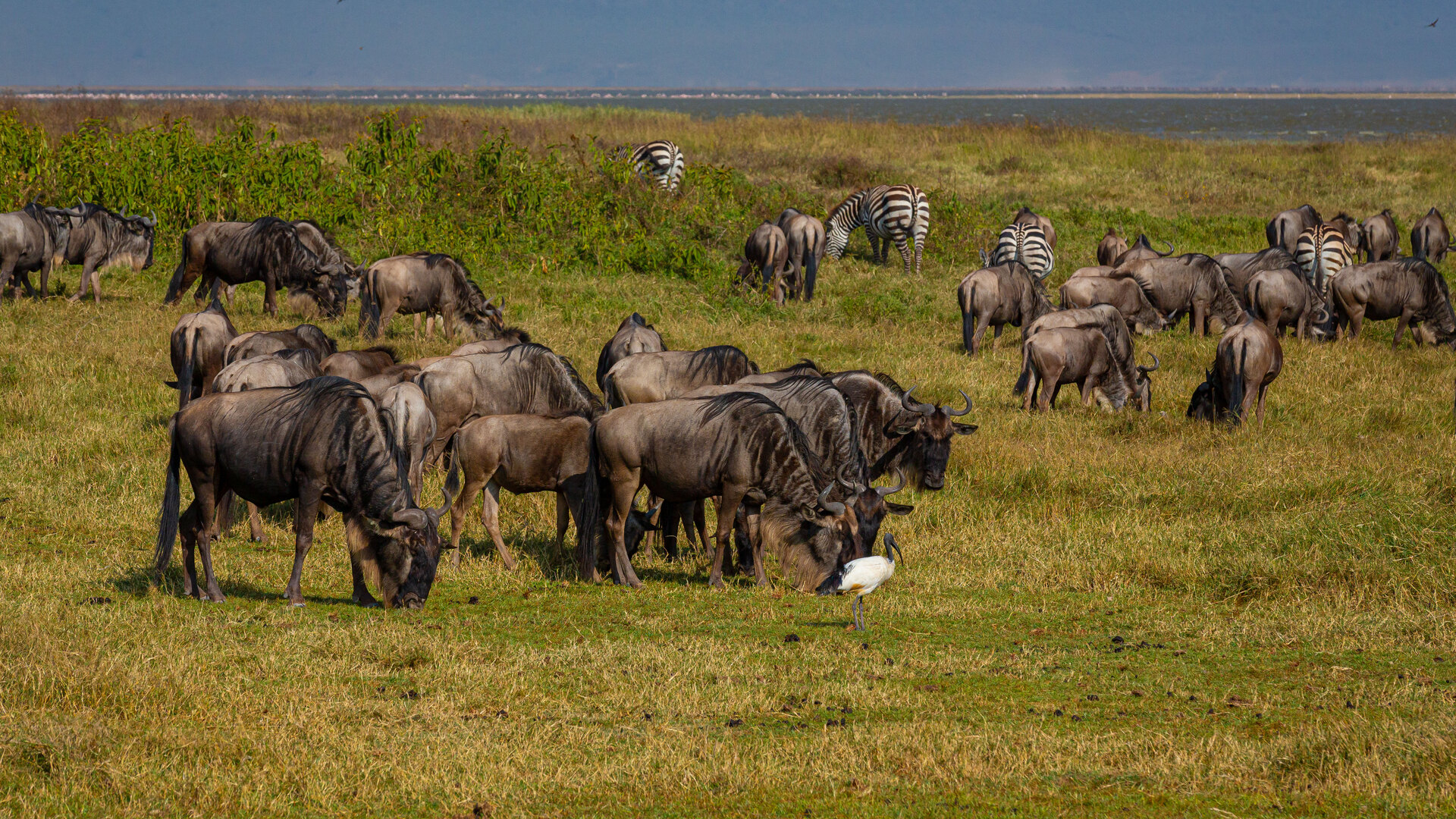
Then comes the heart of the trip. The Serengeti is the endless plain — nearly 15,000 square kilometres of grass, sky and wildlife on a scale nowhere else can match. Here you spend your days tracking lion prides and cheetah, watching for leopard in the sausage trees, and, in the right season, following the Great Migration as almost two million wildebeest and zebra move across the land. Give the Serengeti three nights at least, and lift off one morning in a hot air balloon for the view that will stay with you forever.
Choose your region by season — the southern plains for calving from January to March, the western corridor from May to July, and the north for the Mara River crossings from August to October. We place your camps deliberately so you wake close to the action.
Days 7–8: The Ngorongoro Crater
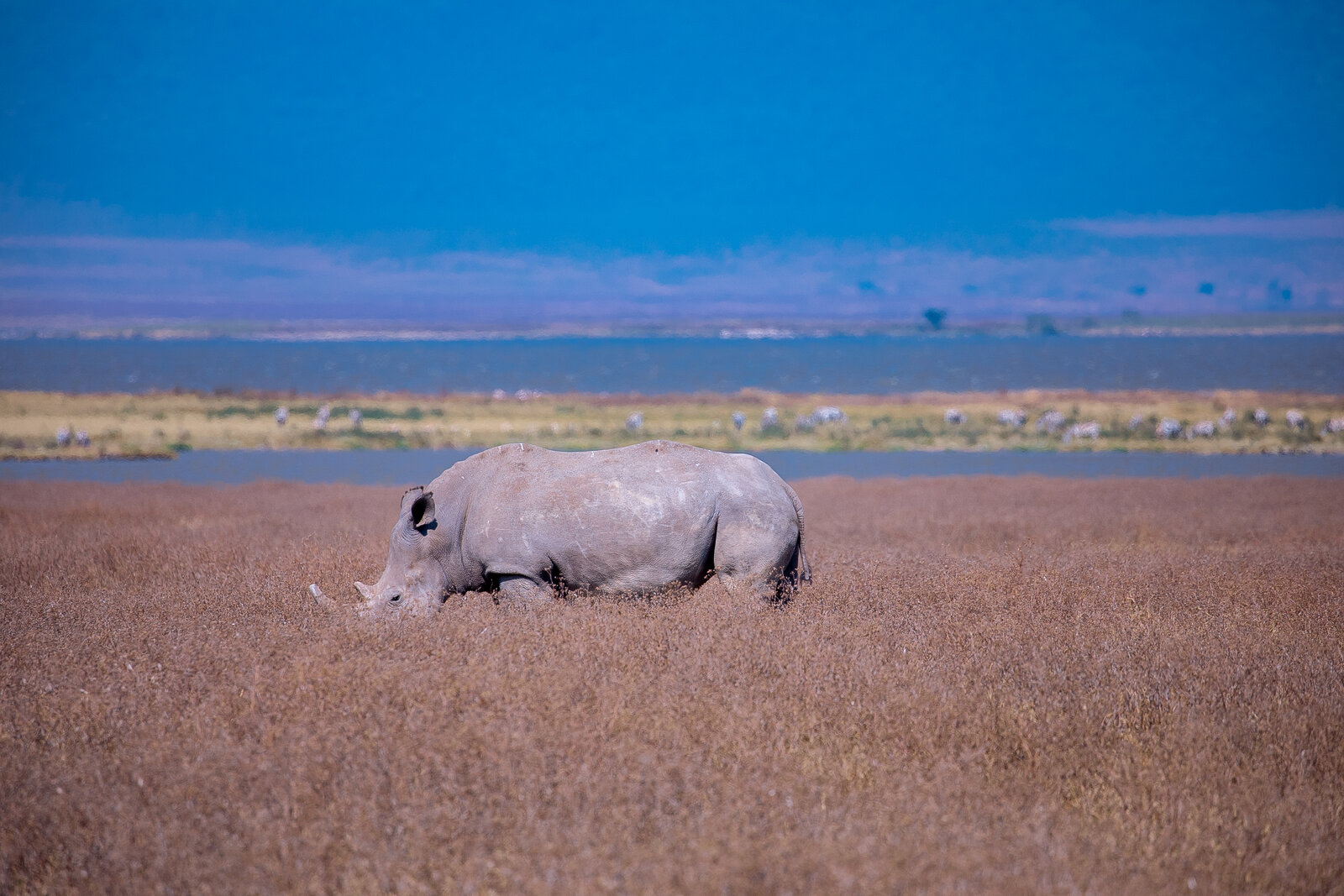
The finale. The Ngorongoro Crater is the largest intact volcanic caldera on earth — a collapsed volcano some twenty kilometres across, its walls rising six hundred metres above a floor that holds grassland, forest, a soda lake and around 25,000 large animals. It has the highest density of predators in Africa and offers some of the best Big Five viewing anywhere, including the black rhino that are so hard to find elsewhere. En route from the Serengeti you can pause at Olduvai Gorge, the cradle of humankind. A full day on the crater floor is one of the great days in all of safari.
Days 9–10: Extend the Journey
With a few extra days you can deepen the trip rather than rush it — more time in the Serengeti to truly settle, or a flight east to Zanzibar to finish on the beach. A Serengeti-and-Zanzibar pairing is the classic Tanzanian bush-and-beach honeymoon, trading khaki for a swimsuit and game drives for the warm Indian Ocean. However you shape it, the Northern Circuit rewards every extra day you can give it.
When to Go & How to Travel It
The circuit is rewarding all year. The dry season from June to October brings the easiest game viewing and the northern migration crossings; the green season from November to March brings calving on the southern plains, lush scenery, fewer vehicles and lower prices. You can drive the circuit — a wonderful way to feel the distances and see the country change — or fly between parks on light aircraft to save time, which suits shorter and higher-end trips. Most travellers do a blend: fly the long legs, drive the scenic ones. We will craft yours around your timing, your budget and the lodges that suit you best.
Ready to explore? Browse our safari tours and packages →