Lake Manyara is the jewel of the Great Rift Valley — a slender emerald park squeezed between the towering escarpment wall and the shallow, flamingo-fringed waters of the lake that shares its name. It is famous for its tree-climbing lions, its dense groundwater forest and the extraordinary birdlife that gathers at the lake's edge in flocks so vast they turn the shore pink. Small, scenic and easily explored in a half-day, Lake Manyara National Park is the perfect opener or counterpoint to the vast plains of the Serengeti and the contained drama of Ngorongoro.
This complete Lake Manyara safari guide covers exactly when to visit for the flamingos and the tree-climbing lions, where to find the wildlife, the finest lodges on the escarpment, honest 2026 costs, sample itineraries and how to weave Manyara into your northern Tanzania circuit.
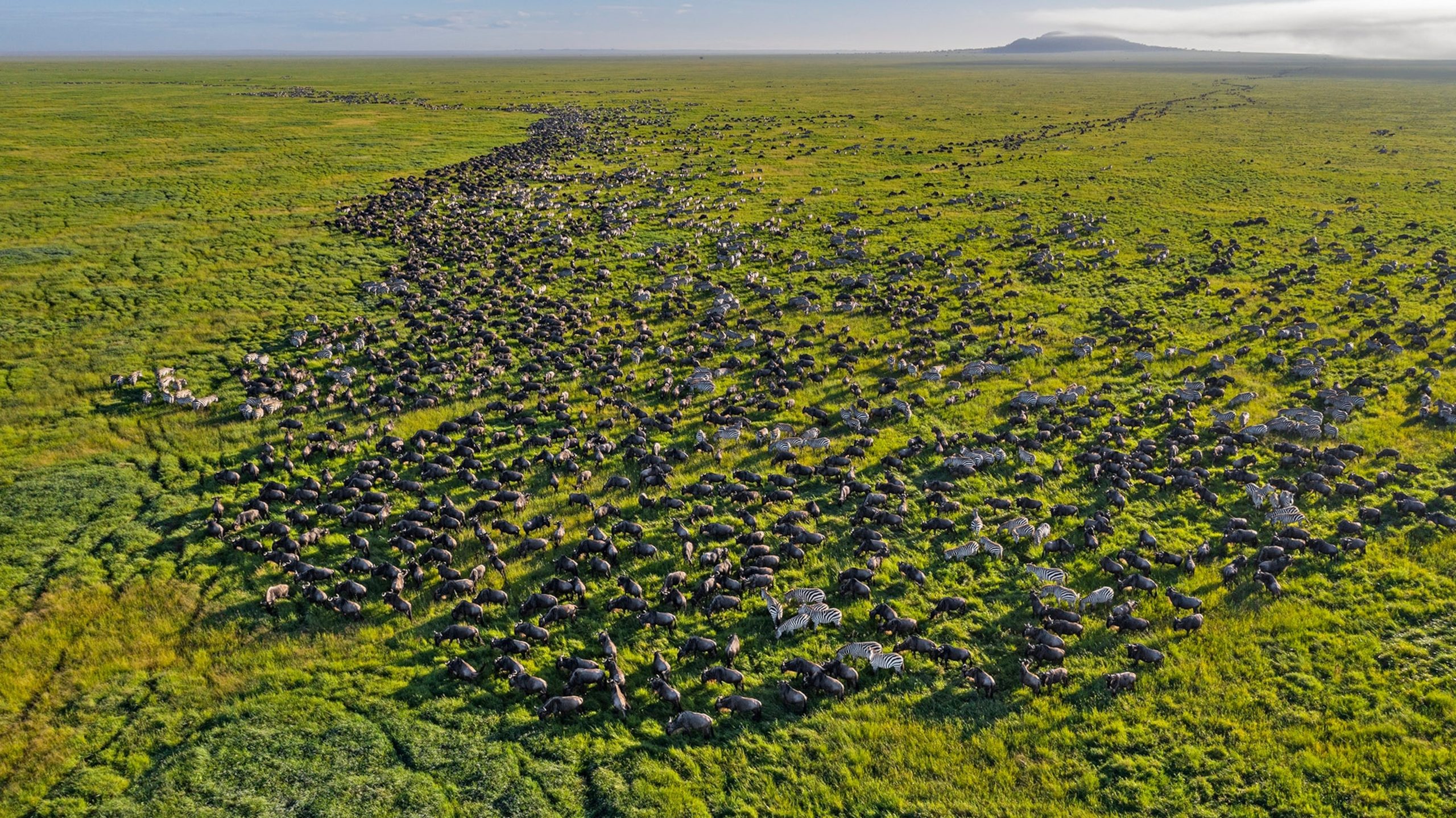
Northern Tanzania — the forests and flamingos of Lake Manyara, the Serengeti plains and the wildlife of one of Africa's greatest safari circuits.
Why a Lake Manyara Safari Is So Special
Quick Answer
Lake Manyara National Park is a small, scenic gem set against the Great Rift Valley escarpment — famous for tree-climbing lions, lush groundwater forest, huge elephant herds and flamingo flocks that paint the lake shore pink.
Best time: June–October for general game viewing; November–May for flamingos and lush forest. Cost: roughly $500–$2,200 per person per day as part of a northern circuit. Ideal length: half-day to 1 full day. Reached from Arusha in about 2 hours. A beautiful, compact counterpoint to the vast plains of the Serengeti.
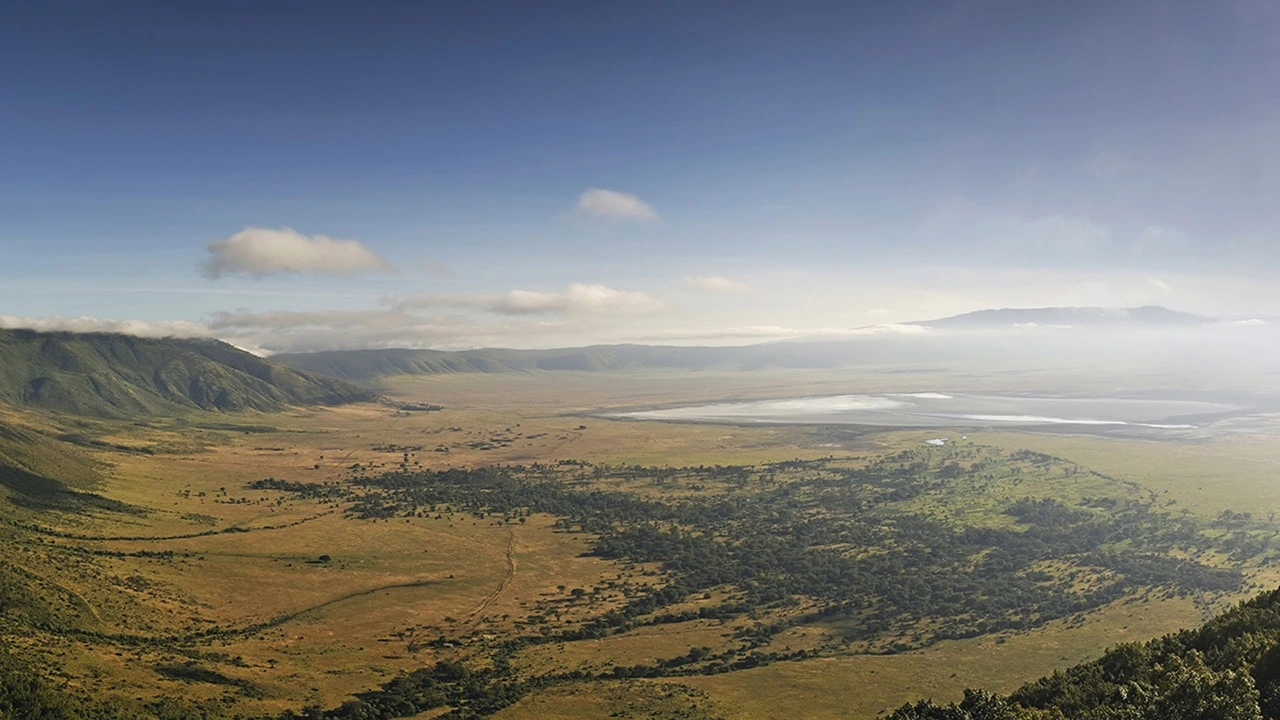
Lake Manyara stretches in a narrow strip along the base of the western escarpment of the Great Rift Valley, covering just 330 square kilometres. Despite its size, the park packs remarkable diversity into a small area — groundwater forest, acacia woodland, open grassland, the alkaline lake and hot springs, each with its own wildlife.
The tree-climbing lions
Manyara is one of only a handful of places in Africa where lions regularly take to the trees, lounging in the branches of acacias and fig trees high above the ground. The sight is surreal and photogenic, and it has become the park's signature. Sightings are not guaranteed on every visit — lions are lions, and they do as they please — but an experienced guide knows the territories and the favourite trees, and over a couple of drives the odds are good.
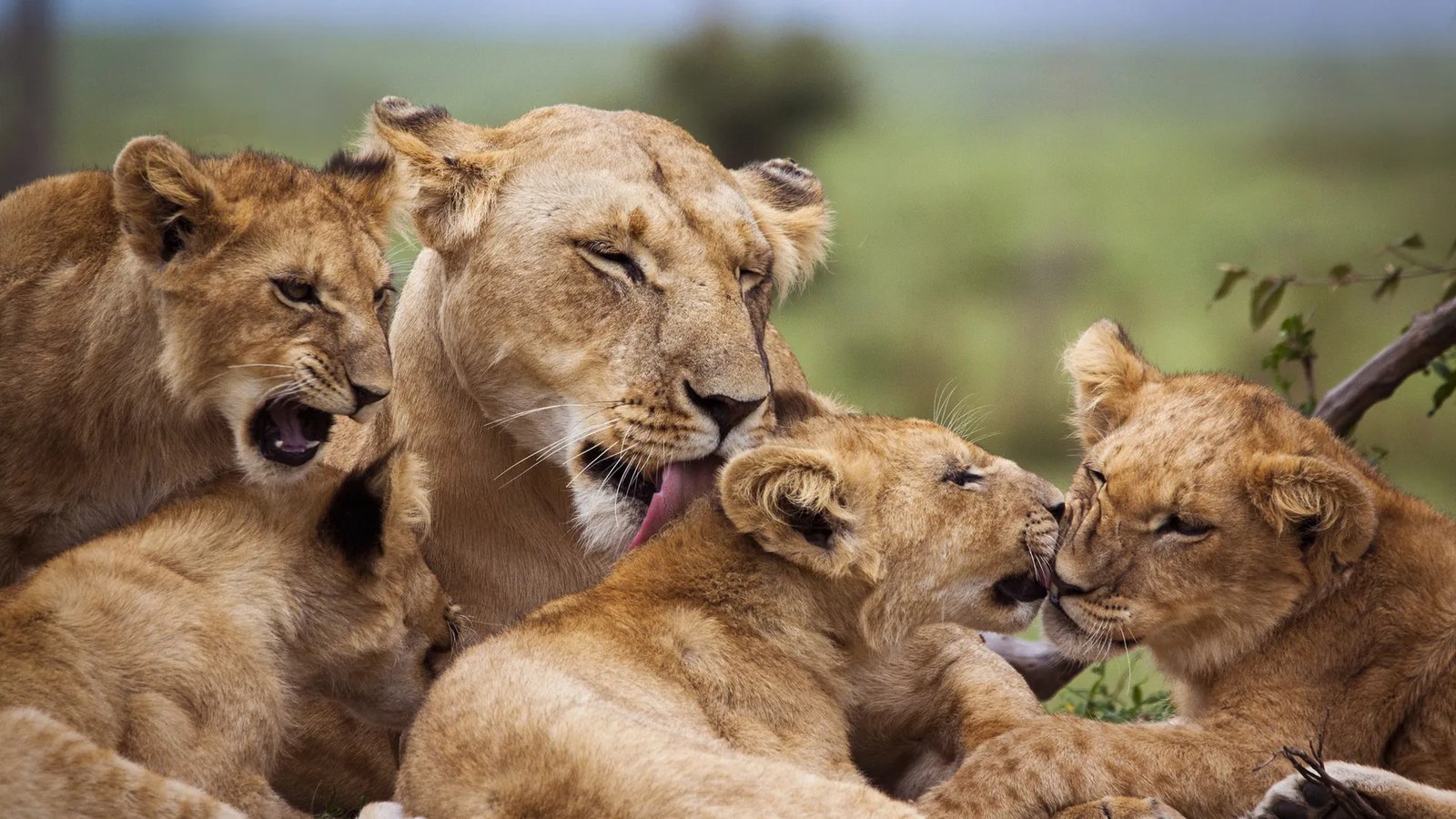
The famous tree-climbing lions of Lake Manyara — a rare and unforgettable sight.
The groundwater forest and elephants
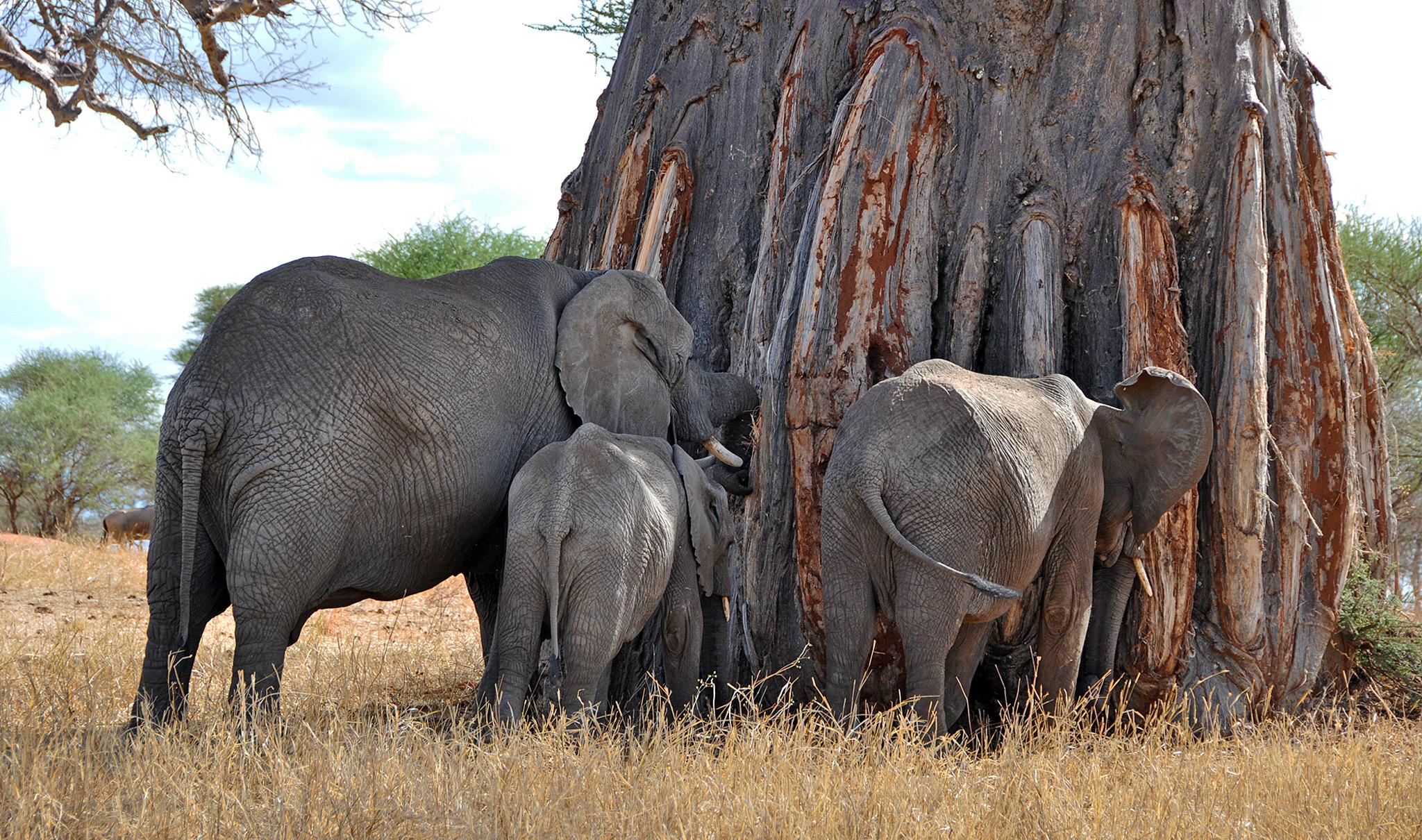
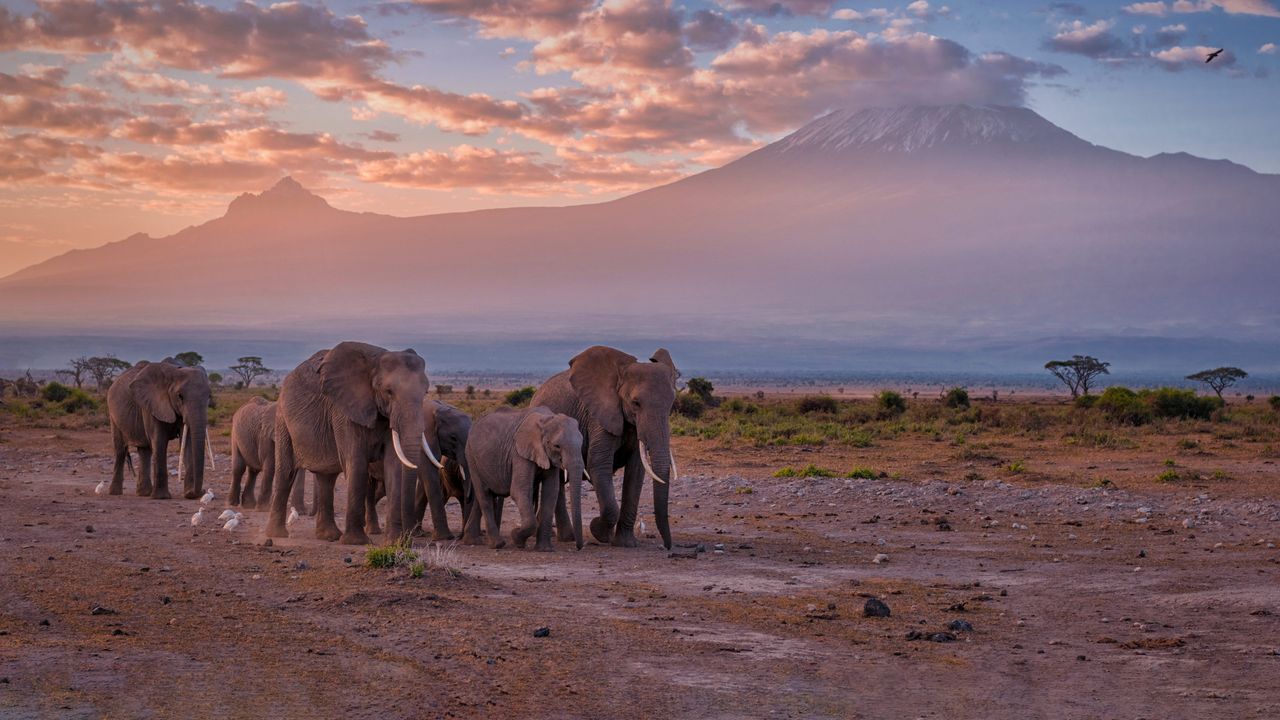
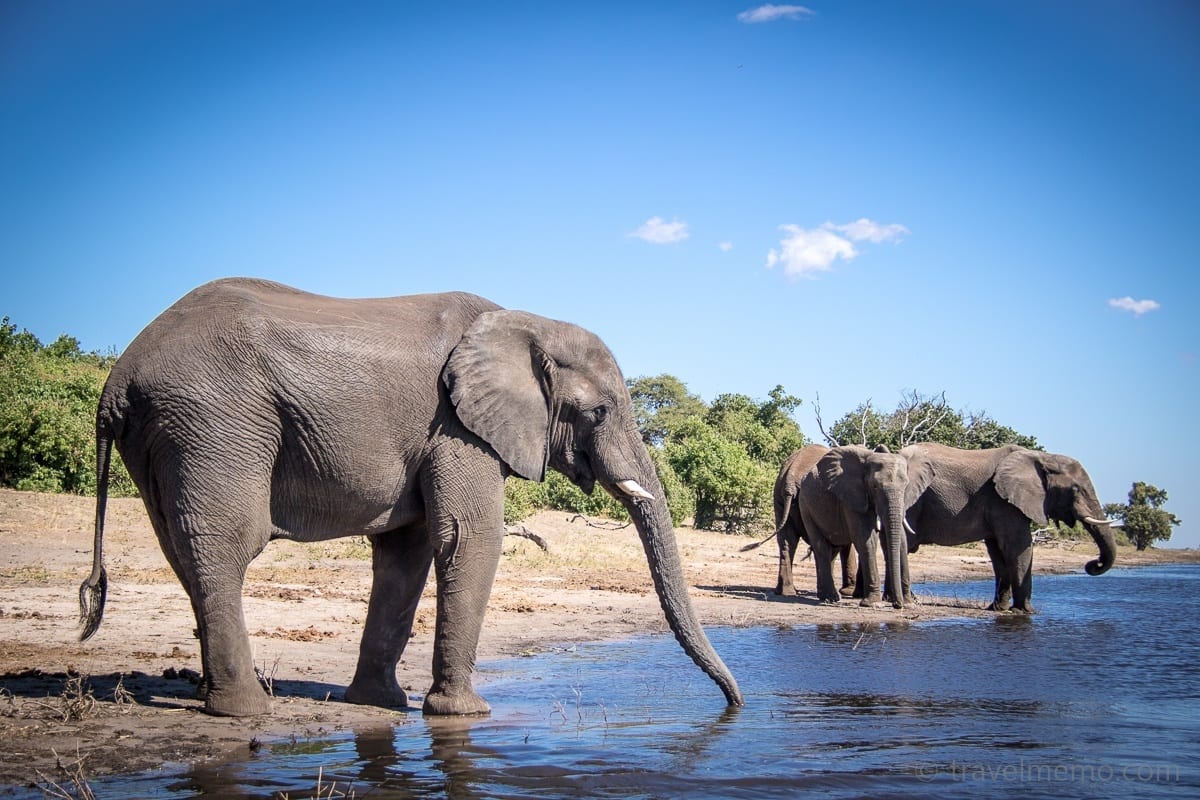
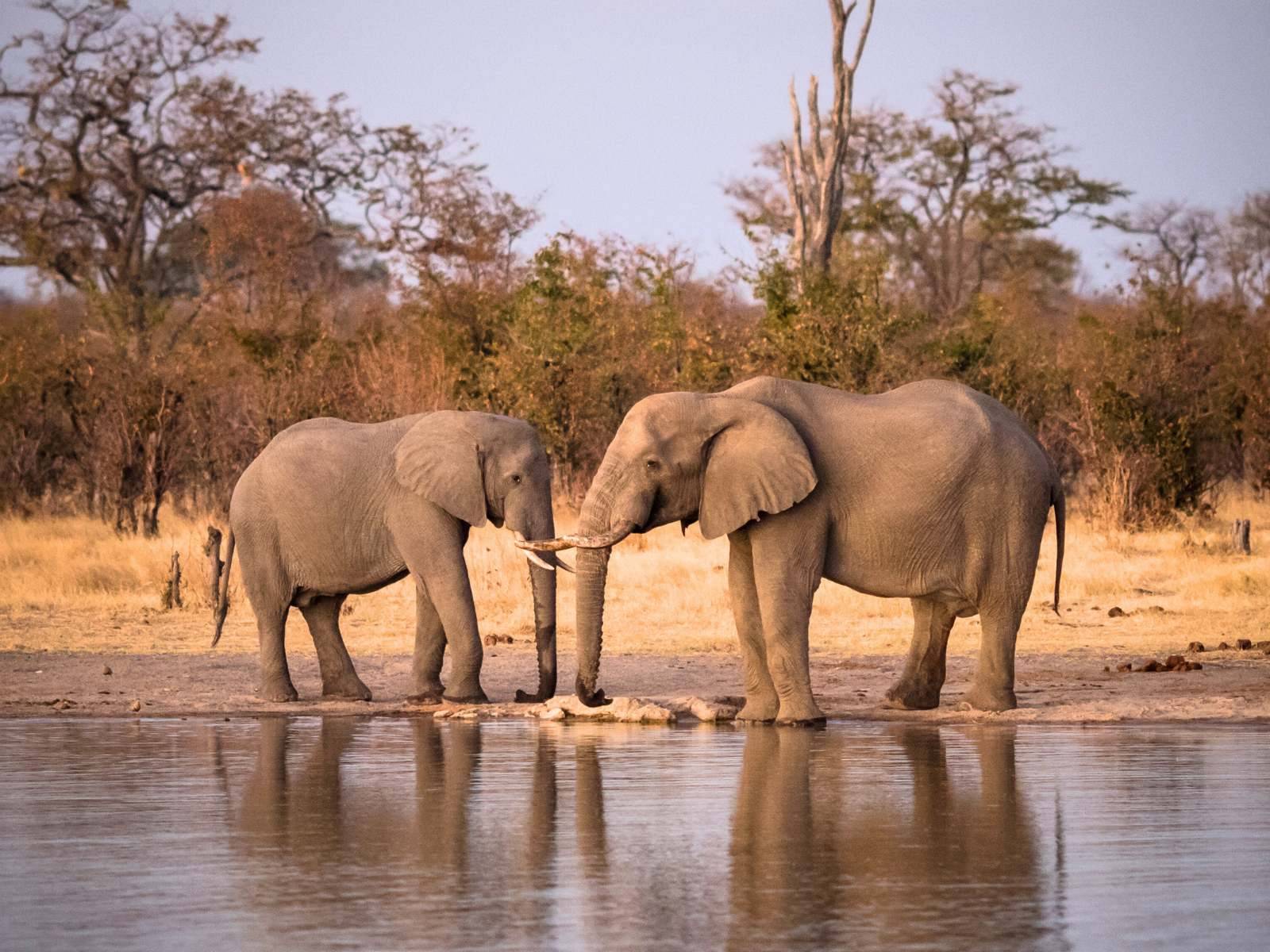
The park entrance leads into a dense groundwater forest fed by streams flowing down from the escarpment — a lush, green cathedral of fig, mahogany and tamarind trees alive with baboons, blue monkeys and birds. This forest is also home to some of the largest concentrations of elephant in Tanzania, and the sight of great grey shapes moving through the dappled shade is magical.
The lake and the flamingos
Lake Manyara itself is a shallow, alkaline soda lake that swells and shrinks with the rains. In the wet season, it can fill with tens of thousands of flamingos, turning the shore into a rippling sheet of pink. Pelicans, storks, cormorants, herons and over 400 other bird species make Manyara one of the premier birdwatching destinations in Tanzania.
The Great Rift escarpment
The backdrop to every sighting is the towering western wall of the Great Rift Valley, rising 600 metres above the lake in a dramatic rust-and-gold cliff. Lodges perched on the escarpment rim offer some of the most spectacular views in Tanzania, and the drive up and down the escarpment is an experience in itself.
Best Time to Visit Lake Manyara
Lake Manyara is rewarding year-round, but the season affects the water levels, flamingo numbers and vegetation thickness.
| Season | Months | What to Expect |
|---|---|---|
| Dry season | Jun–Oct | Easier general game viewing, thinner vegetation. Lake can be low, flamingo numbers variable. |
| Green season | Nov–May | Lush forest, lake fills, vast flamingo flocks, superb birdlife. Thick vegetation, wildlife more dispersed. |
For the flamingo spectacle and the greenest forest, the wet season is magical. For easier overall game viewing and tree-climbing lion sightings, the dry season is more reliable.
Lake Manyara in the Northern Circuit Context
| Park | Signature Experience | Crowds | Best For |
|---|---|---|---|
| Lake Manyara | Tree-climbing lions, flamingo flocks, lush groundwater forest | Moderate | Birdwatching, scenic beauty, unique lion behavior |
| Tarangire | Huge elephant herds, ancient baobabs, dry season concentration | Lower | Elephants, game density, less-crowded alternative |
| Ngorongoro Crater | Caldera wildlife theatre, Big Five in one day, black rhino | Higher | Concentrated game viewing, guaranteed variety |
| Serengeti | Great Migration, vast plains, apex predator capital | Variable by region | Migration spectacle, big cats, endless horizons |
What to See and Do in Lake Manyara
Manyara is compact, and a half-day or full-day drive covers the park's highlights.
The forest drive
The entrance track winds through the groundwater forest, where elephant, baboon, blue monkey and bushbuck are common, and the tree-climbing lions are often found in the acacia groves beyond.
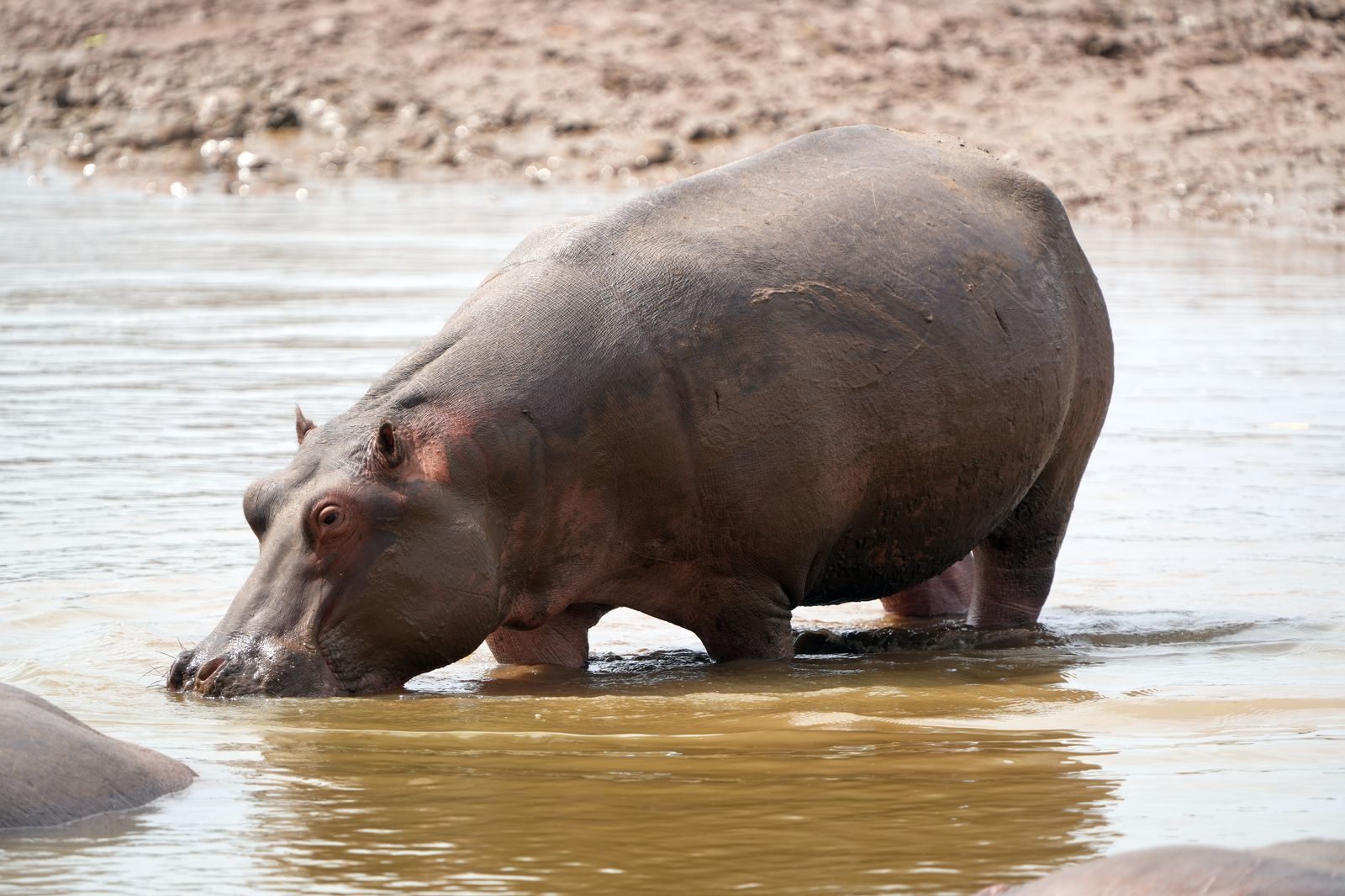
Hippo pools dot the park, where hippos wallow in the streams and springs.
The lake shore and birdlife
The track follows the lake shore, where flamingo flocks gather and pelicans, storks and water birds feed in the shallows. The birdwatching here is extraordinary, with raptors, hornbills, bee-eaters and kingfishers adding to the tally.
The hippo pools
Freshwater pools fed by the escarpment streams are home to pods of hippo, and the hippo pools overlook allows close, safe viewing from wooden platforms.
Where to Stay Near Lake Manyara
Accommodation ranges from lodges on the escarpment rim with sweeping rift valley views to comfortable camps near the park entrance.
Escarpment lodges
The lodges perched on the rift escarpment above the lake offer some of the most spectacular views in Tanzania — the lake, the valley floor and the park spread out below. These range from comfortable to luxury, and the sunsets are unforgettable.
Park entrance lodges
Lodges near the park gate offer convenient access and good value, ideal for an early morning drive into the park.
We match the property to your style, budget and the wider northern circuit itinerary.


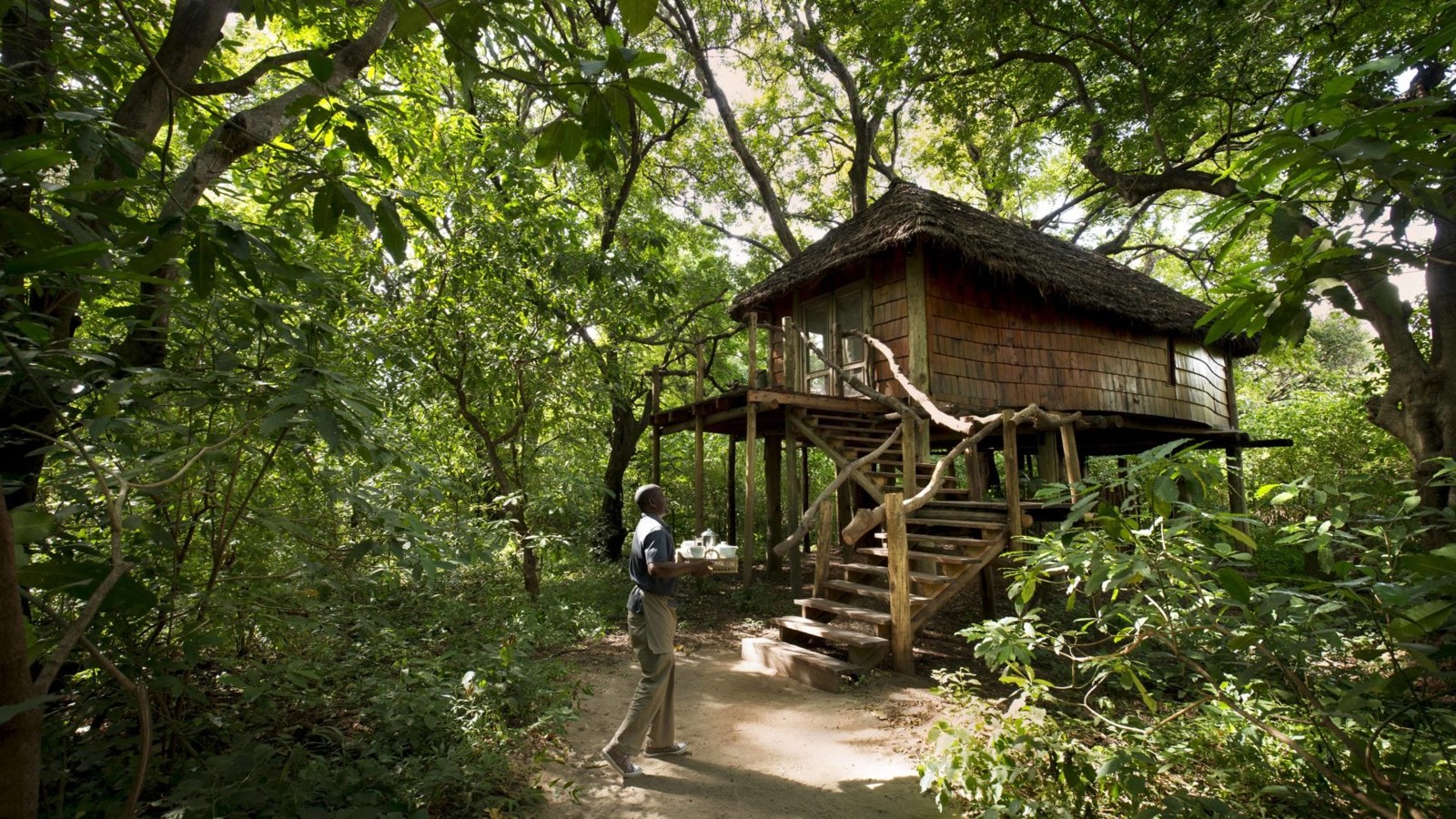


Lake Manyara Lodge Tiers & Positioning
| Lodge | Tier | Position | Approx Cost/Night (USD) |
|---|---|---|---|
| Lake Manyara Tree Lodge | Luxury | In-park private concession, mahogany forest | $950–1,500 |
| Lake Manyara Serena Safari Lodge | Mid-luxury | Escarpment rim, panoramic valley views | $400–650 |
| Kirurumu Manyara Lodge | Comfort | Escarpment rim, spectacular views | $250–400 |
Sample Northern Tanzania Itinerary Featuring Lake Manyara (7 Nights)
A beautifully paced northern circuit with Manyara as a scenic chapter.
- Day 1: Arrive in Arusha; overnight at a country lodge.
- Day 2: Drive to Lake Manyara for a half-day game drive; continue to a lodge on the escarpment or Karatu.
- Day 3: Sunrise descent into the Ngorongoro Crater; continue to the Serengeti.
- Days 4–6: Explore the Serengeti, tracking big cats and the migration.
- Day 7: Final morning drive and fly from the Serengeti back to Arusha for onward travel.
This easily swaps in Tarangire for elephants and baobabs, or extends with a Zanzibar beach finale.
How Much Does a Lake Manyara Safari Cost?
Costs depend on the season, the lodge tier and the wider northern circuit. As a guide for a fully private safari in 2026:
- Comfortable to premium lodges: roughly $500–$950 per person per day, all-inclusive of game drives, meals and fees.
- Luxury escarpment lodges: roughly $1,000–$2,200 per person per day.
- A classic 7-night northern circuit: typically $4,000–$12,000 per person depending on tier and whether you fly between parks.
Manyara adds little extra cost to a northern circuit trip because it is small and explored in a half-day, and a private safari is excellent value when you consider it includes your guide, vehicle, park fees, accommodation and meals.
Lake Manyara, Tarangire or Both?
Manyara and Tarangire are different experiences, and many northern circuits include both. Manyara is smaller, more scenic, lush and famous for tree-climbing lions and flamingos; Tarangire is larger, drier and delivers the greatest elephant herds in Tanzania. If time is tight, Tarangire edges ahead for sheer wildlife density, but Manyara's beauty and birdlife make it a lovely addition. Our specialists will match the itinerary to what matters most to you.
Combining Lake Manyara With the Rest of Tanzania
Lake Manyara pairs naturally with Tarangire for elephants, Ngorongoro for the crater, the Serengeti for the migration, and Zanzibar for white-sand beaches. Our Tanzania safari guide covers the whole country, and our private safari specialists weave any of these into one smooth, fully private journey.
How to Plan Your Lake Manyara Safari
Lake Manyara rewards travellers who plan with intent — the right season for flamingos or tree-climbing lions, the right lodge on the escarpment and a guide who knows the park's secrets. That is exactly what we do. Explore the Tanzania destinations, use the trip planner, or contact our specialists for a tailor-made, fully private northern circuit built around you.