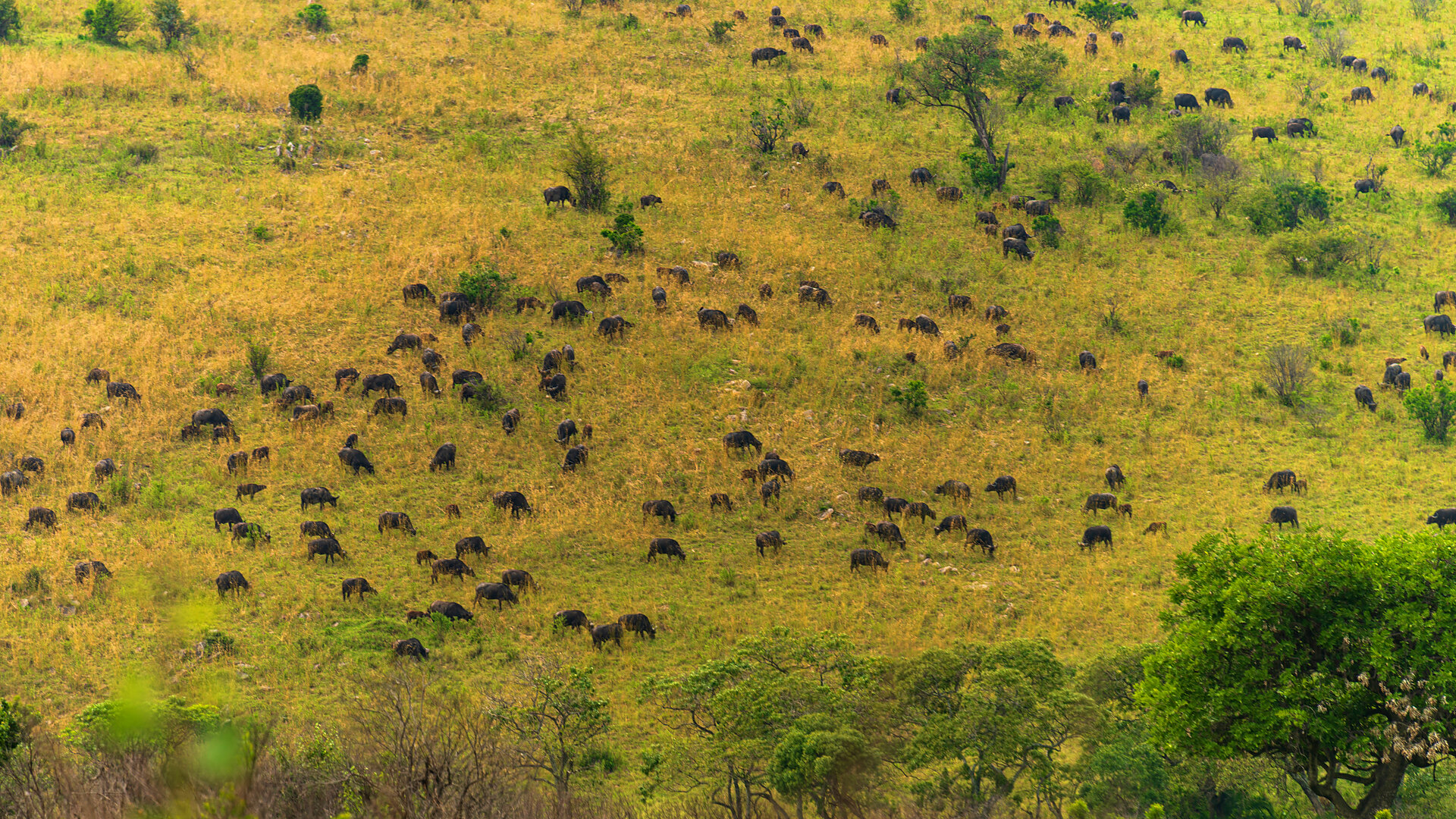
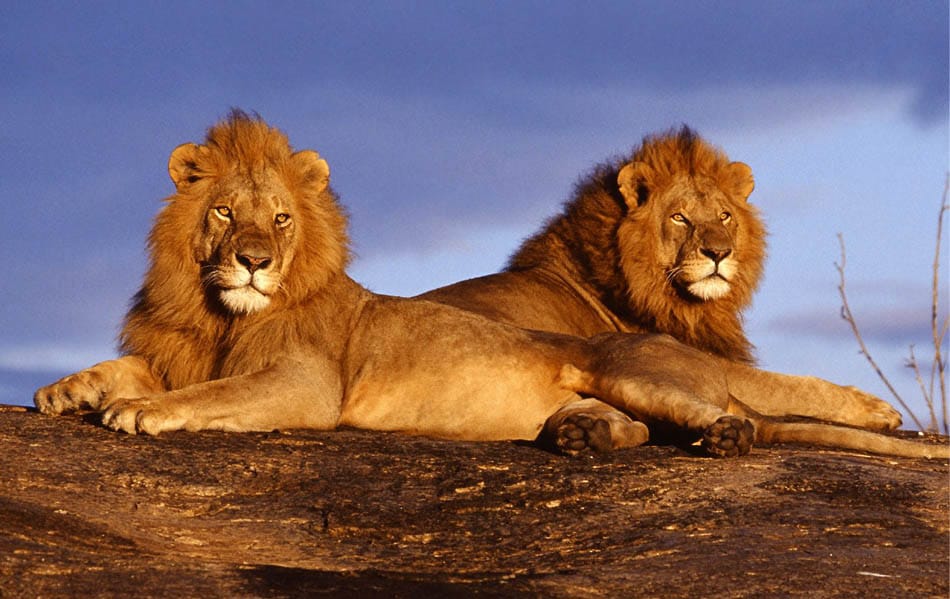
Amboseli is the land of giants. Across its dusty, shimmering plains move some of the largest herds of elephants in Africa — among them the famous 'big tuskers', bulls whose ivory is so long it sweeps the grass — and behind them rises the snow-capped dome of Mount Kilimanjaro, the highest mountain on the continent. It is the single most iconic image of an African safari, and Amboseli delivers it day after day.
🦁 Planning Your Kenya Safari?
For the complete kenya safari resource - expert guides, honest costs, luxury lodges, curated itineraries, and everything you need to plan your trip - visit our comprehensive hub:
View Complete Kenya Safari Hub →This complete Amboseli National Park safari guide covers exactly when to go for the clearest mountain views and the best game viewing, where to find the famous elephants and the big cats, the finest lodges, honest 2026 costs, sample itineraries and how to plan a private safari that places you on the plains for that unforgettable Kilimanjaro sunrise.
Kenya — the elephants of Amboseli, the big cats of the Mara and the landscapes of one of Africa's greatest safari countries.
Why an Amboseli Safari Is So Special
Quick Answer
Amboseli National Park offers Africa's most iconic safari image — vast herds of elephants, including some of the last great big tuskers, crossing golden plains beneath the snow-capped peak of Mount Kilimanjaro.
Best time: June–October and January–February for clear mountain views and easy game viewing; green season for lush scenery and value. Cost: roughly $400–$2,000 per person per day depending on lodge tier. Ideal length: 2–3 nights. Reached from Nairobi by a 4-hour drive or under an hour by air. The world's finest elephant destination.
Amboseli is not the largest of Kenya's parks, but few are so instantly recognisable. Its name comes from a Maasai word meaning 'salty dust', and in the dry season the plains do shimmer with dust devils and mirage. Yet at its heart lie lush, spring-fed swamps — sustained by water filtering down from Kilimanjaro's glaciers — that draw wildlife in remarkable density and keep the great elephant herds here all year.
The most famous elephants in Africa
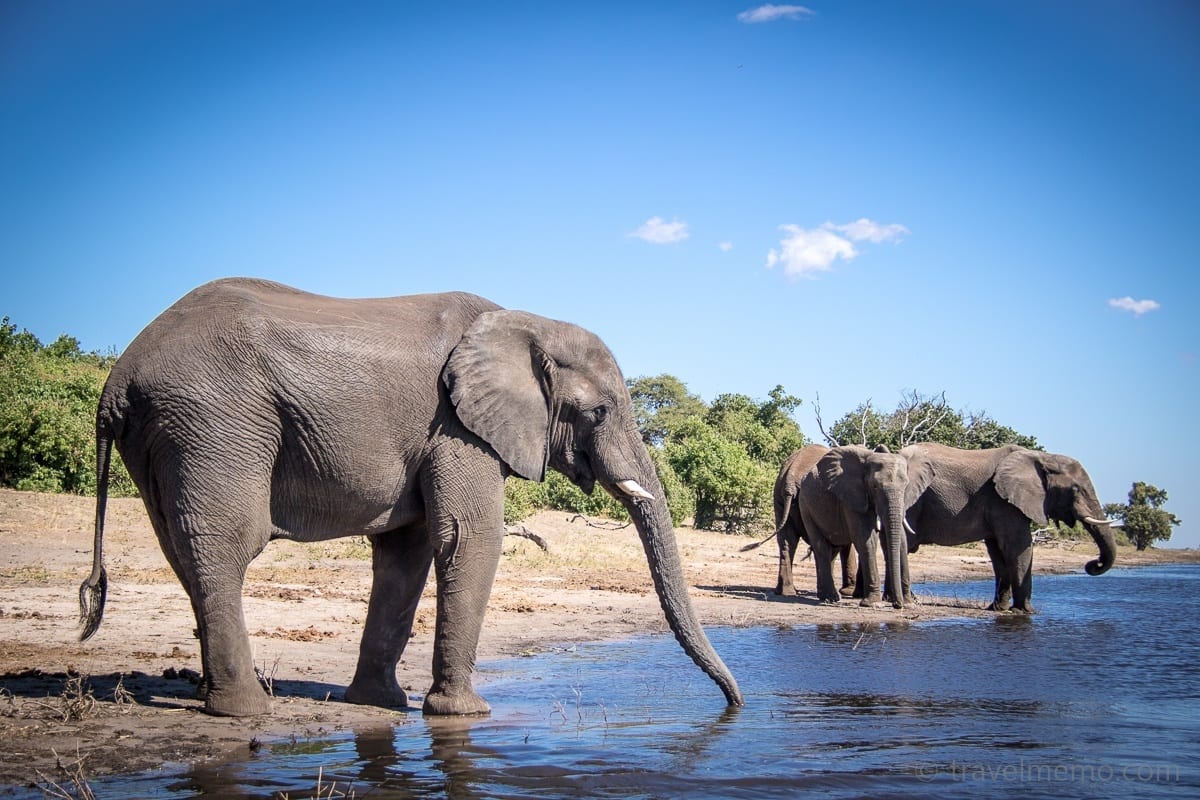
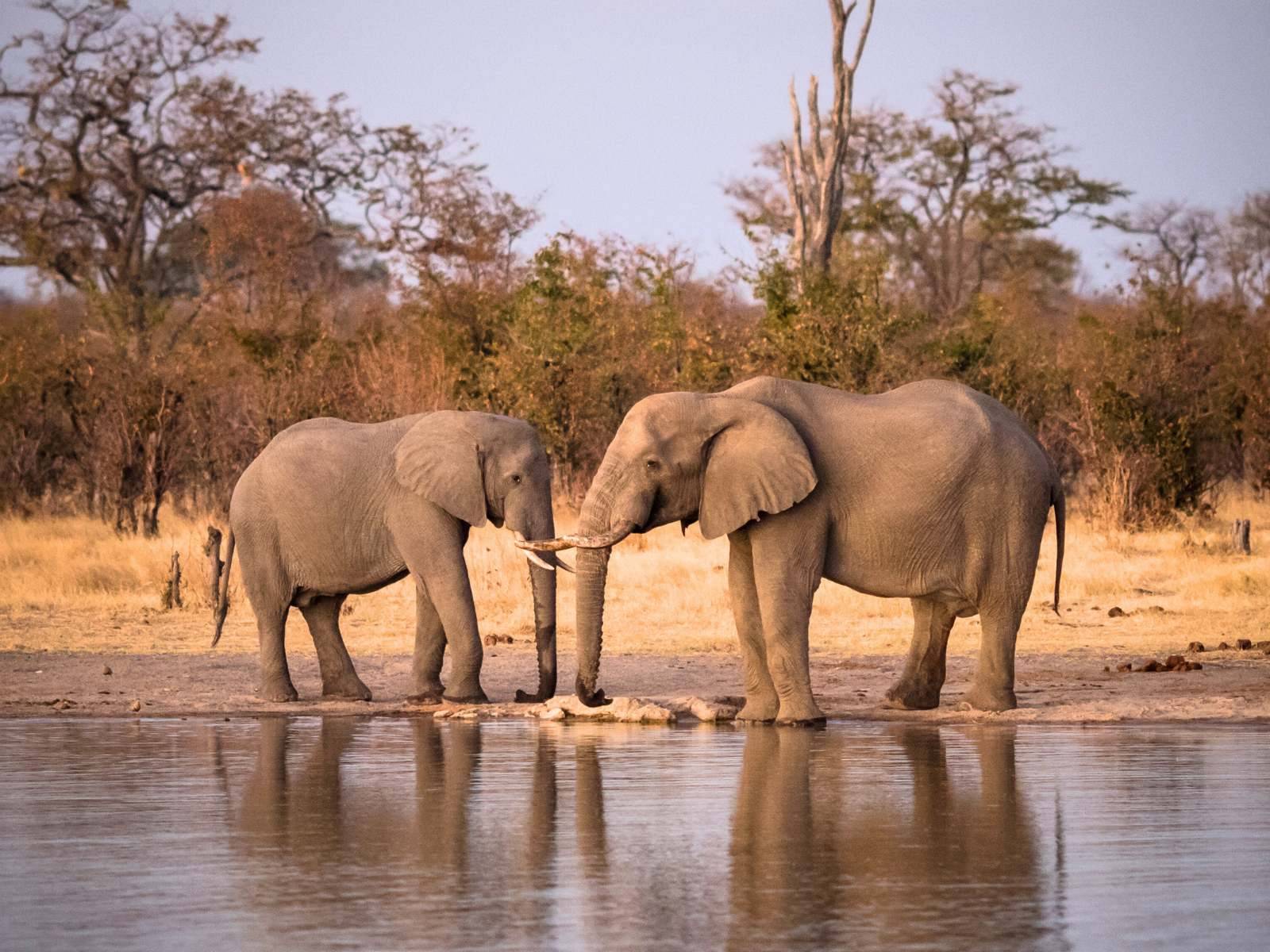
Amboseli's elephants are perhaps the best understood in the world, studied continuously for decades in one of the longest-running wildlife research projects anywhere. The herds are large, multi-generational and wonderfully relaxed around vehicles, allowing close, respectful encounters. This is also one of the last refuges of the big tuskers — magnificent bulls whose genes for enormous ivory have been protected here. Watching one of these giants stride across the plain beneath the mountain is a moment you never forget.
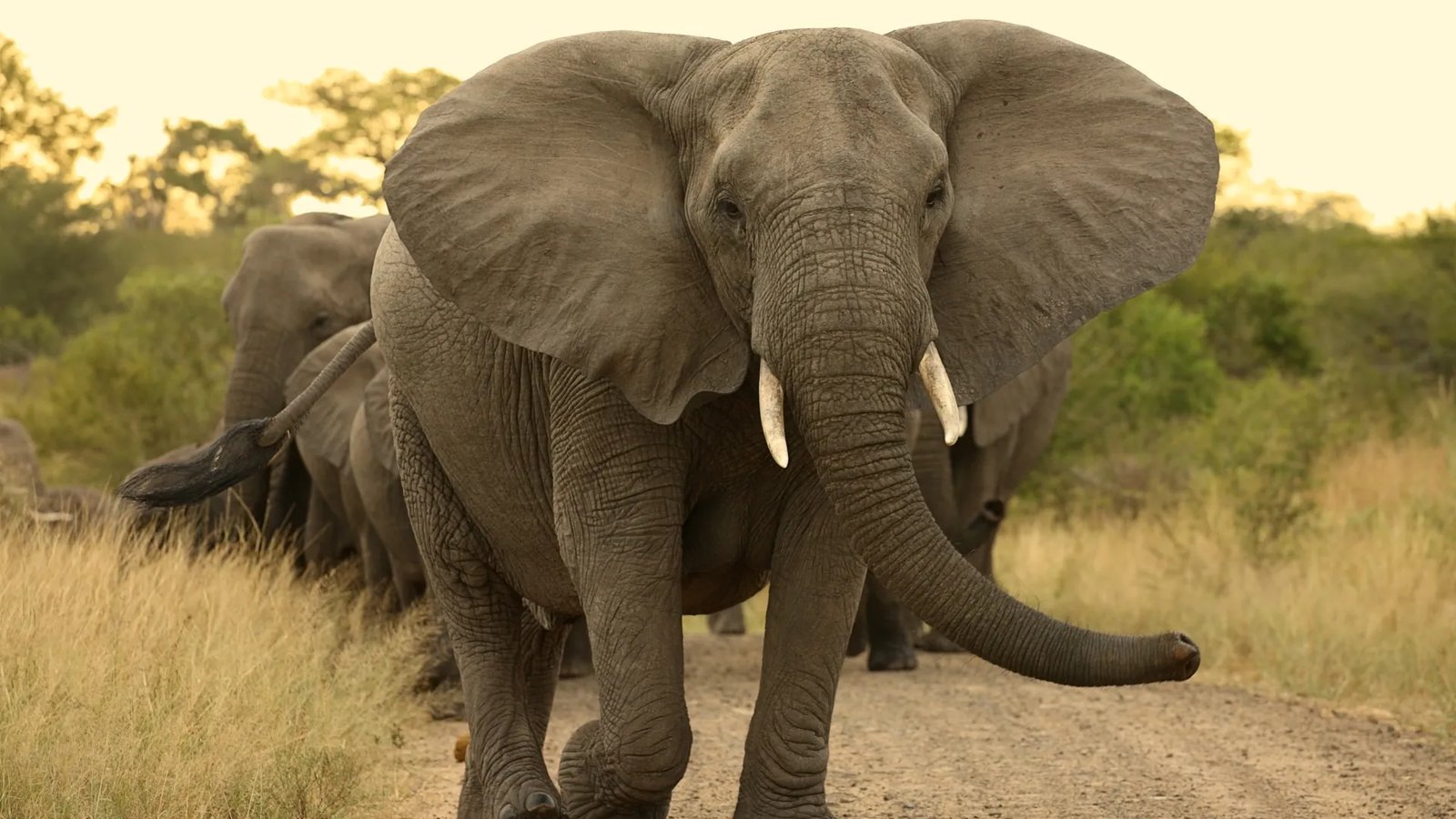
Amboseli is one of the last places on earth to see 'big tusker' bull elephants up close.
Kilimanjaro, the rooftop of Africa
Although the mountain itself stands across the border in Tanzania, the classic view of Kilimanjaro belongs to Amboseli. The snow-capped summit floats above the southern horizon, clearest in the cool early morning and late afternoon before the cloud builds. Photographers come from around the world for the combination of elephants, acacia and that perfect white peak — a composition that has come to define the African safari.
Plains game and predators
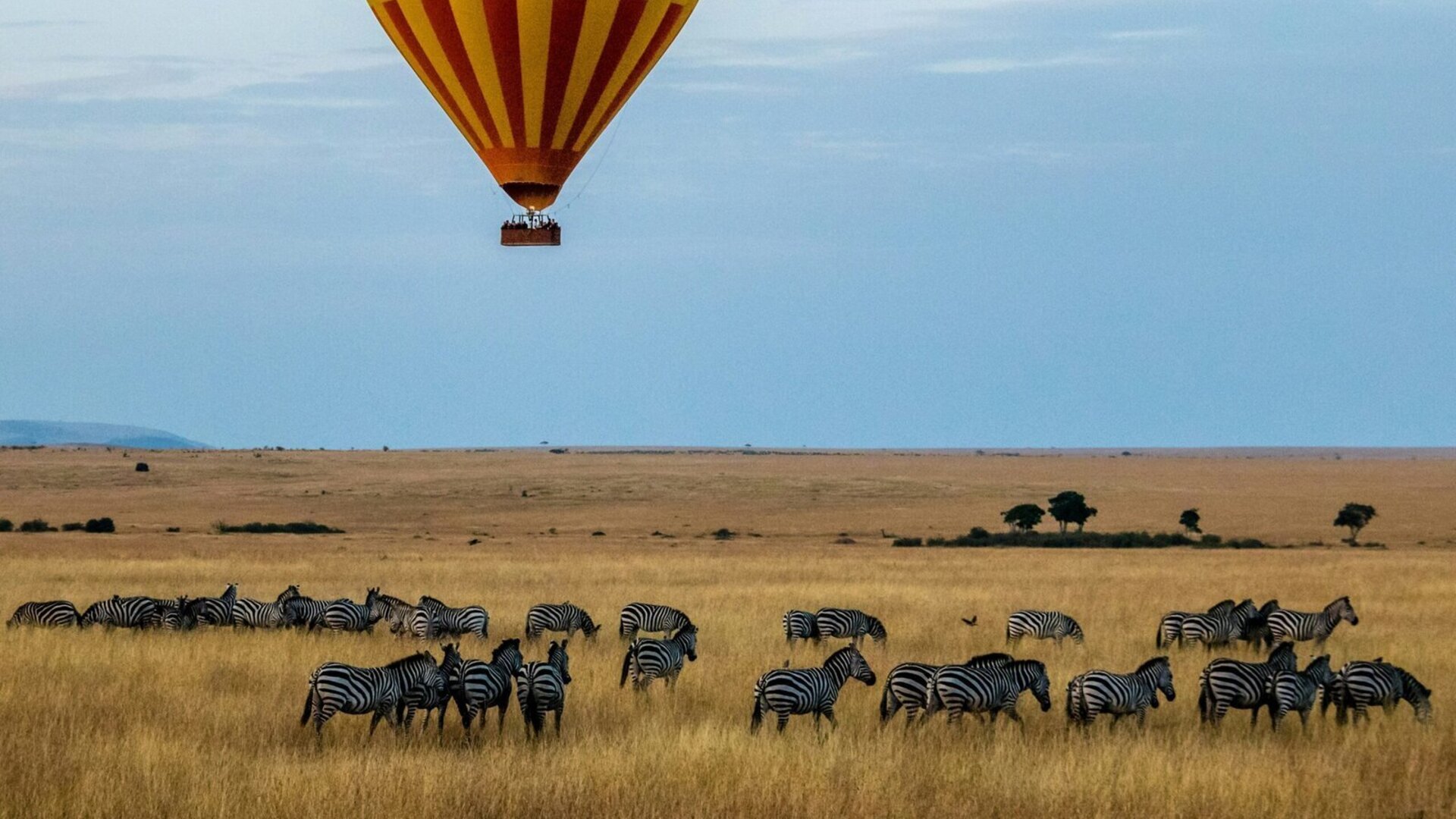
Beyond the elephants, the open plains teem with zebra, wildebeest, giraffe, gazelle and buffalo, and where there is plains game there are predators. Lion and cheetah hunt across the grassland, spotted hyena patrol at dawn, and the birdlife — especially around the swamps and Lake Amboseli — is prolific, with pelicans, flamingos and crowned cranes among hundreds of species.
Best Time to Visit Amboseli
Amboseli is a year-round destination, but the season strongly affects both the game viewing and your chances of a clear Kilimanjaro view.
| Season | Months | What to Expect |
|---|---|---|
| Dry season | Jun–Oct | Peak season. Clear Kilimanjaro views, wildlife concentrated at the swamps, dusty golden plains. |
| Short dry spell | Jan–Feb | Warm, clear and excellent for the mountain and game viewing, between the two rainy spells. |
| Green season | Nov–Dec | Short rains, lush scenery, newborn animals, fewer vehicles, good value. Mountain often cloudy. |
| Long rains | Mar–May | Wettest months, dramatic skies, lowest prices, very quiet. Wildlife remains resident. |
For the classic elephants-and-Kilimanjaro photograph, the dry-season months and the golden light of dawn or dusk give the best odds. For lush landscapes and value, the green season is lovely — just be patient with the mountain, which often hides behind cloud.
What to See and Do in Amboseli
Amboseli is compact enough to explore thoroughly in a couple of days, with distinct habitats packed into a small area.
The swamps and plains
The spring-fed Enkongo Narok and Olokenya swamps are the green heart of the park, drawing elephants, buffalo, hippo and a wealth of birds even at the height of the dry season. The surrounding plains are where the great herds and the predators roam.
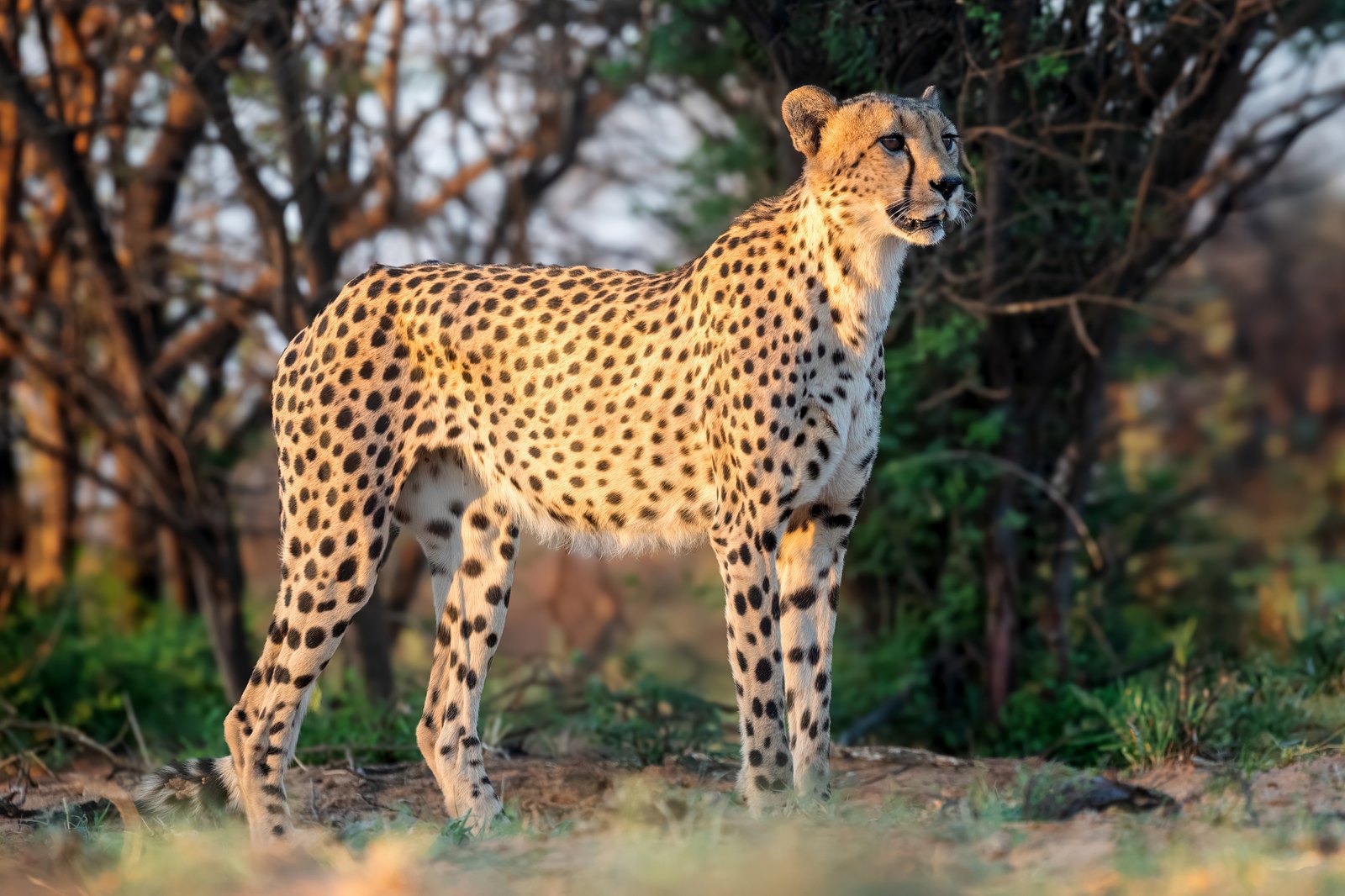
The open plains of Amboseli are prime hunting ground for cheetah and lion.
Observation Hill
One of the few places visitors may leave the vehicle, this pyramid-shaped hill offers a panoramic view over the swamps, the plains and — on a clear day — Kilimanjaro itself. It is the perfect spot to grasp the layout of the park and to watch elephants moving below.
Maasai culture
Amboseli sits within Maasai land, and a visit to a nearby village or a walk with a Maasai guide on a community conservancy adds a rich human dimension to the wildlife.
Where to Stay in Amboseli
Accommodation ranges from comfortable lodges inside the park to exclusive camps on the surrounding Maasai conservancies.
Classic and comfortable
Well-run lodges within the park offer reliable comfort, good guiding and superb mountain views at fair value — ideal for first-time safari-goers and families.
Premium camps and conservancies
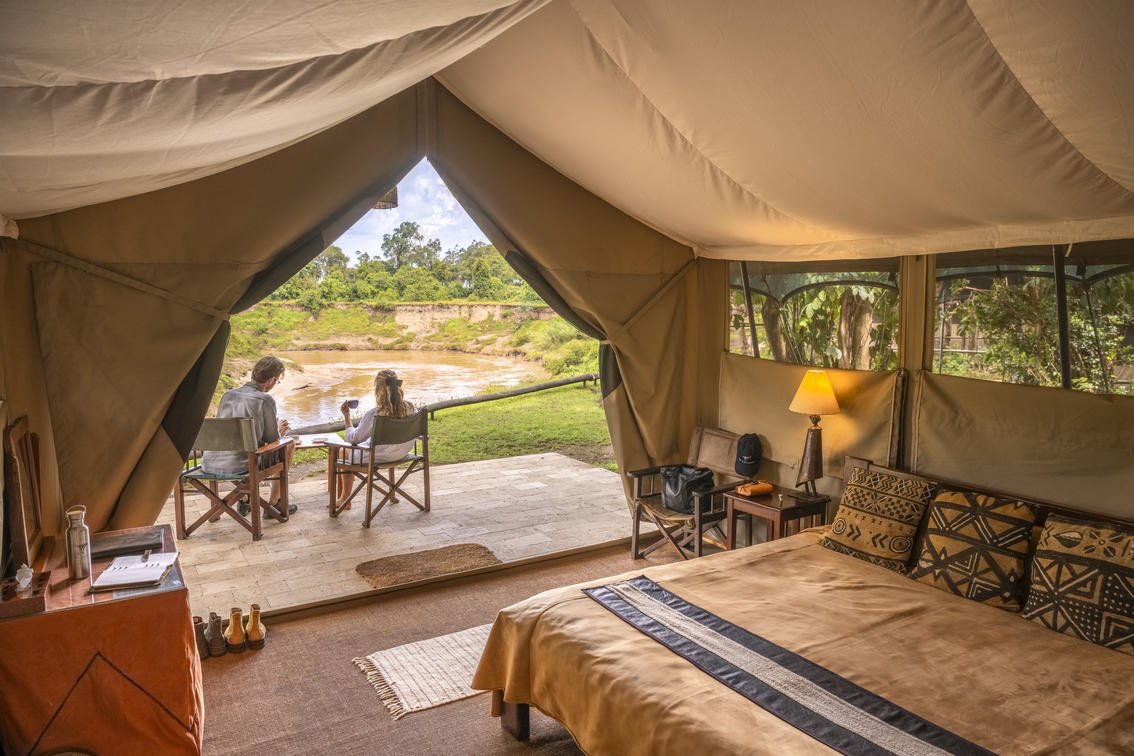
On the private conservancies bordering the park, intimate tented camps offer fewer vehicles, walking safaris, night drives and a more exclusive feel, with the same elephants and the same mountain.
The finest luxury lodges
At the top sit a handful of beautifully designed lodges and camps with private verandas framing Kilimanjaro, exceptional guiding and gourmet dining — perfect for honeymoons and special occasions. We match the property to your style and budget.
Sample Amboseli Safari Itinerary (3 Nights)
A simple, beautifully paced trip focused on elephants and the mountain.
- Day 1: Fly or drive from Nairobi to Amboseli. Afternoon game drive among the elephant herds.
- Day 2: Sunrise drive for Kilimanjaro views, exploring the swamps and plains, with a climb up Observation Hill.
- Day 3: Morning with the elephants and a Maasai cultural visit; afternoon at leisure to enjoy the view.
- Day 4: Final dawn drive and return to Nairobi, or fly onward to the Masai Mara.
This pairs perfectly with the Masai Mara for big cats and the migration, with Tsavo for a wilder experience, or with a Kenyan coast finale on the Indian Ocean.
How Much Does an Amboseli Safari Cost?
Costs depend on the season, the lodge tier and whether you fly in. As a guide for a fully private, professionally guided safari in 2026:
- Comfortable to premium lodges: roughly $400–$850 per person per day, all-inclusive of game drives, meals and fees.
- Luxury lodges and conservancy camps: roughly $900–$2,000 per person per day.
- A classic 2–3 night trip: roughly $1,200–$5,000 per person depending on tier.
A private safari is excellent value when you consider it includes your guide, vehicle, park fees, accommodation and all meals — and Amboseli's proximity to Nairobi keeps transfer costs low.
Amboseli or the Masai Mara?
They are wonderfully complementary, not competing. Amboseli is the place for intimate, large-herd elephant encounters and the Kilimanjaro backdrop, while the Masai Mara offers the densest big cats and the drama of the Great Migration. Many of our travellers combine the two for the complete Kenyan safari — the giants beneath the mountain, then the predators of the Mara. Our safari photography guide has tips for capturing both at their best.
Combining Amboseli With the Rest of Kenya
Amboseli pairs beautifully with the Masai Mara for big cats, Laikipia or Lake Nakuru for rhino, the wild expanses of Tsavo, or a Diani or Mombasa beach finale on the Indian Ocean. Our Kenya safari guide covers the whole country, and our specialists weave any of these into one smooth, fully private journey.
How to Plan Your Amboseli Safari
Amboseli rewards travellers who plan with intent — the right lodge with a clear mountain view, the right season and a guide who knows the elephant families by sight. That is exactly what we do. Explore the Kenya destinations, read about private safari tours in Kenya, use the trip planner, or contact our specialists for a tailor-made, fully private Amboseli safari built around you.